Even The Pope Has Lost His Twitter Blue Tick

Pope Francis, Cristiano Ronaldo and Beyonce are among the first big-name casualties as Twitter removed the “blue tick” from legacy verified accounts.

Twitter Verified tweeted that legacy checkmarks would be removed from the site on April 20, with the main way of getting a blue tick being to sign up for Twitter Blue, which includes an £8 monthly fee for those based in the UK.

The legacy checkmarks began disappearing towards the tail end of Thursday.

Some of the biggest accounts losing their ticks include former president Donald Trump, as well as the official Twitter page for the Pope.

Some legacy accounts seemed to retain their ticks if linked to a verified organisation, including Barack Obama’s personal page.

Elon Musk had promised to take away all of Twitter’s blue check marks doled out to Hollywood stars, professional athletes, business leaders, authors and journalists unless they start buying a monthly subscription to the social media service.

Musk’s goal was to shove the advertising-dependent platform he bought for $44 billion last year into a pay-to-play model.

Twitter Verified Organisations enables bodies of “all types”, including businesses, non-profits and government institutions, to sign up and manage their verification and to affiliate and verify any related account. But it costs a base price of £950 a month.

Some were wistfully saying goodbye to their status …

Share Button

‘Shockingly Cruel’: Fury As Rishi Sunak Gives In To Tory Right On Migrant Deportations

Rishi Sunak’s move to ignore human rights judges on migrant deportations has been slammed as “shockingly cruel”.

The prime minister has reportedly caved to Tory rebels and agreed to amend his controversial Illegal Migration Bill so ministers can ignore European judges.

Conservative backbenchers said they reached a deal with Sunak to change new rules to remove migrants arriving on small boats after threatening to revolt over the legislation.

However, the move has sparked a fierce backlash from experts who say it will undermine the rule of law.

Human rights group Liberty described the move as “pathetic political chess playing”, adding: “This shockingly cruel and shameful move will allow the government to knowingly commit human rights abuses and put people in harm’s way.

“A new low, even by the standards of this government for whom lows come thick and fast.

“Reported edits to the government’s Migration Bill will allow ministers to ignore ‘interim measures’ from the European Court of Human Rights that ground deportation flight.

“The court only makes these measures to urgently protect people from irreversible harm – like torture or death.

“Protecting people isn’t controversial. This is the government knowingly putting people’s lives at risk for cheap political points.”

Among the measures reportedly agreed is a plan to give the home secretary powers to disregard injunctions from the European Court of Human Rights – so-called Rule 39 orders.

A former Lord Chief Justice and the Law Society of England and Wales have also expressed concern.

Lord Thomas, a cross-bench peer who headed the judiciary between 2013 and 2017, warned that the proposals could face defeat in the Lords, and that such a move would set “an extraordinarily bad example”.

“I think it is a very serious step for the government to be contemplating putting into force,” he told BBC Radio 4’s Today programme.

Defending the principle of the European Court of Human Rights, he said the fact of interim decisions in some cases “does not in any way detract from the importance of a judgment being made by a court”.

“Many people would say having the power to ignore a court order is something – unless the circumstances were quite extraordinary – this is a step a government should never take because it is symbolic of a breach of the rule of law.”

Richard Atkinson, the deputy vice-president of the Law Society of England and Wales, said he was concerned that the UK was heading towards a “clear and serious breach of international law”.

The bill has proved hugely controversial with critics warning it leaves the UK foul of its international obligations and right-wing Tories arguing it does not go far enough.

More moderate Tory MPs want the prime minister to commit to establishing safe routes via which asylum seekers can come to Britain.

The bill is aimed at changing the law to make it clear people arriving in the UK illegally will not be able to remain in the country.

A government spokesperson said: “The prime minister and home secretary are focused on delivering the five priorities for 2023 – halving inflation, growing the economy, reducing debt, cutting waiting lists and stopping the boats.

“While we have been clear there is no silver bullet, our Stop the Boats Bill will ensure anyone arriving illegally will be detained and swiftly removed, ending the unfair practice of people skipping the queue.”

Share Button

Yes Really, You Can Save Money By Regrowing Food From Kitchen Scraps

In the midst of a cost of living crisis, many of us are looking for ways to save money and some Tiktok users have one answer: regrow your own food.

It might seem like something that’s reserved for people who are experienced with gardening, have allotments and a lot of disposable income to spend on equipment and seeds but, realistically, all you need is some compost and leftover pots and jars.

The rest is all part of your weekly shop.

What’s more, by regrowing foods, you’ll be doing your part to reduce food waste – something that is hugely important in the UK as we throw away around 9.5 million tonnes of food waste in a single year despite 8.4 million people in the UK experiencing food poverty.

So which foods can you regrow from scraps?

Spring onions

Regrowing spring onions is incredibly simple. Here’s how to do it:

  • Cut the green top away from the onion and leave 3-5cm of the white base intact.
  • Place this into a shallow jar, glass, or mug and submerge half the plant in water.
  • Leave in a sunny place such as a windowsill and change the water every other day.
  • Take directly from the jar when ready.

Romaine lettuce

The white roots of lettuce are used for regrowth and to do this you simply:

  • Cut your lettuce leaves and leave 3-5cm of height on the roots.
  • Place it in a bowl with enough water to submerge around 1cm of the lettuce.
  • Place this in a sunny position and change the water every other day.
  • After two weeks, the lettuce should have sprouted new leaves and roots and, if so, plant into potting soil or compost for prolonged growth.
  • Harvest when the leaves are around 10cm.

Garlic

If you’re a big believer that ‘there’s no such thing as too much garlic,’ we have great news – you can grow your own, too.

Best planted between November and April, garlic takes a short while to grow but is worth the wait. You can use old or fresh cloves for this but fresh ones tend to grow faster.

To grow your own garlic:

  • Split open a garlic bulb, being careful to leave skin on all of the cloves.
  • Place these cloves upright into a shallow bowl, jar, or mug and ensure that only the bottom of the clove is submerged in water.
  • Once again, place in a sunny position and change the water every other day.
  • Once shoots have grown, they’re safe to be harvested and eaten.
  • You can, however, grow full garlic bulbs by planting your sprouted cloves into soil, using a deep pot and only using one clove per pot. This should take around nine months to mature but you’ll know when your garlic is ready because the leaves turn yellow.

Chillies, tomatoes and peppers

Lots of seeded foods can be regrown from the seeds found inside of them – although some are easier to grow than others.

  • Separate your seeds from the food itself – you may find it easier to remove the pulp from foods such as tomatoes first.
  • Dry your seeds by placing them onto a paper towel for up to a week.
  • Plant into soil or compost and water regularly for best results.

Herbs such as basil and mint

Frequent garnishes and vital parts of many sauces, herbs are the finishing touch to the best meals – but buying them fresh can be expensive. Luckily, regrowing from cuts is simple and can be done year-round. Here’s how:

  • Separate your leaves as far as possible while keeping the roots intact.
  • Place this into a glass or jar filled with water and place in indirect light.
  • Change the water every 5-7 days.
  • Use the leaves as and when you need to and watch it continually regrow over time.
Go To Homepage
Share Button

Why Critics Say Photo ID Law Amounts To ‘Voter Suppression’ To Benefit The Tories

The government has introduced new compulsory ID rules for those voting in person during England’s local elections next month – but the move has sparked criticism that more marginalised communities will face fresh challenges to vote.

The government has said the move will prevent voter fraud and protect democracy. But opposition parties and campaigners claim the plan is based on a false premise that actually amounts to “voter suppression” – locking out millions of voters without ID out of the democratic process.

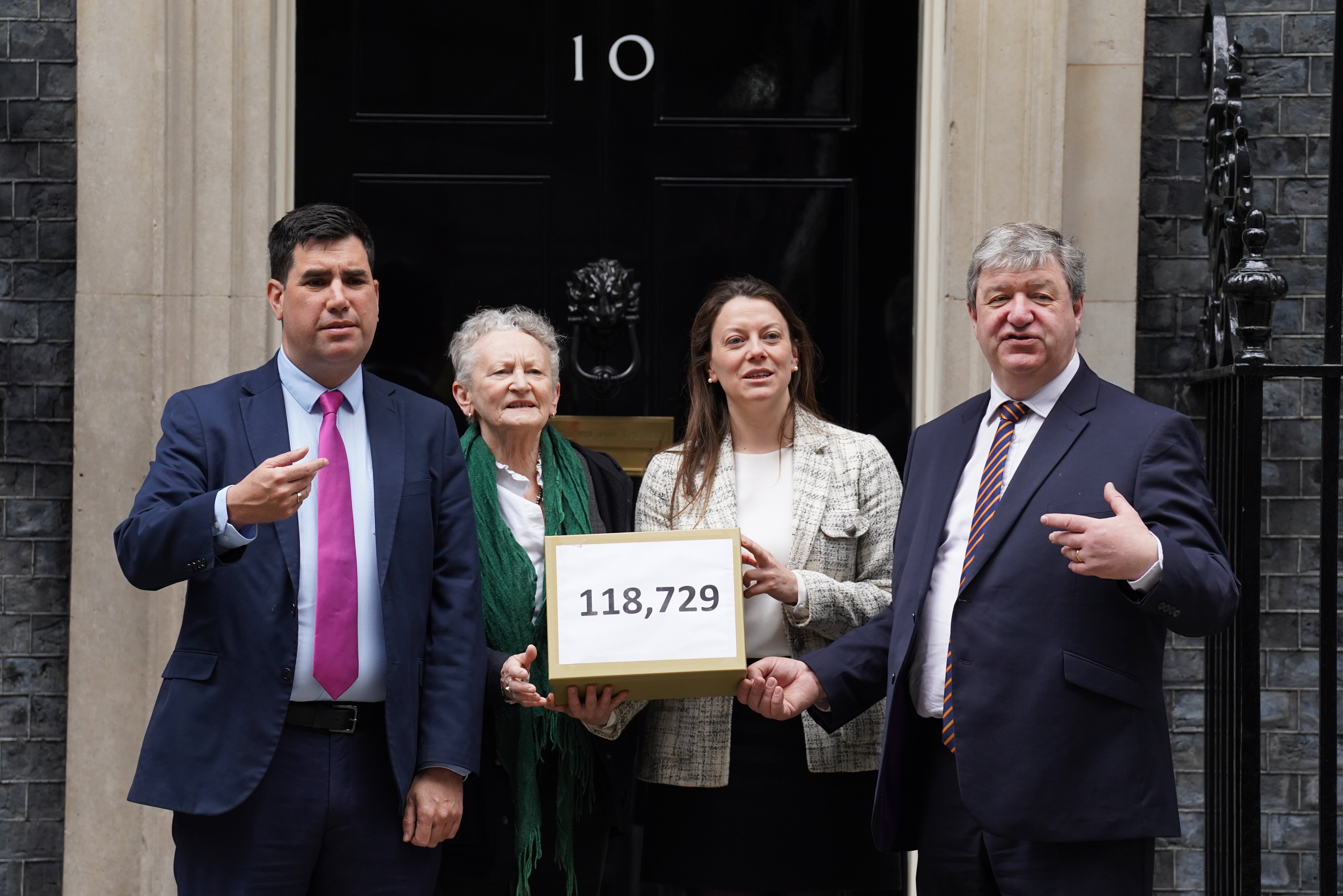
As campaigners delivered a petition to Downing Street calling on the government to “urgently scrap” the new rules, here’s what we know about the controversial move.

What is happening?

Those turning up at polling stations will be required to show a form of photo identification, such as a passport, driving licence or blue badge.

The voter ID rules apply to England as of the May 4 local elections and will come into force for UK general elections from October.

The government predicts the policy will add £180 million to the cost of running elections over the course of a decade.

More than 8,000 council seats in England are up for grabs across 230 local authorities, ranging from small rural areas to some of the largest towns and cities. Polls are also taking place to choose mayors in Bedford, Leicester, Mansfield and Middlesbrough.

Is there any evidence of voter fraud?

The UK has very low levels of proven electoral fraud – during last year’s local and mayoral elections, there was not a single proven case of in-person voter fraud.

Labour’s deputy leader Angela Rayner has pointed out voter personation, the form of fraud the regulations are aimed at stopping, is “vanishingly rare”.

She said: adding: “Over the last 10 years there have been about 243 million votes cast in elections, and how many people have been convicted of voter fraud? Four. That is 0.0000005%.”

“You are more likely to be hit by lightning 54 times than fall victim to voter personation fraud,” she added.

Why are people claiming this is ‘voter suppression’?

Members of marginalised groups are less likely to have ID, according to campaigners, with women, those living in urban areas, and people under 20 and over 65 are less likely to hold a driving licence. A recent Department for Transport survey found that only 53% of the Black population hold a driving licence, compared with 76% of the white population.

But there’s another element that critics argue shows a deliberate attempt to disenfranchise young people. Bus and travel passes for older and disabled people are being accepted as photo IDs – but the young people’s travel cards is not being permitted.

Long established polling suggests these groups are less likely to vote Conservative.

The Bafta Award-winning creator of The Thick Of It, Armando Ianucci, has also thrown his weight behind the campaign opposing voter ID laws.

He recently tweeted a picture of the back of a polling card which set out the list of acceptable forms of voter ID, and wrote: “Card gives many options for elderly or those with disability. None, NONE, for younger or student voters. The policy is simply biased against younger voters, designed to suppress their vote.”

The organisers of the petition, which has over 100,000 signatures, include campaign groups Unlock Democracy, the Electoral Reform Society, Open Britain and Fair Vote UK.

Representatives of the campaign groups were joined by Labour Party MP Richard Burgon, Liberal Democrat MPs Alistair Carmichael and Sarah Green, and the Green Party peer Jenny Jones.

Jones said: “The government has actually perpetrated voter fraud.

“They have pushed through a bill that is going to prevent certain groups, particularly younger people, from voting.”

Burgon described the voter ID programme as a “draconian, authoritarian attack” on voting rights.

Carmichael dismissed the suggestion that requiring photo ID at the polls is necessary to prevent voter fraud, stating: “It is a solution in search of a problem. We have no historic problem with voter impersonation in this country.”

Do people know about the changes?

A study commissioned by the Local Government Information Unit (LGIU) found that there is confusion over what forms of identification will be accepted under the new voting rules.

A poll by Ipsos found that more than a third of English adults incorrectly thought a student card would be accepted, while 30% wrongly thought their poll card would be valid.

Those thinking a polling card would suffice rose to 42% among those aged 18-34 and half of ethnic minorities.

Jonathan Carr-West, chief executive of the LGIU, said: “In spite of a public awareness campaign, 41% of people have heard little or nothing about new voter ID requirements being introduced for the upcoming local elections in England.”

What could the impact be?

Experts have suggested that given the low level of personation offences, and the limited impact on election results of such offences thus far, mean the main impact will be to prevent a large number of people from voting.

At two trials of voter ID in the 2018 and 2019 local elections, more than 1,000 would-be voters were turned away from polling stations and did not return.

What are the authorities doing?

The Electoral Commission, which oversees elections, has been running a campaign urging voters to prepare for the changes, with adverts on TV, radio, billboards and online. The televised advert says people must take ID to ballot boxes in the future, and those without can apply for a free certificate to vote.

But take-up of the so-called Voter Authority Certificate has been limited. As of Wednesday, the number of people who have applied for a certificate is 69,852. This falls far short of the government’s estimate of around 4% of the population, equating to 2.1 million people, who do not have a valid form of photo ID.

Defending its decision to push ahead with voter ID, a government spokesperson said: “We cannot be complacent when it comes to ensuring our democracy remains secure.

“Everyone eligible to vote will have the opportunity to do so and 98% of electors already have an accepted form of identification.

“Photo identification has been used in Northern Ireland elections since 2003 and we’re working closely with the sector to support the rollout and funding the necessary equipment and staffing.”

Share Button

Colin Beattie Quits As SNP Treasurer Following Police Arrest

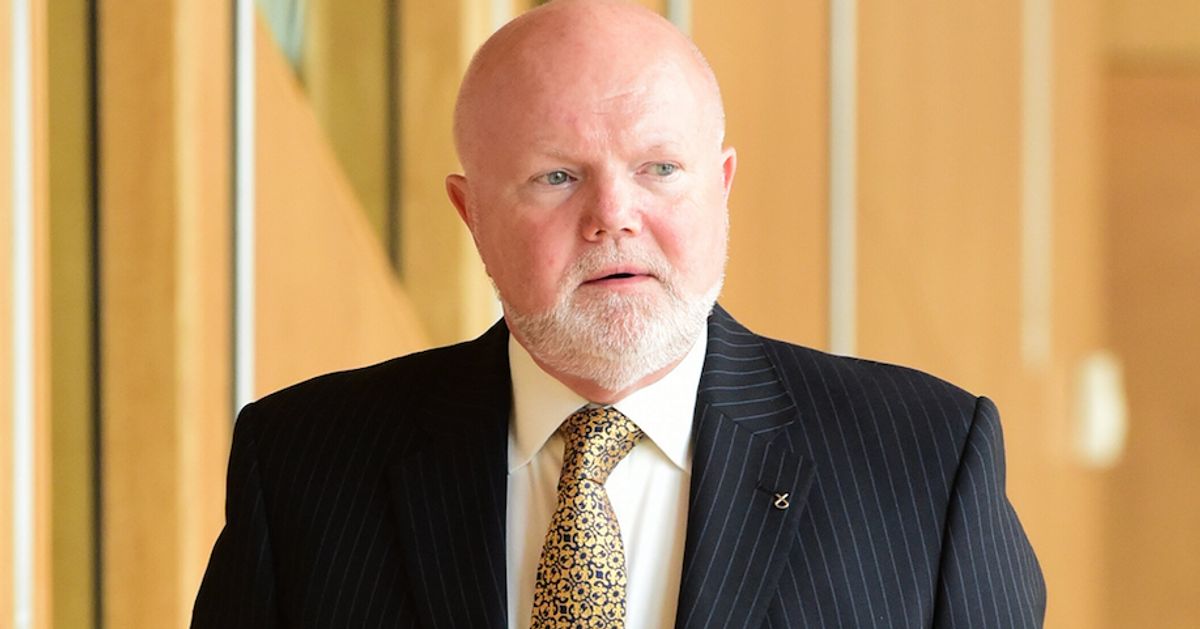
The SNP’s treasurer has quit after being arrested by police investigating the party’s finances.

Colin Beattie, who is also a member of the Scottish Parliament, said it was “the right decision to avoid further distraction” to the work of party leader Humza Yousaf.

The 71-year-old was questioned by detectives yesterday as part of their probe into claims that £660,000 raised by the SNP to fight another independence referendum has been mis-spent.

He was released last night without charge, pending further investigations.

Beattie’s arrest came just two weeks after Peter Murrell, the SNP’ former chief executive and the husband of Nicola Sturgeon, was also taken into custody by Police Scotland.

He was also released without charge after being questioned for 11 hours.

In a statement, Beattie said: “This afternoon, I informed the party leader that I will be stepping back from my role as SNP national treasurer with immediate effect.

“I have also informed the SNP chief whip at Holyrood that I will be stepping back from my role on the Public Audit Committee until the police investigation has concluded.

“On a personal level, this decision has not been easy, but it is the right decision to avoid further distraction to the important work being led by Humza Yousaf to improve the SNP’s governance and transparency.

“I will continue to co-operate fully with Police Scotland’s inquiries and it would be inappropriate for me to comment any further on a live case.”

Beattie was originally SNP treasurer between 2004 and 2020 before being replaced by Douglas Chapman MP.

He returned to the role in 2021 after Chapman resigned, claiming he “had not received the support or financial information required” to carry out his duties.

As well as being leader, Yousaf is now the SNP’s interim treasurer until a full-time replacement can be found.

It was reported at the weekend that Beattie had told a meeting of the SNP’s national executive council that he was “having difficulty balancing the books” after the party lost 30,000 members and several big-money donors.

However, the party has insisted that it is not running out of cash.

The police investigation, called Operation Branchform, was launched following allegations that the £660,000, which was meant to be in a ring-fenced fund, had been misappropriated. The party has denied any wrongdoing.

It emerged in December that Murrell – who was chief executive for more than 20 years – had loaned the SNP £107,620 to help with “cash flow”.

The party has been engulfed in turmoil ever since Sturgeon’s surprise resignation in February.

Share Button

Dominion Settles Defamation Suit With Fox News

Dominion Voting Systems reached a settlement with Fox News on Tuesday in its massive defamation suit against the media giant, the same day the blockbuster trial was expected to begin.

“Without you, the parties would not have been able to resolve their situation,” Delaware Supreme Court Judge Eric M Davis told the jury of 12 people, who were sworn in earlier in the day.

Terms of the settlement were not immediately available, but the decision means Fox will avoid a potentially embarrassing trial and protect Fox Corporation Chair Rupert Murdoch and top Fox News hosts from testifying. The deal will also inoculate the network from legal repercussions linked to the spread of misinformation during and after the 2020 presidential election – at least for now.

The defamation trial had been set to begin Monday but was suddenly delayed on Sunday night, prompting reports Fox News had sought a last-minute settlement. Dominion had previously insisted the company would settle only if Fox issued an apology and admitted to spreading lies on the air.

The settlement protects Fox Corp chair Rupert Murdoch (above) and others at the network from having to testify.

Mary Altaffer/File via Associated Press

Dominion sued the network for $1.6 billion in damages, claiming Fox News intentionally peddled lies about the 2020 race, including that the company’s voting machines were rigged. Media advocates had expected the landmark case to delve into the spread of misinformation and the intricacies of American libel law, questions that have grown exponentially in recent years.

Fox had argued its actions were protected under the First Amendment and that its hosts had an “absolute right to cover the news”. But a deluge of bombshells appeared in court filings in recent months, demonstrating how senior executives at the network expressed doubt about Donald Trump’s claims of election fraud. In one deposition, Murdoch himself said under oath that several hosts “endorsed” false conspiracy theories, but he moved to distance their comments from the network itself.

Fox faces a separate defamation suit from Smartmatic USA Corp. The voting machine company has sued for $2.7 billion over similar claims to those of Dominion.

Share Button

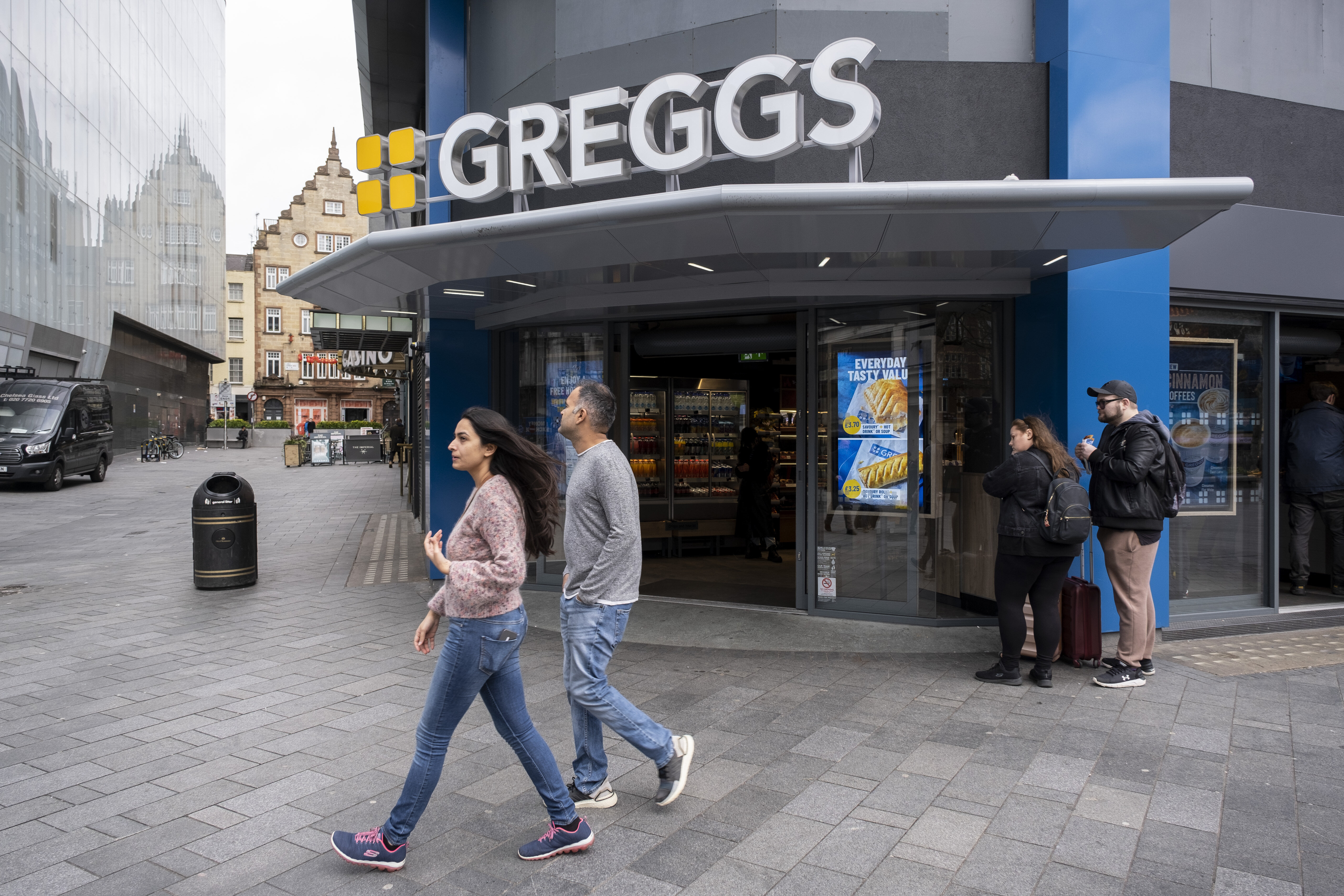
Greggs To Fight Late Night Ban Fuelled By ‘Crime And Disorder’ Fears

Pasty and sausage roll chain Greggs is to appeal a council’s decision to prevent its flagship central London store selling hot food past 11pm after police warned of the risk of fuelling “crime and disorder”.

The high-street baker opened its Leicester Square store with a blue-carpet premiere in 2022 – but Westminster City Council denied the store permission to serve hot food 24 hours a day.

Now it will appeal against the decision to refuse an extended licence during a three-day hearing at Westminster Magistrates’ Court from May 16.

A spokesperson for Greggs said: “Greggs have been trying to extend their licence in order to serve hot food until later, around 3am, because it’s really in line with what local peers and restaurants are doing.

“There are restaurants down the road that are open until 3am serving their customers hot food at all hours, Greggs are very keen to be able to offer customers their hot food favourites until that time.”

The ban applies to Greggs’ hot food menu, which requires extra licensing due to the fact food is kept hot in store, but does not include the Greggs staple products of sausage rolls and pasties which are baked elsewhere and reheated in stores.

Instead, the appeal involves recently launched menu items such as potato wedges, chicken goujons, BBQ chicken bites and hot baguettes, which require special permissions from local authorities to be sold between 11pm and 5am.

Westminster City Council refused Greggs this licence in July 2022, saying: “The sub-committee concluded that the application would have the likely effect of an increase in crime and disorder in the area and an increased demand on police resources which are already stretched.”

Minutes from the licensing committee show that Metropolitan Police officer Thomas Stewart raised concerns that “a rise in licensable activities such as late-night refreshment could lead to an increase in criminal activities and anti-social behaviour”.

The licensing sub-committee added that Greggs had “failed to demonstrate how by selling hot food or hot drink in the West End cumulative impact zone that this would not add to negative cumulative impact and promote the licensing objectives”.

Westminster Council told the Evening Standard that in order to successfully appeal against the ban “Greggs would need to try to convince the court that their evidence provides exceptional reasons for allowing the premises to operate until 5am, despite being located in a cumulative impact zone”.

Share Button

Fox News On Trial: The $1.6bn Defamation Lawsuit Explained

A major defamation lawsuit against Fox News has begun – and much is at stake.

Dominion Voting Systems, a voting machine company, has brought a $1.6 billion (£1.29 billion) defamation case against the right-wing network in a trial over the broadcaster’s alleged role in spreading the lie of a stolen 2020 presidential election.

As well as the threat to Fox of eye-watering damages, the six-week trial has potential to pull back the curtain on former US president Donald Trump’s flse claims and how the right-wing TV network operates.

Sworn testimony is expected from Fox’s billionaire founder, Rupert Murdoch, and on-air talent, including Tucker Carlson and Sean Hannity.

What is the case?

Denver-based Dominion claims New York-based Fox News and its parent company, Fox Corp, essentially destroyed the voting company’s business and subjected employees to threats by falsely implicating it in a bogus conspiracy to rig the election against Trump.

Dominion says its lawyers sent Fox employees more than 3,600 emails attempting to correct Fox’s reporting on the issue. The company identified 20 specific statements from Fox broadcasts between November 8, 2020, and January 26, 2021, that it says were legally defamatory.

Fox contends that it was reporting newsworthy charges made by supporters of the Republican then-president and is supported legally by libel standards. After a one-day delay that raised the possibility of a last-minute settlement between the litigants, seating of the jury in Delaware took place on Tuesday, with opening statements expected to follow.

What do we know already?

Court documents have already been unsealed by Delaware superior court judge Eric M Davis, and the cache has illuminated the inner workings of the conservative network like never before.

It shows prominent figures at Fox didn’t believe the fraud allegations. Yet in public, Dominion argues, Fox News amplified the conspiracy theories and invited guests such as Trump ally Sydney Powell on air to allege Dominion’s voting systems had switched votes from Trump to Joe Biden, the Democrat who beat Trump to the White House.

Multiple staffers texted and emailed in disbelief as Trump latched onto increasingly tenuous claims of being robbed by voter fraud.

Hannity said in a deposition that he did not believe the fraud claims “for one second” but wanted to give accusers the chance to produce evidence. Hosts Carlson, Hannity and Laura Ingraham mocked Powell for spreading the claims. “This Dominion shit is going to give me a fucking aneurysm,” one Fox producer wrote in a message. “MIND BLOWINGLY NUTS,” wrote Fox Corporation SVP Raj Shah, per court documents.

Murdoch, questioned under oath, agreed the 2020 election was free and fair: “The election was not stolen,” he said.

In one email, Murdoch called Trump’s rhetoric “bullshit and damaging”. After Trump aide Rudy Giuliani gave a disastrous press conference on the conspiracy claims, Murdoch commented: “Really crazy stuff”.

Why did Fox adopt its position?

The court papers have laid out a profound concern at Fox over the impact of its election night call that Biden had beaten Trump in the battleground state of Arizona.

Calling Arizona for Biden was an unpleasant shock to supporters of Trump, including many Fox viewers. Not only were they facing losing the White House, but the news had been delivered to them by a source they could usually expect to advocate for their cause.

<img class="img-sized__img landscape" loading="lazy" alt="Tucker Carlson, left, and former US president Donald Trump in 2022.” width=”720″ height=”480″ src=”https://www.wellnessmaster.com/wp-content/uploads/2023/04/fox-news-on-trial-the-1-6bn-defamation-lawsuit-explained-3.jpg”>
Tucker Carlson, left, and former US president Donald Trump in 2022.

via Associated Press

Fox got the scoop on the call, but Trump and many Fox viewers began tuning in to rival conservative media outlets such as Newsmax.

Emails and memos released in the case show Fox executives were highly aware of a drop-off in their network’s viewership at the same time that Newsmax was gaining viewers, and the executives viewed that dynamic as a potential threat.

Carlson noted with irritation that the company’s stock price was down. Fox News Network CEO Suzanne Scott wrote in an email to Murdoch about the need to “keep the audience who loves and trusts us”.

What is Fox’s defence?

While Dominion’s case may seem strong, the US Constitution and Supreme Court precedent makes it difficult to prove defamation by a news outlet. Dominion will need to prove “actual malice”, meaning that Fox either knew what it was airing was wrong or acted in reckless disregard for the truth.

Fox says Dominion can’t prove its case, but some First Amendment advocates suggest the voting machine company has a strong argument. Their worry is that a prolonged legal battle would give the Supreme Court a chance to change libel laws that would weaken protection for all the media.

<img class="img-sized__img landscape" loading="lazy" alt="Rupert Murdoch in 2019.” width=”720″ height=”480″ src=”https://www.wellnessmaster.com/wp-content/uploads/2023/04/fox-news-on-trial-the-1-6bn-defamation-lawsuit-explained-4.jpg”>
Rupert Murdoch in 2019.

via Associated Press

“Dominion’s lawsuit is a political crusade in search of a financial windfall, but the real cost would be cherished First Amendment rights,” Fox said in a statement to HuffPost. “While Dominion has pushed irrelevant and misleading information to generate headlines, Fox News remains steadfast in protecting the rights of a free press, given a verdict for Dominion and its private equity owners would have grave consequences for the entire journalism profession.”

Was there any evidence of election fraud?

Federal and state election officials, exhaustive reviews in multiple battleground states where Trump challenged his loss, and Trump’s attorney general found no widespread fraud that could have changed the outcome of the 2020 election. Nor did they uncover any credible evidence that the vote was tainted. Trump’s allegations of fraud also have been roundly rejected by dozens of courts, including by judges he appointed.

Share Button

‘Just Stop Oil’ Protester Throws Orange Powder Over Table At Snooker World Championship

The snooker world championship has been the target of an unlikely protest after an activist tipped orange powder onto one of the tables during a match.

A man wearing a Just Stop Oil T-shirt interrupted the match between Robert Milkins and Joe Perry by jumping onto one of the tables and tipping out the substance.

Meanwhile, a woman was prevented from executing a similar stunt on an adjoining table. The dramatic moment was caught live on the BBC.

Play was suspended for the evening on the affected table, which will be re-covered overnight, while the match between Mark Allen and Fan Zhengyi resumed after a delay of approximately 45 minutes.

Seven-time champion Stephen Hendry, on commentary duties for the BBC, called the incident “scary” and admitted: “I have never seen that before at a snooker event. It’s a first.”

Just Stop Oil posted a video of the incident on their Twitter feed with the caption “New oil and gas will snooker us”.

The group wants Britain to stop all new oil and gas projects and has staged a number of protests.

At the weekend, 118 people were arrested at Aintree on Saturday as they tried to scale the perimeter fence at the Grand National.

Activists also threw soup over Vincent van Gogh’s Sunflowers painting at London’s National Gallery last October.

A 'Just Stop Oil' protester jumps on the table and throws orange powder during the match between Robert Milkins against Joe Perry during day three of the Cazoo World Snooker Championship at the Crucible Theatre, Sheffield.
A ‘Just Stop Oil’ protester jumps on the table and throws orange powder during the match between Robert Milkins against Joe Perry during day three of the Cazoo World Snooker Championship at the Crucible Theatre, Sheffield.

Mike Egerton via PA Wire/PA Images

A Just Stop Oil protester jumps on the table and throws orange powder during the match between Robert Milkins against Joe Perry during day three of the Cazoo World Snooker Championship at the Crucible Theatre, Sheffield. Picture date: Monday April 17, 2023. (Photo by Mike Egerton/PA Images via Getty Images)

Mike Egerton – PA Images via Getty Images

Mike Egerton via PA Wire/PA Images

Share Button

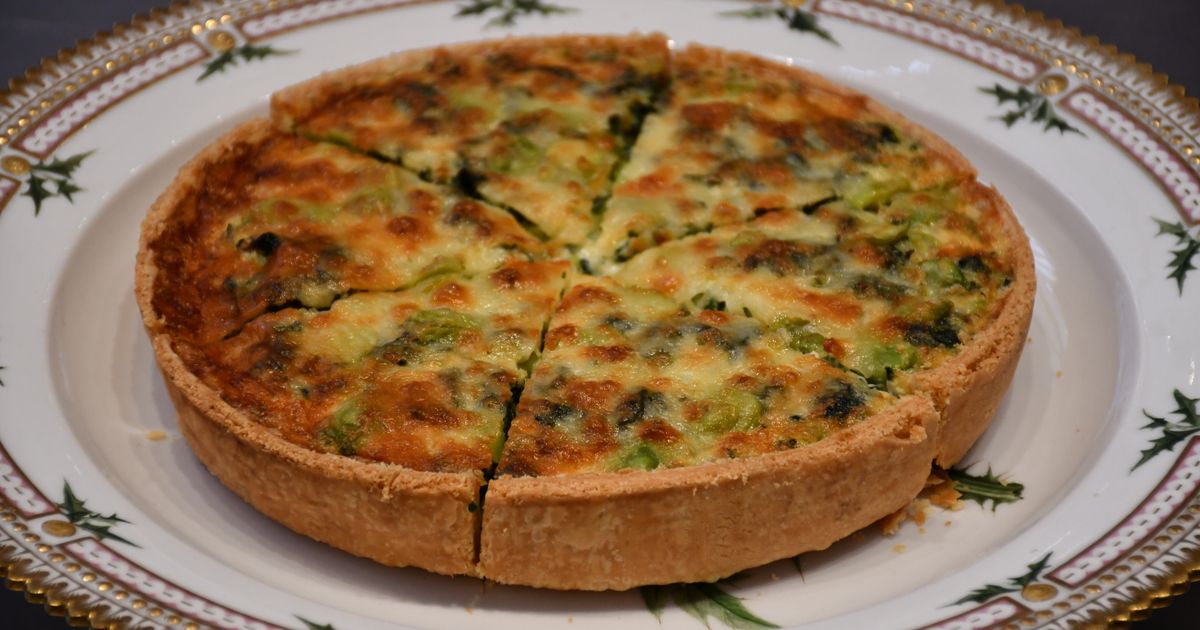
King Charles And Camilla’s ‘Coronation Quiche’ Is Not To Everyone’s Taste

A recipe picked to mark the King’s coronation as a “good sharing dish” has been given lukewarm reviews on social media.

King Charles and the Queen Consort have personally chosen a recipe for “Coronation Quiche” in celebration of the Big Lunches due to be staged at the me time as the ceremony.

The recipe for the open baked savoury tart, which features spinach, broad beans and tarragon, was shared on the royal family’s official Twitter account revealed.

For the late Queen Elizabeth II’s coronation in 1953, Coronation Chicken – cold chicken in a curry cream sauce with a well-seasoned dressed salad of rice, green peas and mixed herbs – was invented to feed the foreign guests who were entertained at Buckingham Palace after the ceremony.

The new recipe is by royal head chef Mark Flanagan and was chosen by Charles and Camilla in collaboration with him.

Buckingham Palace said the quiche was chosen because it worked as a sharing dish, can be served hot or cold, suits a wide variety of dietary requirements and can be easily adapted to suit different tastes.

The Palace also said it had the benefit of not being too complicated and not requiring costly or hard-to-source ingredients.

Quiche is known as a classic French dish, but is said have actually originated in Germany in the Middle Ages with the word quiche from the German kuchen, meaning cake.

But not everyone was impressed with the choice as the UK battles with stubbornly high inflation, despite the Palace suggesting the cost-of-living crisis was taken into consideration.

Broadcaster Richard Bacon tweeted: “Hands up if you’re starting to find this event very silly?”

Others pointed out it comes soon after the UK faced an eggs shortage – and argued that quiche just isn’t very nice.

The Coronation Big Lunch aims to brings neighbours and communities together to celebrate the May 6 coronation.

Camilla has been patron of the Big Lunch initiative since 2013

Share Button