Jason Momoa. Serving In-Flight Drinks. Anyone Else Really Thirsty?

When cabin crew wheel out the drinks trolley on your flight, it’s always a welcome sign if you’re (a) a nervous passenger and (b) off on your hols.

But passengers on a recent LA to Hawaii flight got a little bit more than ice and a slice with their onboard beverage when Jason Momoa walked the aisle handing out refreshments to those onboard.

But this being the actual Aquaman, there wasn’t a drop of alcohol in sight, just water (obvs).

The Hollywood star swapped the red carpet for the aisle of the Hawaiian Airlines flight as part of the airline’s partnership with his water company, Mananalu.

TikTok user @livinglikekylee posted a video of the 42-year-old actor personally handing out aluminium bottles filled with the purified water, which was captioned: “When Jason Momoa is your flight attendant.”

Jason – complete with a pink flower behind his ear – also documented the special occasion on his Instagram page with his own video footage.

“Bright and early. It should be a good day. I’m going home to Hawaii with the babies, and we’re doing something really cool, very cool, something like how it all started,” he said.

The “babies” the actor was referring to are his daughter Lola Iolani, 14, and son Nakoa-Wolf, 13.

Share Button

Keir Starmer Facing Leadership Crisis Over Labour Frontbenchers Picket Lines Ban

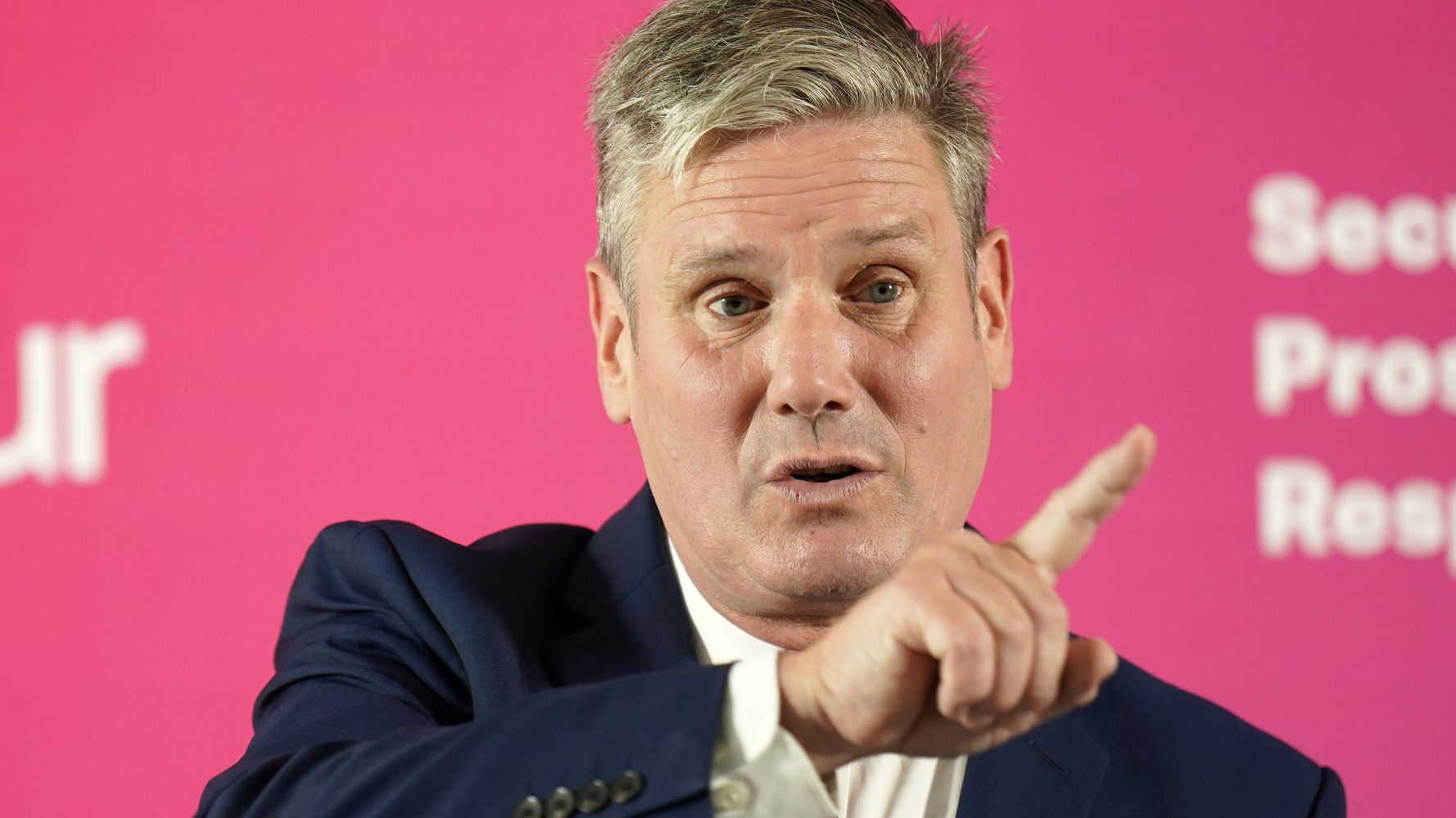
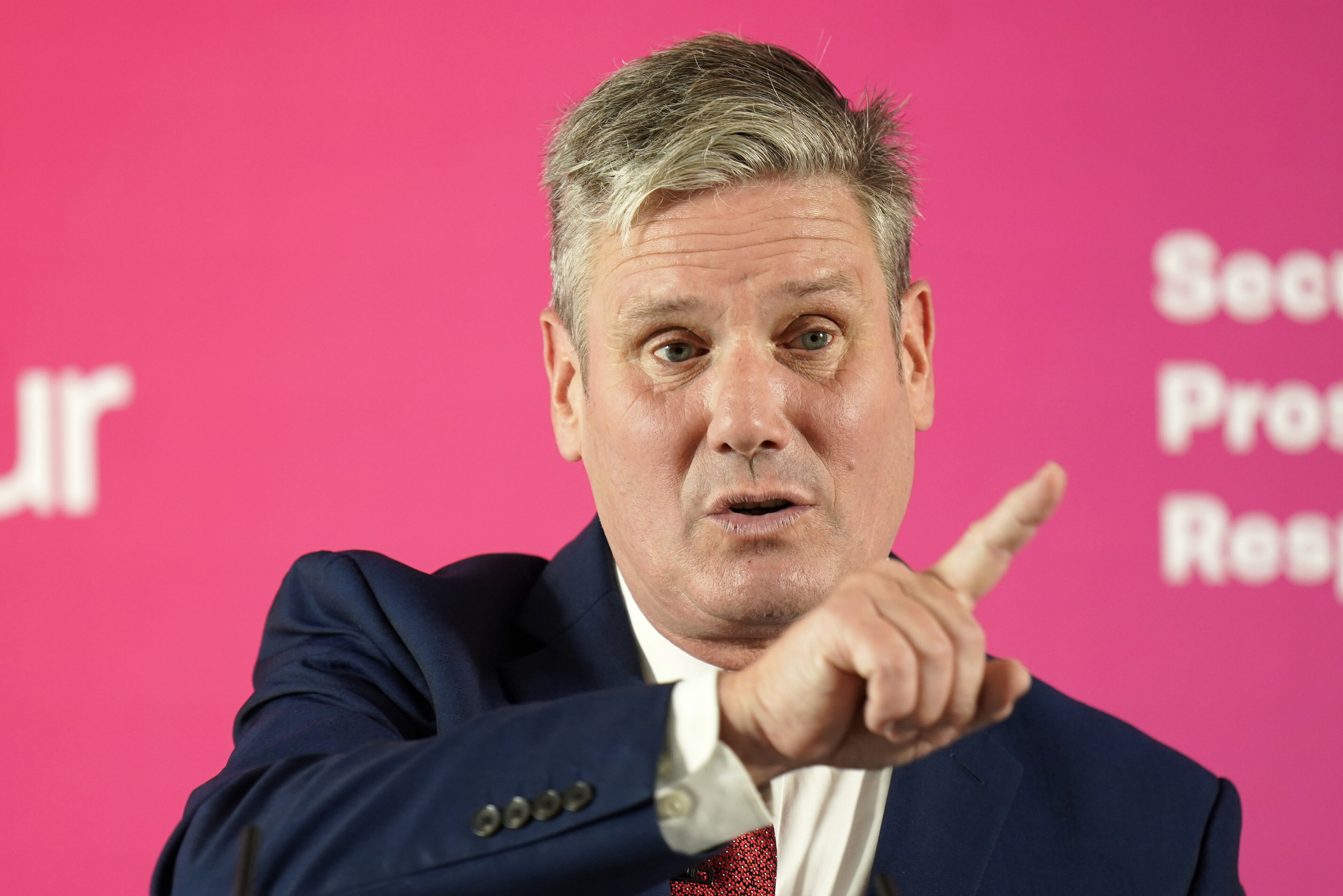
Keir Starmer is facing a leadership crisis over his decision to ban Labour frontbenchers from appearing on picket lines, HuffPost UK has learned.

Allies say it is “a dangerous moment” for the party leader after the edict was challenged by several shadow ministers.

The decision to let shadow levelling up secretary Lisa Nandy attend a picket line in her Wigan constituency last Monday has also angered senior party figures.

One shadow cabinet member said: “People think the policy of not going on picket lines was cack-handed and not thought through.

“They didn’t have a clear idea of what they were going to do when frontbenchers broke the instruction.”

The leader’s office sent an email to members of the shadow cabinet in June ordering them to tell their teams not to join pro-strike demonstrations held during that month’s train strikes.

But some frontbenchers – including Labour whip Navendu Mishra – openly defied the instruction.

The row erupted again last month when shadow transport minister Sam Tarry was sacked after appearing on an RMT picket line.

However, Starmer said he was axed from the frontbench for doing a round of broadcast interviews without permission and “making up policy on the hoof”.

It is understood that Nandy – who was beaten to the leadership by Starmer in 2020 – informed Sam White, Starmer’s chief of staff, in advance that she would be meeting striking members of the Communication Workers Union on a picket line in Wigan.

A source close to Nandy said: “She went down to show her support for constituents campaigning for better pay and conditions at a really tough time, as you’d expect.”

But HuffPost UK understands the decision to allow her to go ahead with the picket line visit has baffled senior party figures.

One senior MP said: “She says she rang Sam White, who told her she could go to the picket line. The big question for him is why did he not say don’t do it?”

It is understood that White, as well as Starmer, were both on holiday when the row over Nandy’s picket line appearance erupted.

A Labour source said: “Nobody forced Keir to choose this issue as the big test of his authority, but he did and his authority has been tested by junior frontbenchers and his opponent in the last leadership election and he is not doing anything about it.

“His office was floundering in terms of its response. It was a total shit show.

“Then when people are trying to get to the bottom of what’s going on, no-one is around to deal with it.”

A source close to Starmer said the policy banning shadow ministers from going on picket lines “has not changed”.

They added: “In Sam’s defence, it’s not illogical for the chief of staff to take holiday the same time as the leader.”

Nandy’s team’s version of events is also disputed by figures close to Starmer, who say they were surprised to see pictures of her on the CWU picket line appear on social media last Monday.

But with the general election less than two years away, and a crunch party conference in Liverpool next month, Labour insiders say the issue has severely damaged Starmer’s authority.

Nandy’s team’s version of events is also disputed by figures close to Starmer, who say they were surprised to see pictures of her on the CWU picket line appear on social media last Monday.

But with the general election less than two years away, and a crunch party conference in Liverpool next month, Labour insiders say the issue has severely damaged Starmer’s authority.

“I think it’s a dangerous moment for Keir,” said one MP. “The whole thing is just a mess and I don’t see it being resolved. It will be cast a very long shadow and has the potential trial to derail conference.”

Share Button

This Scottish Athlete’s Commonwealth Win Has Us Tearing Up For The Best Reason

It’s time to forget about the bleak news cycle for a moment and celebrate this athlete’s incredible race.

Not only did Scottish runner Eilish McColgan win the 10,000m at the Commonwealth Games on Wednesday night with a home crowd and make a new record championship time of 30:48:60, her success has sparked a great sense of nostalgia.

Eilish, 31, just won exactly the same Commonwealth Championship race her mum, Liz Nuttall, won 32 years ago, proving it really does run in the family.

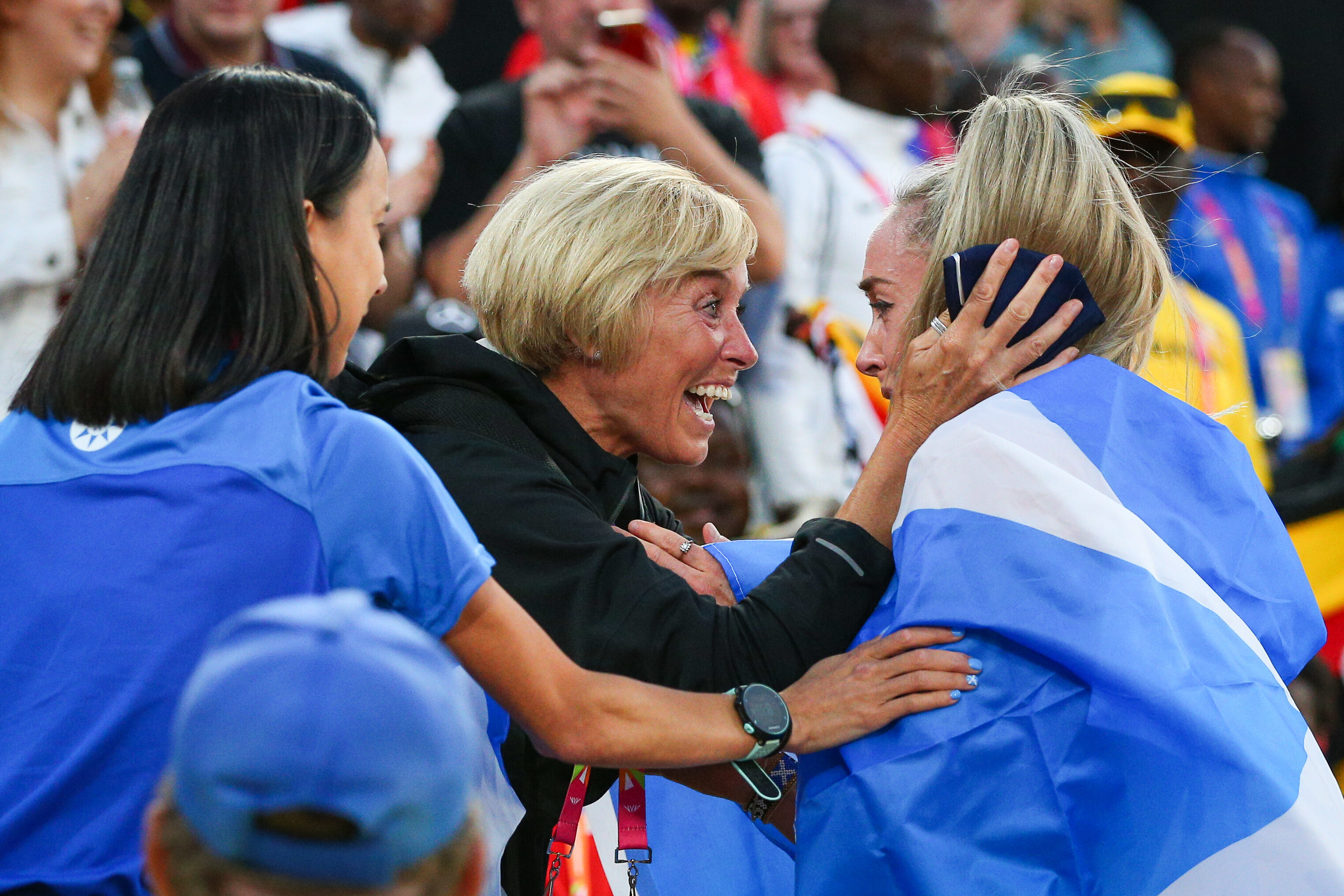
Eilish (left) and her mother Liz McColgan winning their respective races

The athlete, who has struggled with injuries in the past, was not in the lead until the final lap around the track when she suddenly overtook Kenyan rival Irine Cheptai in the home straight.

Unsurprisingly, Eilish sprinted over to her mum in the crowds when she realised she had won the race, and they shared a tender moment.

The following morning, Eilish told BBC Breakfast: “It was just an incredible experience, being in that stadium…the noise over the last 200m honestly just dragged me to that finish line.

“It was just an incredible evening and even more special to have my mum in the crowd, my dad, my partner Michael – it feels surreal to have won that so many years after my mum. I can’t put it into words.”

She said her mum simply told her “you’ve done it” when they had a celebratory hug at the end of the race.

Eilish also said she was “really nervous” before she hit the track, but that she couldn’t believe it when she not only won, but made a record time.

“I’ve actually only seen it once because a journalist sort of forced me to watch it when I was little, but it was never something that… I grew up with my mum allowing me to make my own decisions, my mum never pushed me into athletics and I never saw her medals.

“I was never forced to watch her races or anything like that, I made my own decision to come into this sport and I think that’s why I love it so much, I’m very passionate about it.”

“I don’t think it’s quite sunk in that I’ve literally replicated exactly what she’s done. It’s just very surreal right now.”

Eilish’s mother Liz also told BBC Radio’s Good Morning Scotland of her immense pride for her daughter, whom she still coaches.

Liz won two 10,000m Commonwealth gold medals in 1986 in Edinburgh and again in 1990 Auckland. She also became a world champion in 1991 and an Olympic silver medal in 1988.

She said: “As an athlete myself, you have fond memories of having success and whatever but when it’s your own children it’s like 100 times better.

’It’s just one of those really special moments and I was just thankful I was actually in the stadium and able to experience how the home support helped lift her to that gold medal.”

She also claimed that without the Birmingham crowd, “the last 150m would never have happened” for her daughter.

Share Button

Ofgem Has Changed Its Energy Cap Policy Again. Here’s Why It Matters

Energy regulator Ofgem has confirmed a major policy change today which could impact your bills, yet again.

Now the price cap will be updated quarterly (every three months) instead of every six months, in a bid to prevent large-scale disruption.

The cap was set out in law in 2018, and reflects the maximum suppliers can charge consumers per unit of energy.

It means suppliers can only take 1.9% as profit, but it’s not a cap on the maximum bill a household can be charged, as this is based on their usage.

While it may seem like an insignificant change in policy, it will have a substantial impact on your bills. Here’s what you need to know.

How important is the price cap?

Ofgem made headlines when it raised the price cap in April, meaning every household had to pay more for their annual energy bills.

The average household had to then start paying £700 more for their yearly annual bills, raising them to a record £1,971 (it was previously £1,227).

For many, this is seen as the start of the cost of living crisis.

While the cap stops prices rising and falling dramatically for consumers as wholesale prices go up, it does mean the cost of living is likely to only get harder in the short-term.

However, when wholesale prices fall, the reductions will be passed on the customers as Ofgem should lower the price cap. This will happen more quickly with the quarterly price cap.

The cap was set to rise again come October (to a staggering £3,358 a year according to analysts Cornwall Insight) but this policy change from Ofgem means the next price cap level will be published at the end of August.

Why has this changed?

Ofgem say this change prevents the cost of both gas and electricity lagging behind changes in the market, but admits the market is currently “volatile” so the price cap methodology is to be kept under review.

Ofgem CEO Jonathan Brearley acknowledged that “this situation is deeply worrying for many people”.

He then blamed Moscow’s decision to squeeze its gas supply to mainland Europe, which has a knock-on effect for the UK.

“As a result of Russia’s actions, the volatility in the energy markets we experienced last winter has lasted much longer, with much higher prices than ever before,” he said.

“And that means the cost of supplying electricity and gas to homes has increased considerably.

“The trade-offs we need to make on behalf of consumers are extremely difficult and there are simply no easy answers right now.”

He said this change means consumers will pay the “real cost of the energy”, but added: “We will keep working closely with the government, consumer groups and with energy companies on what further support can be provided to help with these higher prices.”

Why has the change been heavily criticised?

Back in May, MoneySavingExpert Martin Lewis laid into Ofgem’s early proposals to review the price cap every three months, rather than every six.

Explaining how he had lashed out at the regulator over the suggestions in a Twitter thread, he said the changes were “a fucking disgrace that sells consumers down the river”.

He apologised for his outburst, explaining: “I should’ve behaved better. My ire’s institutional not individual, it was inappropriate.”

However, Lewis claimed the changes would bring “dire consequences for consumers”.

Cornwall Insight also predicts that the energy price cap will go up to £3,615 in January. For comparison, it was £1,400 a year in October 2021.

MPs already called on the government at the end of July to take urgent action to help households amid warnings that prices will soar this autumn.

“Once again, the energy crisis is racing ahead of the government,” said Darren Jones, the chair of the business, energy and industrial strategy committee.

“To prevent millions from dropping into unmanageable debt it’s imperative that the support package is updated and implemented before October, when the squeeze will become a full-on throttling of household finances and further tip the economy towards recession.”

With this new policy change confirmed and the new price cap looming at the end of August, this threat of “unmanageable debt” is likely to only creep closer.

Share Button

Sandi Toksvig Pens Powerful Letter To Archbishop Of Canterbury After ‘Horrible’ Gay Sex Comments

Sandi Toksvig has penned an open letter to the Archbishop of Canterbury, after he “affirmed the validity” of a past declaration that gay sex is a sin.

The former Great British Bake Off host wrote that the Archbishop had “made a horrible mistake” by saying a past statement that marriage is “between a man and a woman”, and that same-sex relationships are “incompatible with scripture”, was “not in doubt”.

“I know we’ve never met and I should probably call you ‘your grace’ or ‘your eminence’ or something, but I wish we were friends,” Sandi began.

“If we were, I’d call you and say, ‘Justin, Justin, what are you doing?’. We’d have had a chat and maybe I could persuade you that you have made a horrible mistake. It’s what friends do for each other.”

The QI star continued: “You and your other religion pals got together at the Lambeth Conference and the main takeaway seems to be that gay sex is a sin. It was a sin in 1998 and you just wanted to make clear in 2022 that no one in your finely frocked gang has moved on from that.

“Seriously, with the state the world is in, that is what you wanted to focus on? You didn’t have other more pressing matters like, I don’t know, war or poverty?”

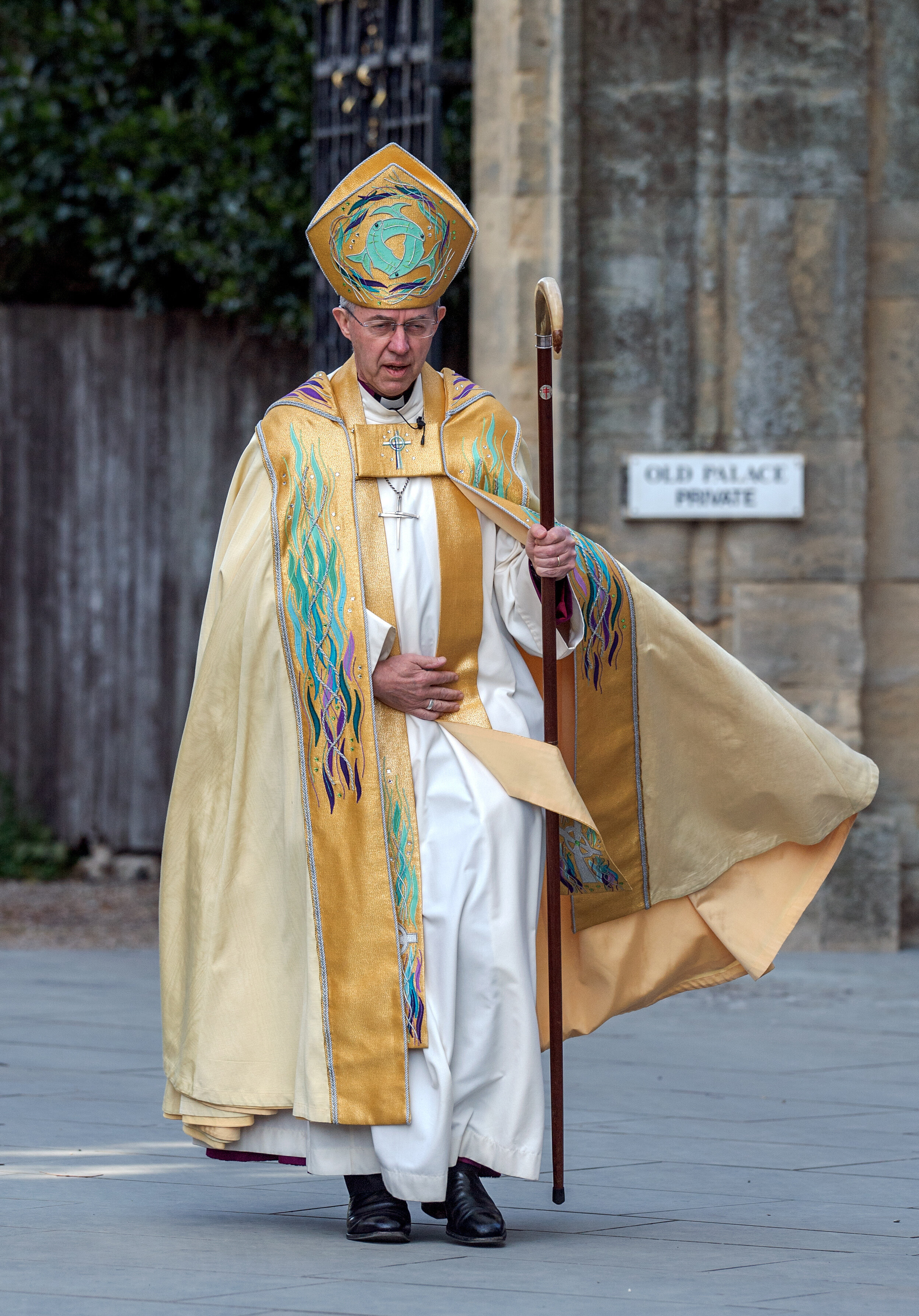
Justin Welby, the Archbishop of Canterbury

Anadolu Agency via Getty Images

Sandi went on to share statistics which revealed that young LGBTQ+ people are more likely to contemplate suicide and self-harm.

“Do you know why?” she questioned. “For many it’s because they don’t feel loved and love, Justin, is supposed to be at the core of what you do.”

She added: “The lives of LGBTQ+ people are at stake here. I have had credible death threats over the years sometimes requiring the very kind assistance of the police hate crime squad. Each and every one of those threats has come from an evangelical Christian.

“Inevitably, they have wanted to kill me on God’s behalf because although he may be omnipotent apparently he’s also very busy. Why just raising this matter is probably a bad idea for my health. I’ll cope, but what about my brothers and sisters who won’t?”

Sandi ended the letter by stating: “Call me, Justin. Let’s have coffee. Let me talk you round. You never know, I might even forgive you.”

The Danish comedian, presenter and activist came out as gay in 1994. She entered a civil partnership with her wife Debbie Toksvig in 2007.

Sandi and Debbie later renewed their vows on the day same-sex marriage was made legal in England in 2014.

Share Button

Maisie Williams Unveils Major Hair Transformation After Shaving Head

The Game Of Thrones star has undergone a major hair transformation, debuting her new look on Instagram.

Maisie is now sporting a close buzzcut after shearing off her long locks.

The Ayra Stark actor has been slowly cutting her hair shorter over the last few months, revealing the result of her latest trip to the hairdressers on over the weekend, appearing to be on holiday.

Sharing a snap of her new ’do, Maisie said she was now “washing [her] head with facewash”, adding the hashtag #3in1girlie” on her post.

It is unclear if Maisie’s new look is for an upcoming film role.

She can currently be seen in new biographical drama Pistol – airing on Disney+ in the UK – which follows Sex Pistols guitarist Steve Jones and the band’s rise to prominence.

Maisie has recently been filming new AppleTV+ series The New Look, which charts the rise of fashion designer Christian Dior against the backdrop of World War II Nazi occupation of Paris.

Share Button

Rishi Sunak’s Latest Plan To Punish Those Who ‘Vilify’ UK Is Being Completely Torn Apart

Rishi Sunak has unveiled another new policy as part of his bid to become the next prime minister, but it has almost definitely backfired already.

The former chancellor, who has fallen behind his rival Liz Truss in the polls, says he intends to widen the definition of extremism to include those who “vilify” the UK.

These people, including those who have an “extreme hatred of Britain” will then be referred to the government’s de-radicalisation Prevent programme, according to Sunak, although this is a voluntary scheme.

This could include law-abiding citizens who criticise Britain, but Sunak’s campaign claim it would not include government criticism and was not legally binding.

He said these proposals would “refocus” Prevent on Islamic extremism, rather than right-wing militants, claiming: “We must never let those who seek to undermine and destroy our way of life to succeed.”

Sources also told The Telegraph that Sunak believed extremists wanted to attack the UK’s existence, not just its values.

Sunak said: “There is no more important duty for a prime minister than keeping our country and our people safe. Whether redoubling our efforts to tackle Islamist extremism or rooting out those who are vocal in their hatred of our country, I will do whatever it takes to fulfil that duty.

“Britain is a beacon of freedom, tolerance and diversity.”

Unfortunately, not everyone seemed to agree that this new policy echoed that.

Some people thought it was indicative of how the campaign was actually going for him – he is 34 points behind Truss according to the latest YouGov poll of Tory Party members.

Others pointed out that the policy announcement overlooked some key elements of the Prevent programme itself:

Then there were the people who just feared the idea altogether.

And it wasn’t long until the jokes started to get out of hand…

Truss’ camp also criticised the announcement for being “thin”, adding: “Mostly it’s a restatement of government policy. The few new proposals are superficial and unfunded with a risk of letting serious terrorists slip through the net by creating arbitrary targets.”

It comes the day after Truss’ huge U-turn on her proposed policy to cut public sector pay for workers outside of London. She has since claimed that her campaign was “misrepresented” when she said that.

Share Button

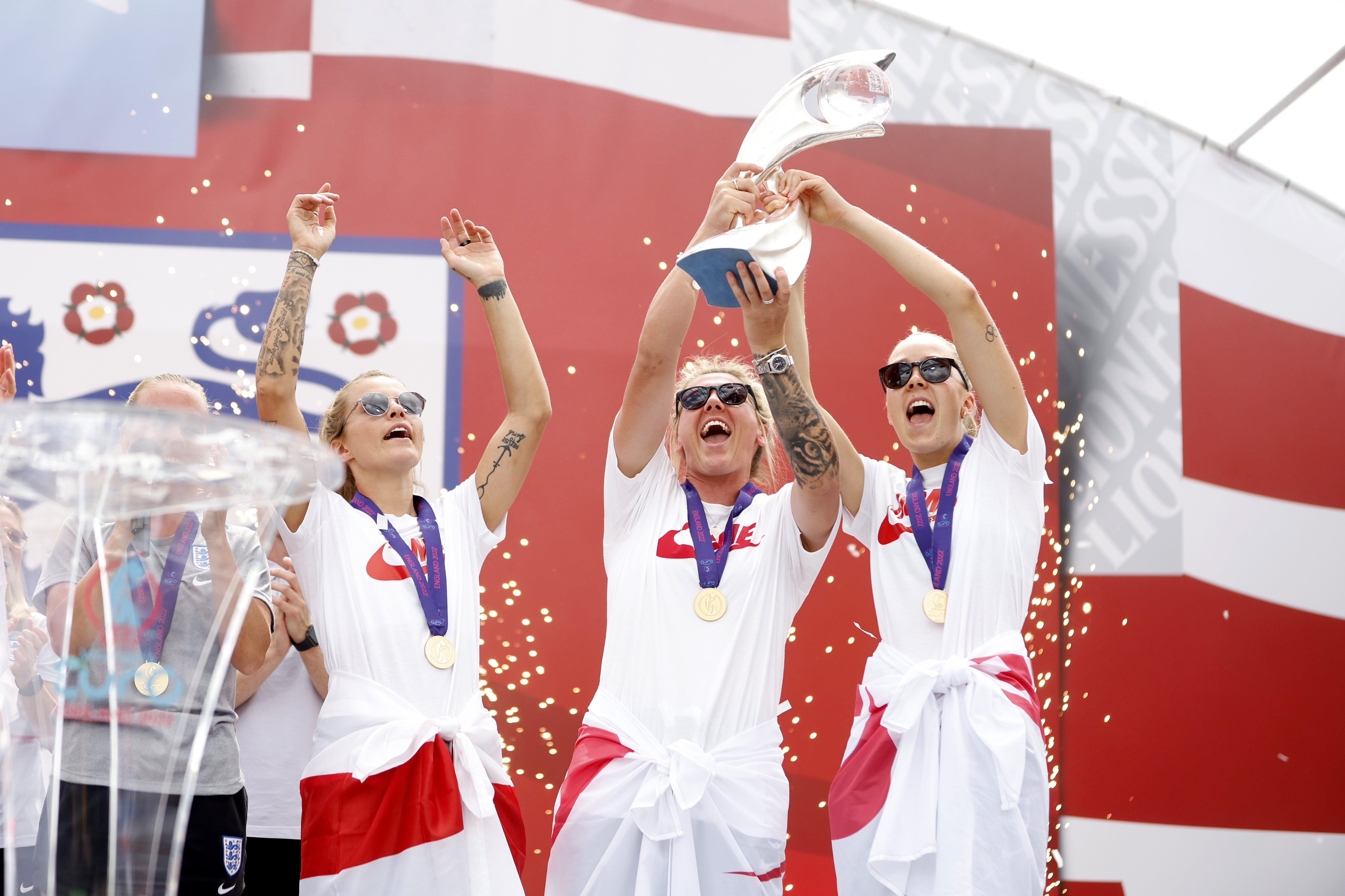
England’s Lionesses Ask Liz Truss And Rishi Sunak To Let Every Girl Play Football At School

England’s victorious Euro 2022 player have demanded Liz Truss and Rishi Sunak commit to ensuring every young girl is able to play football at school.

In an open letter to both Tory leadership candidates, signed by all 23 members of the squad which beat Germany 2-1 after extra time in Sunday’s final, the Lionesses have called on the government “to make a huge difference”.

“On Sunday evening history was made. The dreams of 23 women came true. England became European Champions for the first time in history,” the players said.

“We are looking to the future. We want to create real change in this country and we are asking you, if you were to become Prime Minister on 5 September, to help us achieve that change.

“We want every young girl in the nation to be able to play football at school. Currently only 63% of girls can play football in PE lessons.”

The players also asked that all girls be given access to a minimum of two hours a week PE.

“Not only should we be offering football to all girls, we also need to invest in and support female PE teachers too. Their role is crucial and we need to give them the resources to provide girls’ football sessions,” they added.

Both Truss and Sunak have committed to hosting a reception for the victorious Lionesses at No.10 if they are chosen to be the next prime minister.

Unlike other successful sporting teams, the winning England squad will not be honoured with a visit to Downing Street this week.

Boris Johnson was at the funeral of Northern Ireland peace process architect Lord Trimble on Monday and is now on holiday until Sunday.

The England men’s cricket team were invited to Downing Street following their win in the Ashes in 2005, as were the men’s Rugby World Cup victors in 2003.

The women’s national rugby and cricket teams have also previously been honoured with receptions at No 10.

In addition to calling for the Lionesses to receive honours for their Euros win, Labour has urged the Government to capitalise on England’s success to ensure young girls who are now inspired to get playing can go on to become stars.

Lucy Powell, Labour’s shadow secretary of state for digital, culture, media and sport, accused the Tories of having a “terrible record of building on our sports stars’ success with a real and lasting legacy”.

Share Button

Analysis: Liz Truss’s Plan To Pay Public Sector Workers Less Outside London Wasn’t ‘Misrepresented’

When all else fails, shoot the messenger.

As Liz Truss’s plan to save £8.8bn by paying civil servants less outside London and the south east provoked a furious Tory backlash, her team pressed the panic button.

In the preamble to the inevitable screeching U-turn, a spokesperson for Truss told journalists: “Over the last few hours there has been a wilful misrepresentation of our campaign.”

This was, alas, copper-bottomed nonsense.

The press release issued yesterday by the Truss campaign announcing the policy makes it crystal clear that replacing national pay bargaining with “regional pay boards” would mean smaller salaries for those in less-affluent areas.

It said: “This will make it easier to adjust officials’ pay, ensuring it accurately reflects where they work and stops the crowding out of local businesses that can not compete with public sector pay.”

And in case anyone was in any doubt that this new policy would apply to the likes of nurses, teachers and the police as well, the release explained: “This could save up to £8.8 billion per year. This is the potential savings if the system were to be adopted for all public sector workers in the long term.”

Unsurprisingly, this went down badly with Red Wall Tories like Ben Houchen, the party’s mayor in Tees Valley, who said: “There is simply no way you can do this without a massive pay cut for 5.5m people including nurses, police officers and our armed forces outside London.”

Experiencing the first serious mis-step of her leadership campaign, Truss later recorded a TV clip insisting that while her policy had been “misrepresented”, she was going to abandon it completely.

She said: “I never had any intention of changing the terms and conditions of teachers and nurses.

“But what I want to be clear about is I will not be going ahead with the regional pay boards. That is no longer my policy.”

Rishi Sunak’s campaign, who have been on the back foot throughout the contest, wasted no time in taking advantage of their rival’s humiliation.

Pointing out that Truss had supported regional pay boards four years ago when she was chief secretary to the Treasury (CST), a source on Team Rishi said: “This wasn’t a mistake, Liz wanted this in 2018 as CST. The lady is for turning.”

That last sentence, echoing a famous line in one of Margaret Thatcher’s party conference speeches, was designed to twist the knife.

It’s far too early to say Truss’s mistake means the outcome of the leadership contest is back in the balance. She remains the clear favourite to succeed Boris Johnson.

But she’ll know better than anyone that any further slip-ups could be fatal to her hopes of entering Number 10.

Share Button

Don’t Pay: The Campaign Group Calling On Brits To Stop Paying Energy Bills

A campaign group is calling for people to stop paying their energy bills – and it comes as BP reported its biggest quarterly profit for 14 years.

The UK is in the midst of a cost of living crisis, with prices for petrol and gas soaring for British households. Typical household energy bills are expected to be more than £3,600 this winter, with bills set to rise again in October.

Suppliers have blamed the war in Ukraine and surging wholesale prices for the hikes, but on social media, some have dubbed the current situation “the cost of greed crisis”.

BP recorded a profit of $8.45bn (£6.9bn) between April and June, more than triple the amount it made in the same period last year. And it is not the only energy firm to report a staggering profit – both British Gas owner Centrica and rival Shell have recorded huge earnings recently, too.

Rising energy bills are one of the main reasons for the cost of living crisis. The government did introduce a one-off windfall tax on oil and gas companies in July, but it does not apply to profits announced by BP and other energy firms between April and June.

And as more households continue to struggle to pay bills, people aren’t happy – which is why the ‘Don’t Pay’ campaign is demanding action.

The campaign group is trying to get at least one million people to pledge not to pay their energy bills if the government continues with its goal to increase the price cap on October 1.

“We started this campaign because we were worried about how we will pay our energy bills. Everyone around us is struggling and we know it will only get worse with no end in sight,” the campaign group says.

“So far around 1,300 people have expressed an interest to become an organiser in their town, village and city. From there we will fan out the campaign with a local presence.”

Speaking on ITV’s programme Peston, money saving expert Martin Lewis previously warned a bill payment strike could be on the horizon.

“The big movement that I am seeing is an increase of growth in people calling for a non-payment of energy bills, mass non-payment. Effectively a consumer strike on energy bills and getting rid of the legitimacy of paying that,” he said. “It’s small at the moment, there’s a Twitter handle with about 5,000 followers.

“We are getting close to a Poll Tax moment on energy bills coming into October and we need the Government to get a handle on that, because once it starts becoming socially acceptable not to pay energy bills people will stop paying energy bills and you’re not going to cut everyone off.”

‘Don’t Pay UK’ began trending on Twitter following the BP profit release, but there are some things you need to consider before taking part in the protest.

What are the risks of taking part?

Of course, not paying your bills will have some consequences and you’ll need to look at the terms and conditions for your individual energy supplier to see what these may be.

SSE Energy, for example, says it will try to contact customers first regarding unpaid bills, but adds: “In some cases we might also try to visit you at home to work out the best way to pay, but we’ll add the cost of this visit to your account.

“We may take a case to court to obtain a warrant to enter your home. We don’t want to, but sometimes we’re left with no choice.”

Similarly, British Gas says it may do the following when met with unpaid bills:

  • Pass your details to a debt collection agency

  • Apply for a warrant to install a Pay As You Go meter to make it easier to pay back the money you owe

  • If possible, switch your smart meter to a smart Pay As You Go meter remotely.

Utility Bidder says if you haven’t paid a bill for 28 days, you cannot come to a repayment agreement and you refuse to have a prepayment meter installed without good reason, “your provider can disconnect your power supply”.

It’s worth noting that the Don’t Pay campaign is discouraging anyone on prepayment meters who face self-disconnection if their credit runs out to get involved. This also goes for those whose energy bills are included in rent and risk eviction if bills go unpaid. Instead, they want those people to support them online.

If you are struggling to afford your energy bills, you should follow the advice set up by Citizen’s Advice.

Share Button