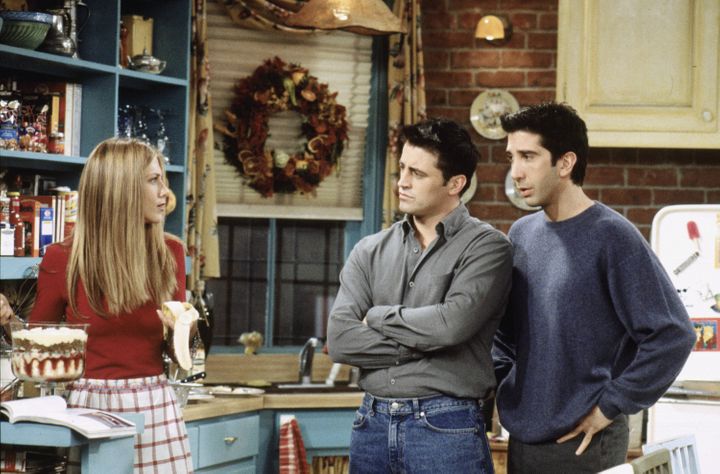
“HAPPY THANKSGIVING FROM MY FAMILY TO YOURS,” Tucci captioned the Polaroid-style image of the pair that he posted to Instagram.
Tucci also shared a viral video that TikTok star Alexa Shoen first posted in August in which she claims to meditate on the duo’s family connection whenever she’s “stressed out about the weight of the world.”
Tucci is married to literary agent Felicity Blunt, the sister of his Devil Wears Prada costar Emily Blunt. Tucci met Felicity at Emily’s 2010 wedding to Krasinski.
Tucci and Krasinski are “both the American sons-in-law in the Blunt family,” Shoen says in the clip, below. She imagines them wearing paper hats on Boxing Day and shaking hands while carrying side dishes to a Thanksgiving meal.
“It is my deepest meditative practice to just go through this scenario in my head,” she says.
Shoen had a stunned response to Tucci sharing her video, commenting:
“OH MY GOD I CAN’T BREATHE, MY UPDATED MEDITATION NOW INCLUDES THE FACT THAT YOU ALL SIT AROUND ON THANKSGIVING AND *WATCH* THIS TIKTOK. Happy TGives to you and yours, Tucci. It’s an honor to make your acquaintance in this way. Hot damn.”
A statement from the programme said: “A security breach was identified and an intruder was removed from the location with immediate effect.
“The safety of both our celebrities and our production crew remains our primary concern.”
Advertisement
It has been an eventful first week at Gwrych Castle in North Wales, where the programme is being filmed for a second year because of the coronavirus pandemic.
The TV star later said he felt “fit as a fiddle” and was “gutted” that Covid restrictions meant he was not able to return to the show.
Advertisement
Friday’s episode of the ITV series was the first to be pre-recorded due to the weather conditions.
Co-hosts Ant McPartlin and Declan Donnelly recorded their links early in the evening as part of “precautionary measures” put in place by ITV following severe storm warnings.
The duo posted a video from outside the castle ahead of the show, with the wind whipping and roaring in the background.
This just in – From Arwen to Ant wind 😳💨 it’s all go here as we record the show instead of being live on your tellies tonight – an #ImACeleb first! Stay safe in the storm everyone x pic.twitter.com/M3rqmj70XQ
“You’ve probably heard we’ve had to record the show a bit earlier tonight because of the winds here at Storm Arwen,” said Donnelly.
“It’s bad, isn’t it, it’s really windy. You can hear it, it’s rattling the tent, it might blow this away, so we’ve got to get it done and get out of here,” said McPartlin.
“It’s due to get worse later so everyone is afraid that the satellite is going to go down and all of that, so it’s a bit risky to do a live show, so we’re going to have to do it recorded tonight, which is the first time we’ve ever done that,” added Donnelly.
He said: “It’s very, very windy but even worse than that it was lentils for lunch, so Ant is a bit windy as well.”
Co-hosts Ant McPartlin and Declan Donnelly recorded their links early in the evening as part of “precautionary measures” put in place by ITV following severe storm weather warnings.
Advertisement
It comes as Storm Arwen battered the UK with winds as high as 90mph.
The duo posted a video from outside Gwrych Castle in Wales ahead of the show, with the wind whipping and roaring in the background.
Advertisement
Advertisement
“You’ve probably heard we’ve had to record the show a bit earlier tonight because of the winds here at Storm Arwen,” said Dec.
“It’s bad isn’t it, it’s really windy. You can hear it, it’s rattling the tent, it might blow this away, so we’ve got to get it done and get out of here,” said Ant.
“It’s due to get worse later so everyone is afraid that the satellite is gonna go down and all of that, so it’s a bit risky to do a live show, so we’re going to have to do it recorded tonight, which is the first time we’ve ever done that,” said Dec.
This just in – From Arwen to Ant wind 😳💨 it’s all go here as we record the show instead of being live on your tellies tonight – an #ImACeleb first! Stay safe in the storm everyone x pic.twitter.com/M3rqmj70XQ
He added: “It’s very, very windy but even worse than that it was lentils for lunch, so Ant is a bit windy as well.”
Advertisement
“Sorry guys, it’s just adding to the mayhem,” added Ant.
A spokesperson for I’m A Celebrity said the celebrities were being kept inside the castle and that contingencies were in place to ensure their safety.
“Tonight’s I’m A Celebrity… Get Me Out Of Here! will be broadcast as a pre-recorded show rather than live due to the developing Storm Arwen and precautionary measures we’re putting into place on production,” they said.
“Our celebrities will remain inside the castle, which is secure, and we have contingencies in place to cover all weather scenarios to ensure the safety of our cast and crew.”
The majority of the UK was blanketed by weather warnings on Friday night and into Saturday as the storm arrived.
A rare red warning stretched along the east coast from Middlesbrough to beyond Aberdeen – the first maximum alert to be issued since Storm Dennis in February 2020.
The warning, which is the highest the Met Office issues, means the impact is likely to be severe, with the potential for damage to buildings and homes, with roofs blown off and power lines brought down.
There are two camps of TV watchers in this world: team subtitles and team dubbing. I sit firmly in the former, because as Parasite director Boon Joon-Ho famously said, you can access a richer catalogue of culture if you overlook the “once-inch barriers”. But closed captions are also hugely helpful when learning a new language.
As a first-generation immigrant who came to the UK at six years old, I couldn’t speak the language, trailing behind my peers in my reading skills. But then I started watching TV with subs, consuming anything from CBBC cartoons to grown-up soap operas such as Neighbours and Home and Away, always with the captioning on.
Advertisement
Though it took me a while to be able to read quickly enough to catch the action, soon I did it effortlessly. In watching different worlds come to life on the screen, my own world began to widen as I understood language, grammar, punctuation.
Today, I enjoy subtitles because they enable me to catch details that are missed with audio-only viewing, but also because they deepen my connection to the English language. And I’m not the only one. Subtitles have closed the gap between cultures oceans apart.
Four out of five 18-25-year-olds prefer to have captioning all or part of the time, according to the charity Stagetext. That figure for 56-70-year-olds is less than a quarter, despite this group being more likely to be hard of hearing.
And now, youngsters want more events to be subtitle-friendly. Stagetext’s research found that 45% of young people would go to live events if there were captions on a screen in the venue. Among over 65s, this figure was 16%.
Advertisement
There’s certainly an appeal in having text accompanying action, not least because of how impactful it can be for non-native English speakers.
Alp Ozcelik, who works for The New Yorker, grew up in Istanbul, Turkey, and says subtitles were “absolutely instrumental” in him learning English growing up.
“I was already learning English in school, but subtitled American TV was what really taught me the accent/correct pronunciation of words and the slang that I really couldn’t have picked up at school,” the 31-year-old project manager from New York says. “I also would like to credit video games with voice acting and subtitles here as well; they taught me a lot of vocabulary!”
Now, having subs is a habit Ozcelik can’t get out of. “I absolutely still use subtitles on all the TV I watch; it allows me to pick up more of what’s being said and also all of the names of people and places that sometimes get lost,” he adds.
As a child of the 90s and early 00s, Ozcelik says Friends and Gilmore Girls were big contributors his language lessons, alongside reruns of older American TV, like Married with Children and Cheers. “But I watched a lot of other primetime TV as well,” he says. “Sex and the City and Gossip Girl also come to mind.”
Alp Ozcelik
Alp Ozcelik learned English watching Friends and Gilmore Girls.
Like Ozcelik and myself, Steph Santa, a 24-year-old fraud investigator from Washington D.C, also picked up English by watching subtitled television.
Born in Peurto Rico, she travelled to the States when she was eight, where she had trouble learning English. But soon, from watching Disney shows and films, Santa was able to acquire the skill.
“When I was first learning English I had some knowledge thanks to my grandparents but I was nowhere near being fluent. The use of subtitles helped me learn how words are spelled and what they sound like,” she says.
“I remember alternating shows and movies in English with Spanish subtitles or Spanish with English subtitles until I was comfortable enough to put both in English.”
And like many others, Santa has carried on using subs, but wishes they were available in more settings. “I still use subtitles, it feels like I can’t hear what I’m watching if the subtitles aren’t on,” she says.
Advertisement
“I’m currently working on my masters degree and wish that the recorded lectures had closed captioning. I still struggle with some word pronunciations, but I think that’s a struggle any person that learned English as a second language goes through.”
Subtitles in lectures, or in cinemas or live events, would certainly be welcome, and not just to those who learned English as a second language, but for anyone who doesn’t want to miss all the whispers, the background detail, and the whole ambiance, not just the visual.
Sure, dubbing has it’s benefits too. But I will forever be team subtitles.
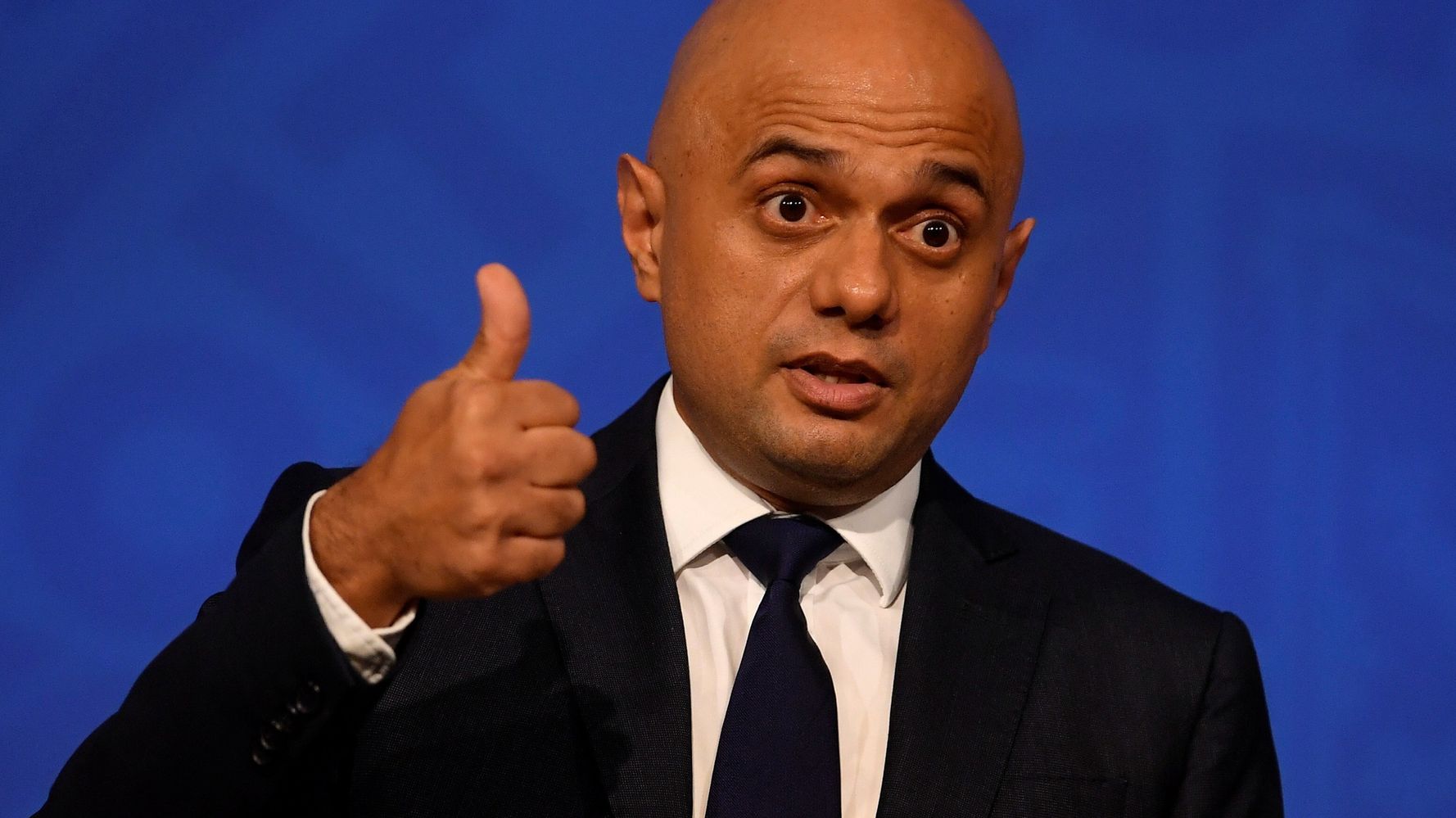
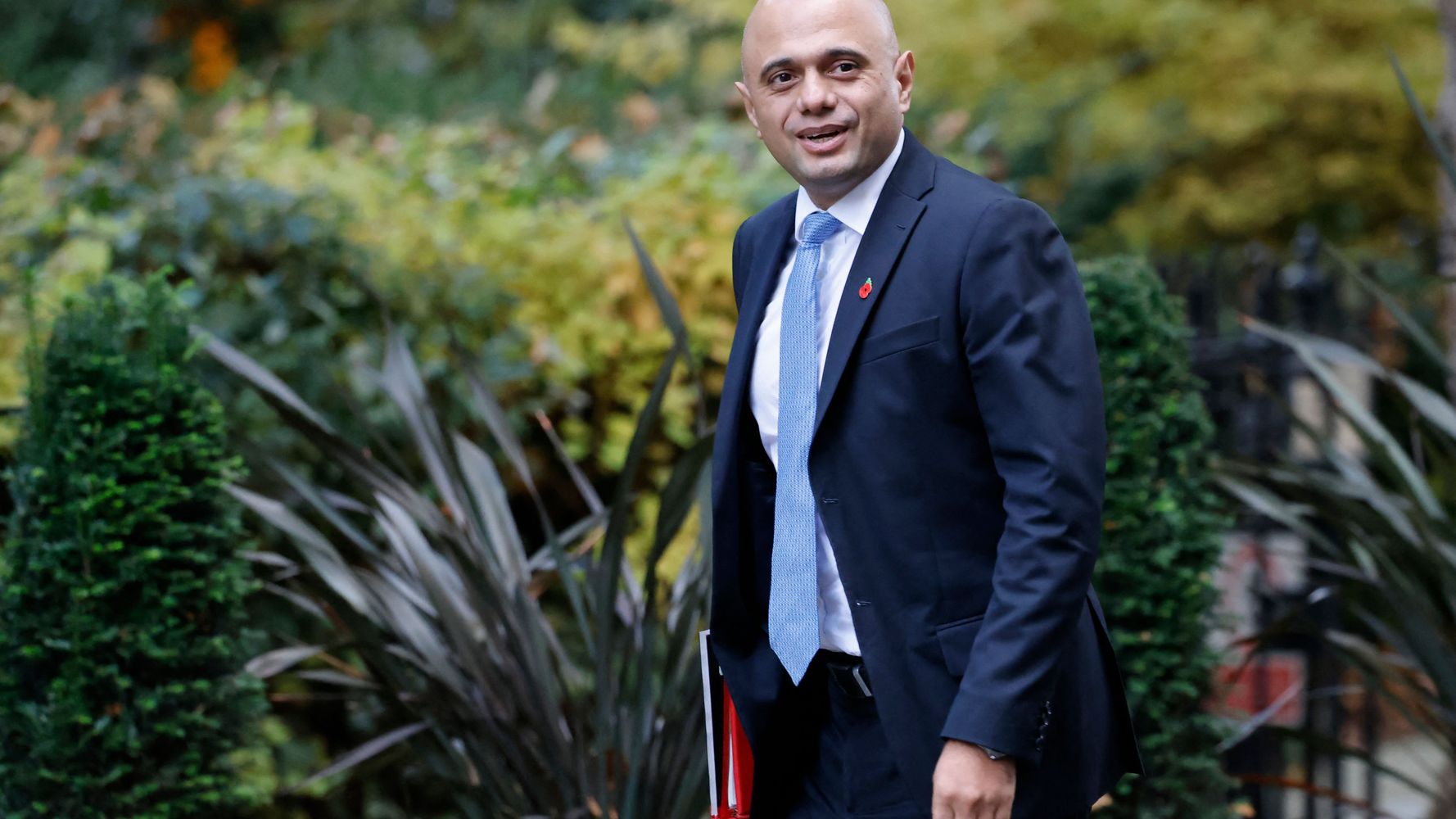
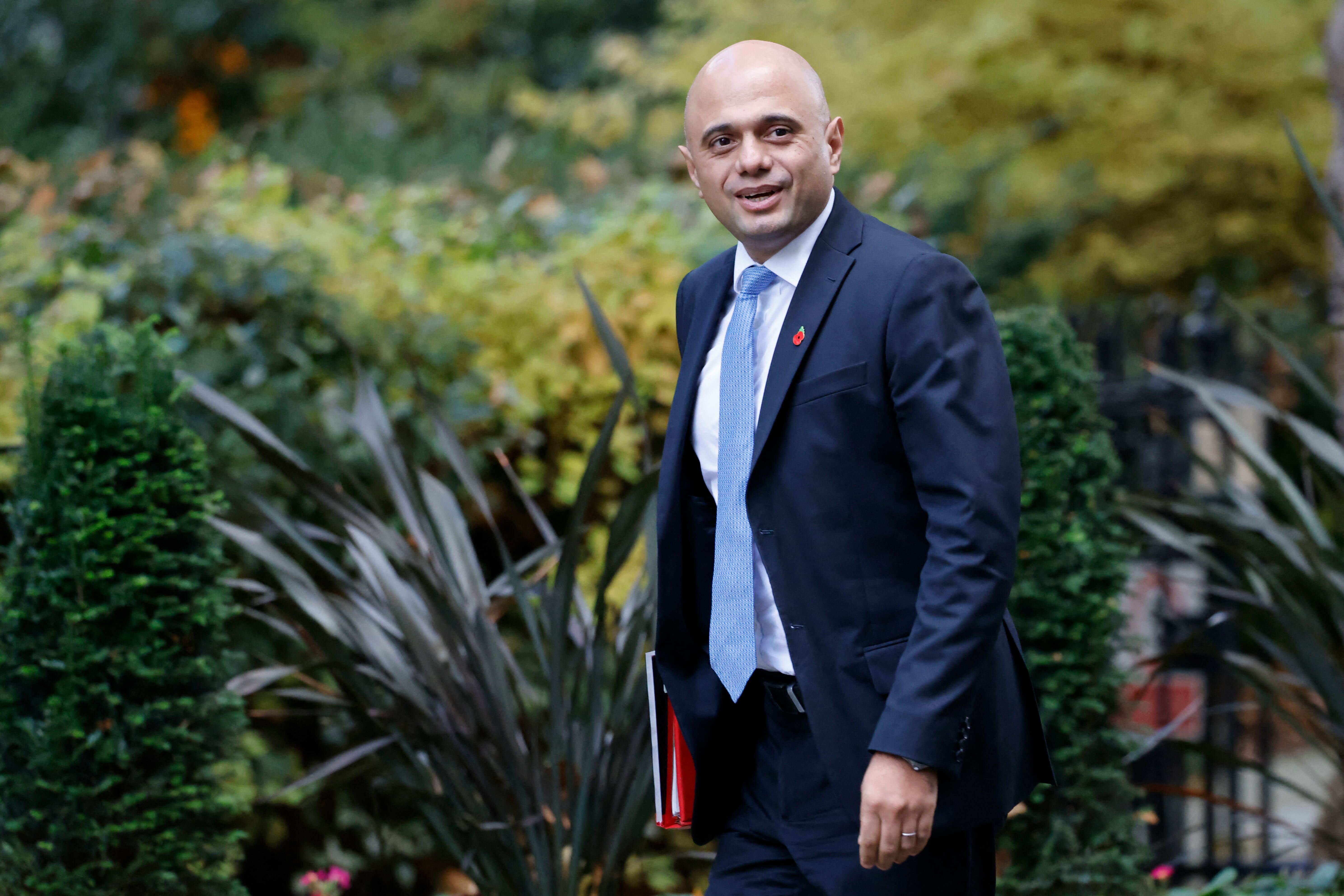
Sajid Javid has said the new Covid variant “may pose substantial risk to public health”.
Speaking in the Commons on Friday, the health secretary said there were “very live” discussions in government over adding further countries to the red list.
Advertisement
Javid said there were currently no UK cases of the variant, known as B.1.1.529, found in South Africa, Botswana, Hong Kong and Israel.
But he said it was “of huge international concern” and early indications showed the current vaccines “may be less effective against it”.
Advertisement
The UK has already added South Africa, Botswana, Lesotho, Eswatini, Zimbabwe and Namibia to its travel red list.
Passengers arriving into the UK from these countries from 4am on Sunday will be required to book and pay for a government-approved hotel quarantine for 10 days.
Advertisement
Transport Secretary Grant Shapps said ministers were taking a “safety-first approach”.
Dr Susan Hopkins, chief medical adviser of the UK Health Security Agency (UKHSA) said the variant was the “most worrying” seen by scientists but much was as yet unknown.
South African scientists sounded the alarm over the variant, which they fear is behind a spike in cases in some regions, including the Gauteng province, which includes the cities of Pretoria and Johannesburg.
Experts from the World Health Organisation are meeting with South African officials on Friday to assess the evolving situation in the country.
The government is repeatedly dodging calls for tighter restrictions despite rising Covid cases in the UK – so does this mean Britain could be heading for another its fourth lockdown in less than two years?
Will there be another lockdown?
Advertisement
There are no current plans to introduce a lockdown any time soon. Boris Johnson has claimed there is “nothing in the data” to suggest the UK needs to tighten restrictions – but he also refused to “rule anything out”.
Hospitalisations would need to reach almost 1,500 a day for the NHS to be overwhelmed, triggering another lockdown. Government data shows there are currently around 880 people admitted each day.
Advertisement
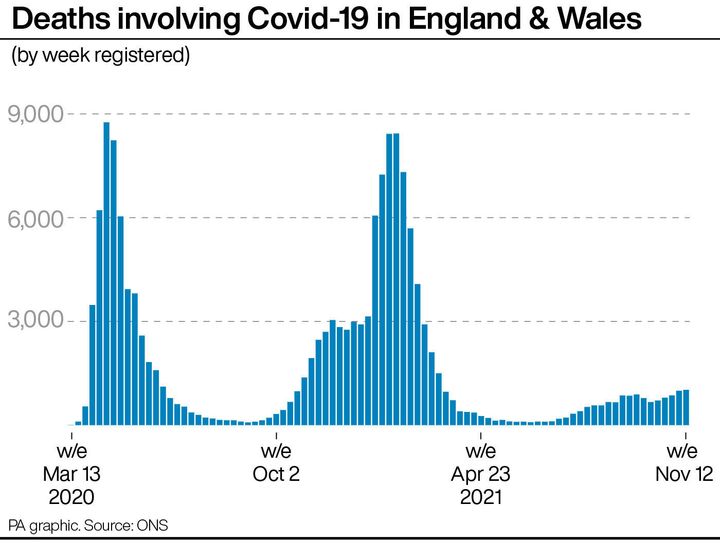
Deaths from Covid remain relatively low, too, compared to the previous rates seen shortly before lockdowns in March 2020, November 2020, and January 2021.
Deaths involving Covid-19 in England & Wales
Sky News’ science correspondent Thomas Moore has also said the government has shown “no inclination towards tightening up the rules” or even bringing in plan B.
Advertisement
Waning immunity and a relaxation in behaviour have triggered small spikes in infections since the UK unlocked in July, but booster jabs have seen these spikes level off quickly.
The prime minister has refused to implement plan B – mandatory face masks and working from home – relying on the vaccine take-up and boosters instead.
The government has promised to keep an eye on the data but also appears wary of bringing about the same anti-lockdown protests seen across Europe.
Only a “firebreak” lockdown will be used if necessary, although business secretary Kwasi Kwarteng told Sky News in October: “I would rule this out.”
Advertisement
Education secretary Nadhim Zahawi has also claimed the UK’s early and successful vaccine rollout means it’s unlikely that more restrictions will be brought in.
Austria became the first Western country to go into another full, national lockdown in November while Germany’s health minister Jens Spahn warned that by the end of winter, most of the country will be “vaccinated, cured or dead”.
The Netherlands, Belgium, Hungary, Croatia, Ireland, Slovakia and Czechia are all struggling with infections too.
However, Professor Neil Ferguson from Imperial College London, part of the government independent advisory panel SAGE, told Radio 4′s Today programme that the UK has already gone through the wave Europe is experiencing, and so the population has greater immunity compared to Germany and Austria.
Will Christmas be cancelled?
As Christmas 2020 was effectively cancelled just six days before December 25, this is a major concern for many families this year.
“Although vaccinations are our primary form of defence, there are many more things we can all do to help contain the spread of this virus, like meeting outdoors where it is possible.”
Advertisement
He added Christmas is possible “if we all play our part”.
Dr Mike Tildesley, part of the Scientific Pandemic Influenza Modelling group (Spi-M) told Sky News, “the idea of a winter lockdown is a long way away” unless the NHS comes under severe pressure again.
What you can do to stay safe in winter
As the UK’s future with Covid remains difficult to predict, you can reduce your own Covid risk in the upcoming months through several simple measures.
Make sure you ventilate your home for at least 10 minutes every hour. This prevents Covid from building up indoors.
Get vaccinated if you haven’t already and make sure you accept your booster jab when you are called up by the NHS.
Get your flu jab as the annual virus is likely to affect people more this year following last year’s lockdown – catching the flu could then make you more susceptible to Covid.
Wear a mask in crowded places, both indoors and outdoors, and wash your hands with soap and water for at least 20 seconds when you can.
Work from home where possible and reduce the number of people you see, or try to see more people outdoors.
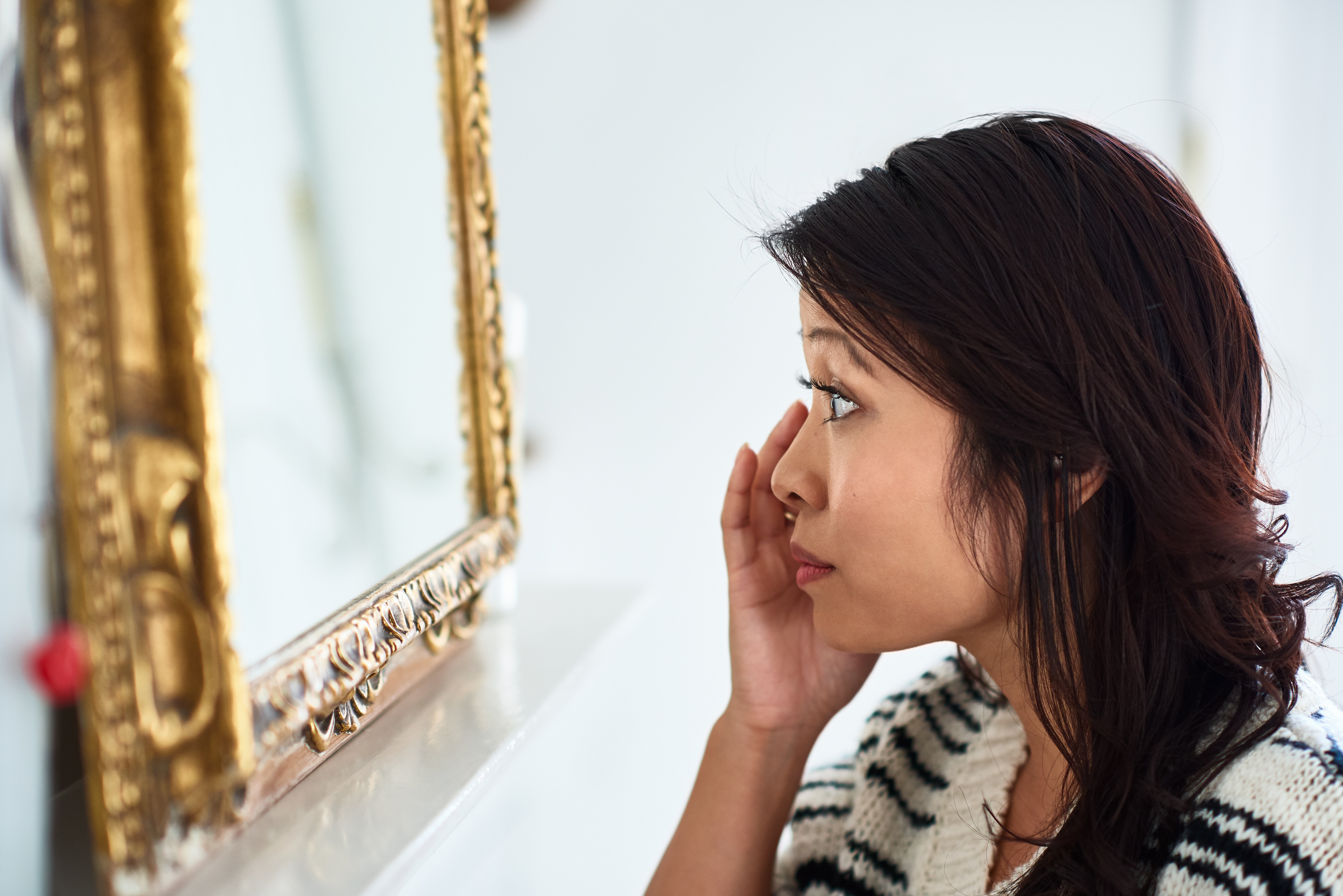
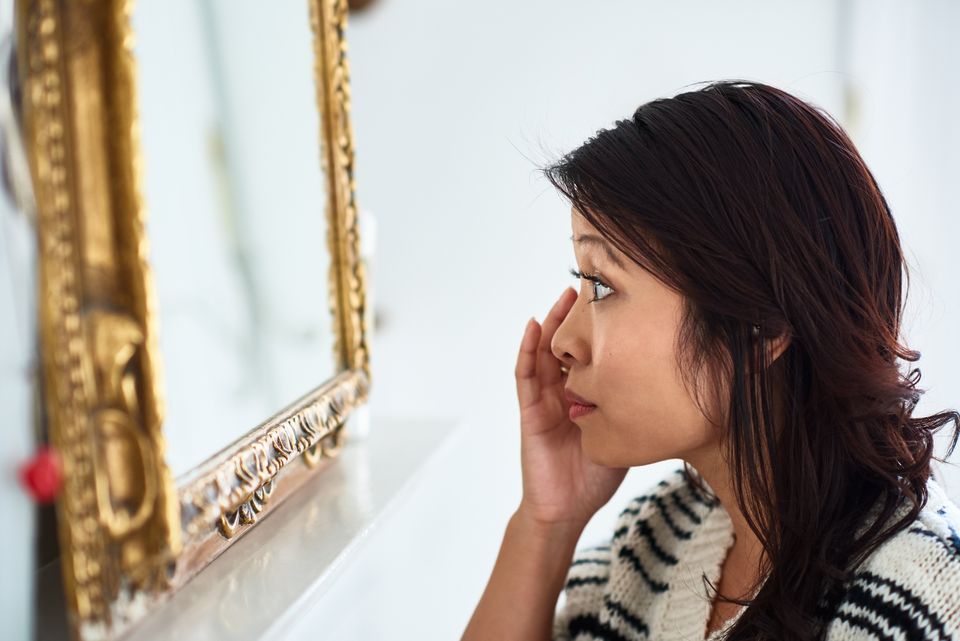
How do you feel about your body? There’s a chance you might have some issues with it, particular if you’re a woman (thanks to society’s ever-changing and unrealistic expectations of body standards).
Body dysmorphia disorder (BDD) is also characterised by a desire to change perceived “flaws”, when these are often unnoticeable to others.
In a survey of 2,000 respondents, Better revealed that 49% of women admit to thinking often about being lean enough, exercising despite illness or injury, feeling anxiety at missing a workout, giving up work or social obligations to maintain a workout schedule or diet, or maintaining an extreme exercise programme.
Advertisement
More than a third (34%) of women have received or know someone who has received online abuse directed at how their body looks. Meanwhile, 8% of women admit to commenting negatively on someone else’s physical appearance – compared to a fifth of men (21%). And 35% say low body confidence has impacted their social life and love life, while 7% say it has impacted their career progression.
10’000 Hours via Getty Images
Better also surveyed men and found similarly worrying results. It found that 54% of men have displayed a sign of body dysmorphia, with a quarter admitting they rarely or never feel body confident.
Advertisement
Age also played a part, with 18–24-year-olds being the age group with the highest percentage (81%) having experienced at least one sign of body dysmorphia.
The study also found that 31% say low body confidence has affected their social life, with 30% saying it has troubled their love life, and 27% saying it has impacted their mental health.
So what are the signs to watch out for?
According to the NHS, symptoms of body dysmorphic disorder (BDD) include:
Worrying a lot about a specific area of your body (particularly your face)
Spending a lot of time comparing your looks with other people’s
Looking at yourself in mirrors a lot or avoiding mirrors altogether
Going to a lot of effort to conceal flaws – for example, by spending a long time combing your hair, applying make-up or choosing clothes
Picking at your skin to make it “smooth”.
Advertisement
BDD can start at a young age and persist through adulthood. Better’s research found that it can start as early as five years old.
You should see a GP if you think you might have BDD. They’ll probably ask a number of questions about your symptoms and how they affect your life. They may also ask if you’ve had any thoughts about harming yourself. You may be treated by the GP, or they may refer you to a mental health specialist for further assessment and treatment.
The most common treatment for BDD is Cognitive behavioural therapy (CBT), which will help you identify your triggers and learn some techniques to manage your thoughts and emotions. Some people are also offered antidepressants.
Getting help for BDD is important, because symptoms are unlikely to go away without treatment. It’s a common mental health condition – and nothing to be embarrassed about.
Mind, open Monday to Friday, 9am-6pm on 0300 123 3393.
Samaritans offers a listening service which is open 24 hours a day, on 116 123 (UK and ROI – this number is FREE to call and will not appear on your phone bill).
CALM (the Campaign Against Living Miserably) offer a helpline open 5pm-midnight, 365 days a year, on 0800 58 58 58, and a webchat service.
The Mix is a free support service for people under 25. Call 0808 808 4994 or email help@themix.org.uk
Rethink Mental Illness offers practical help through its advice line which can be reached on 0808 801 0525 (Monday to Friday 10am-4pm). More info can be found on rethink.org.
The government has warned it will be prepared to activate Plan B measures if it needs to, which would involve reintroducing compulsory mask-wearing and working from home guidance as well as bringing in vaccine passports.
“If we needed to take further measures with Plan B then we would do so, but we’re not at that point,” Javid said.
Asked whether the UK should be “dusting off Plan B just in case”, Javid replied: “Well the first thing I’d say if I may is we made a tough decision back in the start of the summer.
“Other countries didn’t follow our course and we decided that of course we want to start opening up, and if you are going to do that, it is best to do it into summer — it is far safer to do it in summer.
“Sadly, other countries in Europe did not do that. But looking ahead, as we look down towards winter, we need to make sure that we remain cautious, we are not complacent in any way.”
He added: “I have mentioned the importance of the booster programme, but in terms of any other potential measures, we have said all along we have got Plan A and that is where we firmly are at the moment.”
Protests have been erupting across Europe this week after several countries decided to reimpose lockdown rules as another wave hits the continent.
There has been unrest in the Netherlands after its government imposed a three-week shutdown last weekend, meaning bars and restaurants must close at 8pm and crowds are banned at sports events.
Meanwhile, in Austria, an initial lockdown for the unvaccinated has been superseded by a full national lockdown that will kick in on Monday.
As part of the lockdown, there will be a legal requirement for people to get vaccinated 1 February 2022.
Speaking on the Andrew Marr Show, Javid said compulsory vaccines for the general population was not “something we would ever look at”.
“It is up to Austria, other countries, to decide what they need to do,” he said.
“We are fortunate that in this country, although we have vaccine hesitancy, it is a lot lower than we are seeing in other places.”
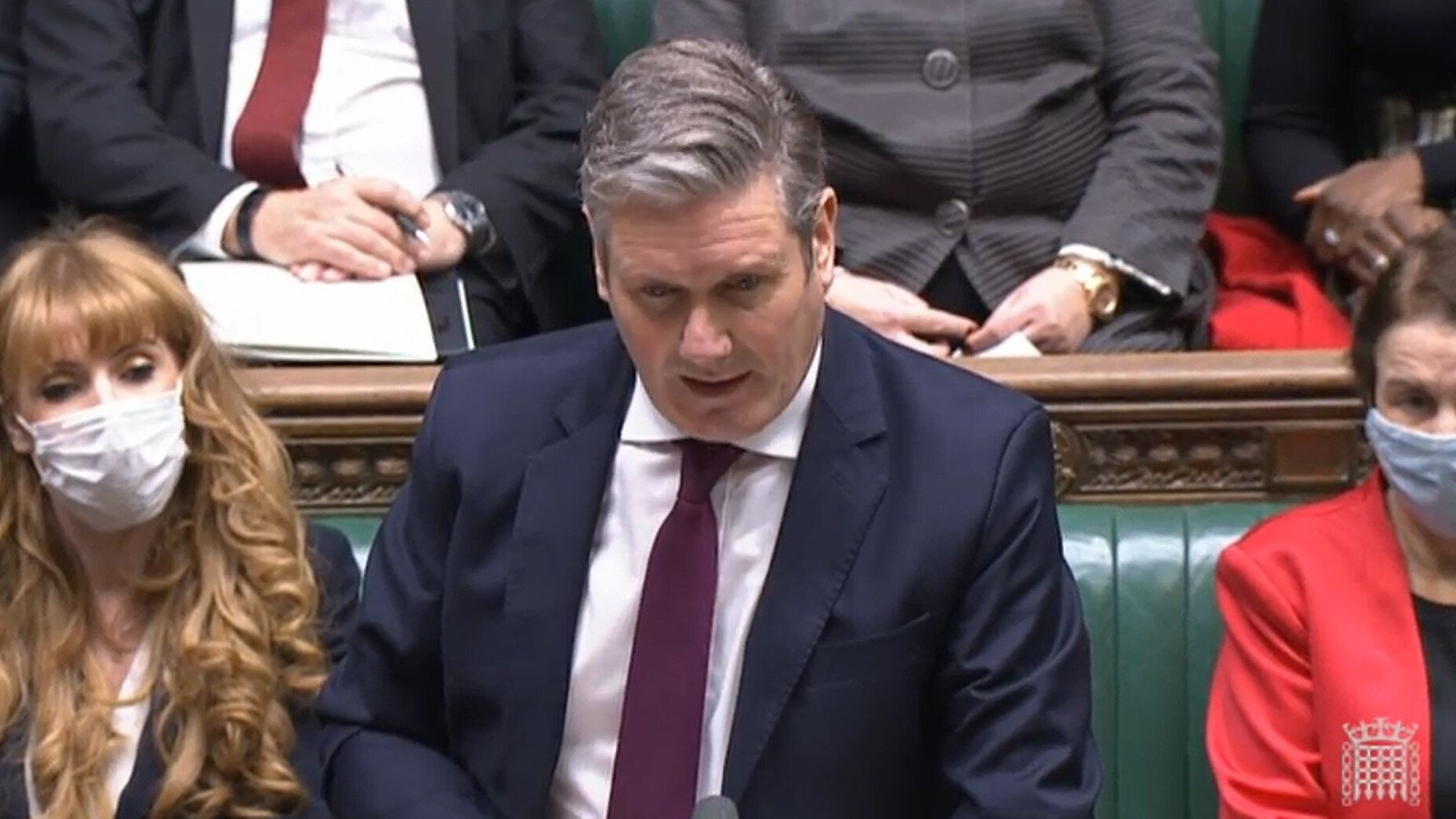
Labour leader Keir Starmer has been forced to withdraw comments in which he called Boris Johnson a “coward not a leader” following a rebuke from the Speaker.
During a fiery and ill-tempered session of prime minister’s questions, Starmer called on Johnson to apologise for his handling of the Owen Paterson scandal, in which the government sought to overturn punishment for the former Cabinet minister and paid lobbyist.
Advertisement
The Labour leader pointed out that while the business secretary, Kwasi Kwarteng, and the leader of the House, Jacob Rees-Mogg, had both apologised for their role in the affair, Johnson was yet to do the same.
“Across the country and belatedly across this house, there is now agreement that Owen Paterson broke the rules and that the government should not have tried to let him off the hook,” Starmer said.
Advertisement
“Many members opposite have apologised. The business secretary has apologised for his part. The leader of the House has apologised for his part, but they were following the prime minister’s lead.
“So will he do the decent thing and just say sorry for trying to give the green light to corruption?”
Advertisement
Johnson replied that it was “certainly a mistake” to conflate reform of the standards system with Paterson’s case before moving on to challenge Starmer’s former paid work at the law firm Mishcon de Reya.
Starmer hit back: “That’s not an apology. Everybody else has apologised for him, but he won’t apologise for himself.”
He continued: “A coward not a leader. Weeks defending corruption. Yesterday a screeching last-minute U-turn to avoid defeat on Labour’s plan to ban MPs from dodgy second contracts.
“But waving one white flag won’t be enough to restore trust.”
Advertisement
Starmer’s uncharacteristically strong language was seized on by Tory MP Michael Fabricant, who used a point of order to urge the Labour leader to withdraw his comment.
Speaker Lindsay Hoyle noted: “Coward is not what is used in this House.”
Starmer replied: “I withdraw it, but he’s no leader.”
During the session the Speaker repeatedly made clear his anger at the mood and rough language used in the House, especially in the aftermath of the death of Tory MP David Amess and the conversation it sparked about language in politics.
Hoyle also clashed with Johnson over his attempts to question Starmer’s links to Mishcon de Reya. Starmer turned down a second job with the law firm in the summer of 2017 following accusations it conflicted with his role as shadow Brexit secretary.
Hoyle told the PM: “I don’t want to fall out about it, I’ve made it very clear – it is prime minister’s questions, it’s not for the Opposition to answer your questions.
“Whether we like it or not those are the rules of the game that we’re all into and we play by the rules, don’t we? And we respect this House, so let’s respect the House.”
Despite the reprimand, Johnson attempted to ask again about the issue in a later exchange, to which the Speaker said: “Prime minister, sit down!
“I’m not going to be challenged, you may be the prime minister of this country but in this House I’m in charge.”
Johnson later accused Starmer of “Mish-conduct”, a play on words that prompted outcry from the Labour benches.
Advertisement
At the end of the session, Hoyle lamented the conduct of MPs and said the House had not done “any good” today.
“I’ll be quite honest, I think it’s been ill-tempered, I think it shows the public that this House has not learnt from the other week, I need this House to gain respect but it starts by individuals showing respect for each other,” he said.