Scientists carry out tests with new parents to find what works best to help crying babies sleep.


Scientists carry out tests with new parents to find what works best to help crying babies sleep.
It is believed to be linked to people drinking unsafe water from the drought-hit River Euphrates.
Senior midwife Donna Ockenden is examining failings by maternity services in Nottingham.
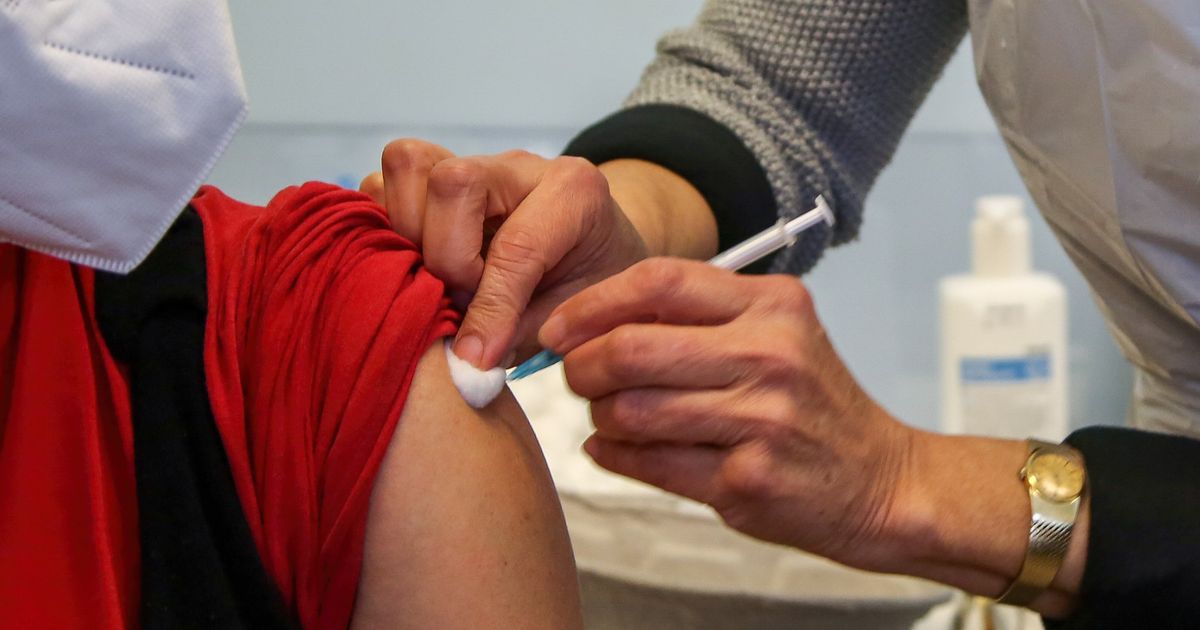
Patients are expressing concern that some Covid booster jabs, flu vaccinations, as well as key hospital appointments, are being cancelled ahead of the Queen’s funeral on September 19 since it was made a last-minute Bank Holiday.
Kate Brodie, 62, a retired NHS GP who is about to start a second round of chemotherapy for breast cancer, had specifically timed the date of her Covid booster so it fell before her hospital treatment started.
Advertisement
The vaccine was booked for September 19. However Brodie, who lives in south Devon, says she received a text message on September 12 saying the appointment had been cancelled due to the unexpected bank holiday.
“Having cancer is a huge stress with all the worry about survival, the process of going through gruesome treatment and hoping to continue to avoid Covid 19 while my immune system is down,” she tells HuffPost UK.
“The death of the Queen is very sad, but the reaction by NHSE [NHS England] to cancel delivery of much-needed services at short notice will cause harm and hardship to many.”
Advertisement
Many GP practices across England will be closed for the Bank Holiday, which has been given to allow individuals, businesses and other organisations to pay their respects to the Queen on the day of her state funeral.
A letter from Dr Ursula Montgomery, director of primary care at NHS England, said that out-of-hours services will be in place during the day to meet patients’ urgent primary medical care needs.
The funeral has come at a busy time for the NHS, as it implements its Covid booster and flu vaccination programmes ahead of the winter.
A text message from one GP surgery on the outskirts of London, seen by HuffPost UK, said flu vaccine appointments scheduled for this week would need to be rescheduled by a few days because of “the unfortunate news the nation is facing at the moment”.
Dr Helen Salisbury, a GP and medical educator from Oxford, explained on Twitter how a last minute bank holiday can be a “nightmare” for those trying to run health services, especially with lots of patients already booked in.
“What to do?” she tweeted. “Implore staff to work and pay extra? Reschedule and delay all the appointments?”
Advertisement
Other staff working in general practice responded to say that even when they do open on Bank Holidays, they often aren’t busy. Some added that they suspect lots of patients won’t turn up because they’ll be watching the funeral.
Advertisement
Scheduled Covid boosters are still going ahead in care homes, said NHS England, which has also issued guidance urging clinics to stay open to deliver the boosters “where there is a high population need”.
But a report by openDemocracy found thousands of non-urgent hospital appointments – for issues such as hip and knee replacements, cataract surgery, maternity checks and some cancer treatments – are being postponed.
One pregnant woman revealed how her foetal scan had been cancelled, leaving her anxious about her baby’s health.
“I’m really disappointed,” she told openDemocracy. “Yes, it’s a routine scan, but that’s another week or two until I’m seen and wondering whether my baby is healthy – which means quite a lot of anxiety, sitting and waiting.”
Advertisement
Kate Brodie has since tried to rebook her Covid booster for the next cycle, but was told there were no dates free near to where she lives.
“Thankfully I have found a centre 15 miles away that I can attend on Sunday instead,” she says. “I am lucky I am mobile and have transport to reach the further venue.”
Meanwhile, Greg Hadfield, 66, from Brighton, also found out his Covid booster vaccine appointment on September 19 has been cancelled and is now having to travel nearly 40 minutes by car to get another one.
The 66-year-old was originally invited to have the booster at his local Waitrose. However because the store will now be closed for the Bank Holiday – as many supermarkets will be – his appointment won’t go ahead.
“When I tried to re-book for another day at the same centre, the system offered only dates that were 14 days-plus ahead, by which time I will be abroad for a month,” he tells HuffPost UK.
Advertisement
He has managed to book an appointment 40 minutes away for the same date, September 19, which hasn’t been cancelled – so far.
“I am just relieved to get the booster before leaving for Turkey and Greece later this month,” he says.

Margaret Ferrier took the train from London to Glasgow after testing positive for the virus.

Queen Elizabeth II’s death is being marked by a period of national mourning, with the late monarch’s funeral taking place next Monday once a series of royal protocols are followed.
The protracted memorial has created a vacuum which is being filled by some curious behaviour.
Too many marmalade sandwich tributes
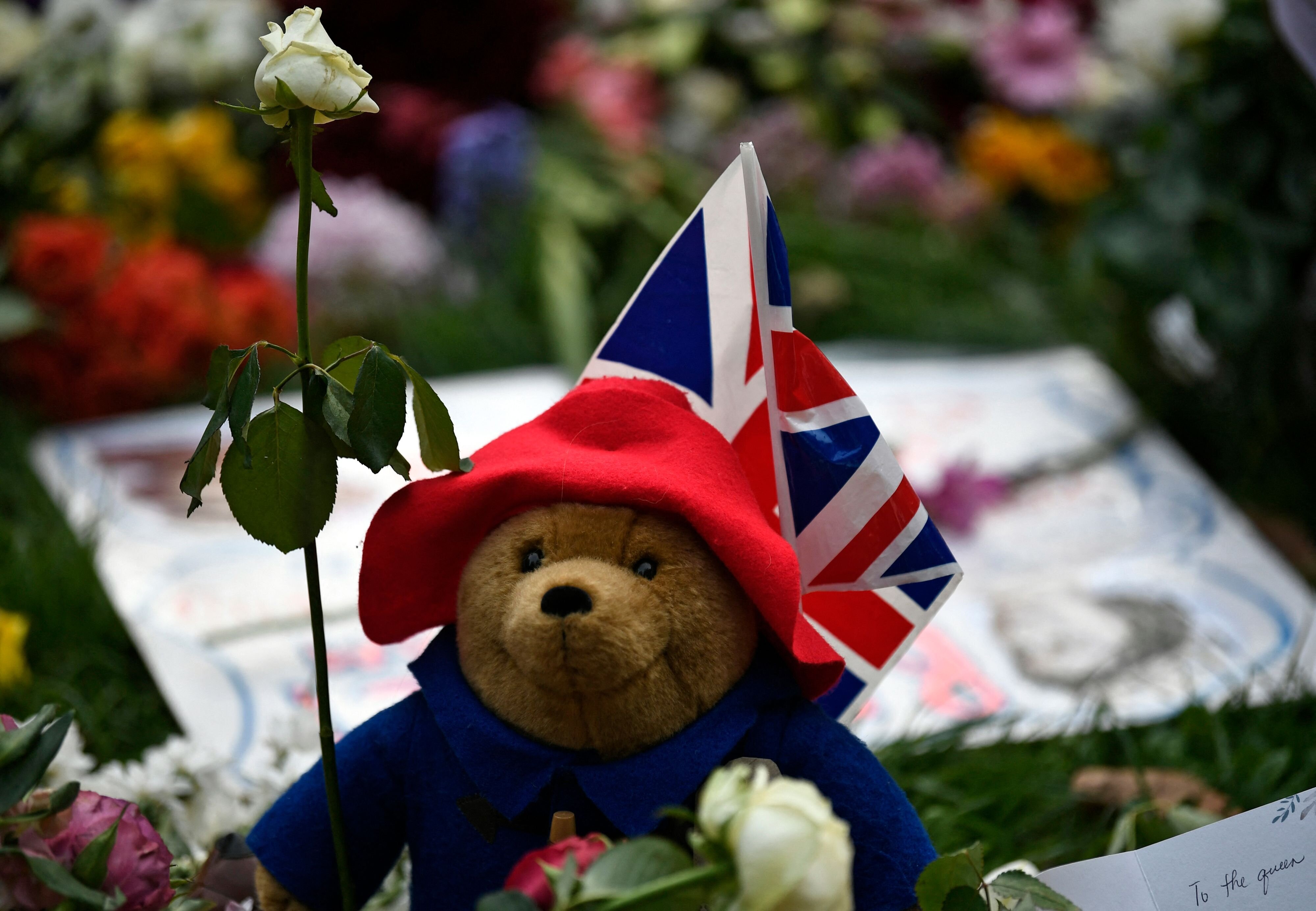
Mourners are being urged not to leave Paddington bears and marmalade sandwiches among the floral tributes to the Queen.
Advertisement
The Royal Parks said on Monday no gifts or artefacts will be accepted and that non-floral objects should not be taken.
The shrines at royal residences over the last few days have included tributes such as teddy bears, Corgi soft toys, balloons and marmalade sandwiches in a nod to the Queen’s Platinum Jubilee sketch with Paddington Bear.
“The Royal Parks are suggesting that there are enough Paddingtons and marmalade sandwiches in the parks at the moment,” BBC Breakfast presenter Sally Nugent said outside Buckingham Palace on Monday morning.
Advertisement
“So please feel free to bring flowers, but maybe don’t bring anymore Paddingtons or marmalade sandwiches for now.”
Mother’s funeral cancelled
On the James O’Brien show on LBC radio, a caller told the presenter her mother’s funeral would not go ahead as it was on the same day as the Queen’s.
She said: “The funeral directors phoned us around 9 o’clock this morning and said ‘I’m sure you know why I’m ringing’. I didn’t. We’d had a few people contacting us over the weekend to say ‘had anything changed’ and we said of course not.”
The crematorium was very “matter of fact” that it would be closed next Monday, she said.
The caller added: “It feels like one of those decisions that can be made on paper very easily, but there’s no appreciation of the stress and practical problems that causes.”
Advertisement
Presenter films ‘quiet reflection’
GB News presenter Dan Wootton has faced a backlash after posting a video of himself laying a floral tribute at Buckingham Palace in a moment of “quiet reflection”.
Wootton wrote: “I wanted to return to Buckingham Palace today for some quiet reflection and lay my own tribute. Crowds young, old, from all ethnicities and backgrounds.
“Truly the best of British doing her justice.”
Advertisement
Someone claiming to have witnessed the spectacle suggested it took four takes.
And many pointed out he has previously criticised Harry and Meghan for being photographed at a war memorial in Los Angeles, California.
Bowie NFT delayed
Brands have been mocked mercilessly for what you might charitably describe as their clumsy attempts to pay tribute.
Among the more unlikely is the delayed launch of a new non-fungible token (NFT) project celebrating David Bowie.
‘Bowie On The Blockchain’ has been halted until the mourning period is over, according to the late pop star’s official Twitter account.
Advertisement
‘Car free day’ postponed
A London council has postponed its “car free day” to honour the Queen’s death.
Hammersmith and Fulham Council has put the brakes on plans to keep King Street open to motorists, it said.
The borough announced on Twitter: “Please be aware that, following the passing of Her Majesty The Queen, today’s scheduled Car Free Day celebration in Hammersmith has been postponed. As a result, King Street will now remain open to motorists.”
One Twitter user wrote: “A beautiful tribute. I’m watching the traffic jam between TK Maxx and the William Morris with a patriotic tear running down my cheek.”


An ultrathin invention could make future computing, sensing and encryption technologies remarkably smaller and more powerful by helping scientists control a strange but useful phenomenon of quantum mechanics, according to new research recently published in the journal Science.
Scientists at Sandia National Laboratories and the Max Planck Institute for the Science of Light have reported on a device that could replace a roomful of equipment to link photons in a bizarre quantum effect called entanglement. This device — a kind of nano-engineered material called a metasurface — paves the way for entangling photons in complex ways that have not been possible with compact technologies.
When scientists say photons are entangled, they mean they are linked in such a way that actions on one affect the other, no matter where or how far apart the photons are in the universe. It is an effect of quantum mechanics, the laws of physics that govern particles and other very tiny things.
Although the phenomenon might seem odd, scientists have harnessed it to process information in new ways. For example, entanglement helps protect delicate quantum information and correct errors in quantum computing, a field that could someday have sweeping impacts in national security, science and finance. Entanglement is also enabling new, advanced encryption methods for secure communication.
Research for the groundbreaking device, which is a hundred times thinner than a sheet of paper, was performed, in part, at the Center for Integrated Nanotechnologies, a Department of Energy Office of Science user facility operated by Sandia and Los Alamos national laboratories. Sandia’s team received funding from the Office of Science, Basic Energy Sciences program.
Light goes in, entangled photons come out
The new metasurface acts as a doorway to this unusual quantum phenomenon. In some ways, it’s like the mirror in Lewis Carrol’s “Through the Looking-Glass,” through which the young protagonist Alice experiences a strange, new world.
Instead of walking through their new device, scientists shine a laser through it. The beam of light passes through an ultrathin sample of glass covered in nanoscale structures made of a common semiconductor material called gallium arsenide.
“It scrambles all the optical fields,” said Sandia senior scientist Igal Brener, an expert in a field called nonlinear optics who led the Sandia team. Occasionally, he said, a pair of entangled photons at different wavelengths emerge from the sample in the same direction as the incoming laser beam.
Brener said he is excited about this device because it is designed to produce complex webs of entangled photons — not just one pair at a time, but several pairs all entangled together, and some that can be indistinguishable from each other. Some technologies need these complex varieties of so-called multi-entanglement for sophisticated information processing schemes.
Other miniature technologies based on silicon photonics can also entangle photons but without the much-needed level of complex, multi-entanglement. Until now, the only way to produce such results was with multiple tables full of lasers, specialized crystals and other optical equipment.
“It is quite complicated and kind of intractable when this multi-entanglement needs more than two or three pairs,” Brener said. “These nonlinear metasurfaces essentially achieve this task in one sample when before it would have required incredibly complex optical setups.”
The Science paper outlines how the team successfully tuned their metasurface to produce entangled photons with varying wavelengths, a critical precursor to generating several pairs of intricately entangled photons simultaneously.
However, the researchers note in their paper that the efficiency of their device — the rate at which they can generate groups of entangled photons — is lower than that of other techniques and needs to be improved.
What is a metasurface?
A metasurface is a synthetic material that interacts with light and other electromagnetic waves in ways conventional materials can’t. Commercial industries, said Brener, are busy developing metasurfaces because they take up less space and can do more with light than, for instance, a traditional lens.
“You now can replace lenses and thick optical elements with metasurfaces,” Brener said. “Those types of metasurfaces will revolutionize consumer products.”
Sandia is one of the leading institutions in the world performing research in metasurfaces and metamaterials. Between its Microsystems Engineering, Science and Applications complex, which manufactures compound semiconductors, and the nearby Center for Integrated Nanotechnologies, researchers have access to all the specialized tools they need to design, fabricate and analyze these ambitious new materials.
“The work was challenging as it required precise nanofabrication technology to obtain the sharp, narrowband optical resonances that seeds the quantum process of the work,” said Sylvain Gennaro, a former postdoctoral researcher at Sandia who worked on several aspects of the project.
The device was designed, fabricated and tested through a partnership between Sandia and a research group led by physicist Maria Chekhova, an expert in the quantum entanglement of photons at the Max Planck Institute for the Science of Light.
“Metasurfaces are leading to a paradigm shift in quantum optics, combining ultrasmall sources of quantum light with far reaching possibilities for quantum state engineering,” said Tomás Santiago-Cruz, a member of the Max Plank team and first author on the paper.
Brener, who has studied metamaterials for more than a decade, said this newest research could possibly spark a second revolution — one that sees these materials developed not just as a new kind of lens, but as a technology for quantum information processing and other new applications.
“There was one wave with metasurfaces that is already well established and on its way. Maybe there is a second wave of innovative applications coming,” he said
Sandia National Laboratories is a multimission laboratory operated by National Technology and Engineering Solutions of Sandia LLC, a wholly owned subsidiary of Honeywell International Inc., for the U.S. Department of Energy’s National Nuclear Security Administration. Sandia Labs has major research and development responsibilities in nuclear deterrence, global security, defense, energy technologies and economic competitiveness, with main facilities in Albuquerque, New Mexico, and Livermore, California.
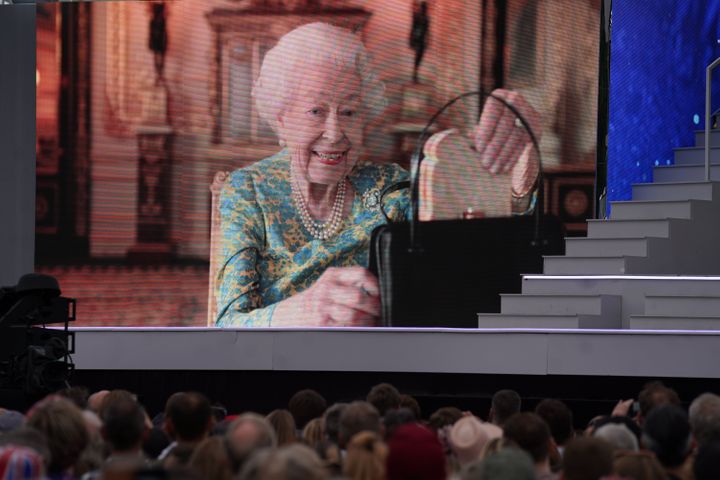
It was the Queen’s final starring role of her Platinum Jubilee celebrations and now her iconic double act with Paddington Bear is living on in tributes paid after her death.
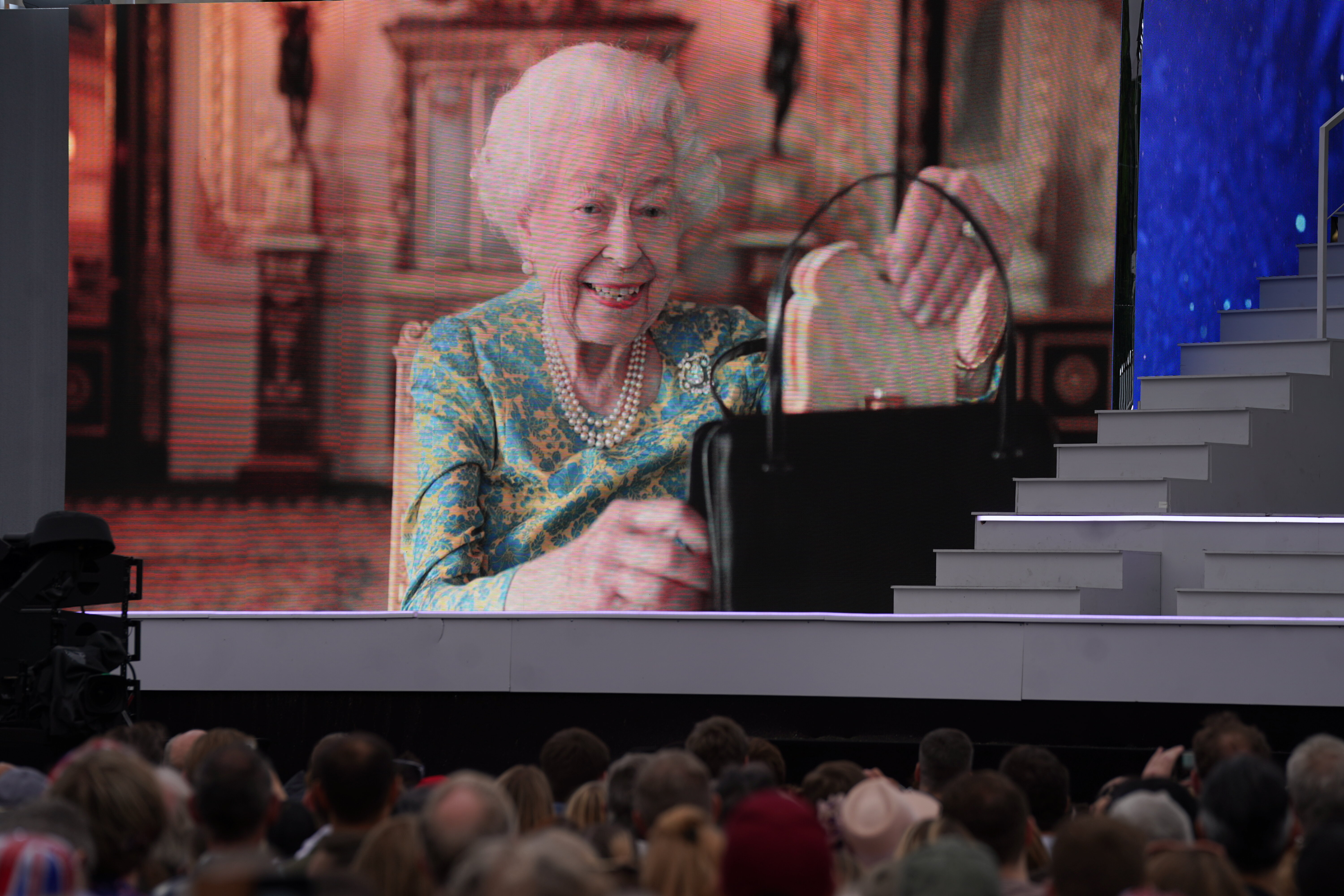
The monarch’s two-minute skit with the famous bear from Peru – another British icon – was widely judged a highlight of the Platinum Party at the Palace in June.
Advertisement
The pair were seen sitting down together for a spot of tea, with Paddington swigging straight from the spout, before offering the Queen a bite of his marmalade sandwich, the one he keeps handy, he told her, “just in case”.
“So do I,” the Queen replied, before opening her famous black handbag to reveal the very same. “I keep mine in here,” she said. “For later.”
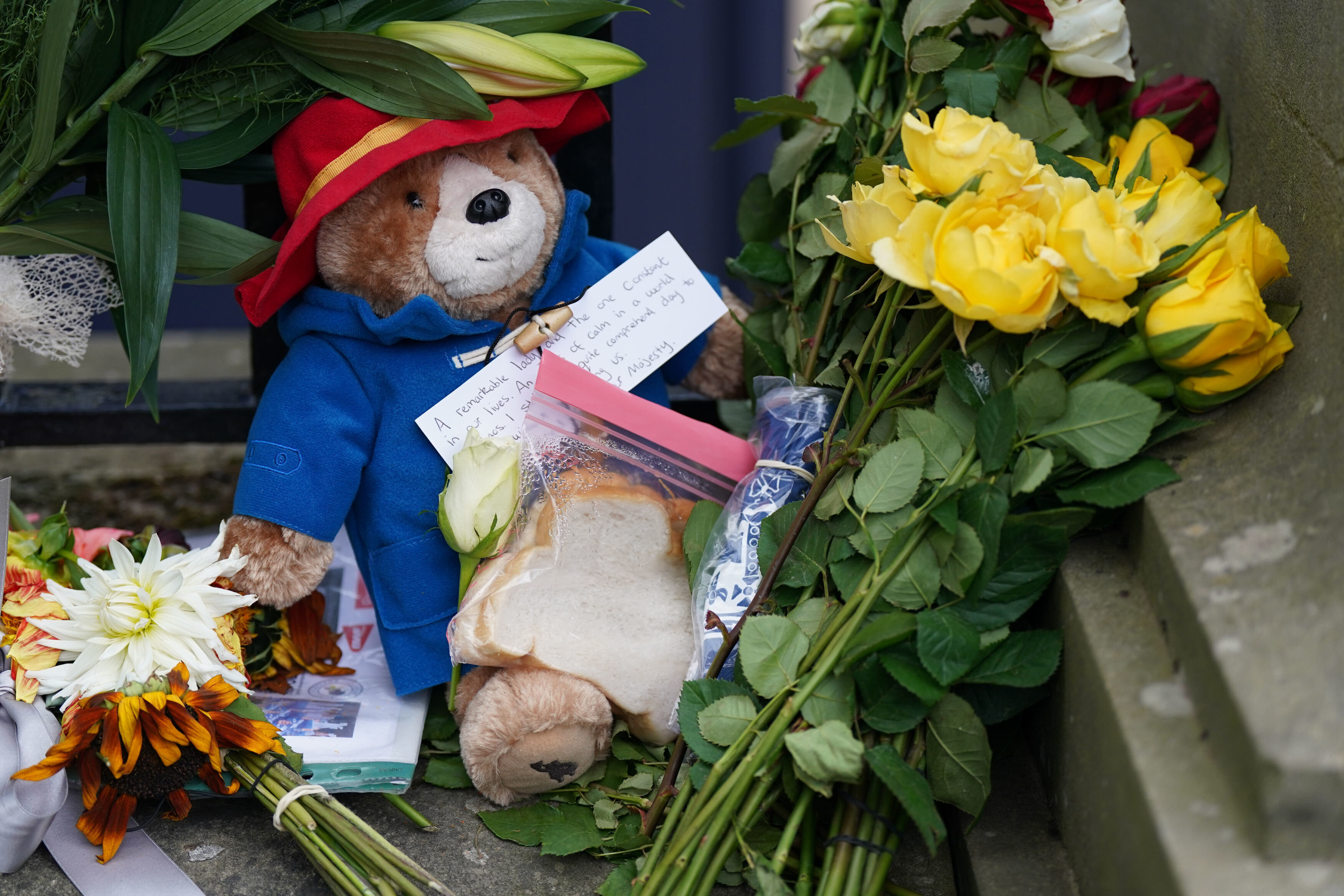
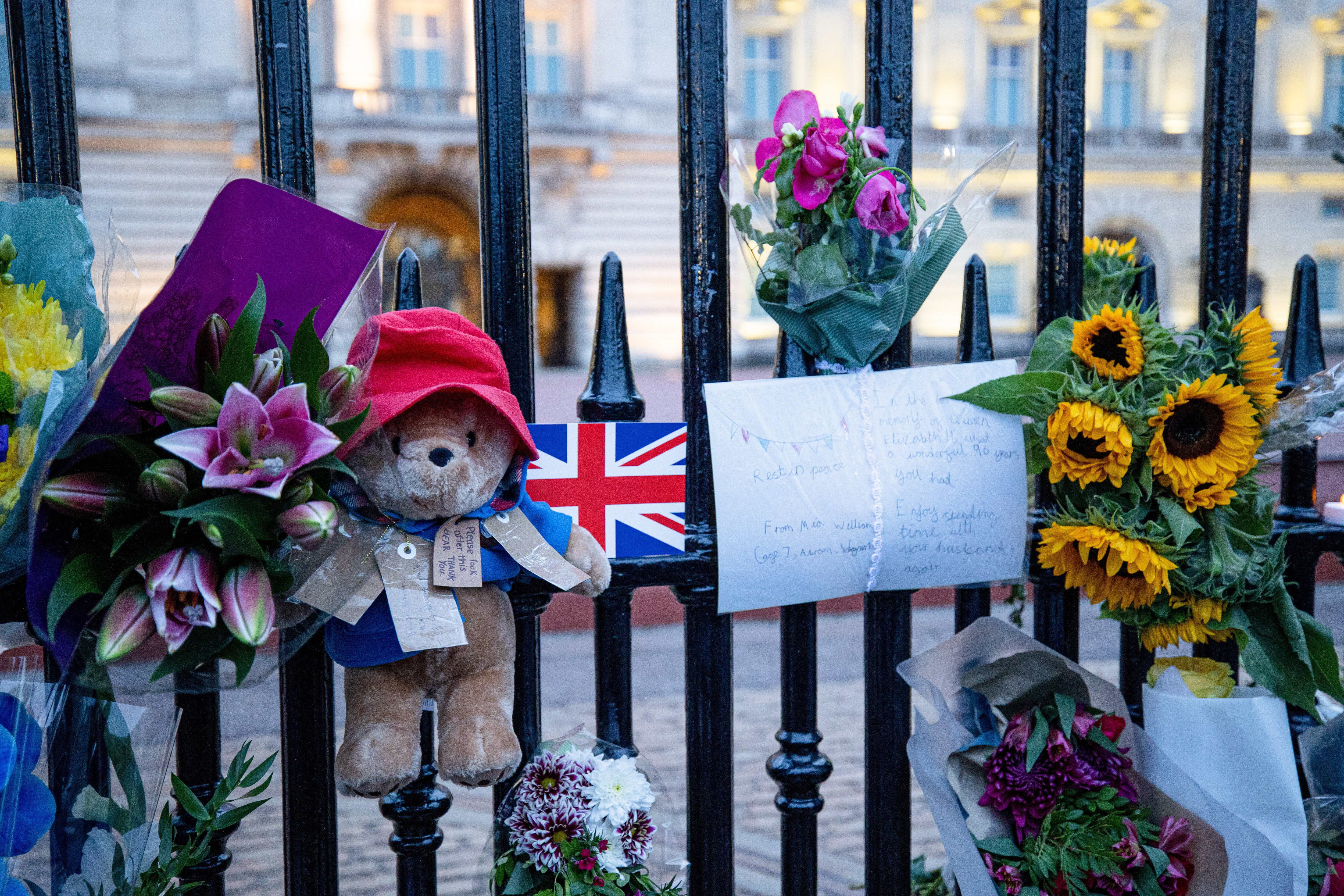
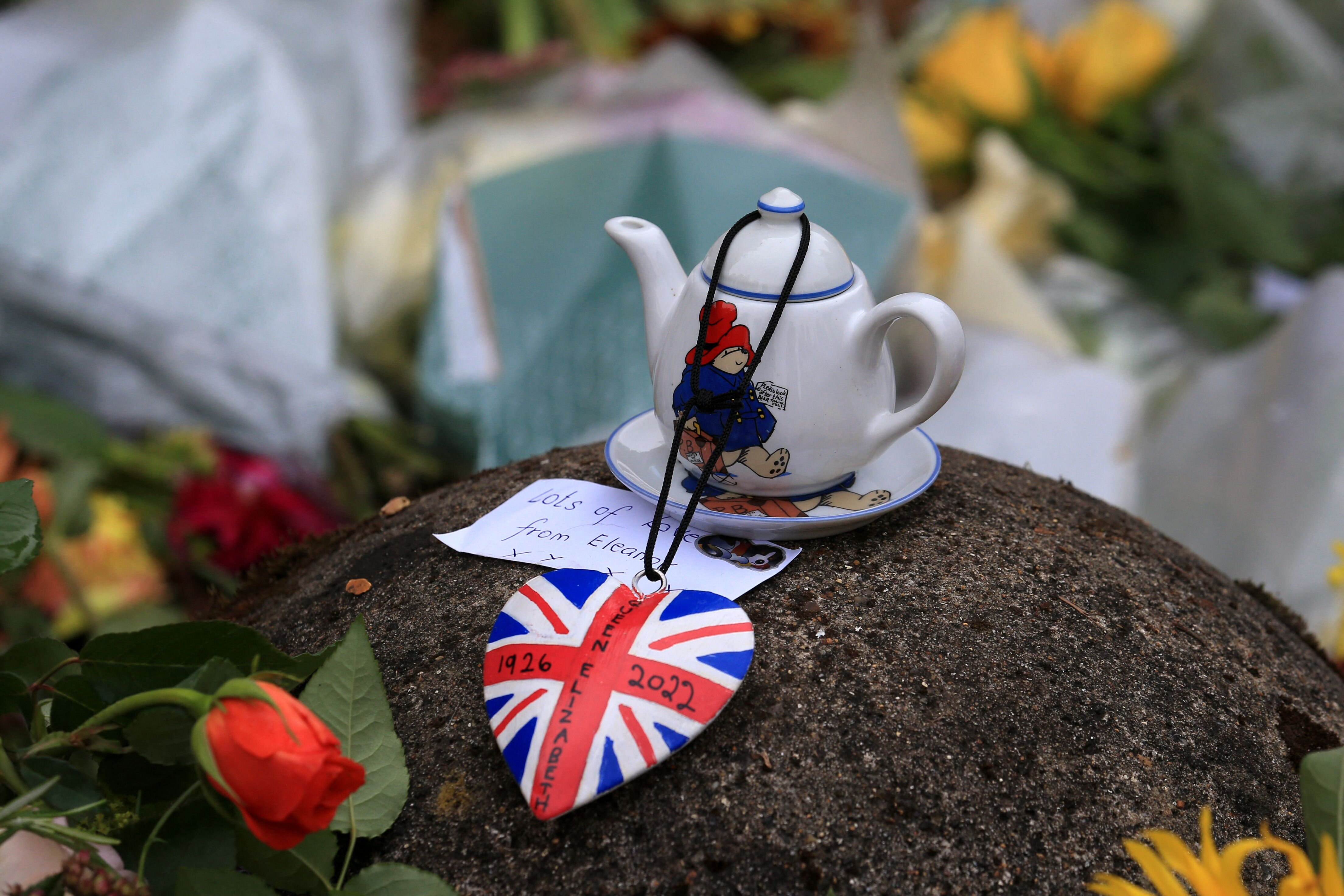
Now, mourners are leaving sandwich bags, bears and other bits of Paddington memorabilia outside Buckingham Palace, Windsor Castle, Sandringham, Holyroodehouse and other royal residences around the country.
Advertisement
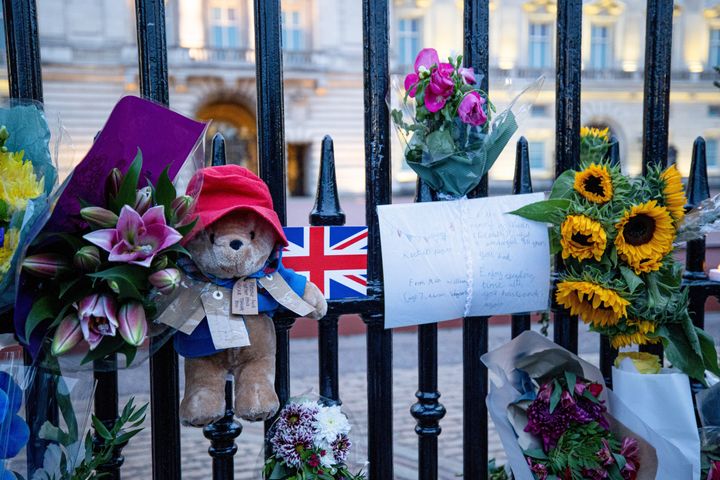
SOPA Images via Getty Images
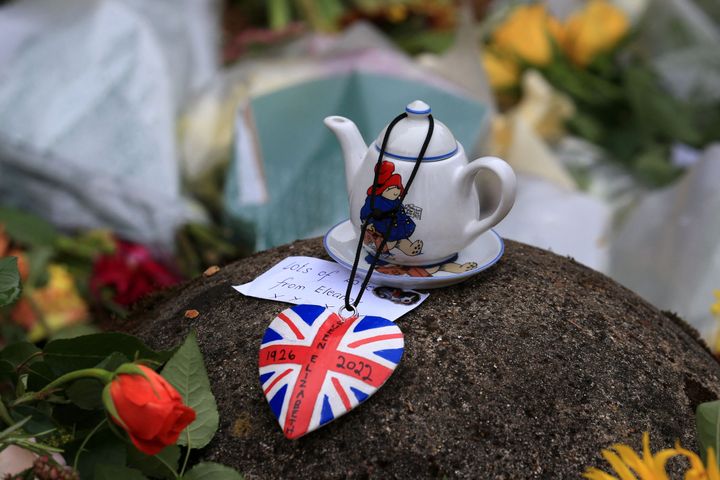
LINDSEY PARNABY via Getty Images
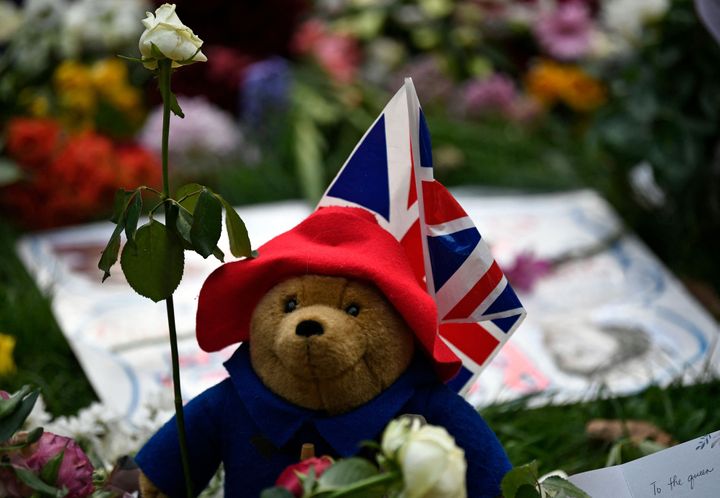
STEPHANE DE SAKUTIN via Getty Images
One well-wisher even handed a Paddington Bear directly to Prince William during his unexpected public walkabout with his wife and the Duke and Duchess of Sussex outside Windsor Castle on Saturday afternoon.
In fact, there are so many Paddingtons and sandwich bags piling up outside royal residences that The Royal Parks, which operates Green Park and St James’s Park, as well as six other royal parklands around London, has asked the public to stick to leaving flowers instead.
Advertisement
“The Royal Parks are suggesting that there are enough Paddingtons and marmalade sandwiches in the parks at the moment,” a BBC Breakfast presenter said outside Buckingham Palace on Monday morning.
“So please feel free to bring flowers, but maybe don’t bring anymore Paddingtons or marmalade sandwiches for now.”
The message echoed guidance issued on the Royal Parks website regarding floral tributes to the Queen.
“We would prefer visitors not to bring non-floral objects/artefacts such as teddy bears or balloons,” it reads. “Cards and labels will, however, be accepted and will be periodically removed by The Royal Parks’ staff and contractors for storage offsite. This process will be carried out with discretion and sensitivity.”
On Twitter, many commented on the very British nature of the situation.
Advertisement
“Give a marmalade sandwich to a homeless person, donate the money you would’ve spent on a Paddington doll to a charity,” tweeted barrister and commentator Rupert Myers.
Advertisement
Meanwhile, author Frank Cottrell-Boyce, who co-wrote Paddington’s Platinum Jubilee skit and also had a hand in the Queen’s unexpected cameo with James Bond at the Olympic Opening Ceremony in 2012, has been reflecting on why the meeting captured public imagination.
“It used to be said that millions of people had dreams in which they had tea with the Queen,” he wrote in the Observer. “Even our dream life is going to have to change. Watching her have tea with Paddington will have to do instead.”
Some have questioned whether the real Queen even starred in the skit, Cottrell-Boyce added.
“A conspiracy theory went round that the establishment had employed Paddington’s producers… to create a deep fake queen,” he added. “No one seemed to question the reality of the bear.”
Victoria Jones – PA Images via Getty Images
Advertisement

Anti-monarchy protests have been quickly tackled by the police over the last few days – but not everyone is happy about it.
The changeover in monarch, from Queen Elizabeth II to her eldest son King Charles III, is seen by republicans as the ideal time for a change in the way the UK operates – prompting a small wave of demonstrations across the country.
Advertisement
But, police have quickly acted on several of these protests, escorting anti-monarchists away from crowds or even arresting them.
This has caused a huge stir on Twitter, as critics believe this impinges on freedom of speech, one the central pillars of a democracy.
Here’s what you need to know.
In Oxford, on Saturday
Author, activist and history tutor Simon Hill claims he was arrested in Oxford (although subsequently de-arrested) after he supposedly shouted, “Who elected him?” during King Charles III’s formal proclamation as the new monarch.
He told the Bright Green campaign website that the police had offered him “confused answers” when he asked about the reasons behind his arrest.
Advertisement
Thames Valley Police later confirmed to Yahoo News UK: “A 45-year-old man was arrested in connection with a disturbance that was caused during the county proclamation ceremony of King Charles III in Oxford.
“He has subsequently been de-arrested and is engaging with us voluntarily as we investigate a public order offence.”
Being de-arrested means to be released before being taken to the police station for further questioning.
In Edinburgh, on Sunday
A woman was arrested after holding an anti-monarchy sign shortly before the announcement for the accession proclamation of Charles on Sunday.
Police in Scotland said the arrest was made outside St Giles Cathedral, where the Queen’s coffin is currently lying at rest.
Advertisement
She held a sign with the slogan: “Fuck imperialism, abolish monarchy.”
Officers took her away, and the crowd clapped, although one man said: “Let her go, it’s free speech.”
A Police Scotland spokesperson later confirmed a 22-year-old woman was arrested “in connection with a breach of the peace”. She was later charged and is due to appear at Edinburgh Sheriff Court at a later date.
In Edinburgh, on Monday
One protester was arrested for “shouting abuse” at Prince Andrew during the procession carrying the Queen’s coffin moved down the Royal Mile in Edinburgh on Monday.
Amid the quiet crowd, he called: “Andrew, you’re a sick old man!”
In Edinburgh, on Monday
Another arrest took place around the same time on Monday, although more details surrounding it are yet to emerge.
Advertisement
A spokesperson for Police Scotland confirmed: “A 74-year-old man was also arrested near Holyroodhouse in connection with a breach of the peace – he has also now been charged and is due to appear before Edinburgh Sheriff Court on Monday, September 12.”
In London, on Monday
A demonstrator holding up a small sign with the words “Not my king” was silently led away by police on Monday morning.
In London, on Monday
Barrister and climate activist Paul Powlesland claimed he risked being arrested for writing “not my king” on blank piece of paper while in Parliament Square.
Powlesland also tweeted a video recording of an exchange that he appeared to have had with a police officer, who could be heard telling him that someone might be offended if the lawyer were to write “not my king” on the piece of paper he was carrying.
Advertisement
He tweeted: “He confirmed that if I wrote ‘Not My King’ on it, he would arrest me under the Public Order Act because someone might be offended.
“A period of quiet mourning for the Queen is fine, but using that period to cement Charles accession as King and cracking down on any dissent to the accession as disrespectful is outrageous.”
Advertisement
Well, there’s a range of legal opinions out there.
Barrister Adam Wagner tweeted: “A few stories of people being arrested for protesting against the monarchy – unless they are threatening violence the police should leave well alone.
“Freedom of speech is as important a value in times of public mourning as it [is] at any other time.”
He continued: “A few people saying ‘now is not the time’. That is a fair opinion and will be shared by many, but it is an opinion not the law. Protest is often inconvenient and irritating – but still a central part of our democracy.”
Advertisement
He clarified that a “liberal society benefits from multiple points of view”.
Another criminal barrister, Tom Wainwright, also explained: “It is not automatically a criminal offence to express republican views in public. Now or ever. As is often the case, context may be important.”
He said police can “only arrest for breach of the peace if there is a threat of violence” – including if threatening or abusive words said or displayed in public could cause “harassment, alarm or distress”.
And, Wainwright explained that a court could only convict if it was necessary to protect public safety.
But, Wainwright also highlighted that laws are different in England and Wales compared they are in Scotland.
Advertisement
Legal commentator Joshua Rozenberg told Times Radio that in Scotland, this matter comes under a common law laid down over the centuries and reviewed by judges 20 years ago.
It states that “breach of the peace” which causes alarm to ordinary people and threatens serious disturbance to the community, could justifiably lead to an arrest.
He argued that offensive signs shown at times of heightened emotion might have caused violence to break out, and so the display of the ‘Fuck Imperialism’ sign “did fall under the definition of the criminal law as I understand it to be in Scotland”.


The levels of long-term blood sugar, HbA1c, can be used to accurately determine the risk of a person with type 1 diabetes developing eye- and kidney complications. A study from Linköping University, Sweden, has shown that this level should be lower than 53 mmol/mol (7%). The study has followed individuals for more than 30 years after the onset of type 1 diabetes, and the results have been published in Diabetes Care.
People with diabetes may experience damage to the small blood vessels in various organs. The reasons for this are unclear, but it has been known since the 1990s that good control of blood sugar levels reduces the risk of complications. It has, however, not been clear what level of long-term sugar, HbA1c, people with type 1 diabetes should have in order to avoid serious damage to blood vessels in the eyes and kidneys.
“Our study determines accurately the levels of long-term sugar that can avoid complications. This knowledge can increase a person’s motivation to keep their blood sugar level under control,” says Hans Arnqvist, professor emeritus at Linköping University and leader of the study.
Researchers in the current study, known as VISS (Vascular Diabetic Complications in Southeast Sweden), have followed all children and adults younger than 35 years who developed type 1 diabetes during the period 1983-1987, and who received care in the South-East Healthcare Region of Sweden. All 447 newly diagnosed persons in the region during this period were included in the study. The researchers have followed the patients’ HbA1c values, which reflect their average blood sugar levels during a longer period. They have also monitored the development of eye- and kidney damage in these patients for a period of between 32 and 36 years after diagnosis.
The small blood vessels in the eye are particularly susceptible to damage in type 1 diabetes. Nearly all patients experience small haemorrhages in the eye that do not affect their vision. In some cases, new blood vessels develop in the retina. The latter is known as ‘proliferative retinopathy’, and can lead to blindness. Another effect of diabetes concerns the area known as the ‘macula’ of the retina, where high-focus vision is located. Damage here leads to blurred vision.
The kidneys are not as sensitive to high blood sugar levels as the eye, but the important small blood vessels here can also be damaged. One consequence of such damage is the excretion of blood proteins in the urine. Albumin is the protein with highest concentration in the blood, and when it is present in the urine the condition is known as ‘albuminuria’. The damage to the kidneys eventually leads to impaired kidney function and, in serious cases, kidney failure. This is a fatal condition if untreated, and the patient must either undergo dialysis or receive a kidney transplant.
The blood sugar level in a healthy person is very closely controlled, with a maximum HbA1c level of 42 mmol/mol (6.0%).
“The results of our study show that people with type 1 diabetes for at least 32 years should keep their mean long-term sugar level below 53 mmol/mol (7.0%), if they are to completely avoid serious damage. The risk of eye- and kidney complications increases as the level increases. Our conclusions relate to avoiding complications arising from blood vessel damage. But if a patient has problems with low blood sugar, hypoglycaemia, it’s not possible to control the blood sugar level so strictly,” says Hans Arnqvist.
The target level for HbA1c that is suggested by the results of the VISS study agrees with the individual targets recommended by the American Diabetes Association. In Sweden, target levels are given for groups, rather than individuals.
The previous follow-up by the research group was conducted 20 years after the onset of disease. Now after 30 years, the results show that damage has arisen at lower blood sugar levels than was the case after 20 years. More patients have experienced damage, despite having blood sugar levels that are not higher than those they have previously had. In other words, it seems that the threshold for developing complications falls gradually with time. This means that the study does not allow any conclusions for the recommended blood sugar levels of people with type 1 diabetes longer than 30 years after diagnosis.
The VISS study has received funding from the Swedish Child Diabetes Foundation and the Foundation Funds of Region Östergötland.
Story Source:
Materials provided by Linköping University. Original written by Karin Söderlund Leifler. Note: Content may be edited for style and length.
