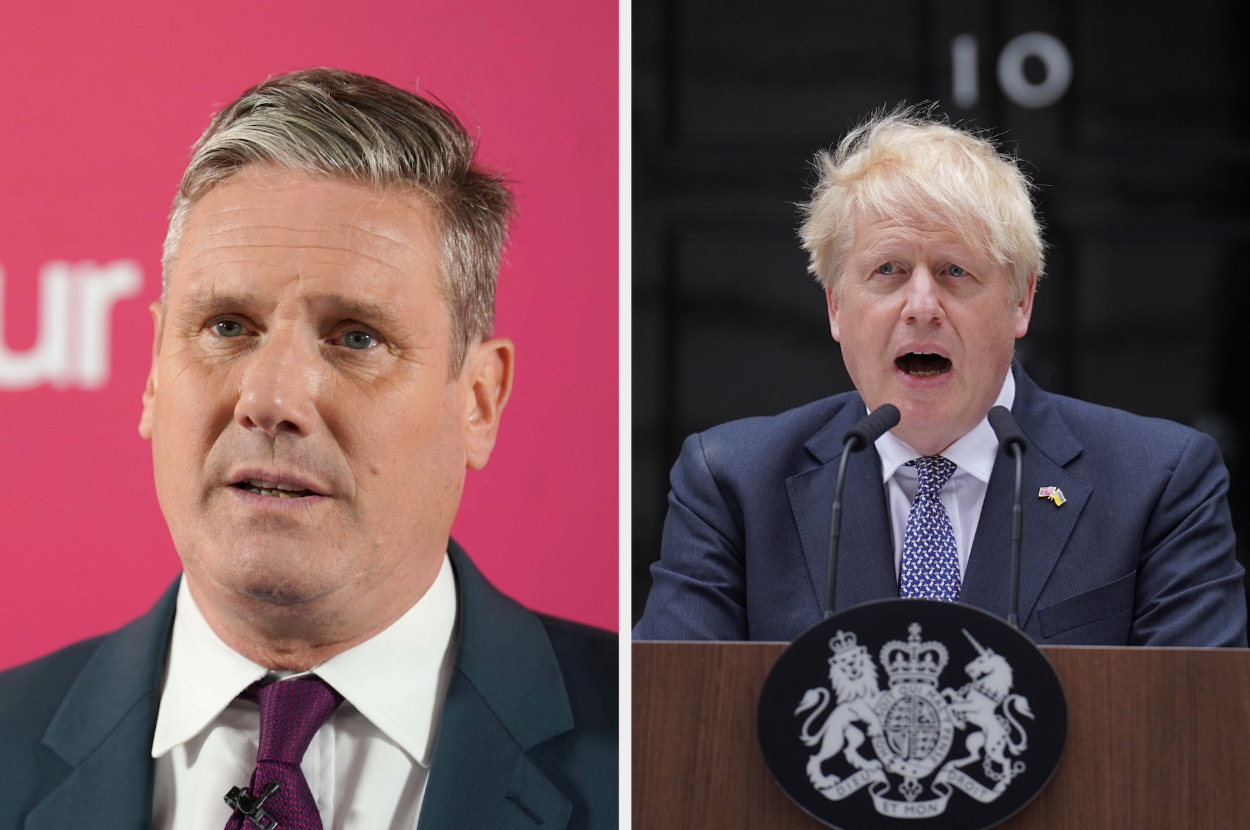
Keir Starmer Urges Tory MPs To ‘Put Country First’ And Boot Boris Johnson Out Of No.10 Now

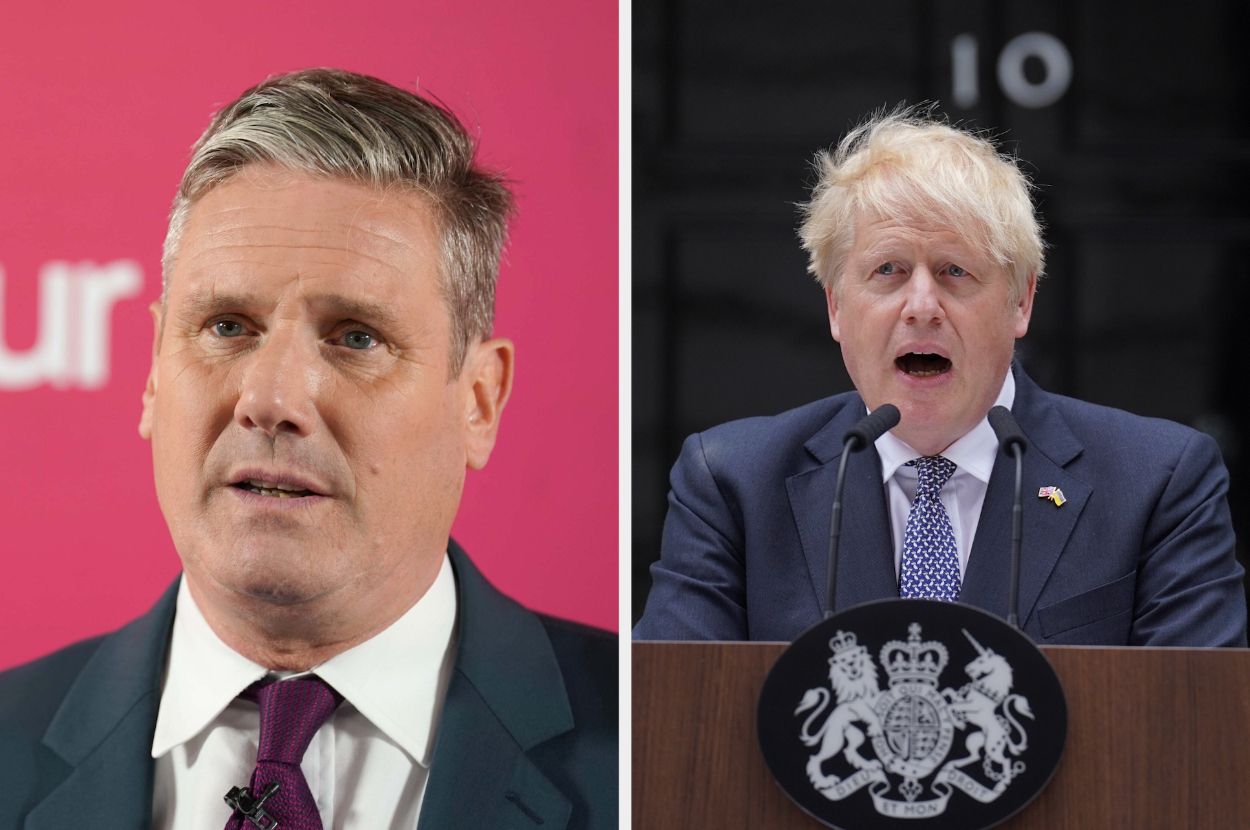
Keir Starmer has called on Tory MPs to back his bid to have Boris Johnson removed from No.10 immediately.

The prime minister is set to stay in post until the Conservatives elect a new leader in eight weeks’ time on September 5.

But Labour have tabled a motion of no confidence in the government which, if it was passed by the Commons, would see Johnson booted out of office straight away.

If the Conservatives were then unable to form a government under a different prime minister, a general election would be held.

Starmer said: “The Tory party has at last concluded that the prime minister is unfit for office, that was blindingly obvious a very, very long time ago. He is leaving because his own party has concluded that he can’t be trusted.

“They can’t now let him cling on for weeks, and weeks, and weeks until the 5th of September. It would be intolerable for the country.

“Since the Tories have failed to act in the national interest, Labour will. We have put down a vote of no confidence, and challenged any Tory MP who in the last few days has said ‘I can’t serve Boris Johnson because you can’t trust a word the man says’, ‘I can’t go on the media because the lines he gives us always unravel’.

“Can they really vote to say he should stay in power for another few weeks We’re challenging them to put their constituents first, and put the country first.”

If the government makes time for it to be debated, MPs will vote on the confidence motion tomorrow.

It is almost certain to be defeated because it will not be supported by Conservative MPs.

But a Labour source said: “It will put the squeeze on backbench Tories to either vote for him, and be hypocrites, or back Labour, admitting we were right.

“Do all those Tory leadership candidates really want to be answering that question next week? They know he needs to go.”

Share Button

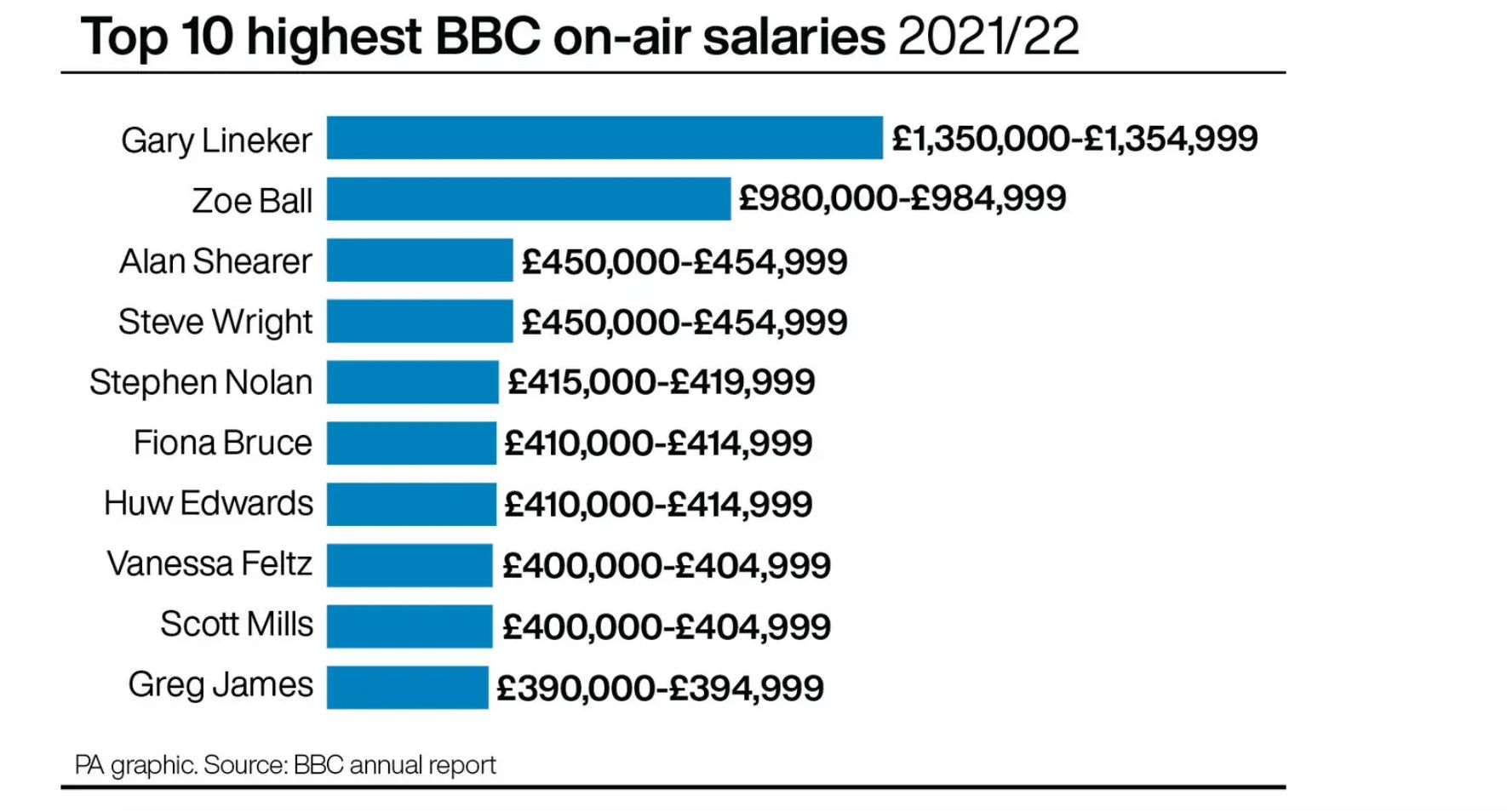
Gary Lineker Revealed As The BBC’s Only On-Air Talent To Earn More Than £1m

Gary Lineker is the BBC’s top earning on-air talent for the fifth consecutive year, new figures show.

It’s also been revealed he’s now the only name to earn over £1 million annually.

The 61-year-old pundit and former footballer was paid between £1,350,000 and £1,354,999 in 2021/2022 for work including Match Of The Day and Sports Personality Of The Year – a reduction of £10,000 on the previous year.

Gary first topped the list for 2017/18 with a pay bracket of £1,750,000 to £1,759,999, and in 2020 it was announced he had taken a voluntary pay cut.

Zoe Ball remains the broadcaster’s second highest paid talent, with a salary of £980,000 to £984,999, but figures show her salary falling for a second consecutive year after she also agreed to a pay cut.

Her salary has now slipped to below £1 million and reflects approximately 210 editions of The Zoe Ball Breakfast Show on Radio 2.

Meanwhile, Alan Shearer has seen a year-on-year increase of £60,000, bringing his salary to £450,000-£454,999, which puts him joint third with Steve Wright, whose salary this year reflects a £15,000 decrease.

The former footballer’s increase was the result of him doing more work for the BBC during what was a major event year, the corporation said.

A list of the 10 highest-paid on-air BBC stars

PA Graphics

The BBC’s annual report for 2021/22, which also marks its centenary, shows four out of the top 10 best paid names have seen their salaries fall.

The only new addition to the top 10 is Greg James, whose salary has increased by £80,000.

The 36-year-old earns between £390,000 and £394,999 for work including the Radio 1 Breakfast Show, Rewinder on Radio 4, Radio 1’s Big Weekend and Out Out! Live, with Sports Personality Of The Year also listed.

Greg James
Greg James

David Levenson via Getty Images

This year’s top 10 features fewer women than last year, dropping from four to three.

Lauren Laverne does not feature in this year’s top 10, with figures showing her salary has fallen by £15,000 to the bracket of £380,000-£384,999.

There is no year-on-year net change in the overall earnings of the top 10, with the amount saved through the four salary reductions equally matching the increases of the other six.

Other notable increases on the overall list of top earning on-air talent, as shown in the annual report, include Naga Munchetty with a £110,000 increase to £365,000 – £369,999 and Amol Rajan with an increase of £85,000 to £325,000 – £329,999.

Victoria Derbyshire, meanwhile, has seen a £70,000 increase to £240,000 – £244,999.

Graham Norton is also absent from the list after departing Radio 2 in December 2020 to start a show at Virgin Radio.

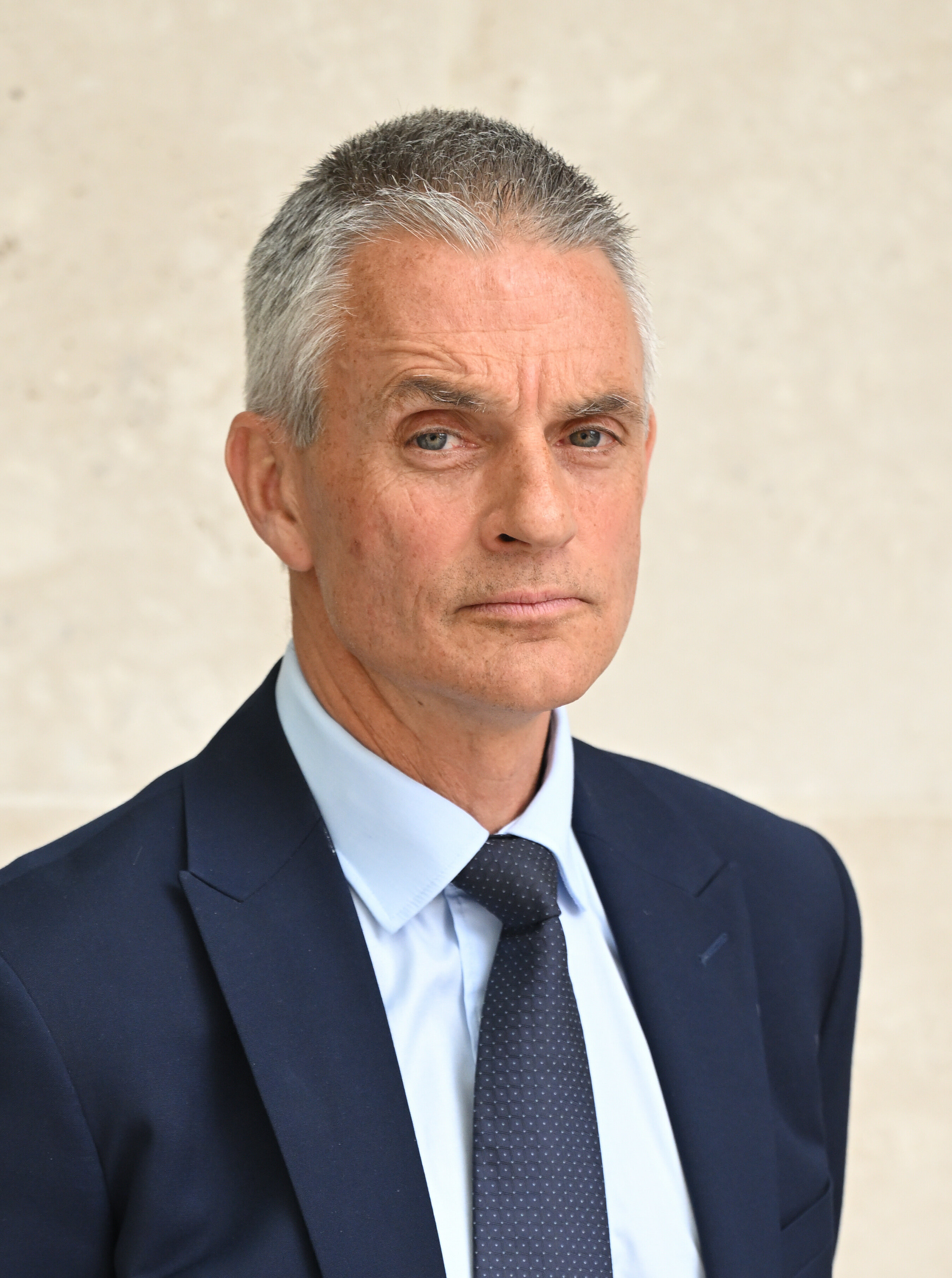
Speaking at a press conference, BBC director-general Tim Davie said: “Critically, if you look at the overall spend for our top talent I think we are showing incredible restraint in a market that is being driven by extreme hyper-inflation and competition.

“If you look at the value we get. And I know this is a source of a lot of understandable attention, actually if you step back the actual amount paid for that group of talent, which only represents a tiny fraction of the 200,000-odd people who come on our airwaves every year, the return we get in terms of audience value is very strong.

“And actually our research (shows) people want to see the best people presenting and delivering for the BBC.”

Tim Davie
Tim Davie

Karwai Tang via Getty Images

The BBC has seen a number of high-profile on-air departures over the last year, with Emily Maitlis, Jon Sopel, Andrew Marr and Dan Walker all leaving for rival broadcasters.

The salary list comes after Culture Secretary Nadine Dorries announced earlier this year that the BBC’s licence fee will be frozen under inflation for the next two years.

Mr Davie said he was “of course” concerned about retaining top talent in the face of inflation and a frozen licence fee.

He said: “I think we are in a competitive market and I think the BBC has always been to a degree in this position. But it is more intense as we see well-funded global players enter the market.

“Certainly in news and audio we are seeing a globalised market so you are going to get more demand for talent.

“I would say that overall I would (say) look at the data. Actually, if you looked at our presenting talent, I was looking at our so-called – not the most attractive term – but attrition rate, and it is about 3%.

“So there are obviously headlines around individuals and some regretted losses but actually our number in terms of the people being retained in the BBC is high.”

Mr Davie said there there was “no shortage of demand” for top positions at the broadcaster and added: “I think that is good because we are the best booking in town in my mind.”

He also stressed the importance of bringing “new talent” through the BBC and said the would always mean a “degree of change”.

Share Button

UK heatwave: Temperatures set to build to peak on Monday

People are being warned of heat risks to their health amid temperatures reaching above 30C.

Share Button

Watch out for heat exhaustion and heatstroke

Know the signs and what to do if someone is unwell in hot weather.

Share Button

President Biden reveals first image from NASA’s Webb Telescope

President Joe Biden released the first full-color image from NASA’s James Webb Space Telescope Monday, during a public event at the White House in Washington. This first image showcases the powerful capabilities of the Webb mission, a partnership with ESA (European Space Agency) and CSA (Canadian Space Agency).

“These images are going to remind the world that America can do big things, and remind the American people — especially our children — that there’s nothing beyond our capacity,” said President Biden in remarks during the event. “We can see possibilities no one has ever seen before. We can go places no one has ever gone before.”

Webb’s first full-color image reveals thousands of galaxies, including the faintest objects ever observed in the infrared.

“Webb’s First Deep Field is not only the first full-color image from the James Webb Space Telescope, it’s the deepest and sharpest infrared image of the distant universe, so far. This image covers a patch of sky approximately the size of a grain of sand held at arm’s length. It’s just a tiny sliver of the vast universe,” said NASA Administrator Bill Nelson. “This mission was made possible by human ingenuity — the incredible NASA Webb team and our international partners at the European Space Agency and the Canadian Space Agency. Webb is just the start of what we can accomplish in the future when we work together for the benefit of humanity.”

This record-setting deep field provides a preview of the full set of Webb’s first images, which will be released at 10:30 a.m. EDT Tuesday, July 12, in a live broadcast on NASA Television. The images will be available at: https://www.nasa.gov/webbfirstimages

More information about how to watch the live reveal of the full set of Webb’s first images on Tuesday, July 12, is available online: https://www.nasa.gov/press-release/nasa-updates-coverage-for-webb-telescope-s-first-images-reveal

“Scientists are thrilled that Webb is alive and as powerful as we hoped, far beyond Hubble, and that it survived all hazards to be our golden eye in the sky,” said John Mather, Webb senior project scientist at NASA’s Goddard Space Flight Center in Greenbelt, Maryland. “What happened after the big bang? How did the expanding universe cool down and make black holes and galaxies and stars and planets and people? Astronomers see everything twice: first with pictures, and then with imagination and calculation. But there’s something out there that we’ve never imagined, and I will be as amazed as you are when we find it.”

Learn more about this deep field image: https://www.nasa.gov/image-feature/goddard/2022/nasa-s-webb-delivers-deepest-infrared-image-of-universe-yet/

The James Webb Space Telescope is the world’s premier space science observatory. Webb will solve mysteries in our solar system, look beyond to distant worlds around other stars, and probe the mysterious structures and origins of our universe and our place in it. Webb launched Dec. 25, 2021, on an Ariane 5 rocket from Europe’s Spaceport in French Guiana, South America. After completing a complex deployment sequence in space, Webb underwent months of commissioning where its mirrors were aligned, and its instruments were prepared for science.

Story Source:

Materials provided by NASA. Note: Content may be edited for style and length.

Share Button

Researchers show effectiveness of migraine drug in weight loss

Triptans, a commonly prescribed class of migraine drugs, may also be useful in treating obesity, a new study by scientists at UT Southwestern suggests. In studies on obese mice, a daily dose of a triptan led animals to eat less food and lose weight over the course of a month, the team reported in the Journal of Experimental Medicine.

“We’ve shown that there is real potential to repurpose these drugs, which are already known to be safe, for appetite suppression and weight loss,” said study leader Chen Liu, Ph.D., Assistant Professor of Internal Medicine and Neuroscience and an investigator in the Peter O’Donnell Jr. Brain Institute.

Obesity affects more than 41% of all adults in the U.S. and increases the risk of heart disease, stroke, diabetes, and certain types of cancer. Most treatments for obesity focus on eating habits and physical activity.

Scientists have long known that serotonin, a chemical messenger found throughout the brain and body, plays a key role in appetite. However, there are 15 different serotonin receptors — molecules that sense serotonin and signal for cells to change their behavior in response. Researchers have struggled to understand the role of each serotonin receptor in appetite, and previous drugs — including fen-phen and lorcaserin (Belviq) — that targeted certain individual receptors have been withdrawn from the market due to side effects.

Triptans, which are used to treat acute migraines and cluster headaches, work by targeting a different receptor — the serotonin 1B receptor (Htr1b) — that had not previously been well studied in the context of appetite and weight loss, said Dr. Liu.

For the new study, the researchers tested six prescription triptans in obese mice that were fed a high-fat diet for seven weeks. Mice fed two of these drugs ate about the same amount, but mice fed the other four ate less. After 24 days, mice given a daily dose of the drug frovatriptan lost, on average, 3.6% of their body weight, while mice not given a triptan gained an average of 5.1% of their body weight. Dr. Liu and his colleagues saw similar results when they implanted devices into the animals that gave them a steady dose of frovatriptan for 24 days.

“We found that these drugs, and one in particular, can lower body weight and improve glucose metabolism in less than a month, which is pretty impressive,” said Dr. Liu.

Since triptans are generally prescribed for short-term use during migraines, Dr. Liu suspects that patients would not have noticed the longer-term impacts on appetite and weight in the past.

To determine exactly how frovatriptan impacts food intake and weight, the researchers engineered mice to lack either Htr1b or Htr2c, the serotonin receptor targeted by fen-phen and lorcaserin. In mice without Htr1b, frovatriptan no longer could decrease appetite or cause weight loss, while cutting out Htr2c had no effect. This confirmed that the drug worked by targeting the serotonin 1B receptor.

“This finding could be important for drug development,” said Dr. Liu. “We not only shed light on the potential to repurpose existing triptans but also brought attention to Htr1b as a candidate to treat obesity and regulate food intake.”

The team went on to show exactly which neurons in the brain were most important for the role of Htr1b in mediating appetite, homing in on a small group of cells within the brain’s hypothalamus.

Other researchers who contributed to this study include Li Li, Steven C. Wyler, Luis A. León-Mercado, Baijie Xu, Swati, Xiameng Chen, Rong Wan, and Amanda G. Arnold of UT Southwestern; Youjin Oh and Jong-Woo Sohn of Korea Advanced Institute of Science and Technology; Lin Jia of UT Dallas; Guanlin Wang of the University of Oxford; Katherine Nautiyal of Dartmouth College; and René Hen of Columbia University.

The study was funded by the National Institutes of Health (R01 DK114036, DK130892, F32DK116427, K01AA024809), the American Health Association (16SDG27260001), a UTSW Pilot and Feasibility Award, and a Grossman Endowment Award for Excellence in Diabetes Research.

Share Button

Could a computer diagnose Alzheimer’s disease and dementia?

It takes a lot of time — and money — to diagnose Alzheimer’s disease. After running lengthy in-person neuropsychological exams, clinicians have to transcribe, review, and analyze every response in detail. But researchers at Boston University have developed a new tool that could automate the process and eventually allow it to move online. Their machine learning-powered computational model can detect cognitive impairment from audio recordings of neuropsychological tests — no in-person appointment needed. Their findings were published in Alzheimer’s & Dementia: The Journal of the Alzheimer’s Association.

“This approach brings us one step closer to early intervention,” says Ioannis Paschalidis, a coauthor on the paper and a BU College of Engineering Distinguished Professor of Engineering. He says faster and earlier detection of Alzheimer’s could drive larger clinical trials that focus on individuals in early stages of the disease and potentially enable clinical interventions that slow cognitive decline: “It can form the basis of an online tool that could reach everyone and could increase the number of people who get screened early.”

The research team trained their model using audio recordings of neuropsychological interviews from over 1,000 individuals in the Framingham Heart Study, a long-running BU-led project looking at cardiovascular disease and other physiological conditions. Using automated online speech recognition tools — think, “Hey, Google!” — and a machine learning technique called natural language processing that helps computers understand text, they had their program transcribe the interviews, then encode them into numbers. A final model was trained to assess the likelihood and severity of an individual’s cognitive impairment using demographic data, the text encodings, and real diagnoses from neurologists and neuropsychologists.

Paschalidis says the model was not only able to accurately distinguish between healthy individuals and those with dementia, but also detect differences between those with mild cognitive impairment and dementia. And, it turned out, the quality of the recordings and how people spoke — whether their speech breezed along or consistently faltered — were less important than the content of what they were saying.

“It surprised us that speech flow or other audio features are not that critical; you can automatically transcribe interviews reasonably well, and rely on text analysis through AI to assess cognitive impairment,” says Paschalidis, who’s also the new director of BU’s Rafik B. Hariri Institute for Computing and Computational Science & Engineering. Though the team still needs to validate its results against other sources of data, the findings suggest their tool could support clinicians in diagnosing cognitive impairment using audio recordings, including those from virtual or telehealth appointments.

Screening before Symptom Onset

The model also provides insight into what parts of the neuropsychological exam might be more important than others in determining whether an individual has impaired cognition. The researchers’ model splits the exam transcripts into different sections based on the clinical tests performed. They discovered, for instance, that the Boston Naming Test — during which clinicians ask individuals to label a picture using one word — is most informative for an accurate dementia diagnosis. “This might enable clinicians to allocate resources in a way that allows them to do more screening, even before symptom onset,” says Paschalidis.

Early diagnosis of dementia is not only important for patients and their caregivers to be able to create an effective plan for treatment and support, but it’s also crucial for researchers working on therapies to slow and prevent Alzheimer’s disease progression. “Our models can help clinicians assess patients in terms of their chances of cognitive decline,” says Paschalidis, “and then best tailor resources to them by doing further testing on those that have a higher likelihood of dementia.”

Want to Join the Research Effort?

The research team is looking for volunteers to take an online survey and submit an anonymous cognitive test — results will be used to provide personalized cognitive assessments and will also help the team refine their AI model.

Story Source:

Materials provided by Boston University. Original written by Gina Mantica. Note: Content may be edited for style and length.

Share Button

Queen Alexandra Hospital declares critical incident over staffing and heatwave

Queen Alexandra Hospital in Portsmouth declares a critical incident due to “extreme pressures”.

Share Button

Nicola Adams And Partner Ella Baig Welcome First Child

Nicola Adams and her girlfriend Ella Baig have welcomed their first child.

The couple previously announced they were expecting a baby boy, and said they “felt and instant love and the strongest bond” after his arrival.

On Monday, the Olympic boxer posted a photo of her and Ella in the delivery room and a picture of their son’s feet.

Nicola wrote: “We are so excited to announce to the world that baby adams has arrived. The first moment we laid eyes on you we felt an instant love and the strongest bond.

“We went to the moon and back to get you and we can’t wait to spend the rest of our lives watching you grow.”

Nicola and Ella announced they were expecting a baby in February after four rounds of IVF starting in 2019.

The pair began dating after meeting on a night out in the Olympian’s hometown of Leeds.

In addition to her illustrious boxing career, Nicola made TV history in 2020 when she became the first celebrity to compete in Strictly Come Dancing as part of a same-sex pairing.

Unfortunately, she and Katya Jones had their Strictly journey cut short when the professional dancer tested positive for Covid.

Share Button

London Trans Pride: Thousands March After ‘Actively Damaging Year’ For Rights

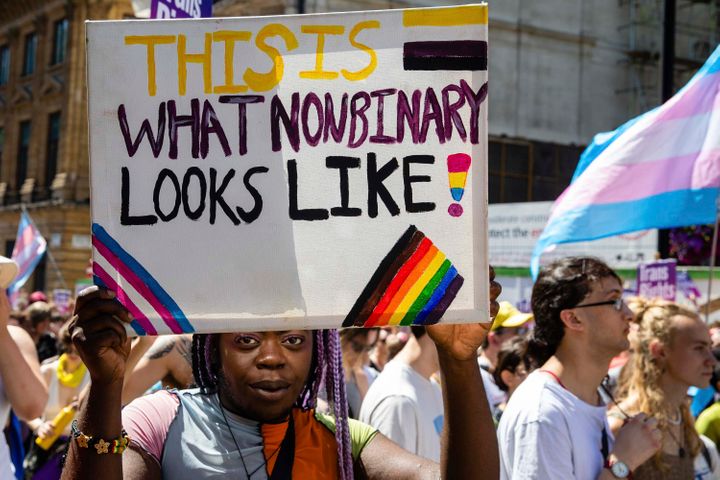
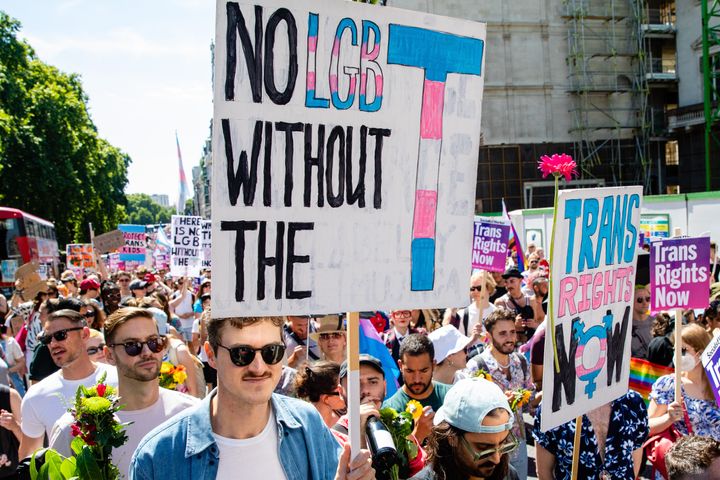
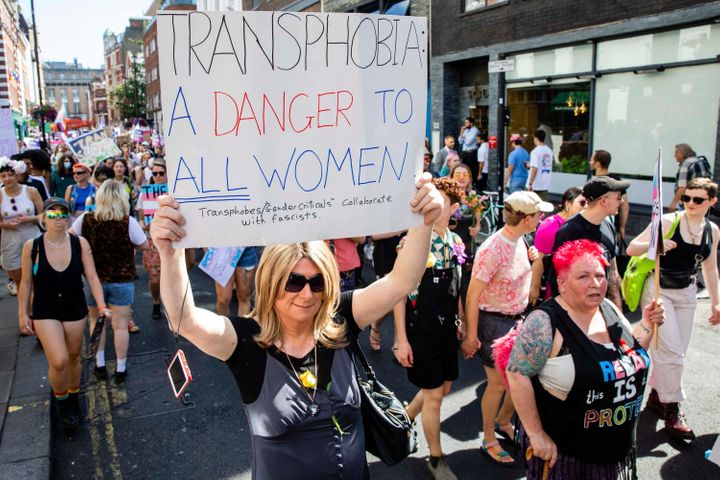
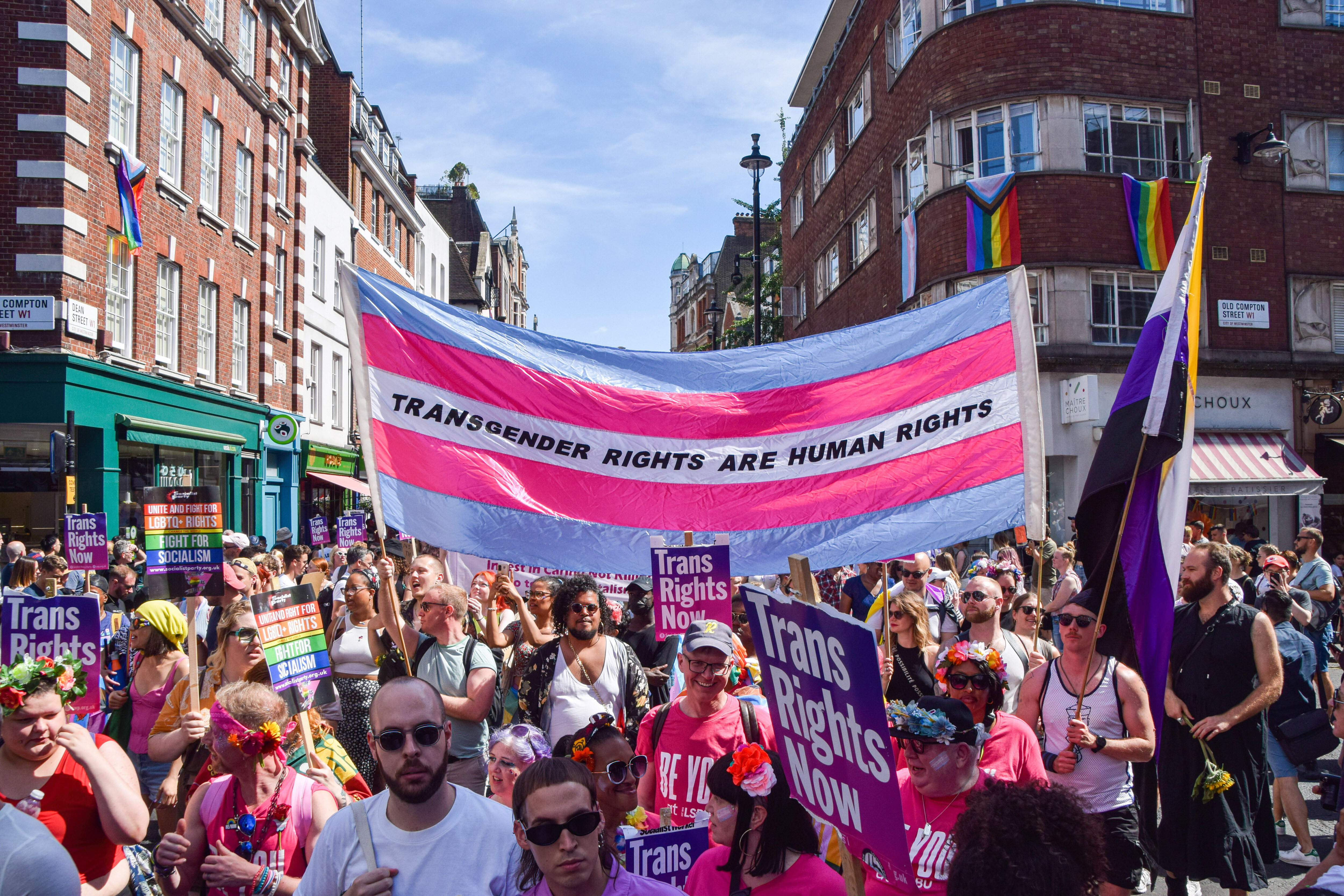
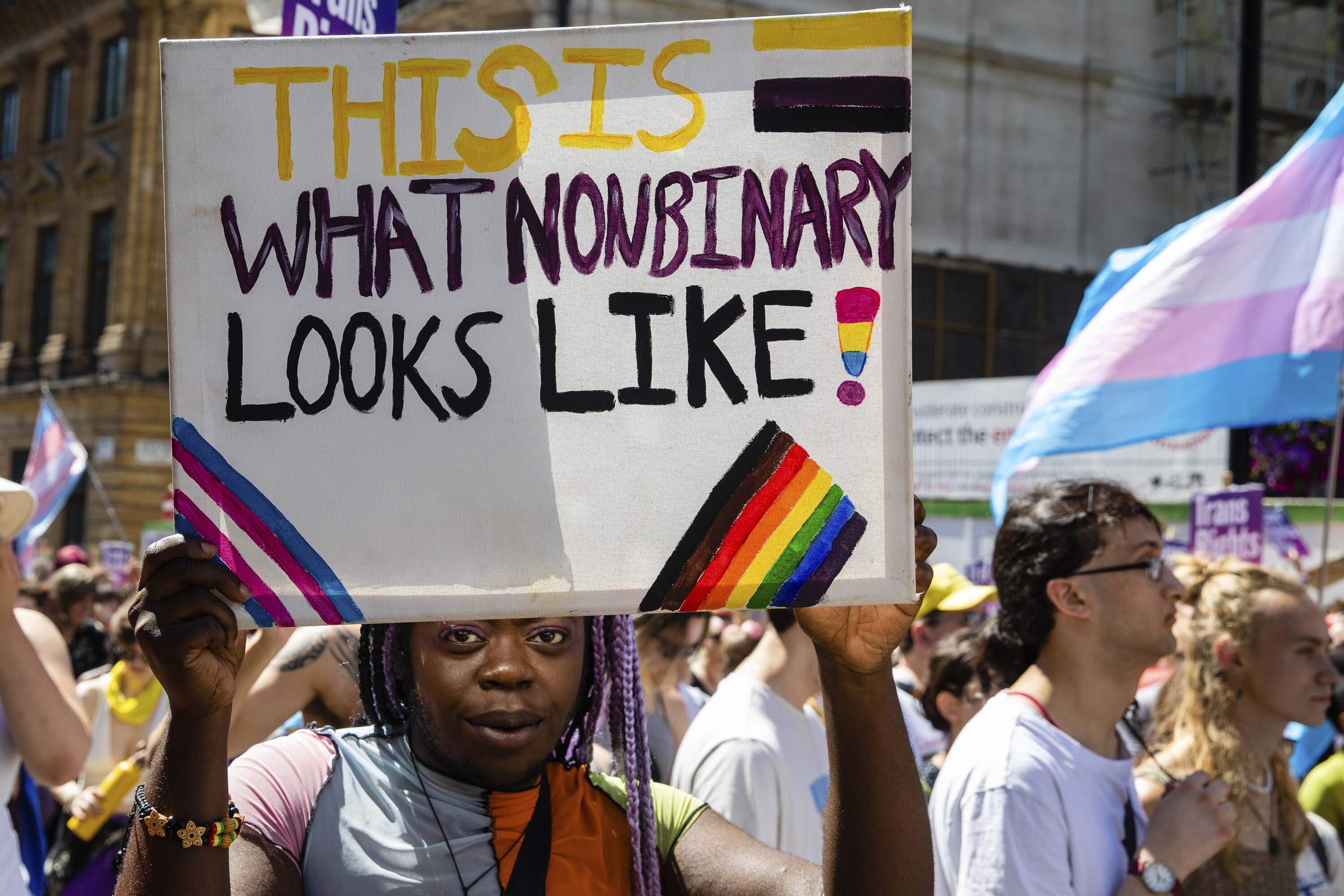
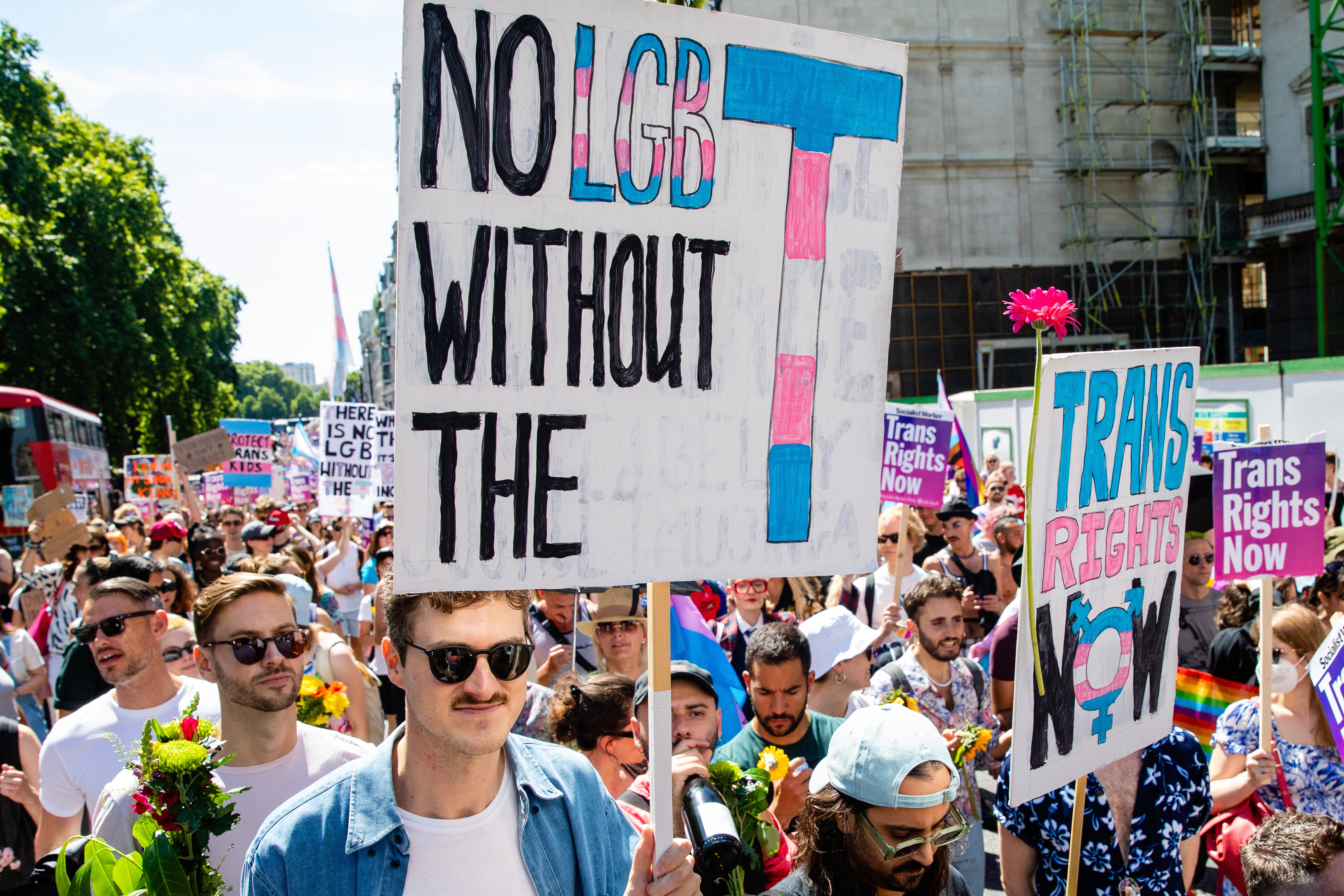
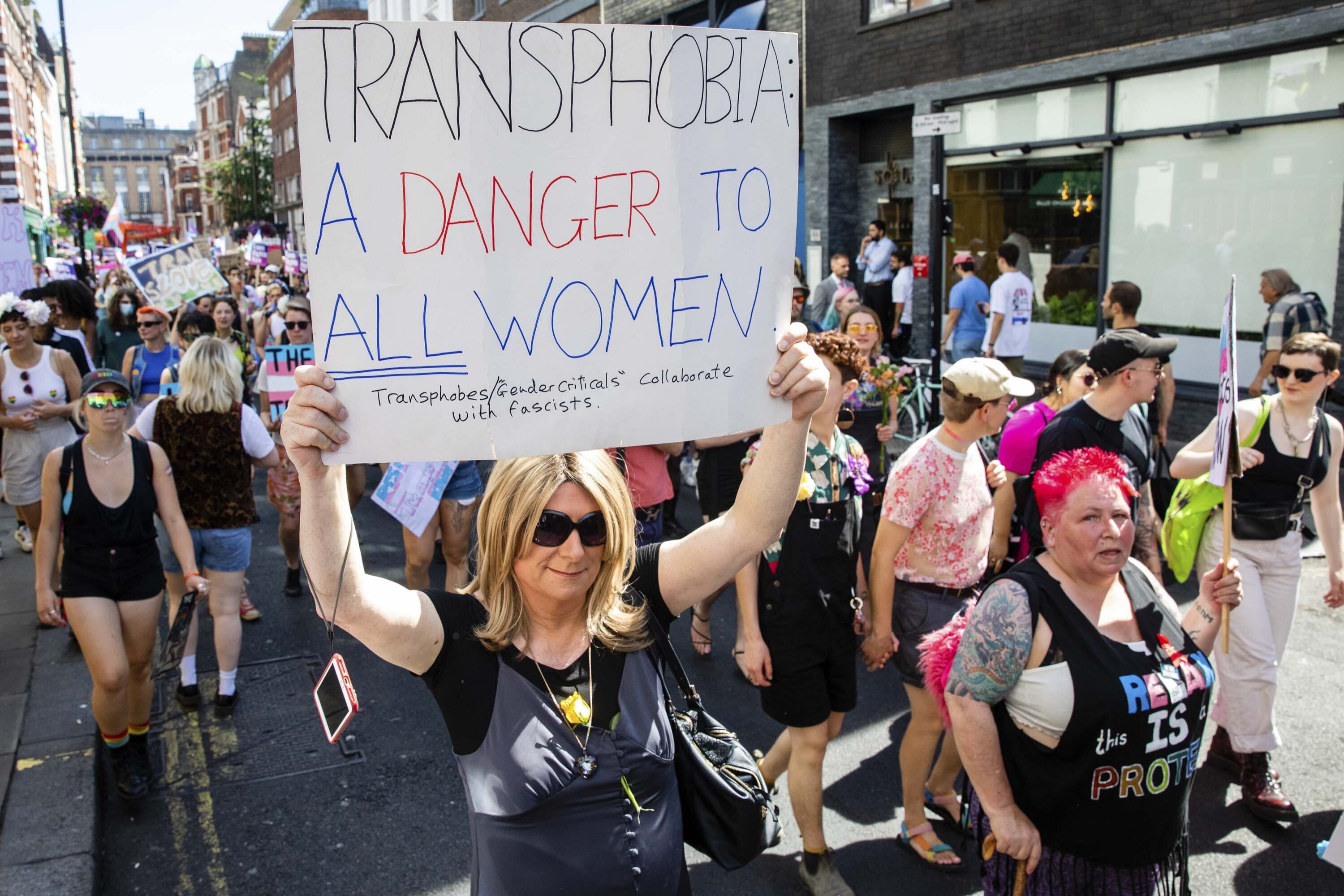
Huge crowds marched together through the centre of the capital on Saturday as part of London Trans Pride.

According to model and activist Munroe Bergdorf, more than 20,000 people joined the march, which went from Wellington Arch by Hyde Park to Soho Square.

Protesters wrote powerful messages on signs to mark the occasion including “Take Down the Cis-Tem” and “Trans Lives are Sacred”.

The joyous event, which came one week after London Pride, celebrated trans rights after a particularly difficult year which has seen the government – and “gender critical feminists” – put the trans community in the spotlight.

This year, when the UK dropped to 14th in the most LGBTQ-friendly nations in Europe, the march aimed to “celebrate the memory of trans lives taken and uphold the next generation of trans revolutionaries”.

With idols from within the community speaking out about these pressing issues at the weekend event, here’s everything you need to know.

Government’s ‘abhorrent and deliberate attack’

Earlier this year, No.10 announced it was reneging on its commitment to ban trans conversion therapy – while still pushing to introduce the ban on the harmful practice for the rest of the LGBTQ+ community.

The U-turn was denounced as targeting an already marginalised group, especially as it was announced on Trans Day of Visibility.

The Equality and Human Rights Commission (EHRC) also called for the Scottish government to pause its reforms to the Gender Recognition Act, as well as pushing for Westminster to delay reforms to conversion therapy for trans and intersex people.

A spokesperson for London Trans+ Pride said: “The irony is not lost on us, this is an abhorrent and deliberate attack.”

They added: “The EHRC is actively damaging human rights for trans people.

“We deserve better: London Trans Pride is calling for the EHRC to be abolished. We march to demand the legal recognition of non-binary, intersex and gender nonconforming people.”

’Boris, bye!′

Trans actress Yasmin Finney, known for starring as Elle in Netflix’s Heartstopper and for her upcoming role in Doctor Who, also gave an emotional speech to a large crowd.

She said she felt “so connected to my community” adding: “If the government is trying to eradicate us, we’re all here and we’re just duplicating.”

Referencing the prime minister’s resignation last week, she said: “Like, hello? Boris, bye!”

She continued: “Boris, I hope you see Heartstopper, I hope you see Doctor Who, because I exist. And I know you know I exist. We all exist. And we’re not going anywhere!”

Her words are particularly powerful in a week when several of those MPs who are vying to become next Conservative leader have been foregrounding their views about gender and biological sex as part of their campaigning.

Trans author Charlie Craggs also gave Johnson a shout-out in her speech at Trans Pride, referencing her all-black outfit and saying they were there to celebrate” the end of the political life” of the prime minister.

“When it comes to thinking what I want to say about this man who has been consistently transphobic, homophobic, all the phobics, er it was really hard to summarise it in a few words, but I think I found two words to sum it up and those two words are: ha, ha.”

She continued: “I’m so tired of being fucking sad. Being happy is the biggest finger up to these people, they don’t want you to be happy – they don’t even want you to be alive.

“So being happy and alive is the biggest fuck you to these people. So go home after this Pride and be fucking happy – you deserve it.”

Mark Kerrison via Getty Images

Mark Kerrison via Getty Images

Mark Kerrison via Getty Images

‘Things ARE changing’

Munroe Bergdorf wrote about the march on her Instagram account, asking why there was so little reporting around such a major event.

She pointed out that “it speaks volumes” that this was not covered it in the mainstream media, claiming trans rights only come up when presented as part of a “culture war”.

But, she added: “Things ARE changing, but trans joy doesn’t sell papers. Transphobia sells. Fear sells. Hate sells. Resist.”

Share Button