South African scientists say their research was not taken more seriously because it was from Africa.


South African scientists say their research was not taken more seriously because it was from Africa.

Children in sub-Saharan Africa who are hospitalized with COVID-19 are dying at a rate far greater than children in the U.S. and Europe, according to a new multicenter study published today in JAMA Pediatrics and led by a University of Pittsburgh infectious diseases epidemiologist.
Among African children admitted to 25 hospitals with COVID-19 between March and December 2020, infants younger than 1 year had nearly five times the risk of death than adolescents aged 15 to 19 years. Children of all ages with comorbidities, including high blood pressure, chronic lung diseases, hematological disorders and cancer, also were at higher risk of dying.
“Although our study looked at data from earlier in the pandemic, the situation hasn’t changed much for the children of Africa — if anything, it is expected to be worsening with the global emergence of the highly contagious Omicron variant,” said lead author Jean B. Nachega, M.D., Ph.D., M.P.H., associate professor of infectious diseases and microbiology and epidemiology at Pitt’s Graduate School of Public Health. “Vaccines are not yet widely available, and pediatric intensive care is not easily accessible.”
The study examined outcomes in 469 children who ranged in age from 3 months to 19 years and were hospitalized in one of six countries: the Democratic Republic of the Congo, Ghana, Kenya, Nigeria, South Africa and Uganda. A quarter of the children had pre-existing conditions. Eighteen had confirmed or suspected multisystem inflammatory syndrome, a serious complication of COVID-19 where different parts of the body become inflamed.
The study, which included investigators across all six of the African countries that provided data, found that 34.6% of hospitalized children were admitted to an intensive care unit (ICU) or required supplemental oxygen, and 21.2% of those admitted to the ICU required invasive mechanical ventilation. During the time frame studied, 39 — over 8% — of the children died. This compares with rates between 1% and 5% that have been reported in high-income countries.
“The high morbidity and mortality associated with hospitalized children with COVID-19 in our study challenge the existing understanding of COVID-19 as a mild disease in this population,” said Nachega, also a professor extraordinary of medicine at Stellenbosch University’s Faculty of Medicine and Health Sciences in Cape Town, South Africa. “But if a child has a comorbidity, is very young and is in a place where there are limited or no specialized doctors, facilities or equipment for pediatric intensive care, then that child faces a very real possibility of dying.”
“Our findings call for an urgent scale-up of COVID-19 vaccination and therapeutic interventions among at-risk eligible children and adolescents in Africa,” Nachega continued. “They also raise further the acute need for capacity-building and support for pediatric intensive care in these settings.”
Nachega noted recent progress on increasing the COVID-19 vaccine supply in Africa but emphasized that those vaccines are not yet widely available and only about 5% of the continent’s population has been fully vaccinated.
“COVID-19 vaccine hesitancy is a global issue, and Africa is no exception,” he said. “It is imperative that evidence-based public health campaigns address concerns in accessible, trustworthy ways so that there is high vaccine uptake as soon as it is available.”
Additional investigators of this study are members of the African Forum for Research and Education in Health COVID-19 Research Collaboration on Children and Adolescents and are listed in the JAMA Pediatrics article.
This research was supported by National Institutes of Health Fogarty International Center grant 1R25TW011217-01.
Story Source:
Materials provided by University of Pittsburgh. Note: Content may be edited for style and length.

Steroid estrogens play an important role as embryos develop a sense of smell, new research shows.
The study, which examined zebrafish embryos, discovered a type of astrocyte glial cell that is new to science, and have been named estrogen responsive olfactory bulb (EROB) cells.
estrogens are known for their roles as signalling hormones in the development of sex, but the study shows that prior to sexual differentiation (when the sex of an individual becomes fixed), a small group of cells in the region of the brain where the sense of smell develops, the olfactory bulb, are responsive to estrogen.
The research, led by Dr Aya Takesono of the University of Exeter, employed a genetically engineered (transgenic) zebrafish, developed in the laboratories of Professor Tyler and Dr Kudoh at Exeter, that enables cells and tissues responding to estrogen to be seen via microscopy imaging for this work.
Using this transgenic zebrafish, together with chemical and genetic methods to manipulate these estrogen responding cells, has revealed a new function of estrogens during embryonic brain development.
Dr Takesono said: “Previous studies in mice have shown that estrogen is important for development of the somatosensory cortex of the brain and for establishing sexual dimorphic brain tissues that mediate reproductive functions and behaviour in later life.
“In this study, however, we show that the olfactory bulb is the one of earliest parts of the developing brain that is responsive to estrogens in the zebrafish embryo.
“We further show that our newly discovered EROB cells mediate the estrogen driven instruction for development of olfactory sensory system in the embryonic brain.”
Tracing the development of these EROBs using various cellular and imaging methods showed they interact with olfactory sensory neurons and their loss — or disturbance of their interactions with the surrounding neurons — disrupts establishing inhibitory neural connections in the olfactory glomeruli.
Using another transgenic zebrafish, this time one that detects both neural activity (via the detection of calcium produced when nerve cells fire) and estrogen responses, the study shows that estrogen signalling alters neuronal activity in the olfactory bulb through these newly identified EROBs which in turn affects odorant-response behaviour.
This study provides evidence that estrogens act on EROB glia to regulate olfactory circuits with important consequences for the sense of smell in later life.
Professor Tyler, senior author in the work, said: “This work identifying new embryonic brain cells involved in the development of the sense of smell in fish opens up a major new research area for us.
“Surface waters receive many human-made chemicals that mimic estrogens and an intriguing question we wish to now address is whether these chemicals affect the function of the EROB glia in embryogenesis and thus alter the sense of smell, as this could have major fitness consequences for fish.”
Story Source:
Materials provided by University of Exeter. Note: Content may be edited for style and length.

A new study led by teams of the Faculty of Biology, the Biodiversity Research Institute (IRBio) of the University of Barcelona, and the Institute of Marine Sciences (ICM-CSIC) of Barcelona has revealed that marine heatwaves associated with the climate crisis are bringing down the populations of coral in the Mediterranean, the biomass of which in some cases has been reduced by 80 to 90%.
According to the study, published in the journal Proceedings of the Royal Society B, coral populations of the Mediterranean — essential for the functioning of the coral reefs, one of the most emblematic habitats in this sea — could be unable to recover from the recurrent impact of these extreme episodes, with water temperatures reaching high degrees for days and even weeks.
This is the first study to assess the long-term recovery capacity of populations of two emblematic species of Mediterranean coral: the red gorgonian (Paramuricea clavata) and the red coral (Corallium rubrum), which provide complex habitats that are essential for a great diversity of associated fauna. Therefore, it is essential to understand their resilience regarding the more frequent and intense heatwaves.
Mass mortality events
The climate crisis is severely affecting the marine ecosystems worldwide, and the Mediterranean is no exception. In particular, the marine heatwaves associated to the climate crisis are causing mass mortality events in all the coastal ecosystems of this basin, and among the most affected species are the Mediterranean corals.
Knowledge on the coral’s long-term resilience is still scarce, despite the studies that analysed the immediate impact of marine heatwaves on these organisms. These are long-lived species (more than a hundred years in some cases) and with slow populational dynamics (that is, organisms with low growth and recruitment rates), and therefore researchers need long temporary series (decades) to assess their recovery capacity.
As part of the study, the team analysed the results obtained in a long-term monitoring on different populations of coral affected by a great mass mortality caused by a heatwave in 2003 in the protected marine area of Scandola (Corsega, France). In particular, they analysed data on the state of these populations (density, size structure and biomass) collected during the following fifteen years to the heatwave, by the researchers of the MedRecover research group, formed by experts of the UB and ICM-CSIC, among other centres.
Far from recovery, the results show that all the analysed populations tended to collapse since they were affected by the 2003 heatwave. Fifteen years after this event, these populations are practically considered to be extinct from a functional perspective.
“We observed an average biomass loss regarding the initial biomass of 80% in populations of red gorgonian, and up to a 93% regarding the studied population of red coral,” notes Daniel Gómez, researcher at ICM-CSIC.
“These data are worrying for the conservation of these emblematic species, and it indicates that the effects of the climate crisis are speeding up with obvious consequences for the submarine landscapes, where the loss of coral equals the loss of trees in forests,” notes Joaquim Garrabou, also member of ICM-CSIC.
Recurrent exposure to heatwaves
Cristina Linares, professor at the Department of Evolutionary Biology, Ecology and Environmental Sciences of the Faculty of Biology and member of IRBio, says that “we believe one of the main reasons why we observed these collapse trajectories is the potential recurrent exposure to heatwaves, incompatible with the slow populational dynamics of these species.” In particular, during the study period (2003-2018), they registered important heatwaves in at least four years: 2009, 2016, 2017, 2018.
“During these heatwaves,” continues Linares, “the temperature conditions in the studied area reached extreme levels which are incompatible with the life of these corals, which probably caused new mortality events to the decimated populations and made the recovery impossible.”
Since we expect the number and intensity of marine heatwaves to increase over the following decades due to the climate crisis, the viability of many coral populations could be seriously threatened.
“However, there will probably be some areas in the Mediterranean in which, due to several factors, the recurrence of such climate impacts may be lower. This makes it especially relevant to keep — regarding other potential impacts — these climate refuges where the trajectories of coral populations could be more positive than those observed in this study,” notes the research team.
“Nevertheless, there is an urgent need for stronger measures to be implemented against the climate crisis before the loss of biodiversity becomes irreplaceable,” conclude the experts.
This study has been carried out thanks to the support of the Regional Natural Park of Corsica, the HEATMED National Plan project (RTI2018-095346-B-485 I00), the European projects H2020, MERCES, H2020 Futurmares, Interreg MED MPA-Engage and Interreg MED MPA-Adapt.

Boris Johnson, fresh off the controversy of party gate, is scrapping Plan B measures in what looks like a bid to please those against Covid restrictions.
The prime minister has signalled the end of work from home guidance, Covid passes and mandatory face masks in public places in England.
Speaking in the House of Commons, Johnson said people were no longer advised to work from home when the Plan B list of rules are ditched on Thursday, January 26, nor will Covid passes be mandatory any longer.
The legal requirement for people with coronavirus to self-isolate will also be allowed to lapse when regulations expire on March 24 – and that date could be brought forward.
When it comes to face masks, the government will no longer make people wear them anywhere from next Thursday, and they will be scrapped in secondary school classrooms in England even sooner, from this Thursday, with school communal areas to follow.
The announcement is seen as the latest move in what has been dubbed Operation Red Meat – a policy splurge by No10 in a bid to win back the support of mutinous Tory MPs and the public after their May 20 party was revealed.
But, leading scientists are unequivocally against the Prime Minister’s plans to lift restrictions.
Professor Francois Balloux, a professor and director at UCL Genetics Institute, said that while Omicron might be receding in the UK, it doesn’t mean that we won’t face future waves that could debilitate the NHS.
“Healthcare remains under severe stress and the transition into a long-term, lower number of daily cases needs to be managed carefully,” he said.
“An overly fast return to pre-pandemic behaviour could lead to viral flares, which could cause considerable problems for the NHS, and may risk further delaying the return to ‘post-pandemic normal’.
Prof Balloux said that we should be aiming to avoid contact rates shooting up immediately, but rather increasing slowly towards their pre-pandemic level over the spring.
This could be achieveable through “entirely non-coercive measures, as the population will likely remain largely careful over the coming months”, he said, adding that precautions such as remote working should still be encouraged.
“Work from home, for those whose job permit it, is often considered to be an acceptable restriction, and it is highly effective at reducing viral transmission.”
Even if we leave pandemic status, an endemic is not without its dangers either, points out Dr Stephen Griffin, associate professor from the University of Leeds.
“It is striking that the government are so adept at moving to reduce restrictions early when they have repeatedly failed to act in a timely fashion to prevent now five consecutive waves of SARS-CoV2 resulting in profound human and economic cost,” Dr Griffin said.
“There is a mistaken notion that the virus is somehow evolving to become less virulent, more transmissible, and this is being inaccurately lauded as endemicity by various parties.
“Endemic, sadly, does not mean benign, as sufferers of Malaria, TB, HIV, and Lassa fever might tell you. Variola (smallpox) and polio were endemic prior to eradication efforts.”
Professor Lawrence Young, a virologist and professor from Warwick Medical School, said: “Removing Plan B measures in the face of extremely high levels of infection is a risk. With over 94,000 cases reported yesterday, talk of an end to the pandemic is premature. Infections are raging across Europe and other parts of the world, reinforcing the need to take a cautious approach to easing restrictions.
Prof Young added: “Perhaps it would have been wiser to wait for another couple of weeks before removing the advice to work from home and the face coverings mandate.
“There’s no guarantee that infection levels will continue to fall and the NHS remains under extreme pressure. It’s important that we learn from previous experience.”

That explosive poo scene in Bridesmaids is one of the most memorable in recent(-ish) cinema history, but it’s come to light that something similar actually happened to one of the film’s stars.
Rebel Wilson, who played Brynn in the 2011 comedy, has revealed that life imitated art when she was once caught short out in public shortly after making the movie.
Advertisement
Although Rebel doesn’t feature in the scene in question – when Maya Rudolph’s bride-to-be character and her bridesmaids end up decorating a bridal shop (and the road outside) after a dodgy meal – she can most certainly relate.
The 41-year-old Aussie star has confessed that she once had to take an emergency number two in someone’s front garden whilst out on a hike in LA.
Advertisement

Stefanie Keenan via Getty Images
Rebel shared the (very detailed) gory details on the Life Uncut podcast with Brittany Hockley and Laura Byrne.
“I go on the hike, and it’s hiking uphill, and I was feeling very sluggish after eating, like, probably thousands of calories,” Rebel began.
Advertisement
“I get this instant feeling. I’ve got to go to the toilet, I can’t make it the few streets back to my place… It hit me and it was all inside and it just had to come out.”
“I’m feral,” she continued. “I’m just in leggings, like I don’t look nice, I don’t have any makeup on or whatever. I’d been in the movie Bridesmaids so I was kind of recognised, not a superstar or anything, but I was kind of recognisable.
“I squat in this person’s front yard and then I’m just kind of frozen [thinking] what if somebody sees this… I often get papped there, going on the hike.”

Suzanne HanoverSuzanne Hanover/Universal/Kobal/Shutterstock
Explaining that a car then pulled up, Rebel said: “I’m like, they’re going to see me. If they get out of that car they’re going to see me. I’m still squatting on their front lawn.
Advertisement
“It’s so disgusting, I can’t even, my mind goes, if they come and say something I’m just going to scream that ‘I’m pregnant, I’m pregnant’.
“I don’t know why that was my thing. That was just what I was going to say, because you’ve got to say something.”
Luckily the person who pulled up was visiting the house next door.
“So I just pulled up my pants and I left,” Rebel explains, before offering up a belated apology.
“If anyone is listening and owned a house in Los Feliz and was very confused by what had happened and now they understand, just know I’m very, very sorry and it won’t happen again,” she said.
“I hope those nutrients went into the ground.”
Watch *that* classic scene from Bridesmaids below…


It’s the most significant drop since the Omicron wave hit the country in December, the figures suggest.
People are being advised to remain indoors to escape the dangerous ash and gases in the air.
The decision on Plan B is “finely balanced” but current data is “encouraging”, the government says.
We hope you love the products we recommend! All of them were independently selected by our editors. Just so you know, HuffPost UK may collect a share of sales or other compensation from the links on this page if you decide to shop from them. Oh, and FYI — prices are accurate and items in stock as of time of publication.
Non-alcoholic drinks have come a long way since the days of one or two beer choices – and nothing else.
Advertisement
Today, you’ll find non-alcoholic gin, rum, vodka, prosecco and espresso martini alternatives available to buy. And the beers have come on a bit, too.
It’s no surprise that businesses are investing in alcohol-free drinks. Almost one in three (32%) UK drinkers now “semi-regularly” consume low and no alcohol products, according to research by mindful drinking movement Club Soda.
Advertisement
And interestingly, alcohol drinkers are the main buyers of non-alcoholic products, rather than people who are 100% teetotal.
Whether you avoid booze all year round, you’re trying Dry January, or you just want to cut down a little, there’s plenty of options to fill your drinks cabinet. To help you stock up on the best ones, we’ve reviewed some of the more intriguing options out there.
Advertisement
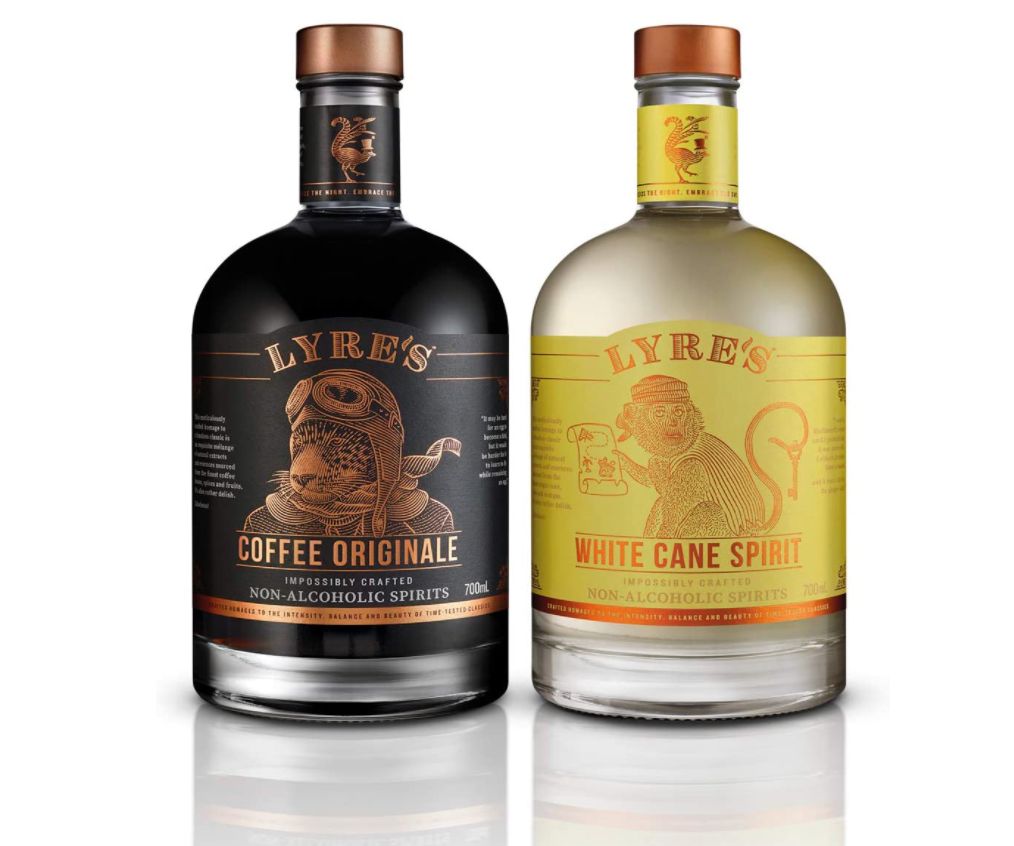
“An espresso martini might not be the most obvious drink of choice when you’re not drinking, but hear me out. Picture this: you’re at a gathering and it’s getting late. You’re not drinking but your friends have been on the sauce all day (or night) and it’s starting to get loud. Very loud. Your energy levels are starting to wane; their voices start to grate. You need a miracle to stay up any longer. This is where the espresso martini comes in.
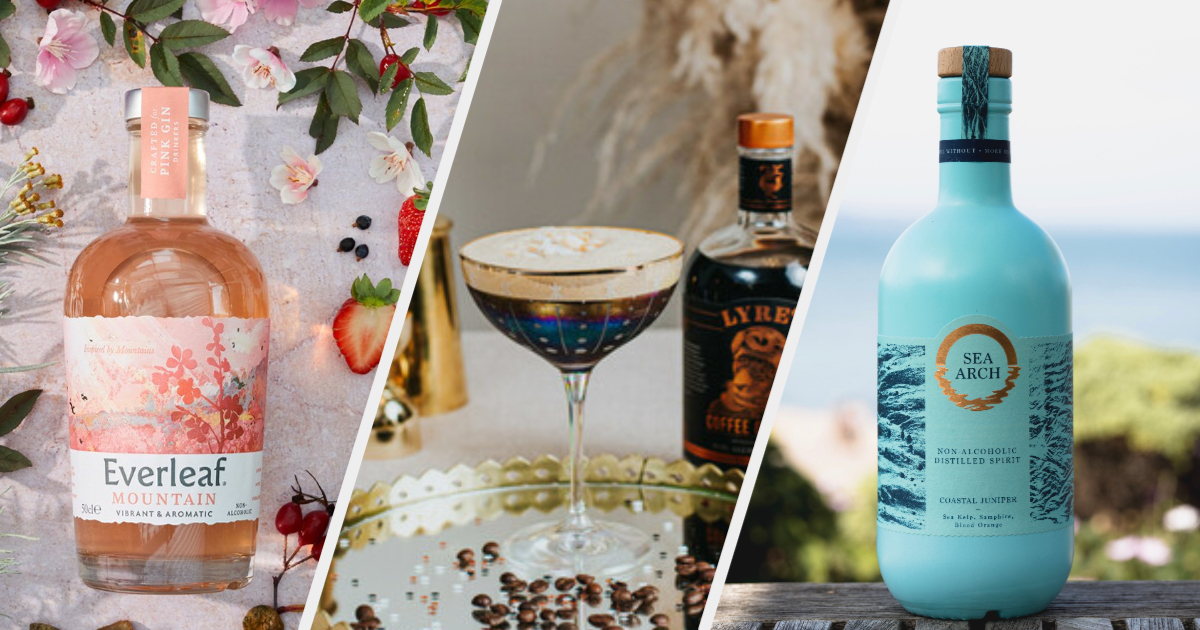
“Lyre’s espresso martini set features Coffee Originale (to replace the coffee liquor) and White Cane Spirit (a non-alcoholic rum alternative which has been chosen to replace the vodka). An interesting choice, but it works. The Coffee Orginale is rich with a gorgeous mix of spice and caramel, perfectly offset by the orange and coconut in the cane spirit. The recipe is simple to follow too: you need to add your own espresso or cold-drip coffee and vanilla syrup (but I leave the latter out as I don’t have any in the house). Delicious.
“For me, this may not be the non-alcoholic drink I have on tap, but for the right occasion and moment it would be a life saver.” – Brogan Driscoll, senior editor, commercial partnerships
Advertisement
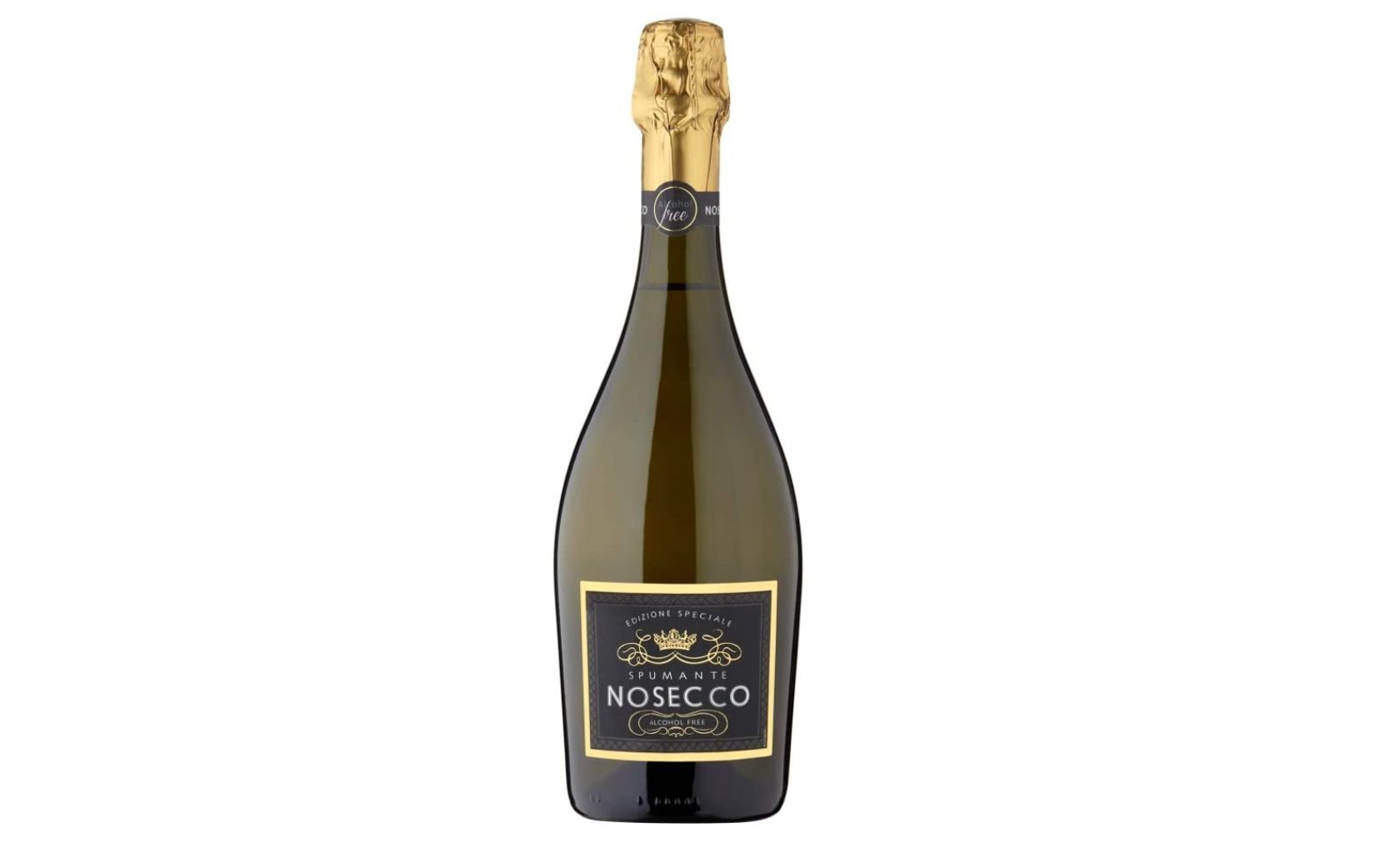
“The Nozeco has the same sleek look as a bottle of prosecco, making it a great alcohol-free option to bring out at parties where people aren’t drinking.
“The first time I tried this was at a bridal party where none of the attendees were drinkers and it went down a treat. It still tastes good, like you’re drinking the real thing, but without the kick. I would definitely use in future for parties and gatherings.” – Faima Bakar, Life reporter
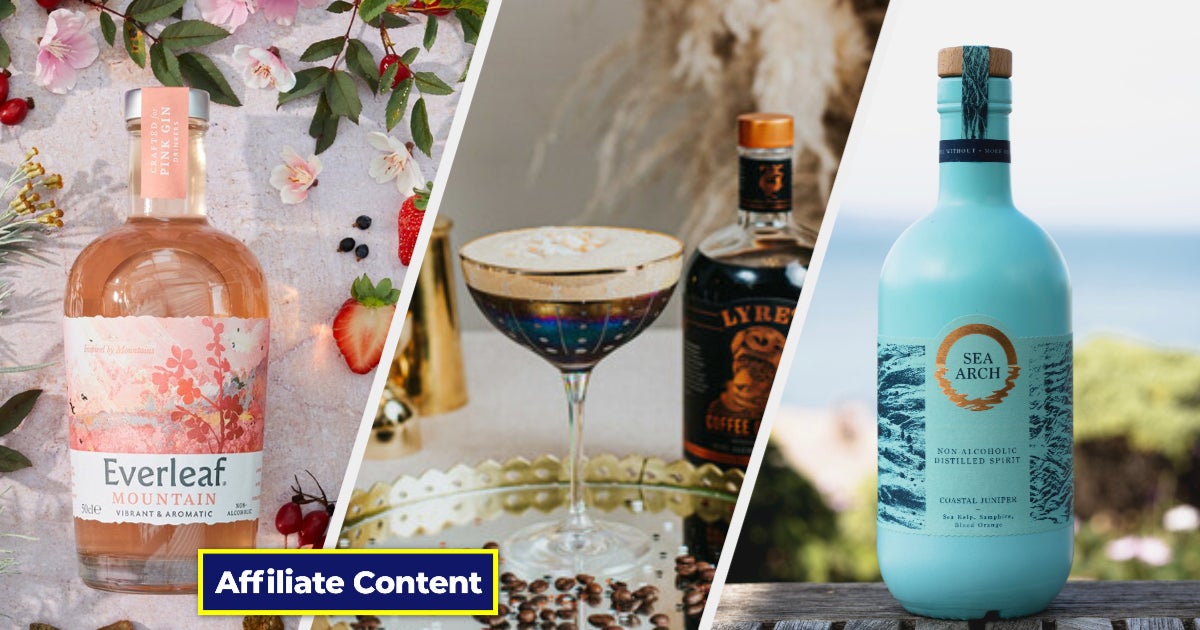
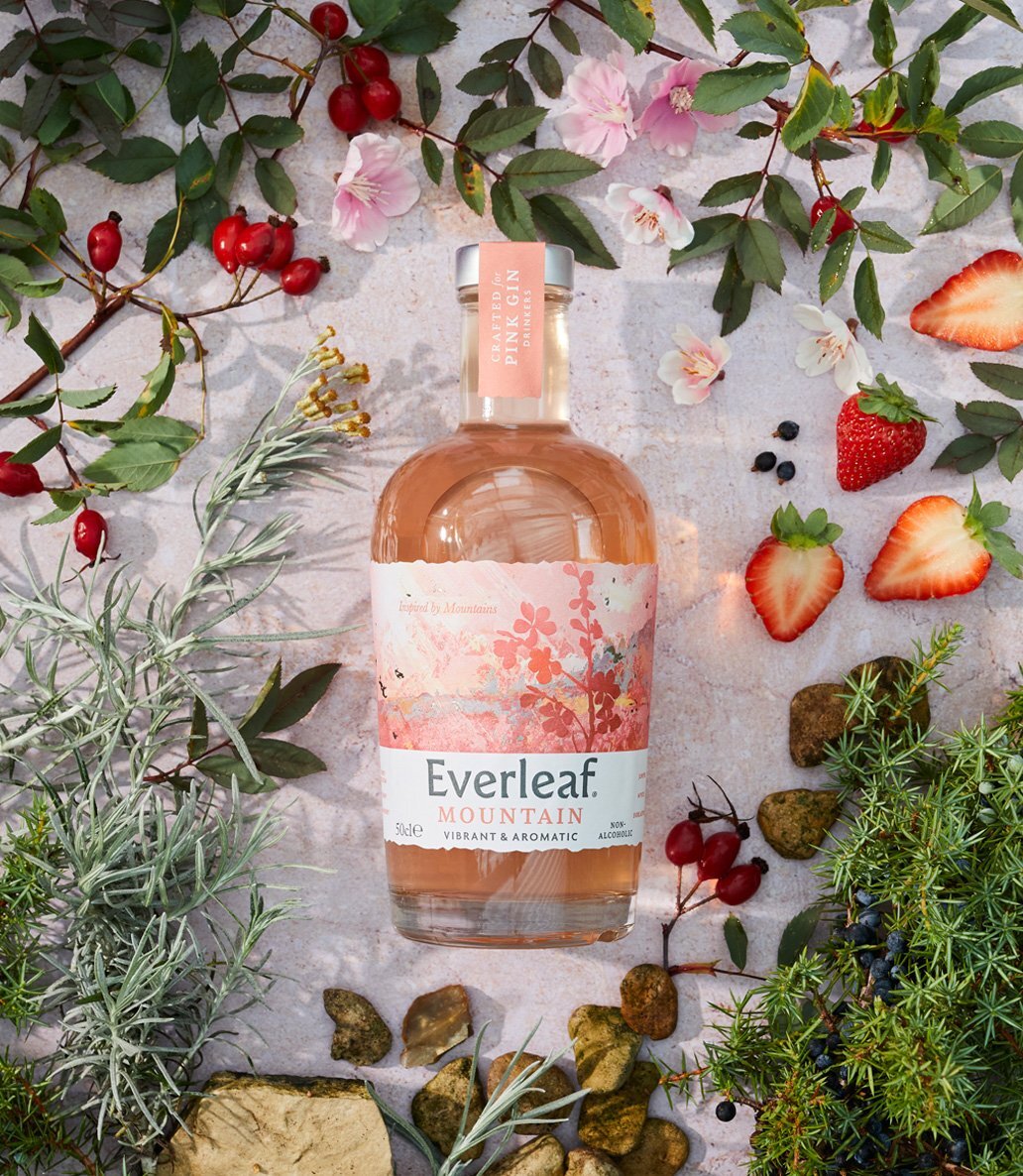
“Call me basic, but I’ve got a soft spot for pink gin, though I usually consume it via a tinny in the park on a warm summer’s day, instead of at my desk in January. Still, the Everleaf version is low calorie and vegan – as well as non-alcoholic – so I decide that’s acceptable.
“When I take a swig to try it neat, I’m a little alarmed by how soapy it tastes. But when mixed with tonic and garnished with berries as recommended, the gin is transformed. Flavours of cherry blossom, rosehip and strawberry come through, but they’re perfectly balanced with piney juniper, and avoid being too sweet. I would never guess it’s alcohol-free.
“The classy bottle gets extra points from me, and I can imagine offering it to teetotal pals with hors d’oeuvres on the patio, or taking it along to a baby shower. I drain the glass and am dreaming of summer for the remainder of the afternoon.” – Rachel Moss, Life editor
Advertisement
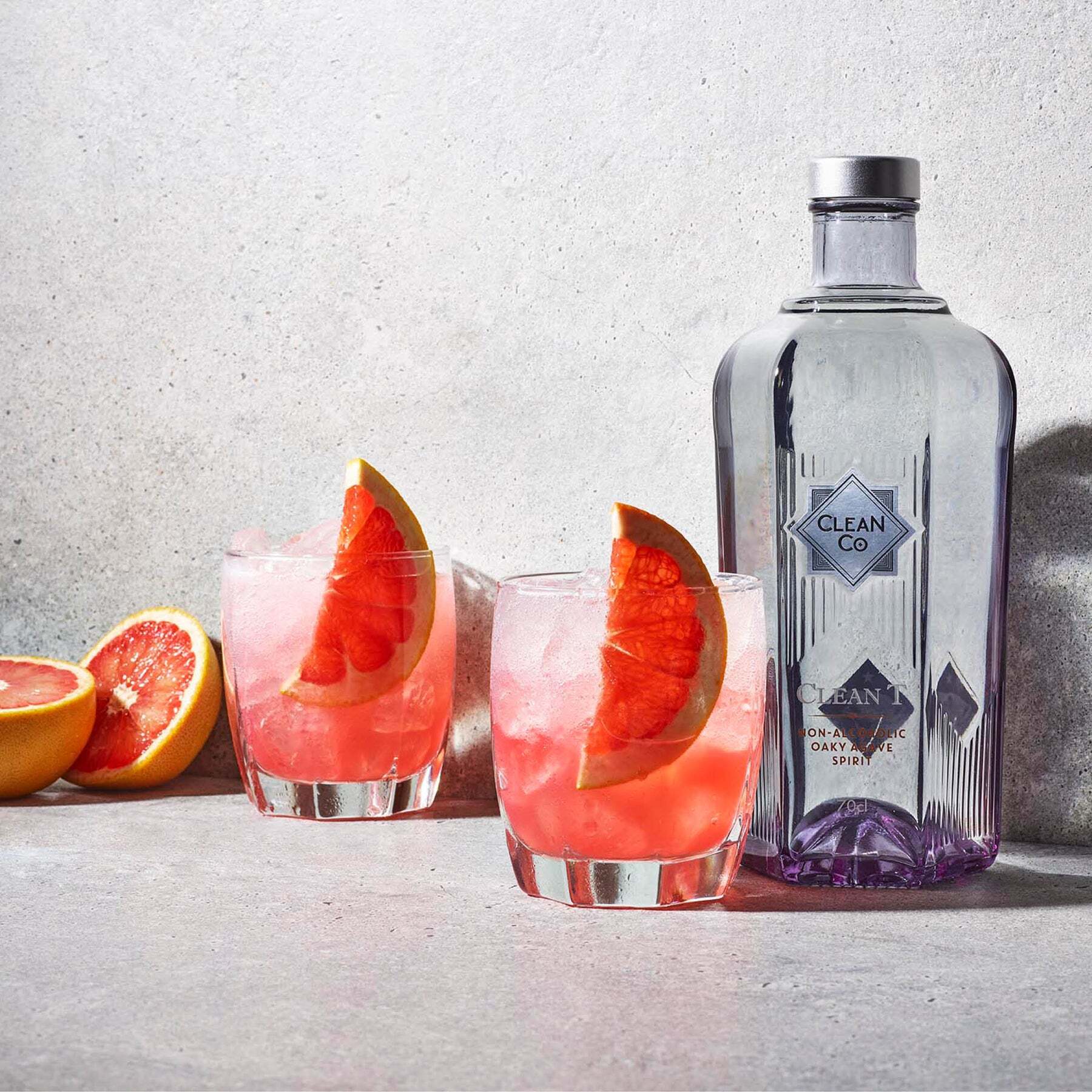
“As someone who loves tequila based drinks – margaritas are my summer go-to – I feel unsure as I pour my first glass of this clean tequila alternative, drizzling the clear liquid over ice.
“However, when I catch a whiff of the agave-based ‘blanco tequila’, I feel I’ve judged too quickly and my first sip confirms it’s a real treat that closely mimics alcoholic tequila. I didn’t imagine an alcohol-free spirit could have such a similar taste.
“The green agave combines with aromas of oak and olive, sweet melon and subtle mixed fruits, all with a dry, peppery finish that catches in the throat just like my favourite tequila. It’s not only low calorie and free from sugar and sweetener, but vegan, and lactose and gluten free. For an alcohol-free margarita – or other tequila-based drink – this alternative works perfectly.” – Beth Mahoney, HuffPost Shopping reporter
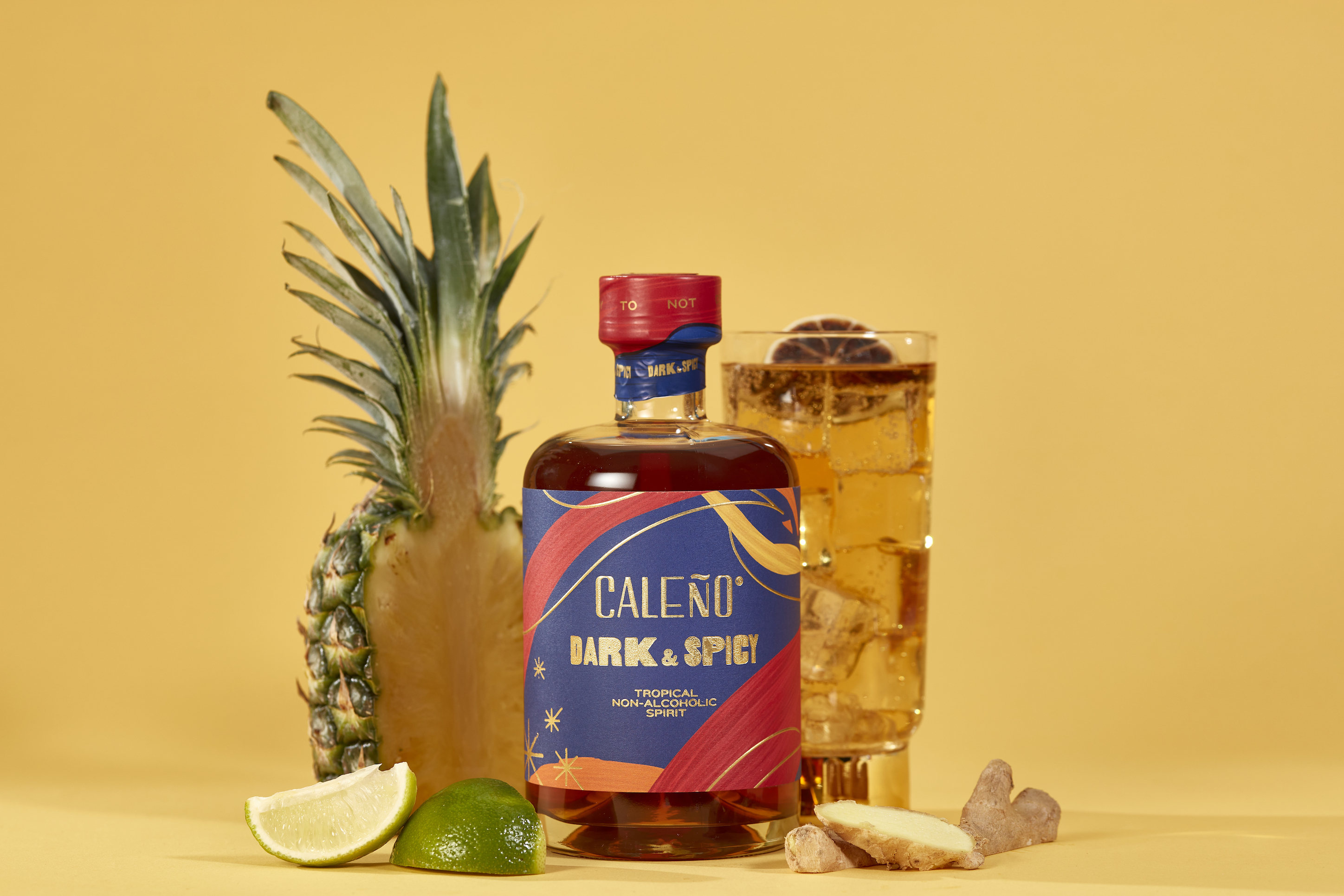
“Rum is by far my favourite alcoholic beverage. White rum and pineapple juice? That’s a bit of me. While I planned to do Dry January this year, I failed on the first day, but I’m still intrigued to see what a non-alcoholic version tastes like.
“The Dark and Spicy alcohol-free spirit from Caleno has a very rum-ish smell to it. If I closed my eyes and opened the bottle, I would have sworn it was alcohol. And there’s an almost alcoholic kick to the taste, too. I drink it with apple juice and it’s almost as good as the real deal. Overall, I’m very impressed and would drink this again.” – Habiba Katsha, Life reporter
Advertisement
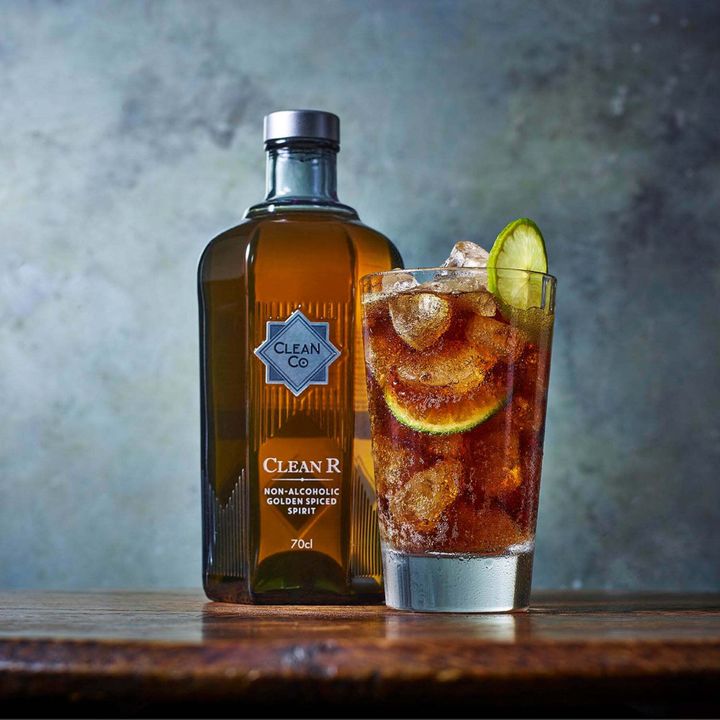
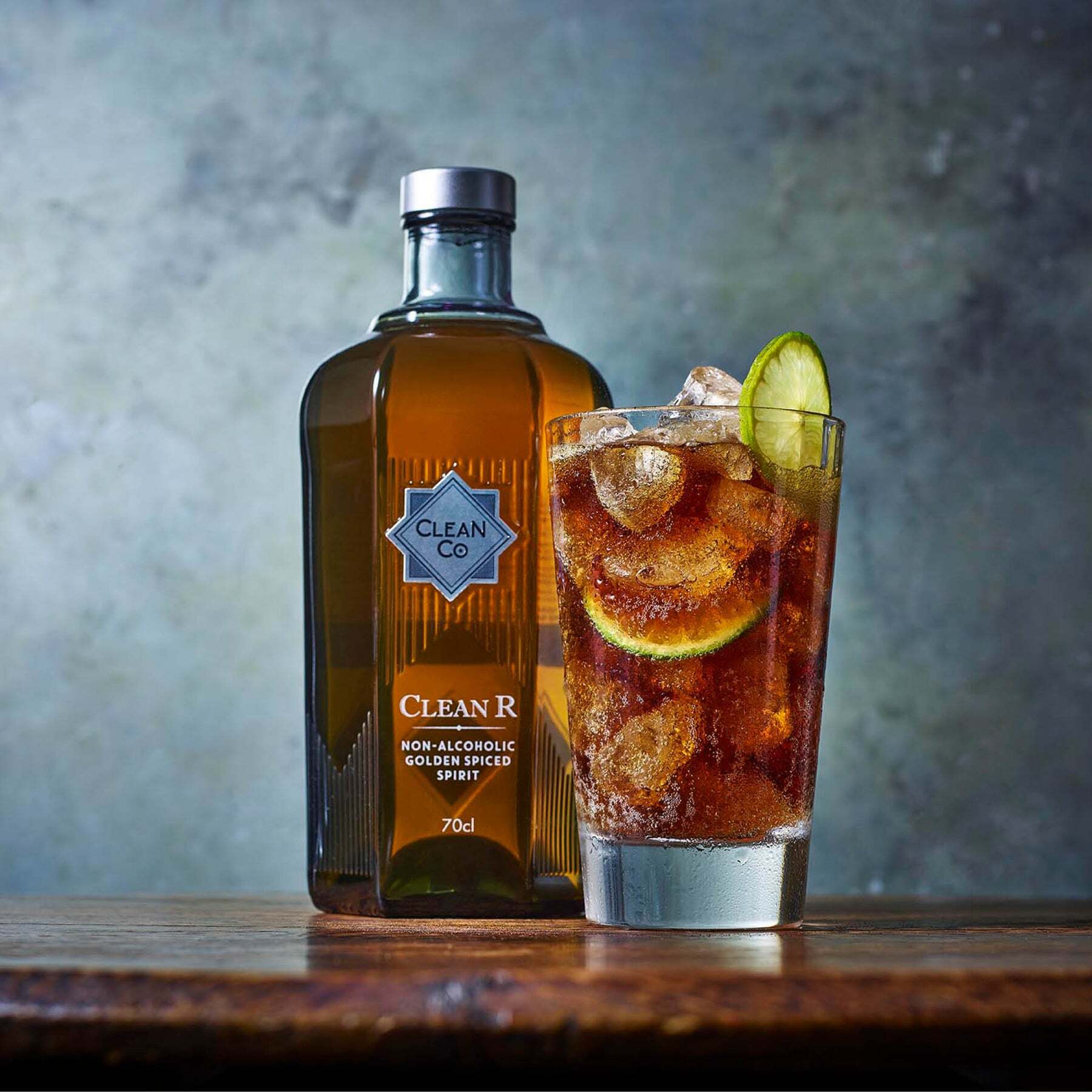
“I adore spiced rum and have high hopes for this ‘clean’ spiced rum alternative. Boy, am I impressed (as is my spiced rum loving fiancé who can be rather picky). When I unscrew the lid, we’re both note how warming and spicy it smells – much like a traditional Caribbean spiced rum.
“When poured over ice, the flavours of golden caramel, cayenne pepper and other (apparently secretly guarded) spices pack a powerful punch. It’s mildly sweet and wonderfully spicy; it works well drunk neat over ice or – as I found out – mixed with Coca-Cola or ginger beer for an extra kick.
“Like other Clean.Co drinks, it’s lactose and gluten free, and made without sugar or sweetener. In fact, the only downside is that it’s too easy to drink – somehow we managed finish off the bottle in just a few days.” – Beth Mahoney, HuffPost Shopping reporter
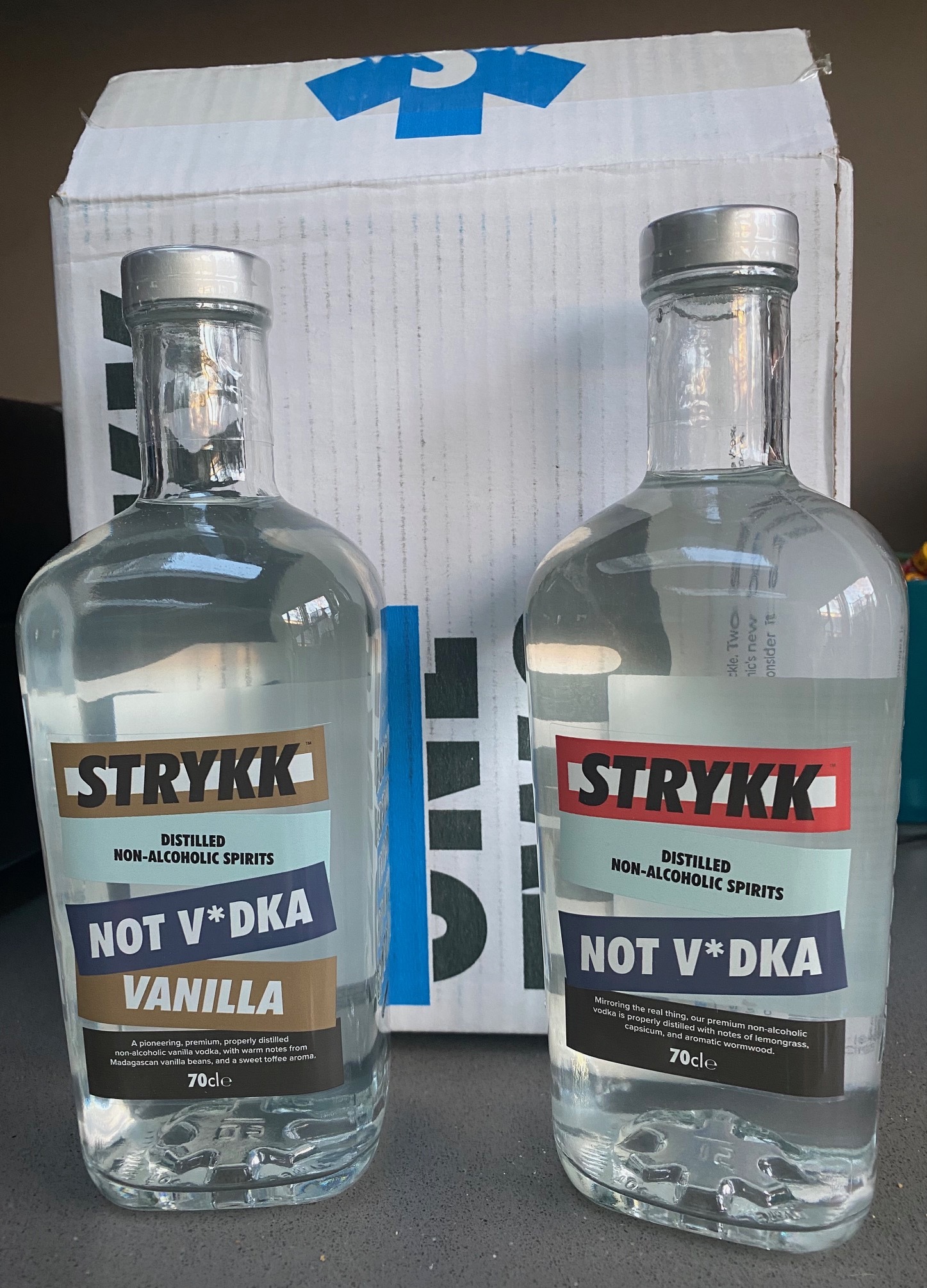
“Who needs a real voddie when you’ve got Not V*dka? It’s got a serious kick to it! Sip this non-alcoholic vodka neat and it leaves a ferocious, fiery tingle on your tongue that lingers for an age. It’s like drinking your auntie’s homemade ginger beer, the one that burns (in a nice way!).
“Not V*dka delivers a heat akin to pepper sauce and after it’s finished with your tongue, the fire nestles deep down in your throat. For that reason I wouldn’t suggest mixing it with ginger beer. Coke, orange juice, cranberry and sprite as chasers – all of which I tried – will all add much needed flavour. With no artificial colours, no fat, no sugar it’s perfect if you’re watching your alcohol and calorie intake. And if you’re looking for subtle sweetness, Not V*dka Vanilla which has undertones of cream soda, might hit the right note too.” – Melanie Grant, audience editor HuffPost Shopping
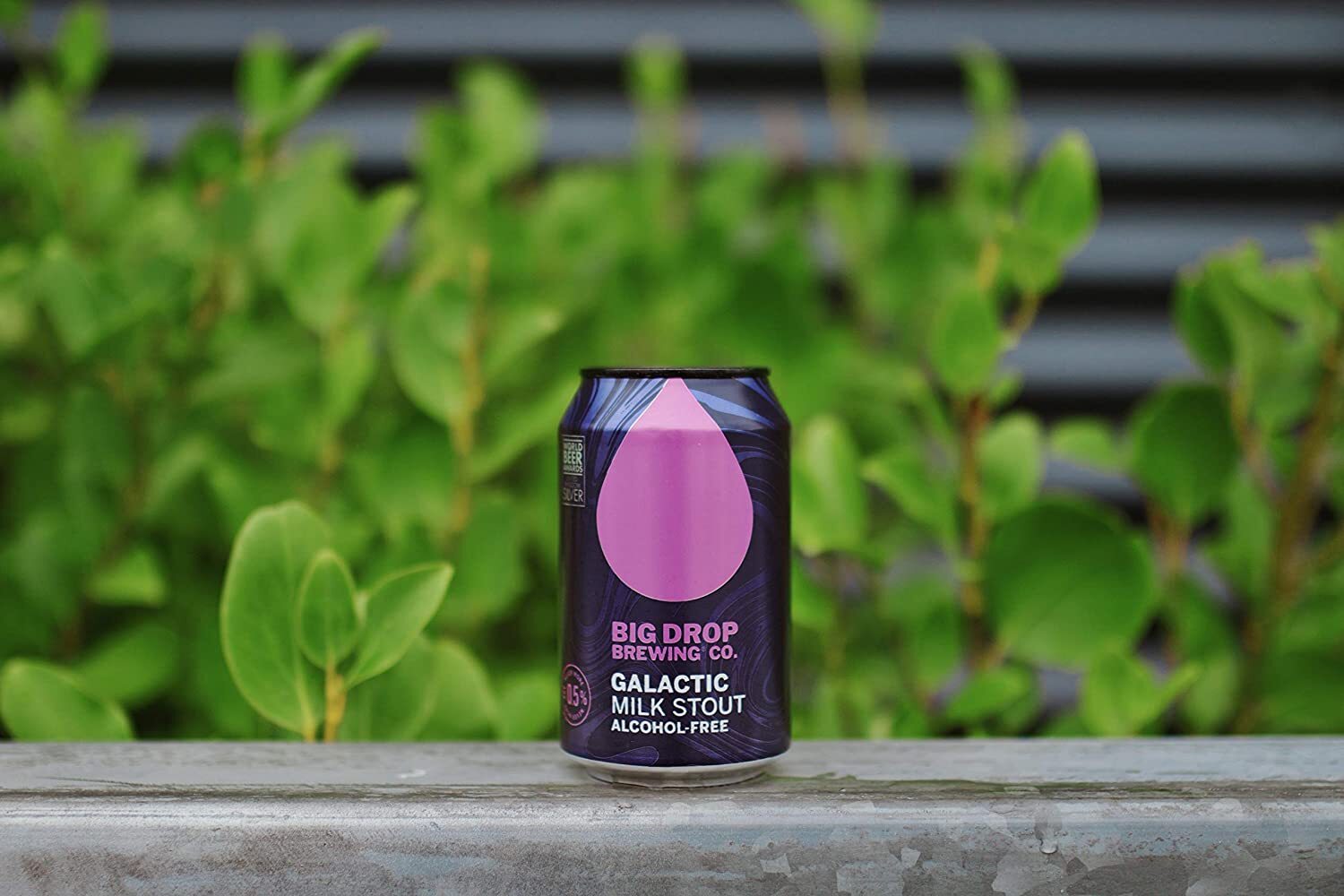
“I have only really had Guinness when in Northern Ireland, where (according to the rumours) it tastes best. It’s never really been up to scratch when I’ve had it elsewhere. But I did find myself repeatedly sipping this low-alcoholic version, which was a surprise, especially since I am usually more of a gin ‘n’ tonic person.
Advertisement
“Significantly less bitter than the more mainstream version, it really does have ‘chocolatey notes’ – as per its online description – although the honeycomb elements don’t particularly come through.
“It’s definitely not as heavy as the original beverage, and it seems like it’s somewhere in between a soft drink and an alcoholic one in taste. Despite calling itself ‘alcohol-free’, the drink is actually 0.5% ABV, (so it does have a little alcohol in). It might just about satisfy any Guinness drinkers who have opted for a slightly damp January.” – Kate Nicholson, senior trends reporter
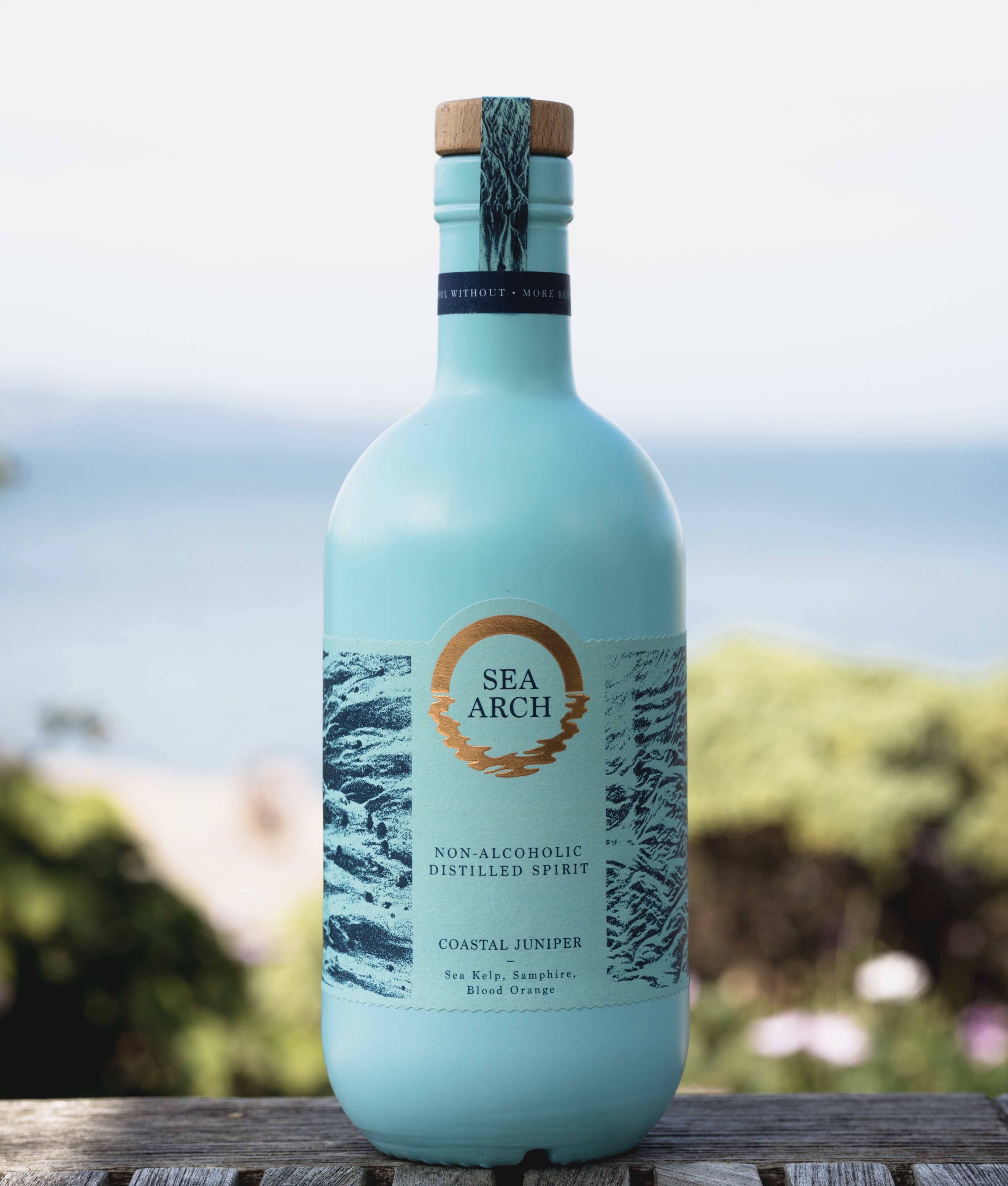
“I’m sorry to say that this drink most definitely does not taste much like the real deal, even though it does come in a beautifully designed bottle.
“While relatively enjoyable – if you like botanical beverages – it lacks the really tasty punch I associate both with alcoholic gins and successful non-alcoholic substitutes. The unusual flavours of kemp, blood orange, coriander and cardamon do come through, but there’s nothing more substantial in the drink meaning it does end up a little too watery, in my opinion.
“If you were looking for a substitute for Dry January, this drink might just miss the mark – whereas if you’ve never really been into anything that tastes too alcoholic, this might be up your street.” – Kate Nicholson, senior trends reporter
“I am no fan of beer, the last time I tried an alcohol-free beer was nearly a decade ago and I’ve not looked back since. But I gave this one a go and was pleasantly surprised. It didn’t have the same bitter taste I remembered. It’s quite oaky and flat, the taste feels muted. So while I could keep drinking this without any unpleasantness, I’d probably choose not to. My partner who is an avid beer drinker however really enjoyed it and said he could be fooled into thinking it’s the real thing.” – Faima Bakar, Life reporter
Advertisement
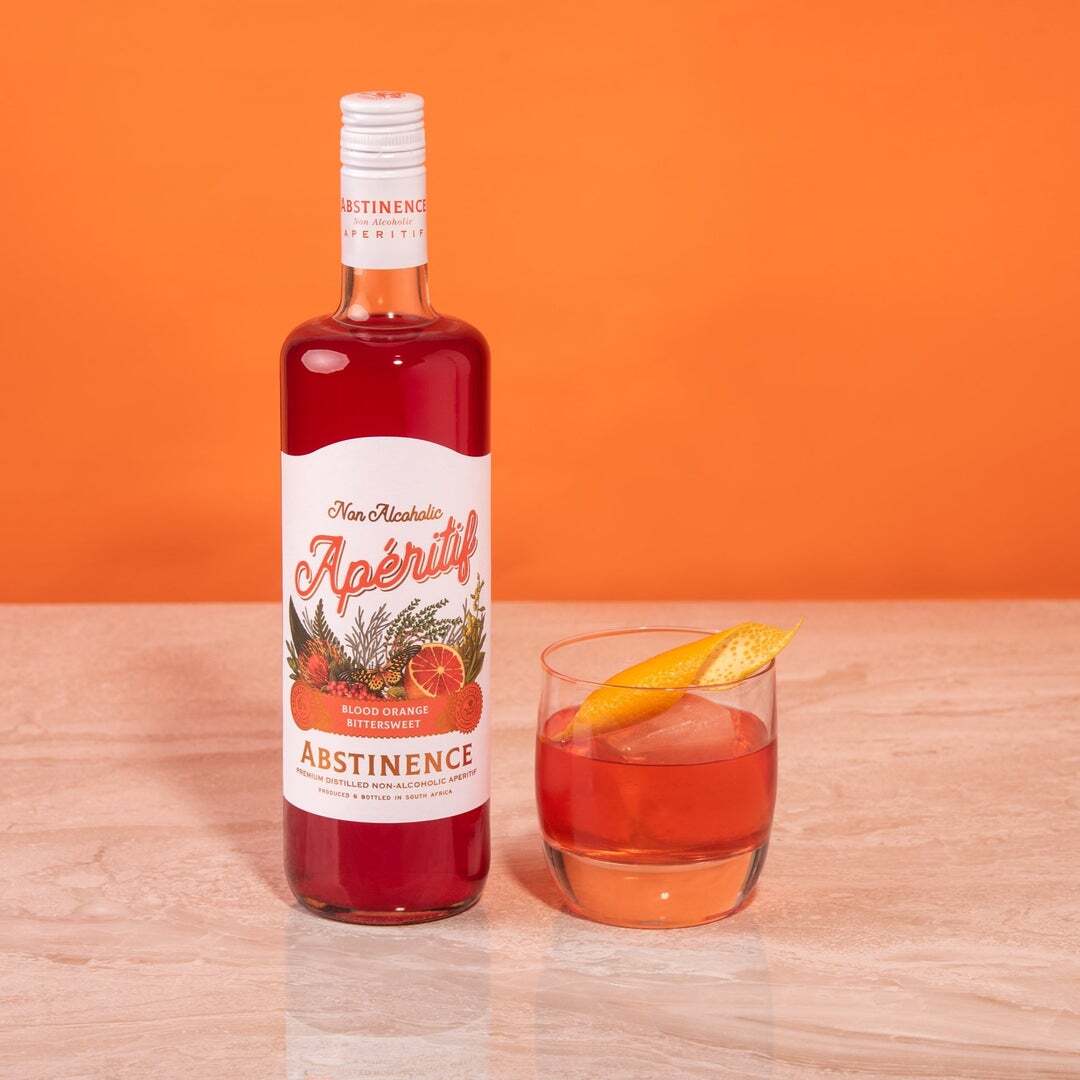
“Just like the drink itself, trying this zero-alc Aperol alternative was a bittersweet experience. Let’s face it, sipping this on a chilly January afternoon, dressed in four layers is not what this particular beverage is made for. That said (here comes the sweet bit), it was an uncharacteristically sunny day when I tried it out – and the packaging is beautiful. The drink itself, less so.
“The instructions suggest mixing 50ml of the aperitif with 200ml of soda water or tonic. I opted for soda water but the result was way too bitter for my palette. The boozy version includes Prosecco, which brings the sweetness – so adding a dash of Nozeco might improve things. I haven’t quite given up on being transported to a sunny terrace on a hot July afternoon minus the hangover, but when that day actually does arrive, Dry Jan will be all but a distant memory. – Matt Bagwell, Head of Entertainment