Why consciousness exists at all

Our everyday lives are shaped by conscious experience. At times, this experience is pleasant, such as feeling sunlight on your skin, hearing birds sing, or simply enjoying a peaceful moment. At other times, it is painful, whether from a physical injury like hurting your knee on the stairs or from ongoing emotional struggles such as chronic pessimism. This raises a fundamental question: why did living beings evolve a form of perception that includes pleasure, pain, and even intense suffering?

Albert Newen and Carlos Montemayor describe consciousness as having three distinct forms, each serving a different role: 1. basic arousal, 2. general alertness, and 3. a reflexive (self-)consciousness. According to Newen, basic arousal was the first to emerge in evolutionary history. “Evolutionarily, basic arousal developed first, with the base function of putting the body in a state of ALARM in life-threatening situations so that the organism can stay alive,” he explains. Pain plays a crucial role here. “Pain is an extremely efficient means for perceiving damage to the body and to indicate the associated threat to its continued life. This often triggers a survival response, such as fleeing or freezing.”

How Attention and Learning Evolved

A later evolutionary development is general alertness. This form of consciousness allows an individual to focus on one important signal while filtering out others. For example, if someone is talking to you and you suddenly notice smoke, your attention shifts immediately to the smoke as you look for its source. As Carlos Montemayor explains, “This makes it possible to learn about new correlations: first the simple, causal correlation that smoke comes from fire and shows where a fire is located. But targeted alertness also lets us identify complex, scientific correlations.”

Self Awareness and Social Life

Humans and some other animals go a step further by developing reflexive (self-)consciousness. In its more advanced form, this ability allows individuals to think about themselves, remember the past, and anticipate the future. It also makes it possible to build a mental image of oneself and use that image to guide decisions and plans. Newen notes, “Reflexive consciousness, in its simple forms, developed parallel to the two basic forms of consciousness. In such cases conscious experience focuses not on perceiving the environment, but rather on the conscious registration of aspects of oneself.” These aspects include bodily states, perceptions, sensations, thoughts, and actions.

A simple example of reflexive consciousness is recognizing oneself in a mirror. Human children usually develop this ability around 18 months of age. It has also been observed in certain animals, including chimpanzees, dolphins, and magpies. At its core, reflexive conscious experience supports social integration and coordination with others, helping individuals function within groups.

What Birds Perceive

Research by Gianmarco Maldarelli and Onur Güntürkün suggests that birds may also possess basic forms of conscious perception. Their work highlights three main areas where birds show strong similarities to mammals: sensory consciousness, underlying brain structures, and forms of self-consciousness.

Evidence of Sensory Experience in Birds

Studies of sensory consciousness show that birds do more than automatically react to stimuli. They appear to have subjective experiences. When pigeons are shown visually ambiguous images, they alternate between different interpretations, much like humans do. Research on crows provides further evidence. Certain nerve signals in their brains reflect what the animal perceives rather than the physical stimulus itself. When a crow sometimes consciously detects a stimulus and sometimes does not, specific nerve cells respond in line with that internal experience.

Bird Brains and Conscious Processing

Bird brains also contain structures that support conscious processing, even though their anatomy differs from that of mammals. Güntürkün explains, “The avian equivalent to the prefrontal cortex, the NCL, is immensely connected and allows the brain to integrate and flexibly process information.” He adds, “The connectome of the avian forebrain, which presents the entirety of the flows of information between the regions of the brain, shares many similarities with mammals. Birds thus meet many criteria of established theories of consciousness, such as the Global Neuronal Workspace theory.”

Signs of Self Perception in Birds

More recent experiments indicate that birds may also show forms of self-perception. While some corvid species pass the classic mirror test, other studies use alternative approaches that better reflect birds’ natural behaviors. These experiments reveal additional forms of self-consciousness in different species. Güntürkün notes, “Experiments indicate that pigeons and chickens differentiate between their reflection in a mirror and a real fellow member of their species, and react to these according to context. This is a sign of situational, basic self-consciousness.”

Taken together, these findings suggest that consciousness did not emerge recently or exclusively in humans. Instead, it appears to be an ancient and widespread feature of evolution. Birds demonstrate that conscious processing can occur without a cerebral cortex and that very different brain structures can arrive at similar functional outcomes.


Share Button

Hidden dimensions could explain where mass comes from

The geometry of space itself may play a far more central role in physics than previously thought. Instead of serving only as the backdrop where forces act, spacetime may be responsible for the forces and particles that make up the universe.

New theoretical work suggests that the fundamental behavior of nature could arise directly from the structure of spacetime, pointing to geometry as the common origin of physical interactions.

Hidden Dimensions and Seven-Dimensional Geometry

In a paper published in Nuclear Physics B, physicist Richard Pincak and collaborators examine whether the properties of matter and forces can emerge from the geometry of unseen dimensions beyond everyday space.

Their research proposes that the universe includes additional dimensions that are not directly observable. These dimensions may be compact and folded into complex seven-dimensional shapes called G2-manifolds. Until now, such geometric structures were typically treated as fixed and unchanging. The new study instead explores what happens when these shapes are allowed to evolve over time through a mathematical process known as the G2-Ricci flow, which gradually alters their internal geometry.

Twisting Geometry and Stable Structures

“As in organic systems, such as the twisting of DNA or the handedness of amino acids, these extra-dimensional structures can possess torsion, a kind of intrinsic twist,” explains Pincak. This torsion introduces a built-in rotation within the geometry itself.

When the researchers modeled how these twisted shapes change over time, they found that the geometry can naturally settle into stable patterns called solitons. “When we let them evolve in time, we find that they can settle into stable configurations called solitons. These solitons could provide a purely geometric explanation of phenomena such as spontaneous symmetry breaking.”

Rethinking the Origin of Mass

In the Standard Model of particle physics, mass arises through interactions with the Higgs field, which gives weight to particles such as the W and Z bosons. The new theory suggests a different possibility. Instead of relying on a separate field, mass may result from torsion within extra-dimensional geometry itself.

“In our picture,” Pincak says, “matter emerges from the resistance of geometry itself, not from an external field.” In this view, mass reflects how spacetime responds to its own internal structure rather than the influence of an added physical ingredient.

Cosmic Expansion and a Possible New Particle

The researchers also connect geometric torsion to the curvature of spacetime on large scales. This relationship could help explain the positive cosmological constant associated with the accelerating expansion of the universe.

Beyond these cosmological implications, the team speculates about the existence of a previously unknown particle linked to torsion, which they call the “Torstone.” If real, it could potentially be detected in future experiments.

Extending Einstein’s Geometric Vision

The broader ambition of the work is to push Einstein’s idea further. If gravity arises from geometry, the authors ask whether all fundamental forces might share the same origin. As Pincak puts it, “Nature often prefers simple solutions. Perhaps the masses of the W and Z bosons come not from the famous Higgs field, but directly from the geometry of seven-dimensional space.”

The article published in the journal Nuclear Physics B.

The research was supported by R3 project No.09I03-03-V04-00356.

Share Button

AI found a way to stop a virus before it enters cells

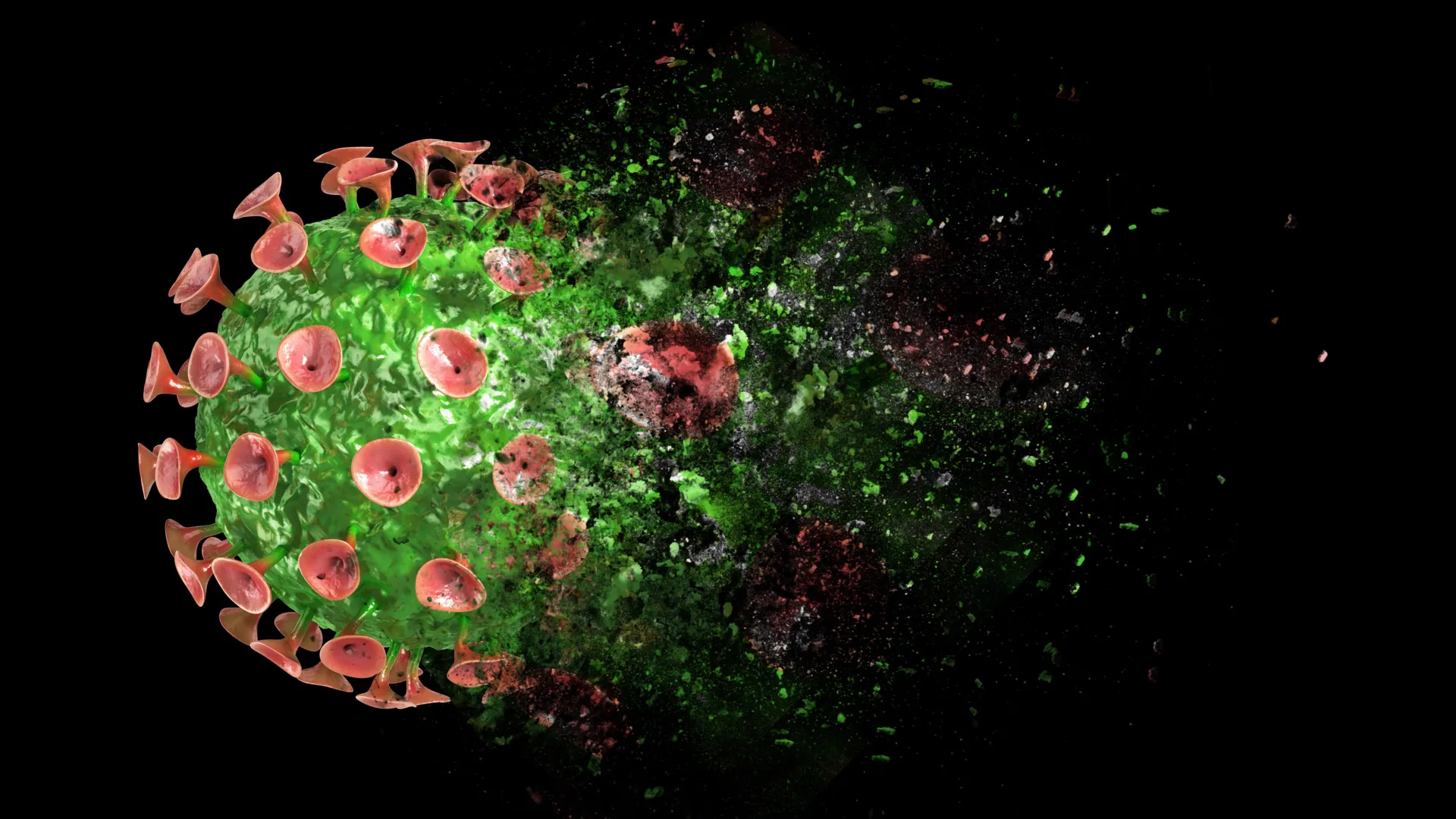
Washington State University scientists have identified a way to interfere with a key viral protein, stopping viruses from entering cells where they can trigger disease. The finding points to a potential new direction for antiviral therapies in the future.

The study, published in the journal Nanoscale, focused on uncovering and blocking a specific molecular interaction that herpes viruses rely on to gain access to cells. The work brought together researchers from the School of Mechanical and Materials Engineering and the Department of Veterinary Microbiology and Pathology.

“Viruses are very smart,” said Jin Liu, corresponding author of the study and a professor in the School of Mechanical and Materials Engineering. “The whole process of invading cells is very complex, and there are a lot of interactions. Not all of the interactions are equally important — most of them may just be background noise, but there are some critical interactions.”

Understanding the Viral Fusion Process

The team examined a viral “fusion” protein that herpes viruses use to merge with and enter cells, a process responsible for many infections. Scientists still have limited insight into how this large and complex protein changes shape to make cell entry possible, which helps explain why vaccines for these widespread viruses have been difficult to develop.

To tackle this challenge, researchers turned to artificial intelligence and detailed molecular simulations. Professors Prashanta Dutta and Jin Liu analyzed thousands of potential interactions within the protein to identify a single amino acid that plays an essential role in viral entry. They created an algorithm to examine interactions among amino acids, the basic components of proteins, and then applied machine learning to sort through them and pinpoint the most influential ones.

Using AI to Pinpoint a Critical Weak Spot

After identifying the key amino acid, the research team moved to laboratory experiments led by Anthony Nicola from the Department of Veterinary Microbiology and Pathology. By introducing a targeted mutation to this amino acid, they found that the virus could no longer successfully fuse with cells. As a result, the herpes virus was blocked from entering the cells altogether.

According to Liu, the use of simulations and machine learning was essential because experimentally testing even a single interaction can take months. Narrowing down the most important interaction ahead of time made the experimental work far more efficient.

“It was just a single interaction from thousands of interactions. If we don’t do the simulation and instead did this work by trial and error, it could have taken years to find,” said Liu. “The combination of theoretical computational work with the experiments is so efficient and can accelerate the discovery of these important biological interactions.”

What Researchers Still Need to Learn

Although the team confirmed the importance of this specific interaction, many questions remain about how the mutation changes the structure of the full fusion protein. The researchers plan to continue using simulations and machine learning to better understand how small molecular changes ripple through the entire protein.

“There is a gap between what the experimentalists see and what we can see in the simulation,” said Liu. “The next step is how this small interaction affects the structural change at larger scales. That is also very challenging for us.”

The research was carried out by Liu, Dutta, and Nicola along with PhD students Ryan Odstrcil, Albina Makio, and McKenna Hull. Funding for the project was provided by the National Institutes of Health.

Share Button

‘More victims in NHS child abuse probe’ – police

Probe into historical abuse at former units in Sussex could lead to more alleged victims coming forward.

Share Button

Harvard gut discovery could change how we treat obesity and diabetes

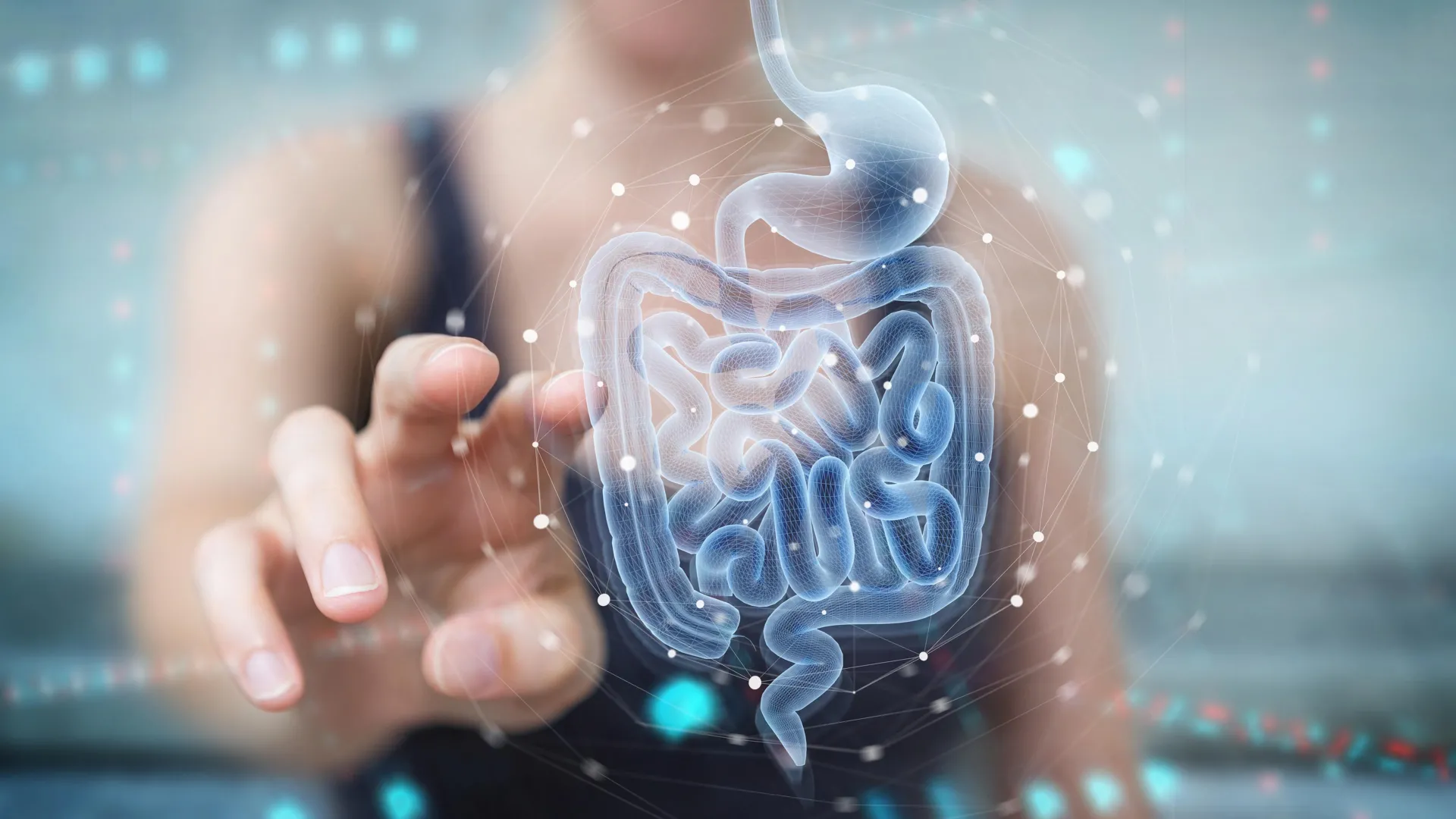
A research project supported by FAPESP and carried out at Harvard University in the United States has identified a set of metabolites that move from the intestine to the liver and then on to the heart, which distributes them throughout the body. These circulating compounds appear to influence how metabolic pathways function within the liver and how sensitive the body is to insulin. The findings point to potential new strategies for treating obesity and type 2 diabetes. The study was published in Cell Metabolism.

“The hepatic portal vein drains much of the blood from the intestine to the liver. Therefore, it’s the first place to receive products from the gut microbiome. In the liver, they can be conjugated, transformed, or eliminated, and then enter the systemic circulation,” explains Vitor Rosetto Muñoz, first author of the study and postdoctoral researcher at the Ribeirão Preto School of Physical Education and Sports at the University of São Paulo (EEFERP-USP) in Brazil.

“By analyzing the blood leaving the intestine and the peripheral blood circulating throughout the body, we were able to more accurately observe the enrichment of these metabolites derived from the gut microbiome in each location and, consequently, how they can modify hepatic metabolism and metabolic health,” adds Muñoz. He completed this work during an internship at the Joslin Diabetes Center at Harvard Medical School in the United States with support from a FAPESP scholarship under the guidance of researcher Carl Ronald Kahn.

Gut Microbiome Diversity and Metabolic Disease Risk

Over the past several years, scientists have increasingly recognized that the gut microbiome acts as a key link between genetics, environmental factors, and the development of metabolic disorders. Studies have shown that people and animals with obesity, type 2 diabetes, glucose intolerance, or insulin resistance often have distinct gut microbial compositions compared to those without these conditions.

Even so, researchers still struggle to determine which specific bacteria or microbial products drive these differences or how they interact with intestinal tissues. To explore this question, the recently published study examined metabolites in the blood of mice that varied in their susceptibility to obesity and diabetes. Samples were taken from the hepatic portal vein, which carries blood from the intestine to the liver, and from peripheral blood, which travels from the liver to the heart before circulating through the body.

“Normally, studies tend to look at metabolites present in fecal material or peripheral blood, but they don’t accurately reflect what’s first reaching the tissue of the liver, which is an important metabolic organ linked to different diseases,” says the researcher.

Environmental and Genetic Effects on Metabolite Profiles

In healthy mice, the team detected 111 metabolites enriched in the hepatic portal vein and 74 in peripheral blood. When mice genetically predisposed to obesity and type 2 diabetes were fed a hyperlipidemic diet (rich in fat), the number of metabolites enriched in the hepatic portal vein dropped from 111 to 48. This finding indicates that environmental factors, such as diet, can strongly influence the distribution of these compounds.

The metabolite profiles in these susceptible mice also differed from those observed in a strain of mice naturally resistant to metabolic syndrome. This contrast suggests that genetic background plays a central role in shaping which metabolites appear in the hepatic portal vein.

“This shows that both the environment and the host’s genetics can interact in complex ways with the gut microbiome. As a result of these interactions, different combinations of metabolites may be sent to the liver and subsequently to the peripheral circulation. These metabolites likely play an important role in mediating the conditions that lead to obesity, diabetes, and metabolic syndrome,” says Muñoz.

Testing Microbiome Disruption and Metabolite Effects

To identify which bacteria and microbial byproducts contribute to these metabolite patterns, the researchers treated obesity and diabetes susceptible mice with an antibiotic designed to target specific intestinal microorganisms. As expected, the treatment altered the microbiome and changed the balance of metabolites in both peripheral blood and the hepatic portal vein.

One outcome was an increase in metabolites such as mesaconate, which participates in the Krebs cycle, a fundamental energy-producing pathway in cells.

Using this insight, the scientists exposed hepatocytes (liver cells) to mesaconate and its isomers, which are chemical compounds with the same molecular formula but different structures. The treatments improved insulin signaling and regulated genes involved in hepatic fat accumulation (lipogenesis) and fatty acid oxidation, both of which are crucial processes for maintaining metabolic health.

“The metabolites found in the blood of these two sites, therefore, play important roles in mediating the effects of the microbiome on liver metabolism and the pathogenesis of type 2 diabetes insulin resistance, which is related to eating a high-fat diet,” says Muñoz.

Next Steps in Mapping Gut Driven Metabolic Pathways

The scientists now aim to characterize each metabolite in greater detail and determine how they are produced. This deeper understanding of microbial influences on metabolism may eventually lead to the identification of molecules that could serve as new therapeutic options for metabolic diseases.

Share Button

Scientists finally uncovered why the Indus Valley Civilization collapsed

A new study in Communications Earth & Environment reports that a series of major droughts, each extending beyond 85 years, likely played a central role in the eventual decline of the Indus Valley Civilization. This interpretation offers fresh insight into why this influential ancient society, a contemporary of ancient Egypt located near the present-day India-Pakistan border, experienced a slow reduction in its urban and cultural complexity. The research also underscores how long-lasting environmental pressures can shape the development and stability of early civilizations.

The Indus Valley Civilization (IVC) was among the earliest known urban cultures, thriving between 5,000 and 3,500 years ago along the Indus River and its tributaries in what is now Pakistan and northwest India. At its height from 4,500 to 3,900 years ago, the society was known for its planned cities, extensive infrastructure, and innovative water management systems. Despite this high level of development, the reasons behind its long, gradual downturn have remained difficult for researchers to fully explain.

Climate Simulations Reveal Temperature Rise and Reduced Rainfall

To investigate past conditions, Vimal Mishra and colleagues reconstructed climate patterns across the region spanning 5,000 to 3,000 years ago. Their analysis combined climate modeling with several indirect indicators of ancient environmental change. These included the chemical signatures preserved in stalactites and stalagmites from two Indian caves and water level histories recorded in five lakes across northwest India. Together, the data point to a temperature increase of about 0.5 degrees Celsius during this interval, along with a 10 to 20 percent reduction in annual rainfall.

The team also identified four extended drought periods occurring between 4,450 and 3,400 years ago. Each drought lasted more than 85 years and affected between 65 percent and 91 percent of the area associated with the IVC, indicating widespread and long-lasting impacts on water availability.

Shifts in Settlement Patterns During Prolonged Dry Periods

According to the authors, these droughts likely influenced where people chose to establish settlements. Between 5,000 and 4,500 years ago, most communities were situated in regions that received higher rainfall. After 4,500 years ago, settlement patterns changed, with populations moving closer to the Indus River. This shift may reflect increasing dependence on a more reliable water source as drought conditions intensified.

One particularly long drought lasting 113 years, identified between 3,531 and 3,418 years ago, aligns with archaeological evidence of widespread deurbanization in the region. Based on these findings, the researchers conclude that the Indus Valley Civilization did not collapse abruptly from a single climate event. Instead, the society likely experienced a prolonged and uneven decline in which repeated droughts became a significant contributing factor.

Share Button

Male bonobos use hidden clues to boost mating success

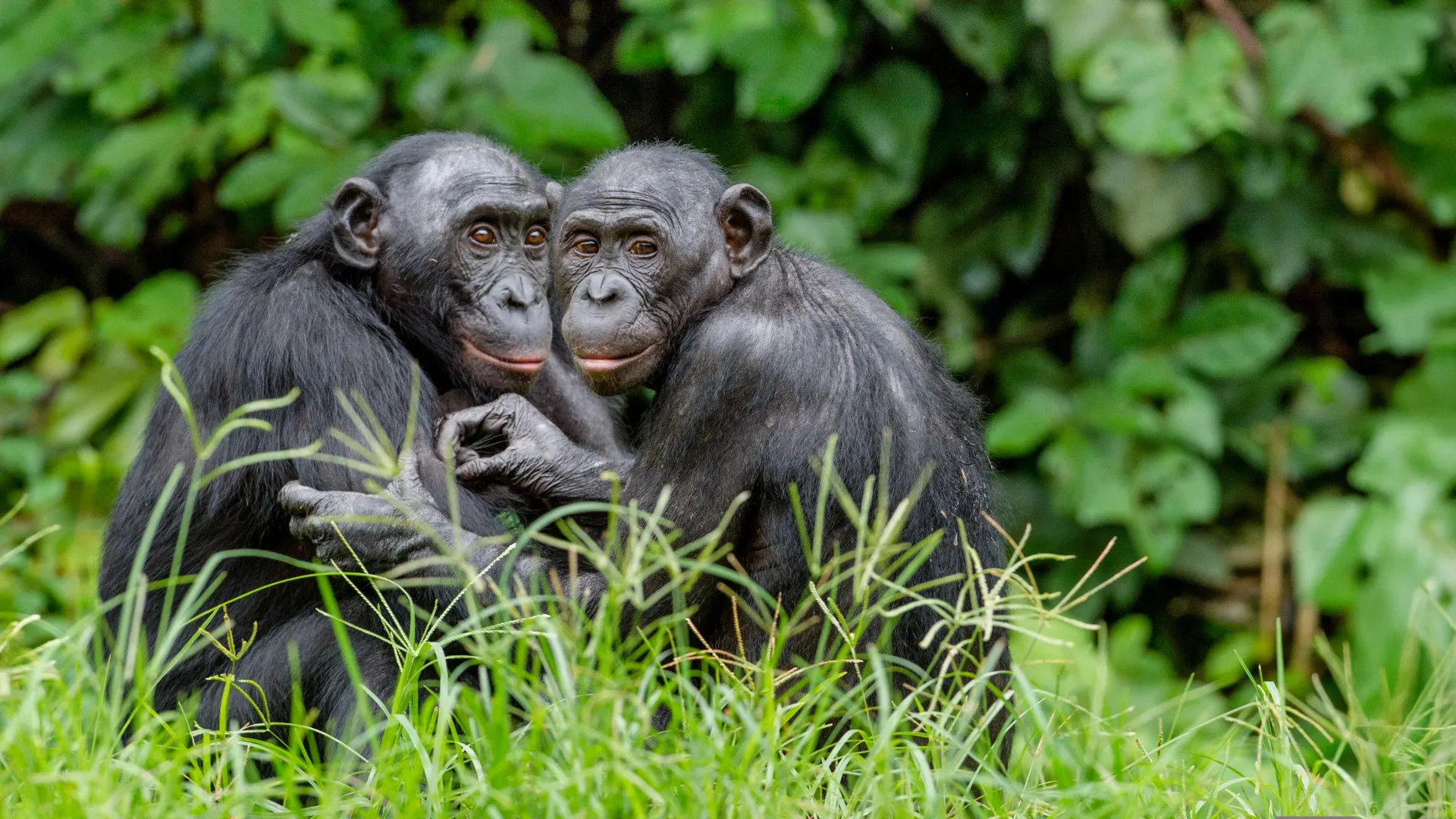
Male bonobos are able to interpret female fertility signals that do not reliably reflect ovulation. This ability lets them direct their mating attempts toward the moments when conception is most likely, according to research led by Heungjin Ryu at Kyoto University, Japan. The work was published December 9th in the open-access journal PLOS Biology.

In many mammals, females are receptive to mating only when ovulating, which gives males a clear window to maximize reproductive success. Bonobos (Pan paniscus) differ from this pattern because females remain sexually receptive for long periods and develop a bright pink genital swelling that persists well beyond the actual fertile stage.

Tracking Wild Bonobos to Understand Fertility Signals

To examine how males respond to this unreliable signal, researchers observed a wild bonobo community at Wamba in the Luo Scientific Reserve in the Democratic Republic of the Congo. The team documented sexual interactions each day and visually assessed the degree of genital swelling in every female. They also collected urine samples on filter paper to measure estrogen and progesterone, allowing them to identify when ovulation occurred.

The data showed that the likelihood of ovulation was highest between 8 and 27 days after a female reached maximum swelling, a range that makes prediction challenging. Even so, male behavior closely followed the true timing of ovulation. Males focused their mating activity on females who had reached maximum swelling earlier and who had older infants, two indicators linked to a greater chance of ovulation.

Flexible Mating Strategies Maintain an Imperfect System

These findings reveal that males improve their reproductive success by combining information about swelling patterns with knowledge of a female’s reproductive history. Because males are able to estimate fertility reasonably well despite the lack of a precise signal, the researchers suggest there has been little evolutionary pressure to make the signal more accurate. This may help explain why the system has persisted over long evolutionary timescales.

The authors add, “In this study, we found that bonobo males, instead of trying to predict precise ovulation timing, use a flexible strategy — paying attention to the end-signal cue of the sexual swelling along with infant age — to fine-tune their mating efforts. This finding reveals that even imprecise signals can remain evolutionarily functional when animals use them flexibly rather than expecting perfect accuracy. Our results help explain how conspicuous but noisy ovulatory signals, like those of bonobos, can persist and shape mating strategies in complex social environments.”

Researchers Reflect on Months of Field Observation

“The male bonobos weren’t the only ones paying close attention to sexual swelling — we spent countless days in the rainforest at Wamba, DRC doing exactly the same thing! All that watching, sweating, and scribbling in our notebooks eventually paid off. By tracking these daily changes, we uncovered just how impressively bonobos can read meaning in a signal that seems noisy and confusing to us.”

This study was supported by the Global Environment Research Fund (D-1007 to TF) of the Japanese Ministry of the Environment, the Japan Society for the Promotion of Science (JSPS) Grants-in-Aid for Scientific Research (22255007 to TF; and 25304019 to CH;), and the JSPS Asia-Africa Science Platform Program (2012-2014 to TF). The funders had no role in study design, data collection and analysis, decision to publish, or preparation of the manuscript.

Share Button

Hate Throwing Stuff Out, But Need More Space? ‘Reverse Decluttering’ Could Help

What a rotten mix of traits I have. I love collecting new stuff, hate throwing things out, and also adore free space and clear counters.

That means I can spend hours stressing over my cluttered cupboards, despairing about what could happen if I threw away that once-beloved trench coat, all to end up in a frozen, stressed state.

If that sounds like you, Bill Parkinson, a bedding expert from Sleepy Piglets, may have a solution.

“If you struggle with decision fatigue, reverse decluttering is a great way to ease into the process with a more positive mindset,” he explained.

What is “reverse decluttering”?

The process is pretty simple (and rather like Marie Kondo’s joy-sparking rule) – instead of trying ot work out what you want to lose, consider what you couldn’t live without.

“Rather than starting with what to get rid of, begin by setting aside the things you know you want to keep,” Parkinson said.

“This helps set the tone for a productive session by focusing on what’s already useful or valued in your space. That small win naturally makes the decisions that follow feel less overwhelming, while helping you to feel more confident and in control from the outset.”

Indeed, some research has found that employees who set short-term goals were more likely to complete them.

“Once your essentials are set aside, it’s much easier to look at what’s left and decide what to donate, recycle or move on,” Parkinson continued.

’Tis the season for regifting, too

If you really don’t like the idea of throwing your possessions away, Parkinson said, “Regifting is a great way to give good quality items that you don’t have time to sell a second life.

“A barely-used lamp, for example, could be exactly what someone else is looking for. Passing items on makes the process feel more rewarding and intentional, especially if you’re someone who struggles with the guilt of letting things go.”

After all, he explained, “What tends to slow people down when decluttering is the idea that they might sell everything at a later date. In reality, those ‘sell’ piles often sit around for weeks and can often be mistaken for rubbish in your next clear-out.”

Bedrooms are particularly susceptible to accumulating clutter for this reason, he stated.

“Being decisive about what to actually give away is what turns a declutter session into real progress.”

Share Button

Andy Burnham Says Latest Labour Leadership Stories Are ‘Rubbish’. But MPs Aren’t Convinced

Andy Burnham has described reports he wants to become an MP again before May as “rubbish”.

However, Labour MPs are convinced the Manchester mayor is eyeing a speedy return to Westminster so he can be in position to run for the party leadership if Keir Starmer is ousted.

Voters will go to the polls on May 7 next year for elections to the Scottish Parliament, Welsh Senedd and councils across England.

Opinion polls suggest Labour is heading for a catastrophic result, which could trigger a leadership challenge to the prime minister.

Burnham, who quit Westminster in 2017 so he could run to become mayor of Greater Manchester, would need to be an MP again to stand for the top job.

He was accused of plotting to replace the PM during the Labour conference in September, when he made a number of criticisms of the party leadership.

According to newspaper reports today, Burnham has held talks about standing in a by-election before May.

Although Burnham passed up the opportunity to comment before the stories were published in the Sunday Times and Mail on Sunday, he did post a reaction on X this morning.

He said: “Quite a lot of rubbish in the papers today. Reminds me why I left Westminster in the first place.”

<div class="js-react-hydrator" data-component-name="Twitter" data-component-id="5028" data-component-props="{"itemType":"rich","index":13,"contentIndexByType":1,"contentListType":"embed","code":"

Quite a lot of rubbish in the papers today. Reminds me why I left Westminster in the first place!

— Andy Burnham (@AndyBurnhamGM) December 14, 2025

","type":"rich","meta":{"author":"Andy Burnham","author_url":"https://twitter.com/AndyBurnhamGM","cache_age":86400,"description":"Quite a lot of rubbish in the papers today. Reminds me why I left Westminster in the first place!— Andy Burnham (@AndyBurnhamGM) December 14, 2025\n\n\n","options":{"_maxwidth":{"label":"Adjust width","placeholder":"220-550, in px","value":""},"_theme":{"value":"","values":{"dark":"Use dark theme"}}},"provider_name":"Twitter","title":"Andy Burnham on Twitter / X","type":"rich","url":"https://twitter.com/AndyBurnhamGM/status/2000123948407918967","version":"1.0"},"flags":[],"enhancements":{},"fullBleed":false,"options":{"theme":"news","device":"desktop","editionInfo":{"id":"uk","name":"U.K.","link":"https://www.huffingtonpost.co.uk","locale":"en_GB"},"originalEdition":"uk","isMapi":false,"isAmp":false,"isMobile":false,"isAdsFree":false,"isVideoEntry":false,"isEntry":true,"isMt":false,"entryId":"693e93ace4b047bd65a0029a","entryPermalink":"https://www.huffingtonpost.co.uk/entry/andy-burnham-says-latest-labour-leadership-stories-are-rubbish-but-mps-arent-convinced_uk_693e93ace4b047bd65a0029a","entryTagsList":"labour-party,andy-burnham,@ai_seo_headline","sectionSlug":"politics","deptSlug":null,"sectionRedirectUrl":null,"subcategories":"","isWide":false,"isShopping":false,"headerOverride":null,"noVideoAds":false,"disableFloat":false,"isNative":false,"commercialVideo":{"provider":"custom","site_and_category":"uk.politics","package":null},"isHighline":false,"vidibleConfigValues":{"cid":"60afc140cf94592c45d7390c","disabledWithMapiEntries":false,"overrides":{"all":"60b8e525cdd90620331baaf4"},"whitelisted":["56c5f12ee4b03a39c93c9439","56c6056ee4b01f2b7e1b5f35","59bfee7f9e451049f87f550b","5acccbaac269d609ef44c529","570278d2e4b070ff77b98217","57027b4be4b070ff77b98d5c","56fe95c4e4b0041c4242016b","570279cfe4b06d08e3629954","5ba9e8821c2e65639162ccf1","5bcd9904821576674bc55ced","5d076ca127f25f504327c72e","5b35266b158f855373e28256","5ebac2e8abddfb04f877dff2","60b8e525cdd90620331baaf4","60b64354b171b7444beaff4d","60d0d8e09340d7032ad0fb1a","60d0d90f9340d7032ad0fbeb","60d0d9949340d7032ad0fed3","60d0d9f99340d7032ad10113","60d0daa69340d7032ad104cf","60d0de02b627221e9d819408"],"playlists":{"default":"57bc306888d2ff1a7f6b5579","news":"56c6dbcee4b04edee8beb49c","politics":"56c6dbcee4b04edee8beb49c","entertainment":"56c6e7f2e4b0983aa64c60fc","tech":"56c6f70ae4b043c5bdcaebf9","parents":"56cc65c2e4b0239099455b42","lifestyle":"56cc66a9e4b01f81ef94e98c"},"playerUpdates":{"56c6056ee4b01f2b7e1b5f35":"60b8e525cdd90620331baaf4","56c5f12ee4b03a39c93c9439":"60d0d8e09340d7032ad0fb1a","59bfee7f9e451049f87f550b":"60d0d90f9340d7032ad0fbeb","5acccbaac269d609ef44c529":"60d0d9949340d7032ad0fed3","5bcd9904821576674bc55ced":"60d0d9f99340d7032ad10113","5d076ca127f25f504327c72e":"60d0daa69340d7032ad104cf","5ebac2e8abddfb04f877dff2":"60d0de02b627221e9d819408"}},"connatixConfigValues":{"defaultPlayer":"16b0ecc6-802c-4120-845f-e90629812c4d","clickToPlayPlayer":"823ac03a-0f7e-4bcb-8521-a5b091ae948d","videoPagePlayer":"05041ada-93f7-4e86-9208-e03a5b19311b","defaultPlaylist":"2e062669-71b4-41df-b17a-df6b1616bc8f"},"topConnatixThumnbailSrc":"data:image/png;base64,iVBORw0KGgoAAAANSUhEUgAAAAEAAAABCAQAAAC1HAwCAAAAC0lEQVR42mNkYAAAAAYAAjCB0C8AAAAASUVORK5CYII=","customAmpComponents":[],"ampAssetsUrl":"https://amp.assets.huffpost.com","videoTraits":null,"positionInUnitCounts":{"buzz_head":{"count":0},"buzz_body":{"count":0},"buzz_bottom":{"count":0}},"positionInSubUnitCounts":{"article_body":{"count":6},"blog_summary":{"count":0},"before_you_go_content":{"count":0}},"connatixCountsHelper":{"count":0},"buzzfeedTracking":{"context_page_id":"693e93ace4b047bd65a0029a","context_page_type":"buzz","destination":"huffpost","mode":"desktop","page_edition":"en-uk"},"tags":[{"name":"labour party","slug":"labour-party","links":{"relativeLink":"news/labour-party","permalink":"https://www.huffingtonpost.co.uk/news/labour-party","mobileWebLink":"https://www.huffingtonpost.co.uk/news/labour-party"},"url":"https://www.huffingtonpost.co.uk/news/labour-party/"},{"name":"andy burnham","slug":"andy-burnham","links":{"relativeLink":"news/andy-burnham","permalink":"https://www.huffingtonpost.co.uk/news/andy-burnham","mobileWebLink":"https://www.huffingtonpost.co.uk/news/andy-burnham"},"url":"https://www.huffingtonpost.co.uk/news/andy-burnham/"}],"isLiveblogLive":null,"isLiveblog":false,"backfillRelatedArticles":[],"signInUrl":"https://login.huffpost.com/login?dest=https%3A%2F%2Fwww.huffpost.com%2Fentry%2Fandy-burnham-says-latest-labour-leadership-stories-are-rubbish-but-mps-arent-convinced_uk_693e93ace4b047bd65a0029a%3Fhp_auth_done%3D1","cetUnit":"buzz_body","enableIncontentPlayer":false,"bodyAds":["

\r\n\r\n HPGam.cmd.push(function(){\r\n\t\treturn HPGam.render(\"inline-1\", \"entry_paragraph_1\", false, false);\r\n });\r\n\r\n","

\r\n\r\n HPGam.cmd.push(function(){\r\n\t\treturn HPGam.render(\"inline\", \"entry_paragraph_2\", false, false);\r\n });\r\n\r\n","

\r\n\r\n HPGam.cmd.push(function(){\r\n\t\treturn HPGam.render(\"inline-2\", \"entry_paragraph_3\", false, false);\r\n });\r\n\r\n","

\r\n\r\n HPGam.cmd.push(function(){\r\n\t\treturn HPGam.render(\"inline-infinite\", \"repeating_dynamic_display\", false, false);\r\n });\r\n\r\n"],"adCount":0,"midArticleAdPartner":null},"isCollectionEmbed":false}”>

Quite a lot of rubbish in the papers today. Reminds me why I left Westminster in the first place!

— Andy Burnham (@AndyBurnhamGM) December 14, 2025

But one of his supporters told the Mail on Sunday: “It’s happening. We are on the brink of securing a seat which is likely to come free shortly and where the polls say Andy would beat Reform.”

It is understood that would most likely be the Gorton and Denton seat currently held by former minister Andrew Gwynne, who was suspended by Labour in February over offensive messages he sent WhatsApp messages and is currently on long-term sick leave.

In a statement to The Times in September, Gwynne said: “In order to end the tedious speculation about my seat while I’m trying to recover from a period of ill health, it is my intention to serve the full term.

“The route to No 10 is not going to be through Gorton and Denton.”

But one MP told HuffPost UK: “Andy is gagging for a seat before May. Why wouldn’t he be? He knows that he needs to be ready in parliament for the local election results in May. Andrew Gwynne’s is the seat he will go for.”

A former Labour frontbencher said: “Burnham has spoken to other MPs who might fancy going but hasn’t been able to get a deal.”

Gwynne is thought to be coming under pressure from senior Labour figures in his constituency to stand down to make way for Burnham, but it will ultimately be up to government chief whip Jonathan Reynolds to authorise a by-election.

Another MP said: “There’s a significant number of us livid that he’s undermining the PM at every turn. He’s overestimating his support at Westminster.

“If he wanted to stand for parliament, he had an opportunity last year to run at the general election.

“We also can’t afford to have a mayoral by-election at the same time as he purports to want to have a leadership contest at the very top of the party during the course of summer 2026. It’s incredible.”

Home secretary Shabana Mahmood said Labour politicians should “focus on the day job” of delivering for the public rather than indulging in leadership speculation.

She told the BBC’s Sunday With Laura Kuenssberg programme: “I think that all of us in Government and in the Labour Party have a responsibility to focus on the day job and to get on with delivering for the British people.

“I was on your show just a few weeks ago, and I made this point that every single minute you have in government is precious, and it’s a huge privilege and an honour to be the government of your country, and we mustn’t waste a single second of it.

“So actually, this is on the whole of the government and all of the parliamentary Labour Party and the whole Labour movement to make sure we don’t waste a single second of the time that we have in government.”

Share Button