What are the most pressing priorities for the new minister in charge of health?


What are the most pressing priorities for the new minister in charge of health?

As cannabis use grows among older Americans, Stanford Medicine experts are warning that today’s marijuana products are far more powerful than many people realize, and they may come with significant health risks.
Eloise Theisen never expected to become a specialist in medical cannabis. Now a geriatric nurse practitioner focused on cannabis therapy at Stanford Medicine, she first turned to cannabis herself after a severe car accident left her with chronic pain that other treatments failed to relieve.
When she later returned to work in an oncology clinic, she noticed many patients were already using cannabis or considering it, often without guidance from medical professionals.
“I found that our patients were going to use it whether their providers approved of it or not,” Theisen said. “Many of our patients were older, and they had risks that needed to be evaluated and addressed before they started using cannabis.”
Cannabis Use Is Rising Among Older Adults
Both medical and recreational cannabis use continue to increase across the United States, including among adults over 65. Yet researchers still have major unanswered questions about how cannabis affects the body and brain, partly because marijuana remains federally illegal, making some kinds of research difficult.
Many older adults use cannabis in hopes of easing chronic pain, insomnia, or anxiety. However, Smita Das, MD, PhD, clinical associate professor of psychiatry and behavioral sciences at Stanford Medicine, said there is still no broad medical agreement that cannabis effectively treats these conditions.
Experts say older adults face unique risks from regular cannabis use. These include higher chances of heart disease, certain cancers, addiction, cognitive problems, and dangerous medication interactions. Today’s cannabis products are also much stronger than the marijuana many people encountered decades ago, increasing the risk of accidental overuse.
Stanford Medicine specialists shared five important things older adults should know before using cannabis.
1. Today’s Cannabis Is Much Stronger Than It Used To Be
Medical marijuana is legal in 40 states and the District of Columbia, while recreational cannabis is legal in 24 states and D.C. Although regular use among seniors remains relatively uncommon, it is rising quickly. According to the National Survey on Drug Use and Health, 7% of adults over 65 reported recent cannabis use in 2023, compared with less than 5% in 2021.
Many older adults may not realize how dramatically cannabis potency has changed. In the 1970s, marijuana typically contained between 1% and 4% tetrahydrocannabinol (THC), the compound responsible for the drug’s psychoactive effects. Today, legal cannabis flower averages around 20% THC, and some strains contain as much as 35%.
Other cannabis products can be even more concentrated. Oils, edibles, and concentrates may contain THC levels approaching 90%. Synthetic marijuana products such as spice or K2 are even stronger and have been linked to heart problems. These products are illegal in California and many other states.
“We’re trying to catch up in our understanding of how that drastic of an increase in the psychoactive ingredient is impacting the brain and the body,” said Claudia Padula, PhD, assistant professor of psychiatry and behavioral sciences.
The increased strength of cannabis products may also help explain a rise in accidental overconsumption among older adults. A Canadian study comparing emergency room visits before and after nationwide legalization found that cannabis poisoning cases among adults over 65 nearly tripled.
“There are so many different formulations and so many different strengths,” Das said. “This is really not the cannabis of the ’70s.”
2. Cannabis May Raise Risks for Heart Disease and Cognitive Problems
Although cannabis research is still developing, several studies have linked regular cannabis use to cardiovascular disease.
Joseph Wu, MD, PhD, director of the Stanford Cardiovascular Institute and the Simon H. Stertzer, MD, Professor of Medicine & Radiology, said this is especially concerning for older adults because heart disease remains the leading cause of death in the United States.
Wu’s research team found that THC triggers inflammation in blood vessels in animal studies. Epidemiological research has also connected cannabis use with several forms of heart disease in humans. According to these studies, regular cannabis use is associated with a 29% increase in heart attacks and a 20% increase in stroke risk.
While those risks are lower than the risks linked to heavy tobacco or alcohol use, Wu noted that many cannabis users also smoke cigarettes, drink alcohol, or both. Combining these substances may further increase cardiovascular danger. Smoking cannabis has also been associated with lung cancer and cancers of the head and neck.
Wu said smoking and vaping cannabis appear to promote more inflammation than edible products, although edibles are not risk free.
“There is no safe amount of cannabis. Low doses and occasional use are still associated with vascular inflammation,” he said. “Abstinence is the safest option for heart health.”
Theisen also watches for other complications in older patients using cannabis, including dizziness, confusion, falls, and worsening cognitive issues such as dementia.
Older adults metabolize cannabis more slowly than younger people, meaning the drug can stay in the body longer and its effects may last longer than expected. Slower metabolism also increases the chances of interactions with prescription medications.
One example involves cannabidiol (CBD), a non-intoxicating cannabis compound. CBD can interfere with enzymes responsible for breaking down medications such as blood thinners. This may raise drug levels in the body and increase the danger of bleeding after an injury or fall. In some cases, cannabis may also reduce the effectiveness of medications.
3. Cannabis Can Be Addictive
A widespread belief about cannabis is that it is not addictive, but Das said research suggests otherwise.
Studies indicate that roughly 30% of regular cannabis users may develop cannabis use disorder. Like other substance use disorders, the condition is diagnosed based on how strongly the drug affects a person’s daily life. Signs may include withdrawal symptoms, needing larger doses over time, or cannabis interfering with relationships and responsibilities.
Even though cannabis addiction rates are lower than those for alcohol, Das said many health care providers may not routinely ask older adults about cannabis use.
“I’m noticing that older adults may not necessarily be disclosing cannabis use to their providers unless specifically asked. This isn’t a population we traditionally think about in terms of using cannabis,” Das said. “If someone comes to me for another reason such as depression or alcohol use disorder, I might be the first person who has asked them about their cannabis use.”
For people struggling to cut back or quit, Das said speaking openly with a doctor or addiction specialist is important. Treatments such as cognitive behavioral therapy have been shown to help.
“Empowering individuals by helping them understand the criteria of a substance use disorder can then help them decide, ‘Is this something I want to talk about?'” Das said. “On the clinician side, we can do a lot to make substance use part of the conversation. What are they using the cannabis for? And if somebody wants to stop using, we need to stick with them through the difficult part of stopping.”
Padula is also studying how the brain reacts to environmental cues in people with cannabis use disorder and other addictions. Using functional MRI scans, her research has found that people who relapse after treatment often show heightened sensitivity to drug-related signals in their surroundings.
4. Cannabis May Help Some Conditions, but Research Remains Limited
Research suggests that different age groups use cannabis for different reasons.
In a 2017 study led by Padula involving medically licensed cannabis users at a San Francisco dispensary, adults ages 18-30 were more likely to use cannabis for boredom or social situations. Middle-aged users commonly reported insomnia as a reason for use, while adults ages 51-72 often used cannabis for cancer, chronic pain, or other long-term medical conditions.
The Food and Drug Administration has not approved cannabis itself for medical treatment. However, it has approved two cannabis-related compounds for specific uses. CBD is approved for certain forms of childhood epilepsy, while dronabinol, a synthetic cannabis compound, is used to treat nausea and appetite loss in patients with cancer or HIV/AIDS.
Cannabis compounds have also shown benefits for muscle spasms caused by multiple sclerosis. Some countries approve cannabis for that purpose, although the United States does not.
CBD products are now widely marketed for pain, sleep problems, anxiety, and substance use disorders, but evidence supporting many of these uses remains limited.
Research on cannabis for chronic pain has produced mixed findings. Some studies report pain relief, but researchers have also observed large placebo effects. Das helped develop a statement from the American Psychiatric Association opposing cannabis as a psychiatric treatment because there is currently no evidence showing it effectively treats psychiatric disorders.
Theisen sees the issue somewhat differently in her work with palliative care patients facing life-limiting illnesses. Many of these patients use cannabis to manage cancer-related symptoms, including pain, and often want alternatives to opioid medications, which can cause serious side effects and addiction. Research has shown that chronic pain patients who use cannabis sometimes reduce their opioid use.
Theisen also said many patients appreciate the sense of well-being cannabis can provide.
“THC has gotten a bad rap over the years, but in very small doses it can be therapeutic,” she said. “There’s also a lot of stigma around its effects of euphoria. In our patients who may have months to a few years to live, still being able to experience joy is really important.”
5. Doctors Say Honest Conversations Matter Most
While experts may disagree about how medically useful cannabis is, they agree on one thing: older adults should talk openly with health care providers before using it.
Theisen said she would rather patients discuss cannabis with a medical professional than rely on advice from dispensary staff or experiment on their own.
During the early years of legalization, she frequently heard stories of patients accidentally consuming extremely high doses of THC edibles because they did not receive proper instructions.
“Patients would sometimes end up in the emergency department, or they would not want to take it again because they thought, ‘This isn’t going to work for me,'” she said.
Reliable information about cannabis can still be difficult to find. Doctors can help patients evaluate whether cannabis is appropriate, discuss possible alternatives, and identify risks related to existing medical conditions or medications.
“Your primary care physician will know the constellation of your medical conditions and other medications you might be on,” Padula said. “Talking to your doctor and letting them know not only what you’re prescribed, but what you’re using recreationally, will help formulate a way to do it in as safe a manner as possible.”

Vitamin B2 is essential for human health, but new research suggests it may also help cancer cells stay alive.
Also known as riboflavin, vitamin B2 cannot be produced by the body and must come from food sources such as dairy products, eggs, meat, and green vegetables. Once absorbed, the vitamin is converted into molecules that help protect cells from oxidative damage and support other important biological functions.
Scientists at the Rudolf Virchow Centre (RVZ) at Julius-Maximilians-Universität Würzburg (JMU) have now discovered that this protective effect may come with a serious drawback. Their findings show that vitamin B2 metabolism can also shield cancer cells from destruction.
“Vitamin B2 plays a crucial role in protecting cancer cells from ferroptosis, a special form of programmed cell death,” says PhD student Vera Skafar. She is part of the research team led by José Pedro Friedmann Angeli, Professor of Translational Cell Biology. The study was published in Nature Cell Biology.
How Vitamin B2 Helps Cancer Cells Survive
Programmed cell death is one of the body’s natural defense systems. It allows damaged or dangerous cells to die in a controlled way without triggering inflammation in nearby tissue. Ferroptosis is one type of this process and has been linked to cancer, neurodegenerative diseases, and other serious conditions.
Ferroptosis occurs when iron-driven damage to cell membranes overwhelms a cell’s antioxidant defenses. Cancer cells often avoid this fate by strengthening systems that protect them from oxidative stress.
The new study found that vitamin B2 metabolism plays an important role in these protective defenses. According to the researchers, this means that blocking riboflavin-related pathways could make tumors more vulnerable to ferroptosis and easier to destroy.
Researchers Test a Possible Cancer Therapy Strategy
A protein called FSP1 was central to the team’s investigation. The protein helps healthy cells avoid unwanted cell death, and vitamin B2 supports its activity.
Using genome editing and cancer cell models, the researchers found that cancer cells became much more sensitive to ferroptosis when vitamin B2 was limited.
The team believes this process could eventually be used as a cancer treatment by shutting down vitamin B2 metabolism in tumors and triggering cancer cell death. However, there is currently no inhibitor specifically designed for that purpose.
To explore the idea further, the researchers tested roseoflavin, a naturally occurring compound produced by bacteria that has a structure similar to vitamin B2.
Roseoflavin Successfully Triggered Ferroptosis
In laboratory experiments using cancer cell models, the researchers found that roseoflavin was able to trigger ferroptosis even at low concentrations.
“It turned out that roseoflavin triggers ferroptosis in low concentrations,” says the group leader, “our experiments show the feasibility of this concept.”
The findings suggest that targeting vitamin B2 metabolism could become a promising new approach for future cancer therapies based on ferroptosis.
Next, the RVZ research team plans to develop more effective inhibitors of vitamin B2 metabolism and test them in preclinical cancer models.
Potential Implications Beyond Cancer
Friedmann Angeli says the importance of ferroptosis extends beyond oncology.
“Ferroptosis is not only relevant to cancer. Increasing evidence suggests that it also contributes to pathological processes in neurodegenerative diseases and in tissue damage following organ transplantation or ischemia-reperfusion injury.”
Because of this, understanding how vitamin B2 metabolism influences ferroptosis could eventually help scientists better understand a wide range of diseases involving excessive or insufficient cell death.
The research was supported by the German Research Foundation (DFG) through the priority program “Ferroptosis: from Molecular Basics to Clinical applications” (SPP2306).
The work was also conducted as part of the DeciFerr (Deciphering and exploiting ferroptosis regulatory mechanism in cancer) project led by Professor Friedmann Angeli. Since May 2024, the project has received funding from the European Research Council (ERC) through an ERC Consolidator Grant worth nearly two million euros.
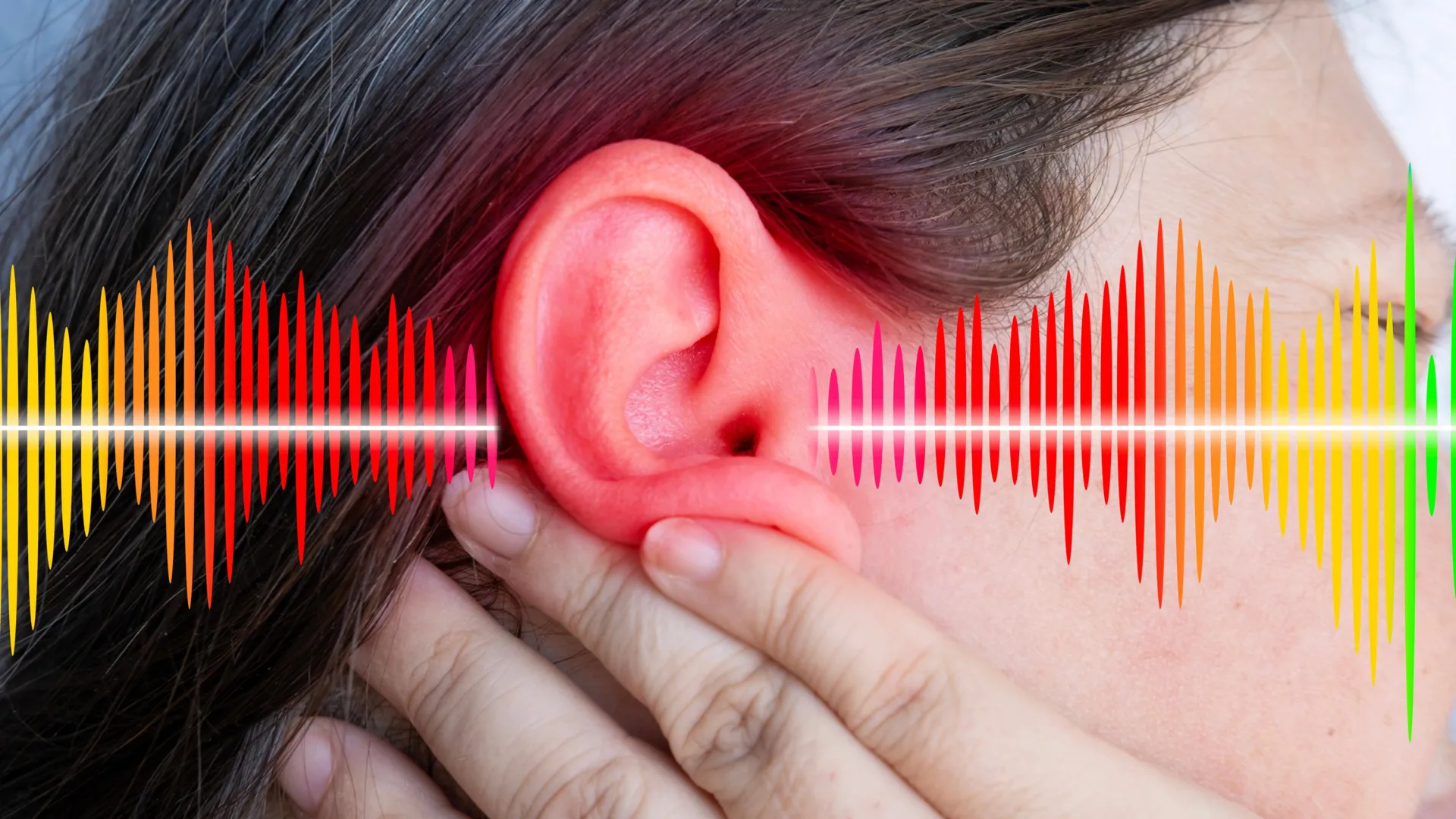
Scientists have uncovered new evidence that serotonin, a brain chemical best known for helping regulate mood, may also worsen tinnitus, the persistent ringing or buzzing sound that affects millions of people worldwide. The research was published in the Proceedings of the National Academy of Sciences.
Tinnitus can range from mildly irritating to severely distressing. For some people, the nonstop noise creates anxiety and disrupts daily life. Researchers estimate that as many as 14% of people globally experience the condition, with many cases considered severe.
A team from Oregon Health & Science University and Anhui University in China studied mice and found that increasing serotonin levels in the brain also increased behaviors associated with tinnitus.
Serotonin and Tinnitus Connection
The findings could have important implications for people living with tinnitus, especially those taking antidepressants that affect serotonin levels, said co-senior author Laurence Trussell, Ph.D., professor of otolaryngology in the OHSU School of Medicine and a scientist at the OHSU Vollum Institute and Oregon Hearing Research Center.
“People with tinnitus should work with their prescribing physician to find a drug regimen that gives them a balance between relief of psychiatric symptoms like depression and anxiety, while minimizing the experience of tinnitus,” Trussell said. “This study highlights the importance of clinicians recognizing and validating patient reports of medication-associated increases in tinnitus.”
The medications discussed in the study include selective serotonin reuptake inhibitors, commonly known as SSRIs. These antidepressants are widely prescribed for moderate to severe depression and anxiety because they raise serotonin levels in the brain.
Researchers have long suspected serotonin played a role in tinnitus, but the exact mechanism remained unclear.
“We’ve suspected that serotonin was involved in tinnitus, but we didn’t really understand how,” said co-author Zheng-Quan Tang, Ph.D., of Anhui University in China. “Now, using mice, we’ve found a specific brain circuit involving serotonin that goes straight to the auditory system, and found that it can induce tinnitus-like effects. When we turned that circuit off, we were able to ameliorate the tinnitus significantly.
“This gives us a much clearer picture of what’s going on in the brain — and points toward new possibilities for treatment.”
Tang began the project while working as a postdoctoral scholar in Trussell’s laboratory.
Brain Circuit Linked to Ringing Ears
The new work builds on earlier research published in 2017.
In the latest study, scientists used optogenetics, a technique that uses fiber optics and light to activate specific brain cells. By targeting neurons that produce serotonin, the researchers were able to trigger activity in regions of the brain involved in hearing. They then measured how the mice responded using a modified auditory startle test.
“When you stimulate these serotonergic neurons, we can see that it stimulates activity in the auditory region in the brain,” Trussell said. “We also saw that animals then behaved as if they were hearing tinnitus. In other words, it’s producing symptoms that we would expect to be experienced as tinnitus in humans.”
According to the researchers, the findings match reports from some patients who say their tinnitus becomes more intense while taking serotonin-boosting medications such as SSRIs.
Future Tinnitus Treatments
“Our study suggests a delicate balance,” Trussell said. “It may be possible to develop cell- or brain region-specific drugs that steer the elevation of serotonin in some brain regions but not others. In that way, it may be possible to separate the beneficial and important effects of the antidepressant from the potentially harmful effects on hearing.”
Trussell’s research was supported by the National Institutes of Health through award RO1DC004450. The authors noted that the findings and conclusions are solely their responsibility and do not necessarily reflect the official views of the NIH.

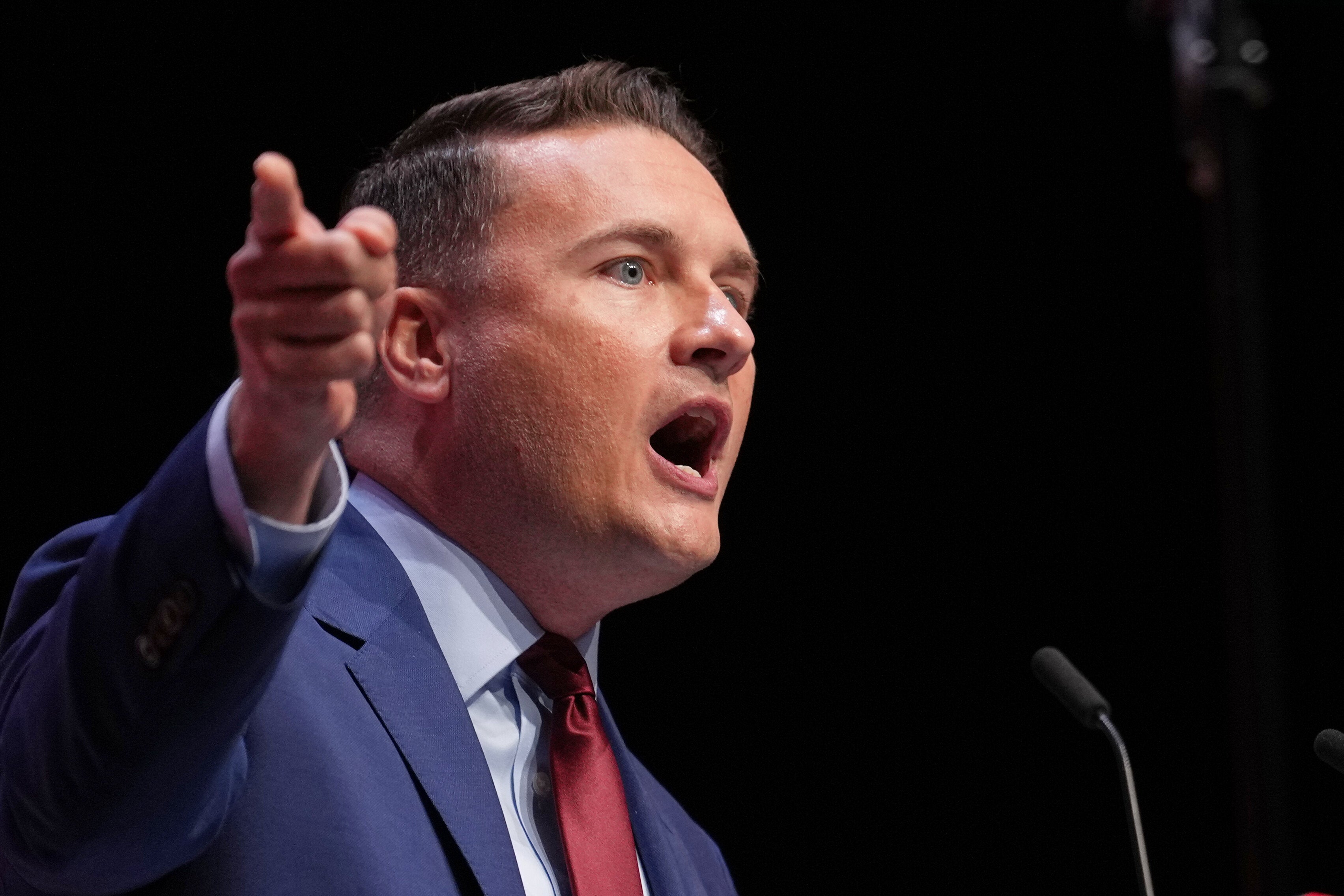
Wes Streeting will definitely run in the upcoming Labour leadership contest, his allies have told HuffPost UK.
It is the first confirmation that he plans to mount a bid to replace Keir Starmer as prime minister.
Supporters of Starmer have claimed that the former health secretary – who resigned with a ferocious attack on the prime minister yesterday – does not have enough support from Labour MPs to mount a challenge.
Advertisement
Under Labour Party rules, any candidate must have the support of at least 20% of its MPs to make it onto the ballot paper. At the moment, that is 81 MPs.
Starmer allies have claimed that Streeting currently only has 43 names, leaving him well short of the number required.
They said that was why he did not formally trigger a contest when he quit the cabinet, as had been expected.
Advertisement
But a source close to Streeting told HuffPost UK: “He has the numbers and will be a candidate when there’s a contest.”
In his resignation letter, Streeting stopped short of saying he would challenge the PM.
But he said: “It is now clear that you will not lead the Labour Party into the next general election and that Labour MPs and Labour unions want the debate about what comes next to be a battle of ideas, not of personalities or petty factionalism.
“It needs to be broad, and it needs the best possible field of candidates. I support that approach and I hope that you will facilitate this.”
Advertisement
A leadership contest appears inevitable, despite Starmer insisting he “won’t walk away” from No.10.
Cabinet ministers, including home secretary Shabana Mahmood and foreign secretary Yvette Cooper, have personally told the PM to set out a timetable for his departure.
More than 90 Labour MPs have so far publicly called on him to quit, while four junior ministers have also resigned from the government.
Andy Burnham kicked off his own attempt to be the next PM when it was announced that Labour MP Josh Simons is standing down to let the Greater Manchester mayor stand in his Makerfield seat.
Advertisement
Labour’s ruling national executive committee (NEC) is not expected to block Burnham’s bid to be the party’s candidate in the resulting by-election.
However, he faces a huge challenge to see off Reform UK and be elected the new MP for the constituency.
If Burnham wins, he is expected to immediately challenge Starmer, triggering a full leadership contest.
Advertisement
Others who could throw their hats into the ring include former deputy PM Angela Rayner, defence secretary John Healey, energy secretary Ed Miliband, Mahmood, Cooper and junior defence minister Al Carns
Subscribe to Commons People, the podcast that makes politics easy. Every week, Kevin Schofield and Kate Nicholson unpack the week’s biggest stories to keep you informed. Join us for straightforward analysis of what’s going on at Westminster.

If you’ve booked a 2026 holiday, chances are you’ve heard the words “jet fuel price hikes” more than you’d like.
Following the closure of the key oil and fuel shipping route, the Strait of Hormuz, jet fuel costs have reportedly doubled.
Advertisement
That’s led some airlines to cancel flights, while others are running fewer flights overall. Still, the UK government’s site says “UK airlines say that they are not currently seeing a shortage of jet fuel,” as of the time of writing.
If that sounds a little conflicting, we’ve created a list of everything airlines like Ryanair, easyJet, British Airways, and Jet2 have said so far on the topic.
And recently, TUI provided an update for passengers.
Speaking to The Independent on May 13, the CFO of TUI Group, Mathias Kiep, said: “I’m very much convinced that we will see no shortage in the next 10 weeks. There’s definitely enough fuel.
Advertisement
“We think that the discussion on fuel is a little bit artificial, as we do see no shortages for the next few weeks.” He also told the publication that he didn’t expect shortages even if the Strait of Hormuz remained closed.
This is in line with other airline bosses, like Ryanair’s Michael O’Leary.
The controversial CEO recently told Reuters, “We think the risk of a supply disruption is receding… A month ago, we were saying we’re all fine until the end of May. The fuel companies are now saying they’re seeing no supply disruption risk until the end of June.”
And speaking to Fortune on 14 May, Greg Raiff, the CEO of private jet services company Elevate Jet, went so far as to call reports of jet fuel shortages a “myth”.
Advertisement
Some companies have begun adding surcharges to flights as a way to battle the rising cost of fuel.
The company had previously told customers their “holiday price is fixed, with no fuel surcharges added by TUI”.
But in his most recent update, Kiep said: “I would also see no impact in the summer at all except prices – and for the higher prices, we are luckily hedged.
Advertisement
“We do see that Europe now gets more oil from other countries like Nigeria because the increased prices made the production there profitable. We see that consumption is significantly lower than a year before, and refinery capacity is also up.”

Eurovision star Look Mum No Computer has shared that the BBC took measures to make sure he’d be able to cope with the “pressure” of the contest.
Look Mum No Computer – the stage name of musician and YouTuber Sam Battle – is representing the UK at the 2026 Eurovision Song Contest this weekend with his original song Eins, Zwei, Drei.
Advertisement
Given how the UK has fared at the competition in recent years, it’s fair to say that picking up that mantle is not for the faint of heart, and in a new interview with BBC News, the performer opened up about how bosses wanted to make sure he was up to the challenge.
“They gave me a stress test [to see] whether I could deal under pressure,” he explained, with the BBC describing him as flashing a nervous “should-I-be-saying-this” glance towards his press team as he made the revelation.
“It’s nothing, really,” he added. “Just making sure that you don’t get too nervous and things like that.”
Advertisement
HuffPost UK has contacted the BBC for additional comment.

via Associated Press
Past UK Eurovision acts have made no secret of the intense toll that the scrutiny and attention associated with the contest can bring.
Back in 2025, Olly Alexander claimed that his number one advice to the UK’s next Eurovision entrant would be to “get yourself a really good therapist because you’ll have a lot to talk about – for years!”.
Advertisement
Meanwhile, Look Mum No Computer isn’t the only Eurovision performer whose delegation took measures to prepare them for the contest.
Earlier this week, Israeli representative Noam Bettan claimed that, like his recent predecessors, he rehearsed while being booed to prepare for any disruptions that might occur during his performance.
“I had a few people in my crew trying to make it hard for me, to practise for this moment,” Noam told the BBC earlier this week. “But you can’t really prepare for this.”
Advertisement
During Noam’s semi-final performance on Tuesday night, pro-Palestine chants could be heard coming from the audience, with Eurovision later confirming that audience members had been removed for causing disruption.



One of the biggest challenges in aging and disease research is tracking down senescent cells. These cells — often called “zombie cells” — stop dividing but refuse to die off normally. Over time, they can build up in the body and have been linked to conditions including cancer, Alzheimer’s disease, and the aging process itself.
Scientists have been exploring ways to remove or repair these harmful cells, but there has been a major obstacle. Researchers have struggled to reliably identify senescent cells hiding among healthy cells in living tissue.
DNA Aptamers Help Researchers Identify Senescent Cells
A team at Mayo Clinic now says it has found a promising new strategy. Writing in the journal Aging Cell, the researchers describe a technique that uses molecules called “aptamers” to tag senescent cells.
Aptamers are short strands of synthetic DNA that naturally fold into complex three dimensional shapes. Those shapes allow them to attach to specific proteins found on the surfaces of cells.
Working with mouse cells, the scientists screened more than 100 trillion random DNA sequences and identified several rare aptamers capable of binding to proteins associated with senescent cells. Once attached, the aptamers effectively flagged the cells for identification.
“This approach established the principle that aptamers are a technology that can be used to distinguish senescent cells from healthy ones,” says biochemist and molecular biologist Jim Maher, III, Ph.D., a principal investigator of the study. “Though this study is a first step, the results suggest the approach could eventually apply to human cells.”
A Chance Conversation Sparked the Discovery
The project began with an unexpected idea shared during a casual conversation between graduate students at Mayo Clinic.
Keenan Pearson, Ph.D. — who recently earned his degree from Mayo Clinic Graduate School of Biomedical Sciences — had been studying how aptamers might be used against brain cancer or neurodegenerative diseases while working with Dr. Maher.
Elsewhere on campus, Sarah Jachim, Ph.D., — who was also completing graduate research at the time — was studying aging and senescent cells in the laboratory of Nathan LeBrasseur, Ph.D.
The two students crossed paths during a scientific event and started discussing their thesis projects. Dr. Pearson began wondering whether aptamer technology could be adapted to recognize senescent cells.
“I thought the idea was a good one, but I didn’t know about the process of preparing senescent cells to test them, and that was Sarah’s expertise,” says Dr. Pearson, who became lead author of the publication.
Researchers Pursue a “Crazy” Idea
The students presented the idea to their mentors as well as researcher Darren Baker, Ph.D., whose work focuses on therapies targeting senescent cells.
Dr. Maher says the concept initially sounded “crazy,” but intriguing enough to investigate further. The mentors ultimately embraced the collaboration.
“We frankly loved that it was the students’ idea and a real synergy of two research areas,” says Dr. Maher.
The research advanced quickly. Early experiments produced encouraging findings sooner than expected, leading the team to bring in additional students from several labs.
Then-graduate students Brandon Wilbanks, Ph.D., Luis Prieto, Ph.D., and M.D.-Ph.D. student Caroline Doherty contributed specialized techniques, including advanced microscopy and analysis of a wider variety of tissue samples.
“It became encouraging to expend more effort,” Dr. Jachim says, “because we could tell it was a project that was going to succeed.”
New Clues About the Biology of Zombie Cells
The study may offer more than just a new way to identify senescent cells. It also uncovered information about the cells themselves.
“To date, there aren’t universal markers that characterize senescent cells,” says Dr. Maher. “Our study was set up to be open-ended about the target surface molecules on senescent cells. The beauty of this approach is that we let the aptamers choose the molecules to bind to.”
Several of the aptamers attached to a variation of fibronectin, a protein found on the surface of mouse cells. Researchers do not yet understand exactly how this fibronectin variant relates to senescence, but the finding could help scientists better define what makes senescent cells unique.
Future Potential for Aging and Disease Treatments
The researchers caution that additional studies will be needed before aptamers can reliably identify senescent cells in humans.
Still, the technology could eventually become much more than a detection tool. Scientists believe aptamers might one day carry therapies directly to senescent cells, allowing highly targeted treatment approaches.
Dr. Pearson says aptamers are also less expensive and more adaptable than traditional antibodies, which are commonly used to distinguish different types of cells.
“This project demonstrated a novel concept,” says Dr. Maher. “Future studies may extend the approach to applications related to senescent cells in human disease.”

A massive Swedish study that tracked people for nearly five decades has uncovered a striking reality about aging and physical performance. Researchers found that fitness, strength, and muscle endurance begin declining around age 35. But the findings also deliver an encouraging message: becoming active later in life can still significantly improve physical ability.
The research was conducted at Karolinska Institutet as part of the Swedish Physical Activity and Fitness study (SPAF). Scientists followed several hundred randomly selected men and women in Sweden from ages 16 to 63, repeatedly measuring their fitness and strength over a span of 47 years.
The study was published in the Journal of Cachexia, Sarcopenia and Muscle.
Rare Long Term Fitness Data
Most previous studies on aging and physical performance relied on cross sectional comparisons between different age groups. In contrast, the SPAF project repeatedly tested the same individuals over decades, making it one of the few long running studies of its kind.
By tracking the same participants over time, researchers were able to build a much clearer picture of how the body changes through adulthood and aging.
Physical Decline Begins Around Age 35
The results showed that physical capacity starts decreasing as early as age 35, even among people with different training backgrounds. After that point, the decline continues gradually and becomes more pronounced with advancing age.
Researchers examined changes in fitness, muscular strength, and endurance, all of which followed a similar downward trend over time.
Still, the study also found important evidence that exercise remains highly beneficial at any age. Participants who became physically active during adulthood improved their physical capacity by 5-10 percent.
Exercise Still Makes a Difference
“It is never too late to start moving. Our study shows that physical activity can slow the decline in performance, even if it cannot completely stop it. Now we will look for the mechanisms behind why everyone reaches their peak performance at age 35 and why physical activity can slow performance loss but not completely halt it,” says Maria Westerståhl, lecturer at the Department of Laboratory Medicine and lead author of the study.
The researchers plan to continue following the participants as they age. Next year, the group will be tested again when participants reach 68 years old.
Scientists hope the ongoing work will help reveal how lifestyle habits, overall health, and biological processes influence the way physical performance changes across a lifetime.
Government his its interim target of 65% of patients in England being treated within 18 weeks.
