UK Anti-Doping have published research into SARMs being sold on social media platforms. The survey found a third of people aged 16-25 see ads for SARMs every week.


UK Anti-Doping have published research into SARMs being sold on social media platforms. The survey found a third of people aged 16-25 see ads for SARMs every week.
Newcastle United Foundation has painted benches in the city’s Leazes Park to highlight mental health and encourage fans to talk to each other.
Defender Dan Burn spoke to BBC Sport about the work being done and how important it is to “check in”.
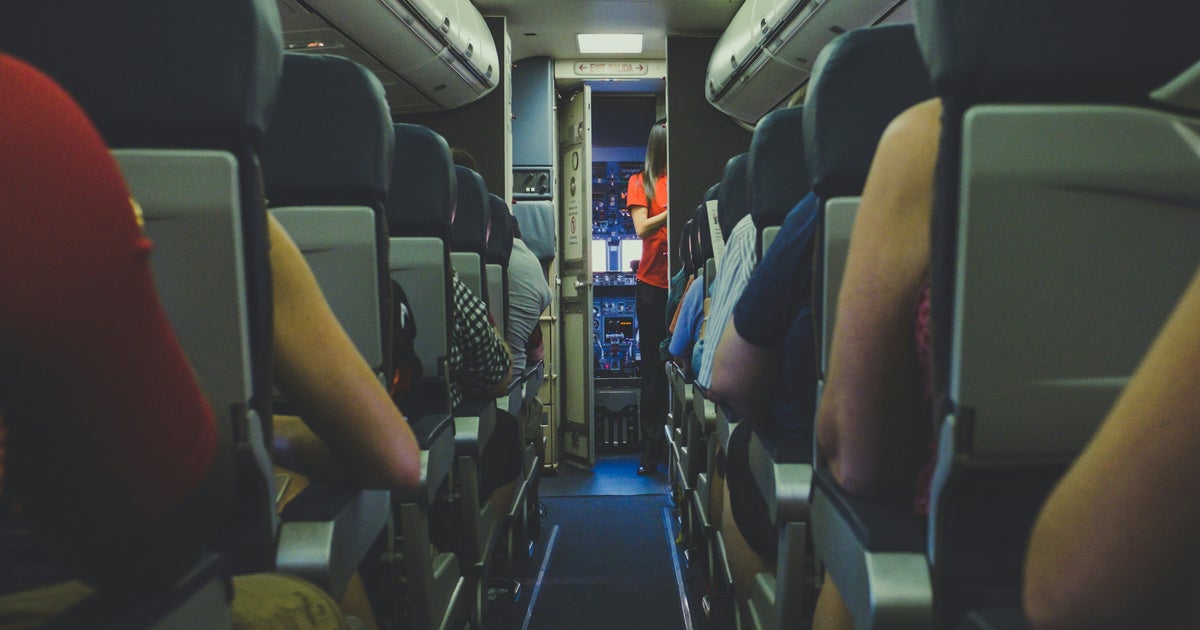
2026 is a tough year for fliers. Between ongoing fuel price crises and EES check-related queues, flying might not be as efficient as we’re used to.
Which means that any advice, including the “efficient” onboard recommendations from Jet2′s site, is welcome for travellers.
Advertisement
“To make our service as efficient as possible, we only accept card payments,” the page reads.
It’s not just that cash won’t fly (teehee) for on-board payments. Contactless isn’t guaranteed to work, either.
“We’ve also introduced a few updates to contactless, including Apple Pay and Google Pay,” Jet2 shared.
“So, please bring your physical card to use chip and PIN when needed.”
Their on-board offerings include a duty-free range of fragrances, skincare, makeup, aftershave, and jewellery, as well as refreshments, which you can also pre-order.
Advertisement
Yes. The airline has previously spoken about the best way to handle EES checks, which have led to some queues and even missed flights as airports get passengers onto the EU system for the first time.
They said, “There may be longer wait times at Border Control at some EU Airports, especially at busy times. Once you start your EES registration, it should take around 1-2 minutes per person to complete.”
Advertisement
But seeing as multiple people from non-Schengen countries may be doing so at the same time, those minutes can build up fast.
Schengen countries include:
Therefore, they cautioned fliers, “Depending on how busy the airport is, this may result in longer wait times at passport control before boarding your flight to the UK.
Advertisement
“After checking in for your flight, please head straight to security and passport control in order to arrive at your gate in plenty of time.”

After sweeping the board at the Emmys, Golden Globes, Critics’ Choice Awards and National Television Awards, Adolescence was the big winner at this year’s TV Baftas.
Now, we know what you’re thinking – “hang on a minute, didn’t Adolescence come out way more than a year ago?”.
Advertisement
You’re not wrong, either. The hard-hitting drama premiered on Netflix in March 2025, but this meant that it didn’t fall in the eligibility period for last year’s ceremony.
On Sunday night, it finally had its moment to shine at this year’s TV Baftas, and shine it did, setting a new record for the most wins for one show in a single night.
Meanwhile, Last One Laughing and The Celebrity Traitors each came away with two awards, with the latter notably picking up the Memorable Moment prize for Alan Carr’s jaw-dropping win.
Advertisement
Here are all the shows and stars who picked up awards during the TV Baftas over the weekend…
Leading Actor
Stephen Graham (Adolescence)
Leading Actress
Narges Rashidi (Prisoner 951)
Actress In A Comedy
Katherine Parkinson (Here We Go)
Actor In A Comedy
Steve Coogan (How Are You? It’s Alan(Partridge))
Supporting Actress
Christine Tremarco (Adolescence)
Supporting Actor
Owen Cooper (Adolescence)
Drama Series
Code Of Silence
Limited Drama
Adolescence
Entertainment Performance
Bob Mortimer (Last One Laughing)
Entertainment
Last One Laughing
Scripted Comedy
Amandaland
International
The Studio
The Celebrity Traitors
EastEnders
Scam Interceptors
Factual Entertainment
Go Back To Where You Came From
Factual Series
See No Evil
Specialist Factual
Simon Schama: The Road To Auschwitz
Current Affairs
Gaza: Doctors Under Attack
Hustle And Run
Live Event Coverage
VE Day 80: A Celebration To Remember
News Coverage
Israel-Iran: The Twelve Day War (Channel 4 News)
Single Documentary
Grenfell: Uncovered
Sports Coverage
UEFA Women’s Euro 2025
Children’s Non-Scripted
World.War.Me
Children’s Scripted
Memorable Moment
Alan Carr wins The Celebrity Traitors

Some of the biggest names in both British and international telly were gathered under one roof on Sunday night for the annual TV Baftas – and that meant one especially star-studded red carpet.
The guestlist included actors, TV presenters, comedians and reality stars (not to mention, thanks to Celebrity Traitors, some guests who were technically all of the above), with the stars of nominated shows as wide-ranging as Adolescence, Last One Laughing, The Studio, EastEnders, Severance, Rivals and What It Feels Like For A Girl all putting in an appearance.
Advertisement
From homegrown to talent to cult favourites and global household names, here are all the A-list photos from the TV Baftas red carpet that you need to see…

Anthony Harvey/Shutterstock

Anthony Harvey/Shutterstock
Advertisement

John Phillips via Getty Images for BAFTA

Alan West/Hogan Media/Shutterstock

WIktor Szymanowicz/NurPhoto/Shutterstock
Advertisement

Anthony Harvey/Shutterstock

David Fisher/Shutterstock

Alan West/Hogan Media/Shutterstock
Advertisement

NEIL HALL/EPA/Shutterstock

Anthony Harvey/Shutterstock

Anthony Harvey/Shutterstock
Advertisement

WIktor Szymanowicz/NurPhoto/Shutterstock

David Fisher/Shutterstock

Anthony Harvey/Shutterstock
Advertisement

David Fisher/Shutterstock

David Fisher/Shutterstock

David Fisher/Shutterstock
Advertisement

David Fisher/Shutterstock

Anthony Harvey/Shutterstock

David Fisher/Shutterstock
Advertisement

Anthony Harvey/Shutterstock

WIktor Szymanowicz/NurPhoto/Shutterstock

Anthony Harvey/Shutterstock
Advertisement

Anthony Harvey/Shutterstock

David Fisher/Shutterstock

Anthony Harvey/Shutterstock
Advertisement

Alan West/Hogan Media/Shutterstock

David Fisher/Shutterstock

David Fisher/Shutterstock
Advertisement

Anthony Harvey/Shutterstock

David Fisher/Shutterstock

Alan West/Hogan Media/Shutterstock
Advertisement

Stuart C. Wilson via Getty Images

Anthony Harvey/Shutterstock

Variety via Getty Images
Advertisement

David Fisher/Shutterstock

John Phillips via Getty Images for BAFTA

Anthony Harvey/Shutterstock
Advertisement

Anthony Harvey/Shutterstock

Anthony Harvey/Shutterstock

George Gottlieb via BAFTA via Getty Images
Advertisement

Alan West/Hogan Media/Shutterstock

David Fisher/Shutterstock

David Fisher/Shutterstock
Advertisement

David Fisher/Shutterstock

Lia Toby via Getty Images

David Fisher/Shutterstock
Advertisement

Anthony Harvey/Shutterstock

David Fisher/Shutterstock

Anthony Harvey/Shutterstock
Advertisement

Stuart C. Wilson via Getty Images

Kate Green via Getty Images for BAFTA

Anthony Harvey/Shutterstock
Advertisement

WIktor Szymanowicz/NurPhoto/Shutterstock

Anthony Harvey/Shutterstock

Anthony Harvey/Shutterstock
Advertisement

David Fisher/Shutterstock

John Phillips via Getty Images for BAFTA

Anthony Harvey/Shutterstock
Advertisement

Alan West/Hogan Media/Shutterstock

David Fisher/Shutterstock

Alan West/Hogan Media/Shutterstock
Advertisement

David Fisher/Shutterstock

David Fisher/Shutterstock

John Phillips via Getty Images for BAFTA
Advertisement

Anthony Harvey/Shutterstock

Stuart C. Wilson via Getty Images

Alan West/Hogan Media/Shutterstock
Advertisement

Anthony Harvey/Shutterstock

Anthony Harvey/Shutterstock

Anthony Harvey/Shutterstock
Advertisement

Anthony Harvey/Shutterstock









































































Groups in Liverpool are trying to remedy the historical under-resourcing of women’s healthcare.
Five passengers of the MV Hondius will be quarantined in Paris “until further notice”, France’s prime minister says.
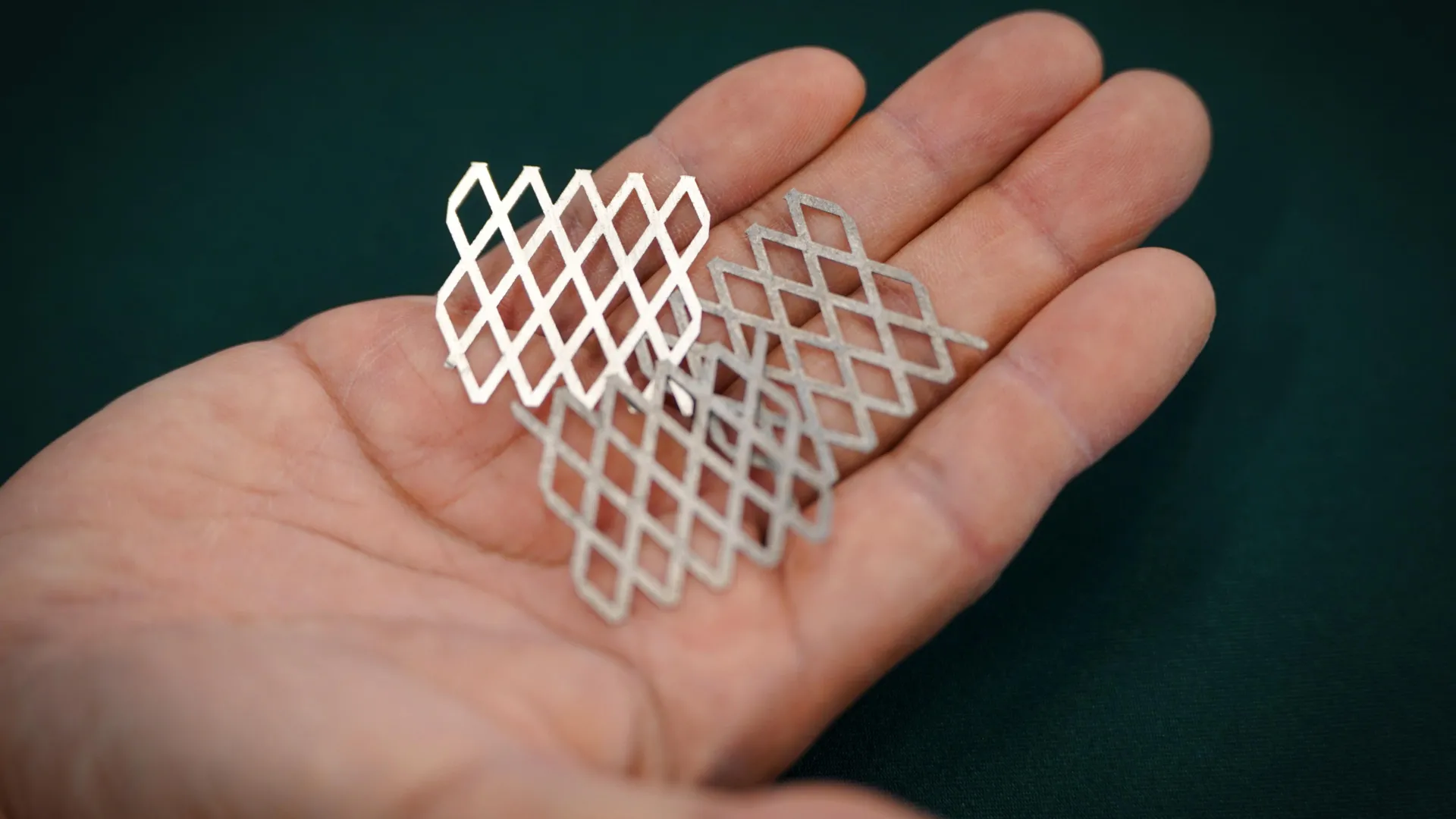
A stainless steel breakthrough from the University of Hong Kong (HKU) could help solve one of the biggest problems facing green hydrogen: how to build electrolyzers that are tough enough for seawater, yet cheap enough for large scale clean energy.
Led by Professor Mingxin Huang in HKU’s Department of Mechanical Engineering, the team developed a special stainless steel for hydrogen production (SS-H2). The material resists corrosion under conditions that normally push stainless steel past its limits, making it a promising candidate for producing hydrogen from seawater and other harsh electrolyzer environments.
The discovery, reported in Materials Today in the study “A sequential dual-passivation strategy for designing stainless steel used above water oxidation,” builds on Huang’s long running “Super Steel” Project. The same research program previously produced anti-COVID-19 stainless steel in 2021, along with ultra strong and ultra tough Super Steel in 2017 and 2020.
A Cheaper Path Toward Green Hydrogen
Green hydrogen is made by using electricity, ideally from renewable sources, to split water into hydrogen and oxygen. Seawater is an especially tempting feedstock because it is abundant, but it brings a serious materials problem: salt, chloride ions, side reactions, and corrosion can quickly damage electrolyzer components.
Recent reviews of direct seawater electrolysis continue to highlight the same core challenge. The technology could provide a more sustainable route to hydrogen, but corrosion, chlorine related side reactions, catalyst degradation, precipitates, and limited long term durability remain major obstacles to commercial use.
That is where SS-H2 could matter. In a salt water electrolyzer, the HKU team found that the new steel can perform comparably to the titanium based structural materials used in current industrial practice for hydrogen production from desalted seawater or acid. The difference is cost. Titanium parts coated with precious metals such as gold or platinum are expensive, while stainless steel is far more economical.
For a 10 megawatt PEM electrolysis tank system, the total cost at the time of the HKU report was estimated at about HK$17.8 million, with structural components making up as much as 53% of that expense. According to the team’s estimate, replacing those costly structural materials with SS-H2 could reduce the cost of structural material by about 40 times.
Why Ordinary Stainless Steel Fails
Stainless steel has been used for more than a century in corrosive environments because it protects itself. The key ingredient is chromium. When chromium (Cr) oxidizes, it creates a thin passive film that shields the steel from damage.
But that familiar protection system has a built in ceiling. In conventional stainless steel, the chromium based protective layer can break down at high electrical potentials. Stable Cr2O3 can be further oxidized into soluble Cr(VI) species, causing transpassive corrosion at around ~1000 mV (saturated calomel electrode, SCE). That is well below the ~1600 mV needed for water oxidation.
Even 254SMO super stainless steel, a benchmark chromium based alloy known for strong pitting resistance in seawater, runs into this high voltage limit. It may perform well in ordinary marine settings, but the extreme electrochemical environment of hydrogen production is a different challenge.
The Steel That Builds a Second Shield
The HKU team’s answer was a strategy called “sequential dual-passivation.” Instead of relying only on the usual chromium oxide barrier, SS-H2 forms a second protective layer.
The first layer is the familiar Cr2O3 based passive film. Then, at around ~720 mV, a manganese based layer forms on top of the chromium based layer. This second shield helps protect the steel in chloride containing environments up to an ultra high potential of 1700 mV.
That is what makes the finding so striking. Manganese is usually not viewed as a friend of stainless steel corrosion resistance. In fact, the prevailing view has been that manganese weakens it.
“Initially, we did not believe it because the prevailing view is that Mn impairs the corrosion resistance of stainless steel. Mn-based passivation is a counter-intuitive discovery, which cannot be explained by current knowledge in corrosion science. However, when numerous atomic-level results were presented, we were convinced. Beyond being surprised, we cannot wait to exploit the mechanism,” said Dr. Kaiping Yu, the first author of the article, whose PhD is supervised by Professor Huang.
A Six Year Push From Surprise to Application
The path from the first observation to publication was not quick. The team spent nearly six years moving from the initial discovery of the unusual stainless steel to the deeper scientific explanation, then toward publication and potential industrial use.
“Different from the current corrosion community, which mainly focuses on the resistance at natural potentials, we specializes in developing high-potential-resistant alloys. Our strategy overcame the fundamental limitation of conventional stainless steel and established a paradigm for alloy development applicable at high potentials. This breakthrough is exciting and brings new applications,” Professor Huang said.
The work has also moved beyond the laboratory. The research achievements have been submitted for patents in multiple countries, and two patents had already been granted authorization at the time of the HKU announcement. The team also reported that tons of SS-H2 based wire had been produced with a factory in Mainland China.
“From experimental materials to real products, such as meshes and foams, for water electrolyzers, there are still challenging tasks at hand. Currently, we have made a big step toward industrialization. Tons of SS-H2-based wire has been produced in collaboration with a factory from the Mainland. We are moving forward in applying the more economical SS-H2 in hydrogen production from renewable sources,” added Professor Huang.
Why the Timing Still Matters
Although the SS-H2 study was published in 2023, its core problem has only become more relevant. Newer seawater electrolysis research continues to focus on the same bottlenecks: corrosion resistant materials, long lasting electrodes, chlorine suppression, and system designs that can survive real seawater rather than ideal laboratory solutions. A 2025 Nature Reviews Materials review described direct seawater electrolysis as promising but still held back by corrosion, side reactions, metal precipitates, and limited lifetime.
Other recent work has explored stainless steel based electrodes with protective catalytic layers, including NiFe based coatings and Pt atomic clusters, to improve durability in natural seawater. Researchers have also reported corrosion resistant anode strategies built on stainless steel substrates, showing that stainless steel remains a major focus in the effort to make seawater electrolysis more practical.
This newer research does not replace the SS-H2 discovery. Instead, it reinforces why the HKU team’s approach is important. The field is still searching for materials that can survive the punishing mix of saltwater chemistry, high voltage, and industrial operating demands. SS-H2 stands out because it attacks the problem not only with a coating or catalyst, but with a new alloy design strategy that changes how stainless steel protects itself.
A Steel Breakthrough With Clean Energy Potential
SS-H2 is not yet a plug and play solution for the hydrogen economy. The team has acknowledged that turning experimental materials into real electrolyzer products, including meshes and foams, still involves difficult engineering work.
Even so, the promise is clear. A stainless steel that can withstand high voltage seawater conditions while replacing expensive titanium based components could make hydrogen production cheaper, more scalable, and easier to pair with renewable energy.
For a field where cost and durability often decide whether a technology can leave the lab, a steel that builds its own second shield may be more than a materials science surprise. It could become a practical step toward cleaner hydrogen at industrial scale.

Naked mole rats are not much to look at, but their biology has made them one of the most fascinating animals in aging research. These small, wrinkled rodents can live for decades, rarely develop cancer, and seem unusually protected from many of the diseases that normally arrive with age.
Researchers at the University of Rochester showed that one of those biological advantages can be moved into another mammal. By transferring a gene linked to the naked mole rat’s unusually high levels of high molecular weight hyaluronic acid (HMW-HA), the team improved health and modestly extended lifespan in mice.
The work, published in Nature in 2023, suggested that at least some longevity traits that evolved in long-lived animals may be adaptable beyond the species that developed them. The genetically modified mice lived healthier lives and had an approximate 4.4 percent increase in median lifespan compared with ordinary mice.
“Our study provides a proof of principle that unique longevity mechanisms that evolved in long-lived mammalian species can be exported to improve the lifespans of other mammals,” says Vera Gorbunova, the Doris Johns Cherry Professor of biology and medicine at Rochester.
Gorbunova, along with Andrei Seluanov, a professor of biology, and their colleagues, focused on a gene that helps produce HMW-HA. This substance is abundant in naked mole rats and has been tied to their striking resistance to cancer, inflammation, and age-related decline.
Why Naked Mole Rats Fascinate Aging Scientists
Naked mole rats are about the size of mice, yet their lifespans are extraordinary for rodents. They can live up to 41 years, nearly ten times longer than similarly sized rodents.
Their long lives are not the only reason scientists study them. As they age, naked mole rats appear to avoid many conditions that commonly affect other mammals, including neurodegeneration, cardiovascular disease, arthritis, and cancer. For decades, Gorbunova, Seluanov, and other researchers have been investigating how these animals stay so resilient.
One major clue is HMW-HA. Naked mole rats carry roughly ten times more of it than mice and humans. In earlier work, researchers found that when HMW-HA was removed from naked mole rat cells, those cells became more likely to form tumors.
That finding raised a powerful question. If HMW-HA helps naked mole rats resist cancer and age-related damage, could the same mechanism work in a different animal?
Transferring a Naked Mole Rat Longevity Gene
To test the idea, the Rochester team engineered mice to carry the naked mole rat version of the hyaluronan synthase 2 gene. This gene helps make the protein that produces HMW-HA.
All mammals have a version of hyaluronan synthase 2, but the naked mole rat version appears to be especially active. It seems to drive stronger gene expression, leading to greater production of the protective molecule.
The modified mice developed higher levels of hyaluronan in several tissues. They also showed stronger protection against spontaneous tumors and chemically induced skin cancer.
The effects were not limited to cancer resistance. The mice carrying the naked mole rat gene stayed healthier overall, lived longer than regular mice, had less inflammation in multiple tissues as they aged, and maintained better gut health.
Because chronic inflammation is one of the major biological features of aging, the reduction in inflammation was especially important. The researchers believe HMW-HA may work partly by directly influencing the immune system, although more research is needed to explain exactly how it produces such broad benefits.
A Small Lifespan Gain With Big Implications
The increase in median lifespan was about 4.4 percent, which is modest. But the larger significance is that a longevity mechanism from one mammal was successfully transferred to another.
That makes the finding more than a mouse study about a single gene. It supports the idea that nature’s long-lived species may contain biological tools that can be studied, adapted, and possibly used to improve health in other animals.
“It took us 10 years from the discovery of HMW-HA in the naked mole rat to showing that HMW-HA improves health in mice,” Gorbunova says. “Our next goal is to transfer this benefit to humans.”
The researchers believe there may be two main ways to pursue that goal. One would be to slow the breakdown of HMW-HA in the body. Another would be to increase its production.
“We already have identified molecules that slow down hyaluronan degradation and are testing them in pre-clinical trials,” Seluanov says. “We hope that our findings will provide the first, but not the last, example of how longevity adaptations from a long-lived species can be adapted to benefit human longevity and health.”
Newer Research Adds to the Naked Mole Rat Story
Since the 2023 Nature study, naked mole rats have continued to offer new clues about why they age so differently from other mammals. A 2025 study in Science reported another potential longevity mechanism involving cGAS, a protein better known for its role in immune defense. In humans and mice, cGAS can interfere with some forms of DNA repair, but the naked mole rat version appears to help cells repair DNA damage more effectively. That study found that specific changes in the naked mole rat protein improved genome stability and delayed signs of aging in experimental models.
This newer work does not replace the HMW-HA finding. Instead, it strengthens a broader pattern. Naked mole rats likely owe their unusually long, healthy lives to several overlapping defenses, including cancer resistance, inflammation control, DNA repair, and tissue protection.
For human aging research, that matters. A single molecule is unlikely to become a simple fountain of youth. But each discovery gives scientists another possible route for targeting the biological processes that drive age-related disease.
The 2023 gene transfer study remains a striking proof of concept. A survival strategy that evolved in one of nature’s strangest mammals helped mice resist disease, age more smoothly, and live longer. The next challenge is determining whether those same biological tricks can be safely adapted to improve human healthspan.

Neuroscientists have identified a measurable brain difference between people with psychopathic traits and those with few or none. In a study published in the Journal of Psychiatric Research, researchers from Nanyang Technological University, Singapore (NTU Singapore), the University of Pennsylvania, and California State University found that a brain region involved in reward and motivation was larger in individuals with psychopathic traits.
Using magnetic resonance imaging (MRI), the team found that the striatum was about 10 percent larger on average in psychopathic individuals compared with a control group. The striatum sits deep in the forebrain and plays a role in movement planning, decision-making, motivation, reinforcement, and how the brain responds to rewards.
Psychopathy is generally associated with an egocentric and antisocial personality pattern. People with strong psychopathic traits often show reduced empathy, little remorse for harmful actions, and, in some cases, a greater likelihood of criminal behavior. Not everyone with psychopathic traits commits crimes, and not every person who commits a crime is a psychopath, but research has consistently linked psychopathy with a higher risk of violent behavior.
A Larger Reward Center in the Brain
Earlier research had suggested that the striatum may be unusually active in psychopaths, but it was less clear whether the size of this brain region was also involved. The Journal of Psychiatric Research findings added evidence that psychopathy is not shaped only by social and environmental experiences. Biology may also play a role.
To investigate the link, the researchers scanned the brains of 120 people in the United States. They also interviewed the participants using the Psychopathy Checklist — Revised, a widely used psychological assessment designed to measure psychopathic traits.
Assistant Professor Olivia Choy, from NTU’s School of Social Sciences, a neurocriminologist who co-authored the study, said: “Our study’s results help advance our knowledge about what underlies antisocial behavior such as psychopathy. We find that in addition to social environmental influences, it is important to consider that there can be differences in biology, in this case, the size of brain structures, between antisocial and non-antisocial individuals.”
The findings may help researchers better understand how biology contributes to antisocial and criminal behavior. Over time, that knowledge could help refine theories of behavior and inform future approaches to policy, prevention, and treatment.
What the Striatum May Reveal About Risk and Reward
The striatum is part of the basal ganglia, a group of neuron clusters located deep in the brain. The basal ganglia receive information from the cerebral cortex, which helps control thinking, social behavior, and the ability to decide which sensory information deserves attention.
Over the past two decades, scientists have increasingly recognized that the striatum is not only involved in movement and reward. It may also be tied to social behavior and difficulties in social functioning.
By comparing MRI scans with psychopathy assessment results, the researchers found that a larger striatum was linked to a stronger need for stimulation, including thrill-seeking, excitement, and impulsive behavior. In the published study, stimulation-seeking and impulsivity partly explained the relationship between striatal volume and psychopathy, accounting for 49.4 percent of the association.
Professor Adrian Raine from the Departments of Criminology, Psychiatry, and Psychology at University of Pennsylvania, who co-authored the study, said: “Because biological traits, such as the size of one’s striatum, can be inherited to child from parent, these findings give added support to neurodevelopmental perspectives of psychopathy — that the brains of these offenders do not develop normally throughout childhood and adolescence.”
Psychopathic Traits Outside Prison Populations
One important feature of the study was that it included people from the community rather than focusing only on prison populations. That helped the researchers examine psychopathic traits in a broader group of individuals.
Professor Robert Schug from the School of Criminology, Criminal Justice, and Emergency Management at California State University, Long Beach, who co-authored the study, said: “The use of the Psychopathy Checklist — Revised in a community sample remains a novel scientific approach: Helping us understand psychopathic traits in individuals who are not in jails and prisons, but rather in those who walk among us each day.”
The researchers also examined 12 women in the study sample. They reported that, for the first time, psychopathy was linked to an enlarged striatum in adult females as well as males. The female sample was small, so the finding needs further study, but it suggested that the same brain pattern may not be limited to men.
In typical human development, the striatum tends to shrink as a child matures. That pattern raises the possibility that psychopathy may be connected to differences in brain development across childhood and adolescence.
Brain Development and Environment May Both Matter
Asst Prof Choy added: “A better understanding of the striatum’s development is still needed. Many factors are likely involved in why one individual is more likely to have psychopathic traits than another individual. Psychopathy can be linked to a structural abnormality in the brain that may be developmental in nature. At the same time, it is important to acknowledge that the environment can also have effects on the structure of the striatum.”
Prof Raine added: “We have always known that psychopaths go to extreme lengths to seek out rewards, including criminal activities that involve property, sex, and drugs. We are now finding out a neurobiological underpinning of this impulsive and stimulating behavior in the form of enlargement to the striatum, a key brain area involved in rewards.”
The study was published in the Journal of Psychiatric Research under the title “Larger striatal volume is associated with increased adult psychopathy.”
Later Research Points to a Wider Brain Network
Since the 2022 paper, later research has continued to explore how psychopathy relates to brain structure and brain networks. A 2025 study in European Archives of Psychiatry and Clinical Neuroscience examined 39 adult men diagnosed with psychopathy and found that antisocial lifestyle traits were associated with reduced volumes in several brain regions, including parts of the basal ganglia, thalamus, basal forebrain, pons, cerebellum, orbitofrontal cortex, dorsolateral-frontal cortex, and insular cortex. The researchers concluded that these findings point to disruptions in frontal-subcortical circuits involved in behavioral control.
Another 2025 analysis in Neuroscience and Biobehavioral Reviews looked across 38 functional neuroimaging studies of psychopathy. Although individual studies often pointed to different brain locations, the findings appeared to map onto a shared functional brain network involving the default mode network and subcortical regions. The authors argued that psychopathy may be better understood through a network-level view of the brain rather than by focusing on one region alone.
Together, these later findings add nuance to the 2022 striatum study. The enlarged striatum finding remains an important clue, especially because of the striatum’s role in reward, stimulation, and impulsivity. However, psychopathy likely reflects a broader pattern of brain differences involving motivation, emotional processing, impulse control, and social behavior.
Associate Professor Andrea Glenn from the Department of Psychology of The University of Alabama, who was not involved in the 2022 study, said: “By replicating and extending prior work, this study increases our confidence that psychopathy is associated with structural differences in the striatum, a brain region that is important in a variety of processes important for cognitive and social functioning. Future studies will be needed to understand the factors that may contribute to these structural differences.”
Scientists are still working to understand why the striatum may be enlarged in people with psychopathic traits. Future work may help clarify how genetics, development, life experiences, and environment interact to shape the brain systems involved in reward-seeking, impulse control, and antisocial behavior.
