This Popular Spanish Holiday Destination Really Doesn’t Want You To Visit It

We’re a few months away from summer which means it’s time to start planning our holiday getaways.

For most Brits, Spain is a popular holiday destination – it’s just a few hours on the plane, close to home and it has several beaches to choose from.

This is why you’ll be sad to know that there’s a list of Spanish hotspots that are trying to keep tourists away this year. Barcelona is part of the latest catalogue of Spanish destinations to publicly share that they’re receiving too many visitors and that they’re taking action to combat over-tourism.

Ada Colau, mayor of the city says that she wants to limit the number of cruise ships going to Barcelona.

This comes after a series of restrictions were introduced to ward off tourists visiting the city. This included restricting the number of hotel beds and new hotels opening in Barcelona.

The mayor has also campaigned for the scrapping of airport extension plans.

“The great challenge is tourism. Barcelona is a very densely populated city, hemmed in between the mountains and the sea, with restricted space,” Colau told The Times.

“We can’t take infinite numbers of tourists. There has to be a sense of limits and order.”

27 million people visit Barcelona each year – a number that is an eye-watering 16 times more people than its full-time population.

Deputy mayor Jaume Collboni has said Barcelona wants to attract “quality over quantity” when it comes to tourists visiting the city – meaning fewer people coming, but spending more money when they do visit.

Barcelona isn’t the only Spanish destination trying to change the type of tourists that it attracts. Majorca, Menorca, and Ibiza announced earlier this month how they’re planning to stop a high number of Brits visiting.

They will have an “absolute ceiling” when it comes to tourist numbers in the future, the government of the Balearic Islands says.

They will try and limit the impact of tourism by encouraging holidaymakers to visit at different times of the year, tourists chiefs say.

Share Button

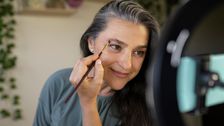
What Makeup Artists Use To Make Themselves (And Clients) Look Younger

The gradual changes to your appearance that come with age should always be embraced. They can also mean that your makeup and skin care routines require some shifting.

According to veteran makeup artist and makeup department head Lindsay Garrison, what worked for you in your 20s and 30s might not be serving you in the same way during your 40s and 50s.

″[You should] learn new techniques and don’t be afraid to try new products. Our faces are changing, and so should the products we use on them,” Garrison said.

Whether you’re feeling insecure about the appearance of a new wrinkle or volume loss in your cheeks, Natalie Setareh, a cosmetics instructor with a belief that makeup can be for everyone, said that makeup can also be a tool to help you feel more confident.

“I’m near 40 and I’m already using makeup to give me a more youthful appearance. It’s natural to want to do this,” she said.

Setareh said makeup is often just a play on light, and her techniques involve bringing focus to your favorite features using highlighting, while helping to downplay anything that makes you feel self-conscious.

Keep reading to learn just how Satareh, Garrison and other makeup artists achieve this, along with a description of their favorite products and tricks of the trade for achieving a youthful glow.

HuffPost may receive a share from purchases made via links on this page. Every item is independently selected by the HuffPost Shopping team. Prices and availability are subject to change.

Credo

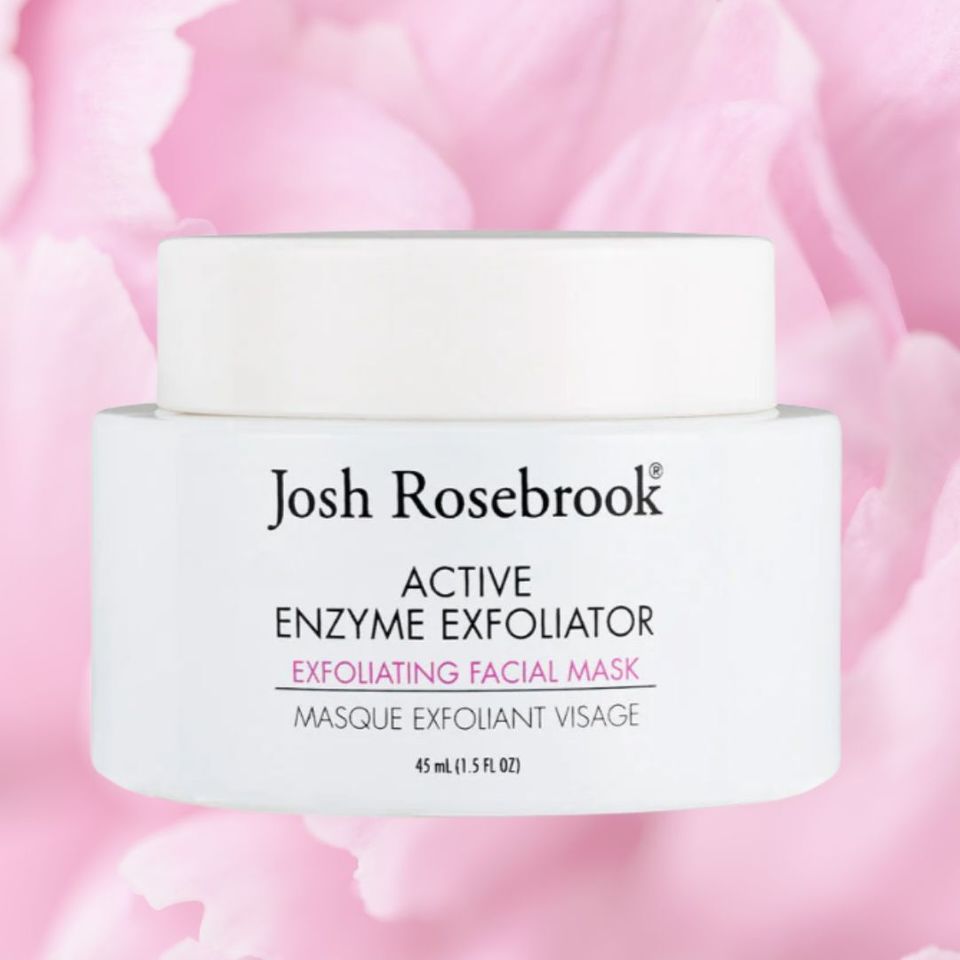
An active enzyme exfoliator

For Bobbi Brown Cosmetics artist-in-residence Carola Gonzalez, exfoliating the skin regularly (about three times a week) is very important.

“When it comes to makeup application, mature skin needs to be polished to remove dead skin, dry patches, and increase skin cell turnover,” she said, adding that exfoliated skin will also make foundation look smoother and more even.

She uses this active exfoliator which uses potent fruit enzymes to gently slough off dead skin cells along with nutrient-dense plant oils and honey to help restore moisture and clear congestion.

Sephora

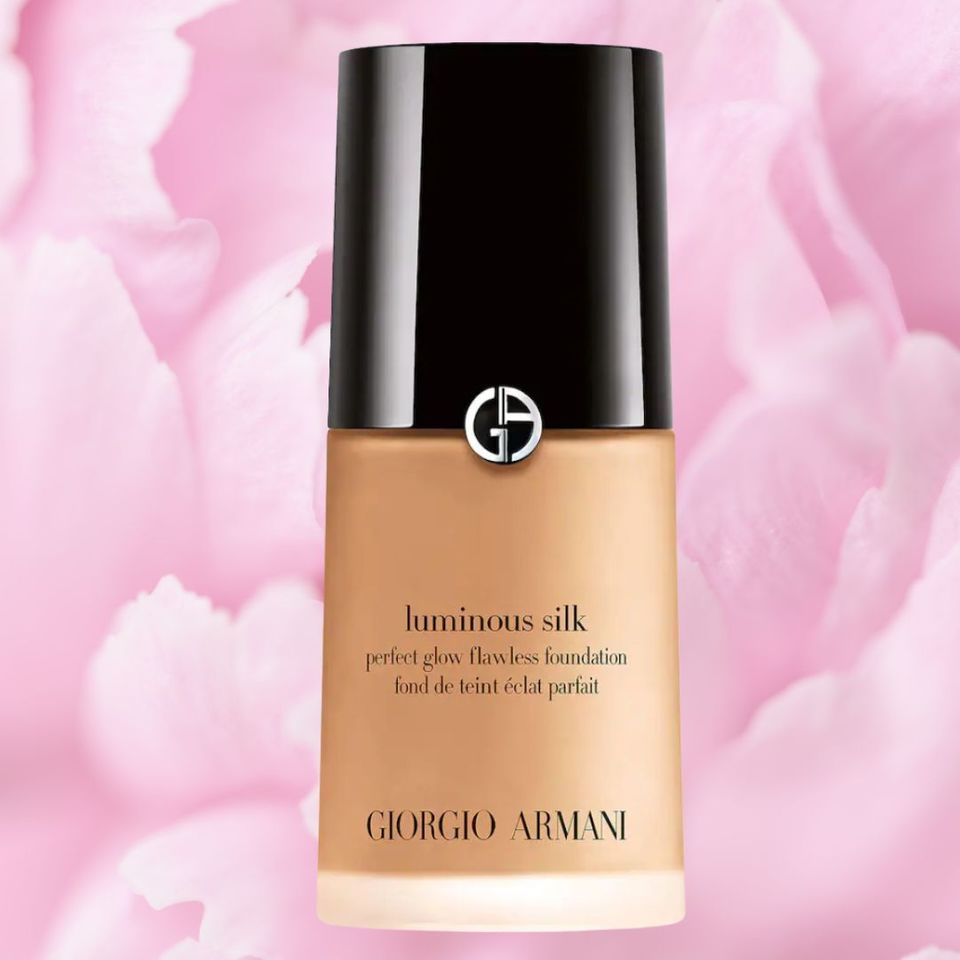
A glowy medium coverage foundation

“As skin matures, it starts to lose luster and luminosity. Skin starts to become more dehydrated, dull, and wrinkles become more pronounced,” Gonzalez said. Because of this, she and nearly all of the other makeup artists we spoke to said that it was best to choose a foundation that’s hydrating, lightweight and has a non-matte finish.

Jeanette Aguirre, a Los Angeles-based lead makeup artist for Glamsquad, said that she loves this luminous silk foundation by Giorgio Armani on mature skin because it won’t settle into fine lines and wrinkles. The hydrating formula claims to blur imperfections and offer a glowy finish.

Other similar formula foundations recommended by our makeup artists include Future Skin Gel Foundation by Chantecaille, Koh Gen Do Maifanshi Moisture foundation and Dior Forever Skin Glow.

Sephora

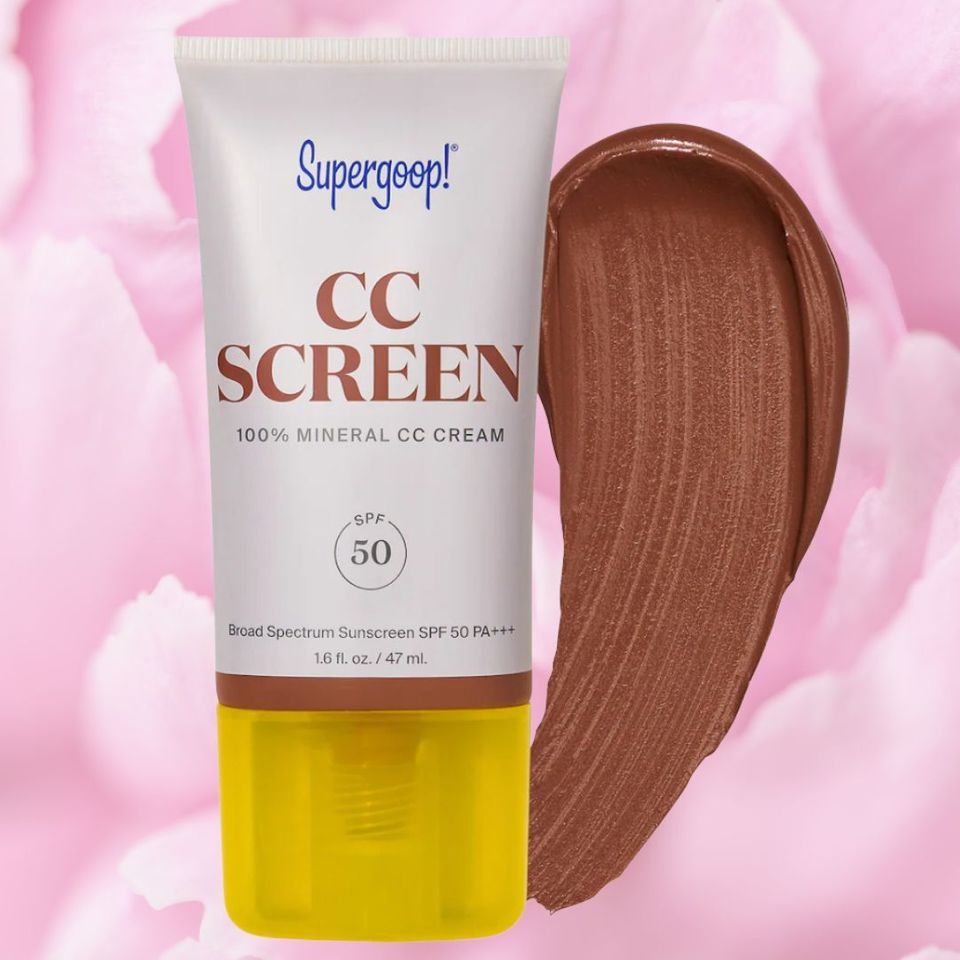
An SPF-infused color correcting cream

“I can’t stress enough how important it is to wear sunscreen daily to avoid premature skin aging,” Aguirre said, something repeated by many of the others as well.

For a more natural, everyday makeup look, Aguirre reaches for this color correcting cream from Supergoop that contains mineral SPF50 for protection against UVA and UVB rays. She said she likes the customizable and buildable coverage offered by most CC creams as well as the skin-perfecting, natural finish that it leaves behind.

CC Screen is also infused with some skin care ingredients, like apple extract to help brighten the complexion and red seaweed extract which can help protect skin against free radical damage.

Sephora

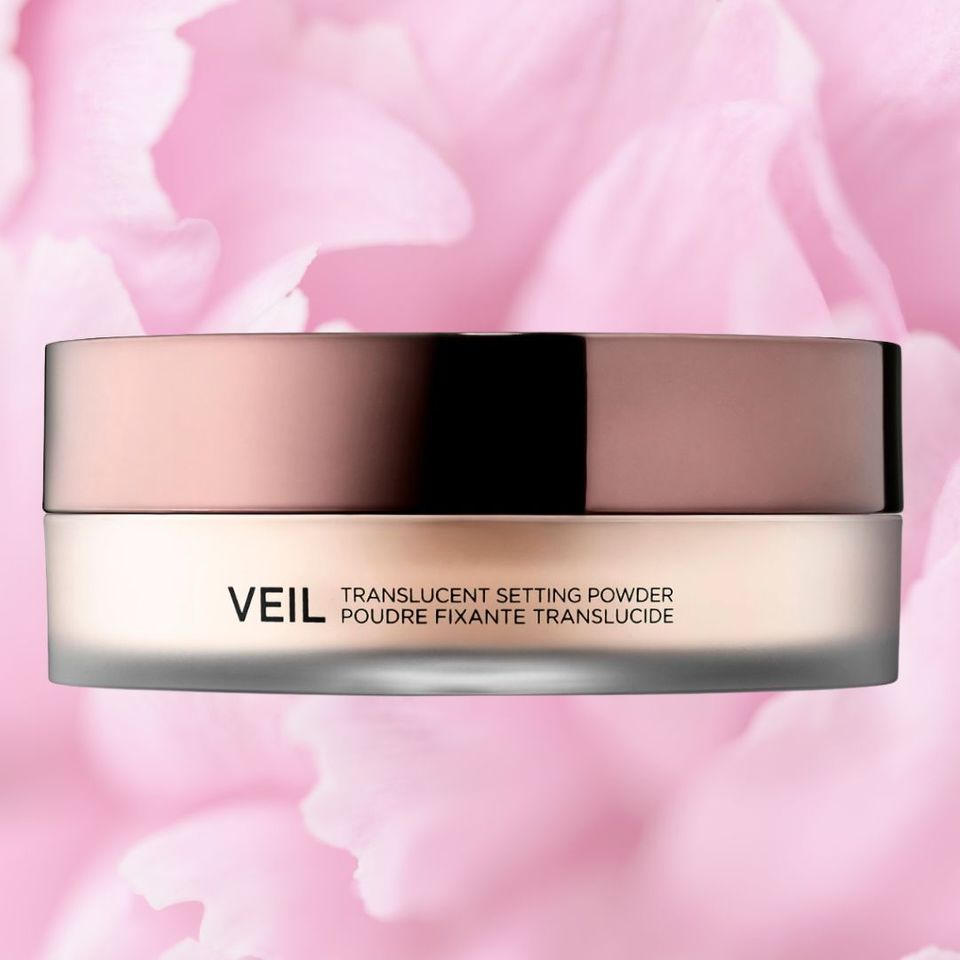
A lightweight setting powder

Los Angeles-based makeup artist Susan Zeytuntsyan said that setting powder has a tendency to settle into and accentuate fine lines, so it’s important to only spot powder using a small brush, and only in areas you really need it, such as the T-zone.

“Use a very finely milled loose powder,” Zeytuntsyan said. “I love the Hourglass one because it has reflective particles that help maintain that glow while still setting your makeup.”

Amazon

A rich, multi-tasking moisturizer

According to Zeytuntsyan, hydrating the skin is one of the most important steps in the makeup prep process. This is because makeup applied on top of dry skin can make products look patchy or settle into fine lines.

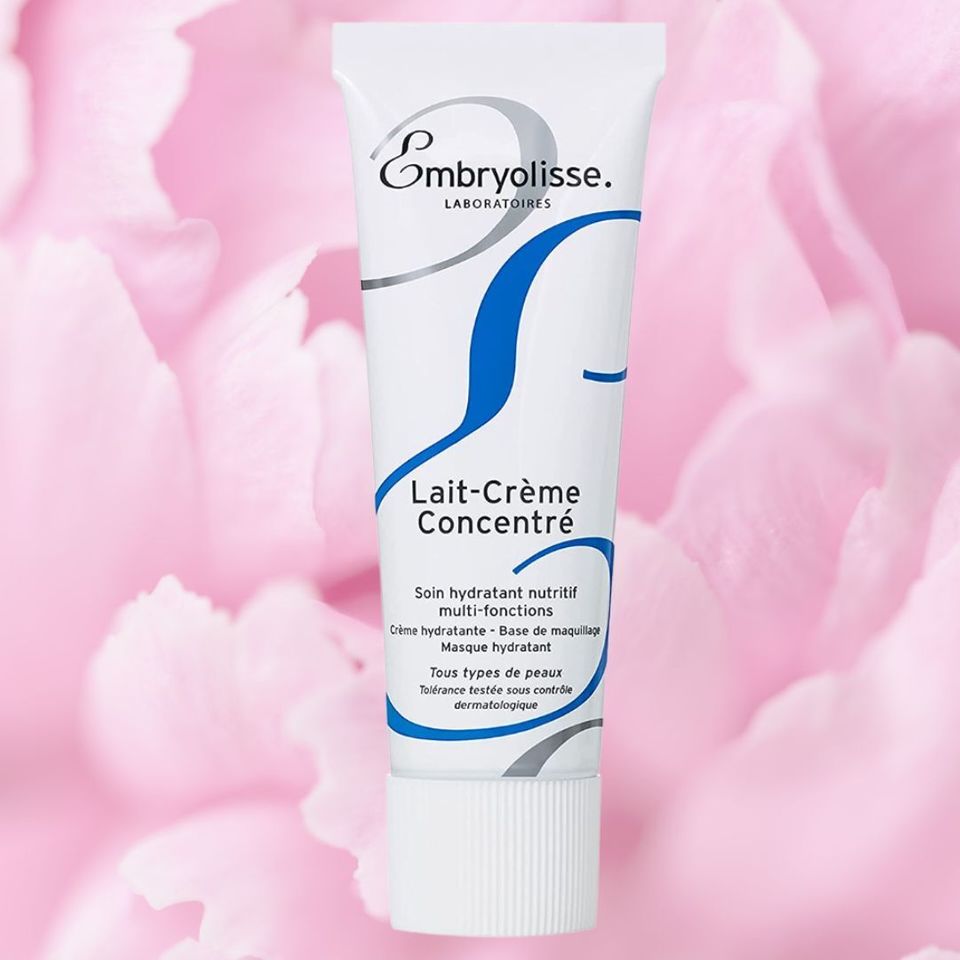
“For mature skin, use a really rich and emollient moisturizer as a base for your foundation,” she said. “I love Embryolisse Lait Creme Concentre.”

This iconic French face cream actually functions as both a moisturizer and a makeup primer and contains a blend of calming aloe, soy proteins, skin-softening shea and beeswax.

Credo

A conditioning cheek palette

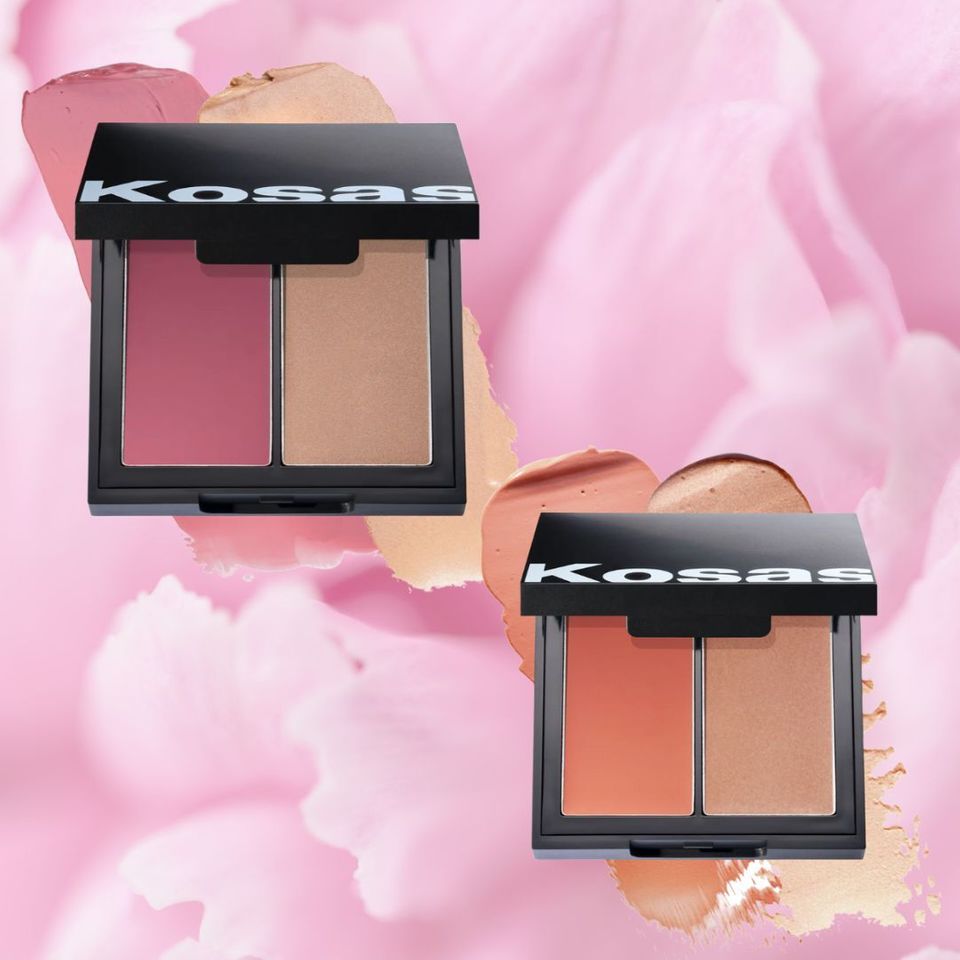
Both Zeytuntsyan and Garrison said to opt for a cream blush rather than a powder formula because it gives you a natural flush with a more radiant finish. Garrison said that placing your blush a bit higher on your cheekbones can give you an “instant facelift.”

“Applying blush on the apples of the cheeks gives the illusion of a rounder face and can make you look more youthful,” Zeytuntsyan added. She considers the Kosas cream blush and highlighter palettes to be a beautiful option thanks to their ultra-blendable and conditioning formula that’s fortified with skin-benefitting oils and botanicals. They are also available in three different shades.

“Another trick to make your eyes look brighter is to take [the] highlighter and apply it using your finger on your brow bone, center of your eyelid and the inner corner of your eyes,” Zeytuntsyan said. “This is a quick and easy way to brighten and add a pop to your eyes without the need for a ton of eye makeup. “

Sephora

A natural airbrush bronzer

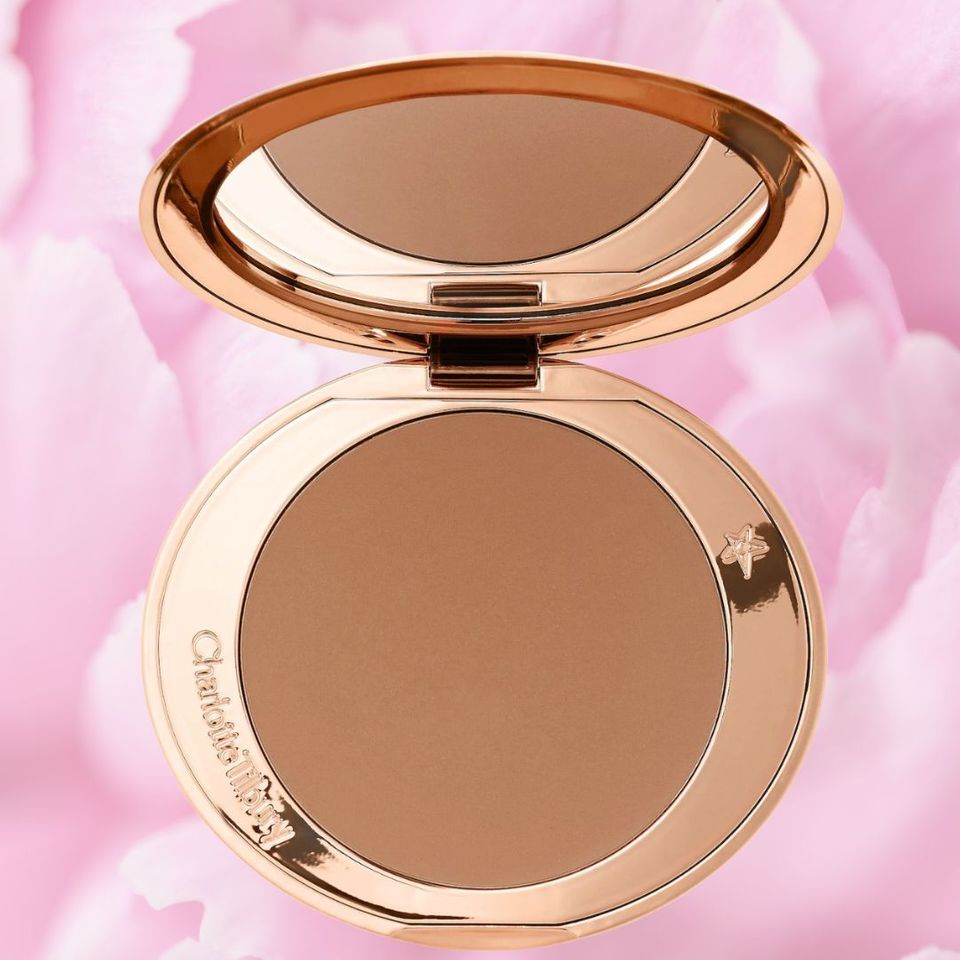
Brett Freedman, a Los Angeles-based celebrity makeup artist, said that as we age, we lose the color in our skin. Adding a lift of tawny or bronze to your usual routine makes skin look warmer, more glowy and all-around healthier.

He suggested using Charlotte Tilbury’s Airbrush Flawless bronzer. Its pressed powder formula is made using micro-fine perfecting powders for a silky feeling on the skin as well as hyaluronic acid to hydrate.

Amazon

A highly rated lash curler

According to Freedman, nothing opens eyes up more than curling the lashes.

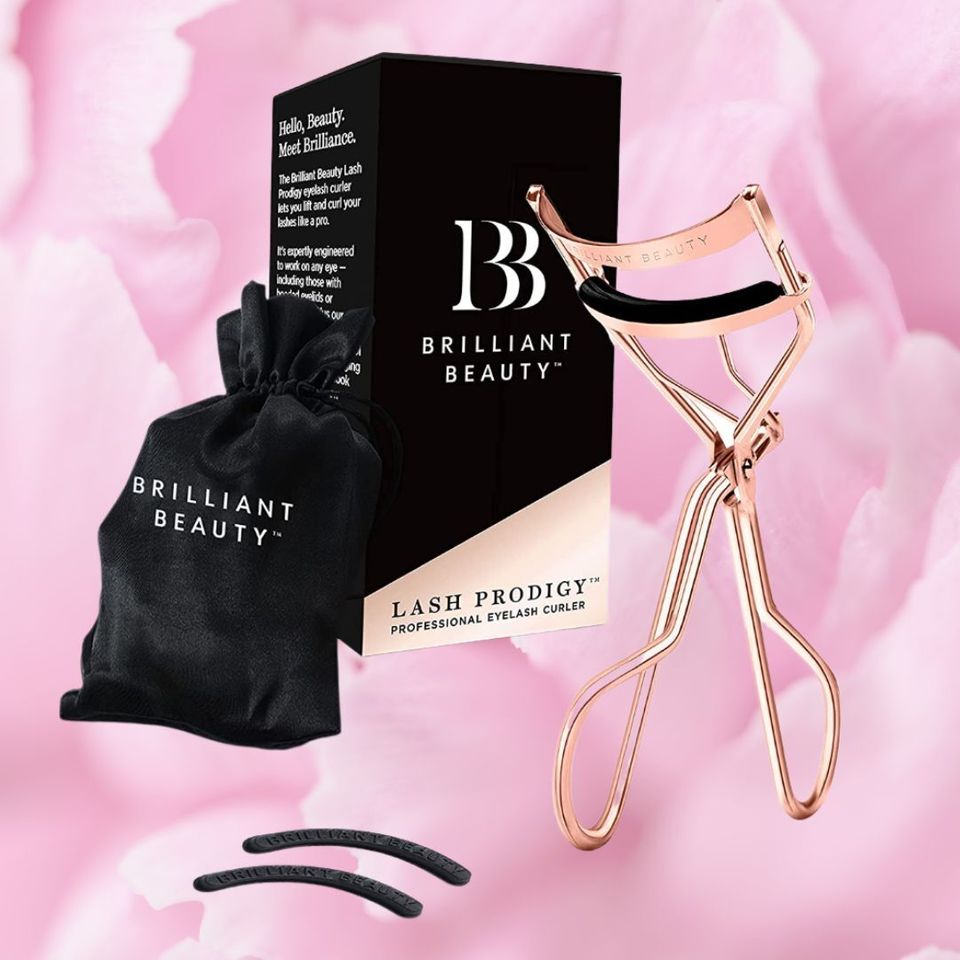
“Once lashes are in the curler, squeeze and hold for a quick count of 10,” he said, cautioning against “pumping” lashes with the curler, which he said “won’t really ‘set’ a curl. It won’t last.”

This highly rated stainless steel lash curler promises to never pinch the delicate skin around the eye and uses elongated silicone pads that won’t break lashes.

Nordstrom

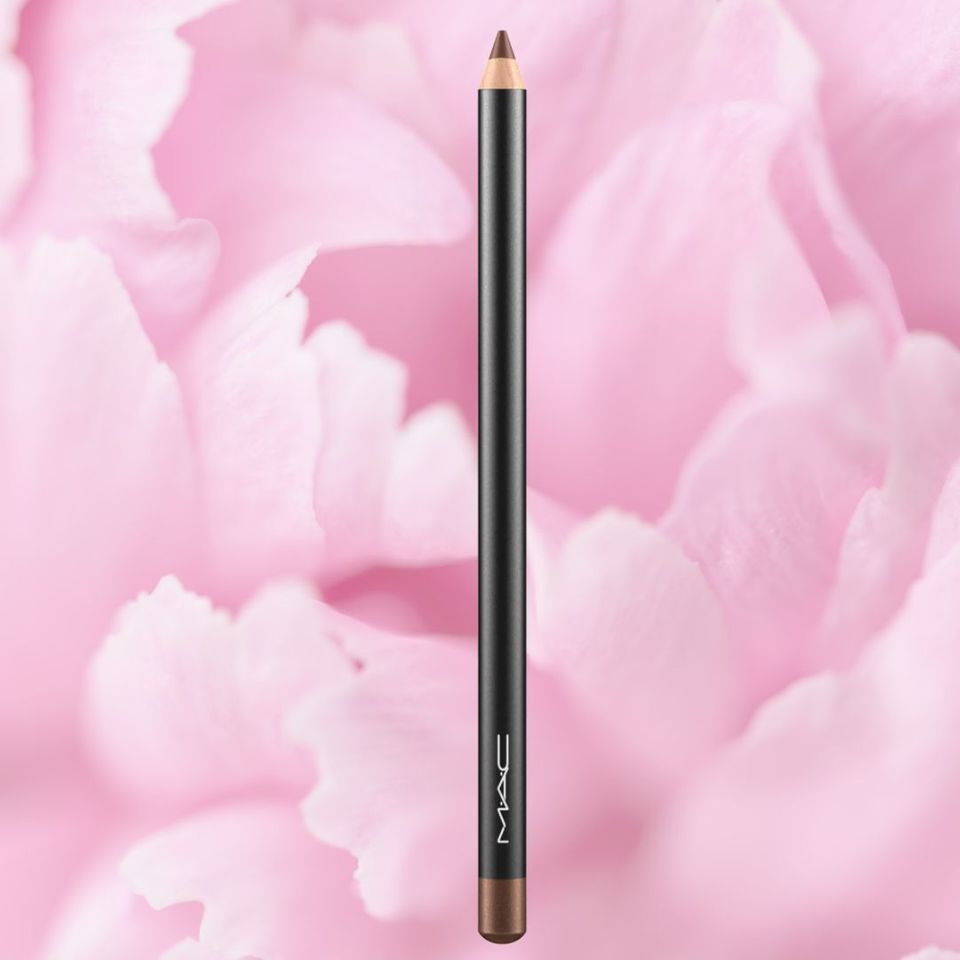
A brown eye pencil with a slight shimmer

“One tip I always give women who want to freshen their makeup as they get older is to switch from black eyeliner to brown. Let the black from the mascara be the deepest shade,” Freedman said.

He loves Mac Cosmetics’ Eye Kohl eyeliner pencil in the shade Teddy, because it’s the perfect deep brown with the right amount of shimmer to catch light and add depth.

For even more definition that won’t drag eyes down, Freedman also suggested using a slightly lighter brown, like Mac Cosmetics’ Powersurge, on the bottom lash line.

Amazon

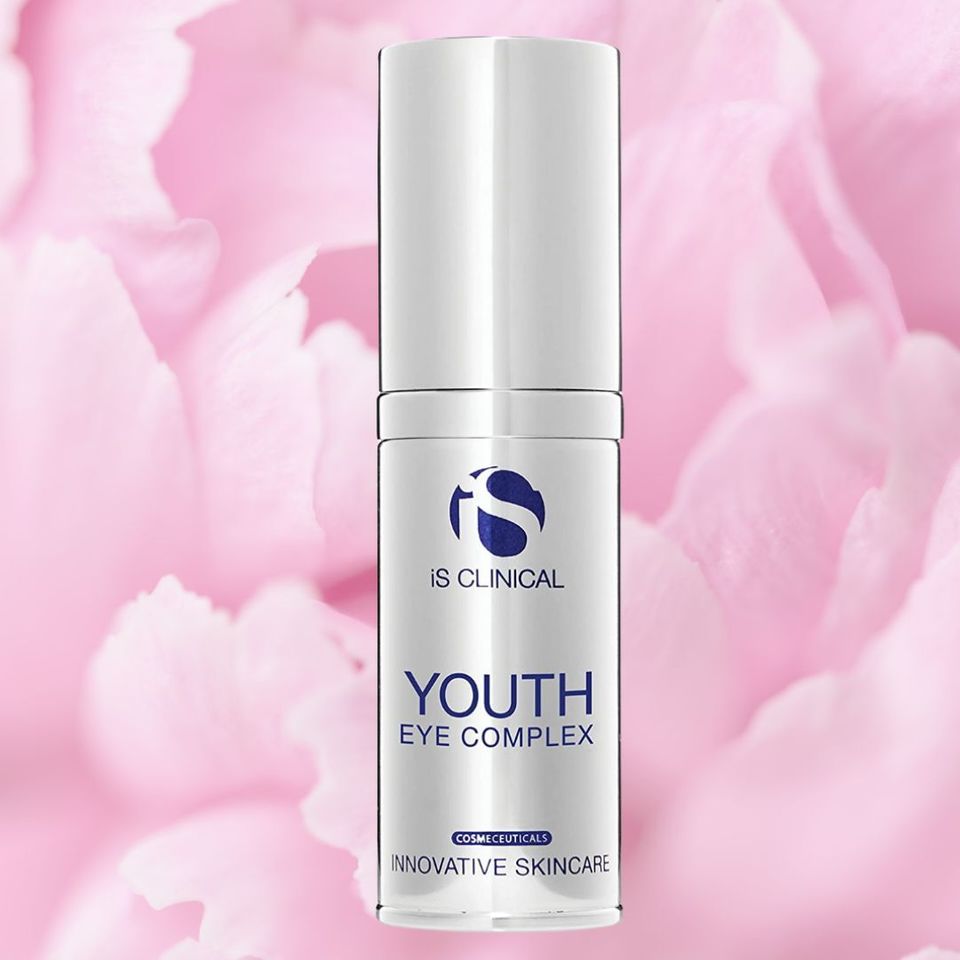
A brightening under-eye cream

Garrison said that it’s important to prep your under-eye area with moisture. One of her favorite eye creams is the iS Clinical Youth Eye Complex, which is packed with peptides and potent antioxidants to help support collagen production, protect the skin and reduce the appearance of fine lines.

Ulta

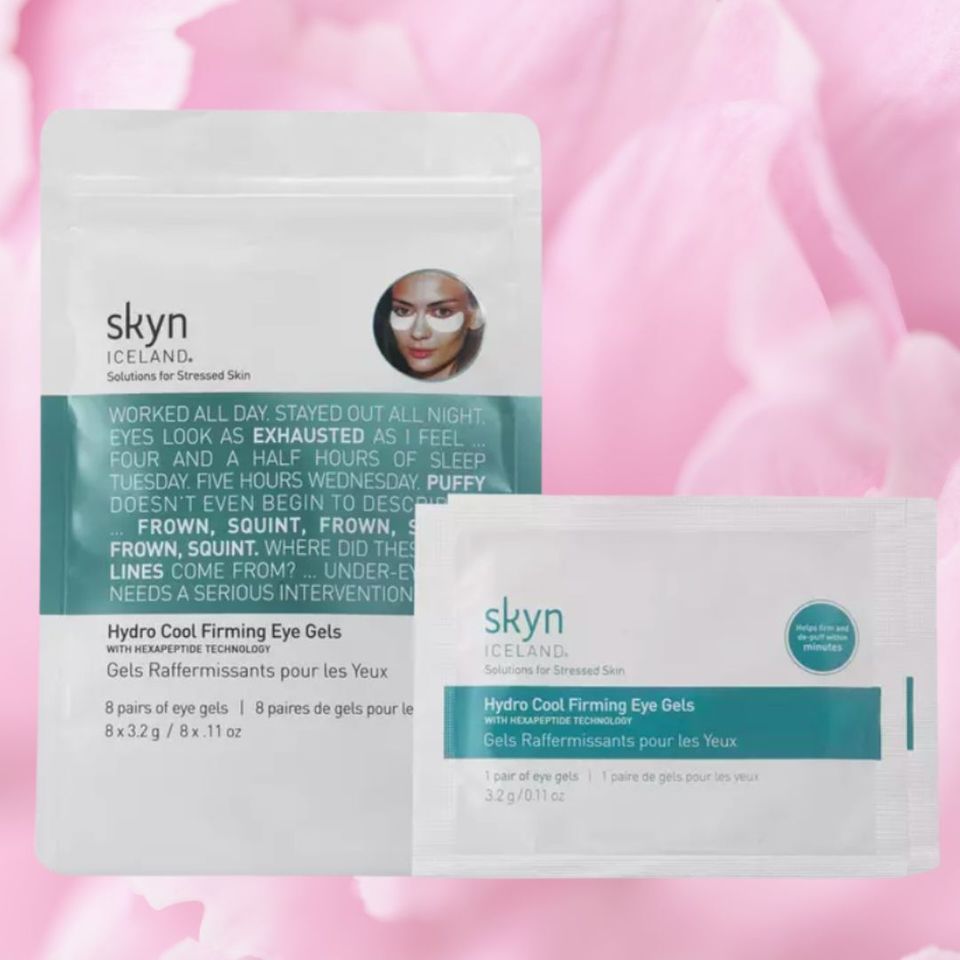
An 8-pack of cooling eye gels

When it comes to addressing under-eye puffiness and eye bags prior to makeup application, Garrison also likes to use these cooling eye gel patches that claim to deliver potent actives to help de-puff, brighten and smooth the under-eye.

Sephora

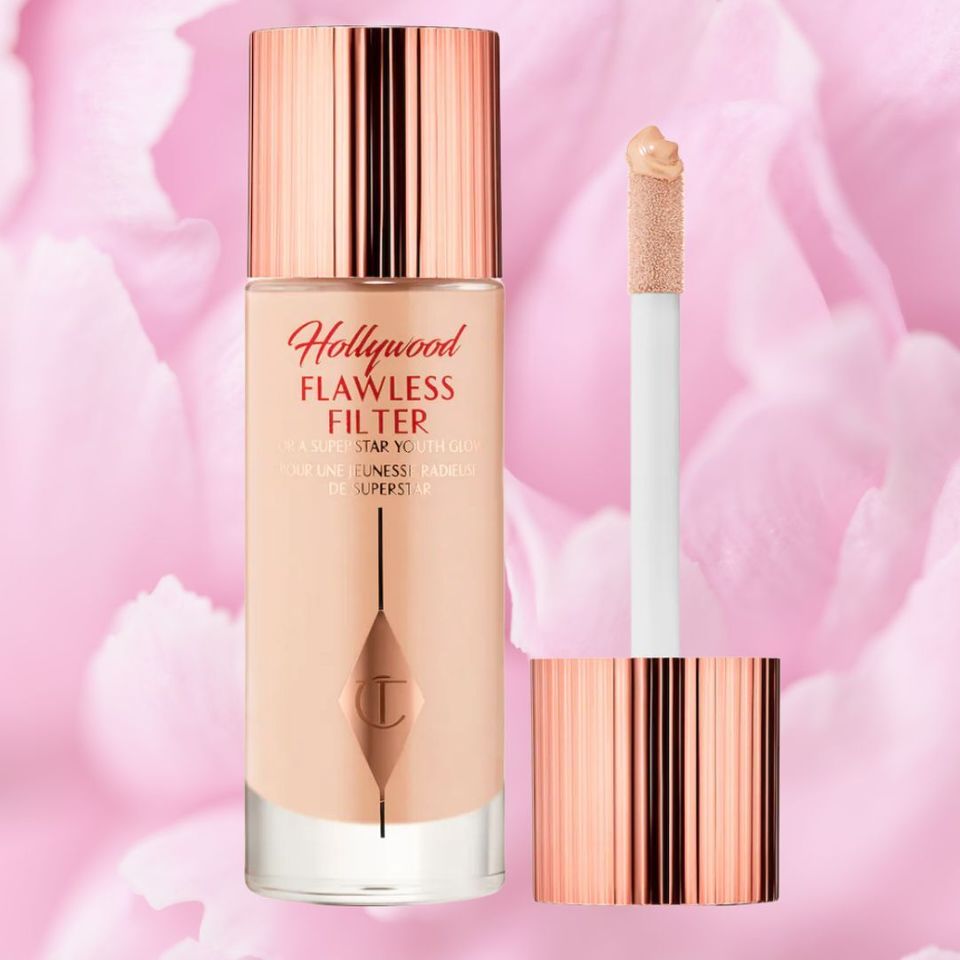
A “glow from within” complexion booster

Garrison’s absolute favorite product for achieving that “lit from within glow” is Charlotte Tilbury’s cult-favorite Hollywood Flawless Filter, a unique product that hydrates, illuminates and blurs imperfections.

“You can mix it in with your foundation for an all over dewy finish or just apply it to the high points of your face, like the tops of your cheekbones, for added radiance,” Garrison said.

Nordstrom

A smoothing lipstick primer

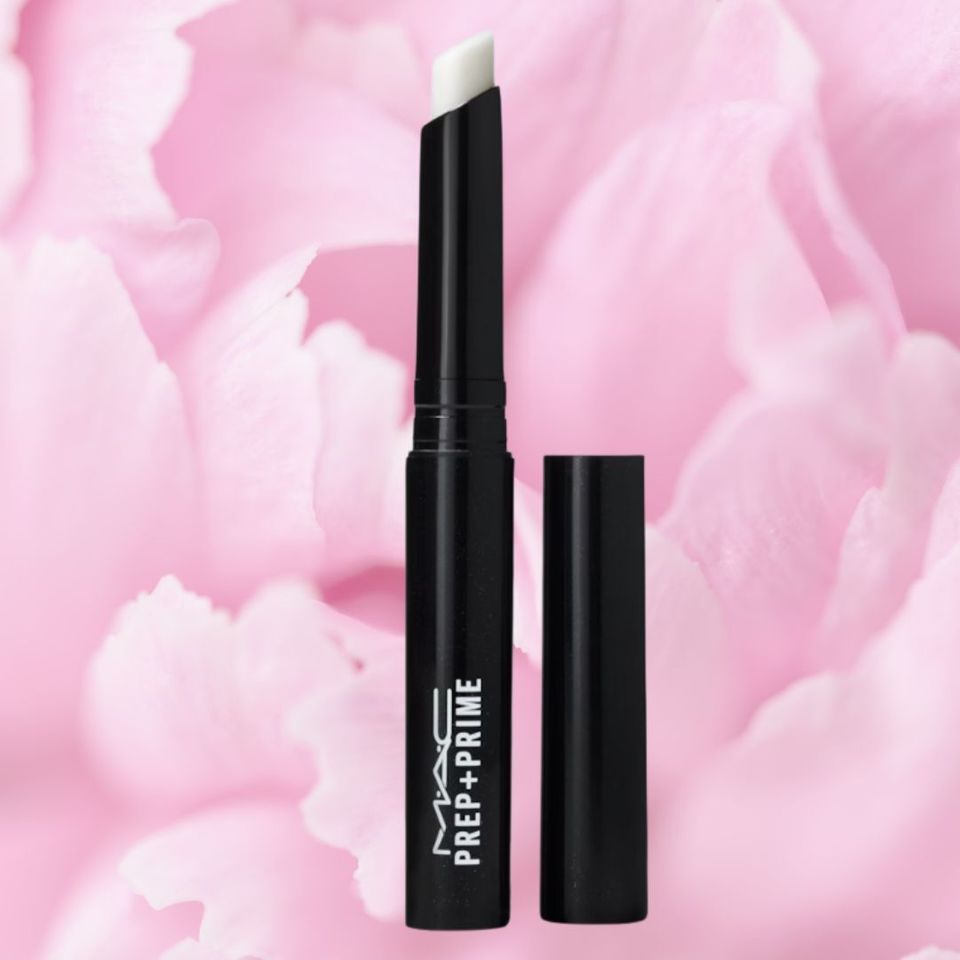
“As we age we develop fine lines around our lips and if you’re not using a lip primer, your lipstick is more likely to bleed,” Garrison said. Her solution? To always line lips prior to lipstick application and prep using this lip primer that can smooth lips and prevent lipstick from feathering.

Amazon

A creamy lip liner

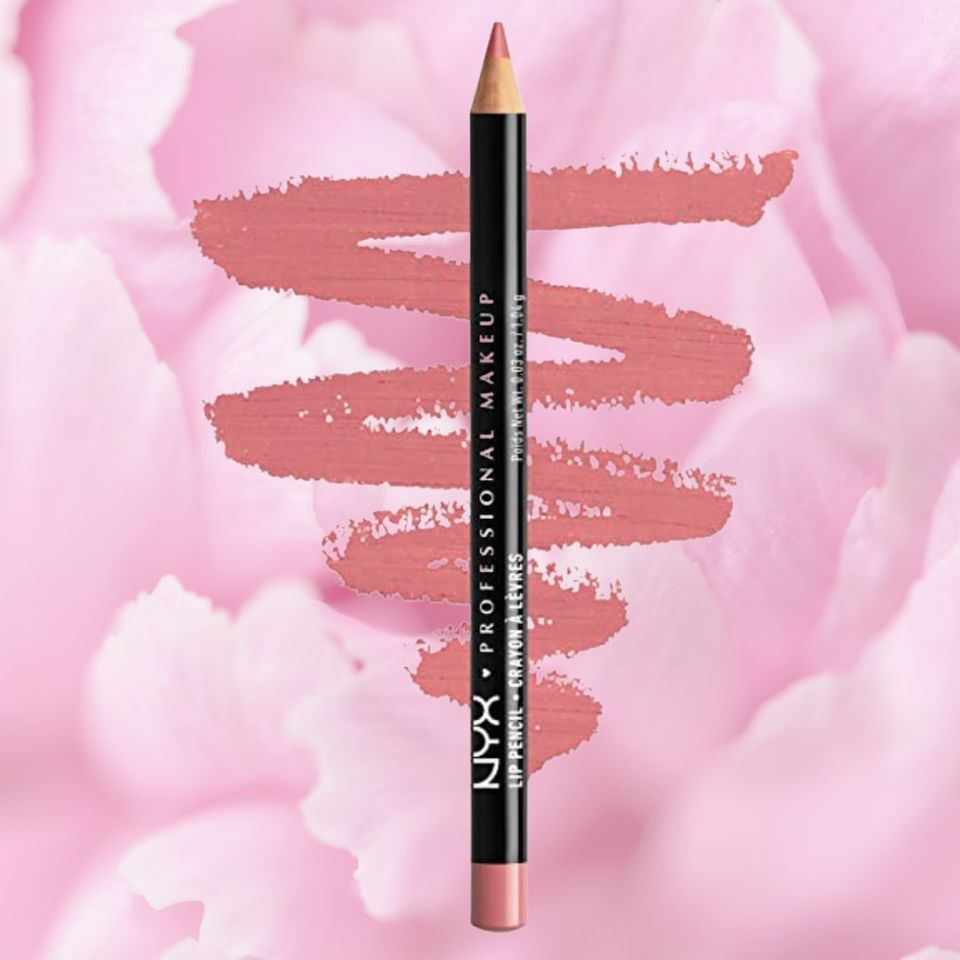
Setareh said the melanin in our lips can fade with age, making them look smaller than they really are, or smaller than they once were. Using a lip liner to slightly over-line the top lip and just the center of the bottom lip can help create a more full look and draw attention to the center of the face.

She also said she avoids drying lipsticks or matte lip paints, and that lip liners by NYX are what she typically grabs for most. Available in a large variety of shades, these lip pencils are creamy and long-wearing.

Revolve

A neutral matte eyeshadow palette

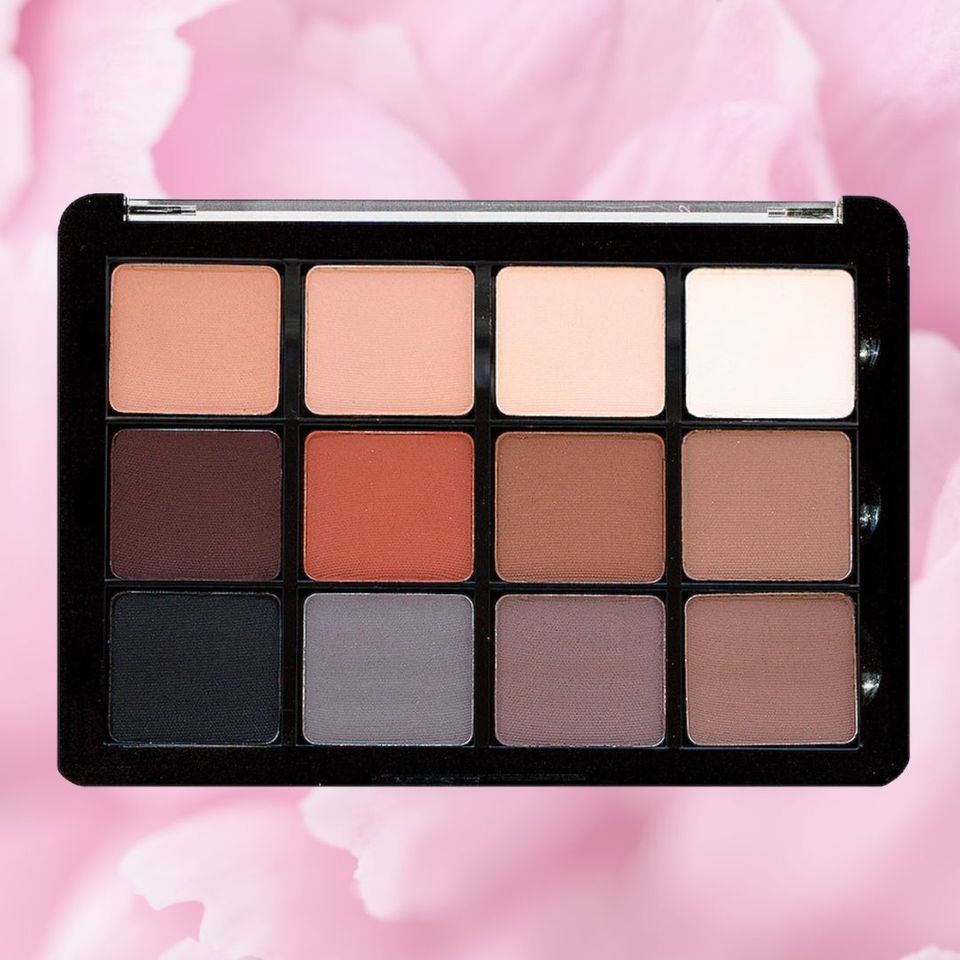
Setareh commonly brightens the eyes of her mature clients, which she achieves using matte shadows from a Viseart eye palette. This professional makeup brand is known for producing richly pigmented eyeshadows that are easy to blend.

“I use a matte or satin highlighter in the corner of the eyes and move it upwards under the brown bone. This is better than trying to use concealer under the eyes, which creases tremendously,” she said.

For an extra wow effect, Setareh also applies a flesh-toned or white liner to the waterline, which can help the eye appear more open and bright.

Sephora

A creamy and radiant concealer

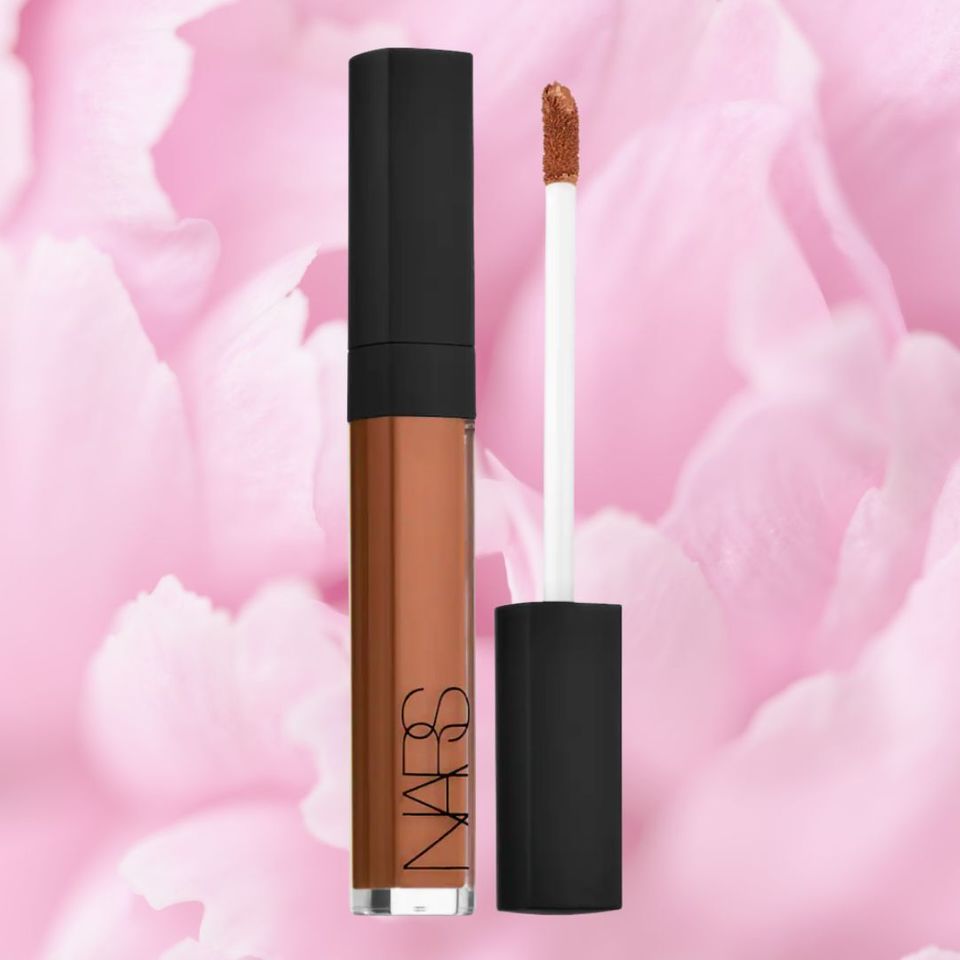
Garrison and Setareh both shared love for Nars’ Radiant Creamy concealer, an industry favorite formula that contains light-diffusing mineral powder to blur the appearance of fine lines and wrinkles and brighten the under-eye. It’s available in 28 shades.

Share Button

Disability: Doctor felt shunned by hospitals in Wales

Hospitals in Wales “didn’t want to know” about the needs of disabled staff, says Dr Georgie Budd.

Share Button

NHS battles sewage leaks as repair backlog grows

Hospitals in England report patients slipping on sewage, staff becoming ill and leaks on wards.

Share Button

Nurses to stage 48-hour strike as dispute escalates

Royal College of Nursing to take action from 1 to 3 March in England in biggest walkout of dispute.

Share Button

The Rudest Things People Can Say To Someone With Anxiety

People with anxiety tend to have persistent fear and worry about everyday situations. In most cases, these feelings are unwarranted — the result of considering “what ifs” that are unlikely to happen.

However, for those with anxiety, these concerns are very real and can be extremely distressing.

When someone comes to you with a worry they have, it’s important to know how to respond. But unfortunately, not many people know what to say in these situations, and they end up being unintentionally impolite.

“People say rude things to those with anxiety because they simply do not understand it, and society has not learned how to properly handle these conversations,” said Kelly McKenna, a licenced clinical social worker and anxiety expert.

“It might also make you feel uncomfortable when someone else shares their emotions and vulnerabilities with you, which could lead to comments that come off rudely.”

HuffPost spoke with a few therapists and mental health professionals to get insight on the impolite things you can tell someone with anxiety and why they aren’t helpful.

‘It’s All In Your Head – Stop Worrying So Much.’

Trust us when we say that the person with anxiety knows that it is in their head ― that’s one of the hardest parts. And those with anxiety can’t simply stop worrying so much. It’s not like they can flip a switch to make their anxiety magically disappear. If it was that easy, people wouldn’t feel so anxious all of the time.

“Although one might say this to help ease someone’s anxiety about a situation, it’s actually very dismissive and invalidating,” said Dr. Kristin Gill, a psychiatrist and the chief medical officer at Minded, an online psychiatry company designed for women. “It can come across like something is ‘wrong’ with the person experiencing anxiety and may cause more frustration.”

‘Calm Down’

Anyone with anxiety can tell you that they’ve been told to “calm down” before. (Trust us: If we could, we would.)

This kind of comment can be extremely invalidating, especially in moments of distress.

“It’s dismissive and communicates to the person experiencing anxiety that they are too much and are probably irritating whoever is saying this,” said Crystal Britt, a licensed clinical social worker and the founder of Get Psyched Therapy & Coaching. “Anxious people typically already feel like they’re burdening people, so this one just drives the point home.”

‘At Least You Don’t Have It As Bad As…’

You may be familiar with the saying “comparison is the root of all evil,” and a similar idea applies when talking about anxiety. While someone may not have the same set of issues as a friend or family member, that doesn’t make their problems any less valid — they are just different.

“Comparison to a perceived worse lived experience can belittle the emotional experience of the person you’re supporting,” said Leia Charnin, a licenced psychologist in North Carolina. “When comparisons like this are received, the listener may feel ashamed that they feel anxious. Thus, this feedback can make the receiver feel worse.”

Phrases like "calm down" and "just power through it" dismiss what someone with anxiety is going through.

AzmanL via Getty Images

Phrases like “calm down” and “just power through it” dismiss what someone with anxiety is going through.

‘Just Power Through It’

It can take a lot of courage to be vulnerable about anxiety with another person, and being met with this phrase can minimize what someone is actually going through.

“It’s not always possible to ‘power through it,’” Gill said. “Someone with a clinical anxiety disorder might not be able to get over it with the snap of a finger. They need support and encouragement to work through their anxiety and make steps towards progress.”

‘You Just Need To Sleep/Exercise/Pray More’

It’s true that sleeping and exercising may help improve symptoms associated with anxiety. However, when someone comes to you expressing concern and worry, this is one of the last things they want to hear.

“Listen, if one simple tweak in our day could fix our anxiety, we would have already done it,” Britt said. “This statement feels like a trump card, communicating that you’re done having a conversation about this. Mental health issues rarely have simple solutions.”

‘It’s Not A Big Deal’

While it may not seem like a big deal to you, the person feeling anxious would highly disagree. That’s one of the most challenging aspects about having anxiety — everything seems worrisome.

“‘It’s not that big of a deal’ is a form of emotional bypassing. While factually this response may make sense to the speaker, the receiver may feel ignored, misunderstood and even more alone,” Charnin said. “This type of message can unintentionally ignore what is important at that moment to the person with whom you’re speaking.”

Share Button

Is Fancy ‘Viral’ Olive Oil Really Worth The Hype?

If you’ve spent any time on food TikTok or Instagram, you’ve likely noticed an onslaught of fancy olive oil brands, all featuring colourful, beautifully designed, photo-friendly bottles.

Influencers and social media-savvy chefs drizzle the golden liquid from these pretty containers on salads, meats, fish, hummus and much more, and their posts and videos make “status” olive oil seem like a necessary addition to any home cook’s arsenal.

But a bit of online searching will quickly show that on-trend olive oils (like Brightland, Graza, Fat Gold and other popular brands) command a higher retail price than the extra-virgin olive oil bottles sold at supermarkets (and a much higher price than the big under-the-sink olive oil vats sold at wholesale clubs like Costco).

This brand at Selfridges comes in at a whopping £126, while this aesthetically pleasing number will set you back £40.

So are these “fancy” olive oils worth the extra cash? When we asked professional chefs and olive oil experts to answer this question, they generally agreed that these oils are sometimes worth their splashy social media presence and their elevated cost.

That said, Christina McKeough, chef de cuisine of High Street in Philadelphia, pointed out that the “is it worth it?” question really comes down to personal preferences.

“Like any luxury product, it’s only worth it if you really want it, right?” McKeough asked. Shoppers need to remember that not all trendy oils are created equal and that a few important characteristics can help to determine whether hip olive oil brands qualify as smart purchases.

It’s up to shoppers to do a little research

When it comes to olive oils with a big social media presence, their (usually higher) price points can reflect a number of factors. According to Doug Psaltis, chef and co-owner of Andros Taverna in Chicago, shoppers should do a bit of digging to figure out exactly what they’re paying for.

“Are we buying the great packaging and marketing with inflated prices? I am not sure that price always correlates to quality. What would lead me to pay more for olive oil would be freshness ― a great raw product that is produced by great people with integrity,” Psaltis said.

In some cases, olive oil’s “viral” potential has more to do with its bottle’s aesthetic (and its ability to be marketed by influencers) than with its overall quality.

Lisa McManus, editor of America’s Test Kitchen Reviews, believes social media can encourage people to learn more about olive oil, which is a positive development: “If Instagram has gotten people interested in olive oil, that’s incredibly great.”

However, she advised against taking these Instagram or TikTok recommendations at face value, instead encouraging the olive-oil-curious among us to “take this opportunity to explore beyond the flashy promotional stuff.”

“Great olive oil does not necessarily come via the recommendations of Instagram stars. There are fantastic extra-virgin olive oil producers throughout California and the world who don’t have Instagram accounts,” she said, adding that “cute bottles and attractive promoters don’t translate automatically to great oil.”

‘Fancy olive oil can actually save you money’

Alexa Dombkoski, founder of Bellemille Extra Virgin Olive Oil, admits that “olive oil isn’t a very sexy product to sell, so putting it in Instagram-able packaging certainly helps.”

But she went on to explain that “with all the options on the market, you have to be able to distinguish between the pretty faces and the products that can stand on their own based on quality.”

Once you know what to look for and how to interpret the labels of the trendy viral olive oils out there (or the labels of your regular supermarket brands), then you’ll discover that, as Dombkoski said, “Fancy olive oil can actually save you money. It’s always best to use the highest quality ingredients across the board, but when that isn’t possible, you can lean on that fancy olive oil to add a little zip [to] ‘save’ the most basic or boring dish and bring it back to life.”

Essentially, Dombkoski believes that using a £30 olive oil made from olives harvested at their peak and cold-pressed for maximum flavor can balance out any negatives that come from purchasing a cheaper cut of meat or off-season produce. Also, because a little bit of olive oil goes a long way, spending more on a bottle gives you a high-quality product that can be used for countless recipes over the course of several months.

As the CEO and co-founder of Graza, one of the most ubiquitous “fancy” olive oil brands on social media these days, Andrew Benin acknowledges that “sometimes, when you are paying 38 bucks for 375 millilitres of olive oil, £9 of that is just to cover the cost of the fancy bottle.”

But in his view, olive oil that earns its higher price (and he counts the olive oil produced by Graza in this category) is “harvested and milled the right way, protected from light, never blended, [and] is a powerful flavour bomb.”

How to know if your pricey olive oil is worth the cash.

Chef Steven Jarczyk of Sfera Sicilian Street Food in Chicago recommends paying attention to what the label says about where and how it’s grown. “You have to start with beautiful olives,” he said. Psaltis also prioritises freshness: “[You should look for] a great raw product that is produced by great people with integrity. Are they choosing the best fruit to mill? Is the olive oil fresh and handled with care? I believe those are the most important factors that separate a good product from a great product.”

Dombkoski gave a clear breakdown of what to look for on a label: “Does it tell you where the oil comes from? Is that different than where the label says it was bottled? Is it blended with olive oil from somewhere else? A quality producer is going to want you to know where the olive oil is from, when it was produced, [and] how it was produced. The more information a brand is willing to volunteer about their production, the better off the consumer is to make an educated decision when purchasing olive oil.”

If you’re wondering what specific information you want to see, look out for the following before buying a new brand of olive oil:

  • “Extra virgin”: This term, commonly found on olive oil bottles, refers to oil that’s never been heated or treated with chemicals. Because the oil is cold pressed and unrefined, it retains more of the natural flavour of the olives and offers both aromatic notes and a smooth texture.
  • The phrases “single origin” and “single varietal”: “Single origin” means the olives used to make the oil are grown in the same location, while “single varietal” means only one type of olive is used. While blended olive oils aren’t inherently bad, there’s a lot more room for error in these bottles; different growing conditions and different olive types can clash and produce an oil with a less-than-smooth flavour profile. If your oil only includes one type of olive grown in the same place, then you’ll end up with a much higher rate of consistency.
  • Grown in Spain, Italy, Greece or California: Olives thrive in Mediterranean climates, so olive oils produced in actual Mediterranean countries benefit from the vibrant flavour of the olives grown there. In the U.S, Southern California’s Mediterranean-ish temperatures make this region the best area for domestic olive oil.

Make sure you’re using it for the right reasons

Some home cooks say olive oil (and especially “nicer” olive oils) shouldn’t be used for cooking, because the oil’s bright and mellow flavours can turn bitter and acrid. But our experts insist that, in the words of Dombkoski, “It is perfectly acceptable to cook with your fancy extra-virgin olive oil.” That said, Dombkoski warned that quality extra-virgin olive oil “will impart a distinct flavour into your dishes.” So if you don’t want to taste the grassy, botanical notes associated with olive oil, you may want to swap it out for a neutral-flavoured cooking oil like vegetable oil or canola oil.

To maximize the flavor potential of well-made olive oil, Ann Ziata, chef at the Institute of Culinary Education, suggests “using it as a finishing oil or a dressing oil rather than a cooking oil.”

“High-end olive oil will add great depth and richness when used as a seasoning, drizzled over pasta, vegetables or rice,” she added. “High-heat cooking like deep-frying or grilling may destroy the flavors of the oil, which are sensitive to heat, oxygen, and light.”

Mica Talmor, the chef and owner of Pomella in Oakland, California, likes to use olive oil for finishing, but she mentioned that “EVOO has very bold and distinct flavors, so I won’t use it if I want the dressing to have a specific flavor, like in a citrus vinaigrette or pomegranate vinaigrette. A less expensive neutral oil is much better for that.”

While lighter-weight neutral oils are a better bet for deep-frying and high-heat cooking, plenty of recipes still call for olive oil as a primary cooking fat, particularly when moderate or low stove or oven temperatures are involved. In these cases, “‘regular’ olive oils are still perfectly fine to use when cooking, and they have the added advantage of being extremely versatile and less expensive,” said Michael Murdy, the chef and food scientist behind the blog Robust Kitchen.

Check out the bottle itself (not just the label) before you buy

To get the best possible value out of a £30-plus bottle of olive oil, be sure to store the oil in conditions that will keep it fresh and flavourful for an extended period. “The enemies of olive oil are heat, air, light and time,” McManus said. “You want to keep it cool, covered, and tightly capped, away from heat and sunlight (so definitely do not store it next to your stove or in a window!).”

Michelle Spangler, the owner of Infused Oils & Vinegars in Dallas, said it’s also wise to “purchase oil that is packaged in dark glass or light-impermeable tins from a reputable dealer who has stored it in a temperature-controlled environment.” A darker container will prevent the oil from being affected by light.

Olive oil doesn’t “go bad” like other perishable groceries, but our experts generally agreed a bottle of “nice” olive oil will be at its best within six to nine months of opening. For optimal results, switch out your olive oil bottles at least that frequently.


Share Button

Here’s When The UK Could See Snow And Freezing Temperatures… And It’s Soon

Just as we were beginning to enjoy spring’s sudden warmer temperatures, it looks like they’re about to be pulled out from under us.

The Met Office has issued an update about March’s weather here in the UK and there’s an ‘increasing probability’ of a cold snap arriving soon.

It’s all thanks to a sudden stratospheric warming (SSW) in which the Arctic’s high-altitude air warms up and pushes a ferocious mass of low-level polar air towards the UK.

From March 2 to 16 (right in time for Mother’s Day on March 17), the Met Office predicts: “Temperatures will likely be around or slightly above average for the whole period, with perhaps colder conditions relative to average more likely later in the period. There remains a small but increasing probability of much colder weather developing as we move further into March.”

Oh good – just as we were ready to pack away our winter layers for another year.

In a blog post the forecaster added that “the latest forecasts are showing that a major SSW is now likely to take place” but added that “it is important to remember that the occurrence of an SSW does not always equate to a ‘Beast from the East’ type scenario.”

Either way, things are about to get chilly in March – pass the thermals.

Share Button

Little evidence to support health claims made on formula milk

Researchers say claims the milk helps support brain and nervous system development are unfounded.

Share Button

NHS Wales: Patient in hospital for weeks due to social care backlog

Roger, 69, is well enough to go home from hospital – but like many others, he cannot be discharged.

Share Button