Alzheimer’s disease (AD) is a progressive brain disorder and a leading cause of dementia worldwide. Despite years of research, there is still no cure. New antibody-based treatments that target amyloid β (Aβ) have recently emerged, but their benefits have been modest. These therapies can also be expensive and may trigger immune-related side effects, underscoring the urgent need for safer, more affordable options that can slow the disease.
A recent study published in Neurochemistry International offers a surprising possibility. Researchers from Kindai University and partner institutions found that arginine, a naturally occurring amino acid, can reduce the buildup of harmful Aβ proteins in animal models of Alzheimer’s. Arginine also acts as a safe chemical chaperone, helping proteins maintain their proper structure.
The team noted that while arginine is widely available as an over-the-counter supplement, the doses and methods used in this study were specifically designed for research and are not the same as commercial products.
The research group included Graduate Student Kanako Fujii and Professor Yoshitaka Nagai from the Department of Neurology at Kindai University Faculty of Medicine in Osaka, along with Associate Professor Toshihide Takeuchi from the Life Science Research Institute at Kindai University.
Lab and Animal Studies Show Strong Effects
In laboratory experiments, the scientists first showed that arginine can block the formation of Aβ42 aggregates, which are considered especially toxic. The effect increased with higher concentrations.
They then tested oral arginine in two well-established Alzheimer’s models:
A Drosophila model, expressing Aβ42 with the Arctic mutation (E22G)
An AppNL-G-F knock-in mouse model, carrying three familial AD mutations
In both cases, arginine treatment reduced the accumulation of Aβ and lessened its harmful effects.
“Our study demonstrates that arginine can suppress Aβ aggregation both in vitro and in vivo,” explains Prof. Nagai. “What makes this finding exciting is that arginine is already known to be clinically safe and inexpensive, making it a highly promising candidate for repositioning as a therapeutic option for AD.”
Improved Brain Health and Reduced Inflammation
In the mouse model, the benefits went beyond reducing protein buildup. Arginine lowered amyloid plaque levels and reduced the amount of insoluble Aβ42 in the brain. Treated mice also performed better in behavioral tests.
The researchers found that arginine reduced the activity of genes linked to pro-inflammatory cytokines, which are associated with neuroinflammation, a major feature of Alzheimer’s disease. This suggests that arginine may not only prevent harmful protein aggregation but also protect brain cells more broadly.
“Our findings open up new possibilities for developing arginine-based strategies for neurodegenerative diseases caused by protein misfolding and aggregation,” notes Prof. Nagai. “Given its excellent safety profile and low cost, arginine could be rapidly translated to clinical trials for Alzheimer’s and potentially other related disorders.”
A Low-Cost Path Toward New Alzheimer’s Treatments
The study highlights the growing interest in drug repositioning, which involves finding new uses for existing, well-established compounds. Because arginine is already used clinically in Japan and has been shown to safely reach the brain, it could bypass some of the early hurdles that slow down traditional drug development.
Still, the researchers caution that more work is needed. Additional preclinical and clinical studies will be required to determine whether these results can be reproduced in humans and to establish the most effective dosing strategies.
Even so, the findings provide strong early evidence that simple nutritional or pharmacological approaches may help reduce amyloid buildup and improve brain function.
Expanding Understanding of Alzheimer’s Biology
Beyond its potential as a treatment, this work sheds new light on how Aβ proteins form and accumulate in the brain. It also points to a practical and cost-effective strategy that could eventually benefit millions of people living with Alzheimer’s worldwide.
Professor Yoshitaka Nagai, a neurologist and Chair of the Department of Neurology at Kindai University Faculty of Medicine in Osaka, focuses his research on neurodegenerative diseases including Alzheimer’s, Parkinson’s, and amyotrophic lateral sclerosis. His work centers on protein misfolding and RNA-related mechanisms, and he has received multiple honors from organizations such as the Japanese Society of Neurochemistry and the Japanese Dementia Society.
This research was supported by the Ministry of Education, Culture, Sports, Science, and Technology (MEXT) (Grant No. 20H05927), Japan Society for the Promotion of Science (JSPS) (Grant Nos. 24H00630, 21H02840, 22H02792, and 25K02432), Japan Science and Technology Agency (JST) Super-Highway Program (SHW2023-03), and National Center of Neurology and Psychiatry.
As you age, your go-to sex positions might not age as gracefully alongside you. After decades of showing off your flexibility in bed, you may notice as you enter your 70s that your joints ache, your back hurts and you maybe can’t bend as easily as before.
Arthritis and other age-related conditions may also come into play — issues that likely didn’t affect you when you were younger. Not to mention there’s the age-old (no pun intended) myth that your sex life somehow “ends” after a certain age.
“Body image shifts, loss of a long-term partner and deeply internalized ageism are among the biggest barriers to intimacy after 70,” Alicia Sinclair, sex educator, founder and CEO of Le Wand, told HuffPost. “Sexual desire doesn’t have an expiration date, and neither does the need for connection and pleasure. Open communication with a partner — being explicit about what feels good and what doesn’t — often leads to greater intimacy than couples experienced in earlier years.”
Advertisement
pidjoe via Getty Images
Arthritis and other conditions may affect sex as you age.
Which means sex isn’t off the table after 70. Instead, it simply requires more adaptability and a better understanding of what works and what doesn’t.
Below is a list of sex positions that can become risky or uncomfortable after 70, — and expert-backed advice for what to try instead.
Advertisement
Traditional Missionary (Particularly For The Bottom Partner)
“This one catches people off guard,” according to Annette Benedetti, sex and intimacy coach and host of the podcast ”Talk Sex With Annette.” “Seventy-five percent of hip fractures happen in women, and bone density takes a nosedive after menopause. [The top partner’s] weight pressing down on [the bottom partner’s] hips and pelvis during missionary is exactly the kind of sustained force that can snap a fragile femur. Add vaginal atrophy and deep thrusting from above, and you’re also looking at vaginal tears and bleeding.”
Adds Sinclair: “Lying flat with a partner’s weight on top can compress the spine and make it difficult to breathe, especially for anyone with osteoporosis, spinal stenosis or limited hip mobility.”
Instead, Sinclair recommends using a wedge or positioning pillow under the hips to reduce lumbar strain or shifting to a side-lying position that keeps the spine in a neutral position.
Advertisement
Benedetti suggests flipping the dynamic with a modified cowgirl position, with the receiving partner on top, sitting upright on their partner’s lap or kneeling. “[The kneeling position] is what orthopedic specialists recommend for women with osteoporosis. She controls the depth, the pace, and the pressure goes through his body, not hers.”
Doggy Style (Kneeling)
“Sustained kneeling puts significant pressure on the knees and wrists, and the position can destabilize the lower back,” Sinclair said. “For anyone with knee replacements, arthritis or balance issues, it’s a real injury risk.”
Benedetti adds that rear-entry positions with deep thrusting may also become uncomfortable over time. “With age — especially after menopause or other hormonal changes — internal tissues can become shorter, thinner and more sensitive. What once felt pleasurable can start to feel uncomfortable or even painful, with a higher risk of irritation or small tears.”
Advertisement
As an alternative, Sinclair recommends a supported standing variation, where one partner leans over a bed or cushioned surface, keeping weight off the knees entirely.
Another option is spooning. “You get a similar rear-entry angle and sense of closeness, but the receiving partner can control depth by adjusting their leg position,” Benedetti said. “It also removes pressure from the knees, wrists and shoulders, making it a much more comfortable choice overall.”
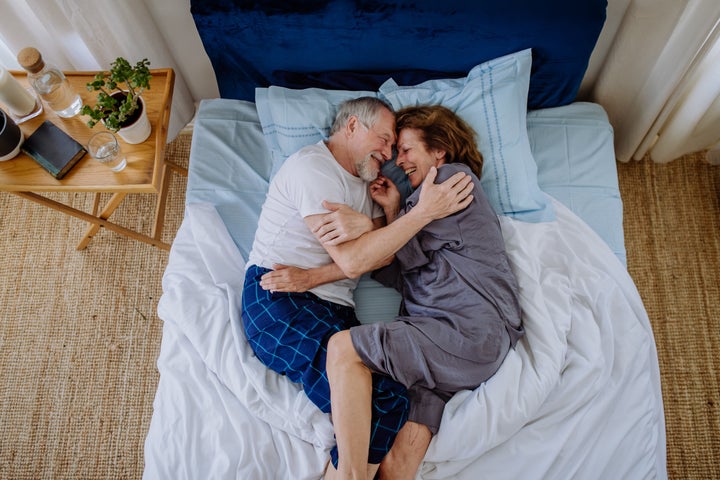
Halfpoint Images via Getty Images
Adapting your favorite sex positions to your body and your comfort is the right choice at every age.
Advertisement
Legs Up Over Shoulders Positions
“This position demands hip flexion that older joints often can’t handle safely, especially for people with hip replacements or conditions like arthritis,” Benedetti said. “It can also create very deep penetration at a time when tissues may be more sensitive. That’s a challenging combination.”
The better option? Reclining with a pillow wedge under the hips. Keep the knees bent and slightly apart, with the hips gently elevated to achieve a similar angle — without putting excess strain on the joints. This allows for better alignment and comfort while reducing orthopedic risk.
Cowgirl / Reverse Cowgirl (On Top)
“This requires quad strength, hip flexibility and balance — all of which decline with age,” Sinclair said. “A fall or sudden movement can cause hip fractures or knee injuries, which are among the most serious fall-related injuries in older adults.”
Advertisement
If you’re keen on doing the position, Sinclair recommends using a supported seated straddle — sitting face-to-face in a sturdy chair or using a dedicated intimate machine like The Cowgirl with a low, stable platform, which distributes weight differently and reduces fall risk dramatically.
Standing Sex
“Balance and bone density both decline after 70, and the one-year mortality rate after a hip fracture sits around 25%,” Benedetti said. “A fall during sex isn’t a punchline; it’s a serious event.”
What can you do instead? Benedetti suggests using a sturdy armchair. One partner sits while the other straddles. Face-to-face, full-body contact — all the closeness without the risk of a fall.
Advertisement
Sex might look and feel different in your 70s than it did in previous decades, but it doesn’t mean it has to feel less pleasurable. With a better understanding of the body’s changing needs, couples can adapt their sex life rather than give up on it.
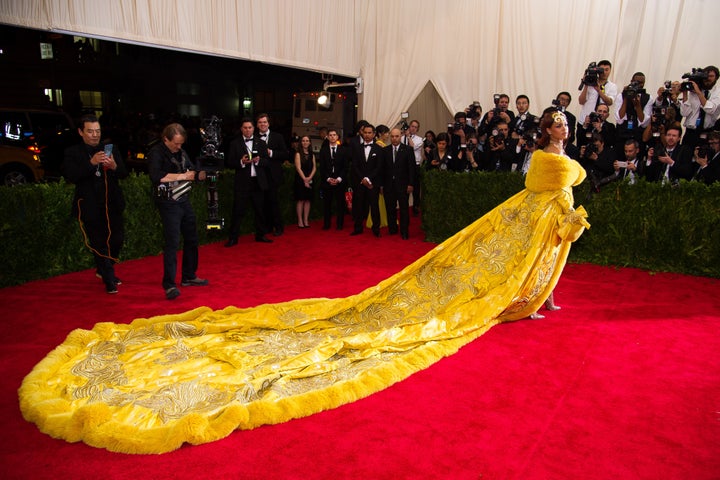
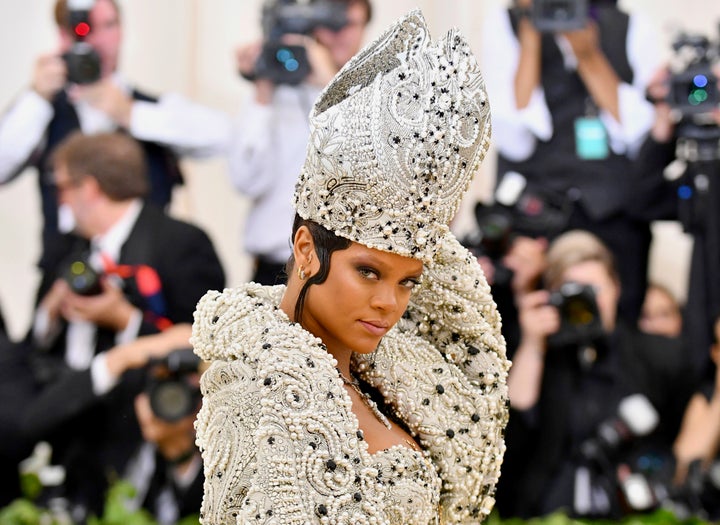
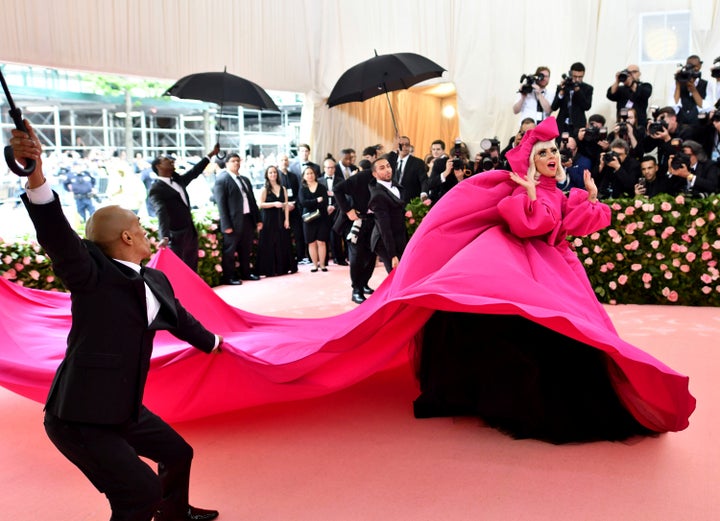
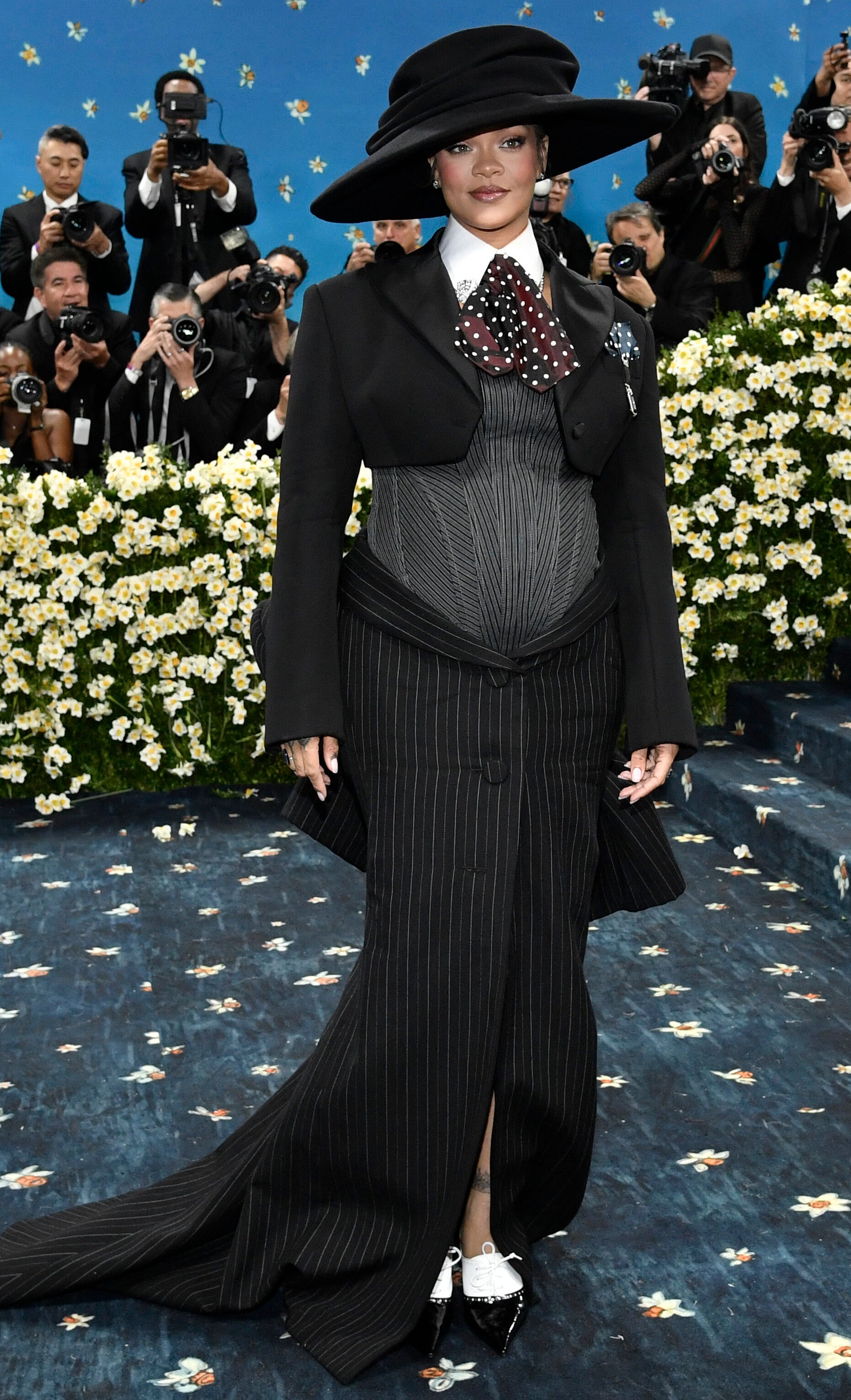
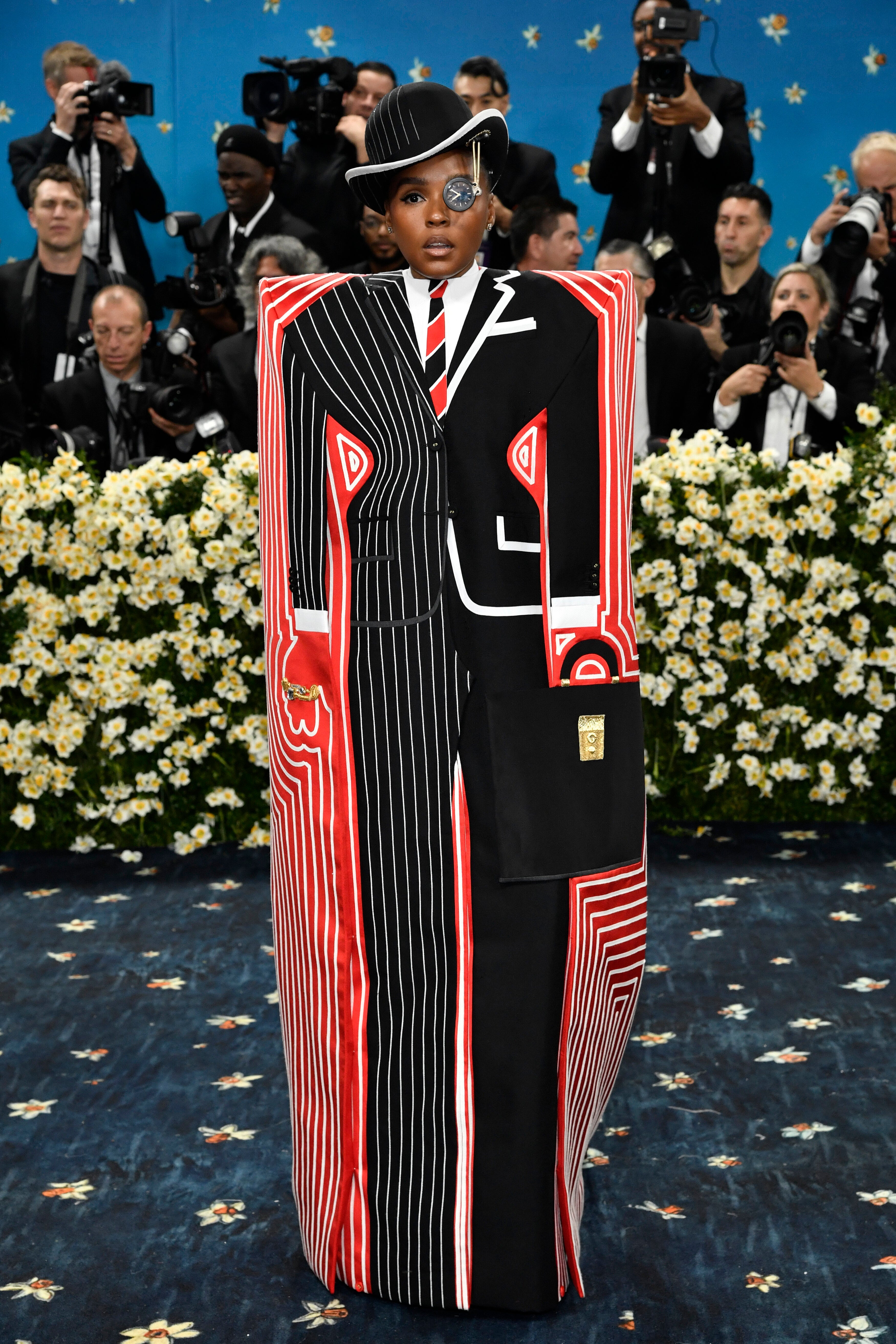
Every year, on the first Monday in May, the world’s most famous people gather under one roof, dressed in their finest, for the Met Gala.
This means that on the first Tuesday in May, those of us here in the UK spend our mornings scrolling through social media, judging the A-list guests’ red carpet looks (usually while still in our pyjamas).
Advertisement
Well, folks, that fateful day is almost upon us.
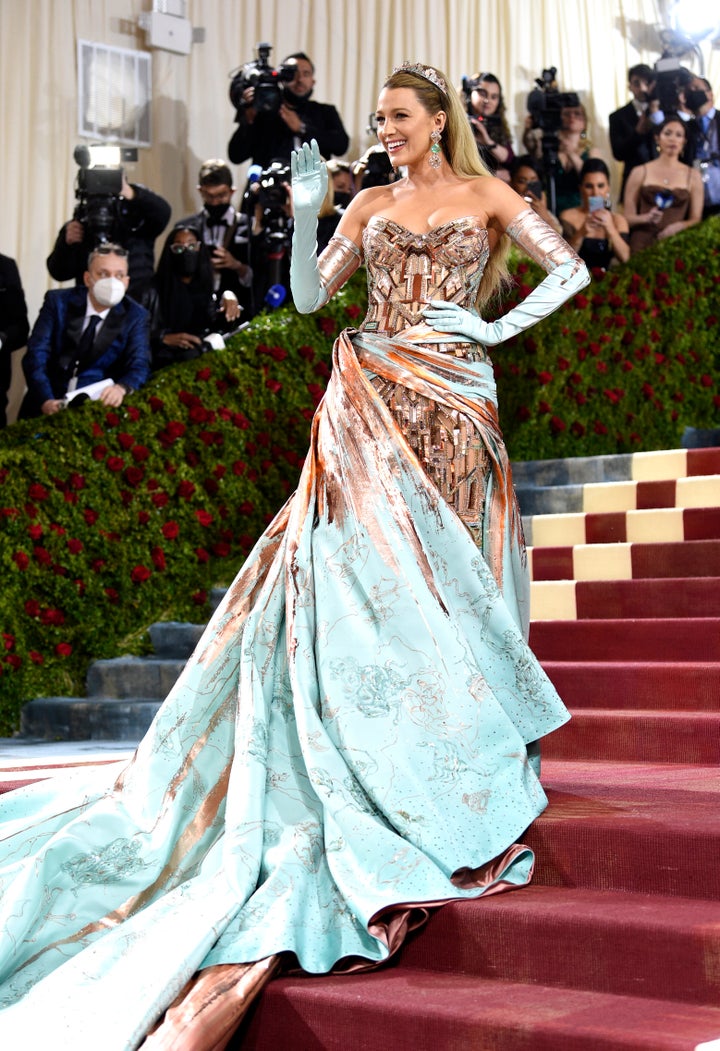
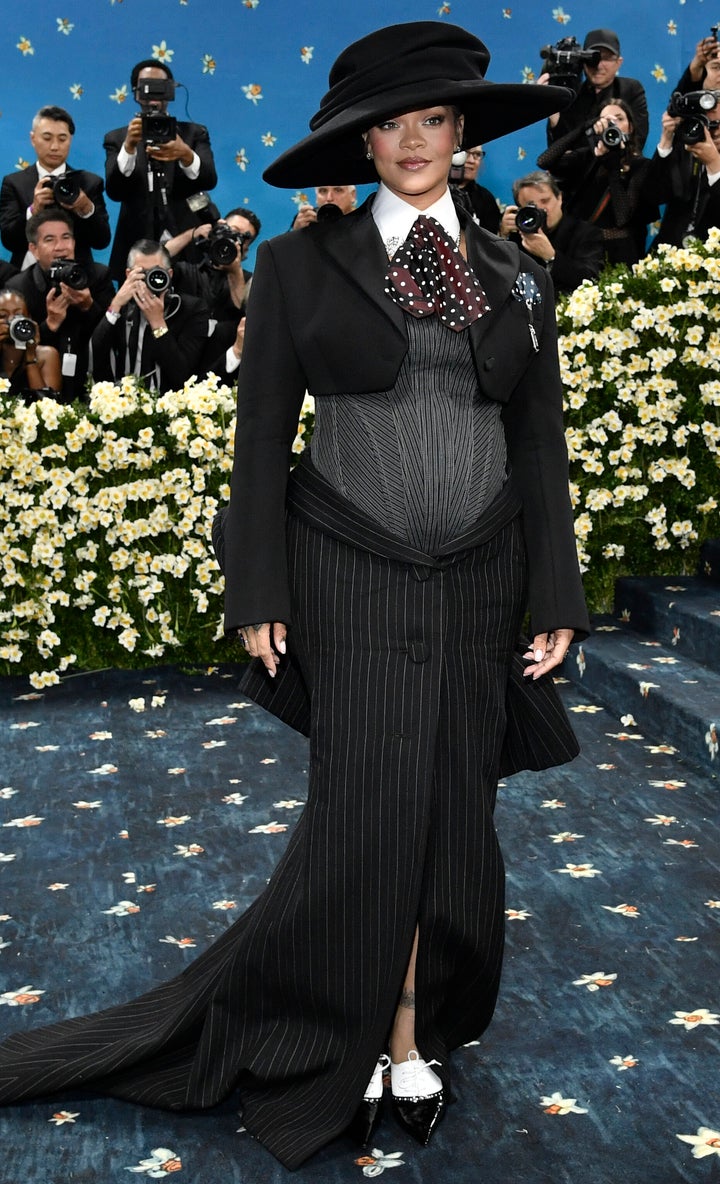
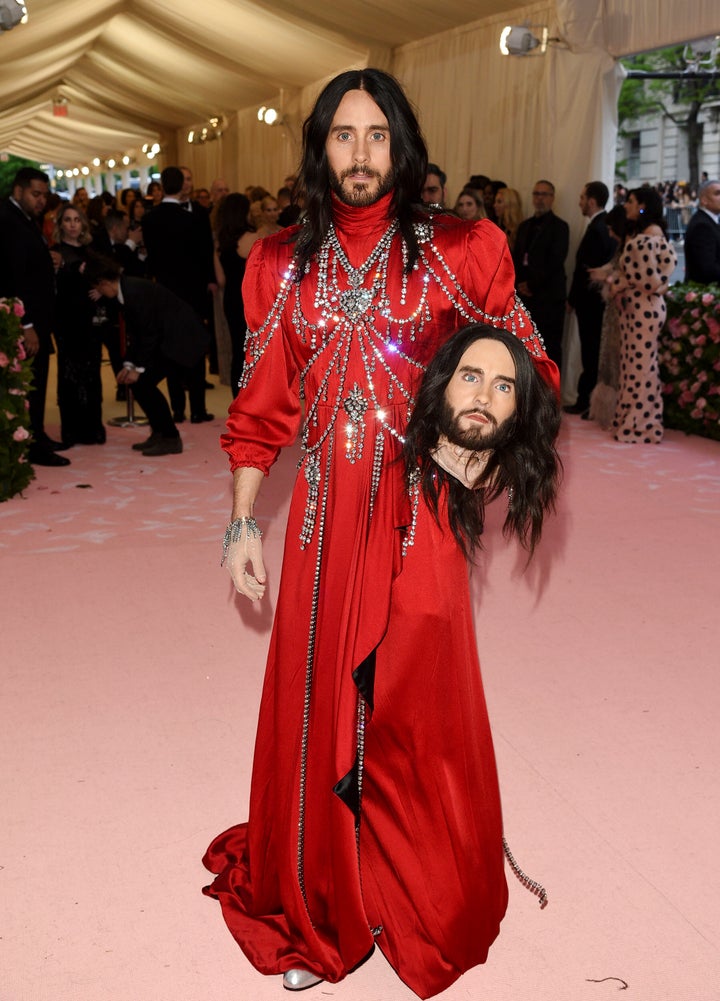
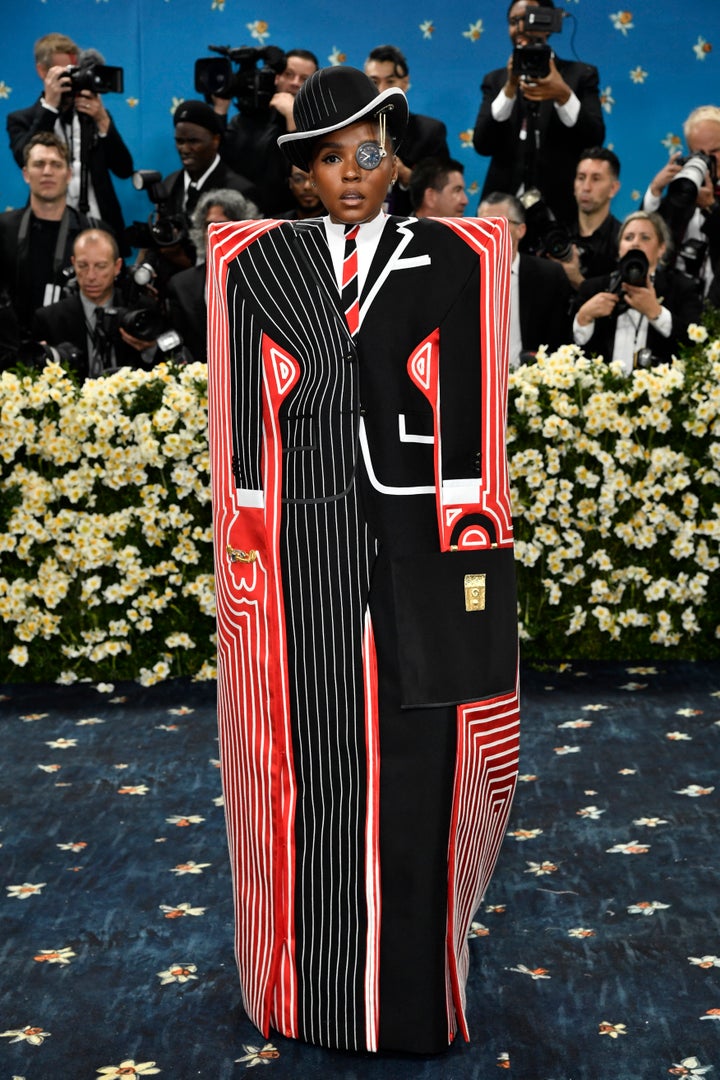
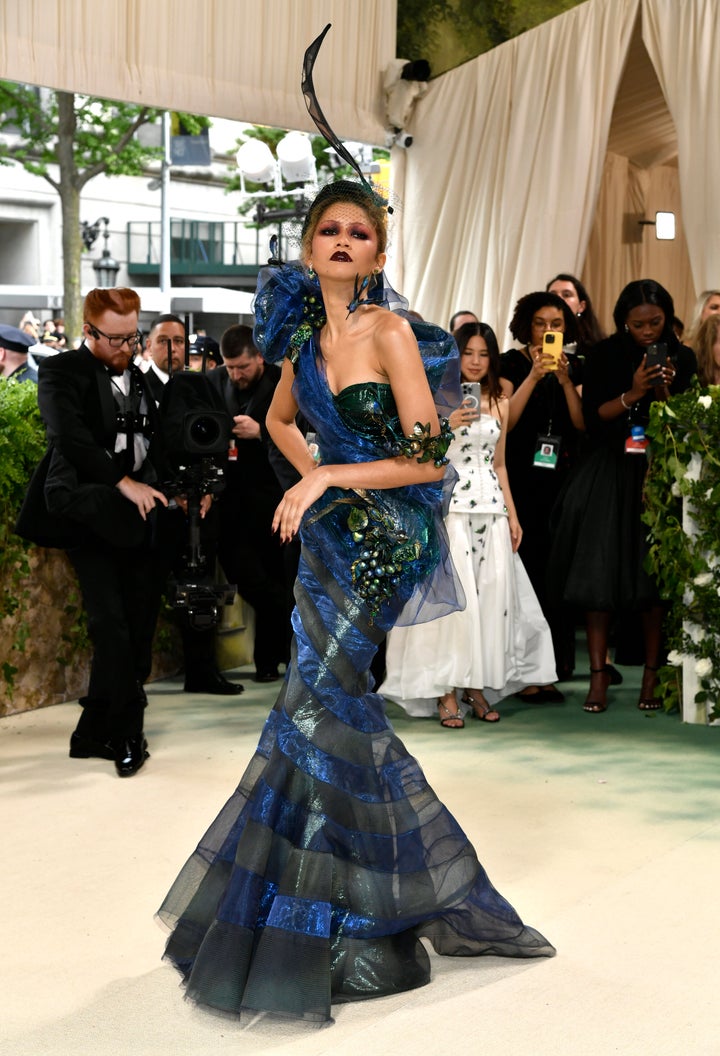
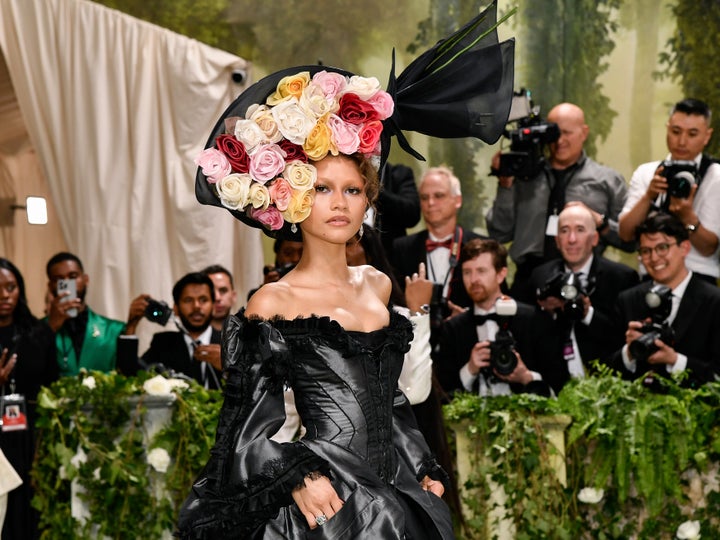
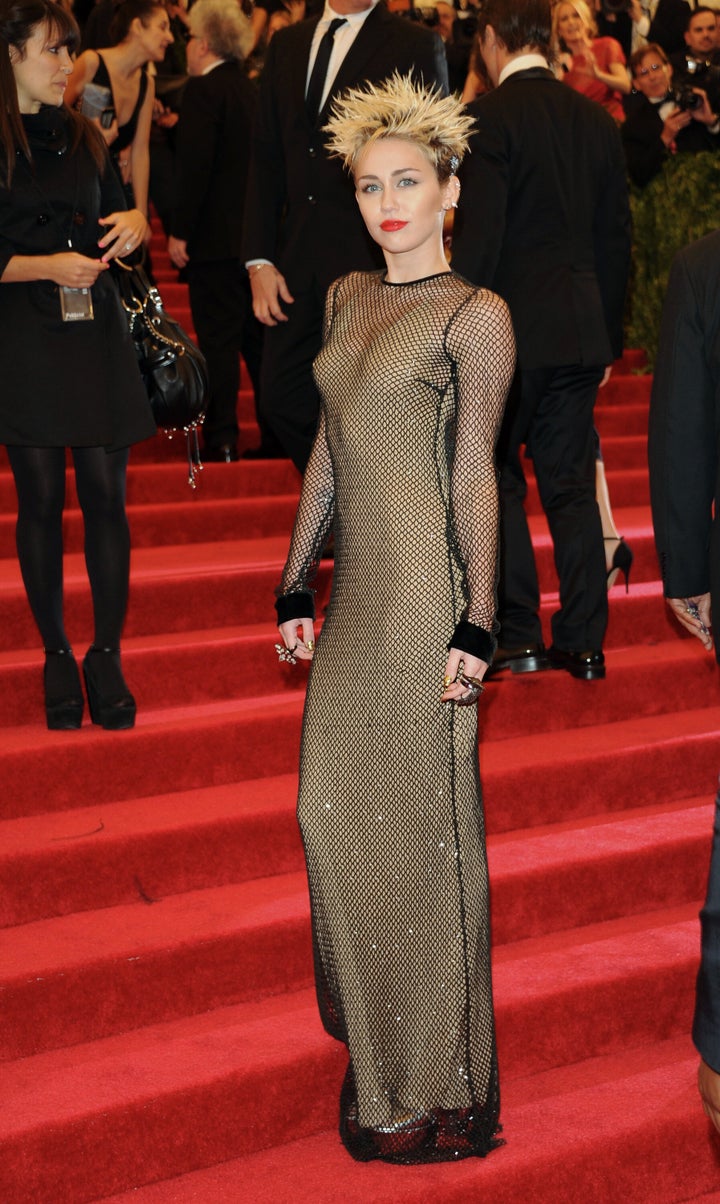
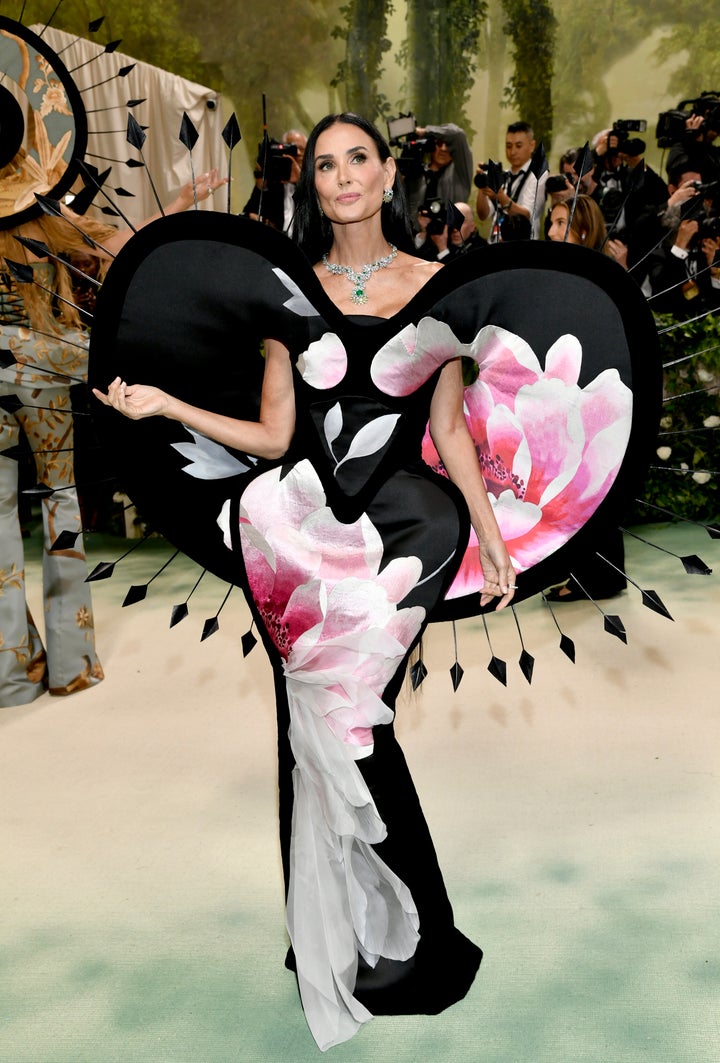
So, to prepare for this year’s event – co-chaired by Beyoncé, Nicole Kidman and Venus Williams, with the dress code “costume art” (in honour of the Met’s upcoming exhibit Fashion Is Art) – we’ve rounded up some of the best, most glamorous or, indeed, most outrageous looks in Met Gala history.
Reform UK has been slammed after it revealed a new policy to put migrant detention facilities in constituencies and councils not controlled by its own representatives.
Days out from the local elections in England, and devolved elections in Wales and Scotland, Reform’s home affairs spokesperson Zia Yusuf declared that a Reform government would “deport all illegal migrants in Britain”.
Advertisement
While waiting to be deported, the migrants would be housed in detention centres for a “couple of weeks”.
Yusuf claimed: “A Reform government will not put any migrant detention facilities in any constituency with a Reform MP.
“Nor will we put them where Reform controls the council.
“And of the remaining areas, we will prioritise Green controlled parliamentary constituencies and Green controlled councils to locate the detention centres.”
Advertisement
Yusuf said this meant if Reform representatives were voted in, they would “guarantee you won’t have a detention centre near you” – but, “if you vote Green, there’s a good chance you will.”
Reform called this “an important exercise in democratic consent”.
The senior Reform figure added: “Given Zack Polanski openly advocates for open borders, we look forward to their warm embrace of this policy.”
Deputy Green leader Mothin Ali said: “Reform keep making abhorrent announcements to distract voters from they fact they want to privatise the NHS.”
Advertisement
A Green Party source told HuffPost UK: “The shine is coming off Nigel Farage, his own voters are starting to see him for the establishment stooge he is.”
Green leader Zack Polanski wrote on X: “Reform took a £5m donation and they’re trying to distract you.”
Reform’s announcement comes after party leader Nigel Farage was heavily criticised for pulling out the BBC’s Sunday with Laura Kuenssberg last minute.
Advertisement
The party claimed Farage was campaigning in his constituency in Clacton.
However, his critics suggested he was evading scrutiny after the Guardian reported that he had received a £5 million donation from a crypto billionaire shortly before he decided to run to be an MP in 2024.
Clarke noted that these detention centres would likely be set up in other areas where the public have not voted for Reform – including Conservative seats.
Advertisement
He said: “Zia is proposing the siting of detention centres expressly as a form of political punishment for people and places that don’t vote Reform – not just Green, but presumably Conservative, Liberal and Labour too. (And what about Reform voters in those constituencies?)
“It would almost certainly be deemed an abuse of ministerial power for political purposes, and as such would likely be stuck down in court before ever being implemented, wasting millions for the taxpayer without detaining anyone.
“If it were to go ahead, it would still represent an appalling waste of public money as these sites might well not be in any way suitable for the proposed centres, or near the other infrastructure required.
Advertisement
“What’s worse is that he is doing all this to provoke outrage and draw attention to Reform a few days out from the local elections.
“Reform know what they are doing.
“But this goes beyond a pre-election stunt. It’s declared as a major policy commitment, and should be treated as such.”
Subscribe to Commons People, the podcast that makes politics easy. Every week, Kevin Schofield and Kate Nicholson unpack the week’s biggest stories to keep you informed. Join us for straightforward analysis of what’s going on at Westminster.
It’s my first day of training at Disney World Orlando, and I am learning how to be Pooh, a big yellow bear who is constantly reminded by guests that he’s not wearing pants. I’ve almost perfected the walk, but these boxy feet are giving me shin splints.
Soon I’ve successfully mastered talking, signing and acting like every character in my height range. If I can prove myself as a fur performer, they’ll upgrade me to a face character, transitioning me from cartoon animal costumes to talking human icons. I have my fingers crossed, because it’s autumn, and despite the cool breeze coming in through my mouth, sticky sweat is pouring out of everywhere else. It’s so hot that the pregnant Donald Duck standing across from me just passed out, and I am not far behind. Welcome to the most magical place on Earth!
Advertisement
Though I grew up on Disney films, I never imagined myself working for the Mouse. When I was 7, my grandmother made me chop my hair into a bowl cut before she would take me to Disney World. I spent the entire day crying and now I can’t clearly recall a single thing that happened while we were there.
When I was 13, my grandparents enrolled me in vocal lessons with a woman I would later consider a second mother. During our 12 years together, her daughter became a professional singer and started working at Disney as a stage performer before moving on to Broadway and producing her own albums. When it was suggested that I follow in her footsteps, I leapt at the opportunity to move away from home.
A few weeks after my 20th birthday, I sat in an audition hall alongside hundreds of other hopefuls. I was so nervous that I bombed my performance, but I was encouraged to apply as a face character and to return for stage roles when I was ready. I came back eager for a second chance and spent the day getting measured, learning parade dances, showcasing my miming abilities, and delivering the film lines of characters I resembled. While my dance skills weren’t remarkable, I did land the roles of Belle from Beauty and the Beast and Fawn, a fairy from the beloved Tinker Bell franchise, thereby securing myself a ticket to unforgettable experiences.
Advertisement
I quickly discover that at Disney World, pixie dust is real, except some Tinkerbells take it up the nose instead of sprinkling it on little kids, and one of the guys who plays Prince Charming is rumoured to be on a quest to sleep with a girl from every continent. Thanks to Epcot, he’s more than halfway there. I doubt Walt ever envisioned his creation turning into a buffet for brash men. Meanwhile, the Princess dressing room is abuzz with a rumour that a guy who plays one of the park’s most infamous pirates is giving out golden showers without consent on his days off. I also heard that an employee got fired for getting caught in the bathroom with Mickey’s glove. I shudder to think of how many thousands of germ-ridden hands touched it before it got up close and personal with her mini mouse.
During my first few months working at Disney, I thrive on fast-food meals, a fake celebrity status and late-night outings. I’m staying in a bougie townhouse just outside of Celebration, Florida (a suburb of Orlando that was originally created by the Walt Disney Company), with two other employees for $350 a month each. I move through several parks each week, so the break rooms are always filled with new faces. For now, my closest friends are the photographers and cast assistants who accompany me.
When winter arrives, I finally step into the role of a face character. I discover how to apply fake lashes, glitter and custom wigs. I’m told that my head is two inches smaller than average, that I need Mellow Yellow to cover my hickey, and that tanning is no longer an option. The Cinderella beside me is reprimanded for gaining weight and Ariel is with management to discuss ageing out.
Advertisement
On my first day as Belle, I feel like a yellow cake topper trapped in a 40-pound ballgown that, despite being laundered hundreds of times, still smells like musk. As the doors to the Princess Room open, my fellow castmates and I are greeted with literal “oohs” and “ahhs.” I wasn’t prepared to do a thousand squats today, nor was I ready for the oblivious mother who plops her baby onto my lap despite the full diaper leaking brown sludge from the sides, who then insists on taking photo after photo. And I am certainly not ready for the father who leans in and asks if I’m into bestiality.
Courtesy of Michalla Brianna
The author playing Belle from “Beauty and the Beast.”
Advertisement
The Underground is a network of tunnels that serves as a shortcut to anywhere in the park. Performers use it prevent guests from seeing duplicate characters roaming the parks, which would most certainly destroy the illusion that the company is working so hard to keep intact. Because of the sour-smelling sewage running through the pipes overhead, I’m forced to play a perennial game of “dodge the drips”. Disney also offers a cafeteria with various chain restaurants, an onsite gas station, firehouse and medical clinic.
To help preserve the magic of Disney, it is said no one has ever been declared dead on park property, but I’ve heard several people have been decapitated. Tell me how that one works. It’s difficult to know what’s real and what’s not in a world of make believe but I’ve heard plenty more gruesome things have happened in the park. I was told a Tigger was literally run over during a parade and someone else claimed that a Lion King monkey snapped his neck attempting a forward roll in rehearsal. There’s a rumour that Space Mountain has claimed more than its fair share of riders. I don’t know if that’s true, but Splash Mountain was once shut down because a guest thought it would be a good idea to hop out of his boat in the middle of the ride. Long story short: the logs kept moving and the unsuspecting man was crushed as he tried to cross the human-made river.
By spring, I’ve been moved to the sunrise shift. This means that I’m part of the backstage tours, a chance for guests who have paid an obscene amount of money to become disenchanted. They pass by my dressing room, and I’ve never felt more like a zoo animal. No one asks me questions — maybe they’ve been told not to interact with us — and instead I hear:
“Look at her wig!”
“I had no idea she looked like that in real life.”
“Take a picture of those shoes. Oh, right, no cameras allowed. Sorry.”
“Wow, how much do you think those dresses cost to make?”
“Someone needs some coffee.”
Courtesy of Michalla Brianna
The author playing Belle from “Beauty and the Beast.”
Advertisement
For the next year and a half, the luster continues to fade. I wake up, drag myself out of bed, park in the cast lot, ride the bus behind the gates, run down the tunnel, clock in late, get another warning, grab my costume, do my makeup, walk to my assigned area, listen to hype music while awaiting start time, then walk onto set feeling like a baddie.
Smile. Squat down for kids. Pictures. Squat. Squat. Squat. Smile. See 200 guests per set. Clear the room. Sigh as all smiles flatline. Walk off set. Change into break-room attire. Watch Disney films on the couch. Eat Subway. Nap. Fix makeup. Redress. Repeat four times, with each interval lasting 45 to 85 minutes.
Advertisement
I am allowed to go into the parks during my breaks to watch parades, get ice cream, ride coasters, or shop the gift stores, but I never feel the desire to abandon my bubble, not even when auditions for Disney Tokyo and Paris are announced. This is a job, after all. When work is done, I leave, pick up hibachi, and look forward to being home in my pyjamas.
Still, I make lifelong friends, and we take Disney cruises together, and dance our way through confetti and vodka in Florida clubs where our glitter-covered faces seem right at home.
Advertisement
One day at the end of my second year, I’m playing Fawn, a rough-and-tumble tomboy fairy who can talk to animals. I climb plastic trees that overlook painted sunsets until I reach popcorn ceilings, which seem to stare back at me and say, “Grow up.” But here, in Neverland, I don’t have to.
We have a meet-and-greet with a Make-A-Wish child within the first hour. After being dressed up by Fairy Godmothers, she’s wheeled in, and we surround her with gentle coos. They shut off the timer hidden in the upper right-hand corner of the room. It usually serves as a strict guest counter to make sure we hit our numbers. For now, however, it’s dark.
We take our time asking her questions about her interests and dreams. We compliment her sparkling shoes and the Mickey ears perched atop her radiation scars until it’s time to say goodbye. She’s on her way to the real Neverland, so we huddle together as our wings tremble with the emotions we’ve been holding back.
Advertisement
We typically meet with over 1,000 people per day. We are not told to hug children for as long as they want because we have a line to get through and quotas to meet. So we cherish moments like this, when time slows down and we are reminded of why we are here. It is our duty and honor to bring magic into the lives of both children and adults.
Some days, it is easy to shrug off or make light of this mission. On other days, an encounter with someone like this little girl settles like wet concrete in my gut and I have a hard time recovering from how unfair life feels. Unfortunately, I have to get back to work, and our customers don’t want to see a devastated fairy.
Courtesy of Michalla Brianna
The author playing Fawn.
Advertisement
I can’t see any way to rise up the ranks at Disney World unless I moved into management, which I don’t want to do. Every day I feel more trapped beneath the wigs and pinned down by the costumes. The feeling that I’m suffocating behind the grinning masks is more constant. My panic attacks become too frequent and difficult to control, but I don’t want to take the anxiety medication I’m offered. I realise it’s time for me to move on.
On my last day, Peter Pan is a special guest in our Pixie Hollow. No one knows that Peter is my favourite representation of dreams, imagination and eternal possibilities. As the room closes and the secret set walls open to return us to human life, I pause because I realise what these last few steps mean. As if it has all suddenly become real, Peter reaches out his hand to me.
Advertisement
“All it takes is faith and trust,” he says, as we skip out one last time. I almost believe him.
Courtesy of Michalla Brianna
The author (middle) with her husband (right) and a friend at Disney on Halloween.
Disney’s economy has rarely suffered because there will always be people who seek safety in nostalgia. Visitors can interact with — or even become — the characters they admire, remember what it feels like to believe in happy endings, and live vicariously through the joy of their children.
Advertisement
I worked at Disney for three years, and I didn’t learn a thing about myself. Disney is like high school. It solidified my identity through cliques, but did not expand it. Being a character is not all it’s cracked up to be, and making magic is not the same as experiencing it.
These days, I see Disney as a glittering pink castle placed atop a stagnant Florida marsh. You can dress it up all you want, but at the end of the day, it’s still hot, crowded and overrated. The fantasy only works when it’s carefully maintained, and someone always has to be backstage or sweating inside a costume to hold the illusion together.
If you are headed there tomorrow, go. Let yourself believe in magic. Take pictures, cry at the fireworks, hold your child’s hand a little longer than you normally might. Don’t listen to me — I never loved Disney to begin with, so I couldn’t fall out of love with it when I left.
Advertisement
I still enjoy watching my husband, who is new to the “wonderful world of Disney,” explore the parks. I still find myself talking like Belle when I’m on a professional call, and Fawn will always be a part of me. I watch most of the Disney films, because, as intended, they bring me comfort and inspiration.
Knowing what I know now has not ruined Disney for me. I see it as I always did: a theme park designed for entertainment and escapism. I am disappointed that I didn’t find anything magical while I worked there, but I guess that’s the point: There is no real magic behind the curtain, only what we create in front of it.
Michalla Brianna is an author, CEO/founder of Barrie Patch Books & The Healing Arts LLC, as well as an executive producer, podcast host, clinical counsellor, and expressive arts therapist. She holds five university degrees in creative writing and psychology. This essay is part of a memoir told in vignettes.
Medications used to treat type 2 diabetes and obesity, including well-known brands like Ozempic and Wegovy, may offer unexpected mental health benefits. These drugs belong to a class called GLP-1 receptor agonists, and a large new study found they are linked to fewer psychiatric hospital visits and less time off work due to mental health conditions. The research was conducted by scientists from the University of Eastern Finland, Karolinska Institutet in Sweden, and Griffith University in Australia.
Conditions like obesity and diabetes are often connected with a higher risk of depression, anxiety, and other mental health challenges. At the same time, people with psychiatric disorders are more likely to develop metabolic diseases. Because of this two-way relationship, researchers have been exploring whether treatments for physical health conditions might also influence mental well-being.
Large Study Tracks Nearly 100,000 People
To investigate this, researchers analyzed data from Swedish national health registers, following nearly 100,000 individuals between 2009 and 2022. More than 20,000 participants had used GLP-1 medications during that time. This large dataset allowed scientists to compare periods when people were taking the drugs with periods when they were not.
Significant Reductions in Depression, Anxiety, and Hospital Care
The findings showed a strong link between GLP-1 drug use and improved mental health outcomes. The use of GLP-1 medications — particularly semaglutide, the active ingredient in Ozempic and Wegovy — was associated with fewer psychiatric hospital visits and reduced sickness absence.
During times when people were taking semaglutide, psychiatric-related hospital care and sick leave dropped by 42% compared with periods when they were not using these medications. The risk of depression was 44% lower, while anxiety disorders were reduced by 38%.
Lower Risk of Substance Use and Suicidal Behavior
The study also found notable reductions in substance use disorders. Hospital care and work absence linked to substance use were 47% lower during periods of semaglutide use. In addition, GLP-1 receptor agonists were associated with a reduced risk of suicidal behavior.
One of the study’s authors, Professor Mark Taylor from Griffith University, says such results were to be expected: “An earlier study examining Swedish registers found the use of GLP-1 medications to be associated with a reduced risk of alcohol use disorder. Alcohol-related problems often have downstream effects on mood and anxiety, so we expected the effect to be positive on these as well.”
Why Might These Drugs Affect the Brain?
Even so, the strength of the results surprised the researchers. Because the study relied on registry data, it cannot prove exactly how or why these medications influence mental health.
“Because this is a registry-based study, we cannot determine exactly why or how these medications affect mood symptoms, but the association was quite strong. It is possible that, in addition to factors such as reduced alcohol consumption, weight loss-related improvements in body image, or relief associated with better glycemic control in diabetes, there may also be direct neurobiological mechanisms involved — for example, through changes in the functioning of the brain’s reward system,” says Research Director, Docent Markku Lähteenvuo from the University of Eastern Finland.
Published in a Leading Psychiatry Journal
The findings were published in The Lancet Psychiatry, a leading journal in the field. While some earlier studies on GLP-1 drugs and mental health have produced mixed results, many of those were smaller in scale. This large, long-term analysis adds stronger evidence that these widely used medications could have broader effects beyond managing blood sugar and weight.
In a new study, SFI Professor David Wolpert, SFI Fractal Faculty member Carlo Rovelli, and physicist Jordan Scharnhorst take a fresh look at a famous and unsettling idea in physics and cosmology known as the “Boltzmann brain” hypothesis. This concept suggests that our memories, perceptions, and observations might not reflect a real past at all. Instead, they could have formed randomly through fluctuations in entropy, giving the appearance of a coherent history that never actually occurred.
The puzzle comes from a deep tension within statistical physics. A key foundation for understanding why time seems to move in one direction is Boltzmann’s H theorem, a central principle in statistical mechanics tied to the second law of thermodynamics. That law explains why entropy tends to increase over time, giving us a sense of past and future.
However, the H theorem itself is time-symmetric, meaning it does not prefer one direction of time over another. This creates a surprising implication. From a strictly formal standpoint, it is more probable for the patterns that make up our memories and observations to arise from random entropy fluctuations than from a real sequence of past events. Put simply, physics appears to allow the possibility that our memories are not reliable records but instead detailed illusions produced by chance. This unsettling idea is what defines the Boltzmann brain hypothesis.
How Assumptions About Time Shape the Debate
To better understand this problem, the researchers built a formal framework that examines how different assumptions affect conclusions about entropy and memory. Their work connects the Boltzmann brain hypothesis, the second law of thermodynamics, and the related “past hypothesis,” which assumes the universe began in a state of low entropy.
A crucial issue is which points in time are treated as fixed when analyzing how entropy evolves. Some approaches take the current state of the universe as given and work outward from there. Others assume a low-entropy starting point at the Big Bang. Importantly, the laws of physics do not specify which of these perspectives is correct, leaving room for interpretation.
Circular Reasoning in Entropy and Memory Arguments
The study introduces what the authors call the “entropy conjecture” to highlight a key problem in many existing arguments. They show that discussions about entropy, time, and memory often rely on subtle circular reasoning. In these cases, assumptions about the past are used to support conclusions, such as the reliability of memory or the direction in which entropy increases. Those same conclusions are then used to justify the original assumptions.
Rather than settling the debate, the researchers focus on making these hidden structures clear. By separating the role of physical laws from the assumptions we use to interpret them, the study provides a more transparent way to think about long-standing questions surrounding time, entropy, and the nature of memory.