A paper battery with water switch

The battery, devised by Gustav Nyström and his team, is made of at least one cell measuring one centimeter squared and consisting of three inks printed onto a rectangular strip of paper. Salt, in this case simply sodium chloride or table salt, is dispersed throughout the strip of paper and one of its shorter ends has been dipped in wax. An ink containing graphite flakes, which acts as the positive end of the battery (the cathode), is printed onto one of the flat sides of the paper while an ink containing zinc powder, which acts as the negative end of the battery (the anode), is printed onto the reverse side of the paper. Yet another ink containing graphite flakes and carbon black is printed on both sides of the paper, on top of the other two inks. This ink makes up the current collectors connecting the positive and negative ends of the battery to two wires, which are located at the wax-dipped end of the paper.

When a small amount of water is added, the salts within the paper dissolve and charged ions are released, thus making the electrolyte ionically conductive. These ions activate the battery by dispersing through the paper, resulting in zinc in the ink at the anode being oxidized thereby releasing electrons. By closing the (external) circuit these electrons can then be transferred from the zinc-containing anode — via the graphite- and carbon black-containing ink, the wires and the device — to the graphite cathode where they are transferred to — and hence reduce — oxygen from ambient air. These redox reactions (reduction and oxidation) thus generate an electrical current that can be used to power an external electrical device.

Proof of concept: a sustainable energy source for low-power electronics

To demonstrate the ability of their battery to run low-power electronics, Nyström’s team combined two cells into one battery to increase the operating voltage and used it to power an alarm clock with a liquid crystal display. Analysis of the performance of a one-cell battery revealed that after two drops of water were added, the battery activated within 20 seconds and, when not connected to an energy-consuming device, reached a stable voltage of 1.2 volts. The voltage of a standard AA alkaline battery is 1.5 volts.

After one hour, the one-cell battery’s performance decreased significantly due to the paper drying. However, after the researchers added two extra drops of water, the battery maintained a stable operating voltage of 0.5 volts for more than one additional hour.

The researchers propose that the biodegradability of paper and zinc could enable their battery to minimize the environmental impact of disposable, low-power electronics. “What’s special about our new battery is that, in contrast many metal air batteries using a metal foil that is gradually consumed as the battery is depleted, our design allows to add only the amount of zinc to the ink that is actually needed for the specific application,” says Nyström. Metal foils were more difficult to control and not always fully consumed leading to a waste of materials. So the more zinc the ink contains, the longer the battery is able to operate.

A more critical point of the battery’s current design with water activation, Nyström adds, is the time it takes for the battery to dry out. “But I am sure this can be engineered differently to get around this problem.” For environmental sensing applications at a certain humidity or in wet environments, however, the drying of the paper would not be an issue.

Two complementary technologies

Previously, Nyström’s team had already developed a paper-based degradable super capacitor that could be charged and discharged thousands of times without losing efficiency. Compared to batteries of the same weight, supercapacitors have an energy density that is around 10 times lower — while at the same time having a power density that is around ten to one hundred times greater. Supercapacitors can therefore be charged and discharged much faster. They can also withstand many more charge and discharge cycles. “So the two devices are actually complementary,” says Nyström. The idea behind the new water-activated battery was to be able to manufacture devices that are fully charged and that only release this energy after the triggering of a stimulus, in this case simply a drop of water.

Story Source:

Materials provided by Swiss Federal Laboratories for Materials Science and Technology (EMPA). Original written by Michael Hagmann. Note: Content may be edited for style and length.


Share Button

New DNA repair-kit successfully fixes hereditary disease in patient-derived cells

Genetic mutations which cause a debilitating hereditary kidney disease affecting children and young adults have been fixed in patient-derived kidney cellsusing a potentially game-changing DNA repair-kit. The advance, developed by University of Bristol scientists, is published in Nucleic Acids Research.

In this new study, the international team describe how they created a DNA repair vehicle to genetically fix faulty podocin, a common genetic cause of inheritable Steroid Resistant Nephrotic Syndrome (SRNS).*

Podocin is a protein normally located on the surface of specialised kidney cells and is essential for kidney function. Faulty podocin, however, remains stuck inside the cell and never makes it to the surface, terminally damaging the podocytes. Since the disease cannot be cured with medications, gene therapy which repairs the genetic mutations causing the faulty podocin offers hope for patients.

Typically, human viruses have been utilised in gene therapy applications to carry out genetic repairs. These are used as a ‘Trojan Horse’ to enter cells carrying the errors. Currently dominating systems include lentivirus (LV), adenovirus (AV) and adeno-associated virus (AAV), which are all relatively harmless viruses that readily infect humans. However, these viruses all share the same limitation in that they are restricted in space within their viral shells. This in turn constrains the amount of cargo they can deliver, namely the DNA kit required for efficient genetic repair, which significantly limits the scope of their application in gene therapy.

By applying synthetic biology techniques, the team led by Dr Francesco Aulicino and Professor Imre Berger from Bristol’s School of Biochemistry, re-engineered baculovirus, a for humans harmless insect virus which is no longer constrained by limited cargo capacity.

“What sets apart baculovirus from LV, AV, and AAV is the lack of a rigid shell encapsulating the cargo space.” said Dr Francesco Aulicino, who led the study. The shell of baculovirus resembles a hollow stick — it simply becomes longer when the cargo increases. This means a lot more sophisticated tool-kit to repair a genetic defect can be delivered by the baculovirus, making it much more versatile than commonly-used systems.

First, baculovirus had to be equipped to penetrate human cells which it normally would not do. “We decorated the baculovirus with proteins that enabled it to enter human cells very efficiently.” explained Dr Aulicino. This modified baculovirus is considered safe, as it could only multiply in the insect, but not in human cells. The scientists then used their engineered baculovirus to deliver much larger DNA pieces than was previously possible, and build these into the genomes of a whole range of human cells.

The DNA in the human genome comprises 3 billion base-pairs making up ~25,000 genes, which encode for the proteins that are essential for cellular functions. If faulty base-pairs occur in our genes, faulty proteins are made which can make us ill, resulting in hereditary disease. Gene therapy promises repair of hereditary disease at its very root, by rectifying such errors in our genomes. Gene editing approaches, in particular CRISPR/Cas-based methods, have greatly advanced the field by enabling genetic repair with base-pair precision.

The team used patient-derived podocytes carrying the disease-causing error in the genome to demonstrate the aptitude of their technology. By creating a DNA repair kit, comprising protein-based scissors and the nucleic acid molecules that guide them — and the DNA sequences to replace the faulty gene, the team delivered with a single engineered baculovirus a healthy copy of the podocin gene concomitant with the CRISPR/Cas machinery to insert it with base-pair precision into the genome. This was able to reverse the disease-causing phenotype and restore podocin to the cell surface.

Professor Imre Berger explains: “We had previously used baculovirus to infect cultured insect cells to produce recombinant proteins for studying their structure and function.” This method, called MultiBac, developed by the Berger laboratory, has been highly successful to make very large multiprotein complexes with many subunits, in laboratories world-wide. “MultiBac already exploited the flexibility of the baculovirus shell to deliver large pieces of DNA into the cultured insect cells, instructing them to assemble the proteins we were interested in.” When the scientists realised that the same property could potentially transform gene therapy in human cells, they went to work to create their new system described in their publication.

Dr Aulicino added: “There are many avenues to utilise our system. In addition to podocin repair, we could show that we can simultaneously correct many errors in very different places in the genome efficiently, by using our single baculovirus delivery system and the most recent editing techniques available.”

“SRNS is one of the more common genetic diseases affecting the kidney” said Professor Moin Saleem, a leading expert in the gene therapy of hereditary kidney disease at Bristol Renal. “SRNS is characterised by kidney failure at an early age, leading to severe loss in quality of life for those affected.”

Professor Gavin Welsh, Professor of Renal Cell Biology at Bristol Renal, concluded: “These results are very encouraging. This new approach pioneered by the Berger team holds promise not only for SRNS, but also for a range of other genetic diseases of the kidney, where efficient genetic repair is not feasible with current technology. It is a long road ahead to implement a new vector system for clinical applications, but we believe the advantages offered make this a very worthwhile undertaking.”

This research received funding from the European Research Councial (ERC), Kidney Research UK (KRUK), and the EPSRC/BBSRC Bristol Research Centre for Synthetic Biology BrisSynBio.

*About Steroid Resistant Nephrotic Syndrome (SRNS)

Hereditary SRNS is a devastating kidney disease affecting children and young adults. It is caused by mutations in genes that are important in the function of the specialised filtration cell of the kidney, called the podocyte. These disorders currently have no available therapy, and result in rapid onset of kidney failure, requiring dialysis and transplantation.

Share Button

Plant-based ‘meat’ ‘healthier and more sustainable than animal products’

Plant-based dietary alternatives to animal products are better for the environment and for human health when compared with the animal products they are designed to replace, say the authors of a new study.

A new paper published in Future Foods argues that because these foods are ‘specifically formulated to replicate the taste, texture, and overall eating experience of animal products’, they are a much more effective way of reducing demand for meat and dairy than simply encouraging people to cook vegetarian whole foods.

The study, conducted by psychologists at the University of Bath, concludes that plant-based meat and dairy alternatives ‘offer a healthier and more environmentally sustainable solution which takes into account consumer preferences and behaviour.’

The review examined 43 studies into the health and environmental impacts of plant-based foods, as well as consumer attitudes. One study found that almost 90% of consumers who ate plant-based meat and dairy were in fact meat-eaters or flexitarians; another found that plant-based products with a similar taste, texture, and price to processed meat had the best chance of replacing meat.

The paper also found that these plant-based products caused lower levels of greenhouse gas emissions than the animal products they were replacing. One paper found replacing 5% of German beef consumption with pea protein could reduce CO2 emissions by up to eight million tonnes a year. Another found that compared to beef burgers, plant-based burgers were associated with up to 98% less greenhouse gas emissions.

The report authors suggest that plant-based products generally require much less agricultural land, need less water and cause less pollution than animal products.

Studies focusing on the healthiness of plant-based products also found they tend to have better nutritional profiles compared to animal products, with one paper finding that 40% of conventional meat products were classified as ‘less healthy’ compared to just 14% of plant-based alternatives based on the UK’s Nutrient Profiling Model.

Others found plant-based meat and dairy were good for weight loss and building muscle mass, and could be used to help people with specific health conditions. Food producers may be able to add ingredients such as edible fungi, microalgae or spirulina to plant-based foods, boosting properties such as amino acids, vitamins B and E and antioxidants. Future innovations in processing and ingredients are likely to lead to further nutritional improvements.

Report author, Dr Chris Bryant from the University of Bath, said: “Increasingly we’re seeing how plant-based products are able to shift demand away from animal products by appealing to three essential elements consumers want: taste, price and convenience.

“This review demonstrates overwhelming evidence that, as well as being far more sustainable compared to animal products in terms of greenhouse gas emissions, water use and land use, plant-based animal product alternatives also have a wide range of health benefits.

“Despite the incredible advances that plant-based producers have made over recent years, there is still huge potential to improve their taste, texture and how they cook. There’s also enormous potential to innovate with ingredients and processes to improve their nutritional properties — for example by boosting vitamin content.”

The authors stress that, whilst there are health benefits of these products compared to meat, multiple personal factors will impact on health including overall calorie consumption and exercise/activity levels.

Dr Bryant suggests that more research will now be needed to make these improvements a reality, ensuring manufacturers can make products that taste better, are healthier and provide consumers with sustainable options that are more likely to reduce demand for meat.

Story Source:

Materials provided by University of Bath. Note: Content may be edited for style and length.

Share Button

It doesn’t matter much which fiber you choose — just get more fiber!

That huge array of dietary fiber supplements in the drugstore or grocery aisle can be overwhelming to a consumer. They make all sorts of health claims too, not being subject to FDA review and approval. So how do you know which supplement works and would be best for you?

A rigorous examination of the gut microbes of study participants who were fed three different kinds of supplements in different sequences concludes that people who had been eating the least amount of fiber before the study showed the greatest benefit from supplements, regardless of which ones they consumed.

“The people who responded the best had been eating the least fiber to start with,” said study leader Lawrence David, an associate professor of molecular genetics and microbiology at Duke University.

The benefit of dietary fiber isn’t just the easier pooping that advertisers tout. Fermentable fiber — dietary carbohydrates that the human gut cannot process on its own but some bacteria can digest — is also an essential source of nutrients that your gut microbes need to stay healthy.

“We’ve evolved to depend on nutrients that our microbiomes produce for us,” said Zack Holmes, former PhD student in the David lab and co-author on two new papers about fiber. “But with recent shifts in diet away from fiber-rich foods, we’ve stopped feeding our microbes what they need.”

When your gut bugs are happily munching on a high-fiber diet, they produce more of the short-chain fatty acids that protect you from diseases of the gut, colorectal cancers and even obesity. And in particular, they produce more of a fatty acid called butyrate, which is fuel for your intestinal cells themselves. Butyrate has been shown to improve the gut’s resistance to pathogens, lower inflammation and create happier, healthier cells lining the host’s intestines.

Given the variety of supplements available, David’s research team wanted to know whether it may be necessary to ‘personalize’ fiber supplements to different people, since different fermentable fibers have been shown to have different effects on short-chain fatty acid production from one individual to the next.

“We didn’t see a lot of difference between the fiber supplements we tested. Rather, they looked interchangeable,” David said during a tour of his sparkling new lab in the MSRB III building, which includes a special “science toilet” for collecting samples and an array of eight “artificial gut” fermenters for growing happy gut microbes outside a body.

“Regardless of which of the test supplements you pick, it seems your microbiome will thank you with more butyrate,” David said.

The average American adult only consumes 20 to 40 percent of the daily recommended amount of fiber, which is believed to be a root cause behind a lot of our common health maladies, including obesity, cardiovascular disease, digestive disorders and colon cancer. Instead of having to go totally vegetarian or consume pounds of kale daily, convenient fiber supplements have been created that can increase the production of short-chain fatty acids.

The Duke experiments tested three main kinds of fermentable fiber supplements: inulin, dextrin (Benefiber), and galactooligosaccharides (GOS) marketed as Bimuno. The 28 participants were separated into groups and given each of the three supplements for one week in different orders, with a week off between supplements to allow participants’ guts to return to a baseline state.

Participants who had been consuming the most fiber beforehand showed the least change in their microbiomes, and the type of supplement really didn’t matter, probably because they were already hosting a more optimal population of gut bugs, David said.

Conversely, participants who had been consuming the least fiber saw the greatest increase in butyrate with the supplements, regardless of which one was being consumed.

In a second study the David lab performed with support from the U.S. Office of Naval Research, they found that gut microbes responded to a new addition of fiber within a day, dramatically altering the populations of bugs present in the gut and changing which of their genes they were using to digest food.

Using their artificial gut fermenters, the researchers found the gut microbes were primed by the first dose to consume fiber, and digested it quickly on the second dose.

“These findings are encouraging,” said graduate student Jeffrey Letourneau, lead author of the second study. “If you’re a low fiber consumer, it’s probably not worth it to stress so much about which kind of fiber to add. It’s just important that you find something that works for you in a sustainable way.”

“It doesn’t need to be a supplement either,” Holmes added. “It can just be a fiber-rich food. Folks who were already eating a lot of fiber, which comes from plants like beans, leafy greens, and citrus, already had very healthy microbiomes.”

This research was supported by the National Institutes of Health (R01-DK116187, R01DK116187-01); Office of Naval Research (N00014-18-1-2616); NASA Translational Research Institute (NNX16AO69A); and the Damon Runyon Cancer Research Foundation.

Share Button

Rebekah Vardy Speaks Out As Judge Rules In Coleen Rooney’s Favour In ‘WAGatha Christie’ Case

Rebekah Vardy has issued a statement saying she is “devastated” after a judge ruled against her in the so-called “WAGatha Christie” libel case.

Back in October 2019, Coleen Rooney published a now-infamous post on social media claiming that fellow footballer’s wife Rebekah’s Instagram account was the source of several “false stories” about her being leaked to The Sun.

Rebekah subsequently sued Coleen for libel, in a trial which took place over a week in May of this year.

On Friday afternoon, a judge ruled in favour of Coleen, with Rebekah speaking out shortly after the verdict was made public.

″[I am] extremely sad and disappointed at the decision that the judge has reached,” she said. “It is not the result that I had expected, nor believe was just. I brought this action to vindicate my reputation and am devastated by the judge’s finding.

“The judge accepted that publication of Coleen’s post was not in the ‘public interest’ and she also rejected her claim that I was the ‘Secret Wag’. But as for the rest of her judgment, she got it wrong and this is something I cannot accept.”

Coleen Rooney leaving court earlier this year

Karwai Tang via Getty Images

Rebekah also called to an end to the “vile abuse” she and her family have been subjected to since things between herself and Coleen came to a head in 2019.

“Please can the people who have been abusing me and my family now stop,” she urged. “The case is over”

Meanwhile, Coleen has also spoken out to say that while she was “pleased” with the decision, she “never believed” the matter should have gone to court.

“It was not a case I ever sought or wanted. I never believed it should have gone to court at such expense in times of hardship for so many people when the money could have been far better spent helping others,” she said.

“Both before and after my social media posts in October 2019, I made every effort to avoid the need for such a drawn-out and public court case. All my attempts to do so were knocked back by Mrs Vardy.”

Coleen Rooney and her footballer husband Wayne

Anadolu Agency via Getty Images

Coleen claimed she had “no alternative” but to defend the claim “to end the repeated leaking of my private information to The Sun”.

She added: “These leaks from my private Instagram account began in 2017. They continued for almost two years, intruding on my privacy and that of my family. Although I bear Mrs Vardy no ill-will, today’s judgment makes clear that I was right in what I said in my posts of October 2019.”

Judge Mrs Justice Steyn said in her ruling it was “likely” that Rebekah’s then-agent, Caroline Watt, “undertook the direct act” of passing the information to The Sun.

However, she added: “Nonetheless, the evidence … clearly shows, in my view, that Mrs Vardy knew of and condoned this behaviour, actively engaging in it by directing Ms Watt to the private Instagram account, sending her screenshots of Mrs Rooney’s posts, drawing attention to items of potential interest to the press, and answering additional queries raised by the press via Ms Watt.”

She concluded: “In my judgment, the conclusions that I have reached as to the extent to which the claimant engaged in disclosing to The Sun information to which she only had access as a permitted follower of an Instagram account which she knew, and Mrs Rooney repeatedly asserted, was private, suffice to show the single meaning is substantially true.”

Mrs Justice Steyn has found that Rebekah Vardy’s evidence in the trial was “manifestly inconsistent” with other evidence on “many occasions”.

Share Button

These Simple Tasks Can Cut Your Risk Of Dementia, Study Finds

New research is offering some actionable steps we can take to protect our minds from memory loss.

A large UK-based study published this week in the American Academy of Neurology’s medical journal found that physical and mental activities – such as doing household chores, exercising or visiting loved ones may help lower the risk of dementia.

The roughly 11-year study followed 501,376 people in the UK who self-reported their physical and mental activities at the beginning of the experiment: how often they visit with friends, their education level, how often they climb stairs, how they commute to work, and more.

The study found certain activities were associated with a lower risk of dementia. People who frequently exercised had a 35% lower risk, people who frequently did household chores had a 21% lower risk and people who visited daily with family and friends had a 15% lower risk.

And while dementia risk factors also include things that are out of our control – like ageing and genetics ― the research underscores that there are behaviours within your power to either reduce your risk of dementia or delay the condition, Dr. Scott Turner, director of the memory disorders program at Georgetown University Medical Centre, tells HuffPost.

The study does come with a few caveats: The findings are a correlation, not necessarily a direct link. Another limitation is that because people reported their own physical and mental activities, there’s always a chance that some people forgot about activities they engaged in or reported them incorrectly.

“More research is needed to confirm our findings. However, our results are encouraging that making these simple lifestyle changes may be beneficial,” study author Dr. Huan Song of Sichuan University in China, said in a statement.

Overall, the results are good news, considering that an estimated 850,000 people live with dementia in the UK, according to the NHS, and some 5 million in the US — with those numbers only expected to grow.

Keeping your brain stimulated is key

Whether through physical activity, social activity or mental activity, putting your brain to work can help delay dementia onset or reduce the risk altogether.

Chores double as both a physical and mental activity (and can even sometimes be considered exercise, Turner noted). Visits with loved ones are a social activity that also requires mental stimulation, and physical activity requires mental dedication, too.

Turner said that people who develop visual or hearing problems could be at a higher risk of dementia if they don’t address the problem by getting glasses or hearing aids. When you can’t hear or see, he explained, “you’re depriving your brain of sensory input, and you need to keep your brain stimulated” to help reduce your risk of dementia.

Physical activity is one way to help decrease your risk of dementia.

Morsa Images via Getty Images

Physical activity is one way to help decrease your risk of dementia.

Physical activity has a double benefit when it comes to dementia risk

Another risk factor for dementia is diabetes, Turner notes, and there are lifestyle patterns you can follow to reduce your risk of diabetes. These include exercising, following a healthy diet and maintaining an ideal body weight throughout your lifetime.

So, not only does exercise help slash your risk of dementia, but it also helps slash your risk of diabetes, which, in itself, puts you at risk for memory loss.

It’s never too late to implement these changes

Turner stresses that no matter your age, it’s never too late to start following some of these lifestyle recommendations. And that can be as simple as doing some extra vacuuming around the house or going for a walk with your neighbour, for example.

“I recommend doing as much as possible with lifestyle [changes] to avoid and prevent dementia,” he says. “And, of course, prevention is better than treatment.”

For those who already have memory problems or dementia, Turner says lifestyle changes that require physical, social or mental activity are still beneficial. You can help slow down the progression of dementia by keeping your brain stimulated. This is why puzzles are a popular activity among people with Alzheimer’s disease.

If you experience any new memory problems, talk to your doctor

“If someone does develop memory problems, then they certainly should seek evaluation starting with their primary care provider,” Turner says.

He stresses that some very treatable things cause memory problems, like sleep apnea and Vitamin B12 deficiency. But any neurological changes should be evaluated so you get the proper treatment plan.

Share Button

Covid infections on the way down again across the UK

About 3.2 million are thought to have the virus – a drop of more than half a million on the previous week.

Share Button

Rebekah Vardy Loses Coleen Rooney ‘WAGatha Christie’ Libel Case As Judge Finally Makes Ruling

Rebekah Vardy has lost her high-profile libel battle against Coleen Rooney.

The two footballers’ wives have been embroiled in a very public feud since October 2019, when Coleen published a now-infamous post on Twitter claiming that Rebekah’s Instagram account was the source of several “false stories” about her being leaked to The Sun.

Rebekah has always maintained her innocence in the matter, and subsequently sued Coleen for libel in what became widely referred to as the “WAGatha Christie” case.

The trial began in May, and lasted for a week, with judge Mrs Justice Steyn sharing her ruling on Friday afternoon.

She ruled that it was “likely” that Rebekah’s then-agent, Caroline Watt, “undertook the direct act” of passing the information to The Sun

However, she added: “Nonetheless, the evidence … clearly shows, in my view, that Mrs Vardy knew of and condoned this behaviour, actively engaging in it by directing Ms Watt to the private Instagram account, sending her screenshots of Mrs Rooney’s posts, drawing attention to items of potential interest to the press, and answering additional queries raised by the press via Ms Watt.”

Rebekah Vardy arriving in court in May

Anadolu Agency via Getty Images

She concluded: “In my judgment, the conclusions that I have reached as to the extent to which the claimant engaged in disclosing to The Sun information to which she only had access as a permitted follower of an Instagram account which she knew, and Mrs Rooney repeatedly asserted, was private, suffice to show the single meaning is substantially true.”

Mrs Justice Steyn has found that Rebekah Vardy’s evidence in the trial was “manifestly inconsistent” with other evidence on “many occasions”.

She said: “Mrs Vardy was generally unwilling to make factual concessions, however implausible her evidence.

“This inevitably affects my overall view of her credibility, although I have borne in mind that untruthful evidence may be given to mask guilt or to fortify innocence.”

The judge also spoke about the “vile abuse” Rebekah had received from members of the public in the wake of Coleen’s initial post, insisting: “Nothing of which Mrs Vardy has been accused, nor any of the findings in this judgment, provide any justification or excuse for subjecting her or her family, or any other person involved in this case, to such vitriol.”

During the seven-day trial, Coleen’s barrister David Sherborne argued that Rebekah had a “habitual and established practice” of leaking information about those she knew – through her friend and former agent Caroline Watt – to The Sun newspaper.

Of Coleen’s viral “reveal” post, her barrister added: “It is what she believed at the time… and it is what she believes even more so now that we have got to the end of the case.”

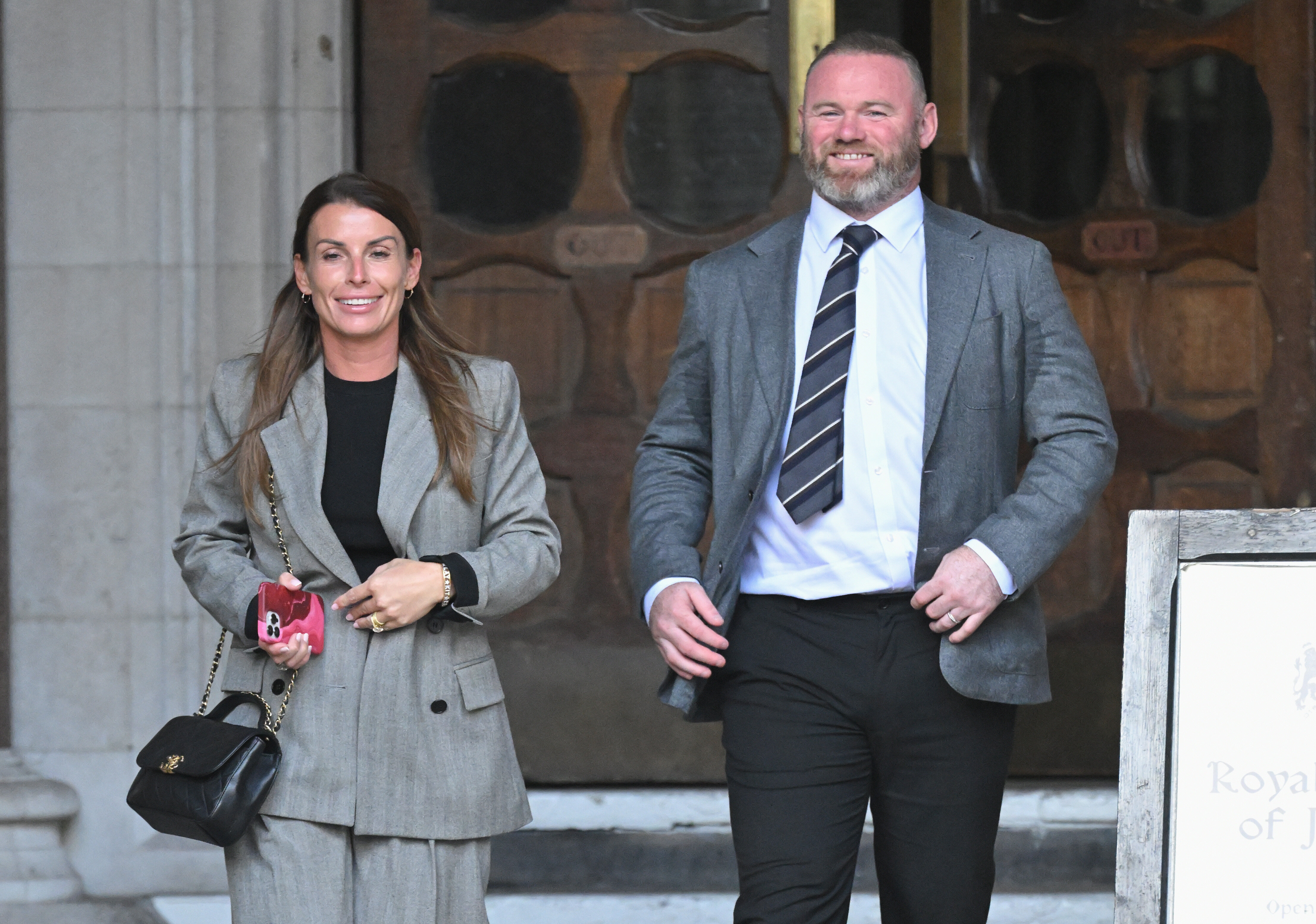
Coleen leaving court with her husband Wayne

Karwai Tang via Getty Images

However, Rebekah’s legal representative Hugh Tomlinson QC insisted that Coleen had “failed to produce any evidence” that his client had “regularly and frequently abused her status as a trusted follower” of her private Instagram account by passing on information from it to The Sun.

He added: “Mrs Vardy’s case is and always has been that she did not leak the information nor did she authorise anyone else to leak.”

“She does not know to this day what happened,” he said. “She does not know where this information came from.”

The barrister also claimed that Rebekah had suffered “very serious harm to her reputation” as a result of Coleen’s initial post.

Share Button

Online drugs: Easy access fed mum’s addiction to benzos

Experts are concerned about a growth in drugs sold easily online to patients, bypassing doctors.

Share Button

Couple stuck in Turkey after baby born prematurely

Stephen and Louise Crawshaw-Bowen are worried about bills after insurers said they were not covered.

Share Button