Four months after a young woman died in a mental health unit, another patient tried to harm herself in similar circumstances, leaked documents show.


Four months after a young woman died in a mental health unit, another patient tried to harm herself in similar circumstances, leaked documents show.
Lucy Letby was free to work without any restrictions imposed by the regulator until she was charged.

Labour splits have erupted over Shabana Mahmood’s plans for a Danish-style immigration crackdown.
The home secretary has been impressed by the Scandinavian country’s success in increasing the number of illegal migrants being deported.
Denmark has also taken steps to reduce the so-called “pull factors” which made the country attractive to immigrants.
Advertisement
These include tighter rules on family reunions and limiting the amount of time refugees can stay.
Asylum seekers are also required to be in full-time employment, and the length of time it takes to acquire residency rights has been extended.
Their approach has reduced the number of asylum applications to the lowest number in 40 years and the removal of 95% of rejected asylum seekers.
Among the measures being considered by Mahmood include returning asylum seekers fleeing persecution once conditions in their countries improve.
Advertisement
Home Office officials visited Denmark last month to see how their immigration and asylum system works in practice.
It comes amid criticism of Labour’s attempts to stop asylum seekers crossing the Channel in small boats. More than 1,200 have made the perilous journey in the past two days alone.
Mahmood is expected to announce the government’s new, tougher approach in the coming weeks.
Red Wall Labour MPs in the Midlands and north of England have welcomed the plans, but left-wing backbenchers are opposed.
Advertisement
Stoke-on-Trent Central Labour MP Gareth Snell told BBC Radio 4 it was “worth looking at what best practice we can find from our sister parties around the world where they have managed to find practical solutions” to managing immigration.
Bassetlaw MP Jo White told GB News: “I very much welcome that we have a Home Secretary who’s willing to look at every way of what we can do to reduce the number of people coming over here on boats.
“She’s looking at what’s happening in Denmark, and I think there’s a British way of adopting some of those policies.”
Advertisement
But Nottingham East MP Nadia Whittome described the Danish model, as “far-right”.
“I don’t think anyone wants to see a Labour government flirting with them,” she said.
Clive Lewis warned that a tougher approach on immigration risked Labour losing more voters to party’s on the left.
“Denmark’s Social Democrats have gone down what I would call a hardcore approach to immigration,” he said. “They’ve adopted many of the talking points of what we would call the far right.
“Labour does need to win back some Reform-leaning voters but you can’t do that at the cost of losing progressive votes.”
Advertisement

Leading flu experts say they will not be surprised if this year’s is the worst flu season for a decade.

It feels like we went from 9pm sunsets to a black sky at half bloomin’ four in a matter of seconds.
And with increasing darkness comes the onset of seasonal affective disorder (SAD) and vitamin D deficiencies for some. That’s not to mention potentially dysregulated sleep and decreased physical activity, either.
So perhaps it’s no wonder that Brenig Moore, health and safety and technical officer at Astutis, told HuffPost UK: “Lunch breaks matter all year round, but more so over the darker seasons of autumn and winter”.
Advertisement
In fact, Moore said, a 15-minute change to your lunch break could be considered a “basic safety requirement”.
Sunlight during winter is scarce, which can deplete your stores of vitamin D and even disrupt your sleep.
But it will likely be too dark to get enough of that sweet sunlight on the other side of your work day.
Advertisement
So, the Royal Osteoporosis Society’s advice – “to let the sun shine on your face or arms for about 10 minutes between 11am and 3pm” – might be best achieved for many on their lunch break.
“It is a basic safety requirement to get out and take a small walk for at least ten minutes to boost your alertness, mood and energy,” Moore revealed.
He added, “Short days mean your body’s natural wake/sleep cycle is disrupted. Even just fifteen minutes outdoors can help you avoid that mid-afternoon slump that leads to mistakes, stress and burnout.”
Advertisement
Even your joints struggle in the colder, more sedentary months, he continued.
“Cold weather tightens muscles and joints, and what’s going to make that even worse is sitting in the same office chair all day… Moving at midday resets posture and reduces aches that lead to long-term issues.”
It may be especially useful in times of high pressure, the health expert stated: “Winter workloads spike, but powering through kills efficiency… The people who pace themselves work smarter, not longer. A 30-minute break can save hours of tired mistakes.”
Advertisement
“You may find your mood to be a lot lower in winter than it is in summer, and this isn’t uncommon,” Moore said.
“A break in natural light helps keep serotonin levels stable, and stops stress building up and overwhelming you.”
Not enough motivation?
“Constant screen time drains the brain. Stepping away at lunch resets concentration and judgement, which will lower the risk of accidents happening both at work and at home,” the expert ended.
Advertisement
“By going out and resetting your brain, you’re less likely to come back to the office or your laptop and make any mistakes. Some accidents may just be something as simple as not including an attachment in an email, but some accidents may be something that could cause injuries for you or others in the workplace.”
BRB, just putting my trainers on…


In California’s Death Valley, where summer heat often surpasses 120 degrees Fahrenheit, survival appears almost impossible. Yet, among the cracked soil and intense sunlight, one native plant not only endures but flourishes.
That plant, Tidestromia oblongifolia, has helped scientists at Michigan State University reveal how life can persist in such extreme conditions. Their findings offer a potential guide for developing crops that can survive in an increasingly hot climate.
In a study published in Current Biology, Research Foundation Professor Seung Yon “Sue” Rhee and Research Specialist Karine Prado report that T. oblongifolia actually grows more quickly under Death Valley’s summer conditions. The plant accomplishes this by fine-tuning its photosynthetic system to resist the damaging effects of heat.
A Plant That Grows Stronger in the Heat
For Prado, the project began with a simple question: how can this plant remain green and healthy when most others would wither within hours?
“When we first brought these seeds back to the lab, we were fighting just to get them to grow,” Prado said. “But once we managed to mimic Death Valley conditions in our growth chambers, they took off.”
Working with colleagues in the Rhee lab at MSU’s Plant Resilience Institute, Prado used custom-built growth chambers to reproduce the desert’s harsh light and extreme daily temperature shifts. The results were astonishing. In just 10 days, T. oblongifolia tripled its biomass. Meanwhile, other related species known for their heat tolerance stopped growing entirely.
The World’s Most Heat-Tolerant Plant
After only two days in extreme heat, T. oblongifolia expanded its photosynthetic comfort zone, allowing it to keep producing energy efficiently. Within two weeks, its optimal photosynthetic temperature rose to 45 degrees Celsius (113 degrees Fahrenheit) — higher than that of any major crop on record.
“This is the most heat-tolerant plant ever documented,” Rhee said. “Understanding how T. oblongifolia acclimates to heat gives us new strategies to help crops adapt to a warming planet.”
How the Desert Survivor Works
Using a combination of physiological tests, live imaging, and genomic analysis, the research team uncovered how T. oblongifolia coordinates multiple biological systems to survive.
Under Death Valley-level heat, the plant’s mitochondria — the structures that generate energy — move closer to the chloroplasts, where photosynthesis occurs. At the same time, the chloroplasts reshape into distinctive “cup-like” forms never before observed in higher plants. These adaptations may help the plant capture and recycle carbon dioxide more efficiently, maintaining energy production even under stress.
Within 24 hours of heat exposure, thousands of genes adjust their activity. Many are involved in shielding proteins, membranes, and photosynthetic machinery from damage. The plant also increases production of an enzyme known as Rubisco activase, which helps keep photosynthesis functioning smoothly at high temperatures.
Lessons for Future Agriculture
With global temperatures expected to rise by as much as 5 degrees Celsius by the end of the century, extreme heat is already reducing yields for essential crops like wheat, maize, and soybeans. As the global population grows, scientists are racing to find ways to sustain food production.
“T. oblongifolia shows us that plants have the capacity to adapt to extreme temperatures,” Rhee said. “If we can learn how to replicate those mechanisms in crops, it could transform agriculture in a hotter world.”
Learning From Nature’s Toughest Survivors
For decades, plant biology has centered on model species that are easy to cultivate, such as Arabidopsis, rice, and maize. Rhee believes it is time to look beyond these familiar plants and study species that have evolved to endure the world’s harshest environments.
“Desert plants have spent millions of years solving the challenges we’re only beginning to face,” she said. “We finally have the tools, such as genomics, high-resolution live imaging and systems biology, to learn from them. What we need now is broader support to pursue this kind of research.”
Her lab is already applying these insights, studying how the genes and cellular structures that give T. oblongifolia its extraordinary resilience might be used to make food crops more heat-tolerant.
“This research doesn’t just tell us how one desert plant beats the heat,” Prado said. “It gives us a roadmap for how all plants might adapt to a changing climate.”
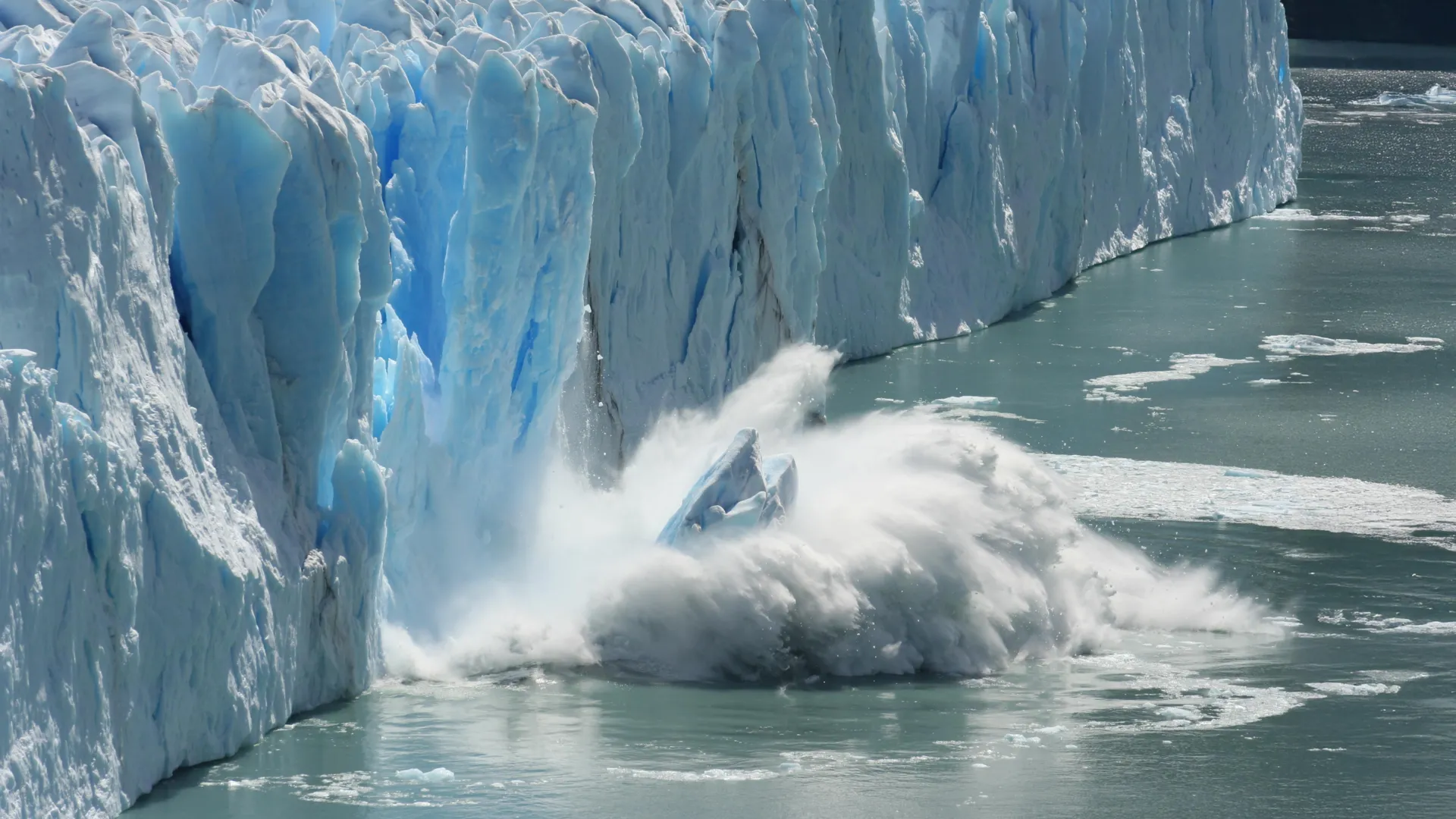
A new study published in Nature Geoscience reveals that the East Antarctic Ice Sheet (EAIS) experienced a major retreat about 9,000 years ago, triggered by a powerful feedback between melting ice and ocean currents. Led by Professor Yusuke Suganuma of the National Institute of Polar Research (NIPR) and the Graduate University for Advanced Studies (SOKENDAI), the research team discovered that warm deep water flowing into coastal East Antarctica caused ice shelves to collapse, which in turn sped up inland ice loss.
The findings suggest that Antarctic ice retreat is not confined to one area but can spread across regions through oceanic links, amplifying ice loss on a continental scale. This process, in which meltwater from one region accelerates melting elsewhere, is known as a “cascading positive feedback.” Understanding this chain reaction offers crucial insight into why Antarctic ice sheets may be inherently unstable, both in the distant past and in the modern era.
Reconstructing Ancient Ice-Sheet Collapse
The study set out to identify what caused the large-scale ice loss in East Antarctica thousands of years ago.
The East Antarctic Ice Sheet, which holds over half of Earth’s freshwater, is already losing ice in some coastal zones today. Knowing how these massive ice systems responded to earlier warm periods provides valuable clues to their future under modern climate change. To trace this history, the team analyzed marine sediment cores collected from Lützow-Holm Bay, near Japan’s Syowa Station along the Sôya Coast. These were combined with geological and geomorphological surveys across Dronning Maud Land.
The sediments were obtained through decades of Japanese Antarctic Research Expeditions (JARE) between 1980 and 2023, including recent sampling from the icebreaker Shirase. Using sedimentological, micropaleontological, and geochemical analyses, along with measurements of beryllium isotope ratios (10Be/9Be), the researchers reconstructed past environmental changes in the bay. Their data show that around 9,000 years ago, warm Circumpolar Deep Water (CDW) surged into the bay, leading to the collapse of floating ice shelves. Once these shelves broke apart, their loss of structural support allowed inland ice to accelerate toward the sea.
Modeling Reveals a Cascading Ocean Feedback
To determine why warm deep water intensified during that period, the researchers ran climate and ocean circulation models. These simulations showed that meltwater from other Antarctic regions, including the Ross Ice Shelf, spread throughout the Southern Ocean. This influx of freshwater freshened the surface ocean, strengthening vertical stratification and preventing cold surface water from mixing downward.
As a result, warm deep water was able to move more easily toward East Antarctica’s continental shelf. This created a reinforcing cycle: meltwater increased stratification, which in turn enhanced warm-water inflow, causing even more melting. The models demonstrate that this kind of interconnected “cascading feedback” could allow melting in one sector of Antarctica to trigger or accelerate ice loss in others through large-scale ocean circulation patterns.
A Warning Echoing Across Millennia
The research provides some of the clearest evidence yet that Antarctica’s ice sheet can undergo self-reinforcing, widespread melting when the planet warms. Although the event occurred in the early Holocene epoch, when global temperatures were naturally higher than during the last Ice Age, the same physical processes are relevant today.
Modern observations show that parts of the West Antarctic Ice Sheet — such as the Thwaites and Pine Island glaciers — are already retreating rapidly as warm deep water intrudes beneath them. If similar cascading feedbacks are happening now, localized melting could spread and accelerate overall ice loss, contributing to faster global sea-level rise.
International Collaboration and Global Implications
The project involved more than 30 institutions, including NIPR, the Geological Survey of Japan (AIST), the Japan Agency for Marine-Earth Science and Technology (JAMSTEC), the University of Tokyo, Kochi University, Hokkaido University, and partners from New Zealand, Spain, and other countries.
This large-scale collaboration combined field surveys, marine sediment studies, cosmogenic nuclide dating, and advanced coupled climate-ocean modeling to reconstruct how the Antarctic ice-ocean system evolved.
Professor Suganuma emphasized the broader meaning of the findings: “This study provides essential data and modeling evidence that will facilitate more accurate predictions of future Antarctic ice-sheet behavior. The cascading feedbacks identified in this study serve to underscore the notion that minor regional alterations can potentially engender global ramifications.”

New research from NASA’s Cassini mission reveals that Enceladus, one of Saturn’s most intriguing moons and a prime candidate for extraterrestrial life, is releasing heat from both poles. This surprising discovery suggests the icy world has the long-term thermal balance needed for life to possibly take hold. The findings were published on November 7 in Science Advances.
A team of scientists from Oxford University, the Southwest Research Institute, and the Planetary Science Institute in Tucson, Arizona, has uncovered the first evidence of significant heat flow at Enceladus’ north pole. Until now, scientists believed that heat loss was limited to the south pole, where geysers shoot water vapor and ice particles into space. The new measurements confirm that Enceladus is far more thermally active than previously thought, indicating that it generates and releases much more heat than a dormant, frozen moon would.
A Hidden Ocean Beneath the Ice
Enceladus is a geologically active world with a global, salty ocean hidden beneath its icy surface. Scientists believe this ocean is the main source of the moon’s internal heat. Because it contains liquid water, warmth, and essential chemical ingredients (such as phosphorus and complex hydrocarbons), this underground sea is considered one of the most promising environments in the solar system for life beyond Earth.
For life to thrive, Enceladus’ ocean must remain stable over long periods, maintaining an equilibrium between energy gained and lost. This balance is sustained through tidal heating, caused by Saturn’s powerful gravitational pull that stretches and compresses the moon as it orbits. If too little heat is produced, Enceladus’ surface activity would fade, and its ocean could eventually freeze. Too much energy, however, might trigger excessive geological activity, disrupting the delicate environment that supports its ocean.
“Enceladus is a key target in the search for life outside the Earth, and understanding the long-term availability of its energy is key to determining whether it can support life,” explained Dr. Georgina Miles (Southwest Research Institute and Visiting Scientist at the Department of Physics, University of Oxford), the study’s lead author.
Measuring Enceladus’ Mysterious Warmth
Until recently, scientists had only measured heat loss at the moon’s south pole. The north pole was believed to be geologically quiet and inactive. To challenge this assumption, the research team used data from NASA’s Cassini spacecraft to study the north polar region during two key periods: the deep winter of 2005 and the summer of 2015. These observations allowed scientists to estimate how much energy Enceladus loses as heat moves from its relatively “warm” subsurface ocean (0°C, 32°F) through its icy crust to the surface, which remains bitterly cold (-223°C, -370°F), before escaping into space.
By modeling expected surface temperatures during the long polar night and comparing them with infrared data from Cassini’s Composite InfraRed Spectrometer (CIRS), researchers found that the north pole’s surface was roughly 7 K warmer than expected. The only explanation for this excess warmth is heat leaking upward from the hidden ocean.
The team measured a heat flow of 46 ± 4 milliwatts per square meter. While that may sound modest, it equals about two-thirds of the average heat escaping through Earth’s continental crust. Across Enceladus, this amounts to about 35 gigawatts of energy — roughly the power produced by 66 million solar panels (530 W each) or 10,500 wind turbines (3.4 MW each).
A Stable Ocean Beneath the Ice
When the new measurements are combined with the heat previously detected at the active south pole, Enceladus’ total heat loss reaches about 54 gigawatts. This figure aligns closely with predictions of how much heat should be generated by tidal forces. The nearly perfect balance between heat creation and loss indicates that Enceladus’ ocean could remain liquid for vast spans of time, offering a stable, long-term environment that might allow life to develop.
“Understanding how much heat Enceladus is losing on a global level is crucial to knowing whether it can support life,” said Dr. Carly Howett (Department of Physics, University of Oxford and Planetary Science Institute in Tucson, Arizona), corresponding author of the study. “It is really exciting that this new result supports Enceladus’ long-term sustainability, a crucial component for life to develop.”
How Long Has the Ocean Existed?
The next challenge for scientists is to determine how long Enceladus’ ocean has been around. If it has existed for billions of years, the conditions for life would have been stable long enough for it to potentially emerge. However, the exact age of the ocean remains uncertain.
Mapping Enceladus for Future Missions
The research also demonstrated that thermal readings can help estimate the thickness of Enceladus’ ice shell, an important factor for planning future missions that may attempt to explore its ocean using robotic probes or landers. The analysis suggests that the ice is 20 to 23 km thick at the north pole, and about 25 to 28 km thick on average across the moon — slightly deeper than earlier estimates derived from other models.
“Eking out the subtle surface temperature variations caused by Enceladus’ conductive heat flow from its daily and seasonal temperature changes was a challenge, and was only made possible by Cassini’s extended missions,” added Dr. Miles. “Our study highlights the need for long-term missions to ocean worlds that may harbor life, and the fact the data might not reveal all its secrets until decades after it has been obtained.”
You might not have heard of it, but can training your vagus nerve give you a moment or two of peace?
In her first UK interview Megan Garcia speaks to Laura Kuenssberg about the death of her teenage son.
