Up to 5,000 people in Scotland will take the injections as part of a multi-million pound study being led by Glasgow University.


Up to 5,000 people in Scotland will take the injections as part of a multi-million pound study being led by Glasgow University.
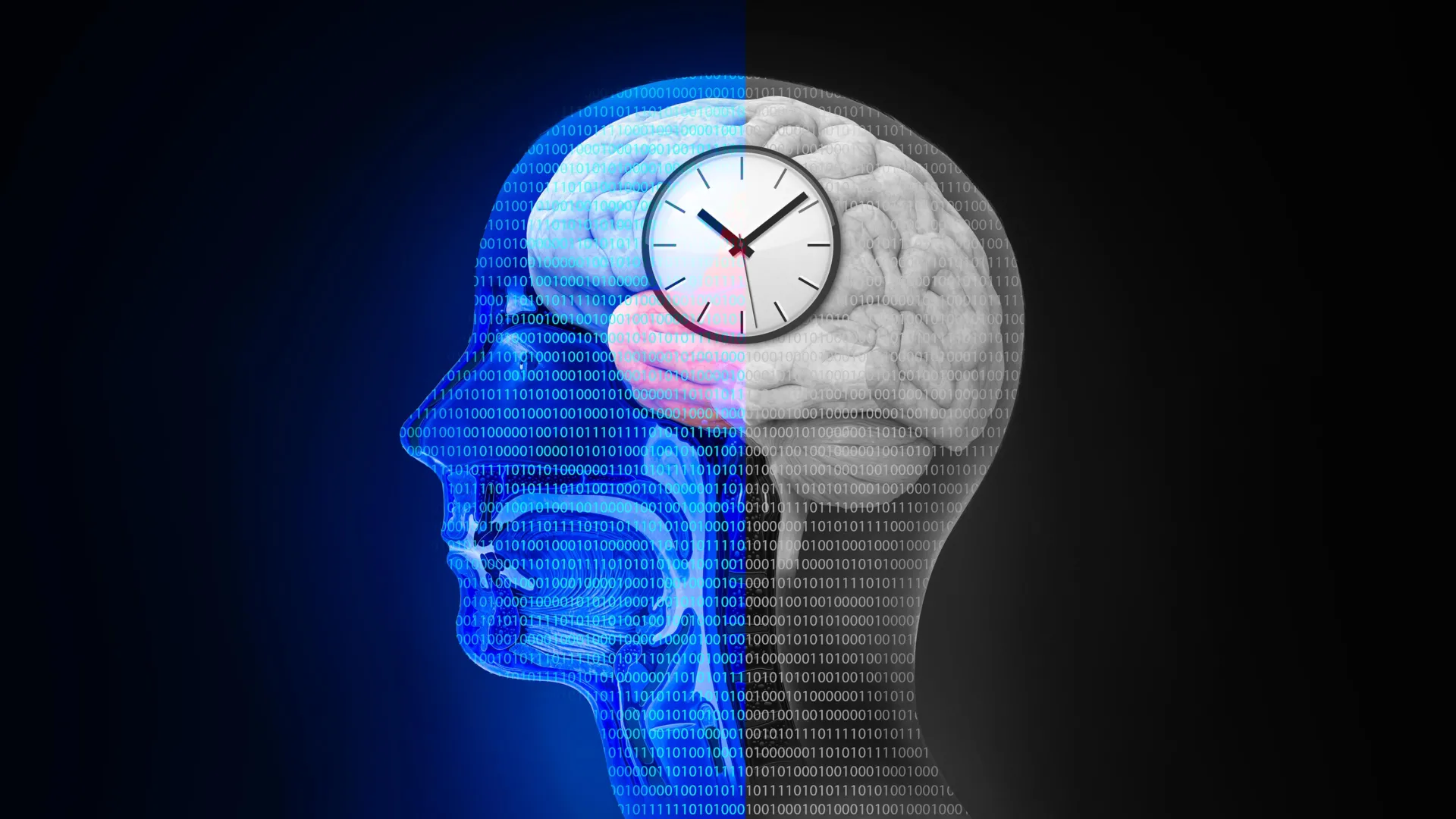
Disrupting communication between the body’s internal clock and the brain could help limit neurodegeneration in Alzheimer’s disease, according to new research from Washington University School of Medicine in St. Louis (WashU Medicine). The study, published in Nature Aging, explored how changes in the circadian system affect brain health and memory in mouse models of Alzheimer’s disease.
Led by Erik Musiek, MD, PhD, the Charlotte & Paul Hagemann Professor of Neurology at WashU Medicine, and first author Jiyeon Lee, PhD, the research team investigated whether blocking a specific circadian clock protein might slow the progression of neurodegeneration. They found that inhibiting the activity of this protein lowered levels of tau, a toxic protein linked to Alzheimer’s pathology, and reduced damage to brain tissue.
REV-ERBα, NAD+, and Brain Aging
The circadian protein under investigation, called REV-ERBα, helps regulate the body’s daily rhythms of metabolism and inflammation. While its role in the brain has been less understood, earlier studies in other tissues showed that REV-ERBα influences levels of nicotinamide adenine dinucleotide (NAD+), a molecule vital for metabolism, energy production, and DNA repair. Declining NAD+ levels are closely associated with brain aging and neurodegenerative conditions. Many over-the-counter supplements aim to raise NAD+ as a strategy to slow aging and promote cellular health.
To test REV-ERBα’s role, the team genetically deleted the protein in two groups of mice: one in which the deletion occurred throughout the body, and another where it was removed only in astrocytes (supportive glial cells that form a major part of the central nervous system). In both cases, NAD+ levels rose significantly. The results suggest that eliminating REV-ERBα in astrocytes directly boosts NAD+ in the brain, pointing to a potential path for future treatments targeting neurodegeneration.
Drug Treatment Protects Against Tau Pathology
In a further experiment, the researchers blocked REV-ERBα using both genetic methods and a new drug that has also shown promise in studies of amyloid-β and Parkinson’s disease. This approach increased NAD+ levels and shielded the mice from tau-related brain damage. Tau aggregates are known to disrupt brain function and drive neurodegenerative diseases such as Alzheimer’s.
The findings suggest that manipulating the body’s internal clock — specifically by inhibiting REV-ERBα — could represent a new way to protect the brain, prevent tau buildup, and potentially slow or halt the progression of Alzheimer’s disease.

Forget the old idea that physical activity drains your supply of heartbeats. New research from Australia shows that people who are physically fit actually use fewer heartbeats each day, which may help them live longer.
According to the study, athletes had an average heart rate of 68 beats per minute (bpm), while non-athletes averaged 76 bpm. Over a 24-hour period, this equals roughly 97,920 beats for athletes compared to 109,440 for non-athletes — about 10 percent fewer.
“That’s an incredible saving of about 11,500 beats a day,” says Professor La Gerche, head of the HEART Laboratory supported by the St Vincent’s Institute of Medical Research (SVI) and the Victor Chang Cardiac Research Institute (VCCRI).
He adds, “Even though athletes’ hearts work harder during exercise, their lower resting rates more than make up for it.”
Exercise Efficiency and Heart Health
The study, published in JACC: Advances, found that the most physically fit individuals had resting heart rates as low as 40 bpm, compared to the typical 70-80 bpm range. This means that, despite higher peaks during training, athletes still end up with fewer total beats across the day than those who are inactive.
These results challenge a long-held belief, once repeated by US President Donald Trump, that the human body is like a battery with a limited energy supply and that exercise only depletes it.
“The fitter you are, the more metabolically efficient your body becomes,” Professor La Gerche explains. “Even if you’re training hard for an hour a day, your heart beats more slowly for the other 23 hours. The net effect is fewer beats used overall.”
A slower resting heart rate is not only a sign of good physical condition but also a strong indicator of long-term health. Increasing physical activity, when done safely, can enhance heart performance and reduce the risk of cardiovascular disease.
“Exercise is strongly linked with improved mental health, longer lifespan and lower rates of heart disease,” Professor La Gerche says.
Moderate Exercise Delivers the Biggest Benefits
Although extreme endurance events such as the Tour de France can cause temporary increases in daily heartbeats, Professor La Gerche notes that the health benefits of consistent, moderate exercise far outweigh any risks.
“The biggest bang for your health buck is going from unfit to moderately fit. Just a few hours of purposeful exercise each week can transform your heart’s efficiency and help make every beat count. It may even extend your life by years,” he says.
About the HEART Lab
Professor La Gerche leads the Heart, Exercise & Research Trials (HEART) Lab, which investigates how exercise influences heart health, in partnership with SVI and VCCRI. By studying elite athletes, the team uncovers findings that reach well beyond sports performance, offering valuable insights for people living with serious heart conditions.

Screen time tied to early heart and metabolic risks
Children and teens who spend many hours on TVs, phones, tablets, computers or gaming systems appear to face higher chances of cardiometabolic problems, such as elevated blood pressure, unfavorable cholesterol levels and insulin resistance. The findings are reported in the Journal of the American Heart Association, an open-access, peer-reviewed journal of the American Heart Association.
A 2023 scientific statement from the American Heart Association reported that “cardiometabolic risk is accruing at younger and younger ages,” and that only 29% of U.S. youth ages 2 to 19 had favorable cardiometabolic health in 2013-2018 National Health and Nutrition Examination Survey data.
Danish cohorts show a consistent pattern
An evaluation of more than 1,000 participants from two Danish studies found a clear connection: more recreational screen time was significantly associated with greater cardiovascular and overall cardiometabolic risk among children and adolescents.
“Limiting discretionary screen time in childhood and adolescence may protect long-term heart and metabolic health,” said study lead author David Horner, M.D., PhD., a researcher at the Copenhagen Prospective Studies on Asthma in Childhood (COPSAC) at the University of Copenhagen in Denmark. “Our study provides evidence that this connection starts early and highlights the importance of having balanced daily routines.”
What researchers measured
The team analyzed two COPSAC groups: one of 10-year-olds followed in 2010 and one of 18-year-olds followed in 2000. They examined how leisure screen use related to cardiometabolic risk factors. Screen time included watching TV and movies, gaming and time on phones, tablets or computers for fun.
To capture overall risk, researchers created a composite cardiometabolic score based on multiple components of metabolic syndrome, including waist size, blood pressure, high-density lipoprotein or HDL “good” cholesterol, triglycerides and blood sugar levels. They adjusted for sex and age. The score reflects each participant’s risk relative to the study average (in standard deviations): 0 indicates average risk, and 1 indicates one standard deviation above average.
Each hour adds up
The analysis showed that every additional hour of recreational screen time was linked with an increase of about 0.08 standard deviations in the cardiometabolic score for the 10-year-olds and 0.13 standard deviations for the 18-year-olds. “This means a child with three extra hours of screen time a day would have roughly a quarter to half a standard-deviation higher risk than their peers,” Horner said.
“It’s a small change per hour, but when screen time accumulates to three, five or even six hours a day, as we saw in many adolescents, that adds up,” he said. “Multiply that across a whole population of children, and you’re looking at a meaningful shift in early cardiometabolic risk that could carry into adulthood.”
Sleep appears to intensify the risk
Short sleep and later bedtimes strengthened the relationship between screen time and cardiometabolic risk. Youth who slept less showed notably higher risk linked to the same amount of screen exposure.
“In childhood, sleep duration not only moderated this relationship but also partially explained it: about 12% of the association between screen time and cardiometabolic risk was mediated through shorter sleep duration,” Horner said. “These findings suggest that insufficient sleep may not only magnify the impact of screen time but could be a key pathway linking screen habits to early metabolic changes.”
Metabolic “fingerprint” linked to screen use
In a machine learning analysis, investigators identified a distinctive pattern of blood metabolites that appeared to correlate with screen time.
“We were able to detect a set of blood-metabolite changes, a ‘screen-time fingerprint,’ validating the potential biological impact of the screen time behavior,” he said. “Using the same metabolomics data, we also assessed whether screen time was linked to predicted cardiovascular risk in adulthood, finding a positive trend in childhood and a significant association in adolescence. This suggests that screen-related metabolic changes may carry early signals of long-term heart health risk.
“Recognizing and discussing screen habits during pediatric appointments could become part of broader lifestyle counseling, much like diet or physical activity,” he said. “These results also open the door to using metabolomic signatures as early objective markers of lifestyle risk.”
Practical guidance from experts
Amanda Marma Perak, M.D., M.S.CI., FAHA, chair of the American Heart Association’s Young Hearts Cardiovascular Disease Prevention Committee, who was not involved in this research, said focusing on sleep is a great starting point to change screen time patterns.
“If cutting back on screen time feels difficult, start by moving screentime earlier and focusing on getting into bed earlier and for longer,” said Perak, an assistant professor of pediatrics and preventive medicine at Northwestern University Feinberg School of Medicine in Chicago.
Adults can also set an example, she said. “All of us use screens, so it’s important to guide kids, teens and young adults to healthy screen use in a way that grows with them. As a parent, you can model healthy screen use — when to put it away, how to use it, how to avoid multitasking. And as kids get a little older, be more explicit, narrating why you put away your devices during dinner or other times together.
“Make sure they know how to entertain and soothe themselves without a screen and can handle being bored! Boredom breeds brilliance and creativity, so don’t be bothered when your kids complain they’re bored. Loneliness and discomfort will happen throughout life, so those are opportunities to support and mentor your kids in healthy ways to respond that don’t involve scrolling.”
Important caveats and next questions
Because this work is observational, it reveals associations rather than direct cause and effect. In addition, screen use for the 10-year-olds and 18-year-olds was reported by parents through questionnaires, which may not perfectly reflect actual time spent on screens.
Horner noted that future studies could test whether reducing screen exposure in the hours before bedtime, when screen light may disrupt circadian rhythms and delay sleep onset, helps lower cardiometabolic risk.
Study details, background and design
In my youth (read: a couple of months ago, when it was still bright out), I tried “Japanese walking,” “Jeffing,” and strength training to stay active.
Now that it’s cold and dark, and I have adopted the appropriate hermit lifestyle, it’s more about walking in what little daylight I can access and, to be honest, skipping the gym.
Advertisement
This is not, I know, good for me. Staying active in winter is good for our mental health and can even help to regulate our sleep as daylight disappears.
But I need to be realistic, too: I work from home and rarely feel up for getting my good (well, non-PJ) togs on of a gloomy evening or dark morning.
So, I began to try “movement snacking” – a trend that allows me to incorporate tiny workouts in between typing flurries.
Advertisement
Now, I can’t imagine a work week without it. It’s helped my upper back and shoulder pain a lot, too – I feel a lot less stiff and sore.
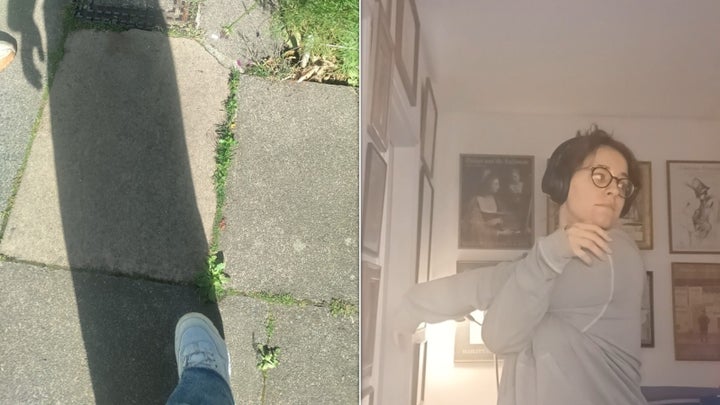
Amy Glover / HuffPost UK
It involves including multiple small movement sessions, like 10 squats or a five-minute walk, into your day rather than relying on a single large block of exercise.
Advertisement
A 2022 paper found that even one-minute bursts appeared to have health benefits in small proof-of-concept studies.
And a 2025 systematic review showed that “movement snacks” lasting at least five minutes, performed twice daily or more, “improved cardiorespiratory fitness in physically inactive adults”.
For me, that took the form of a couple of squats after writing an article or a little turn around the block during lunch. I reckon I spend, on average, about three to five minutes on roughly four sessions.
Advertisement
Speaking to HuffPost UK, Dr Suzanne Wylie, GP and medical adviser for IQdoctor, said: “I think ‘movement snacking’ is an excellent and very sustainable approach to maintaining musculoskeletal health, especially for people with sedentary jobs.
“It’s realistic, easy to integrate into a busy day, and doesn’t require special equipment or a gym setting. Even a minute or two of stretching, shoulder rolls, or walking around every 30–60 minutes can have cumulative benefits for your comfort, flexibility, and energy levels.”
The doctor added that she often recommends similar approaches to her patients, “as small, consistent movements can make a big difference to how the body feels and functions over time”.
Advertisement
I’ve noticed that my upper back feels a lot less tense and sore now that I’ve begun “movement snacking” (and I think it’s helped my midday mood, too).
According to Dr Wylie, the two may be related.
“It’s very plausible that your improvement is directly linked to practising ‘movement snacking,’” she shared.
Advertisement
“When we remain seated for prolonged periods, particularly when working at a desk or computer, the muscles in the shoulders, upper back, and neck can become tense and shortened, while the supporting postural muscles weaken over time.
“This can lead to stiffness, discomfort, and even tension headaches. By incorporating short, regular bursts of movement throughout the day, you’re effectively breaking up those long periods of static posture.”
Exercise snacking may help, the GP ended, because “These brief stretches and mobility exercises help improve blood flow to the muscles, reduce joint stiffness, and encourage better posture”.
Advertisement
In other words, the trend may help more than your back – after all, some experts think it can help to manage your blood pressure, improve your heart health, and even support your metabolism too.
The best bit? From my experience, you won’t even notice you’re doing it – it’s so fun and easy, and helps to break up an otherwise monotonous stretch.
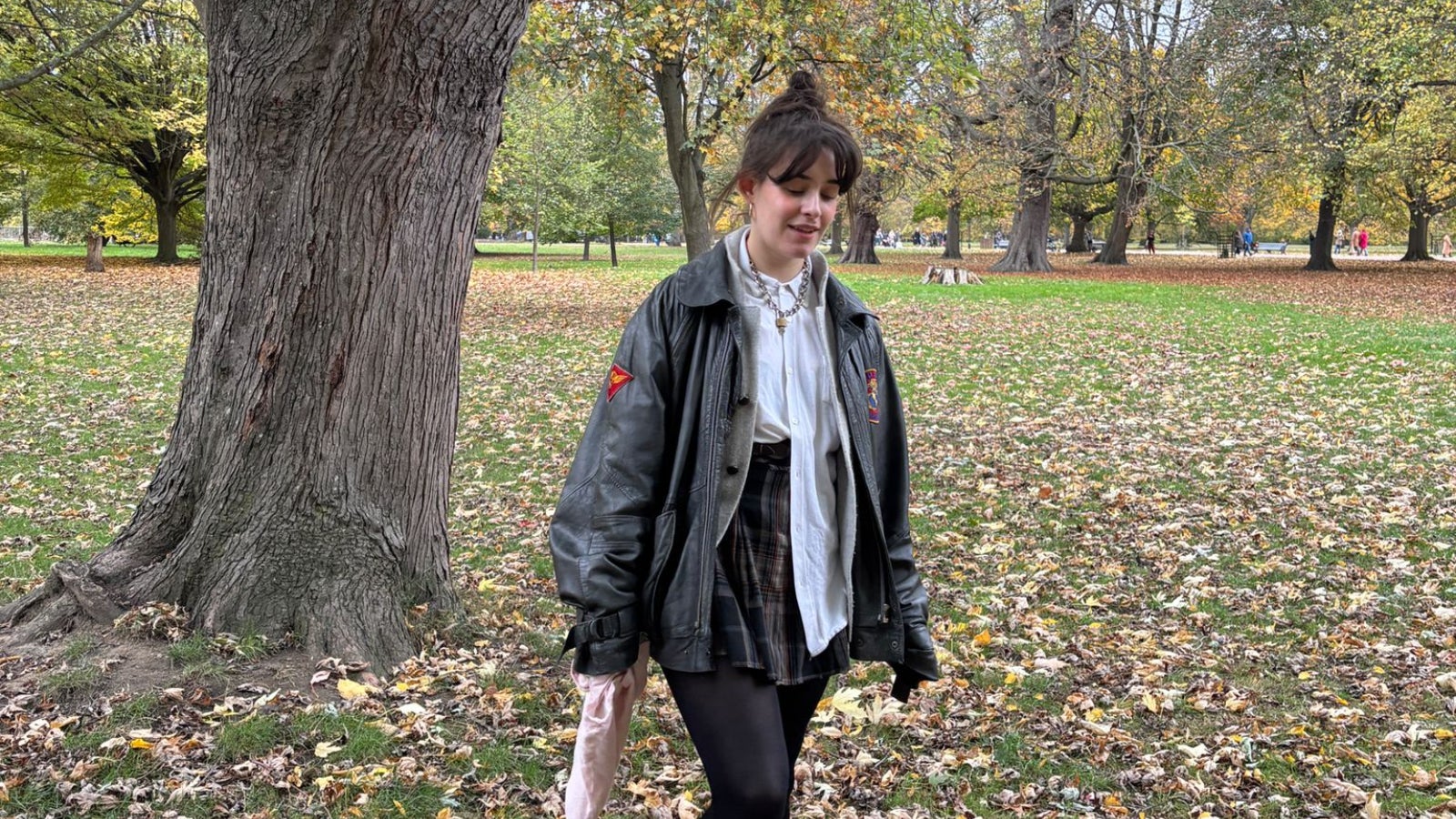
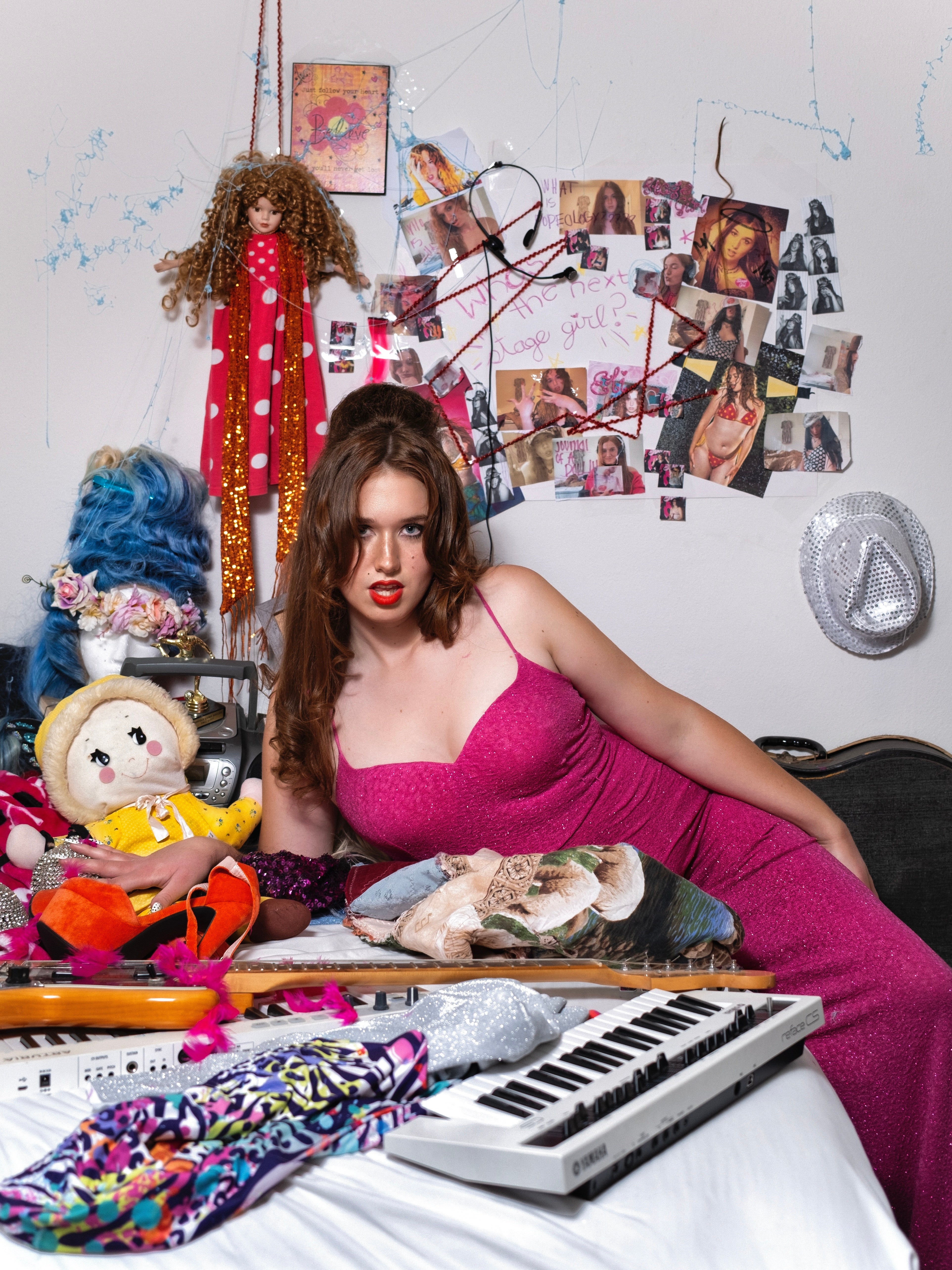
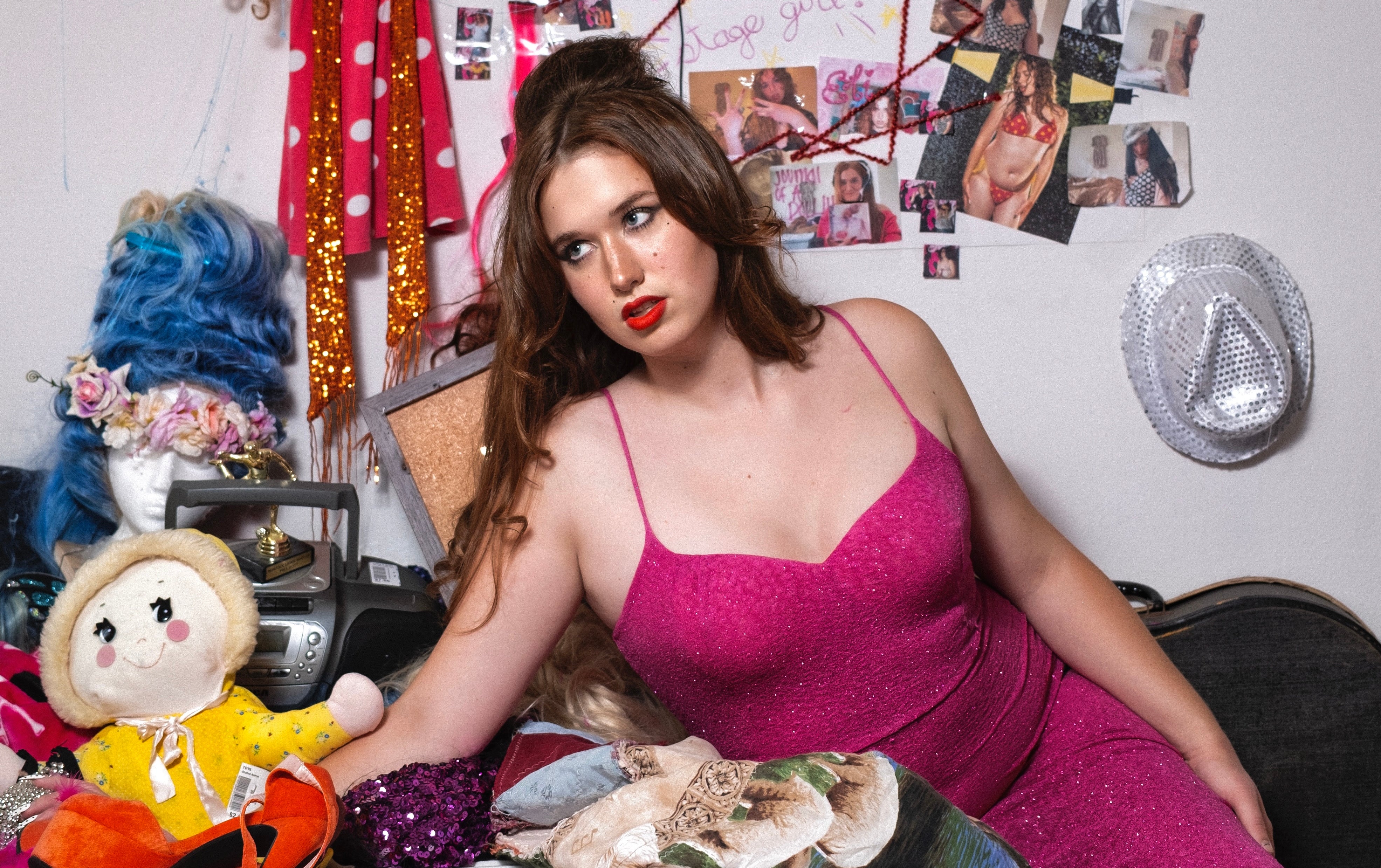
If there’s one thing to know about the singer-songwriter Eli, it’s that she loves pop music. Like, really loves it, with an appreciation that stretches right back to her childhood, a knowledge that verges on encyclopaedic and a passion that shines through not just in her music and her visuals, but also when we catch up with her just days before the release of her debut album, Stage Girl.
The first time Eli recalls being stopped in her tracks by pop music was hearing Mariah Carey’s Christmas album as a child in her family home.
Advertisement
“I know it’s a random one. I wish I could say that Glitter was being played in my house, but it wasn’t,” she tells HuffPost UK, referring to the oft-forgotten Mariah soundtrack album that eventually became a fan-favourite many years after it was initially released.
“My parents would play that album during the holiday season, and it was one of the first times that, in an insanely impactful way, I was hearing something and I was like, ‘what the fuck is entering my ears right now?’.
“I hate to say this, because people say this about a lot of singers and it’s cliché, but it felt like heaven’s gates were opening. Hearing her, while I was hanging ornaments on the tree, I was like, ‘I need to Shazam this’ – too scared to ask my parents like, ‘hey, who is this?’.”
Advertisement
From then, a young Eli quickly became obsessed with Miley Cyrus – or, more specifically, her Disney alter-ego.
“I live for Hannah Montana,” Eli enthuses. “Now, later in life, I’m owning the fact that she was such a big influence, because maybe from 15 to 20 or something, I would not want to say that. I would be like, ‘no, I love Björk’, or like, ‘I’m really into cool shit’. But Hannah Montana is cool as fuck.”

Advertisement
Looking back, it’s not too hard to imagine why Eli – growing up as a queer child in suburban Massachusetts, with what felt like impossible hopes of pursuing her own dreams – would feel an affinity to Miley’s character in the show, an unremarkable schoolgirl by day, who could don a blonde wig and become someone else entirely.
“There were so many layers underneath what the Disney corporation was putting forward,” she says of Hannah Montana. “That is my favourite stuff, when it peeks through. It reminds me of myself, and my little repressed life.
“Until now, I feel like a lot of things were being hidden, that were trying to shine through – things that I love about myself as a human now.”
Advertisement
Eli’s love for Miley continued as the former child star’s career evolved, and she shed her Disney image on songs like Can’t Be Tamed and during her headline-grabbing Bangerz era.
“Seeing it all unfold, it was so cool to see someone escape this place that may have been a bit repressed, or conservative, or ‘got to be bottled up’, ‘got to appeal to the masses’ and ‘appeal to the conservatives’ or whatever,” she says.
“I don’t want to intellectualise it too much, but it’s freaking incredible. And Hannah’s also a drag queen, and also I’m Trannah Montana – so I live for all of it.”
Advertisement
There’s an obvious reason Eli’s love of pop runs so deep. For the 25-year-old, it often felt like a lifeline during the more difficult and isolating times she faced in her own adolescence.
“Growing up in the prime MTV music video era, I’m seeing Britney Spears, and I’m thinking ‘who the fuck is this woman?’, and everything I ever wanted is being reflected back at me,” she recalls. “And I’m feeling ashamed about it, and confused about it. I’m also feeling invigorated and excited.”

Advertisement
For that reason, Eli is particularly upset about how pop has historically been so readily dismissed by so-called “serious” music critics and commentators, which she puts down to the fact it has always been a genre enjoyed by women and the queer community.
“It’s misogyny, and it’s patriarchy,” she states. “And it’s like, fuck your rock band. Fuck your boring dad music. It will never be Britney, it will never be Rihanna, it will never ever be Beyoncé, it will never be Madonna, it will never be the glitz, the glam…”
“And not even the glitz and glam!” Eli continues, interrupting her own train of thought. “They tried to do the glitz and glam with fucking glam rock. It’s such an annoying thing, too, when people value [men embracing ‘glam rock’] as high fucking art. And I’m like… from California Gurls and Teenage Dream, I’m getting double, triple, quadruple artistry in that than any of these boring rock bands.”
Advertisement
“Not David Bowie,” she quickly points out. “Sorry, David Bowie, it’s not about you. But some of these examples – what? You fuck with them because they’re men, and they can wear their hair all colourful, and wear a jumpsuit, but [women] can’t? Fuck you!”
She laments that this “double standard” even permeates those who love pop, pointing out: “Growing up with Kesha and Rihanna and a lot of others, it was like, ‘they can’t sing’. And that shit got to me. I was like, ’oh can they not sing? What is this?’.
“It’s not good, because it affects everyone. You’re so young and impressionable, and there’s so much internalised misogyny, homophobia, all these horrible fucking things.”
Advertisement
Because of this, Eli found that she often felt a mixture of emotions about owning up to loving the pop stars she idolised when she was growing up.
Listing key moments like seeing Katy Perry’s debut album cover for the first time at Barnes And Noble, or watching tour clips of Ariana Grande on YouTube, Eli remembers “crying in my bed, feeling like, ‘oh my god, I could never be a beautiful feminine woman who embodies everything that I feel like life is about’”.
“They felt like these incredibly important moments in my life, that for a while I was embarrassed by, because of, probably, a lot of the judgement that comes from a lot of the, like, horrible things that men do…” she admits.
Advertisement
For that reason, when Eli was putting Stage Girl together, she had in the forefront of her mind that she wanted to create something her younger self would be proud of.

“Everything from the titles to the lyrics to the sound choices in my production to the cover art of the singles and the cover art of the album, it’s all about little five-year-old Eli, six-year-old Eli, 12-year-old Eli… what would have grabbed her?” she says. “What would have sucked her into this project and made her feel like, ‘I want to listen to this’?”
Advertisement
Much has been made of the Y2K aesthetic Eli appears to be leaning into in the sound and visuals for her new music, something many other pop artists have had success with in the last few years.
For Eli, though, there’s a deeper meaning to it all.
“It’s not a Y2K project, it’s not trying to recreate any kind of sound from the past,” she insists. “But it’s using sounds and things that existed at a time when I was not feeling safe, and was feeling dysphoric and very detached and a lot of the hard things that [still] make me [sad] – and reclaiming and to trying to give newer generations a place to escape into.”
Eli affirms that she’s happy she’s reached a place where she feels more comfortable “really showing up as me, and really letting myself exist as I am, even in a time when it’s scary to me”.
Advertisement
“It’s always, I guess, been scary to some extent,” she says, pausing, before changing tact. “But also fuck that, who cares? Let’s ignore the fact that it’s scary. No it’s not scary, actually, pause! I’m living!!”
At this, she beams a smile and lets out an excited scream.
“Being able to be in my body and showing up to music in such a new and exciting way for myself” is something she suggests “subconsciously unfolded” more and more as work on Stage Girl got underway.
“Everything was falling into place as I made pop songs that were just kind of out of… inauguration [terror],” she explains. “The [2024] election to the inauguration is when it started. It was like, ‘maybe I will be locked up and killed’, I was very scared, and still am scared! But…” she trails off again. “Ugh, we’re back to the scared.”
Advertisement
“But,” she insists. “I wanted to to lean into the joy, and lean into the glamour, and I think that is the driving force. I need that example, and I needed that example, and I had that example from women. And under the family tree of women, how amazing would it be if I’d had that from a trans woman?”
“It’s a small part of the work to be done,” she concedes. “But I do think art has an important place to [create that space] where a young trans woman or a young queer kid could dive into and could exist in, and – on the surface level, – dress up in a costume and have some fun.
“But under all of that, they could really explore, and unpack, and reclaim things that newer generations will also have to face because unfortunately, things are regressing in some ways. I would love to exist on the joyful side, or exist on the side where I am providing the escapism that I needed.”
Advertisement
And it’s not just her own complicated past she wants to reclaim on Stage Girl.
For the last few years, there’s been something of a reckoning over 2000s pop culture, whether that’s the way certain female pop stars were treated by the media, the overworking that many young musicians faced or the exploitation of contestants on shows like The X Factor and American Idol (Eli notes that she tried out for almost all these shows, but never got anywhere with any of them).
Alongside the Stage Girl album, Eli’s accompanying visuals have centred around a fictitious reality series of the same name, with which she hopes to create a more inclusive and welcoming space out of something that could previously have been associated with bullying and toxicity.
Advertisement
“There were some lovely, incredible things about seeing somebody who I saw myself in, who was like, ‘I’m working this day job’, or ‘I’m a 16-year-old girl and I’m from a random town and here I am, Jordin Sparks, here to perform’,” she says of her younger years spent watching American Idol. “That is amazing in itself. Her standing up there and showing the endless bounds of talent she has, that is beautiful.
“What’s not beautiful is… I don’t know if I should go into detail. But even watching back Jordin Sparks’ audition, I’m a little off-put by the way these male judges treated her. I mean I’m very off-put, honestly, by a lot of the moments that happened in all of those seasons. There were so many examples.”
Eli’s exposure to those kinds of shows from a young age, and the “abuse and bullying” faced by the contestants even led her to question whether the music industry was for her.
Advertisement
“I loved singing when I was little,” Eli explains. “I loved singing so much, it felt so joyful. But for the person who grew up watching all those shows – and has now made a project that touches upon talent shows and that kind of thing – there was something so horrifying, that I carried with me for years, watching these judges abuse and bully people, who were showing up with their ambition or with their dreams, and just getting completely made fun of in a very terrifying way.
“There was a period of years, where I was like, ‘well I can’t be a singer, because not only am I going to be bullied by these people and judged and ridiculed, also how do I know how what I’m showing up as, and what I think sounds beautiful, is going to be received?’”
As for Eli’s own pop dreams, they’re something that were established when she was a young child and “never left” her.
Advertisement
“My parents always tell this story,… we were at some kind of family gathering and I was just jumping on the tables at, like, four years old singing The Wiggles, trying to perform,” she enthuses. “And then I would put on shows for my family. My brother and I thought we were like The Jonas Brothers. And then [came] the internet – freaking singing on the internet, because where else was I gonna do it?
“I went behind my parents’ back because they were a little conservative. They were like, ‘you can’t make a social media account’ – which maybe is kind of fabulous of them, looking back. But I didn’t listen. I was just posting covers with tons of hashtags… I had a business email in my bio, and I was like, ‘I’m going to be a fucking star’.”
“And that never went away. I’m still mentally ill,” she adds with a laugh.
Advertisement
Anyone who’s engaged with Stage Girl so far will know that Eli’s sense of humour is an important part of her personal brand. Her videos have a home-made, DIY feel that allow her warmth and charm to shine through, and she’s also not afraid to lean into the ridiculous side of things to raise a smile or a laugh.
Eli says it’s “refreshing” to be releasing music at a time when other artists (she specifically lists Sabrina Carpenter, Audrey Hobert, Zara Larsson and Chappell Roan, while also pointing out that early Katy Perry was also an influence on her) are allowing their senses of humour to shine in their artform.
“It’s disarming, and it’s also so inviting,” she says. “We need to laugh!”
However, she admits that injecting humour into her art is also something she’s still “trying to find the balance” with.
Advertisement
“Obviously laughing is actually the life force, laughter is amazing,” she says. “But it’s also sometimes used to mask up serious things, and I’m trying to make sure I stay away from that.
“I sometimes lean into the humour to take away from my sincerity. Sometimes. So, as much as, yes, in my music there’s always going to be humour, and I also think humour is being explored a lot more in pop music in a fierce fucking way, and I also love being able to have the humour and also be like artistic seriousness and have them exist at the same time and have that be a beautiful collage of it… this past month for a second I was like, ‘OK, wait, I’m being a little too silly’.”
“I just don’t want to make a mockery of myself,” she admits. “I don’t want to be a parody act. I hate that word. Sometimes industry people call the Girl Of Your Dreams music video a parody, and I’m like, ‘baby, no’.”
Advertisement
Eli points out that her humour has also had its uses while navigating the music industry behind the scenes, too.
“I thought I needed to show up to a big label meeting with all the big dogs, and really wear my business casual whatever or serious suit, serious face,” she shares.
“But how fabulous to be in those rooms [as myself]. And the humour sometimes can be used as a force to be like, ‘guys what the fuck are we doing here? Why are you doing this? Why are you exploiting me? Why are you exploiting tons of artists?’. It also challenges a lot of things that need to be unpacked within our systems, here in America, the crazy capitalistic music industry jargon and legal things that exist.”
Advertisement
“It needs to be challenged by a chubby 25-year-old trans woman who is just making a mockery of some of this behaviour,” she says. “Girl. Oh my god.”
Having been “working at this forever”, Eli says she’s still a little in disbelief that her debut album is now within reach.
Advertisement
“I thought I was just going to feel like every other release, like, kind of complex feelings of, like, ‘oh why am I not Beyoncé?’, but also, ’oh my god, amazing that anyone is listening to this’, which is the usual way it goes with the singles,” she admits.
“But I went to bed last night, and I had this, like, tickle in my tummy that felt like before Christmas. I was like, ’oh, it’s release week’. I was so excited.”
“In some ways… that feeling is similar to, like, when Yours Truly came out,” she admits, referring to the debut album by Ariana Grande, another of Eli’s personal idols. “That is kind of the epitome of a perfect pop album to me, a life-changing album.
Advertisement
“When that came out, I was, like, on the Instagram, Twitter, social media, internet wave with her, I live for a roll-out on the internet. So, the idea of putting out an album? Living the album roll-out fantasy is, like… it’s crazy that it’s happening.”
And for the former Hannah Montana stan, her trademark 2000s-esque fedora has become like her version of the character’s transformative blonde wig, opening the door to her own op dreams.
“It really is,” she agrees, accompanied by another excited scream. “We were working with a stylist a couple of weeks ago, which is, like, a whole new thing for me, because usually it’s just me in my bedroom. And they were like, ‘girl, this fedora’. And I was like, ‘hold on!’.
Advertisement
“You’ve got to fight for your art! Like, they don’t understand, this fedora represents a lot more than just an ugly hat. Like, girl…”
Eli’s debut album Stage Girl is out now.





For nearly 100 years, scientists have been intrigued by the fossils of Paranthropus robustus, a sturdy, distant cousin of early humans. This upright-walking hominin was built for chewing tough foods, equipped with powerful jaws and large teeth coated in thick enamel. Researchers believe it lived in southern Africa between 2.25 million and 1.7 million years ago.
South Africa’s fossil record preserves an extraordinary range of early human relatives. These include Australopithecus prometheus, A. africanus (best known for the Taung child), A. sediba, and P. robustus. Later species such as Homo habilis, Homo erectus/ergaster, Homo naledi, and ultimately Homo sapiens (modern humans) also appear in the record.
These fossils reveal key milestones in our evolutionary journey — from walking on two legs to crafting tools and developing larger brains. Over time, this lineage led to the emergence of Homo sapiens in South Africa roughly 153,000 years ago.
Decades of Questions
When P. robustus fossils were first unearthed in 1938, they raised questions that persisted for generations. How much variation existed within this species? Were size differences linked to biological sex or evidence of multiple species? What genetic traits set P. robustus apart from other early hominins and the first members of the Homo genus?
Researchers have long sought genetic clues to answer these questions, but ancient DNA does not survive well in Africa’s warm climate. To overcome this limitation, a team of African and European scientists turned to a different method: paleoproteomics, the study of ancient proteins.
They successfully extracted proteins from the enamel of four P. robustus teeth found at Swartkrans Cave, part of South Africa’s Cradle of Humankind. Unlike DNA, proteins can survive for millions of years because they bond tightly to bone and enamel, making them more resistant to heat and decay.
One of these ancient proteins revealed the sex of the fossils, showing that two of the individuals were male and two were female.
The Oldest Genetic Clues from Africa
This work marks a major step in human origins research. It provides some of the oldest molecular data ever recovered from Africa, allowing scientists to reexamine how early human relatives varied and how they might have been related to one another — or even represented multiple species.
The protein sequences also revealed intriguing genetic differences. One gene, responsible for producing enamelin (a key enamel-forming protein), varied among the specimens. Two fossils shared an amino acid sequence found in humans, chimpanzees, and gorillas, while the others had a version so far unique to Paranthropus.
Even more remarkably, one fossil carried both variants of the amino acid. This provided the first-ever evidence of heterozygosity — two versions of a gene — preserved in proteins that are 2 million years old.
A More Complex Family Tree
Mutations in protein sequences can signal evolutionary divergence. What appeared at first to be a mutation exclusive to P. robustus turned out to vary among individuals of the same group. This suggests that P. robustus may not have been a single uniform species, but a mix of populations with different ancestries.
By combining molecular data with physical anatomy (morphology), scientists can now create a more detailed picture of early human relationships. Future work will involve analyzing enamel proteins from additional P. robustus fossils found at other South African sites to test these findings.
Protecting Africa’s Fossil Legacy
The research team took great care to preserve these irreplaceable fossils, following strict South African regulations and minimizing the amount of material sampled. Local laboratories and African researchers played central roles throughout the project, ensuring that both the science and the benefits remained closely tied to the continent’s heritage.
Conducting advanced molecular research in Africa on African fossils represents an important move toward transforming and decolonizing the field of paleontology. It strengthens local expertise, fosters equitable collaboration, and ensures discoveries continue to enrich the regions where they originate.
A New Blueprint for Human Origins Research
By merging molecular and morphological data, this study offers a new model for exploring ancient diversity among early hominins. The findings suggest our ancient family tree was more complex than previously thought — and potentially far richer.
As techniques in paleoproteomics continue to advance, researchers expect more revelations about the distant ancestors who shaped the human story. For now, the Paranthropus robustus mystery has grown deeper, more intricate, and infinitely more fascinating.
(Jesper V. Olsen, Rebecca R. Ackermann and Enrico Cappellini were also the principal investigators on this project.)
Written by Palesa P. Madupe, Claire Koenig, and Ioannis Patramanis from the University of Copenhagen.

Ever heard of “wedding sprawl”? It’s a phenomenon that The Atlantic describes this way: “as couples strive to keep up with cultural perceptions and their friends’ lives, they can end up putting financial and logistical strain on their guests”.
And according to the Financial Times, “friendflation” – the rising cost of celebrating your mates – is on the up too.
Advertisement
They point out that the average cost of attending a wedding has risen to £450, while the mean price of attending a hen or stag weekend in the UK is a whopping £779.
Now, new stats suggest an even bleaker state of affairs: it seems simply maintaining close friendships sets women back £2,414 a year on average. For men, it’s £2,994.
In this research, conducted by Rakuten, those surveyed listed a lot of reasons.
44% said distance was a barrier: on average, respondents said they spent £586 going back and forth to see their friends.
Advertisement
Birthday celebrations added up to a mean of £555 a year, while birthday gifts totalled £453 a year – drinks and meals, meanwhile, cost £465.
No wonder 36% of people surveyed said they prefer cheaper meetups involving things like home-cooked meals and walking.
Additionally, Prof Jeffrey Hall, communications studies professor at the University of Kansas and director of the Relationships and Technology lab, told the Financial Times that our lack of “third spaces” – places like parks, libraries, and shopping centres, where people can hang out without spending money – doesn’t help.
Advertisement
“There’s no question that this public concept of the third space [is] in decline. There are very few places that you can congregate that don’t have some sort of entry fee,” he said.
So, “people try to create friendship-like experiences that are expensive. So then it becomes normative to say I’m going to oblige my friends to go on this trip together”.
Advertisement
Though just under a third (32%) of respondents to the Rakuten poll said the money they spent on their friends was completely worth it, that leaves a majority who are at least somewhat unhappy with the cost.
Bola Sol, a savings expert at Rakuten, said that setting up a designated “friendship fund” to manage these costs could help and says that being honest with your mates about your financial status could help them to come to cheaper compromises.
Still, that can be a tricky conversation to have – if possible, try “jumping the gun” and setting up your own lower-cost activities first.
Advertisement
“Low-cost rituals such as walking together, sharing a meal at home, and having a long chat can be more meaningful than expensive plans. Ultimately, value connection over consumption,” Dr Jenny van Hooff, a sociologist from Manchester Metropolitan University, told Grazia.

There are multiple ways for men to combat hair loss now, but should they have to?
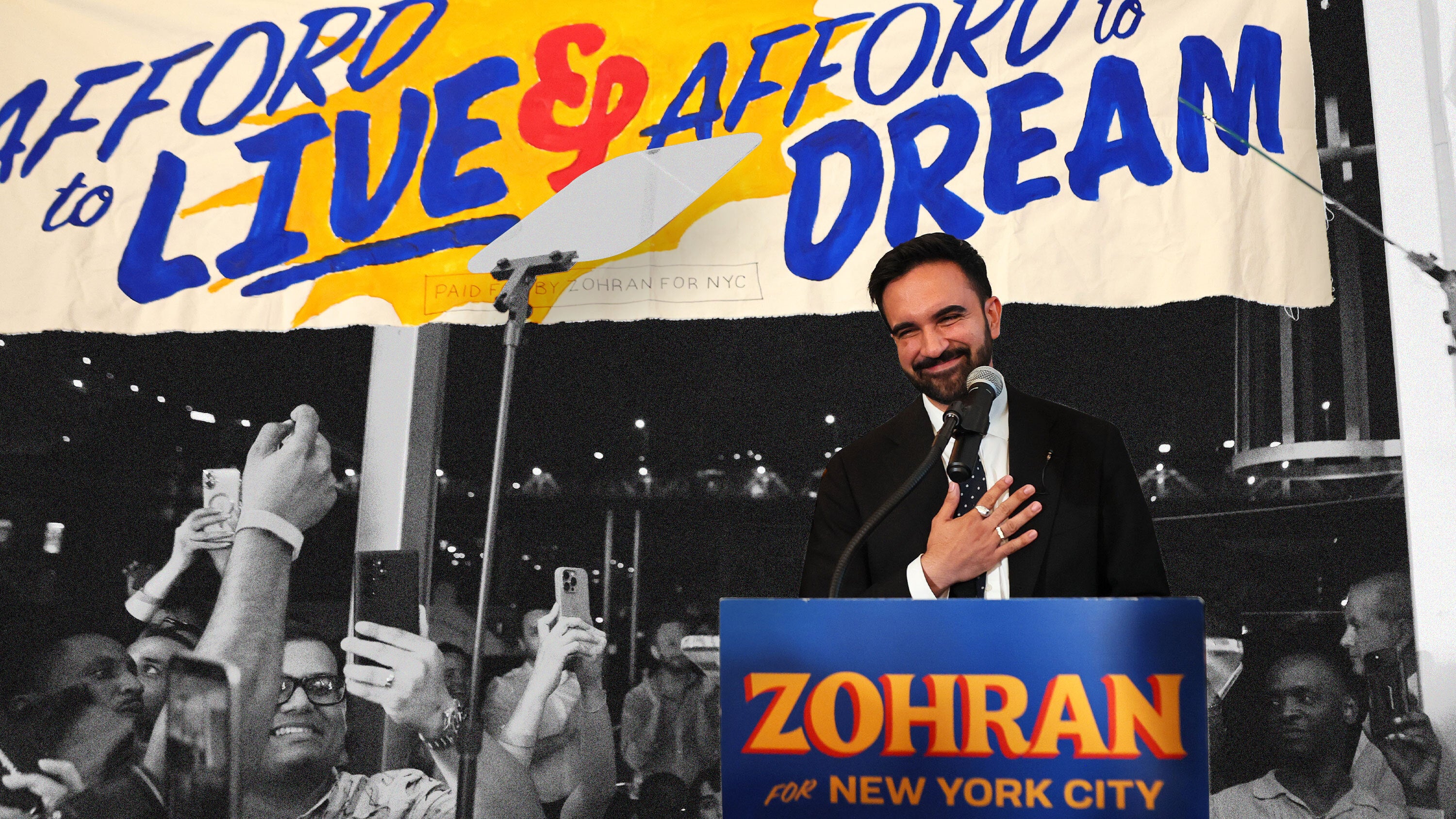
With a couple of days of early voting to go before Election Day in New York City, Democratic mayoral nominee Zohran Mamdani has maintained a significant lead in the polls over his main competitor, former Governor Andrew Cuomo, months after Mamdani’s generational upset over Cuomo in the Democratic primary.
To hear the candidate tell it, that advantage is thanks to one thing: Mamdani’s policy platform, which is laser-focused on making the city affordable for working people.
Advertisement
The three-term state assemblyman and democratic socialist has a stacked to-do list that includes freezing the rent on one million apartments, making buses fast and free, establishing universal child care, creating a network of five city-owned grocery stores, and spending billions of dollars to build rent-stabilized housing.
“He’s focused on affordability, and he probably has one of the most expansive services agendas that we’ve seen in decades,” said Andrew Rein, president of the Citizens Budget Commission, a nonprofit think tank.
Mamdani knows it’s an ambitious list.
“The job of city government isn’t to tinker around the edges,” he said in a campaign video about the city-owned grocery store proposal. (Mamdani’s campaign did not respond to HuffPost’s request for comment for this story.)
Advertisement
Big Apple political observers agree with Mamdani that his massive policy platform distinguishes him as a candidate. But big ideas require significant amounts of money, political capital or both.
“There are very real structural, budgetary and legal limits on what the city’s chief executive can accomplish without the cooperation and support of other branches of city or state government,” wrote Carl Weisbrod, who co-chaired former Mayor Bill de Blasio’s transition team and then led the city’s planning commission.
Should Mamdani win on Tuesday, he’ll face a balancing act.
“It would be unreasonable for any mayor to think they’re going to deliver right away on every promise,” Rein said. “He’s got to make those smart choices, and in his case, they should be bold choices, because he wants to deliver progress on his agenda. But he has to be able to do that while balancing the budget, preparing for federal cuts, and protecting critical services for needy New Yorkers and quality of life for all New Yorkers.”
Advertisement
Despite some scepticism, Mamdani’s ideas don’t break any laws – or, arguably, any laws of political gravity. Getting them done is a matter of political will and deft maneuvering.
Mamdani’s big-ticket campaign item — the one that leads his website and is featured in TV ads — is “freezing the rent” for millions of city residents.
He’s talking about what are known as “rent-stabilised” apartments, for which a government board determines landlords’ maximum possible annual rent increases. There are around 1 million such units in the city, constituting almost half of all rental units and housing over 2 million people. (This reporter lives in a rent-stabilized apartment.)
Advertisement
Yearly rent increase maximums in rent-stabilized units are determined by the Rent Guidelines Board. The board makes rent increase (or lack thereof) decisions in June, affecting rents starting in October. The mayor appoints members of that board, who serve anywhere from two- to four-year terms, depending on their role. Mamdani has said that he would only appoint board members “who understand that landlords are doing just fine.” The rent has been frozen three times in the past six decades, all during de Blasio’s tenure.
Asked in one recent interview for a priority for his first 100 days in office, Mamdani didn’t hesitate.
“The first thing is putting together my Rent Guidelines Board,” he told FOX 5 New York last week. “This is a key part, because for New Yorkers, the number one crisis of affordability is that of housing. They feel it every single day.” (A second priority, he said, “is actually to make government work again.”)
Advertisement
There are some caveats, though.
Six out of nine members of the current board are serving on terms that have already technically expired. Incumbent Mayor Eric Adams, who’s endorsed Cuomo, has the power to replace them in the final days of his term and has hinted he might do just that. However, board rules concerning outgoing mayors would mean that only four new board members “would actually continue on through the first year of a Mamdani administration,” as HellGate reports.
It’s also possible that certain Adams appointees could ultimately be convinced to support a rent freeze — and one of them, Alexander Armlovitch, told HellGate he would consider it in certain circumstances. Mamdani could also ask certain members to resign or move to dismiss them. But at that point, we’d be in uncharted waters, and the move might lead to a court battle.
“My understanding as a policy person is that he has very broad authority over who he names to the Rent Guidelines Board. That’s always been true of every mayor,” said Jessica Katz, who has served in three mayoral administrations, including as Adams’ housing chief in 2022 and 2023.
Advertisement
So, long story short, for nearly one-third of the city populace, Mamdani would likely be able to freeze the rent, though he may encounter some delay.
For several key priorities, Mamdani would need the help of the city council, the governor, the state Legislature or some combination of that group.
Universal no-cost child care for children between 6 weeks to 5 years old would cost somewhere around $6 billion, the campaign estimates, though other estimates are higher. Making buses free would essentially entail the city paying riders’ fares, which Mamdani has said would amount to somewhere around $700 million. Establishing a city-owned grocery store in each borough — which Mamdani has described as “like a public option for produce” — would add some $60 million to the bill, The New York Times estimated this summer.
Advertisement
Some ideas — like city-owned grocery stores and, potentially, fare-free buses — could be included in the city’s budget, which since 2022 has run over $100 billion annually and most recently topped $115 billion. Universal child care would likely require more than the city currently has to spare.
Mamdani says he can raise $10 billion through a mix of a 2% income tax on residents making more than $1 million per year, which the campaign says would raise $4 billion; raising the top state corporate tax rate to 11.5%, up from 7.25%, said to raise $5 billion; and a mix of procurement reform and collecting unpaid fines and taxes, which the campaign says would net nearly $1 billion.
He wouldn’t get everything done quickly, and certainly not in his first budget, which he’d have to propose within weeks of taking office.
Advertisement
And the big moneymakers — the income and corporate taxes — would need state approval. Mamdani has endorsements from all of the state’s major Democrats, signaling the tax hikes could ultimately make it through the Legislature. But Gov. Kathy Hochul has said she is “not raising taxes at a time when affordability is the big issue,” and her spokesperson recently reiterated that she is “not open to raising income taxes.”
But Hochul is up for reelection in 2026. And committing to new taxes or some other form of funding for New York City — particularly to pay for a popular policy like universal child care — could be the price she pays for Mamdani and his supporters’ backing for another term. During a recent rally in Queens for Mamdani’s campaign, where Sen. Bernie Sanders (I-Vt.) and Rep. Alexandria Ocasio-Cortez (D-N.Y.) also spoke, the governor’s brief remarks were interrupted with roaring chants of “Tax the rich!” as the Democratic leaders of the state Assembly and Senate stood behind her, grinning awkwardly.
“I can hear you,” the governor eventually relented. (“I couldn’t hear what they were chanting,” Hochul deadpanned to reporters later. “I thought they were saying, ‘Let’s go Bills.’”)
Advertisement
Mamdani wouldn’t only need Hochul’s help for tax revenue, though. In order to construct 200,000 “permanently affordable, union-built, rent-stabilized homes” over the next 10 years, the candidate proposes spending $100 billion, adding $70 billion in municipal debt over the next decade to the $30 billion the city was already planning on incurring. In order to do that, he’d need to raise the city’s debt limit, which would require approval from the Legislature and governor.
Other agenda items wouldn’t require state approval. Mamdani has pitched making city buses both free and fast, for example, and the latter item is securely in the mayor’s wheelhouse. Namely, he has campaigned on carrying out street redesign projects across the city, an area where Adams has long fallen short. “It doesn’t cost much, you don’t need Albany, all the tools are in the power of City Hall,” Mamdani pitched voters in one ad.
There are more Mamdani proposals than we’ve explored here. For example, he wants to establish a Department of Community Safety to augment the police department and “prioritize prevention-first, community-based solutions, which have been consistently shown to better improve safety.” He wants to raise the city’s minimum wage to $30 by 2030 — another area requiring state approval — and he would seek to incentivize residential housing development by reforming “our disjointed planning and zoning processes” through things like eliminating parking minimums. The list is lengthy and includes ideas big and small.
Advertisement
But the would-be mayor has a significant asset: political will. He’s well-liked among New Yorkers, unlike his competitors. And with enough popular support and dealmaking skill, there’s a real path toward achieving his agenda, should he be elected.
“One of the stranger opinions I have, given the context of this mayoral race and the increasingly unhinged attacks launched from the Andrew Cuomo camp, is that Mamdani’s actual campaign platform is relatively modest,” the writer and journalist (and, briefly, Mamdani’s former boss) Ross Barkan observed recently.
“The core planks do not stretch the political imagination all that much if you know anything about the recent history of the city.”
Advertisement
Donald Trump has hovered over the race. Should Mamdani win the mayor’s office, the president has threatened to “take over” the city — presumably with some combination of federal agents and military force — and cut its federal funding.
Trump has already approved cuts that will affect New Yorkers — namely, Republicans’ “big, beautiful bill” machete job, which slashed SNAP benefits and Medicaid to pay for massive tax cuts, largely for the rich, and lots of new spending on federal law enforcement and detention.
The law “will cost the state of New York over $15 billion per year, kick 1.5 million New Yorkers off their health insurance, eliminate benefits for up to 1 million food stamp recipients, cause the loss of over 200,000 jobs, and threaten nearly half of all hospitals throughout the state with financial collapse,” the Fiscal Policy Institute said upon the bill’s passage this summer.
Advertisement
On top of that, Trump could attack funding for the New York City Housing Authority, which would set back Mamdani’s plans to “double the city’s capital investment in major renovations of NYCHA housing.”
“I think the major threat is Donald Trump,” Mamdani said during an appearance on the HellGate podcast last week, when asked what he’d be up against as mayor. He noted Trump’s recent efforts to withhold $18 billion in federal funding for New York City-area infrastructure projects and the president’s attempt to create a mass deportation force.
“We have to approach this job with the expectation that crisis will be a regular part of life in dealing with Donald Trump, and that we simultaneously have to move the ball forward on medium- and long-term initiatives,” he said. “It cannot be that every hour of every day is just spent in a defensive posture to Donald Trump, because part of the reason we got Donald Trump is that we didn’t have an affirmative vision of what life would look like beyond Donald Trump.”
Advertisement
Katz, the veteran of city government, said Mamdani’s team could make or break his potential tenure. The mayor leads an enormous bureaucracy, and the city’s workforce hovers around 300,000, comparable to the overall population of Saint Paul, Minnesota, or Pittsburgh, Pennsylvania.
For every major policy, there are dozens of commitments and decisions the mayor and the mayor’s appointees must make.
“Government insiders are looking to see the names of who he appoints,” Katz said. “There’s 300,000 city employees and 8 million New Yorkers. He’s going to be running an operation at a scale which requires an amount of oversight and delegation that is a very gentle balance. So picking the right people, and letting them do their job, is going to be the number one thing that everyone’s looking for who’s been in these kind of positions before.”
Advertisement
And even with a great team in place, the city will have plenty of curveballs in store for the next mayor.
In a recent profile of Mamdani, an unnamed city hall veteran told The New Yorker that a mayor’s waking hours are filled with bad choices.
“You’re constantly making bad decisions that you know are bad decisions,” the person said. “You’re presented with two bad options, and you’ve got to pick one, and that’s your day.”
Advertisement

