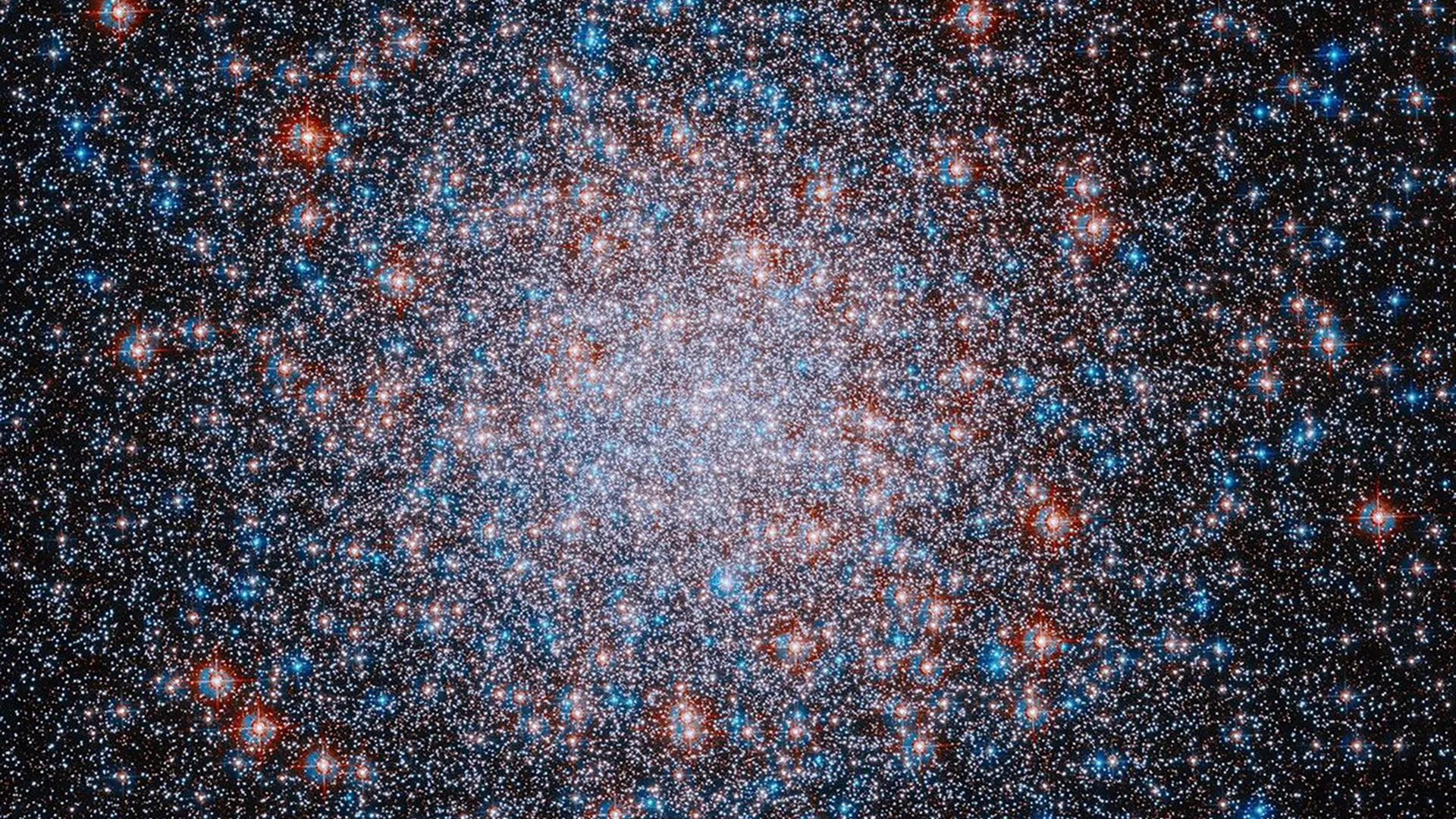
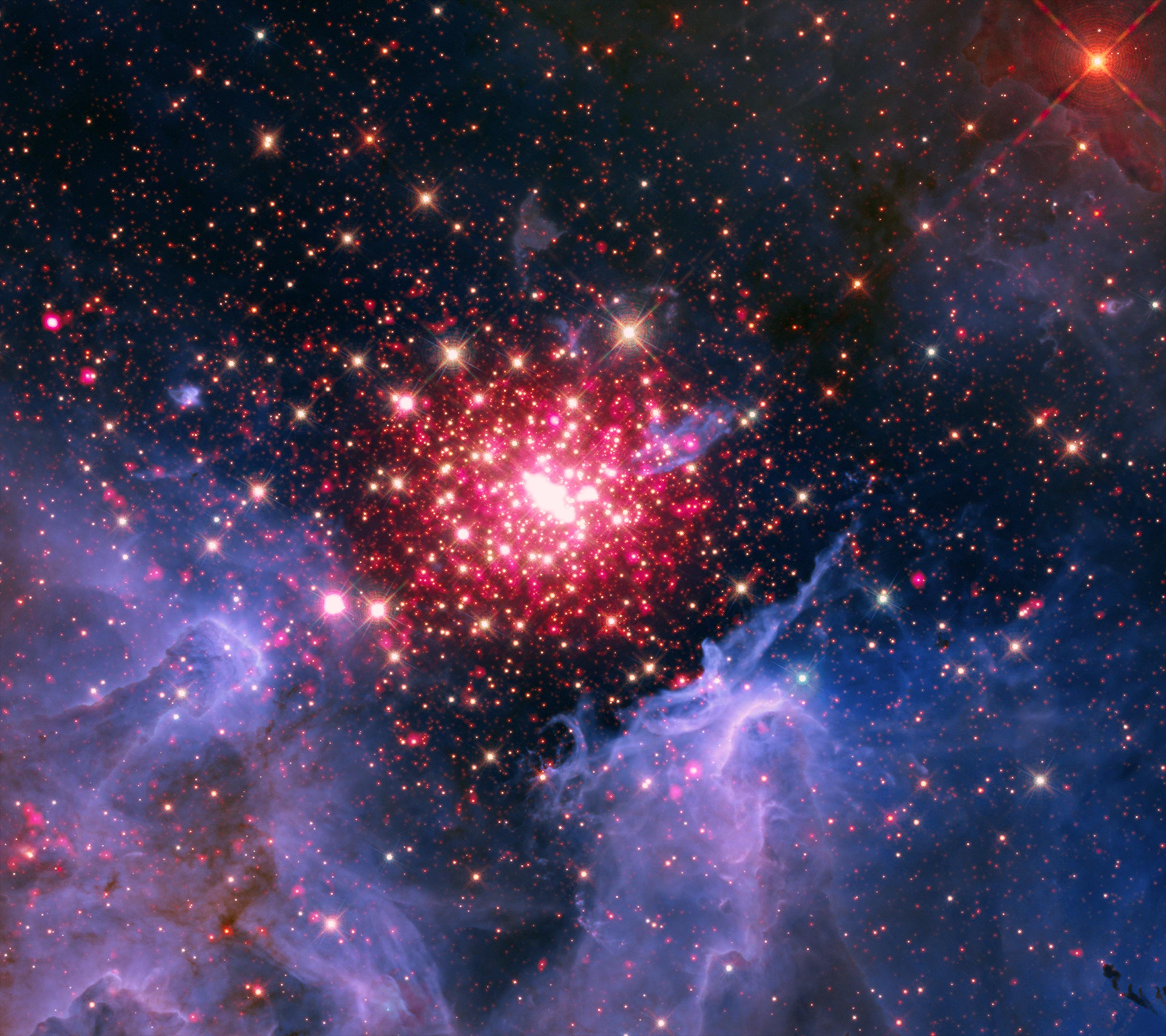
NASA’s Hubble Space Telescope has released a dazzling new image featuring more than 500,000 stars glowing in shades of red, white, and blue. The breathtaking view, shared in celebration of the United States’ 250th anniversary, highlights Messier 3 (M3), one of the largest and most impressive globular clusters in the Milky Way.
Globular clusters are tightly packed, spherical collections of stars bound together by gravity. Unlike younger star groups that continue to evolve, the stars in a globular cluster formed from the same cloud of gas at roughly the same time billions of years ago. Because of this shared origin, they preserve an ancient record of the Milky Way’s history. Astronomers have identified around 150 globular clusters orbiting the outskirts of our galaxy.
A Remarkable Star Cluster Full of Rare Stellar Objects
Messier 3 is notable for more than just its enormous size. It also sits relatively far from the center of the Milky Way and contains an extraordinary population of RR Lyrae variable stars. More than 240 of these stars have been identified in M3, more than in any other known globular cluster in our galaxy.
These ancient variable stars are especially important because they brighten and dim in a predictable pattern. That regular cycle allows astronomers to determine their true brightness. By comparing that intrinsic brightness with how bright the stars appear from Earth, researchers can accurately calculate their distance. It works much like estimating how far away a car is at night if you know how bright its headlights are.
The Mystery of the Blue Straggler Stars
M3 is also home to around 70 identified candidates for an unusual class of stars called blue stragglers. These stars shine with a bright blue color that makes them appear much younger than the older, redder stars surrounding them.
This cluster was the first place where astronomers discovered blue stragglers. Scientists believe these stars likely pulled material away from nearby companion stars through gravitational interactions. That extra mass essentially gave them a second lease on life, making them hotter, brighter, and bluer even though they are actually just as old as their neighboring stars.
Evidence of an Ancient Cosmic Collision
Astronomers suspect M3’s unusual characteristics may trace back to a dramatic event in the distant past. The cluster contains two distinct populations of stars, raising the possibility that it formed when two globular clusters merged into one.
Those original clusters are thought to have belonged to the same dwarf galaxy before that smaller galaxy was eventually absorbed by the Milky Way, leaving M3 behind as a possible relic of that ancient galactic encounter.
How Hubble Uses Color To Reveal Stellar Temperatures
Hubble has observed Messier 3, also known as NGC 5272, several times over the years, helping scientists examine its unusual stellar population and complex structure in increasing detail.
The colors in this image are not simply for visual effect. Blue represents shorter wavelengths of visible light, while red corresponds to longer visible wavelengths along with some near infrared light. Hubble images are processed using standard techniques that assign colors based on the wavelengths captured through the telescope’s filters. Because a star’s color is closely linked to its temperature, the blue stars shown here are hotter, while the red stars are cooler.
Piecing Together the Milky Way’s Past
This image is part of a Hubble Treasury program that is surveying approximately half of the Milky Way’s known globular clusters. By comparing these ancient stellar systems, astronomers hope to build a detailed timeline showing how our galaxy formed and evolved over billions of years.
After more than 30 years of groundbreaking observations, Hubble remains one of NASA’s flagship space observatories. Working alongside the infrared capable James Webb Space Telescope and the upcoming Nancy Grace Roman Space Telescope, it continues to reveal new details about the universe and helps scientists assemble an increasingly complete picture of our cosmic history.
Amid our full-blown obsession with protein, fibre hasn’t gotten nearly the recognition it deserves.
“Protein has certainly earned its place in the spotlight, but fibre deserves just as much attention,” registered dietitian Stefani Sassos, nutrition director at the Good Housekeeping Institute, told HuffPost. “Most Americans are likely already meeting their protein needs, while the vast majority fall short on fibre.”
Why is this nutrient so crucial? A fibre-rich diet offers a host of health benefits, like supporting healthy digestion and gut health, stabilising blood sugar levels, helping you feel full and satisfied, reducing LDL cholesterol and improving heart health.
“Not surprisingly, high-fibre diets are consistently linked with a lower risk of cardiometabolic diseases, like obesity, type 2 diabetes, cardiovascular disease, in addition to some cancers and overall mortality,” registered dietitian Tamar Samuels, co-founder of Culina Health, told HuffPost.
Fibre is protective against colorectal cancer for several reasons. One is because it bulks up stools by absorbing water, “allowing waste to pass through the colon more quickly and limiting carcinogen exposure to the colon lining,” registered dietitian Christina Fasulo of UCLA’s Health GI Nutrition Program told the university’s Health Newsroom.
Another, according to the Cancer Research UK website, is that “when fibre meets the bacteria that lives in the bowel, the bacteria make something called butyrate,” which “helps the cells in our bowel to stay healthy, so tumours are less likely to develop.”
In order to meet our dietary fibre goals, it’s important to be aware of which foods are actually high in fibre – because it’s not always the ones you assume. We asked dietitians to share which foods contain less fibre than many people realise.
Advertisement
Not all fibre is created equal
One quick but important note before we dive in: The foods mentioned below can still be beneficial components of a healthy, well-rounded diet. And they may even help contribute to overall fibre intake – just don’t rely on them alone to cover your fibre bases.
“I would never want people to think, ‘Oh it’s pointless [to eat] because it doesn’t have a lot [of fibre]’ because that is NOT true,” registered dietitian Dalina Soto, author of “The Latina Anti-Diet,” explained to HuffPost. “Any fruits or veggies, whether fresh, frozen or canned, are better than no fruits or veggies.”
Below, our nutrition experts identify foods that are relatively low in fibre and which ones can give you a bigger boost.
Advertisement
Kseniya Ovchinnikova via Getty Images
Leafy greens probably don’t contain as much fibre as you thought.
Lettuce And Other Leafy Greens
Leafy greens contain important vitamins, minerals and phytonutrients, making them nutritional powerhouses. But they aren’t nearly as rich in fibre as many people (this writer included!) think.
“Because salads are often associated with healthy eating, people sometimes assume lettuce is a major source of fibre. In reality, one cup of shredded romaine lettuce contains only about 1 gram of fibre,” Sassos told HuffPost.
Advertisement
“Lettuce can absolutely contribute to your daily intake, but you’ll get a much bigger fibre boost from ingredients like chickpeas, avocado or other vegetables added to the salad.”
Typically, foods that contain 3 grams of fibre or more per serving are considered a good source, registered dietitian Carly Leanza of Health Loft told HuffPost. “Lettuce like butter lettuce, iceberg or romaine contain less than 1 gram of fibre per serving.”
And while that isn’t a whole lot in a single serving, “it does add up if we have a big salad,” Soto noted.
Advertisement
To boost your fibre intake, consider cooking your greens. As Samuels pointed out, while one cup of raw spinach contains less than 1 gram of fibre, one cup of cooked spinach contains 4 grams of fibre. That’s because it takes several cups of raw spinach to make one cup of cooked spinach. Therefore, you’re getting more fibre for the same serving volume.
Celery
Rich in antioxidants and low in calories, celery is another veggie that seems like it would contain more fibre than it actually does. A medium-sized stalk has about half a gram of fibre, while there’s 1.6 grams in one cup chopped.
“People tend to overestimate both lettuce and celery’s fibre content potentially because they are crunchy and have a crunchy, stringy texture,” Leanza said. “People often think to have a big salad or snack on some celery to increase roughage. But if the focus is fibre, there are many other sources to turn to.”
Advertisement
Watermelon
One cup of watermelon contains less than a gram of fibre – just 0.6 grams per serving.
If you’re peeling your produce, you may be missing out on nutritional benefits, as there is usually a considerable amount of fibre (as well as vitamins, minerals and antioxidants) in the skin or peel, Soto pointed out.
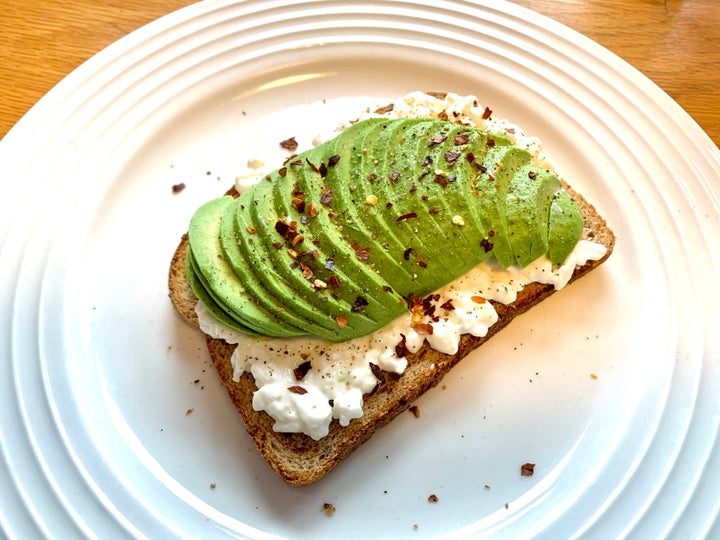
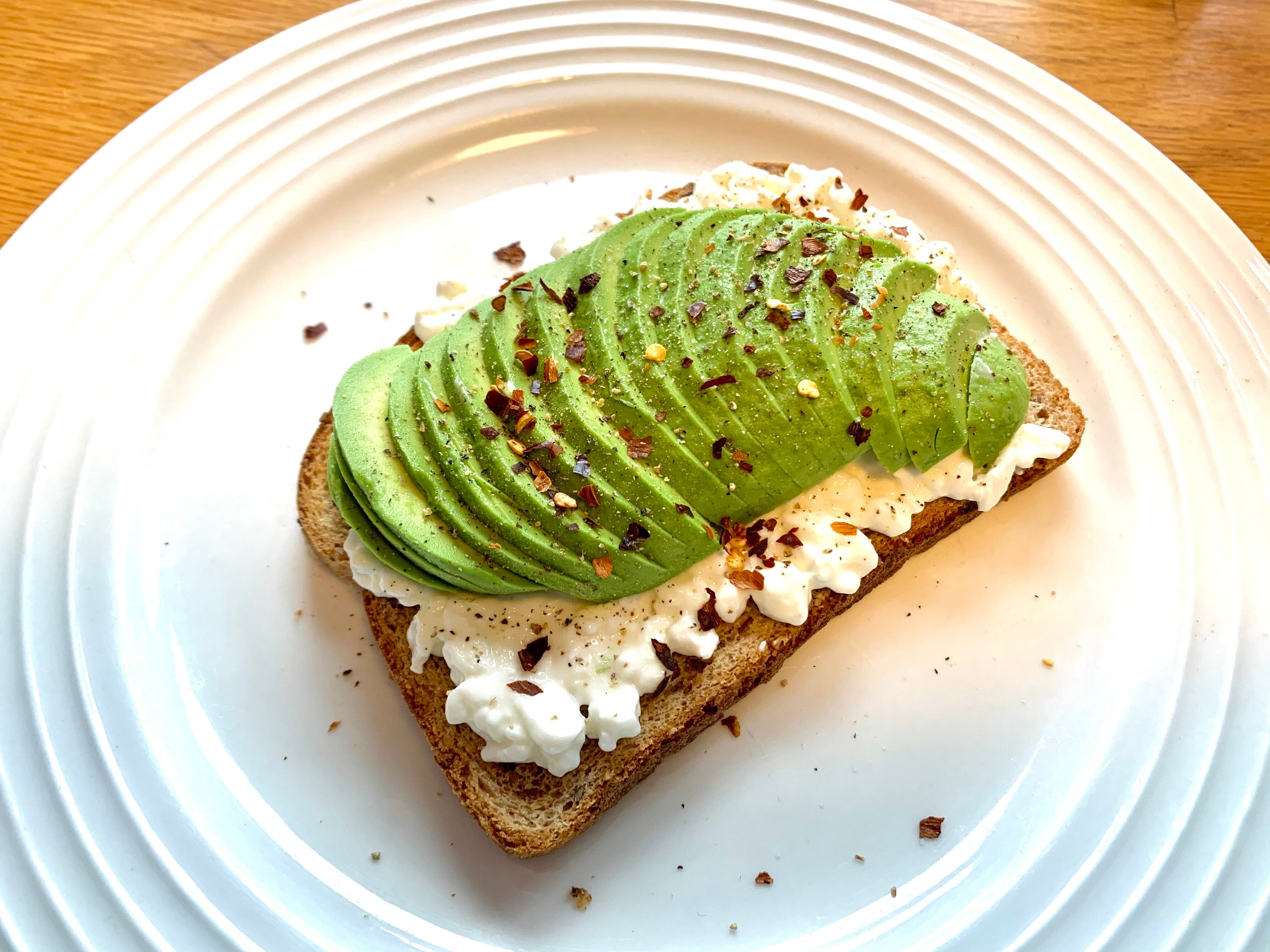
One of these toast toppings is high in fibre, and the other isn’t.
Advertisement
Cottage Cheese And Greek Yogurt
Both cottage cheese and greek yogurt are well-known for their health benefits, including their impressive protein content, calcium and other nutrients. But one thing they’re both missing entirely: fibre. That’s because only plant foods contain fibre – dairy and other animal products do not.
Sassos recommends pairing cottage cheese and greek yogurt with high-fibre foods such as raspberries, chia seeds and nuts to “create a more nutritionally complete snack,” she said.
High-Fibre Foods To Add To Your Diet
If you’re falling short on your fibre goals, consider incorporating more of these plant foods.
Avocados
“While they’re well known for their heart-healthy fats, many people don’t realise that one avocado provides roughly 10 grams of fibre (or even more depending on the size and variety),” Sassos said. “They’re an easy way to add both fibre and satisfying healthy fats to meals and snacks.”
Advertisement
Beans And Lentils
A cup of lentils or black beans, for example, contains a whopping 15 grams of fibre.
Legumes are “easy to add and [you] can create a lot of meals from them,” said Soto.
One cup of cooked split peas, another type of legume, has 16 grams of fibre. More peas, please!
Raspberries
With 8 grams of fibre per cup, Sassos called raspberries a “true fibre superstar.”
Other great sources: Quinoa (5 grams of fibre in one cup cooked), broccoli (5 grams in one cup cooked), pears (6 grams for a medium-sized one) and chia seeds (5 grams in one tablespoon).
Know that not all fibre is created equal, said Sassos. Whole food sources offer benefits that supplement forms do not.
“Fruits, vegetables, legumes, nuts, seeds and whole grains offer much more than fibre alone,” she explained. “They provide vitamins, minerals, antioxidants and other beneficial compounds that work together synergistically. That’s why getting fibre from whole foods whenever possible is ideal, rather than relying solely on powders or supplements.”
Advertisement
Eat a variety of fibre-rich foods to ensure you are getting adequate amounts of both kinds of fibre: soluble and insoluble. Soluble fibre dissolves in water and creates a gel-like substance in the gut that slows down digestion. Insoluble fibre does not dissolve in water and bulks up stools, making them easier to pass.
“Different high-fibre foods provide different types of fibre and beneficial nutrients,” Sassos said. “I encourage people to regularly rotate the fruits, vegetables, legumes, nuts, seeds and whole grains they eat.”
When increasing your fibre intake, do so gradually to prevent unpleasant gastrointestinal symptoms like gas and bloating, Samuels advised. Staying hydrated is important, too.
Advertisement
“Be sure to drink plenty of water to prevent constipation and help fibre do its thing,” she said. “A registered dietitian can help you come up with a sustainable and personalised plan for increasing fibre intake based on your unique needs.”
To mark the 250th anniversary of the United States, NASA has released four spectacular images of deep space from its Chandra X-ray Observatory, each presented in patriotic shades of red, white, and blue. Alongside the images, the agency also unveiled three new sonifications, which transform astronomical observations into sound, offering another way to experience the universe.
The collection combines data from Chandra with observations from other telescopes to showcase some of the most remarkable objects in space, from the remains of an exploded star to a distant galaxy cluster filled with evidence of dark matter.
Cassiopeia A Reveals the Aftermath of a Stellar Explosion
The first image (above) features Cassiopeia A, one of the best known supernova remnants in the Milky Way. It combines X-ray observations from NASA’s Chandra X-ray Observatory (shown in blue and purple) with infrared data from NASA’s James Webb Space Telescope (displayed in red and white).
Chandra’s X-ray observations highlight the powerful blast wave from the stellar explosion and reveal elements scattered throughout the debris, including iron, calcium, and oxygen. Webb’s infrared view captures the expanding shell of material left behind by the explosion, along with clouds of cosmic dust spread across the remnant.
NGC 3603 Showcases a Stellar Nursery
The next image highlights NGC 3603, a nebula in the Milky Way that contains an enormous cluster of young stars.
In this composite view, Chandra’s X-ray data (red and white) reveals diffuse X-ray emission near the center and numerous bright point-like X-ray sources scattered across the image. Observations from NASA’s Hubble Space Telescope, collected in optical, infrared, and ultraviolet wavelengths (red-orange, green, blue, and yellow), show stars concentrated near the center, while dust and gas stretch across the lower portion of the nebula.
Together, these layers create an image dominated by red, white, and blue, with the X-ray data highlighting the sparkling glow of young stars forming within the nebula.
Messier 94 Highlights a Ring of Star Formation
Another image offers a fresh view of the spiral galaxy NGC 4736, better known as Messier 94.
The picture combines Chandra X-ray observations at multiple energies (red, orange, and blue) with visible light images captured by astrophotographers using ground-based telescopes (red, green, and blue). At the heart of the galaxy is a bright inner ring known as a starburst ring, where new stars are actively forming. Scientists think this burst of star formation may be fueled by gas flowing inward through the galaxy’s distinctive oval-shaped structure.
A Galaxy Cluster Provides Evidence for Dark Matter
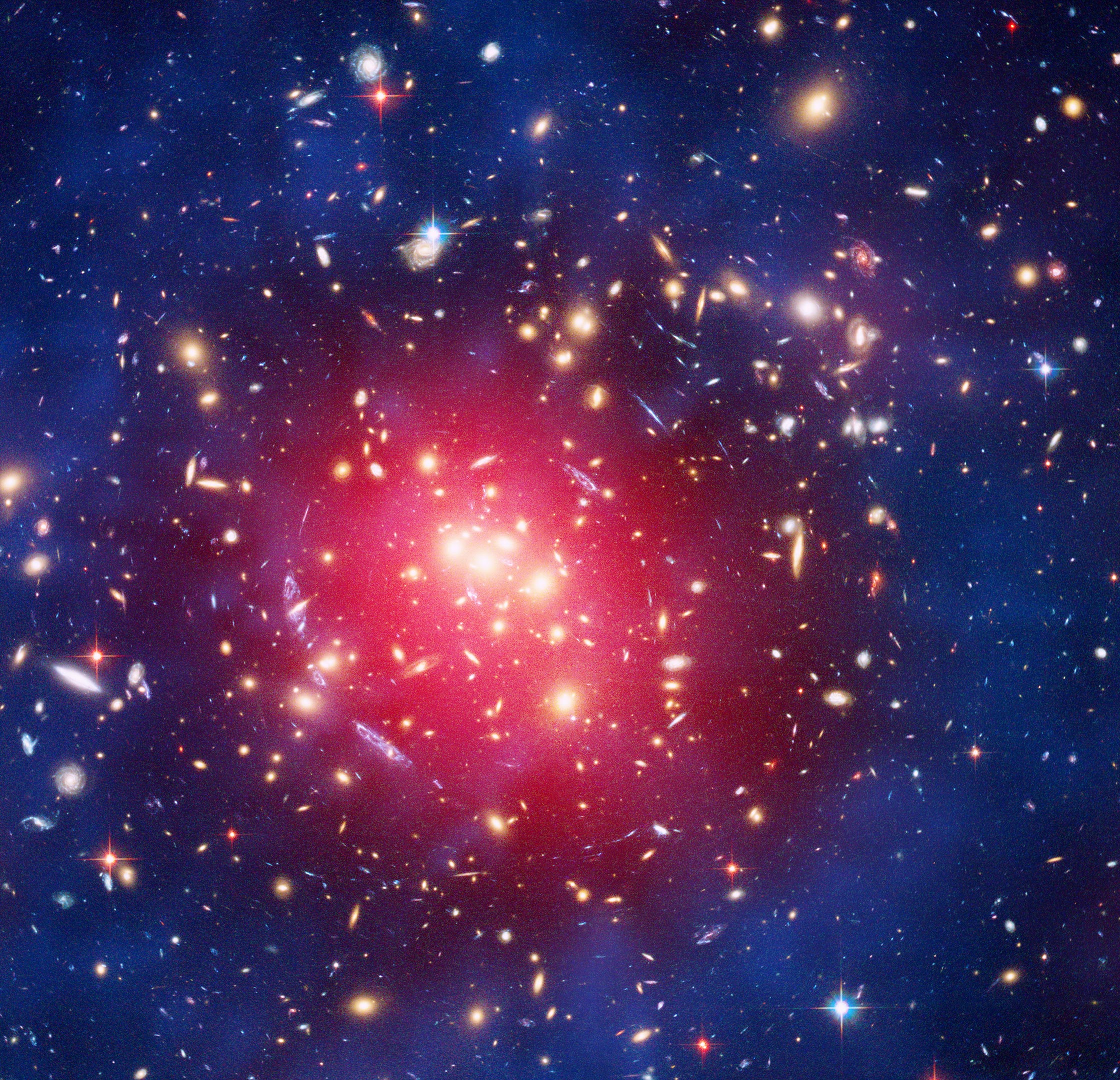
The final image in the patriotic collection features ZwCl 0024+1652, a distant galaxy cluster that has helped astronomers study dark matter.
Specially processed observations from Hubble (blue) reveal evidence for dark matter, while another Hubble image shows the cluster’s individual galaxies in yellow and white. Chandra’s X-ray observations add the glowing red cloud of superheated gas that fills the cluster. This enormous reservoir of hot gas contains far more mass than all of the galaxies in the cluster combined.
Together, the four images celebrate America’s 250th birthday while highlighting the extraordinary objects and phenomena NASA continues to explore across the universe.
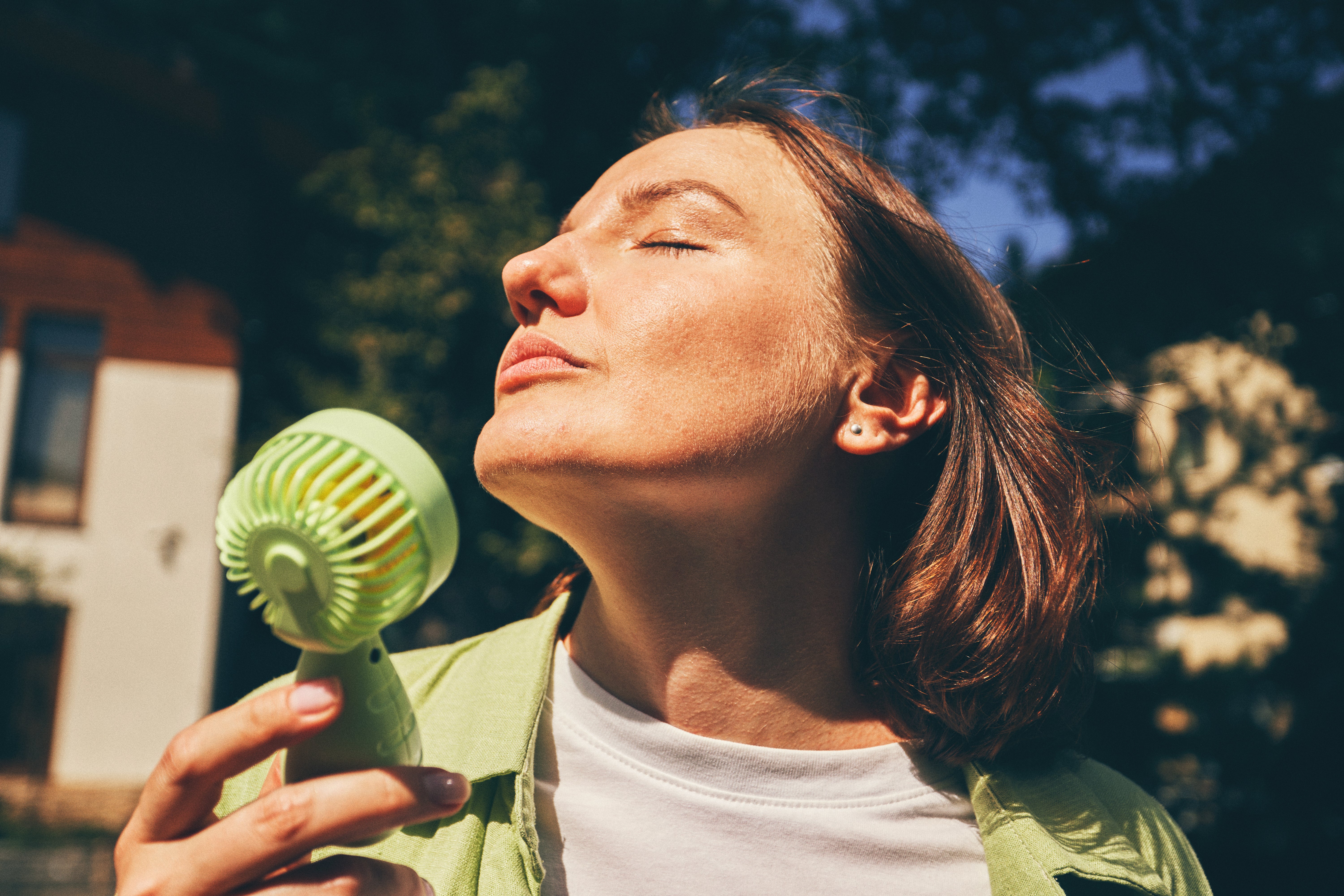
With record-breaking heat sweeping across the country and around the world, people are increasingly seeking ways to stay cool and turning to all kinds of tips, tricks and folk remedies to do it.
But how many of those heat-beating hacks are actually grounded in science?
HuffPost asked experts to weigh in on some of the most common old wives’ tales about surviving the heat, from damp sheets to cabbage leaves to yoghurt on windows.
Advertisement
The verdict? Some have truth to them, others don’t hold up to scrutiny, and a few could actually backfire depending on the conditions.
1. “Sleeping under a damp sheet cools you down.”
“The ‘Egyptian method’ involves sleeping under a damp sheet to cool down,” Dr. Swapnil Patel, vice chair of the department of medicine at Hackensack Meridian Jersey Shore University Medical Center, told HuffPost. “A damp towel can be used as an alternative.”
The cooling effect is the result of a simple evaporation process.
“A lightly damp sheet or cloth can cool through evaporation,” said Dr. Anthony T. Lagina, an associate professor in the department of emergency medicine at Wayne State University, Detroit Medical Center. “As water evaporates from the fabric, it pulls heat away from the skin. This works best in dry, well-ventilated conditions.”
Advertisement
Thus, the effectiveness of sleeping under a damp sheet is limited based on environment. And, the technique can in fact have the opposite effect in the wrong conditions.
“It works poorly in high humidity because water and sweat do not evaporate efficiently,” Lagina explained. “In humid conditions, a damp sheet may feel clammy, disrupt sleep or irritate skin.”
There are other ways to make your sleep environment safe in hot conditions, however.
“To deliver true peace of mind and comfort, I recommend focusing on proven environmental controls such as keeping your bedroom well-ventilated, utilizing lightweight, breathable bedding, taking a cool shower before bed and prioritizing consistent fluid replenishment throughout the day,” said Dr. Scott Braunstein, chief medical officer at Sollis Health.
Advertisement
2. “Smear yoghurt on your windows to keep the heat out.”
The idea behind putting yoghurt on windows – a tip that has circulated in the UK – is that the light-coloured yoghurt forms a thin film on the glass that reflects incoming solar radiation, so less heat passes through the window.
“Putting something reflective on your windows will help keep the sun out and cool your home,” said Anna Bershteyn, an associate professor in the department of population health at NYU Langone Health. “I would suggest a reflective window film, metallic foil or shades rather than yoghurt – that would be more effective and less messy.”
Lagina also advised against putting yoghurt on your windows to keep heat out in favour of more practical options. “It is not a reliable cooling strategy and creates sanitation concerns, including odor, bacterial or mold growth, insects and potential surface damage,” he said.
Advertisement
He also weighed in on a similar hack – putting wet towels or cloths on your windows.
“A wet towel or damp cloth over a window can provide only mild cooling if the air passing through it evaporates,” Lagina explained.
“In humid weather, this may simply add moisture indoors, making sweating less effective. Better home-cooling approaches include blocking direct sunlight with curtains or reflective shades, opening windows only when the outside air is cooler and using fans to move air across the skin.”
Ekaterina Goncharova via Getty Images
Weather authorities are warning of a “heat dome” across the U.S.
Advertisement
3. “Hot beverages cool you faster than cold ones.”
“Some studies have found that hot drinks and spicy foods increase sweating, which could be helpful in dry heat,” Bershteyn said. “Think deserts – where your sweat evaporates so fast that your skin is dry. If your sweat is dripping off of you – as it does in muggy, humid heat – more sweat won’t cool you any faster.”
When sweat evaporates, heat is removed from your body, but in humid conditions, drinking a hot beverage will instead probably just be uncomfortable and add heat initially.
“During heat stress, cool water or an electrolyte-containing drink is usually more practical,” Lagina said. “Moderate caffeine is generally acceptable for many adults, but excessive caffeine and alcohol should be avoided during extreme heat. Alcohol reduces judgment and can worsen dehydration and heat illness risk.”
Advertisement
Indeed, the type of beverage – hot or cold – that you consume makes a big difference.
“Cold water or targeted electrolyte solutions are consistently the better choice because they are refreshing, encourage people to consume a higher volume of fluids, and provide immediate physical relief from the heat,” Braunstein said.
“Also keep in mind that many hot drinks, such as coffee or tea, are caffeinated, and the caffeine both speeds up your metabolism increasing heat production, and acts as a diuretic contributing to fluid losses and dehydration.”
4. “Cooling your pulse points lowers your temperature more quickly.”
“Cooling the neck, armpits, groin, wrists and the backs of the knees can help, as major blood vessels are near the skin surface,” Lagina said. “Cool packs or wet towels can remove heat from blood and skin.”
Advertisement
Basically, you can quickly cool the body by cooling the parts where blood flows close to the skin.
“Applying cold can briefly cool circulating blood locally, which produces a perception of relief,” said dermatologist Dr. Brendan Camp. “However, this effect is modest and does not significantly lower overall core body temperature on its own. It is best understood as a sensory or comfort-based strategy rather than a true systemic cooling method. It works best when combined with airflow or general body cooling.”
Lagina similarly noted that this trick is “not magic,” as some situations require cooling across the fuller surface of the body.
“For serious overheating, broader cooling is better – a cool shower or bath; misting with a fan; cold, wet sheets; or cold-water immersion when safe and appropriate,” he said.
Advertisement
Pay attention to potential heatstroke symptoms, which require urgent medical attention.
“If you begin to experience symptoms such as dizziness, nausea, heavy sweating, muscle cramps or unusual fatigue, it is critically important to immediately seek medical care, most often at an urgent care or ER,” Braunstein said. “Heat-related illness is a spectrum that ranges from very mild to life-threatening, so time is truly of the essence.”
5. “Placing a cold cabbage leaf under your hat or on your body can cool you down.”
“Using cabbage leaves is a real folk remedy, for their cooling properties,” Patel said. “While more commonly studied for reducing pain and swelling in conditions like osteoarthritis, the cooling effect of the leaves, with their water content, is real.”
In the context of heat, cabbage leaves can provide a brief, localised cooling sensation, but experts say don’t get too excited about it.
Advertisement
“My mother has tried to treat quite a few of my childhood illnesses with cabbage leaves,” Bershteyn said. “Sadly, I’m not aware of any special cooling powers of cabbage leaves. But anything cold and wet on your head can feel nice.”
The effect is not long lasting, however. “It warms quickly, does not maintain consistent heat transfer and does not meaningfully affect core temperature,” Camp said. “It is not an effective or reliable cooling strategy from a physiologic standpoint.”
The cabbage leaf trick has historical precedent. Baseball legend Babe Ruth was known to place a cold cabbage leaf under his cap during games to stay cool in the sweltering summer heat.
Advertisement
“A cold cabbage leaf can cool by contact and moisture, just like any cold wet object,” Lagina said. “There is no special heat-related medical property in cabbage. A clean, damp cloth, a cooling towel, a chilled bandana or an ice pack wrapped in cloth is more practical and hygienic. Folk remedies should not delay standard cooling or emergency care.”
Uma Shankar sharma via Getty Images
No folk remedy can replace the importance of hydration.
6. “Placing a bowl of ice in front of a fan works like air conditioning.”
Placing a bowl of ice in front of a fan is a popular TikTok hack for cooling down a room, but experts say the effect is more limited than most people expect.
Advertisement
“This can create a small area of cooler air for someone sitting close by, but it is not an effective way to cool an entire room,” Lagina said. “The ice absorbs heat as it melts, and then the effect stops. It may be useful for short-term personal comfort, especially with good airflow, but it should be paired with hydration, reduced activity, shade and access to air conditioning when possible.”
Bershteyn also noted that a bowl of ice in front of a fan probably won’t meaningfully cool a room.
“In fact, if the ice was made in a freezer in the same room, the heat coming from the back of the freezer would offset the cooling from the ice,” she said. “But if you sit directly in front of the ice, you might get a personal, chilled breeze.”
Here’s what experts actually recommend for staying safe in the heat.
“Many folk cooling methods work only when they improve evaporation, conduction, shade or airflow,” Lagina said. “They are not substitutes for air conditioning, hydration, rest and urgent medical care when heat illness is suspected.”
Advertisement
There are other important facts and precautions to keep in mind as you try to stay safe and cool in extreme heat.
“It takes several weeks for a body to adjust to heat, which is why the U.S. sees more heat-related deaths in the spring than in the summer,” Bershteyn said. “While scientists don’t yet know the exact best way to condition yourself for heat, one thing is clear: Being in good physical shape is a huge benefit.”
She recommended trying to stay physically fit in the springtime and all year-round to make those heatwave days easier to get through. Still, don’t assume that healthy athletes can’t fall victim to heat-related illness.
Advertisement
“Fitness does not eliminate risk,” Lagina said. “Athletes, outdoor workers, children, older adults, pregnant people and people with chronic health conditions are all vulnerable.”
The wrong combination of conditions and exertion can affect even the healthiest people. “We see healthy young adults and children develop heat exhaustion after prolonged sun exposure, strenuous activity or dehydration,” Braunstein said.
He noted that the best prevention is much simpler than those interesting at-home remedies.
“Stay hydrated before you feel thirsty, wear lightweight clothing, seek shade during the hottest part of the day and take breaks in air-conditioned spaces whenever possible,” Braunstein said.
Advertisement
Loose, thin, light-coloured clothing and hats can provide helpful protection, as can periodic cool showers and baths, misting fans, ice packs and damp cloths.
When you reach the peak heat of the day, take advantage of air conditioning and avoid strenuous activity. Drink plenty of water and keep your electrolytes replenished if you’re exercising or otherwise sweating a lot.
“Never leave children, older adults, vulnerable people or pets in parked cars,” Lagina said. “Check on older adults, children, outdoor workers, people living alone and anyone with chronic medical conditions. High humidity, poor airflow, dehydration and prolonged heat exposure all increase risk.”
Advertisement
Knowing how to recognize heat illness and act quickly is also incredibly important. Signs of heat exhaustion include heavy sweating, weakness, dizziness, headache, nausea, muscle cramps, cool or clammy skin and feeling faint.
“If these occur, move to shade or air conditioning, stop activity, loosen clothing, sip cool fluids if alert, and use cool, wet cloths, misting, fanning or a cool shower,” Lagina said.
Heatstroke is a more serious medical emergency with warning signs that include confusion, altered behavior, fainting, seizure, slurred speech, severe weakness, a very hot body or an inability to cool down.
Advertisement
If you suspect heatstroke, immediately call 999 and begin cooling while waiting for help by moving to a cooler place, removing excess clothing and applying cool water, fan mist, ice packs and/or cold, wet towels to your neck, armpits and groin.
“If symptoms like dizziness, vomiting, confusion, fainting or difficulty breathing develop or don’t quickly improve after cooling down and rehydrating, don’t rely on home remedies,” said Braunstein. “Early treatment can prevent progression to the life-threatening conditions that are on the far end of the clinical spectrum.”
How long do you spend going for a poo? Two minutes? Seven minutes? 20 minutes? Well, it turns out there is a line between spending too long in the bathroom and having a quick and healthy bowel movement.
Spending too much time pooping can lead to health problems and can even be a sign that there’s something larger going on in your gastrointestinal tract.
Advertisement
Here’s what gastrointestinal doctors want you to know.
It should take no more than 5 minutes to have a bowel movement – and maybe even a little less.
Spending more than several moments on the toilet when you poop is too long, doctors say. Exactly how long is too long depends, but around five minutes (or a little less) is a good goal.
Dr. Melissa Hershman, an assistant professor of medicine in the division of gastroenterology and hepatology at Oregon Health and Sciences University, said “an appropriate time to spend on the toilet is no more than three minutes at a time”.
Leslie Waid, a nurse practitioner in gastroenterology at the University of Pittsburgh Medical Center, was a little more lenient with the time, but not by much. According to Waid, it shouldn’t take more than five to 10 minutes to have a bowel movement.
Advertisement
Dr. Valentine Millien, a gastroenterologist at Houston Methodist Hospital, said closer to five minutes is best.
“You should sit down, you should easily pass a bowel movement, feel empty, you get cleaned up and you leave,” Waid said.
“There shouldn’t be any straining or spending time sitting there waiting for stools to pass,” Waid noted.
Advertisement
Straining and excessive pushing motions can “create pelvic trauma, injury,” added Hershman.
For example, straining can cause hemorrhoids, Waid said.
“There are other things that can happen with straining, including anal fissures, and those are tears in the lining of the anal canal, and they can be very painful,” Waid said.
Straining on the toilet can also cause pelvic floor damage and weaken the pelvic floor muscles, Waid added.
“Really, after five minutes, and nothing is happening, we usually tell patients to leave and then wait again to get the urge, and then come back to the bathroom,” Millien noted.
Advertisement
Hopefully, when you return, you’ll be able to evacuate your bowels in just a couple of minutes.
Kinga Krzeminska via Getty Images
One way to spend less time in the bathroom? Stop bringing your phone in with you.
If you spend more than 5 or 10 minutes in the bathroom, there are things you can do to improve your bowel health
If straining and spending 5 or 10 minutes on the toilet is your norm, there are a few things you can do to reduce the time it takes you to poop.
Advertisement
First, positioning is important, said Waid, so stools like Squatty Potty can be helpful.
Millien agreed, “a lot of Asian countries and a lot of African countries, their toilet is actually, even if it’s a ceramic toilet, it’s usually lower to the ground, so that forces you to squat.”
When you squat, “you’re removing some of that pressure of the rectum, and actually allowing gravity to help you evacuate,” Millien said.
And, while it’s common to bring your smartphone everywhere (including in the bathroom), it’s a good idea not to. Research shows that people who bring their phone into the bathroom spend more time in the bathroom and have a higher risk of hemorrhoids, Millien said.
Advertisement
Tried-and-true lifestyle habits are also important for bowel regularity, such as drinking plenty of fluids and exercising, said Waid.
“Exercise is an excellent way to promote bowel motility. I often tell patients that your gut doesn’t move if you don’t,” said Hershman.
Your diet choices also impact your bowel movements. “It’s important to have adequate dietary fibre,” Waid noted. This includes fruits, vegetables, whole grains, certain cereals, oatmeal, chia seeds, beans, and more.
Advertisement
Fibre helps add bulk to stools and makes bowel movements easier to pass.
“If patients feel like they’re not eating enough fibre, or just need a little bit something more for regularity, they can add in a fibre supplement,” Waid said.
“We really want to target at least 25 grams of fibre per day,” said Hershman. For reference, one apple has about 4.5 grams of fibre, one cup of quinoa has 5 grams and one cup of lentils has 15.5 grams of fibre.
In some cases, bowel movement issues can be a sign of colorectal cancer
Rates of colorectal cancer are rising in younger adults, and the signs of colorectal cancer can overlap with some of the problems that come from straining while pooping, too.
Advertisement
“Blood in the toilet – the assumption used to be that this was all hemorrhoids, but it’s also important to talk to your physician,” said Millien.
More, if you notice a change in your bowels, like if you used to have regular bowel movements but are now having frequent constipation or diarrhea, you should also mention that to your doctor, she said.
“Because it could be a sign of inflammation in the colon, or it can be a sign of an obstruction in the colon,” added Millien.
Advertisement
“If there’s any concern in your bowel habits, if anything has changed in your bowel habits, any blood, don’t just minimise [it],” she added.
“A lot of young patients with colon cancer now are actually asymptomatic, other than just intermittent rectal bleeding,” Millien noted.
If you notice anything suspicious about how long it takes you to have a bowel movement, blood in the toilet or any concerning changes, talk to your physician, she stressed.
Fireworks may dazzle crowds with brilliant colors and loud explosions, but new research suggests their effects continue long after the show ends. Three recent studies published in American Chemical Society (ACS) journals examined what fireworks leave behind, from discarded debris and airborne particles to chemical compounds released into the atmosphere.
Together, the findings offer a clearer picture of how fireworks can influence air quality, water chemistry, and potentially both human health and the environment.
Firecracker Debris Can Alter Water Chemistry
Once fireworks burn out, they leave behind more than ash. Spent firecrackers scatter residue that contains partially burned fuel, metal salts, additives, and pieces of charred packaging.
In a laboratory study published in Environmental Science & Technology, researchers found that this debris released significant amounts of metal ions (e.g., potassium and manganese) and dissolved organic matter (e.g., simple phenols and sulfur-containing compounds) when placed in lake and river water. At the same time, the leftover solid material absorbed some dissolved substances that were already present in the water, including larger, more complex compounds.
According to the researchers, these chemical changes could interfere with microbial communities and aquatic ecosystems, particularly if large amounts of firecracker litter are repeatedly washed into rivers and lakes after festivals or celebrations. Properly collecting and disposing of spent fireworks could help reduce these environmental effects.
Fireworks Add to Air Pollution During Large Events
Fireworks are only one source of pollution at major public celebrations, but researchers wanted to understand how much they contribute compared with other activities.
In a study published in ACS ES&T Air, scientists monitored particulate matter during a large, multi-day athletic event in the United Kingdom. They detected sharp, short-lived increases in both coarse and fine airborne particles throughout the event.
The team linked much of the pollution to cooking emissions from food vendors and dust stirred up by vehicles. During the opening and closing ceremonies, however, they observed two distinct spikes in fine particulate matter. The first occurred as crowds arrived and dust levels increased, while the second, slightly smaller spike coincided with the fireworks displays.
The researchers estimated that people who attended every day of the event were exposed to air pollution levels exceeding the World Health Organization’s recommended limits, suggesting that large celebrations can significantly increase exposure to fine particulate matter.
Fireworks Release More Than Smoke Into the Air
Another study focused on chemicals called amines, which are included in some firework formulations. These compounds can react in the atmosphere to form aerosols that contribute to haze and reduced air quality.
To determine what happens to these chemicals during fireworks displays, researchers measured amines in both gases and airborne particles during Lunar New Year celebrations in a suburban area of China.
The findings, published in Environmental Science & Technology Letters, revealed substantial increases in several amines compared with a non-celebratory period. The biggest increases occurred during the largest fireworks displays. Scientists also recorded higher levels of other firework-related pollutants, including fine particulate matter and sulfate and potassium ions.
The researchers say the results suggest that fireworks contribute more than visible smoke to the haze that often lingers after major celebrations, adding another layer to their environmental impact.
Some people remain mentally sharp even though their brains contain the biological changes associated with Alzheimer’s disease. A new study from the Netherlands Institute for Neuroscience suggests that the answer may lie in how a rare group of brain cells, called immature neurons, responds to damage. The findings offer new insight into cognitive resilience, the brain’s ability to continue functioning despite disease.
One of the biggest unanswered questions in Alzheimer’s research is why the disease affects people so differently. While many develop memory loss and dementia as Alzheimer’s progresses, others show little or no cognitive decline despite having the same underlying brain pathology.
“Around 30 percent of older adults who develop Alzheimer’s disease never experience its symptoms,” says senior author Evgenia Salta. “We really don’t know why. That’s a big mystery, and a very important one.”
Understanding what protects these individuals could eventually point scientists toward new ways to treat or even prevent dementia.
“If we understand what protects these brains, it could eventually lead to new therapeutic strategies.”
Can the aging brain replace damaged cells?
One possibility is that resilient brains are better at repairing themselves.
“Perhaps they can add new brain cells to a network that is degenerating,” Salta says.
This idea centers on adult neurogenesis, the process through which new neurons are generated in the adult brain. While adult neurogenesis is well documented in many animal species, scientists have long debated how much, if any, occurs in humans.
To investigate, Salta and her colleagues examined donated brain tissue from the Netherlands Brain Bank. The samples included healthy individuals, people with Alzheimer’s disease, and people whose brains showed Alzheimer’s pathology even though they never developed dementia.
The researchers concentrated on a small region within the brain’s memory center, one of the few places where new neurons may still develop.
“These cells are extremely rare, so we had to develop new ways to find them,” Salta says. “We really zoomed in on the exact spot where we expected them to be.”
The team also applied newly developed analytical methods designed specifically for human tissue, reducing reliance on assumptions based on animal studies.
Rare immature neurons persist into old age
The researchers identified the cells they were searching for: so called immature neurons, which resemble young neurons that have not yet fully matured.
“Even at an average age of over 80, we still found these immature neurons in all groups,” Salta says.
The result confirmed that these unusual cells remain present even in very old brains.
What surprised the researchers, however, was that resilient individuals did not have dramatically larger numbers of immature neurons than people with Alzheimer’s disease.
Brain cell behavior may matter more than numbers
Instead, the most important difference appeared to be how the cells behaved.
“In resilient individuals, these cells seem to activate programs that help them survive and cope with damage,” Salta says. “We also see lower signals related to inflammation and cell death.”
The findings suggest that these immature neurons may do more than simply replace cells lost during disease.
“It might not be (only) about replacing lost neurons,” Salta explains. “It could be that these cells support the surrounding tissue and help the brain stay functional and ‘youthful’. They may act as a sort of fertilizer in a garden that has started falling apart.”
Even so, Salta cautions that these ideas remain hypotheses. Because this study examined donated brain tissue, the researchers cannot directly observe how the cells function in living brains.
“We assume the cells’ function based on the data, but we cannot confirm it in this type of study,” she explains.
She also emphasizes that Alzheimer’s resilience is unlikely to have a single explanation.
“This is one piece of a very large puzzle,” she concludes. “There will never be just one factor that explains resilience.”
A new direction for Alzheimer’s research
The study also highlights a broader question about aging itself.
“Somewhere along this trajectory, there’s a kind of decision point,” Salta explains. “Some people remain stable, others develop dementia. We want to understand what drives that difference.”
Future research will explore how immature neurons communicate with other brain cells and whether those interactions help preserve memory and cognitive function.
Although the study does not explain why these cells behave differently in resilient individuals than in people who develop dementia, it reflects a growing shift in Alzheimer’s research. Instead of focusing only on how the disease damages the brain, scientists are increasingly asking why some brains can withstand that damage.
“Cognitive resilience is extremely exciting,” Salta says. “If we understand what protects these brains, it could eventually lead to new therapeutic strategies.”
For now, the findings add to growing evidence that the aging brain is more adaptable, and more complex, than scientists once believed.