Rachel Reeves Admits She Is ‘Angry’ With Trump For Starting War In Iran

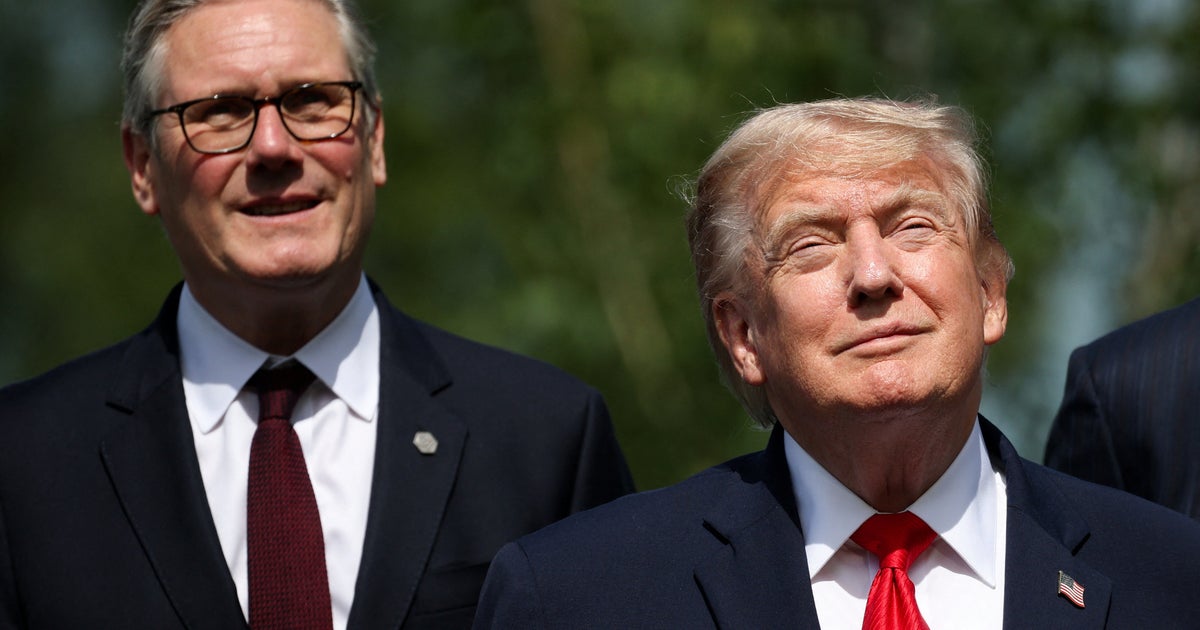
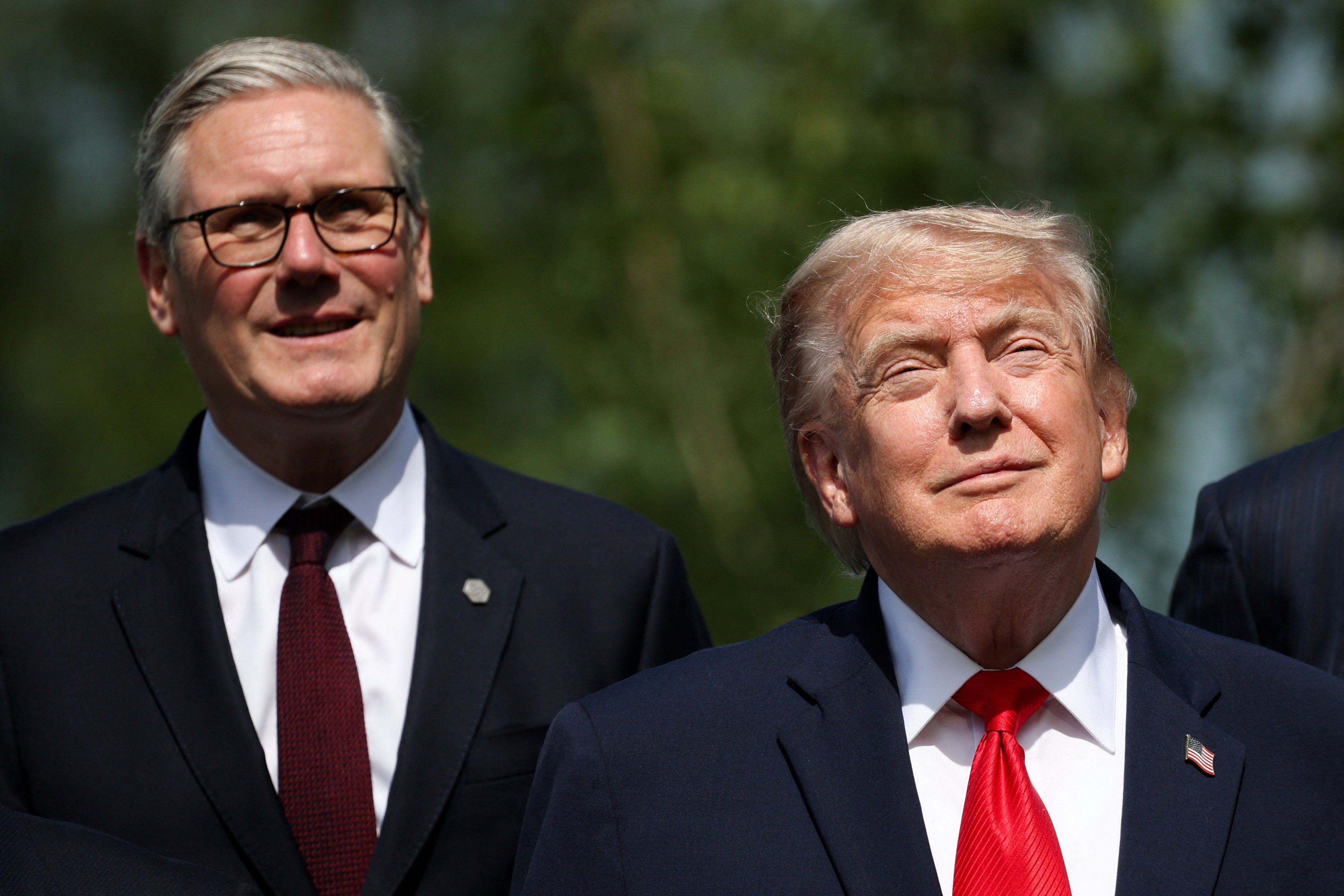
Chancellor Rachel Reeves has admitted she is “angry” at Donald Trump for starting the war in Iran.

Iranian troops have effectively closed the Strait of Hormuz ever since the US president decided to bomb Iran in late February.

Closing the major oil shipping lane has sent oil prices rising and rocked the global economy.

The president has attacked allies, particularly the UK, for not supporting his efforts.

He has called the Royal Navy “too old” and threatened to pull out of Nato after claiming the defence organisation has not given him “automatic” backing.

But Keir Starmer has held his own, reiterating on Wednesday that Britain would not be “dragged” into the conflict – while also warning that economic strains lie ahead.

Speaking to Radio 2′s Jeremy Vine, Reeves went further and said she was “angry” over Trump’s decision to bomb Iran.

She said: “I’m angry that Donald Trump has chosen to go to war in the Middle East – a war that there’s not a clear plan of how to get out of it.

“It’s why we didn’t want to enter this.

“Yes it will have implications for our economy, I get that.

“We are monitoring very closely what’s happening – trying to bring the oil and gas into the UK so that those supplies are there and get the prices down. We are monitoring the situation very carefully.”

“We are preparing – as you would expect me to be – for every single eventuality to make sure there alongside people, standing beside them, keeping costs down for everyone.”

The White House is trying to find an off-ramp to end the conflict and Trump claims Iran has asked for a ceasefire.

The president also told Reuters that the US will be “out of Iran pretty quickly” now Iran are supposedly “incapable” of using a nuclear weapon.

Iran has denied the claim and say the strait is “fully” under the control of the Islamic Revolutionary Guard Corps (IRGC).

Subscribe to Commons People, the podcast that makes politics easy. Every week, Kevin Schofield and Kate Nicholson unpack the week’s biggest stories to keep you informed. Join us for straightforward analysis of what’s going on at Westminster.

Share Button

Starmer Unveils New Measures To Help Ease Cost Of Living. Will They Be Enough?

Four government measures meant to ease the cost of living are set to start on April 1 – but will they be enough to help Brits?

Iranian forces continue to effectively block the major shipping lane, the Strait of Hormuz, in response to USIsraeli strikes.

The closure of the waterway, which transports a fifth of the world’s oil supply, is rocking international markets and sending fuel costs skyrocketing.

Brits were already facing a financial squeeze before the conflict began at the end of February.

The latest Which? consumer insight tracker – recording from the month leading up to March 13 – found half of UK households are now making at least one adjustment, like selling their possessions or getting loans, to cover the cost of essentials on a daily basis.

The watchdog also found 67% of UK adults are now expecting the national economy to worsen over the next year.

However, the government has urged the public to carry on as usual while it puts “contingency plans” in place.

Keir Starmer also launched Labour’s local elections campaign on Monday by insisting his party understands “most people are concerned most of all about the cost of living”.

In a separate statement, the prime minister promised the public that they “have a government on their side, working with allies on de-escalation and bearing down on the cost of living.”

But, he admitted: “We must go further to bear down on costs, and that means pushing for de-escalation in the Middle East and a re-opening of the Strait of Hormuz.

“That is the best way we can bring down the cost of living for families and that is my focus.”

Here’s a quick look at the measures the government is introducing on Wednesday – and their effectiveness…

1. Increasing The National Living Wage and National Minimum Wage

The government will be increasing the National Living wage to £12.71.

That works out to a £900 increase for 2.4 million workers aged 21 and over.

More than 200,000 young workers – those aged between 18 to 20 – will also enjoy a hike of £1,500 per year as the National Minimum wage goes up to £10.85.

The director of the Living Wage Foundation, Katherine Chapman, said last November – when the change was announced – that this was “a really positive move’.

However, she claimed: “It will still fall short of the voluntary real Living Wage which is the only wage rate based solely on the cost of living.

“The real Living Wage is currently £13.45 in the UK with a higher rate of £14.80 in London.”

Chair of the Low Pay Commission, Philippa Stroud, also warned about the impact rising wages would have an businesses.

She said in November: “In our discussions this year with workers and employers alike, it has been clear that no one is having an easy time.”

2. Cutting Energy Bills

The energy regulator Ofgem has decided the energy price cap will be set at £1,641 per year between April 1 and June 30.

That’s a decrease of 6.6% compared to between January 1 and March 31, when the annual price cap was at £1,758.

However, the April-June cap was decided prior to the breakout of the Iran war.

The next cap, from July to September, will likely go up as a result of the conflict.

Chancellor Rachel Reeves is looking at plans to help with energy bills expected to get closer to nearly £2,000 a year from July.

The government has suggested it may implement some targeted households for those most in need, rather than the universal support offered by Liz Truss’s government in 2022.

Jess Ralston, the head of energy at the Energy and Climate Intelligence Unit, said: “Bills going up again because of war thousands of miles away will be a tough pill to swallow for households still saddled with debt from last time.”

3. Freeze On Prescription Prices Extended

NHS prescription charges in England have been frozen at £9.90 per item for the 2026/27 financial year to help with financial pressures.

Prescriptions will still be free in Scotland, Wales and Northern Ireland.

However, the Prescription Charges Coalition’s Laura Cockram pointed out that people living with long-term conditions who are not exempt still feel the cost is too high.

She said: “No one should have to worry about affording the medication they need to stay well, so although a freeze on prescription charges is more welcome than an increase it’s not enough.

“Unlike in Scotland, Wales, and Northern Ireland, people in England with Parkinson’s and other long-term conditions still have to pay for the prescriptions they need to manage their health. The UK government must rethink.

“At the least, the government should review the prescription charge exemption list so people with long-term conditions like Parkinson’s, MS, asthma, HIV don’t have to pay an ill health tax.”

4. Crisis and Resilience Fund

This £1 billion a year council-run scheme in England will start running from April 1 2026 until March 31, 2029.

It’s money from the government which can be used for people struggling with a financial shock or unexpected finances. The fund will be focused on those who are in or close to poverty, disabled or in older households.

Anyone can apply for the fund for money towards their energy bills, food, clothing and furniture.

It will replace the Household Support Fund which has now ended.

It’s thought the government may pump extra cash into the fund if fuel and energy costs do rise in the summer.

Anti-hunger charity, the Trussell Trust, welcomed the news, calling it a “major milestone”.

“Effective crisis support is crucial to prevent people from falling into severe hardship, so they can still afford the essentials we all need,” the charity said.

However, it warned there is still work to do and “is not a substitute for the deeper reforms needed to the inadequate rates of social security which fail to protect people from going without the essential day to day”.

Share Button

Looming Energy Crisis Could Echo Oil Shock Of 1970s, Ex-Bank Of England Deputy Warns

The UK could be on the cusp of an energy crisis comparable to the chaos seen in the 1970s, according to a former deputy governor of the Bank of England.

Iran continues to restrict the number of oil tankers which can travel through the major shipping lane, the Strait of Hormuz, in retaliation against the US-Israel strikes from last month.

As the conflict continues, the global economy is facing a period of uncertainty – and energy bills are expected to rise, pushing up the cost of living.

The government is considering supporting some energy bills for targeted households once the current energy price cap lifts in July.

As fears grow over what lies ahead, former deputy governor of the Bank of England, Sir Howard Davies, suggested it was “probably right” to compare the current era to the crises we saw in the 1970s.

World oil prices soared at the time, triggered by the 1973 Arab-Israeli war. The price of an oil barrel then quadrupled in a matter of months.

Arab oil-producing countries only ended their oil embargo against western nations after intense negotiations, though another crisis emerged in 1979 in the wake of the Iranian Revolution.

Davies compared that worldwide energy crisis to the current situation.

“In this case it could well be that supplies from the Middle East are constrained for some time and therefore we may have to live with a higher oil price – perhaps not $150, but certainly higher than $60 it was when we started,” Davies told BBC Radio 4′s Today.

“That requires a plan to increase alternatives and also to reduce consumption because it also looks like we may have a long term reduction in supply.”

Brent crude oil hit $116 per barrel on Monday morning.

<div class="js-react-hydrator" data-component-name="Twitter" data-component-id="5595" data-component-props="{"itemType":"rich","isLiveblogEmbed":false,"index":15,"contentIndexByType":1,"contentListType":"embed","code":"

Could the UK be facing an energy crisis similar to the 1970s?

Sir Howard Davies, former deputy governor of the Bank of England, says it is the ‘right comparison’, and that it could be that ‘supplies from the Middle East are constrained for quite a long time’. pic.twitter.com/nM1Qt4zkGA

— BBC Radio 4 Today (@BBCr4today) March 30, 2026

","type":"rich","meta":{"author":"BBC Radio 4 Today","author_url":"https://twitter.com/BBCr4today","cache_age":86400,"description":"Could the UK be facing an energy crisis similar to the 1970s?Sir Howard Davies, former deputy governor of the Bank of England, says it is the ‘right comparison’, and that it could be that ‘supplies from the Middle East are constrained for quite a long time’. pic.twitter.com/nM1Qt4zkGA— BBC Radio 4 Today (@BBCr4today) March 30, 2026\n\n\n","options":{"_hide_media":{"label":"Hide photos, videos, and cards","value":false},"_maxwidth":{"label":"Adjust width","placeholder":"220-550, in px","value":""},"_theme":{"value":"","values":{"dark":"Use dark theme"}}},"provider_name":"Twitter","thumbnail_height":1920,"thumbnail_url":"https://pbs.twimg.com/amplify_video_thumb/2038523653403590656/img/diO8Lo-lc7jzKmu0.jpg:large","thumbnail_width":1080,"title":"BBC Radio 4 Today on Twitter / X","type":"rich","url":"https://twitter.com/BBCr4today/status/2038526864516321283","version":"1.0"},"flags":[],"enhancements":{},"fullBleed":false,"options":{"theme":"news","device":"desktop","editionInfo":{"id":"uk","name":"U.K.","link":"https://www.huffingtonpost.co.uk","locale":"en_GB"},"originalEdition":"uk","isMapi":false,"isAmp":false,"isMobile":false,"isAdsFree":false,"isVideoEntry":false,"isEntry":true,"isMt":false,"entryId":"69ca4bfee4b06be0a30903ff","entryPermalink":"https://www.huffingtonpost.co.uk/entry/energy-crisis-70s-oil-shock_uk_69ca4bfee4b06be0a30903ff","entryTagsList":"iran,cost-of-living,energy-bills,@ai_seo_headline","sectionSlug":"politics","deptSlug":null,"sectionRedirectUrl":null,"subcategories":"","isWide":false,"isShopping":false,"headerOverride":null,"noVideoAds":false,"disableFloat":false,"isNative":false,"commercialVideo":{"provider":"custom","site_and_category":"uk.politics","package":null},"isHighline":false,"vidibleConfigValues":{"cid":"60afc140cf94592c45d7390c","disabledWithMapiEntries":false,"overrides":{"all":"60b8e525cdd90620331baaf4"},"whitelisted":["56c5f12ee4b03a39c93c9439","56c6056ee4b01f2b7e1b5f35","59bfee7f9e451049f87f550b","5acccbaac269d609ef44c529","570278d2e4b070ff77b98217","57027b4be4b070ff77b98d5c","56fe95c4e4b0041c4242016b","570279cfe4b06d08e3629954","5ba9e8821c2e65639162ccf1","5bcd9904821576674bc55ced","5d076ca127f25f504327c72e","5b35266b158f855373e28256","5ebac2e8abddfb04f877dff2","60b8e525cdd90620331baaf4","60b64354b171b7444beaff4d","60d0d8e09340d7032ad0fb1a","60d0d90f9340d7032ad0fbeb","60d0d9949340d7032ad0fed3","60d0d9f99340d7032ad10113","60d0daa69340d7032ad104cf","60d0de02b627221e9d819408"],"playlists":{"default":"57bc306888d2ff1a7f6b5579","news":"56c6dbcee4b04edee8beb49c","politics":"56c6dbcee4b04edee8beb49c","entertainment":"56c6e7f2e4b0983aa64c60fc","tech":"56c6f70ae4b043c5bdcaebf9","parents":"56cc65c2e4b0239099455b42","lifestyle":"56cc66a9e4b01f81ef94e98c"},"playerUpdates":{"56c6056ee4b01f2b7e1b5f35":"60b8e525cdd90620331baaf4","56c5f12ee4b03a39c93c9439":"60d0d8e09340d7032ad0fb1a","59bfee7f9e451049f87f550b":"60d0d90f9340d7032ad0fbeb","5acccbaac269d609ef44c529":"60d0d9949340d7032ad0fed3","5bcd9904821576674bc55ced":"60d0d9f99340d7032ad10113","5d076ca127f25f504327c72e":"60d0daa69340d7032ad104cf","5ebac2e8abddfb04f877dff2":"60d0de02b627221e9d819408"}},"connatixConfigValues":{"defaultPlayer":"16b0ecc6-802c-4120-845f-e90629812c4d","clickToPlayPlayer":"823ac03a-0f7e-4bcb-8521-a5b091ae948d","videoPagePlayer":"05041ada-93f7-4e86-9208-e03a5b19311b","defaultPlaylist":"2e062669-71b4-41df-b17a-df6b1616bc8f"},"topConnatixThumnbailSrc":"data:image/png;base64,iVBORw0KGgoAAAANSUhEUgAAAAEAAAABCAQAAAC1HAwCAAAAC0lEQVR42mNkYAAAAAYAAjCB0C8AAAAASUVORK5CYII=","customAmpComponents":[],"ampAssetsUrl":"https://amp.assets.huffpost.com","videoTraits":null,"positionInUnitCounts":{"buzz_head":{"count":0},"buzz_body":{"count":0},"buzz_bottom":{"count":0}},"positionInSubUnitCounts":{"article_body":{"count":5},"blog_summary":{"count":0},"before_you_go_content":{"count":0}},"connatixCountsHelper":{"count":0},"buzzfeedTracking":{"context_page_id":"69ca4bfee4b06be0a30903ff","context_page_type":"buzz","destination":"huffpost","mode":"desktop","page_edition":"en-uk"},"tags":[{"name":"Iran","slug":"iran","links":{"relativeLink":"news/iran","permalink":"https://www.huffingtonpost.co.uk/news/iran","mobileWebLink":"https://www.huffingtonpost.co.uk/news/iran"},"relegenceId":3686717,"url":"https://www.huffingtonpost.co.uk/news/iran/"},{"name":"cost of living","slug":"cost-of-living","links":{"relativeLink":"news/cost-of-living","permalink":"https://www.huffingtonpost.co.uk/news/cost-of-living","mobileWebLink":"https://www.huffingtonpost.co.uk/news/cost-of-living"},"section":{"title":"Politics","slug":"politics"},"topic":{"title":"At What Cost?","slug":"at-what-cost","overridesSectionLabel":false},"url":"https://www.huffingtonpost.co.uk/news/at-what-cost/"},{"name":"Energy Bills","slug":"energy-bills","links":{"relativeLink":"news/energy-bills","permalink":"https://www.huffingtonpost.co.uk/news/energy-bills","mobileWebLink":"https://www.huffingtonpost.co.uk/news/energy-bills"},"url":"https://www.huffingtonpost.co.uk/news/energy-bills/"}],"isLiveblogLive":null,"isLiveblog":false,"signInUrl":"https://login.huffpost.com/login?dest=https%3A%2F%2Fwww.huffpost.com%2Fentry%2Fenergy-crisis-70s-oil-shock_uk_69ca4bfee4b06be0a30903ff%3Fhp_auth_done%3D1","cetUnit":"buzz_body","enableIncontentPlayer":true,"bodyAds":["

\r\n\r\n HPGam.cmd.push(function(){\r\n\t\treturn HPGam.render(\"inline-1\", \"entry_paragraph_1\", false, false);\r\n });\r\n\r\n","

\r\n\r\n HPGam.cmd.push(function(){\r\n\t\treturn HPGam.render(\"inline\", \"entry_paragraph_2\", false, false);\r\n });\r\n\r\n","

\r\n\r\n HPGam.cmd.push(function(){\r\n\t\treturn HPGam.render(\"inline-2\", \"entry_paragraph_3\", false, false);\r\n });\r\n\r\n","

\r\n\r\n HPGam.cmd.push(function(){\r\n\t\treturn HPGam.render(\"inline-infinite\", \"repeating_dynamic_display\", false, false);\r\n });\r\n\r\n"],"adCount":0,"midArticleAdPartner":null},"isCollectionEmbed":false}”>

Could the UK be facing an energy crisis similar to the 1970s?

Sir Howard Davies, former deputy governor of the Bank of England, says it is the ‘right comparison’, and that it could be that ‘supplies from the Middle East are constrained for quite a long time’. pic.twitter.com/nM1Qt4zkGA

— BBC Radio 4 Today (@BBCr4today) March 30, 2026

Keir Starmer tried to prevent any panic buying from the public when speaking to the media on Monday.

The PM said the advice from the energy sector chiefs is “normal use, no need to do anything other than what’s normal”.

He added: “Obviously, we are bearing down on energy costs. The single most important thing we could do is de-escalate to get the Strait of Hormuz open.

“That’s why I’m putting so much effort into that aspect.”

A Downing Street spokesperson also said: “It’s obviously a serious conflict as the prime minister and the chancellor have said and they’ve been very clear that the impact of disruption to shipping and to the Strait of Hormuz is having an impact here in the UK, and households up and down the UK.”

He said the government’s focus is on working with international partners to de-escalate the situation and reopen the Strait.

Want more? Listen to the latest episode of Commons People, the podcast that makes politics easy. Every week, our resident politics writers and Westminster regulars – Kevin Schofield and Kate Nicholson – unpack the week’s biggest story in a way that even the most politically dense can understand. Join us for straightforward, up-to-date and in-depth commentary on British politics from people in the know!

Share Button