A parent has shared the unusual trick she used to calm her toddler’s tantrum on a flight in under a minute.
Taking to Instagram, content creator and photographer Shante Hutton recommended a “nervous system reset hack” for toddlers who are in “meltdown mode” – and it might be particularly useful while travelling.
“Take a small comb and gently brush their feet, hands, and tummy – slow, light strokes,” said Hutton. “It interrupts the overwhelm, gives their brain a new sensory input, and calms them down fast.”
The parent added that when she tried the trick, “we went from red-faced screaming to comatose in under a minute”.
Advertisement
She then urged families to add a comb to their carry-on luggage the next time they take a flight with young kids.
Does it work?
“My daughter[’s] OT [occupational therapy] recommend we brush her daily,” said one commenter. “Sounds like I own a horse, but it works.”
A grandparent added: “Interesting! I draw circles on their palms (or feet) with my finger and they almost go into a trance.”
Advertisement
One parent admitted they started “skin brushing” when their baby was a newborn and they “swear it helps with the milestones too”.
There were even some who joked: “Giving my husband a comb for my meltdown later.”
Obviously this isn’t a hack that works for everyone – we’re all different, and some kids might love the sensory experience while others… well, not so much. You know your child and whether they’d respond well to this or not.
Any other meltdown hacks?
Prevention is key. Take lots of snacks and toys to keep them occupied. Tablets can be useful if your child is of an age where they can be distracted by TV shows and films for periods of time. Choosing flights that work around naps can also be beneficial.
Advertisement
One parent swears by painter’s tape to keep her child occupied on a plane – it’s cheap, easy to rip (and remove from surfaces, once stuck), and colourful. Just make sure you clean it all up before you disembark.
If your child is in the thick of a tantrum and the comb trick isn’t working, you could try asking them a “tiny, non-threatening question”, according to Jo Walker, a hypnotherapist at Walker’s Therapy.
The question should have nothing to do with the tantrum. So, Walker gave an example of, “hey, I just noticed your shoes. Where did you get those from?” or “what is the animal on your T-shirt?”.
As a psychologist working with children and families, I often meet parents at a moment of both clarity and uncertainty.
They may have started to notice that their toddler experiences the world a little differently. Perhaps their child becomes overwhelmed in busy environments, struggles with communication or finds social interaction more difficult than other children their age.
Advertisement
For many families, recognising neurodivergence brings a sense of relief. But it is usually followed by a daunting question: how do we get the right support for our child?
In the UK, that journey can be particularly complex during the early years.
According to the Department for Education, around 1.6 million pupils in England are identified as having special educational needs, representing roughly 18% of the school population. Yet families with preschool children often face long waiting lists for assessments and limited access to early support.
This delay matters. Early childhood is a critical period for brain development. Evidence shows that early support programmes for neurodivergent children, particularly those on the autism spectrum, can significantly improve communication, social skills and everyday functioning.
Advertisement
When support arrives early, it does not change who a child is, nor should it. What it can do is help children develop strategies that make learning and taking part in daily life much more manageable.
The early years can be very difficult for families
The period after recognising that a child may be neurodivergent can be one of the most stressful times for parents.
Families are often required to navigate complex systems across health, education and social care, while also supporting their child’s day-to-day needs.
Advertisement
Research has shown that parents of neurodivergent children report significantly higher levels of stress during the early stages of seeking support, particularly when services are delayed or fragmented.
In practice, many parents become the main coordinator of their child’s support: they research therapies, push for assessments and adapt their home routines to help their child manage emotions and sensory challenges.
Yet this expertise is not always recognised by the professionals they encounter.
Challenging outdated advice
In my clinical work, I still hear well-intentioned but outdated advice offered to parents of neurodivergent toddlers. Comments such as “they will grow out of it” or “they simply need firmer discipline” reflect a misunderstanding of how neurodivergent children develop.
Advertisement
Research increasingly shows that behaviours often described as disruptive are more accurately understood as a child trying to express sensory, emotional or communication needs.
When a child struggles to join in with group activities or becomes overwhelmed in a busy environment, it is rarely deliberate defiance. It is often a sign that the environment does not yet suit the way their brain works.
A more helpful approach shifts the focus away from controlling the behaviour and towards understanding what is behind it.
Advertisement
What early years settings could do differently
Nurseries and early years settings are well placed to support neurodivergent children before formal schooling begins.
However, according to the Department for Education, many staff feel underprepared to recognise and respond to the different ways children develop and learn.
Inclusion means more than simply allowing neurodivergent children into mainstream settings. It means adapting those environments with calmer spaces, flexible routines, visual aids and genuine collaboration with families.
Advertisement
When these changes are made, the benefits extend to all children. Every young learner does better in an environment that feels predictable and safe.
One young child I worked with struggled to join in at nursery and was frequently described as disruptive. Staff were unsure how best to respond.
After introducing a simple visual timetable and a quiet space where the child could go when feeling overwhelmed, the difference in their participation was remarkable.
Advertisement
What changed was not the child but the environment. This reflects a broader principle: when we adjust our surroundings to meet a child’s needs, their ability to engage often grows considerably.
Dr Marguerita Magennis is a psychologist, educational consultant, counsellor and psychology tutor at FindTutors.
New screen time limits have been revealed for children in the UK under five.
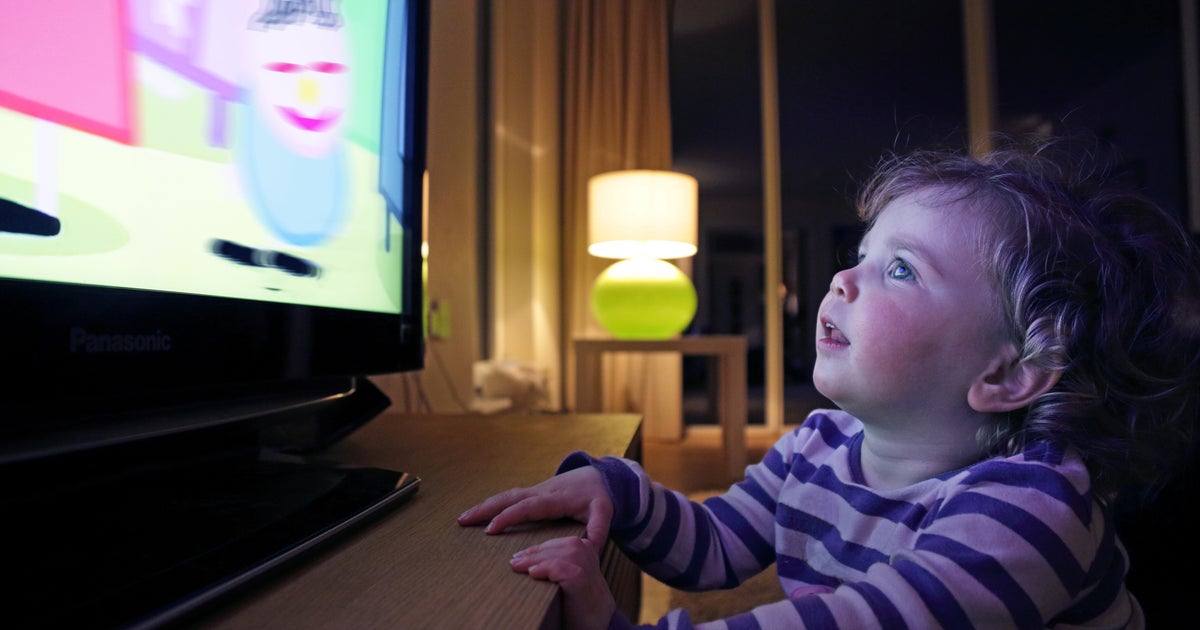
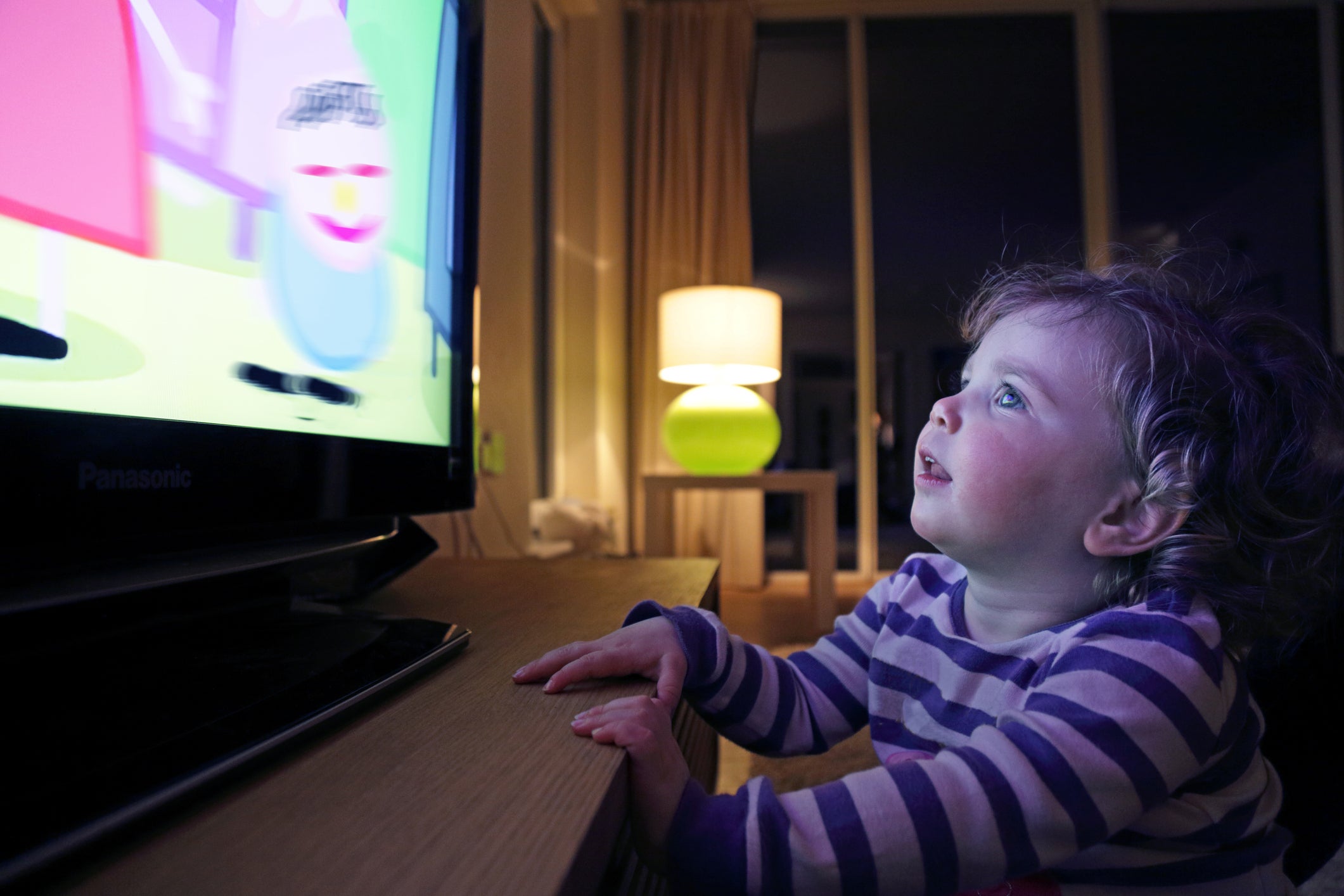
The guidance, from the UK government, comes as almost one-quarter (24%) of parents of three‑ to five‑year‑olds say they find it hard to control their child’s screen time, and 98% of two‑year‑olds watch screens every day.
In response to parents calling for support on how much screen time is too much, as well as how to build healthy habits, the government shared new evidence-informed guidance for babies, toddlers and pre-schoolers.
Advertisement
What are the new screen time rules?
Under twos should avoid screen time other than for shared activities that encourage bonding, interaction and conversation (ie. FaceTiming family), per the new guidance.
Meanwhile two- to five-year-olds should stick to no more than one hour of screen time a day.
The government also advises avoiding screen time at mealtimes and in the hour before bed, so as not to disrupt sleep.
What else does the guidance say?
Opt for slow-paced, age-appropriate content.
Fast-paced, social media-style videos and AI toys or tools should be avoided for young children.
Parents are encouraged to watch or use screens together to make the experience more interactive, as talking, asking questions, and engaging with the content is better for children’s development.
Make safe screen swaps like reading bedtime stories together or playing simple games at mealtimes.
The guidance stems from the findings of an expert panel led by the Children’s Commissioner Dame Rachel de Souza and Professor Russell Viner, a paediatrician and expert in children’s health.
The panel reviewed the latest evidence on screen use in under-5s, and found long periods of time spent on screens alone can get in the way of activities critical for development.
Think: sleep, physical activity, creative play, and interaction with parents.
But not all screen use is equal.
Watching screens with an engaged adult where parents talk and ask questions is linked to better cognitive development than solo use.
Advertisement
Slow-paced content is also far better for development than fast-paced social media-style videos.
Evidence also suggests time limits shouldn’t apply in the same way for screen-based assistive technologies to support children with special educational needs and disabilities.
Prime minister Keir Starmer said: “Parenting in a digital world can feel relentless. Screens are everywhere, and the advice is often conflicting.”
The new guidance “cuts through the noise”, he added, “to keep children safe and make sure healthy habits are baked in from the start”.
Advertisement
Admitting that some will oppose the guidance, he added, “I will always stand on the side of parents doing their best for their children”.
Children’s Commissioner Dame Rachel de Souza said: “Young children need their parents to be confident in managing their screen use, but often this can be overwhelming for parents learning to navigate this.
“My hope is that this guidance helps to cut through the conflicting advice available and prioritise children’s development and wellbeing, as well as their safety.”
Advertisement
Neil Leitch, CEO of the Early Years Alliance, welcomed the new guidance and its emphasis on providing practical tips and advice for parents and carers.
He added he hopes it’s “the first step towards equipping children – and those supporting them – with the skills they need to thrive in an increasingly digital world and ensuring that technology enhances rather than undermines early learning and wellbeing”.
Parents have previously opened up about the slightly unhinged hacks that helped make their lives easier – from buying 15 of the same t-shirt to leaving food on the counter and telling their child they can’t eat it (the only way to guarantee they will eat it).
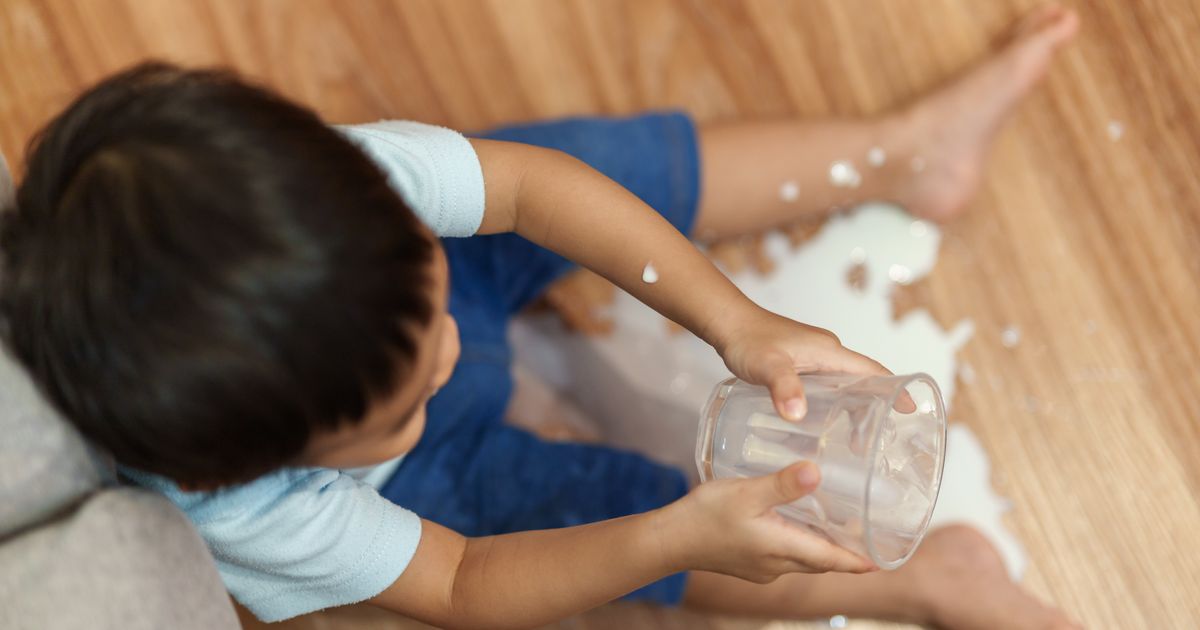
Here’s what parents on Reddit say worked for them when their kids’ big feelings got the better of them…
“My GO TO is say something wrong.”
“For example, if [you’re] trying to get their shoes on ‘Hey we need to get your shoes on, here let’s put them on, they go on your head right?’ Or ‘Lets put on your green shoes’ (when they are red shoes).
Advertisement
“Saying something obviously wrong will snap my 3 year old out of it almost instantly. You can use it as kind of a distraction too, ‘Let’s go see your ‘wrong coloured’ room.’”
“I bent over and made a fart noise with my mouth,then looked surprised and said ‘oops! Excuse me!’”
“My toddler lost it and we both started laughing hysterically for several minutes. Sadly one of my prouder parenting moments.”
“This sounds so weird but sometimes I run away from him.”
“He thinks it’s hilarious and starts chasing me and forgets whatever he was pitching a fit over.”
“If it’s a throwing things tantrum, I give him a bunch of balls…”
“And tell him to rage throw them down the hallway (where he can’t break anything). I demonstrate by whipping one as hard as I can and say ‘phew! I feel better now. Wanna try?’ He always goes for it.”
“I say, ‘Quick! Tell me 5 things you see that are blue!’”
“He’ll look at me like I’m crazy but then start looking around. Name things. If he’s still upset, I’ll ask him to name 4 things he can hear. Usually by now he’s over it.”
A parent has shared the unusual trick she used to calm her toddler’s tantrum on a flight in under a minute – and the internet is hooked.
Taking to Instagram, content creator and photographer Shante Hutton recommended a “nervous system reset hack” for toddlers who are in “meltdown mode” – and it might be particularly useful while travelling.
“Take a small comb and gently brush their feet, hands, and tummy – slow, light strokes,” said Hutton. “It interrupts the overwhelm, gives their brain a new sensory input, and calms them down fast.”
The parent added that when she tried the trick, “we went from red-faced screaming to comatose in under a minute”.
Advertisement
She then urged families to add a comb to their carry-on luggage the next time they take a flight with young kids.
Does it work?
The post, uploaded a week ago, had almost 43,000 likes at the time of writing.
“My daughter[’s] OT [occupational therapy] recommend we brush her daily,” said one commenter. “Sounds like I own a horse, but it works.”
A grandparent added: “Interesting! I draw circles on their palms (or feet) with my finger and they almost go into a trance.”
Advertisement
One parent admitted they started “skin brushing” when their baby was a newborn and they “swear it helps with the milestones too”.
There were even some who joked: “Giving my husband a comb for my meltdown later.”
Obviously this isn’t a hack that works for everyone – we’re all different, and some kids might love the sensory experience while others… well, not so much. You know your child and whether they’d respond well to this or not.
Any other meltdown hacks?
Prevention is key. Take lots of snacks and toys to keep them occupied. Tablets can be useful if your child is of an age where they can be distracted by TV shows and films for periods of time.
Advertisement
One parent swears by painter’s tape to keep her child occupied on a plane – it’s cheap, easy to rip (and remove from surfaces, once stuck), and colourful. Just make sure you clean it all up before you disembark.
If your child is in the thick of a tantrum and the comb trick isn’t working, you could try asking them a “tiny, non-threatening question”, according to Jo Walker, a hypnotherapist at Walker’s Therapy.
The question should have nothing to do with the tantrum. So, Walker gave an example of, “hey, I just noticed your shoes. Where did you get those from?” or “what is the animal on your T-shirt?”.
We hope you love the products we recommend! All of them were independently selected by our editors. Just so you know, HuffPost UK may collect a share of sales or other compensation from the links on this page if you decide to shop from them. Oh, and FYI — prices are accurate and items in stock as of time of publication.
Over the years I have purchased an embarrassingly large number of baby and toddler cups in the hopes that one day, one of them would not leak. (I’m sadly not kidding, we have a cupboard full of them.)
Advertisement
There have been sippy beakers with fold down nozzles, 360 sippy cups, tip and sip cups, stainless steel jobbies, silicone ones – a collection of vessels picked up in supermarkets and via 3am Amazon purchases.
And all of them have dribbled water out in varying degrees.
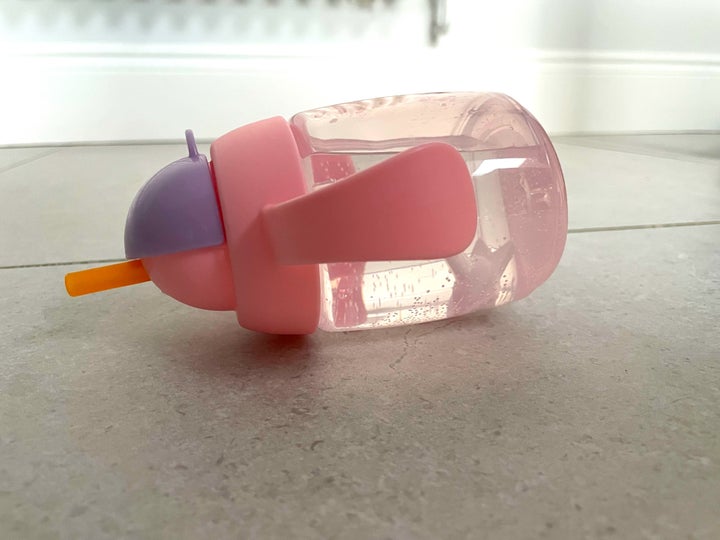
So you can imagine my extreme surprise when I discovered a toddler cup that doesn’t leak at all. It might not surprise die-hard fans of the brand, but the cup in question is from Tommee Tippee.
She’d been using a weighted straw cup from another brand but I found every time she put the cup down and left it lying on its side, water would seep out.
The result? Little puddles of wet dotted around our house. Fine on carpet, not-so-great on your nice wooden floors, even worse on your slippery kitchen tiles.
I was pretty sceptical that the cup would be leakproof, given my history (and cupboard full of useless drinking vessels). But incredibly we’ve been trying the Tommee Tippee cup for over a month now and there have been zero spills. Zilch!
Advertisement
Even when she launches the cup to the floor from her high chair: nada! It’s a modern-day miracle.
Natasha Hinde
Not a single drip from the straw.
What wizardry is this? Well, the straw has a two-piece valve which stops water from escaping and somehow actually works.
It also has a flip-down cover to keep the straw nice and clean when not in use (a great feature when you’re out and about and you need to shove it under the buggy quickly).
Advertisement
According to Tommee Tippee, the cup is BPA free, as well as dishwasher and steriliser safe. Big fan of the fact it also comes with a handy brush to clean the straw.
The cups retail at £9.99 which I would argue is well worth the money if you don’t want to water-damaged floors or a soaking wet changing bag.
“Enough with the guilt-tripping against parents who sleep train their toddler-age children,” she said. “Most times it’s needed for the entire family.
“Let’s not normalise parent and child functioning every day on sleep deprivation – because that is what’s harmful to a child’s developing brain and a parent’s mental health.”
She continued: “If you don’t do it, that’s up to you. But let’s stop putting information out there … that’s misleading parents and guilt-tripping them, because that’s just unkind.”
Advertisement
What is sleep training?
The premise of sleep training is fairly simple: parents are aiming to teach their little ones to fall asleep without their help. So that means no rocking, swaying, feeding to sleep, etc.
But putting it into practice is less than simple. Often it involves a bit of trial and error and possibly some crying while your child figures out how to get themselves to sleep.
When are you meant to start sleep training?
The Sleep Foundation suggests babies aren’t ready for sleep training until they’re about six months old. This is because prior to that “they haven’t developed the circadian rhythms that will help them sleep through the night”.
Advertisement
“Just as there’s no exact right age to begin sleep training, you also don’t have to sleep train,” the foundation says.
“Babies will eventually learn to sleep on their own. However, sleep training is effective and offers significant benefits to both babies and parents, with no evidence of negative long-term effects.”
There are a few different methods parents try, from the Ferber method to the fading method and the more controversial cry-it-out method.
Advertisement
Here, we’ll quickly break down what they entail:
Ferber method
This involves putting your baby in their cot while they’re “drowsy but awake” and then leaving the room. If they cry, wait for three minutes (roughly) before going back in to check on them and comfort them.
The idea is that you console them but you don’t pick them up.
Then you leave the room again, this time for five minutes. And repeat. Each time you increase the amount of time you leave the room for until they’ve fallen asleep.
And if your little one wakes up in the night, the idea is you repeat the process to help settle them again.
Advertisement
Laura Ohlman on Unsplash
With sleep training, parents are aiming to teach their little ones to fall asleep without their help.
Cry-it-out method
This strategy involves leaving your baby to fall asleep on their own without comforting them and then leaving them until a set time in the morning.
“Parents are instructed not to intervene and to ignore crying and tantrums unless there’s a concern that the child is ill or hurt,” according to Huckleberry.
Advertisement
Fading method
This is another more gradual approach where parents camp out in the child’s room until they fall asleep. The premise is that you pop your child into their cot when they’re drowsy and then stand nearby or sit on a chair in their room, offering minimal levels of comfort, until they fall asleep.
“Each night, the parent gradually moves further away from their child while still remaining in their sight,” explains the Sleep Foundation.
Pick up/put down method
This one requires a little more patience. According to The Mother Baby Centre, parents put their baby down drowsy and if they start to then cry, you let it happen for a bit before picking them up and soothing them.
Advertisement
Then you put them back down again while still awake and repeat the process until they go to sleep.
Her approach is that you do your bedtime ritual as usual, say ‘goodnight’ to your child after popping them in their cot and then leave the room.
When your child cries, take no action for two minutes. Then, go back into the bedroom and comfort them but without picking them up (this might involve lying them back down and putting your hand on their tummy while shh-ing them).
Go back out of the bedroom and then stay out for four minutes. Then repeat the exercise until your child goes to sleep.
Advertisement
Is sleep training good or bad?
It’s hard to definitively answer this.
“Looking at how babies slept for most of human history (together with caretakers) we realise that sleep training today is more about suiting parental lifestyles than what’s biologically and evolutionary normal for babies,” explained science communicator Violeta Gordeljevic, on the Science for Parents Instagram account.
She advised proceeding with caution if you do try it: “When in doubt about physical and emotional safety, choose caution. This may mean choosing gentler methods.”
In a video that might put parents’ minds at ease, Professor Emily Oster recently set out to share what the research on sleep training says in an informative video.
Advertisement
The CEO of ParentData, who has two children of her own, said sleep training can be a “very polarising” topic but suggested the data is “pretty good” in this area (although Gordeljevic disagrees) and came up with a summary for parents who are deliberating whether to give it a go.
“First, on average, sleep training improves the quality of infant sleep,” said Prof Oster. “It is not a panacea, it doesn’t work perfectly for every kid, but on average it improves sleep.”
Her second point is that sleep training, on average, “improves mood and happiness for parents” probably because “parents are sleeping better”.
Advertisement
And her last point is that when looking at either the short-term or the long-term impact, “we do not see any differences in attachment measures, in emotional regulation, in any of the metrics you might worry about with sleep training”.
“It just does not look like sleep training makes kids worse off,” she concluded.
The first year of an infant’s life is dependent on milk. Whether you choose to breast feed or give formula, milk makes up all the calories they need.
Of course after 6 months of age you can start weaning them on to food, but this is to get infants ready for eating solids as part of their daily diet by 12 months. Before that, food is essentially getting them to practice the skill of eating.
Advertisement
However, if they are eating solids, the milk intake will be less than it was when they were infants.
Above the age of 12 months, children can have full fat cows milk instead of formula, and the NHS recommends you give your child at least 350ml (12oz) of milk a day.
But what happens if your toddler refuses milk all together?
My daughter began to refuse milk completely at 14 months after we decided to transition her to a beaker instead of bottle. This came as a shock because for the first year of her life all she did was drink milk.
She also wasn’t great at eating solid foods at 14 months, but that might have been because of the amount of milk she was drinking before she quit cold turkey.
After a lot of stressing, I learned that if your child doesn’t drink milk, it’s actually OK as long as you make up the calcium in other ways.
Advertisement
Children from the age of 1 to 3-years-old need 350mg of calcium a day and the NHS suggests you can give two servings of foods made from milk, such as cheese, yoghurt or fromage frais if your child doesn’t have milk.
You should be giving your child a variety of calcium-rich foods as well as keep offering milk as they might eventually find their way back to it. According to the Centre of Family Medicine you can try adding milk to foods to up their intake.
These foods can include:
pancakes,
scrambled eggs,
smoothies,
breakfast cereals
oats/porridge
With foods that are usually made with water, you can also try replacing with milk.
If you’re really worried about the lack of calcium your child is getting, make sure to contact your GP.
In fact, according to research, spending time with the little ones not only helps you stay social, it can also help with your mental health and some medical issues.
186 grandmothers took part in a study conducted by The Women’s Healthy Ageing Project in Australia, and researchers found that those who looked after their grandkids one day a week had a lower risk of developing Alzheimer’s and were more likely to offset dementia.
However, the research also found that looking after grandkids for more than five days a week could have a negative effect on cognition. So, while daily care could be burdensome, weekly visits had clear benefits.
An article looking into the impact of grandparenthood also found that grandchildren can make life “more fulfilling” and give grandparents a “new life purpose”. Because grandparents can find time with their grandkids so satisfying, the study noted that this can then potentially reduce mental health issues, improve cognitive abilities and physical strength – all of which can lead to a “better self-perceived quality of life”.
So there you have it, those blessed with grandkids and grandparents shouldn’t underestimate just how lucky they are. It’s not just a wholesome bond, it’s actually great for their health!
As Ramadan approaches, parents of young kids like myself are trying to find ways to teach our children about the Holy month.
With older kids, it can be easy to explain what the month means and how we can use it to minimise bad habits. But with toddlers and young children there needs to be a balance of making the time fun and exciting, alongside teaching them its importance.
Advertisement
As Muslims, children are obliged to fast once they hit puberty. Before this during Ramadan, kids will usually partake in family meals such as Iftar (opening of the fast), build the habit of praying five times a day and use the time to understand the importance of helping the less fortunate.
However, as the month places a huge importance on fasting for older children, younger kids might feel left out and want to do more to get into that Ramadan feeling.
So, here are some ways you can help to make the month special for young children that aren’t able to fast. These tips have been suggested by the creators of Salam Occasions, an online store where you can buy Islamic toys, books and decorations.
Decorate your home
Making changes in your home during Ramadan can really help kids differentiate the month of Ramadan from other months.
Advertisement
Children love to help out, so why not let them join in to put up some bunting? Salam Occasions have a range of balloons and acrylic decoration pieces that can transform your prayer space to make it even more exciting for the kids.
Do activities
Learning doesn’t have to be boring – when teaching your young children about Ramadan and what it means, bringing in colouring books can be a game-changer!
Alongside this you can even get your kids to have a healthy competition of designing a mosque, to teach them about the importance of praying together.
One of the three founders of Salam Occasions, Raheema, says: “My three-year-old would probably be able to tell you more about Ramadan than I would because of these books!
“A lot of people are turning to Islamic board books and colouring. As a parent I’ve introduced everything to my daughter from birth and by now she knows a lot more duas (prayers) and stories of Prophets than I did at that age!”
Advertisement
Countdown to Eid
Counting down to a special day definitely makes the month more exciting, building up towards Eid is a great way to get your kids involved.
You can even DIY your own and tick off each day with a ‘moral of the day’ or ‘word of the day’ related to Ramadan. Alongside this you can even use the countdown to get your child to put £1 a day aside for charity.
This can really cement the idea that Ramadan is all about helping others and being a better person.
Either way, once it gets to Eid, the day where Muslims celebrate and mark the end of the month, your child will feel accomplished looking back at the past month!
At the end of the day, Ramadan is about learning how to be a better person. Whether it’s helping your kids break bad habits such as not fighting with siblings, or using the month to educate them about religion and morals — these tips are sure to get your young kids involved in wanting to learn more.