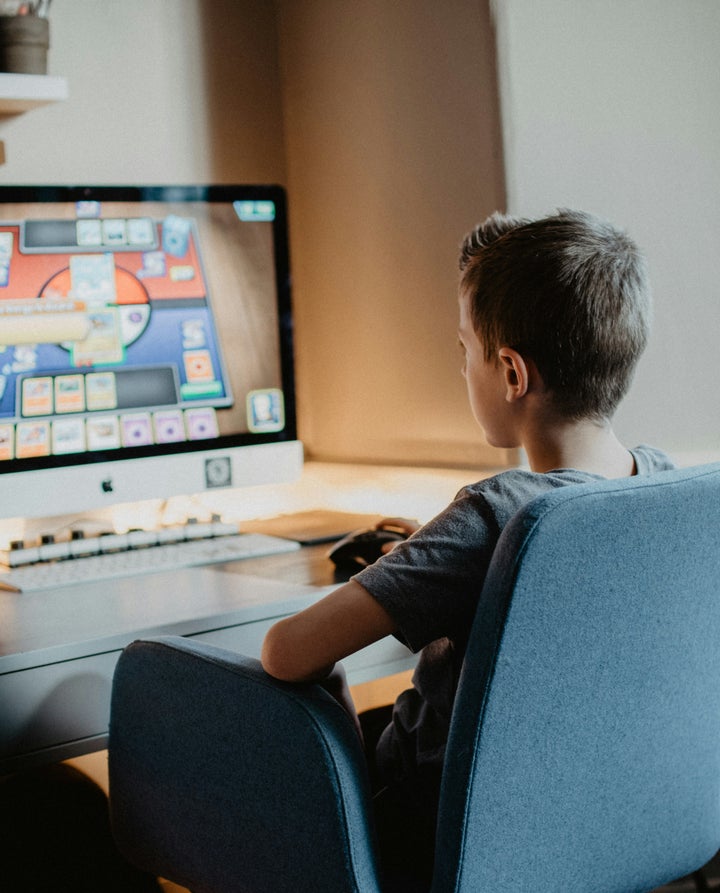
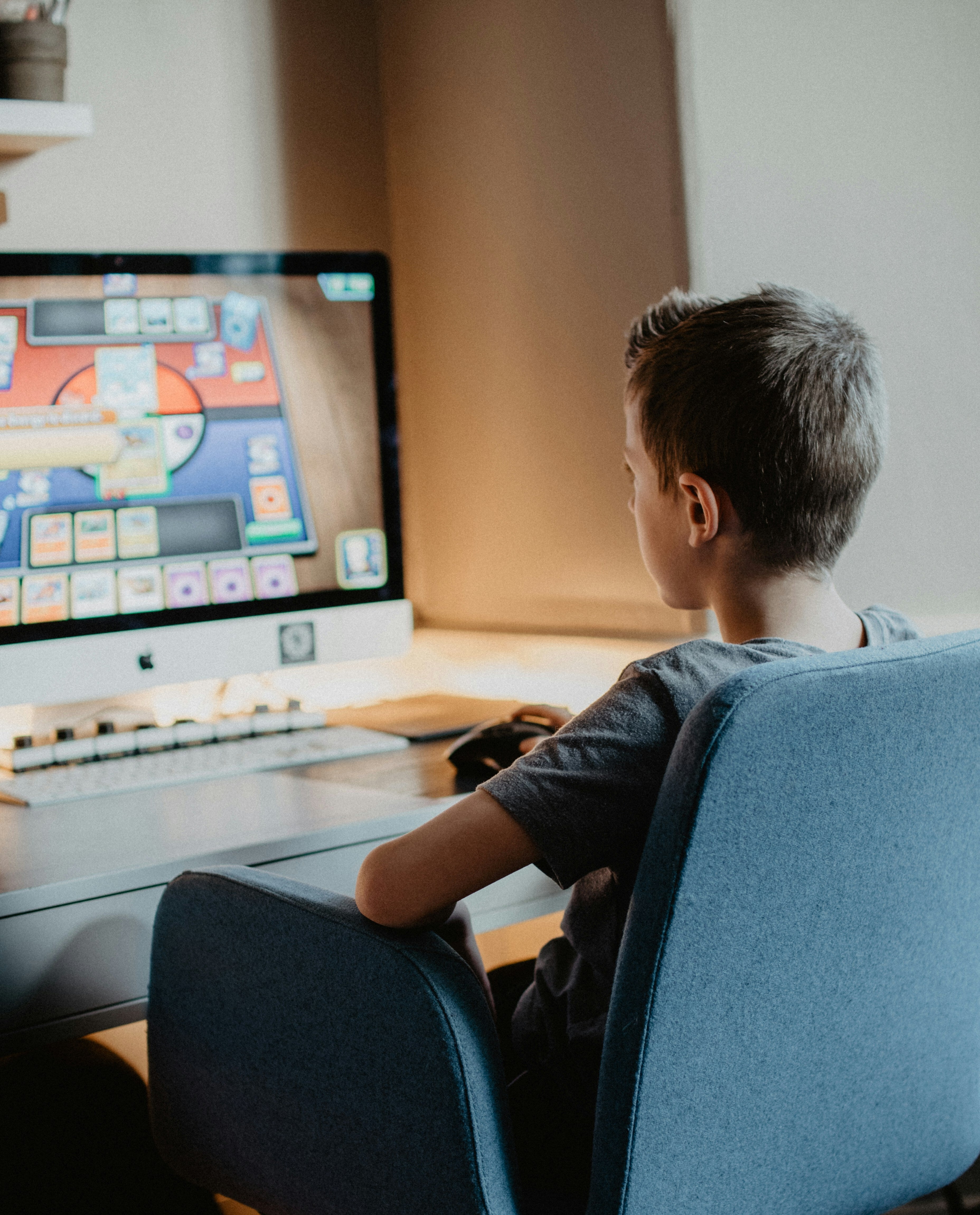
But what about the impact on brain function? Well, a new study from Finland found kids who had higher amounts of screen time during childhood ended up with better cognitive processing in their teen years.
Advertisement
Cognitive processing refers to the mental functions which are linked to thinking, learning, memory and executive function.
Researchers said the findings suggest screen time can support children’s and adolescents’ cognitive processing. But they stressed a key consideration here is what kind of things children do during their screen time.
The findings are based on an eight-year follow-up of the PANIC study on children’s physical activity and nutrition. The study involved 124 girls and 136 boys, whose average age was 15.
Advertisement
Physical activity and sedentary behaviour were measured by a device that combined heart rate and movement measurements and also by a survey questionnaire, while learning, attention and working memory were also assessed.
Not all screen time is equal.
Doctoral researcher Petri Jalanko, from the University of Jyväskylä, said children should be encouraged to use screens in ways that promote active thinking, problem-solving, creativity and learning.
Advertisement
Parents shouldn’t just see screen time as harmful, he added, but should seek balance between physical activity and screen time that promotes active thinking.
The research tracks with previous research on brain function and screen time. A 2023 study of nearly 12,000 children in the United States found no evidence that screen time impacted brain function or wellbeing.
A study in older adults, meanwhile, found active screen use was generally associated with better cognitive outcomes, particularly in memory, executive function, and attention.
Advertisement
Passive screen use, on the other hand, was linked to poorer outcomes, including verbal memory and global cognition declines.
The latest findings come after a survey found almost one-quarter (24%) of parents of three‑ to five‑year‑olds find it hard to control their child’s screen time, and 98% of two‑year‑olds watch screens every day.
In the UK, the government has issued guidance on screen time for under-fives, suggesting under twos should avoid screen time other than for shared activities that encourage bonding, interaction and conversation (ie. FaceTiming family).
Advertisement
Meanwhile two- to five-year-olds should stick to no more than one hour of screen time a day, and screen time should be avoided at mealtimes and in the hour before bed, so as not to disrupt sleep.
Watching screens with an engaged adult where parents talk and ask questions has been linked to better cognitive development than solo use.
Slow-paced content is also considered far better for development than fast-paced social media-style videos.
Advertisement
Paediatrician Dr Joel Warsh, aka Dr Gator on social media, previously shared in his newsletter that he tells parents to ask four questions when it comes to the impact of screen time on their kids.
These are:
Is my child sleeping well?
Are they able to focus without screens?
Do they play independently?
And how do they behave when the screen is taken away?
If their sleep, focus and ability to play independently is on track, and they don’t have meltdowns or angry outbursts when screens are taken away, this is a positive sign.
Advertisement
The paediatrician noted that “sometimes it’s not about the number of hours” but rather the effect of screen time on our kids that we should pay attention to.
New screen time limits have been revealed for children in the UK under five.
The guidance, from the UK government, comes as almost one-quarter (24%) of parents of three‑ to five‑year‑olds say they find it hard to control their child’s screen time, and 98% of two‑year‑olds watch screens every day.
In response to parents calling for support on how much screen time is too much, as well as how to build healthy habits, the government shared new evidence-informed guidance for babies, toddlers and pre-schoolers.
Advertisement
What are the new screen time rules?
Under twos should avoid screen time other than for shared activities that encourage bonding, interaction and conversation (ie. FaceTiming family), per the new guidance.
Meanwhile two- to five-year-olds should stick to no more than one hour of screen time a day.
The government also advises avoiding screen time at mealtimes and in the hour before bed, so as not to disrupt sleep.
What else does the guidance say?
Opt for slow-paced, age-appropriate content.
Fast-paced, social media-style videos and AI toys or tools should be avoided for young children.
Parents are encouraged to watch or use screens together to make the experience more interactive, as talking, asking questions, and engaging with the content is better for children’s development.
Make safe screen swaps like reading bedtime stories together or playing simple games at mealtimes.
The guidance stems from the findings of an expert panel led by the Children’s Commissioner Dame Rachel de Souza and Professor Russell Viner, a paediatrician and expert in children’s health.
The panel reviewed the latest evidence on screen use in under-5s, and found long periods of time spent on screens alone can get in the way of activities critical for development.
Think: sleep, physical activity, creative play, and interaction with parents.
But not all screen use is equal.
Watching screens with an engaged adult where parents talk and ask questions is linked to better cognitive development than solo use.
Advertisement
Slow-paced content is also far better for development than fast-paced social media-style videos.
Evidence also suggests time limits shouldn’t apply in the same way for screen-based assistive technologies to support children with special educational needs and disabilities.
Prime minister Keir Starmer said: “Parenting in a digital world can feel relentless. Screens are everywhere, and the advice is often conflicting.”
The new guidance “cuts through the noise”, he added, “to keep children safe and make sure healthy habits are baked in from the start”.
Advertisement
Admitting that some will oppose the guidance, he added, “I will always stand on the side of parents doing their best for their children”.
Children’s Commissioner Dame Rachel de Souza said: “Young children need their parents to be confident in managing their screen use, but often this can be overwhelming for parents learning to navigate this.
“My hope is that this guidance helps to cut through the conflicting advice available and prioritise children’s development and wellbeing, as well as their safety.”
Advertisement
Neil Leitch, CEO of the Early Years Alliance, welcomed the new guidance and its emphasis on providing practical tips and advice for parents and carers.
He added he hopes it’s “the first step towards equipping children – and those supporting them – with the skills they need to thrive in an increasingly digital world and ensuring that technology enhances rather than undermines early learning and wellbeing”.
Eye health is an easy area to overlook for many people ― that is, until a problem arises.
Visual decline, infection, injury and other ocular issues are fairly common, especially as we age. And although there are many treatments and even surgeries to fix our eye health woes, it would be nice to avoid reaching this point.
The good news is there are many ways to help prevent infection and damage to keep our eyes healthy as we age.
Advertisement
HuffPost asked eye doctors to share the things they never do in the interest of their ocular health. Read on for the behaviours they avoid.
They don’t sleep in contact lenses.
“I never sleep in my contact lenses unless the contact lenses have FDA approval for extended wear because of the risk of painful eye infections and cornea damage,” said Dr. William McLaughlin, an optometrist at The Ohio State University Wexner Medical Center.
Occasionally, people who wear contacts might get exhausted or have a few too many drinks and pass out before they’ve had a chance to remove their lenses, or they might need to take a midday nap or find themselves dozing on a plane. But it’s really important to try to remember to take out your contacts in these situations.
“Sleeping in contacts allows for microbes and bacteria from the contact lens to multiply overnight,” said Dr. Ella Faktorovich, an eye doctor and founder of Pacific Vision Institute. “This can lead to further complications, such as a corneal ulcer, which can be vision-threatening and lead to the need for a corneal transplant.”
Advertisement
They don’t stare closely at a screen for too long without breaks.
“When people look at a phone, laptop, or book too closely for an extended period, it can increase the risk of myopia in young people and cause eyestrain for people of all ages,” Faktorovich said. “Myopia typically develops in childhood and then deteriorates until the late teenage years.”
She recommended following the “20-20-20 Rule” for preventing and relieving digital eye strain. The method involves taking a 20-second break every 20 minutes to look at something 20 feet away. Easing your eye strain can improve your overall eye health as you age.
“As people age, they will experience presbyopia, leading to the potential need for procedures like Monovision LASIK or PRK, where one eye is corrected for distance vision while the other is left mildly nearsighted or uncorrected,” Faktorovich added. “Other procedures to help presbyopia may be lens replacement surgery.”
They don’t put off eye exams.
“I never forget to have my eyes examined at least every year to year and a half,” McLaughlin said.
It’s particularly important to keep up with your regular appointments, including dilated eye exams, if you have a condition that puts your eye health at risk.
“Those diagnosed with diabetes are at increased risk of developing retinopathy,” noted Dr. Barbara Mihalik, an optometrist at The Ohio State University Wexner Medical Center. “This starts as bleeding within the retina and can progress to swelling within the retina, cataracts, glaucoma, and development of new leaky blood vessels that can cause sudden loss of vision and lead to retinal detachment which can cause permanent vision loss. Often those affected do not have any visual problems so it’s important to get dilated at least once a year to monitor for this since there are treatments to prevent this vision loss.”
Advertisement
They don’t ignore a sudden vision change.
“I would never ignore a sudden onset of a shower of floaters ― spots in the vision ― and flashing lights, especially if accompanied by a curtain crossing the vision,” Mihalik said. “All of these can be a warning sign of a retinal tear, break or hole that can lead to a retinal detachment.”
If caught early, this problem can be treated before the retina detaches, she added.
“If the retina does detach, it then requires surgical treatment and the level of vision that can be restored depends on how much and for how long the retina was detached,” Mihalik explained. “If you ever do develop new onset floaters and flashing lights, call your eye care provider right away.”
LaylaBird via Getty Images
It’s important to reach out to an eye doctor ASAP if you notice any sudden vision changes or other eye problems.
They don’t leave makeup on overnight.
“Under-lubricating the eyes is an often overlooked part of symptomatic eye issues, especially in people who use contact lenses or makeup,” said Dr. Avnish Deobhakta, an ophthalmologist at the New York Eye and Ear Infirmary of Mount Sinai. “A major change that occurs as we age is that we do not make adequate quality tears ― this is particularly problematic for people who use contact lenses, which are placed directly on the surface of cornea, or certain forms of makeup on the eyelids, which often disrupt tear production.”
He noted that the cornea requires constant lubrication to function effectively, and both the aging process and use of contact lenses and makeup can reduce the body’s natural lubrication ability. In addition to avoiding sleeping in contacts, he urged makeup-wearers to thoroughly wash it off before going to bed. Failing to remove your makeup can lead to eye infections and adversely impact your eye lubrication.
Advertisement
“One way to help deal with [under-lubrication] is to use preservative free artificial tears as a matter of routine,” Avnish added. “These artificial tears are made with substances that help lubricate the surface of the eye. However, importantly, they do not have preservatives, which can sometimes cause side effects. We often advocate using them three to four times a day.”
They don’t stare at the sun.
“People should never look directly at the sun,” Faktorovich said. “Earlier this year, we witnessed a solar eclipse where many people were tempted to look at the sun through regular sunglasses or homemade sunglasses, which can be extremely detrimental to the eye. Staring directly at the sun without the right eye protection for even a short time can permanently damage your retina, the layer of tissue in the back of your eye that converts light to electrical signals for the brain.”
In the event of a solar eclipse, she recommended using the proper protection to avoid retinal burn and other serious eye damage.
They don’t smoke or vape.
“Smoking and vaping are some of the worst activities that one can do for both one’s general health, especially for the eyes,” Deobhakta said. “There are very severe diseases that destroy the parts of the eye that are irreplaceable, such as the retina, which occur much more often in people who smoke.”
He noted that smoking is also associated with increased rates of cataract formation, which leads to a clouding of the lens and often requires surgery to remove.
Advertisement
“In addition, the fumes themselves can cause damage to the surface of the eye, causing corneal abrasions and extremely painful dry eye, often requiring lifelong treatment to address,” Deobhakta said. “In other words, avoid smoking and vaping if you want a lifetime of healthy eyes.”
They don’t rinse contact lenses in tap water.
Mihalik noted that she would never use tap water to rinse contact lenses.
“There is a high risk of developing microbial keratitis, otherwise known as a corneal ulcer, that can lead to permanent blindness and in some cases corneal transplant,” she noted. “Instead, always rinse and store in contact lens solution, replace your case regularly, and replace lenses as directed by your eye care provider.”
In addition to storing and lubricating your contact lenses improperly, using the same pair for longer than recommended can lead to eye health issues.
“I never forget to discard my contact lenses in the prescribed time period,” McLaughlin said.
They don’t eat an unbalanced diet.
“Eating a diet high in sugar and fat may go without saying as being bad for one’s health, but it also has a disproportionately negative effect on the eyes,” Deobhakta said. “Certain diseases like diabetes are responsible for the most common forms of irreversible blindness that we see in our clinics, and that is often linked to eating an unbalanced diet high in carbohydrates and fat.”
He noted that the risk of experiencing a stroke in the eye is higher for those with uncontrolled high blood pressure.
Advertisement
“Some good news however ― eating a balanced diet (with exercise) not only helps other parts of the body, but drastically reduces the chances of these kinds of diseases occurring,” Deobhakta said. “So our advice is to eat a Mediterranean Diet, low in sugar and fat, and do something physical you enjoy, like running or biking or taking a walk.”
HuffPost is part of Verizon Media. We and our partners will store and/or access information on your device through the use of cookies and similar technologies, to display personalised ads and content, for ad and content measurement, audience insights and product development.
Your personal data that may be used
Information about your device and internet connection, including your IP address
Browsing and search activity while using Verizon Media websites and apps
To enable Verizon Media and our partners to process your personal data select ‘I agree‘, or select ‘Manage settings‘ for more information and to manage your choices. You can change your choices at any time by visiting Your Privacy Controls.