So, That Sweet Little Kid You Knew Grew Up To Be A Jerk…

You adored them as a kid – their joy, their wonder, their lopsided art projects and endless asking of “why?” But now they’re 19 and only care about TikTok, or designer shoes, or conspiracy podcasts.

Or maybe they’ve grown into someone you find unrecognisable, even unsettling.

It’s a quiet heartbreak many family members and caregivers face but rarely talk about: What do you do when a child you love grows into a teen or adult you don’t really… like anymore?

Mandy Morris, a licensed professional counsellor and EMDR clinician, said it’s “a particular kind of heartbreak I find quietly devastating: when a child you once loved deeply grows into an adult whose beliefs or behaviours you find difficult, or even impossible, to reconcile with your values,” she said.

Maybe they’re casually cruel, deeply self-absorbed, or espousing problematic ideologies. Maybe they’re just… not who you hoped they’d be. Experts say all of the above are quite common, and that it’s OK to feel grief, anger and even guilt in relation to a beloved child who is now a confusing, semi-grown human.

Ahead, here are tips for how to process those feelings, how to find the line between individuality and harmful behaviour, and how to draw boundaries that protect your peace and the possibility of reconnection in the future.

Selfish phase or a personality type?

It’s important to acknowledge that there are myriad reasons we may find ourselves disliking how a grown child is behaving at the moment. Each of those reasons falls somewhere on a wide spectrum – from disappointing to deeply deleterious. Let’s start with the former.

“When my goddaughter started going to this fancy private high school, everything changed,” said Liana*, in Tennessee. “Suddenly all she cared about was, I don’t know, absurdly expensive shoes? And we used to be super close when she was little, so now I’m like, I don’t know how to connect with her anymore. Do I just… buy her the shoes? Or is it my job to push back and call out that she’s become so superficial?”

Mary, an American who lives in Italy, said her stateside nephew’s “very obnoxious behaviours were never corrected when he was younger,” and it has led to difficulties being around him now that he’s older. As a little kid, “he could be fun and silly,” but as a teen he “doesn’t say hi… he’ll pull his hoodie around his face at the dinner table, he’ll barely utter a ‘thank you’ for gifts,” Mary explains. “Unfortunately, it’s hard not to blame the parenting.”

Therapist Sloane Previdi specialises in families navigating boundaries and conflicts, and notes that the teen tendency towards selfishness or consumerism is certainly nothing new. But it’s important to remember that “as kids grow, they develop into their own person – shaped by many things outside your influence,” Previdi said.

To the aunties and godparents wondering what, exactly, your role should be when a beloved teen tends towards the selfish or misanthropic: “Your job isn’t to fix them,” Previdi said. Rather, your job is to stay grounded in your own values. “Hold space for complexity,” Previdi adds. “People change – but they don’t always do it on your timeline.”

When your fears are confirmed

Of course, sometimes you monitor the situation for a decade and realise that kid is now nearly 30 and certainly not going back to their old, big-hearted self anytime soon. Andrea, from New York, had to make some changes in how she deals with her younger brother due to his problematic politics.

“We were very close as kids, and got each other through a lot of shit,” she said. “As he turned into a young adult, it started to emerge that he was more conservative. Which, OK, fine. Nowadays I’m nostalgic for the days when I was just ragging him for voting for Mitt Romney – oh, if only Mitt Romney were our problem in 2025!” Andrea says her brother’s vote for Trump in 2016 led to a real falling-out between them, and he started to post racist and transphobic comments.

“We didn’t speak for nearly a year,” Andrea said. “And it wasn’t because I was pissed; it was because he was pissed. He blocked me because I wasn’t on board with his politics.”

Today, they can at least see each other at family events — but only because they’ve made the unspoken decision to never talk politics.

“It hurts my heart because the kid I love is in there somewhere,” Andrea said. “I want to believe that little kid believes in his heart that, you know, trans kids should have human rights. But I just don’t know.”

“That emotional dissonance — the clash between who they were and who they’ve become — isn’t just disorienting; it’s grief.”

– Mandy Morris, LPC, EMDR Therapist

Coming to terms with a loss like this – the loss of the brother Andrea imagined she’d grow up to have – is huge. Previdi said you may feel guilt or confusion towards a once-beloved child who has changed, and “it’s OK to feel all of that. But your love can remain, even if your relationship changes,” she explains. One of the best coping mechanisms, Previdi adds, is “accepting that love and disappointment can coexist.”

“Maybe they’ve adopted ideologies rooted in misogyny, racism, or other forms of harm,” Morris said. “And maybe you remember when they were 8 years old and asked you to read them one more bedtime story. That emotional dissonance — the clash between who they were and who they’ve become – isn’t just disorienting; it’s grief. And not the kind of grief we’re taught to expect.”

Morris explains that psychologists call this “ambiguous loss,” a form of mourning that comes without a death “when the person is physically present but emotionally or morally unrecognisable,” she said.

What about Andrea’s decision to simply not talk about the issues with her brother? Therapist and licensed clinical social worker Jennifer Kelman said it’s a valid way to cope.

“Sometimes, taking a step back and letting things be” can be a great compromise, Kelman said, especially “if you feel that if you voiced your opinions, that it could fracture the relationship.” On the other hand, “if you feel that the potential of the fracture is worth the risk, then it might be time to sit with this loved one and share your feelings.”

When behaviours cross the line

Alex, from North Carolina, has had to actively distance himself from a cousin whose behaviours took a turn for the worse.

“I grew up playing with my little cousin Brad all the time,” Alex said. “We’d go to the beach together every summer. Then, when I was in my 20s and he was an older teen, he would get drunk and kept trying to start physical fights with me.” Alex had begun to be successful in his career and had moved away from their small town. Meanwhile, he saw his younger cousin start leaning more into problematic stereotypes about masculinity and inciting violence.

“I think it stems from mental health issues in the family that nobody talks about – which are often deeply rooted, Southern family dynamics,” Alex explains. As for the physical fights, “I refused to do it,” Alex said. He stopped seeing Brad entirely. Now in his 40s, he and his former favourite cousin are “not in touch. I don’t think he’s doing well. If I run into him by accident, he doesn’t ever look well.”

Alex said he knows many of Brad’s family members have struggled with drug abuse, and he assumes his little cousin has also gone down that path.

When “behaviours become harmful, such as with addiction and aggression, it’s time to set boundaries,” Previdi said. That doesn’t necessarily mean cutting someone off entirely. Instead, it can mean saying, “I love you, and I also won’t tolerate this behaviour.”

“Dangerous or chronically dishonest behaviour deserves your firm limits,” Previdi adds. “It’s loving to say no to harm.”

Morris said that staying in connection with a problematic young person without sacrificing your own emotional safety “might look like declining certain conversations, stepping back from constant contact, or clearly stating what behaviours you won’t tolerate.” She reiterates that if the behaviour crosses into harm, whether physical, verbal, ideological, or psychological, “it’s not just acceptable to step away; it may be necessary.”

The pain behind the problem

Whether the grown kid you’re struggling with has veered into harmful territory or is just plain annoying, it’s important to remember that many “problematic” teens and young adults were once children conditioned to shut down their feelings, said Rachel Marmor, a licensed mental health counsellor.

“The neurotic adaptations they made to survive often persist into adulthood, manifesting as cynicism, disconnection, or extremism,” she explains, adding that a young adult spewing hate or retreating into their phone is likely still protecting an old emotional wound.

So start with compassion.

“Be with that person and show your empathy, concern and care,” Kelman said, “and let them know that you are worried for them.” She urges adults not to judge or accuse, but rather “lend an open ear and a warm heart.” Marmor agrees, and says to “speak honestly, even if it’s painful. Invite emotional openness, even if it’s rejected.” Set your boundaries, but don’t give up on the possibility of connection in the future.

And remember: You’re not alone in your disappointment. “Many adults are grieving the loss of a child they once knew,” said Marmor. “But grief can open the door to a new kind of relationship — one based on the adult-to-adult honesty that allows for healing.”

How to move forward

It’s not your job to save someone from the beliefs they’ve chosen to adopt. “You can’t out-love someone’s commitment to harmful thinking,” reminds Morris.

What you can do, however, is “choose what role you want to play going forward,” Morris adds. That might mean continuing to express care from a distance. It might mean breaking off the relationship.

“And it might mean holding space for the version of them you once knew,” she says, “while accepting that the present version is someone you have to relate to differently.”

“Many adults are grieving the loss of a child they once knew. But grief can open the door to a new kind of relationship — one based on the adult-to-adult honesty that allows for healing.”

– Rachel Marmor, LMHC

Perhaps most importantly, though, if you’re struggling with a child you love turning into someone you don’t like or understand, know that disliking them doesn’t make you unloving.

“It makes you human,” Morris said. “And protecting your peace is not a betrayal of the bond you once had with that child. It may, in fact, be the only way to honor it.”

*Names of those who shared their personal stories have been changed throughout this piece to preserve anonymity.

Share Button

I Work With Grandparents Of Trans Kids. I’m Constantly Stunned By What I Hear Them Say.

As a gender therapist, I’m used to seeing parents reach out in crisis, teachers struggle to find the right language, and young people vacillate between moments of quiet confidence and deep fear and uncertainty in the current landscape. But there’s one group that continues to surprise me in the best possible way: grandparents of trans youth.

When people imagine advocates for kids, they don’t usually picture these individuals. But week after week, these elders show up — choosing to learn, to grow, and to fight for a future they may not live to see.

TransGenerations began in 2023 as a small, educational support group that my colleague Dani Rosenkrantz and I hoped would meet a quiet need. To our surprise, it filled almost immediately. Within weeks, we had to add a second cohort, then a third, then a fourth. When our original partnership with the Union for Reform Judaism ended due to funding, the grandparents themselves urged us to keep the group going. They weren’t done learning — or loving.

While some of those original members are still with us, the group has grown into a vibrant interfaith, intergenerational community, united by one powerful desire: to show up for the young people they love. We welcome grandparents from all backgrounds and financial circumstances, thanks in part to a scholarship fund that helps make participation accessible to everyone.

In our group, grandparents speak openly about mortality — not with fear, but with clarity. They talk about the time they have left and what kind of world they want to help shape before they go. They know they can’t shield their grandkids from every injustice, but they show up anyway — determined to do everything in their power while they still can.

In a world where older generations are often written off as rigid or out of touch, these grandparents are rewriting the script. They are unlearning decades of assumptions, grappling with rapidly changing cultural norms, practicing pronouns, correcting one another gently, and even educating their adult children. They choose curiosity over certainty, growth over comfort.

There’s the 81-year-old in Florida who calls the group her “chosen family,” and another in Illinois who ends every Zoom call with, “I love you all.” A grandfather is dreaming of a cross-country documentary tour to share the grandparents’ stories of affirming trans youth. One grandmother in Los Angeles told us her teenage grandchild texted her, “Mommy said you’re in a support group for grandparents of trans kids. That made my heart grow 10 sizes.”

And then there are the harder stories — the ones that show how transformation really happens.

There’s one grandmother who says in nearly every session that she’s not sure her grandchild is really trans. She has tested my patience more times than I can count — something we now laugh about — but her doubts haven’t disappeared. What has changed is her willingness to stay present and talk through her feelings.

At first, I thought she wouldn’t return after I gently challenged her. But she did — and not only that, she had read the articles I sent her. She brought notes. She came back with real questions. Most importantly, she continues to be respectful and affirming toward her grandchild in person. The group has become a space where she can wrestle with her fears honestly and be lovingly held accountable by other grandparents who once felt just like her.

You can see her softening, session by session. It’s in how she works harder to use the correct name and pronouns, even when it doesn’t come naturally. It’s in how she reflects on her missteps without defensiveness. Recently, after pausing mid-sentence, she said with a wry smile, “I know I shouldn’t care about anyone’s parts — so now I know better than to ask!” The group chuckled — not at her, but with her. Another grandparent added, “That was hard for me too.”

She’s growing. And so are all of us.

One grandfather recently said, “Sometimes I think it’d be easier if my grandchild were just gay.” That comment opened the door to a powerful conversation. Many in the group lived through the AIDS epidemic — when being gay meant watching friends die, being disowned by family, and living with constant fear. “Thirty years ago,” he added, “I would’ve done anything to keep my grandson from that kind of pain. And now, I’m saying the opposite. That’s how much the world — and I — have changed.”

Others, especially among our original Jewish cohorts, carry the weight of family histories marked by persecution and forced assimilation. These grandparents know what it means to be othered — to be told that hiding who you are is the only path to safety. During one session, a grandparent reflected on how deeply that instinct to blend in had been passed down in their family. “We survived by making ourselves invisible,” they said. “But I don’t want that for my grandchild.”

As the group explored these intergenerational echoes, a theme emerged: the desire to break the cycle. Just as these grandparents would never want their grandchildren to feel they must hide their faith or ethnicity to stay safe, they don’t want them to feel they must hide their gender identity either. That understanding didn’t come from a textbook — it came from their own stories, their own bodies, and a shared sense of what it means to carry inherited fear and choose love anyway.

There’s something profoundly moving about watching a Zoom screen full of people in their 70s, 80s and even 90s — people who could choose comfort or disconnection, but instead, show up week after week with notebooks in hand, eager to learn. One grandmother put it perfectly: “What better reason for becoming a lifelong learner at an advanced age than to love and support our grandchildren?”

They reflect on the gender roles they were raised with. They unlearn language they never questioned. They practice saying “my granddaughter” or “my nonbinary grandchild” aloud, letting the words settle on their tongues like a promise they’re learning to keep.

Having lost my grandparents in recent years, facilitating this group has felt like gaining a room full of wise elders I didn’t know I still needed. They come to learn from me, but the truth is, we’re all learning from each other.

And their growth isn’t just meaningful — it’s potentially lifesaving.

More than 1 in 4 LGBTQ+ youths report experiencing homelessness or housing instability at some point in their lives — often as a direct result of family rejection. The stakes are painfully high. But the presence of just one affirming adult can change everything.

According to The Trevor Project, LGBTQ+ youth with at least one accepting adult are 40% less likely to attempt suicide. For trans youth, being called by their chosen name and correct pronouns leads to 71% fewer symptoms of severe depression and a 34% drop in suicidal thoughts.

That’s the power these grandparents hold — not just to grow, but to protect. Their affirmation can be the difference between isolation and belonging, between despair and hope.

It’s not that they don’t have fears. They worry about their grandchild’s safety. They’re devastated by the current political climate. But they don’t let those fears close their hearts. They keep asking questions. They stay in the room. They volunteer. They sign petitions. They join boards and send money to grassroots organisations. They act.

In a world that often dismisses older adults as immovable or irrelevant, these grandparents are showing what radical love looks like. They’re not just bearing witness to their grandchildren’s identities — they’re actively shaping the legacy they leave behind.

A legacy of compassion, not silence. Of courage, not fear. Of love, lived out loud.

They won’t be here forever — but what they’re choosing now will outlast them all.

Note: Some details have been changed to protect the identities of individuals in this essay.

If you’re a grandparent — or know someone who is — curious, questioning, or simply wanting to show up for a trans or gender-expansive grandchild, the next TransGenerations cohort begins in late June. No knowledge required — just a willingness to grow.

Rebecca Minor, LICSW, is a queer clinician, consultant and educator specialising in trauma, gender and sexuality. Rebecca is the founder of Prism Therapy Collective, offering therapy and coaching to parents and caregivers of transgender youth. She has authored articles on LGBTQ+ youth, contributed to textbooks, and is frequently quoted as an expert on gender-affirming care. Her internationally recognised consulting and coaching work supports organisations, schools and businesses in building cultural responsiveness and inclusivity. She is adjunct faculty at Boston University and the author of the forthcoming book “Raising Trans Kids: What To Expect When You Weren’t Expecting This” (Row House, 2025).

Share Button

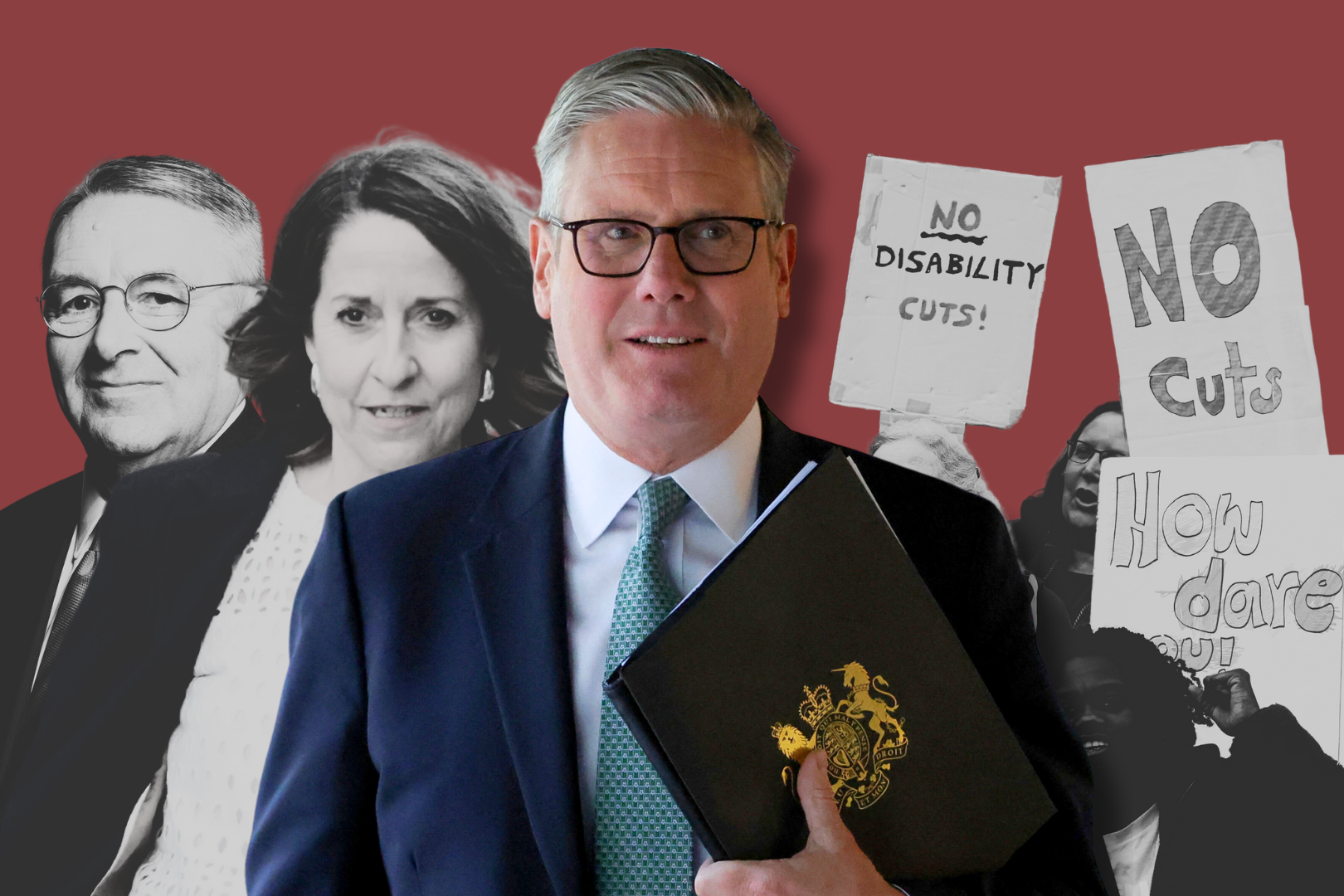
Revealed: How Labour’s Whips Will Try To Prevent A Huge Rebellion Over Welfare Cuts

If Keir Starmer wasn’t already aware of the strength of feeling among Labour MPs at the government’s plan to slash the welfare bill, it was brought home to him on Thursday evening.

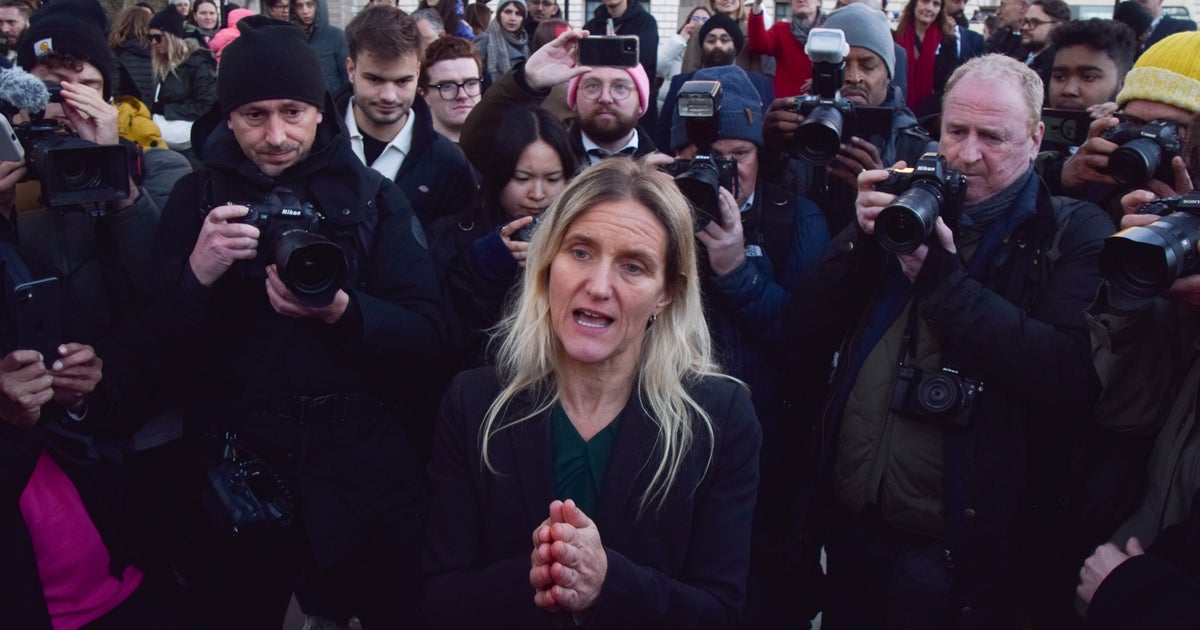
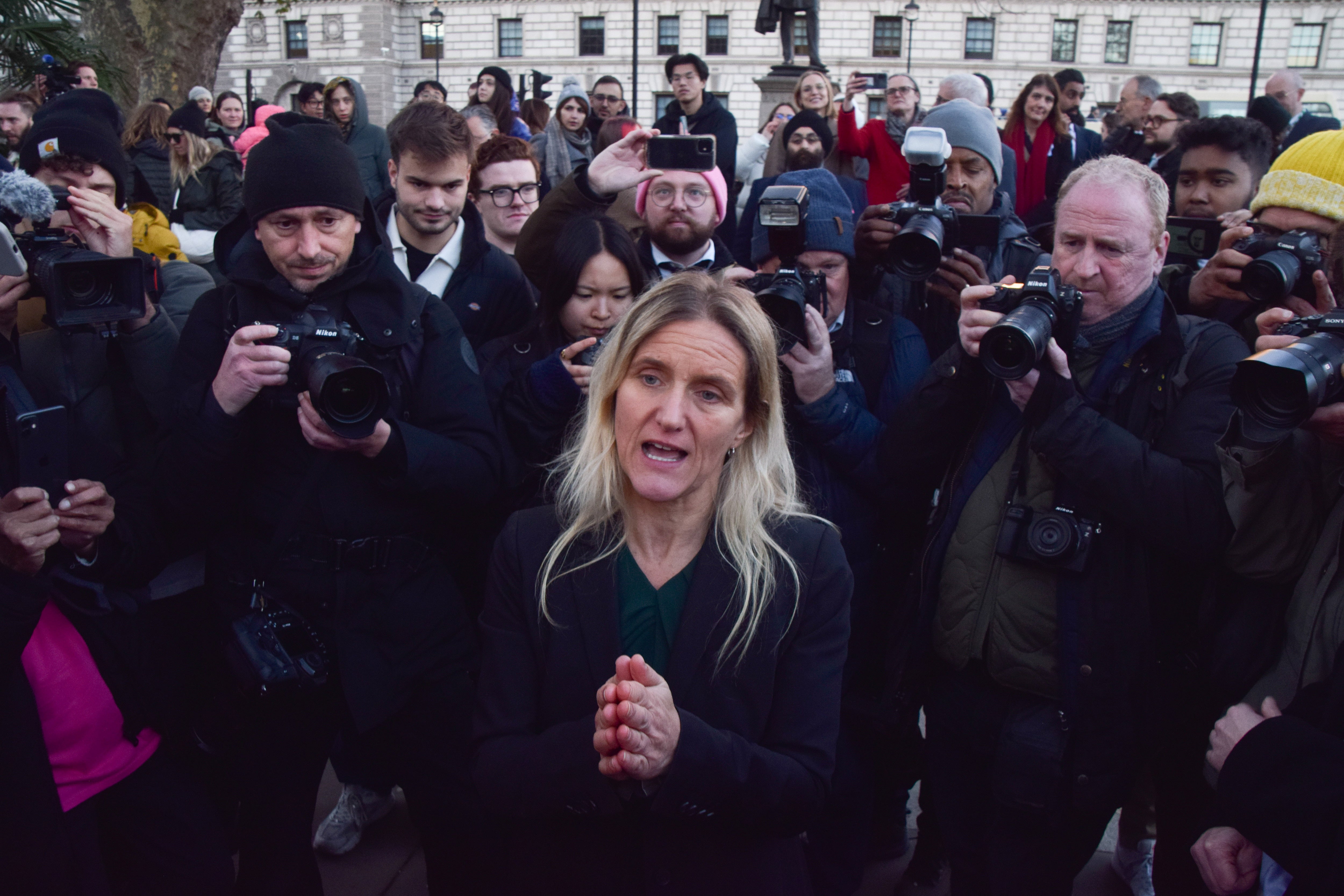
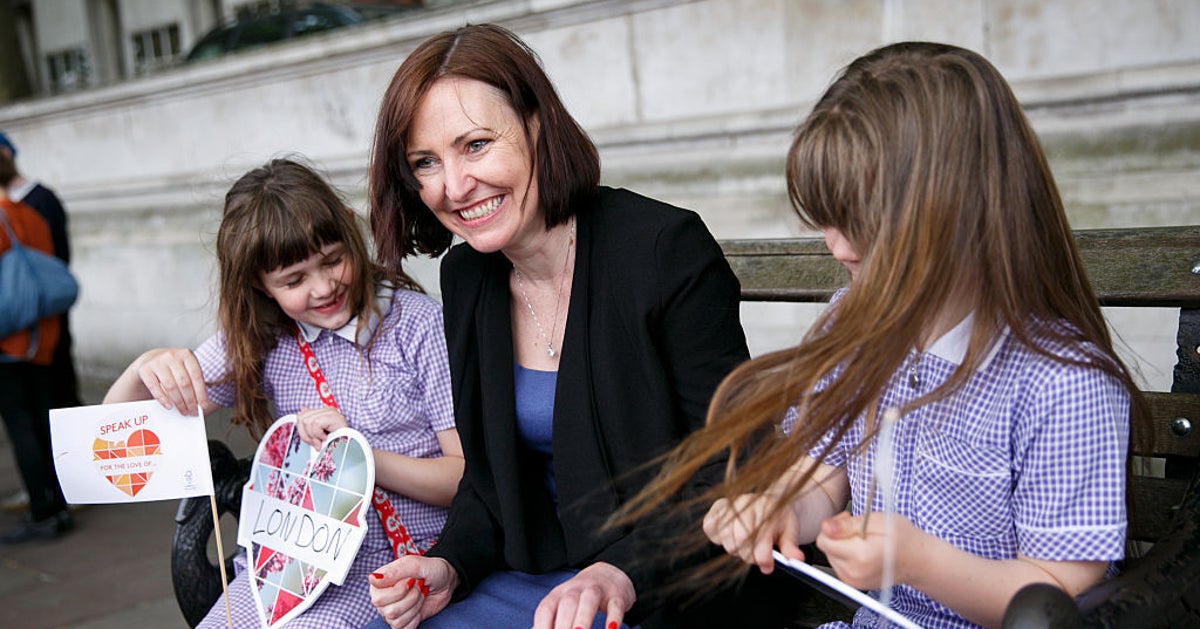
Party whip Vicky Foxcroft – someone whose job it was to persuade Labour MPs to back the government – resigned in protest, saying she could not vote for reforms which will hit the incomes of disabled people.

In her letter to the PM, she said: “I have wrestled with whether I should resign or remain in the government and fight for change from within. Sadly it now seems that we are not going to get the changes I desperately wanted to see.

“I therefore tender my resignation as I know I will not be able to do the job that is required of me and whip – or indeed vote – for reforms which include cuts to disabled people’s finances.”

As a former shadow minister for disabled people, and a party loyalist, Foxcroft’s resignation will have sent a shiver up spines in No.10.

The government’s plans, set out in a bill published last week, will make it harder for people to claim Personal Independence Payment (PIP) and reduce the health element of Universal Credit.

Ministers insist it will make the benefits system more sustainable by cutting costs by £5 billion, while also encouraging more people into work.

But there is widespread anger among Labour MPs, more than 100 of whom have written to the government’s chief whip, Alan Campbell, telling him they cannot support the measures.

In a bid to buy off some rebels, work and pensions secretary Liz Kendall announced that those losing their PIP will continue to receive their money for 13 weeks. For many MPs, however, this is nowhere near enough to win their support when the Commons vote takes place on July 1.

Between now and then, the government’s remaining whips will engage in a concerted campaign of arm-twisting in an attempt to reduce what at the moment is on course to be the biggest Labour rebellion of Starmer’s time as PM.

One rebel MP told HuffPost UK that more than 100 of their colleagues will abstain, with a further 50 potentially voting against.

“It might not be enough to kill the welfare cuts, but it’s definitely enough to kill Keir’s authority over his MPs,” the backbencher said.

Labour Party leader Keir Starmer shakes hands with his supporters at the Tate Modern in London, Friday, July 5, 2024.

via Associated Press

The tactics allegedly being employed by the whips as they try to persuade Labour MPs are also proving to be controversial.

Some potential rebels claim to have been threatened with losing the Labour whip, the same fate which befell seven MPs who voted against the King’s Speech last July.

Others have been told their chances of promotion to the ministerial ranks will be zero should they vote against the government, while others have been warned that they’ll lose campaign funding come the next election.

“I’ve huge respect for the whipping process, but what they’re doing is not whipping, it’s Labour students stuff,” said one MP. “They’re trying to divide and conquer.”

Claire Reynolds, No.10′s political director, recently met with a group of Labour MPs who were elected last year and warned them against walking through the same voting lobbies as Nigel Farage.

“It’s pure tribalism,” said one MP. “You can’t run the Parliamentary Labour Party like it’s a student union. They’re trying the carrot and stick approach, but the carrots aren’t working and their sticks keep breaking.”

Luke Sullivan, who was a special adviser in the Labour whips’ office between 2008 and 2021 and is now a director at Headland Consultancy, said he doubted whether his former colleagues will really be using such heavy-handed tactics.

“No government whip would ever make any of those threats,” he told HuffPost UK. “Ultimately, every whipping operation I’ve ever been part of has always taken the view that however big the vote is, there’s always a bigger one coming down the track, so you need to maintain relationships with people.”

Sullivan said the chief whip will have a huge spreadsheet setting out where each Labour MP is on the vote, which will dictate the tactics the party employs over the next 10 days.

“At the moment, they’ve got a very good idea where people are,” he said. “As we get closer to the vote, MPs will start coming into No10 and speaking to senior staff about their concerns.

“Others will speak to the ministerial team in the Department of Work and Pensioners. Right up until and including the day of the vote, the whips will arrange for MPs to speak to whoever might be most persuasive for them, all the way up to the prime minister.

“They will be trying to sell the welfare reforms by telling MPs it about getting people back into work and giving them the support they need. It’s going to be a long two weeks.”

Former Tory MP Steve Baker is no stranger to rebelling against his own government, having regularly done so over Brexit and Covid lockdowns.

He also whipped his fellow rebels into line, so knows a thing or two about how to persuade MPs to vote in a certain way.

“There are two categories of MP – those who have firmly made up their mind and will not change it, and those who will change their mind under pressure,” he said.

“The whips will first seek to ensure the MP has understood the policy, understood the trade offs surrounding the policy and understood why the alternatives are all worse.

“They also seek to ensure the member of parliament has considered the consequences for the country, for their constituency, for their party and for themselves if they vote against the government. These are the rich seams which constitute a whipping operation.”

Baker also had some advice for the Labour whips struggling to get their MPs into line.

“Labour cannot allow their members to get a taste for it,” he said.

“If you rebel, the sky doesn’t fall in. All that happens is your colleagues are grumpy with you for a few days and then everyone moves on. Once they realise that, they will keep rebelling. This is the true horror the Labour whips face.

“They cannot once have a large rebellion, because if they do they will have many more.”

Whether they have to employ the dark arts or not, a lot rests on how effective the Labour whipping operation is in the run-up to July 1.

A large rebellion may not be enough to stop the welfare cuts, but could be a portent of even greater danger ahead for the prime minister.

Share Button

‘I Love Normal Cheaters Now’ – Professors Share How AI Is Changing Student Assessment

A couple of months ago, Dr Jonathan Fine – a lecturer in German Studies – shared an X post that made me laugh, then wince.

“I love normal cheaters now,” the academic wrote. “A student admitted to getting help from a person on an assignment, and I didn’t even penalise him because I was just so happy it wasn’t AI.”

It’s a sentiment I’ve seen echoed by other professors since.

And in a recent TikTok, Dr Steven Buckley, a lecturer in Media Digital Sociology who also helps his university to assess cases of academic misconduct, shared that he’d seen a dissertation with what appeared to be “hallucinated” references.

We spoke to Dr Fine and Dr Buckley about their experiences.

<div class="js-react-hydrator" data-component-name="Twitter" data-component-id="5947" data-component-props="{"itemType":"rich","index":7,"contentIndexByType":1,"contentListType":"embed","code":"

I love normal cheaters now. A student admitted to getting help from a person on an assignment, and I didn’t even penalize him because I was just so happy it wasn’t AI.

— Jonathan Fine (@jonathanbfine) April 25, 2025

","type":"rich","meta":{"author":"Jonathan Fine","author_url":"https://twitter.com/jonathanbfine","cache_age":86400,"description":"I love normal cheaters now. A student admitted to getting help from a person on an assignment, and I didn’t even penalize him because I was just so happy it wasn’t AI.— Jonathan Fine (@jonathanbfine) April 25, 2025\n\n\n","options":{"_maxwidth":{"label":"Adjust width","placeholder":"220-550, in px","value":""},"_theme":{"value":"","values":{"dark":"Use dark theme"}}},"provider_name":"Twitter","title":"Jonathan Fine on Twitter / X","type":"rich","url":"https://twitter.com/jonathanbfine/status/1915794676105232838","version":"1.0"},"flags":[],"enhancements":{},"fullBleed":false,"options":{"theme":"life","device":"desktop","editionInfo":{"id":"uk","name":"U.K.","link":"https://www.huffingtonpost.co.uk","locale":"en_GB"},"originalEdition":"uk","isMapi":false,"isAmp":false,"isAdsFree":false,"isVideoEntry":false,"isEntry":true,"isMt":false,"entryId":"68552bade4b0dd3af03739b1","entryPermalink":"https://www.huffingtonpost.co.uk/entry/professors-ai-student-work_uk_68552bade4b0dd3af03739b1","entryTagsList":"education,university,exams","sectionSlug":"lifestyle","deptSlug":null,"sectionRedirectUrl":null,"subcategories":"","isWide":false,"isShopping":false,"headerOverride":null,"noVideoAds":false,"disableFloat":false,"isNative":false,"commercialVideo":{"provider":"custom","site_and_category":"uk.lifestyle","package":null},"isHighline":false,"vidibleConfigValues":{"cid":"60afc140cf94592c45d7390c","disabledWithMapiEntries":false,"overrides":{"all":"60b8e525cdd90620331baaf4"},"whitelisted":["56c5f12ee4b03a39c93c9439","56c6056ee4b01f2b7e1b5f35","59bfee7f9e451049f87f550b","5acccbaac269d609ef44c529","570278d2e4b070ff77b98217","57027b4be4b070ff77b98d5c","56fe95c4e4b0041c4242016b","570279cfe4b06d08e3629954","5ba9e8821c2e65639162ccf1","5bcd9904821576674bc55ced","5d076ca127f25f504327c72e","5b35266b158f855373e28256","5ebac2e8abddfb04f877dff2","60b8e525cdd90620331baaf4","60b64354b171b7444beaff4d","60d0d8e09340d7032ad0fb1a","60d0d90f9340d7032ad0fbeb","60d0d9949340d7032ad0fed3","60d0d9f99340d7032ad10113","60d0daa69340d7032ad104cf","60d0de02b627221e9d819408"],"playlists":{"default":"57bc306888d2ff1a7f6b5579","news":"56c6dbcee4b04edee8beb49c","politics":"56c6dbcee4b04edee8beb49c","entertainment":"56c6e7f2e4b0983aa64c60fc","tech":"56c6f70ae4b043c5bdcaebf9","parents":"56cc65c2e4b0239099455b42","lifestyle":"56cc66a9e4b01f81ef94e98c"},"playerUpdates":{"56c6056ee4b01f2b7e1b5f35":"60b8e525cdd90620331baaf4","56c5f12ee4b03a39c93c9439":"60d0d8e09340d7032ad0fb1a","59bfee7f9e451049f87f550b":"60d0d90f9340d7032ad0fbeb","5acccbaac269d609ef44c529":"60d0d9949340d7032ad0fed3","5bcd9904821576674bc55ced":"60d0d9f99340d7032ad10113","5d076ca127f25f504327c72e":"60d0daa69340d7032ad104cf","5ebac2e8abddfb04f877dff2":"60d0de02b627221e9d819408"}},"connatixConfigValues":{"defaultPlayer":"16b0ecc6-802c-4120-845f-e90629812c4d","clickToPlayPlayer":"823ac03a-0f7e-4bcb-8521-a5b091ae948d","videoPagePlayer":"05041ada-93f7-4e86-9208-e03a5b19311b","defaultPlaylist":"2e062669-71b4-41df-b17a-df6b1616bc8f"},"topConnatixThumnbailSrc":"data:image/png;base64,iVBORw0KGgoAAAANSUhEUgAAAAEAAAABCAQAAAC1HAwCAAAAC0lEQVR42mNkYAAAAAYAAjCB0C8AAAAASUVORK5CYII=","customAmpComponents":[],"ampAssetsUrl":"https://amp.assets.huffpost.com","videoTraits":null,"positionInUnitCounts":{"buzz_head":{"count":0},"buzz_body":{"count":0},"buzz_bottom":{"count":0}},"positionInSubUnitCounts":{"article_body":{"count":5},"blog_summary":{"count":0},"before_you_go_content":{"count":0}},"connatixCountsHelper":{"count":0},"buzzfeedTracking":{"context_page_id":"68552bade4b0dd3af03739b1","context_page_type":"buzz","destination":"huffpost","mode":"desktop","page_edition":"en-uk"},"tags":[{"name":"Education","slug":"education","links":{"relativeLink":"news/education","permalink":"https://www.huffingtonpost.co.uk/news/education","mobileWebLink":"https://www.huffingtonpost.co.uk/news/education"},"relegenceSubjectId":979338,"url":"https://www.huffingtonpost.co.uk/news/education/"},{"name":"university ","slug":"university","links":{"relativeLink":"news/university","permalink":"https://www.huffingtonpost.co.uk/news/university","mobileWebLink":"https://www.huffingtonpost.co.uk/news/university"},"url":"https://www.huffingtonpost.co.uk/news/university/"},{"name":"exams","slug":"exams","links":{"relativeLink":"news/exams","permalink":"https://www.huffingtonpost.co.uk/news/exams","mobileWebLink":"https://www.huffingtonpost.co.uk/news/exams"},"url":"https://www.huffingtonpost.co.uk/news/exams/"}],"isLiveblogLive":null,"isLiveblog":false,"cetUnit":"buzz_body","bodyAds":["

\r\n\r\n HPGam.cmd.push(function(){\r\n\t\treturn HPGam.render(\"inline-1\", \"entry_paragraph_1\", false, false);\r\n });\r\n\r\n","

\r\n\r\n HPGam.cmd.push(function(){\r\n\t\treturn HPGam.render(\"inline\", \"entry_paragraph_2\", false, false);\r\n });\r\n\r\n","

\r\n\r\n HPGam.cmd.push(function(){\r\n\t\treturn HPGam.render(\"inline-2\", \"entry_paragraph_3\", false, false);\r\n });\r\n\r\n","

\r\n\r\n HPGam.cmd.push(function(){\r\n\t\treturn HPGam.render(\"inline-infinite\", \"repeating_dynamic_display\", false, false);\r\n });\r\n\r\n"],"adCount":0},"isCollectionEmbed":false}”>

I love normal cheaters now. A student admitted to getting help from a person on an assignment, and I didn’t even penalize him because I was just so happy it wasn’t AI.

— Jonathan Fine (@jonathanbfine) April 25, 2025

Dr Fine says he’s been “paranoid” about machine learning for a long time

Dr Fine, who teaches in a language not native to most of his students, says he doesn’t think his experiences are typical of those teaching the humanities.

“I teach German, so I’ve been paranoid about machine translation ever since I started teaching,” he said.

“That’s always been my default attitude when reading student writing, so AI hasn’t been a major change for me or a big loss of trust in the students.”

Still, he says, “I don’t allow students to use AI, and I tell them at the beginning of class how awkward the conversation is when they’re caught, but they use it anyway.”

He assigns a lot of in-class writing, which means it’s clear when AI has been used by a student. The lecturer says it reads very differently from their usual work.

“When I catch a student using AI, I try to use it as a teaching moment,” he told HuffPost UK.

“I talk to the students about how my job is to help them improve, but I really can’t help a computer. If students were to reoffend, then I’d have to escalate the situation as a violation of academic policies.”

<div class="js-react-hydrator" data-component-name="Twitter" data-component-id="3108" data-component-props="{"itemType":"rich","index":18,"contentIndexByType":2,"contentListType":"embed","code":"

Every justification I come across for the widespread academic use of artificial intelligence presupposes an ideal student user that does not exist. https://t.co/5TF4YNaYpe

— Jonathan Fine (@jonathanbfine) June 19, 2025

","type":"rich","meta":{"author":"Jonathan Fine","author_url":"https://twitter.com/jonathanbfine","cache_age":86400,"description":"Every justification I come across for the widespread academic use of artificial intelligence presupposes an ideal student user that does not exist. https://t.co/5TF4YNaYpe— Jonathan Fine (@jonathanbfine) June 19, 2025\n\n\n","options":{"_hide_media":{"label":"Hide photos, videos, and cards","value":false},"_maxwidth":{"label":"Adjust width","placeholder":"220-550, in px","value":""},"_theme":{"value":"","values":{"dark":"Use dark theme"}}},"provider_name":"Twitter","title":"Jonathan Fine on Twitter / X","type":"rich","url":"https://twitter.com/jonathanbfine/status/1935698371743780942","version":"1.0"},"flags":[],"enhancements":{},"fullBleed":false,"options":{"theme":"life","device":"desktop","editionInfo":{"id":"uk","name":"U.K.","link":"https://www.huffingtonpost.co.uk","locale":"en_GB"},"originalEdition":"uk","isMapi":false,"isAmp":false,"isAdsFree":false,"isVideoEntry":false,"isEntry":true,"isMt":false,"entryId":"68552bade4b0dd3af03739b1","entryPermalink":"https://www.huffingtonpost.co.uk/entry/professors-ai-student-work_uk_68552bade4b0dd3af03739b1","entryTagsList":"education,university,exams","sectionSlug":"lifestyle","deptSlug":null,"sectionRedirectUrl":null,"subcategories":"","isWide":false,"isShopping":false,"headerOverride":null,"noVideoAds":false,"disableFloat":false,"isNative":false,"commercialVideo":{"provider":"custom","site_and_category":"uk.lifestyle","package":null},"isHighline":false,"vidibleConfigValues":{"cid":"60afc140cf94592c45d7390c","disabledWithMapiEntries":false,"overrides":{"all":"60b8e525cdd90620331baaf4"},"whitelisted":["56c5f12ee4b03a39c93c9439","56c6056ee4b01f2b7e1b5f35","59bfee7f9e451049f87f550b","5acccbaac269d609ef44c529","570278d2e4b070ff77b98217","57027b4be4b070ff77b98d5c","56fe95c4e4b0041c4242016b","570279cfe4b06d08e3629954","5ba9e8821c2e65639162ccf1","5bcd9904821576674bc55ced","5d076ca127f25f504327c72e","5b35266b158f855373e28256","5ebac2e8abddfb04f877dff2","60b8e525cdd90620331baaf4","60b64354b171b7444beaff4d","60d0d8e09340d7032ad0fb1a","60d0d90f9340d7032ad0fbeb","60d0d9949340d7032ad0fed3","60d0d9f99340d7032ad10113","60d0daa69340d7032ad104cf","60d0de02b627221e9d819408"],"playlists":{"default":"57bc306888d2ff1a7f6b5579","news":"56c6dbcee4b04edee8beb49c","politics":"56c6dbcee4b04edee8beb49c","entertainment":"56c6e7f2e4b0983aa64c60fc","tech":"56c6f70ae4b043c5bdcaebf9","parents":"56cc65c2e4b0239099455b42","lifestyle":"56cc66a9e4b01f81ef94e98c"},"playerUpdates":{"56c6056ee4b01f2b7e1b5f35":"60b8e525cdd90620331baaf4","56c5f12ee4b03a39c93c9439":"60d0d8e09340d7032ad0fb1a","59bfee7f9e451049f87f550b":"60d0d90f9340d7032ad0fbeb","5acccbaac269d609ef44c529":"60d0d9949340d7032ad0fed3","5bcd9904821576674bc55ced":"60d0d9f99340d7032ad10113","5d076ca127f25f504327c72e":"60d0daa69340d7032ad104cf","5ebac2e8abddfb04f877dff2":"60d0de02b627221e9d819408"}},"connatixConfigValues":{"defaultPlayer":"16b0ecc6-802c-4120-845f-e90629812c4d","clickToPlayPlayer":"823ac03a-0f7e-4bcb-8521-a5b091ae948d","videoPagePlayer":"05041ada-93f7-4e86-9208-e03a5b19311b","defaultPlaylist":"2e062669-71b4-41df-b17a-df6b1616bc8f"},"topConnatixThumnbailSrc":"data:image/png;base64,iVBORw0KGgoAAAANSUhEUgAAAAEAAAABCAQAAAC1HAwCAAAAC0lEQVR42mNkYAAAAAYAAjCB0C8AAAAASUVORK5CYII=","customAmpComponents":[],"ampAssetsUrl":"https://amp.assets.huffpost.com","videoTraits":null,"positionInUnitCounts":{"buzz_head":{"count":0},"buzz_body":{"count":0},"buzz_bottom":{"count":0}},"positionInSubUnitCounts":{"article_body":{"count":5},"blog_summary":{"count":0},"before_you_go_content":{"count":0}},"connatixCountsHelper":{"count":0},"buzzfeedTracking":{"context_page_id":"68552bade4b0dd3af03739b1","context_page_type":"buzz","destination":"huffpost","mode":"desktop","page_edition":"en-uk"},"tags":[{"name":"Education","slug":"education","links":{"relativeLink":"news/education","permalink":"https://www.huffingtonpost.co.uk/news/education","mobileWebLink":"https://www.huffingtonpost.co.uk/news/education"},"relegenceSubjectId":979338,"url":"https://www.huffingtonpost.co.uk/news/education/"},{"name":"university ","slug":"university","links":{"relativeLink":"news/university","permalink":"https://www.huffingtonpost.co.uk/news/university","mobileWebLink":"https://www.huffingtonpost.co.uk/news/university"},"url":"https://www.huffingtonpost.co.uk/news/university/"},{"name":"exams","slug":"exams","links":{"relativeLink":"news/exams","permalink":"https://www.huffingtonpost.co.uk/news/exams","mobileWebLink":"https://www.huffingtonpost.co.uk/news/exams"},"url":"https://www.huffingtonpost.co.uk/news/exams/"}],"isLiveblogLive":null,"isLiveblog":false,"cetUnit":"buzz_body","bodyAds":["

\r\n\r\n HPGam.cmd.push(function(){\r\n\t\treturn HPGam.render(\"inline-1\", \"entry_paragraph_1\", false, false);\r\n });\r\n\r\n","

\r\n\r\n HPGam.cmd.push(function(){\r\n\t\treturn HPGam.render(\"inline\", \"entry_paragraph_2\", false, false);\r\n });\r\n\r\n","

\r\n\r\n HPGam.cmd.push(function(){\r\n\t\treturn HPGam.render(\"inline-2\", \"entry_paragraph_3\", false, false);\r\n });\r\n\r\n","

\r\n\r\n HPGam.cmd.push(function(){\r\n\t\treturn HPGam.render(\"inline-infinite\", \"repeating_dynamic_display\", false, false);\r\n });\r\n\r\n"],"adCount":0},"isCollectionEmbed":false}”>

Every justification I come across for the widespread academic use of artificial intelligence presupposes an ideal student user that does not exist. https://t.co/5TF4YNaYpe

— Jonathan Fine (@jonathanbfine) June 19, 2025