Labour MP Naz Shah Describes Her Fears She Could Be Murdered In Islamophobic Attack

HuffPost is part of Oath. Oath and our partners need your consent to access your device and use your data (including location) to understand your interests, and provide and measure personalised ads. Oath will also provide you with personalised ads on partner products. Learn more.

Select ‘OK’ to continue and allow Oath and our partners to use your data, or select ‘Manage options’ to view your choices.

Share Button

Supplement for joint pain linked to lower heart disease risk

Glucosamine, a dietary supplement that people commonly take to ease joint pain and reduce symptoms of osteoarthritis, may lower the risk of cardiovascular problems, according to a study analyzing health data from over 400,000 participants.
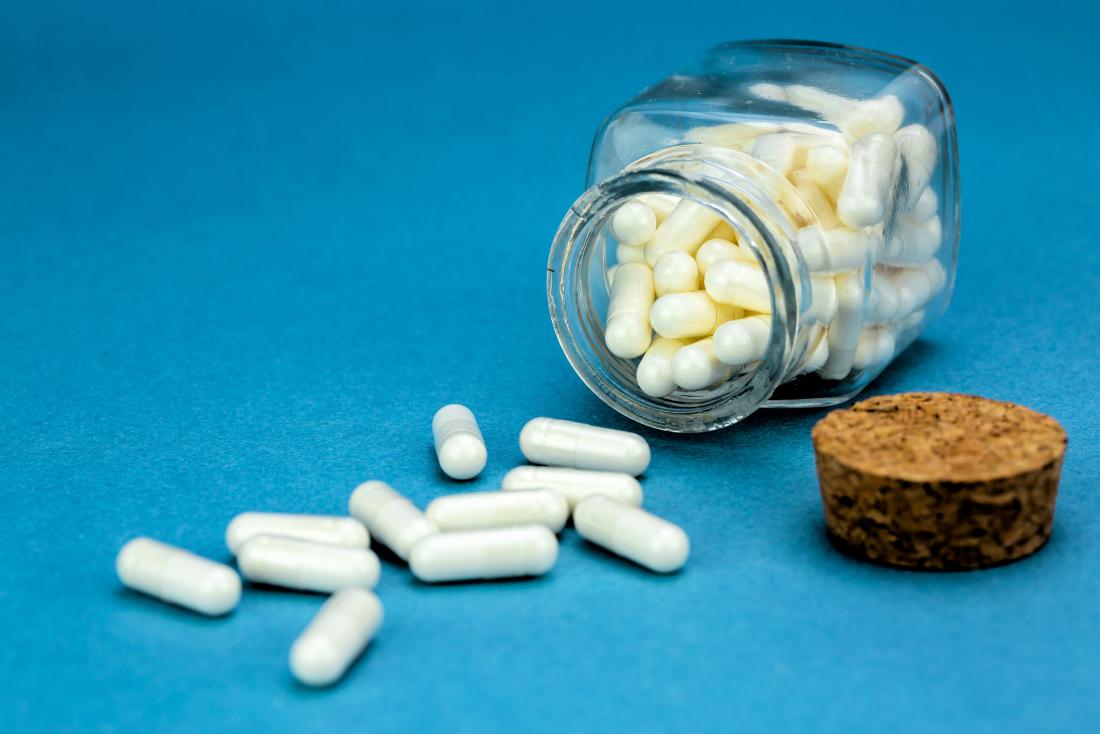
small jar of white capsules
Does glucosamine, a popular dietary supplement, have a preventive effect against heart disease?

Information from the National Center for Complementary and Integrative Health shows that about 2.6% of adults in the United States — which equates to 6.5 million people — take glucosamine, chondroitin, or both. These two dietary supplements treat joint pain and strengthen cartilage, respectively.

This statistic makes glucosamine one of the most popular supplements among the U.S. adult population.

Now, researchers from Tulane University in New Orleans, LA, have carried out a large observational study and found that people who take glucosamine may also have a lower risk of cardiovascular disease and adverse health events relating to the heart or the vascular system, such as stroke.

The research team, which Prof. Lu Qi from Tulane led, accessed the U.K. Biobank study database to use available data from 466,039 participants. None of these participants had cardiovascular disease at baseline, and they all submitted information on their use of dietary supplements.

Among these participants, 19.3% — or about one in five — said that they took glucosamine when they joined the study.

The study’s findings, which appear in the BMJ, suggest that taking glucosamine on a regular basis may help prevent cardiovascular problems. However, the current study is observational, and the authors warn that further trials should test whether there is a causal relationship behind this association.

Does glucosamine prevent heart problems?

Prof. Qi and team looked at the participants’ hospital records and, when necessary, their death records over an average follow-up period of 7 years. They noted whether each participant developed cardiovascular disease, experienced any cardiovascular problems — including coronary heart disease and stroke — or died due to cardiovascular disease.

The researchers found that people who had reported using this supplement had a 15% lower risk of experiencing a cardiovascular disease-related event compared with participants who did not take glucosamine. They also had a 9–22% lower risk of developing coronary heart disease, experiencing a stroke, and dying from cardiovascular-related causes.

These associations were independent of modifying factors, such as a person’s age, biological sex, body mass index (BMI), lifestyle and diet, and medication and supplement use, for which the researchers accounted.

At the same time, Prof. Qi and colleagues also noted that these associations were stronger in current smokers, who saw a 37% lower risk of heart disease with glucosamine supplementation, than in former smokers and never-smokers, whose risk was 18% and 12% lower respectively.

The researchers hypothesize that if there is a causal explanation, it may lie in certain biological mechanisms that relate to inflammation. For instance, they note that there is an association between glucosamine use and lower levels of C-reactive protein in the body.

Researchers have linked this protein to heightened inflammation. Therefore, glucosamine may actually help reduce that inflammation, which is present at higher levels in smokers than in never-smokers and former smokers.

Another hypothesis is that taking glucosamine may have similar effects to following a diet low in carbohydrates, which studies have also tied to a lower risk of cardiovascular disease.

The study authors conclude their paper by saying:

“Habitual use of glucosamine supplement to relieve osteoarthritis pain might also be related to lower risks of [cardiovascular disease] events.”

However, they also caution that, due to the observational nature of this study, “[f]urther clinical trials are needed to test this hypothesis.”

Share Button

InstaDebt: How Instagram Is Causing Young People To Spend, Spend, Spend

HuffPost is part of Oath. Oath and our partners need your consent to access your device and use your data (including location) to understand your interests, and provide and measure personalised ads. Oath will also provide you with personalised ads on partner products. Learn more.

Select ‘OK’ to continue and allow Oath and our partners to use your data, or select ‘Manage options’ to view your choices.

Share Button

Exclusive: Half Of 20-Somethings Say Money Pressures Impact Their Mental Health

HuffPost is part of Oath. Oath and our partners need your consent to access your device and use your data (including location) to understand your interests, and provide and measure personalised ads. Oath will also provide you with personalised ads on partner products. Learn more.

Select ‘OK’ to continue and allow Oath and our partners to use your data, or select ‘Manage options’ to view your choices.

Share Button

‘My Soulmate Is Black’: Why Race Really Matters To 20-Somethings When Dating Online

HuffPost is part of Oath. Oath and our partners need your consent to access your device and use your data (including location) to understand your interests, and provide and measure personalised ads. Oath will also provide you with personalised ads on partner products. Learn more.

Select ‘OK’ to continue and allow Oath and our partners to use your data, or select ‘Manage options’ to view your choices.

Share Button

Melatonin for sleep: What to know

Melatonin is a natural hormone that the brain releases in response to changes in light. It helps regulate the body’s internal clock, signaling that it is time to go to sleep.

Melatonin supplements may help with a wide range of sleep issues, including insomnia, shift work sleep disorder, and sleep problems in children.

In this article, learn more about melatonin for sleep, including its side effects, the right dosage, and how it works.

What is melatonin?

person holding a melatonin pill for sleep
Melatonin supplements may improve sleep.

Melatonin is a hormone that tells the body that it is time to sleep. In people who do not have problems sleeping, the body follows an internal clock of roughly 24 hours called a circadian rhythm.

Changes in light and temperature help tell the body when to feel tired. The brain releases melatonin when it is dark, suggesting that melatonin helps regulate sleepiness in these conditions.

Exposure to light may block the production of melatonin, which is why it is important to sleep in a dark room.

A 2015 study examined zebrafish with a rare mutation that stopped them from producing melatonin. These fish slept very little, even when researchers ensured that they had adequate exposure to darkness.

These findings suggest that the body depends on melatonin, not just changes in light, to help it get to sleep.

How does it work?

Melatonin supplements may improve sleep by boosting melatonin levels in people whose bodies do not produce enough of this hormone.

These supplements may also improve sleep in people who produce enough melatonin but still struggle to sleep for other reasons.

Melatonin changes how the body responds to darkness, helping it enter a rhythm of nighttime drowsiness.

Exposure to light at night — including light from computer and television screens — may suppress the body’s natural melatonin production and disrupt sleep.

Likewise, people who sleep during the day because they work at night may not produce melatonin when it is time to sleep. Melatonin supplements can help counteract this effect.

Research consistently shows that melatonin can help people sleep longer and fall asleep more quickly.

A 2013 meta-analysis that included 1,683 study participants found that melatonin decreased the amount of time that it took the participants to fall asleep compared with a placebo. It also increased the duration of their sleep.

Other research has suggested that melatonin can improve sleep in people with:

Dosage

The ideal dosage for melatonin varies from person to person. Various factors, such as body weight, metabolism, and overall health, may also influence the way that the body responds to melatonin.

The National Sleep Foundation recommend a dosage of between 0.2 milligrams (mg) and 5 mg for adults each day, which it is best to take 1 hour before going to bed.

People can try starting with a low dose and looking for any adverse side effects. They can then gradually increase the dose until their sleep improves, if necessary. It is important not to take more than 5 mg unless a doctor recommends a higher dose.

Side effects

One of the most common side effects of melatonin is drowsiness. Some people may notice that they feel sleepy or groggy the morning after taking melatonin.

Taking melatonin earlier in the evening or reducing the dose may help a person wake up feeling refreshed.

Other possible side effects include:

In some people with dementia, melatonin may trigger a bad mood.

Although melatonin is a natural chemical, it is important to treat it the same as any other medication. It is possible for melatonin to interact harmfully with other drugs by reducing their effectiveness, triggering negative side effects, or changing the way that the body metabolizes the drug. People who take other medications should talk to a doctor before trying melatonin.

As with any medication, an allergic reaction is possible. People with a history of allergic reactions to supplements should avoid melatonin.

Anyone who notices signs of an allergic reaction, such as itching or hives, should contact a doctor. If a person has trouble breathing or feels as though they are choking, they should go to the emergency room or call 911.

Risks

Very limited data suggest that melatonin might increase the risk of seizures, but other studies have found that it may actually lower this risk.

People with seizure disorders or a family history of seizures should consult a doctor before trying melatonin.

Some research involving children also suggests that melatonin could alter the function of the hypothalamic-pituitary-gonadal axis. In turn, this could change how the body produces or metabolizes hormones, potentially affecting the child’s growth. However, this research is inconclusive.

For children

Doctor speaking with patient and child
A person should speak to a doctor before giving melatonin to children.

Short-term studies of melatonin in children show that it is safe, including in children with autism.

Before trying melatonin, parents and caregivers should help a child adopt good sleep practices, such as:

  • maintaining a regular, predictable sleep routine
  • scheduling dinner at least 2 hours before bedtime
  • avoiding caffeine and other stimulant drugs
  • keeping the sleep environment quiet, dark, and cool
  • not using screens for at least an hour before bedtime

Choosing the right melatonin dosage for children can be challenging as the drug is a supplement with no approved dosing guidelines. When in doubt, it is best to consult a doctor.

The authors of a paper on the use of melatonin in Canada noted that typical doses were 0.75 mg to 1 mg in children younger than 6 years, 1.5 mg to 3 mg in older children, and 5 mg to 10 mg in adolescents. It is best for children to take it between 30 and 60 minutes before bedtime.

They also stated that there was no evidence to support the use of melatonin in children younger than 2 years.

A small 2011 study of children with autism found that a lower dose could be effective. Just 1 mg or 3 mg of melatonin was beneficial for most children in the study.

Although there is no reason to suspect that melatonin might cause long-term harm, no research has established that it is safe to use for extended periods.

For this reason, parents and caregivers should use melatonin for the shortest possible period and consult a doctor before giving their child melatonin or any other supplement.

Summary

Sleep difficulties are common. While some people only experience occasional sleeplessness, others deal with chronic sleep problems. Melatonin offers a natural solution that mimics the hormone that the brain already produces.

For many people, melatonin is an effective alternative to prescription medications for sleep. However, people should treat melatonin the same as any other medication and carefully watch for side effects.

Melatonin supplements for sleep are available in pharmacies, some natural health stores, and online.

Share Button

What to know about omega-3 fatty acids

Omega-3 fatty acids are present in foods and dietary supplements. They help keep the membranes that surround all cells in the body working well.

There are three types of omega-3 fatty acid:

  • alpha-linolenic acid (ALA)
  • eicosapentaenoic acid (EPA)
  • docosahexaenoic acid (DHA)

ALA is mostly present in plant oils, such as chia seeds, flaxseeds, and walnuts. DHA and EPA are mostly present in cold-water fatty fish, such as mackerel, salmon, herring, and sardines.

A person’s body can convert small amounts of ALA into DHA and EPA. According to the Office of Dietary Supplements (ODS), most people in the United States get enough ALA in their diet. Experts have not yet established how much DHA and EPA a person needs.

Possible benefits

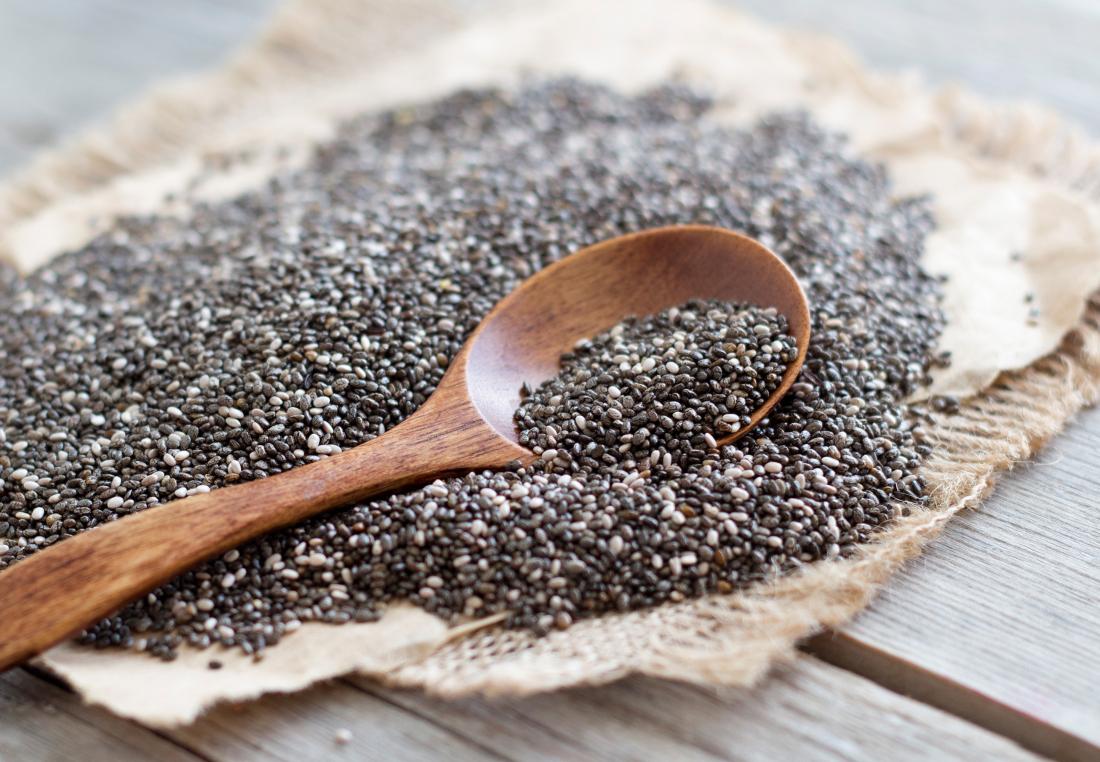
chia seeds and a spoon which contain omega 3 fatty acids
Chia seeds are a good source of omega-3 fatty acid.

Beyond the basic maintenance of cells in a person’s body, initial research has linked omega-3 fatty acids with various other health benefits.

However, a lot of the research that demonstrates these links is in the early stages or relies on experiments on animals.

In general, until scientists conduct further research, it is not clear to what extent omega-3 fatty acids benefit a person beyond the basic maintenance of their body’s cells.

The ODS note that studies have found that people who eat fish, which is a key source of omega-3 fatty acids, typically have a lower risk of various long-term illnesses compared with those who do not eat fish.

However, it is not clear whether this is because of the omega-3s that the fish contain or something else. Furthermore, if it is because of the omega-3s that fish contain, it is not clear if a person taking omega-3 supplements will have the same benefits.

May reduce inflammation

According to an article in the British Journal of Clinical Pharmacology, research has shown DHA and EPA to reduce the process of inflammation, which has links to various cardiovascular illnesses.

However, while these effects were evident in animal studies, clinical trials on humans were less conclusive.

People with rheumatoid arthritis appeared to benefit from taking fish-oil supplements, but there was no clear benefit for people with inflammatory bowel disease or asthma.

May reduce the chance of heart attack

According to the ODS, there is some evidence that taking omega-3 supplements may reduce the risk of a person having a heart attack. However, the ODS note that other studies did not find a link between omega-3 supplements and less chance of a person having cardiovascular issues in general.

A review article in the Journal of Physiology and Biochemistry states that this is a controversial area of research that is still up for debate.

According to the National Centre for Complementary and Integrative Health (NCCIH), researchers have shown omega-3s to help lower a person’s triglyceride levels. Triglycerides are fats, and if a person has an excess of these, they are more at risk of cardiovascular diseases.

However, the NCCIH point out that medications that contain omega-3s among other ingredients have approval by the U.S. Food and Drug Administration (FDA) to treat high triglyceride levels, although the same does not apply to omega-3 supplements.

May help combat obesity

An article in The Journal of Nutritional Biochemistry states that research in humans is yet to show omega-3 supplements to help a person lose weight. They may be able to help a person stop putting weight back on, however, although it is not clear precisely how they may do this.

May contribute to infant health

The NCCIH highlight a study that shows that the children of mothers who took a high-dose fish oil supplement were less likely to develop asthma than the children of mothers who took a placebo. However, the NCCIH also note that other studies contradict this finding.

Risks

man with headache or migraine holds head leaning against the vehicle window
Side effects of taking omega-3 supplements include nausea and headaches.

According to the NCCIH, the side effects from omega-3 supplements are usually mild and might include:

The ODS note that if a person is taking anticoagulants, which are drugs that stop their blood from clotting, then taking high doses of omega-3 supplements may lead to bleeding problems.

Summary

Omega-3 fatty acids are an important part of a person’s nutrition and contribute to the basic health of all cells in the body. Most people get enough omega-3 fatty acids in their diet to achieve this.

A key source of omega-3 fatty acids is fish. There is clear evidence that eating more fish can help reduce the chances of a person developing cardiovascular illnesses. However, there has yet to be conclusive evidence that taking omega-3 supplements has similar health benefits.

Share Button

Exercise: Are you working hard enough?

Mayo Clinic does not endorse companies or products. Advertising revenue supports our not-for-profit mission.

Advertising & Sponsorship

Mayo Clinic Marketplace

Check out these best-sellers and special offers on books and newsletters from Mayo Clinic.

Share Button

More Than A Third Of Teens Worry Often About Body Image – Is Social Media To Blame?

HuffPost is part of Oath. Oath and our partners need your consent to access your device and use your data (including location) to understand your interests, and provide and measure personalised ads. Oath will also provide you with personalised ads on partner products. Learn more.

Select ‘OK’ to continue and allow Oath and our partners to use your data, or select ‘Manage options’ to view your choices.

Share Button

Changes To Pension Credit Leave Thousands Of Pensioners At Risk Of Being ‘Pushed Into Poverty’ Thousands Of Pensioners At Risk Of ‘Poverty’ As Benefits Changes Come Into Force Today

HuffPost is part of Oath. Oath and our partners need your consent to access your device and use your data (including location) to understand your interests, and provide and measure personalised ads. Oath will also provide you with personalised ads on partner products. Learn more.

Select ‘OK’ to continue and allow Oath and our partners to use your data, or select ‘Manage options’ to view your choices.

Share Button