Can I do nothing fright? First, comes the news that I’m boiling my potatoes wrong for mashing; then, it turned out I’ve been using my colander wrong this entire time.
And recently, I spotted an Instagram reel that changed how I view boiling broccoli.
If you’re anything like me, you’re used to chopping your broccoli into florets and adding it either to a steamer or boiling water. But it turns out you don’t need to face those green crumbles all over your chopping board to begin with, and you might not even need to whip the board out at all.
Advertisement
Andrei Emelianov’s Instagram page andre_lifehack, which is filled with (you guessed it) life hacks, revealed in a video that a better way to boil broccoli is to impale the stem with a chopstick or skewer, turn the broccoli upside down so the head is submerged in your pot’s water, and then lay either side of the implement on the rim.
This keeps the veg in place as it cooks ― and when it’s done, you don’t need to drain it. Simply remove the entire head and chop off the florets you want, mess-free.
Huh!
Yep! Lots of commenters mentioned that it’s wasteful to discard the delicious (and fibre-rich) stem, but you don’t have to ― save it and chop it for a pasta bake or grate it for tasty fritters.
Of course, nutritionists say boiling broccoli means you lose a lot of nutrients in the water, so if you choose to steam it instead, simply trim the stem of the entire head so the whole veg can fit in your lidded steamer basked. You can save the trimmed stem for later. And even if you’re not boiling or steaming your broccoli, you can use one of Andre’s other food tricks shown in the video; turn the broccoli head upside down and run the water through the florets that way when washing it, rather than using the less-effective floret-side-up approach.
Advertisement
Any other tips?
Yep! The reel is brimming with wisdom.
For instance, you’re better off chopping a large veg (like squash) by placing a knife along the side of the gourd and rolling the whole vegetables. It makes the cut much easier.
Also, you’re probably cracking pistachios open wrong ― rather than pulling two sides of the shell apart, try pushing them together until they snap for a simple release.
Loosen grapes from their stalk by placing the whole bunch in a tea towel and gently rubbing the top half of the terrycloth parcel ― they’ll gradually evict themselves from their woody homes.
And solidified, cakey spices that are stuck in a jar can be loosened by circling the base of another spice jar over the inverted bottom of the affected container.
Lastly, you can cleanly remove flour from the bag by spinning a balloon whisk in the bag and lifting the filled utensil from the bag ― it’s amazingly mess-free.
As an outsider, there are some things I have to hand to the UK. Crumpets? Delicious. A good roast? The words alone set me drooling. But when it comes to sweet pies, my Irish eyes have landed on a firm winner; those are best done by Americans.
If (like me) you’ve always wondered at cherry pies and craved a pecan tart, I reckon you’ll want to soak up all the cross-Atlantic pie wisdom you can get.
Advertisement
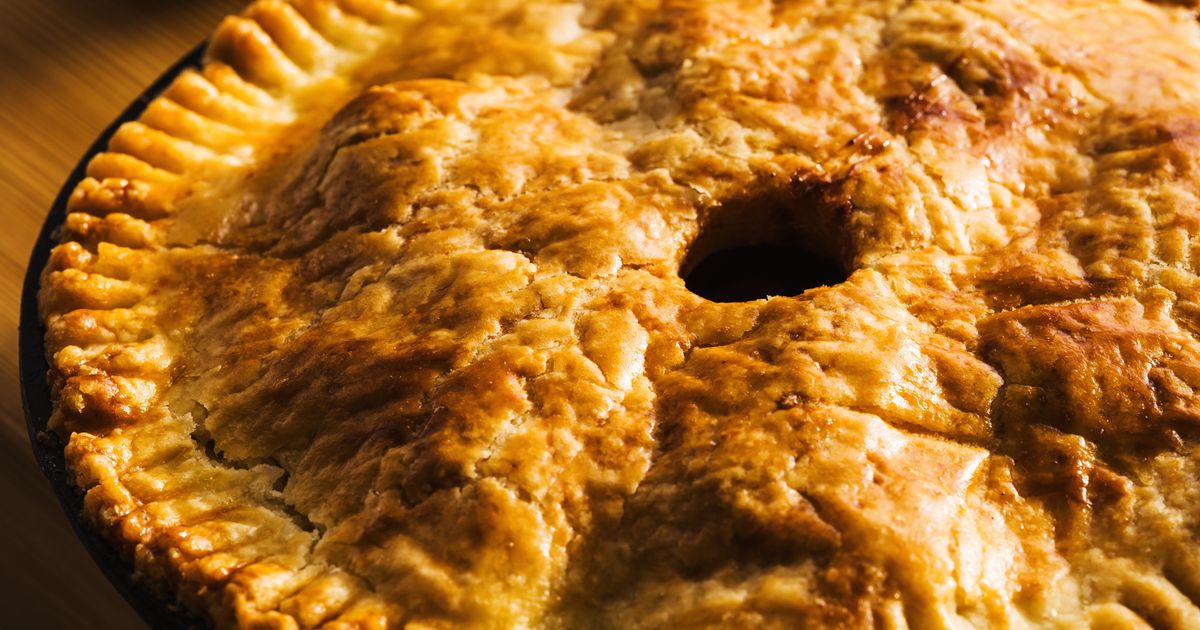
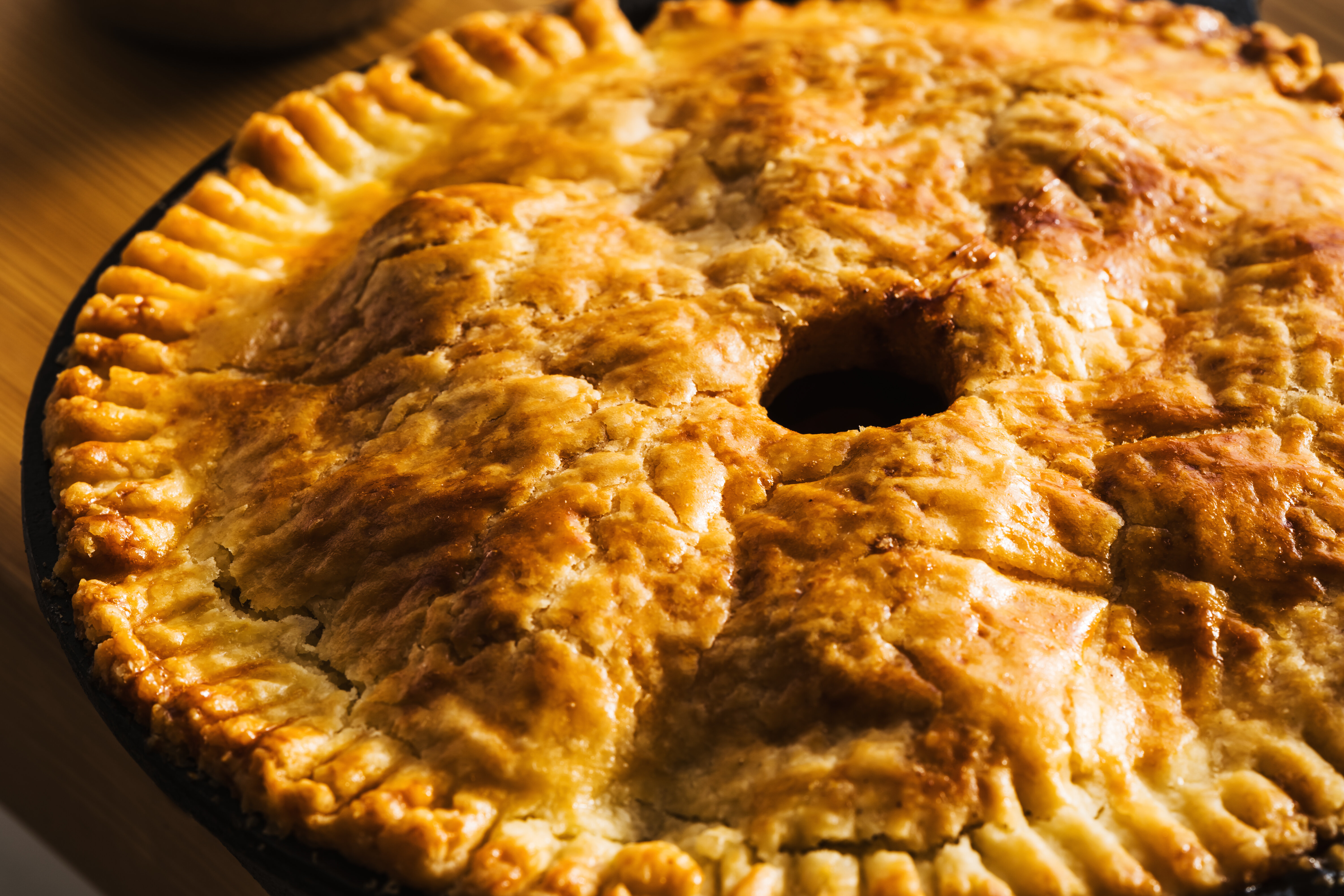
But recently, advice from a friend almost left me to question her knowledge; to bake the perfect double-crust apple pie, try placing it in a paper bag before lobbing it in the oven.
What?
I know! I was confused too. But it turns out the science is sound ― the bag keeps the air in a pie parcel, ensuring the filling stays tender.
On top of that, the bag provides a sort of cover to ensure your pie isn’t exposed directly to the heat of the oven; expect a more even golden colour, and a beautifully-consistent bite.
Of course, the method has its pitfalls. For instance, you’ll want to make sure your paper bag has no glue or plastic in it, as this can provide a horrible taste or, in the worst-case scenario, toxic fumes.
Advertisement
If you can’t be definite about how your paper bag was made, try making your own parchment envelope for your pie out of folded baking paper.
Secondly, make sure your paper doesn’t touch any of the heating elements in the oven directly ― this could cause it to singe and even burn. Keep a safe distance between your paper and the top or bottom of the oven, and the rack above it.
You’re also advised not to let the bag, or parchment, touch the top of the pie. Paperclip, or staple, the sides down; they risk burning if left to flap loose in the fan of your oven.
I know it sounds like a lot, but I promise it’s worth it ― I haven’t had a dessert that good, before or since.
Here’s TikToker and baking enthusiast sherry_skinner showing us how it’s done:
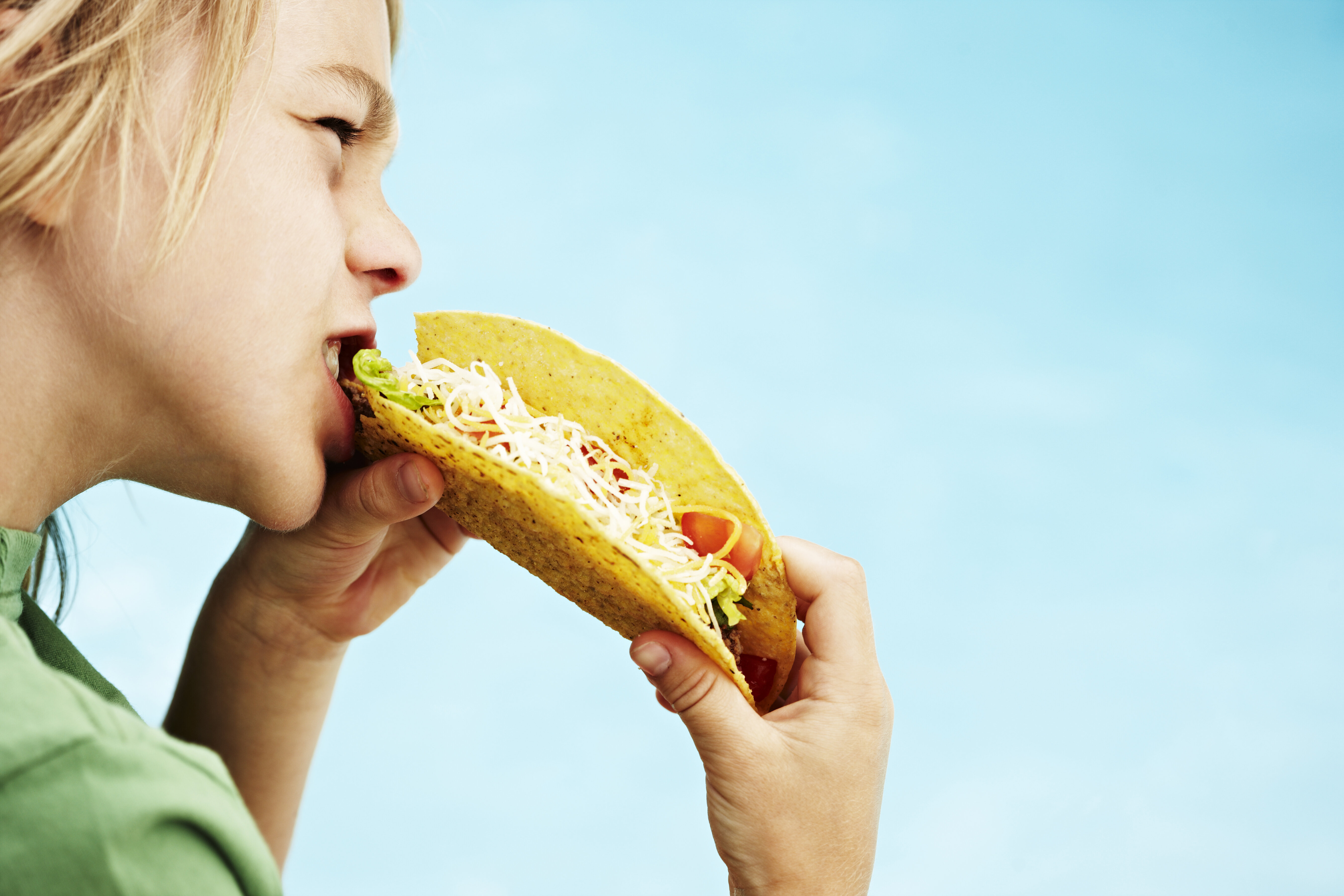
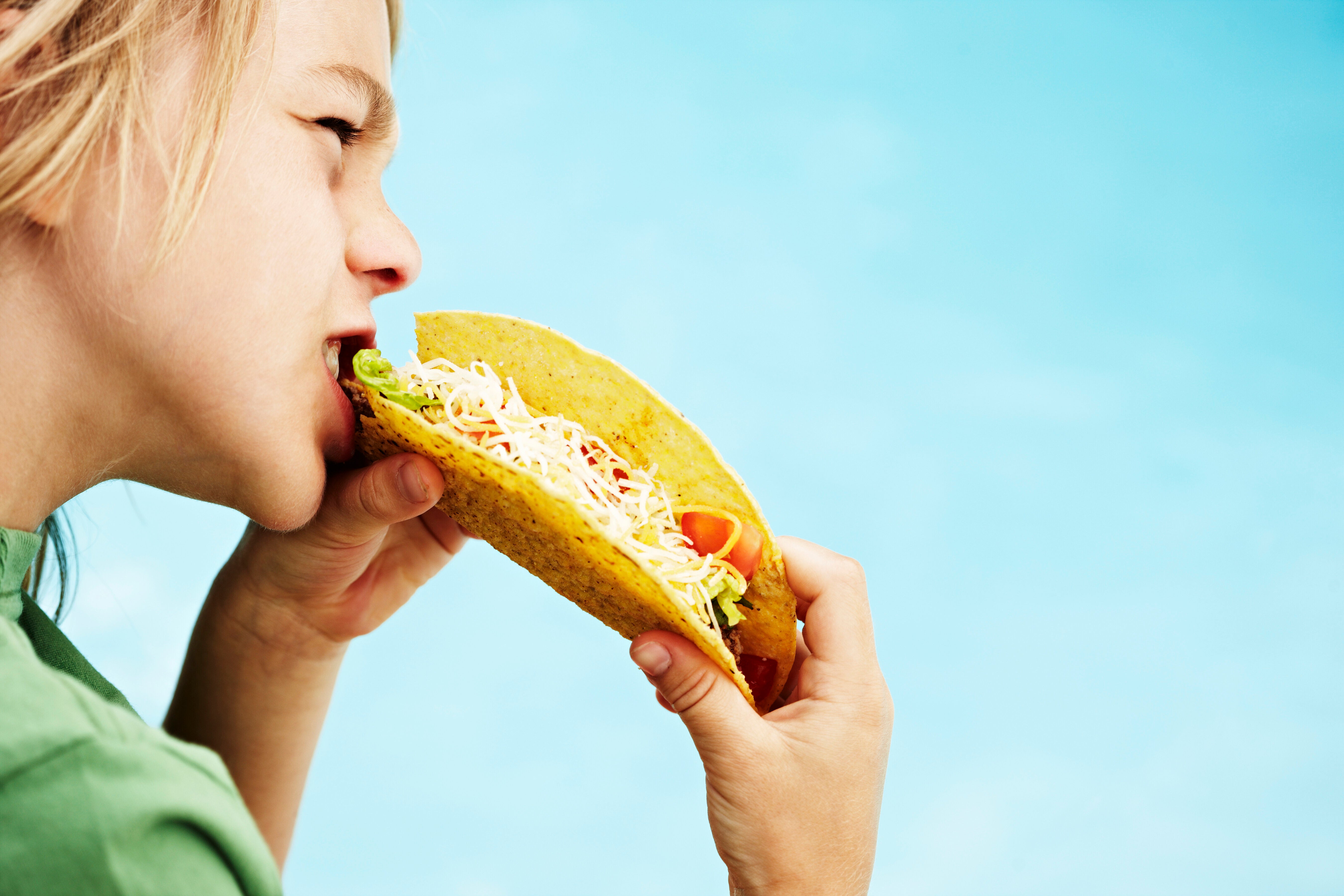
Anyone who spends time around young children can attest to the fact that picky palates are common. Bold flavours ― especially those that involve heat ― often take little kids by surprise, and many react to the unfamiliarity with loud and adamant refusal. My almost-2-year-old niece, for example, is a mini foodie who loves just about every dish she tries … unless hot peppers are involved. One bite of salsa or guacamole, and she’s in full meltdown mode.
I, on the other hand, have loved spicy foods since I was a toddler (at least, according to my mom), and my adoration for peppers, chilli powder, cayenne, hot sauces and all other capsaicin-loaded eats has persisted into adulthood. That makes me wonder: Can spice tolerance be learned? Can kids develop a taste for spicy foods, even if they’re not immediate fans? And if so, how can a parent go about facilitating this while respecting their child’s preferences?
Advertisement
To answer these questions, we asked licensed nutritionists and dieticians who work with children to provide some guidance on the best ways to introduce young kids to spicy foods — and how to give them the space and the support to decide whether they like these dishes.
Children can begin to encounter seasoned foods at 7 to 12 months.
Most babies begin their foray into solid foods with soft and easy-to-eat items like warm cereal and pureed fruits and vegetables. Generally speaking, these intro foods feature gentle flavours and aren’t seasoned with salt or spices. At around the 7-month mark, though, Los Angeles-based registered dietician Blanca Garcia says that “most families with spicy foods in their cultures start giving infants foods with flavours. [Examples include] beans cooked with onions, garlic or black pepper, ginger, ginger tea and turmeric. For other cultures, spices can also include [mild] curries and garam masala. These foods are not spicy, but they do have flavours that can give the palate the foundation for what is to come.”
Begin by exposing kids to aromatic spices without heat.
As Garcia said, spices that deliver big flavours but don’t include capsaicin (the active component that causes the burning sensation prompted by hot peppers) can whet a child’s palate for more intense spices down the line.
Dawn Kane, a certified food scientist and the regulatory affairs manager for Little Spoon, advises first introducing aromatic spices without heat — think cinnamon, basil, mint or cumin — to kids.
Advertisement
“Start with a small amount to get your little one familiar with the ingredient and gradually incorporate it into more and more meal occasions,” she said. “Adding these spices can help expose your little one to a range of flavours and ingredients, helping to mitigate a future picky eater.”
When it comes to ‘hot’ foods, wait until your child has the ability to clearly say yes or no.
Adding foods with capsaicin to your child’s diet should wait until the child in question can clearly articulate their reaction to these dishes.
Registered dietician and certified nutritionist Reda Elmardi recommends waiting until after the age of 2 to try giving your kids spicy foods, both because of their physical development — she said kids’ taste buds become fully developed around that age — and because children deserve the agency to determine their own comfort levels with hot spices, which can be painful for some people to eat.
Gradually add spice to dishes that your child already enjoys.
Carefully easing your child into the experience of eating spicy food is a smart move.
“Start with a small amount of spice and serve with foods your child already enjoys,” advised registered dietician Johna Burdeos. “For instance, this might be in the form of a spicy dip to go with favourite finger foods, or a spicy sauce or gravy served with noodles, pasta, rice or potatoes. Increase the spiciness gradually, as your child’s tolerance evolves.”
Be careful with the amount of salt you use.
To mitigate the intensity of the spices and/or peppers you use in your recipe — which is always advisable, but especially when you’re cooking for kids who haven’t gotten used to spicy foods yet — keep a close eye on the amount of salt that you’re adding to the dish. Salt can heighten the perception of heat and make a spicy dish feel especially fiery.
Advertisement
Paediatric dietician Cathy Monaghan of Weaning.ie in Ireland urges you to “ensure there is no salt in the spice blends that you are using, and avoid added salt.”
Don’t force your kid to eat spicy foods, but make these dishes available to them if they want to try again.
If you introduce a spicy dish to your child and learn that they dislike it, you may assume that you missed your chance to instil a love of heat in your kid’s tastebuds. Luckily, registered dietician and nutritionist Allison Tallman of SportingSmiles.com assures us that all is not lost — as long as you let your child dictate the pace of future spicy food encounters.
“If your kid continues to disapprove of spicy foods, you can continue to offer them in small quantities, and again, one at a time,” Tallman said. “Do not push your child to eat it, though, as it may build up resentment. Give your child the choice to consume the food when and if desired.”
If your children help you prepare spicy dishes, take proper precautions.
Inviting your children to participate in the cooking process can help develop their overall interest in food, and letting them help as you prep a spicy meal could encourage them to give the completed dish a try. That said, special precautions need to be observed when you and your kids handle hot peppers or seasonings. Kids tend to rub their eyes and faces a lot, which can be very painful if their fingers have touched capsaicin.
Advertisement
“Safety measures for cooking with spicy peppers include being mindful of knives and the hot stove/pans so they don’t get cut or burned. It would also be very helpful to use gloves so they don’t get the capsaicin on their skin or in their eyes and feel those burns,” explains paediatric dietitian Courtney Bliss of Feeding Bliss in Phoenix.
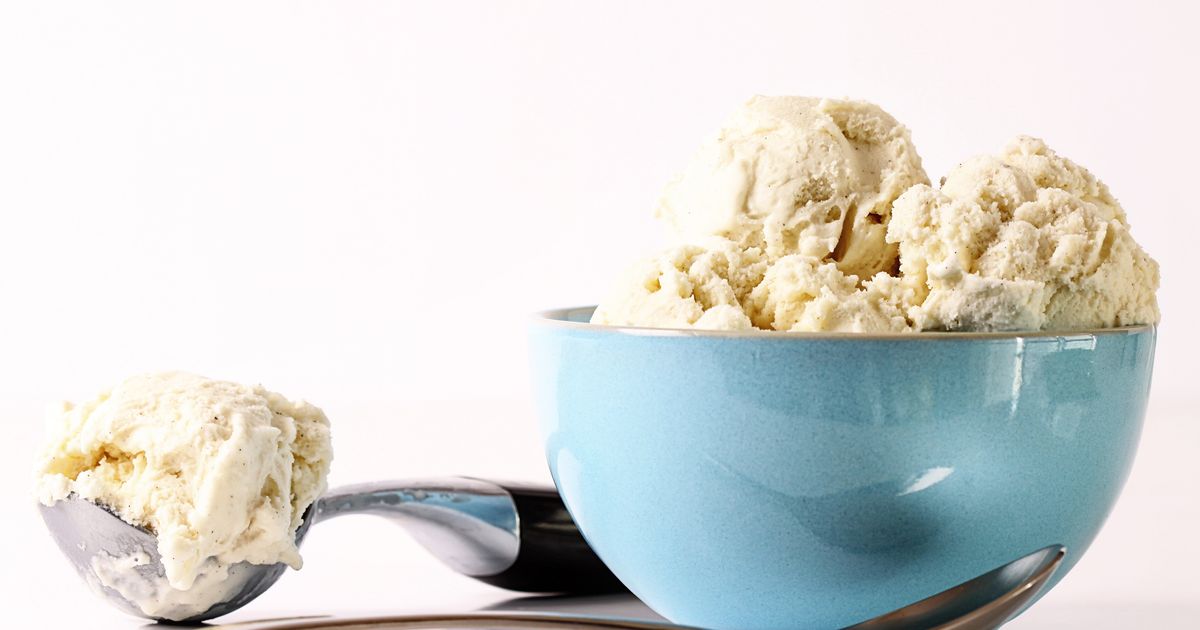
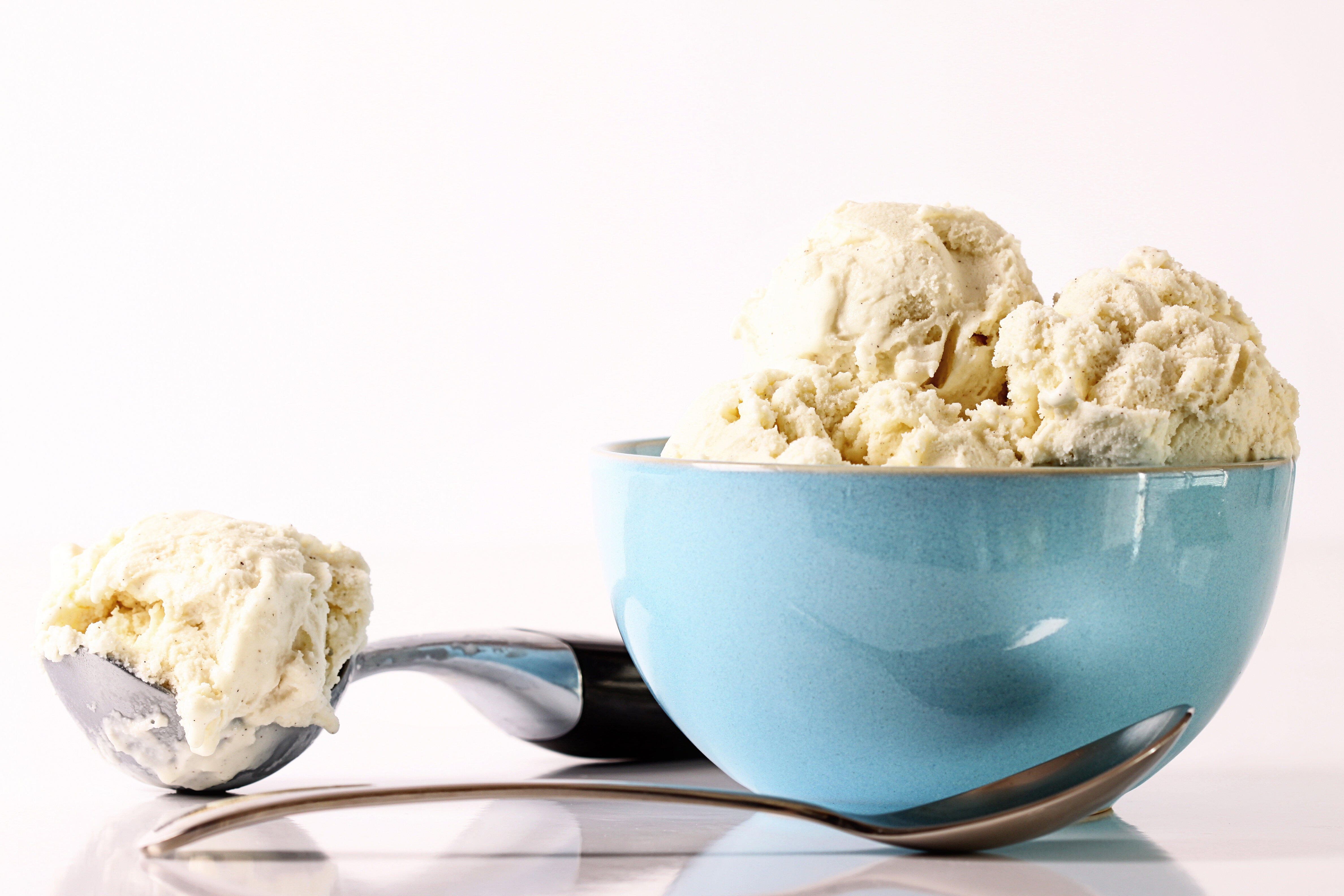
Winter schminter – ice cream is completely acceptable to scoff 365 days of the year in our opinion.
But before you tuck into that scoop of ice cream fresh outta the freezer, you’ve got one more thing to drizzle on it.
Strawberry sauce? Melted chocolate? No, what we’ve been recommended isn’t anything sweet.
Instead, it’s time to dive into that kitchen cupboard and reach for the… olive oil.
Yup, the very same olive oil you’ve been pouring on salads and using to fry stuff in – according to fans of the pairing, the richness of olive oil is a perfect pairing for the texture of ice cream.
Advertisement
Savoury and sweet are best friends, and olive oil complements the ice cream’s richness, resulting in a decadent dessert.
Don’t believe us? Well, First for Women writes that “A drizzle of olive oil over your scoop of ice cream may sound strange, but it adds a surprisingly rich, buttery note that perfectly complements the sweetness.”
Meanwhile, Serious Eats boasts that the flavour can also be fruity and peppery, depending on what type of olive oil you choose.
Then there’s the fact that it’s rich in antioxidants and anti-inflammatory properties, meaning that extra virgin olive oil is one helluva healthier topping for your ice cream than chocolate or sweets.
Advertisement
Olive oil is in fact a very common topping for ice cream in Italian restaurants and olive oil ice cream (as in ice cream made with olive oil), is a popular dessert in Italy itself. Apparently making ice cream with olive oil makes it a lot smoother – which when you really think about it does make sense.
Want to take things even further? A good pinch of sea salt on your olive oil covered ice cream is the next step to a savoury/sweet dessert of dreams.
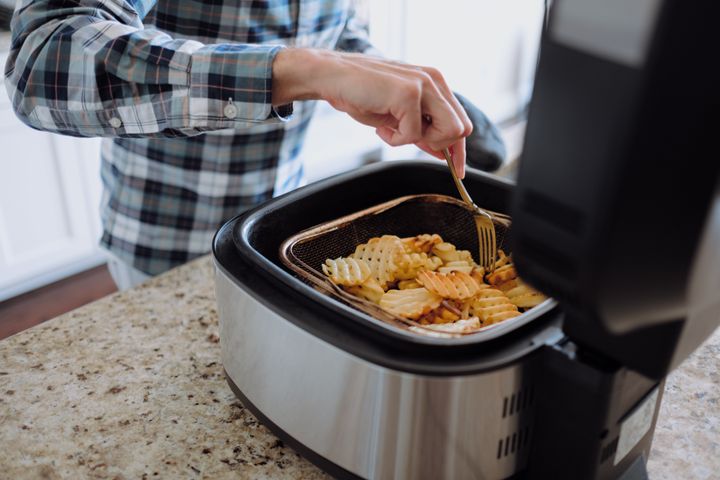
If there is a time of year that begs for multicookers — Crockpots, air fryers and Instant Pots — it’s fall. The season is synonymous with slow cooker chilis and dips for football games, soups for cold days and batch-cooking meals for school lunches. And multicookers make it easy to do.
“They really are wonderful pieces of cooking equipment that we need to keep properly maintained as well as properly cleaned,” said Angela Anandappa, the CEO and founding executive director of Alliance for Advanced Sanitation.
Advertisement
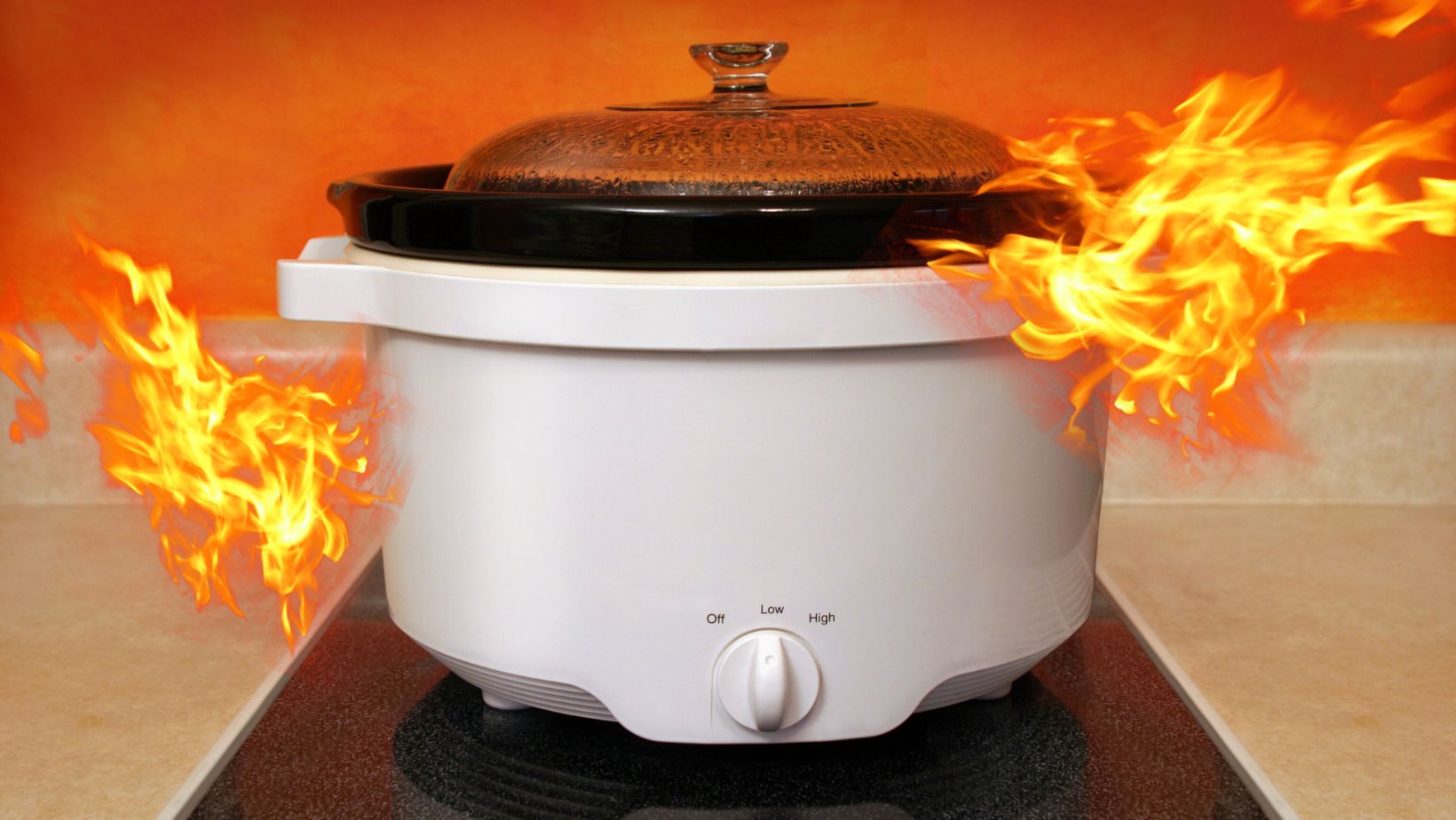
When multicookers aren’t used properly, they can create cleanliness and health issues, food experts say. In fact, on the popular television show “This Is Us,” a slow cooker malfunctioned and set the family’s home on fire, scaring many avid users of the appliance.
While fires aren’t the No. 1 concern of the food safety experts we spoke to, there are other problems that could cause you trouble, and specific behaviors and habits that contribute to those problems. Here’s what they are:
Not Checking The Temperature Of Meat
“I am primarily concerned about home cooks that will just trust that a given recipe is sufficient for food safety without checking food internal temperatures (of meats specifically) at the end of cooking,” Donald Schaffner, the department chair and extension specialist in food science at Rutgers University, told HuffPost.
Even after cooking for hours, meat still may not be at the temperature necessary for a safe meal.
Schaffner suggests that you use a tip-sensitive digital meat thermometer to check the internal temperature of your meat before you start eating.
Advertisement
You can find the proper cooking temperatures for food on the USDA website, he said.
Eating undercooked meat is the most dangerous mistake that can occur when you prepare food with a slow cooker, said Kali Kniel, the associate chair of the Department of Animal and Food Sciences at the University of Delaware.
“If chicken is undercooked, then there is a potential risk of a person getting sick from salmonella,” Kniel told HuffPost.
Kniel added that the food temperature danger zone — from 40 degrees to 140 degrees Fahrenheit — should always be avoided. In this range, “bacteria are likely to multiply,” she said.
“If foods are not kept hot, then bacteria like [staphylococcus] aureus, which can be on human hands, can grow in the food product and then produce a toxin that can be ingested with the food and make people sick,” Kniel said.
Washing your hands before cooking or eating can be one way to reduce this risk, she said.
Not Following The Machine’s Rules
How many times have you gotten a new gadget and immediately cast aside the direction booklet? Probably too many to count.
Advertisement
In the case of multicookers, it’s crucial that you read and follow the directions every time you use them, according to Kniel.
“It is important to [use] your machine according to instructions of the machine. If you don’t have the instructions that came with the appliance, look for the guide online,” Kniel said.
This is especially true for the Instant Pot (or other brands of electric pressure cookers), she said.
“With an Instant Pot … foods are cooked at high temperatures under pressure. It is important that the [Instant Pot] be allowed to reach temperature under pressure and then when finished cooking, the [Instant Pot] must be vented properly,” Kniel said.
If the Instant Pot isn’t properly vented, it can be dangerous, she noted. In some instances, electric pressure cookers have exploded, and the hot steam can burn your skin if you hover over it.
Advertisement
It’s also important to follow any food or liquid limits in your appliance’s manual, said Trevor Craig, the corporate director of technical training and consulting at Microbac Laboratories.
“Sometimes I see people overfill air fryers because of a party [and] they’re trying to make a lot of food at once … you can actually affect the way it cooks, so [your] food might not be cooked all the way through,” Craig said.
This again highlights the importance of using a meat thermometer before chowing down.
Grace Cary via Getty Images
Properly cleaning your multi-cooker after each use is crucial, food safety experts say.
Not Following Legit Recipes
Beyond following the machine’s manual, it’s important to follow recommended recipes, too.
“One of the things that happens is that if you don’t follow those recommended instructions and you try to be creative, you may make a change that you didn’t know is going to be hazardous to you,” Anandappa said.
Specifically, a lot of people turn to social media for recipes, which isn’t always a great idea for machines that require specific steps.
Advertisement
“Sometimes they are recommending things that aren’t safe for people — one of those things is cooking time and temperature,” Anandappa said.
In other words, if you cut the cook time down, you could end up with a meal that’s raw in the middle. Or, if you put too many items in your multicooker, you could change what is needed for the machine to reach the necessary temperature when it’s turned on.
So be sure to use recipes vetted by professionals to ensure you’re not eating something that is undercooked or using your machine in an unsafe way. You can look at your multicooker’s brand website for recipes; Instant Pot has a range of recipes online, and Ninja has a variety of air fryer recipes on its site. Or visit trusted resources like Bon Appétit or Real Simple.
Using Plastic Bags In The Pot
Anandappa said she would also warn about “plastic bags that can be put into various types of cookers.”
This is specifically true for slow cookers, she said.
“Some of these plastic bags are not supposed to be used for very long, but people are using them, particularly in things like Crockpot cooking, for 8, 10, 12 hours sometimes,” Anandappa said.
Advertisement
Why is it dangerous? According to Anandappa, the plastic can migrate into the food, “which is not a safe thing.”
There is some debate surrounding the safety of plastic slow cooker liners, according to EatingWell, which points to the potential additives in these products, while TastingTable points to the environmental impact of single-use plastics. If you do use a plastic liner, it’s important that you use liners that are FDA-approved, according to EatingWell.
Additionally, Craig said, if you do use a plastic liner, you should still wash your slow cooker.
“Those liners aren’t going to prevent any bacteria from getting underneath it, or tiny food particles,” Craig said.
This is true even if your multicooker looks totally clean.
“You can’t see bacteria, [and] you might not be able to see all the food particles — clean it anyway,” Craig added.
Not Using Appropriate Utensils
According to Craig, if you’re serving food for a multicooker at a gathering, it’s important to have a designated utensil for folks to use. It’s not safe to have people dipping in various spoons and forks.
Advertisement
“You’re just leading to an area where you’re going to introduce cross-contamination, and that’s a big concern,” Craig said.
It’s particularly concerning if someone has an allergy to another food that’s being served, or if someone with a cold puts their dirty spoon in a big serving of crock pot chilli.
If you’re using a cooker with a nonstick lining, you should also be careful not to scratch the inner pot with a metal appliance. Take care to use food-safe utensils that won’t scratch the nonstick liner, remnants of which could end up in your food.
Not Cleaning Your Appliance
You wouldn’t put a pot away without properly cleaning it first, and the same goes for multicookers.
“[Make] sure that you treat these as items that you have to clean regularly. You wouldn’t reuse the same utensil over and over and over again without cleaning it,” Craig said, “but, for some reason, when people use air fryers, they don’t want to clean up that basket.”
And, as mentioned above, having a liner in your slow cooker does not negate the need to wash it with soap and water.
Advertisement
“I’m a big proponent of making sure you have a clean kitchen. Treat it like you would want to see the inside of a restaurant,” Craig said.
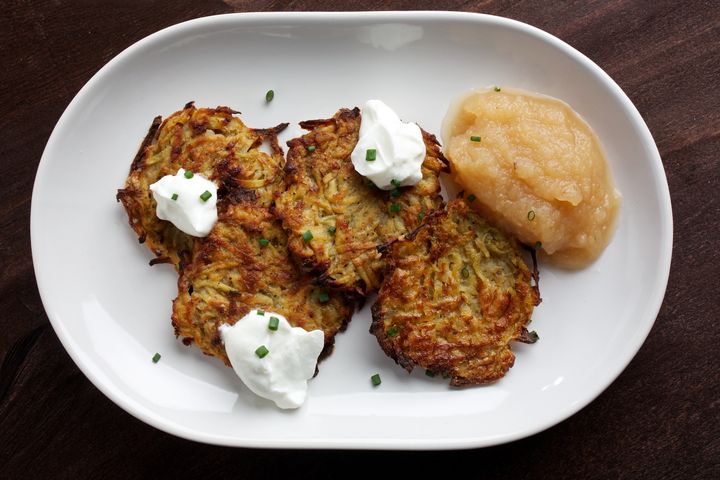
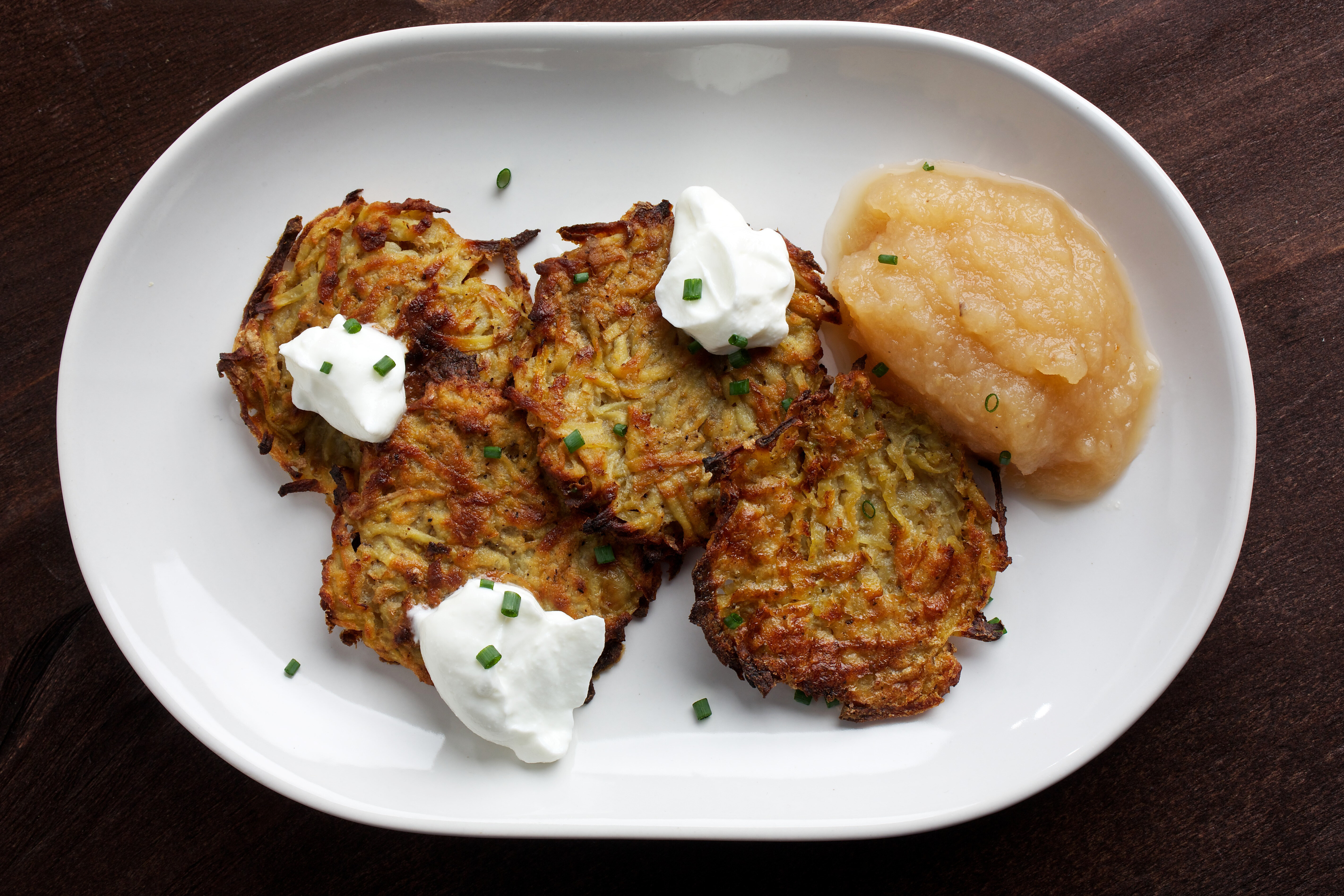
Choosing the right oil makes all the difference between latkes that are golden and savoury and ones that end up oily and rancid. Using schmaltz, aka rendered chicken fat, is the traditional way to fry latkes, imparting a rich flavour to the potato pancakes. Canola and peanut oil are more popular and widely available, while some experts also tout olive oil, a more controversial pick. HuffPost interviewed several chefs to determine the best oil for frying latkes.
Option 1: Canola Oil
Grown from the rapeseed plant, this traditionally affordable oil has seen a recent spike in price due to the war in Ukraine. While canola is a type of vegetable oil, it’s not the same thing as vegetable oil. However, you can swap vegetable oil (typically a blend of soybean, corn, safflower or other oils) for canola in a pinch, since both have high smoke points (meaning you can cook it at a high temperature) and a neutral flavour.
Advertisement
Jeremy Salamon, the chef and owner of Agi’s Counter, a restaurant in Brooklyn, New York, told HuffPost that canola oil is usually his “go-to choice.”
“That’s what my mother uses, what my grandmothers used,” Salamon said. “It has a higher smoking point and lasts longer. You will get more flavor out of schmaltz, but canola is a sure thing.”
Phoebe Raileanu of Deli and Bakery in Sunset Valley, Texas, also uses canola. “Canola oil is the oil I grew up frying my latkes in. It makes for crispy, light latkes with a soft inside. Canola oil can also heat up to a high enough temperature to cook the whole latke through.”
Canola gets bonus points because you can reuse it. Simply strain the oil of any potato bits between uses. Shannon Sarna, the author of Modern Jewish Comfort Food, explained, “Just use a fine mesh sieve to strain out any pieces of food in the oil, store in a container at room temperature and use one to two additional times depending on how much cooking debris is left in the oil.”
Advertisement
Option 2: Peanut Oil
Often given a bad rap for flavouring foods with a peanuty taste, peanut oil “usually has a pretty neutral flavor, if not a little bit nutty,” said chef David Benstock from restaurant Il Ritorno in St. Petersburg, Florida. Refined peanut oil is often safe for those with nut allergies, as the oil is bleached and deodorised, removing the allergenic parts. Many restaurants and fast-food joints use peanut oil to deep fry, and it may be your favourite oil as a result.
Andrew Dana, the CEO and co-founder of Call Your Mother Deli in Bethesda, Maryland, told HuffPost, “Winner winner (shmaltz?) chicken dinner! I LOVE frying with peanut oil. I love to fry my latkes at a super high temp, and this oil holds up to the task. This allows me to make super crispy latkes without an overpowering oil flavour.”
Creating a light, crisp texture, peanut oil comes in second place for most chefs only out of an abundance of caution for those with nut allergies. As Raileanu explained, “peanut oil is the hippest oil to fry anything these days. It does make for a perfect texture on the latke, especially if you are deep frying.”
Option 3: Schmaltz
Traditionally used in Ashkenazi (or Eastern European) cooking, schmaltz is rendered poultry fat. Described as “liquid gold,” the lush and flavourful fat acts as a butter substitute for those who follow Jewish dietary laws, which forbid dairy and meat from being used in the same meal. Look for schmaltz at your local butcher shop or in the refrigerated section of some supermarkets.
The Washington Post via Getty Images
If you follow a kosher diet and like adding sour cream to your latkes, you’ll want to avoid frying with schmaltz.
Advertisement
According to Raileanu, this old-school option might not work for some followers of the faith. “Traditionally, latkes are eaten with applesauce and sour cream. I was raised in a kosher household, so this option would never work for us ― no mixing meat and dairy!”
While schmaltz is beloved for its rich flavor, deep frying with the fat could be too much of a good thing. “Sounds good in theory,” said Dana, “but it is just too much in practice! When I make latkes, I want to be able to eat at least six, and when fried with schmaltz, they get a little too rich for me.”
Looking for some of that umami schmaltz flavor without the heavy finish? Sarna recommends combining the oils for the best of both worlds, using two-thirds canola oil and one-third schmaltz when frying.
If you fry with schmaltz, be aware of the lower smoke point, which means your latkes can burn quickly. Novice latke makers may want to try another oil like canola.
Option 4: Olive Oil (Your Last Resort)
An unexpected oil for frying, olive oil is typically not recommended since it has a lower smoke point (176-210°C/350-410°F) relative to the other oils (200-230°C/ 400-450°F). (Basically, olive oil can’t be heated as hot as other oils without breaking down, which makes food taste burned).
Advertisement
If you’re frying with olive oil, keep the temperature low as latkes can burn and turn bitter, according to Salamon. It will also require a patient chef.
Raileanu cautioned: “I have used it once or twice in an emergency, but it has a lower burning point. So keeping the pan on low makes the latkes take forever, and frankly it’s not usually worth the wait.”
Frying typically requires larger quantities of oil, which can be prohibitive for pricey olive oil. Depending on your preference, the pungent and spicy flavor of olive oil imparted onto the latkes may be a pro or a con. Benstock considers it a positive: “The biggest pro of using olive oil is that it has amazing flavor and a nice viscosity for cooking.”
Looking to honour the OG Hanukkah story? Olive oil was likely the oil that lasted the eight days.
“On Hanukkah, we Jews eat things that are fried (ie, latkes, jelly doughnuts or sufganiyot ) to commemorate the miracle of the oil,” Raileanu said. “So if you are trying to stick to the script, use olive oil. But you’ll be the only one!”
HuffPost is part of Verizon Media. We and our partners will store and/or access information on your device through the use of cookies and similar technologies, to display personalised ads and content, for ad and content measurement, audience insights and product development.
Your personal data that may be used
Information about your device and internet connection, including your IP address
Browsing and search activity while using Verizon Media websites and apps
To enable Verizon Media and our partners to process your personal data select ‘I agree‘, or select ‘Manage settings‘ for more information and to manage your choices. You can change your choices at any time by visiting Your Privacy Controls.
HuffPost is part of Verizon Media. We and our partners will store and/or access information on your device through the use of cookies and similar technologies, to display personalised ads and content, for ad and content measurement, audience insights and product development.
Your personal data that may be used
Information about your device and internet connection, including your IP address
Browsing and search activity while using Verizon Media websites and apps
To enable Verizon Media and our partners to process your personal data select ‘I agree‘, or select ‘Manage settings‘ for more information and to manage your choices. You can change your choices at any time by visiting Your Privacy Controls.
HuffPost is part of Verizon Media. Click ‘I agree‘ to allow Verizon Media and our partners to use cookies and similar technologies to access your device and use your data (including location) to understand your interests, and provide and measure personalised ads. We will also provide you with personalised ads on partner products. Learn more about how we use your data in our Privacy Centre. Once you confirm your privacy choices here, you can make changes at any time by visiting your Privacy dashboard.
Click ‘Learn more‘ to learn and customise how Verizon Media and our partners collect and use data.
HuffPost is part of Verizon Media. Click ‘I agree‘ to allow Verizon Media and our partners to use cookies and similar technologies to access your device and use your data (including location) to understand your interests, and provide and measure personalised ads. We will also provide you with personalised ads on partner products. Learn more about how we use your data in our Privacy Centre. Once you confirm your privacy choices here, you can make changes at any time by visiting your Privacy dashboard.
Click ‘Learn more‘ to learn and customise how Verizon Media and our partners collect and use data.