Women Describe The ‘Extreme’ Physical Pain Of Endometriosis

An estimated 6.5 million people in the United States have endometriosis, a painful condition in which the uterine lining spreads and grows outside of the uterus. But that statistic likely vastly underestimates the prevalence of endometriosis because it’s notoriously difficult to diagnose.

Many of the symptoms ― which range from painful, heavy periods and painful sex to gastrointestinal issues and intense fatigue ― are associated with other reproductive health problems, including ovarian cysts and pelvic inflammatory disease. In addition, the pain associated with endometriosis is often dismissed by doctors as normal period cramps.

The only surefire way to diagnose endometriosis is to get a laparoscopy, a tiny surgical procedure that can identify the size and location of endometriosis. But that’s typically not the first test doctors recommend. Consequently, it can take years of inconclusive tests and misdiagnoses before the condition is properly diagnosed. In fact, endometriosis is so commonly misdiagnosed that the condition has picked up the nickname “the missed disease.”

Below, women diagnosed with endometriosis share what it physically feels like to live with the condition. They hope that their stories will encourage others experiencing symptoms to seek care and advocate for an accurate, timely diagnosis.

Extremely painful, heavy periods

Jaime Henson, a nurse practitioner who was diagnosed with endometriosis at age 32, says her symptoms started when she was 14 – 18 years before she got an official diagnosis.

As a teenager, she had extremely painful and irregular periods. At one point, her period lasted over a month. “I did not want to go out and do things because of the pain and nausea,” Henson says.

Blaine Mallory, a woman diagnosed with endometriosis, said she lost a ton of blood over the course of seven to eight days when she had her period. While menstruating, she experienced extreme cramping and dizziness.

“It was an iron deficiency brought on by my period,” Mallory said. Like Henson, Mallory’s period pain intensified over the years and became localised to her left ovary, which she later learned was covered in endometriosis.

People are often told that period pain is a normal part of menstruation, which causes many who experience intense or severe pelvic pain to believe that it’s just part of having a uterus. While it’s common to have some mild discomfort during menstruation, severe pain that impacts your quality of life or ability to function is not normal.

“I did not know any different and how it was ‘abnormal,’” Henson says.

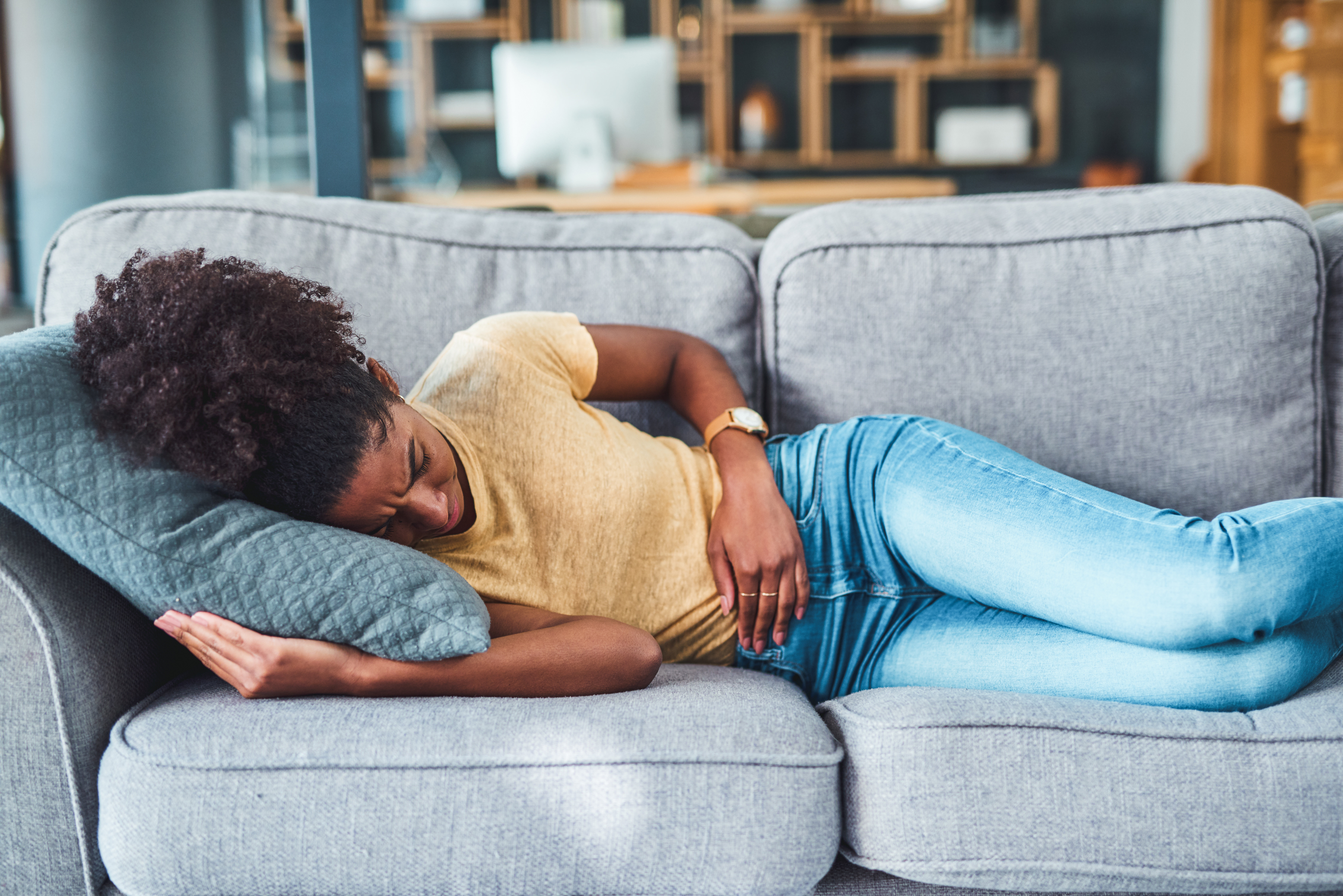
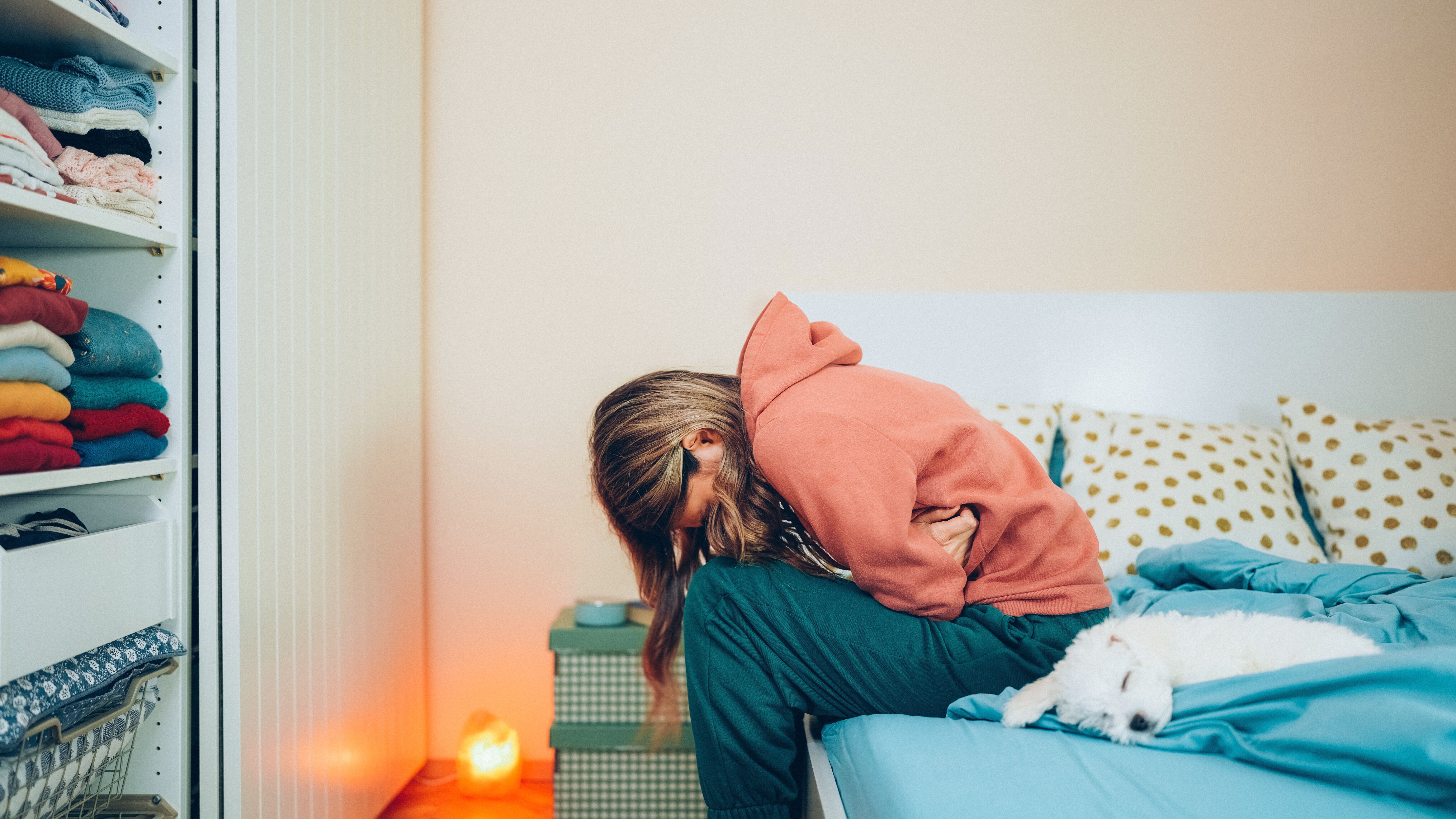
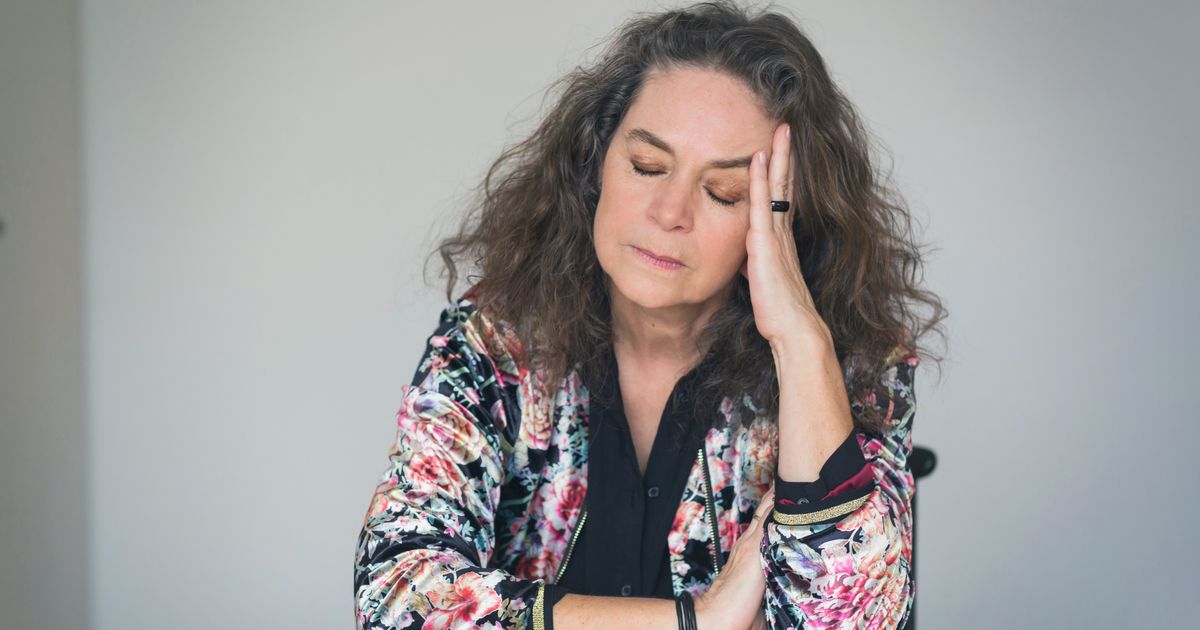
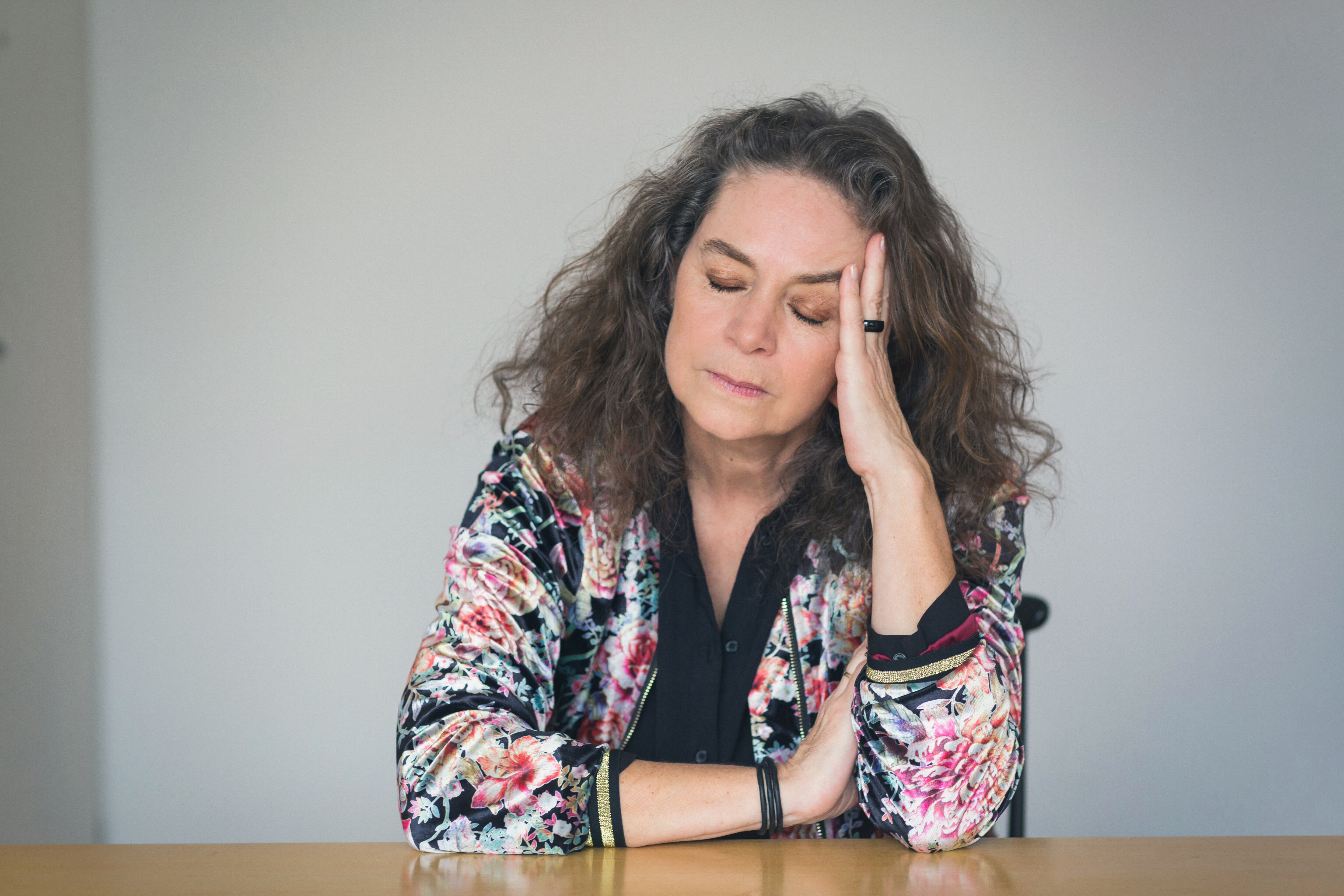
Intense periods and cramping are hallmark symptoms of endometriosis.

martin-dm via Getty Images

Intense periods and cramping are hallmark symptoms of endometriosis.

Pelvic pain during ovulation

Eventually, Henson’s pain increased and remained a problem throughout the month, not only while she had her period.

“I had extreme pelvic pain to the point where I could not stand up straight and would have to walk hunched over,” Henson says.

Kylie Meyer, a 33-year-old who recently had a hysterectomy to treat her stage 4 endometriosis, said her pain also initially flared up during her period, but got worse and occurred when she was ovulating, too. The pain, which she describes as crampy, was typically localised to one side of her body, rotating between the left ovary and the right ovary each month.

“There’d be times I would be shopping and would have to put my hand, essentially, into my pelvis to try to put pressure on the pain just to get through the store,” Meyer says.

Urinary and gastrointestinal issues

Henson says she sporadically noticed there was blood in her urine and often felt like she had a urinary tract infection ― but when she got tested for a UTI, the test results were normal. Additionally, she developed deep rectal pain. Despite undergoing multiple tests, her gastrointestinal specialist couldn’t identify the root of the problem.

Meyer also developed gastrointestinal issues. “I started getting bloating to the point that my stomach was distended,” she says. The bloating became so severe that her skin ached from being so stretched out.

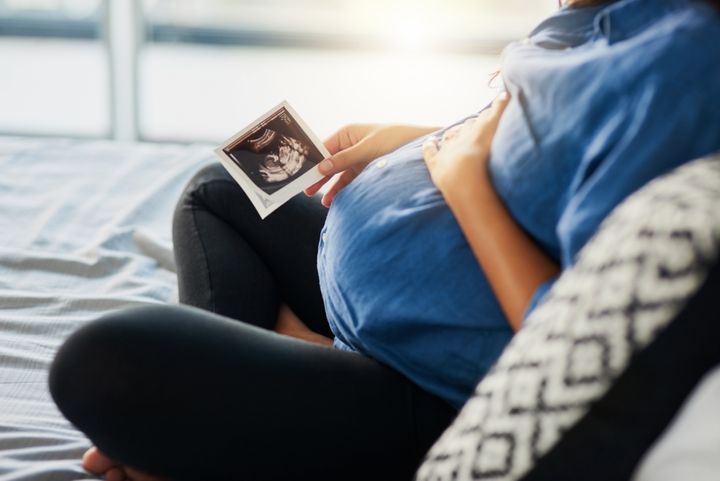
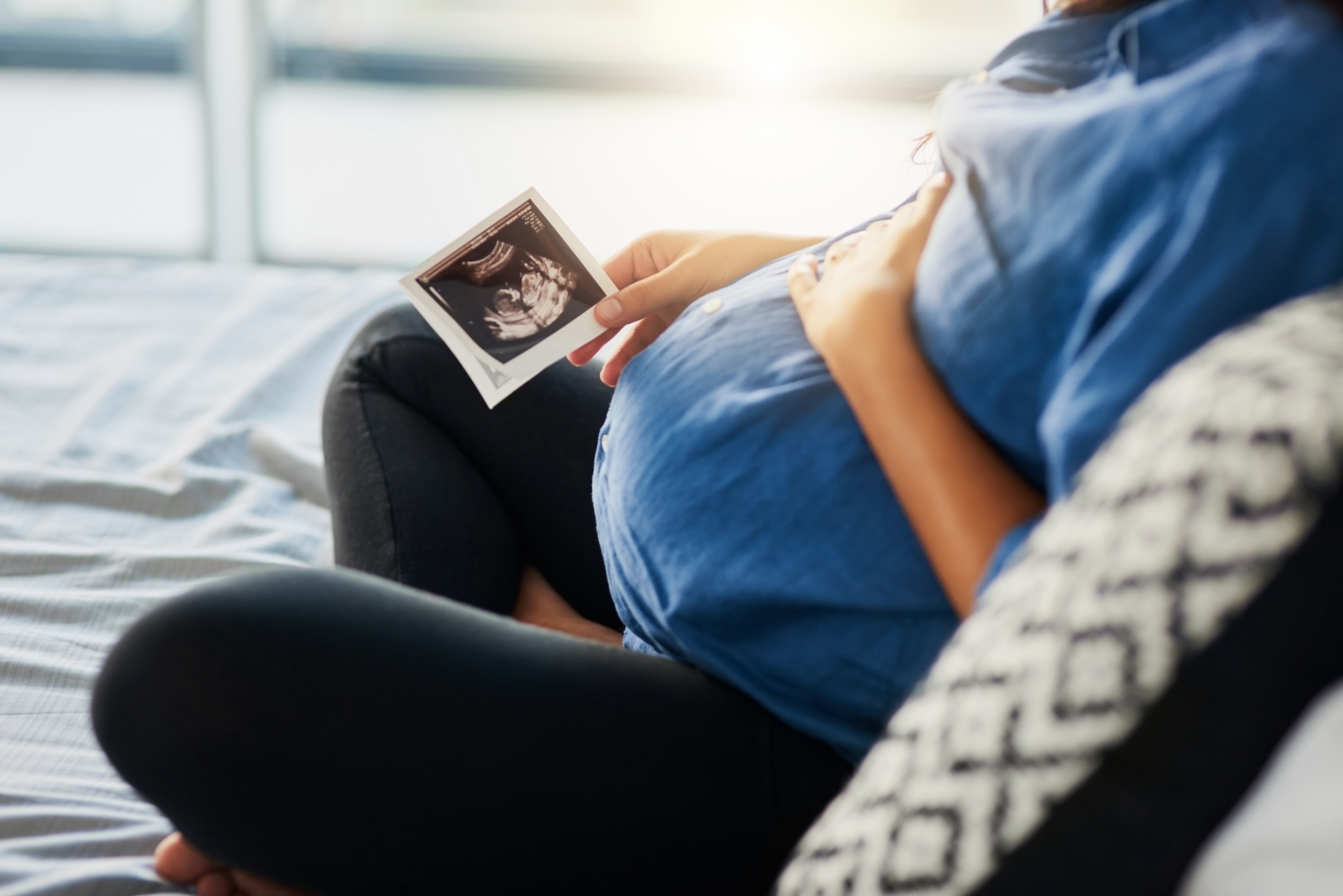
Difficulty getting pregnant or infertility can be a side effect of endometriosis.

Natalia Gdovskaia via Getty Images

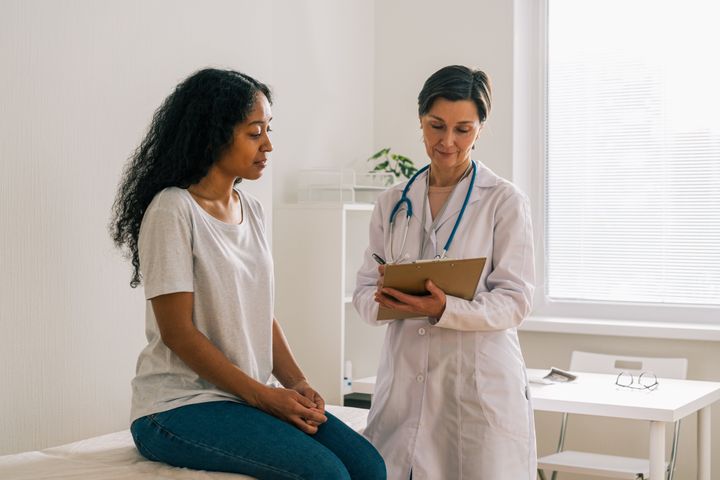
Difficulty getting pregnant or infertility can be a side effect of endometriosis.

Struggling with unexplained infertility

Sheila Petersen, a woman diagnosed with endometriosis at age 34, began trying to get pregnant at 30. After multiple unsuccessful attempts, she was diagnosed with “unexplained infertility.”

She underwent multiple rounds of intrauterine insemination and in vitro fertilization, but still did not get pregnant. When she was finally diagnosed with endometriosis, she understood what had been preventing her from conceiving. Estimates suggest that around 47% of women experiencing infertility have endometriosis.

“I can’t help but wonder if it was caught when I was younger if our fertility journey would have been easier,” Petersen says.

Chronic, intense fatigue

One of the more debilitating symptoms Meyer deals with is fatigue that limits her ability to go out and live her life. Because endometriosis is an inflammatory disease, the body is constantly working to fight off the inflammation. Meyer learned that she has to carve out a few days each month to rest, otherwise her body will get too run down.

“It is exhausting. I can’t do things that I used to be able to do,” she says.

Meyer hopes that by sharing her symptoms, she can prevent others from going down a similar path.

“If I had gotten diagnosed earlier, it probably wouldn’t have gotten to severe stage 4 with frozen pelvis – and who knows if my uterus could have been saved if had I been diagnosed earlier,” Meyer says.

Share Button

From Aunties To IG Hairdressers, Black Women’s Hair Ideals Are Changing

You’re reading Gen:Blxck, a series exploring Black culture, history, family and identity through the generations.

My earliest memories of having my hair done are all at home. My mother would braid mine and my sister’s hair before it got too thick for her to manage. Then I met my first hairdresser, a family friend of a friend, called Akosi. I’d travel to her house with my mum and spend the next few hours sitting in between her legs, getting curly box braids (my absolute go-to back then).

But in recent years, there’s been a surge of young Black women getting into the hair industry and using Instagram as a way to find clients. They’re labelled IG hairdressers by the community, and fewer women my age are now going to traditional Black hair salons where ‘Aunties’ typically styled your hair.

Aunties once ruled the Black hair landscape here – we grew up with them and we didn’t have anyone else to compare them to. But now there is a growing ‘Aunties versus IG hairdressers’ debate in the community. And of course there are pros and cons to each.

If you’re looking for a cheap price point, you’d probably want to get your hair done by an auntie. The trouble is, you’re more likely to be waiting a few hours to get your hair finished in the salon as they switch – and chat – between clients.

IG hairdressers, on the other hand, are easier to find and book online and more likely to be able to do a hairstyle they haven’t done before, but they also tend to charge more and often get called out for unprofessional behaviour like cancelling last minute.

Whoever we trust with our hair, the styles Black women are favouring are changing – and fast. For centuries our hair has been policed by whiteness, but now, Black women are finding a new sense of pride. We’re finding our unique styles, whether that’s braving the big chop or saying ‘no’ to wigs altogether.

It’s been a long journey to get here and even the biggest fans of IG hairdressers will acknowledge we’ve got decades of salon owners to thank for it.

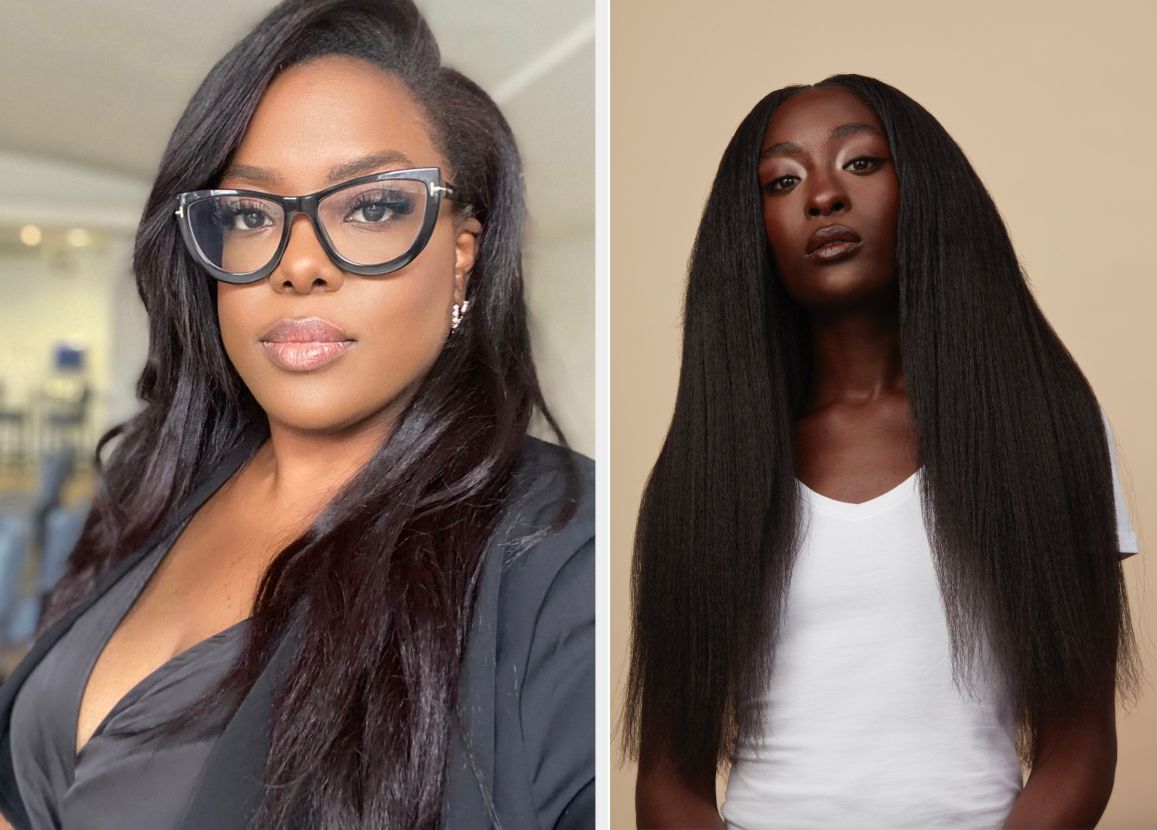
“In the 1960s, Black hair was often either stylishly styled in a natural African look or chemically treated to give it a washed-out colour,” co-founder and CEO of Curl Centric, Akirashanti Byrd tells HuffPost UK,

Byrd is 45 and she’s been styling Black hair for 15 years. Her customers are mainly Black women who want to keep their hair in its natural state.

“Often, these women are not familiar with the various styling techniques and products available to them, so I spend a lot of time educating them on the available options,” Byrd says. She has seen many trends in her time as a hairdresser. “By the 1980s, Black women were experimenting with naturally kinky curls and Afros, greatly expanding their style options,” she says.

“In the 1990s, we saw celebrities like Viola Davis rocking bold Black hairstyles that stood out from all other styles. This decade also saw the introduction of blonde hair dye, which helped make light-skinned people’s dark locks more visible. Since then, many variations of Black hairstyles have continued to be popular today, including relaxed curls, cornrows, dreadlocks and afro.”

The ways you can treat and style Black hair have also expanded in this time – especially with the help of the natural hair movement.

Akirashanti Byrd: 'I spend a lot of time educating [women] on the available options.'

Akirashanti Byrd

Akirashanti Byrd: ‘I spend a lot of time educating [women] on the available options.’

The natural hair movement really kicked off in the 60s alongside the civil rights movement, and was spearheaded by political activist Angela Davis. Afros were worn to protest against white supremacy and champion Black liberation.

However, the early to mid 2000s saw a resurgence of this movement. More and more women in our community started to question why we relied so much on straight hair to make us feel worthy. So we put relaxers and the hot combs on pause and brought back the blue magic, afro combs and blow dryers.

Social media has played a big part in this. I learnt how to style my natural hair by watching YouTube. I watched to see how I could maintain a wash and go, slick down my 4C hair, and even attempted to learn how to cane roll (I’m still learning).

“The rise in popularity of natural hairstyles has led to an increase in demand for products and services that cater to this market and has resulted in more Black-owned businesses entering the industry,” Byrd says.

“The natural hair movement has positively influenced the Black hair industry. It has helped increase awareness of the need for products specifically designed for Black hair and has created a demand for these products. This has resulted in more companies developing Black hair care lines, helping to grow the industry.”

Brands like Ruka Hair, Cantu, Shea Moisture, KeraCare are Black girls’ go to for hair products. And women are investing their money into these brands. Black Women in the UK account for 10% of haircare spending, although they make up only 2% of the UK adult population, a survey by TreasureTress found.

“Today, I feel like hair trends seem to change with the season: seasonal colours, lengths and protective styles etc,” says hairstyilst Ayanda Soares. Soares has been a hairdresser for 14 years and describes her customers as those who want to embrace their natural hair and often opt for protective styling.

She began learning when she was a teenager. “I had always done my own hair, as my mum was terrible at doing mine and my sister’s hair – she had dreadlocks for most of our childhood,” she shared. “In secondary school, I would braid friends’ hair and I learned to do braided weaves around the same time.”

Soares tells HuffPost that in her time as a hairdresser, she’s seen a surge in demand for experimental methods such as tape-ins and keratin fusion. These options weren’t accessible in the UK in the same way they were in the US due to a lack of hair suppliers offering extensions for women with Black hair.

“These have been around for many years, but have not been seen at this level in the afro/Black hair space,” she adds.

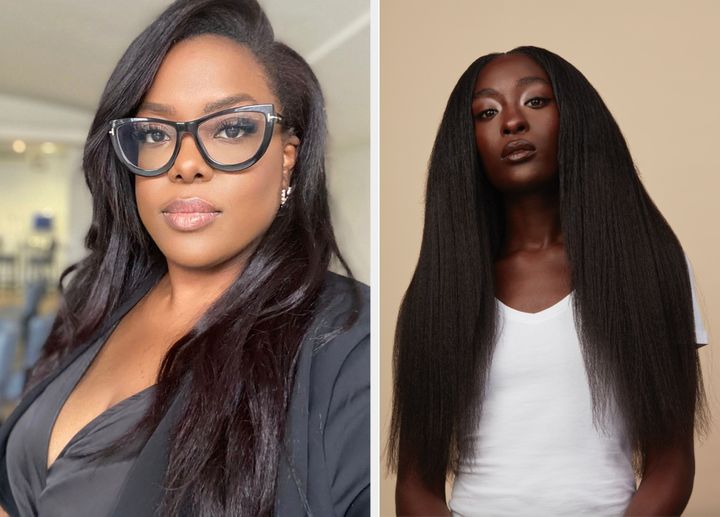
Ayanda Soares (left) and a model with tape-ins styled by her (right).

Ayanda Soares

Ayanda Soares (left) and a model with tape-ins styled by her (right).

Soares agrees that social media has played its part in changing the landscape of Black hair styling. “It has also has allowed us to showcase our work globally,” she says.

She is big on educating women about how to care for their hair, running training programmes that highlight how to clean and prolong your hair extensions, for example.

“Content creators also help sell the message for us business owners, in terms of education, so we tend to work with influencers often,” she adds.

The pandemic also affected the way Black women do their hair – 64.7% said the way the did their hair changed as a result of lockdowns, according to the TreasureTress research.

More of us made the decision to transition “back to natural”, where women grow out their chemically treated hair. Additionally, they actively sought out resources to educate themselves on how to take care of their hair because they were no longer able to visit professionals due to lockdowns.

And with a younger demographic booking clients, the hair styles Black women are choosing is shifting.

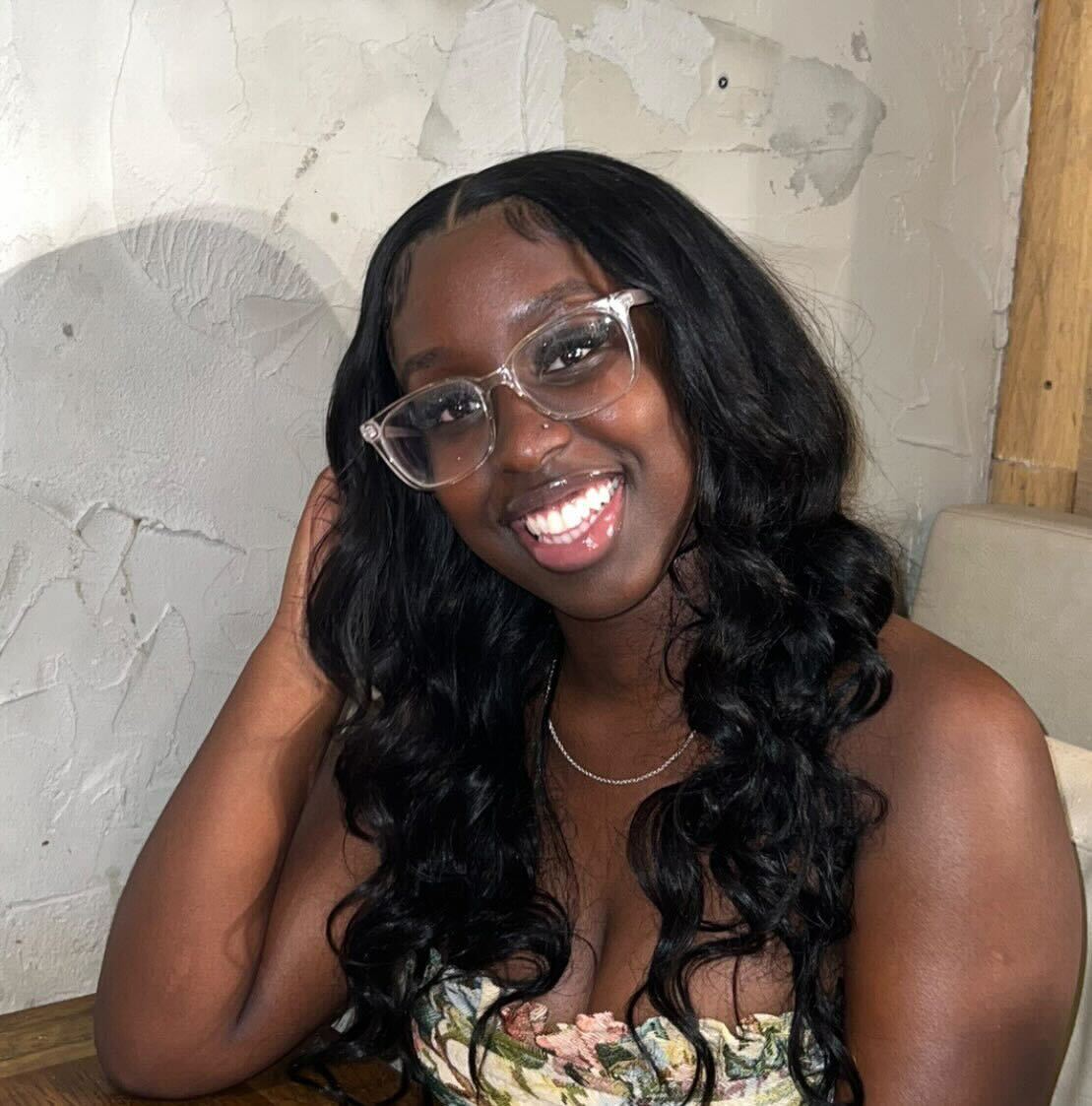
Marlene Gatrude Twinomugisha: 'I just kind of fell into it'

Marlene Gatrude Twinomugisha

Marlene Gatrude Twinomugisha: ‘I just kind of fell into it’

The most popular hairstyles today tend to be the more natural ones, like knotless braids, free-style feed in cane rolls or locs, Marlene Gatrude Twinomugisha, a 20-year-old hairdresser from London tells me.

She started doing hair by “accident”. Similar to Soares, she didn’t like the way her mum did her hair, so took it upon herself to learn how to style it. “I then moved on to to doing hair for my cousins, then my friends and more people were asking me to do their hair at school, so I just kind of fell into it,” she says.

“My experiences getting my hair done by aunties when I was younger was me showing them a hairstyle, them saying they can do it but whenever the style was done, it didn’t look the same at all,” says Twinomugisha, who posts her styles on Instagram under the name Crowned By Her UK.

She believes younger girls have moved to sourcing stylists from Instagram because IG hairdressers are able to jump on hair trends quicker. “Aunties can’t really keep up,” she adds.

However, IG hairdressers also have their issues. Writing for Refinery29 earlier this summer, Yolanthe Fawehinmi detailed how the convoluted booking process and poor customer service is causing young women to return to their roots.

“As more and more horror stories pile in about the last-minute cancellations, excessive fees, where you’ll need to pay a deposit via a booking system to secure an appointment and can be charged for being late, wanting extra length or colour, and of recent, even parting your hair — sometimes bad customer service, young people on social media are boycotting Instagram hairstylists, particularly those on TikTok, who are going back to Britain’s African braiders,” she reported.

Sade Idem, a 25-year-old hairstylist from Kent, says younger black stylists have more of a business mindset.

“With many of us growing up in the UK, we’ve seen how much Caucasian stylists would charge for less challenging hair services, and we realise £60 for seven hours of braiding with no breaks is criminal!” she says.

Idem has a lot of respect for older stylists as they’ve paved the way for the younger ones. “However, many older stylists are focused on the final look, rather than the health of the client’s hair long term,” she comments. “Their customer service can also be affected as they’re trying to fit in as many clients as possible to make up for the low prices they charge.”

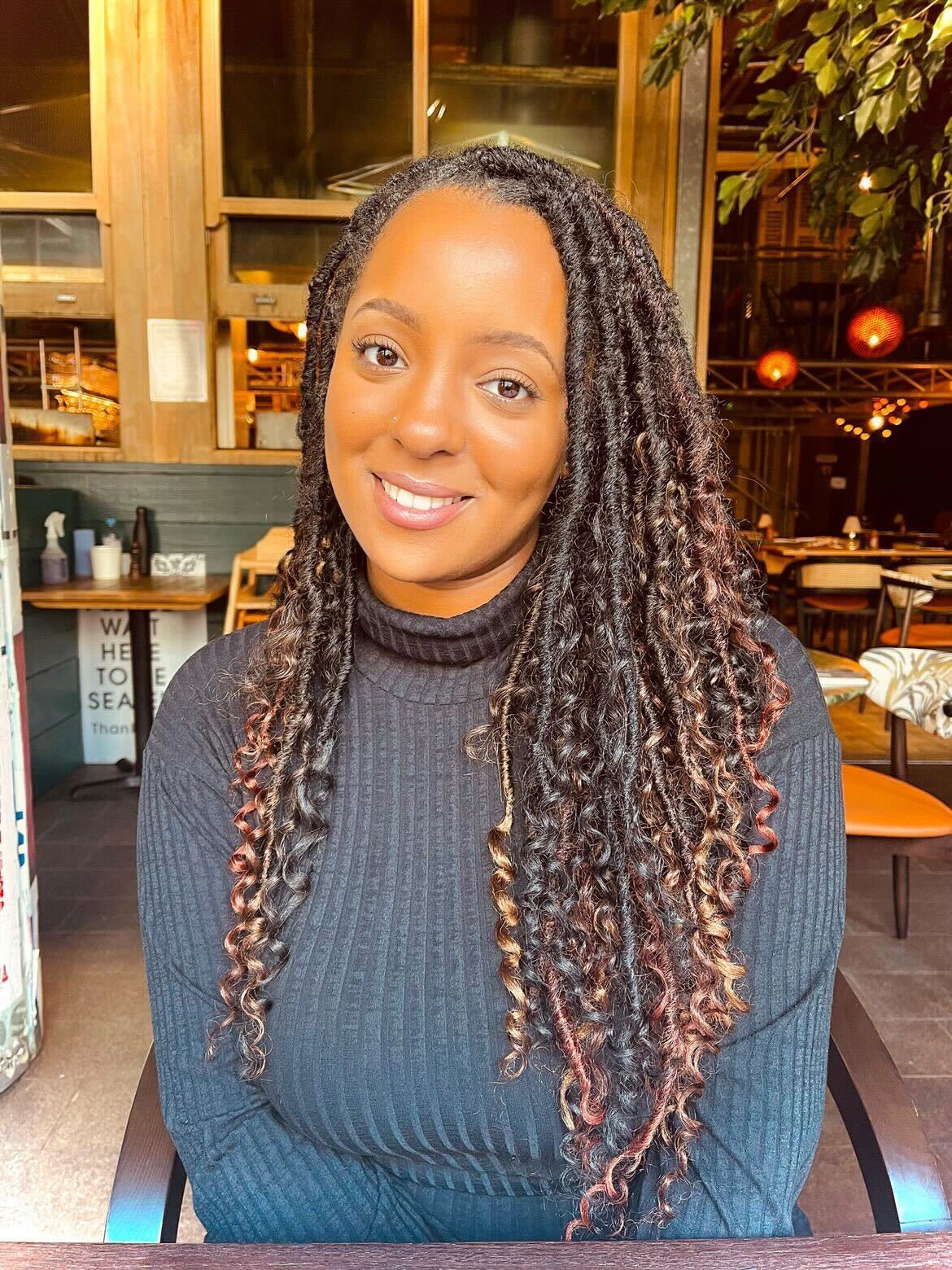
Sade Idem: 'We realise £60 for seven hours of braiding with no breaks is criminal.'
Sade Idem: ‘We realise £60 for seven hours of braiding with no breaks is criminal.’

So what does the future of Black hair and hairdressing look like from here? To me, it looks like versatility, growth and experimentation. As we move towards more protective and natural styles, I see us breaking away from the idea that we have to play it safe with our hair. Let’s enjoy it, and have fun.

I hope to see more young Black girls growing in the profession, but I do believe there’s a place for aunties in the Black hairdressing arena. They worked hard to build Black spaces for women to do hair in this country and paved the way for younger Black women to learn and grow as hairdressers.

As Byrd puts it: “There’s no doubt that Black hairdressing is a growing industry with immense potential. The future looks bright for those willing to put in the hard work and dedication required to succeed.”

What does it mean to be Black and British? Well, it depends which generation you ask. This Black History Month, HuffPost UK has teamed up with BuzzFeed’s Seasoned and Tasty UK to find out. Read more from Gen:Blxck here.

Share Button

Menopause Has 62 Different Symptoms. How Many Can You Name?

Once you get to a certain age as a woman, you will know that menopause is around the corner.

And with that, comes the symptoms. Hot flushes are all but synonymous with the menopause, even though not all women experience them. And you’ll probably think there are a handful more, too. Well, you’re wrong.

Doctors report there are actually 62 different symptoms of menopause that women present with. That’s despite the biggest study yet into menopause awareness finding most women associate it with just five symptoms.

Hygiene and health company Essity surveyed 5,000 women pre-menopause, in peri, or post menopause – and found even women who are at the end of their journey remain relatively clueless about what they have been through

While 40% of women going through or having gone through the menopause have visited their GP to get help with symptoms, two thirds of women didn’t know menopause decreases sex drive and a whopping 74% didn’t realise it could be linked with weight gain.

Meanwhile, only 1% of women surveyed were aware it can cause changes in their vagina and how often they pee.

Menopause specialist Dr Naomi Potter reveals that tinnitus, UTIs, weaker bones and a change in body odour also feature in the list of menopause symptoms.

And worryingly, there’s a lack of knowledge of when it all kicks in, she says.

“Women believe they can’t experience symptoms in their forties because they’re not old enough, or their symptoms aren’t menopausal – when in fact if they’re over 45, it’s likely they are,” Potter says.

A spokesperson for Essity said: “[These] findings tell us that it’s a heavily misunderstood subject and the taboo surrounding it means women aren’t accessing the information and advice that could really help them.”

So what are the 62 symptoms of menopause?

  1. Palpitations

  2. Chest pain

  3. Breast tenderness

  4. Itchy skin

  5. Dry Skin

  6. Rosacea

  7. Acne

  8. Thin skin

  9. Collagen loss

  10. Crying

  11. Brain Fog

  12. Memory Loss

  13. Poor concentration

  14. Word finding difficulty

  15. Anxiety

  16. Low mood

  17. Worsening PMS

  18. Anger/ Rage /

  19. Irritability

  20. Headache

  21. Migraines

  22. Joint Pain

  23. Joint stiffness

  24. Vaginal Dryness

  25. Vaginal discharge

  26. Vulval itch

  27. Perineal itch

  28. Vulval/ vaginal electric shocks

  29. Increase in thrush

  30. Increase in BV

  31. Poor libido

  32. High libido

  33. Weight gain

  34. Scalp Hair loss

  35. Unwanted Hair growth

  36. Urinary Infections

  37. Urinary incontinence

  38. Urinary urgency

  39. Nocturia (getting up at night)

  40. Sexual Dysfunction

  41. Chest Tighness

  42. Constipation

  43. Gastric reflux

  44. Fatigue

  45. Night Sweats

  46. Hot flushes

  47. Cold flushes

  48. Period increased frequency

  49. Periods decreased frequency

  50. Heavier periods

  51. Muscle Loss

  52. Tinnitus

  53. Dry eyes

  54. Watery eyes

  55. Burning mouth

  56. Gum disease

  57. Foot pain

  58. Frozen shoulder

  59. Insomnia

  60. Histamine sensitivity

  61. New allergy

  62. Body odour change

Share Button

We Hear You, Dina Asher-Smith, Periods Are Still A Bloody Mystery

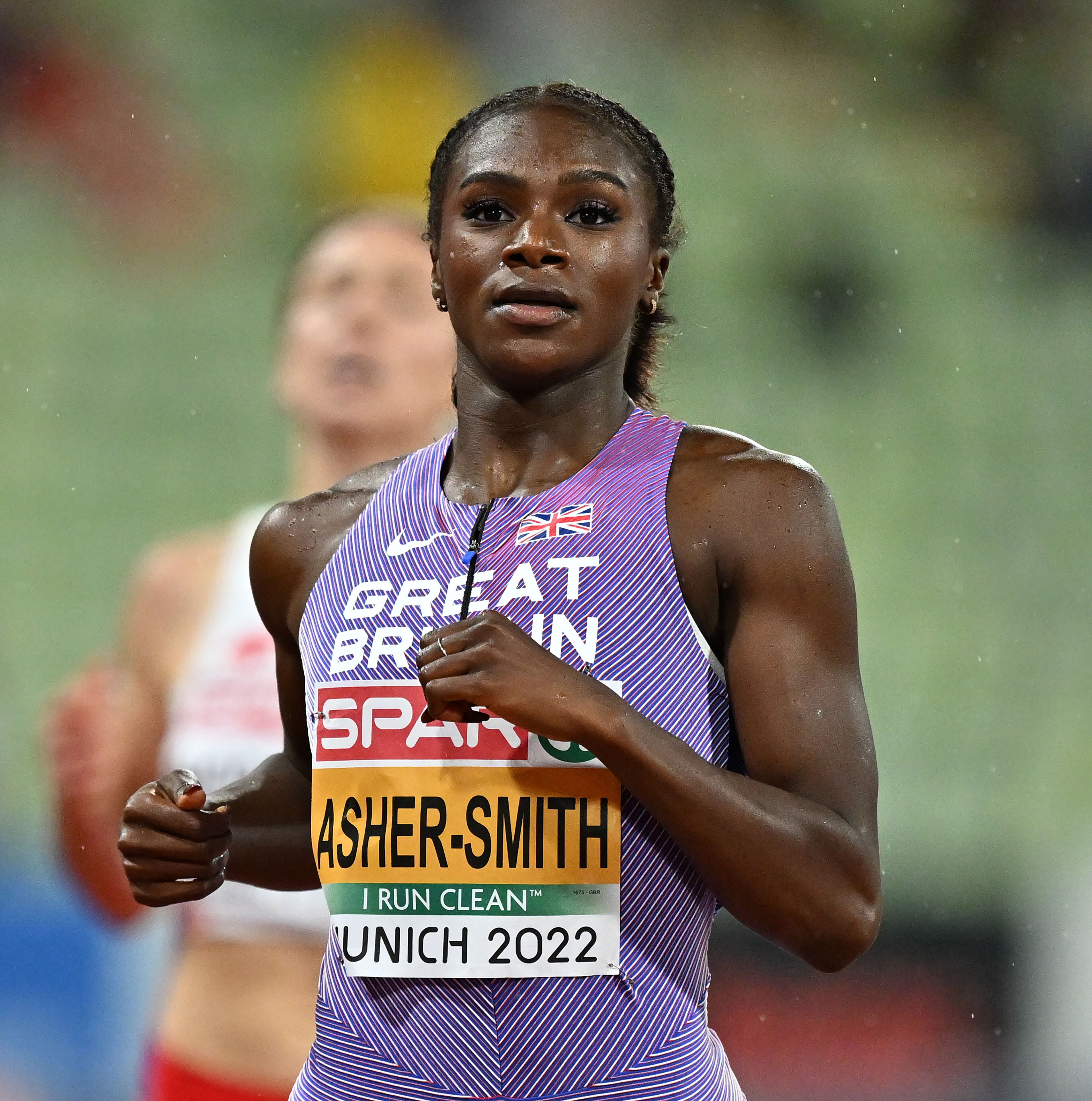
Sprint superstar Dina Asher-Smith has revealed the cramps she experienced in her calf earlier this week, causing her to finish last in a 100m race at the European Championships, were down to her period – and we can relate.

When asked about what happened, the 26-year-old responded: “It was just ‘girl stuff’. It’s just frustrating. It’s one of those things. It’s a shame because I’m in really good shape and I was really looking to come and run fast.”

True to form, a few days later she returned to the track and qualified for the 200m final.

She has now called for more research into how periods impact performance from a sports science perspective, “because it’s huge”.

“People don’t always talk about it either,” she said. “Sometimes you see girls that have been so consistent and there’s a random dip and behind the scenes they’ve been really struggling. Everybody else will go ‘What’s that? That’s random’.

“So we could just do with more funding. I feel if it was a men’s issue there would be a million different ways to combat things.”

We’ve all got stories like this. A colleague reveals she had her first period while sitting her GCSE exams and honestly thought she was going to die. Needless to say, she struggled to perform to the best of her ability.

I’ve had moments where the ability to do even the most basic of tasks – let alone run a race or sit an exam – have been completely obliterated by my menstrual cycle.

One memory instantly comes to mind: commuting home from work on the tube and having to get off several stops early because I was doubled over in so much pain and there were no seats available.

Hot, nauseous and unable to stand up straight, I made it to a bench on the platform and sat there for some time before my boyfriend turned up in a taxi to take me home. So yes, I tip my hat to Dina for even finishing the race.

Wherever you turn, women and people who menstruate are dealing with periods – and we agree with Dina, it’s time sports bodies invested heavily in research.

Tennis star Heather Watson previously told HuffPost UK how she quietly handles her period, which makes her feel bloated and low on energy when she’s on the court: “I really don’t think there’s much you can do when you’re on your period before a game except be strong and deal with it as best you can, because that’s what we all do on a monthly basis.”

She’s previously taken the contraceptive pill to delay her period during big tournaments. But even taking the pill can sometimes backfire or cause unwanted side effects.

Speaking to HuffPost UK, British synchronised swimmer Isabelle Thorpe revealed there have been a few occasions “when it’s gone wrong and I’ve bled for longer than I expected”.

British runner Eilish McColgan was also prescribed the pill after experiencing, what she described for a BBC column as, “excruciating cramps every month to the point where my body would go into a fever and start vomiting”. She recalled having a full day in bed “feeling like death” and then waking up the next day like nothing had happened.

But being on the pill made her feel “rotten,” she said, and it impacted her emotionally.

“It still fascinates me that a large majority of women struggle with their menstrual cycles every month, and yet no one seems to have the answers. Even now, the research in regards to sport, especially, is sparse,” wrote McColgan.

Dr Sarah Zipp, an expert in menstrual health and sport, and associate professor at Mount St Mary’s University, in Maryland, says we now need to see more research into the area. “The menstrual cycle has enormous impacts on physical health, performance, etc.,” she tells HuffPost UK.

“The body experiences many changes throughout the cycle, it goes beyond just coping with symptoms of menstruation. Yet we have relatively little research on the impact of menstrual cycles, which is pretty shocking given that there is sport science research into just about anything that might provide the tiniest performance advantage.”

She says the lack of research is in line with “the overall absence of research on women’s health” more broadly.

Dr Camilla Mørk Røstvik, a historian of menstruation at the University of Aberdeen and University of St Andrews, agrees “there needs to be more research into every facet of the menstrual cycle”.

“Many of us are trying to do that through, for example, the Society for Menstrual Cycle Research (established 1970), the Menstruation Research Network and more,” she says.

But these areas are woefully underfunded. “Asher-Smith is so right, and I’d add that we need proper funding too,” she continues.

“It’s a frustration, because there is clearly an interest amongst the public, just not amongst funding bodies or sponsors (yet).”

If you’d like to share how periods have impacted your performance in sport or at work, please tweet us: @huffpostuklife and we may include some of the tweets in this article.

Share Button

There Are 3 Types Of Female Orgasm, According To A Male Professor

The big ‘O’, the climax also known as an orgasm. Sure you can have fun without one, but, let’s be honest, ut’s the part of sex we all want to experience, which is why we can’t stop talking about how we can get one, especially as women.

The female orgasm has been studied and researched for centuries, but now there’s new research that suggests there are actually three different types.

The study from Charles University in Prague, found that when women have an orgasm, their pelvic floor muscles tend to move in one of three patterns: a wave, a volcano, or an avalanche.

A ‘wave’ is everything you’d expect to feel – waves of tension and release of your pelvic floor muscles.

A ‘volcano’ feels like more of an explosion towards the end of the orgasm, as your pelvic floor explodes into a swift tension and release.

An ‘avalanche’ involves higher pelvic floor tensions in the build up, which drop when you orgasm.

James Pfaus, professor of neuroscience at Charles University in Prague led the study, which invited 54 women to use the ‘Lioness’, a Bluetooth-connected vibrator, to reach orgasm.

Volunteers were asked to masturbate at home using the device over a period of a few days. The vibrator was programmed to measure the force of their pelvic floor contractions via two sensors – which researchers analysed remotely to work out the rhythm and pattern of these movements in the participants.

‘Wave’ orgasms were most common – 26 out of 54 women experienced this type, whilst 17 had ‘avalanche’ orgasms and 11 had a ‘volcano’ orgasm.

Professor Pfaus said: “We are doing a long-term study of women using the Lioness to see how these different patterns are experienced subjectively as orgasms, as levels of pleasure, [and] where the stimulation that induces them largely comes from.”

Many women may have experienced more than one orgasm pattern, while others might say that even one orgasm is better than none, especially with recent studies pointing to a major gender-based orgasm gap.

For every sexual encounter, men orgasm on average 87% of the time, while women experience them 65%.

Orgasm rates also vary depending on your sexuality, with heterosexual men orgasming most regularly, followed by gay men, bisexual men, lesbians, bisexual women – and finally, at the bottom of the list, heterosexual women.

Lisa Williams, co-author of More Orgasms Please: Why Female Pleasure Matters, previously told HuffPost UK that this orgasm gap isn’t down to anatomy, as women are able to orgasm as quickly as men when they masturbate.

“It can take as little as four minutes for a woman, which is the same as men, but there is a perception it’s going to take about 40 minutes during sex,” she said.

No one should feel compelled to have an orgasm – many people have a fulfilling experience without reaching this point – and some people are anorgasmic (or unable to orgasm).

But Williams encourages women to become more familiar with their bodies and what they like. Then, when they get into a sexual situation with a partner, they can be less afraid to say what they do and don’t enjoy.

If this new research isn’t an excuse to start exploring, we don’t know what is. So, wave, volcano or avalanche? Which one will you be having next?

Share Button

England’s Lionesses Aren’t Just Inspiring Girls, They’re Inspiring A Nation

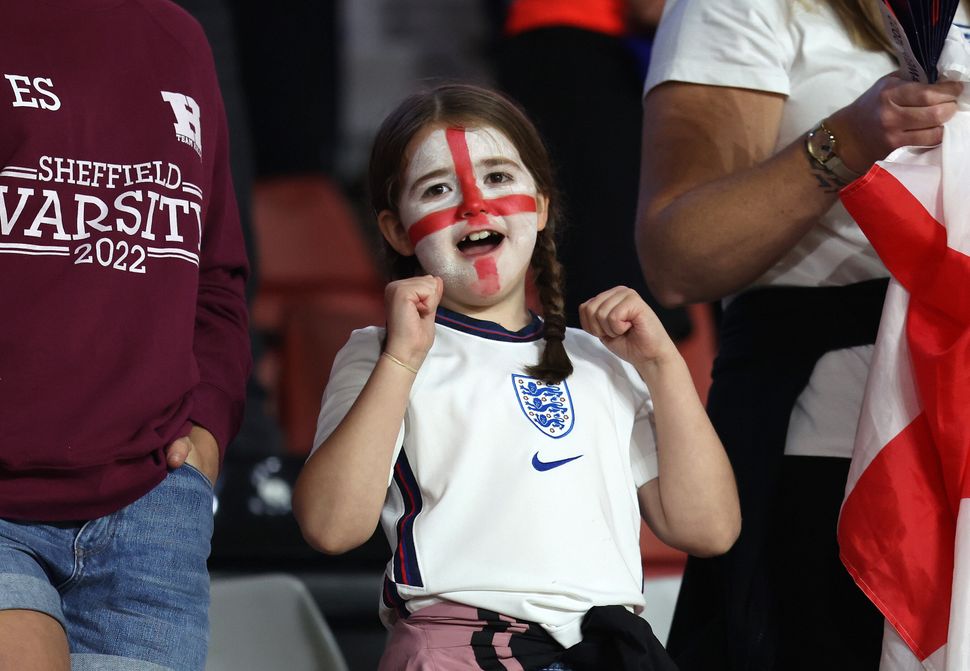
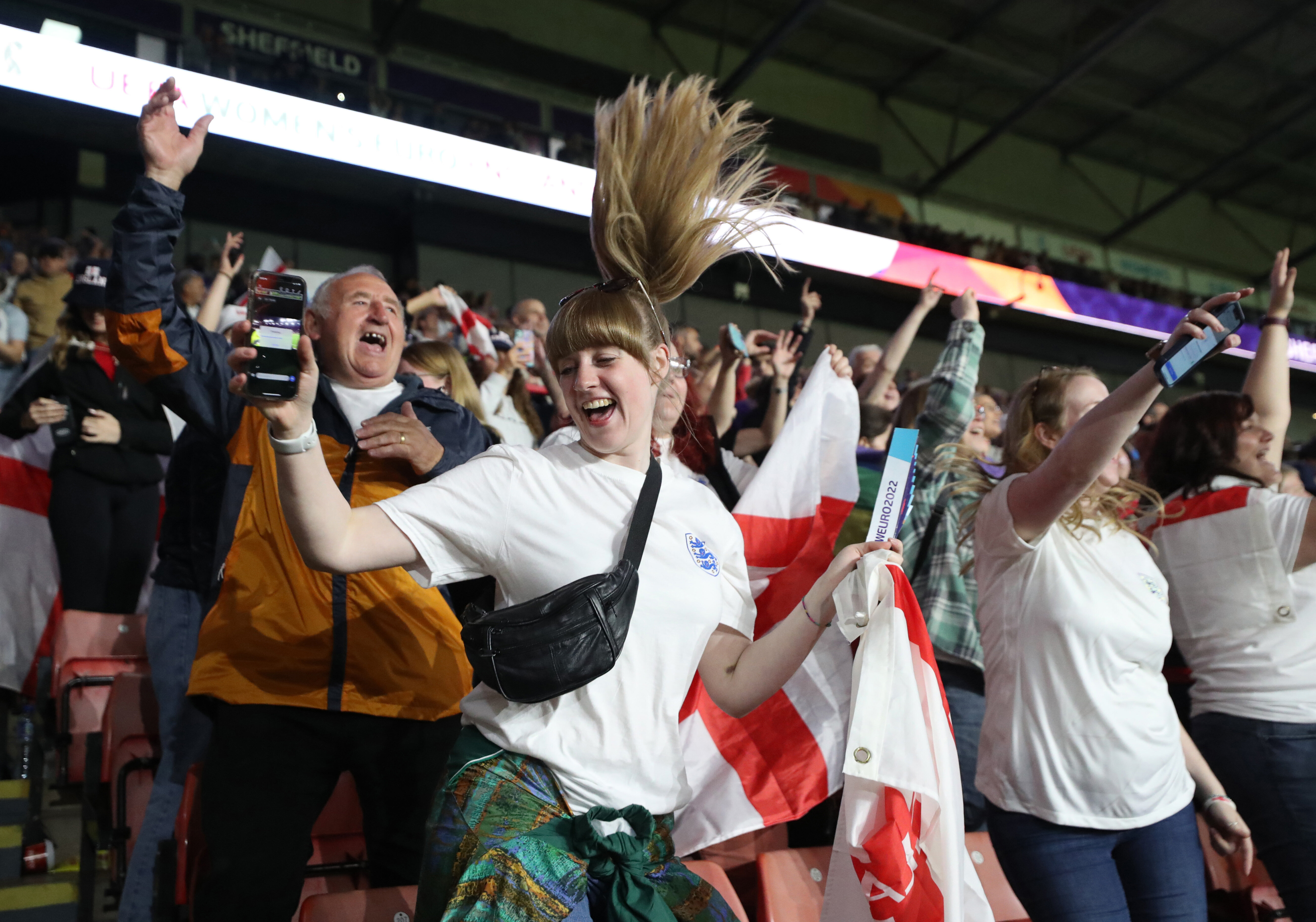
Just like young Tess, eight, who danced her way through their Euro semi-final in Sheffield on Tuesday, we couldn’t be prouder of England’s Lionesses.

Tickets to Sunday’s final against Germany at Wembley Stadium, the largest sports venue in the UK and second-largest stadium in Europe, are completely sold out – all 87,200 of them. It will be the biggest attendance ever for a men’s or women’s Euro final, and the game will closely rival the highest attended women’s football match of all time (when 91,553 watched Barcelona play Real Madrid in the UEFA Women’s Champions League in March).

Three years ago we watched as the Lionesses exceeded all expectations in the 2019 Women’s World Cup, only falling to eventual champions, the USA.

While football didn’t come home that night in Lyon, it certainly felt as though women’s football was here to stay. And so it has proved.

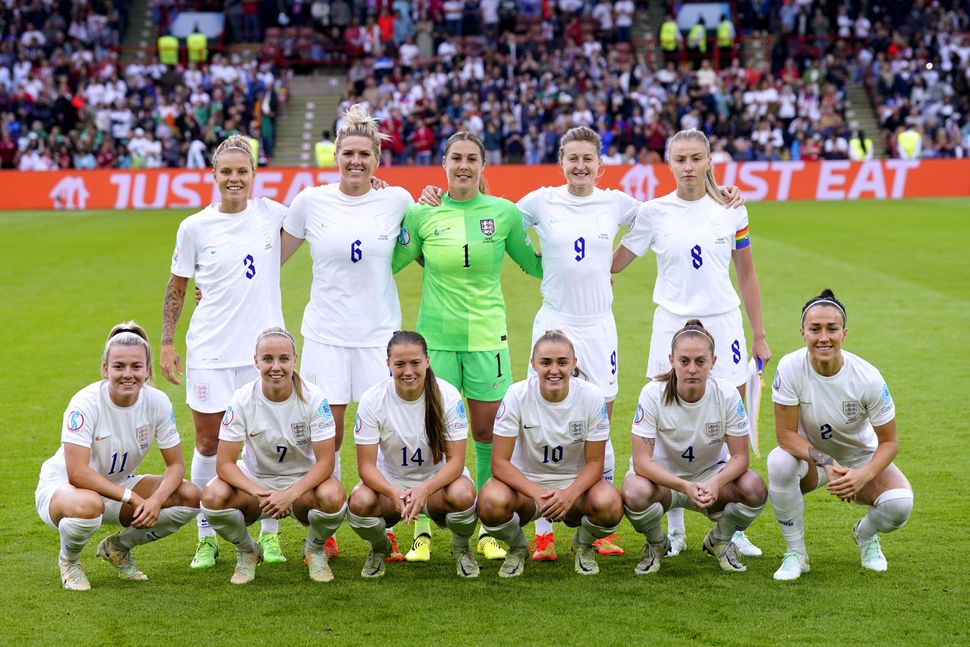
After a pandemic pause, the current Lionesses, led by captain Leah Williamson and cool-as-you-like head coach Sarina Wiegman, have stormed through this Euro tournament, scoring 20 goals between them in front of delighted crowds, and only conceding one – in that nail-biting quarter-final against Spain.

Midfielder Georgia Stanway, who scored the extra-time “stunner” that saw them through that game in Brighton, has said: “I think we need to kind of stop talking about how big women’s football is getting and talk about how big it is.”

And she added of her team: “We’re just hitting new levels every single time.”

England’s comprehensive 4-0 victory against Sweden in the semi-final earlier this week drew 9.3 million viewers across BBC TV and streaming – the largest audience for the tournament so far.

Fans went wild for goals from Beth Mead, Lucy Bronze and Fran Kirby, for the sparkling clean-sheet of goalkeeper, Mary Earps, but most of all for super-sub Alessia Russo’s devilish back-kicked nutmeg in the second half. Even the US Embassy had to give Russo props for it with a cheeky homage on Twitter.

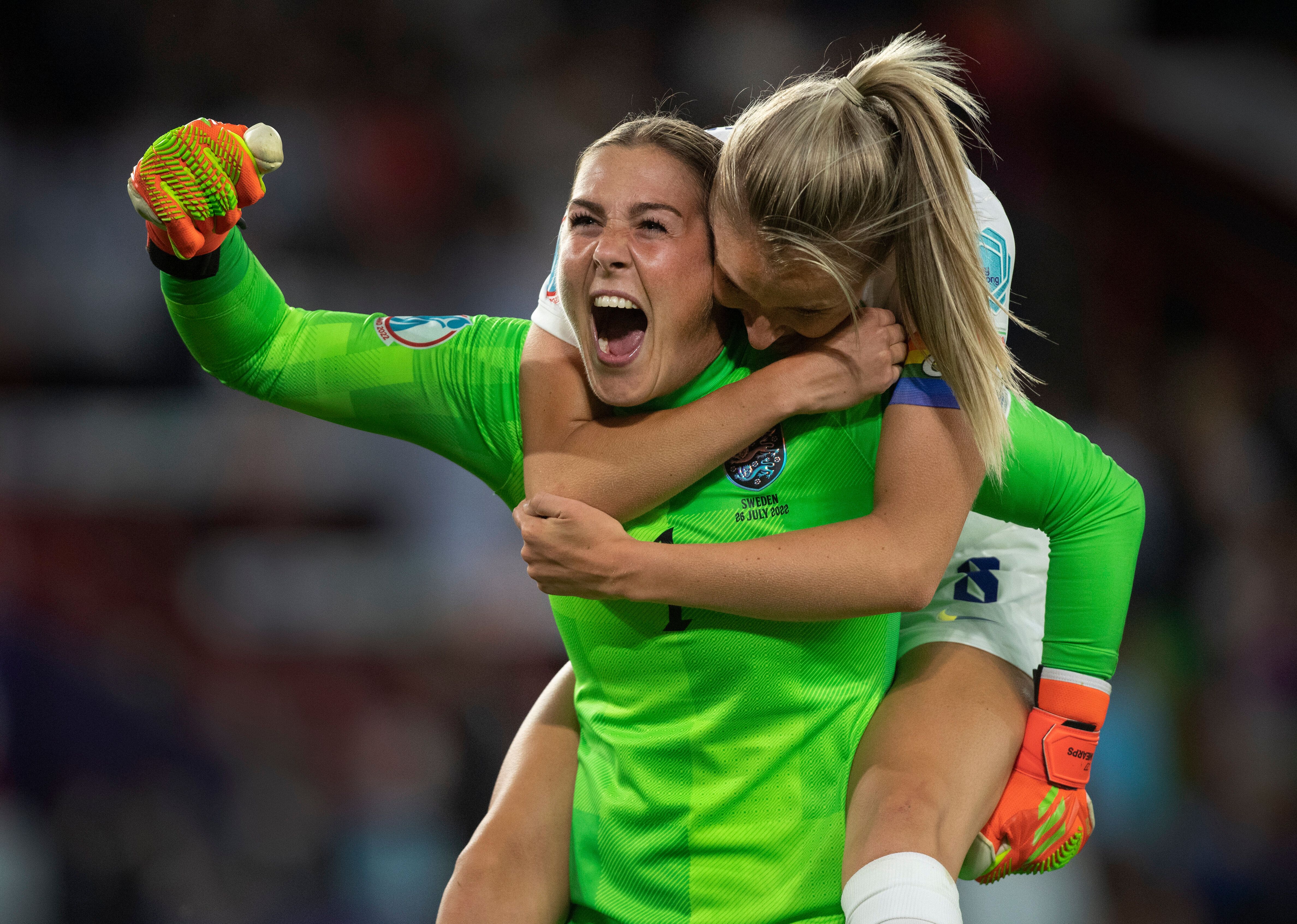
England goalkeeper Mary Earps and captain Leah Williamson celebrate after Alessia Russo's goal in the semi-finals.

Visionhaus via Getty Images

England goalkeeper Mary Earps and captain Leah Williamson celebrate after Alessia Russo’s goal in the semi-finals.

And all this in a sport that the English Football Association effectively banned in 1921, because – and we kid you not here – the FA worried the growing popularity of women’s games was threatening to attract too large a crowd.

“Complaints having been made as to football being played by women, Council felt impelled to express the strong opinion that the game of football is quite unsuitable for females and should not be encouraged,” it ruled at the time.

We’ve come a long way since then, thank goodness, and now around the world, women are matching their male counterparts for passion, drive and visibility. Australian striker Sam Kerr, of Chelsea FC Women, will soon become the first female player to feature on the cover of the football game FIFA for 2023.

So, if there’s a difference between women’s and men’s football, it isn’t down to technique. These Euros have shown that women are more than capable at smashing the sport. It’s more about the way it makes us feel: positive.

Amelia Dimoldenberg, a 28-year-old writer, was at the opening game of the Euros on July 6, when England played against Austria at Old Trafford – and noticed the difference.

As a young woman, going to a men’s game can still feel intimidating, she tells HuffPost UK. “There’s so much testosterone there and so much bravado, and when you go to a women’s game it’s void of most of that” – not just because of the number of families in the stands, she adds. “It’s just exciting to see young girls and young people getting involved with the sport.

You only had to listen to BBC broadcasters Alex Scott and Ian Wright reacting to Tuesday’s heroics to realise that times aren’t changing – they already have.

Scott and Wright, who formerly played for Arsenal women’s and men’s teams respectively, as well as for their national sides, spoke eloquently in the moment about the journey to this point in football – and the future potential.

“It is hard for me not to get emotional right now,” Scott said, holding back tears, “because the amount of investment which has gone into the women’s game is for a moment like this. For this team to get to Wembley, they are creating something special and deserve every accolade which is coming their way.”

She added: “Everyone who has been involved in women’s football has been waiting for this moment. It’s special.”

Wright agreed, but also had a message to those who run the game. “Whatever happens in the final now, if girls are not allowed to play football in their PE, just like the boys can, what are we doing?” he said passionately post-match.

“We have got to make sure they are able to play and get the opportunity to do so. If there’s no legacy to this – like with the Olympics – then what are we doing as this is as proud as I’ve ever felt of any England side.”

Photographer Jade Keshia Gordon, 28, from London, is a lifelong Arsenal fan who started supporting both the club’s teams when she was eight. She also thinks women’s football should be championed so girls know it’s possible and “okay” to play.

“I played football as a kid and I remember hearing that I should ‘do something that girls do’ from boys my age. I hope that if I was to ever have a daughter they will have no fear of joining their football team,” Gordon tells HuffPost UK.

A young England fan cheers on the Lionesses during the England-Sweden game.

Catherine Ivill – UEFA via Getty Images

A young England fan cheers on the Lionesses during the England-Sweden game.

Gordon says she enjoys watching women play for the dedication, drive and persistence on show – and of course the sheer skill of it.

“I don’t know if it’s because they’ve felt like they’ve always had to prove themselves, but I feel a sense of strength when they play and it’s just good football, regardless of them being women,” she says. “Football is football regardless of the gender.”

It’s a sentiment that Charlotte Thomson agrees with wholeheartedly. As head of women’s football at Copa 90, a football media company that makes fan-first content, she believes the energy surrounding the Lionesses is built on more than just a successful tournament on the pitch.

“This team is proof that women’s football has well and truly arrived,” she says.

Iconic moments provided by the likes of Stanway and Russo breaking into the football zeitgeist is testament to the changing perceptions around women’s football,” says Thomson. “At the time of writing, Russo’s goal alone has been viewed 17 times per second, every second (!) since it was scored.”

The conversation has moved on from inspiring young girls to inspiring a nation, Thomson adds, and agrees that the atmosphere at games is something else.

You don’t have to delve too deeply into women’s football fan culture to get a taste of the positive, inclusive space they occupy,” she says. “Turning up to any of the matches this summer and the atmosphere you are greeted with is more akin to that of a festival than a typical football match.”

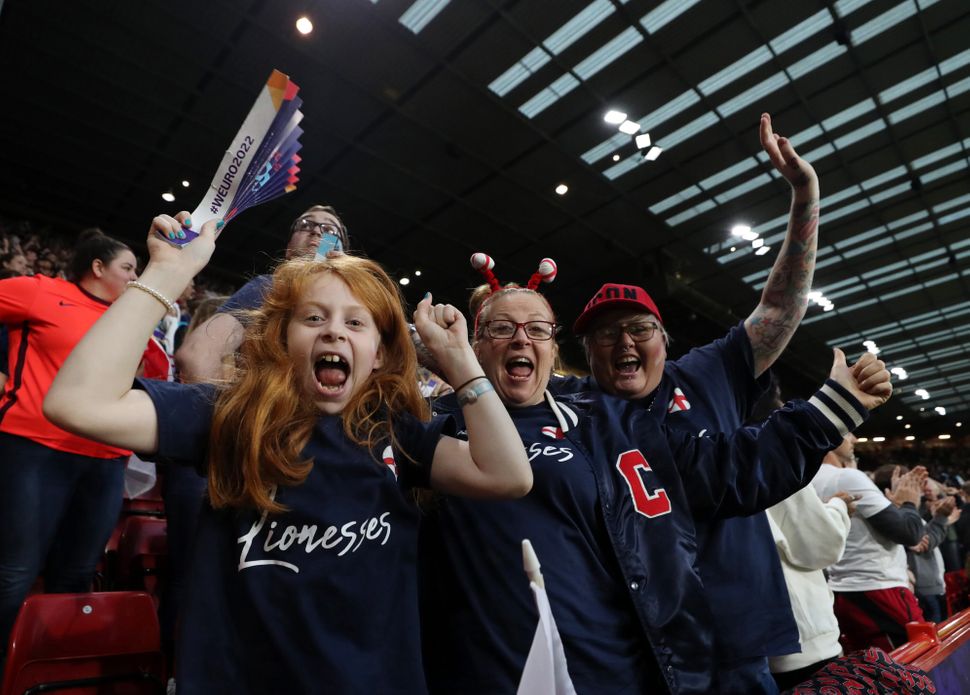
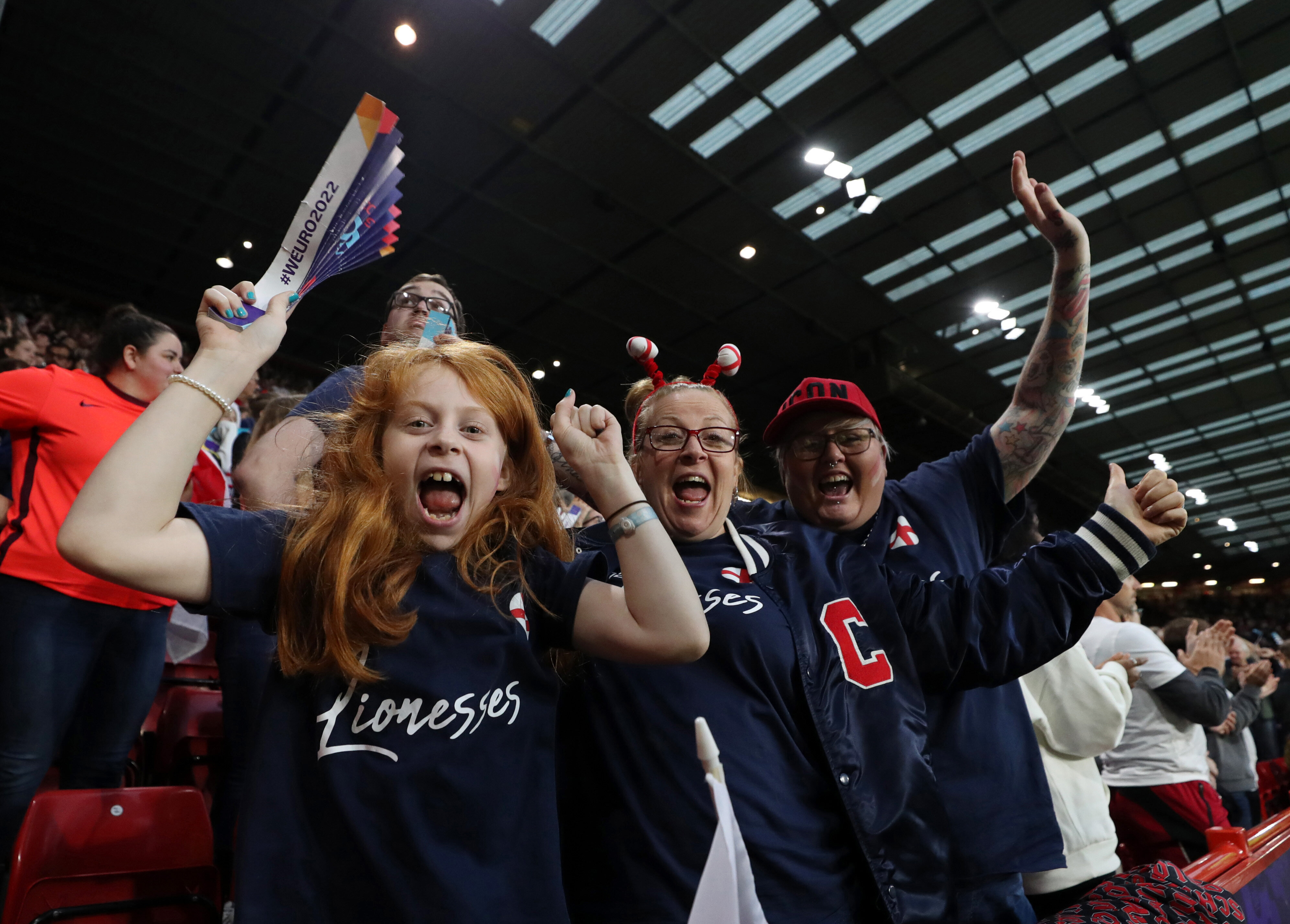
Lionesses fans celebrating in Sheffield.

Catherine Ivill – UEFA via Getty Images

Lionesses fans celebrating in Sheffield.

This positivity tips over onto social media, she adds, where Copa 90 has seen huge engagement for its match day takeovers, while off the pitch, collectives such as Baller FC, Studs and This Fan Girl have hosted watch parties and events, welcoming “everyone and anyone” to join in, Thomson says.

“However, do not make the mistake in thinking a positive space is one that’s less passionate, quieter and lacking in atmosphere,” she adds. “You just need to hear the hoarse voices of the fans this summer to understand that is most certainly not the case.”

The inclusivity she speaks of also includes the brilliant LGBTQ+ representation in the women’s game, on and off the pitch.

At the last Women’s World Cup, at least 41 players were openly gay or bisexual with individuals like USA’s Megan Rapinoe using the platform to speak out for the community – whereas, over in the male game, this year Jake Daniels was the first professional player to come out publicly since Justin Fashanu in 1990.

“The active allyship among the women football community is to be celebrated, and is something the men’s game can learn a lot from,” Thomson says.

That doesn’t mean that progress isn’t still needed in other areas. Many fans have noticed how white the current national women’s football team is – and Thomson stresses that “a lot of systemic work” must be done.

“The fact that the current Lionesses have only three black players – Jess Carter, Nikita Parris and Demi Stokes – is proof there is clearly a need for change,” she says. Even more so, when the latest figures from Sport England’s Active Lives report show the significant numbers of girls and young women of colour who are participating in the game at a grassroots level.

“Work needs to be done from the bottom up, ensuring centres of excellence are not just in rural locations and offering resources to give a wider group of girls access to key talent pathways, ” says Thomson.

“Additionally, we need to be providing role models from a grassroots perspective, given there’s not much at the top.”

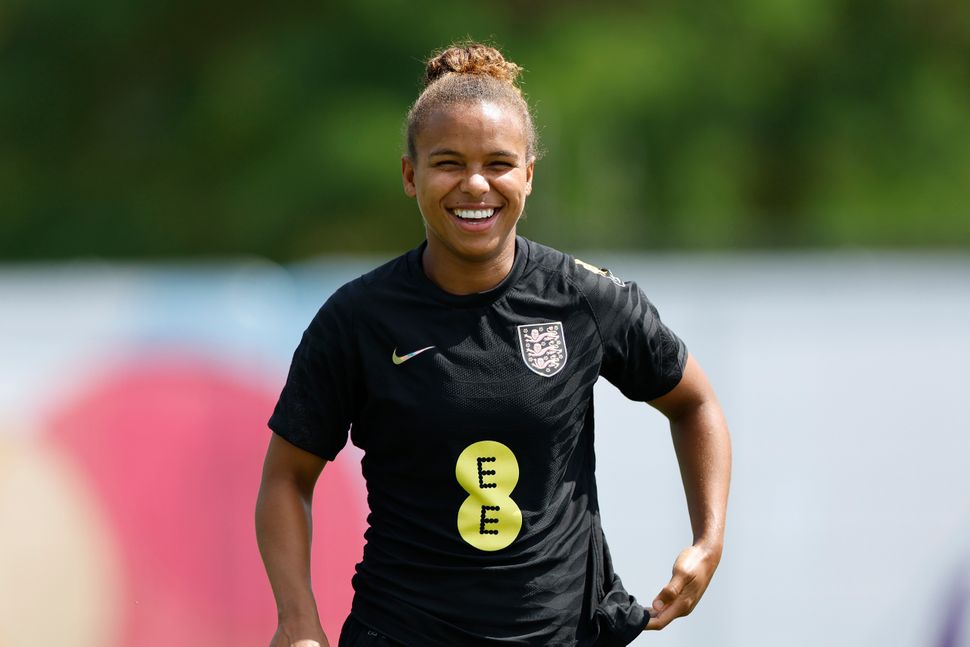
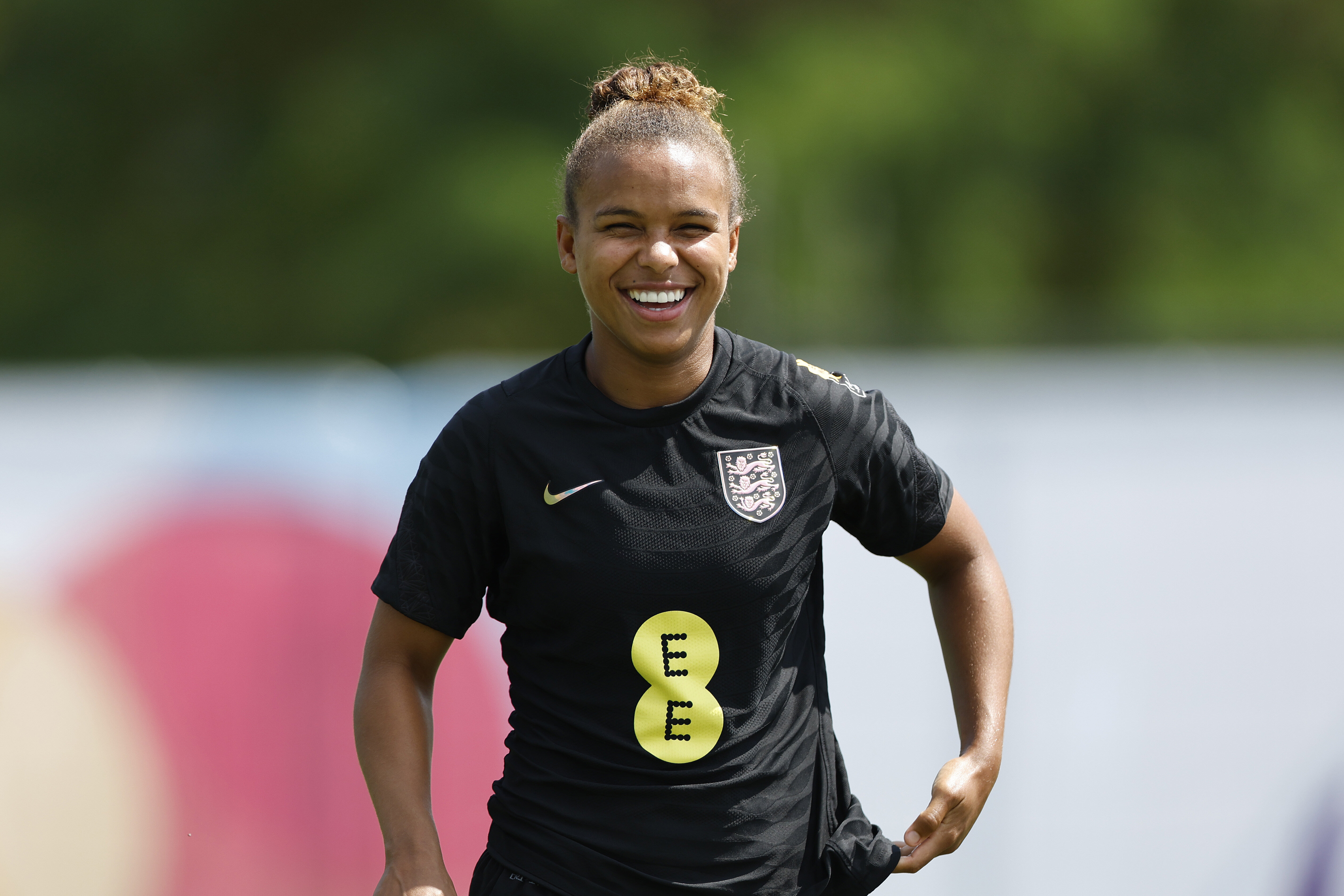
Nikita Parris during an England training session during the Euros.

Lynne Cameron – The FA via Getty Images

Nikita Parris during an England training session during the Euros.

Even though Thomson, along with so many of us, has been loving the Euros coverage, she doesn’t think all football fans have to champion women’s football.

“For some people, women’s football just isn’t for them. For others, women playing football is outright offensive. But that’s okay – we don’t need them,” she says.

“The record breaking numbers this tournament has produced almost daily is testament to that. I would, however, like to see people taking heed from Leah Williamson’s quote from a recent BBC documentary: ‘I don’t particularly like watching fencing, but I don’t tweet to say that I don’t like it!’”

Nor is it one-size-fits-all. Sure, it’s heartening to see David Beckham thanking the Lionesses for inspiring his daughter Harper and the Duke of Cambridge appearing on Instagram this morning with Princess Charlotte to wish the team luck in the final. But their reach goes way beyond this demographic.

“Contrary to how the game has been marketed in the past, we know that there is more to women’s football fans than the watered-down ‘daddy and daughters’ parade that is often portrayed,” says Thomson. “Women’s football fans have proven to be wide ranging and highly engaged.”

And one thing’s for sure, they’ll all be tuned into Sunday’s final at Wembley, where, regardless of the score, we’ll be supporting the Lionesses all the way.

Good luck to the Lionesses!

Danny Lawson – PA Images via Getty Images

Good luck to the Lionesses!
Share Button

These Ukrainians Support First Lady Olena Zelenska’s Controversial Vogue Shoot – Here’s Why

Ukraine’s First Lady Olena Zelenska has been accused of “glamourising the war” on Twitter after starring in Vogue magazine’s cover shoot – but many Ukrainians don’t see it that way.

Zelenska and the president, her husband Volodymyr Zelenskyy, have been pushing Russia’s unprovoked invasion of Ukraine to the top of the international news agenda for almost six months, in a bid to secure more help from the West.

Zelenskyy has spoken in the UK’s House of Commons, at the UN and at the EU. He has been featured on TIME magazine’s front cover over his leadership skills, and was even dubbed the “modern Churchill” for his communication.

Then, fashion magazine Vogue put the couple on its cover.

While Zelenska led the shoot – and in one photo was photoshopped into a scene with Ukrainian soldiers – she also posed with her husband in his army clothes for a couple of other images.

And something about the shoot rattled some on Twitter:

However, many Ukrainians on the same platform have been keen to defend Zelenska and remind these critics what war really looks like.

In a Twitter thread, Oleksandra Povoroznyk pointed out: “Most of the English-speaking people on the internet are lucky enough to have no clue what a war actually looks like.”

Through a follow-up exchange with HuffPost UK, she added that she was “genuinely surprised that so many non-Ukrainians saw the photoshoot as something controversial”, and not a “reflection of how strong Ukrainian women actually are”.

“Most Ukrainians I’ve spoke to see the photos and the interview as an important part of what Zelenska’s doing to draw more attention to our country,” Povoroznyk explained.

“In fact, a lot of Ukrainian women are super happy that Zelenska wasn’t portrayed as some kind of dainty and shy tradwife [traditional wife] hiding behind her husband.”

She added that “a lot of Eastern European women are portrayed as very stereotypically feminine”, even though there are still female volunteers in the Ukrainian army right now.

Povoroznyk, who is based in the Ukrainian capital of Kyiv according to her Twitter profile, said, “nothing about the photoshoot is ‘glamourising’ the war”.

Instead, she said it was a “pretty accurate representation of what the war feels and looks like to many Ukrainians who are lucky enough to be in cities controlled by Ukraine”.

She claimed that while it was clear those in occupied cities would face a different reality, people in cities are trying to find “some kind [of] war-life balance”.

The Ukrainian explained that plenty of people still do their best to work, to go out with friends, get their nails done, put makeup on under the “constant threat of air strikes”.

She added: “And yet we keep going, because there’s literally nothing else we can do. And sure, a photoshoot for Vogue might not seem like work for the average lurker on Twitter, but it is part of Zelenska’s duties as First Lady.

“Her job is to keep the world’s attention on Ukraine, and that’s why she ’s giving interviews and speeches and yes, even having her photos taken by huge publications like Vogue.”

She also pointed out in a subsequent tweet that Britain’s Queen – back when she was Princess Elizabeth – also took part in photoshoots during World War 2, to raise awareness of the war effort.

She was not the only person to defend the images either, both in and out of Ukraine.

Share Button

No, Telling Men To Get Vasectomies Is Not The Answer Right Now

Since news of the overturning of Roe V Wade broke on Friday, ending the constitutional right to abortion in the US after almost half a century, abortion rights activists have galvanised, and social media efforts have amplified.

You may have seen posts alluding to the fact that a woman can only foster one full pregnancy a year, while a man can impregnate multiple people in a day, should he have the opportunity. And the solution often suggested: vasectomy, the surgical procedure that cuts or seals the tubes that carry a man’s sperm.

Amid so much anger around the policing of women’s bodies, the impulse to suggest that men’s bodies should also be policed is understandable.

In a world of reduced abortion access, where women are left either to manage birth control or carry their babies to full term, people are once again suggesting we shift the onus to men in the form of mandatory vasectomies.

In fact, this view has been circulating on social media for a while now. And while many people are probably not being literal in their calls for vasectomies, it speaks to the widespread rage over moves to control bodily autonomy.

However, many people are pointing out the flaws in the argument.

Vasectomies aren’t an ‘alternative’ to abortion

This suggestion has basic logistical failings, as PHD researcher Georgia Grainger, from the Centre for the Social History of Health and Healthcare in Glasgow, has pointed out in a Twitter thread.

As a historian of vasectomies, Grainger, aka @sniphist on Twitter, stresses that the procedure is not an alternative to abortion.

This is because women will still need terminations, she says, both of wanted and unwanted pregnancies, regardless of vasectomies and other forms of birth control.

Nor are vasectomies a failsafe form of birth control – and when in rare cases they do fail, it’s not usually obvious until the pregnancy is identified, she says.

In her thread, Grainger also highlights that even if someone had insisted they’d had the surgery, could you trust that they really had?

Especially, in the case of abusive relationships or sexual assault, why would someone who doesn’t respect consent take up an invasive surgery for the benefit of someone else?

Forced sterilisations are deeply problematic

Grainger stresses this important historical point. Forced sterilisations have been trialled as several points during history and they enforce eugenics, she says. The policy has predominantly been targeted at minority groups to stop them from procreating.

In US history, indigenous Americans, Black and Latinx people, incarcerated peoples, and poor communities endured forced sterilisations.

These groups were targeted throughout the 20th century, with nearly 70,000 people forcibly sterilised (and not just men, an overwhelming amount were working-class women of colour).

Germany also has a history of coercive sterilisation, having sterilised disabled people, institutionalised people, and even alcoholics. In Nazi Germany, the Hereditary Health Court also known as the Genetic Health Court, was a court that decided whether people should be forcibly sterilised.

Grainger is not the only one to point out these troubling historical precedents.

Bodily autonomy for all, not some

People have also pointed out that if we want better rights and autonomy for women and people who can get pregnant, this has to mean protecting these rights for everybody

Do we really want men to face the same bodily scrutiny applied to women – and for men who chose not to go through the procedure to be vilified?

Nor does the vasectomy vs abortion binary do much for trans and nonbinary people who also need access to abortions, and are often excluded from discussions of these human rights.

As the debate continues, Grainger’s insights have gone viral on Twitter, amassing more than 75,000 likes.

But, as she pointed out in her own thread, she is still pro-vasectomy, as long as they’re for the right reasons and for people who genuinely want them.

Ultimately, we shouldn’t pit vasectomies against abortions, she says. Abortions will always be needed, whether because the pregnancy is failing, the pregnant person is at risk, because there wasn’t consent to the sex in the first place, or simply because the pregnant person doesn’t want children.

So next time you see calls for mandatory vasectomies or are temped to make one yourself, remember that it’s not as straightforward as it seems.

Share Button

This Is How Much Debt Maternity Leave Is Putting Women In

Babies can come at the most surprising moments in life. And for many people, they arrive at a point where your personal finances aren’t at their strongest.

In fact, some women entering maternity leave are doing so without any savings at all.

Reduced pay during this time coupled with the costs of a newborn means many mums have to borrow money to get by. And some are being left in debt.

A study of parents by finance company Credit Karma found that a quarter of parents get into maternity leave without any money saved, while 26% of women get into debt while on their maternity leave.

The amount in borrowing has increased by £560 since 2018, the company says, taking the average borrowed per parent up to £2,800.

Those with student loans face the harshest outcomes as the interest rate on those loans remains seriously high while they are on leave and unable to pay it off.

Credit Karma said women with interest loans accrue an average of £1,770 loan interest in just six months of leave.

Given the cost of living crisis, which is seeing bills go up as never before, this paints a dire picture for new parents.

Akansha Nath, head of partnerships at Credit Karma UK said: “Women are often disadvantaged financially throughout their life, and the responsibility to give birth plays a huge role in this gender disparity.

“At a time when the cost of living is affecting most people, and every penny counts, it’s more important than ever that women take advantage of any support available to them.”

These debts, even if eventually paid off, can then follow women into life, affecting their credit score and therefore their ability to buy homes and other goods.

Credit Karma said maternity-affected credit scores can set women back an average £17,000 in interest over the course of their lifetimes.

If you are struggling with maternity debt, there are resources that can help.

Step Change has a benefit checker, as well as list of grants available to expectant parents. The website also offers free money management tools designed to help people with their finances, without judgement.

Share Button

These Are The Best Times For Women (And Men) To Work Out

You’re reading Move, the nudge we need to get active, however makes us happiest and healthiest.

What time do you work out? Depending on your gender, the optimal timing could be different.

For women, the best time for exercise may be evenings whereas for men it is mornings, according to a new US study.

Previous research into this area of fitness research has predominantly focused on men. But the new study shows that women burn more fat during morning exercise whereas their counterparts do the same in the evenings.

The factors that differentiate the sexes are likely to be hormonal differences. biological clocks and sleep-wake cycles, the authors said.

The study from Skidmore College, New York State looked at 56 people (30 men and 26 women, all healthy between 25-55) over the course of 12 weeks.

They were monitored during fitness programmes which included sprinting, stretching, resistance and endurance training.

One group worked out for an hour, before 8:30 while the other between 6pm and 8pm. Both ate a specially designed meal plan.

Researchers looked at everyone’s blood pressure and body fat during the 12 weeks, also taking into consider their strength, flexibility, and aerobic power.

The good news is that all who took part in the study saw better overall health, regardless of when they exercised. So whether you’re a morning person or an evening person, keeping moving is the way.

“The best time for exercise is the best time you can do it and fit it into your schedule,” said Dr Paul Arcerio, the study’s lead author and professor of health and human physiological sciences at Skidmore College.

The differences may result from women being more likely to store abdominal fat than men, which coupled with the body’s internal rhythm. Researchers want to study the two more to find what exactly causes the optimal times to vary.

But there’s a bit more to it, said the authors, who stressed the ideal times can also vary for men and women, depending on the kind of training they do.

Based on the study’s results, if women want to reduce their blood pressure and lose fat around the middle of their body, they should stick to mornings.

But if they are trying to do strength training, particularly targeting their upper body, as well as improving mood and food intake, evening exercise may be best.

In comparison, men were found to be less sensitive to timing and were able to improve fitness regardless of timing. But, Dr Arcerio added: “Evening exercise was found to be ideal for men interested in improving heart and metabolic health, as well as emotional wellbeing.”

Move celebrates exercise in all its forms, with accessible features encouraging you to add movement into your day – because it’s not just good for the body, but the mind, too. We get it: workouts can be a bit of a slog, but there are ways you can move more without dreading it. Whether you love hikes, bike rides, YouTube workouts or hula hoop routines, exercise should be something to enjoy.

HuffPost UK / Rebecca Zisser

Share Button