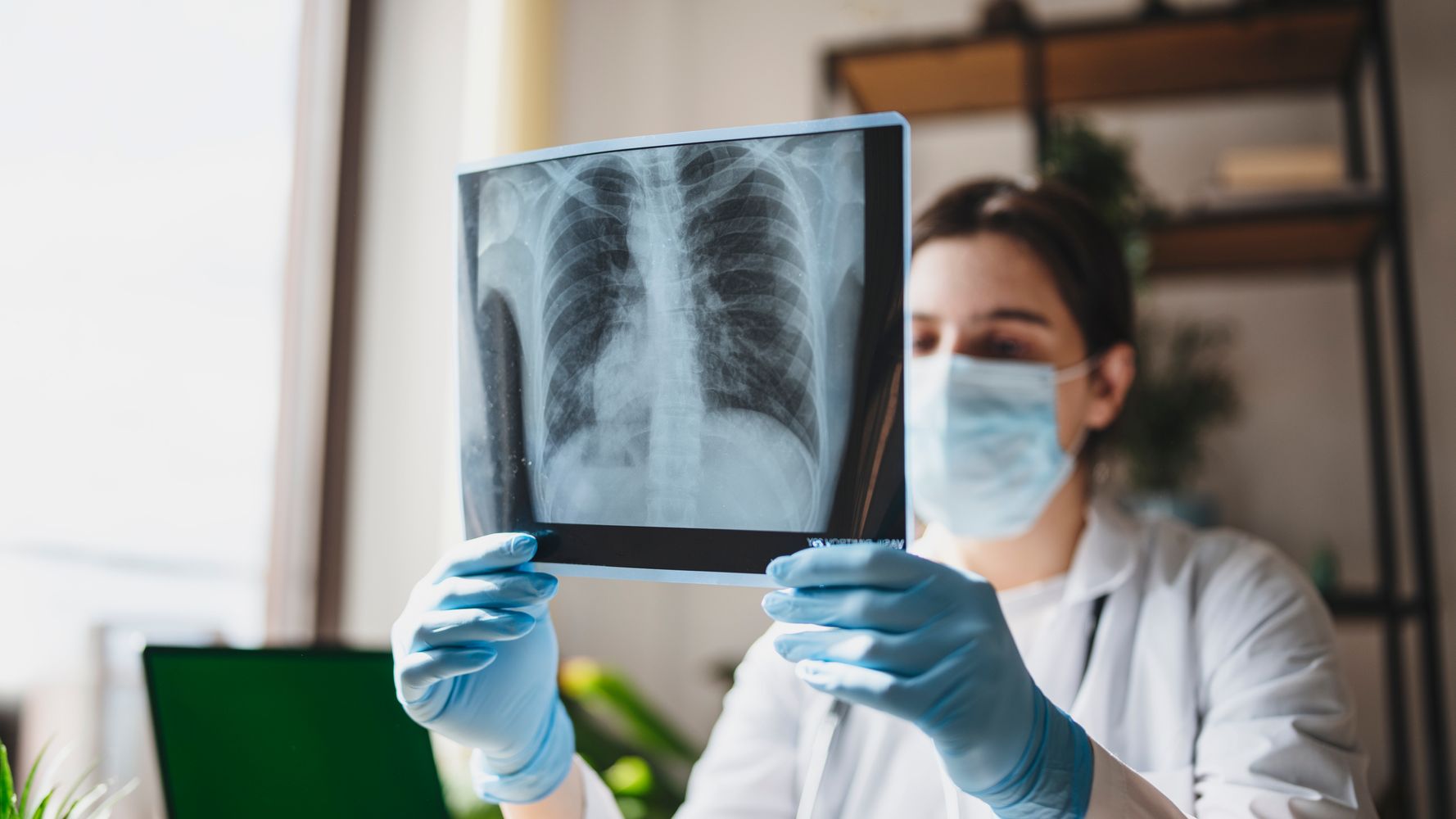
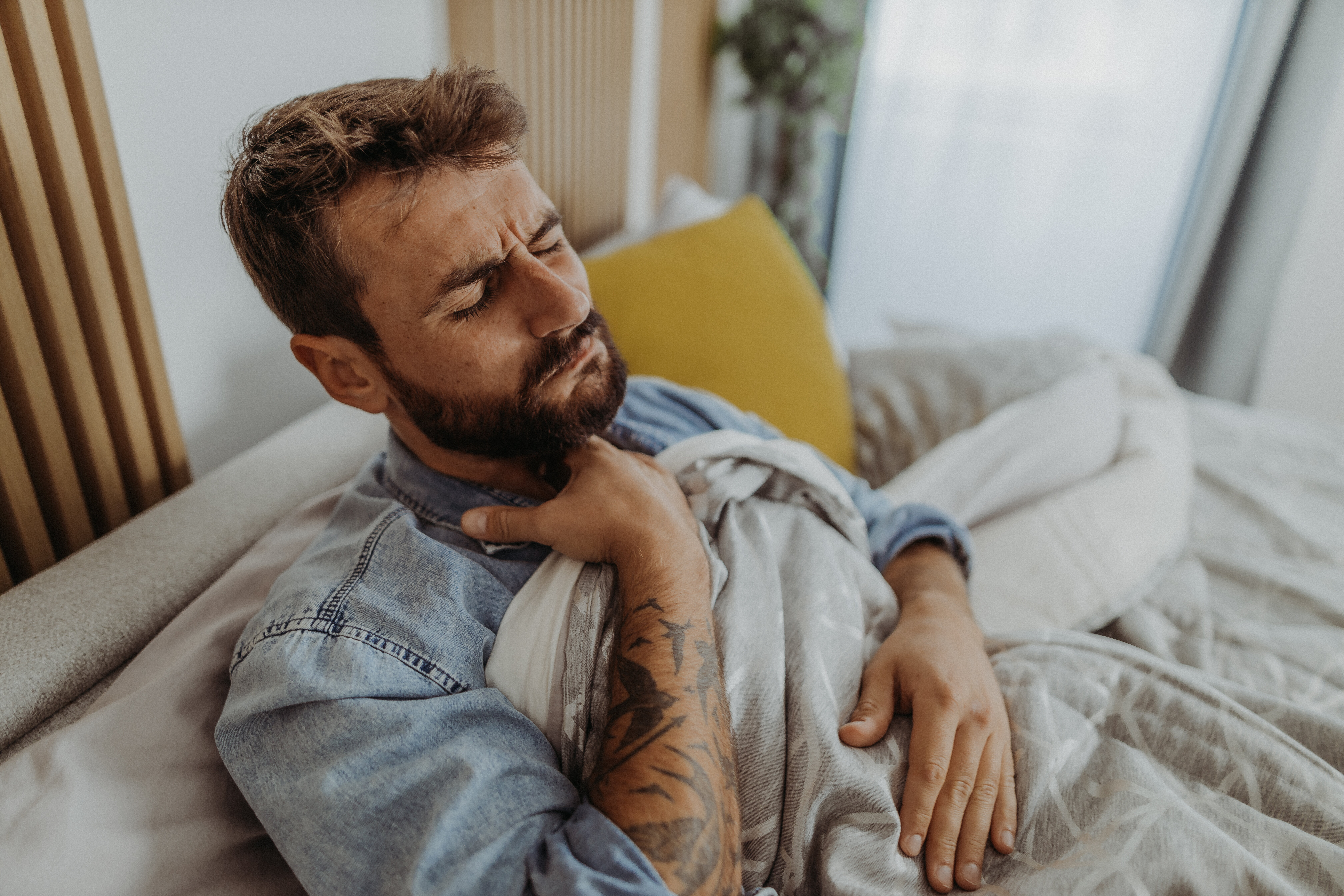
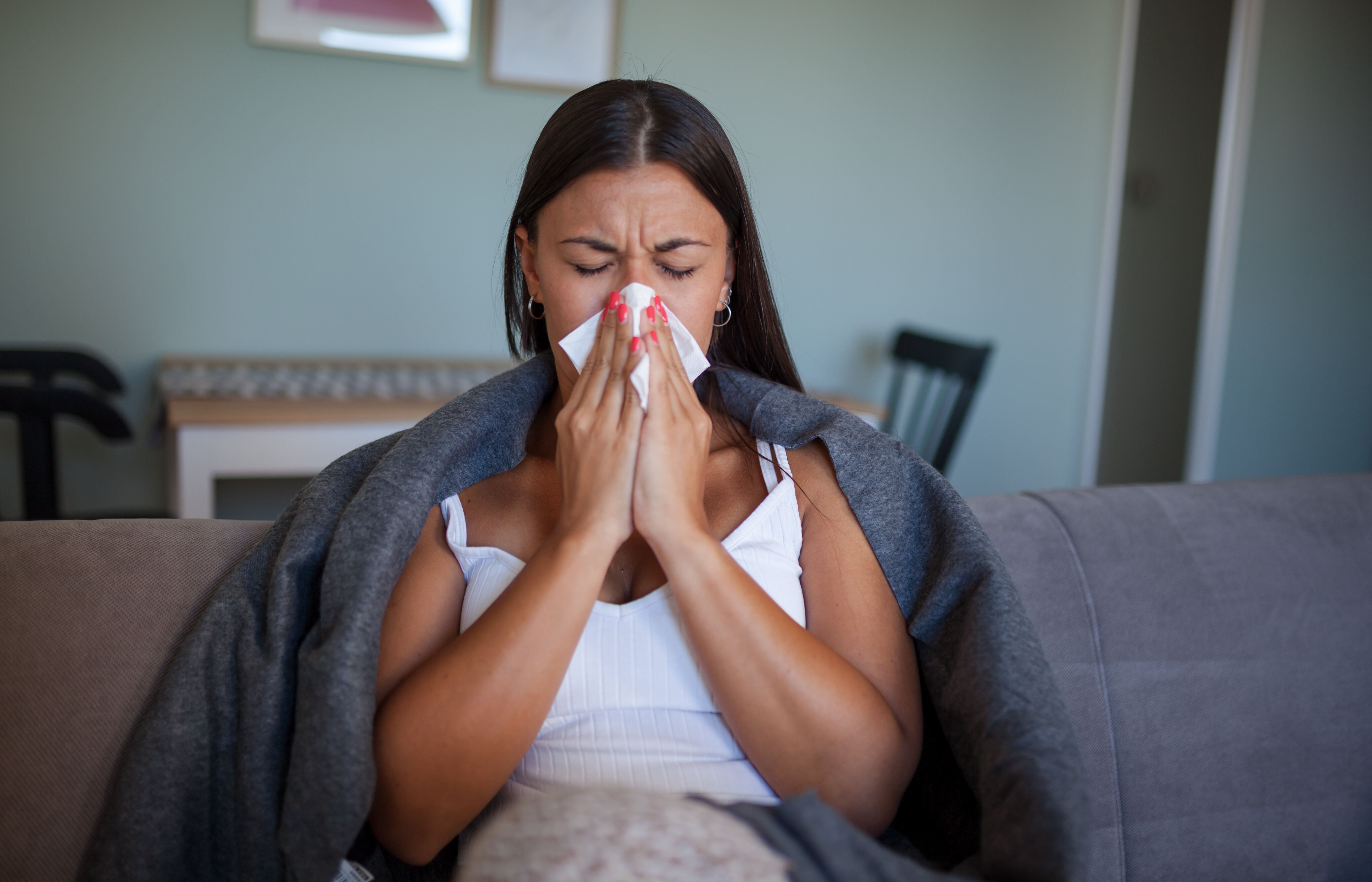
Got A Summer Cold? Here’s How To Make It Less Miserable.

It doesn’t have to be cold outside for you to catch a cold.

Although it’s more common to get sick in the winter, viruses can circulate year-round. Close proximity to others, lax hygiene, stress, lack of sleep and more can contribute to your likelihood of contracting an illness – even in hotter weather.

Colds are usually rare in the summer, and are often caused by viruses that are different from those we see in the winter. Now that people are meeting up and seeing each other more, these viruses are starting to circulate again. That means we’re seeing many more “cold viruses” this summer than usual, according to Ellen F Foxman, assistant professor in Yale School of Medicine’s Department of Laboratory Medicine.

And as anyone who has had a summer cold knows, the symptoms can feel even worse during this time of year. (Shoutout to everyone who has caught a cold lately while living their post-Covid vaccine life).

Looking for ways to keep your sickness at bay? Here is some expert advice on how to take care of yourself and make that nasty summer cold suck a little less.

Wash your hands frequently

“When you have a cold and are in close proximity to others, it is very easy to spread. Therefore, you should be extra cautious around other people and practice good hygiene,” Robert L Gordon, an emergency medicine specialist based in Middletown, Rhode Island, told HuffPost.

This means washing your hands for at least 20 seconds with soap and water. If you do not have access to a sink and soap, you can use hand sanitiser instead, Gordon said.

Get more rest than you normally do

Make sure you are resting as much as possible. Take frequent naps and make sure you sleep for seven to nine hours each night.

“Sleep is essential for the immune system to function properly in order to help us fight off the viral bugs causing the cold. The body needs time to rest and recover,” Kristamarie Collman, a family medicine doctor at Prōse Medical, told HuffPost.

Cold symptoms such as coughing or a stuffy nose can make it difficult to sleep and get rest. Be careful about the medications you take in the evening or at bedtime. Some decongestants and cold medications have ingredients that may keep you awake, Collman said.

She recommended trying soothing remedies such as steam-filled showers or warm beverages like caffeine-free teas with honey before bedtime, which may make it easier for you to catch some Zs.

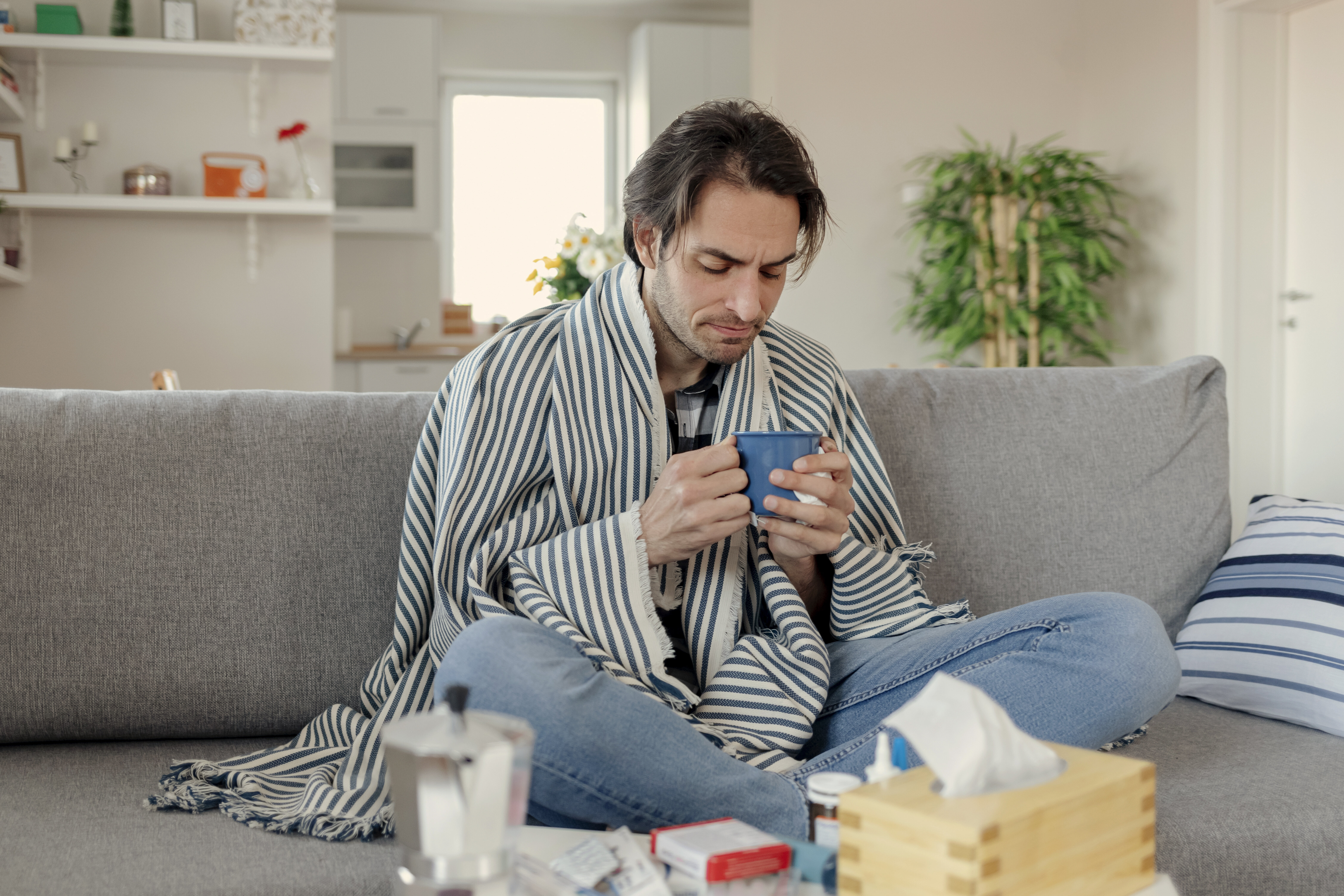

Rest and hydration are both crucial in helping to relieve any cold.


Rest and hydration are both crucial in helping to relieve any cold.

Stay hydrated

Your body gets dehydrated more quickly in the summer. Combine that with your illness, and you could be missing out on a ton of fluids your body desperately needs right now.

“Some symptoms of a cold, such as a fever, can increase your risk of dehydration and fluid loss,” Collman said. “Hydration can help replace fluids you may have lost and assist with clearing congestion and mucus.”

Drink plenty of water or other hydrating liquids such as decaffeinated tea and sports drinks. Avoid beverages that are sugary or caffeinated, including coffee and alcohol, she added.

Take over-the-counter medicine

Some over-the-counter medications may help you find temporary relief for symptoms such as a headache, sore throat, nasal congestion and cough.

Common over-the-counter medicines for a cold include acetaminophen or ibuprofen. Gordon said it’s important to speak to your physician or pharmacist about which over-the-counter medication you should use to feel better.

Consider using a humidifier

More humidity in the summer might sound like the last thing you want, but it can help alleviate your symptoms ― particularly if you’re experiencing a runny nose or dry cough. A humidifier adds moisture to the air, which can help decrease irritation in the nose and throat, Collman said.

This is especially important when you’re indoors in the cool AC, beating the summer heat.

“While there is no specific scientific evidence that air conditioners can directly cause colds, too much AC may dry out the inside lining of your nose,” Collman said. “If the mucus membranes are dry, this can worsen cold symptoms such as a stuffy nose and sore throat.”

Avoid too much time in the sun

While you may want to catch some rays outdoors – who hasn’t thought they could “bake” their cold away? – be careful. Being in summer heat for too long can aggravate your symptoms, so stick to 30 minutes or less.

“The summer temperatures outside can increase the risk for dehydration and often make symptoms feel worse. Therefore, it’s important to avoid extended periods of time in the sun,” Collman said.

Use a saltwater gargle

If you have a sore throat, gargling salt water may reduce irritation and discomfort.

“Saltwater gargles are effective for killing bacteria in the throat while loosening mucus and easing pain,” Bindiya Gandhi, an integrative family medicine physician at Revive Atlanta MD, told HuffPost. She recommended adding a teaspoon of salt to a cup of warm water and gargling the mixture.

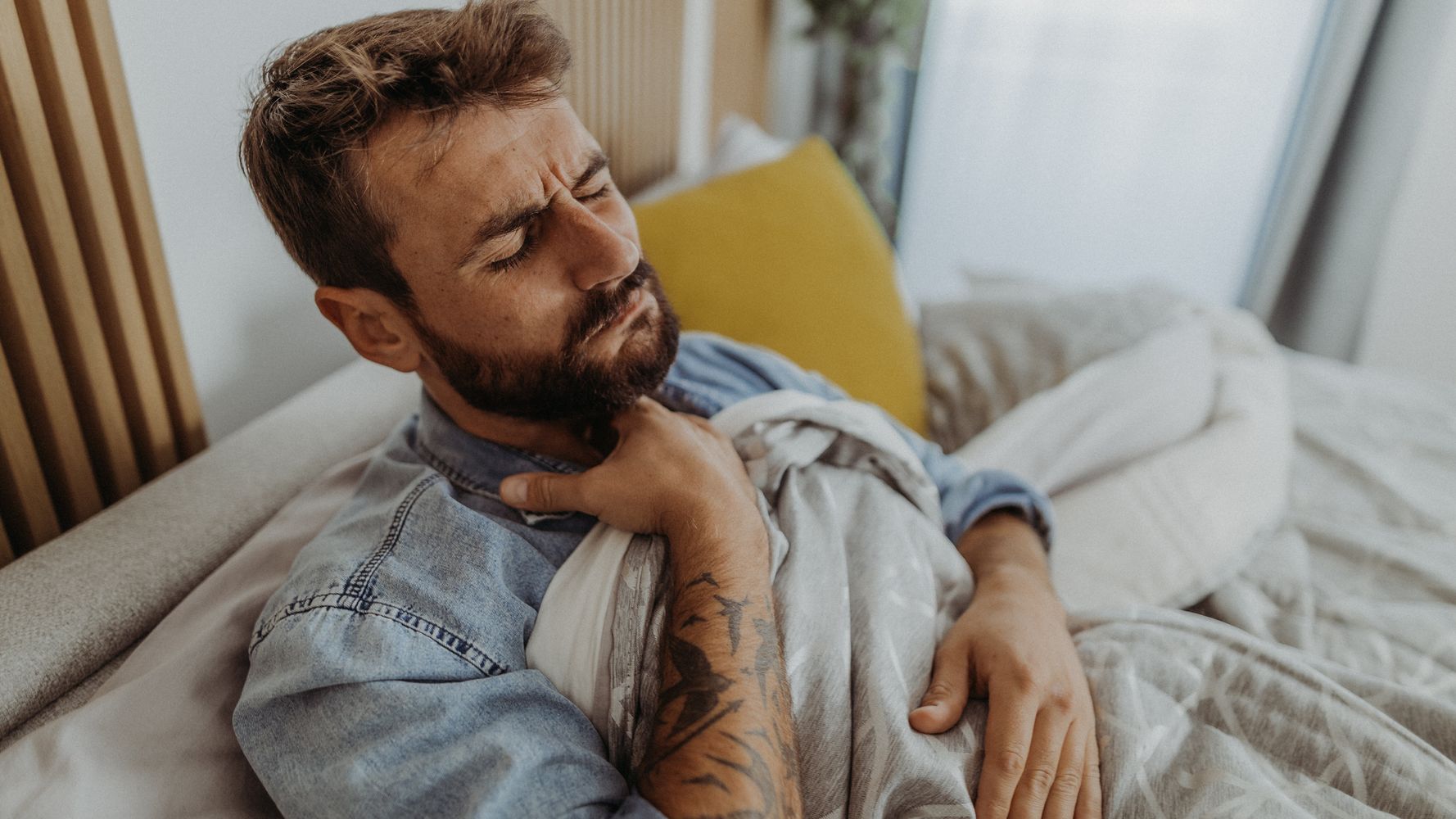
A cool compress can help reduce a fever.

A cool compress can help reduce a fever.

Use a cold compress for a fever

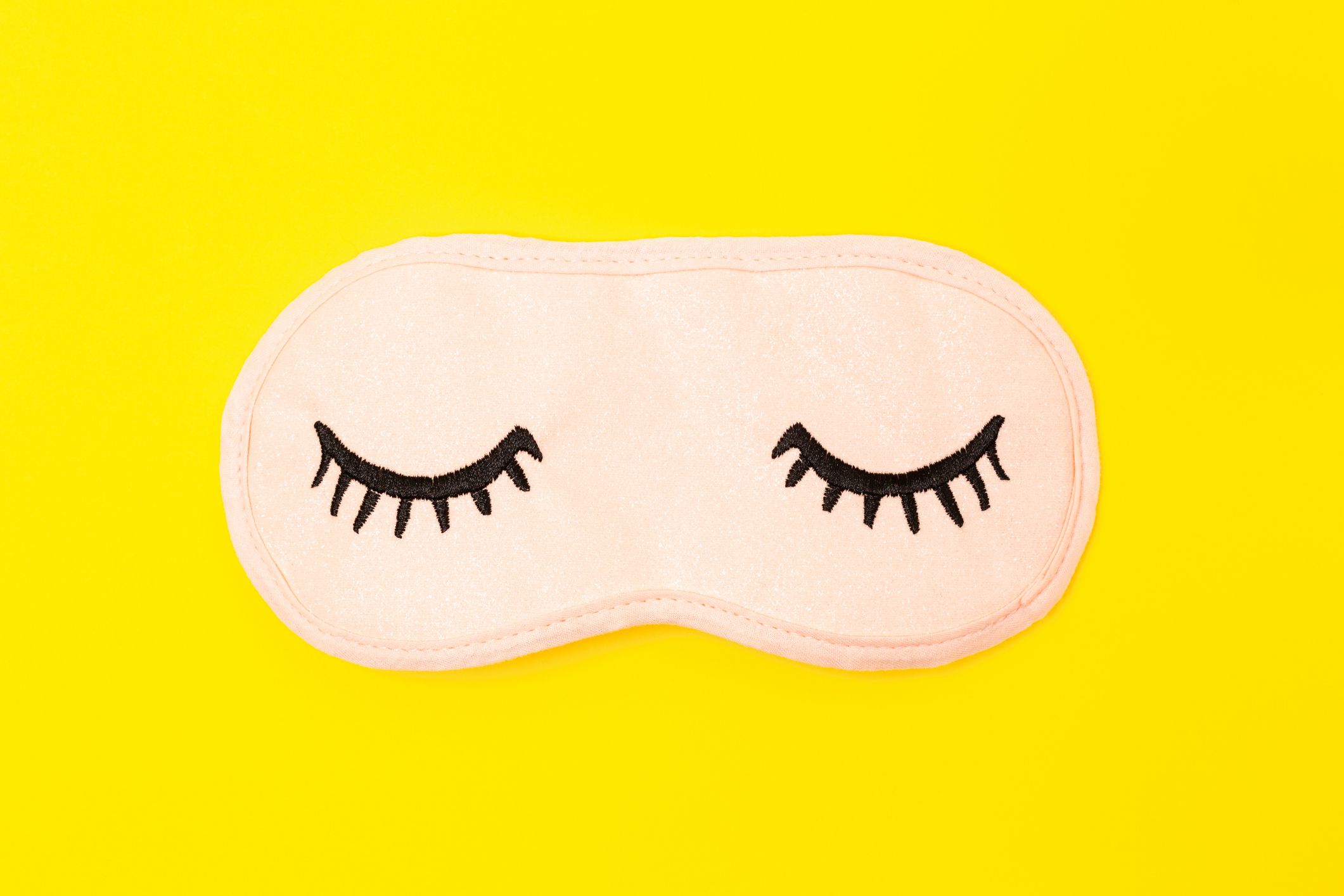
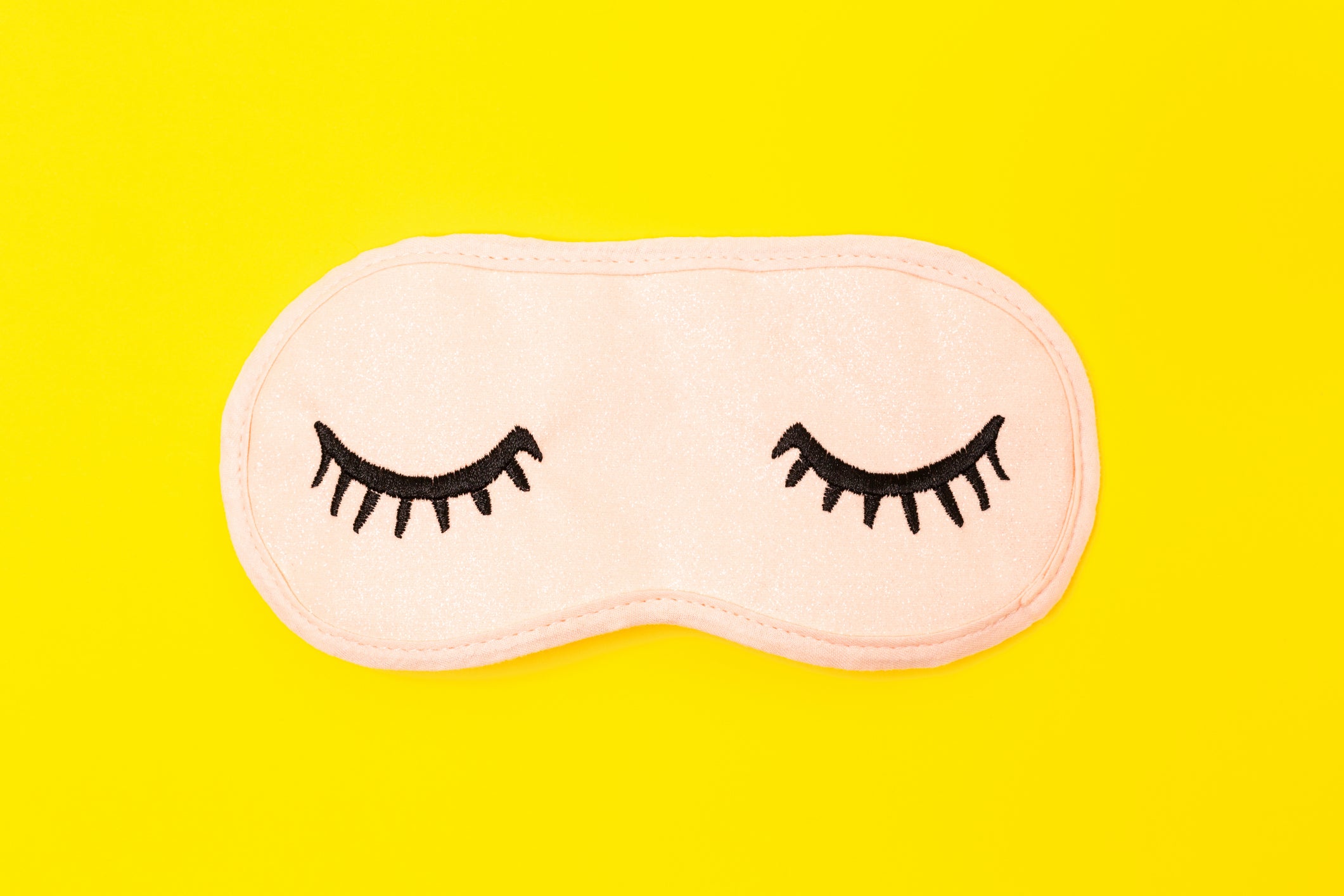
Feeling warm? In addition to staying hydrated and resting, place a cold compress on your forehead to cool down and reduce your temperature, Gandhi said. To make your compress, dip a washcloth in cool water. You can also stick a cooling gel eye mask into the freezer before putting it on.

Most fevers go away on their own within one to three days. If your fever persists for more than three days, contact your physician, Gandhi said.

Refrain from excessive activity

Hold off on resuming your intense workout routine or lifting heavy objects for a few days. Even walks outdoors in the heat may get too strenuous.

“When you have a cold, your body is working harder, and therefore, you may feel fatigued,” Collman said. “Engaging in excessive activity could make you feel extremely drained, so it’s best to rest or, if necessary, engage in light activity.”

If your cold gets worse, see your doctor

Cold symptoms can last anywhere from a couple of days to two weeks. Summer colds can have similar symptoms to the flu, so it can be difficult to tell the difference between the two illnesses based on symptoms alone. Generally, the flu is worse than a cold, and symptoms are more intense, according to the Centers for Disease Control and Prevention.

If you start experiencing flu-like symptoms such as a fever, chills or difficulty breathing, then see a doctor as soon as you can. For the flu, there are effective medications that can make the disease milder if the diagnosis is made early, Foxman said.

“There is also a lot of overlap between cold symptoms and a mild Covid infection,” she said.

If you are unsure of whether you have Covid-19 or a cold, you can get tested at a health center near you.

“Make sure to take extra precautions about not exposing other people to an infection, even if the symptoms seem to be mild,” Foxman added.

Stay home from work and social gatherings for a little extra time even after your symptoms are gone, and continue to wear a mask and wash your hands.

Share Button

What To Do If You’re Fully Vaccinated But Still Anxious About Covid

If you’ve been taking the coronavirus pandemic seriously – you’ve worn your mask, social distanced and been fully vaccinated – you might be feeling anxious and angry that Covid-19 has not been beaten yet.

It’s understandable: you did your part, and yet here we are. What else can you do at this point to help end the pandemic? How do you still try to be responsible without sacrificing your mental health?

If you’re feeling anxious right now, experts offer some advice on how you can still move the needle in the fight against Covid-19, while protecting your sanity.

Approach the conversation with empathy and compassion

The thought of trying to convince an unvaccinated family member, friend or neighbour to get the jabs might feel like a futile (not to mention infuriating) task at this point.

People who have delayed getting a vaccine might seem as though they’ve made up their mind. But a lot of people who’ve held off are finally realising just how serious this all is; it’s possible that you can help reiterate that message.

“Encouraging and facilitating every single person to get vaccinated is one of the most valuable anti-Covid actions one can possible take,” said Sten Vermund, an infectious disease epidemiologist with Yale School of Public Health.

Many unvaccinated people actually aren’t stubborn anti-vaxxers, but rather victims of harmful misinformation campaigns or people genuinely worried about the safety of the jabs. Instead of blaming, lecturing and shaming unvaccinated people, have a conversation in an open, nonjudgmental and safe way.

“Help answer questions, and help direct people to trusted guides and the facts,” said Lucy McBride, a practicing internal medicine physician in Washington DC.

As we come out of this highly charged, emotional time, it’s easy to feel anxious and angry when you learn someone has chosen not to get vaccinated.

But McBride said you’ll be able to make the greatest impact if you engage people with empathy and compassion. “If you can try to understand and listen more and shout less, you might actually change a heart or a mind,” she said.

Adjusting your behaviour based on transmission in your community is vital – even if you've already received your shots.

Adjusting your behaviour based on transmission in your community is vital – even if you’ve already received your shots.

Behave based on local transmission

You should also keep an eye on what’s going on with Covid in your community. When case rates are low and vaccination rates are high, know that you – and even those around you who aren’t vaccinated – are extremely well-protected.

On the flip side, if you’re in an area where Covid cases and hospitilisations are higher, you may want to consider wearing a mask in indoor, unventilated situations where vaccinated and unvaccinated people are mixing. The risk of getting infected and passing the virus onto others, while still rare if you’re vaccinated, increases in these high-risk environments.

“Masks are a well-documented way of reducing the risk of droplet and aerosol transmission,” Vermund said.

Set firm boundaries and consider vaxxed-only events

If you want to play hardball, you can consider socialising exclusively with people who are vaccinated. Make vaccinations a requirement for your get-togethers. Not only are you unlikely to get seriously affected by Covid, but your social circles are also less likely to contract the virus and transmit it to others in their communities.

“The likelihood of any kind of serious event emerging from such an activity is vanishingly small,” said Vermund, who noted that this approach might be somewhat controversial and unpleasant — but potentially impactful.

If you do host an event where vaccinated and unvaccinated people are mixing in an area with high transmission, it would be prudent to ask people to mask up.

Maskless interactions are safest with vaccinated people, and there's nothing wrong with limiting your interactions to only those who have gotten the shots.

Maskless interactions are safest with vaccinated people, and there’s nothing wrong with limiting your interactions to only those who have gotten the shots.

Share stories about your own experience

Telling your story can be a powerful way to encourage people in your community to get vaccinated. Open up about how the pandemic has impacted your family or uprooted your life, and explain how the vaccine is our ticket back to all the things we love – work, play and school. This can be on social media, in conversations with loved ones or through local campaigns or advocacy groups.

“Be local educators,” Vermund said. “Tell your story, share your experience.”

Be flexible

The unfortunate truth about the pandemic is that things change, and we have to adjust to that change at a moment’s notice. What we know now about Covid-19 is different from what we knew back in April 2020, and will be different from what we understand six months from now.

The virus evolves, as do the treatment options, restrictions and recommendations. Perhaps the most impactful thing vaccinated people can do is follow the science – stay up to date with the latest learnings and behave accordingly.

Covid-19 is more than a news story – it has changed every aspect of life in the UK. We are following how Britain is experiencing this crisis, the different stages of collective emotion, reaction and resilience. You can tell us how you are feeling and find further advice and resources here.

Share Button

The Psychology Of Why Watching Sport Makes Us Want To Get Fit

You’re reading Move, the nudge we need to get active, however makes us happiest and healthiest.

A funny thing happens after a big sporting event takes over our televisions: fitness centres, gyms and sports clubs see a spike in new members.

It happened after the 2019 FIFA Women’s World Cup, when 850,000 more women signed up to play footie. Then again during and immediately after Wimbledon the same year, when the Lawn Tennis Association saw casual player court bookings jump by around 49%.

So imagine the impact of Team GB equalling the glory of London 2012 to record their joint highest ever Olympic medal tally in Tokyo this past fortnight with an amazing 22 golds, 21 silvers and 22 bronzes – adding up to 65 medals in all.

After the pandemic forced the cancellation of so many sporting fixtures and events in 2020, the bonanza of summer 2021 has been all the more inspiring. From multi-screening the Euros and Wimbledon, enjoying a whole new cricket tournament in The Hundred, and getting glued to the Olympics and the Paralympics yet to come, we’ve never been more ready to tune in, then train up.

Participation data has yet to be released for the year, but we’d put money on it being big. So, why does watching sport make us want to get sporty ourselves?

Team GB's athletes celebrate their triumphs on the track in Tokyo

Team GB’s athletes celebrate their triumphs on the track in Tokyo

“Watching sport makes us realise the power of community and triggers the sense of belonging that we all crave,” says sports psychologist Dr Josie Perry , whose audiobook, The 10 Pillars of Success, is out on August 15. “We watch people trying their absolute hardest, achieving great things and looking amazing and we want a piece of that too. We want to feel part of that world.”

The pull we feel watching elite athletes is so strong, it’s even felt by other sporting pros. Five-time Olympian Jo Pavey tells HuffPost UK she gets inspired to try other sports when she watches them on TV – even if they’re out of her own comfort zone of long-distance running. And what’s true for adults also applies to kids, says Pavey, who narrowly missed out on a spot in Tokyo.

“When England were playing football in the Euros it inspired us all to keep playing football matches in the garden. When Wimbledon is on, we’re more likely to have a go at tennis,” says the mother-of-two.

“I think it’s great for kids to see role models on the TV as it inspires them to have a go at different things. I also find it motivating to watch the determination of sports people competing in different events.”

Not only does a high profile tournament inspire many of us to try something new, it can also remind us of past sporting fun, adds Dr Perry. Watching a sport we’ve dabbled in ourselves, “helps us remember the pleasure we got from both doing it and from the feeling we had mastered aspects of it,” she says.

The summer Olympics, with 339 events and 33 different sports, offers the ultimate opportunity to reminisce – even if we’re simply laughing about how terrible we were at javelin in school and wondering if we’d do better now.

The Olympians understand this knock-on-effect. “That’s why we are all here, because sport has an amazing power to inspire people and hopefully this is going to be an amazing motivation for people,” said swimmer Adam Peaty after winning Team GB’s very first gold medal of the game.

They also understand that sport is about mind as well as body. Never has a games shone such a clear light on the link between physical and mental health – as US gymnast Simone Biles showed the world when she prioritised both.

This is why HuffPost UK has chosen this moment to relaunch our fitness section as Move – a renewed commitment to celebrating exercise in all its forms, putting accessibility front and centre. We aim to provide bags of ideas for getting active, however makes you happiest and healthiest – but we’ll also get real about motivation, addressing the barriers that stop so many of us from moving more.

Take participation after a major sporting event. We know people sign up in their thousands after watching sport on TV, but we also know that many people drop out soon afterwards.

A quarter of people have given up on certain sports because they didn’t think they would be good enough, according to research from Procter & Gamble. A further 16% of people have been put off a sport, because they didn’t believe they fit the stereotype of what people playing that sport are “supposed” to look like. For many, the pandemic and long stints indoors has only exacerbated such worries, particularly among those who’ve historically felt excluded from the fitness community, and not catered for in gyms and sports centres.

Research from the disability charity Scope for its new Make It Count drive – dubbed “a movement of movers” – found that nearly half (48%) of disabled people have become less active since the pandemic began. Four in 10 (40%) said they never do sport or physical activity, but 91% want to be more active.

So, how do we take inspiration and energy from a summer of sport such as this one and harness it once the media hubbub has died down? And how can we shake off the inner critic that tells us we’ll never be as good as the pros?

Hannah Cockroft is one of Team GB's great hopes at the Paralympics in Tokyo.

Hannah Cockroft is one of Team GB’s great hopes at the Paralympics in Tokyo.

Well, we can start by stealing some motivation tactics from elite athletes, says Jeremy Snape, a former England cricketer-turned-sports psychologist, who hosts the podcast Inside the Mind of Champions.

“We have this myth that elite performers are going to wake up every morning with a zest for their painful training and are going to do that for eight or 10 years without a break, but that’s not true,” he tells HuffPost.

“A professional athlete, that’s their job, so while their motivation may ebb and flow through the various training cycles, their commitment remains the same.”

A professional athlete’s commitment – or end goal – may be winning a certain tournament or hitting a new world record. They’ll use a number of tactics to visualise not only what this might look like, but how this might feel, says Snape. They may imagine a social gathering where they’ll show family that trophy, or put an inspirational image as their phone screen saver that makes them feel good about their ambition.

Team GB's Mixed Relay Triathlon team show off their gold medals

Team GB’s Mixed Relay Triathlon team show off their gold medals

For you, the commitment may be getting fitter so you don’t get so tired out during your work week or so you can play with your kids without getting out of breath. Snape recommends thinking about how great this will feel, rather than focusing on something static – such as weight loss – as the goal.

When your motivation is high, such as after watching sport on TV, he suggests putting “architecture” in place for when it inevitably dips. This might be signing up to a class, or laying out your gym kit with your phone alarm in the shoe.

“The chances are, when we wake up, we’ll think the duvet is going to beat us, but if your alarm is going to ring in your gym shoes and it’s all laid out, you’ve 90% more chance that you’re going to follow through,” he says. “The hardest part of a run is getting out of the front door.”

Pavey recommends listening to music before and and during a workout to help “get you in the groove,” exercising with friends, and planning what you’ll do after a workout. “But the main thing is to enjoy it,” she says. “If you’re experiencing a lack of motivation try varying your workouts or maybe take the time to exercise where there is beautiful scenery as this can be so uplifting.”

And if self-doubt starts to creep in, remember that any movement is positive movement – and you don’t need to look like an elite athlete to take part.

“What we’ve got to do when we look at Olympians is look at the characteristics we aspire to. Things like their personal discipline, the selflessness in teams, [their] wellbeing.”

“You’ve got to bear in mind that it’s those people’s professions and they’ve studied and sacrificed for 15 years to look like that, some of them started their training when they were five years old,” says Snape.

“In the same way you’d look at a doctor and say ‘wow that’s amazing,’ you’re not just going to turn up and be a doctor within two weeks of good intentions, because there’s a whole raft of training and skills that go behind it. I think what we’ve got to do when we look at Olympians is look at the characteristics that we aspire to – things like their personal discipline, the selflessness in teams, things like [their] wellbeing.”

Seeking inspiration closer to home can also help, says Dr Perry. “It might be the person at Parkrun who is like you but a bit faster or the guy at your football club who has worked incredibly hard on their fitness who inspires you,” she says.

“They give us what is known as ‘vicarious confidence,’ knowing they can do it helps us believe we can too. So look at friends and acquaintances – who is doing well and what element of that would you like to emulate?”

Above all, give yourself to permission to take things slowly and celebrate each win, whether that’s swimming a length for the first time, or feeling less out of breath as you walk to the end of the road.

“I think the pandemic has taught us that being outside and being active is incredibly liberating from a mental health perspective,” says Snape. “For both elite athletes and the average person, we should be not be judging ourselves on the outcome, but about our progress.”

Move celebrates exercise in all its forms, with accessible features encouraging you to add movement into your day – because it’s not just good for the body, but the mind, too. We get it: workouts can be a bit of a slog, but there are ways you can move more without dreading it. Whether you love hikes, bike rides, YouTube workouts or hula hoop routines, exercise should be something to enjoy.

Share Button

It’s Hot Desk Summer. Are You Prepared To Share With A Co-worker?

In July, Denise Delamore finally returned to working in her Colorado office after more than a year of working remotely due to the coronavirus pandemic. But her space was different. Delamore, who works as an assistant supervisor for a bank’s loan servicing department, no longer had her own personal desk.

Currently, Delamore goes into the office one day a week, with an expectation that this will increase over time. “My day is Mondays, and I’m sharing a desk with two other loan servicing departments who are in office Tuesdays and Wednesdays, respectively,” she said. “We have to reserve a desk ahead of time, and there’s no guarantee that we’ll have the same desk every time.”

Because other people use the desks, too, Delamore was given a small bin to store her keyboard, mouse and any other items she needs while working. But it doesn’t fit everything. She said she finds herself carrying more into work each day, as she still needs to bring home her planner and notes for the days she works remotely.

The personal touch is missing, too. Delamore used to be able to store granola bars, oatmeal, crackers and nuts in her desk for snacks, but now she carries a bag of any food she wants to eat that day.

“I definitely felt a connection to my workspace when I was able to leave personal items on it. It was my area. I felt grounded,” Delamore said. “Now I find it hard to focus. It could be me just getting used to working in the office again, but not having a dedicated, personal workspace makes it difficult.”

Why ‘hot desks’ are here to stay at work

Delamore is part of a growing office population using “hot desks” that aren’t assigned to any particular person. A hot desk is generally first reserved, first served. It’s not a new concept in the world of work, but the practice is gaining popularity now it’s less likely for employees to be in an office five days a week because of Covid. Many companies are moving to schedules with employees rotating in and out of the office part-time, much like the system instituted by Delamore’s employer.

Meena Krenek, an interior design director at Perkins&Will, an architecture firm that is redesigning offices in industries including accounting, tech and media, sees personal desks becoming more and more obsolete.

“Some of our clients are saying, ‘Areas where we had workstations, we want more meeting and collaborative spaces.’ We’re going in there and adjusting the furniture to… create more spaces so that our office becomes a space for collaboration, for socialising, and the individual time, what we call ‘me time,’ can get done in those home environments,” she said.

“They’re still keeping a lot of workstations, but they’re saying they’re not assigned. You go on a corporate app and you select where you sit, near a window or near the coffee machine,” she explained.

The mileage an employee gets from not being tied down to a single desk may ultimately depend on their preferred working arrangement. Citing research by Perkins&Will, Krenek described a set of co-workers who prefer to get their social and collaboration high at the office and “jump from meeting room to meeting room, and then they’ll leave the facility, whereas there are other people that need the time in between the meetings to collect their thoughts. They definitely need a focused area or a work station,” she said.

This can explain why one colleague may genuinely miss having a personal desk as their office home, while another might sound thrilled at never working in a dedicated desk pod again.

Daniel Space, a human resources consultant with business partners in strategic staffing, said that when a company uses hot desks, it’s ideal to tie the day a person comes into the office to a work reason and not a random scheduling system, such as assigning days by last name. He said he’s seen tensions eased when people are given a heads up about who is sharing their desk and the expectations for desk etiquette.

In one job, his co-workers would get copied on emails that read, “So-and-so is happy to share their desk with you. Please be respectful of their space, their stuff, treat it as though it would be your own,” he said.

Pro tip: If you do find yourself sharing a desk, remember to clean up after yourself. People who have used shared desks told HuffPost that the best etiquette is to leave a desk the way you found it, and not to take computer chargers or chairs off of unused desks without asking first.

“My desk became kind of a dumping ground while I was out of the office,” Delamore said. “Random keyboards, office supplies, etc were just piled on it. I spent two hours my first day in the office just cleaning.”

There are Covid-19 considerations, too

Of course, this is not a normal time for sharing desks. A hot desk may be a pragmatic solution when there are fewer employees entering an office everyday, but it can also be one more deterrent for those employees who are already unenthused about going into the office during a pandemic.

Space said he consulted with a company that gave employees the option of sharing socially distant desks, as long as employees were responsible for cleaning the desk and signing in and signing out for contact tracing purposes.

“Two people used it,” he said. Especially now, with the rise of the Delta variant of Covid-19, “The idea of not only bringing employees back to work, but mandating that they share a space with another employee on alternating days, it a little bit sends a signal that they are prioritising the idea of a budget and saving on real estate costs at the risk of their employees,” Space said.

Covid has already delayed some organisations’ plans for co-working. Twitter, which was asking employees to reserve a desk before they chose to come into an office, told HuffPost that it recently made the decision to close its opened offices in New York and San Francisco, and pause future office re-openings, in light of the CDC’s updated guidelines.

Is the loss of a personal desk always a loss of connection?

One potential advantage to a shared desk is that it may help to create some healthy professional distance between employees and employer.

I always hated doing a termination with someone who had a bunch of stuff at their desk, because in many cases we would not allow them to return to the office,” Space said. “Having people pack up all of your boxes after you put in 10 years at a company, all of that feels gross. By removing all of that… it helps continuously reinforce that at the end of the day, it’s a business relationship.”

Even when you don’t have a desk to claim as your own small bit of office real estate, there can still be ways to connect with co-workers and make a space your own. Bk Kwakye, an operations manager for a D.C.-based nonprofit that has been using hot desks since before the pandemic, said their office uses cork boards on walls and communal fridges as spaces for people to share holiday cards and photos.

“For me, it feels like an opportunity to share a little bit of your family,” Kwakye said. Space knew of co-workers who left a crossword puzzle for their deskmate to complete, one word a day.

And even when you don’t have an assigned desk, you can still personalize it. Delamore said that one upside to sharing a desk is that she knows who her office deskmate is and she can leave notes behind for her.

A recent one she left: “Happy Tuesday Friend! 🙂 Denise.”

Even with a shared desk, there can be creative ways to make connections with co-workers you don't see in person.

Even with a shared desk, there can be creative ways to make connections with co-workers you don’t see in person.
Share Button

Taxis and Takeaways: Are Covid Vaccine Incentives Going To Work?

Car services such as Uber and Bolt and food delivery apps UberEats and Deliveroo are among those offering incentives for young people to get jabbed.

As the vaccine rollout continues, the government is doing everything it can to coax young people into getting the Covid-19 jab – and if that means offering discounted taxi rides and takeaways, Westminster says: whatever it takes.

Uber has said it’s reminding all users in August to get vaccinated, offering discounts on rides and meal delivery for doing so. Deliveroo will also offer vouchers, while Bolt is offering “free ride credit” to vaccination centres.

The Department of Health said more partnerships would be released “in due course”, while some local charities and councils have also started offering free taxis to help people get to vaccination centres.

The government remains concerned about the current Covid vaccine uptake among young people. The latest figures suggest 68% of 18 to 29-year-olds in England have had the first jab, compared to 88.6% of all UK adults.

Thanking the businesses supporting this vaccine drive, health secretary Sajid Javid then addressed young people directly, saying on Sunday: “Please go out and take advantage of the discounts.

“The lifesaving vaccines not only protect you, your loved ones and your community, but they are helping to bring us back together by allowing you to get back to doing the things you’ve missed.”

What do young people make of the scheme? We spoke to them to find out.

Abi Howe, 20, a student from Kent doesn’t think free pizza is enough to entice young people to get the vaccine. “It’s a childish and immature approach,” she tells HuffPost UK. “Hesitancy from young people is higher than the general population and that isn’t going to be eased by bribery, which suggests [the reason is] young people just aren’t bothered.”

Howe has already received her vaccination, but said that if she weren’t already vaccinated ,the discounts wouldn’t encourage her to get jabbed, nor has she seen any information as to whether incentives will be applied retroactively.

“I think young people have sacrificed a lot and this hasn’t been recognised,” she says. “Instead, they’ve been blamed for a rise in cases and now criticised for vaccine caution without proper information which might ease their worries.”

““It’s awful, tone-deaf and reeks of people putting graffiti on a leaflet, thinking, ‘yes, that will attract the kids’.””

– Chadwick, 29

Ada Enechi, a 27-year-old producer from east London was happy to bag her free meal after a first dose of the vaccine, which up until now she’d not got round to booking. In fact, she got jabbed and fed in the same place: a festival-like tent that has been set up near her house. Once vaccinated, she says, you get your free food and a drink, and it’s all accompanied by live music.

It sounds like a party, but freelancer and fellow Londoner Chadwick, 29, who preferred not to give his surname, thinks these incentives are a terrible idea.

“It’s awful, tone-deaf and reeks of people putting graffiti on a leaflet thinking, ‘yes, that will attract the kids’. If you have any respect for young people you would acknowledge the complexity of our existence,” he tells HuffPost UK.

Chadwick believes the vaccine is too important for such tactics and advises people seek out information about its safety, while avoiding scaremongering.

That message might resonate with Deborah Ajulo, 24, a sustainability coordinator from London, who has worries about the vaccine, as she believes scientists need several years to really understand a vaccine.

“Deals like this make me even more sceptical and push me further away from wanting to get the vaccine,” she tells HuffPost UK. “It feels like there is another agenda. This to me is not desperation, but it feels like they are trying to exclude people to peer-pressure them into getting the vaccine.”

She adds: “The government has treated young people like we’re ignorant and don’t understand what is going on. They’ve blamed young people for lockdowns and Covid spreading. I think they’ve just found it easier to blame us, rather than themselves for their lack of competency.”

Share Button

Third Vaccine Dose May Protect Those With Autoimmune Diseases

People who suffer from an autoimmune disease may benefit from a third dose of the Covid vaccine to protect them from breakthrough infections, a new study suggests.

The vaccine programme is still rolling out in the UK – over 88% of adults have had their first dose and over 72% are now fully vaccinated with two doses.

Currently, two doses of the vaccine provides 90% protection against hospitalisation against the Delta variant. The latest data from Public Health England and Cambridge University shows that around 60,000 deaths and 52,600 hospitalisations have been prevented by vaccines up to July 23.

However, autoimmune diseases often require treatment that dampens the immune system leaving the immunocompromised still vulnerable to Covid and prompting growing calls for them to get a third dose of the vaccine

Previously medical professionals have been unsure whether Covid vaccines would work on immunocompromised people who take B-cell-depleting drugs, such as rituximab to treat rheumatoid arthritis.

However, a pre-print study from the Medical University of Vienna found patients taking rituximab were still able to develop a humoral and cellular immune response – including the antibody production necessary to fight Covid-19.

As Michael Bonelli, senior author of the Vienna study, explains: “B cells constitute an important cell population for the development of antibodies. We were able to show that more than 50% of patients receiving B-cell-depleting treatment with rituximab still develop antibodies to SARS-CoV-2 [Covid-19], and that there is potentially additional protection via a cellular immune response.”

This underscores the importance of vaccinating immunosuppressed patients against Covid, Bonelli said, while his colleague Daniel Aletaha, head of the university’s division of rheumatology, said they also showed that a third vaccination is sometimes needed for people with autoimmune disease.

“The findings from this study formed the basis for a now completed randomised booster vaccination study, which investigated whether the group of patients receiving rituximab treatment who were unable to produce antibodies following standard vaccination can develop humoral or cellular immunity if given a third vaccination with an mRNA vaccine [such a Pfizer] again or a third vaccination with a vector vaccine [such as AstraZeneca],” Aletaha said.

The findings come as many people remain concerned the UK government’s final easing of restrictions in England on July 19 – dubbed ‘Freedom Day’ by some – came before the nation was fully vaccinated, leaving those who have previously shielded from the virus susceptible to infection.

A third dose of the vaccine would differ from the autumn booster jab that has been suggested for the wider British public by the Joint Committee on Vaccination and Immunisation (JCVI)

According to the JCVI’s interim plan, this booster could be offered as early as September to those living in residential care homes for older adults, all adults aged 70 years or over, adults aged 16 years and over who are considered clinically extremely vulnerable, and frontline health and social care workers.

In the meantime, the researches behind the Vienna study hope their findings will feed into the creation of guidelines for a Covid vaccination strategy for immunosuppressed patients.

A follow-on study will extend the rituximab study to all patients with immunosuppression and different indications from the fields of rheumatology, neurology, haematology and transplantation, they added.

Share Button

Small Talk With A Stranger Can Still Save Lives, Say Samaritans

Small talk is something many of us avoided even before the pandemic, and neither months of social distancing or the awkward return of socialising has made it easier – but it’s something that can still save lives.

That is the message from Samaritans, as the mental health charity and helpline relaunches its campaign to raise awareness about the role small talk can play in preventing suicide on the railways and in other public settings.

The ‘Small Talk Saves Lives’ campaign has run in partnership with Network Rail, British Transport Police and the rail industry since 2017. But as the UK steps out of lockdown, it is focusing on rebuilding public confidence to trust our gut and start conversations with anyone who looks as though they may need help.

Brits are known for being quite reserved, especially in public. We rarely go out of our way to speak to strangers and keep ourselves to ourselves. But engaging in the smallest of conversations – it could be as simple as asking “hello, what’s the time?” – may help interrupt someone’s suicidal thoughts, Samaritans says.

Handsome confident businessman on his way home from work. He is standing on the train station platform at sunset, waiting for his train.

Handsome confident businessman on his way home from work. He is standing on the train station platform at sunset, waiting for his train.

The pandemic has had a huge impact on mental health – and while it may have made the idea of small talk more daunting, it has also made us value a sense of community.

Dom, who prefers not to give his surname, knows how important small talk can be. As a teenager, he was experiencing suicidal thoughts but was interrupted at a crucial moment by someone who used small talk to ask if he was ok.

“When I was 19 years old, I was struggling to cope and didn’t know where to turn,” he tells HuffPost UK. “I was on my way to university one day and found myself thinking about ending my life. A lady came over and started a conversation with me and when I heard her ask, “are you ok?” it instantly snapped me out of thinking about harming myself.”

Dom, who now works for Network Rail himself, says he’s supporting the ‘Small Talk Saves Lives’ campaign because it saved his.

“From my own experience, I know suicidal thoughts can be interrupted and it was the kindness behind the small talk that also made a difference to me,” he says. “That human connection made me feel seen.

Working in the railway sector for almost a decade, Dom has used small talk on several occasions when someone’s behaviour has concerned him.

There aren’t “typical” signs someone might need help, Dom says. “When I’ve approached people, sometimes it’s because they’ve looked withdrawn, distant, or upset. Other times, they seem completely calm, but I’ll notice that they’re in an unusual location in relation to the environment. I would say, if you get a sense that something might be wrong, trust your instincts and start a conversation – as I’ve experienced, you could save a life.”

The public is better prepared for these interventions that you might expect.

A YouGov survey for Samaritans found over three quarters (78%) of UK adults have engaged in small talk during the pandemic – 37% of those surveyed said they had chatted with neighbours they hadn’t spoken to before and 37% with strangers at the supermarket.

Almost one in five said they are also more likely to want to make small talk with a stranger face-to-face not that restrictions are lifted. Given that small talk makes 57% of respondents feel less lonely and boosts the mental health and wellbeing of a further 45%, there’s potential to make a real difference here.

Of course, starting a conversation with a stranger can be difficult and it’s natural to feel nervous.

“If you spot someone you’re worried about and aren’t comfortable approaching them, then that’s completely fine as well,” Dom says. “You can still act by trying to find someone else who might be able to help, for example, a member of staff or police officer, or you can call 999 in an emergency.”

But with everything that’s happened in the past 18 months, Dom is optimistic that people can make a difference. “One thing I’ve noticed is the pandemic seems to have brought out a greater sense of community,” he says.

“I think we all recognise how important human connection is and that checking in on each other – whether it’s a friend or family member, a neighbour or key worker you’ve never spoken to before – can make a huge, positive difference to someone else’s day, as well as your own.”

Useful websites and helplines

Samaritans offers a listening service which is open 24 hours a day, on 116 123 (UK and ROI – this number is FREE to call and will not appear on your phone bill).

Mind, open Monday to Friday, 9am-6pm on 0300 123 3393.

CALM (the Campaign Against Living Miserably) offer a helpline open 5pm-midnight, 365 days a year, on 0800 58 58 58, and a webchat service.

The Mix is a free support service for people under 25. Call 0808 808 4994 or email help@themix.org.uk

Rethink Mental Illness offers practical help through its advice line which can be reached on 0808 801 0525 (Monday to Friday 10am-4pm). More info can be found on rethink.org.

Share Button

6 Exercises You Should Do In The Morning If You Wake Up Tired

You’re reading First Thing, a weekly series on HuffPost UK helping to make your mornings happier and healthier.

Does your morning exercise routine consist of working your arms by smacking the snooze button for the third time? (No shame ― sometimes you gotta do what you gotta do!)

It may feel like exercising at the start of the day is an impossible feat when you’re so exhausted. However, you don’t have to spring out of bed and start running a 5K to feel energised. Even a little bit of movement will go a long way when it comes to revving you up for the day.

“Moving your body when you first wake up helps your circulation and stimulates your lymphatic system,” said Jennifer Jacobs, a certified personal trainer and founder of The J Method, adding that exercise helps fluid move through your body and reduce inflammation. “As a result, you feel more energised.”

We asked experts to share the best energy-boosting moves that’ll help you kickstart your morning feeling loose and alert. Here are their favourites:

1. Downward dog

Start your a.m. with a downward dog to get your blood flowing and increase alertness.

Start your a.m. with a downward dog to get your blood flowing and increase alertness.

One of the reasons you may not want to drag yourself out of bed is because your body is stiff from sleeping all night. This yoga pose is a great way to kickstart blood flow and wake up, said Megan Roup, founder of The Sculpt Society.

Starting on your hands and knees, stack your shoulders over your wrists and spread your palms out wide. Pressing through your palms, tuck your toes and lift your knees, pointing your hips toward the ceiling as you press down through the heels.

“To make this stretch more active, you can pedal out the feet while you actively press into the floor or bend and straighten both legs,” Roup said. Hold the pose for 15 seconds and repeat for three to four rounds.

2. Hamstring flossing

“This dynamic stretch helps to loosen up your hamstrings and your lower back more effectively than doing a static stretch, which may cause muscle spasms if your body isn’t properly warmed up,” said Theresa Marko, a board-certified orthopaedic clinical specialist in physical therapy and owner of Marko Physical Therapy.

To do this move, start by lying on the floor with knees bent and feet flat. Gently grab behind one of your thighs and straighten and bend the knee repeatedly (just make sure not to overextend your knee). This back-and-forth flossing motion will give your hamstring a stretch-and-release sensation. Do 10 repetitions on each side for two to three rounds.

3. Wake-up bounce

Don't underestimate the cardio and energy power of a little dancing.

Don’t underestimate the cardio and energy power of a little dancing.

“This is my go-to morning move that really wakes me up,” Jacobs said. “Choose a song that’s roughly three to five minutes and spend the duration of the song bouncing through the balls of your feet. You’ll start to increase blood flow – not to mention sneak in a quick calf workout – and may find that after the song ends your mood has improved, too.”

4. Child’s pose to side bend

It may seem counterproductive that one of the stretches to wake you up resembles a move that looks like you’re sleeping, but Khalil Jones, a certified personal trainer who also trains at Rumble Boxing in Philadelphia, said this move is great for stomach sleepers. This is because it can reset the spine after having the lower back rounded forward all night. (And reducing stiffness in your back allows you to move more freely and feel more energised.)

Kneeling on the floor, spread your knees hip-width apart and bend forward to place your torso between your thighs. Lengthen your tailbone and place your hands out to the side. Hold for 15 seconds for three to four rounds. As you come out of child’s pose, do a side bend: Grab one elbow with the opposite hand over your head and lean away from the elbow. This will stretch your back and triceps and improve mobility in your upper body.

5. Hip flexor stretch

A hip flexor stretch can alleviate tightness in multiple parts of your body.

A hip flexor stretch can alleviate tightness in multiple parts of your body.

“Hip flexors are such an important muscle,” Marko said. “Tight hamstrings can tug on your lumbar spine, and this can cause pain.”

Dropping down into a half kneeling position, do a slight pelvic tilt, lunging yourself forward to stretch your hip flexors. Hold for 15 seconds, repeating for three to four rounds.

If you feel too tight to try this, start by lying on the floor first, knees bent and feet flat. Keep your knees together and rock your legs side to side. Next, let your knees fall all the way down to one side to get a more intense stretch on your lower back. Switch sides, holding for 15 seconds each time, and then try the hip flexor stretch again.

6. Lateral breathing

If you just can’t get yourself out of bed to stretch and move before you need to be productive, don’t sweat it. Nikki Chrysostomou, a licensed movement therapist and founder of Movement Integration, said you can practice this stimulating stretch anywhere ― in the car, at your desk or even on your bed.

All you need to do is inhale and exhale deeply and focus your mind on getting the breath into your sides. If it’s helpful, you can place your hands on your ribcage to help you monitor where your breath is going.

“Lateral breathing helps to stimulate the mind,” Chrysostomou said. “To do this, work on taking breath away from the stomach. Think of breathing into the back of your ribcage, into the sides of the ribs and into your armpits. This creates a bucket-handle effect, with the ribs expanding out, and can perk you up.”

First Thing is a weekly series on HuffPost UK Life giving you tips and advice on how to enjoy your mornings. Whether you’re an early bird or night owl, starting your day off right will make for a happier and healthier day. We’ll be sharing exercise advice, nutrition guidance, as well as ideas on forming new habits. (And no, the answer to a productive morning isn’t just setting an alarm for 5am!)

Share Button

Heat-Related Deaths in UK Could Triple In The Next 30 Years

Heat-related deaths in the UK could triple in the next 30 years, according to a new report by the British Red Cross.

The charity’s Feeling The Heat report looks at how prepared the UK is for rising temperatures and more frequent heatwaves, and warns of a dangerous perception gap when it comes to awareness of the risks posed by heat.

Heatwaves – defined as a period of extreme heat lasting three days or more – have increased in the UK, with 84 registered between 2000 and 2020, and will continue to do so, the report says, both in intensity and length.

“The average length of warm spells have more than doubled in length in the last few decades, and by 2050 the UK will be 50% more likely to experience hot summers, while heat-related deaths could more than triple, to around 7,000 per year,” the charity’s briefing says.

The report, which surveyed 2,000 UK adults in June, comes after another period of weather in the UK that prompted extreme heat warnings, and found the risks that can come from heatwaves are not matched by the level of public concern.

A man sunbathing in St James's Park, London on the hottest day of the year so far.

A man sunbathing in St James’s Park, London on the hottest day of the year so far.

Even the word heatwave has positive connotations for the public, and is seen as bringing good weather, with a survey suggesting more than a quarter (26%) of people see heatwaves as a good thing. Meanwhile, more than a third (37%) believe heatwaves will be a problem in the future, but not now.

However, August 2020 heatwaves caused a record 2,556 excess deaths in England, as well as significant disruption across the UK, it warns. A severe water shortage led to more than 300 households in West Sussex having no water for five days, and there were an estimated five million staff days lost, at a cost of approximately £770m to the UK economy.

The survey suggests the majority (60%) of UK adults have experienced at least one adverse effect of hot weather in the UK, most commonly headaches (33%), dizziness or feeling faint (22%), or heat rash (21%). However it found that 40% of adults have never seen information on how to protect themselves during a heatwave, and 9% said they’ve never had advanced warning of a heatwave.

People who are more vulnerable to heatwaves

Hot weather can impact us all, but the following groups can be more vulnerable, the report says:

  • Older people and people who live in care homes
  • Babies and children
  • People who are pregnant
  • People with chronic health conditions
  • People with mental health conditions
  • Those drinking to much or taking recreational drugs
  • People who live alone or are socially isolated
  • Homeless people and marginalised groups
  • Refugees and migrants
  • Outdoor workers

Despite those aged 75 and above being at high risk form these effects, more than half of this age group surveyed said they do not consider themselves as vulnerable to the impact of heatwaves, the research found.

“Through the British Red Cross’s work responding to emergencies here in the UK and abroad, we are already seeing the devastating impact of climate change, including hot weather,” the report says. “But we also know that extreme weather emergencies don’t need to be disasters.”

The charity is calling on the government to ensure the most vulnerable to heat have access to adequate information and support. Former TV weather presenter Sian Lloyd has joined the call for greater awareness and understanding of the risks associated with rising temperatures.

“The UK is getting hotter,” she says. “As a result of climate change, heatwaves are becoming longer and more extreme, and many people’s health and wellbeing will continue to suffer as a result.

“We already know that certain groups are more at risk from extreme heat, including people aged over 75, adults with underlying health conditions, children and babies, as well as people living in top floor flats and in built-up urban areas where temperatures are higher.”

Matthew Killick, director of crisis response and community resilience at British Red Cross, said: “Despite what many think, UK heatwaves can impact us all.

“But heatwaves don’t need to be deadly. From checking on your neighbours to providing first aid, simple early actions can keep you, your family and friends safe and well during hot weather.”

Share Button

How Much Time To Leave Between Your Two Pfizer Vaccine Doses

Leaving eight weeks between your first and second dose of the Pfizer Covid-19 vaccine is the optimum gap for immunity and protection, say scientists.

A new study, funded by the Department of Health and Social Care has found that a 10-week gap between doses produces higher antibody levels, as well as a higher proportion of infection-fighting T cells, compared to just four weeks.

However, scientists involved in the study have described an eight-week dosing interval as the “sweet spot” when it comes to generating a strong immune response while also protecting the UK population against the Delta variant of coronavirus – to which people can still be vulnerable after just one jab.

At the start of the second wave of the Covid-19 epidemic, the Joint Committee on Vaccination and Immunisation (JCVI) decided to recommend 12 weeks between two doses for the two vaccines that were available at the time: Pfizer and Oxford/AstraZeneca.

This was when vaccines were in short supply and early research suggested that widening the gap from the manufacturer-recommended four weeks to 12 ramped up the jabs’ immune response.

In May, the guidance was changed to eight weeks as cases associated with the Delta variant – which was first identified in India – continued to rise in the UK.

Professor Susanna Duanchie of the University of Oxford, joint chief investigator in the study, said: “The original recommendation from JCVI was 12 weeks and this was based on a lot of knowledge from other vaccines that often having a longer interval (between doses) gives your immune system a chance to make the highest response.

“The decision to put it to eight weeks is really balancing all the wider issues, the pros and cons – two doses is better than one overall. Also, other factors need to be balanced: vaccine supply, the desire to open up, and so on.”

She added: “I think that eight weeks is about the sweet spot for me, because people do want to get the two vaccine (doses) and there is a lot of Delta out there right now. Unfortunately, I can’t see this virus disappearing so you want to balance that against getting the best protection that you can.”

Researchers recruited 503 healthcare workers for the study, 44% (223) of whom previously had Covid-19, and studied the immune responses generated by the Pfizer jab. They found that both short (three to four-week) and long (10-week) gaps between the Pfizer vaccine doses generated strong antibody and T cell immune responses.

But the longer gap led to higher antibody levels and a higher proportion of helper T cells, which according to the researchers, supports immune memory.

After the second dose, a wider gap also resulted in higher neutralising antibody levels against the Delta variant and all other variants of concern, they found. But in this instance, antibody levels dropped off between first and second dose – leaving the recipients vulnerable against the Delta variant after one jab.

Dr Rebecca Payne, one of the study’s authors from Newcastle University, said the cellular response from infection-fighting T cells remained consistent across both long and short dosing gaps, suggesting they play an important role in protecting against Covid-19 between the first and second jab.

“After the second dose on the longer dosing schedule, antibody levels surpassed those seen at the same timepoint after a shorter dosing interval,” she added. “Although T cell levels were comparatively lower, the profile of T cells present suggested more support of immune memory and antibody generation.”

Researchers said there may be exceptions where the gap between doses may need to be shortened from eight weeks to four, such as before treatments that may affect the immune system, such as cancer or organ transplant.

Vaccines minister Nadhim Zahawi said the government took the JCVI’s advice to shorten the dosing interval from 12 to eight weeks to help protect more people against the Delta variant.

“This latest study provides further evidence that this interval results in a strong immune response and supports our decision,” he added.

“I urge every adult to get both doses of the vaccine to protect yourself and those around you and we are looking to offer millions of the most vulnerable a booster jab from September to ensure this protection is maintained.”

Share Button