The start of the school term often brings snot, coughs and dodgy tummies. But the last 18 months has taught us all to be hyper-vigilant about health, so we’re looking at back-to-school bugs a little differently.
Previously, we may have sent children into the classroom with a mild sniffle, but now, with Covid still a factor, parents may be wondering whether to keep kids home. We’ve also been warned that cases of norovirus are likely to spike this September, just to add fuel to the fire.
Advertisement
But why do kids get poorly at the start of term anyway? And when they’ve already missed so much school last year, when’s the correct time to keep them off? Dr Sameer Sanghvi, who’s clinical technology lead at Lloyds Pharmacy Online Doctor, answered our questions.
filadendron via Getty Images
Why do kids get ill at the start of the school term?
Advertisement
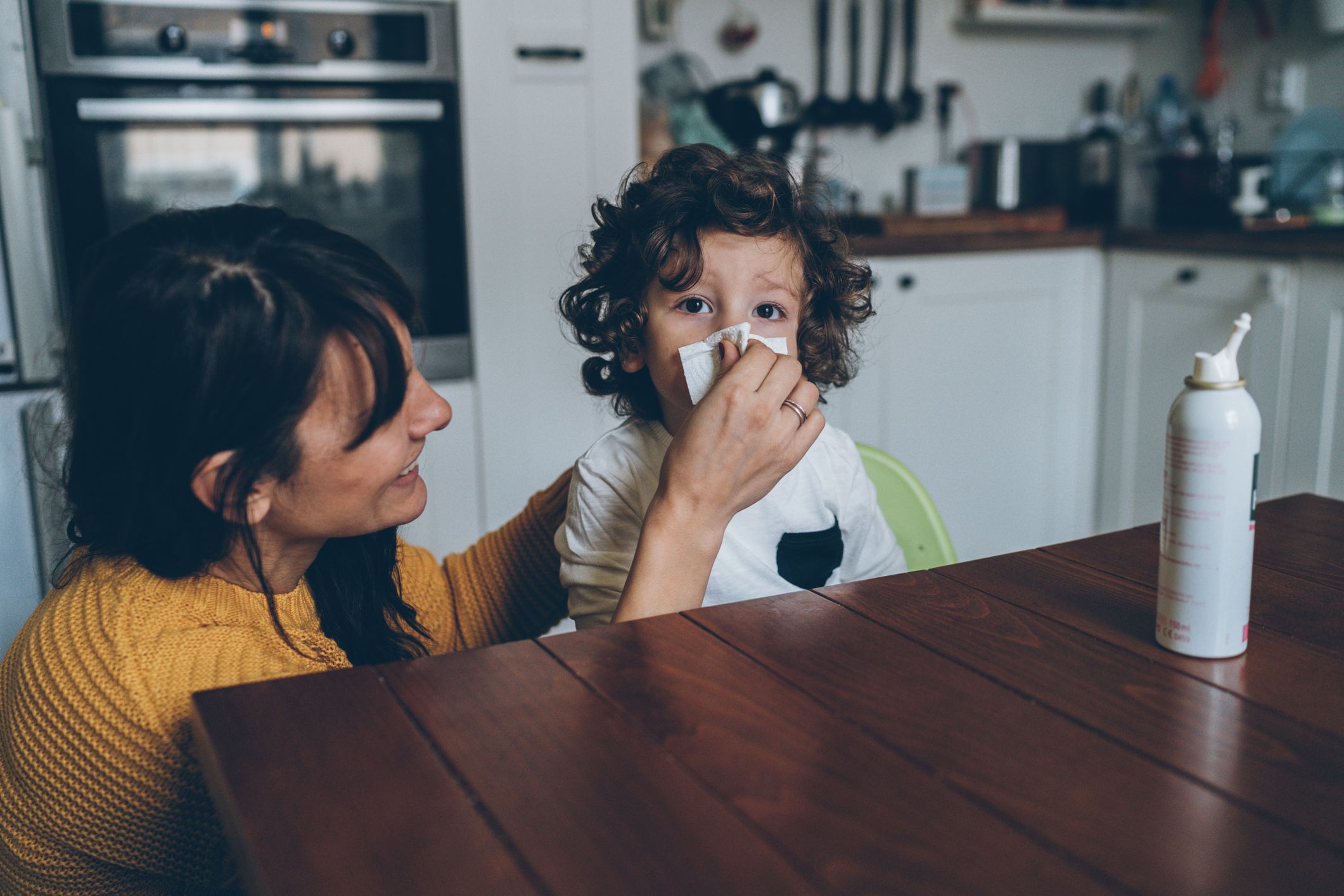
“Often children (and teachers) get ill at the start of term because they’re suddenly exposed to lots of people, after a summer often spent mainly with a small number of family and friends,” says Dr Sanghvi.
“The more people you mix with, the more likely you are to catch and spread germs off one another. And we all know children, even after the last year, aren’t quite as good as adults at good hygiene practices like washing their hands thoroughly, covering their faces when they cough and blowing their noses etc.”
Advertisement
The start of term can also be very tiring, especially for young children, who aren’t as used to being sat in a classroom all day.
“When we get tired our immune systems sometimes find it harder to fight off bugs. So this can also mean kids (and anyone who works in a school) might be more susceptible to picking something up,” Dr Sanghvi explains.
“Coughs, colds and norovirus can all be very contagious, particularly in an environment like a school, where you have lots of people in one room for long periods of time.”
What are the most common symptoms of Covid in kids?
Advertisement
By now, we all know the importance of self-isolating if you’ve got Covid. But kids get a lot of sniffles at school, so how can you tell the difference?
“Like with adults, the main symptoms of Covid-19 in children are still a high temperature, a new, continuous cough and a loss or change of taste or smell,” says Dr Sanghvi.
“With the start of term it’s likely lots of kids will get a cough, cold or runny nose. But if you think your child has Covid-19 symptoms, you should book them a test. That’s the easiest way to confirm if it is or isn’t Covid-19.”
If it’s not Covid, is it okay to go to school?
“It can be hard knowing when to keep a child off school. Sometimes it’s okay to send them in with a mild illness, but other times it better to keep them at home,” says Dr Sanghvi.
“If your child has Covid-19 symptoms, you should get them a test and keep them off school unless they get a negative result.
“Generally speaking, if your child has a fever, they should be off school until it’s gone (unless it’s due to Covid-19, in which case they’ll need to self-isolate and follow the advice from Test and Trace).”
As a rule, if your child has been sick or has diarrhoea, they should be off school for 48 hours from the last time they vomited or had diarrhoea, she adds.
“The NHS has lots of advice for different conditions like cold sores, chicken pox, impetigo and many others, and when to keep your kids off school,” says Dr Sanghvi. “So it’s always best checking their website, and don’t forget if you’re worried about your child, you can always ring up your GP and speak to them.”
It was parents’ weekend at my daughter’s college, and we were treating her to dinner at an off-campus bistro. The waitress arrived, and she gave her order: “I’ll have the baked salmon with a side of sauteed spinach, please.”
I dropped my menu, my jaw and the mistaken notion that I knew what this kid had been up to since we’d dropped her off a couple of months ago. I had spent most of the past 18 years trying to nudge her – sometimes gently, sometimes with growing desperation º into eating something, anything, other than noodles with butter and salt, half a bagel with plain cream cheese or – her true love –Rold Gold Tiny Twist pretzels.
Advertisement
The idea of fish had always made her shudder. The mere mention of “green things” like spinach could lead to tears. So what was up with her dinner order tonight? She shrugged. “They serve salmon in the dining hall sometimes, and my friends all eat it. Everybody at school likes spinach, too.”
I feigned disinterest and changed the subject, but inside I was doing the parental equivalent of a victory dance. I had relinquished my title as mother of the world’s most adamant whiteatarian, all for the low, low cost of tuition at a liberal arts college that was 1,000 miles away from home.
Advertisement
Your kid is hardwired to act like this
Before I do any more gloating about the sight of my beloved progeny actually putting spinach in her mouth, let’s take a step back to those early years, when I was driven to frustration by a girl who refused anything that wasn’t white. What made her act that way, anyhow?
Advertisement
Well, mums and dads, you already know that children are annoying for lots of reasons, including a tendency toward tantrums, a love of pre-dawn wake-up times and, of course, picky eating. Would it help if I told you that their eating preferences are pretty much hard-wired into their sweet-smelling little noggins?
Aniko Hobel via Getty Images
Look familiar?
The National Institutes of Health says infants have an “innate preference for sweet and salty tastes and tend to reject sour and bitter tastes.”
And, guess what, it gets worse. “After the age of one, vegetables begin to taste very bitter to children,” Alisha Grogan, a paediatric occupational therapist who specialises in picky eating and sensory processing, tells HuffPost.
“When humans had to forage in the wild, children’s sensitive taste buds prevented them from eating anything poisonous.”
Advertisement
Some kids remain loyal passengers of the S.S. Sweet And Salty even as they get older, often to the exclusion of any food that might actually provide, you know, some nourishment. A range of different studies have reported that, by the time they reach age 3, between 6% and 50% of kids are described as picky eaters by their parents.
And if you think they’re doing this just to piss you off, you’re right, at least when it comes to the younger set. “Toddlerhood is when many kids start to exert their autonomy and push boundaries with parents,” paediatrician Dina Kulik tells HuffPost. Not only do they get to remind you who’s boss, they also literally make themselves happy with each bland, beige bite. “Simple sugars are easy to eat, they taste good and they provide a quick dopamine hit, much like other stimulating drugs,” she says.
Can your kid live on beige food alone?
Is a diet of pasta and bread sustainable for health? Kulik said there are concerns. “The risk of iron deficiency, especially, is high on a very starchy diet,” she says. Even though many manufactured grain-based products are supplemented, she said, kids following the whiteatarian plan are often low in iron, vitamin D, calcium and B12.
MelindaSiklosi via Getty Images
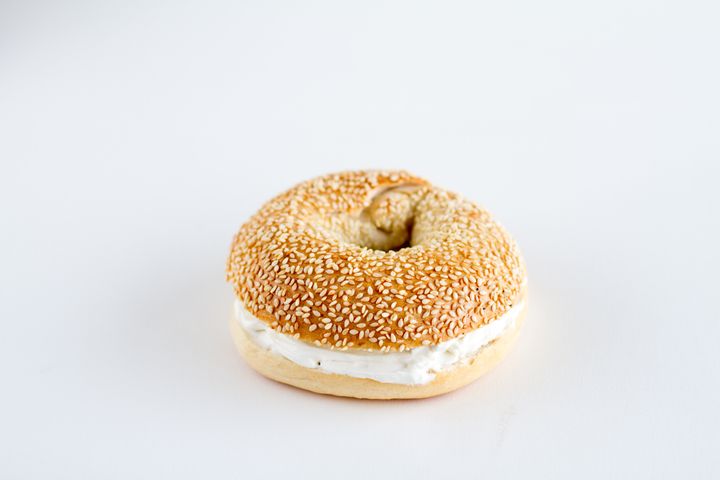
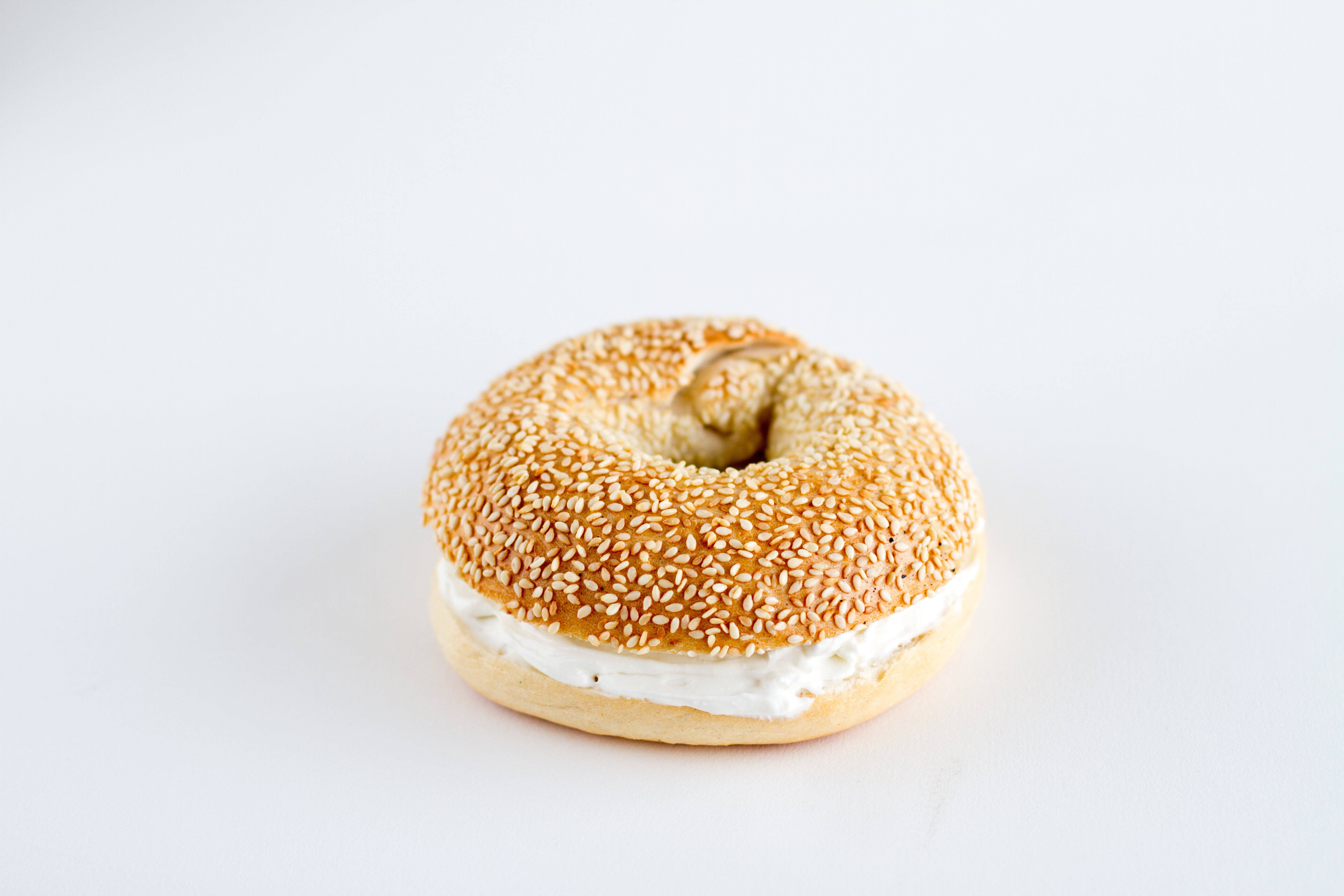
Think this bagel with cream cheese looks plain enough? Think again – those sesame seeds could even be too much for a picky eater.
In the short term, anyway, the nutritional prognosis is not totally dire. One study said that, while picky eaters did tend to have lower levels of zinc and iron, their overall macronutrient intakes were not severely reduced. And many of us know at least one adult who still lives on a mostly white diet and seems to survive, if not thrive.
“Many kids can survive on white carbs alone, as long as they’re eating enough of them,” Grogan says. “Carbs often are fortified with all sorts of vitamins and nutrition. However, depending on how limited a child’s diet is, they could have some nutritional deficiencies.”
The only thing you have to fear
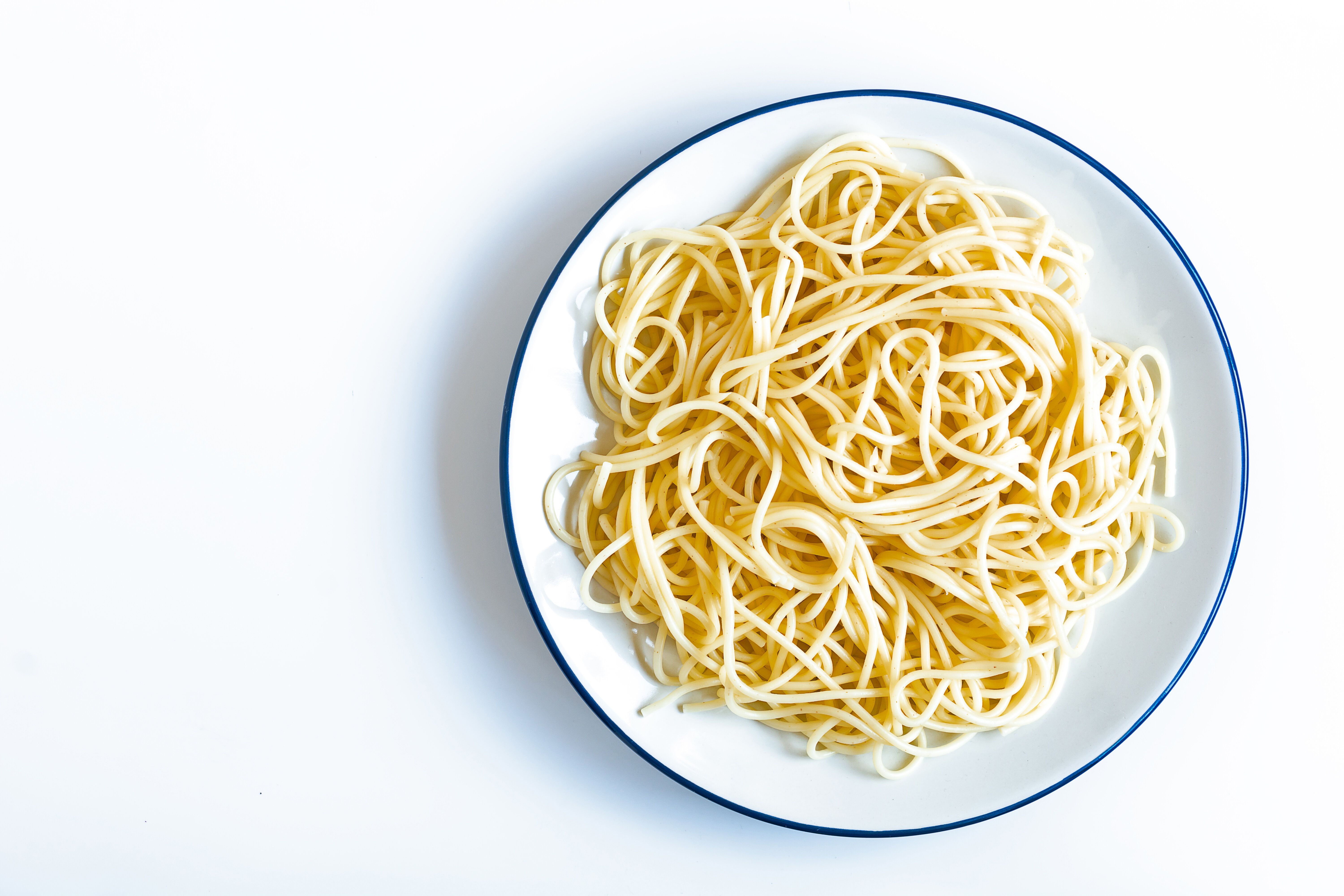
In the comedy special John Mulaney & theSack Lunch Bunch, a boy named Orson Hong sings an ode in which he declares that “a plain plate of noodles with a little bit of butter is the only thing I’ll eat.” His heartfelt song is more a lament than an homage, and it’s clear that his character is anxious and fearful about ingesting anything but this classic whiteatarian meal.
Fear is a big part of what’s going on, said Amanda Smith, a programme director at Walden Behavioral Care, and it’s important for both kids and parents to acknowledge that. “Some kids might be afraid of different textures, or they might fear that a food will make them choke or vomit,” she tells HuffPost. “It can be overwhelming, scary and hard, so it’s important for parents to try to understand that.”
“Short-order cooking and pressuring a child to eat during meals can lengthen the time a child is selective about what colour foods they’ll eat.”
Keep in mind that once they’ve passed toddlerhood, this eating pattern is about them, not you. “If an older child is still eating only white foods, they aren’t trying to punish their parents or stress them out,” Grogan says. “Eating is hard for them. One way to help is to neutralise the topic, and to avoid labelling foods as good and bad or healthy and not healthy.”
Advertisement
Here’s what you can do
“I suggest not fighting or negotiating,” Kulik says. She suggested an attitude of: “Here’s the plate of food. If you want it, great.” Then, she advises, “If not, don’t start a battle. There is evidence kids need to try a food more than a dozen times to realise they like it. When you simply give in and offer the carbs, they don’t learn to try anything new, and the fear and pickiness persist.”
“Short-order cooking and pressuring a child to eat during meals can lengthen the time a child is selective about what colour foods they’ll eat,” Grogan adds.
In extreme cases, a child might have what’s known as Avoidant/Restrictive Food Intake Disorder or ARFID. The disorder, Kulik explains, is characterised by “very selective eating habits or disturbed feeding patterns.”
She cites estimates that anywhere between 5% and 14% of children in inpatient eating disorder programs, and up to 22% of children in outpatient programs, have the disorder. “It’s important to note that this is a true mental disorder, and the vast majority of kids who are whiteatarians don’t have it,” she says.
ermingut via Getty Images
Don’t forget about tan foods, the close cousin to white foods.
“If you have concerns, start with a visit to your child’s medical provider,” Smith suggests. “They’ll be able to assess any medical factors that could be playing a role, and they can check your child’s growth progress, weight and vital signs, and then run some lab work.”
You’ll also want to pay attention to patterns that develop at mealtimes. “If kids are having emotional tantrums or breakdowns over new foods being near them or on their plate, or if they’re gagging or throwing up when new or other-colored foods are near them, then it could be something more serious,” Grogan says.
“If your child is limiting intake to fewer than 20 foods, or you’re noticing physical symptoms relating to their diet, consulting with a health practitioner is advised,” says Sarah Appleford, a registered clinical nutritionist with an interest in children’s health, including fussy eating and gut issues.
“It’s more than just a phase if they’re refusing food at most meals, exhibiting anxiety or stress, have undeveloped eating skills or sensitivities based on texture, colour, appearance, noise or smell at the table and away from the table. Physical symptoms can include slow growth, fatigue, pallor of the skin or complaints of tummy pain or gastrointestinal upset such as constipation.”
Look to the rainbow
Advertisement
Along with every other awful thing, this issue is on the rise, according to the experts. “We’re seeing a growing number of kids with anxiety disorders, and extreme fussy eating behaviour is often a component,” Appleford says. But there is some good news, she adds: “Most children will naturally grow out of fussy eating as they gain more skills and confidence around food.”
“Parents can find it to be very stressful to have a child who only eats white foods, because it’s difficult to go to parties or even pack a lunch,” Grogan says. “But kids — even the pickiest — can learn to eat a variety of different coloured foods.”
In the meantime, listen to the experts and try to cut yourself (and your child) a little bit of slack. You might also want to start saving for that liberal arts college experience that will liberate their taste buds and turn them into rainbowtarians, just a few long years from now.
The vaccine programme has been rolled out to more children across the UK, but it’s not open to all under 18s just yet.
Health secretary Sajid Javid said that he has asked the NHS to prepare to vaccinate the newly eligible groups “as soon as possible”. Here’s what you need to know as a parent or guardian.
Advertisement
Can my child get the vaccine?
Under previous advice, teens aged 16 to 17 with underlying health conditions which put them at higher risk of serious Covid should have already been offered a jab. The latest announcement extends the vaccine rollout to more vulnerable children.
Advertisement
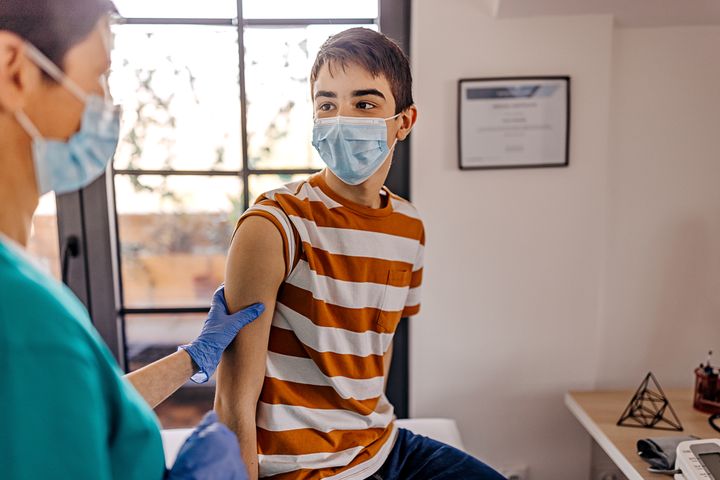
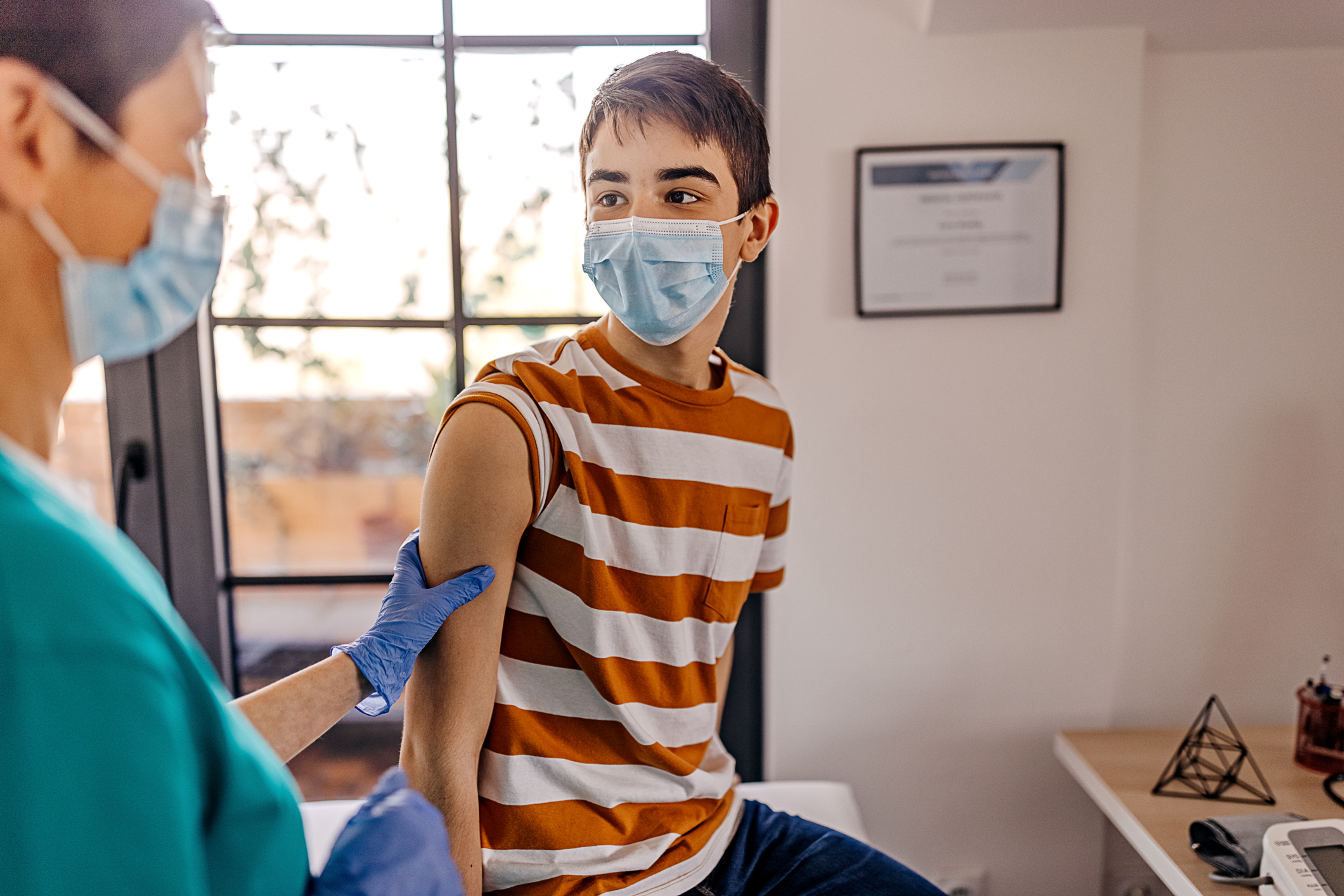
Vulnerable children between the ages of 12 and 15 will now be offered a Covid vaccine. Those who’ll be offered a jab include children with severe neurodisabilities, Down’s syndrome, immunosuppression and multiple or severe learning disabilities.
The vaccine will also be offered to 17-year-olds who are within three months of their 18th birthday.
Advertisement
The Joint Committee on Vaccination and Immunisation (JCVI) has also recommended that children and young people aged 12 to 17 who live with an immunosuppressed person be offered the vaccine, to indirectly protect their immunosuppressed household contacts.
mixetto via Getty Images
What vaccine will vulnerable children get?
The medicines regulator, the Medicines and Healthcare products Regulatory Agency (MHRA), has already approved the Pfizer/BioNTech vaccine for use among children aged 12 and over in the UK, so it is likely this is the vaccine they will receive.
Why is there caution about the vaccine for kids?
Advertisement
The government has said it will continue to review whether or not to offer the vaccine to all under 18s.
The caution is due to a lack of available trial data, says Helen Bedford, Professor of Children’s Health at UCL. There’s also a careful balancing act between the benefits of the vaccine vs any potential negative impacts on kids.
“Healthy young people and children become seriously ill with COVID-19 extremely rarely, so there would be few direct benefits for them of vaccination but it would contribute to increasing population immunity,” she explains. “Before recommending vaccination for all children and young people we therefore need to be very clear about of the safety of the vaccines in this group.
“Although there is now good trial data and experience of vaccinating very large numbers of adults and the vaccines have been shown to be safe, we cannot automatically assume this applies to children. More information is needed from trials and experience of using these vaccines in young people and children before the programme is rolled out further.”
What are other countries doing?
Nearly half of European countries have decided to offer the vaccine to children aged 12 and over, including France, Spain, Italy and Austria. Some vaccination programmes have started, while others are imminent, with plans to vaccinate children before the new school term in September widespread.
In rare instances, some children have developed a multi-system inflammatory syndrome linked to Covid-19 which can lead to organ damage. Scientists will consider this when continuing to weigh up the pros and cons of vaccines.
HuffPost is part of Oath. Oath and our partners need your consent to access your device and use your data (including location) to understand your interests, and provide and measure personalised ads. Oath will also provide you with personalised ads on partner products. Learn more.
How Oath and our partners bring you better ad experiences
To give you a better overall experience, we want to provide relevant ads that are more useful to you. For example, when you search for a film, we use your search information and location to show the most relevant cinemas near you. We also use this information to show you ads for similar films you may like in the future. Like Oath, our partners may also show you ads that they think match your interests.