Virtual reality warps your sense of time

Psychology researchers at UC Santa Cruz have found that playing games in virtual reality creates an effect called “time compression,” where time goes by faster than you think. Grayson Mullen, who was a cognitive science undergraduate at the time, worked with Psychology Professor Nicolas Davidenko to design an experiment that tested how virtual reality’s effects on a game player’s sense of time differ from those of conventional monitors. The results are now published in the journal Timing & Time Perception.

Mullen designed a maze game that could be played in both virtual reality and conventional formats, then the research team recruited 41 UC Santa Cruz undergraduate students to test the game. Participants played in both formats, with researchers randomizing which version of the game each student started with. Both versions were essentially the same, but the mazes in each varied slightly so that there was no repetition between formats.

Participants were asked to stop playing the game whenever they felt like five minutes had passed. Since there were no clocks available, each person had to make this estimate based on their own perception of the passage of time.

Prior studies of time perception in virtual reality have often asked participants about their experiences after the fact, but in this experiment, the research team wanted to integrate a time-keeping task into the virtual reality experience in order to capture what was happening in the moment. Researchers recorded the actual amount of time that had passed when each participant stopped playing the game, and this revealed a gap between participants’ perception of time and the reality.

The study found that participants who played the virtual reality version of the game first played for an average of 72.6 seconds longer before feeling that five minutes had passed than students who started on a conventional monitor. In other words, students played for 28.5 percent more time than they realized in virtual reality, compared to conventional formats.

This time compression effect was observed only among participants who played the game in virtual reality first. The paper concluded this was because participants based their judgement of time in the second round on whatever initial time estimates they made during the first round, regardless of format. But if the time compression observed in the first round is translatable to other types of virtual reality experiences and longer time intervals, it could be a big step forward in understanding how this effect works.

While there are many informal descriptions of time compression in virtual reality from people who have experienced it first-hand, it’s still an active area of research. One particularly well-known prior study applied virtual reality time compression to shorten the perceived duration of treatment for chemotherapy patients, but that experiment didn’t compare virtual reality with conventional screen formats.

“This is the first time we can really isolate that it’s not just that you’re playing a video game, or the content of whatever you’re seeing,” Mullen said. “It’s really the fact that it is virtual reality versus a conventional screen that contributes to this time compression effect.”

Time compression could be useful in some situations — like enduring an unpleasant medical treatment or passing the time on a long flight — but in other circumstances, it could have harmful consequences.

“As virtual reality headsets get more comfortable to wear for longer periods of time, and as more immersive games are made for this format, I think it would be good to avoid having it become like a virtual casino, where you end up playing more because you don’t realize how much time you’re spending,” Mullen said.

Research on game addiction shows that losing track of time during gameplay can negatively affect a player’s sleep cycle and mood. These effects could be more pronounced in virtual reality, but Mullen says game designers can help to minimize the risk, perhaps by integrating a clock that would appear at regular intervals during gameplay.

It will also be important to discover why virtual reality seems to contribute to time compression. In the paper, Mullen describes one possibility, which relates to the fact that, in virtual reality, a player has less body awareness. Psychology Professor Nicolas Davidenko, a coauthor and advisor on the paper, explained why this might be important.

“In virtual reality, when you look down, you might see nothing where your body normally would be, or you might see a schematic of a body, but it won’t feel like your body,” Davidenko said. “There are theories that we may rely on our heartbeat and other bodily rhythms to help our brain track the passage of time, so if you have a less vivid sense of your body in virtual reality, you might be missing the pulses of this timekeeping mechanism.”

Future experiments to test this theory could yield new insights to help designers maximize benefits and minimize harm from time compression as virtual reality technology continues to grow.

Share Button

Covid: ‘More Transmissible’ India Variant Threatens June Re-Opening

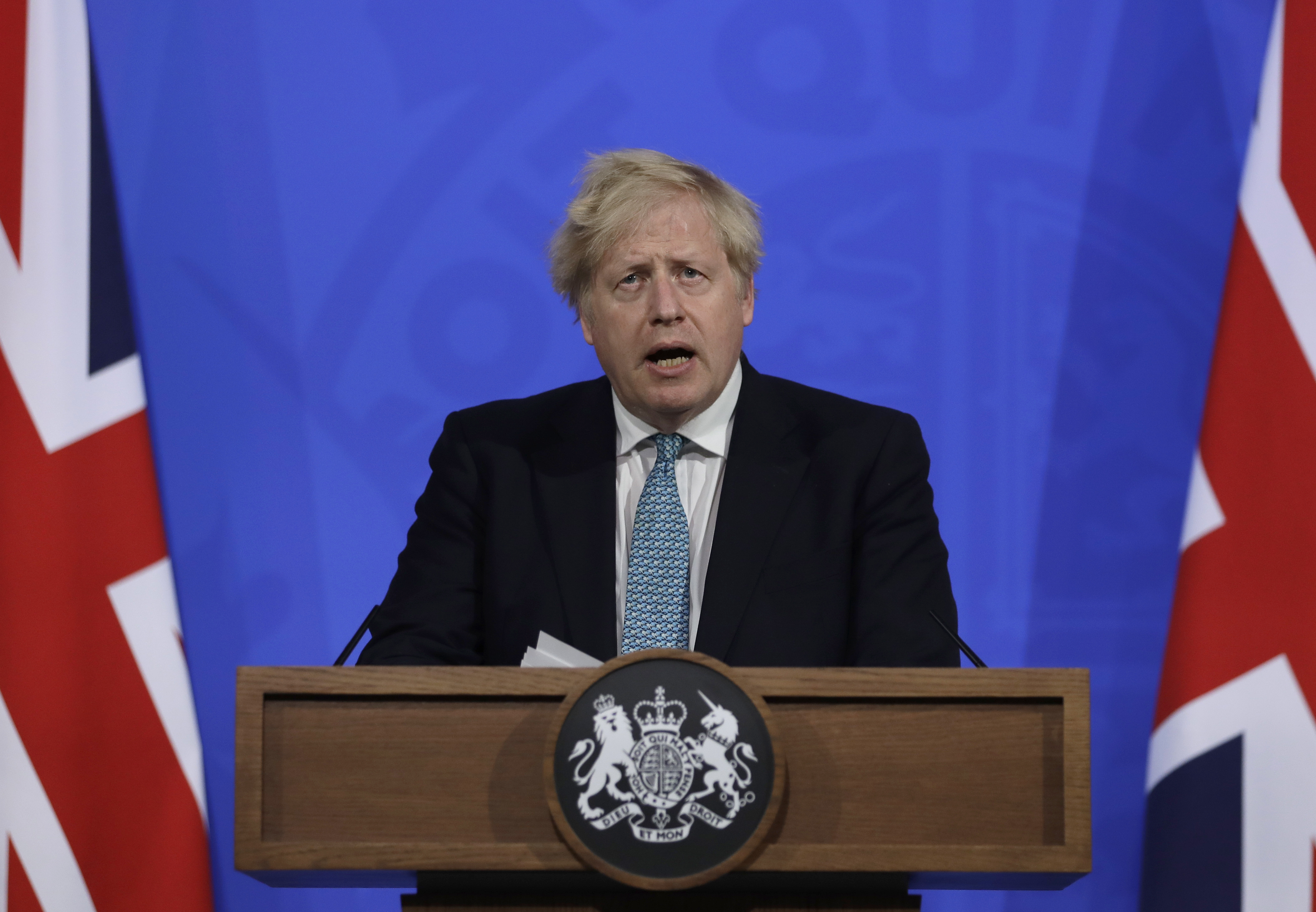
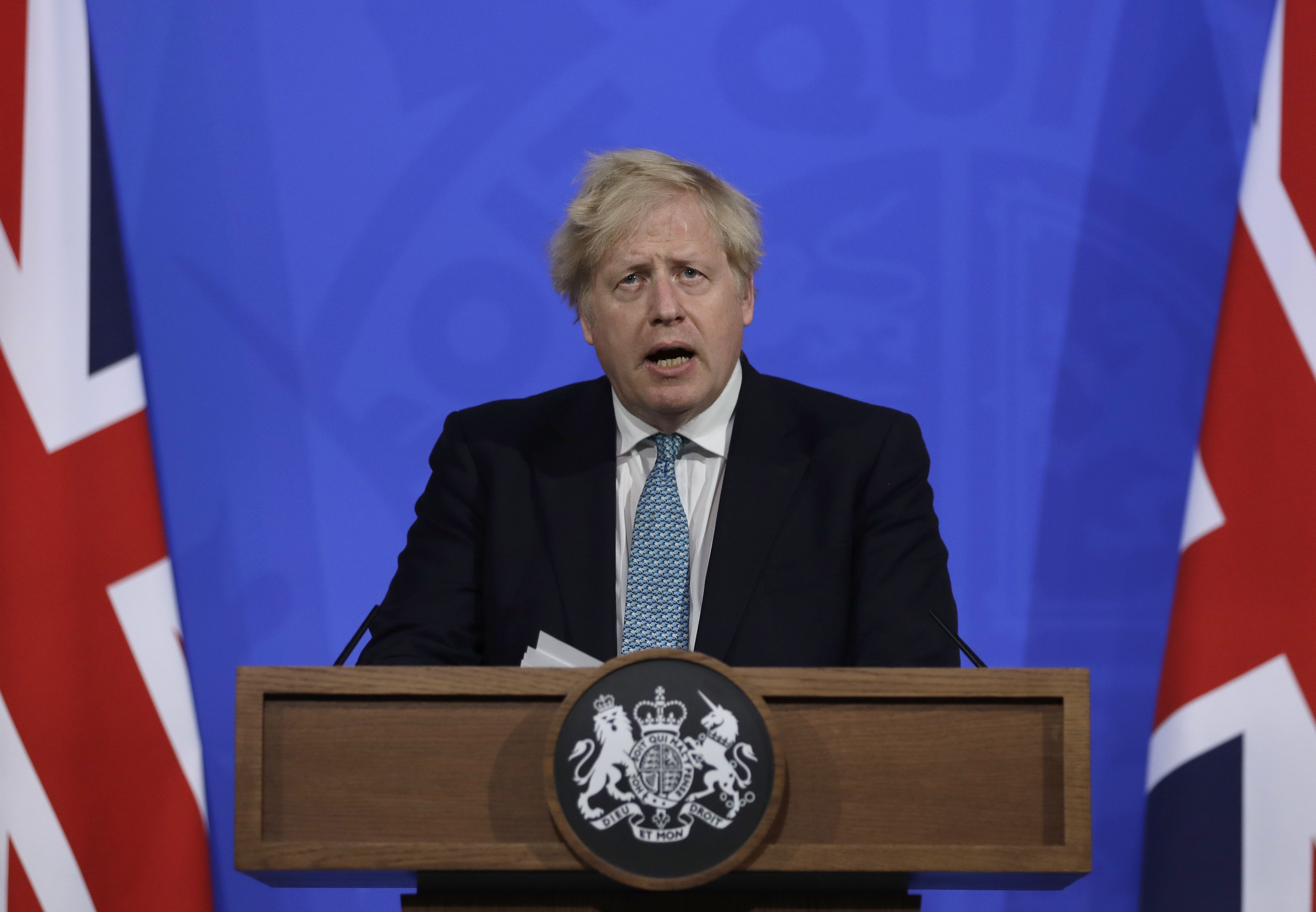
The Indian Covid variant could make it “more difficult” for England to move further out of lockdown in June, Boris Johnson has said.

After cases of the Indian variant more than doubled in the past week, the prime minister told a Downing Street press conference on Friday that the four-step “road map” we will move to step three in England from Monday as planned – be he raised the possibility of altering the final stage. 

The PM said: “But I have to level with you that this new variant could pose a serious disruption to our progress and could make it more difficult to move to step four in June.

“I must stress we will do whatever it takes to keep the public safe.”

At the briefing, chief medical officer Chris Whitty said there is “now confidence” that the India variant is “more transmissible” than the strain first discovered in Kent.

It is expected that the Indian variant will overtake Kent to become dominant in the UK, though there is currently no evidence to suggest vaccines do not work against it.

Johnson said that if the Indian variant proves to be “significantly more transmissible” than other Covid strains “we’re likely to face some hard choices”.

In recent days, the government has launched a series of measures in a bid to dampen any impact from the Indian variant.

The latest is people over 50 and the clinically vulnerable being offered their second dose of a Covid-19 vaccine eight weeks after the first – rather than 12.

The variant is now in at least 15 areas of England – including Bolton, Blackburn, London, Sefton and Nottingham –  where councils and Public Health England officials are working to contain any clusters.

This includes surge testing, encouraging people to isolate if they test positive and longer opening hours at vaccination centres.

Johnson said that if the variant turned out to be much more transmissible than other variants, the country could face “hard choices” as he warned of the need to be “utterly realistic”. 

He said: “This doesn’t mean that it’s impossible that we will be able to go ahead with step four, I don’t think that’s the case at all. But it does mean there is now the risk of disruption and delay to that ambition. And we have to be utterly realistic about that.”

Share Button

Indian variant: Second jabs could be brought forward to tackle rise

Local restrictions have also not been ruled out in areas worst affected by the Indian variant.

Share Button

Calls for post-Covid ‘revolution’ in building air quality

Top experts in how diseases spread are calling for massive improvements to the air in buildings.

Share Button

Parents seek second inquest into baby’s hospital death

The original inquest found Hayden Nguyen died of natural causes, despite the hospital admitting errors.

Share Button

Indian variant: What’s causing the spike in Bolton?

The town has seen a sharp spike in Covid cases – driven by the emergence of the Indian variant.

Share Button

Covid vaccines have saved 11,700 lives and 33,000 hospital admissions

Most deaths prevented were in the over-80s, and far fewer over-75s went to hospital, an analysis found.

Share Button

Prince Harry Says He Already Wanted To Leave Royal Life In His 20s

Prince Harry touched on nearly every major aspect of his life during a wide-ranging interview on the Armchair Expert podcast with hosts Dax Shepard and Monica Padman.

In the one-and-a-half hour episode, which was released on Tuesday, the Duke of Sussex talked about myriad disparate topics, including Joe Rogan, Princess Diana, the benefits of therapy, nude pictures taken of him in Las Vegas, his first incognito supermarket date with Meghan Markle, unconscious bias, and his military service.

Harry also discussed his “biggest issue” with royal life, which he compared to being a cross between The Truman Show and a zoo, and explained why he disliked it even in his early 20s.

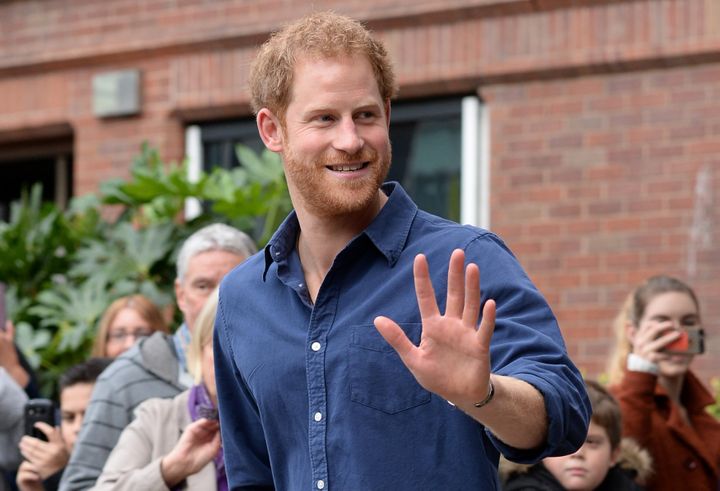
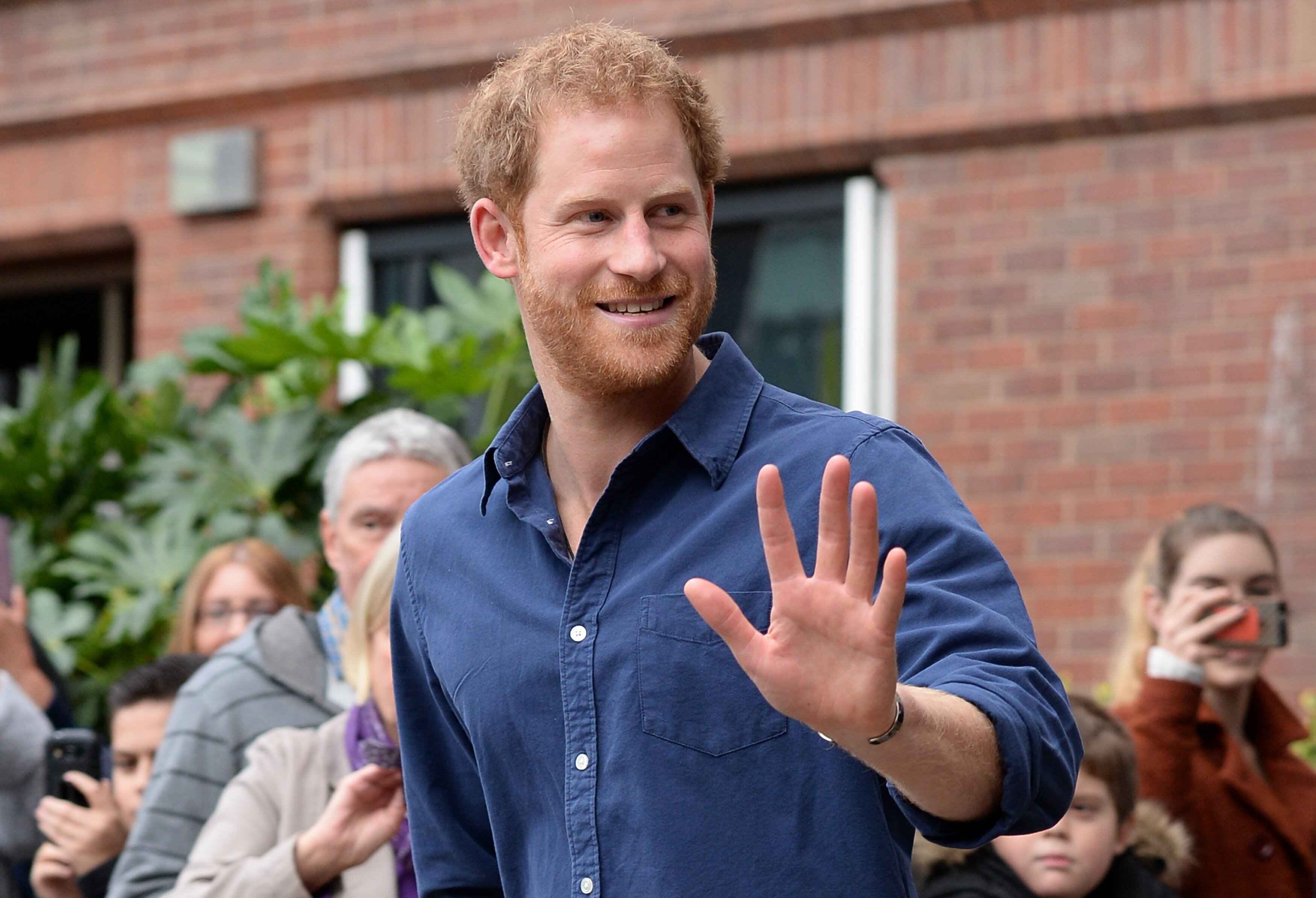
Prince Harry on royal duty in Nottingham in 2016.

Prince Harry on royal duty in Nottingham in 2016.

“I think that the biggest issue for me was that, being born into it, you inherit the risk. You inherit the risk that comes with it ― you inherit every element of it without choice,” Harry said.

“Because of the way that the UK media are, they feel an ownership over you. Literally, like, full on ownership. And then they give the impression to some of their ― or most of their readers ― that that is the case. But I think it’s a really dangerous place to be, if you don’t have a choice.”

“But then, of course, then people quite rightly, will turn around, and be like ‘So what if you didn’t have a choice? It’s privilege!’” he added.

“I was in my early 20s and I was a case of, ‘I don’t want this job, I don’t want to be here. I don’t want to be doing this,’” Harry said later in the interview. “Look what it did to my mum. How am I ever going to, you know, settle down, have a wife and family, when I know that it’s going to happen again?”

The Duke of Sussex said he had those thoughts because he’s “seen behind the curtain” and “seen the business model.”

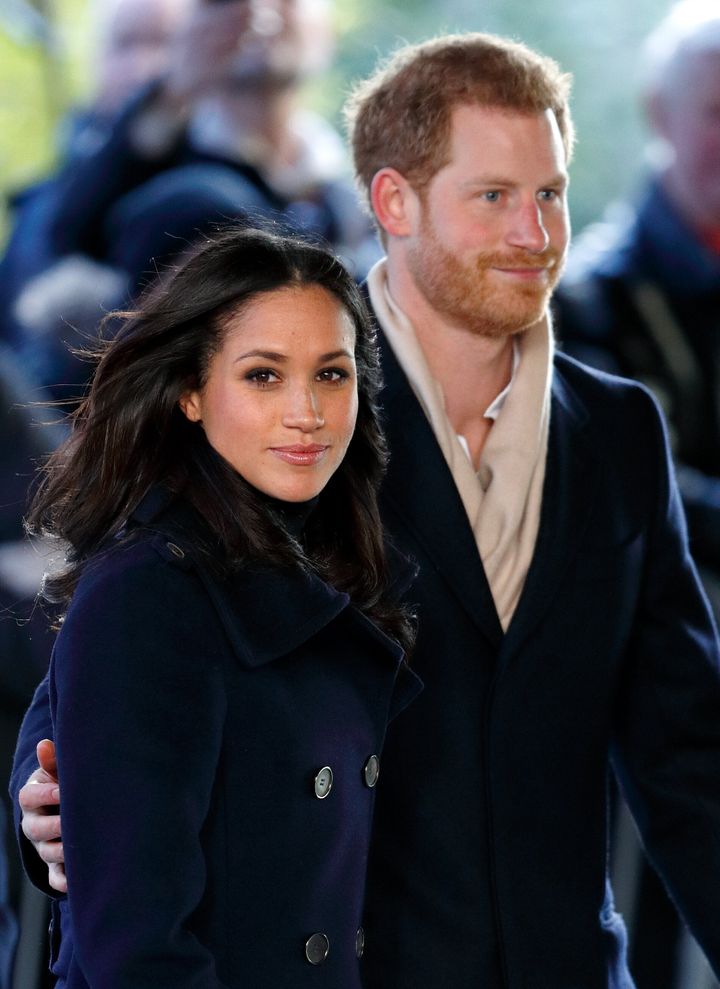
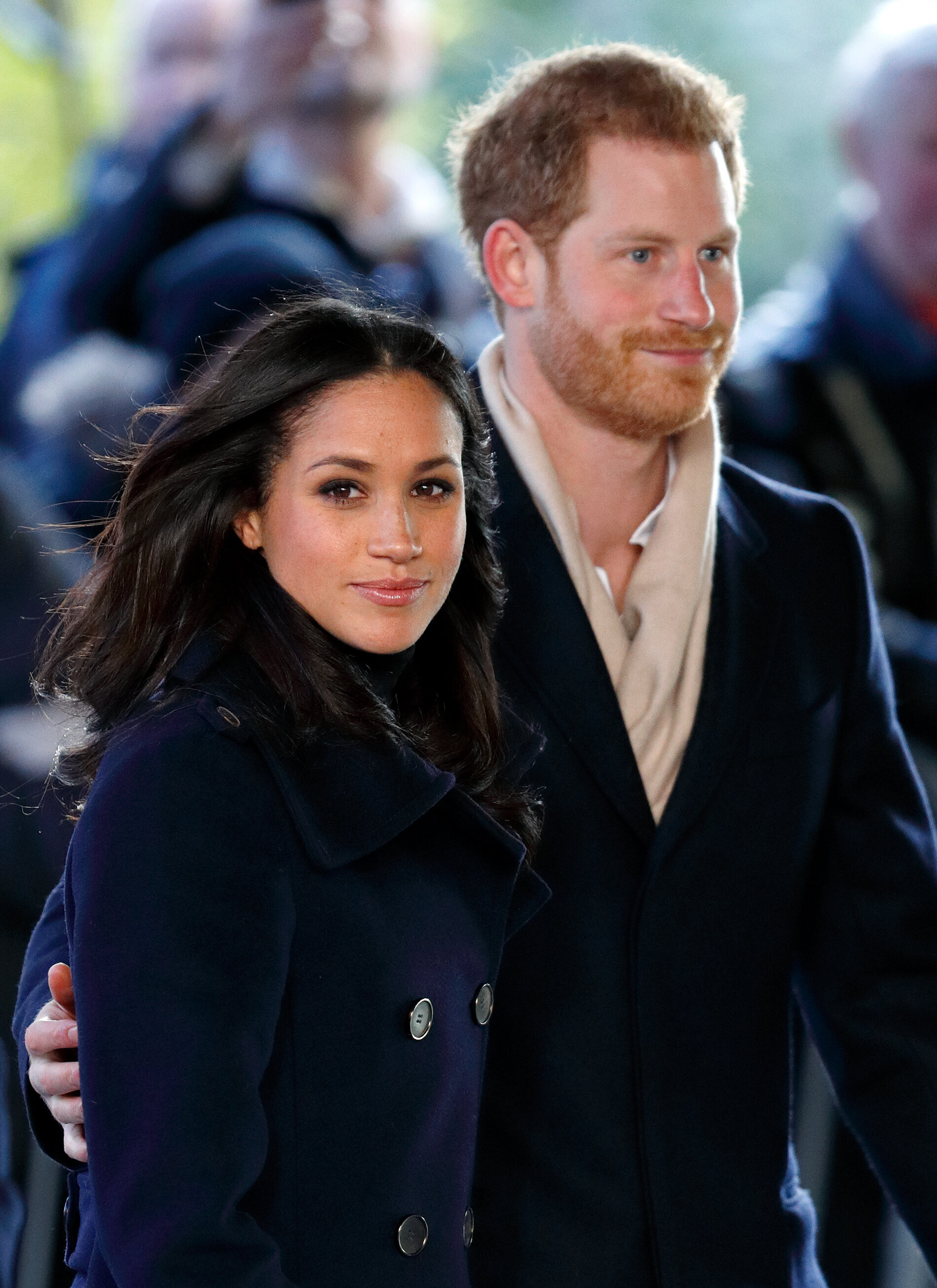
Meghan Markle and Prince Harry in December 2017, shortly after they got engaged.

Meghan Markle and Prince Harry in December 2017, shortly after they got engaged.

“I know how this operation runs and how it works. I don’t want to be part of this. And then once I started doing therapy, suddenly it was like the bubble was burst,” he said. “And I plucked my head out of the sand, gave it a good shake off. And I was like, ‘Okay. You’re in this position of privilege. Stop complaining or stop thinking as though you want something different ― make this different. Because you can’t get out.’”

Through his relationship with Meghan, he began to examine what was really hurting him.

“She could tell that I was hurting and that some of the stuff that was out of my control was making me really angry,” he said. “For me prior to meeting Meghan, it was very much a case of ― certainly connected to the media ― this anger and frustration of ‘this is so unjust.’

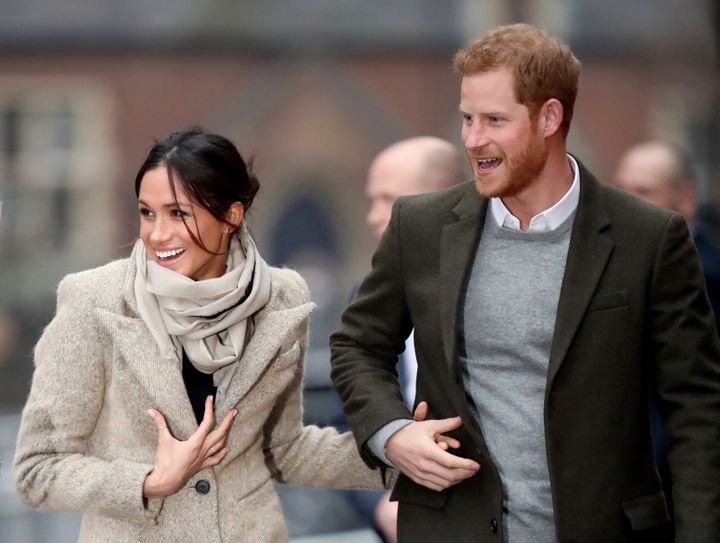
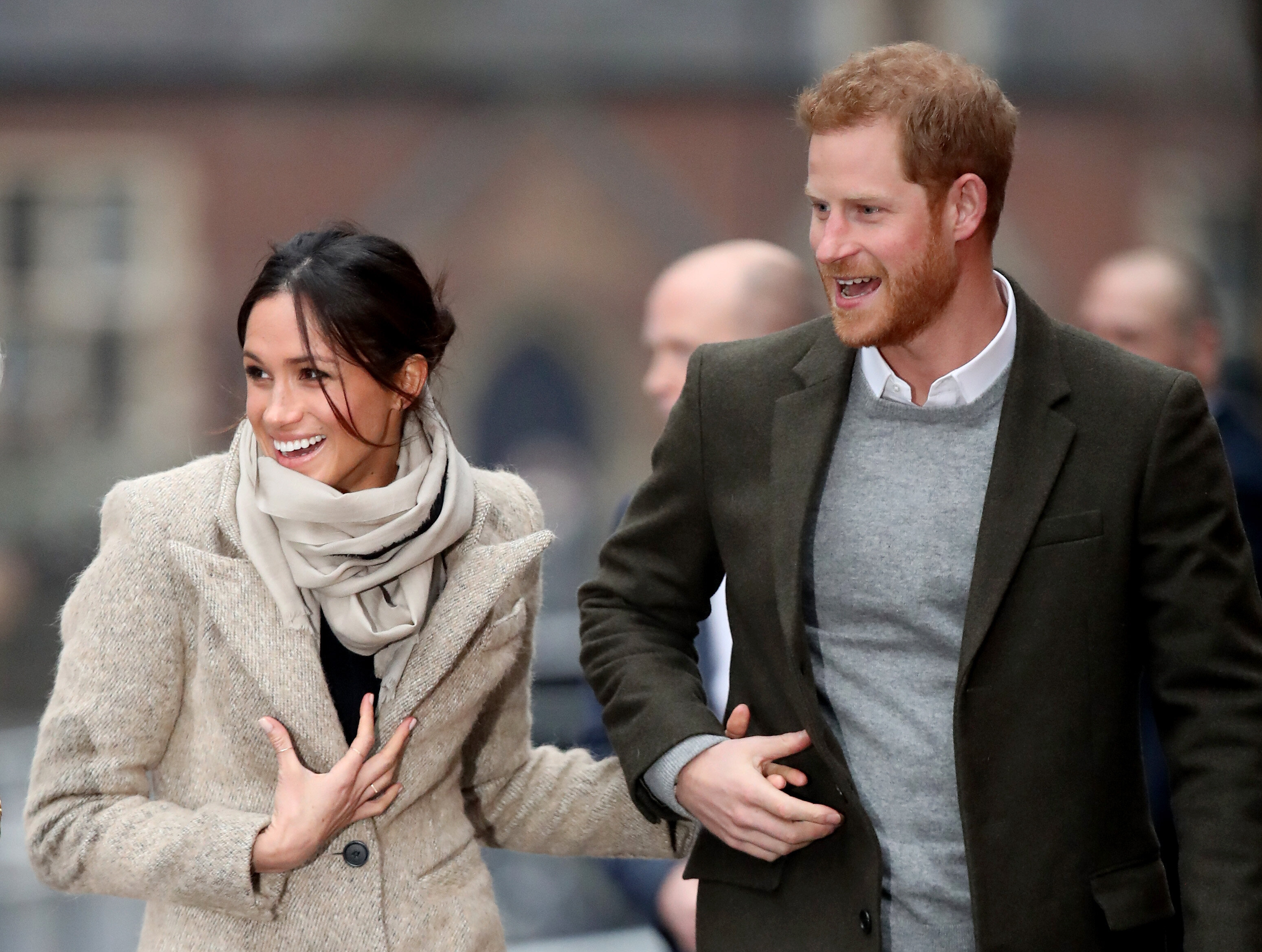
Harry and Meghan in January 2018.

Harry and Meghan in January 2018.

Harry said “helplessness” is his biggest weakness, and listed off the three times when he’s felt “completely helpless.”

“One when I was a kid in the back of the car with my mom being chased by paparazzi; two was in Afghanistan in an Apache helicopter; and then the third one was with my wife,” he said.

“And that’s when you think to yourself: ‘Shit. I’ve got the privilege, I’ve got the platform, I’ve got the influence and even I can’t fix this, I can’t change this.’ And you start getting in your head about it and that’s when it starts taking a toll.”

While the duke said he’s been overly self-critical in the past, “the good thing is the course is being altered now.”

Harry’s interview with Shepard and Padman comes on the heels of the duke opening up to two friends, Late Late Show host James Corden and media mogul Oprah Winfrey, in extremely candid interviews earlier this year.

Supporters of the Duke and Duchess of Sussex, who stepped back as working members of the royal family in January 2020, will likely hear more candour from the royals in the months to come.

Harry has a new multi-part docuseries about mental health coming out in partnership with Winfrey later this month, in which the two will interview stars like Lady Gaga and Glenn Close, as well as regular people who face mental health struggles.

Last year, Harry and Meghan signed major deals with Spotify and Netflix, which have them producing and appearing in content for both platforms.

For more of the duke’s Armchair Expert interview, listen below:

Share Button

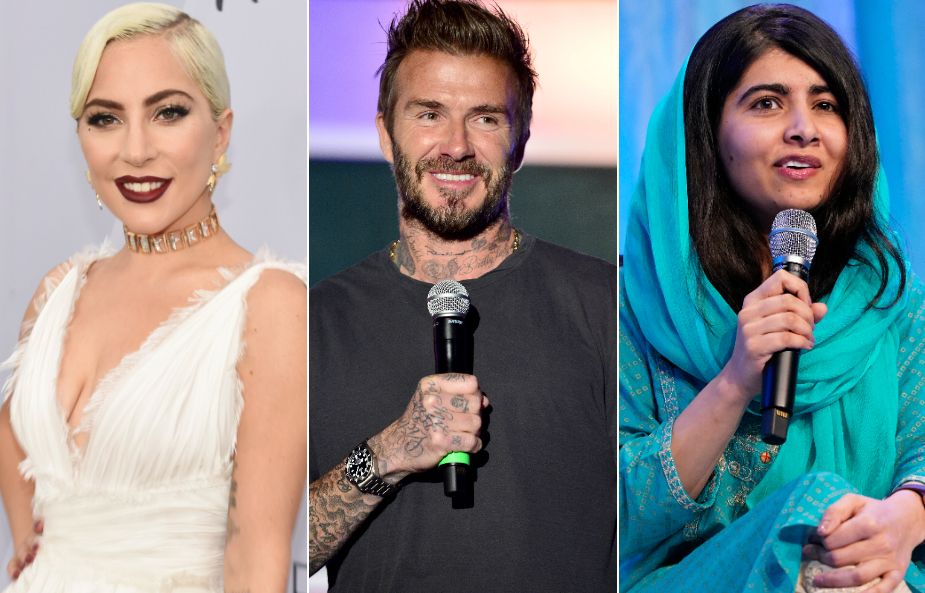
Friends Reunion Guest Stars Include David Beckham And Malala Yousafzai (Yes, That Malala Yousafzai)

The eclectic mix of celebrities putting in an appearance in the upcoming Friends reunion special has been unveiled, which includes Lady Gaga, David Beckham and Malala Yousafzai.

Yes, the actual Malala Yousafzai.

On Thursday, the first trailer for the forthcoming episode was unveiled, showing all six of the original cast members walking in slow motion on the studio lot where the Friends special was filmed.

As well as the short trailer, details of the special’s guest stars have also been revealed in Variety, with James Michael Tyler and Maggie Wheeler – better known as Gunther and Janice – set to appear in the episode.

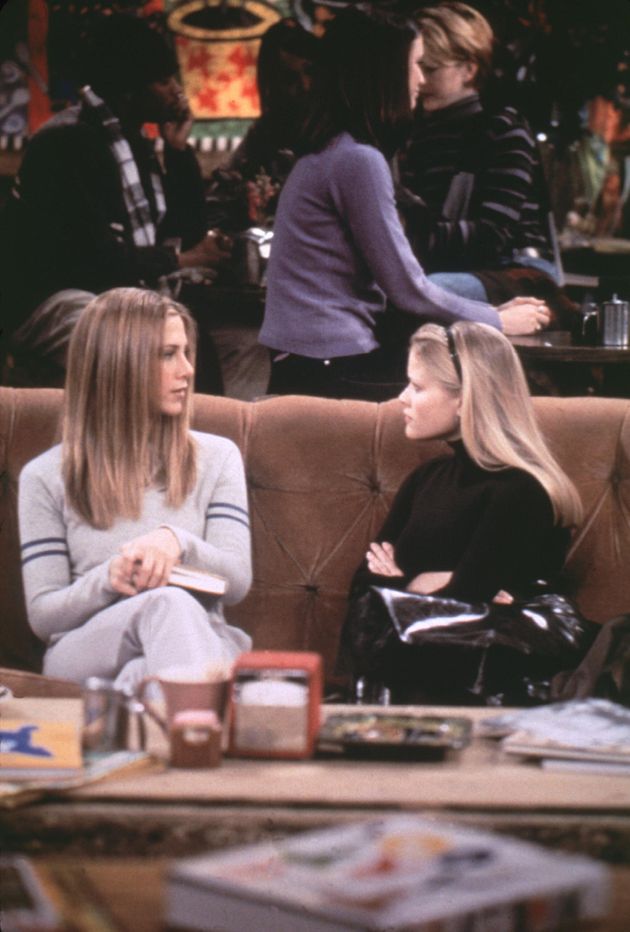
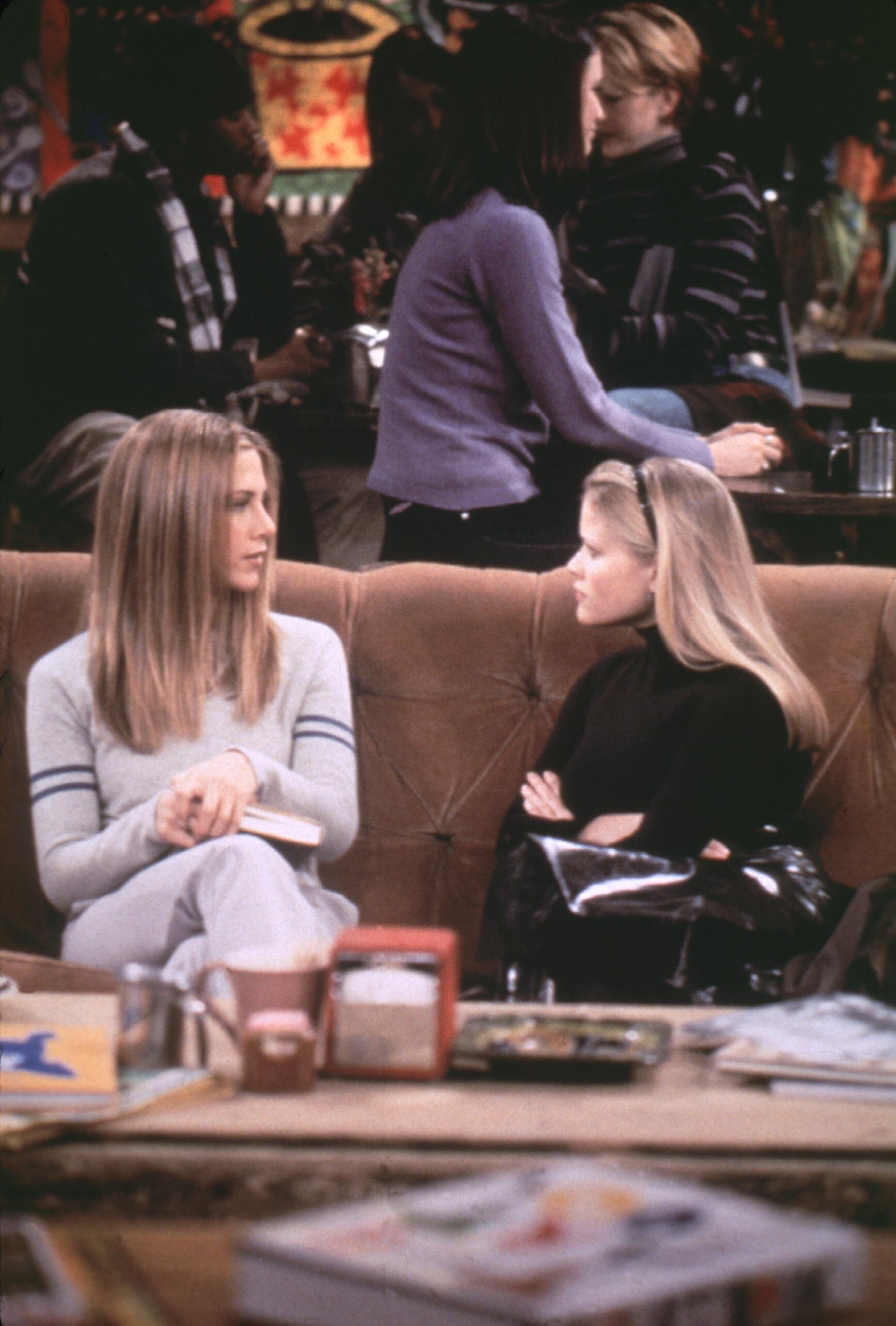
Joining them will be Elliott Gould and Christina Pickles (who played Monica and Ross’ parents, Jack and Judy Geller), Reese Witherspoon (who co-starred as Rachel’s sister in two episodes of the sitcom) and Tom Selleck (who played Monica’s love interest, Richard).

Getty Images via Getty Images

Jennifer Aniston and Reese Witherspoon previously shared the screen in Friends

That’s where things start to get really interesting.

Also appearing in the show will be a string of famous Friends fans, which includes James Corden, Justin Bieber and Cindy Crawford, alongside the aforementioned Gaga, Beckham and Malala.

The One With Beckham And Malala is definitely not a Friends episode we saw coming, but we’re kind of here for it.

MARLA AUFMUTH/Johnny Louis/John Shearer/Getty

Lady Gaga, David Beckham and Malala Yousafzai

Completing the line-up are K-Pop stars BTS, model Cara Delevingne, Game Of Thrones star Kit Harington and US actor Mindy Kaling, as well as Thomas Lennon and Larry Hankin, who played minor roles in Friends.

It’s also been confirmed that the Friends reunion will be available to stream on HBO Max in the US from 27 May, exactly a year after it was supposed to launch, before the pandemic scuppered plans to begin production.

It’s still not clear exactly when or how British fans will be able to watch, but HBO productions typically come to Sky Atlantic and NOW in the UK.

HuffPost may receive a share from purchases made via links on this page. Prices and availability subject to change.

Share Button

Tories Should ‘Manage Expectations’ On ‘Levelling Up’, MP Says

Boris Johnson should “manage expectations” on how long it will take to complete his plan to “level up” left behind communities across the UK, a Tory MP has said.

Kevin Hollinrake, who is Michael Gove’s parliamentary private secretary, said the economic gap between the north and the south-east was comparable to the disparity between East and West Germany before reunification.

He told HuffPost UK’s Commons People podcast that, as in Germany, it would take 30 years to complete the levelling up agenda, which was front and centre in the Queen’s Speech this week but is still posing questions about how the prime minister sees it progressing and how its success can be measured.

Hollinrake suggested that average wages in different regions could be a reasonable measure of the success of levelling up, but warned that it was “dangerous measuring outcomes rather than opportunities”.

The Thirsk and Malton MP also stressed that levelling up was a “huge task” that could take decades to be completed.

Ian Forsyth via Getty Images

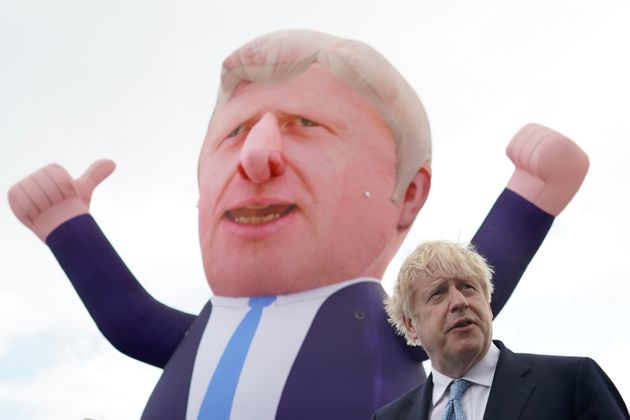
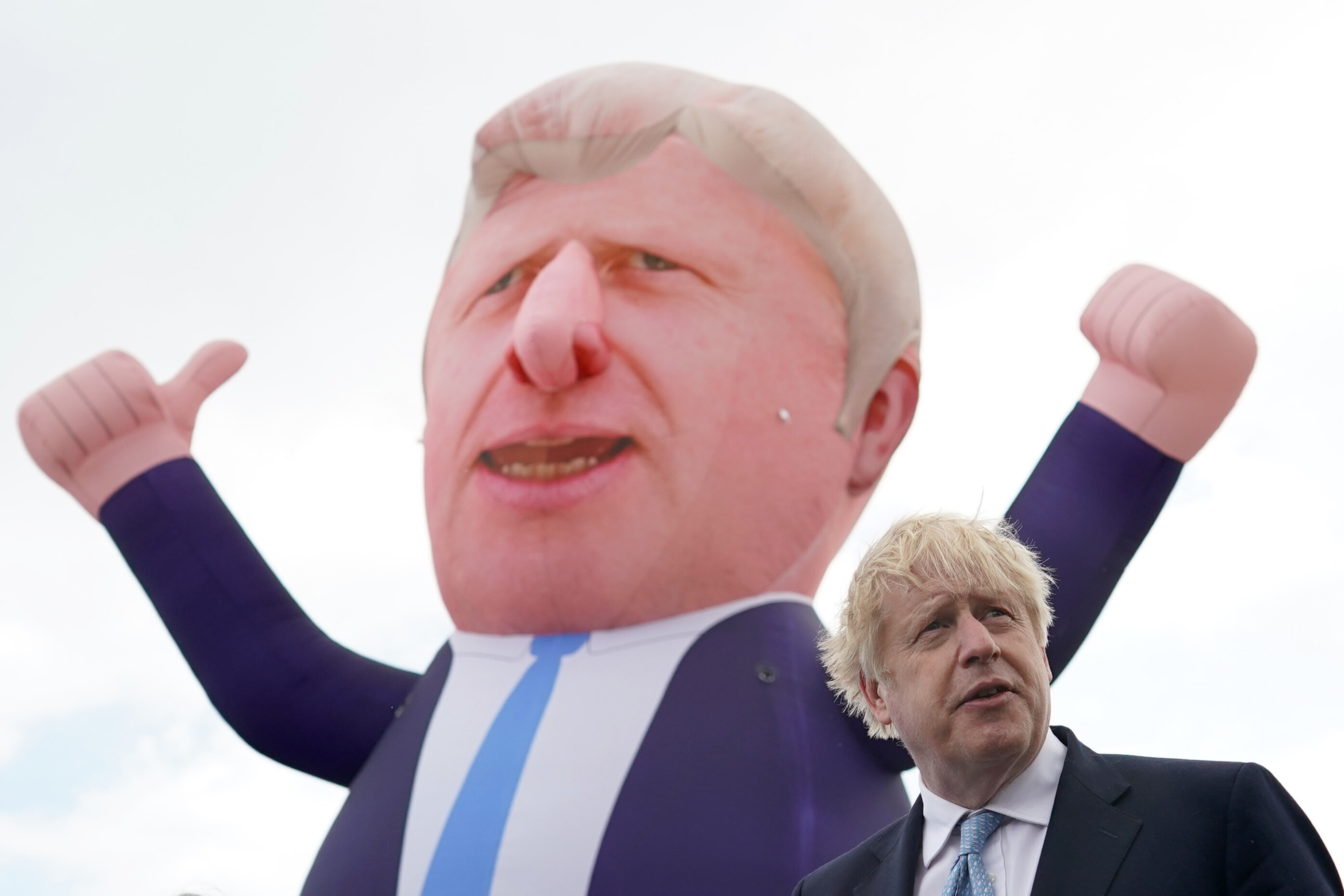
Johnson visits Hartlepool, where the Tories toppled Labour in a by-election last week and a target area for ‘levelling up’ policies

He told Commons People: “Levelling up is really exciting, it’s a big ambition, it’s a huge task.

“The economy disparity between London and the south-east and the north-east in relative terms is as big as it was between East and West Germany prior to reunification – two-and-a-half times – a phenomenally big gap.

“So this is going to take three decades to resolve it, that’s what it took Germany and they haven’t narrowed it completely yet.

“It’s going to take three decades and – two trillion dollars Germany spent on narrowing that gap, we’ve got to be in it for the long haul.”

Hollinrake went on: “I think it’s important to manage expectations, that this isn’t going to happen overnight.

“There are some things you can do really quickly – so yes building a road, a railway or a railway station takes a while to have an economic effect.

“But other things can happen more quickly, such as relocation of civil service jobs – Treasury north coming to Darlington, Cabinet Office going to Glasgow, Michael Gove was there this week, you’ve got the UK Investment Bank coming to Leeds.

“So things can happen pretty quickly and that’s all there now, or just about being put in place now.

“Freeports as well, these tax-free zones will attract a lot of private sector investment.”

One of the quickest ways to deliver on levelling up would be reform of the tax system, Hollinrake suggested.

“There’s some things in-built in the tax system that aren’t particularly fair, council tax is one of them for example. There’s a proportionately higher burden on parts of the country,” he said.

“Very expensive properties in London for example pay a fraction of the council tax we pay in a much smaller house in the north, it just can’t be fair.

“There’s ways you can do things like that, I’m not going to pre-empt what the chancellor might do.

“Business rates I think again are due for reform.

“There are lots of different things we could do to make it a fair and more level playing field, which would then encourage investment in different parts of the country.”

Hollinrake suggested there may be value in measuring the success of levelling up by looking at average wages across regions.

But he stressed that ultimately the agenda’s success should be judged by how much it creates equality of opportunity across regions.

Asked how the success of levelling up should be measured, he said: “Average wages, for example, would be a good measure that we should use.

“But it’s very dangerous measuring outcomes rather than opportunities because clearly not everybody makes the best of their opportunities and it’s got to be about the individual as well as the state.

“In fact, it’s much more about the individual than the state.

“For me, you create a fair and level playing field, a stable framework that encourages investment, and things like infrastructure are really important to do that as well as the tax breaks, and then let people get on with it.”

Share Button