The BBC understands as many as 1,000 more midwives and 80 obstetrics consultants will be hired in England.


The BBC understands as many as 1,000 more midwives and 80 obstetrics consultants will be hired in England.
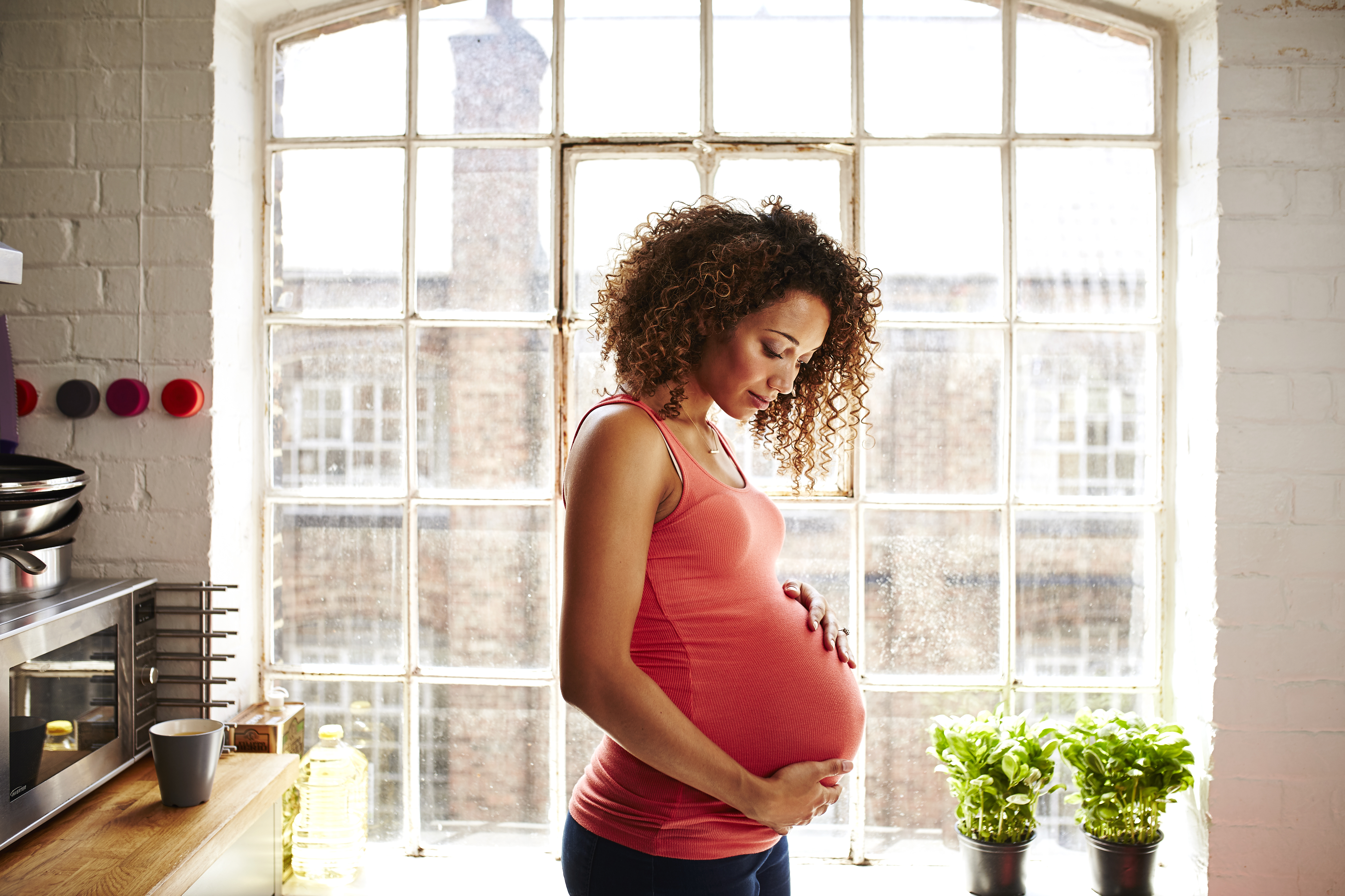
The Covid-19 vaccines by Pfizer and Moderna are “highly effective” in producing antibodies against the coronavirus in pregnant and breastfeeding individuals, according to new research.
In the largest study of its kind to date, researchers at Massachusetts General Hospital, Brigham and Women’s Hospital and the Ragon Institute demonstrated the vaccines are not just effective in protecting pregnant women, but they pass on protective immunity to newborn babies through breastmilk and the placenta.
In the UK, pregnant women aren’t able to have the Covid-19 vaccine unless they have an underlying health condition that puts them more at risk from the virus, or they work in a profession that increases their exposure.
This is because there’s a lack of safety data from trials of the jabs. The Joint Committee on Vaccination and Immunisation (JCVI), which is responsible for prioritising who gets the vaccine, says although available data doesn’t indicate safety concerns or harm to pregnancy, there’s insufficient evidence to recommend routine use of Covid-19 vaccines during pregnancy.
Women are, however, able to have the jab if they’re breastfeeding.
In the US, women can choose to have the vaccine. The study, published in the American Journal of Obstetrics and Gynaecology (AJOG), looked at 131 women of reproductive age – 84 were pregnant, 31 were lactating and 16 were not pregnant. All of the women received one of two new mRNA vaccines: Pfizer/BioNTech or Moderna.
Scientists discovered that in all three groups, antibody levels were present and similar – and, reassuringly, side effects after vaccination were rare and comparable across the study participants.
The news of “excellent vaccine efficacy” is “very encouraging” for pregnant and breastfeeding women, who were left out of the initial Covid-19 vaccine trials, said Dr Andrea Edlow, a maternal-foetal medicine specialist at Massachusetts General Hospital and co-senior author of the new study.
“Filling in the information gaps with real data is key,” she said, “especially for our pregnant patients who are at greater risk for complications from Covid-19.”
The study is important because we know individuals who are pregnant are more vulnerable to Covid-19. Research led by the University of Birmingham and the World Health Organisation (WHO) suggests the risk of pregnant women being admitted to intensive care or needing ventilation is higher than non-pregnant reproductive-aged women with the virus.
Pregnant women are also at increased risk of severe Covid-19 if they’re from ethnic minority backgrounds, or if they have pre-existing conditions like obesity, high blood pressure and diabetes.
For the latest study on antibodies in pregnant people, the team also compared vaccination-induced antibody levels to those induced by natural infection with Covid-19 in pregnancy, and found significantly higher levels of antibodies from vaccination.
Vaccine-generated antibodies were also present in all umbilical cord blood and breastmilk samples taken from the study, showing the transfer of antibodies from mothers to newborns.
In Florida recently, a new mother made headlines after her baby girl was born healthy and with Covid-19 antibodies – the frontline health care worker had received the Moderna jab three weeks before giving birth.
“We now have clear evidence the Covid vaccines can induce immunity that will protect infants,” said Galit Alter, of the Ragon Institute and co-senior author of the study.

The research was also able to provide an insight into potential differences between the immune response elicited by the Pfizer vaccine compared to the Moderna vaccine. Levels of mucosal (IgA) antibodies were higher after the second dose of Moderna compared to the second dose of Pfizer.
The finding is important for all individuals, since SARS-CoV-2 is acquired through mucosal surfaces like the nose, mouth and eyes, said Kathryn Gray, an obstetrician at Brigham and Women’s Hospital and another author of the study.
“It also holds special importance for pregnant and lactating women because IgA is a key antibody present in breastmilk,” she added.

An appearance from Miriam Margolyes on This Morning usually means something outrageous is afoot, and we’re pleased to say she didn’t let us down during Thursday’s show.
Throughout her interview with presenters Phillip Schofield and Holly Willoughby, Miriam made it clear that she was deliberately acting on her best behaviour, while she promoted the new family film H Is For Happiness.
“What’s happened to you and where is Miriam Margolyes?” Phillip joked early on, to which the former Harry Potter star responded: “Well, bursting to get out, actually.”
As it turned out, it didn’t take long, and when the conversation turned to the actor’s past voiceover work, the Miriam we know and love soon crept out.

ITV
When asked how she’s been whiling away her hours during lockdown in Tuscany, Miriam explained: “I’m doing voice work. I’ve got a little studio rigged up in the back stable, out of five Ikea curtain rails and five Ikea duvets, and I’m crouching under the duvet and doing Wallace And Gromit, so I’ve got something on my mind.”
She then disclosed that she can currently be heard in an ad for “a haemorrhoid suppository”, at which point Phillip asked about her past work with Cadbury.
“I was the original Cadbury Caramel bunny,” Miriam recalled. “I remember they kept saying ‘make it sexier’, ‘make it sexier’. And, you know, first thing in the morning, it’s not what’s on your mind, really.”
A mischievous Phillip then asked: “Didn’t you possibly get that job out of a couple of other tapes that you might have done before that were slightly less family orientated?”
“I thought I was supposed to very careful this morning on this show, your chap told me, now don’t say anything nasty,” Miriam claimed, with Holly joking that her co-host was “poking you with a big stick” and trying to lead her astray.

ITV
It didn’t take much for her to spill the beans, though, with Miriam then declaring: “I did a couple of sex tapes. Sexy Sonia: Leaves From My Schoolgirl Diary, that was one of them.
“But I have to stress, they were audio tapes. They were not visual. And they were very exhausting, because when you’re simulating orgasm, as all of you out there know, it’s tiring, and you get a headache. It’s not a question of having a headache at the beginning, you get a headache at the end.
“So I haven’t done them again. I did the Cadbury bunny instead, and made a lot more money – because I only got paid £300 in those days.”
“It was at the Ann Summers sex shop,” she told the pair. “I expect you know it well. That’s where I auditioned.”
Oh, Miriam. Please never change.
This Morning airs every weekday from 10am on ITV.


Simon McCoy has been revealed as the newest addition to GB News, following his departure from the BBC.
On Thursday morning, it was announced that Simon was celebrating his final day at BBC News after almost 18 years with the broadcaster.
Following the news of his departure, GB News chair Andrew Neil – another former BBC journalist, who stepped down from the corporation last year – revealed that Simon would be joining him at GB News later in the year.
Responding to the news of Simon’s BBC exit, Andrew tweeted: “Oh yes. @BBCSimonMcCoy is joining @GBNEWS… another great hire!!”
A GB News press release revealed that Simon will be hosting an afternoon show on the station.
The forthcoming station’s director of news and programmes John McAndrew said: “Simon’s journalistic integrity, warmth and personality is a perfect for what we’re doing at GB News.
“He’s a brilliant journalist with an exceptional ability to relate to people in an upbeat way so we’re keen to get him our from behind a desk and talking to people from all parts of the United Kingdom.”

BBC
HuffPost UK has contacted Simon McCoy’s agent for additional comment.
GB News is a new 24-hour news channel which is launching later this year, which bosses have said is aimed at the “vast number of British people who feel underserved and unheard by their media”.
As Andrew Neil wrote recently in the Sunday Express: “I believe the direction of news debate in Britain is increasingly woke and out of touch with the majority of its people. I believe our national conversation has become too metropolitan, too southern and too middle-class.
“Some journalists and commentators seem too confident that their liberal-left assumptions must surely be shared by every sensible person in the land. But many of those same sensible people are fed up. They feel left out and unheard.
“There’s a restlessness, a sense that they’re being talked down to; that much of the media no longer reflects their values or shares their concerns. GB News is aimed squarely at those people.”

Matt Crossick – PA Images via Getty Images
Other recruits so far include The Sun’s executive editor Dan Wootton, journalist and political commentator Inaya Folarin Iman, former Brexit Party member Alexandra Phillips and former Apprentice contestant Michelle Dewberry.
It’s also been heavily rumoured that Piers Morgan will be joining the station, following his much-publicised exit from Good Morning Britain earlier this month.
Andrew Neil recently said he’d be “delighted” to set up a meeting with Piers, stating: “[He] would be a huge asset to GB News and we’ll definitely look at that… we haven’t started any negotiations yet but we would certainly be delighted to talk to him if he’s up for it.”
GB News is expected to launch later this year.





The interiors of nonflowering trees such as pine and ginkgo contain sapwood lined with straw-like conduits known as xylem, which draw water up through a tree’s trunk and branches. Xylem conduits are interconnected via thin membranes that act as natural sieves, filtering out bubbles from water and sap.
MIT engineers have been investigating sapwood’s natural filtering ability, and have previously fabricated simple filters from peeled cross-sections of sapwood branches, demonstrating that the low-tech design effectively filters bacteria.
Now, the same team has advanced the technology and shown that it works in real-world situations. They have fabricated new xylem filters that can filter out pathogens such as E. coli and rotavirus in lab tests, and have shown that the filter can remove bacteria from contaminated spring, tap, and groundwater. They also developed simple techniques to extend the filters’ shelf-life, enabling the woody disks to purify water after being stored in a dry form for at least two years.
The researchers took their techniques to India, where they made xylem filters from native trees and tested the filters with local users. Based on their feedback, the team developed a prototype of a simple filtration system, fitted with replaceable xylem filters that purified water at a rate of one liter per hour.
Their results, published today in Nature Communications, show that xylem filters have potential for use in community settings to remove bacteria and viruses from contaminated drinking water.
The researchers are exploring options to make xylem filters available at large scale, particularly in areas where contaminated drinking water is a major cause of disease and death. The team has launched an open-source website, with guidelines for designing and fabricating xylem filters from various tree types. The website is intended to support entrepreneurs, organizations, and leaders to introduce the technology to broader communities, and inspire students to perform their own science experiments with xylem filters.
“Because the raw materials are widely available and the fabrication processes are simple, one could imagine involving communities in procuring, fabricating, and distributing xylem filters,” says Rohit Karnik, professor of mechanical engineering and associate department head for education at MIT. “For places where the only option has been to drink unfiltered water, we expect xylem filters would improve health, and make water drinkable.”
Karnik’s study co-authors are lead author Krithika Ramchander and Luda Wang of MIT’s Department of Mechanical Engineering, and Megha Hegde, Anish Antony, Kendra Leith, and Amy Smith of MIT D-Lab.
Clearing the way
In their prior studies of xylem, Karnik and his colleagues found that the woody material’s natural filtering ability also came with some natural limitations. As the wood dried, the branches’ sieve-like membranes began to stick to the walls, reducing the filter’s permeance, or ability to allow water to flow through. The filters also appeared to “self-block” over time, building up woody matter that clogged the conduits.
Surprisingly, two simple treatments overcame both limitations. By soaking small cross-sections of sapwood in hot water for an hour, then dipping them in ethanol and letting them dry, Ramchander found that the material retained its permeance, efficiently filtering water without clogging up. Its filtering could also be improved by tailoring a filter’s thickness according to its tree type.
The researchers sliced and treated small cross-sections of white pine from branches around the MIT campus and showed that the resulting filters maintained a permeance comparable to commercial filters, even after being stored for up to two years, significantly extending the filters’ shelf life.
The researchers also tested the filters’ ability to remove contaminants such as E. coli and rotavirus — the most common cause of diarrheal disease. The treated filters removed more than 99 percent of both contaminants, a water treatment level that meets the “two-star comprehensive protection” category set by the World Health Organization.
“We think these filters can reasonably address bacterial contaminants,” Ramchander says. “But there are chemical contaminants like arsenic and fluoride where we don’t know the effect yet,” she notes.
Groundwork
Encouraged by their results in the lab, the researchers moved to field-test their designs in India, a country that has experienced the highest mortality rate due to water-borne disease in the world, and where safe and reliable drinking water is inaccessible to more than 160 million people.
Over two years, the engineers, including researchers in the MIT D-Lab, worked in mountain and urban regions, facilitated by local NGOs Himmotthan Society, Shramyog, Peoples Science Institute, and Essmart. They fabricated filters from native pine trees and tested them, along with filters made from ginkgo trees in the U.S., with local drinking water sources. These tests confirmed that the filters effectively removed bacteria found in the local water. The researchers also held interviews, focus groups, and design workshops to understand local communities’ current water practices, and challenges and preferences for water treatment solutions. They also gathered feedback on the design.
“One of the things that scored very high with people was the fact that this filter is a natural material that everyone recognizes,” Hegde says. “We also found that people in low-income households prefer to pay a smaller amount on a daily basis, versus a larger amount less frequently. That was a barrier to using existing filters, because replacement costs were too much.”
With information from more than 1,000 potential users across India, they designed a prototype of a simple filtration system, fitted with a receptacle at the top that users can fill with water. The water flows down a 1-meter-long tube, through a xylem filter, and out through a valve-controlled spout. The xylem filter can be swapped out either daily or weekly, depending on a household’s needs.
The team is exploring ways to produce xylem filters at larger scales, with locally available resources and in a way that would encourage people to practice water purification as part of their daily lives — for instance, by providing replacement filters in affordable, pay-as-you-go packets.
“Xylem filters are made from inexpensive and abundantly available materials, which could be made available at local shops, where people can buy what they need, without requiring an upfront investment as is typical for other water filter cartridges,” Karnik says. “For now, we’ve shown that xylem filters provide performance that’s realistic.”

Anabolic androgenic steroids (AAS), a synthetic version of the male sex hormone testosterone, are sometimes used as a medical treatment for hormone imbalance. But the vast majority of AAS is used to enhance athletic performance or build muscle because when paired with strength training. AAS use increases muscle mass and strength, and its use is known to have many side effects, ranging from acne to heart problems to increased aggression. A new study now suggests that AAS can also have deleterious effects on the brain, causing it to age prematurely.
The report appears in Biological Psychiatry: Cognitive Neuroscience and Neuroimaging.
“Anabolic steroid use has been associated with a range of medical and psychological side effects,” said lead author, Astrid Bjørnebekk, PhD, Division of Mental Health and Addiction, Oslo University Hospital, Oslo, Norway. “However, since anabolic steroids have only been in the public domain for about 35 years, we are still in the early phase of appreciating the full scope of effects after prolonged use. The least studied effects are those that relate to the brain.”
Steroid hormones readily enter the brain, and receptors for sex hormones are found throughout the brain. Because AAS are administered at much higher doses than those naturally found in the body, they could have a harmful impact on the brain, particularly over a long period of use. Previous studies have shown that AAS users performed worse on cognitive tests than non-users.
Dr. Bjørnebekk and colleagues performed magnetic resonance imaging (MRI) of the brains of 130 male weightlifters with a history of prolonged AAS use and of 99 weightlifters who had never used AAS. Using a set of data compiled from nearly 2,000 healthy males from age 18 to 92 years of age. The researchers used machine learning to determine the predicted brain age of each of their participants and then determined the brain age gap: the difference between each participant’s chronological age and their predicted brain age. Advanced brain age is associated with impaired cognitive performance and increased risk for neurodegenerative diseases.
Not surprisingly, AAS users had a bigger brain age gap compared to non-users. Those with dependence on AAS, or with a longer history of use, showed accelerated brain aging. The researchers accounted for use of other substances and for depression in the men, which did not explain the difference between the groups.
“This important study shows in a large sample that use is associated with deviant brain aging, with a potential impact on quality of life in older age. The findings could be directly useful for health care professionals, and may potentially have preventive implications, where brain effects are also included into the risk assessment for young men wondering whether to use anabolic steroids,” added Dr. Bjørnebekk.
Cameron Carter, MD, editor of Biological Psychiatry: Cognitive Neuroscience and Neuroimaging, said of the study: “The results of this brain imaging study should be of concern for athletes using anabolic steroids for performance enhancement and suggest that the adverse effects on behavior and cognition previously shown to be associated with long-term use are the result of effects on the brain in the form of accelerated brain aging.”
The NHS highlights the deadline of 29 March ahead of an expected slowdown in vaccine supplies in April.
Five months after hospital treatment, 70% of patients studied had still not fully recovered.
A conversation on a bus led to the setting up of the Recovery trial, leading to treatments for Covid.

Mayo Clinic does not endorse companies or products. Advertising revenue supports our not-for-profit mission.
Advertising & Sponsorship
Check out these best-sellers and special offers on books and newsletters from Mayo Clinic.
