Scientists find a weak spot in one of the deadliest brain cancers

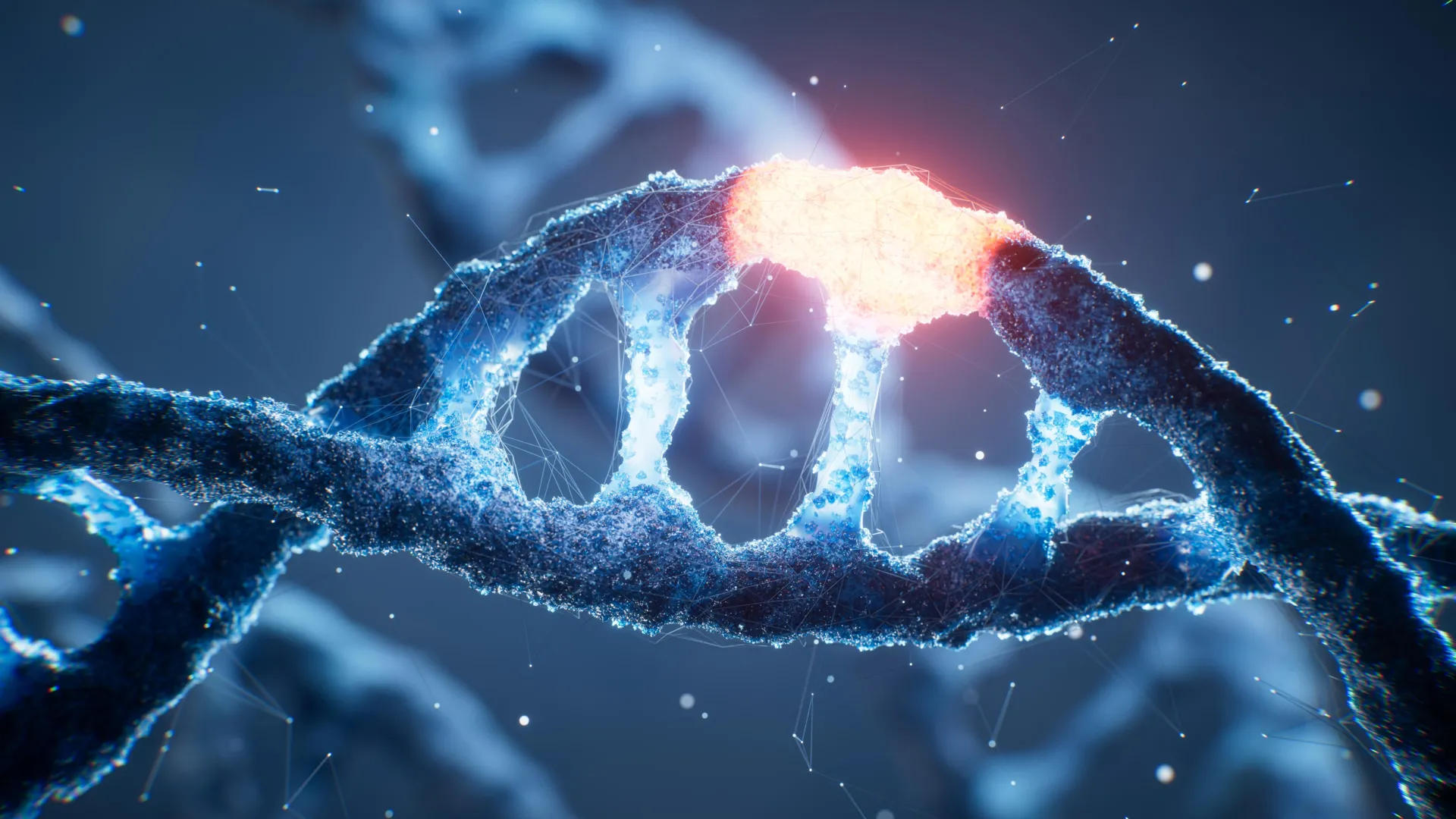
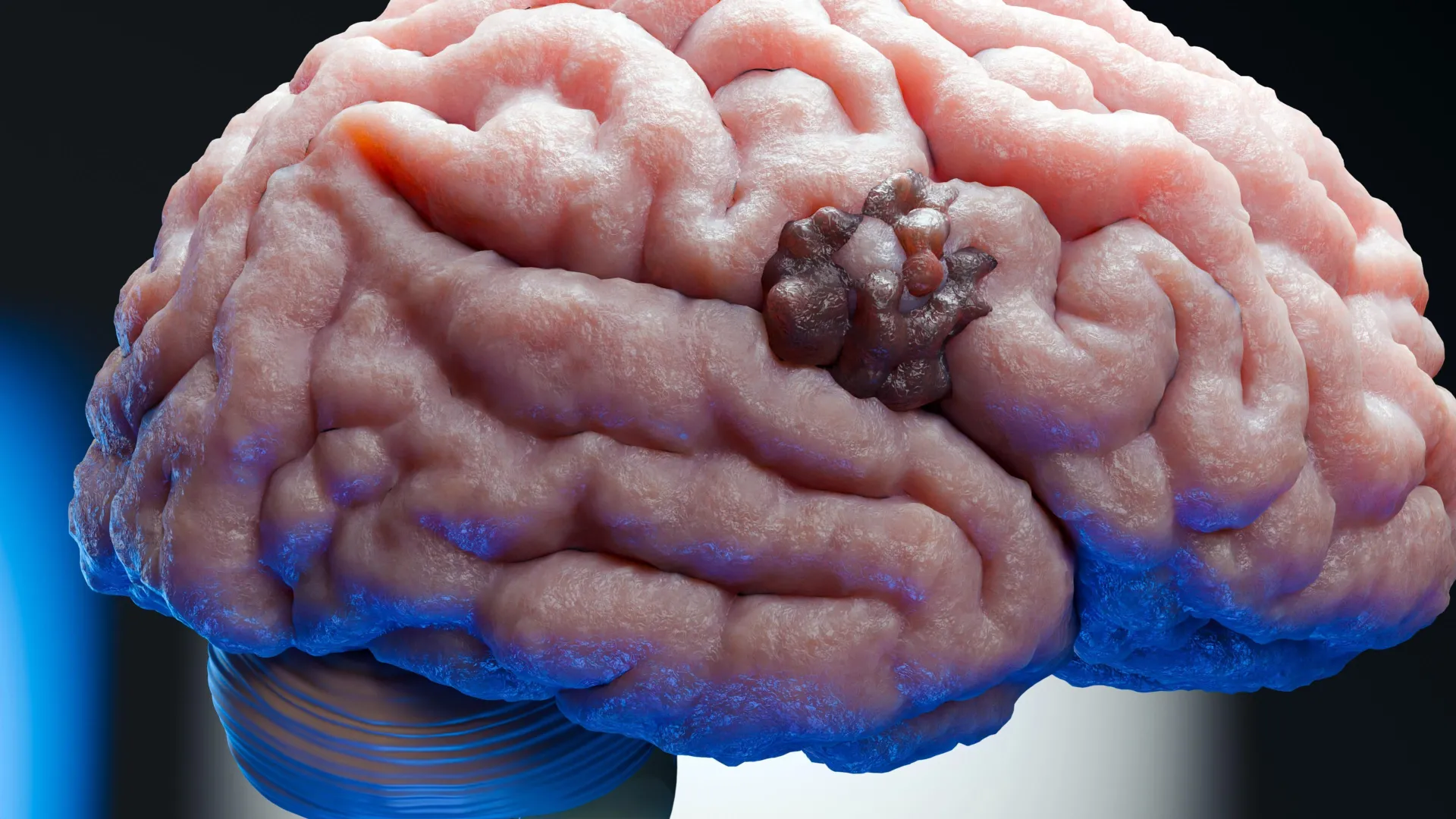
Glioblastoma is among the most lethal forms of cancer, and treatment options have changed relatively little because the tumors frequently withstand both radiation and chemotherapy. Researchers at The Ohio State University Comprehensive Cancer Center – Arthur G. James Cancer Hospital and Richard J. Solove Research Institute have now identified a protein called SET as a possible target that could make glioblastoma cells easier to kill with existing therapies.

Rather than replacing current treatments, the strategy is designed to help them work better. In preclinical experiments, suppressing SET prevented tumors from developing.

A Potential Weakness in Glioblastoma

Among the proteins examined, SET stood out because blocking it had such a strong effect on tumor formation. The researchers also found that interfering with related proteins increased the sensitivity of glioblastoma cells to radiation.

Together, the findings point to a biological pathway that may eventually be targeted with drugs to weaken the cancer’s defenses.

The OSUCCC – James team focused on PP2A, an enzyme involved in regulating signals that cancer cells use to grow, survive, and recover from treatment-related damage. Glioblastoma cells appear to interfere with PP2A using three proteins called ANP32A, CIP2A and SET. When the researchers blocked those proteins in laboratory and animal models, fewer cancer cells survived, and the remaining cells became more vulnerable to radiation.

“Glioblastoma is hard to treat because it can adapt and survive,” said Arnab Chakravarti, MD, chair of radiation oncology at the OSUCCC – James. “Our findings suggest that restoring PP2A activity may make glioblastoma cells less able to survive treatment. That gives us a clear path to test whether this approach can make radiation and chemotherapy more effective for patients with GBM.”

Testing Ways to Restore PP2A Activity

The results remain preliminary and have not yet been evaluated in patients. Researchers are now investigating whether SET or other proteins that suppress PP2A can be targeted safely and whether doing so improves the effectiveness of standard glioblastoma therapies.

The team also examined an FDA-approved antipsychotic drug that is capable of increasing PP2A activity. According to the researchers, the results provide additional reason to study medications that influence this pathway.

However, the drug is not ready to be used as a glioblastoma treatment and should not be taken for this purpose outside a clinical trial.

“This is an important first step,” said Chakravarti. “By understanding how SET and related PP2A blockers help GBM survive treatment, we can test ways to block that protection and make current therapies more effective.”

A First Step Toward New Treatment Strategies

The study was published in the May 2026 issue of Cancer Letters, and was supported by grants from the National Institutes of Health, National Cancer Institute and The Ohio State University Comprehensive Cancer Center.


Share Button

A mysterious signal around Earth could be dark matter

Dark matter is one of the biggest unsolved mysteries in modern physics. Astronomers are highly confident that it exists and estimate that it accounts for about a quarter of the universe’s total energy content, yet scientists still do not know what it is made of.

Two leading possibilities are hypothetical particles known as ultralight axions and dark photons. In the mass range examined by the researchers, these particles would be extraordinarily light, roughly 19 to 21 orders of magnitude lighter than an electron.

Turning Earth Into a Giant Dark Matter Detector

Many traditional axion experiments try to convert axions into photons by exposing them to extremely strong magnetic fields inside laboratories. The challenge is scale. Even powerful lab magnets can only cover a relatively small region.

Researchers from Kyoto University, Hiroshima University, and Nihon University saw a way around that limitation. Instead of relying only on laboratory equipment, they asked whether Earth’s own magnetic environment could be used as part of the experiment.

“We asked ourselves whether we could use the Earth itself as a giant detector in the search,” says corresponding author Atsushi Taruya. “The Earth-ionosphere cavity acts as a natural resonator that amplifies electromagnetic waves right around the mass range we wanted to probe.”

The region between Earth’s surface and the ionosphere can naturally resonate with electromagnetic waves, much like a large cavity. That made it especially useful for searching for signals associated with the ultralight particles the team wanted to investigate.

Expanding the Search to Higher Frequencies

One obstacle was that previous theory could only reliably describe frequencies below 1 Hz. That left much of the potentially useful frequency range unexplored.

To solve this problem, the researchers developed a new theoretical framework that includes the electrical conductivity of the atmosphere. Their calculations showed that the Earth-ionosphere cavity can amplify signals near 8 Hz and allowed them to make reliable predictions up to about 30 Hz.

The model also predicted an important difference between the two dark matter candidates. Signals produced by axions should vary depending on location, with the strongest expected in Southeast Asia. Dark photon signals, by contrast, should appear at nearly the same strength around the world.

A Decade of Magnetic Data Put to the Test

Using this framework, the team examined roughly 10 years of geomagnetic measurements collected between 2012 and 2022 by the British Geological Survey’s Eskdalemuir Observatory.

The researchers first removed artificial sources of noise from the data. They then looked for the kind of steady signal concentrated within a very narrow frequency range that dark matter is expected to produce over long periods of time. The results were then subjected to statistical analysis.

The same theoretical approach was also applied to dark photons. Unlike axions, dark photons can produce electromagnetic waves even when no magnetic field is present, so the researchers searched the dataset for the different signature those particles would be expected to create.

Stronger Limits and Mysterious Signal Candidates

By effectively using the entire Earth as a detector for a particular range of axion masses, the researchers placed new limits on how strongly axions could interact with light.

Those limits were about 100 times tighter than the previous best result from a ground-based experiment. They were also competitive with constraints inferred from astrophysical X-ray observations made by observatories such as Chandra and NuSTAR, although those astrophysical limits depend on certain theoretical assumptions.

The dark photon search produced an especially intriguing result. Researchers identified several signal candidates that could potentially have a dark matter origin. However, the source of those signals remains unknown, and they have not been confirmed as evidence of dark matter.

Dark matter’s true identity therefore remains unresolved. Still, the new theoretical framework could give researchers a powerful way to expand future searches and use Earth’s natural electromagnetic environment as a tool for probing some of the lightest possible forms of dark matter.

Share Button

‘I Wasn’t Even Listening’: Nigel Farage Comes Up With New Excuse Amid Reform Funding Row

Nigel Farage has said he “wasn’t even listening” at a meeting he attended with an undercover journalist claiming to be an American donating money to Reform UK.

The party leader has insisted no laws have been broken after a Channel 4 News report showed senior Reform figures discussing how to disguise donations from foreign sources.

Accepting donations from a foreign company, including donations in kind such as polling, could constitute a criminal offence, and the party has been reported to the police.

Two of Farage’s closest aides, Dan Jukes and James Orr, have been suspended by the party pending an internal investigation into the row.

Secretly-recorded footage showed Farage and Jukes having lunch during the recent Clacton by-election with the journalist claiming to be the wealthy American, and another man pretending to be his UK-based son.

The “American” is heard discussing how he paid for polling via his son, and Farage is heard thanking them both.

The Reform leader said the polling was “amazing” and provided “bang for buck”, adding: “It worked. Boom.”

When the discussion turned to a larger donation to Reform, one of the undercover journalists explained that the money would be paid by the US-based father to his son in the UK, who would then pass it on to the party.

Such an arrangement would be illegal under electoral law.

Farage is heard saying “it’s all above board” before later adding: “Thank you. Both of you, thank you.”

But speaking to the BBC on the final day of Reform’s conference in Birmingham, Farage insisted he had not been paying attention to what was being discussed at the lunch.

He said: “I am not a compliance officer. I was in the middle of canvassing in the Clacton by-election. I turn up. I frankly wasn’t even listening.

“ I just asked, “Is it all above board?” I was just there to come and say hello.”

Farage added: “I was told there was a global family office based in London, so the money could have come from Singapore. The money could come from all over the world, you know. Income could have came from all over the world into a family office based in London.

“I know electoral law. I know donation law better than anybody. Frankly [Jukes and Orr] have never been involved in fundraising before and they shouldn’t have been involved directly in fundraising. They should have done basic checks and nobody, nobody should be brought to me, unless they’ve been vetted.”

The row over the Channel 4 report has overshadowed Reform’s annual conference, which had been billed as setting out the party’s plans for its first 100 days in office.

Listen to Commons People, the podcast that makes politics easy. Every week, Kevin Schofield and Kate Nicholson unpack the week’s biggest stories to keep you informed. Join us for straightforward analysis of what’s going on at Westminster.

Share Button

Helping stoma bag users to swim with confidence

The Royal United Hospital in Bath has set up swimming sessions for stoma bag users.

Share Button

Why People Are Turning To Antihistamines For PMDD – And What GPs Want You To Know

According to the International Association for Premenstrual Disorders UK (IAPMD UK), around a million people in the UK suffer with Premenstrual Dysphoric Disorder (PMDD). PMDD is a more intense version of premenstrual syndrome, characterised by symptoms such as depression, extreme irritability or anger, joint and muscle aches and sharp mood swings, just to name a few.

While we still have a long way to go with awareness, according to Google Trends data, the condition has grown in Google searches since 2024 and this year, the IAMPD was launched, marking it the first charity dedicated to PMDD research in the UK.

According to the NHS, treatments for PMDD can include antidepressants, anti-inflammatory medicines, hormonal treatments such as the pill and talking therapies such as CBT. Anecdotally, increasing my Citalopram prescription by 10mg made a world of difference to my own symptoms.

Strangely, though, according to Dr Suzanne Wylie, GP and medical adviser for IQdoctor, people are increasingly suggesting that antihistamines may be the answer to tackling PMDD symptoms.

Why more women are turning to antihistamines for PMDD

Dr Wylie says: “The growing interest in antihistamines for symptoms associated with PMDD reflects a much wider issue in women’s health, rather than a treatment approach currently supported by robust clinical evidence.

“Increasingly, women are sharing experiences online of using medications traditionally prescribed for allergies in the hope of relieving symptoms including anxiety, mood changes, flushing, headaches and fatigue. While some individuals report subjective improvements, there is currently insufficient high-quality evidence to recommend antihistamines.”

However, while there isn’t enough evidence to recommend them, there is some logic as to why people have turned to them and potentially found relief.

Dr Wylie says: “There are plausible biological theories that may help explain why this approach has attracted attention. Sex hormones such as oestrogen and progesterone interact with the immune system and may influence histamine release and mast cell activity in some individuals.

“Histamine can affect blood vessels, the nervous system and inflammatory pathways, prompting researchers to investigate whether these mechanisms could contribute to some symptoms experienced during hormonal fluctuations. However, these are still areas of scientific investigation, and a plausible biological mechanism”

So, should we take antihistamines for PMDD?

Dr Wylie advises speaking to your GP if you think you may have PMDD, saying: “Symptoms attributed to PMDD can sometimes have other causes. Persistent fatigue, headaches, changes in mood, sleep disturbance or palpitations, for example, may warrant assessment rather than being assumed to be hormonal.

“Seeking appropriate medical advice can help ensure that other conditions are considered and that patients are offered treatments with a stronger evidence base.”

Share Button

This Scottish Seaside Ritual Will Keep You Going To The Beach All Year Round

Now that we have some cooler months ahead, you may think it’s time to leave the beach behind until next summer but here in Scotland, our weather is often quite ‘dreich’; dull, gloomy, wet, and overcast, that we can’t really afford to put things off until sunnier days. Plus, the dramatic seascapes you see on dark, gloomy days are not to be missed.

Of course, beachy days in December are not quite the same as beachy days in July. Wrapping up is essential, as is lip balm and a hot drink to keep you going. If you’re brave, though, taking dips in the water can be a year-round joy.

Then, once you’ve returned to land, you can treat yourself to something called a ‘shivery bite’ to nourish yourself.

Why we all need to start enjoying ‘shivery bites’

According to research by Walker’s Shortbread, over a third of Brits love going for a 20-30 minute paddle at the beach but hardly anybody has heard of this centuries-old Scottish tradition.

They say: “For centuries, Scots have perfected the answer to a post-swim ritual: the ‘Shivery Bite’ – a warm, sweet snack enjoyed immediately after a cold swim. Yet new research uncovers that more than two thirds (68%) of UK beachgoers have never encountered the cherished custom.”

Over the past five years, people are increasingly interested in wild swimming and the health benefits it can offer but people seem mostly interested during warmer months, perhaps understandably. What if you felt those benefits year-round?!

Bryony Walker, Commercial Director at Walker’s Shortbread, said: “As a 128 year old family business based in the Scottish Highlands, we have plenty of customs that have been passed down through generations.

“The ‘Shivery Bite’ is one of those – the playful expression describes a tradition for families across many seaside locations.”

Brb, I’m off to the beach.

Share Button

Life uses 4 DNA letters. Scientists just made 8 work

All known life on Earth relies on the same four-letter genetic alphabet. Researchers at the University of California San Diego have now shown that one of biology’s most important enzymes can accurately read and transcribe a much larger version containing eight genetic letters.

The finding suggests that cells can use their existing molecular machinery to handle synthetic genetic information. That marks an important step toward a long-standing goal in synthetic biology: expanding the language of DNA beyond the four letters found in nature. In the future, such systems could help scientists engineer biological machinery that carries out new functions or produces compounds that do not naturally exist.

How Cells Read an Eight-Letter Genetic Alphabet

The researchers focused on RNA polymerase, the enzyme that reads DNA and produces RNA — the first step in gene expression. To see how the enzyme handles synthetic genetic information, the team combined biochemical experiments with high-resolution cryo-electron microscopy capable of revealing structures at scales smaller than the width of a single atom.

The researchers captured detailed structural views of RNA polymerase from Escherichia coli (E. coli) bacteria as it recognized and incorporated two synthetic base pairs. These artificial genetic letters are not found in nature.

The images showed that RNA polymerase identifies the synthetic DNA letters using many of the same biochemical and structural signals it relies on to recognize natural base pairs. That finding helps explain why the enzyme can accurately copy information written using an expanded genetic alphabet.

In a related study published in PNAS, the same research team found that RNA polymerase can also recognize another pair of synthetic base pairs even though they lack the hydrogen bonds that normally help hold DNA base pairs together.

Synthetic DNA Could Enable New Technologies

The potential applications extend well beyond understanding how DNA works. Earlier research has already used expanded genetic alphabets to create synthetic DNA molecules capable of recognizing liver cancer cells.

By showing in molecular detail how RNA polymerase reads and transcribes non-natural DNA letters, the new research provides an important foundation for technologies built around expanded genetic codes. Possible applications include new diagnostic tools, therapeutics, and engineered biological systems with capabilities that do not occur naturally.

Two Studies Explore Expanded Genetic Codes

The Nature Communications study (“Structural Basis of Transcription of the Hachimoji Eight-Letter Alphabet by E. coli RNA Polymerase”), led by Dong Wang, PhD, professor at the UC San Diego Skaggs School of Pharmacy and Pharmaceutical Sciences, was published on Sept. 2, 2026 in Nature Communications.

The PNAS study (“Hydrophobic unnatural base pair promotes trigger loop closure and catalysis in cellular RNA polymerase independent of hydrogen bonding”), published on Aug. 12, 2026, was also led by Wang.

Share Button

How the hunger for a new weight loss drug is feeding an industry of fakes

Counterfeit versions of a drug which is still in clinical trials are flooding the black market.

Share Button

Dolly Parton Just Reached An All-Time High In The UK Charts

Just over a week since her death at the age of 80, Dolly Parton has landed the highest UK chart placement of her decades-spanning career.

On Friday evening, the Official Charts Company revealed that three of the late country music icon’s classic songs had made it into the Top 10 as fans continue to honour her legacy by revisiting her music.

As of this week, 9 To 5 is now Dolly’s highest-placing song ever in the UK, after reaching at number five.

The track was originally released in 1980 and appeared on the soundtrack of the film of the same name – but, surprisingly, missed the top 40 completely on this side of the Atlantic when it first came out.

Dolly’s previous highest-charting songs had been Jolene and Islands In The Stream, both of which landed at number seven.

Those two tracks continue to make a dent in the charts, with Jolene rising to number six and Islands In The Stream, a collaboration with the late Kenny Rogers, sitting at number nine.

Meanwhile, her greatest hits collections Diamonds & Rhinestones has risen one place to number five on the Official Album Chart, its highest entry yet.

Dolly’s back catalogue has seen a sharp increase in sales and streams since her death at the end of August, with several of her albums and songs returning to charts around the world.

The UK charts were full of momentous achievements this week, with Ella Langley earning her first-ever chart-topping single with Choosin’ Texas.

Her country song debuted at number 78 on the UK charts back in January, before cracking the Top 40 a month later, and finally rising to the Top 10 in July.

Ella replaces Sam Fender and Olivia Dean at number one, ending a run of 10 weeks in the top spot for their duet Rein Me In, which had previously set a new record with 23 non-consecutive weeks in peak position.

Rein Me In is still in the top 10, but has fallen to number seven, its lowest placement since February.

Share Button

Can Zack Polanski ‘Regain His Mojo’ In A Crunch London By-Election?

When Keir Starmer dramatically resigned as the MP for Holborn and St Pancras this week, all eyes quickly swivelled to Zack Polanski.

He was elected as Green Party leader just a year ago but he has quickly made a name for himself.

Polanski quadrupled the party’s membership numbers within just six months in the post, led the Greens to victory in the Gorton and Denton by-election and oversaw their best-ever performance in the local elections in May.

A YouGov poll even put them at second place, on 21%, behind Nigel Farage’s Reform UK for a brief stint in March.

But what goes up must come down, as the Greens soon found out.

Polanski attracted intense scrutiny after it emerged he had failed to vote in the local elections and that he had not paid council tax while living on a narrowboat for three years – though he has since been cleared by an ethics inquiry over the latter.

The London Assembly member was then slammed for questioning the police response to the Golders Green attack online and for sharing an Instagram post of a t-shirt featuring a picture of a guillotine and the words: “We’re only making plans for Nigel.”

Some progressives began drifting back to Labour after Keir Starmer was replaced by Andy Burnham in July, too.

The Greens are now down in fourth place on 13% according to YouGov’s latest poll, while Polanski himself has the lowest favourability ratings of all party leaders on 19%.

So it’s worth asking: why is he putting himself forward for a by-election now?

Polanski is still the most high-profile person within the left-wing party and it would a historic victory if the Greens took the seat, making it their first ever London constituency win.

The Green leader has long said he would consider running for parliament if a London seat became available, too.

He wasted no time signalling his desire to be selected by local Green members to be the party candidate for Starmer’s former constituency in the capital this week.

While the decision is not yet set in stone, Polanski is widely expected to be the party’s choice for the crunch vote in a head-to-head with Labour.

As Sky News elections analyst Robert Ford wrote on X, the stakes are high for both parties.

He said: “Greens have chance to turn the tide on recent decline and show Polanski is a winner. Labour have a chance to show that the Burnham bounce is real, consolidate the left in a London heartland seat, and deal a potential knockout blow to Green insurgency.”

He added that Polanski’s decision to join the contest meant it is “no longer just Green vs Lab”.

Ford claimed voters are now being asked: “Would you like the national leader of the Green party or a generic Lab backbencher as your local representative?”

Green MP Hannah Spencer with Polanski after she won the Gorton and Denton by-election in February

via Associated Press

It’s rather precarious, though, especially as the seat is traditionally Labour.

The Greens themselves are trying to put their best foot forward, with one party official telling HuffPost UK they feel “confident” about Polanski’s chances.

Another senior insider shrugged off the idea that it was risky to put the Green leader forward, insisting he would be a “brilliant candidate”.

A third pointed out that the Greens won “lots of traditionally Labour seats” in London back in May during the local elections.

If he is chosen for the seat, he may have also have a slight advantage when it comes to winning over the left-wing votes.

Former independent candidate Andrew Feinstein announced he would not be standing in the by-election, and would instead back the Green leader.

Feinstein secured 19% of the vote in the constituency back in 2024, coming in second place behind Starmer.

If his 7,312 votes and the Greens’ 4,030 votes from the general election had been combined at the time, it would have significantly reduced Labour’s majority – though the party would still win by some margin on 18,884 votes.

Still, as Luke Tryl, the UK director for More in Common, told HuffPost UK if Feinstein’s voters “switch en masse to the Green Party, Polanski will need a much smaller swing to win”.

He said: “The seat’s demographics could help the Greens too: young, diverse, Remain-voting, with lower concern about migration than recent by-elections, it’s strong territory for Polanski, whose approval among 18-24s is almost nine times what it is among the over-75s.

“We know that high-profile candidates – whether it be Burnham in Makerfield or Farage in Clacton – can motivate voters and boost turnout in by-elections.”

Labour is yet to choose its own candidate for the crunch vote.

HuffPost UK was told by one source that it is “a slam dunk” that Camden Council leader and Starmer ally, Sagal Abdi-Wali, will be Labour’s candidate.

The local insider said: “It will be a straight Lab-Green fight, so Polanski has a chance. Sagal will be a strong candidate with cast-iron local credentials and a personal story that will resonate with huge chunks of the electorate.

“Her being Muslim and Somali will limit Polanski’s ability to attract people angry about Gaza.”

However, other party sources insist the candidacy is still up for grabs.

Tryl told HuffPost UK this by-election “will be a fascinating test of what the electoral landscape looks like on the left of British politics”.

He noted Burnham started to unite the left since replacing Starmer, he has “halved the share of 2024 Labour voters defecting to the Greens since the spring”.

A separate YouGov tracker shows 50% of respondents think Burnham is a better PM than Polanski would be, compared to 8% who believe it is vice versa.

Tryl added: “Polanski’s own popularity has tumbled, leaving him the least popular party leader in the country.

“On the raw numbers, that makes Labour look like a safe seat: Holborn and St Pancras isn’t even a top-100 target for the Greens, who’d need a 19-point swing to take it outright.”

But the pollster also observed that “support for Labour has eroded in the seat in recent years”.

“For Labour, this is one of the first real tests of whether Burnham has really managed to unite the left behind Labour again,” Tryl said. “For the Greens, it’s a test of whether Polanski can regain his mojo after a difficult few months.”

Listen to Commons People, the podcast that makes politics easy. Every week, Kevin Schofield and Kate Nicholson unpack the week’s biggest stories to keep you informed. Join us for straightforward analysis of what’s going on at Westminster.

Share Button