A strange ancient foot reveals a hidden human cousin

Thanks to newly discovered fossil bones, scientists have now been able to match an enigmatic 3.4-million-year-old hominin foot, first found in 2009, to a species that is different from the famous fossil Lucy. This link strengthens the case that two separate species of early human ancestors were living in the same region at the same time.

In 2009, a research team led by Arizona State University paleoanthropologist Yohannes Haile-Selassie uncovered eight bones from the foot of an ancient human ancestor in 3.4-million-year-old sediments in the Afar Rift of Ethiopia. The fossil, known as the Burtele Nature Foot, was recovered at the Woranso-Mille paleontological site and was formally introduced in a 2012 publication.

“When we found the foot in 2009 and announced it in 2012, we knew that it was different from Lucy’s species, Australopithecus afarensis, which is widely known from that time,” said Haile-Selassie, director of the Institute of Human Origins (IHO) and a professor in the ASU School of Human Evolution and Social Change.

“However, it is not common practice in our field to name a species based on postcranial elements -elements below the neck — so we were hoping that we would find something above the neck in clear association with the foot. Crania, jaws and teeth are usually the elements used in species recognition.”

Connecting the Burtele Foot to Australopithecus deyiremeda

When the Burtele foot was first described, some teeth had already been recovered from the same general area. However, scientists were unsure whether those teeth came from exactly the same sediment layer as the foot. In 2015, the team announced a new species from the region, Australopithecus deyiremeda, but did not yet assign the Burtele foot to this species, even though some of the fossils were found very close to the foot, explained Haile-Selassie.

Over the next decade, repeated field seasons and additional fossil discoveries allowed the team to build a stronger picture. Haile-Selassie said they now have enough material to confidently link the Burtele foot with the species A. deyiremeda.

Two Hominin Species Sharing the Same Landscape

The decision to place the Burtele foot in a specific species is only one part of a larger story. The Woranso-Mille site is especially important because it provides clear evidence that two closely related hominin species were living in the same area at the same time.

The Burtele foot, now associated with A. deyiremeda, is considered more primitive than the feet of Lucy’s species, A. afarensis. Unlike Lucy, the Burtele foot kept an opposable big toe, which would have been useful for climbing. On the ground, however, A. deyiremeda still walked on two legs and appears to have pushed off primarily from the second toe rather than the big toe, which is how modern humans typically walk.

“The presence of an abducted big toe in Ardipithecus ramidus was a big surprise because at 4.4 million-years-ago there was still an early hominin ancestor which retained an opposable big toe, which was totally unexpected,” said Haile-Selassie.

“Then 1-million-years later, at 3.4-million-years ago, we find the Burtele foot, which is even more surprising. This is a time when we see species like A. afarensis whose members were fully bipedal with an adducted big toe. What that means is that bipedality — walking on two legs — in these early human ancestors came in various forms. The whole idea of finding specimens like the Burtele foot tells you that there were many ways of walking on two legs when on the ground, there was not just one way until later.”

Isotope Evidence Highlights Different Hominin Diets

To better understand what A. deyiremeda ate, Naomi Levin, a professor at the University of Michigan, analyzed eight of the 25 teeth recovered from the Burtele area using isotope techniques. The method begins with cleaning the tooth surface and then carefully removing only the enamel for testing.

“I sample the tooth with a dental drill and a very tiny (< 1mm) bit — this equipment is the same kind that dentists use to work on your teeth,” said Levin. “With this drill I carefully remove small amounts of powder. I store that powder in a plastic vial and transport it back to our lab at the University of Michigan for isotopic analysis.”

The findings were unexpected.

While Lucy’s species appears to have had a mixed diet, using both C3 (resources from trees and shrubs) and C4 plants (tropical grasses and sedges), A. deyiremeda relied more heavily on C3 resources.

“I was surprised that the carbon isotope signal was so clear and so similar to the carbon isotope data from the older hominins A. ramidus and Au. anamensis,” said Levin. “I thought the distinctions between the diet of A. deyiremeda and A. afarensis would be harder to identify but the isotope data show clearly that A. deyiremeda wasn’t accessing the same range of resources as A. afarensis, which is the earliest hominin shown to make use of C4 grass-based food resources.”

Dating Fossils and Reconstructing Ancient Environments

Another crucial part of the research involved pinning down the age of the fossils and reconstructing the ancient environments in which these hominins lived. Establishing how the fossil layers line up over space and time helps scientists understand when, and under what conditions, each species existed.

“We have done a tremendous amount of careful field work at Woranso-Mille to establish how different fossil layers relate, which is crucial to understanding when and in what settings the different species lived,” said Beverly Saylor, professor of earth, environmental and planetary sciences at Case Western Reserve University. Saylor led the geological work that established the stratigraphic association between the foot and Au. deyiermeda.

Juvenile Jaw Offers Clues to Growth and Development

Alongside the 25 teeth recovered from Burtele, Haile-Selassie’s team also discovered the jaw of a juvenile individual that, based on tooth anatomy, clearly belonged to A. deyiremeda. According to Gary Schwartz, IHO research scientist and professor at the School of Human Evolution and Social Change, this jaw contained a complete set of baby teeth already in place, as well as many adult teeth still developing deep inside the lower jawbone.

The researchers used CT scanning technology to visualize all of the developing teeth. Because tooth development is closely linked to overall growth patterns, this information helped the team estimate that the youngster was about 4.5 years old at the time of death.

“For a juvenile hominin of this age, we were able to see clear traces of a disconnect in growth between the front teeth (incisors) and the back chewing teeth (molars), much like is seen in living apes and in other early australopiths, like Lucy’s species,” said Schwartz.

“I think the biggest surprise was despite our growing awareness of how diverse these early australopith (i.e., early hominin) species were — in their size, in their diet, in their locomotor repertoires and in their anatomy — these early australopiths seem to be remarkably similar in the manner in which they grew up.”

How Ancient Hominins Lived Together

By combining information about movement (locomotion), diet and environment, scientists are gaining new insight into how different hominin species could live in the same region without one driving the other to extinction. Differences in how they walked, climbed and fed may have allowed them to share the landscape by using it in distinct ways.

“All of our research to understand past ecosystems from millions of years ago is not just about curiosity or figuring out where we came from, said Haile-Selassie. “It is our eagerness to learn about our present and the future as well.”

“If we don’t understand our past, we can’t fully understand the present or our future. What happened in the past, we see it happening today,” he said. “In a lot of ways, the climate change that we see today has happened so many times during the times of Lucy and A. deyiremeda. What we learn from that time could actually help us mitigate some of the worst outcomes of climate change today.”

Publication, Research Team and Funding

The paper, “New finds shed light on diet and locomotion in Australopithecus deyiremeda,” appears in the journal Nature. The international research team included scientists from Arizona State University, Washington University, St. Louis, Case Western Reserve University, Berkeley Geochronology Center, Universitat de Barcelona, University of Tampa and University of Michigan. The full list of authors are: Yohannes Haile-Selassie, Gary T. Schwartz, Thomas C. Prang, Beverly Z. Saylor, Alan Deino,Luis Gibert, Anna Ragni and Naomi E. Levin.

Funding for this work came from the National Science Foundation and the W.M. Keck Foundation. Field and laboratory research in Ethiopia was made possible through the support of the Ethiopian Heritage Authority.


Share Button

The ‘3-3-3 Rule’ A Doctor Uses To Tell Bad Sleep From Insomnia

Having the occasional bad night’s sleep isn’t anything to worry about in and of itself, the NHS says.

But if the issue lasts a long time or starts to affect your day-to-day life, it could be worth speaking to a doctor, as this might be down to conditions like insomnia.

Still, those terms can be a little tough to navigate. How long is “a long time”? It feels like everyone complains about feeling tired – how can we tell “normal” fatigue from sleep-disorder-level exhaustion?

Here, doctor and Fellow at the Royal College of Anaesthetists, Dr Sunny Nayee, shared the “3-3-3 rule” he uses to tell bad sleep from a more lasting issue.

What is the “3-3-3 rule”?

“If you experience disrupted sleep at least three nights a week for at least three months, medical practitioners no longer regard it as lifestyle related but in the realm of insomnia,” Dr Nayee said.

He encourages those concerned to ask themselves three questions:

  • Do you experience poor sleep for a minimum of three nights?
  • Have you experienced poor sleep hygiene for at least three months?
  • Does poor sleep impact at least three aspects of your day (fatigue, brain fog, changes in mood, lack of concentration).

After all, he stated, insomnia is usually measured by how you feel in the daytime, not what you struggle with at night.

“A common misconception is that people think insomnia is staring at the ceiling and not sleeping at all,” he wrote.

“However, it’s defined by the impact it has throughout the day. If you find that poor sleep hygiene is having an instrumental impact on your mood, concentration and ability to function, then it may be considered a clinical condition.”

What if I think I have insomnia?

Per the NHS, insomnia is not a life sentence: it is often linked to stress, booze, a poor sleeping setup, or rooms that are too hot or cold, and “usually gets better by changing your sleeping habits”.

The health service recommends going to bed at the same time every day, exercising regularly, ensuring your room is dark and quiet, using comfortable bedding, and unwinding for at least an hour before bed, ie by reading a book.

If changing your sleep habits doesn’t work, if your sleep issues have been going on for months, and/or if your insomnia is “affecting your daily life in a way that makes it hard for you to cope,” speak to your GP.

Share Button

Scientists uncover the brain’s hidden learning blocks

Artificial intelligence can now craft award-winning essays and help doctors detect disease with impressive accuracy. Yet when it comes to true mental flexibility, living brains still have the clear advantage.

Humans can adjust to new situations and information with remarkable ease. Learning unfamiliar computer software, trying a new recipe, or figuring out the rules of a new game often happens quickly for people, while AI systems typically struggle to adapt in real time and to learn effectively “on the fly.”

In a new study, neuroscientists at Princeton University identify one key reason for this difference. The human brain repeatedly reuses the same cognitive “blocks” across many different situations, combining and recombining them to form new patterns of behavior.

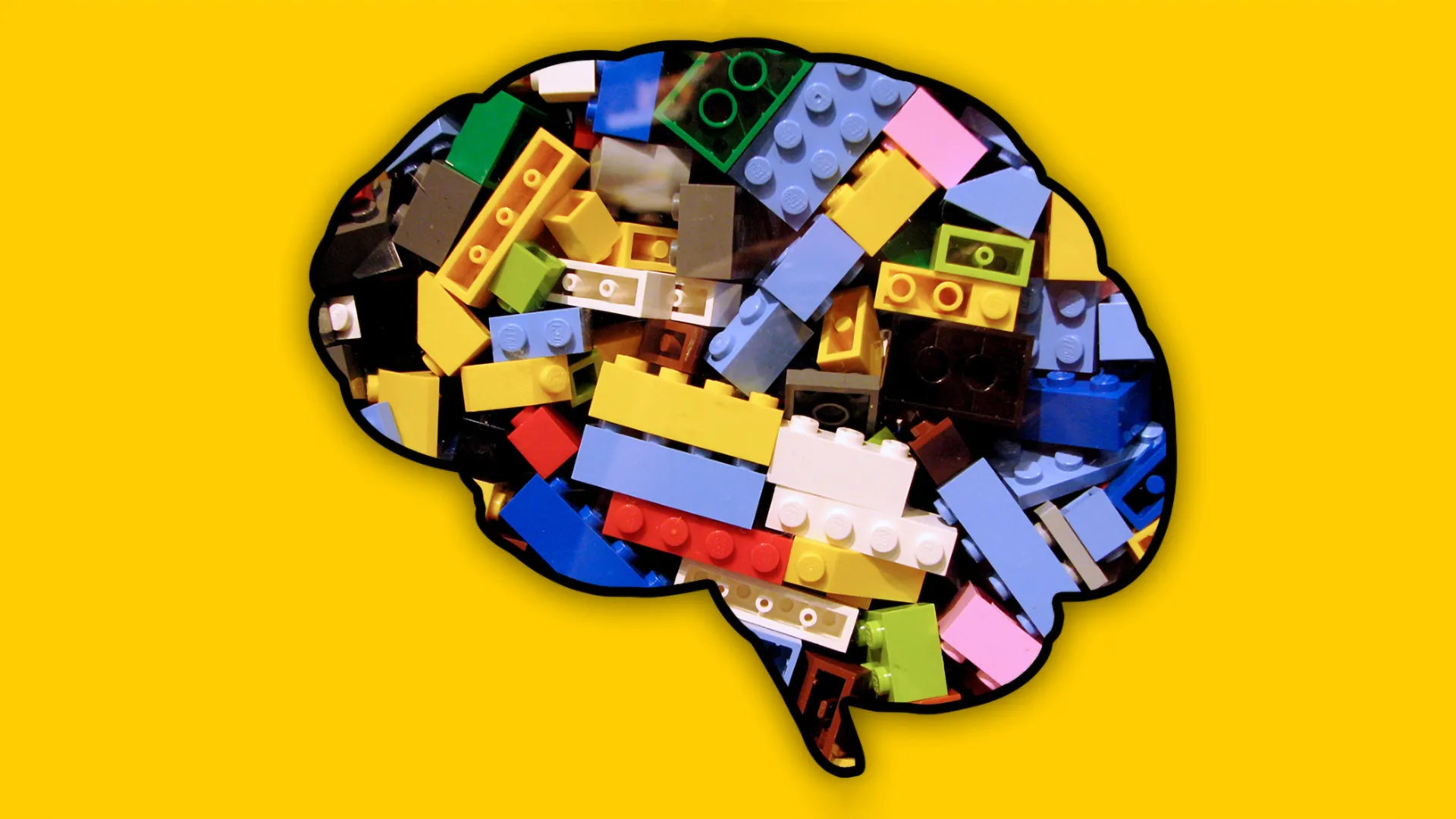
“State-of-the-art AI models can reach human, or even super-human, performance on individual tasks. But they struggle to learn and perform many different tasks,” said Tim Buschman, Ph.D., senior author of the study and associate director of the Princeton Neuroscience Institute. “We found that the brain is flexible because it can reuse components of cognition in many different tasks. By snapping together these ‘cognitive Legos,’ the brain is able to build new tasks.”

The research was published on November 26 in the journal Nature.

Compositionality: reusing skills in new situations

If someone already knows how to tune a bicycle, learning to repair a motorcycle can feel more straightforward. That ability to build a new skill out of simpler, familiar ones drawn from related experiences is known as compositionality.

“If you already know how to bake bread, you can use this ability to bake a cake without relearning how to bake from scratch,” said Sina Tafazoli, Ph.D., a postdoctoral researcher in the Buschman lab at Princeton and lead author of the new study. “You repurpose existing skills — using an oven, measuring ingredients, kneading dough — and combine them with new ones, like whipping batter and making frosting, to create something entirely different.”

Until now, evidence for exactly how the brain supports this kind of flexible, compositional thinking has been limited and sometimes conflicting.

To get a clearer picture, Tafazoli trained two male rhesus macaques to carry out three related tasks while recording activity across their brains.

Testing flexibility with visual categorization tasks

Instead of real-world jobs like baking or bike repair, the animals were asked to perform three visual categorization tasks. On a screen, they saw a series of colorful, balloon-like blobs. Their job was to decide whether each blob looked more like a bunny or the letter “T” (categorizing the shape) or whether it appeared more red or more green (categorizing color).

The challenge was more difficult than it sounded. The blobs varied in how clear the differences were. Some images obviously resembled a bunny or were vividly red, while others were ambiguous and required careful judgment to tell the categories apart.

To report their decision about the shape or color, each monkey indicated its answer by looking in one of four different directions on the screen. In one version of the task, for example, looking left meant the animal judged the blob to be a bunny, while looking right signaled that it looked more like a “T.”

A crucial part of the experiment was that each task had its own specific rules, yet still shared key components with the others.

One of the color tasks and the shape task required the animals to look in the same directions to indicate their choices, while both color tasks asked the monkeys to categorize the color in the same way (as either more red or more green) but to look in different directions when signaling their color judgment (categorizing the color).

This design allowed the researchers to see whether the brain reused the same neural patterns, or cognitive building blocks, whenever tasks shared certain features.

Prefrontal cortex as a hub for reusable cognitive blocks

After examining patterns of brain activity, Tafazoli and Buschman found that the prefrontal cortex, a region at the front of the brain involved in high-level thinking and decision-making, contained several recurring patterns of activity. These patterns appeared whenever groups of neurons worked together toward a common goal, such as distinguishing colors.

Buschman referred to these patterns as the brain’s “cognitive Legos,” a set of building blocks that can be flexibly combined to produce different behaviors.

“I think about a cognitive block like a function in a computer program,” Buschman said. “One set of neurons might discriminate color, and its output can be mapped onto another function that drives an action. That organization allows the brain to perform a task by sequentially performing each component of that task.”

For one of the color tasks, for instance, the brain would assemble a block that determines the color of the image together with another block that guides eye movements in particular directions. When the animal switched to a different task, such as judging shapes instead of colors while still using similar eye movements, the brain simply activated the block for shape processing along with the block for those same eye movements.

This sharing of blocks appeared primarily in the prefrontal cortex and was not seen to the same extent in other brain regions. The finding suggests that this type of compositionality may be a distinctive feature of the prefrontal cortex.

Turning blocks on and off to sharpen focus

Tafazoli and Buschman also observed that the prefrontal cortex seemed to quiet certain cognitive blocks when they were not needed. This likely helps the brain concentrate on the most relevant task at any given moment.

“The brain has a limited capacity for cognitive control,” Tafazoli said. “You have to compress some of your abilities so that you can focus on those that are currently important. Focusing on shape categorization, for example, momentarily diminishes the ability to encode color because the goal is shape discrimination, not color.”

By selectively activating and suppressing different blocks, the brain can avoid being overloaded and can keep performance focused on the current goal.

Cognitive Legos, AI, and mental health

These cognitive Legos may help explain why people are often able to pick up new tasks so rapidly. The brain does not always need to start from scratch. Instead, it can draw on existing mental components, recombine them, and avoid duplicating work, a strategy that current AI systems generally lack.

“A major issue with machine learning is catastrophic interference,” Tafazoli said. “When a machine or a neural network learns something new, they forget and overwrite previous memories. If an artificial neural network knows how to bake a cake but then learns to bake cookies, it will forget how to bake a cake.”

Incorporating compositionality into AI could eventually make artificial systems more human-like in their learning, allowing them to acquire new skills over time without erasing older ones.

The same principles could also influence medicine. Many neurological and psychiatric conditions, including schizophrenia, obsessive-compulsive disorder, and some forms of brain injury, can make it difficult for people to apply existing skills in new situations. These problems may arise when the brain can no longer smoothly recombine its cognitive building blocks.

“Imagine being able to help people regain the ability to shift strategies, learn new routines, or adapt to change,” Tafazoli said. “In the long run, understanding how the brain reuses and recombines knowledge could help us design therapies that restore that process.”

Funding for the study was provided by the National Institutes of Health (R01MH129492, 5T32MH065214).

Share Button

Scientists studied 47,000 dogs on CBD and found a surprising behavior shift

CBD is already used by many people for issues such as chronic pain, nausea, and inflammation. A new analysis suggests that dogs might also experience some of these benefits. Researchers in the US examined information from the Dog Aging Project to better understand the characteristics, health patterns, and behavior of dogs that received CBD or hemp supplements. Their findings were published in Frontiers in Veterinary Science.

“Behaviorally, dogs given CBD products for multiple years are initially more aggressive compared to dogs not receiving those products, but their aggression becomes less intense over time,” said senior author Dr. Maxwell Leung, an assistant professor and the director of Cannabis Analytics, Safety and Health Initiative at Arizona State University.

“This long-term behavioral change highlights the potential of CBD as a therapy for canine behavioral issues,” added co-author Dr. Julia Albright, an associate professor at the College of Veterinary Medicine at the University of Tennessee.

Large-Scale Study Tracks CBD Use in U.S. Companion Dogs

This research represents the most extensive effort so far to investigate CBD use among pet dogs in the US. The team relied on the Dog Aging Project, a long-term community science initiative in which owners provide yearly updates on their pets’ diet, lifestyle, health, and living conditions. A total of 47,355 dogs were included, with data collected through annual surveys between 2019 and 2023.

Owners detailed how often their dogs consumed CBD or hemp products. Frequent users received a supplement every day, while infrequent users were given supplements less often than once a day. Owners could also indicate that their dogs had never been given CBD.

Who Receives CBD? Age, Health Conditions, and Household Patterns

Clear patterns emerged when the researchers examined which dogs were most likely to be given CBD. “In our sample, 7.3% of the companion dogs in the US have been given CBD and hemp products,” said Leung. Of these, 2,759 dogs (5.8%) were frequent users. Dogs receiving the supplements tended to be older; on average, they were three years older than dogs that did not receive CBD.

Several health issues were linked to higher CBD use. The strongest association was seen in dogs with dementia (18.2%), followed by those with osteoarthritis joint problems (12.5%) and those diagnosed with cancer (10%).

Dogs living in states where human medical cannabis is legal were also more likely to receive CBD. This may reflect how owners’ attitudes toward cannabis influence their decisions for their pets. Male dogs were given CBD more often, with a 9% higher likelihood than female dogs. However, activity levels did not differ significantly between dogs that used CBD and those that did not.

Behavioral Changes Suggest a Gradual Calming Effect

The study also documented behavioral differences. Dogs that received CBD for extended periods were described as having lower-than-average aggression levels compared to dogs with no CBD use. This pattern suggests that CBD could play a role in reducing aggressive behaviors. Other behavioral traits, such as agitation or anxiety, did not show the same association. “Most canine aggression is related to underlying stress or anxiety — a fight or flight response that kicks in. It is unclear why only aggression but not other types of anxious or agitated behaviors seemed to be improved with CBD treatment,” Albright said.

Research Gaps, Safety Concerns, and the Need for Better Data

The team noted that the study did not explore the biological reasons behind these behavioral shifts, and controlled research will be necessary to confirm CBD’s calming potential. They also pointed out several limitations in the available data, including possible owner bias and the lack of detailed information about CBD dosage, product formulations, administration methods, and sources. “At this point, we do not have a complete picture about the behavioral treatment plan,” Albright pointed out.

Owners considering CBD for their dogs should purchase reliable products and be cautious with dosing, since CBD can cause side effects such as gastrointestinal upset and diarrhea.

According to the team, this study provides an early framework for examining how CBD might help address health and behavior problems in older dogs, as well as in humans with similar concerns. “There are many similarities in how CBD can benefit dogs and humans medically,” Leung concluded.

Share Button

Call for medical notes alert for maternity scandal families

Kayleigh Griffiths says the alert came about because families had to keep retelling their stories.

Share Button

Women ‘traumatised’ by breast cancer treatment at NHS trust

More than 200 patients suffered harm, including unnecessary mastectomies, the BBC has been told.

Share Button

Young People Are Leaving The UK At A Faster Rate Than Any Other Age Group

Young people are leaving the UK at a faster rate than any other age group, official figures have revealed.

The Office for National Statistics data showed that net migration – the number of people arriving in Britain minus those leaving – plummeted from 649,000 to 204,000 in the 12 months to the end of June this year.

Overall, 693,000 people left the UK over the same period – the largest exodus of people from the country in more than 100 years.

Keir Starmer described the statistics as “a step in the right direction” as Labour tries to keep its pre-election pledge to reduce immigration.

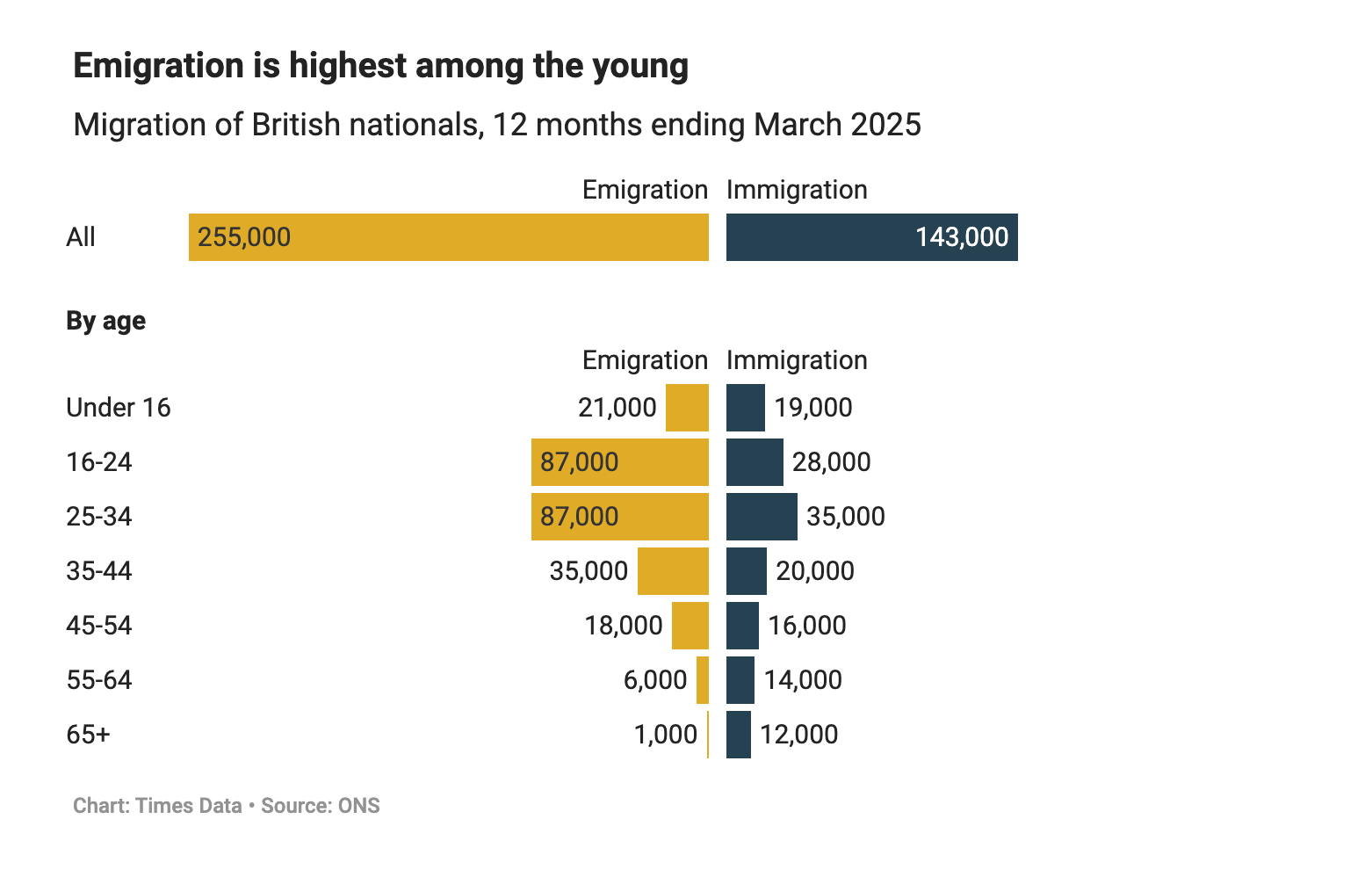
But Labour’s critics raised the alarm on social media about the fact that nearly 180,000 British nationals aged between 16 and 30 left the UK in the year to March.

Over the same period, 21,000 under-16s left, as did 35,000 35 to 44-year-olds, 18,000 45 to 54-year-olds and 6,000 55 to 64-year-olds.

Reform UK’s Zia Yusuf said young people had been “betrayed” by the Tories and Labour.

The Tories said it was “nothing short of an exodus of our young people”.

Social media users also reacted with dismay to the trend.

Share Button

Ask A GP: Should We All be Reading On The Treadmill?

I love a good walking trend, be it “retro walking,” “Japanese walking”, “Jeffing,” or “6-6-6″ walking.

But I have to confess that the first time I saw a TikTok advising me to read on a treadmill in order to finish my book faster, I thought, “That might be a literal step too far”.

To be honest, the combination sounded a little overwhelming to me. Still, it seems science may be on the side of the viral health fad.

Some studies suggest that staying active can boost your creativity, while even a short walk could help you to stay more alert ― sounds like a great recipe for immersing yourself in, and enjoying, a novel, right?

We asked Dr Suzanne Wylie, GP and medical adviser for IQdoctor, whether she’d prescribe the combo.

Should we all be “treadmill walking”?

“Treadmill reading is an interesting idea that may offer some benefits, but it also comes with caveats,” the GP told HuffPost UK.

“Walking, even at a slow pace, has clear benefits for cardiovascular health, circulation, mood, stress reduction, and sleep. Combining light walking with reading could allow you to fit in some physical activity while engaging your mind.”

But, she cautioned, pairing the two activities could prove a little overwhelming.

“Reading while walking places a dual demand on your attention, as you need to focus both on the text and on maintaining your balance and posture. This can make reading less efficient and may reduce comprehension,” she stated.

“There is also a small risk of strain or minor accidents if the treadmill speed is too fast or if posture is poor.”

And “While light walking can boost alertness and mood,” Dr Wylie pointed out that “it does not necessarily improve focus or the ability to perform complex cognitive tasks”.

How should you try treadmill walking?

“In practical terms, if someone wants to try treadmill reading, it is best to keep the pace slow and steady, maintain good posture, and avoid reading at speeds or inclines that challenge balance,” Dr Wylie ended.

“It should be seen as a light, optional way to stay active rather than a replacement for dedicated reading or exercise. For relaxation or mild stress relief, combining gentle movement with reading may be helpful, but for deeper reading or learning, sitting quietly is likely to be more effective.”

She ended, “Treadmill reading offers some modest benefits but is not a guaranteed way to improve focus”.

Share Button

Twenty-year study shows cleaner water slashes cancer and heart disease deaths

A large 20-year investigation following nearly 11,000 adults in Bangladesh found that reducing arsenic in drinking water was tied to as much as a 50 percent drop in deaths from heart disease, cancer and several other chronic illnesses. The research offers the strongest long-term evidence so far that lowering arsenic exposure can reduce mortality, even for people who lived with contaminated water for many years. These results appear in JAMA.

Scientists from Columbia University, the Columbia Mailman School of Public Health and New York University led the analysis, which addresses a widespread health concern. Naturally occurring arsenic in groundwater remains a significant challenge across the world. In the United States, more than 100 million people depend on groundwater that can contain arsenic, particularly those using private wells. Arsenic continues to be one of the most common chemical contaminants in drinking water.

“We show what happens when people who are chronically exposed to arsenic are no longer exposed,” said co-lead author Lex van Geen of the Lamont-Doherty Earth Observatory, part of the Columbia Climate School. “You’re not just preventing deaths from future exposure, but also from past exposure.”

Two Decades of Data Strengthen the Evidence

Co-lead author Fen Wu of NYU Grossman School of Medicine said the findings offer the clearest proof yet of the connection between lowering arsenic exposure and reduced mortality risk. Over the course of two decades, the researchers closely tracked participants’ health and repeatedly measured arsenic through urine samples, which strengthened the precision of their analysis.

“Seeing that our work helped sharply reduce deaths from cancer and heart disease, I realized the impact reaches far beyond our study to millions in Bangladesh and beyond now drinking water low in arsenic,” said Joseph Graziano, Professor Emeritus at Columbia Mailman School of Public Health and principal investigator of the NIH-funded program. “A 1998 New York Times story first brought us to Bangladesh. More than two decades later, this finding is deeply rewarding. Public health is often the ultimate delayed gratification.”

Clear Drop in Risk When Arsenic Exposure Falls

People whose urinary arsenic levels fell from high to low had mortality rates that matched those who had consistently low exposure for the entire study. The size of the drop in arsenic was closely tied to how much mortality risk declined. Those who continued drinking high-arsenic water did not show any reduction in chronic disease deaths.

Arsenic naturally accumulates in groundwater and has no taste or smell, meaning people can drink contaminated water for years without knowing it. In Bangladesh, an estimated 50 million people have consumed water exceeding the World Health Organization’s guideline of 10 micrograms per liter. The WHO has described this as the largest mass poisoning in history.

From 2000 to 2022, the Health Effects of Arsenic Longitudinal Study (HEALS) monitored thousands of adults in Araihazar, Bangladesh. The project tested more than 10,000 wells in a region where many families rely on shallow tube wells with arsenic levels ranging from extremely low to dangerously high.

Researchers periodically measured arsenic in participants’ urine, a direct marker of internal exposure, and recorded causes of death. These detailed data allowed the team to compare long-term health outcomes for people who reduced their exposure with those who remained highly exposed.

Community Efforts Created a Natural Comparison Group

Throughout the study period, national and local programs labeled wells as safe or unsafe based on arsenic levels. Many households switched to safer wells or installed new ones, while others continued using contaminated water. This created a natural contrast that helped researchers understand the effects of reducing exposure.

Arsenic exposure decreased substantially in Araihazar during the study. The concentration in commonly used wells fell by about 70 percent as many families sought cleaner water sources. Urine tests confirmed a corresponding decline in internal exposure, averaging a 50 percent reduction that persisted through 2022.

Reduced Exposure Brings Lasting Health Benefits

These trends held true even after researchers accounted for differences in age, smoking and socioeconomic factors. Participants who remained highly exposed, or whose exposure rose over time, continued to face significantly higher risks of death from chronic diseases.

The researchers compared the health benefits of lowering arsenic to quitting smoking. The risks do not disappear immediately but drop gradually as exposure decreases.

In Bangladesh, well testing, labeling unsafe sources, drilling private wells and installing deeper government wells have already improved water safety for many communities.

“Our findings can now help persuade policymakers in Bangladesh and other countries to take emergency action in arsenic ‘hot spots’,” said co-author Kazi Matin Ahmed of the University of Dhaka.

To reach more households, the research team is collaborating with the Bangladeshi government to make well data easier to access. They are piloting NOLKUP (“tubewell” in Bangla), a free mobile app created from more than six million well tests. Users can look up individual wells, review arsenic levels and depths, and locate nearby safer options. The tool also helps officials identify communities that need new or deeper wells.

Clean Water Investments Can Save Lives

The study shows that health risks can fall even for people who were exposed to arsenic for years. This highlights an important opportunity: investing in clean water solutions can save lives within a single generation.

“Sustainable funding to support the collection, storage and maintenance of precious samples and data over more than 20 years have made this critically important work possible,” said Ana Navas-Acien, MD, PhD, Professor and Chair of Environmental Health Sciences at Columbia Mailman School of Public Health. “Science is difficult and there were challenges and setbacks along the way, but we were able to maintain the integrity of the samples and the data even when funding was interrupted, which has allowed us to reveal that preventing arsenic exposure can prevent disease.”

The study team included researchers from Columbia University’s Mailman School of Public Health, the New York University Grossman School of Medicine, Lamont-Doherty Earth Observatory, Boston University School of Public Health, the Department of Geology at the University of Dhaka and the Institute for Population and Precision Health at the University of Chicago.

The HEALS project was launched by Columbia University through the National Institute of Environmental Health Sciences’ Superfund Research Program, with most U.S. collaborators based at Columbia when the study began.

Share Button

A common nutrient deficiency may be silently harming young brains

Scientists have long recognized that conditions affecting the body can also influence the brain. Issues such as obesity, high blood pressure and insulin resistance place strain on the body’s metabolic and vascular systems. Over time, this buildup of stress can accelerate cognitive decline and raise the likelihood of Alzheimer’s disease.

Researchers at Arizona State University, working with partners at several institutions, now report that these effects may appear much earlier than expected. In young adults with obesity, the team identified biological markers linked to inflammation, liver strain and early injury to brain cells. These small but measurable shifts resemble patterns seen in older adults with cognitive impairment.

The study uncovered another important finding. Many of the young adults showed unusually low blood levels of choline, a nutrient essential for supporting liver health, regulating inflammation and protecting long-term brain function.

“This research adds to the growing evidence that choline is a valuable marker of metabolic and brain dysfunction — and reinforces the importance of sufficient daily intake, as it is essential for human health,” says Ramon Velazquez. “Several new reports published this month further link reduced blood choline levels to behavioral changes, including anxiety and memory impairment, as well as broader metabolic dysfunction.”

Velazquez leads the study as part of the ASU-Banner Neurodegenerative Disease Research Center, working with colleagues from the ASU School of Life Sciences, Banner Sun Health Research Institute and Mayo Clinic, AZ. The findings were published in Aging and Disease.

Obesity’s Early Impact on Brain Biology

Although obesity is widely known to increase the risk of chronic conditions such as heart disease and type 2 diabetes, this study suggests its influence on the brain may develop much earlier. The researchers measured elevated levels of inflammation-promoting proteins and enzymes that indicate liver stress. They also detected higher levels of neurofilament light chain (NfL), a protein released when neurons are damaged. NfL was linked to low blood choline levels in these young adults, even though no behavioral changes would typically be expected at this age.

NfL has emerged as an important early signal of neurodegeneration. It is found at elevated levels in people with mild cognitive impairment and Alzheimer’s disease. Observing these markers in young adults is significant and suggests that obesity may create measurable effects in the brain well before symptoms appear.

The results support the idea that inflammation, metabolic strain and early neuronal changes may be connected in a way that starts much earlier in life than once believed.

Choline’s Influence on Brain and Metabolic Health

A central aspect of the study involves choline, a nutrient essential for cell-membrane structure, inflammation control, liver function and the production of acetylcholine, a neurotransmitter important for memory. Participants with obesity had substantially lower levels of circulating choline, and these reductions corresponded with stronger signs of inflammation, insulin resistance, liver-enzyme elevation and NfL.

Although the liver produces some choline, most must come from food. Rich dietary sources include eggs, poultry, fish, beans and cruciferous vegetables such as broccoli, cauliflower and brussels sprouts. The researchers also observed that women in the study had lower choline levels than men, a notable finding because women experience higher rates of cognitive aging and Alzheimer’s disease.

National nutrition surveys show that many Americans do not meet recommended choline intake, especially teenagers and young adults. Since choline supports the brain and liver, long-term shortages may heighten vulnerability to metabolic stress and intensify the effect obesity has on the brain.

“Most people don’t realize they aren’t getting enough choline,” said Wendy Winslow, first co-author. “Adding choline-rich foods to your routine can help reduce inflammation and support both your body and brain as you age.”

Nutrient Considerations for New Weight-Loss Drugs

Modern weight-loss drugs have transformed obesity treatment because of their effectiveness in reducing weight and improving metabolic and cardiovascular health. However, the appetite-suppressing effects of GLP-1 medications significantly reduce food intake. This may lead to inadequate consumption of choline and other key nutrients. The authors note the need for future studies to explore whether pairing GLP-1 therapies with adequate dietary choline can help maintain metabolic resilience and overall health.

Study Design and Key Measurements

The research involved 30 adults in their 20s and 30s, split evenly between those with obesity and those of healthy weight. Each participant provided a fasting blood sample. The samples were analyzed for circulating choline, inflammatory cytokines, insulin, glucose, liver enzymes, additional metabolic measures and NfL.

Comparisons between groups revealed consistent patterns: lower choline levels, greater inflammation, metabolic stress and signs of neuronal damage in young adults with obesity. To understand how these findings relate to brain aging, the team compared their results with data from older adults diagnosed with mild cognitive impairment or Alzheimer’s disease.

The same pairing of low choline and high NfL was found in both young and older adults. This suggests that biological changes associated with Alzheimer’s may begin many years before symptoms arise, especially in people experiencing metabolic stress or obesity.

Early Indicators of Long-Term Cognitive Risk

Overall, the study highlights a strong link among obesity, inflammation, choline status and early neuronal stress. This combination may help explain why metabolic disorders increase the likelihood of cognitive decline later in life.

Although the study does not establish causation, it reveals a group of biomarkers that closely resemble those found in older adults with cognitive impairment. The results also align with earlier rodent studies showing that inadequate choline intake in mice can lead to obesity, metabolic problems and increased Alzheimer’s disease pathogenesis.

“Our results suggest that, in young adults, good metabolic health and adequate choline contribute to neuronal health, laying the groundwork for healthy aging,” says Jessica Judd, co-author of the study.

Ongoing research will continue exploring how early metabolic stress may shape long-term risk for neurodegenerative disease and could eventually inform new strategies to protect brain health across the lifespan.

Share Button