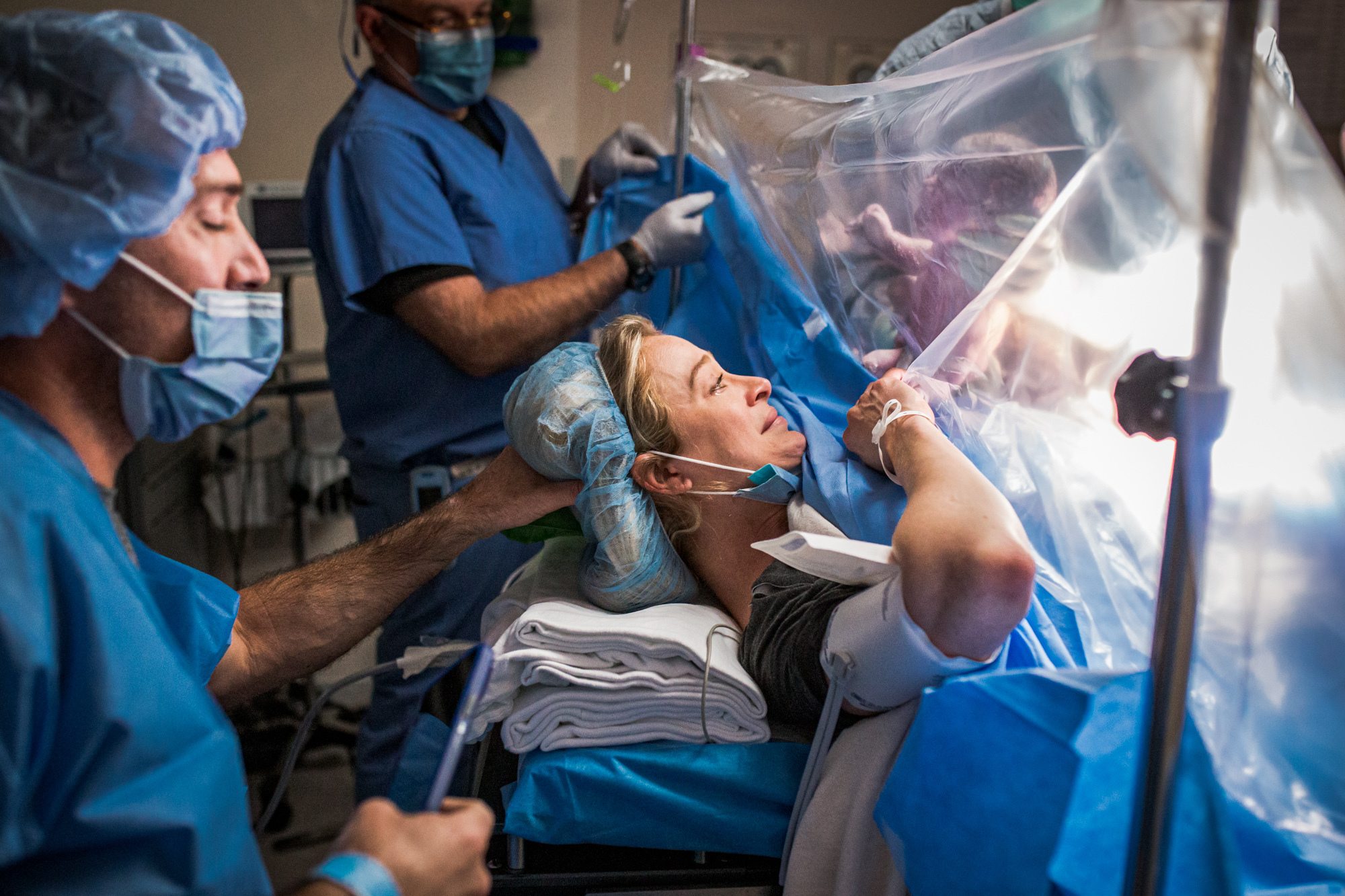
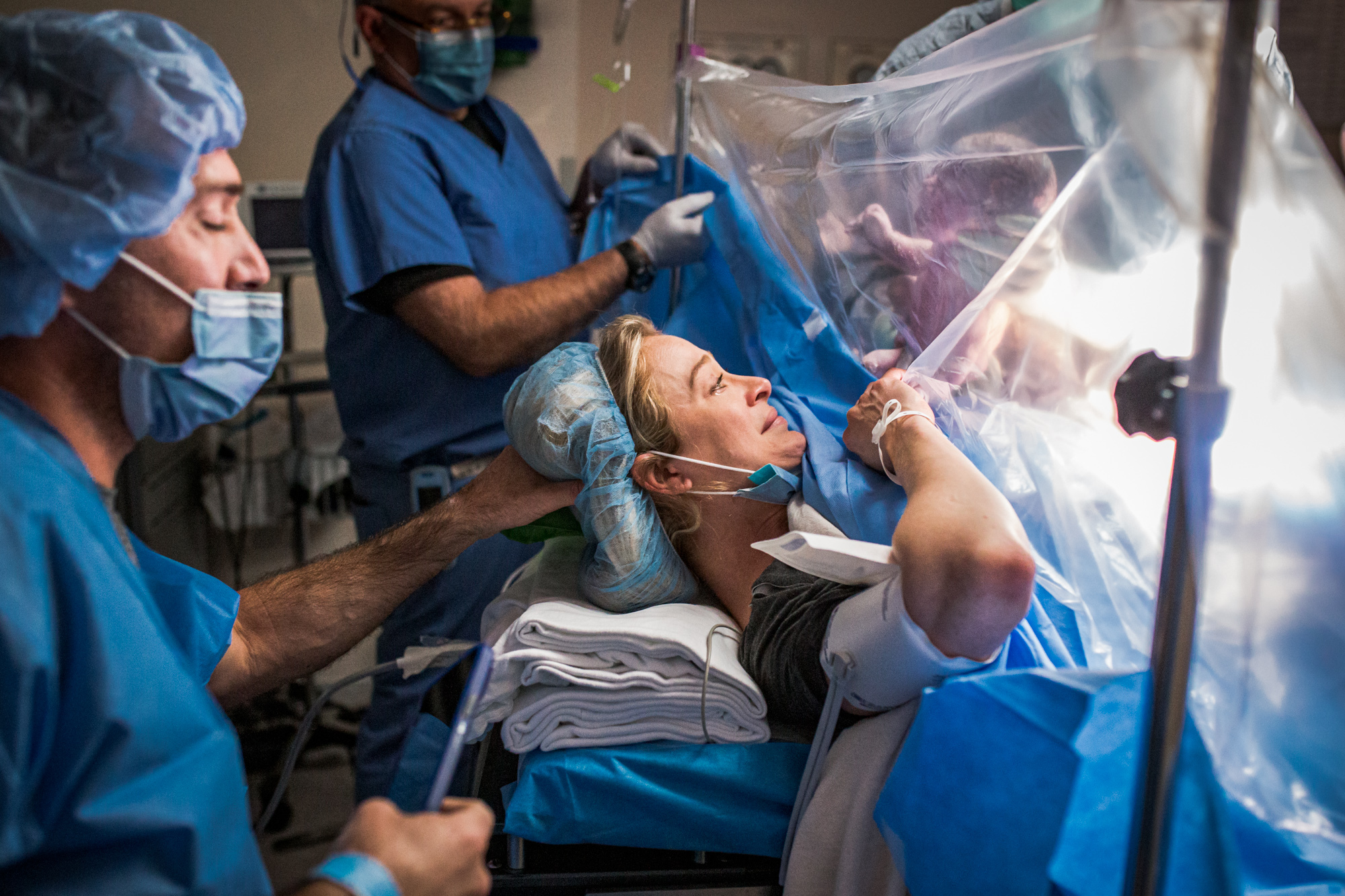
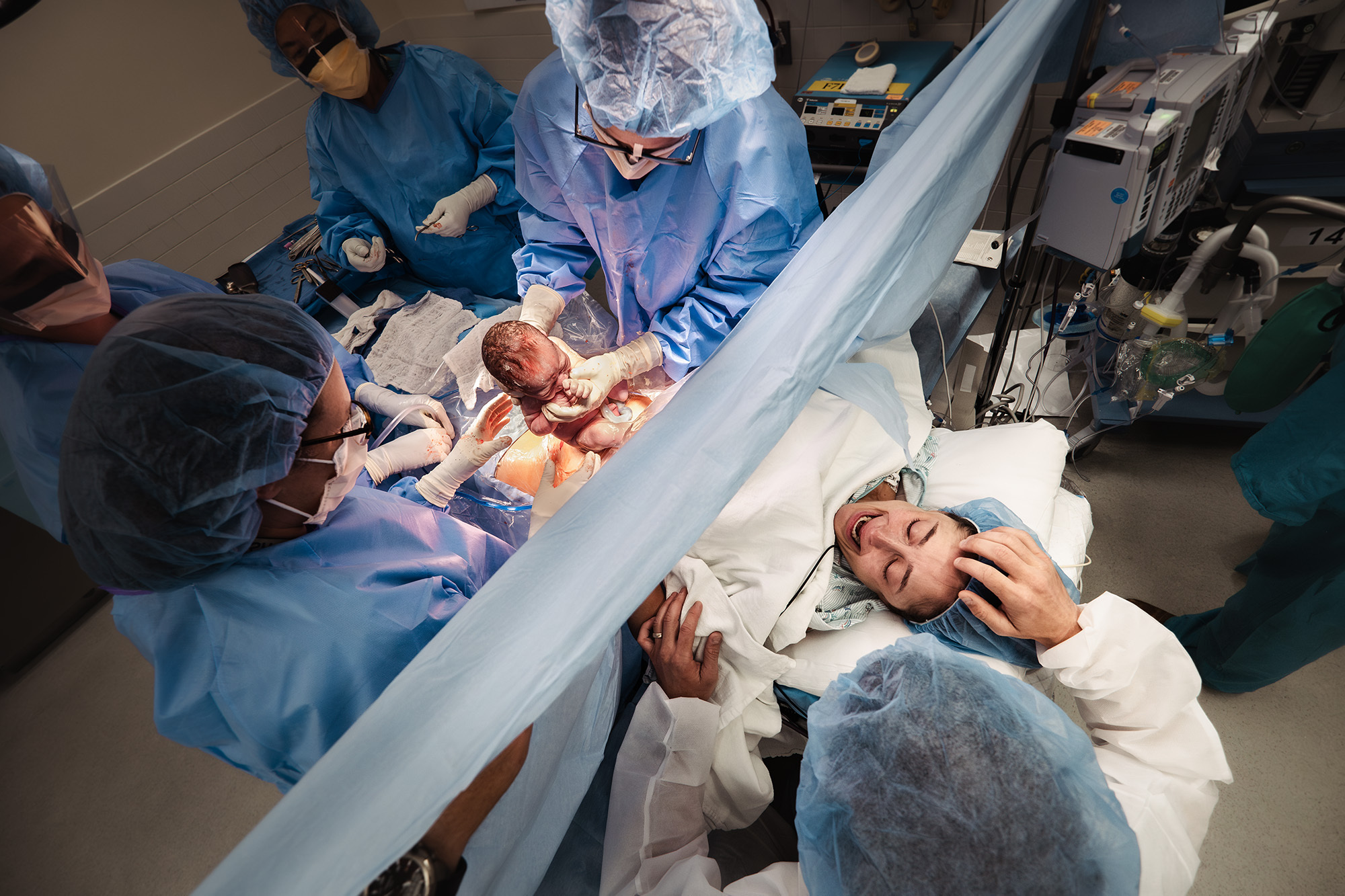
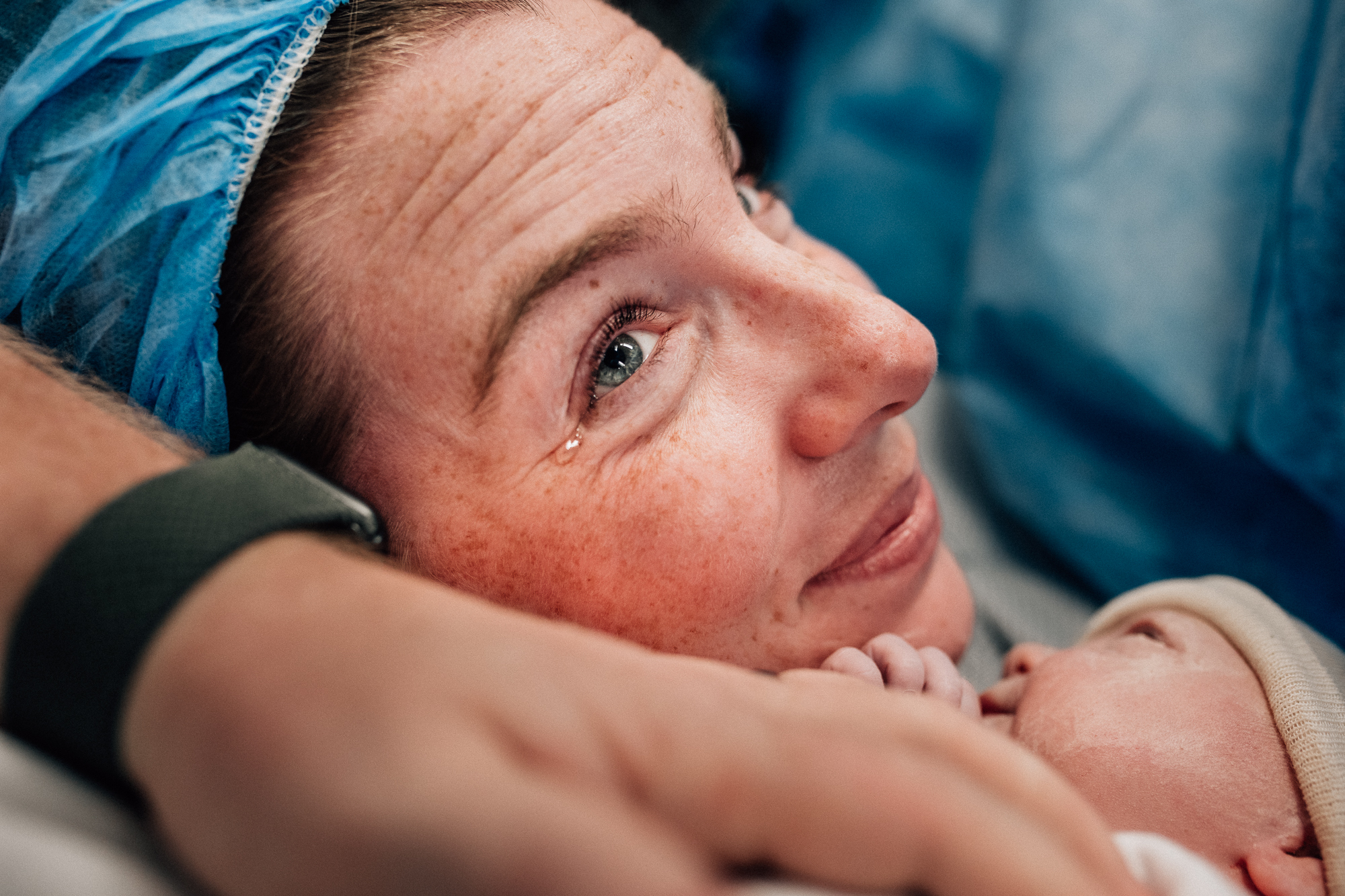
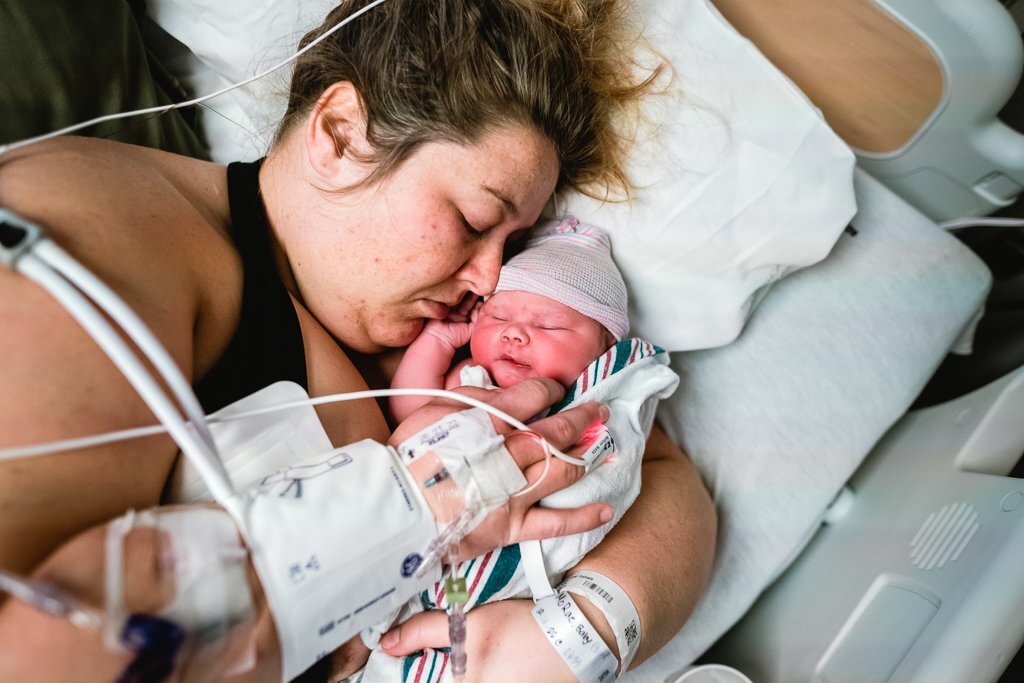
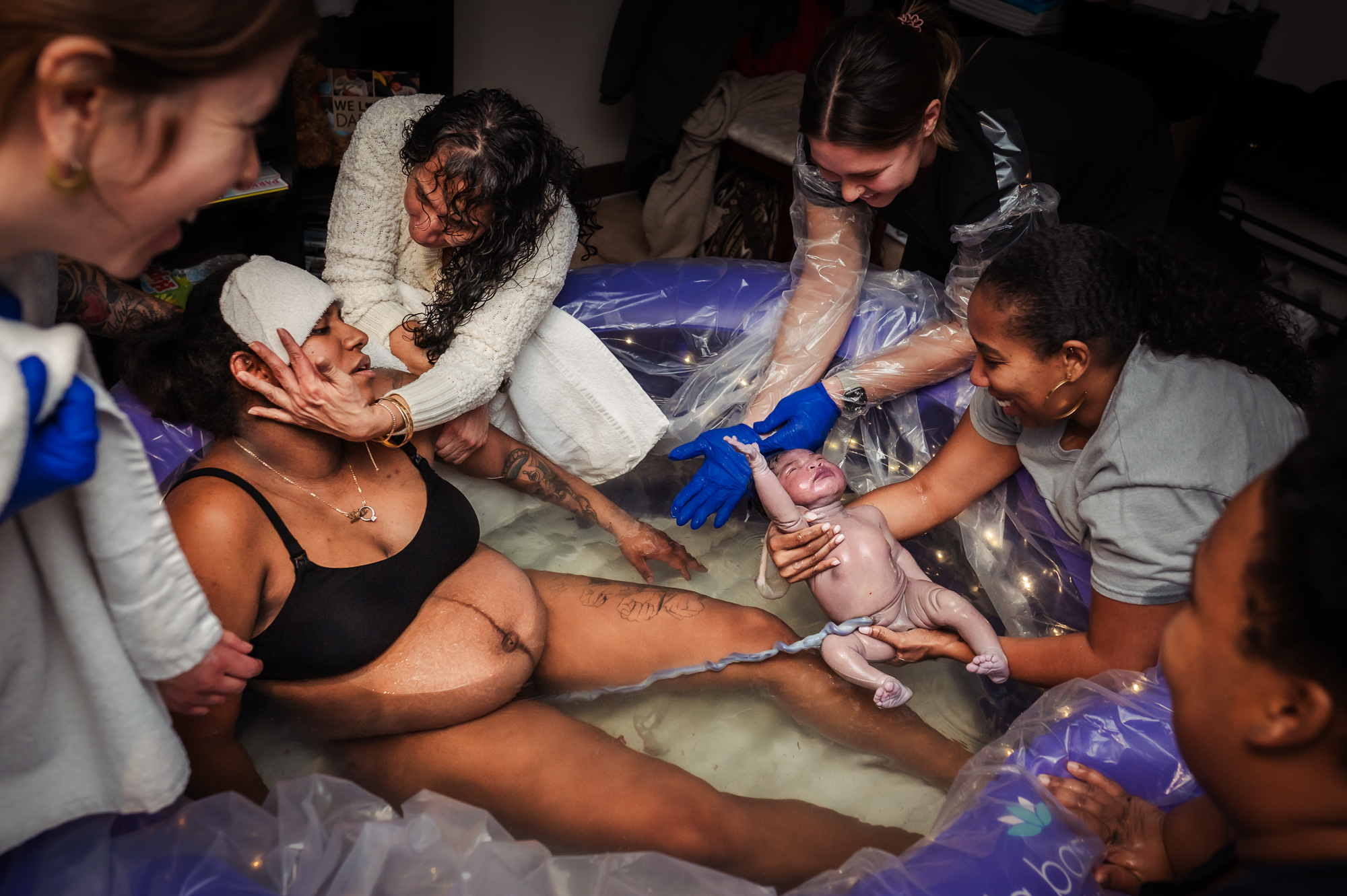
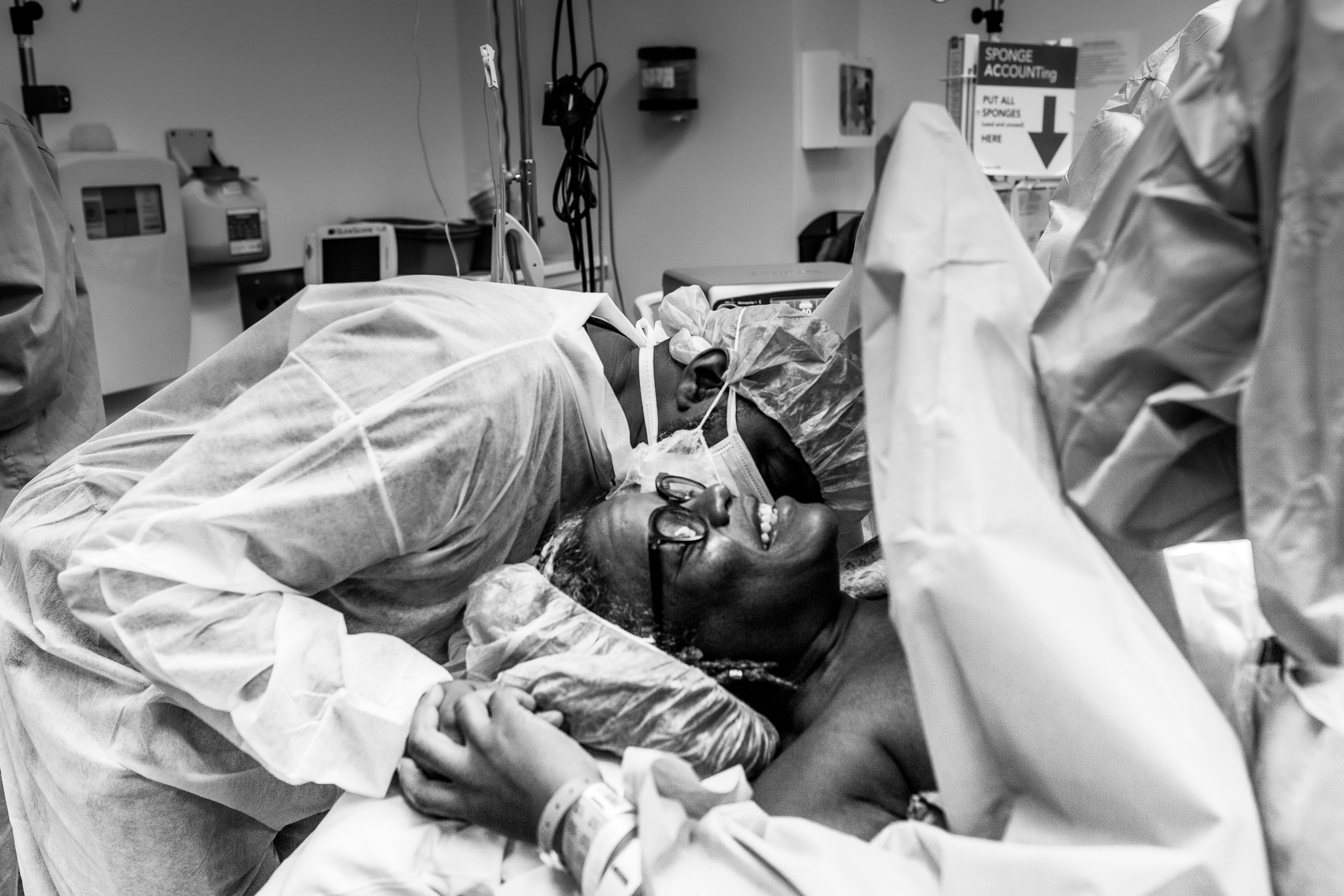
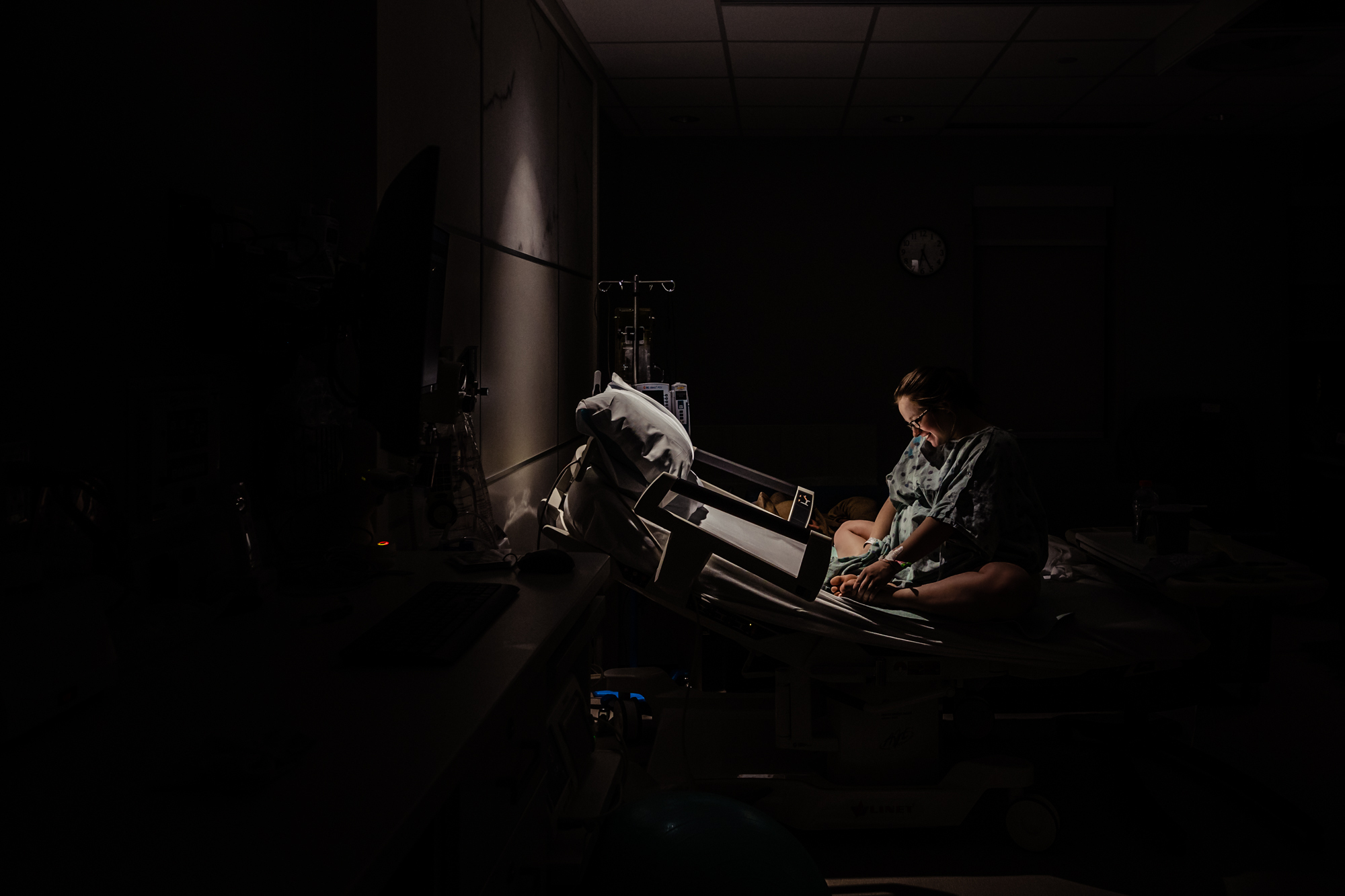
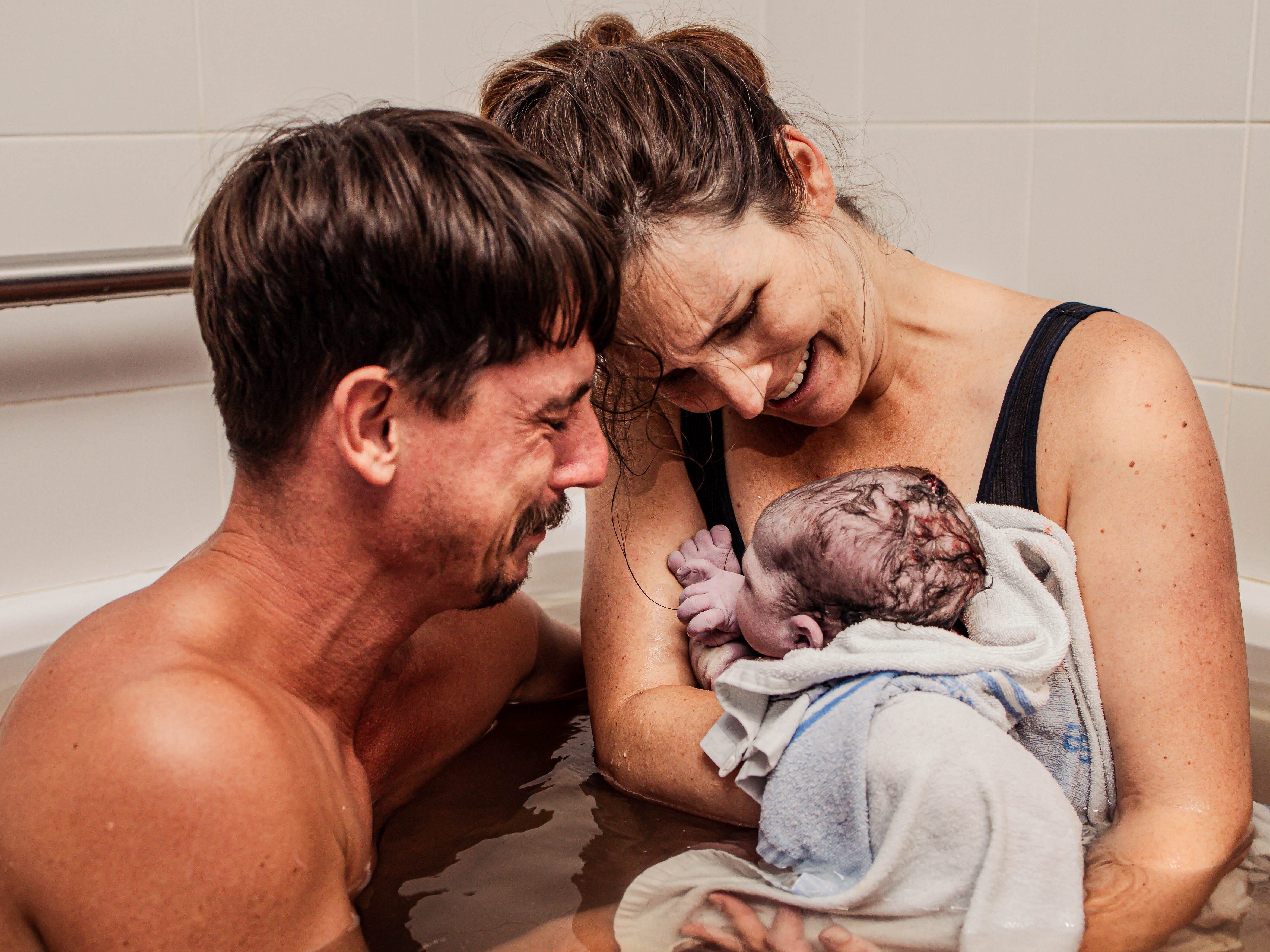
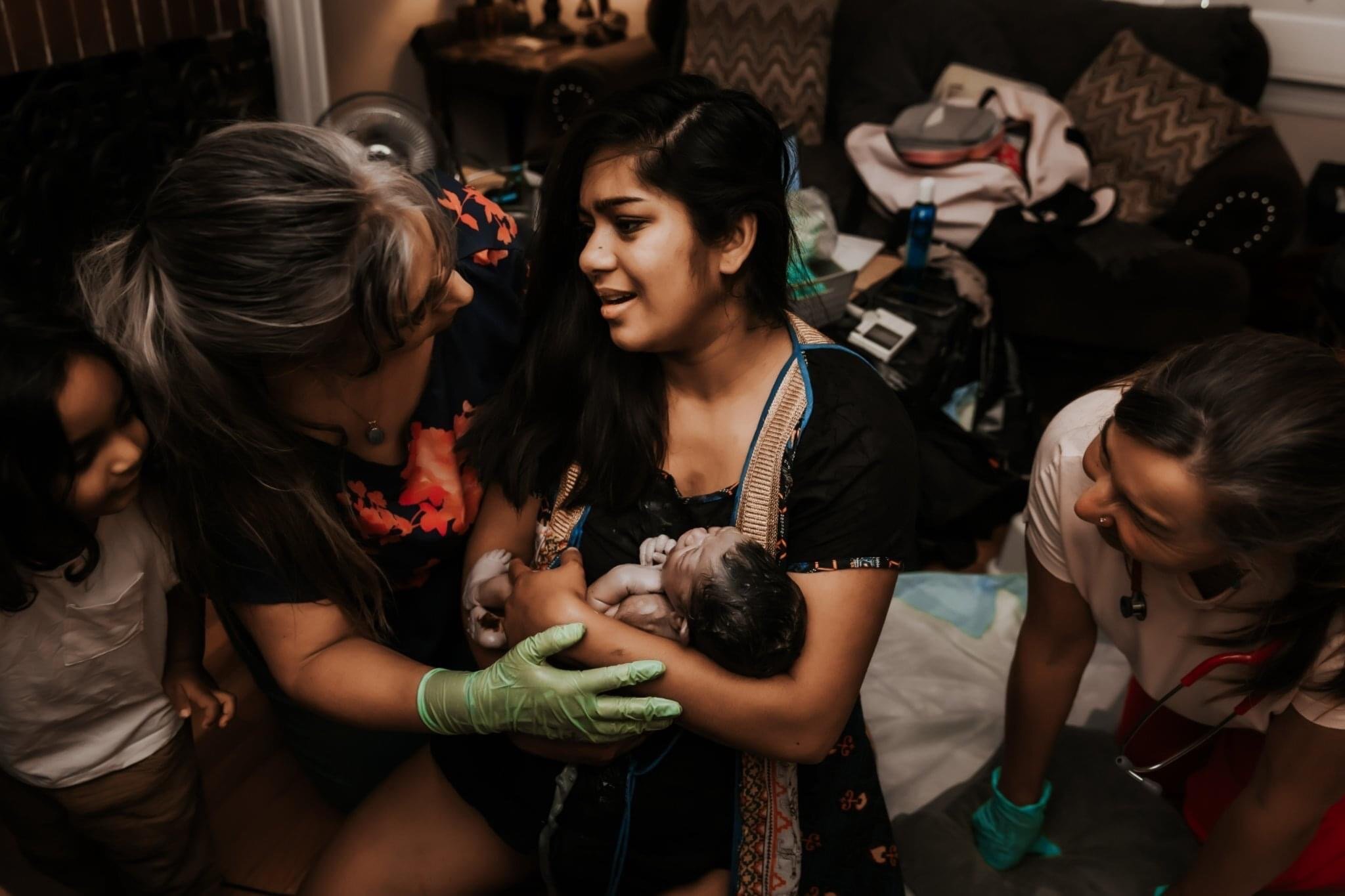
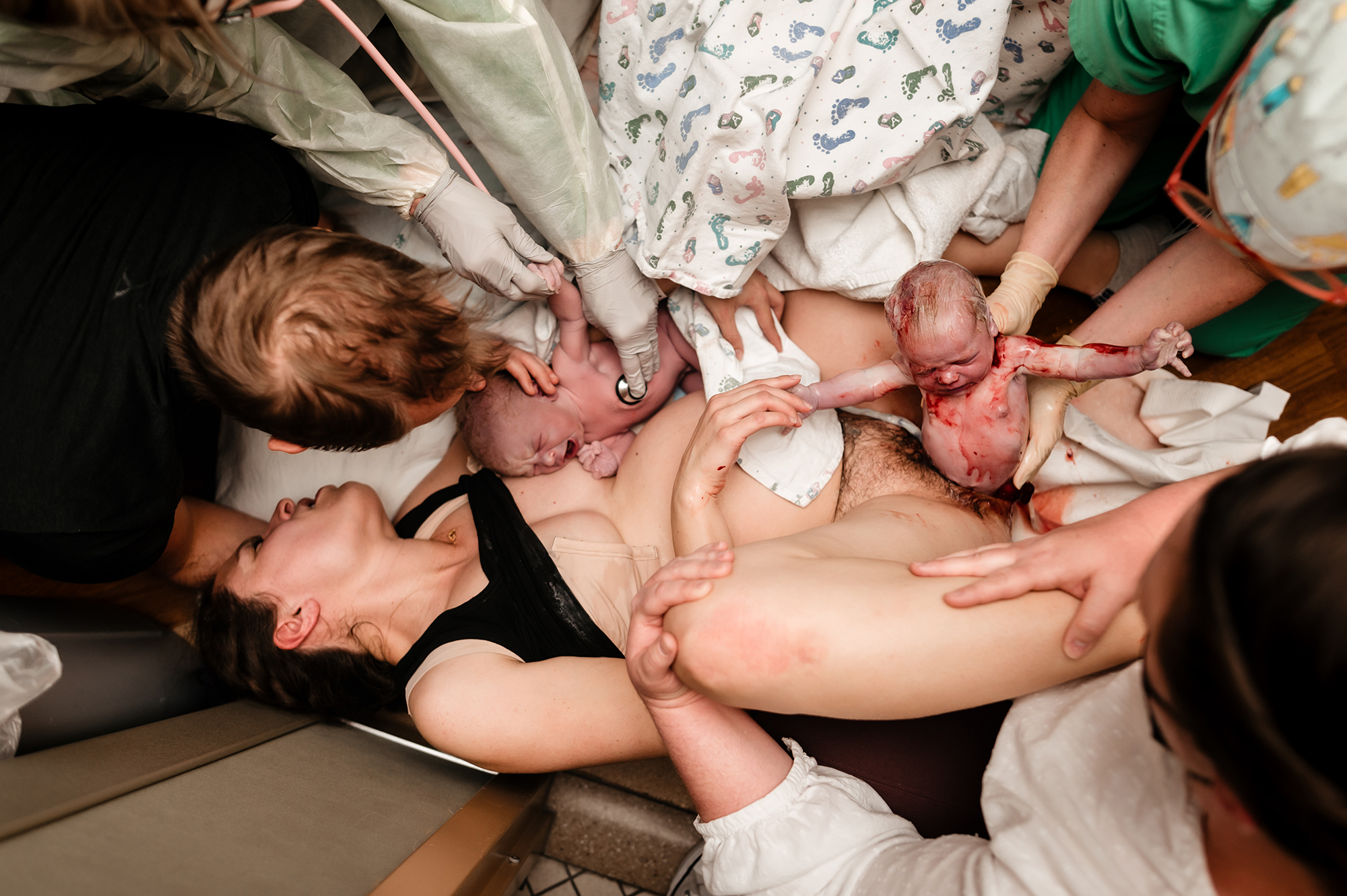
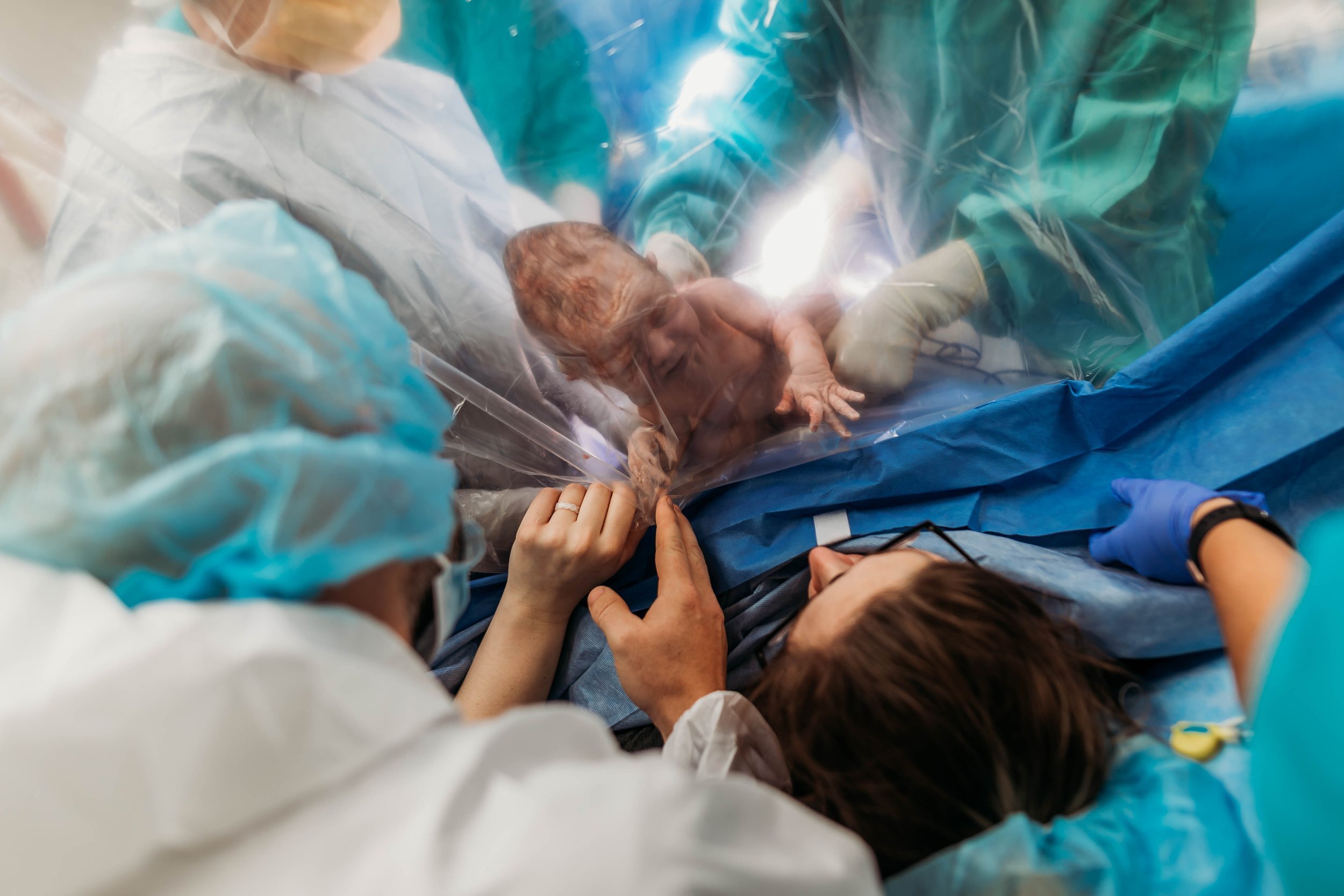
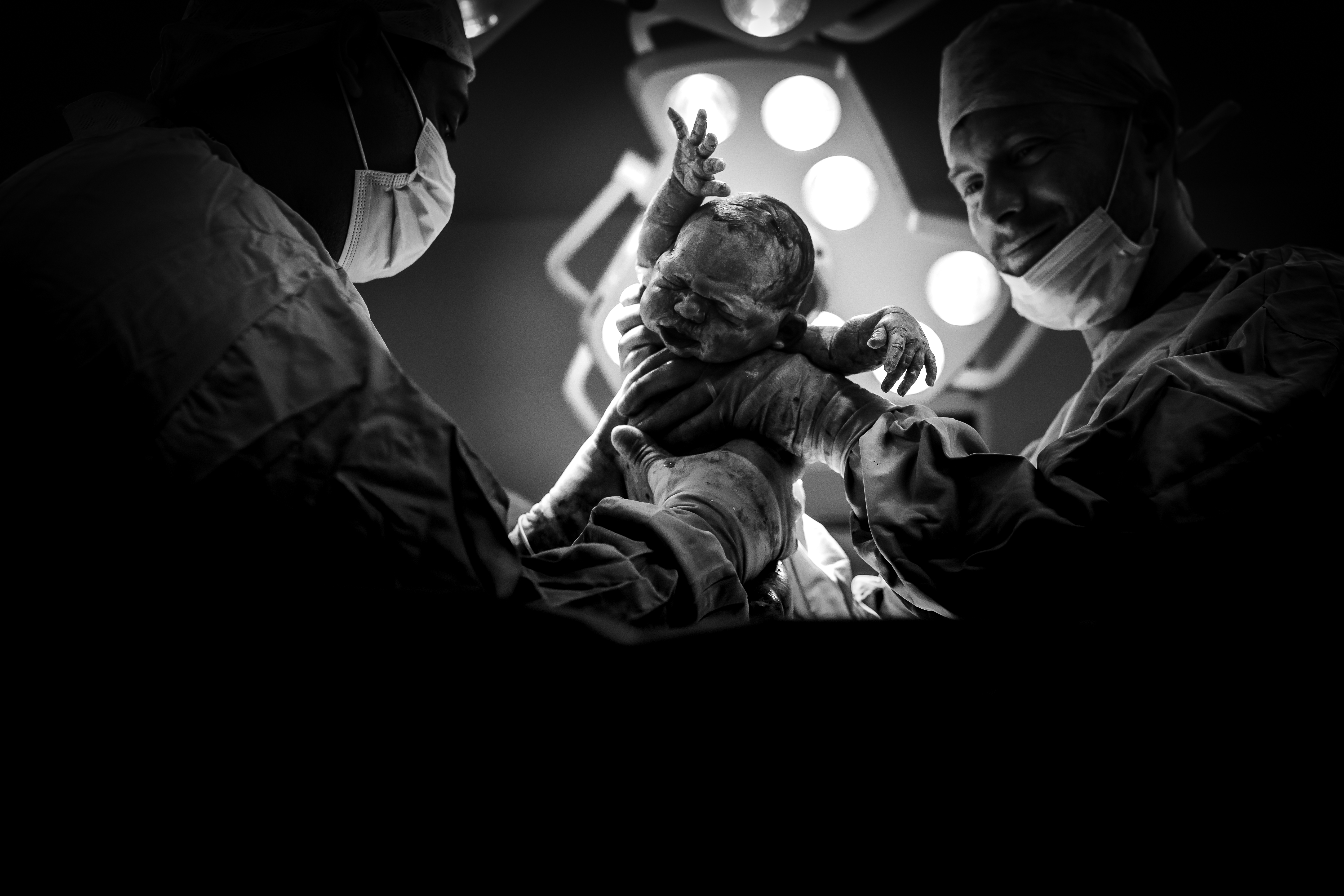
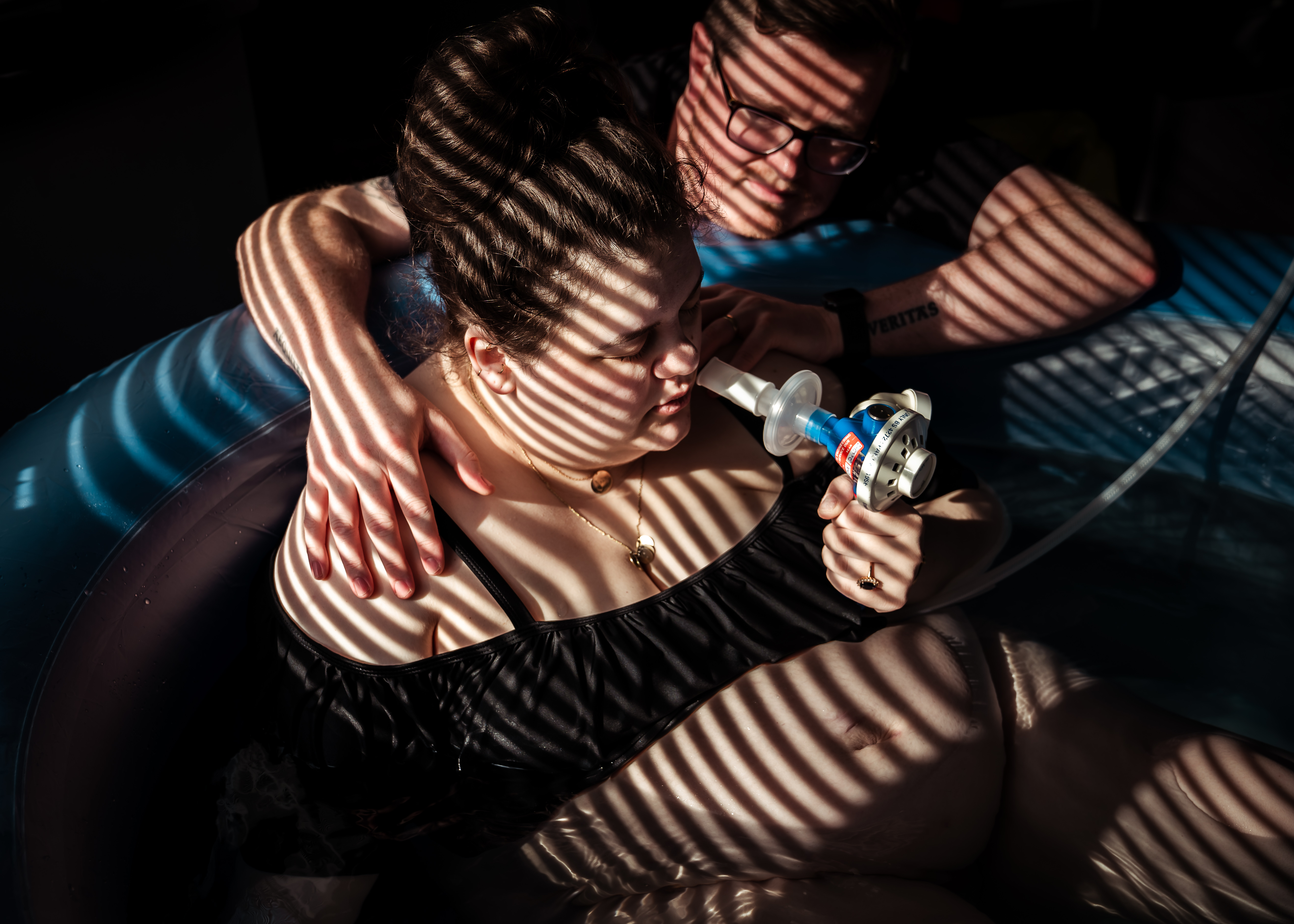
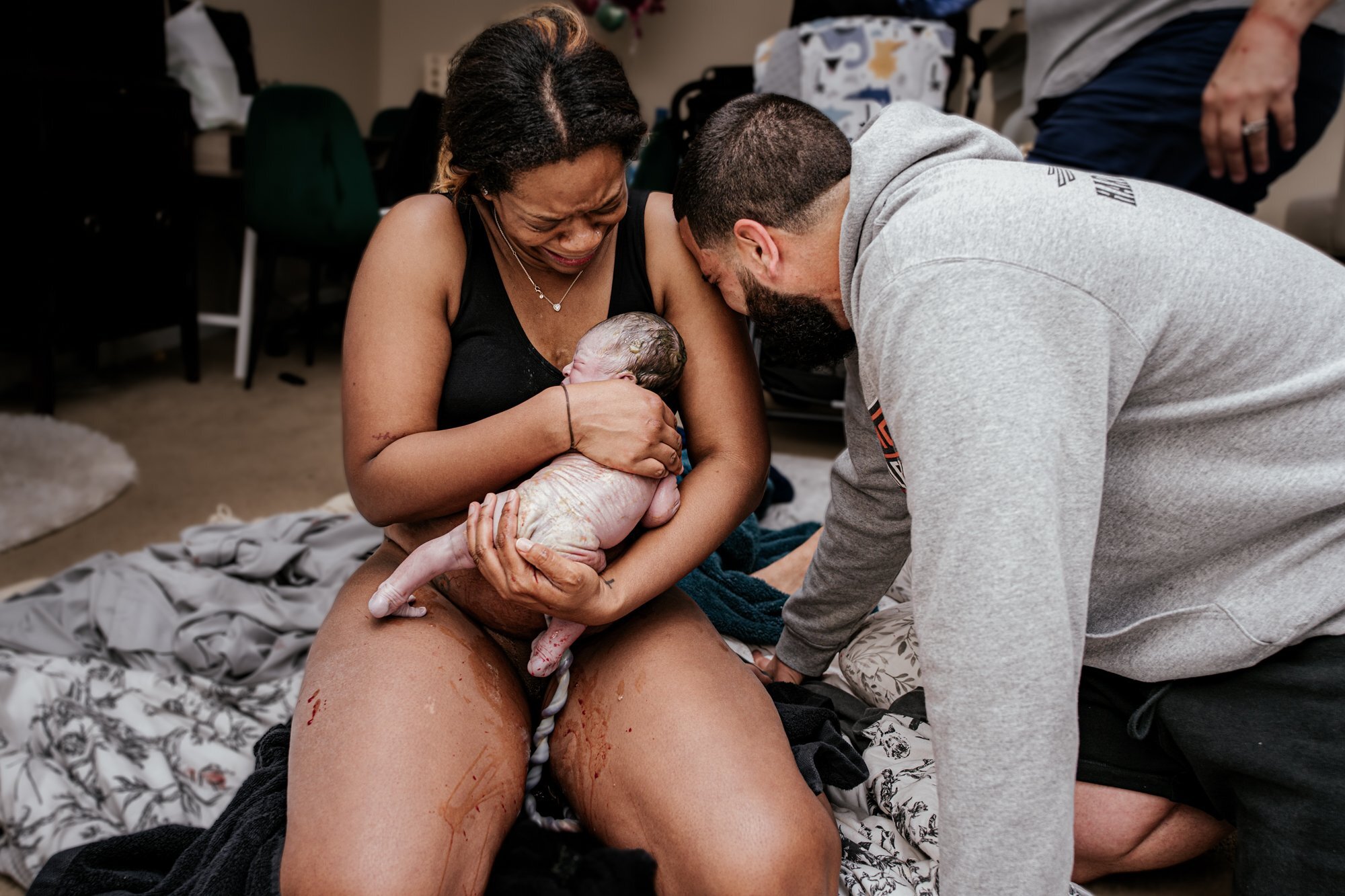
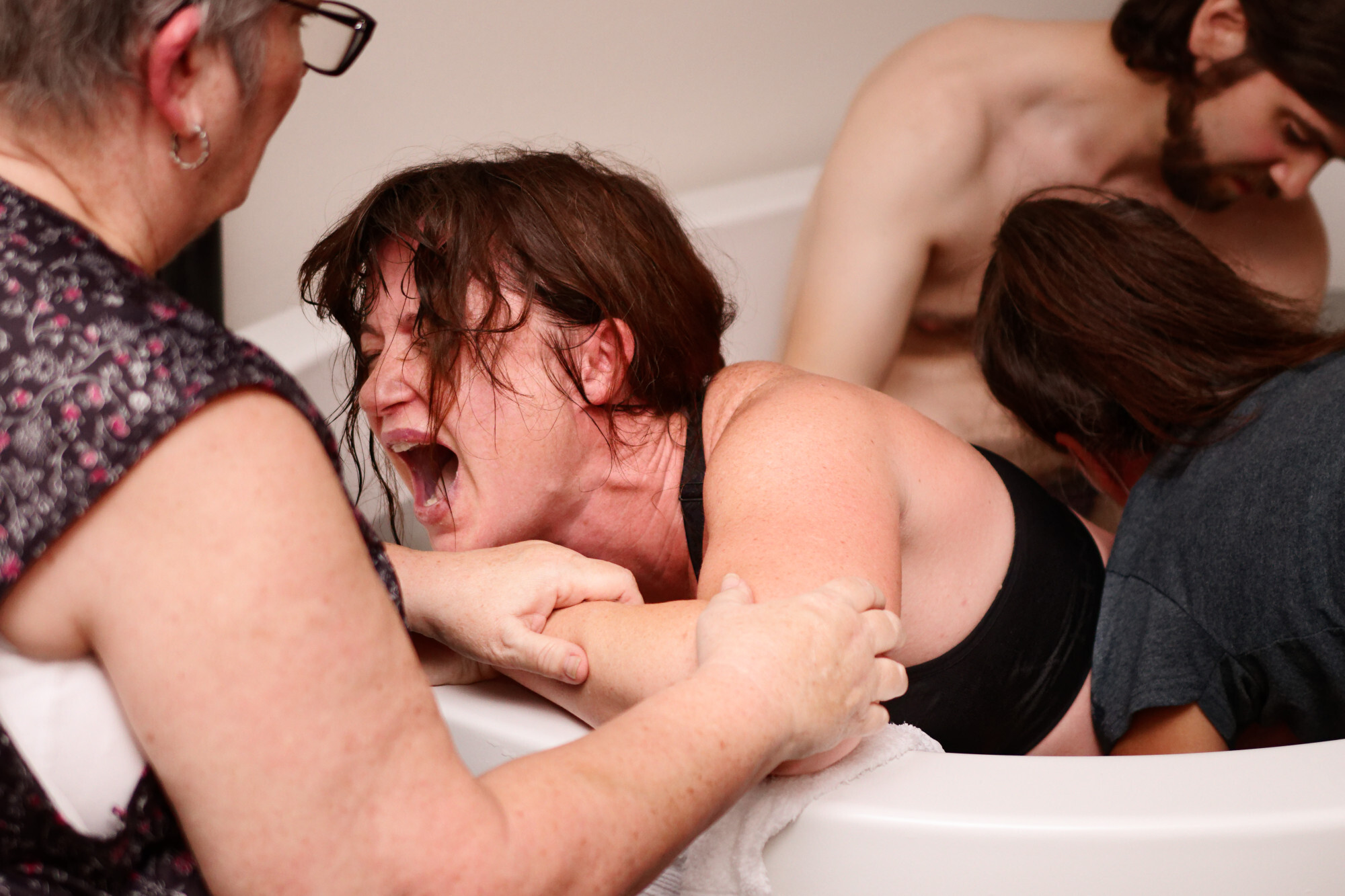
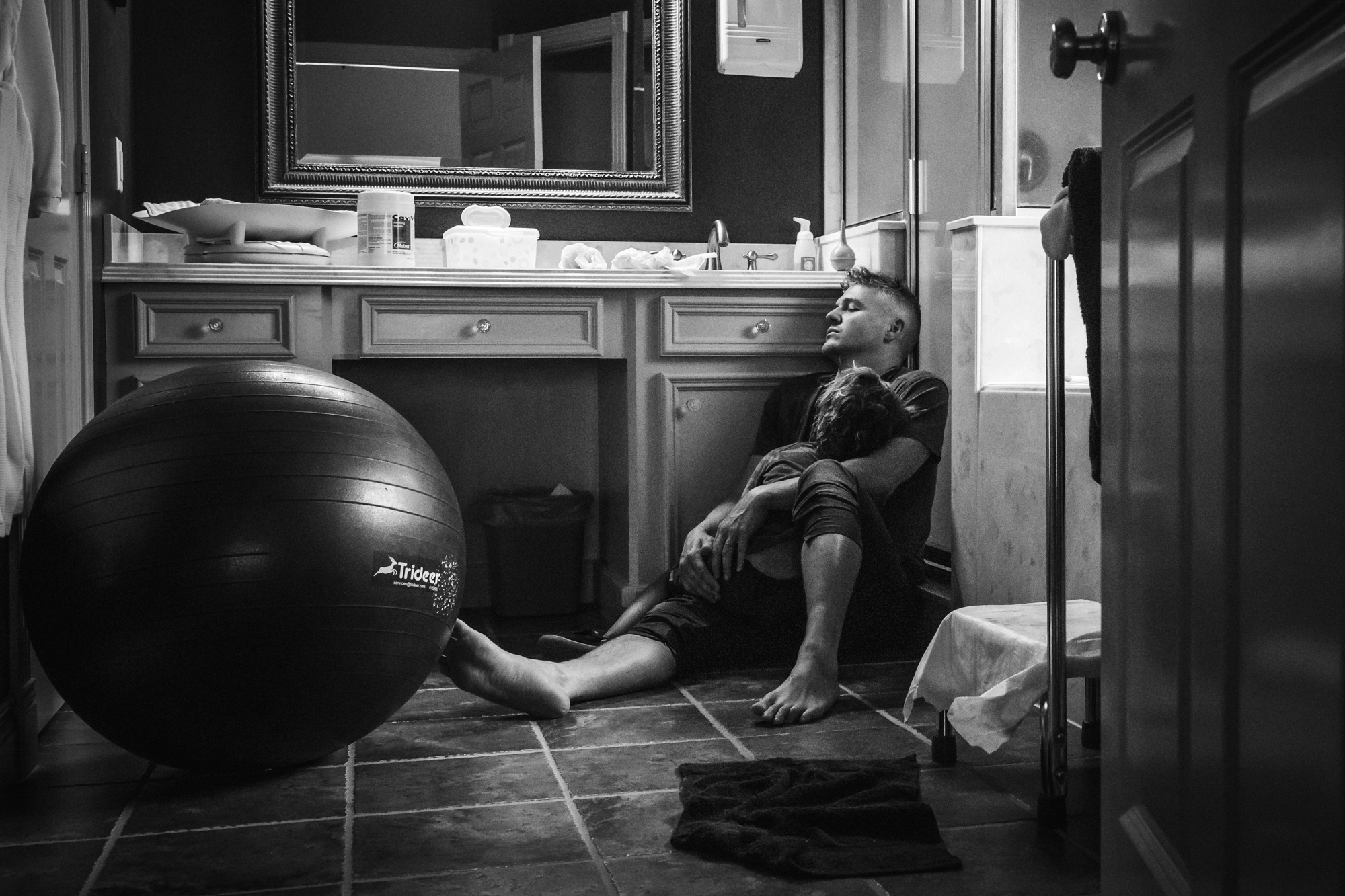
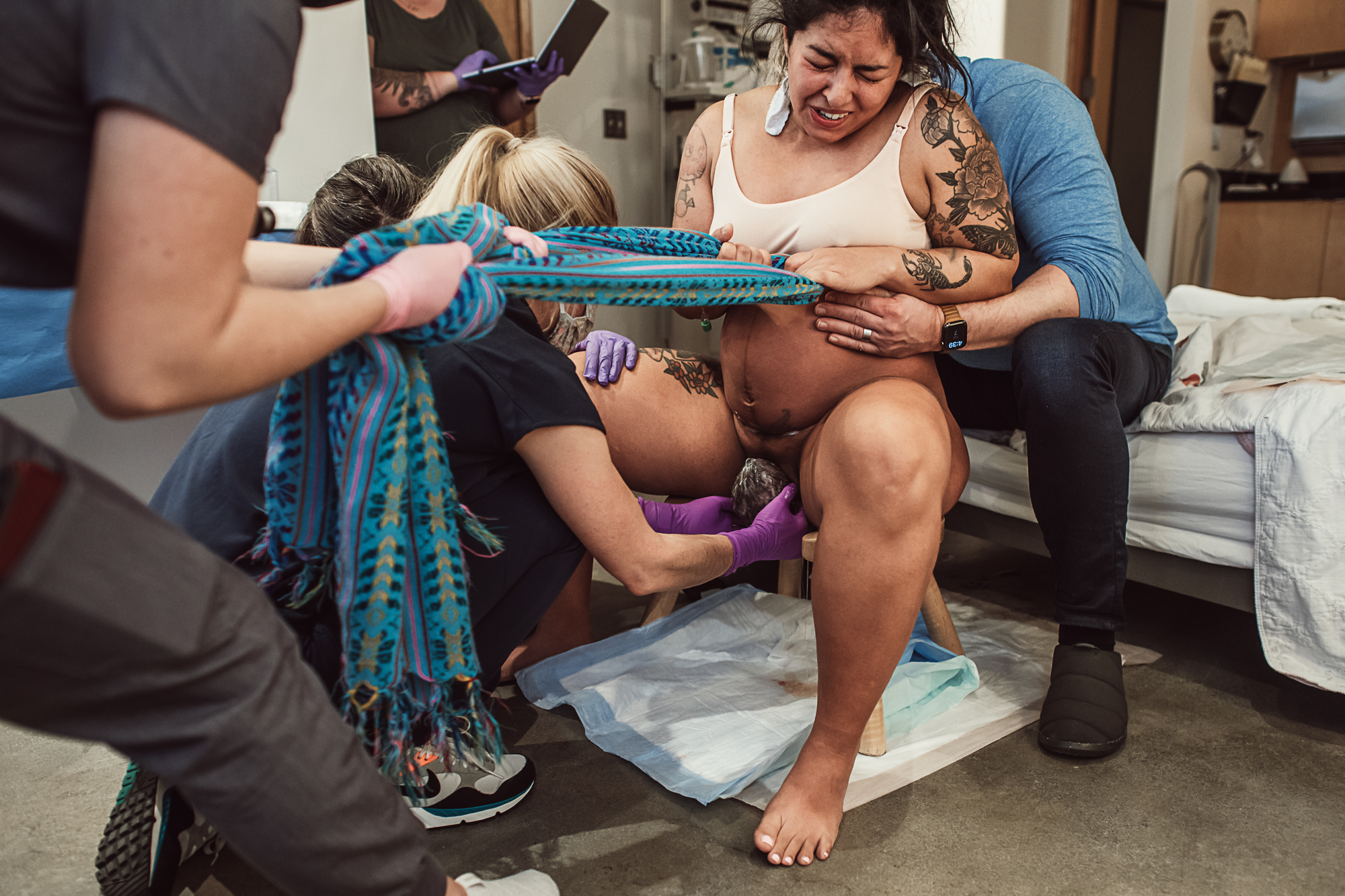
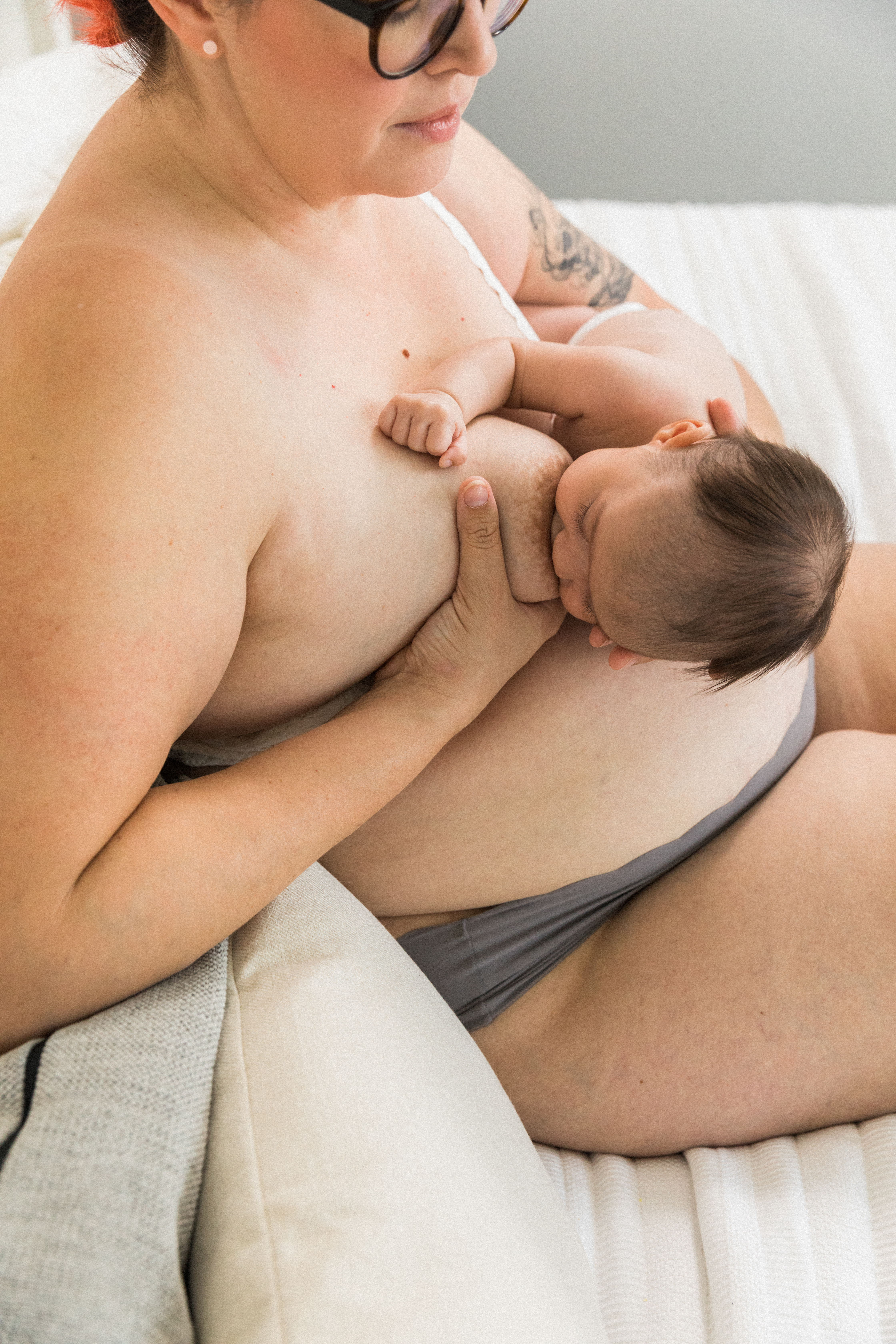
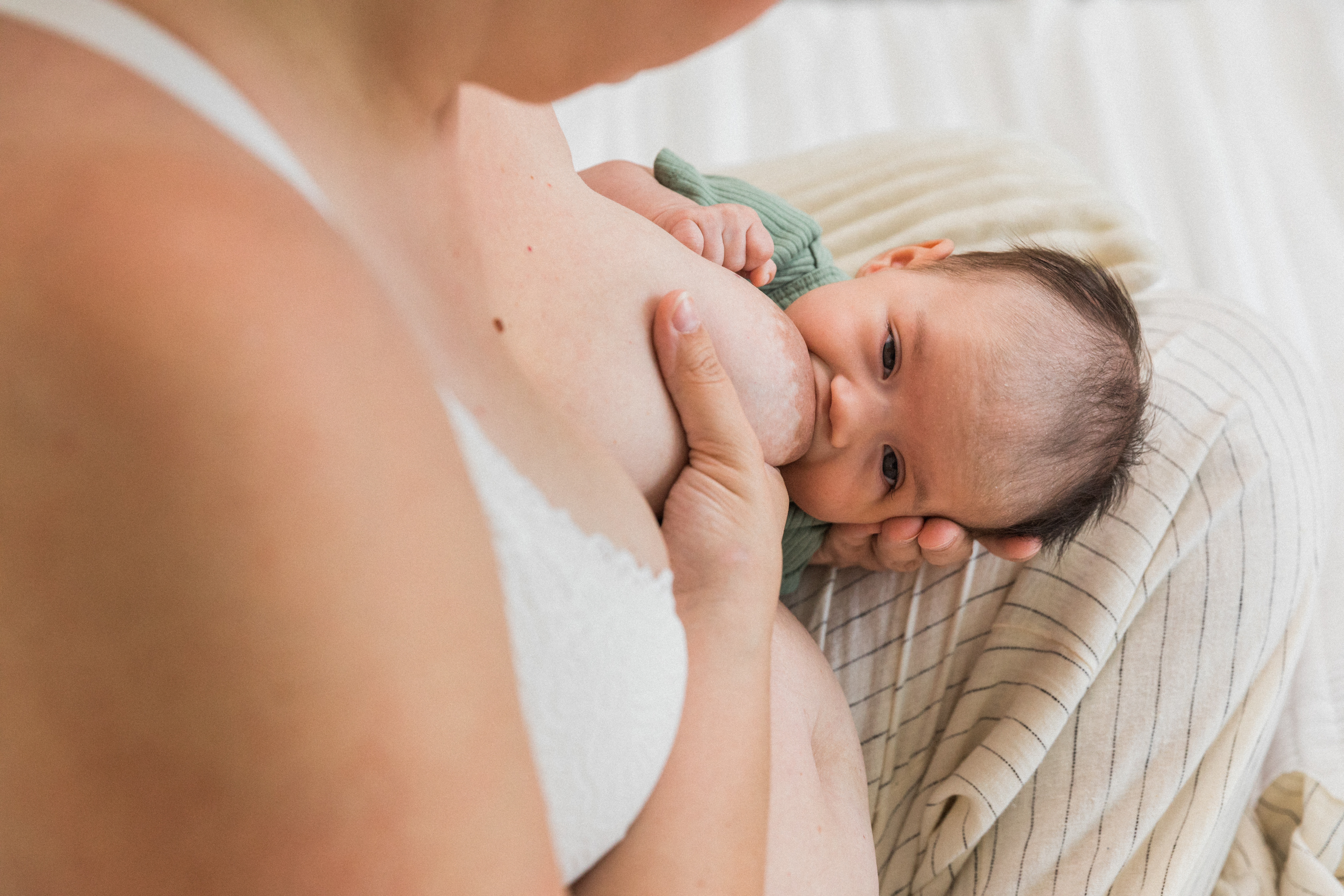
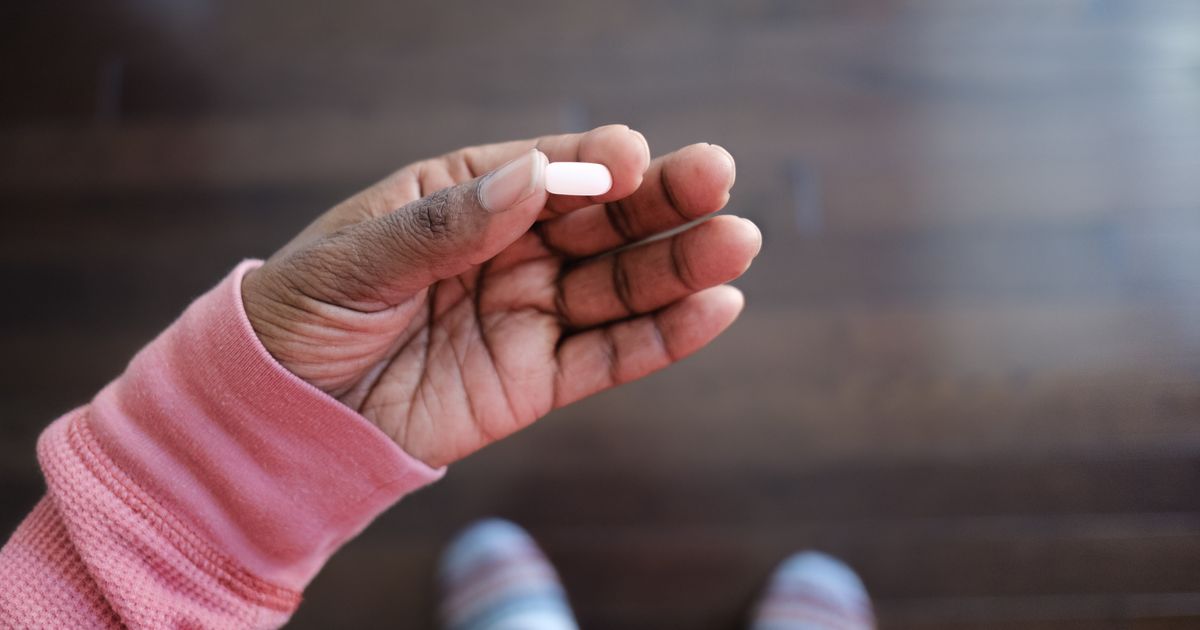
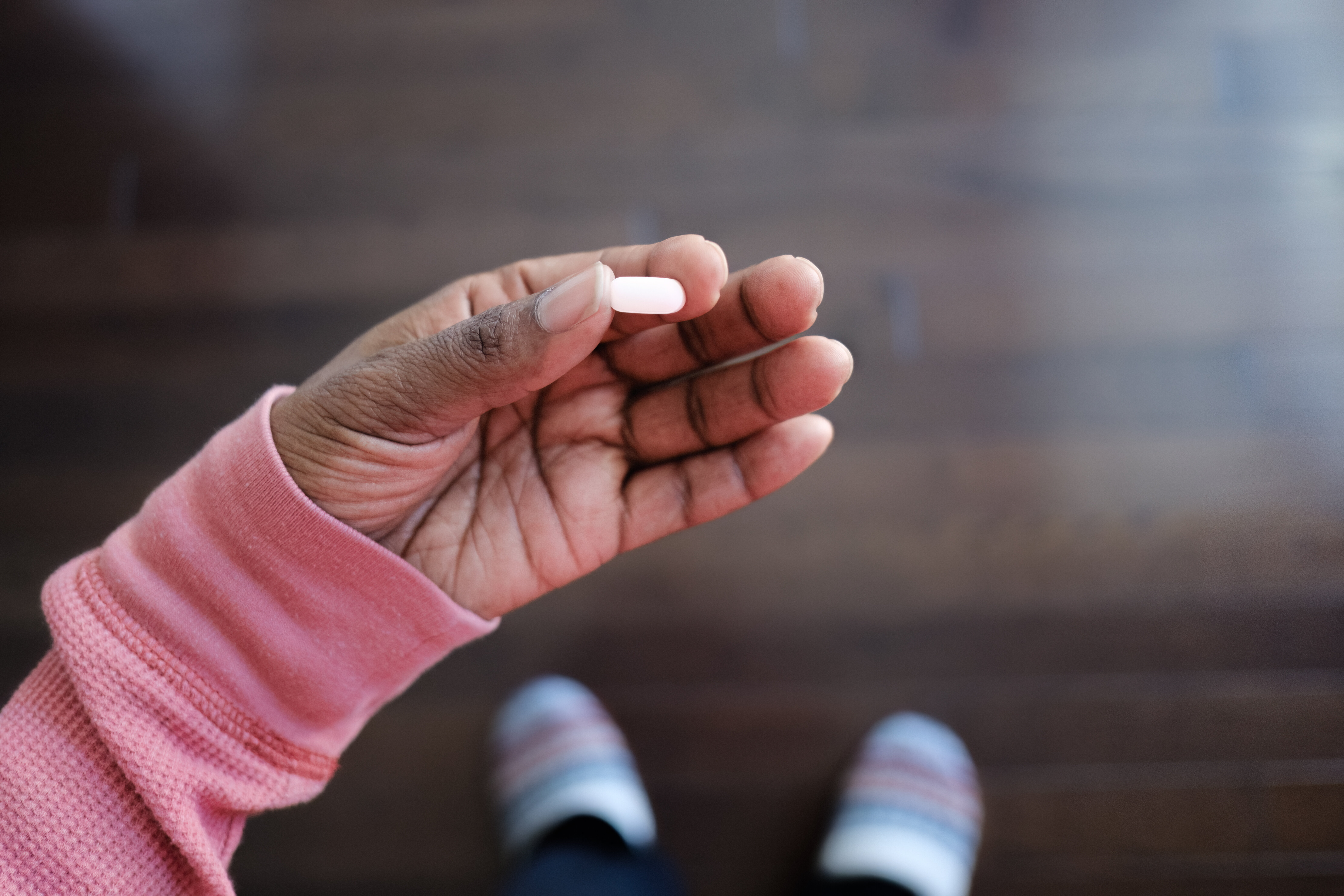
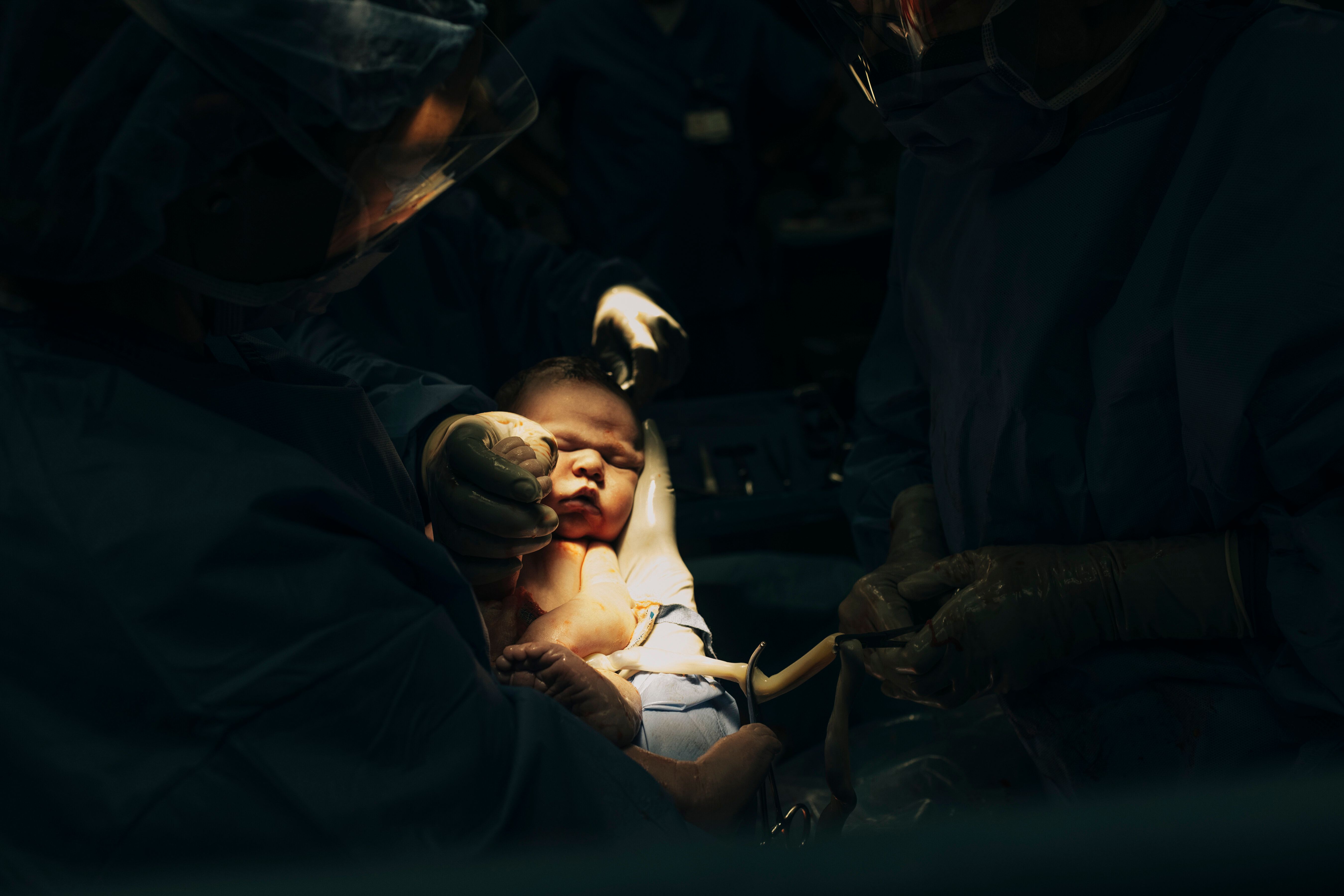
The photographers who document childbirth capture some of the most powerful and emotional moments in a parent’s life.
The organisation invited birth photographers to submit photos taken in 2022 and 2023 and received entries from almost 200 photographers around the world.
A panel of judges selected winners in categories like “between two worlds,” “birth team,” and “story in one image.”
“We put together this year’s showcase because we wanted to find a way to celebrate powerful birth imagery in a new way,” Nicole told HuffPost.
“By creating some more unique categories, we hoped to shine a light on images that often get overlooked in traditional photo contests.”
In addition to fostering a sense of community among birth photographers, Mason and Nicole work to change policies on social media platforms and offer courses for aspiring birth photographers.
Their biggest goal, however, is to make birth more visible, which they believe will help create a “safer and gentler” experience for all.
“We hope that people feel inspired by the images they see, and we hope they can recognise themselves or their birth story in some of these images,” Nicole said.
“We hope that this entire showcase illustrates just how diverse, powerful, and beautiful birth can be. ”
Keep scrolling for a selection of winning photos and other submissions and visit Birth Becomes You for the full collection. (Readers should note that the following uncensored photos show people in the act of childbirth.)
If you choose to breastfeed, those first few weeks where you’re figuring out comfortable positions and how to get your baby to latch properly can be a real rollercoaster.
I remember sobbing on day four because feeding was so painful and my boobs were like boulders (not so much in size, but more in how full they were – it felt like they were filled with concrete).
Advertisement
My baby didn’t seem to be latching right either, the pinching sensations on my nipples were diabolical – so yeah, not a fun time for all involved.
Fast forward a week and – after some latching support from a midwife and health visitor – things were looking up. Well, aside from me routinely and explosively spraying my poor baby in the face with milk – we later learned I had an overactive letdown.
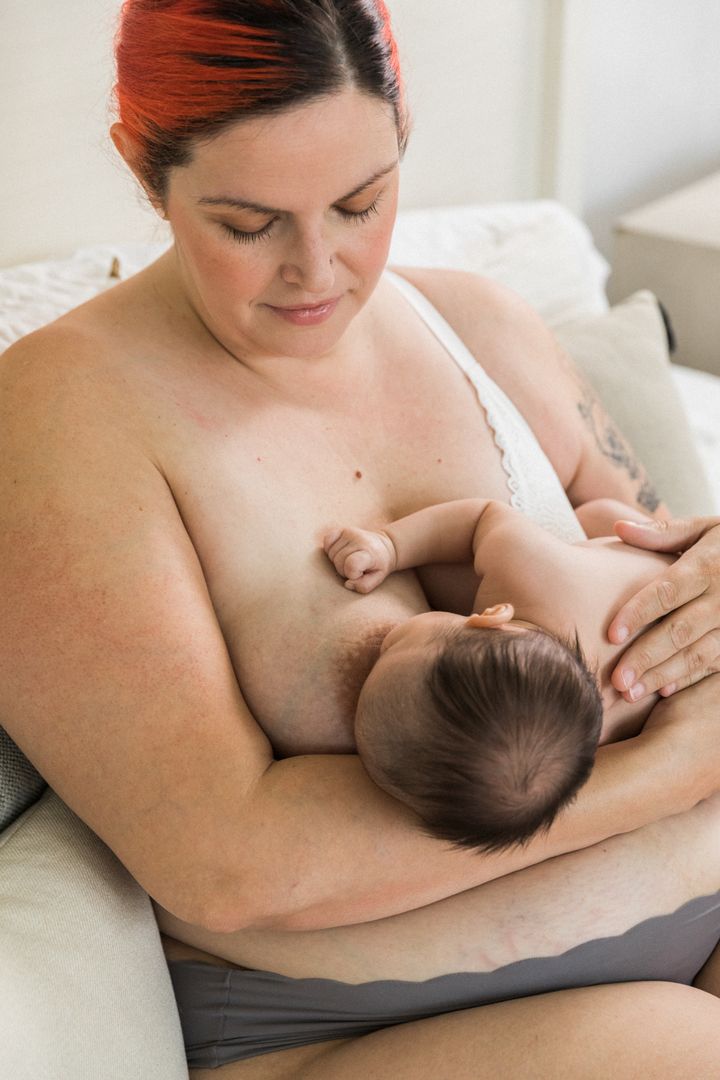
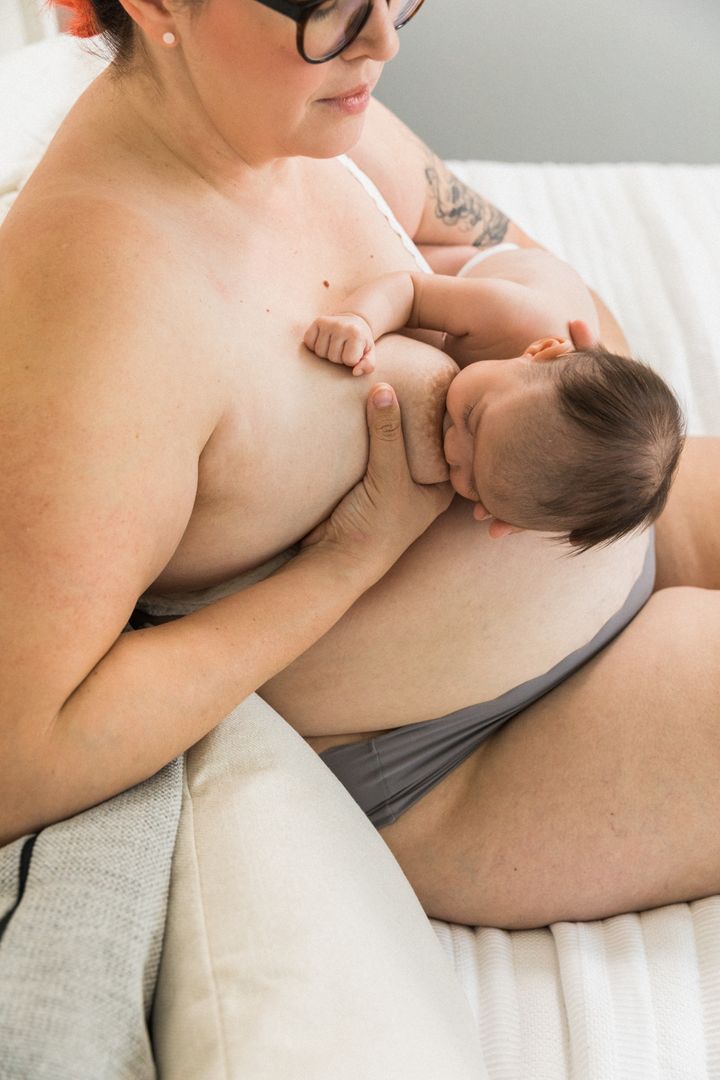
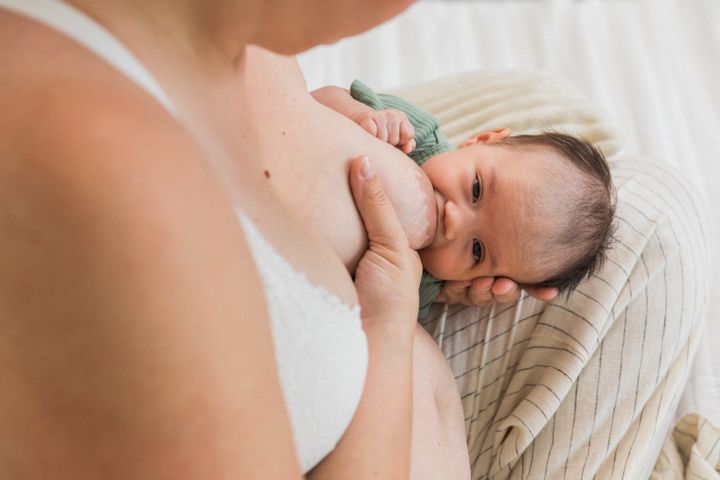
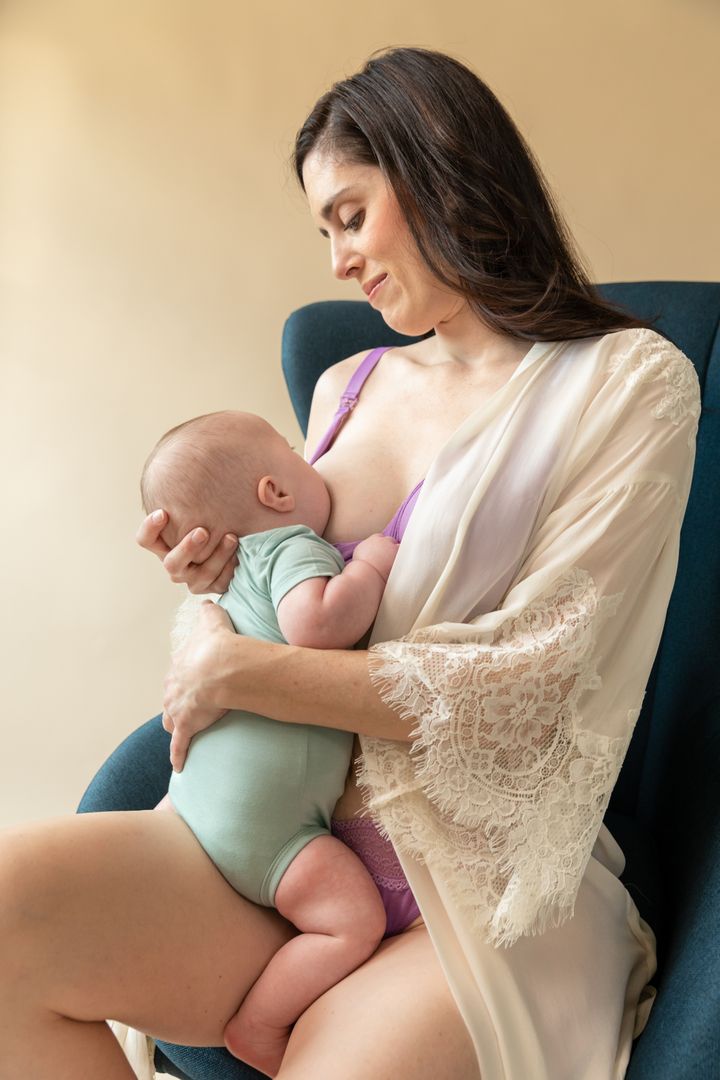
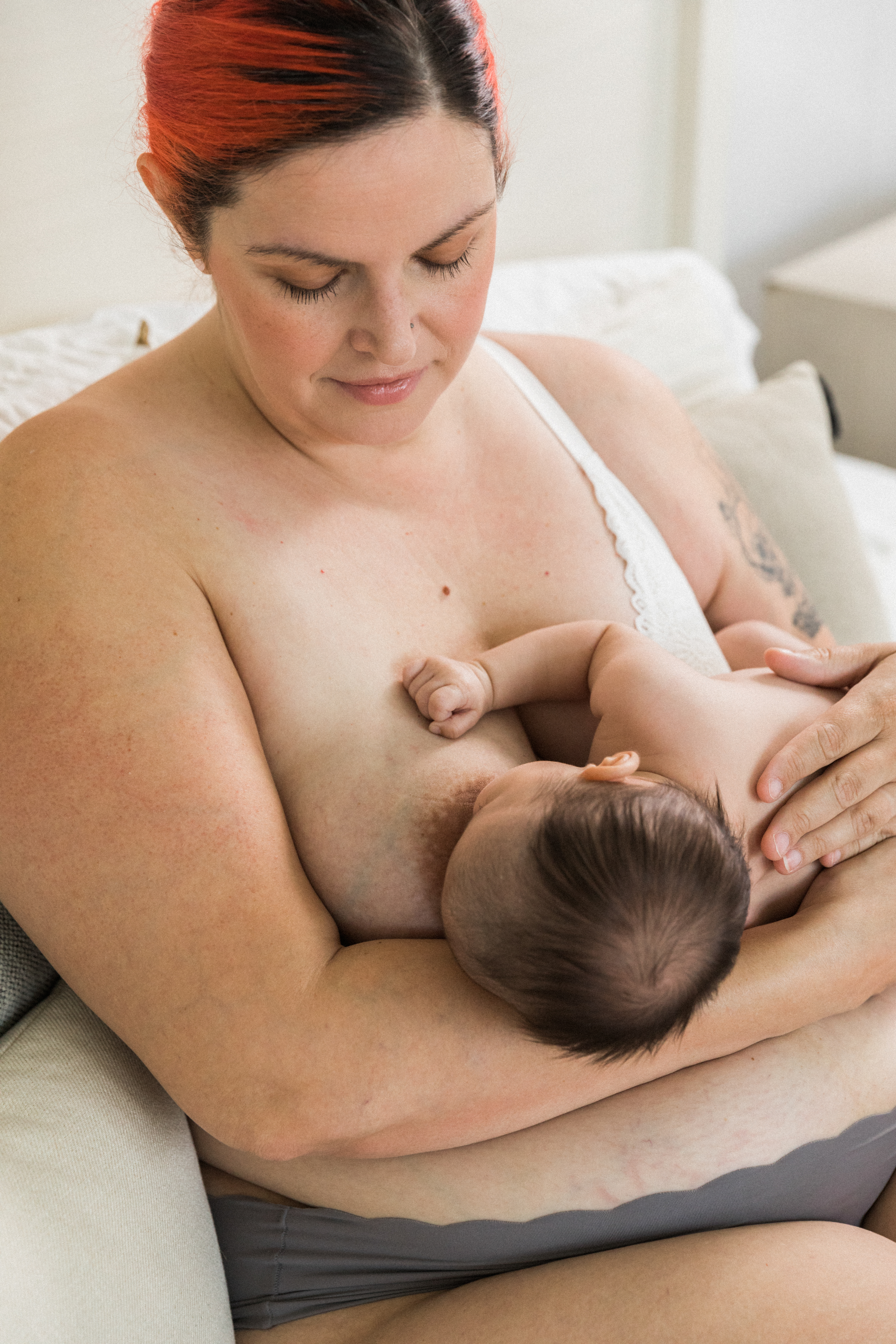
Finding a breastfeeding position that works for you can make such a huge difference, especially during those periods of cluster-feeding when you’re spending most of your time sat down with a baby glued to your boob.
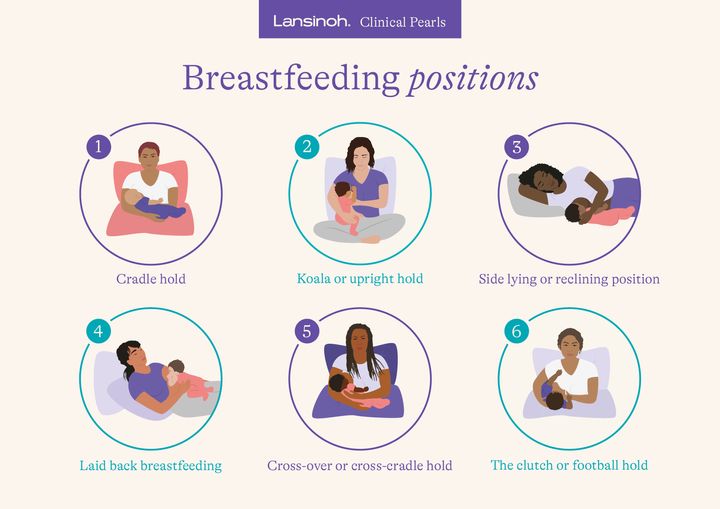
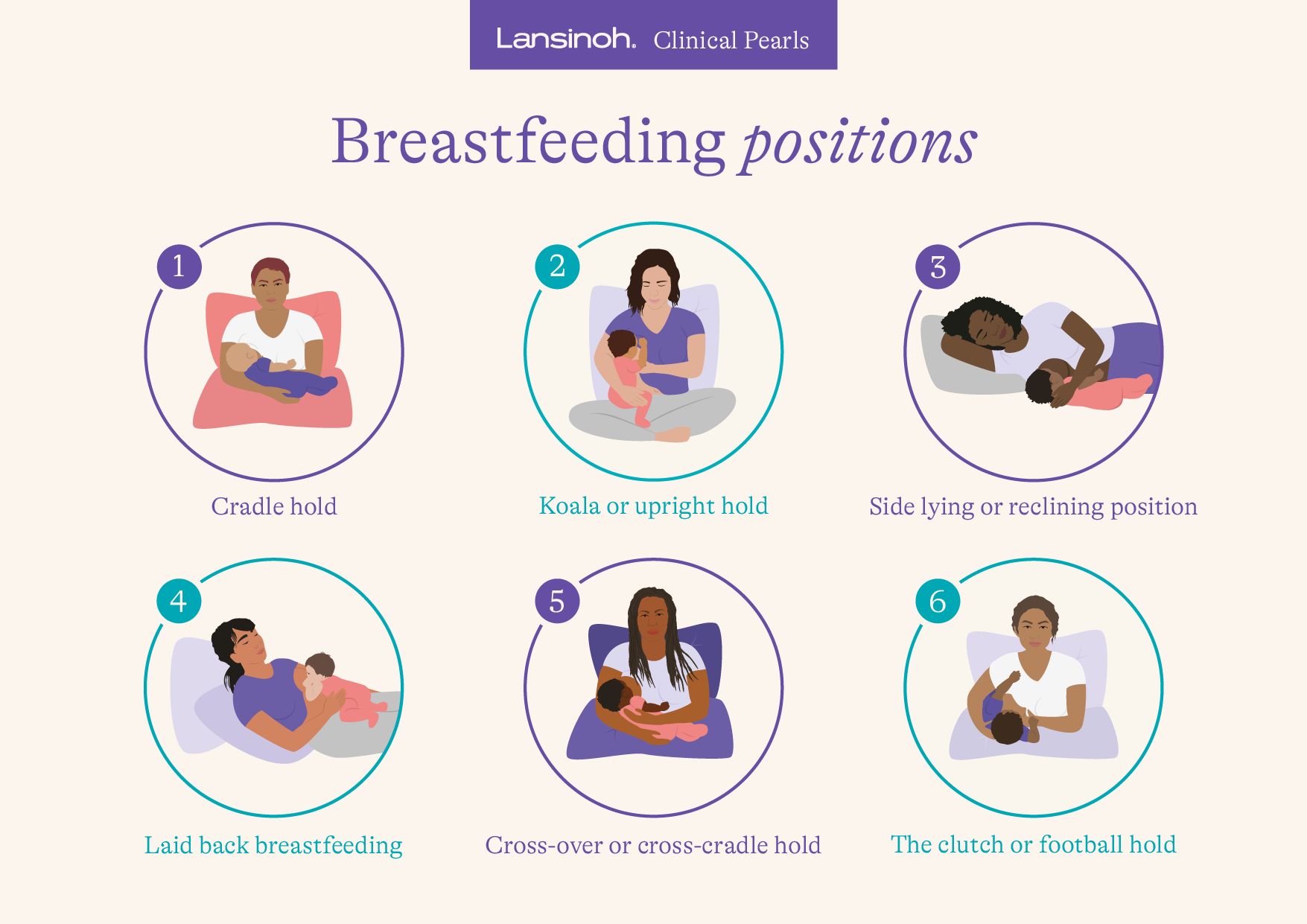
Here are some of the most commonly used breastfeeding positions – with supporting images and illustrations from Lansinoh – to help you on your way.
Advertisement
Breastfeeding positions illustrated.
1. Cradle hold
This is one of the most common positions for breastfeeding, however it might be uncomfortable for those who have had a caesarean, the NHS notes.
To do this position, sit in a comfy chair with arm rests or on a bed with cushions around you. Then, lie your baby across your lap, facing you. Their tummy should be facing yours.
Place your baby’s head on your forearm, with their nose towards your nipple. Your arms should be supporting their body. Meanwhile, place your baby’s lower arm under yours.
Check to make sure your baby’s ear, shoulder and hip are in a straight line.
Cathlin McCullough/Lansinoh
A baby feeding in the cradle position.
Advertisement
2. Cross-cradle hold
This is touted as a good position for those with smaller babies and newborns. It’s similar to cradle hold, except your arms switch roles – so your baby’s body is basically lying across the opposite forearm to the boob you’re feeding them from.
Your forearm will basically be supporting their back and spine, with your palm supporting their shoulder blades, and your fingers under their ears.
As breast pump experts at Medela explain: “Because your baby is fully supported on your opposite arm, you have more control over his positioning, and you can use your free hand to shape your breast.”
This is a great position to try if you’re breastfeeding in the night, or you’ve had a caesarean or difficult delivery.
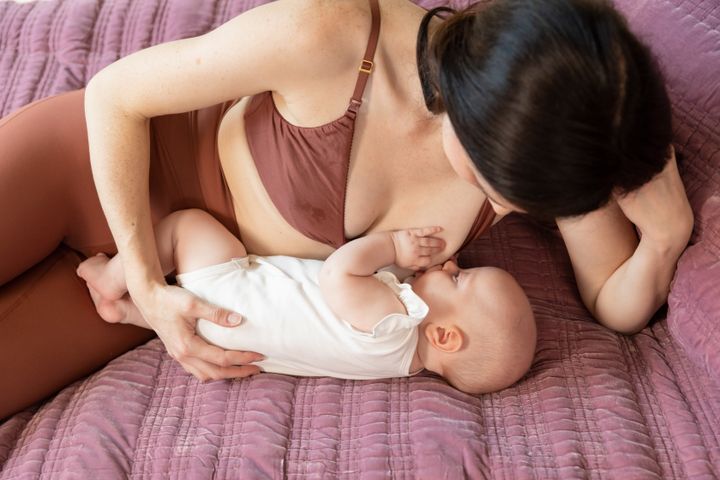
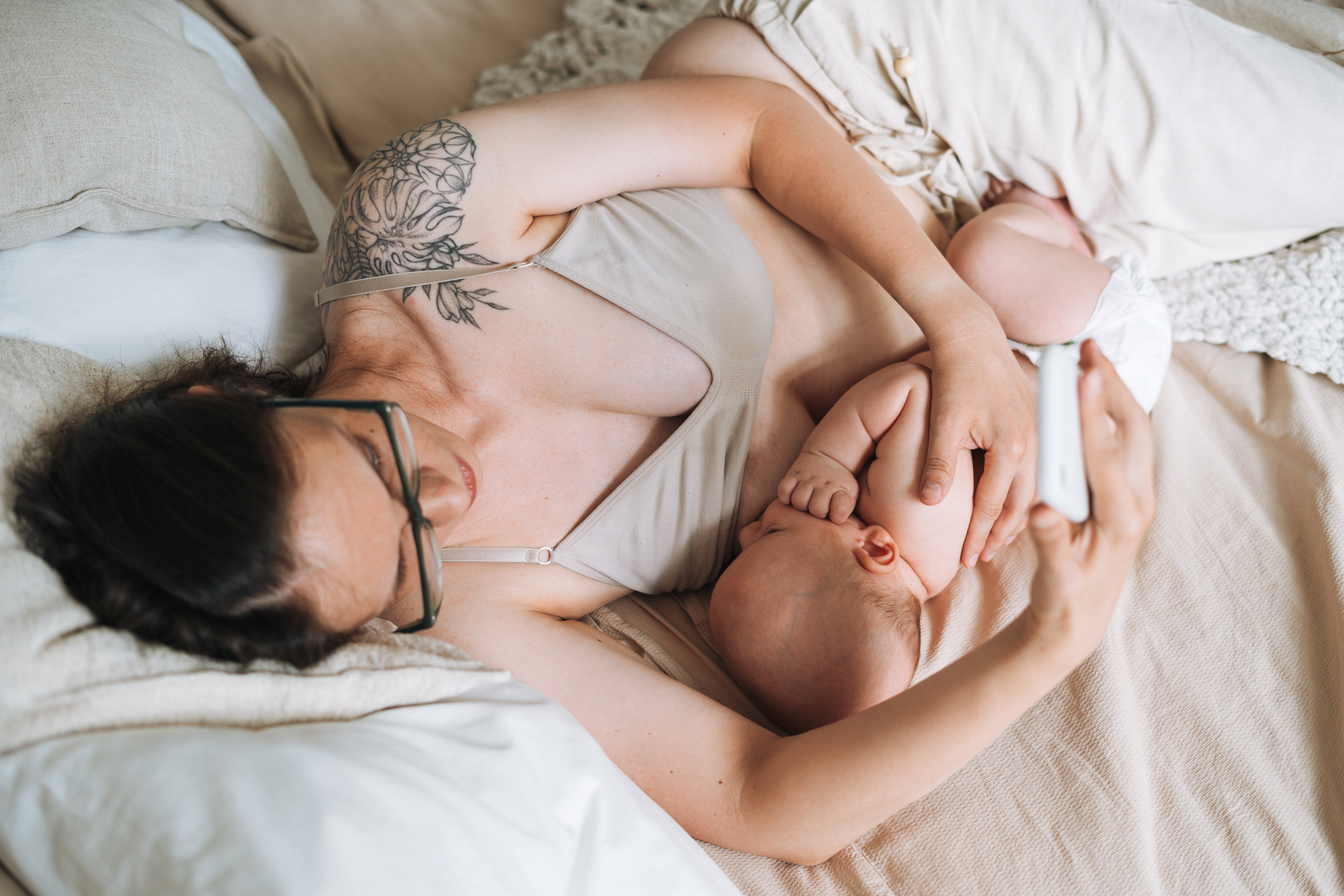
First, lay down on your side with your baby facing you, so you’re lying tummy to tummy. Your baby’s ear, shoulder and hip should be in a straight line.
It might help to put some cushions or pillows behind you for support and the NHS recommends a rolled up baby blanket popped behind your baby to help support them, if they can’t quite stay on their side yet.
Tuck the arm you’re lying on under your head or pillow and use your free arm to support and guide your baby’s head to your breast.
Need a visual guide? Check out this handy video from lactation counsellor Grace (@latchingwithgrace) on how she gets comfortable in the side-lying position.
Advertisement
A baby feeding in the side-lying position.
4. Laid-back nursing
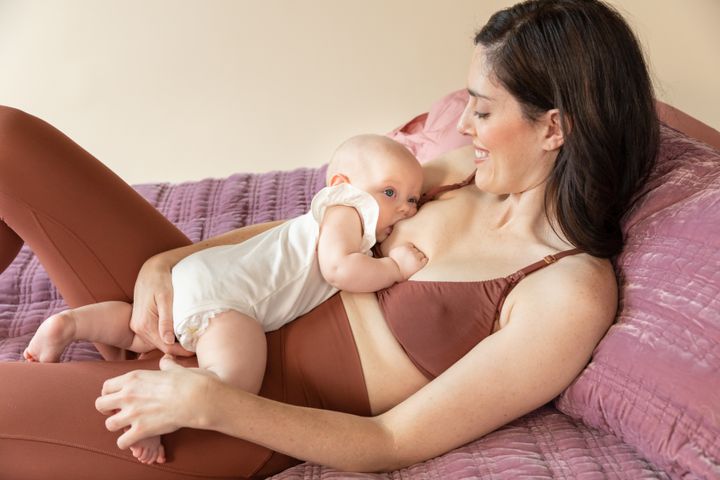
The laid-back position is pretty much what it says on the tin: you’re seated in a semi-reclined position – either on a sofa or bed. The position can be done by most mothers, however if you’ve had a C-section you might want to lie your baby across from you and away from your incision, the NHS suggests.
It’s also a great shout for those who have an overactive letdown (where the milk comes out forcefully) and, according to lactation counsellor Angela Das (@motherhooduntamed) it can also help them achieve a deeper latch.
To nail this position, lean back (but not flat) on your sofa or bed, propping yourself up with cushions so your back, shoulders and neck are supported.
Now, place your baby on your front so their tummy is resting on your tummy. For those who’ve had C-sections, this is the part where you would lay them to one side.
Advertisement
The NHS advises parents to be seated upright enough that they can look into their baby’s eyes, and to gently support their baby, guiding them to the nipple.
Cathlin McCullough/Lansinoh
A baby feeding in the laid-back nursing position.
5. Rugby ball hold
The rugby hold can feel a bit tricky to begin with, however it’s another good position for those who’ve had C-sections, as there’s no pressure on the incision area, as well as parents of twins.
To do this, you’ll need to sit in a chair with a cushion (or two) along your side. Then, position your baby (/babies) at your side, under your arm, with their hip close to your hip. Their upper body will be positioned along your forearm. The NHS suggests your baby’s nose should be level with your nipple.
Support your baby’s neck with the palm of your hand and gently guide them to your nipple.
Check out this video from midwife and lactation consultant Libby Cain (@libbyandco_nz) on how to do the rugby hold.
Advertisement
A baby feeding in the rugby position.
6. Koala hold
This position can be good for mothers who have older babies or an overactive letdown. It can also be done with newborns however they’ll need lots of support.
According to experts at Medela, this position can also be more comfortable for babies who have reflux, ear infections, tongue-tie or low muscle tone.
In this particular position, the baby will sit on your thigh, with their legs dangling either side. Their spine and head will be upright as they feed. For a demo of this nursing position, check out this video from lactation consultant Kathryn Stagg (@kathrynstaggibclc).
When you become pregnant, and then give birth, there are a lot of dos and don’ts as far as taking medication is concerned.
For instance, ibuprofen isn’t advised for those who are pregnant – unless prescribed by a doctor. This, says Jana Abelovska, superintendent pharmacist at Click Pharmacy, is “due to the negative effects ibuprofen can have on a baby’s kidneys and circulatory system”.
Advertisement
But after your baby has been born and is breastfeeding, what happens then? Should you still avoid it?
It’s no wonder then that ‘can I take ibuprofen while breastfeeding?’ is a commonly Googled query – alongside other popular asks like whether you can have Lemsip or Strepsils when breastfeeding.
We asked Abelovska to walk us through what pain relief medication parents can take, and should steer clear of, when breastfeeding little ones. Here’s her advice.
Is it safe to take ibuprofen when breastfeeding?
The good news is that for breastfeeding women, ibuprofen is “completely safe” to take – and is actually one of the recommended painkillers for women while breastfeeding, says the pharmacist.
Advertisement
You can take it as a tablet or use it on your skin.
“Ultimately, only minuscule amounts of the drug pass from the breast milk into the baby’s body, and therefore pose no real risk to babies,” Abelovska explains.
Well, that’s a relief.
Can I take Lemsip when breastfeeding?
With cold and flu season lurking around the corner as we head towards the cooler months (sorry), people are also understandably interested in whether it’s OK to take decongestants like Lemsip when breastfeeding.
Abelovska says: “Interestingly, while decongestants – like Lemsip – are unlikely to directly affect a breastfeeding baby, they can have a negative effect on the mother’s milk supply.
“Therefore, it is recommended that breastfeeding mothers avoid all types of medical decongestants and instead use safer alternatives, such as inhaling steam.”
Experts at NetDoctor agree, saying the production of breast milk can decrease “with just one or two doses,” so Lemsip is “best avoided by mothers who are breastfeeding”.
Advertisement
What about Strepsils?
Throat lozenges can help ease a sore throat if you’re struggling – but it’s always best to ask your pharmacist to recommend one that is safe for breastfeeding, according to the Health Service Executive (HSE).
In the case of Strepsils specifically, Abelovska says the Honey and Lemon varieties “seemingly pose no risk to breastfeeding women.”
But she warns other Strepsil products, such as Extra Triple Action Blackcurrant Lozenges, are not recommended.
“Strepsils’ package leaflet for the triple action throat sweets recommends avoiding the product if pregnant or breastfeeding,” she explains.
If you’re confused about what’s best to take, Abelovska recommends having an open discussion with your GP who can advise further.
Advertisement
What medicines should you avoid when breastfeeding?
There are a wealth of medications that aren’t recommended for women while breastfeeding, says the pharmacist. “This can be for various reasons such as affecting milk supply or the risk of the medication getting into the milk.”
A video of a baby “two-stepping” is melting hearts everywhere.
In the clip, a healthcare worker can be seen stroking down each side of a newborn’s spine, with its bottom instinctively wiggling in the same direction.
But is this wizardry? Or is there a reason why babies do this?
Dr Karan Raj, a medical doctor and author of This Book May Save Your Life, took to TikTok to explain the phenomenon, which is known as the Galant reflex.
Advertisement
The purpose of the reflex is to “encourage movement and develop a range of motion in the hips”, he said, which helps prepare babies for crawling and walking.
The reflex can also be tested in newborns so healthcare professionals can help rule out brain damage at birth, the doctor explained.
The doctor describes is as a “cute baby software glitch” because hypothetically, it should disappear by around nine months old.
Advertisement
Reflexes happen when our bodies are stimulated in some way and our muscles respond to that stimulation.
“The presence and strength of a reflex is an important sign of nervous system development and function,” say experts at Mount Sinai.
A lot of infant reflexes – like the Galant reflex – disappear as a child gets older. If it’s still present as they age, it can be a sign of brain or nervous system damage.
Another fascinating reflex babies are born with is the rooting reflex, which happens when a baby’s mouth is stroked or touched.
According to Stanford Medicine, in response to this touch, the baby should turn their head and open their mouth to follow and root in the direction of the stroking.
Advertisement
It basically helps them find the breast or bottle so they can fill up on milk.
They also have a suck reflex, whereby when the root of their mouth is touched, they’ll automatically start to suck.
And one many parents will be familiar with is the Moro reflex – otherwise known as the startle reflex. When there’s a loud noise or movement, a baby will throw back their head and extend their arms or legs out, like they’re falling.
What’s stopping new mums from breastfeeding? That’s the question photographer Ania Hrycyna set out to uncover when she gathered 15 mothers together for a candid festival-inspired photoshoot of them feeding their babies.
Ahead of World Breastfeeding Week (1-7 August), the South London-based photographer and mother brought together a group of local women at a local airfield and asked them about the challenges they’d experienced in their breastfeeding journeys.
The photographer’s hope is that their stories – and gorgeous photos – will foster more empathy and understanding of the difficulties women face. And one theme that crops up time and time again is the lack of support new mothers face.
Here are some of their stories.
‘He struggled to latch and I received very little support from midwives at the hospital’
Ania Hrycyna
Gloria
I started breastfeeding my firstborn in May 2017. He was tiny and very sleepy, really struggled to latch and I received very little support from the midwives at the hospital.
Advertisement
Once at home, he lost 13% of his birth weight. The home health visiting team were fabulous and helped me increase my milk supply and get onto an exclusively breastfeeding path which we followed for two-and-a-half years (until a couple of weeks before the birth of his little brother).
I thought after breastfeeding for two-and-a-half years it would be a doddle the second time around, but I guess I underestimated that my new little bundle had to find his way, too.
I managed to settle onto breastfeeding Hugo, who again I fed for two-and-a-half years. This time until I was about 30 weeks pregnant with my third baby, Max.
I have recently gone back to work after maternity leave so just learning to live in our new chaos and finding the right balance between expressing at work and co-sleeping so that he can get all his milk feeds.
I love the bond from breastfeeding my babies.
‘I never knew two breastfeeding journeys could be so different’
Ania Hrycyna
Clare
Advertisement
In 2020, I became a mother to our first child Lilah Ottalie. Breastfeeding was something I had set my heart on and it came so naturally to us both – born in water, she climbed up and latched on within moments, despite having a tongue tie.
She fed perfectly throughout my second pregnancy in 2022 and is still going strong today.
Our second child, Ottis Malachi, had a harder time learning to latch and feed. He was born very fast, he was tired and so was I – everything was a blur. He didn’t feed at all for the first 48 hours, he never got any of my golden colostrum. I felt very let down by the team at the hospital, I still do.
They wanted him to try formula as he couldn’t latch and he was losing energy. Lilah has a severe cow’s milk protein allergy that had her in and out of hospital for the first eight months of her life. I have been dairy-free for the last three-and-a-half years for this reason.
The hospital could only offer me cow’s milk formula for Ottis, which I had no choice but to accept. He reacted more or less straight away and I knew the symptoms so well that I declined the next feed. It was all on me.
Giving birth in lockdown meant my partner wasn’t allowed in to support me either, and it was the first time I had ever left Lilah, who was still breastfeeding and wasn’t allowed in to see us. I was heartbroken with a new baby that needed me.
Advertisement
We stayed in for four days until we were discharged with a feeding plan of me exclusively pumping to supply him with what he needed. Ottis had a lot of problems – we found out he also had a tongue tie and a high palate with a shallow latch.
At six days old he finally latched on his own for the first time. He really struggled to find his way to my nipple, so it was suggested at six weeks that we replicate being born and the newborn crawl to the boob. It helped and I was so emotional.
I had been told I wouldn’t be able to feed him and it was a long road but we got there in the end. He still wouldn’t latch every time and struggled a lot, he used to get very frustrated and chompy which had me in a lot of pain and tears. He also has low muscle tone making it hard for him to hold on when feeding.
I never knew two breastfeeding journeys could be so different. I have now been tandem feeding for a further year-and-a-half.
‘We need to be more open about the issues surrounding breastfeeding and where to go for support’
Ania Hrycyna
Kirsty
Advertisement
I knew I wanted to try breastfeeding, but also knew things might not work out and I didn’t want to feel too let down if I wasn’t able to. If anything I had almost convinced myself that I may not be able to because I was unable to harvest any colostrum before giving birth – despite my best efforts. I made sure to pack bottles of formula in my hospital bag.
With there being so much emphasis on ‘breast being best’ I did feel a bit guilty about being so comfortable with the idea of giving my baby formula straight away, like I had quit before starting – but now looking back I realise I had a lot of worries about breastfeeding in general with questions in my mind such as: Will I produce enough milk? Will it mean my body will never be my own again? Will my nipples be leaking milk all the time?
When I gave birth to my daughter, suddenly all of the feelings of anxiety and worry were quickly replaced with confidence as I watched her crawl up my stomach after birth, navigate her way to my boob and latch her little mouth – it was truly magical.
In this moment I fully understood and felt what my hypnobirthing teacher had meant when she said to trust your body and baby. Breastfeeding hasn’t come without the lows, though, and one of the things that surprised me was the pain – especially in those initial weeks when my daughter would cluster feed.
We’re told that breastfeeding should be a pain-free experience that will come naturally to us and our babies, which I don’t believe is true for the majority of women. I cried numerous times through the hard times in our journey, constantly thinking: why is this so tough when it’s supposed to be the most natural thing?
Advertisement
I think as a society we need to be more open about the issues surrounding breastfeeding and where to go for support, so that women can prepare themselves for the common issues and not struggle silently.
‘I felt like I was already failing as a mother, less than an hour after becoming one’
Ania Hrycyna
Ligia breastfeeding her baby.
I always knew I wanted to breastfeed my children – my trouble was in having those children. After a good few years, I finally got pregnant thanks to the miracle of science, and then Covid-19 struck.
Serafina was born in September 2020. I tried to feed her in the minutes after birth, but she wouldn’t latch. I was devastated, especially as the breastfeeding nurses kept telling me it was because I have flat nipples. Hormones and tiredness didn’t help, but I felt that not only could I not conceive naturally, I couldn’t feed her naturally either. I felt like I was already failing as a mother, less than an hour after becoming one.
The following day, I was ‘allowed’ to express, so at least she was getting the good stuff… When I got home, I persevered with breastfeeding – my husband bought every contraption under the sun to try and help with my ‘flat nipples’ and the midwife who visited on day five tried to help me with positioning.
Advertisement
Serafina did start feeding, but I was in agony, kept getting blocked ducts, and had a baby or a pump attached to my boobs nearly 24/7. About six weeks after Serafina was born, I finally plucked up the courage to join a breastfeeding Zoom session. I was recommended a lactation consultant who arrived the next day and diagnosed a severe posterior tongue tie within two minutes of walking in the door and advised the stabbing, freezing pains I was feeling was vasospam.
A mere 10 seconds after the tongue tie was severed, Serafina latched onto my boob – and it felt amazing.
When we decided to try and have another baby, I was told I wouldn’t be able to start the hormone treatment until I’d stopped breastfeeding Serafina. After everything we’d been through to get to this point, how was I going to stop?! And why was I putting a potential future baby ahead of the real life baby girl I held in my arms?!
The guilt was crushing. But we eventually did it (with many tears!). Persephone was born in January this year and latched on and started feeding within minutes. It was a totally different experience. It still didn’t feel quite right, but it wasn’t painful. Tongue tie was discounted, so I just got on with it.
We were eventually referred to the tongue tie clinic because Persephone had green stools, and lo and behold, she had posterior tongue tie. To say I was annoyed is an understatement. But at six months old, she is now feeding much better. It has not been an easy journey, but I’m so proud of myself and my girls.
Advertisement
‘There is so much more to breastfeeding than just feeding a baby’
Ania Hrycyna
Helen breastfeeding her child.
I always knew I wanted to breastfeed, so when my eldest daughter was born in 2013 I was delighted when it came quite easily to us both. When her younger brother was born 16 months later, it was a different story.
He had a tongue tie and feeding was really painful. I didn’t know how or where to access good support and believed the people who told me nothing could be done to make his feeding more comfortable.
I fed him for a year but it was a good three months before it felt comfortable. The same thing happened with his younger sister, born 18 months later and also with a tongue tie.
When my fourth baby was born and feeding was again painful, I knew a bit more about tongue tie and what to do. We found support, had her tie divided and feeding was so much easier from then on.
Advertisement
I decided to train as a breastfeeding counsellor, partly because I had always loved feeding my babies (despite the pain) and wanted to understand it more, and partly because I wanted to be able to offer others the support I had so desperately needed myself.
I spent two years completing a foundation degree and during that time my fifth and sixth babies came along, both with tongue tie. I recently gave birth to my seventh baby (again with tongue tie), who is in this photoshoot.
I find it so rewarding to be able to help people to work through difficulties and to be able to continue breastfeeding, where that is important to them. It has also been a huge help to my own breastfeeding journeys, which have not been without their difficulties, to understand how breastfeeding works and the impact that the various challenges can have.
I hear first-hand how valuable that support is for new parents and I am passionate about providing accessible support to anyone who needs it through drop-ins, free telephone helpline support and signposting to other services.
There is so much more to breastfeeding than just feeding a baby and I enjoy the constant learning that comes with working in breastfeeding support.
When it comes to babies and toddlers, it’s safe to say there’s no rulebook as far as sleep is concerned.
While there’s no shortage of books out there telling parents how much their children should be sleeping at various stages in their development, the reality is that no two babies are the same so they’ll have very different sleep needs.
Advertisement
And, when they reach toddlerhood, well… good luck to you as you spend hours each evening trying to get them down to sleep. (Sorry, I might be projecting.)
But does it actually mean something when an infant naps little and often?
Well, a new study suggests it might. Some children are more efficient at consolidating information during sleep, so they nap less frequently, the research found.
Conversely, University of East Anglia researchers found that it’s usually the case that frequent cat-nappers tend to have fewer words and poorer cognitive skills than their peers.
The takeaway? The research team said these children should be allowed to nap as frequently and for as long as they need.
Advertisement
For the study, researchers analysed 463 infants aged between eight months and three years during lockdown in 2020.
Parents were surveyed about their children’s sleep patterns, their ability to focus on a task, keep information in their memory, and the number of words that they understood and could say.
They also asked parents about their socio-economic status – including their postcode, income, and education – and about the amount of screen time and outdoors activities their child engaged in.
As the research took place during lockdown, it allowed researchers to study children’s intrinsic sleep needs because they weren’t at daycare, which is where they tend to sleep less.
They found the structure of daytime sleep is an indicator of cognitive development.
Lead researcher Dr Teodora Gliga said: “There is a lot of parental anxiety around sleep. Parents worry that their kids don’t nap as much as expected for their age – or nap too frequently and for too long.
Advertisement
“But our research shows that how frequently a child naps reflects their individual cognitive need. Some are more efficient at consolidating information during sleep, so they nap less frequently.
“Children with smaller vocabularies or a lower score in a measure of executive function, nap more frequently.
“Young children will naturally nap for as long as they need and they should be allowed to do just that.”
Parents of frequent cat-nappers needn’t worry though.
The findings suggest that “children have different sleep needs – some children may drop naps earlier because they don’t need them anymore,” said Dr Gliga, and that “others may still need to nap past three years of age” – and that’s OK.
A mum has revealed how just six months after giving birth, she can’t remember the pain of labour. And it’s something many – but not all – can relate to.
“My husband thinks this is crazy. But I didn’t know if anyone else experienced this,” revealed the parent. “I gave birth almost six months ago and I don’t remember the pain.”
Advertisement
The phenomenon is not uncommon. Lots of women report not quite remembering the sensations of labour, even though they recall it was painful for them at the time.
“I vividly remember being in pain, and clutching the hospital bed rails with all my might, but the actual pain, [I] can’t recall it for anything,” said the mum, taking to Reddit.
“It blows my mind. Like I know I had contractions for hours, but I couldn’t even tell you what they felt like.”
Other parents were equally baffled and shared their own experiences of not remembering the sensations of birth. “I remember between (screaming through) contractions I said to my husband, ‘how do siblings exist?!’” said one.
Advertisement
“Two weeks later I’m picking out sibling names.”
But not everyone shared the reduced memory recall, as far as pain was concerned. “I can vividly recall every single pain and I’ve already decided to never do it again,” said one parent.
Another added: “Can’t relate. The pain haunts me daily.”
So, why is this?
Unsurprisingly it’s not a well-studied area, but one study of women’s memory of labour pain – from two months to five years after birth – found memory of labour pain did decline in a lot of women over a period of time.
But for those who had a negative overall experience of childbirth, the memory of labour pain didn’t decline. What’s more, women who had an epidural – suggesting they experienced extreme pain during birth – reported higher pain scores at all time points, suggesting that these women remember the ‘peak pain’ of labour.
In a piece for the Conversation, Monique Robinson, of the Telethon Institute for Child Health Research at The University of Western Australia, suggested lots of other factors can play a part in how a birth is remembered. So things like: satisfaction with care-providers, choice of pain relief, level of medical intervention, complications, outcomes for the baby, and other personal factors.
All of these would add up to either form a positive or negative birth experience. Positive experiences are less likely to be associated with pain, whereas negative ones are.
Advertisement
Discussing why some people might forget the pain of birth, Jennifer Conti, clinical professor of obstetrics and gynaecology at Stanford University, told Self her theory is that from an evolutionary perspective, the survival of our species could depend on women forgetting the pain of labour and birth.
“If you can’t remember how intense your [birth experience] was, maybe you’re more likely to do it again and reproduce,” she said.
“I often hear women say that they can remember that they were in pain during labour, but can’t actually recall the perception or intensity that well. On the other hand, there are women who swear they remember the event like it happened yesterday.”
Swabbing newborn babies with their mum’s vaginal bacteria might boost their early development, according to new research.
Known as vaginal seeding, the process involves transferring vaginal bacteria to a baby after a caesarean section, with a view to improving their gut bacteria.
Advertisement
The process reportedly originated in Australia, however over the years has become increasingly popular in the UK, too – with more and more mums asking for vaginal seeding after a C-section birth.
But there are risks attached – specifically the risk of passing on an infection from mother to child.
What is vaginal seeding all about then?
Previous research has found babies born by C-section tend to have different gut bacteria to those born vaginally.
Vaginally born babies receive their early gut bacteria from the mother’s birth canal, while C-section babies’ microbiota are dominated by bacteria found on the mums’ skin, in breastmilk and in the environment.
Advertisement
While the difference tends to disappear as they age, researchers suggest early gut microbiota is associated with the development of baby’s immune system and could affect their disease risk later in life.
This has led to practices like vaginal seeding – basically, mums (or dads) would rub newborns with a gauze swab containing their mother’s vaginal fluids after birth via C-section.
But there is limited clinical evidence that vaginal seeding is safe and effective.
What are the risks of vaginal seeding?
Doctors have previously warned that the process could put babies at risk of infection – particularly from group B strep (GBS), which can prove deadly in some cases. And according to Jane Plumb, chief executive of Group B Strep Support, testing for group B strep “is rarely available in the NHS”.
“[GBS] is carried by around one in four pregnant women, and although it poses no risk to the mother it can cause fatal infections in babies,” Dr Aubrey Cunnington, a clinical senior lecturer from Imperial College London, wrote in the BMJ.
“There are also other conditions that cause no symptoms in the mother, such as chlamydia, gonorrhoea and herpes simplex virus, that could be transferred on the swab.”
Advertisement
He spoke about how one colleague had to intervene when a mother with genital herpes, who had undergone a C-section and was about to undertake the process.
“Swabbing would have potentially transferred the herpes virus to the baby,” said Dr Cunnington.
What does the new study say?
Researchers rubbed the lips, skin and hands of 32 newborns delivered via C-section with a gauze soaked with their mothers’ vaginal fluids and another 36 newborns with a gauze soaked with saline as blind controls.
Because of the risks attached, the mothers were tested in advance to make sure they were free of infections, such as sexually transmitted diseases and group B strep.
The team found that newborns who received the microbiota had more gut bacteria found in maternal vaginal fluid six weeks after birth, suggesting that maternal vaginal bacteria successfully reached and colonised babies’ guts.
Compared with C-section newborns who received saline gauze, babies with microbial transfer had more mature bacteria in their guts at six weeks old, similar to babies born vaginally.
Advertisement
And no infants experienced severe adverse events during the experiment, according to the study which was published in the journal Cell Host & Microbe.
It could also boost development
The team also evaluated the babies’ neurodevelopment at three months and six months after birth, using a questionnaire.
They asked the mothers if their babies were able to make simple sounds or perform movements like crawling on their hands and knees.
Babies who had been swapped with vaginal fluid scored significantly higher in neurodevelopment at both ages, and their scores were comparable to those of vaginally born babies.
Study author Yan He, of Southern Medical University in Guangzhou, China, said they now want to determine if vaginal microbiota seeding has the potential to reduce the risk of neurodevelopmental disorders in children, such as ADHD, ASD, and intellectual disabilities.
Advertisement
“It is somewhat like faecal microbiota transplantation,” continued He.
“We need more data to understand this intervention and make it more precise. We may eventually uncover what exactly is beneficial in maternal vaginal microbiota, which could enable us to design therapeutics for all infants born via C-section in the future.”
We hope you love the products we recommend – all of them were independently selected by our editors. Just so you know, HuffPost UK may collect a share of sales or other compensation from the links on this page. Prices accurate and items in stock at time of publication.
April marks C-section Awareness Month, and Lola&Lykke has pulled out all the stops to honour the delivery method many welcome their children into the world via.
Advertisement
Mums who have undergone a Caesarean section, as well as those who have had a vaginal birth, can now save on all the essentials they need to look after themselves and their bodies during their pregnancy, and postpartum, with the popular parenting brand.
For the duration of April, Lola&Lykke is offering shoppers the chance to get 20% off select items.
Lola&Lykke – which was was founded in 2018 by parents Laura and Kati, after they experienced problems during their pregnancies – offers a range of products to see parents before and after their pregnancy.
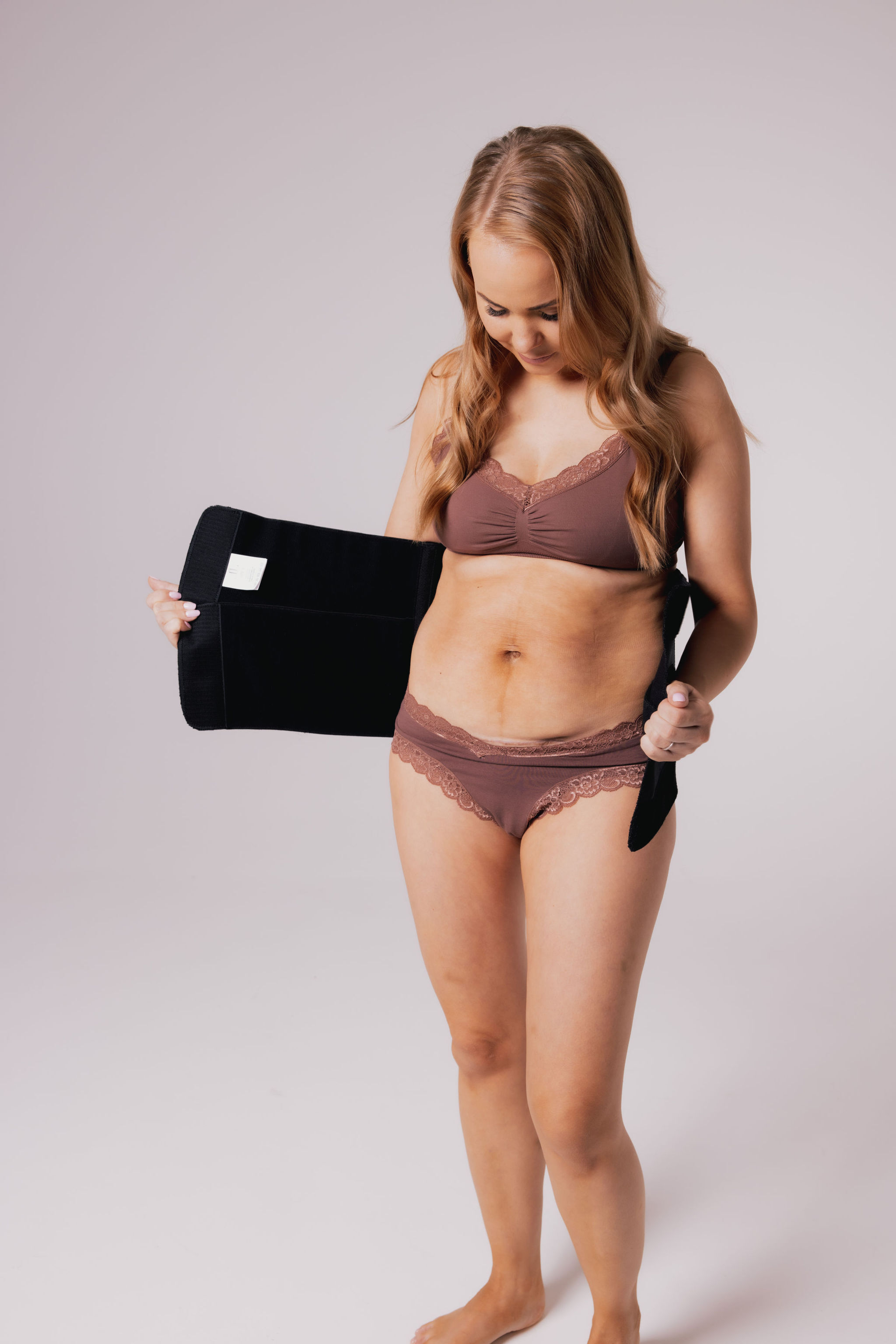
The Postpartum Support Band in particular is a must have as it provides medical-grade compression on the weakened core muscles, and aims to speed up recovery from childbirth and pregnancy. It was also designed by Finnish physiotherapists, so is safe to use.
Advertisement
Not only does it provide support around the stomach to heal diastasis recti, which is when your growing uterus expands causing your muscles to separate, but also to alleviate any back pain.
The Postpartum Support Band, which is also suitable for those recovering after a natural births, has been designed with comfort in mind, as the band fits to your body without inhibiting any movements.
The Postpartum Support Band is super simple to wear too, all you have to do is wrap around the target area of your stomach, and secure with the double velcro fastening.
It is free from latex, hypoallergenic and breathable, which means it is super delicate on fragile areas of the body.
<img class="img-sized__img portrait" loading="lazy" alt="The Postpartum Support Band provides medical-grade compression on the weakened core muscles.” width=”720″ height=”1079″ src=”https://www.wellnessmaster.com/wp-content/uploads/2023/04/new-parents-you-can-grab-20-off-postpartum-essentials-with-lolalykke-2.jpg”>
While those who want to secure the Maternity Support 2-Pack, which features the Pregnancy Band and Postpartum Support Band to see you through all stages of pregnancy, can do so at a more purse-friendly £171 down from £180.
Advertisement
With glowing reviews, support from medical experts, and super affordable price tags, these bargain buys are not to be missed.
While on the Lola&Lykke website, you will also find tool kits, tips and tricks, expert advice from professionals, as well as real life stories from fellow parents, so rest assured you are in a safe space to share your concerns or product recommendations.
The maternity label also has a blog about all subject matters, including in-depth detail on C-sections, so you can be well informed about the surgical procedure prior to giving birth, preparation to help in advance, as well as tips on recovery, and everything in between.
A podcast host in the US has revealed how she was so constipated after giving birth that she got a teaspoon and tried to “dig it out” – yeah, reading that sentence certainly wasn’t on our bingo card for this week either.
In their latest episode, I’ve Had It podcast hosts Jennifer Welch and Angie Sullivan were joined by Jackie Schimmel, host of the Bad Bitch Bible, who just so happens to be pregnant.
Advertisement
Naturally the conversation turned to pregnancy – as well as what happens after the birth.
One thing Welch was incredibly keen to convey to Schimmel is that after giving birth you can become very constipated. Especially if you’ve had pain relief.
Welch said: “You’re going to be more constipated than you’ve ever been in your entire life. And you’re talking nine, 10, 11 days not taking a shit. Nobody fucking talks about this. This is not in the pregnancy advertisement.”
She continued: “That first post-pregnancy shit, for me personally, was more difficult than giving birth.”
When co-host Angie Sullivan, also known as Pumps, agreed, Welch encouraged her to tell her own constipation story. And ladies and gentlemen, this is where things take A Real Turn.
Advertisement
“I was so miserable and I couldn’t poo and I thought I was going to lose my mind. And so I got a spoon and was trying to dig it out with a spoon,” said Sullivan.
She helpfully clarified this was a stainless steel teaspoon – so thankfully not a table spoon. And she didn’t use any lube for her… encounter.
Despite her best efforts, it didn’t work. Sullivan confirmed nothing came out.
After posting a clip of their insightful chat on TikTok, people were keen to share their experiences of that first post-birth poo.
One person wrote: “Can confirm, first dump postpartum you WILL be fighting for your life on that toilet.”
Advertisement
Another said: “Literally same! I was on the phone with a nurse thinking I was going to have to go to ER. What ended up coming out was the biggest turd I have ever seen.”
Constipation is pretty common after birth – with about one in four women suffering. According to Baby Centre there are a whole host of reasons you might be constipated, from not feeling comfortable using the toilet in hospital, to being scared to poo after tearing, as well as the impact of opioid pain relief.
On top of this, your digestive system slows down during labour and any damage sustained to your pelvic floor during birth can make it harder for you to empty your bowels.
To avoid constipation, they advise new parents to eat plenty of fresh fruit, vegetables, salad, wholegrain cereals and wholemeal bread, and drink plenty of water.
When it is time to poo, and if you’ve had stitches for tearing, they advise holding a pad of clean tissue over the stitches while going about your business. The official advice is also to try and not strain.
Advertisement
If you’re constipated and still can’t go after a few more days, don’t reach for the teaspoon and instead speak to your midwife or GP.
A gentle laxative might also help get things moving in the right direction.