‘People Love It’: 7 Ridiculously Easy Meals Guests Will Be Wowed By

As if thinking of what to eat in the week wasn’t hard enough, then comes the challenge of actually cooking the meals. When will the injustice end?!

Still, thanks to people like Redditor u/DanielQ_bu7, we can at least work out the least amount of effort we need to expend for the best possible results.

In a post shared to r/Cooking, the poster recently asked respondents to share meals which take next to no effort but which never fail to impress loved ones and guests.

Here are some of our favourite responses:

1) “Roast chicken. So easy and smells amazing when roasting.”

Marcella Hazan’s roast chicken with two lemons has never failed to come out juicy and delicious for me, and it always impresses. And it’s so damned simple,” u/Stuffandwhatnot agreed.

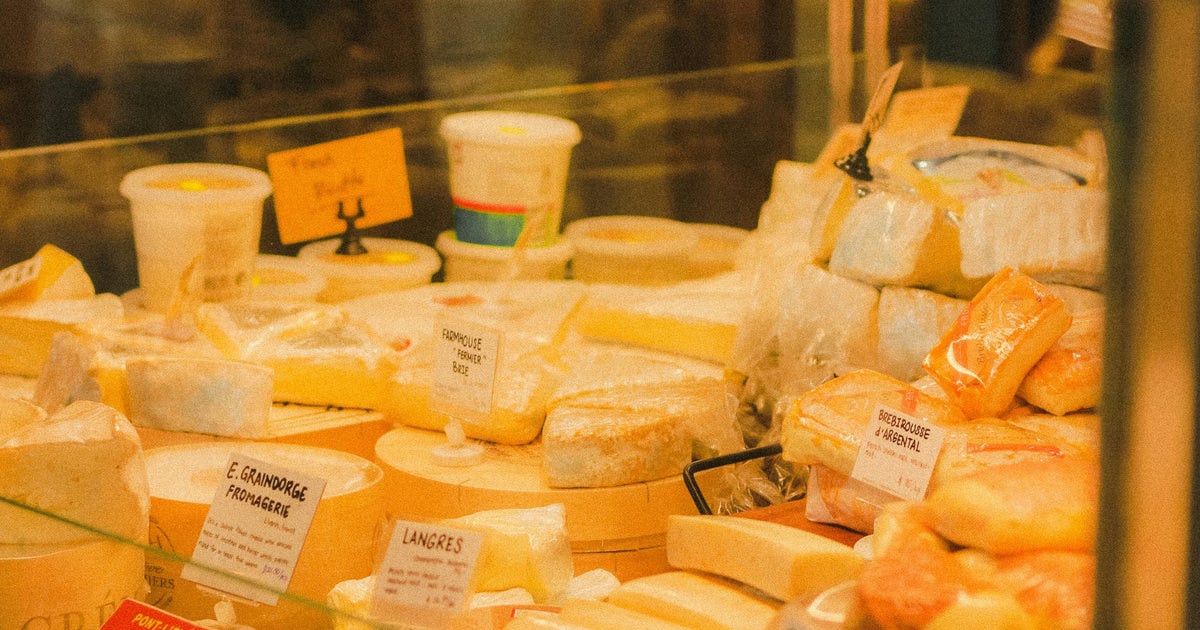
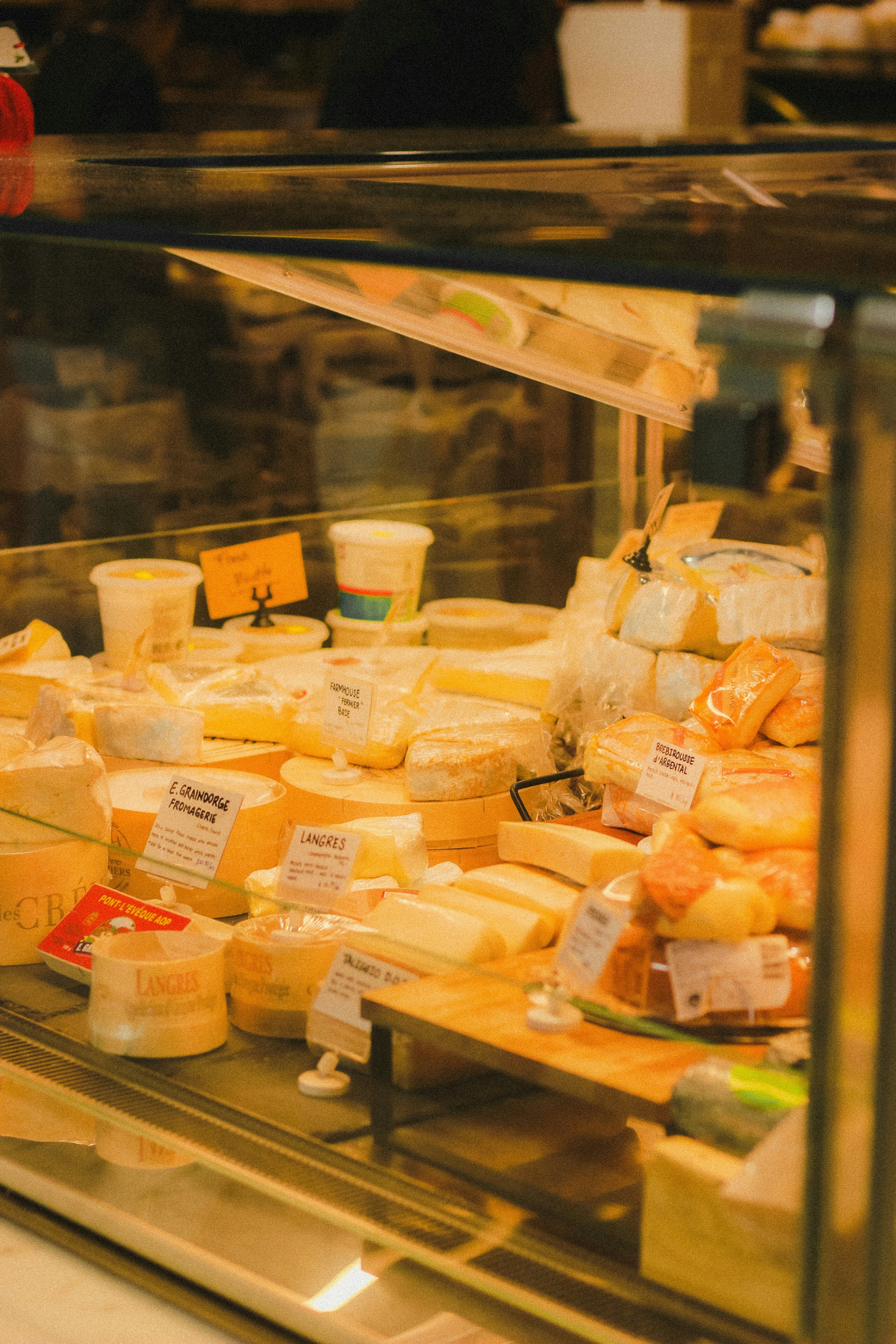
2) “Baked Brie.”

“Wrap [puff pastry] around a wheel of brie. You can top with preserves, honey, or just go bare. Serve with crackers or Melba toast.”

Credit: u/MiladyStarkX

“A friend of mine sautées mushrooms, then piles them on top of the brie and wraps it all in [clingfilm] and puts it in the fridge for a couple of days,” AndSomehowTheWine2 responded.

“Then unwrap the [clingfilm], wrap in puff pastry, and bake. The mushroom flavour just infuses [into] the brie, and it is all DELICIOUS.”

3) “Beef Bourguignon.”

Credit: u/LeRoiDeNord

“Julia Child’s recipe is my favourite. It’s really easy, and people LOVE it,” replied u/DaCouponNinja.

4) “Tiramisu.”

“My family thinks it is some sort of miracle that I make it. I think it’s amazing that it’s so simple (I guess it could be complicated if I made the ladyfingers myself).”

Credit: u/Darthsmom

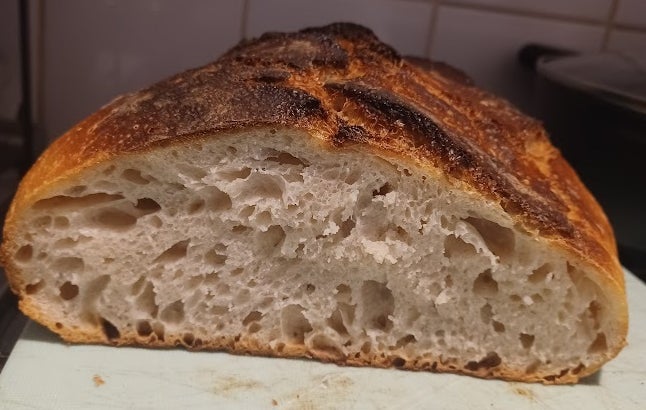
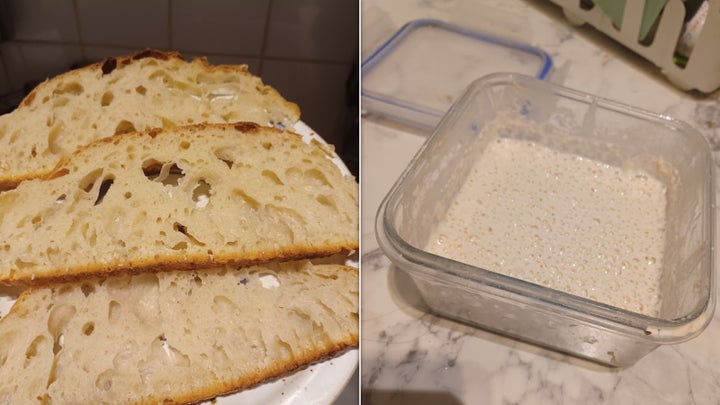
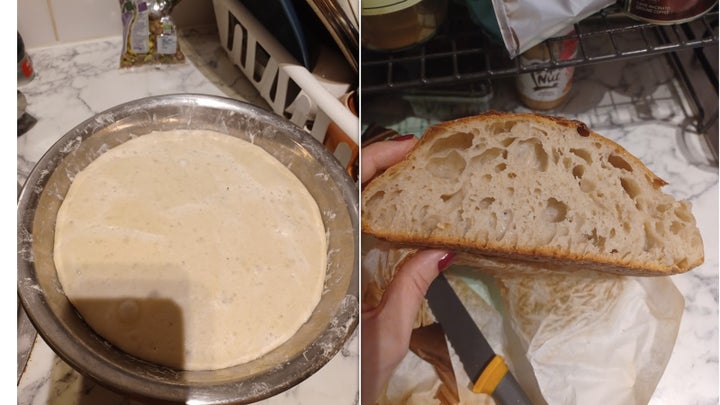
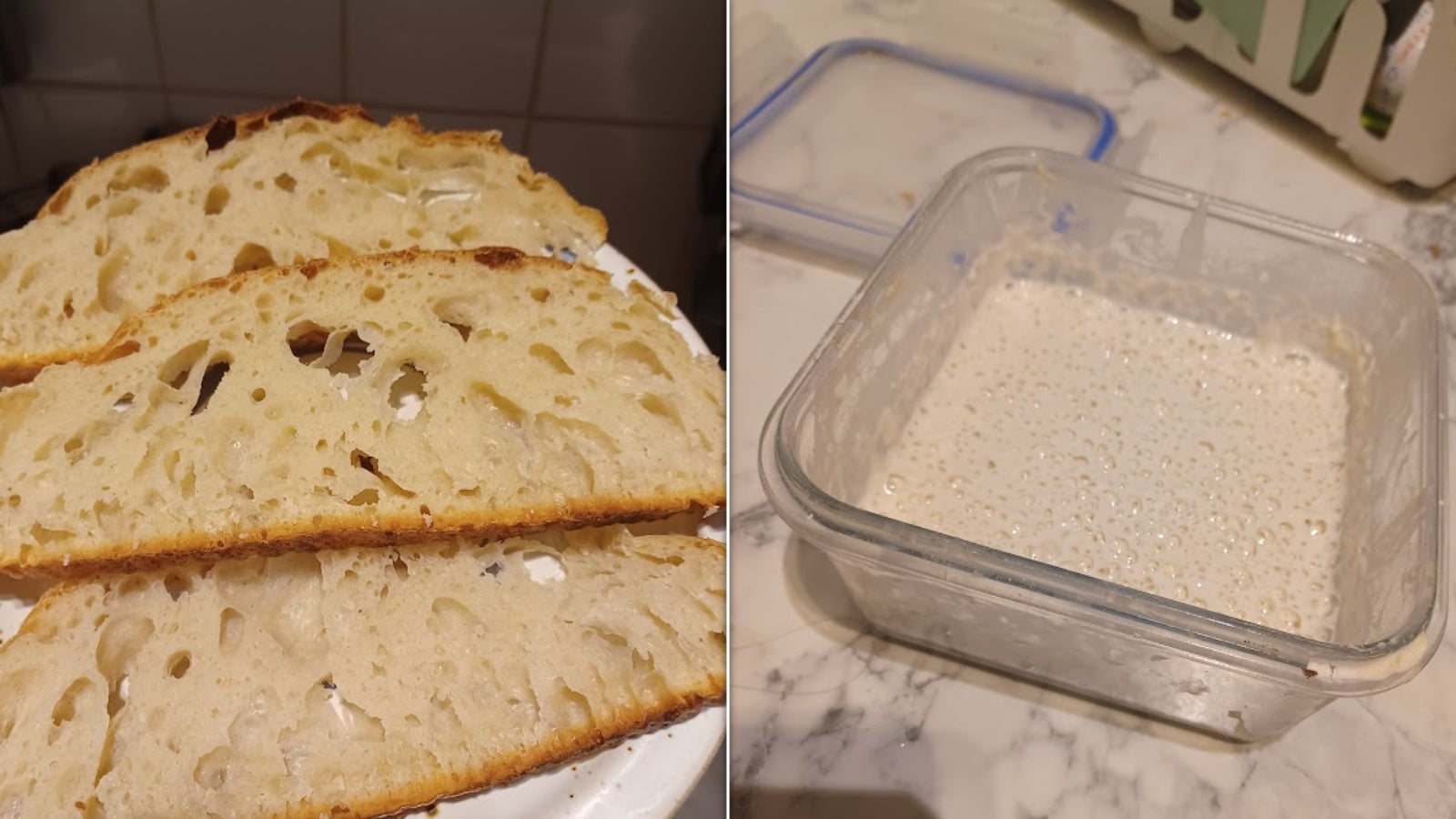
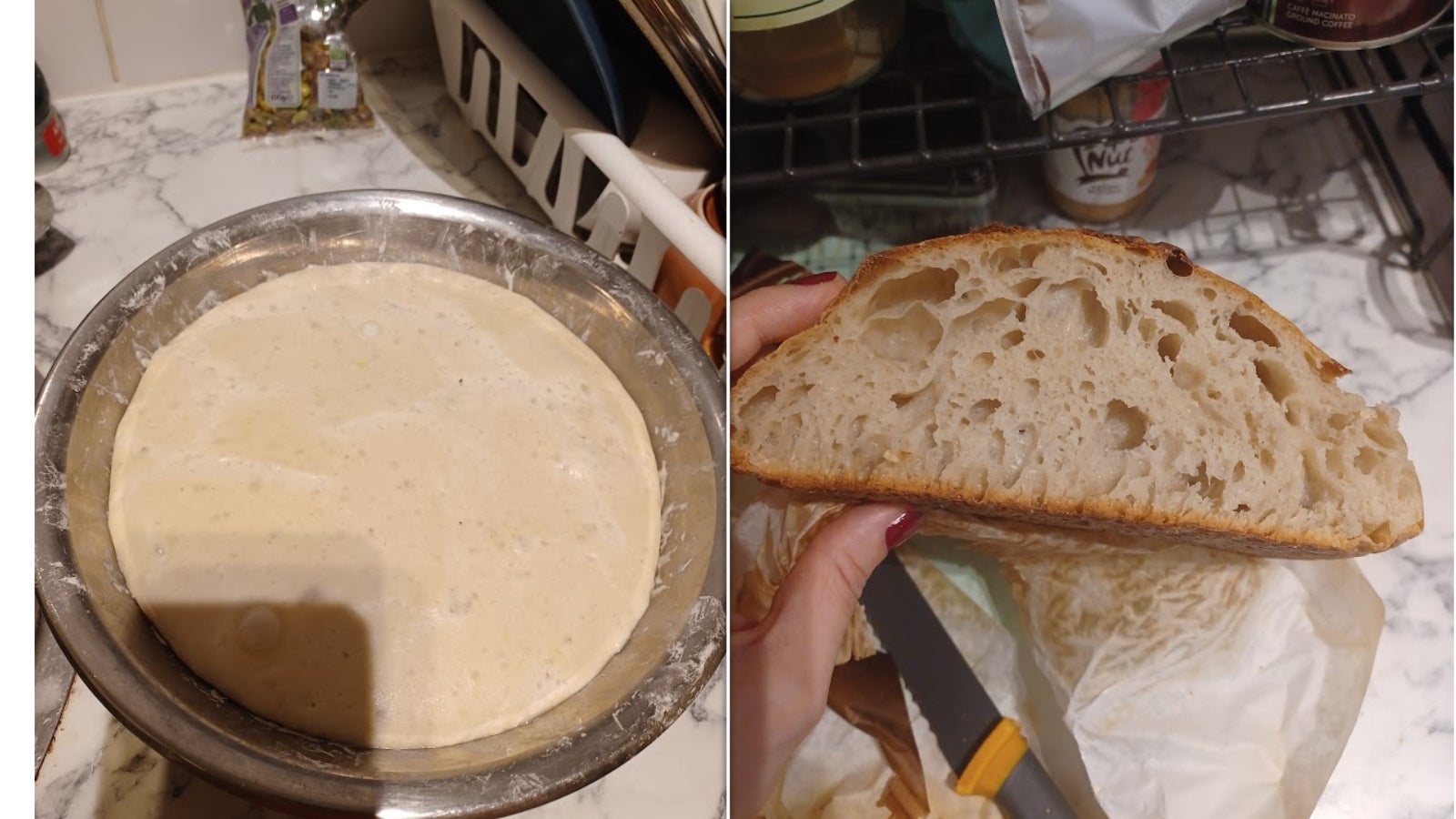
5) “No knead bread.”

Writer’s note: My favourite focaccia recipe involves a no-knead overnight proof. I can never get over how good it tastes.

6) “Risotto or carbonara. Italian food in general is worth adding to your repertoire.”

Credit: u/Kathryn_sedai

“Once you get it right (took me about four tries), add cacio e pepe to that list,” said u/Skoalreaver.

7) “Dauphinoise potatoes. I make it for Christmas dinner, and it’s the one recipe everyone always asks for.”

Credit: u/Egedwards

Share Button

9 Cheap Ingredients Home Cooks Say Instantly Makes Food Better

Maybe you add a touch of baking powder to your tomato sauce to counterbalance the acidity, or perhaps you whack some cream in your bolognese (a la Mary Berry) for a smooth, velvety finish.

You might dust roast spuds and parsnips in semolina for a satisfying crunch, too.

But even though I write a lot about sneaky secret ingredients, I’m always on the lookout for more – especially if they don’t cost much. That’s why I was so excited to read the responses to an r/cookingforbeginners post shared by u/BlastarBanshee.

“What’s the one cheap ingredient that instantly makes everything taste better?” they asked.

Here are some of the best responses:

1) “Celery salt.”

Credit: u/ShopEmpress

“This is… under-appreciated,” u/Barneyboydog agreed.

“It’s a game-changer on fried eggs.”

2) “MSG.”

Credit: u/glumpoodle

“I just ordered a thing of MSG… and holy shit. It’s actually got less sodium by volume than any salt I own, and the flavour is just mind-blowing,” u/alek_hiddel replied.

3) “A couple of tablespoons of lemon juice, red wine vinegar or sherry vinegar in a stew.”

“Yep… a splash (or two) of sherry vinegar at the end of a stew takes it to another level. I learned this trick a few years ago, and now I always have sherry vinegar on hand,” replied u/Dense_Willow4627.

4) “Smoked paprika.”

″[It offers] the simple ability to add the flavour of open fire cooking back into the food we eat.”

Credit: u/STS986

“Every time I taste something new and go, ‘oh that’s good!’, I look up [its] ingredients and it’s almost always [got] paprika,” u/Rogerbva090566 responded.

5) “As a Balkan [person], only Vegeta is allowed as an answer.”

Credit: u/niki2907

“As a non-Balkan… this stuff is the shit,” said u/MuddyHandprints.

6) “A little yeast extract like Marmite is an awesome flavour boost for braised meat dishes, especially beef.”

Credit: u/bullsbarry

7) “Salted butter in chocolate chip cookies.”

8) “If I’m making something that’s tomato-based, I’ll almost always add a good squirt of ketchup at the end.”

9) ” An anchovy… or some dried mushrooms.”

“Basically, you know, MSG in a more natural state.”

Credit: u/BikeTough6760

Share Button

5 Fast, Cheap, Healthy(ish) Dinners I Can Actually Be Bothered To Cook On Weeknights

I know it happens every year, but the ridiculously early sunsets the UK faces each winter never fail to take me by surprise (what do you mean it’s dark at six minutes past four today?!).

That, I’m afraid, has spelt disaster for my dinners. I am frankly not bothered to cook during exhausting, gloomy evenings – even my usual old rotation has failed me.

There are, though, some exceptions. They all take 30 minutes or less, involve no fussy extra steps, and taste good enough to see me through my post-work exhaustion.

So, in case you’re looking for something similar, here they are:

Cook time: about 25 minutes (with pre-cooked lentils)

Halloumi, lentil, beetroot salad

Amy Glover / HuffPost UK

Halloumi, lentil, beetroot salad

I know, I know: I don’t want to eat anything called “salad” from August onwards either. But to be honest, this warm version (which, by the way, keeps beautifully in the fridge) barely counts: it’s more of a hearty, seasonal grain bowl.

It’s also perfect for emptying your cupboards, because it’s really adaptable. Replace, or mix, lentils with other pulses and legumes like butter beans, chickpeas, or even nutty bulgur wheat.

And provided you use canned lentils instead of cooking your own (I always do this – I simply warm them in a pan for a couple of minutes before serving), it takes well under 30 minutes.

Cook time: 15 minutes, if that

Prawn noodle soup

Amy Glover / HuffPost UK

Prawn noodle soup

When this five-starred recipe calls itself “super fast,” it means it – I had to double-check the instructions the first time I made it to ensure I hadn’t missed a step, because it came together so quickly.

The light but satisfying flavour is especially soothing after a long day of work, too. One word of caution, though: if, like me, you slurp soup at a rate of knots, slice the bok choi across so you don’t almost choke on a large piece (this has happened to me more than twice, which, though embarrassing, at least proves the soup is good).

For a slightly more wallet-friendly version, the BBC’s similarly speedy chicken noodle soup recipe is perfect, too.

Cook time: about 20 minutes

Creamy gnocchi with mushrooms

Amy Glover / HuffPost UK

Creamy gnocchi with mushrooms

Another five-starred recipe, this one-pot wonder comes together in about half an hour.

Its ridiculously comforting flavour is perfect for cosy nights in, and I find it unbelievably satisfying – and the zing of mustard in its sauce means you won’t feel completely overwhelmed by its creaminess.

I am sure the recommended rocket included in the original recipe would add to that brightness, too, but to be honest, I’ve only ever had baby spinach to hand – thankfully, it still tastes delicious.

Cook time: 15 minutes, with pasta

Pesto

Amy Glover / HuffPost UK

Pesto

Our young adult selves were onto something with the whole “pesto pasta dinner” thing. But if you fancy something a little more grown up – and about five times as delicious – I recommend whipping up your own pesto while your pasta is bubbling away.

I first made this pistachio version after trying the NYT’s full ravioli recipe. But, while I loved the sauce, I knew there was no way I’d actually whip out my pasta machine of a Thursday night, so I’ve simply kept the pesto and swapped the hard part for pre-made spaghetti.

Pesto is surprisingly forgiving: I didn’t have pine nuts the first time I made this, and it was still delicious.

I will say, too, that though it sounds more involved, a pestle and mortar is actually faster and better than a blender: see my (awful) blended results below (left), compared to the two-minute, creamier version (below right).

Blender vs pestle and mortar pesto

Amy Glover / HuffPost UK

Blender vs pestle and mortar pesto

Cook time: about 15 minutes

Chorizo butter bean stew

Amy Glover / HuffPost UK

Chorizo butter bean stew

Oh, how I love a healthy-ish dinner whose instructions basically read “cook onions, pour in cans, eat”.

This one is filled with fibre-rich butter beans, a surprising amount of veg (and fruit, I suppose, if we count tomatoes), and loads of flavour.

It’s a one-pot wonder, too, which I’ll always take if at all possible (less washing up!), and it’s ridiculously hearty when paired with buttered crusty bread.

Share Button

Sourdough Bread May Have Health Benefits, But Some Doctors Recommend Reading The Label Carefully

We don’t know for sure whether sourdough bread definitely has health benefits.

But dietitians like Lizzy Traxler, MS, RDN, also a diabetes educator at University Hospitals, say: “Over time, and in combination with other healthy lifestyle choices and a balanced diet, choosing sourdough over regular bread may provide numerous health benefits.”

These, she told University Hospitals, may include improved digestion. “The improved mineral absorption from the fermentation process supports cardiovascular function,” they add (this might be especially true of sourdough rye bread).

And the British Heart Foundation says sourdough bread may make your blood rise more slowly, too.

So why did Dr Karan Rajan, an NHS surgeon and author, advise we “check the ingredients list” on sourdough loaves before buying?

“Sourfauxs” use different fermentation methods

Quality wholegrain, sourdough, and high-fibre breads may contribute to the “replacement of hyper-palatable baked goods, which are high in sugar, fat, and salt,” which can be beneficial to our health, a 2023 paper reads.

But, they add, one of the reasons sourdough research is so tricky is because “there is no established and internationally recognised legal definition of sourdough bread”. In fact, they found, the artisanal products usually included in trials may differ from the sorts found on most shelves.

“Analysis of bread samples purchased in the market showed that most of these had pH levels of >5.0, substantially above desired levels of pH 4.5 to obtain desired changes in composition,” they wrote.

This paper did not say that this difference definitely meant one was better than the other, or that the higher pH versions were sourfauxs ― though traditional sourdoughs tend to have a lower pH, which is linked to their sour taste.

But if you would like to eat sourdough made from traditional starter, Dr Rajan advises you look at the labels of sourdough breads in search of “added yeast”.

“Authentic sourdough doesn’t mention any added yeast,” he explained, “because it uses a natural fermentation process.”

He added, “Imitation sourdough, or ‘sourfauxs,’ often contain commercial yeast like baker’s yeast and even chemical raising agents like baking powder in addition to, or instead of, live sourdough starter culture.”

To be clear, the doctor didn’t say there’s anything wrong with eating non-sourdough bread.

It’s just that he felt it was important consumers know what they’re really buying (especially considering sourdough bread could be easier for people who usually struggle to digest food to eat).

The Real Bread Campaign has called for more research into the topic. For now, though, the group, which is against “sourfaux” breads, list some studies which suggest the real thing might have some health benefits.

Why might supermarkets create “sourfaux” breads?

“Sourdough” is not a legally-protected term, Swie Joo, head baker at The Palmerston restaurant in Edinburgh, told The Independent (like Dr Rajan, by the way, the chef advised customers to check for the word “yeast” on packages if you want a traditional sourdough loaf).

That means you can add commercial, or non-fermented, yeast to “sourdough” breads.

This can make the rise of bread more predictable and easier to replicate. It can be cheaper and less time-consuming, too.

The combination could make mass production a lot easier.

The Real Bread Campaign write that their campaign “is to better protect us from the risk of being misled by cynical marketing and to allow us all to make better-informed choices about the food we eat”.

Share Button

I’m A Doctor, These Are The Best (And Worst) Sweets To Give Trick-Or-Treaters

Halloween is nearly here – meaning dozens of kids are headed to a front door near you very soon.

If you live in an area where trick-or-treating is a pretty big deal, you’ll probably want to buy in some sweet treats to hand out to tiny ghouls and monsters – unless you opt to turn off your lights and pretend nobody’s home (in which case: no judgement, save yourself some cash).

If you are planning to hand out treats however, a doctor has issued a word of warning.

Paediatrician Dr Arindam Das spoke to Totalkare about some specific Halloween dangers that can lead to an increase in “blue light” callouts during spooky season.

One of them is pumpkin carving, he said, due to the obvious risk of cutting themselves.

“Young children are also at risk of choking on hard sweets,” he added.

So what are the safest sweets to give then?

The main takeaway is that hard or boiled sweets should be avoided at all costs for kids under the age of five (so it’s probably a wise move to forego them completely).

Whole nuts, popcorn kernels, chewing gum and small jelly sweets “all are high choking risks”, he added. Nuts are also problematic for those with allergies.

Popcorn might be a surprising one to some parents. However, they are problematic for a few reasons: the kernels are so lightweight they can be sucked up back into a child’s oesophagus, where children can either breathe them in, called aspiration, or they can choke – which is where the airway is blocked.

Dr Das said older children (over-fives) can “usually manage chewy or gummy sweets, but parents should still be cautious with very hard or sticky items”.

The safest alternatives, he noted, are “soft, melt-in-the-mouth treats”, like chocolate buttons, mini muffins or soft jelly.

Little boxes of raisins or dried fruit snacks (like BEAR Paws) can be a decent option for younger children, too – and are free of common allergens like gluten, dairy and nuts.

I’m also a big fan of Soreen lunchbox loaves as children with an egg and/or milk allergy can have them.

And if your little one does get to enjoy a treat (or three) this Halloween, the paediatrician added that having water or milk alongside these sweets can help “reduce dental risk”.

Share Button

People Are Just Realising Button Mushrooms Are The ‘Wrong Colour’, And I Had No Idea

I’m surprised by a lot of seemingly ordinary facts, like why sleeve buttons exist and what the “most complex” word in the English language is considered to be.

So you’d best believe I’m a regular peruser of Reddit’s r/todayilearned (TIL), where netizens share the mildly interesting scraps of trivia they, well… learned, today.

For site user u/amateurfunk, a recent example involved the colour of button mushrooms (also known as “champignon mushrooms”).

“TIL that champignon mushrooms were originally all light brown in colour,” they wrote.

But is that true?

Why are button mushrooms white?

According to the Mycological Society of San Francisco (MSSF), yup, the common mushroom (sometimes called a “white button” variety) actually used to be brown.

The species was first grown on horse manure in 18th-century France, the MSSF explained.

It is still often grown this way because the species thrives in nitrogen-rich environments (oh!).

But in 1926, the MSSF continued, “a Pennsylvania mushroom farmer found a clump of [button mushrooms] with white caps in his mushroom bed”.

They then bred the mutates species, and now, “most of the cream-coloured store mushrooms we see today are products of this chance observation”.

And here’s a fact that shook me: button, cremini, and portobello mushrooms are actually just the same species of fungi at different stages of development.

This species, Agaricus bisporum, increases in flavour and deepens in colour as it ages. Button is the mildest and palest variety: its very subtle taste may have made it the most popular kind on our shelves.

People were as surprised as I was to learn the info

Replying to the original post, Redditor u/diabloman8890 joked that the pale, creamy version we’re all used to counts as “Teenage mutant inbred mushrooms”.

“One mutation in 192[6] and now it’s the default, nature’s marketing win,” u/bebleich marvelled.

But u/Preeng was a little less impressed, commenting: “And nothing new since then? Not a blue one or a red one? Lame.”

Ultimately, though, as u/DConstructed pointed out, ”[Once] you cook them, they’re all brown anyway.”

Share Button

9 Ridiculously Easy Meals That Are Low-Effort And High-Reward

If you’ve been feeling a lot more tired recently, you’re not alone: autumn fatigue can occur thanks to gut changes and disruptions to your workout routine.

And that’s not to mention the exhausting effects of upcoming clock changes.

That’s only one reason why people (it’s me, I’m ‘people’) might be looking for truly low-effort meal ideas at the moment.

Luckily, the members of Reddit’s r/Cooking have got our backs.

Posting to the forum, site user u/kindnessabound asked people to share their favourite “low-effort high-reward meal”.

Here are some of the most-upvoted responses:

1) “Pan-fried halloumi in a pita or naan with tzatziki, tomatoes, pickled onions and rocket.”

“We always have pickled onions in the fridge, and tzatziki can be made a day or two in advance. I can have dinner on the table in 15 minutes. [You can] substitute the halloumi for shrimp, falafel or rotisserie chicken.”

Credit: u/mtrva

2) “Miso pasta. Like a year ago, someone in this subreddit said it was the lowest effort, highest reward meal they can’t stop making, so I tried it.”

“I can’t live without it now. So easy, so comforting, delicious, and makes a huge batch that heats up well for days.

“Cook 450g spaghetti. Reserve about 240ml of pasta water. Strain the pasta. In the empty, hot pot, mix three tablespoons of miso with six tablespoons of butter and half of the pasta water on low heat until a smooth sauce forms. Put the pasta back.

“Stir in 80g grated Parmesan bit by bit. Add more pasta water if it gets dry. Serve with chilli oil/hot sauce if you’re feeling lazy, or sautée some mushrooms to elevate it.

“Absolutely life-changing. It’s not no-effort like grilled cheese or air fryer food, but the ratio of effort to reward here is off the charts.”

Credit: u/Athyrical

3) “English muffin pizzas with a touch of mozzarella cheese on top, prepared in an air fryer.”

“I use a bagel more often, since I’m more likely to have them in the house, but this is one of my favourites [when I] only have 10 minutes and want comfort meals,” u/ellen_boot agreed.

4) “Caccio e pepe. I’m making it this second.”

“Cook your pasta in less water. Drain (SAVE YOUR PASTA WATER) and keep the cooked pasta on a plate with a lid on.

“Reduce the pasta water until it’s cloudy and thick.

“Pull the pan off the stove, and remove most of the water. Add the pasta back in, reheat for just a moment until streaming, and remove from the heat.

“Stir in the black pepper and finely-grated parmesan until you get your desired consistency.”

5) “Anything in a slow cooker.”

“This! Buy a pork shoulder, make a paste from a BUNCH of spices (paprika, chipotle, cayenne, oregano, thyme, salt and pepper) and a little olive oil, and rub it all over the pork. It’s almost hard to overdo it with the spices.

“Add a chopped onion, a couple of cloves of minced garlic, and a couple of chopped jalapeños. Put that thing in the crock pot for eight hours and then go to town. Buy some rolls and make some coleslaw if you want,” u/BenThere20 replied.

6) “I feel like salmon always has a high bang for your buck flavour [to effort] ratio.”

“Maybe crispy rice, salmon and chilli crisp.”

Credit: u/CoconutDreams

7) “Quesadillas or grilled cheese.”

Credit: u/Koala-o-sha

“I second grilled cheese!” responded u/a-forgetful-elephant.

8) “I toss frozen fish fillets into my air fryer.”

“I make a quick sauce from mayo, chipotle adobo, and Cajun seasoning.

“Then, I fry some corn tortillas into tacos. I put the cooked fish in them, add toppings of my choice, and stuff them in my face.

“Curses. I have leftovers to eat for dinner, and now I want fish tacos.”

9) “Ramen fits this bill for me perfectly.”

“My favourite is carbonara-style packet noodles. Dice some bacon, cook it, and set it aside. Mix the ramen pack with three egg yolks and freshly grated parmesan.

“Cook the noodles, remove them from their liquid and place them into your pan. Heat it up, add back some starchy noodle water, mix in the egg packet mixture, put it in a bowl, add the diced bacon on top, and then grate more Parmesan cheese on it.

“The whole thing takes 10 minutes and is insanely delicious.”

Credit: u/crackofdawn

Share Button

3 Foods An Expert Thinks Are Ruining Your Sleep

You might already know that sleep experts have preferred dinner times, because eating less than two to four hours before your bedtime can mess up your kip.

But speaking to HuffPost UK, sleep psychologist Dr Katherine Hall (who has paired with Comfybedss) shared that the type of food you eat matters, too.

“If you can’t fall asleep or struggle to stay asleep,” she advised, your diet might be at least partly to blame.

Here are three foods she skips before bedtime:

1) Salty food

“Sodium-rich meals result in fluid retention and increased blood pressure, making it hard for the body to switch off completely after eating snacks like crisps or salted nuts,” Dr Hall told us.

A 2006 paper found that salt can lead to delayed bedtimes, increased awakenings in the middle of the night, and less satisfying sleep.

That’s because, the sleep expert said, a salt overload leads to “superficial sleep, where the sleep isn’t very deep and can often involve disturbances like going to the toilet more”.

She recommends avoiding foods like gammon and bacon, as well as other salty snacks, before bed.

2) Acidic food

Though many associate these with heartburn, Dr Hall says not all acidic foods are created equal.

“If we take a deep dive into certain acidic foods, those struggling to sleep will want to avoid some more than others. Tyramine is an amino acid that is normally a great addition to anyone’s diet as it stimulates natural brain activity,” she said.

This acid encourages the release of norepinephrine, which can stimulate the brain too much and keep you awake.

“Foods that are high in tyramine include tomatoes, aubergines, soy sauce, red wine and cheeses,” the psychiatrist shared.

3) Spicy food

“For anyone struggling to sleep, avoid spicy foods altogether,” Dr Hall said.

That’s because “Digesting the various spices and chillies you have in your curries or other hot dishes can severely disrupt our body’s ability to thermoregulate, which essentially means managing our temperature”.

And anyone who’s suffered through a sleepless hot night will know how important temperature is to our sleep.

“Capsaicin is the chemical in spicy food that causes our temperature to skyrocket, so combine this with the energy your body needs to digest the remainder of the meal, and you can really struggle getting some solid sleep,” the expert ended.

Share Button

5 Salmon Myths Seafood Experts Wish Everyone Would Stop Believing

Seafood consumption in the US is at an all-time high, with salmon being the most consumed fish, according to the US Department of Agriculture. It’s easy to see why salmon is so popular: A staple of the Mediterranean diet, it’s packed with nutrients, including omega-3 fatty acids (which are good for your heart, brain and skin), protein and vitamin D.

Despite its popularity, seafood experts we talked to say that there are still some common misconceptions about salmon that simply aren’t true. Here, grocery store seafood buyers, as well as seafood science professors, dispel the most popular myths about salmon and give their tips on what to keep in mind when you’re shopping.

Myth #1: Fresh is better than frozen

When it comes to buying salmon, the first decision you have to make is whether you’re heading to the seafood counter or the frozen section. Jason Hedlund, the principal category merchant of seafood procurement at Whole Foods Market, shared that fresh salmon isn’t more nutrient-dense — or even necessarily tastier — than frozen salmon.

If you’re going to eat your salmon relatively quickly (within the next two days), Hedlund says fresh salmon is a good bet. But if you want salmon to keep on hand and you’re not sure when you’re going to eat it, go for frozen. He added that many people don’t realize that salmon is frozen mere hours after being caught, which locks in all the nutrient density and flavour.

Mark Lang, a food marketing professor at the University of Tampa who is passionate about aquaculture, said this too. “Salmon is frozen so quickly [after being caught] that it may be the freshest option to eat,” he told HuffPost, adding that it’s frozen right at the source where it’s caught.

If you want to eat salmon more often because of its health benefits, Lang recommends buying it frozen so you can thaw it the day before you’re ready to cook it.

Myth #2: Farm-raised salmon isn’t as good as wild-caught

Every seafood expert we talked to said that farm-raised salmon tends to get a bad rap, and it’s completely unwarranted. “Without responsible farming methods, there wouldn’t be enough salmon to meet the demands of consumers,” said Mark LaMonaco, the seafood category merchant at Wegmans Food Markets.

“Without farmed salmon, we wouldn’t have enough to feed the world. Just like we farm chicken, beef and pork, salmon farming is necessary to support global demand and helps protect wild populations from overfishing,” added Doug Varanai, the senior manager of seafood at Sprouts Farmers Market.

Experts say that the nutrient density of farmed salmon and wild-caught salmon is similar, but they do say there is a slight difference in taste.

fotograzia via Getty Images

Experts say that the nutrient density of farmed salmon and wild-caught salmon is similar, but they do say there is a slight difference in taste.

Lang explained that the stigma surrounding farmed salmon goes back to the ’70s, when there were few regulations around salmon-farming practices, which led to salmon being farmed in dirty, overcrowded water. But he emphasised that times have changed.

“Most grocery retailers rely on certification companies with auditors on the ground inspecting the fish farms. They do inspections, test the water and test the fish. If you break the rules, you lose your certification,” Lang explained. If you want to educate yourself on the conditions of farmed salmon available at your preferred grocery retailer, Lang recommends searching for the regulations they follow on their website. (Here’s where you can find the details on farmed fish practices for Whole Foods, Sprouts and Wegmans.)

All of the experts say that the nutrient density of farmed salmon and wild-caught salmon is similar, but they do say there is a slight difference in taste. “Wild salmon often has a firmer texture, leaner flesh and a more intense, ‘oceanic flavor’ due to natural diets. Farmed salmon tends to be milder, fattier and softer in texture, with flavour influenced by feed formulations,” said Alexander Chouljenko, an assistant professor of seafood science at North Carolina State University. “Some people prefer the richness of farmed; others prefer the complexity of wild. Blind taste tests show people’s preferences can be split, often depending on cooking method and seasoning,” he added.

Myth #3: Farmed salmon is full of antibiotics

If you’ve been avoiding farmed salmon because you believe it’s full of antibiotics, the experts say you can rest assured that it isn’t something you need to obsess over. “In the US, Canada, Norway and many well-regulated countries, antibiotics are rarely used, and if they are, they are under strict veterinary oversight with mandatory withdrawal periods before harvest,” Chouljenko said.

That said, Chouljenko explained that in some countries with weaker regulations, overusing antibiotics in farmed fish has been documented, raising both health and environmental concerns. To avoid this, he recommends looking for salmon labeled with certifications like ASC (Aquaculture Stewardship Council) or BAP (Best Aquaculture Practices).

Again, this is also where checking out the standard of your preferred retailer comes in handy. “At Sprouts, all the farm-raised fish in our responsibly sourced program are BAP 3-star or higher certified, which ensures they are raised without the routine use of antibiotics. While antibiotics may be used in some unregulated countries, we prioritise sourcing from certified farms to ensure safety, quality and sustainability,” Varanai told HuffPost.

Myth #4: Salmon is high in mercury

PSA: Salmon is not high in mercury and is safe to eat regularly. “The health benefits of eating salmon far outweigh any concerns about mercury,” Varanai said. He explained that its short lifespan and position low on the food chain means it doesn’t accumulate much mercury, making it a healthy and safe choice for most people, including children and pregnant women.

“When we think about fish with high mercury levels, we have to understand how mercury accumulates in seafood. There are two major contributing factors: time and diet,” LaMonaco told HuffPost. He explained that the higher up a fish is on the food chain, the more mercury it may contain because of the mercury found in its diet. Similarly, he said that the longer a fish lives, the more it eats over its lifetime and could raise the overall levels. “From beginning to end, a salmon’s life cycle is typically three to five years and isn’t enough time to accumulate levels of mercury that should be a cause for concern,” LaMonaco said.

Myth #5: Salmon’s colour can tell you how fresh it is

According to the experts, while a salmon’s colour is important, a vibrant colour isn’t always an indicator of freshness. “Some salmon, especially farmed, get colour from astaxanthin in feed, so vibrant colour doesn’t automatically mean fresher or less fresh,” Choujenko said. LaMonaco explained that astaxanthin is the dietary supplement added to the feed for farmed fish, which can also be found in wild salmon’s natural diet, typically found in krill and other sources. “Astaxanthin is also a popular supplement for humans, often used as an antioxidant with various potential benefits,” he added.

When buying fresh salmon, Choujenko recommends checking the smell (it should be mild, not fishy), texture (firm, not mushy) and appearance (moist, not dry or discoloured with unusual spots, dull patches, browning or gray areas).

If the head is still on the salmon, Lang recommends checking out the eyes. “They should be clear. That means it hasn’t been out of the water for very long. If the eyes are cloudy, it’s been in the food supply chain for a while,” he said.

With these myths dispelled, you can shop for salmon confidently, whether you’re getting it fresh or frozen. And if you have any questions about it, ask the experts behind the seafood counter. After all, they have a front-row seat to the best options available and can even offer up some cooking tips.

Share Button

Your Fail-Safe Guide To What To Eat While Camping With Kids This Summer

The summer holidays are now in full-swing and for some parents across the UK, that can only mean one thing: a camping holiday to enjoy a hearty dose of nature and, let’s be honest, tire the kids out in time for bedtime.

You have the equipment ready, the car is packed and the kids are suitably excited for the opportunity to go absolutely feral on a campsite. There’s only one issue: what do you eat every day?!

Of course, going out for dinner is an option but heading out for every single meal kind of defeats the point of camping and can make this relatively affordable holiday quite pricey after a few days.

Thankfully, there are plenty of options to choose from.

The best foods to eat when camping

Sandwiches

I know, I know, what an obvious suggestion. However, these handy snacks are ideal for throughout the day, are very easy to store and if they’re wrapped in tinfoil, can last a little longer than usual. They’re popular for a reason!

Pasta

Whether it’s tuna pasta, tomato and cheese pasta or even just pesto pasta, this delicious dinner is great hot or cold. You can make it ahead of time to reheat once you’re camping or you can simply tuck into it cold.

Pasta salads are also a delicious go-to, just keep the components separate until you’re eating to save anything going soggy.

Breakfast burritos

The camping experts at The Adventure Bite say: “Camping Breakfast burritos are easy to put together and full of delicious sausage, eggs, crispy fried potatoes, and melted shredded cheese. It’s the ultimate lazy camping breakfast if you put them together at home and toss them on the fire in foil.”

YUM. Perfect for filling tummies ahead of a day of adventures.

Cereals

Keep milk in your cooler bag and take with you a box of cereal or muesli. Quick, simple and cheap. Plus, kids never tire of cereal.

Tinned fruits

BBC Good Food recommends: “When it comes to camping desserts, it’s often a case of assembling rather than cooking. Tinned fruit can be mixed into an instant salad, but if you want to add a special touch, melt some chocolate to drizzle over tinned pears, then sprinkle with hazelnuts.

“Sweet, shiny canned peaches with cream are a retro winner, too.”

Pre-seasoned meats

In the /r/camping community on Reddit, user RedJessa says: “I like to pre-season steak, chicken breasts or pork chops and seal them in vacuum sealer bags. Just throw them on whatever grill type you please. I also will pre-chop potatoes and veggies, seasoned and sealed.

“Ready to sautee or cook in foil packs over the grill. The vacuum sealer thing is great for prepping camp food and I re-use the bags until I can’t anymore to reduce waste. I pre-cooked bacon last time so we only had to throw it on to heat and crisp, so much easier and less mess.”

Who said camping couldn’t be bougie?

Finger foods

Eat Sleep Wild suggests: “Another favourite option is a sort of lunch mezze of breads, olives, cured meat, cheeses, and hummus. All of these options travel well, are high in calories and good fats, and are super tasty!”

Happy camping!

Share Button