UK Gardeners Urged To Put Garlic In Plant Water ‘Til October

Though slugs are rarely welcome in a gardener’s backyard, the Royal Horticultural Society have not classified them as “pests” for years now.

That’s partly because less than a quarter of the species in the UK actually eat your plants, while all of the maligned molluscs provide a food source for the UK’s shrinking bird population.

For these reasons, British gardeners have been discouraged from using pellets to deter the critters.

Other methods, like placing a halved orange or melon skin in your garden or conducting torchlit searches at night, can remove them from vulnerable saplings without killing all of them off indiscriminately.

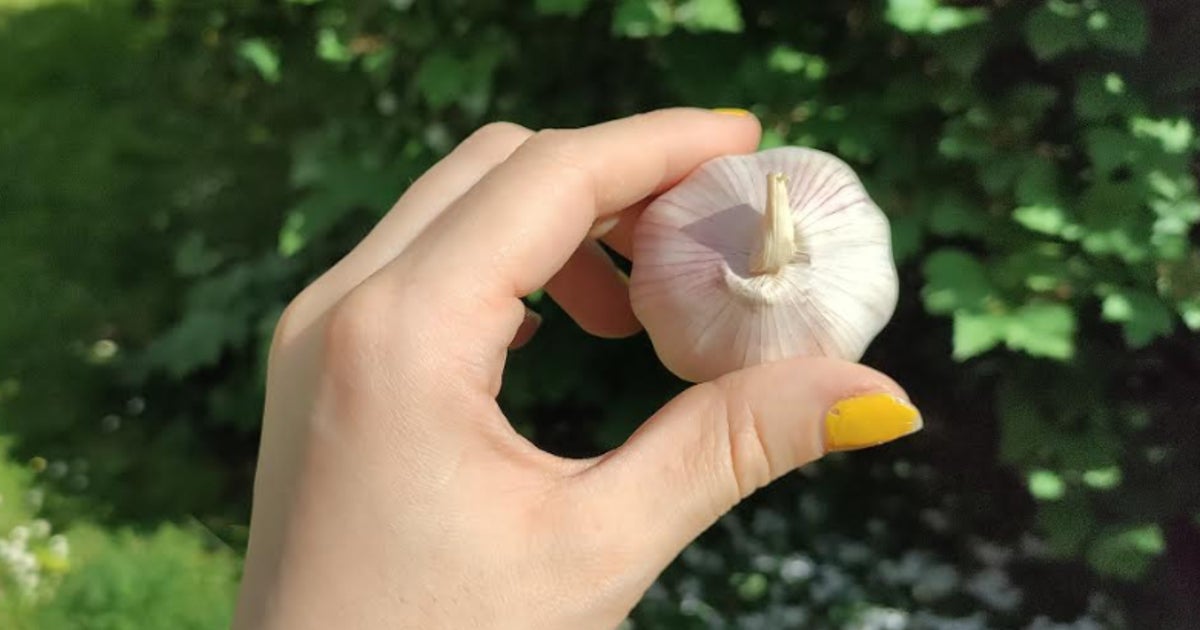
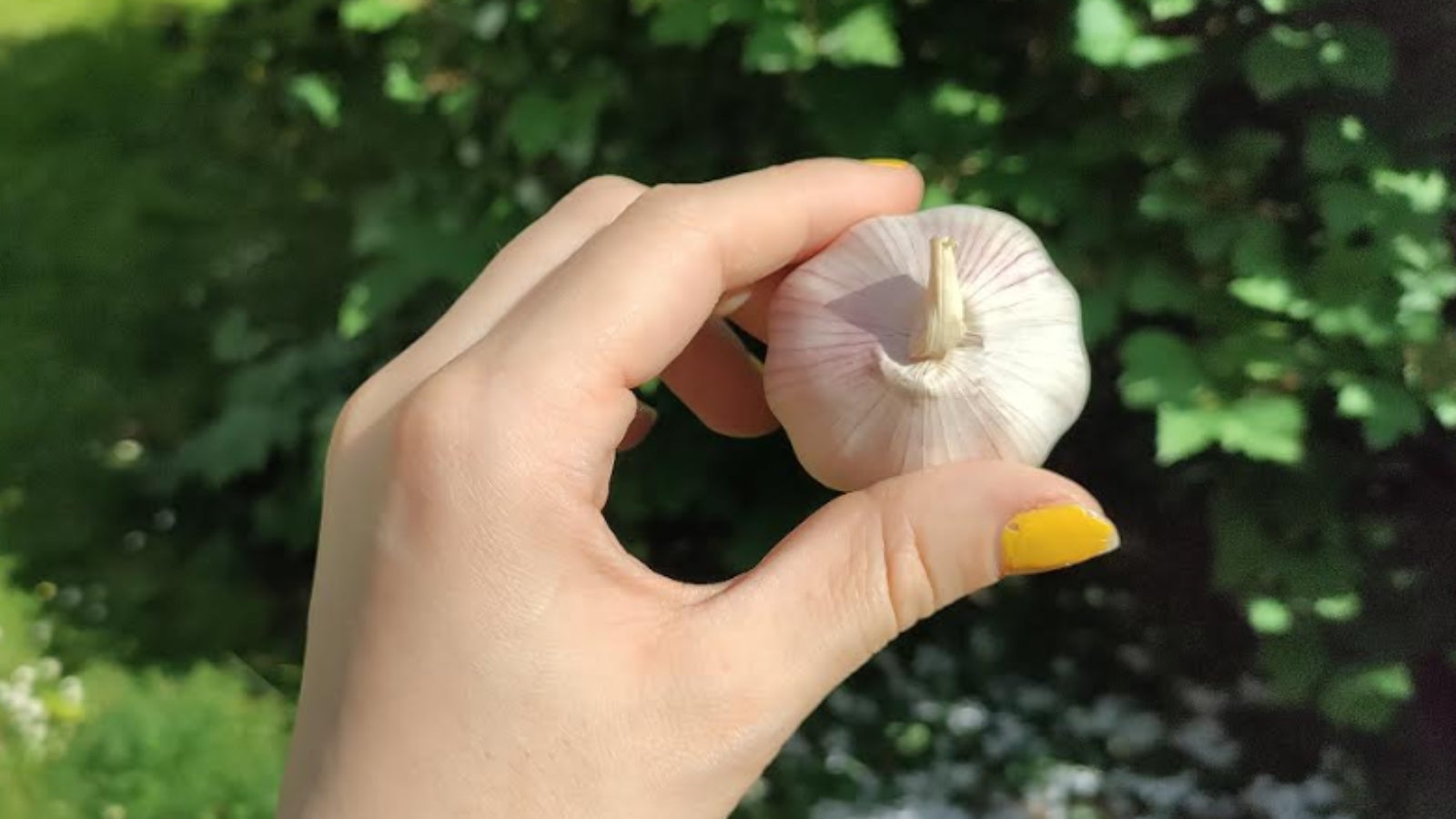
And, as BBC Gardeners’ World writes, a bulb of garlic can help too.

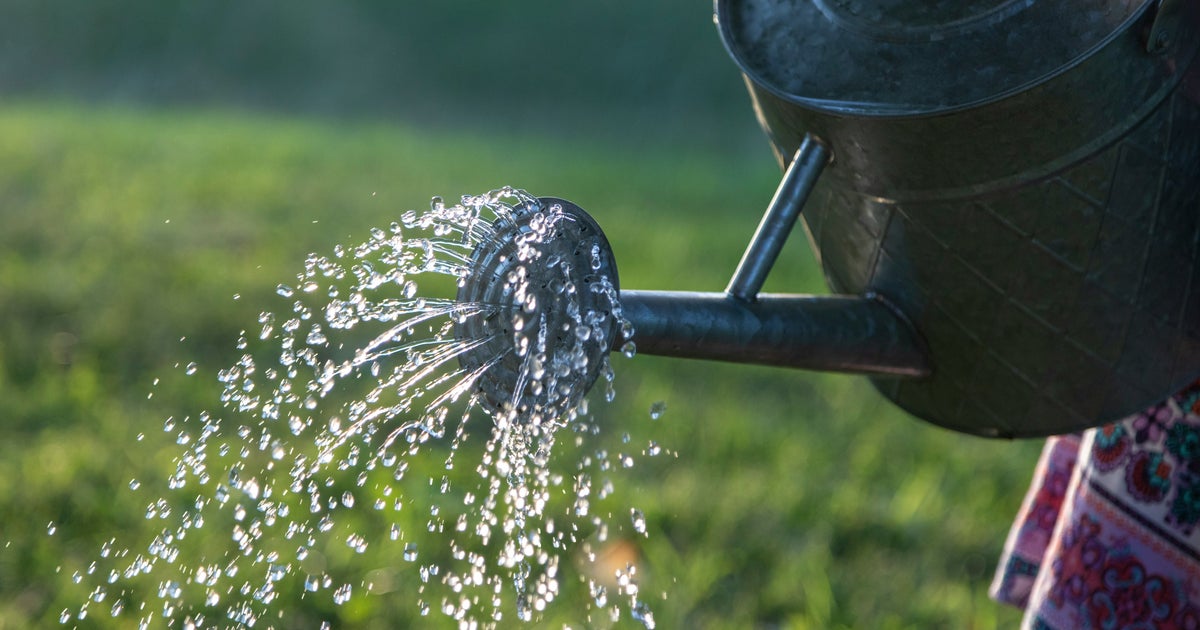
Garlic water can repel slugs

According to the publication, “A home-made garlic spray can be effective in deterring slugs and snails from your plants” if applied regularly.

Allicin, a compound in garlic, both helps to repel and, sometimes, kill slugs and snails, botanist James Wong wrote for The Guardian.

For that reason, he says, you should only apply it to the most vulnerable plants (young seedlings and tender-stemmed plants count).

To make the garlic water concentrate, Gardeners’ World writes, boil one bulb of garlic per litre of water (they did two bulbs and two litres) until they’re soft.

James Wong, meanwhile, recommends blending a bulb of garlic with 1L of water, letting the liquid sit for ten minutes before straining “for the chemical reaction that creates allicin to complete.”

James uses his blitzed, rather than cooked, garlic water as-is, but Gardeners’ World dilutes two tablespoons of their boiled concentrate per 5L of water.

Whichever method you choose, you can spray it on affected plants “just as night begins to fall.”

How much should I apply, and how often?

For targeted slug and snail management, you should apply it “liberally.”

Gardeners’ World says you should spray or water with it once a week or after rain.

Specialist growers Sienna Hosta agree: they say we should water our plants with the stuff once weekly from February ’til October, when slugs are more active.

We should reapply it more often after heavy rainfall.

Share Button

UK Gardeners Urged To Take A Cotton Bud To Their Lawn

As the warmer spring rolls around, gardeners might be gearing up to mow their lawns.

But Timothy Greene at icanlawn.com has said that it might be a little too early for some lawns; and cutting them now can even cause some significant damage.

“People might be keen to get their gardens sorted in time for spring but mowing your lawn when the grass is too short can cause damage and stop it growing back properly,” he said.

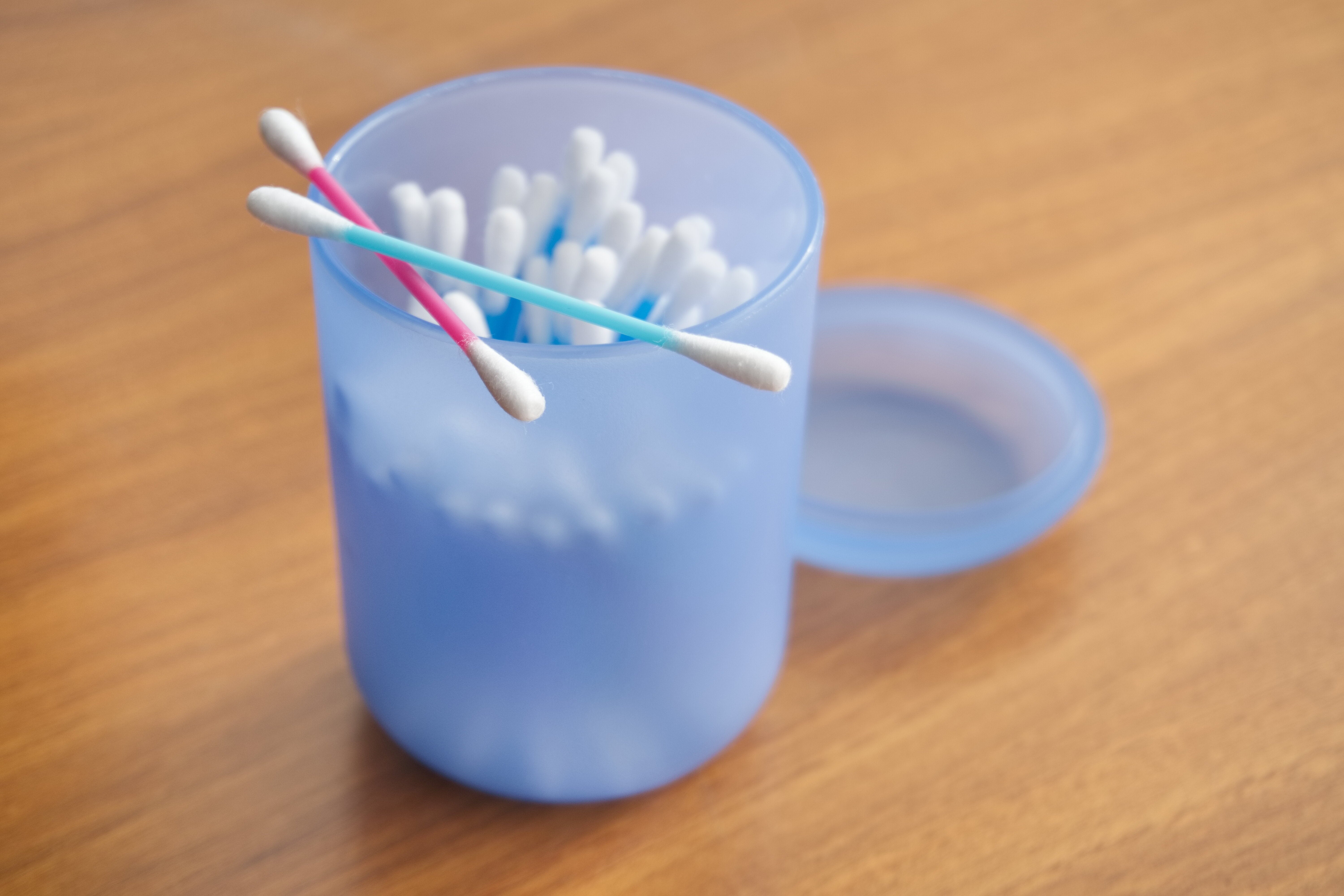
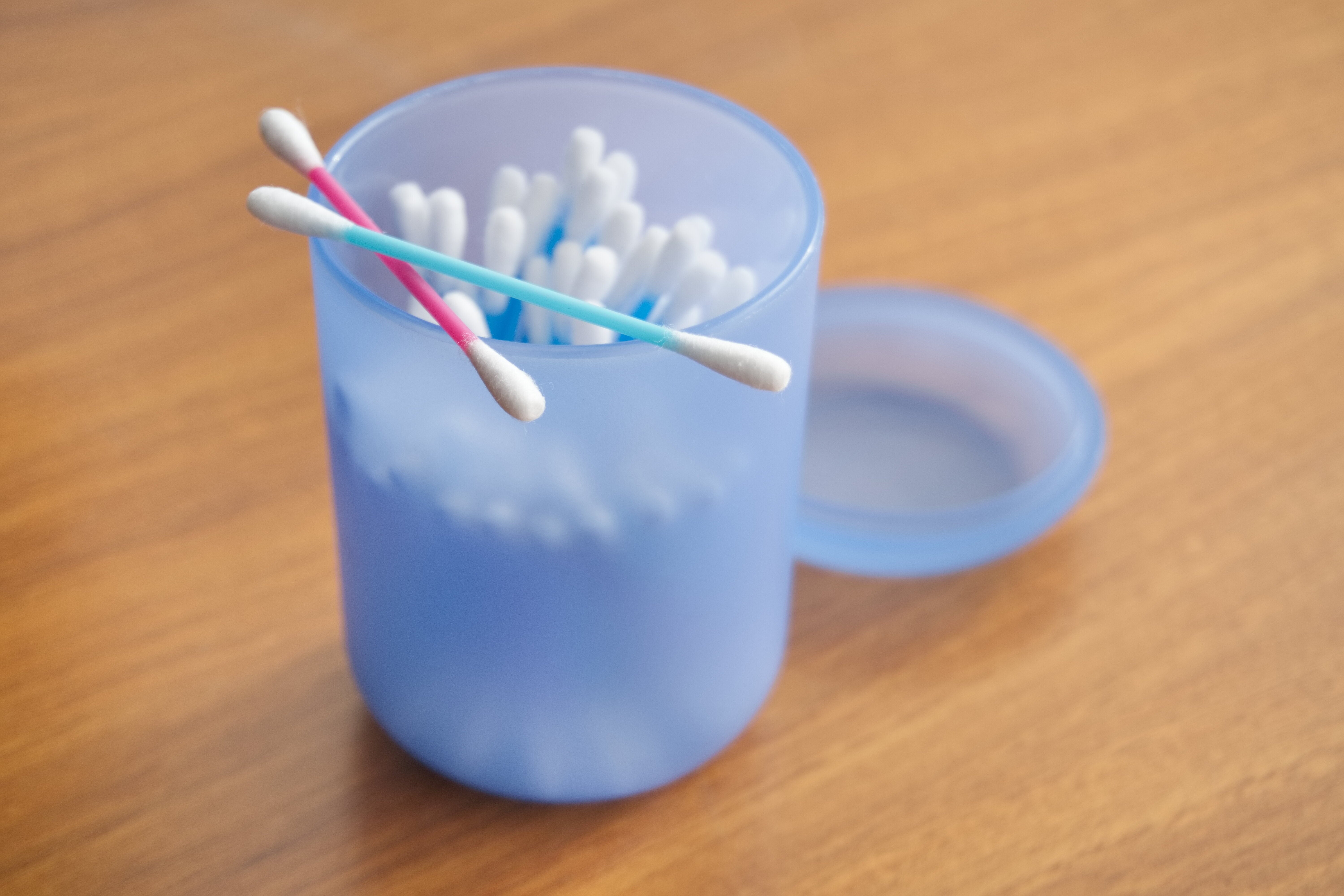
There’s actually a specific height at which it’s safe to cut your lawn ― and you can find it by taking a cotton bud to your lawn, Greene says.

How?

“The ideal height for grass to be before you cut is around 5cm to 7cm, which is around the same height as a cotton earbud,” the lawn expert revealed.

“This height means the grass is growing well and is safe to cut. But you should also make sure there’s no frost and the lawn isn’t wet either,” he says.

It’s important to make sure that you have your lawnmower on its highest setting when lopping your lawn, Greene says. This will ensure you don’t accidentally harm your lawn by cutting its grass too short.

If your grass never manages to reach the cotton bud height, Greene warns, you could have an underlying problem in your lawn.

“Lawns have had to deal with frost, heavy rain, and other challenges over the winter so there might be areas that need extra care. Whether that’s a feed to battle any diseases or new seeds sowed to cover patches,” Greene said.

What’s the best time to cut my lawn?

Aside from waiting until your grass is tall enough to cut, you should also keep an eye out on the weather, Greene warns.

Mowing your lawn after a frosty night could weaken the grass, he suggests.

“Mid-March is a good time to give your grass its first cut of the year but of course, weather conditions vary so keep an eye on your local forecast to get the right grass-cutting conditions,” Greene explains.

“Your grass’ growth will have stopped over winter but generally kickstarts again when temperatures are around 10C,” he adds.

“You should also make sure your mower’s blades are not too dull as this could cause damage to your grass. And in turn, make sure your lawn is clear from debris so that it doesn’t cause damage to your mower.”

Once you’ve gotten your grass high enough, and the weather warm enough, to get strumming, you should keep a schedule, Greene says.

“After the first mow of the year, you should aim to cut your grass weekly. But do keep an eye on the weather as it can be unpredictable.”

Ah, the joys of a British garden…

Share Button

Before Moving A Snail, Do This 1 Thing To Avoid Injuring It

As we move into the sunnier months, we’re likely to spend more hours sunning ourselves in gardens and parks.

Of course, this means sharing space with all sorts of critters as, realistically, it’s their home and we’re just the fair-weather visitors.

Yet if you spot a snail who’s a little too close for comfort, before you go scooping it up there is one thing you should do to keep them safe and unharmed.

How to safely pick up a snail

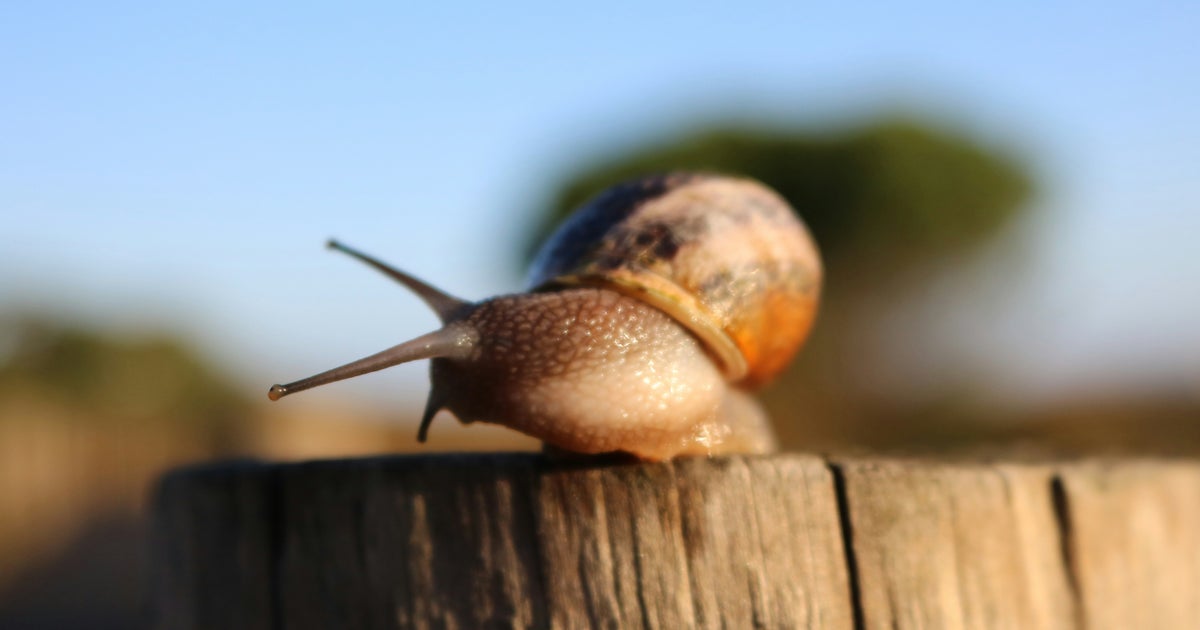
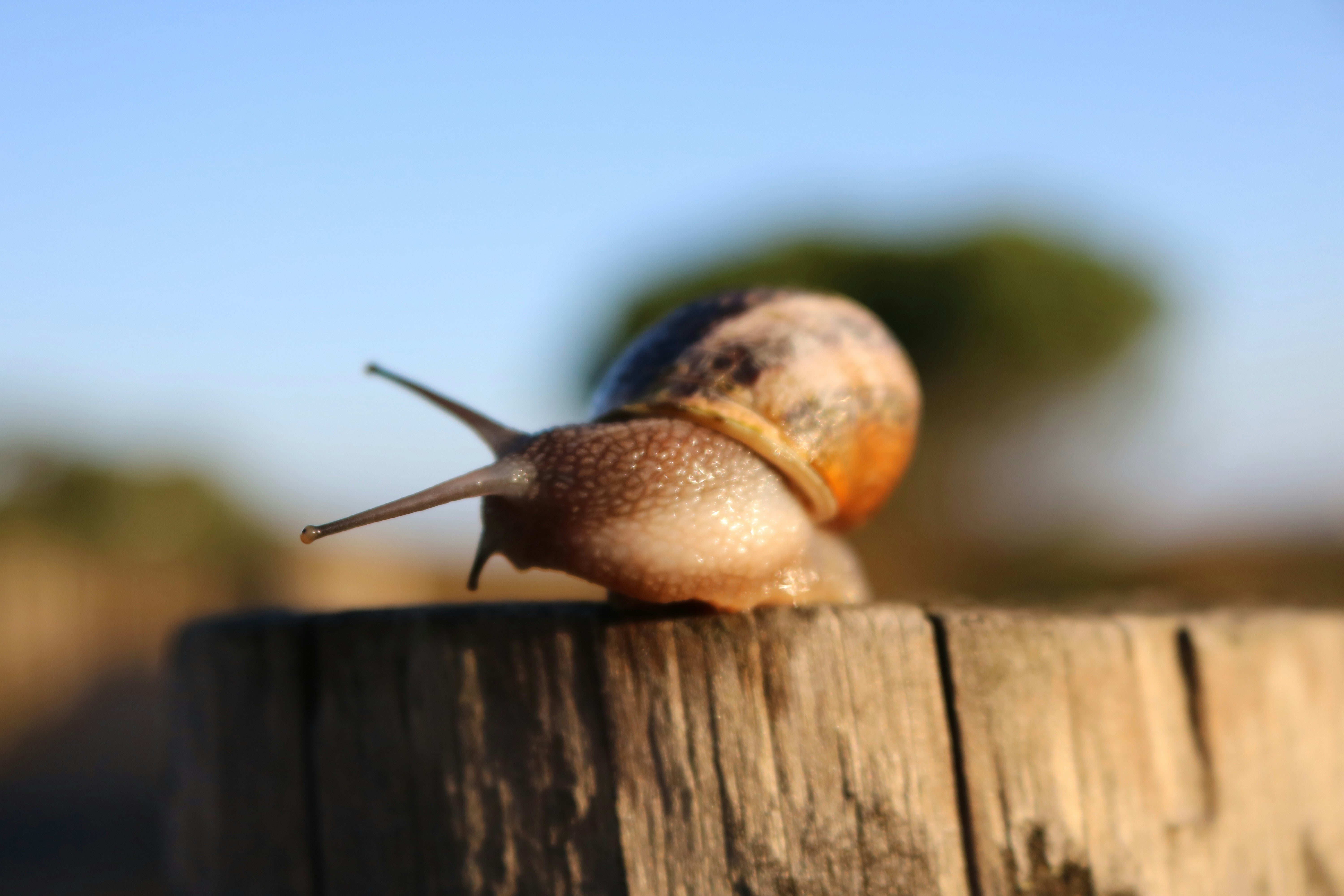
According to self-confessed ‘nature nerd’ Bug Woman, we should be tapping snails’ shells to give them time to retract before moving them.

On her website she explains: “If you suddenly pick up a snail in order to, say, move it off of the pavement so that it doesn’t get trodden on, the snail feels pain as it is ripped away from the ground.

“However, if you give the shell a gentle tap first, the snail will withdraw, and you can pick the snail up without causing it any discomfort and move it to a more suitable location.”

TikTok user Amy Coan also does this, and shared a video explaining how it works…

One user commented: “I always encourage they walk into my hands first cause I like having them walk on me whilst I call them cuties, then it’s tap and go.”

Another added: “You can also slide the back of your nail underneath them from their front, it breaks the suction and they lift right off. Prevents mantle collapse, these little beasts deserve the love and care.”

We couldn’t agree more.

Share Button

This Humane, Chemical-Free Slug Repellant is Probably Already In Your Kitchen

There are no two ways about it: some slugs can be disastrous for your garden. Between eating your veggies, boring holes in your hydrangeas, and even tunnelling into your tubers (yes, really), the legless leaf-lovers have historically been the enemy of the common British gardener.

Of course, we now know that slugs have their part to play in the ecosystem (even if you wish they didn’t play it so close to your radishes). They’re a vital food source for Britain’s rapidly-decreasing bird population; they do a great job at composting; and they help the overall biodiversity and ecological balance of your lawn (never a bad thing).

Cruelty-free hacks to remove slugs from your garden include putting a scooped-out melon in your yard overnight for the critters before removing the beast-filled rinds the next morning.

And while we love that hack, it seems there’s another, easier trick to keep your veggies slug-free – and it also helps with everything from scaring off birds to keeping deer away and even creating sunboxes.

Simple aluminium foil, it turns out, is the gardener’s best friend. So we thought we’d share some of its many uses:

1) It makes a great pest control

Herbicides can be harsher on your garden’s health than they are to the pests you want to target. “If you’ve got children, if you’ve got pets, you shouldn’t be using chemicals. But what’s worse is if you are using chemicals, you’re killing our pollinators, which we need for food production. I am very much against any chemicals and herbicides being used,” gardening expert Arthur Parkinson told HuffPost UK.

Thankfully, adding a bit of foil to your plants won’t kill off any all-important pollinators – it’ll just inhibit some slugs and other unwanted garden guests. “Reflective mulches repel invading insect populations,” the University of California shared.

And when it comes to slugs, the foil uses roughly the same logic as copper tape – “the metal causes a reaction with their mucusy bodies that they really don’t like,” Metro said.

Simply place some sheets of foil around the base of your plants for pest-repelling magic.

2) Tinfoil can create helpful sunboxes

If you’re worried your plants aren’t getting enough light, a little foil can go a long way. “Using aluminium foil can help you double the sun your indoor plants receive,” House Digest revealed.

This is because “its reflective properties will work as a mirror and reflect the light from the window to every niche and cranny of your indoor plants,” meaning you won’t have to turn your potted plants around as often to ensure every side gets as much light.

And they’re not just for indoor plants – “they also work to grow any seedlings indoors and help new plants from the nursery grow straighter and stronger.”

You can either assemble a tinfoil-lined box yourself using foil, tape, and cardboard.

3) Tinfoil can scare off birds and deer

Though it’s not really a good idea to scare off birds if they’re not causing a problem, under severe conditions, you can banish any unwanted birds by wrapping foil on or around your most-pecked plants. “Birds don’t like the feel of the foil under their beaks and will stay away,” Northwest says.

The trick also works for peckish deer, who HowStuffWorks says hate the shiny stuff. They advise wrapping foil around the stem of any deer-demolished plants: “The foil should at least be as high as your waist because deer are very adept (at) feeding on plants that are shorter than they are. This foil force field can also deter other pesky nibblers like mice and rabbits,” they say.

Well, I’m off to the kitchen…

Share Button

UK Gardeners Advised To Do These 6 Tasks In March

When I texted my partner, “You won’t believe what I’ve just seen!” this morning, I think he figured I’d witnessed a crime.

Nope ― it’s just that my 7:45 return from the gym was bathed in real, blue-skied sunlight. That felt unthinkable even two weeks ago.

This sign of life sounds the first death knell for February, to which I say, good riddance. Spring is on its way; intrepid blossoms take their first floral gasps of above-0° air, and the garden begins to return to its verdant glory.

Of course, all this comes with a downside (or upside, depending on your perspective). Don your dormant gloves, gardeners ― we’re back to work!

Here are the tasks experts advise finishing in March:

1) Plant and sow

Now’s the time to plant everything from summer-flowering bulbs to new roses to shrubs, climbers, and wildflower seeds.

You can also sow onions and shallots, alongside other hardy veg like cabbage, lettuce, early potatoes, broad beans, radish, and cauliflower.

2) Prune roses

For the most bountiful display in spring and summer, it’s important to prune roses and climbers early on in the month ― dogwoods and willows will benefit from a harsher cut-back now too.

3) Weed, even if the weeds don’t look all that damaging

We’ve written before about how tackling perennial weeds before summer hits is key, even if they don’t look like they’re doing much harm.

They’ve growing thick, hard-to-remove roots at the moment; lift them and their roots from the ground as soon as you can to save yourself a horticultural headache later.

4) Get ahead of slug infestations

Slugs and snails seem to wake up the second your prized veggies do (funny, that).

Try biological controls or alternatives to keep their numbers in check ahead of spring.

5) Check for aphids too

Tender new stems don’t stand much of a chance against swarms of spring aphids. Manually remove them before the problem goes out of control.

6) Deadhead spring flowers

We were all excited when the first daffodils puffed their yellow chests up, but it’s important to deadhead those who have since wilted.

That’ll ensure an equally resplendent show next year, especially if you feed the bulbs with tomato feed.

Share Button

Want To Bake But You’re Out Of Eggs? Only 1 Tablespoon Of This Simple Egg Substitute Packs Extra Fibre

There is something just so lovely about spending a Sunday baking up a storm in the kitchen. Radio on, pyjamas on, cup of coffee to keep you going and suddenly you realise – you don’t have any eggs in!

Momentum is falling. There’s no way you’re putting on proper clothes today. No way you’re heading to the shops. Yuck.

We’ve all been there, right?

Well, it turns out that there is an egg substitute that you can use and actually, you don’t need to go to a specialist shop for it. You probably don’t even need to go further than your kitchen cupboards.

A simple egg substitute that takes no time to prepare

This magic ingredient is in fact chia seeds!

Yes, the seeds you swear by for smoothies and protein muffins are actually perfect in place of eggs in case of emergencies or intolerances and preparing them is very simple, too.

The baking experts at Minimalist Baker recommend creating ‘chia eggs’ by mixing 1 Tbsp chia seeds + 2.5 Tbsp water and urge that these can be used in all kinds of baking!

Minimalist Baker also adds that this is actually possible with flaxseeds, too, and is a perfect hack for anybody looking to get into vegan baking.

Health benefits of chia seeds

According to Harvard Health, chia seeds come with a wealth of health benefits, including:

The health experts add: “Chia seeds contain a variety of nutrients including fibre, protein, omega-3 fatty acids, antioxidants, and various vitamins and minerals like calcium, magnesium, and phosphorus that are beneficial to your health.”

Happy baking!

Share Button

Ready To Get Back To Gardening? Here Are 3 Bulbs You Can Plant In February

If you have spent your winter days cosy indoors, not thinking about your beloved garden, now is the time to get back out there. While the temperatures are still low, the days are gradually getting brighter for longer and before we know it, spring will be with us.

What better way to prepare for the gorgeous days ahead than to plant some blooms to bring our gardens back to life?

Just think, we are mere weeks away from sitting outside with drinks, snacks and the sounds of nature surroudning us. Bliss.

The bulbs you should plant in February

Lilies

White lilies in full bloom.

Often showstoppers in domestic gardens, lilies are surprisingly easy to grow and you can actually get started with them this month. Faith in Nature recommends: “Pop them 15-20cm into the ground now and enjoy their dramatic, highly-scented flowers come summer.

“They prefer to be in a sunny area of the garden, and like their soil well-drained. If the ground in your garden is water-logged, they can be grown in pots – which is also good news if you’re a patio gardener.”

Plus, butterflies and bees love them.

Chrysanthemum plants

Red chrysanthemums.
Red chrysanthemums.

These bold, bright plants effortlessly add texture and colour to gardens and this month, you can get started with planting them for stunning summer blooms.

Gardener’s World recommends: “Pot on rooted cuttings and small plants bought from garden centres into individual 10cm pots and pot on again when their roots have filled their growing space.

“Plant out after all risk of frost has passed, into moist but well-drained soil in a sheltered, sunny spot. Dig plenty of organic matter into the planting hole or apply a general purpose fertiliser. Provide support straight away.”

Galtonias (summer hyacinths)

Galtonia in bloom.
Galtonia in bloom.

Galtonia, also known as summer hyacinths, are a stunning way to punctuate any colourful garden. These flower later in the summer season, bringing some much-needed life to gardens that are starting to wind down ahead of cooler months.

The Royal Horticultural Society (RHS) recommends planting bulbs 10-15cm deep (at 30-60cm intervals) in late winter or early spring.

Ah, it’s so good to be back, isn’t it?

Share Button

I’m A Mattress Expert — These 4 Signs Mean It’s Time To Replace Your Mattress

One of the biggest expenses when moving into your own home is a bed and mattress. Matresses are deeply personal purchases — finding one that fits your sleep style, your physical needs and those of your partner is a precise process — but unfortunately, it’s advised that we replace them every six to eight years.

Which frankly seems too often, given how much a good mattress costs.

However, according to Mattress expert Steve Adams, CEO of Mattress Online, there can be signs even earlier than this that your mattress needs to be replaced.

Four signs your mattress needs to be replaced

You’re waking up feeling stiff and achy

If you start your day with stiffness or aches that fade as the day goes on, Adams warns that your mattress might be to blame.

He explains: “Over time, our body and sleep needs may change meaning the mattress that was once suitable, may not be any more, this can lead to increased pressure points and discomfort.

“Poor sleep caused by a mattress which is unsupportive and does not meet our sleep needs can even lead to longer-term health issues if left unchecked.”

The mattress is sagging or uneven

It’s time to give your mattress a good look and ask if you can see any excessive sagging, lumps or indentations where you sleep.

According to Adams, these are signs that internal materials have broken down. He says: “Some materials will have natural settlement, such as fibres – but an extreme amount of sagging can lead to discomfort, high areas of pressure and speed up the degradation of other areas of the mattress, all which will make it harder to get a restful night’s sleep.”

Allergies are getting worse at night

Ugh, there is nothing worse.

If you have noticed that you are sneezing more often, your eyes are more itchy and sensitive or you are simply more congested when you sleep, it could be your mattress that’s to blame.

This is because over time, mattresses accumulate dust mites, mould, and other allergens that might be triggering your symptoms.

Adams advises: “If washing your bedding and using allergy covers doesn’t help, it may be time to replace your mattress altogether.”

Your mattress is making noise

Not only is this incredibly awkward if you’re doing the deed while others are home but a noisy mattress, particularly one that creaks or squeaks from springs is a clear sign of wear and tear.

Adams says: ” This noise suggests that the springs inside are deteriorating, compromising support and comfort. Swapping to a newer mattress with advanced materials could be the solution to both better sleep and a quieter night.”

Share Button

Is It Just Me, Or Does Tap Water Get Colder In Winter? I Asked An Expert

I’ll be completely honest here: I know as much about plumbing as I do marine biology or rocket science (which is to say, next to nothing).

So when I told a friend “you know, I always think tap water is way colder in water,” I had no idea how to respond when she asked how I thought that’d happen.

An even more embarrassing admission; I’m not even sure where the reservoir that holds the water that runs through my sink is, or if it’d even be possible for the liquid in it to be affected by the weather.

So, I thought I’d ask Myles Robinson ― former boiler repair company owner and current CEO of UK Composite Doors ― whether I was losing it in the run-up to Christmas, or if this was a real thing.

So… Is tap water really colder in winter?

Yes, Myles says.

He told HuffPost UK: “tap water is definitely colder in the winter. It all comes down to a combination of factors, the water source, the pipes, and how they interact with the colder weather.”

“Most water systems draw from reservoirs, rivers, or groundwater. In winter, these sources naturally drop in temperature, especially in areas with freezing conditions,” he continued.

“Even groundwater, which is insulated by the earth, gets colder as the ground above freezes. So, the water entering your home starts off colder during winter months.”

If you’re thinking “wait, wouldn’t it warm up in the pipes?”, we were in the same boat ― but Myles has answers.

“Pipes running through unheated spaces, like basements, crawl spaces, or underground, are understandably more exposed to the colder air or ground temperatures in winter,” he explained.

“As the water sits in these pipes, it cools even more before reaching your tap. The longer the run of pipe from the main supply to your tap, the more pronounced this cooling effect can be.”

Does tap water get hotter in summer too?

I knew I wasn’t imagining lukewarm glasses of water in the colder months!

“Interestingly, in the summer, the opposite can happen. Heat from the air or soil can warm up the water in your pipes, making it feel less refreshing than winter’s icy flow,” Myles said. Huh!

By the way, if freezing tap water is bothering you, the home expert says there are steps you can take to get rid of the problem.

“If you’re noticing your tap water feels shockingly cold in winter, especially in older homes, you might want to check if your pipes are insulated,” he told HuffPost UK.

“Proper insulation won’t stop the water from being cooler—it starts that way from the source, but it can keep your pipes from freezing, which is a much bigger concern!’’

Share Button

This Common Mistake May Be Ruining Your Poinsettia Before Christmas

Poinsettias weren’t always a common Christmas flower in the UK ― but flower company Bloom & Wild say they became that way thanks to their festive colour and star-like shape.

So if you’ve got one in your home, chances are you’re trying your hardest to keep it fresh throughout the festive season.

Thankfully, David Denyer, an expert florist at Eflorist, told HuffPost UK that there are some surefire ways to accidentally kill your festive plant before it’d otherwise fade ― including some “people often overlook.”

What could cause an early plant death?

“Pests are a big issue that people often overlook. Aphids, whiteflies, and mealybugs are drawn to the fragile leaves of poinsettias,” David told us.

“If the leaves appear curled or feel sticky, it’s often a clear indication of a pest problem,” he added.

You can protect other surrounding plants by removing the affected plant from their area and treating it with insecticide or neem oil.

“Another comment problem is people often believe that yellowing leaves are solely due to overwatering, but in many cases, it could also indicate low light or a lack of nutrients,” David continues.

Poinsettias do need a bit of extra care in terms of nutrients, especially after they’ve been moved from one place to another or after Christmas. A slow-release fertiliser can make a difference in terms of overall health.”

How should I take care of poinsettia?

Even if you’re not worried about murdering your flower entirely, David has some tips for keeping it at its best.

Most of us over-water our poinsettia, he points out: “You have to focus on not letting the plant sit in water,” he stresses.

It’s an easy trap to fall into because people often water their poinsettias frequently, but they don’t check if the soil has good drainage. The plant’s survival is more about the quality of the watering routine than the quantity.”

Misting the leaves with water is a much better option than drenching the leaves ― you shouldn’t leave droplets on the bracts or they’ll “develop unsightly spots,” David warns.

You might want to move your plant from that spot by your window too, the flower expert says.

“Poinsettias are incredibly sensitive to changes, particularly temperature fluctuations. Avoid placing them near places where drafts or sudden warm air from vents can affect them,” he told HuffPost UK.

“The changes in temperature can be subtle but enough to cause them to shed their leaves.”

And “While they enjoy bright, indirect light, some people make the mistake of giving them too much direct sunlight, which causes the leaves to burn.”

Looks like I have a plant pot to move…

Share Button