I Gave Up Sleep Tracking For A Week, And I’ve Never Felt More Rested

Speaking to HuffPost UK previously, sleep expert Dr Nerina Ramlakhan from Oak Tree Mobility told us that “there’s a form of insomnia that has risen… called ‘orthosomia’, a term for the obsession with getting a good night’s sleep.”

It might affect type-A people and perfectionists more than others, she suggested, and could paradoxically make existing sleep problems worse.

She added, “Alongside the strategies and supplements for getting better sleep that are flooding the market, trackers have joined the sleep bandwagon. Trackers can (up to a point) be helpful, but I think they’re driving an unhelpful obsession.”

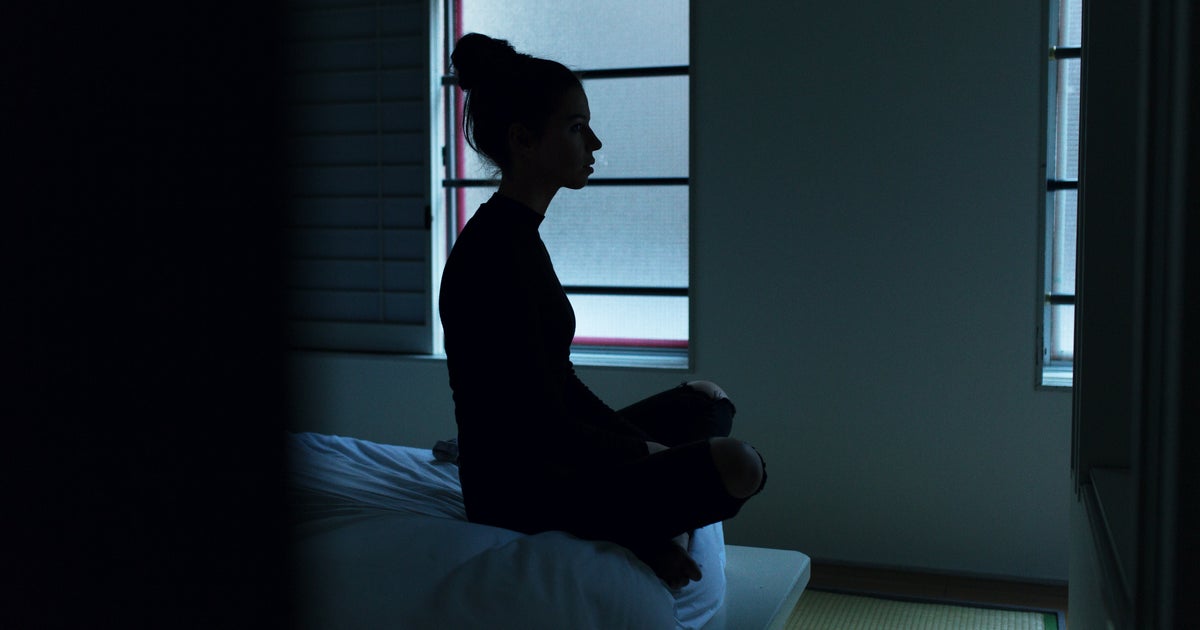
I have to confess that even though I know the importance of “clock blocking” and avoiding as much worry as I can at night, I’ve become obsessed with my own smart watch.

But after a little bit of skin irritation and frankly forgetting to put it back on my wrist after a previous charge, I accidentally ended up following Dr Ramalkhan’s advice: I haven’t been wearing the fitness tracker that logs my sleep for a week.

And honestly, I’ve already been impressed by how much more rested I feel.

Why might sleep tracking make sleep worse?

If trackers help you, that’s all the evidence you need to keep using them.

But as sleep expert Kathryn Pinkham, founder of The Insomnia Clinic, told Which?, they might make those with existing poor sleep (like me) panic more about their poor “performance”.

This stress forms a vicious cycle, ironically keeping worriers up at night.

This happened to me most nights. I would anxiously tell my partner I’d only had four to six hours last night, and spend the rest of the day battling fatigue and panic in equal, exhausting turns.

I’d avoid naps for fear of ruining my sleep cycle, then feel too awake, and too anxious at being awake, to fall asleep at night.

But by day two of not using a tracker, I noticed I wasn’t thinking about my sleep as much – since then, I’ve woken up far more refreshed.

This included nights I think my watch would have told me constituted a “bad” sleep. The less I knew about the supposed quality of my sleep – which some say trackers may not measure as accurately as experts like – the better I felt.

Perhaps it might be as Dr Ramlahkhan said: “With sleep trackers, unless you’re having your data measured in a lab, you need to take it all with a pinch of salt.

“Your tracker may say you didn’t get good sleep, but maybe you feel great. Check in with yourself before you check your data.”

How can I tell if I should give up sleep tracking?

Again, everyone’s different. But, per Dr Ramlahkhan, “An important thing is not to get too obsessed with the numbers, and take a break from tracking if you find yourself in that position.”

She also said many of us might be looking at the data from trackers with overly short sight, thereby accidentally misunderstanding their insights.

“Once you’ve been wearing it for a while (at least 6 months to a year), only then can you start to look at the trends,” she revealed.

“For example, if you change some elements of your life such as cutting back on caffeine, exercising more, and drinking less alcohol, then it can be helpful to see this reflected on the tracker.”

But if you think your tracker might be harming your sleep more than it helps, and if the data causes you more worry than curiosity, it might be time to put yours to bed.

Share Button

7 ‘Normal’ Symptoms A Doctor Says You Should Never, Ever Ignore

Though everything from our nails to the colour of our poop can sometimes reveal health issues; often, variants in both are perfectly normal.

Besides, it feels like everyone is battling with issues like fatigue and back pain most of the time.

So what is “normal”, and what is worth seeing a doctor about?

Dr Kaywaan Khan, a GP at Harley Street’s Hannah London, told HuffPost UK about the seven signs you should never ignore – even if you feel fine.

1) Unexplained weight loss

If you’re shedding the pounds without even trying, Dr Khan warned that everything from thyroid imbalances to early diabetes, digestive disorders, and even stomach or pancreatic cancer could be to blame.

“Unexplained weight loss is typically defined as losing more than 5% of your body weight over a span of 6-12 months, without any changes in diet or physical activity levels,” he explained.

2) Constant exhaustion, even after rest

Though you probably hear “I’m so tired!” from every adult in your life, Dr Khan said it’s still worth seeing a doctor if exhaustion is affecting your day-to-day.

Persistent fatigue can be linked to conditions such as anaemia, chronic infections like mononucleosis, or even early-stage heart disease… Sleep disorders like insomnia or mental health conditions can also leave you feeling drained and unmotivated on a daily basis, even without physical exertion,” he stated.

If adequate rest doesn’t leave you feeling refreshed, see your GP.

3) Changes in bowel habits

Sudden or long-term changes in your poop can also be worthy of alarm.

“Constipation and diarrhoea are typically just side effects of dietary changes, severe stress, or certain medications, but this could also be from underlying conditions like irritable bowel syndrome (IBS) or coeliac disease (severe gluten intolerance),” Dr Khan told us.

And bleeding from your bottom may be haemorrhoids, but it could also be caused by stomach or colon cancers.

4) Frequent headaches

If your headaches happen all the time and/or affect your daily functioning, that’s well worth talking to a GP about, Dr Khan said.

And “if headaches are accompanied by other symptoms like vomiting, debilitating pain, vision changes or thunderclap onset, this should prompt urgent GP review,” he added.

The same goes if you notice numbness, weakness, or fainting alongside headaches.

“In these cases, I would advise asking your GP for a referral to a CT or MRI scan to see if there could be any brain-related causes like tumours or aneurysms that might not be visible through blood work alone.”

5) Being short of breath

OK, panting after a jog is normal. But if you can’t catch your breath after taking a few stairs or walking around the shops, that’s worth flagging to a doctor.

This could be down to “respiratory diseases like asthma or chronic obstructive pulmonary disease (COPD), which you can get from smoking or long-term exposure to pollution and allergens,” Dr Khan said.

Additionally, “shortness of breath can also be linked to heart disease or blood clots in the lungs (pulmonary embolism), both of which can reduce oxygen supply and strain the heart, lungs, and blood flow all at once”.

If you have sudden shortness of breath alongside chest pain, blue lips, and/or numbness, seek urgent medical help.

6) Lumps and swellings

Sure, Dr Khan admitted, a lot of these are harmless.

“Yes, many lumps are typically benign, such as those that appear consistently in the breast area during menstruation or ovulation due to sudden hormonal changes,” he said, while common conditions can lead to swelling of the glands and abscesses.

“While these lumps are easily treatable, others could point to more serious conditions like breast cancer or lymphoma,” the doctor added. So, it’s always worth getting checked out.

7) Skin changes

Not only can changes to, or the sudden addition of, moles belie skin cancer, but “skin discolouration can also be a major clue”.

Per the GP, “yellowing of the skin (jaundice) warrants same-day assessment and may point to liver issues, bile duct obstruction or even pancreatic problems”.

“A bluish skin tinge to the skin could indicate poor circulation, while grey patches may be linked to autoimmune disorders like lupus,” he added.

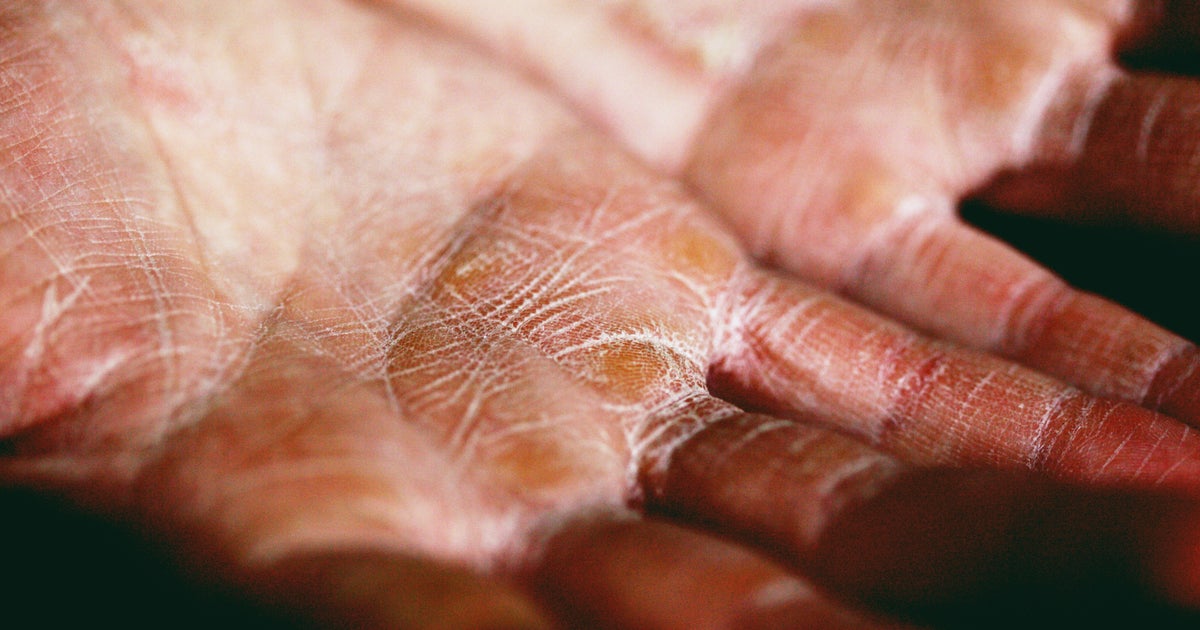
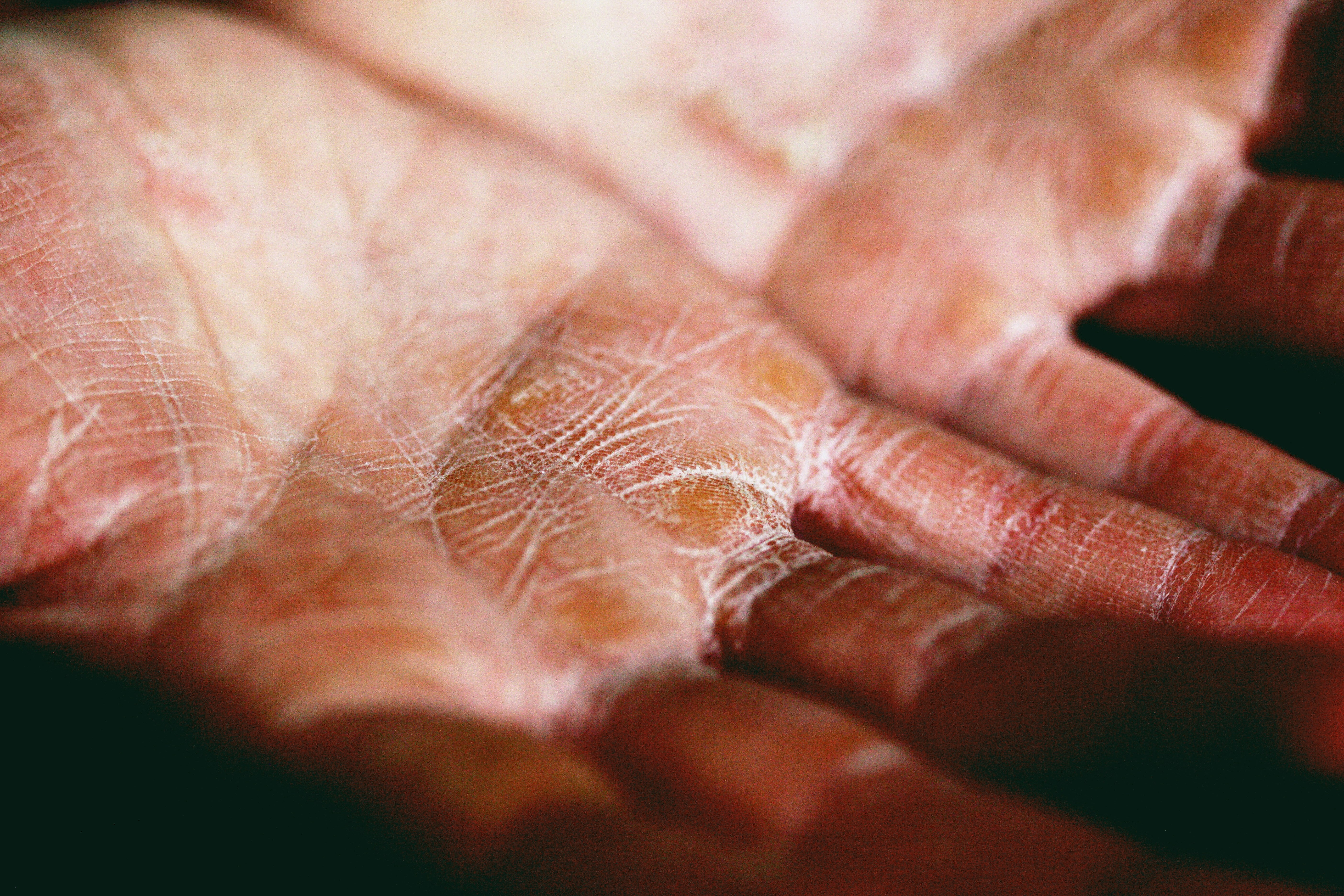
Dry and scaly skin may be a sign of everything from dermatitis to allergies, he ended, which is better investigated than ignored.

Share Button

So THAT’s Why You Keep Waking Up At 3AM

Even though I have insomnia, my issue doesn’t actually lie in getting to sleep.

Nope – I nod off just fine. My problem is staying in dreamland; more often than not, I wake up at 3am and simply cannot get back to sleep.

There are things I’ve learned to do to cope with the problem. “Clock blocking”, refusing to stay in bed for more than 20 minutes, and (paradoxically) willing myself to stay awake have all been effective at getting me back to sleep.

But given that almost a third of us wake up in the middle of the night at least three times a week – and that multiple friends had cited 3am as their most common early rising hour – I thought I’d ask Dr Seeta Shah from PANDA London if there’s anything “special” about that time.

Here’s what she told us…

Why do I always wake up at 3am?

“Waking up around 3am is a surprisingly common experience,” Dr Shah confirmed.

This, she said, could be down to a mixture of biological and lifestyle factors, like your body’s natural sleep cycle.

“During a typical night’s sleep, we go through multiple 90-minute cycles that include different stages of sleep, from light to deep and REM sleep,” the doctor said.

“Around 3am, most people are transitioning between cycles, and the sleep tends to be lighter at this point. That makes us more susceptible to waking, especially if there are external disturbances such as noise, light, temperature changes or even the need to use the loo.”

Then, she said, there’s a hormonal component. “In the early hours of the morning, the body begins to increase its production of cortisol, the ‘stress hormone,’ in preparation for waking,” she explained.

“This natural rise in cortisol, combined with a dip in melatonin (the sleep hormone), can make the body more alert and prone to waking around this time.”

Cortisol usually dips to a low at around midnight and slowly rises thereafter.

“If you’re feeling anxious or have an active mind, this early-morning wakefulness can quickly turn into prolonged sleeplessness,” Dr Shah told us.

How can I stop waking up at 3am?

“Lifestyle factors such as alcohol consumption, late-night screen use, inconsistent bedtimes, and even blood sugar dips can all contribute to waking at this hour,” the doctor explained.

If you suspect this may be the cause of your early morning wake-ups, consider changing your habits and seeing how it affects your kip.

But “if waking at 3am becomes a regular pattern, it’s worth examining both physical and mental health, as well as evening habits, to identify and address any underlying causes,” Dr Shah cautioned.

The NHS said that if poor sleep is affecting your day-to-day life and causing you distress, you should speak to your GP about it.

Share Button

This Low-Impact Exercise May Land You 2 Extra Hours Of Sleep

Though exercising too close to your bedtime may actually harm your sleep more than it helps, the NHS says that getting enough movement in your day is key to consistently good slumber.

Johns Hopkins Medicine writes that we don’t actually know why physical activity helps you snooze. It might be because working out releases “happy chemicals”, endorphins, or because it raises your body’s core temperature, they suggest.

A half-hour of exercise is linked to better sleep that same night, nonetheless.

And now, a new review has been published in the journal BMJ Evidence-Based Medicine that has named the low-impact exercise that could improve the sleep of insomniacs like me by almost two hours.

Yoga might give you two hours of extra sleep

The scientists looked at 22 previous randomised controlled trials involving over 1,300 people with insomnia.

They found that while cognitive behavioural therapy (CBT) was helpful for managing the condition, so too was exercise.

“Among the various modalities examined, yoga, Tai Chi, and walking or jogging appear to be particularly effective,” they wrote.

Not only did yoga improve sleep time by just under two hours on average, but it also helped participants to nod off half an hour earlier than usual.

The review found that the positive sleep effects of Tai Chi and CBT combined may last for as long as two years for people with insomnia, while those associated with aerobic activity or aerobic activity with strength training seemed to last for seven months.

Of the activities included in the research, though, yoga won out in sheer added minutes of kip.

The scientists encouraged more research into the topic

As we mentioned above, the relationship between sleep and exercise is still not fully understood.

Perhaps that’s why this study didn’t recommend an exact amount of yoga or time at which to do it.

“To confirm and extend these findings, future research should prioritise large-scale, high-quality RCTs with standardised intervention protocols,” they wrote in their paper.

The more data we have, the more exercise and sleep scientists can rest easy (sorry….).

Share Button

This Blinking Trick Could Help You Fall Asleep In Just 60 Seconds

I struggle to get to sleep at the best of times, an issue the recent onslaught of heatwaves hasn’t helped.

All the ‘pink noise’, delayed bedtimes, and even electricity changes have helped somewhat. But I’m always on the lookout for new tips – especially those that involve minimal effort.

Luckily, TikToker Helena Kennedy shared one of those in a recent clip, in which she revealed tips from her psychiatrist that helped her to defeat insomnia.

One of them involved blinking for a solid minute. So, we thought we’d find out whether it works.

How can blinking help you get to sleep?

Kennedy claimed blinking fast for 60 seconds means your eyes “get tired and trick your brain into sleep mode”.

A 2013 study found that blinking gives your brain a temporary “reset”, while 2017 research suggests blinking is treated “like a tiny nap” by your brain. It can decrease time perception by as much as 50-70%, researchers found.

But does that mean blinking will serve as a fast pass to the land of nod?

Well, speaking to Bustle, Livvi DiCicco, a sleep science coach with Sleepopolis, said it might, mostly because it serves as a distraction, which can be helpful if you’re lying in bed awake for more than 30 minutes.

Additionally, the expert said it can help to mimic your body’s natural sleeping cues, which may help your brain to realise it’s time to switch off.

How else can I get to sleep?

Morning light is uniquely helpful for orienting your body clock, which some researchers suggest is more important than actual sleeping hours for feeling reset. Therefore, going on a morning walk may help to get your Circadian rhythm in order.

Some studies suggest there could be some serious benefits to “clock blocking”, or refusing to look at the time when you get up in the middle of the night (I also swear by this trick).

And in a previous interview, sleep expert Dr Nerina Ramlakhan from Oak Tree Mobility told me “there’s a form of insomnia… called ‘orthosomia’, a term for the obsession with getting a good night’s sleep”.

In other words, try not to panic too much about your kip; it might paradoxically hurt you more than it helps.

Share Button

This Phone Charger Mistake Can Ruin Your Sleep In A Heatwave

As the third heatwave of the year begins in earnest, I’ve started to dread the night.

Like most of us, I find that boiling temperatures ruin my sleep.

Speaking to HuffPost UK, Dr Seeta Shah from PANDA London previously said that going to bed half an hour later might help you get some shut-eye (a 2012 paper found that heat affects slow-wave and rapid eye movement sleep, meaning the natural cycles you’re meant to go through when asleep are interrupted).

But the British Red Cross advised doing something a little simpler to control the temperature in your room at night.

Unplugging your electronics might reduce heat

The organisation suggested sleeping on the lower floors in your home, as heat rises, as well as staying hydrated and using some thin, breathable bedding.

So far, so predictable.

But I was surprised to read that “even when in standby mode, electrical items can generate heat”.

The British Red Cross therefore suggested switching them off entirely at night.

“Make sure any in the bedroom are turned off and unplugged,” the site said.

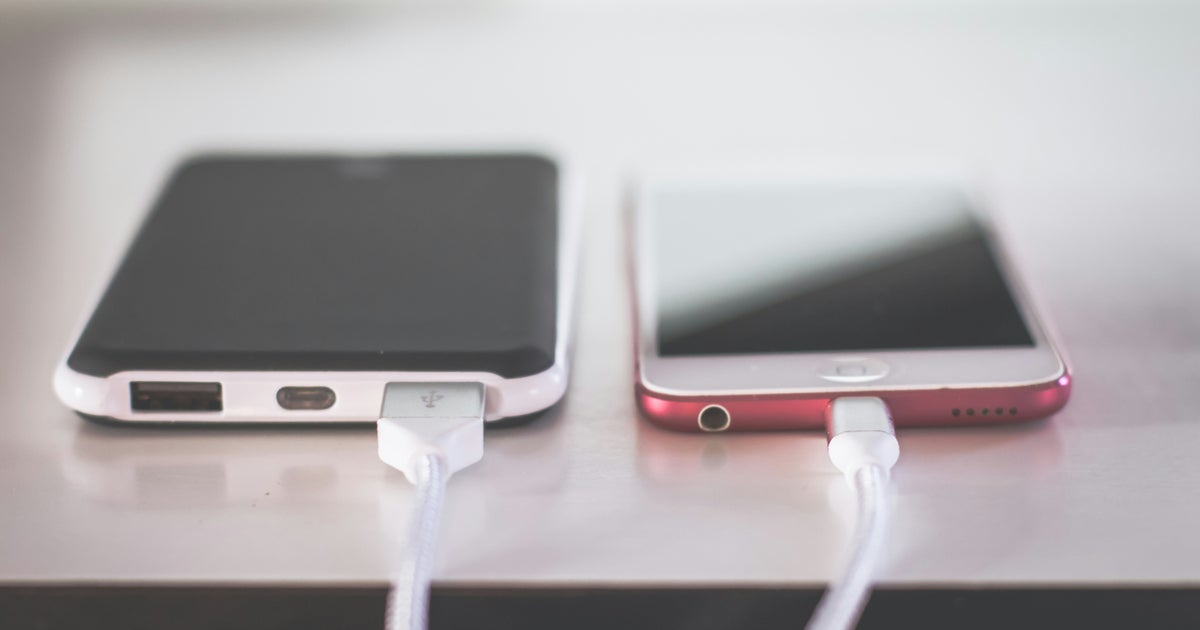
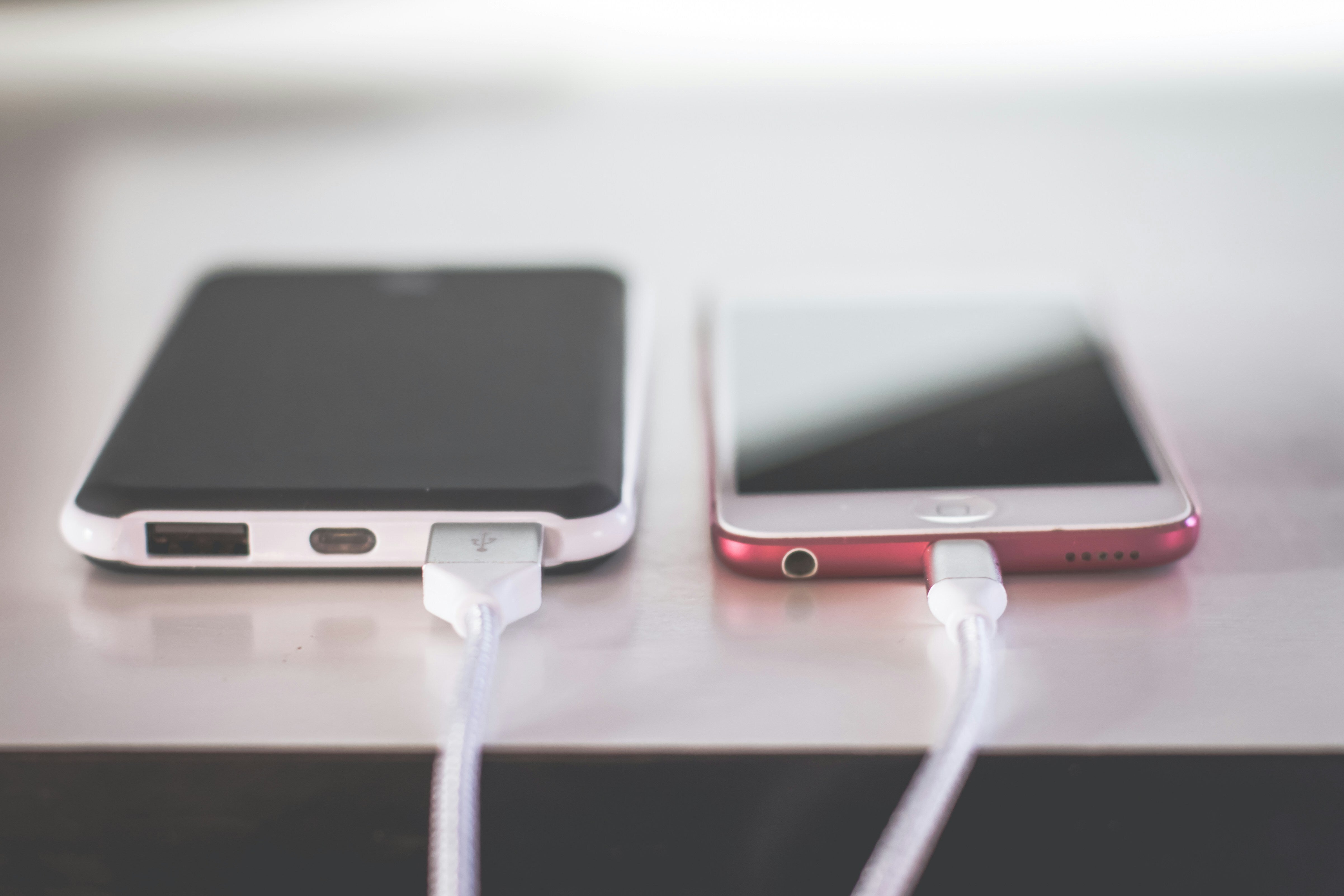
Speaking to Ideal Home, David Rees, an appliances expert from HomeSupply, explained that phone and headphone chargers might pose a particularly toasty risk.

These can “seriously overheat and use a lot of excess energy in the summer if not unplugged,” he warned, suggesting we power our devices “throughout the day, so that they can be unplugged as soon as they are fully charged… this will help to save money and prevent overheating in summer”.

Are there any other ways to keep cool?

Wearing cool socks, donning loose-fitting pyjamas, and maintaining a wind-down bedtime routine can all help, the Red Cross said.

“Many take a cold shower before bed in hot weather, but a shockingly cold shower can actually raise core body temperature as your body works to counteract the sudden cold,” Dr Shah warned.
Closing your windows and curtains or blinds at the hottest parts of the day, and opening them in the evening or early morning can help to keep your home cooler, too.
Share Button

This Is The Worst Position To Sleep In If Heartburn Wakes You Up At 3AM

As someone with insomnia, I struggle to get to sleep in the first place. I’m not alone – 21% of us find it hard to nod off at least once a week.

So when we do finally reach dreamland, it’s pretty unpleasant to be yanked out of it by heartburn or indigestion.

One paper called nighttime heartburn an “under-appreciated clinical problem that impacts sleep and daytime function” among adults with gastroesophageal reflux disease (GERD).

Meanwhile, some researchers think indigestion and acid reflux create a vicious cycle; they affect your sleep, which may in turn increase your risk of indigestion, and so on.

Though you should see a GP if you have indigestion often, if it comes alongside other symptoms (like iron deficiency anaemia, pain, trouble swallowing, and weight loss), doctors like GI surgeon Dr Karan Rajan say that sleeping on one side over another may help for one-off cases.

Don’t sleep on your right side

Your stomach is not a perfectly balanced or symmetrical organ.

Instead, it’s curved, with much of its bulk (which contains the acid that causes indigestion and heartburn) lying on the left-hand side.

That bend means that it’s harder for stomach acid to make its way into your oesophagus because it’s got a steeper curve to climb than your more gently sloping right-hand side.

Per the Gastrointestinal Society: “Due to gravity, the shape of the stomach, and the angle of the connection between it and the oesophagus, sleeping on your left side can greatly reduce reflux.”

“By the same principle, if you lie on your right-hand side, at this point the stomach and its contents are slightly higher than the lowest of your sphincter,” Dr Karan Rajan agreed.

That means “more chance of reflux back into the oesophagus,” which creates that horrid indigestion burn.

What else can I do to reduce the risk of nighttime indigestion?

The NHS says that indigestion is common and is usually “not a sign of anything more serious… you can treat it yourself.”

Solutions can include cutting down on coffee, tea, and booze, raising your stomach above your head when you sleep and avoiding eating closer than thre to four hours before bedtime.

Skip spicy, fatty foods if you’re struggling with indigestion, don’t smoke, and speak to your pharmacist about getting over-the-counter treatments if needed.

The health service adds you should see a GP if you:

  • keep getting indigestion
  • are in severe pain
  • have lost a lot of weight without meaning to
  • have difficulty swallowing (dysphagia)
  • keep being sick
  • have iron deficiency anaemia
  • feel like you have a lump in your stomach
  • have bloody vomit or poo.
Share Button

Keep Waking Up At 3AM? This Diet Change May Help Within 24 Hours

I’ve had insomnia for years, a condition which I know is bad for my brain and physical health.

But for some reason, very little sticks. I have tried getting out of bed if I can’t get back to sleep, “clock blocking,” getting some morning sunlight, and even “paradoxical intention” – some of those have been more successful than others. t

Still, a new paper published in Sleep Health has linked a better diet to improved sleep in just 24 hours.

It promises to decrease the likelihood of “fragmented sleep,” or shifting from heavy to lighter sleep. This is linked to waking up in the middle of the night and not being able to return to your slumber.

“Dietary modifications could be a new, natural and cost-effective approach to achieve better sleep,” one of the study’s senior authors, Dr Esra Tasali, director of the UChicago Sleep Centre, told the university.

Eating enough fruit and vegetables might prevent middle-of-the-night wake-ups

The researchers asked participants to wear wrist monitors which tracked their sleep patterns while also tracking and reporting their food intake.

After comparing the diets of participants to their sleep patterns, the scientists found that those who ate less sugar, stuck to the CDC-recommended consumption of five cups of fruits and veggies a day, and consumed more whole grains had less sleep fragmentation.

Those who reach the fruit and veg consumption may be as much as 16% more likely to enjoy continuous sleep, the scientists found. Improvements were seen among non-fruit and veg eaters who went on to consume enough of both in as little as a day.

“16% is a highly significant difference,” Dr Tasali shared.

“It’s remarkable that such a meaningful change could be observed within less than 24 hours.”

More research is needed to find the exact relationship between diet and sleep

Though this study is promising, more research is needed to find out why and how food appears to be linked to our sleep.

Still, Dr Marie-Pierre St-Onge, director of the Centre Of Excellence For Sleep And Circadian Research at Columbia, said it’s an encouraging reminder that “Small changes can impact sleep.

“That is empowering – better rest is within your control,” she added.

Share Button

Nectar Duvet Review: Is This The Best All-Year Duvet For Hotel-Level Comfort?

We hope you love the products we recommend! All of them were independently selected by our editors. Just so you know, HuffPost UK may collect a share of sales or other compensation from the links on this page if you decide to shop from them. Oh, and FYI — prices are accurate and items in stock as of time of publication.

As I approach the big 3-0, I’ve found myself developing an unexpected obsession with my bedding. Gone are the days of just throwing on whatever’s clean; now, I genuinely care about having my sheets look sleek, elegant, and, dare I say, wrinkle-free.

Enter the Nectar Duvet, which has absolutely transformed my bed into a sanctuary of sophistication.

I’ve been sleeping with this duvet for just over a month now (tough gig, testing duvets), and I can confidently say it’s been a game-changer.

The Nectar Duvet has a way of elevating the entire aesthetic of my bedroom. No more waking up to creased sheets that make me feel like I’m living in university halls. The duvet is so smooth and perfectly puffed, giving my bed an effortlessly neat appearance. I don’t even have to break out the iron anymore (honestly, I was starting to consider it!).

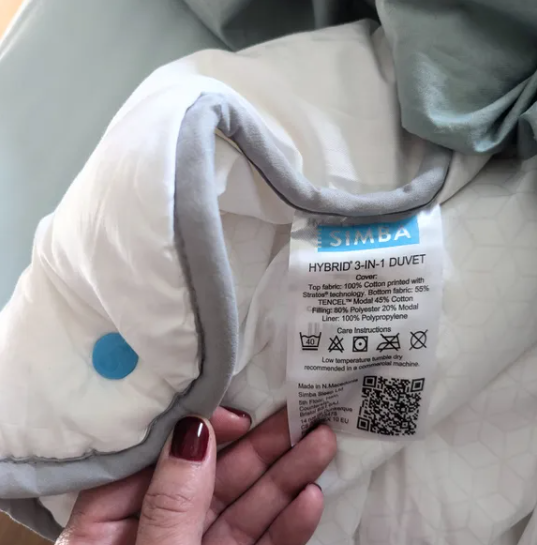
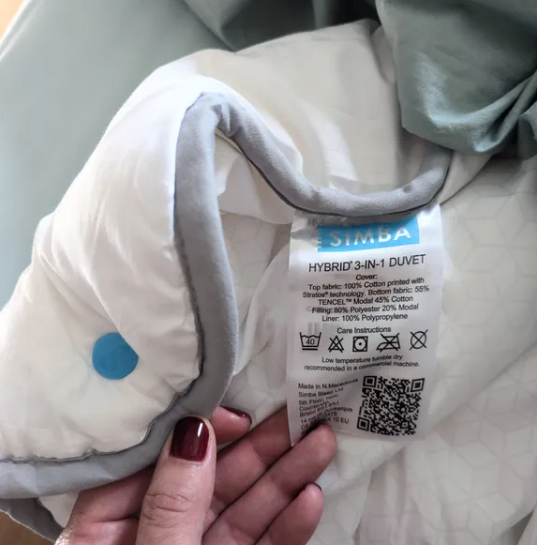
The secret to this duvet is its Smartfil® technology and Modal fabric, which is derived from natural wood pulp. This combination makes it incredibly light, breathable, and soft, making it the perfect choice for the spring season.

Modal helps to wick moisture away from the body, allowing you to sleep in total temperature-controlled comfort and wake up feeling refreshed.

I’ve found it keeps me warm enough during cooler nights while still feeling light and fluffy enough that it doesn’t overheat me. It strikes the perfect balance for year-round comfort.

Aside from the duvet itself, the service and delivery were top-notch. I received the duvet within just two days of placing the order—impressive, considering the speed and efficiency of the delivery.

The whole process was smooth, with timely updates from the delivery service every step of the way. It made the experience all the more pleasant and hassle-free.
In short, I couldn’t recommend the Nectar Duvet more. It’s made my bed look elegant, kept me cozy, and saved me from ever considering ironing my sheets again. I can’t believe I even thought about it. This duvet is worth every penny and truly lives up to its promises.

Share Button

‘Pink Noise’ May Hold The Secret To Deeper Sleep

Though I’ve had insomnia for years, I’ve managed to find some tools to help me stay asleep at night.

Clock-blocking”, getting out of bed when I can’t get back to sleep, and even enjoying a morning stroll have all helped me recover from my 3am wake-ups.

So, too, does my Bluetooth eye mask, which allows me to play “white noise” as I slumber.

But speaking to HuffPost UK, sleep expert Dr Deborah Lee from Doctor Fox (who’s paired with Bed Factory Direct) said it shouldn’t be the only sound in my arsenal.

“Certain types of background noise, also known as coloured noise, can actually improve sleep quality, reduce overnight disturbances and also help you fall asleep quicker,” she told us.

One of those is “pink noise”, which the doctor revealed is best for deep sleep and even memories.

What is pink noise?

I’ll admit I’d never heard of the noise until Dr Lee told me about it.

But it turns out it’s a pretty technical term: pink noise, also known as 1/f noise, fractional noise, or fractal noise, contains all audible frequencies.

Though white noise offers the same range, pink noise decreases the intensity of sound at a rate of three decibels per octave.

Basically, that means “pink noise is a slightly deeper version of white noise,” Dr Lee said.

“An example of pink noise would be rustling leaves or ocean waves – some sounds that people find extremely relaxing.”

The doctor added: “Pink noise has been shown to enhance deep sleep, but also improve memory.”

A 2020 paper found that participants who listened to an increasingly quiet pink noise machine while falling asleep not only nodded off faster, but slept deeper.

Research from 2022 also suggested that older adults who fell asleep saw an increase in slow wave sleep, linked to memory consolidation.

What are some types of pink noise I can listen to at night?

You can find pink noise playlists or even buy a pink noise machine (though they’re harder to find than white noise options).

“Everyone’s brain responds differently to sounds,” Dr Lee said. “However, what is clear is that the right kind of noise, when used consistently, can make a huge difference in not just getting to sleep, but staying asleep too.

“It’s worth playing around with different sounds to find the right sound for you, as not everyone will have the same response.”

Share Button