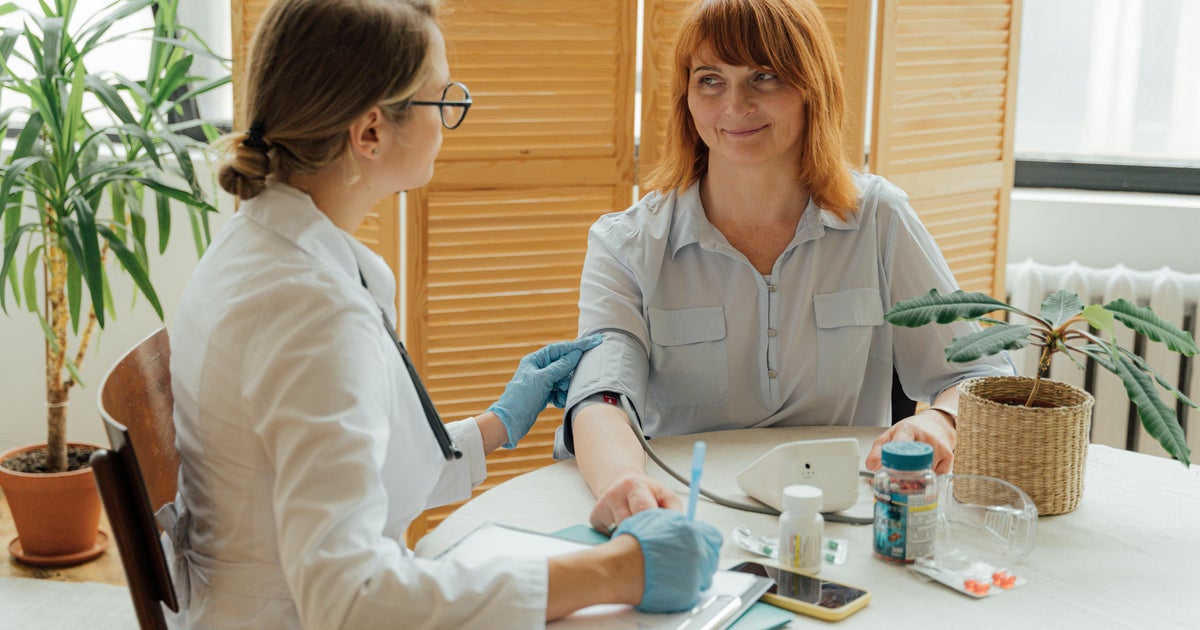
So THIS Is Why Doctors Ask Such Invasive Questions

I am no conspiracy theorist; I trust doctors, I trust medicine and I have found that this has served me well in life. However, I have to confess that when my doctor asks me something seemingly ‘random’ question, I do wonder why that would ever matter.

For example, I have been with my partner for almost nine years and lived with him for almost seven years but we are not married and don’t plan to be. When my doctor asks about my sexual activities and soon after asks if I’m married, my first instinct is to get defensive.

What can I say? I’m tired of being asked when we will marry.

However, one expert has explained why these questions occur and, well, I stand corrected.

Why doctors ask ‘weird’ questions

Writing for The Conversation, Jill Inderstrodt, an Assistant Professor of Health Policy and Management, Indiana University says: “For those of us who use demographic data collected during health care encounters to conduct research and design interventions, it does matter whether patients answer their doctor’s demographic questions.

“But as a patient myself, I can see how these questions might seem unnecessary and even invasive.”

She goes on to explain that by answering these questions, you’re actually playing a part in shaping Public Health: “When you answer the demographic questions your doctor logs in your electronic health record, you’re doing more than disclosing personal information. You’re adding one small piece to a giant puzzle of data that allows researchers like me to see a bigger picture.

“Your health information can help us understand who gets sick and why. It might even be used to design real health interventions.”

Pretty beautiful, actually.

Inderstrodt goes on to give real-life examples of this, saying: “For example, my colleagues and I in the Indiana University Better AI for a Strong Rural Maternal and Child Health Environment Lab use this data to train machine learning models that predict preeclampsia, a life-threatening condition of high blood pressure during pregnancy, before a mom gets really sick.

“We could use only clinical data: diagnoses, labs and vital readings like blood pressure that contribute to the outcome of preeclampsia.

“But for conditions like preeclampsia, Black moms are diagnosed at higher rates than their white counterparts. Research shows that race and racism can be major contributing factors to this disparity.”

As for why doctors ask if you’re married…

Uh, so, my doctor isn’t personally invested in my relationship status. Shocked.

Inderstrodt explains: “This is why your cardiologist asks about your marital status. Your response might help researchers understand why single moms are more likely to have cardiovascular disease than their married counterparts.

“And telling your optometrist your race is one of the only ways to learn what role race might play in patients using weight loss drugs experiencing vision loss.”

Ah. Fair enough.

Share Button

I Asked 2 Doctors How To ‘Boost’ Your Immune System, And They Both Said The Same Thing

Though the NHS recommends most adults consider taking vitamin D until around March as daylight hours shrink, the service also noted: “There’s little evidence that supplements such as vitamin C, echinacea or garlic prevent colds or help you get better more quickly.”

That’s not to say that eating a balanced diet, including getting enough vitamin C, isn’t key to supporting your immune system: it is.

It’s just unlikely to provide the short-term “boost” many people who begin taking the supplement in autumn hope it will.

So what does help to build a strong immune system? I asked two doctors whose answers had a surprising amount in common.

Ditch the idea of short-term immune “boosts”

Speaking to HuffPost UK, Dr Crystal Wyllie at Asda Online Doctor said there’s no one-stop, quick-fix way to “supercharge” your immune system.

And Dr Hussain Ahmad, a hospital doctor, said: “I don’t really like the word boost when we talk about the immune system. It gives the idea that you can switch it on or make it stronger with tablets or drinks, but that’s not how it works… taking lots of vitamin C or other supplements doesn’t make it work any better for most people.”

Instead, Dr Wyllie said: “The easiest way to help boost your immune system is to choose a healthy lifestyle. Maintaining a healthy weight, eating a balanced diet high in fruit and vegetables, and exercising regularly are all natural steps you can take to help your immune system function normally.”

However, though all doctors recommended doing what Dr Ahmad called “simple stuff” over a long period of time, Dr Wyllie said that some changes really can make a significant change.

“Quitting smoking is hugely beneficial for your overall health, but also helps the health of your immune system,” she revealed.

That’s partly because “your adaptive immune system, the part responsible for remembering and responding to threats, can be negatively impacted by smoking,” she said.

“It can take years for your immune system to recover after quitting smoking, so the sooner you decide to stop, the better.”

Additionally, you might be surprised by how much changing your pace of life helps. “Stress and tiredness can make you more likely to catch things, so slowing down when you can really helps,” Dr Ahmad advised.

Are there any genuine “immune boosts”?

Yes(ish). There is one exception to the “slow-burn, lifestyle change” rule: vaccines.

These “are the only proven ways to prepare your immune system for specific infections,” Dr Ahmad advised.

And Dr Wyllie shared “It is much safer and easier for your immune system to build its defences through vaccinations than by catching the disease”.

This is not to say that nobody should take supplements or that they’re useless – this is not the case, especially if you have nutrient deficiencies.

But, as Dr Ahmad put it, the best place for most of us to start is by trying our best to “eat proper meals with some fruit and veg in there, move your body every day, and make sure you’re getting enough rest”.

That, along with keeping up with any vaccines we’re eligible for, is as close to an “immune system boost” as we’re likely to get.

Share Button

4 Symptoms A Cardiologist Would Never, Ever Ignore

Though you might think extreme fatigue, regular headaches, and even unintentional weight loss are nothing out of the ordinary, both a GP and a cancer doctor have previously told HuffPost UK they could signal deeper health issues.

They can reveal everything from anaemia to more serious conditions. The key is to get them checked out to be on the safe side, the experts advised.

And now, cardiologist and scientist Dr Ernst von Schwarz has shared the four signs he’d always see a doctor about, no matter how innocuous you might believe them to be.

These are:

1) Pressure in your chest

“Chest pressure or pain is always suspicious of a lack of oxygen in the heart,” the doctor told us.

Per the NHS, sudden pressure, “squeezing”, or even burning sensations in your chest are worth calling 999 over as they could be a sign of a heart attack.

Even if the pressure or pain comes and goes rather than arriving suddenly, you should still speak to your GP.

2) Shortness of breath when you’re not being active

It’s normal for your breathing to get a little heavy after a jog or in your spin class. But if your breath is laboured when you’re sitting down or doing minimal movement, Dr von Schwartz said that could be a red flag.

“Shortness of breath can have a multitude of causes, from heart failure to ischemia to pulmonary issues such as asthma, COPD or pneumonia, vascular issues such as pulmonary emboli, [or] intoxication, anxiety, and panic attacks, among others,” he shared.

3) Fainting

This is always worth getting checked out, the cardiologist told us.

Also known as “syncopes”, fainting can be caused by a sudden drop in blood pressure, especially in young women, he said.

It can also be “a result of orthostatic dysregulation [low blood pressure after going from sitting or lying down to standing], as in POTS, or [a] lack of oxygen in the brain caused by very low or very high heart rates”.

The NHS said that though it’s likely not serious, you should always see a GP if you’ve fainted.

4) Palpitations lasting longer than five seconds

Palpitations make your heartbeat feel more noticeable. They can present as a “racing,” “thumping,” “fluttering,” or an irregular heartbeat.

Per the NHS, these can last seconds or minutes. But Dr von Schwartz said he’d see a GP if they pass the five-second mark.

That’s because “palpitations can be caused by harmless extra beats or short atrial runs, but also by potential life-threatening ventricular tachycardia,” he said.

Definitely see your doctor if palpitations keep coming back, if they last longer than a few minutes, or if you have a heart condition or a family history of heart conditions.

Share Button

7 ‘Normal’ Symptoms A Doctor Says You Should Never, Ever Ignore

Though everything from our nails to the colour of our poop can sometimes reveal health issues; often, variants in both are perfectly normal.

Besides, it feels like everyone is battling with issues like fatigue and back pain most of the time.

So what is “normal”, and what is worth seeing a doctor about?

Dr Kaywaan Khan, a GP at Harley Street’s Hannah London, told HuffPost UK about the seven signs you should never ignore – even if you feel fine.

1) Unexplained weight loss

If you’re shedding the pounds without even trying, Dr Khan warned that everything from thyroid imbalances to early diabetes, digestive disorders, and even stomach or pancreatic cancer could be to blame.

“Unexplained weight loss is typically defined as losing more than 5% of your body weight over a span of 6-12 months, without any changes in diet or physical activity levels,” he explained.

2) Constant exhaustion, even after rest

Though you probably hear “I’m so tired!” from every adult in your life, Dr Khan said it’s still worth seeing a doctor if exhaustion is affecting your day-to-day.

Persistent fatigue can be linked to conditions such as anaemia, chronic infections like mononucleosis, or even early-stage heart disease… Sleep disorders like insomnia or mental health conditions can also leave you feeling drained and unmotivated on a daily basis, even without physical exertion,” he stated.

If adequate rest doesn’t leave you feeling refreshed, see your GP.

3) Changes in bowel habits

Sudden or long-term changes in your poop can also be worthy of alarm.

“Constipation and diarrhoea are typically just side effects of dietary changes, severe stress, or certain medications, but this could also be from underlying conditions like irritable bowel syndrome (IBS) or coeliac disease (severe gluten intolerance),” Dr Khan told us.

And bleeding from your bottom may be haemorrhoids, but it could also be caused by stomach or colon cancers.

4) Frequent headaches

If your headaches happen all the time and/or affect your daily functioning, that’s well worth talking to a GP about, Dr Khan said.

And “if headaches are accompanied by other symptoms like vomiting, debilitating pain, vision changes or thunderclap onset, this should prompt urgent GP review,” he added.

The same goes if you notice numbness, weakness, or fainting alongside headaches.

“In these cases, I would advise asking your GP for a referral to a CT or MRI scan to see if there could be any brain-related causes like tumours or aneurysms that might not be visible through blood work alone.”

5) Being short of breath

OK, panting after a jog is normal. But if you can’t catch your breath after taking a few stairs or walking around the shops, that’s worth flagging to a doctor.

This could be down to “respiratory diseases like asthma or chronic obstructive pulmonary disease (COPD), which you can get from smoking or long-term exposure to pollution and allergens,” Dr Khan said.

Additionally, “shortness of breath can also be linked to heart disease or blood clots in the lungs (pulmonary embolism), both of which can reduce oxygen supply and strain the heart, lungs, and blood flow all at once”.

If you have sudden shortness of breath alongside chest pain, blue lips, and/or numbness, seek urgent medical help.

6) Lumps and swellings

Sure, Dr Khan admitted, a lot of these are harmless.

“Yes, many lumps are typically benign, such as those that appear consistently in the breast area during menstruation or ovulation due to sudden hormonal changes,” he said, while common conditions can lead to swelling of the glands and abscesses.

“While these lumps are easily treatable, others could point to more serious conditions like breast cancer or lymphoma,” the doctor added. So, it’s always worth getting checked out.

7) Skin changes

Not only can changes to, or the sudden addition of, moles belie skin cancer, but “skin discolouration can also be a major clue”.

Per the GP, “yellowing of the skin (jaundice) warrants same-day assessment and may point to liver issues, bile duct obstruction or even pancreatic problems”.

“A bluish skin tinge to the skin could indicate poor circulation, while grey patches may be linked to autoimmune disorders like lupus,” he added.

Dry and scaly skin may be a sign of everything from dermatitis to allergies, he ended, which is better investigated than ignored.

Share Button

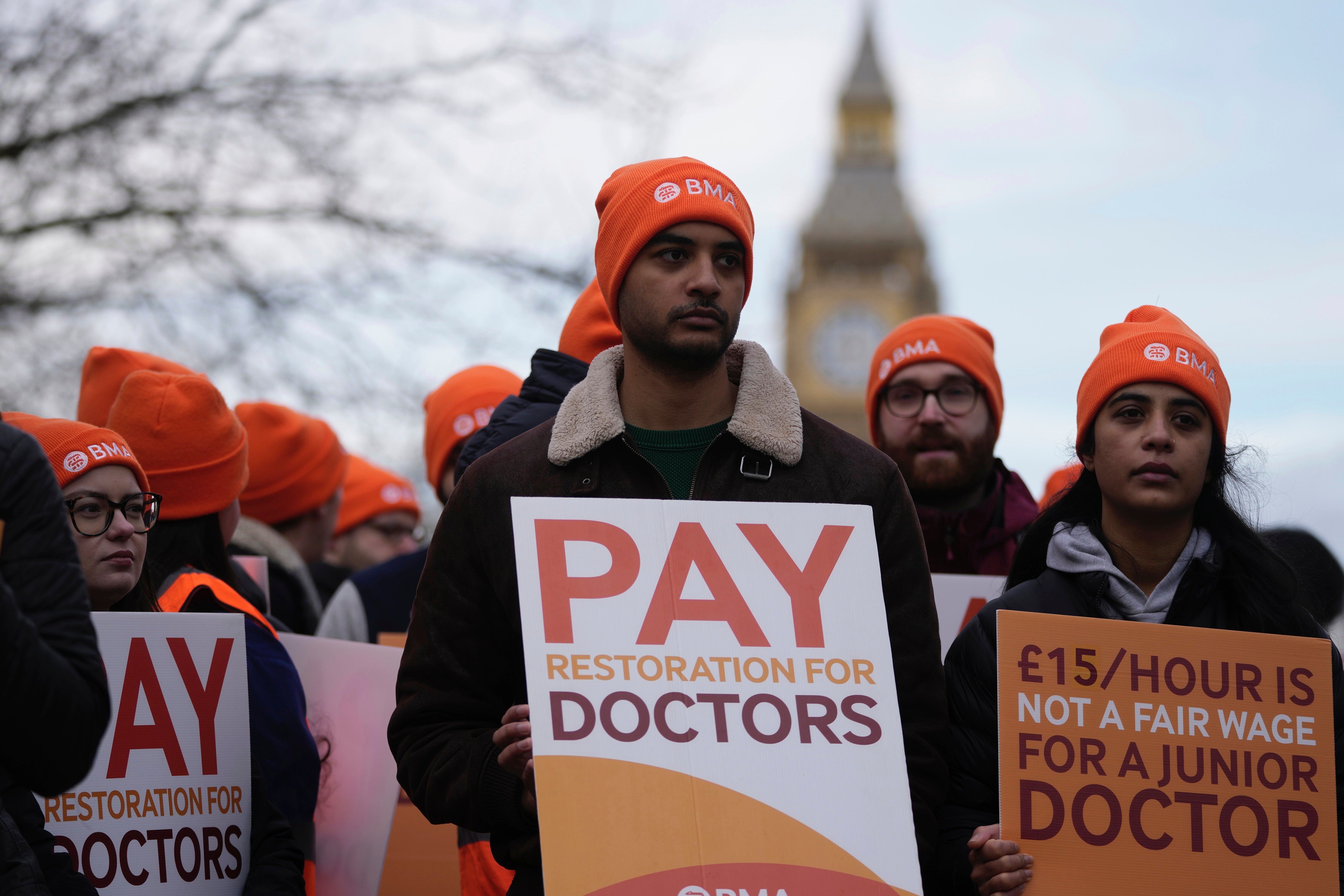
Doctors Threaten Fresh Strike Action Over ‘Woefully Inadequate’ Government Pay Offer

Doctors have warned they are prepared to strike again after accusing the government of making a “woefully inadequate” pay offer.

The British Medical Association (BMA), which represents junior doctors, hit out after ministers said their salaries will increase by 4% this year.

Teachers’ leaders also reacted angrily after schools were told they would have to find savings to help fund their own 4% pay award.

Junior doctors staged a series of walkouts over pay under the last Tory government, but called them off after Labour awarded them pay rises following last year’s general election.

Professor Philip Banfield, chair of the BMA council, warned health secretary Wes Streeting that his members were willing to strike again unless he came up with more money.

He said: “The health secretary can avert strike action by negotiating with us and agreeing a route to full pay restoration.

“As it stands, resident doctors are vindicated for their decision to announce a ballot for industrial action opening later this month, because Mr Streeting is not, so far, committing to meaningfully restoring their pay.

“The BMA’s resident doctors committee’s response to this is clear: the only path that will avoid strike action is the one that leads doctors to full pay restoration.”

Other NHS workers in England, including nurses, midwives and physiotherapists, will receive a 3.6% pay uplift, effective from April 1, Streeting said.

Those who are represented by the GMB union and the Royal College of Nursing are to vote on whether to accept the award.

Daniel Kebede, general secretary of the National Education Union, warned the government there would be “cuts in service provision to children and young people, job losses, and additional workloads for an already overstretched profession”.

He added: “Unless the government commit to fully funding the pay rise then it is likely that the NEU will register a dispute with the government on the issue of funding, and campaign to ensure every parent understands the impact of a cut in the money available to schools, and that every politician understands this too.”

Paul Nowak, general secretary of the Trades Union Congress, said: “Unions want to work with the government to address the recruitment and retention crisis gripping our public services – a crisis caused by 14 years of Conservative mismanagement and deliberate underinvestment.

“That means getting around the table to develop workforce plans for every area of the public sector.

“Ministers need to talk directly to unions to address the root causes behind dedicated and experienced public servants quitting their professions.

“And we need a clear, jointly agreed long-term strategy to improve public sector pay, alongside other crucial issues such as better working hours, more manageable workloads, and enhanced flexible working options.”

Share Button

Doctors At 20: 14 Surprise Celebs Who Have Guest Starred On The Daytime Soap

HuffPost is part of Verizon Media. Click ‘I agree‘ to allow Verizon Media and our partners to use cookies and similar technologies to access your device and use your data (including location) to understand your interests, and provide and measure personalised ads. We will also provide you with personalised ads on partner products. Learn more about how we use your data in our Privacy Centre. Once you confirm your privacy choices here, you can make changes at any time by visiting your Privacy dashboard.

Click ‘Learn more‘ to learn and customise how Verizon Media and our partners collect and use data.

Share Button

Burnout Britain: Report Warns Of ‘Alarming Mental Health Crisis’ Among Doctors

HuffPost is part of Oath. Oath and our partners need your consent to access your device and use your data (including location) to understand your interests, and provide and measure personalised ads. Oath will also provide you with personalised ads on partner products. Learn more.

Select ‘OK’ to continue and allow Oath and our partners to use your data, or select ‘Manage options’ to view your choices.

Share Button