The BBC has spoken to students choosing Bulgaria due to UK’s strict cap on medical school places.


The BBC has spoken to students choosing Bulgaria due to UK’s strict cap on medical school places.

It’s not just you: autumn is a uniquely fatiguing season.
And with the upcoming clock changes, some of us might feel even more tired than usual. Some research suggests that even though we technically “gain” an hour’s sleep, most of us don’t actually rest for an extra 60 minutes.
Instead, Harvard Health writes, we’re actually more likely to wake up in the middle of the night, get up earlier, and struggle to nod off in the first place.
Advertisement
This makes the advice from Dr Deborah Lee, a sleep expert from Doctor Fox, more welcome.
Working alongside Comfybedss, the doctor shared five tips for waking up more refreshed in this exhausting period.
OK, Dr Lee admits, most of us don’t exactly crave an early morning gym session – especially in cold, dark winter.
But “research has shown that doing a 30-minute workout with a medium effort will help you wake up a lot quicker than if you weren’t to reduce sleepiness,” she wrote.
Advertisement
It doesn’t have to be a HIIT session or anything intense: a walk will suffice, she said (plus, morning light is uniquely good at regulating our body clocks).
Speaking of which, the doctor said keeping your Circadian rhythm (or body clock) regular is important in the winter months.
“A huge factor in this is routine, and ensuring you’re going to sleep at the same time each night and waking up at the same time each morning,” Dr Lee said.
Advertisement
“It isn’t just your sleeping pattern that needs to be kept in routine, but your daily meals, your shower and bath routine and your technology ‘switch off’ time.”
Sadly, the sleep expert said, that includes weekends too – tough, “but if you push through, then it will make your Monday wake-up a lot easier!”
If waking up to an inky sky is getting you down, Dr Lee says you’re not alone.
“When your eyes see light in the morning, it gives signals to your brain that it’s time to wake up,” she wrote, which can be “really confusing for the mind”.
Advertisement
The best option, she advised, is to “utilise natural light by opening the curtains and getting outside as soon as possible”.
But if that’s not possible, “Invest in a night lamp so that you can put it on first thing in the morning. Or, a [SAD] lamp.
“These lamps will wake you, so it won’t be such a shock to the eyes when there’s a big, bright light next to you.”
Advertisement
Though you might be tempted to grab some toast or a cereal bar in a rushed weekday morning, “but a breakfast that is rich in both carbohydrates and protein should make you feel more alert quickly,” the doctor said.
Opting for something sugary, like sweet cereals, can cause your blood sugar to spike and then crash, Dr Lee added – not ideal if you want to feel alert during that morning meeting.
Advertisement
It’s natural to reach for caffeine on a groggy morning. But per the sleep expert, the best results actually happen when you wait.
“You shouldn’t be reaching for the caffeine until at least 45 minutes after you wake up, as this is when the caffeine will give you the biggest fix,” she stated.
A bonus? It’ll probably help your teeth, too.

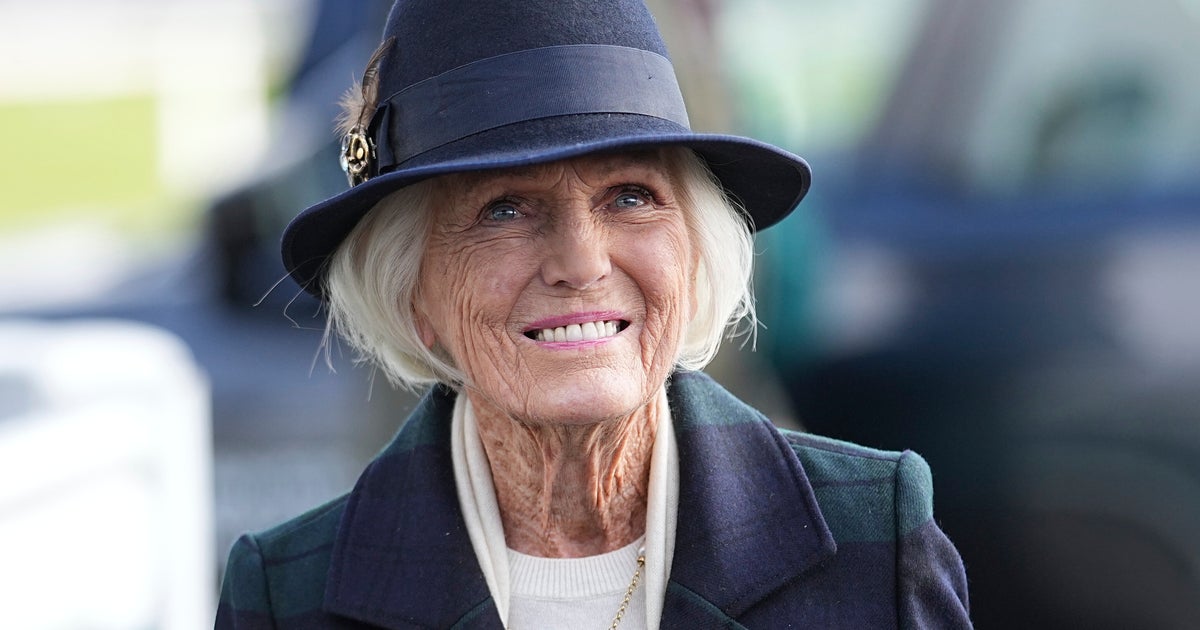
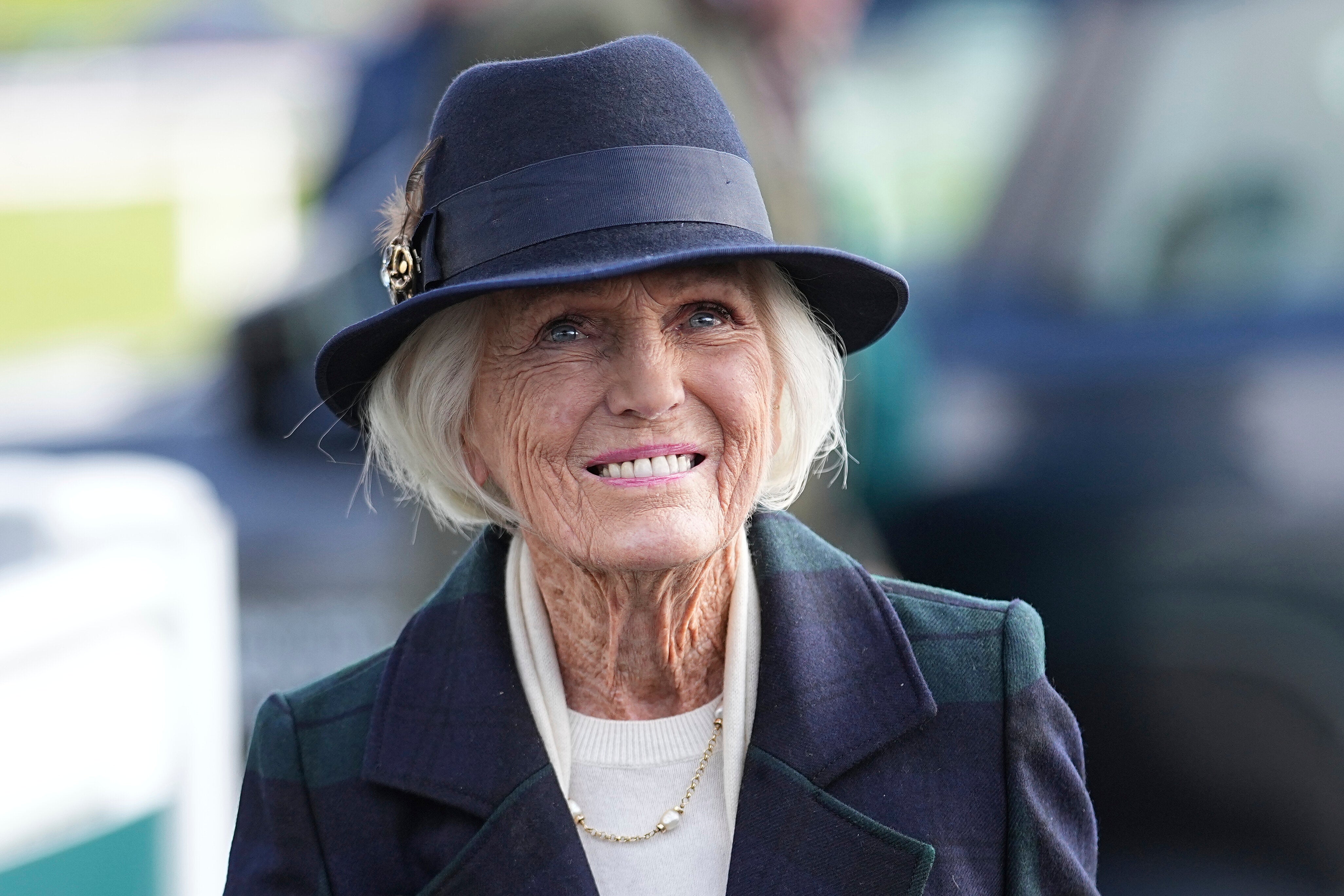
You might already know that Mary Berry’s favourite cake is a Victoria sponge (made using the all-in-one method, please – she doesn’t see the point of creaming the ingredients separately).
But her culinary wisdom doesn’t end there. Far from it. She whacks some butter in with her stewed apples, a process I’ve since nicked, and puts Thai curry paste in her tomato soup (I stole that, too).
Advertisement
And recently, speaking at a Q&A in The Castle Hotel, Windsor, while promoting her new book Mary 90: My Very Best Recipes, the former Great British Bake-Off judge explained her two rules for perfect bakes.
These are:
“The main thing about baking is to… weigh the ingredients,” the baking legend said.
You should ideally do this “with digital scales”, she noted, as those are more accurate.
It sounds obvious, but baking is, after all, a series of chemical reactions.
In order for your bakes to rise, become fluffy, form a crispy edge, or whatever else you want to achieve, you’ll need to be as precise as possible with their measurements.
That’s why even some American bakers recommend metric digital scales, despite living in a country that’s historically used cups to measure ingredients.
Advertisement
Hands up: I’m guilty of baking a 20-inch cake in a 15-inch tin, and then complaining that the results weren’t up to par.
According to Mary, that was a foregone conclusion.
She stressed we should “put it in the right size tin” no matter what we’re baking.
“The number of times that people [have] said, ‘Oh, I can’t make such and such,’ and it’s in the tin that, in fact, is too big…and they’ll swear that it’s the right size,” she said.
Advertisement
This mistake can cause bakes to overflow (if the tin’s too small) or overcook (if it’s too big and spreads the batter too thin).
The baking pro urged us to “get the tape measure” out next time we want to get cooking.
Noted, Mary…
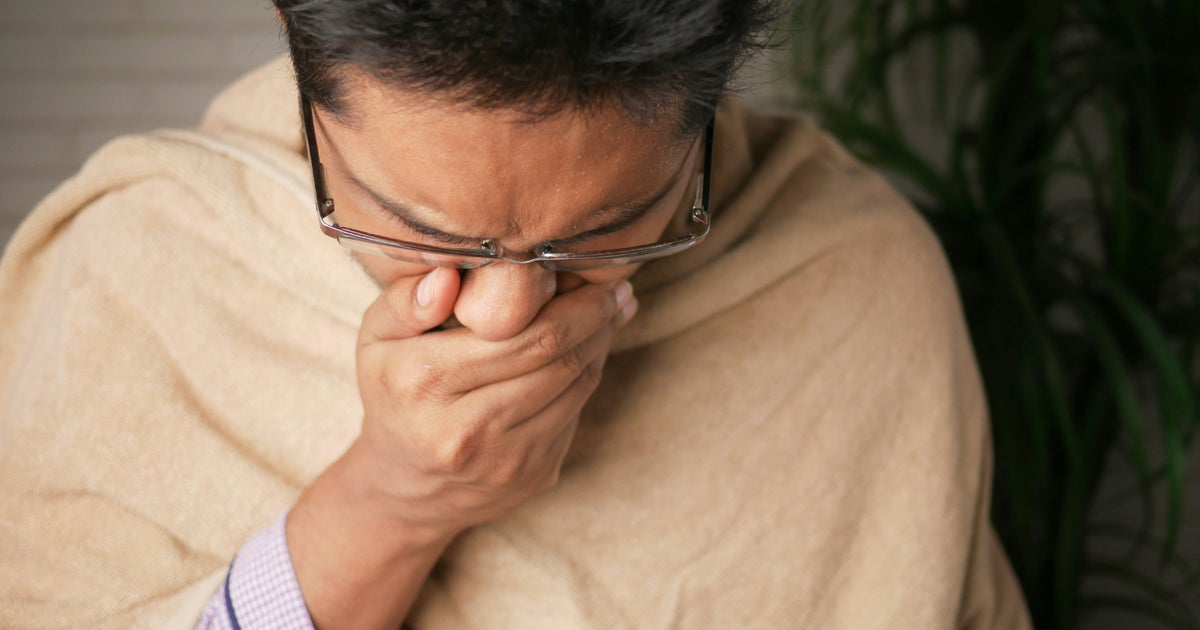
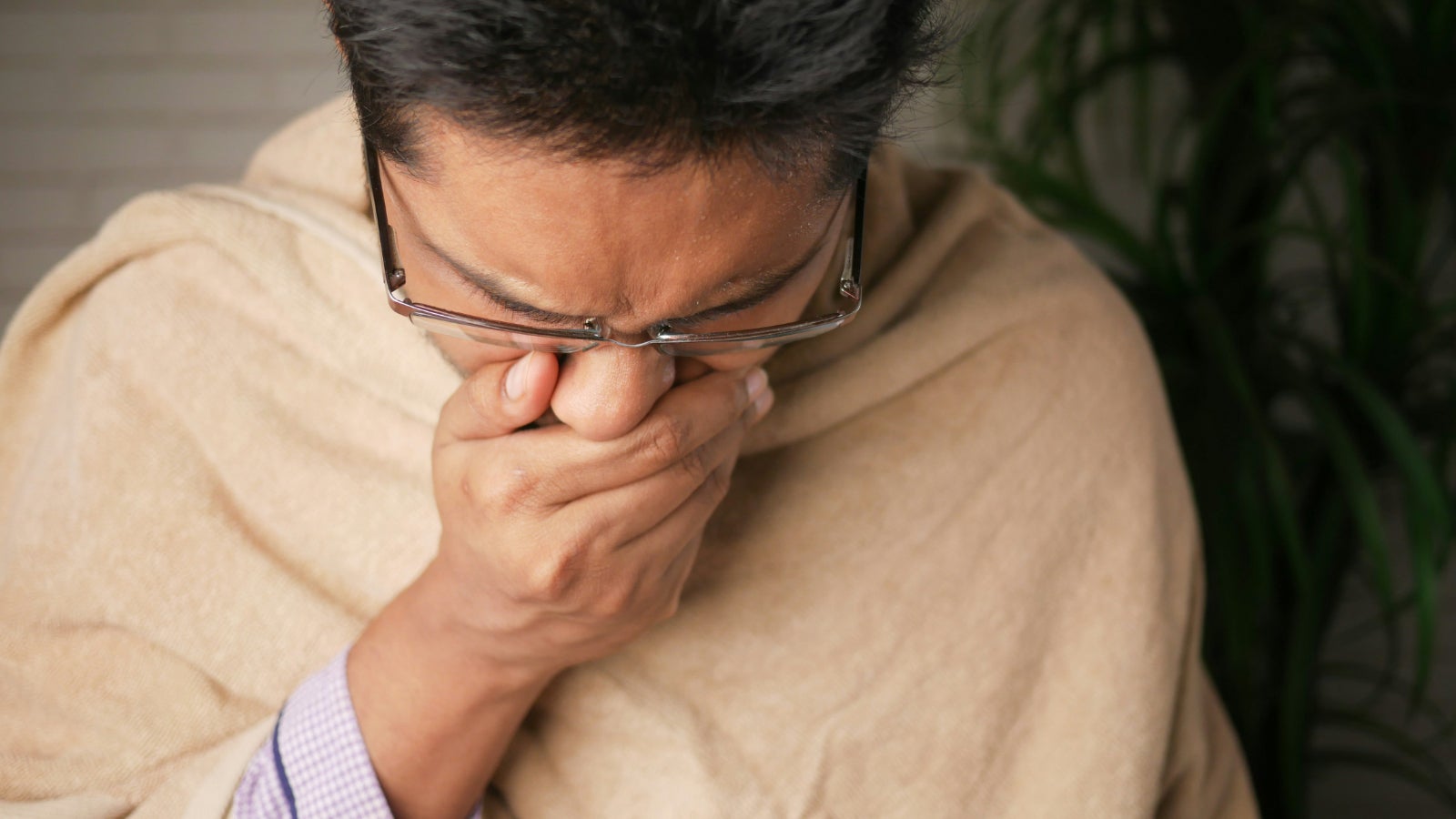
As we head into winter, cases of flu and Covid (including variants like Stratus and Nimbus) are expected to rise.
We’ve previously shared how to tell which form of Covid you’re likely to be dealing with if you notice symptoms.
Advertisement
But how can you tell Covid from a “regular” flu in the first place?
According to Dr Neel Patel from LloydsPharmacy Online Doctor, telling one apart form the other may be key as the cooler weather settles in.
“With [both flu and Covid circulating at higher rates, it’s important to know the difference between a cold and flu, or coronavirus and flu,” he said.
“Knowing which illness you might have means you can best treat yourself and protect others.”
Here are the different symptoms the doctor usually sees for both:
Both flu and Covid share a lot of symptoms, including a fever, headache, chills, a runny nose, tiredness, aching muscles, and a dry cough.
Advertisement
“People with flu normally feel very unwell for two or three days and will continue to experience symptoms for around another five days. After that, you may feel tired and run down for a further two or three weeks,” the doctor said.
But “People with coronavirus usually begin to show symptoms five to six days after being exposed and symptoms commonly last up to two weeks,” he added.
Then, there’s the question of severity.
“It can be difficult to tell coronavirus apart from the flu as they share many of the same symptoms, however, they may feel more intense than having a flu,” Dr Patel said.
Advertisement
He added that you should seek immediate medical help if you notice:
Difficulty breathing at rest.
Confusion.
Loss of consciousness or drowsiness.
Constant pressure or pain in the chest.
Cold, clammy, blue, or pale skin.
Loss of speech or movement, regardless of whether it’s flu or Covid.
Though the flu and Covid can have different symptoms, Dr Patel said that “The only way to be certain whether you have the flu or coronavirus is to take a Covid test.
Advertisement
“While COVID-19 tests are no longer freely available on the NHS, you can still buy lateral flow, PCR and antibody tests online.”
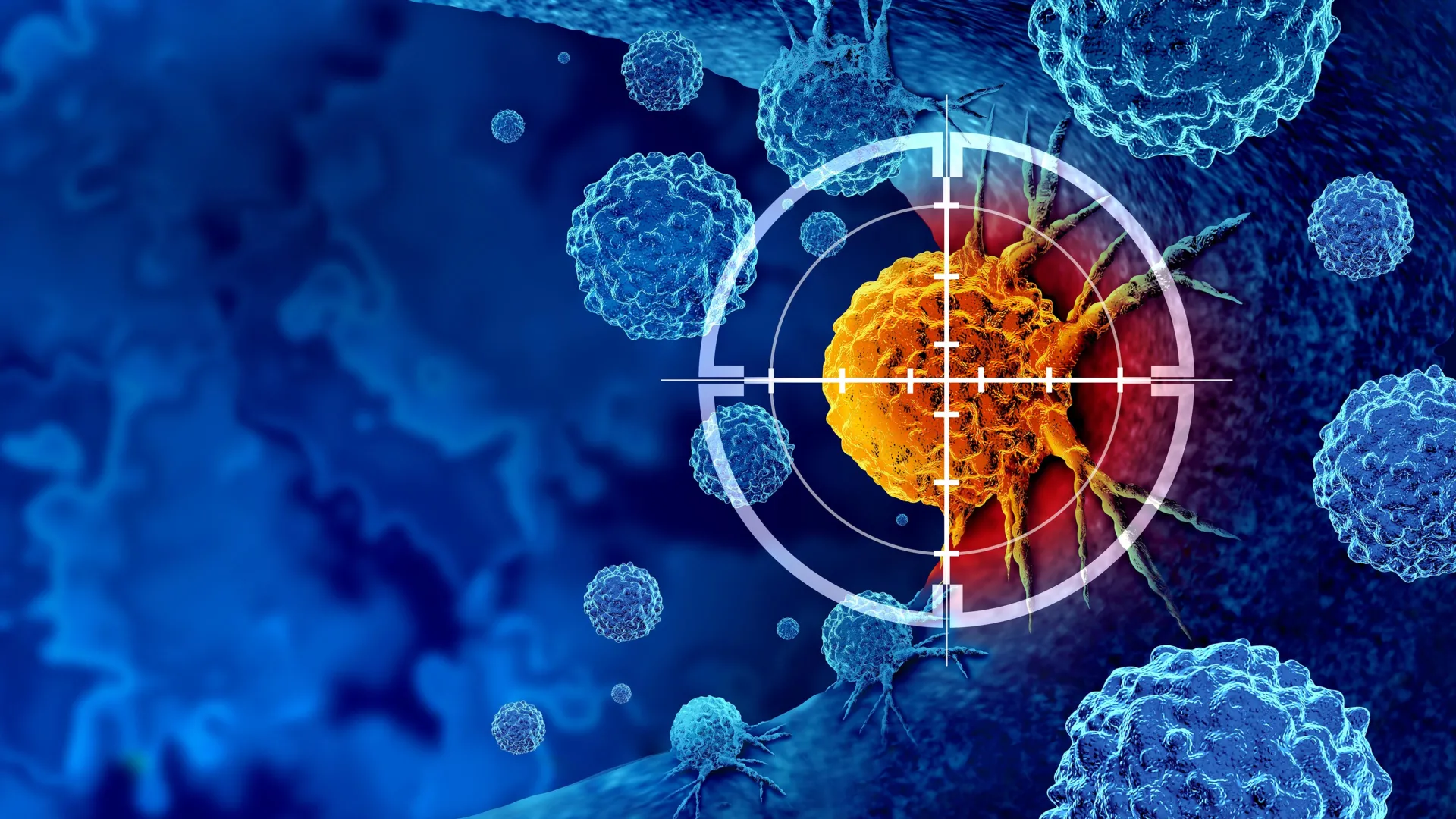
Scientists at the Francis Crick Institute and Vividion Therapeutics have discovered chemical compounds that can precisely prevent the cancer-driving gene RAS from connecting with a key pathway responsible for tumor growth.
The potential treatment is now moving into its first human clinical trial. If proven safe and effective, it could become a way to treat a wide range of cancers while minimizing harm to healthy cells.
The RAS gene plays a central role in controlling how cells grow and divide, but mutations in this gene occur in roughly one in five cancers. When mutated, RAS becomes permanently active, continually sending signals that push cells to keep growing and multiplying.
Inside the cell, RAS sits on the membrane and acts as the starting signal in a chain of growth processes. Completely shutting down RAS or the enzymes it controls has proven difficult, because these same pathways are essential for normal cell function. One of the enzymes linked to RAS, called PI3K, also helps regulate blood sugar through insulin. Blocking PI3K entirely can lead to side effects such as hyperglycemia.
In their study, published on October 9 in Science, the team combined chemical screening with biological testing to identify compounds that stop RAS and PI3K from interacting, while leaving normal cell activity intact.
Researchers at Vividion Therapeutics pinpointed a set of small molecules that permanently attach to the surface of PI3K near the spot where RAS would normally bind. Using an assay created by the Crick researchers, they confirmed that these compounds successfully blocked the RAS-PI3K interaction but still allowed PI3K to perform its other roles, including those related to insulin signaling.
The Crick team and their collaborators at Vividion then tested one of the compounds in mice with RAS-mutated lung tumors. The treatment stopped tumor growth, and the researchers found no signs of elevated blood sugar levels.
Next, they tried combining the new compound with one or two additional drugs that target enzymes within the same pathway. Together, the treatments produced stronger and longer-lasting tumor suppression than any of the drugs used alone.
The scientists also tested the compound in mice with tumors carrying mutations in another cancer-linked gene, HER2, which is often overactive in breast cancer and also connects with PI3K. Tumor growth was again halted, even though the effect did not rely on RAS. This finding suggests that the new compound could potentially help stop the growth of a broader range of cancers.
The drug has now entered the first clinical trial in humans to test for safety and side effects in people with both RAS and HER2 mutations. The trial will also assess if the potential treatment is more effective in combination with other drugs targeting RAS.
Julian Downward, Principal Group Leader of the Oncogene Biology Laboratory at the Crick, said: “Given the RAS gene is mutated across a wide range of cancers, we’ve been exploring how to stop it interacting with cell growth pathways for many years, but side effects have held back the development of treatments.
“Our collaborative effort has overcome this challenge by targeting the PI3K and RAS interaction specifically, leaving PI3K free to bind with its other targets. It’s exciting to see these clinical trials starting, highlighting the power of understanding chemistry and fundamental biology to get to something with potential to help people with cancer.”
“This discovery is a great example of how new discovery approaches can open up completely novel ways to tackle cancer,” said Matt Patricelli, Ph.D., Chief Scientific Officer of Vividion. “By designing molecules that stop RAS and PI3K from connecting, while still allowing healthy cell processes to continue, we’ve found a way to selectively block a key cancer growth signal. It’s incredibly rewarding to see this science now progressing in the clinic, where it has the potential to make a real difference for patients.”

A large-scale investigation has found that people who regularly consume both sugar-sweetened beverages (SSBs) and low- or no-sugar-sweetened beverages (LNSSBs) face a significantly greater likelihood of developing metabolic dysfunction-associated steatotic liver disease (MASLD).1
Presented at UEG Week 2025, the research followed 123,788 adults from the UK Biobank who had no signs of liver disease at the start of the study. Participants’ drink habits were recorded through repeated 24-hour dietary questionnaires, allowing researchers to explore how both SSB and LNSSB consumption related to MASLD, liver fat buildup, and deaths linked to liver disease.
Individuals who drank more than 250 grams of either type of beverage per day had notably higher risks: a 60% increased likelihood of developing MASLD for those consuming LNSSBs (HR: 1.599) and a 50% increase for those drinking SSBs (HR: 1.469). During a median follow-up of 10.3 years, 1,178 participants developed MASLD and 108 died from liver-related causes. Although SSBs were not significantly connected to liver-related mortality, LNSSB consumption was. Both kinds of drinks were also associated with higher levels of liver fat.
MASLD, previously known as non-alcoholic fatty liver disease (NAFLD), occurs when excess fat builds up in the liver. Over time, this can trigger inflammation (hepatitis) and lead to symptoms such as abdominal pain, fatigue, and loss of appetite.2 Now the most common chronic liver condition worldwide, MASLD affects more than 30% of people and is rapidly becoming a leading cause of liver-related deaths.3
Lead researcher Lihe Liu explained, “SSBs have long been under scrutiny, while their ‘diet’ alternatives are often seen as the healthier choice. Both, however, are widely consumed and their effects on liver health have not been well understood.”
“Our study shows that LNSSBs were actually linked to a higher risk of MASLD, even at modest intake levels such as a single can per day. These findings challenge the common perception that these drinks are harmless and highlight the need to reconsider their role in diet and liver health, especially as MASLD emerges as a global health concern.”
Liu also discussed the possible biological reasons behind the findings: “The higher sugar content in SSBs can cause rapid spikes in blood glucose and insulin, promote weight gain and increase uric acid levels, all of which contribute to liver fat accumulation. LNSSBs, on the other hand, may affect liver health by altering the gut microbiome, disrupting the feeling of fullness, driving sweet cravings and even stimulating insulin secretion.”
The authors emphasized that these findings support limiting both SSBs and LNSSBs as part of a comprehensive prevention strategy, targeting not only liver disease but also cardio-renal-metabolic health. Replacing either beverage with water significantly reduced MASLD risk — by 12.8% for SSBs and 15.2% for LNSSBs — while substitution between the two types of beverages offered no risk reduction.
Liu added, “The safest approach is to limit both sugar-sweetened and artificially sweetened drinks. Water remains the best choice as it removes the metabolic burden and prevents fat accumulation in the liver, whilst hydrating the body.”
The researchers now aim to explore causal mechanisms more deeply through long-term, randomized and genetic trials with a focus on how sugar and its substitutes interact with the gut microbiome and influence liver disease.
References:

How did the universe come into existence, and what early processes shaped everything that followed? A new study published in Physical Review Research takes aim at this fundamental question. Scientists from Spain and Italy have introduced a model that reimagines what happened moments after the universe was born. Their approach could upend long-standing ideas about the forces and events that governed the universe’s earliest evolution.
To explore these beginnings, the researchers ran advanced computer simulations that question the traditional “inflation” theory. According to that theory, the universe expanded at an extraordinary rate within a tiny fraction of a second after it came into existence. The inflation model relies on several interconnected variables, all of which must align to make the theory work.
The newly proposed model offers a simpler explanation. It suggests that gravitational waves — predicted by general relativity — may be the true driving force behind the universe’s formation, giving rise to galaxies, stars, planets, and ultimately life on Earth. The researchers link this idea to a mathematical construct known as De Sitter space, named for Dutch mathematician Willem De Sitter, who collaborated with Albert Einstein in the 1920s on understanding the structure of the cosmos.
“For decades, we have tried to understand the early moments of the Universe using models based on elements we have never observed,” said Dr. Raúl Jiménez, who studies experimental sciences & mathematics at ICREA in Spain and is a co-author on the study. “What makes this proposal exciting is its simplicity and verifiability. We are not adding speculative elements but rather demonstrating that gravity and quantum mechanics may be sufficient to explain how the structure of the cosmos came into being.”
The concept of gravitational waves dates back to 1893 and 1905, when Oliver Heaviside and Henri Poincaré first proposed related ideas. Albert Einstein expanded on this in 1916, describing gravitational waves as ripples in the fabric of space-time in his general theory of relativity. These waves can originate from powerful cosmic events such as supernovae, merging black holes, and colliding neutron stars. Because they are incredibly faint, detecting them requires highly sensitive instruments. It was not until September 2015 that scientists at the Laser Interferometer Gravitational-Wave Observatory (LIGO), with facilities in Washington and Louisiana, achieved the first confirmed detection.
The birth of the universe continues to be one of science’s greatest puzzles. The Big Bang theory remains the prevailing explanation, yet many questions persist — especially about what might have occurred before that explosive beginning.
Carl Sagan once reflected on humanity’s deep connection to the cosmos, saying, “The cosmos is within us. We are made of star-stuff. We are a way for the universe to know itself.”
We may never know exactly how the universe began and the processes responsible for you reading this article right now. But like the simplicity this study presents, perhaps this study is simply a way for us to know the universe itself a little bit better.
What new discoveries about the origins of the universe will researchers make in the coming years and decades? Only time will tell, and this is why we science!
As always, keep doing science & keep looking up!
Adapted from an article originally published on Universe Today.

“I love you,” Doug said to me.
“I love you, too,” I answered before we pushed the red hang-up buttons on our iPhones at the end of our weekly call.
My wife gave me a funny look, as she did weekly, at the affectionate way we always concluded our conversations. I suspect his wife did, too.
Advertisement
Doug has been my best friend since 1980, when we played Little League baseball together in Providence, Rhode Island. His team, which had yellow uniforms, was coached by a rough guy who would line the boys up before every game and whack their groins with a bat to make sure they were wearing their cups.
My team, outfitted in blue uniforms, was sponsored by a social club in the working-class Fox Point section of the city. Our end-of-the-season party was held in the smoky, dimly lit bar of our sponsors, where we sat at chipped wooden tables to consume our sodas and pizza.
A couple of regulars, parked in their usual spots, would watch us with bemused smiles as they nursed their beers. Some of us would end up occupying those same bar stools when we grew up. Some wouldn’t.
Advertisement
At the time, it was hard to predict who would fall into which camp.
Doug and I met on the base paths, though we can’t remember if he was running and I was playing first base or the other way around. Looking at us, it wasn’t obvious that this was a friendship that would deepen for decades.
Even at that age, he was tall, handsome and had an easy way with people that drew them in. I was of average height, skinny and more of a smartass. He was a Red Sox fan, while I followed my dad, a native of the Bronx, in rooting for the Yankees. His family was Protestant; mine Jewish. He became a lawyer; me, a doctor.
Our relationships with our fathers drew us together, though, as we both struggled to navigate them. My dad helped coach my baseball team, and in an effort to dismiss any accusations of favouritism, went overboard in proving that I would receive no special treatment.
Advertisement
He drove to games, the team’s baseball equipment packed loosely in the trunk of his Dodge Dart, while I walked separately. When I struck out, he threw his hat into the dirt of the dugout’s floor, disgusted at my inadequacies. If I missed a throw to first base, he wouldn’t talk to me for days.
Doug’s Dad, an owlish history professor who spent most of his time in a home office from which we were eternally banned, never attended a game. Sometimes, he wouldn’t even notice Doug for days.
One father too present, the other too absent. Doug and I turned to each other to make sense of these dads – and for reassurance that we weren’t bad kids.
Advertisement
When my dad threw a tantrum at my batting foibles, I’d look across the field and meet Doug’s calm brown eyes. Not your fault, they’d say. I came to his games to cheer him on.
“We loved each other, even back then. But at that age, at that time and where we grew up, we would never say it out loud.”
Siblings – and we each had one – are thrust upon us. Best friends you get to choose. And we chose each other.
Advertisement
We loved each other, even back then. But at that age, at that time and where we grew up, we would never say it out loud.
As is true with any long-term relationship, we had our ups and downs. In high school, Doug’s father finally noticed him, didn’t like what he saw, and Doug left to join his mother, who was living in Massachusetts.
We lost touch until our first summer after starting college. Doug tracked me down to the restaurant where I was working and left me a note with his address and phone number – he was staying with his sister by then. We took up again as if no time had passed. I still have the note.
Advertisement
Over the following years, we met each other’s girlfriends and went out to restaurants and movies as couples. I told him excitedly that I was going to propose, and he did the same before his proposal. Then, after the fact, we called each other to review every detail of how it had gone. We organised each other’s bachelor’s parties, were groomsmen at one another’s weddings and were early visitors to see each other’s first children.
We didn’t express our love, though, until my wife and I separated, in 2004. Doug and his wife had divorced by then after she stunned him one night by announcing that they were inherently incompatible and might as well just get it over with. For months after their split, I talked with him daily and told him he was a good person, that he was loveable. Eventually, he believed me.
I remember the exact moment we said it, too. I had moved to a dingy apartment that I had furnished with a small kitchen table, two chairs, an old couch and a futon. Broken, devastated at my own failure in marriage and at the thought of losing my young son, I sat on the bare floor of the bedroom sobbing into the phone as Doug listened, soothed and calmed.
Advertisement
“I love you,” he said, stressing the I. “I love you.” No matter what I thought of myself, or what the rest of the world might say, Doug would always love me.
“I love you, too,” I answered, reassured by him, and as if we had been saying these words to each other for years.
This time, he called me every day for months until I could reassemble the pieces of myself, the closing signature to our conversations now firmly established.
Advertisement
“I kiss my boys and tell them how much I love them just as much as I do my daughter.”
We both married again, both to women, both happily, and served as each other’s groomsmen one more time. Our families get together every year, despite the thousand miles that separate us, and our kids refer to the adults as uncles and aunts. We’re not gay – though we joke that if we were, we would choose each other as husbands.
Our wives look at us funny when we say that, too.
A cultural shift has occurred in the 40 years since Doug and I played Little League baseball with each other, and it isn’t as strange today for two straight men to express their feelings for one another as it once was.
Advertisement
However, we recognise that our openness still isn’t the norm, so we try to model how we treat each other for our children, so hopefully, it will be the norm for them. We say the words as they listen to our calls, and I kiss my boys and tell them how much I love them just as much as I do my daughter.
Over time, Doug and I developed our routine of weekly phone calls, and text a lot in between. The topics of our tête-à-têtes range from how work is going to recent bike rides to the occasional boyhood reminiscence, but always settle on parenting.
I now attend my kids’ sporting events and cheer them on from the sidelines. Doug coaches his daughter’s soccer team. Still, we worry about the relationships we’ve developed with our own children. I ask Doug for advice on how he would handle the issue of the week that has arisen in my family, and he does the same with me. I tell him how much I admire the father he has turned into; he echoes the compliment back.
Advertisement
And then we tell each other “I love you,” a lot more comfortable in saying the words out loud than when we were younger, and maybe a little more comforted in the dads we, ourselves, have become.
This piece was originally published in June 2021 and we’re rerunning it now as part of HuffPost Personal’s “Best Of” series.
Mikkael A. Sekeres, M.D., M.S. is Chief of the Division of Hematology and Professor of Medicine at the Sylvester Comprehensive Cancer Center, University of Miami. He is a widely published essayist and the author of “When Blood Breaks Down: Life Lessons From Leukemia” (The MIT Press). Follow him on Twitter at @MikkaelSekeres.
Advertisement
Do you have a compelling personal story you’d like to see published on HuffPost? Find out what we’re looking for here and send us a pitch!


I don’t know if “hypocrite” is exactly the right word, but I’m definitely proof that knowing better does not always mean doing better.
For instance, I know how bad it is to check your clock and doom-scroll after waking up at 3am. And yet I still do it: my insomnia persists.
Advertisement
I’m also well aware that close, healthy relationships with other people are key to living a longer and healthier life. Having great mates can even lower your risk of dementia.
So why do I have 14 unread texts at the moment, and how come the idea of dragging my weary bones to an after-work event has made me sob in the past?
I love my friends, but if I’m honest, I am too exhausted by life and its endless admin to make plans as much as I’d like to.
Advertisement
This is not fair of me, and I feel awful about it, but it seems to be a common concern: a 2024 study found that less than half of us spend as much time as we’d like with our mates, which makes sense since we hang out under half the amount we used to 10 years ago.
And, per Dating.com, Google searches for “don’t have time for friends” have jumped +163% this month.
If you’re in the same boat, what should you do? Here’s what Dr Uma Darji, a family doctor, and Lee Thompson, co-founder of Flash Pack (a travel company that brings solo adventurers together), told us.
Ironically, you are not alone in feeling too fatigued to hang out.
Dr Darji admitted, “When you’re juggling work, family, and the daily chaos of adult life, friendship can start to feel like another item on your to-do list. I see this all the time in my patients, and honestly, I’ve felt it too.
Advertisement
“The truth is that mental and emotional exhaustion don’t just make us tired, but they also make us withdraw. Although catching up with a friend should feel energising, it can feel overwhelming when your brain is in survival mode.”
Thompson, meanwhile, said that he spent much of his 30s neglecting his friendships for the sake of his business.
“By the time I hit my 40s, the impact hit me hard – I felt long stretches of loneliness because I hadn’t nurtured the friendships that really mattered,” he shared.
Advertisement
Interestingly, both told me that some degree of letting go is crucial if you want to rebuild your friendships.
Dr Darji said you should try as hard as you can to release any guilt you might feel. “You’re not a bad friend for being tired. Adult friendships don’t have to look like they did in college,” she said.
“What matters most is staying emotionally connected, not necessarily seeing each other constantly.”
Thompson stated, “I’ve learned that friendship doesn’t need to be complicated.” He began lowering the expectations he had for himself and his friends, and has been much happier since.
Advertisement
Like Thompson, Dr Darji said remodelling your social expectations to fit your adult life is key.
“I suggest adjusting expectations. If you aren’t up for a long dinner, try to engage with a short voice note or quick meme exchange to keep the lines of communication and connection alive without draining you,” she stated.
“Try to combine social time with activities you already do, such as walking with a friend while kids play or catching up while shopping for groceries, calling a friend when driving.
“Be honest with your friends, you don’t have to pretend that you can do it all.”
Thompson makes an important point, though; once you have adjusted your expectations to fit what is possible for you, stick to your new rules.
Advertisement
The business co-founder says he puts “one dinner in the diary every month with my closest friends, and we never cancel.
“It’s the most important meeting I have all month because it energises me, helps me feel seen, inspires me and gives me space to breathe outside work and family life.”
While it might sound exhausting, the two experts told me, the payoff is definitely worth it.
“Connecting with others is essential to our emotional well-being,” Dr Darji explained.
“A short interaction can refill our cups in ways that only rest can’t… always remember that.”
Thompson, meanwhile, called it a “small investment that pays off massively for your mental health and happiness”.
Advertisement

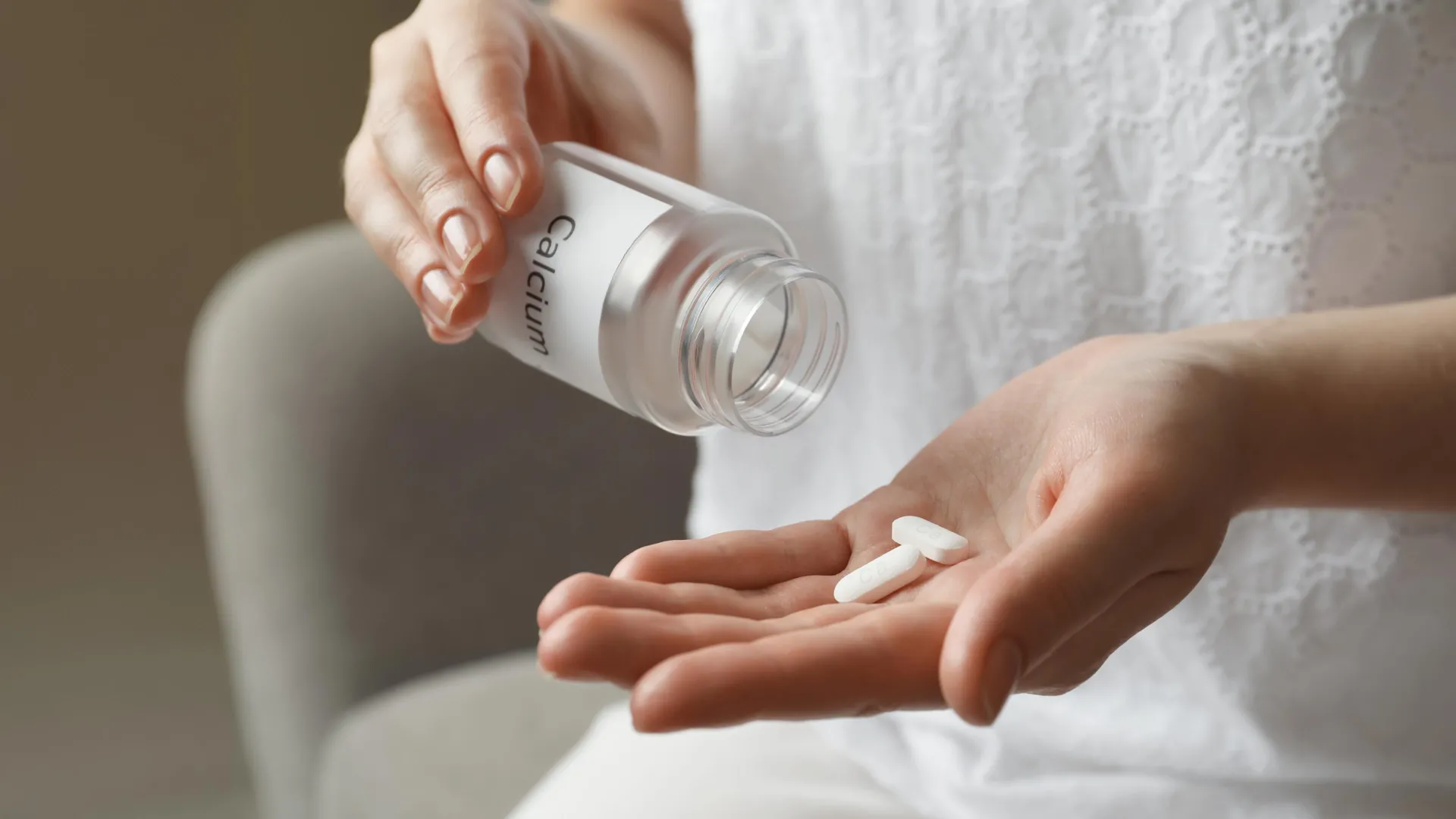
New findings from Edith Cowan University (ECU), Curtin University, and the University of Western Australia show no evidence that taking calcium alone increases the risk of developing dementia over time. The results help ease earlier fears that calcium supplements might have harmful effects on the brain health of older women.
The investigation drew on data from an earlier project involving 1,460 older women who were randomly assigned to receive either calcium supplements or a placebo for five years. Researchers found that the supplements did not raise the likelihood of dementia in the long term.
“Calcium supplements are often recommended to prevent or manage osteoporosis,” said ECU PhD student Ms. Negar Ghasemifard.
About 20 percent of women over 70 live with osteoporosis, and calcium is widely advised to help prevent bone fractures.
“Previous research has raised concerns around the impacts that calcium supplements could have on cognitive health, particularly dementia. Results from our study provides reassurance to patients and clinicians regarding the safety of calcium supplements in the context of dementia risk for older women,” Ms. Ghasemifard said.
According to ECU Senior Research Fellow Dr. Marc Sim, even after adjusting for supplement use, diet, lifestyle factors, and genetic risk, the outcomes did not change.
“Previous research suggesting potential links between calcium supplement use and the risk for dementia was purely observational in nature. Our research, in comparison, consisted of a post-hoc analysis from a 5-year double-blind, placebo controlled randomized clinical trial on calcium supplements to prevent fracture. Whilst our study is still epidemiology, its design does reduce the likelihood of unmeasured confounding”
“Some 730 older women were given calcium supplements over five years, and a further 730 were given placebo. This study design offers more accurate data on dosage and duration, and we had a long follow-up period of 14.5 years, which strengthens our results,” Dr. Sim said.
Although the findings suggest calcium does not increase the risk of dementia in older women, particularly those over 80, further studies are still needed, said Professor Simon Laws, Director of ECU’s Centre for Precision Health.
“Whether this extrapolates to other demographics, such as men or even women commencing supplementation earlier in life, remains unknown. To confirm the current findings, particularly regarding brain health, and to address these population gaps, future clinical trials of calcium supplements, with or without vitamin D, would need to be undertaken. These should include specific and robust assessments of brain health as the primary outcome measures.”
Professor Blossom Stephan, a Dementia Australia Honorary Medical Advisor said the research highlighted a very important finding that provides reassurance to clinicians and patients about the long-term safety of calcium supplementation.
“Given calcium’s critical role in multiple physiological functions, including bone health, these results provide reassurance that long-term calcium supplementation did not increase dementia risk in older women,” she said.
