My Best Friend And I Are Straight Married Men, And We Tell Each Other ‘I Love You’

“I love you,” Doug said to me.

“I love you, too,” I answered before we pushed the red hang-up buttons on our iPhones at the end of our weekly call.

My wife gave me a funny look, as she did weekly, at the affectionate way we always concluded our conversations. I suspect his wife did, too.

Doug has been my best friend since 1980, when we played Little League baseball together in Providence, Rhode Island. His team, which had yellow uniforms, was coached by a rough guy who would line the boys up before every game and whack their groins with a bat to make sure they were wearing their cups.

My team, outfitted in blue uniforms, was sponsored by a social club in the working-class Fox Point section of the city. Our end-of-the-season party was held in the smoky, dimly lit bar of our sponsors, where we sat at chipped wooden tables to consume our sodas and pizza.

A couple of regulars, parked in their usual spots, would watch us with bemused smiles as they nursed their beers. Some of us would end up occupying those same bar stools when we grew up. Some wouldn’t.

At the time, it was hard to predict who would fall into which camp.

Doug and I met on the base paths, though we can’t remember if he was running and I was playing first base or the other way around. Looking at us, it wasn’t obvious that this was a friendship that would deepen for decades.

Even at that age, he was tall, handsome and had an easy way with people that drew them in. I was of average height, skinny and more of a smartass. He was a Red Sox fan, while I followed my dad, a native of the Bronx, in rooting for the Yankees. His family was Protestant; mine Jewish. He became a lawyer; me, a doctor.

Our relationships with our fathers drew us together, though, as we both struggled to navigate them. My dad helped coach my baseball team, and in an effort to dismiss any accusations of favouritism, went overboard in proving that I would receive no special treatment.

He drove to games, the team’s baseball equipment packed loosely in the trunk of his Dodge Dart, while I walked separately. When I struck out, he threw his hat into the dirt of the dugout’s floor, disgusted at my inadequacies. If I missed a throw to first base, he wouldn’t talk to me for days.

Doug’s Dad, an owlish history professor who spent most of his time in a home office from which we were eternally banned, never attended a game. Sometimes, he wouldn’t even notice Doug for days.

One father too present, the other too absent. Doug and I turned to each other to make sense of these dads – and for reassurance that we weren’t bad kids.

When my dad threw a tantrum at my batting foibles, I’d look across the field and meet Doug’s calm brown eyes. Not your fault, they’d say. I came to his games to cheer him on.

“We loved each other, even back then. But at that age, at that time and where we grew up, we would never say it out loud.”

Siblings – and we each had one – are thrust upon us. Best friends you get to choose. And we chose each other.

We loved each other, even back then. But at that age, at that time and where we grew up, we would never say it out loud.

As is true with any long-term relationship, we had our ups and downs. In high school, Doug’s father finally noticed him, didn’t like what he saw, and Doug left to join his mother, who was living in Massachusetts.

We lost touch until our first summer after starting college. Doug tracked me down to the restaurant where I was working and left me a note with his address and phone number – he was staying with his sister by then. We took up again as if no time had passed. I still have the note.

Over the following years, we met each other’s girlfriends and went out to restaurants and movies as couples. I told him excitedly that I was going to propose, and he did the same before his proposal. Then, after the fact, we called each other to review every detail of how it had gone. We organised each other’s bachelor’s parties, were groomsmen at one another’s weddings and were early visitors to see each other’s first children.

We didn’t express our love, though, until my wife and I separated, in 2004. Doug and his wife had divorced by then after she stunned him one night by announcing that they were inherently incompatible and might as well just get it over with. For months after their split, I talked with him daily and told him he was a good person, that he was loveable. Eventually, he believed me.

I remember the exact moment we said it, too. I had moved to a dingy apartment that I had furnished with a small kitchen table, two chairs, an old couch and a futon. Broken, devastated at my own failure in marriage and at the thought of losing my young son, I sat on the bare floor of the bedroom sobbing into the phone as Doug listened, soothed and calmed.

“I love you,” he said, stressing the I. “I love you.” No matter what I thought of myself, or what the rest of the world might say, Doug would always love me.

“I love you, too,” I answered, reassured by him, and as if we had been saying these words to each other for years.

This time, he called me every day for months until I could reassemble the pieces of myself, the closing signature to our conversations now firmly established.

“I kiss my boys and tell them how much I love them just as much as I do my daughter.”

We both married again, both to women, both happily, and served as each other’s groomsmen one more time. Our families get together every year, despite the thousand miles that separate us, and our kids refer to the adults as uncles and aunts. We’re not gay – though we joke that if we were, we would choose each other as husbands.

Our wives look at us funny when we say that, too.

A cultural shift has occurred in the 40 years since Doug and I played Little League baseball with each other, and it isn’t as strange today for two straight men to express their feelings for one another as it once was.

However, we recognise that our openness still isn’t the norm, so we try to model how we treat each other for our children, so hopefully, it will be the norm for them. We say the words as they listen to our calls, and I kiss my boys and tell them how much I love them just as much as I do my daughter.

Over time, Doug and I developed our routine of weekly phone calls, and text a lot in between. The topics of our tête-à-têtes range from how work is going to recent bike rides to the occasional boyhood reminiscence, but always settle on parenting.

I now attend my kids’ sporting events and cheer them on from the sidelines. Doug coaches his daughter’s soccer team. Still, we worry about the relationships we’ve developed with our own children. I ask Doug for advice on how he would handle the issue of the week that has arisen in my family, and he does the same with me. I tell him how much I admire the father he has turned into; he echoes the compliment back.

And then we tell each other “I love you,” a lot more comfortable in saying the words out loud than when we were younger, and maybe a little more comforted in the dads we, ourselves, have become.

This piece was originally published in June 2021 and we’re rerunning it now as part of HuffPost Personal’s “Best Of” series.

Mikkael A. Sekeres, M.D., M.S. is Chief of the Division of Hematology and Professor of Medicine at the Sylvester Comprehensive Cancer Center, University of Miami. He is a widely published essayist and the author of “When Blood Breaks Down: Life Lessons From Leukemia” (The MIT Press). Follow him on Twitter at @MikkaelSekeres.

Do you have a compelling personal story you’d like to see published on HuffPost? Find out what we’re looking for here and send us a pitch!

Share Button

I Don’t Have Time For My Friends. What Can I Do?

I don’t know if “hypocrite” is exactly the right word, but I’m definitely proof that knowing better does not always mean doing better.

For instance, I know how bad it is to check your clock and doom-scroll after waking up at 3am. And yet I still do it: my insomnia persists.

I’m also well aware that close, healthy relationships with other people are key to living a longer and healthier life. Having great mates can even lower your risk of dementia.

So why do I have 14 unread texts at the moment, and how come the idea of dragging my weary bones to an after-work event has made me sob in the past?

I love my friends, but if I’m honest, I am too exhausted by life and its endless admin to make plans as much as I’d like to.

This is not fair of me, and I feel awful about it, but it seems to be a common concern: a 2024 study found that less than half of us spend as much time as we’d like with our mates, which makes sense since we hang out under half the amount we used to 10 years ago.

And, per Dating.com, Google searches for “don’t have time for friends” have jumped +163% this month.

If you’re in the same boat, what should you do? Here’s what Dr Uma Darji, a family doctor, and Lee Thompson, co-founder of Flash Pack (a travel company that brings solo adventurers together), told us.

Feeling too tired for friends is, sadly, all too common

Ironically, you are not alone in feeling too fatigued to hang out.

Dr Darji admitted, “When you’re juggling work, family, and the daily chaos of adult life, friendship can start to feel like another item on your to-do list. I see this all the time in my patients, and honestly, I’ve felt it too.

“The truth is that mental and emotional exhaustion don’t just make us tired, but they also make us withdraw. Although catching up with a friend should feel energising, it can feel overwhelming when your brain is in survival mode.”

Thompson, meanwhile, said that he spent much of his 30s neglecting his friendships for the sake of his business.

“By the time I hit my 40s, the impact hit me hard – I felt long stretches of loneliness because I hadn’t nurtured the friendships that really mattered,” he shared.

Interestingly, both told me that some degree of letting go is crucial if you want to rebuild your friendships.

Dr Darji said you should try as hard as you can to release any guilt you might feel. “You’re not a bad friend for being tired. Adult friendships don’t have to look like they did in college,” she said.

“What matters most is staying emotionally connected, not necessarily seeing each other constantly.”

Thompson stated, “I’ve learned that friendship doesn’t need to be complicated.” He began lowering the expectations he had for himself and his friends, and has been much happier since.

How can I maintain friendships when I’m exhausted?

Like Thompson, Dr Darji said remodelling your social expectations to fit your adult life is key.

“I suggest adjusting expectations. If you aren’t up for a long dinner, try to engage with a short voice note or quick meme exchange to keep the lines of communication and connection alive without draining you,” she stated.

“Try to combine social time with activities you already do, such as walking with a friend while kids play or catching up while shopping for groceries, calling a friend when driving.

“Be honest with your friends, you don’t have to pretend that you can do it all.”

Thompson makes an important point, though; once you have adjusted your expectations to fit what is possible for you, stick to your new rules.

The business co-founder says he puts “one dinner in the diary every month with my closest friends, and we never cancel.

“It’s the most important meeting I have all month because it energises me, helps me feel seen, inspires me and gives me space to breathe outside work and family life.”

While it might sound exhausting, the two experts told me, the payoff is definitely worth it.

“Connecting with others is essential to our emotional well-being,” Dr Darji explained.

“A short interaction can refill our cups in ways that only rest can’t… always remember that.”

Thompson, meanwhile, called it a “small investment that pays off massively for your mental health and happiness”.

Share Button

Scientists just debunked the calcium and dementia myth

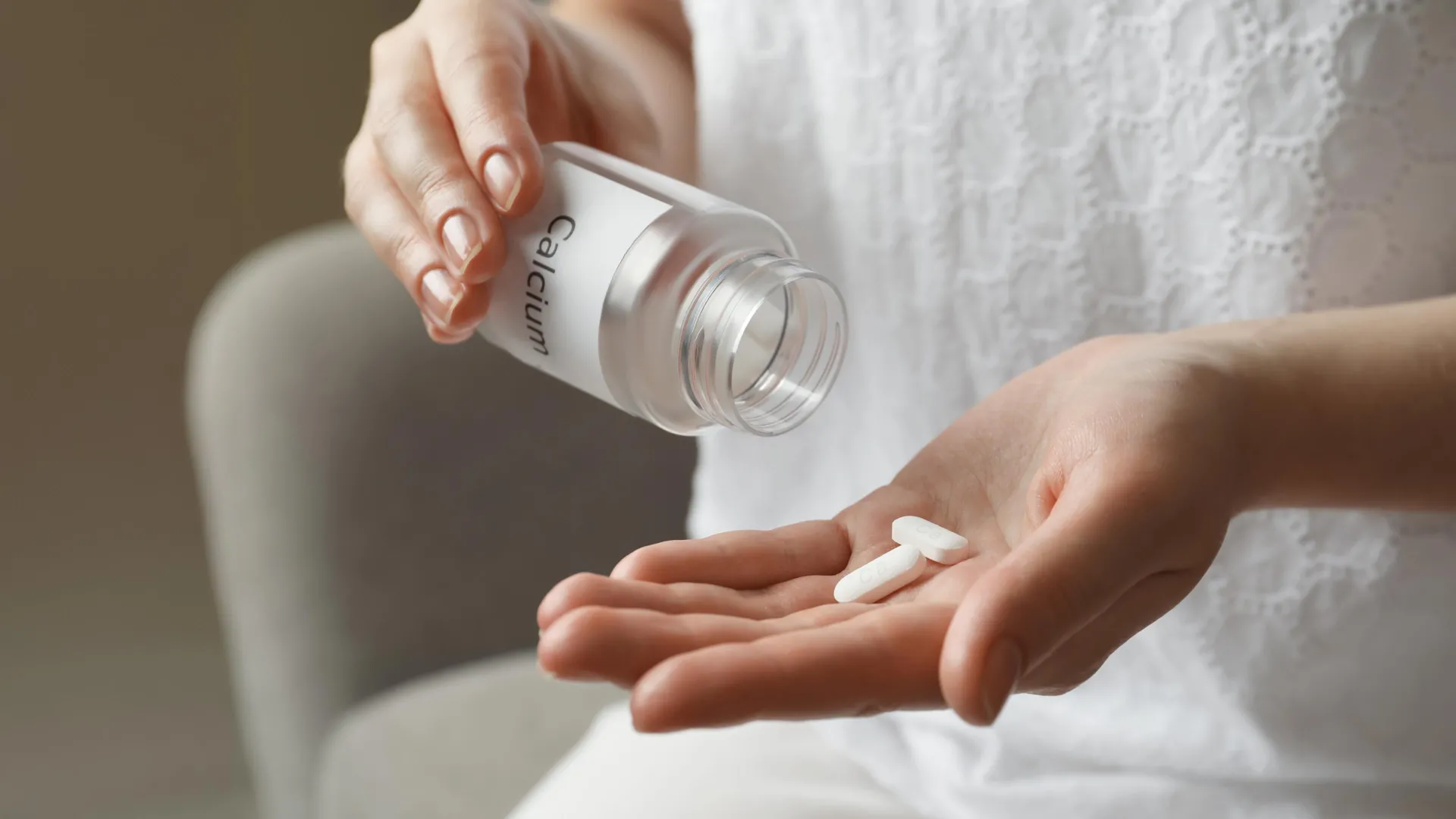
New findings from Edith Cowan University (ECU), Curtin University, and the University of Western Australia show no evidence that taking calcium alone increases the risk of developing dementia over time. The results help ease earlier fears that calcium supplements might have harmful effects on the brain health of older women.

The investigation drew on data from an earlier project involving 1,460 older women who were randomly assigned to receive either calcium supplements or a placebo for five years. Researchers found that the supplements did not raise the likelihood of dementia in the long term.

“Calcium supplements are often recommended to prevent or manage osteoporosis,” said ECU PhD student Ms. Negar Ghasemifard.

About 20 percent of women over 70 live with osteoporosis, and calcium is widely advised to help prevent bone fractures.

“Previous research has raised concerns around the impacts that calcium supplements could have on cognitive health, particularly dementia. Results from our study provides reassurance to patients and clinicians regarding the safety of calcium supplements in the context of dementia risk for older women,” Ms. Ghasemifard said.

According to ECU Senior Research Fellow Dr. Marc Sim, even after adjusting for supplement use, diet, lifestyle factors, and genetic risk, the outcomes did not change.

“Previous research suggesting potential links between calcium supplement use and the risk for dementia was purely observational in nature. Our research, in comparison, consisted of a post-hoc analysis from a 5-year double-blind, placebo controlled randomized clinical trial on calcium supplements to prevent fracture. Whilst our study is still epidemiology, its design does reduce the likelihood of unmeasured confounding”

“Some 730 older women were given calcium supplements over five years, and a further 730 were given placebo. This study design offers more accurate data on dosage and duration, and we had a long follow-up period of 14.5 years, which strengthens our results,” Dr. Sim said.

Although the findings suggest calcium does not increase the risk of dementia in older women, particularly those over 80, further studies are still needed, said Professor Simon Laws, Director of ECU’s Centre for Precision Health.

“Whether this extrapolates to other demographics, such as men or even women commencing supplementation earlier in life, remains unknown. To confirm the current findings, particularly regarding brain health, and to address these population gaps, future clinical trials of calcium supplements, with or without vitamin D, would need to be undertaken. These should include specific and robust assessments of brain health as the primary outcome measures.”

Professor Blossom Stephan, a Dementia Australia Honorary Medical Advisor said the research highlighted a very important finding that provides reassurance to clinicians and patients about the long-term safety of calcium supplementation.

“Given calcium’s critical role in multiple physiological functions, including bone health, these results provide reassurance that long-term calcium supplementation did not increase dementia risk in older women,” she said.

Share Button

Scientists finally read the hidden DNA code that shapes disease

For centuries, scientists have noticed that certain illnesses seem to pass from one generation to the next, a connection first noted by Hippocrates, who observed that some diseases “ran in families.” Over time, researchers have steadily advanced their ability to uncover the biological roots of these inherited patterns within the human genome.

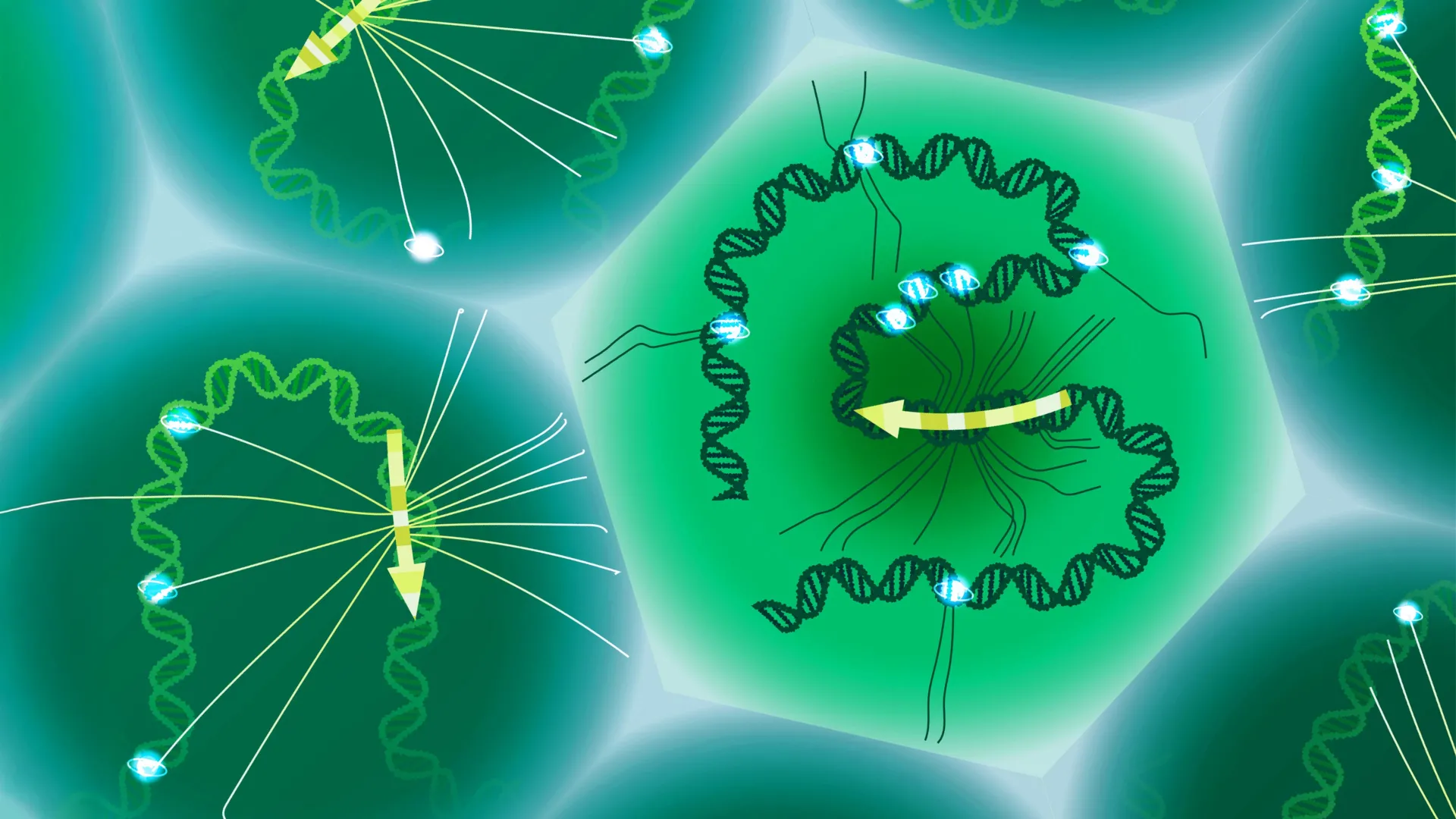
A team of EMBL researchers and collaborators has now created a tool that takes single-cell analysis to a new level. It can capture both genomic variations and RNA within the same cell, offering greater accuracy and scalability than earlier technologies. This approach allows scientists to identify variations in non-coding regions of DNA, the areas most often linked to disease, giving them a new way to explore how genetic differences contribute to human health. With its precision and ability to process large numbers of cells, the tool marks a major step toward linking specific genetic variants with disease outcomes.

“This has been a long-standing problem, as current single-cell methods to study DNA and RNA in the same cell have had limited throughput, lacked sensitivity, and are complicated,” said Dominik Lindenhofer, the lead author on a new paper about SDR-Seq published in Nature Methods and a postdoctoral fellow in EMBL’s Steinmetz Group. “On a single-cell level, you could read out variants in thousands of cells, but only if they had been expressed — so only from coded regions. Our tool works, irrespective of where variants are located, yielding single-cell numbers that enable analysis of complex samples.”

The important difference between coding and non-coding regions

DNA contains both coding and non-coding regions. The coding parts function like instruction manuals, since their genes are expressed into RNA, which directs cells in building proteins essential to life.

Non-coding regions, on the other hand, contain regulatory elements that guide how cells grow and function. Over 95% of disease-linked DNA variants occur in these non-coding regions, yet existing single-cell methods have not had the sensitivity or scale to study them effectively. Until now, researchers were unable to observe DNA and RNA from the same cell on a large scale, limiting insight into how DNA variants affect gene activity and contribute to disease.

“In this non-coding space, we know there are variants related to things like congenital heart disease, autism, and schizophrenia that are vastly unexplored, but these are certainly not the only diseases like this,” Lindenhofer said. “We needed a tool to do that exploration to understand which variants are functional in their endogenous genomic context and understand how they contribute to disease progression.”

Deciphering barcodes that track single cells

To perform single-cell DNA-RNA sequencing (SDR-seq), researchers used tiny oil-water droplets, each containing a single cell, allowing them to analyze DNA and RNA simultaneously. This method enabled them to examine thousands of cells in a single experiment and directly link genetic changes to patterns of gene activity. Developing this technology required overcoming major challenges and brought together teams from EMBL’s Genome Biology and Structural and Computational Biology units, the Stanford University School of Medicine, and Heidelberg University Hospital.

Collaborators from EMBL’s Judith Zaugg and Kyung-Min Noh groups developed a way to preserve delicate RNA by “fixing” the cells, while computational biologists in Oliver Stegle’s group designed a specialized program to decode the complex DNA barcoding system needed for data analysis. Although this decoding software was built for this specific project, the team believes it could prove valuable for many other studies.

Researchers from Wolfgang Huber’s and Sasha Dietrich’s groups at EMBL and Universitätsklinikum Heidelberg were already examining B-cell lymphoma samples for other studies. These patient samples, rich in genetic variation, provided an ideal test case for the new technology. Using these samples, Lindenhofer observed how variations in DNA were linked to disease processes and found that cancer cells with more variants showed stronger activation signals that support tumor growth.

“We are using these small reaction chambers to read out DNA and RNA in the same single cell,” Lindenhofer said. “This lets us accurately tell whether a variant is on one or both copies of a gene and measure its effects on gene expression in the same single cells. With the B-cell lymphoma cells, we were able to show that depending on the variant makeup of cells, they had different propensities to belong to distinct cellular states. We could also see that increasing variants in a cell actually were associated with a more malignant B-cell lymphoma state.”

The many opportunities from a single-cell sequencing tool

The SDR-seq tool now offers genomic biologists scale, precision, and speed to help better understand genetic variants. While it could eventually play a role in treating a broad range of complex diseases, it may first help in developing better screening tools for diagnosis.

“We have a tool that can link variants to disease,” said Lars Steinmetz, a senior author on the paper, an EMBL group leader, and a genetics professor at Stanford University School of Medicine. “This capability opens up a wide range of biology that we can now discover. If we can discern how variants actually regulate disease and understand that disease process better, it means we have a better opportunity to intervene and treat it.”

Share Button

Exciting results from blood test for 50 cancers

The Galleri test looks for fragments of DNA that have broken off a tumour and are circulating in the blood.

Share Button

This common liver supplement could boost cancer treatment success

Immunotherapy is a cancer treatment that harnesses the body’s own immune defenses to attack tumors. It has shown remarkable success against cancers of the lung, kidney, and bladder but has not worked as well for liver cancer. That gap is troubling because liver cancer cases have nearly tripled over the past four decades.

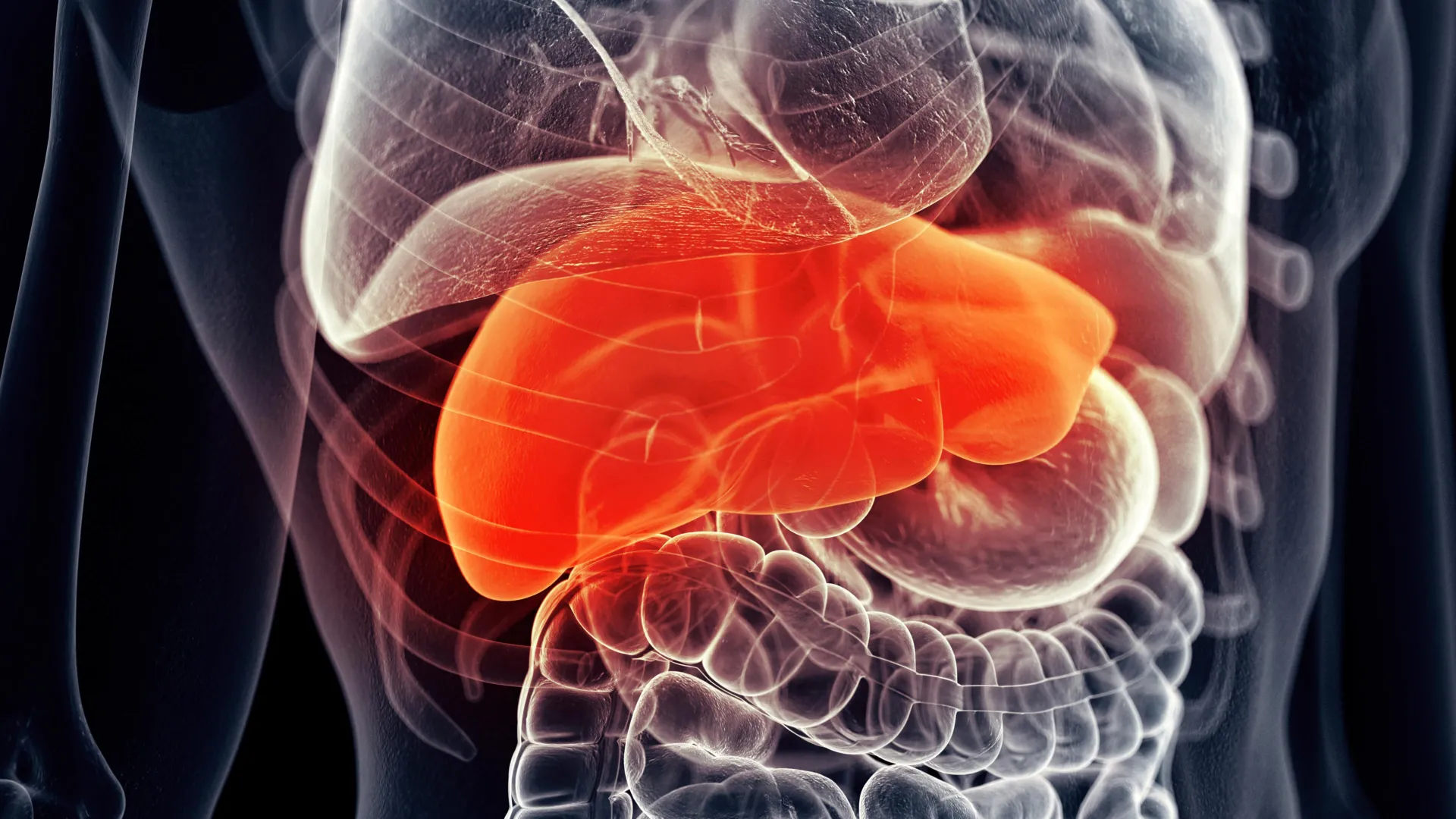
To explore why liver cancer responds poorly to immunotherapy, scientists at the Salk Institute examined how the immune system interacts with the liver. Using both mouse models and human tumor samples, they discovered that certain bile acids — molecules produced by the liver to aid digestion — can interfere with cancer-fighting immune cells known as T cells.

The team pinpointed several bile acids linked to weakened T cell function and faster tumor growth. By blocking the production of these acids, they were able to slow or stop tumor progression. One bile acid, called ursodeoxycholic acid (UDCA), had the opposite effect, enhancing T cell activity in the liver. When researchers increased UDCA levels through dietary supplements, liver tumors in mice shrank. Because UDCA supplements are already approved for other liver diseases, scientists believe they could potentially make immunotherapy more effective for liver cancer patients.

The study, published in Science, sheds light on why immune cells behave differently depending on the tumor’s location and identifies new molecular targets to strengthen liver cancer therapies.

“How do organ-specific properties and processes influence the immune response?” asks Professor Susan Kaech, senior author of the study and director of Salk’s NOMIS Center for Immunobiology and Microbial Pathogenesis. “Livers have a particularly unique environment, but we didn’t really understand how it was affecting the immune and cancer cells. By investigating these liver-specific features, we have identified several potential ways to regulate bile acids, improve T cell performance, and enhance patient outcomes.”

The liver generates more than 100 types of bile acids, which travel through the intestines to help digest fats. To combat liver cancer, T cells must function effectively within this chemically rich environment. Past studies have linked high bile acid levels to poor health and cancer progression, but researchers had not previously distinguished the effects of individual bile acids.

“Considering how T cell performance varies across different organs, tissues, and tumors puts us at a great vantage point for looking at ways to optimize cancer treatment,” says Siva Karthik Varanasi, former postdoctoral researcher in Kaech’s lab and current assistant professor at the University of Massachusetts Chan Medical School. “By taking this unique approach, we’re able to see that bile acids in the liver are hugely influencing T cells’ ability to do their job and therefore may be a useful therapeutic target.”

To better understand these effects, the Salk team first analyzed human liver cancer biopsies to identify which bile acids were present. They found elevated levels of conjugated bile acids and tested whether these compounds contributed to tumor growth. When they removed a protein called BAAT, which produces conjugated bile acids, the tumor load in mice dropped significantly. This suggests that adjusting BAAT activity in humans could improve their response to immunotherapy.

The researchers then examined 20 distinct bile acids to determine how each affected T cells. Most primary bile acids showed little influence, except for one called TCDCA, which triggered oxidative stress — a harmful molecular imbalance. Secondary bile acids had much stronger effects. One, called LCA, damaged T cell function by causing endoplasmic reticulum stress, while another, UDCA, boosted T cell performance and drew more immune cells to the liver. Increasing UDCA levels through supplementation effectively reduced tumor growth in mice, pointing to a promising strategy for enhancing immunotherapy in liver cancer.

Together, these results suggest that lowering BAAT and increasing UDCA could help control liver tumor growth and strengthen the immune system’s response to treatment.

“We’re already a huge step ahead when it comes to translating our findings to the clinic, because UDCA supplementation is already used to treat liver disease and could easily be tested in liver cancer next,” says Kaech, who also holds the NOMIS Chair at Salk. “We are really excited to also explore the role of the gut microbiome in all of this, since bile acids are a huge part of that picture — how can we manipulate ‘good’ and ‘bad’ bacteria in the microbiome to further regulate bile acid levels? How does the microbiome change during liver cancer? Could probiotics be a therapeutic approach?”

In addition to exploring dietary and microbiome manipulations that could help with liver cancer, the team is curious to see if other conditions could be treated by targeting BAAT. Already, they believe chronic liver disease and obesity may benefit from the same reduction of conjugated bile acids.

Other authors include Dan Chen, Melissa Johnson, Kathryn Lande, Michael LaPorta, Filipe Hoffmann, Thomas Mann, Eduardo Casillas, Kailash Mangalhara, Varsha Mathew, Ming Sun, Yagmur Farsakoglu, Timothy Chen, Bianca Parisi, Shaunak Deota, H. Kay Chung, Satchidananda Panda, April Williams, and Gerald Shadel of Salk; Jin Lee, Yingluo Liu, Cayla Miller, and Gen-Sheng Feng of UC San Diego; Souradipta Ganguly and Debanjan Dhar of UC San Diego and Sanford Burnham Prebys Medical Discovery Institute; Marcos Teneche, Aaron Havas, and Peter Adams of Sanford Burnham Prebys Medical Discovery Institute; Isaac Jensen and Donna Farber of Columbia University; Andrea Schietinger of Memorial Sloan Kettering Cancer Center, Weill Cornell Graduate School of Medical Sciences, and Parker Institute for Cancer Immunotherapy; and Mark Sundrud of Dartmouth College.

The work was supported by the National Institutes of Health (NCI CCSG: P30 014195, S10-OD023689, P30 AG068635, P30 CA014195, P01 AG073084, R01 CA240909-04, R21 AI151562, F31CA278581, CCSG Grant P30CA23100, R01DK137061, R01DK133930, DK120515, R01AI143821, R01AI164772, U01AI163063), Waitt Foundation, Helmsley Charitable Trust, Chapman Foundation, Cancer Research Institute, National Cancer Center, NOMIS Foundation, Salkexcellerators Fellowship, Damon Runyon Fellowship, Audrey Geisel endowed Chair of Biomedical Science, Altman Clinical Translational Research Institute (KL2TR001444), San Diego Digestive Diseases Research Center, and Dartmouth Cancer Center.

Share Button

Emily Hewertson Confirmed For Big Brother Twist – And She’s Not The Only Former Housemate Returning

Right-wing media personality Emily Hewertson is one of two former Big Brother contestants returning to the house on Friday night, bosses have confirmed.

Last week, Big Brother presenter AJ Odudu teased that the show would be welcoming back some familiar faces, when one current housemate is moved to a secret room next door alongside some former contestants who were gone “too soon”.

As many fans had already predicted, the first of these will be Emily, who was a controversial signing on this year’s cast, and wound up leaving after mere hours as part of a twist.

She said: “[I’m going in because] I think the meltdown online will be funny. People keep saying ‘we hope it’s not Emily’. Well surprise, it is!”

Emily added: “I feel like nobody actually got to know the real me, they just saw me as a Tory villain. Now they actually get to see Emily rather than Tory Emily.

“Also, the experience will just be amazing. I want to go in there and cause a bit of a storm!”

Emily entering the Big Brother house last week

Vianney Le Caer/Shutterstock for Big Brother

A vocal member of the Conservative Party, Emily has also been associated with the UK wing of the political group Turning Point, which was founded by the late right-wing political personality Charlie Kirk, in the past.

Her return is no doubt set to be the latest polarising development in what has been a controversial season of Big Brother, which has seen one contestant removed due to “unacceptable” comments that producers chose not to air, and another being given a formal warning for misgendering one of their fellow housemates, who is transgender.

Emily will be joined in the house by Farida Khalifa, the first housemate to be eliminated from Big Brother’s ITV era.

Farida leaving the Big Brother house in October 2023

James Veysey/Shutterstock

Farida teased: “The amount of time you put into the whole process, I didn’t really feel fulfilled [first time around]. I only had a few days in there.

“The most important thing is – the audience has wanted this for such a long time. Even when Celebrity Big Brother was on, there were rumours I was going back into the house. You’ve got to listen to your fans. I’m doing it for the fans.”

Emily said that she thinks she’ll get on with current housemate Caroline, stating: “I feel like she’s alone in there and I feel like she needs someone else who’s a bit fiery at times but will also share their opinions because it does feel like she’s always against the other Housemates. It’ll be nice to have someone else in her corner.”

Farida, on the other hand, felt the opposite, claiming: “I think I might have problems with Caroline. But I don’t know why. She’s an older woman that’s desperate to win.”

Big Brother continues on Friday night at 9pm on ITV2.

Share Button

Here’s Why This German Museum Has Suddenly Been Overrun With Taylor Swift Fans

Not content with dominating the music scene, Taylor Swift is apparently now taking on the art world, with hundreds of her fans making the pilgrimage to a German museum to catch a glimpse of a certain painting.

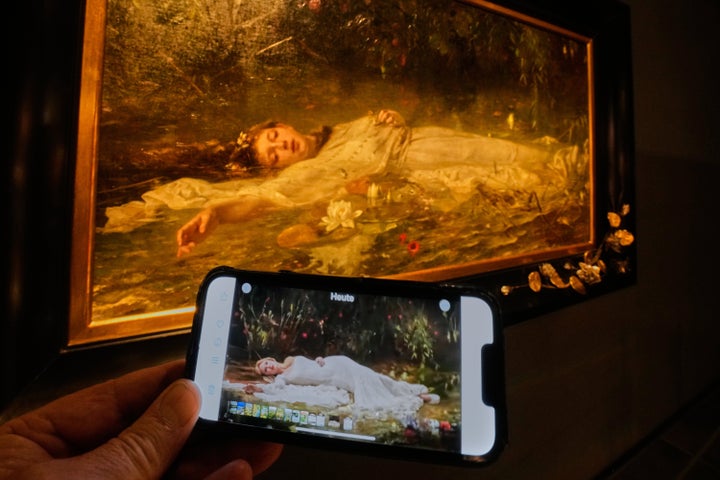
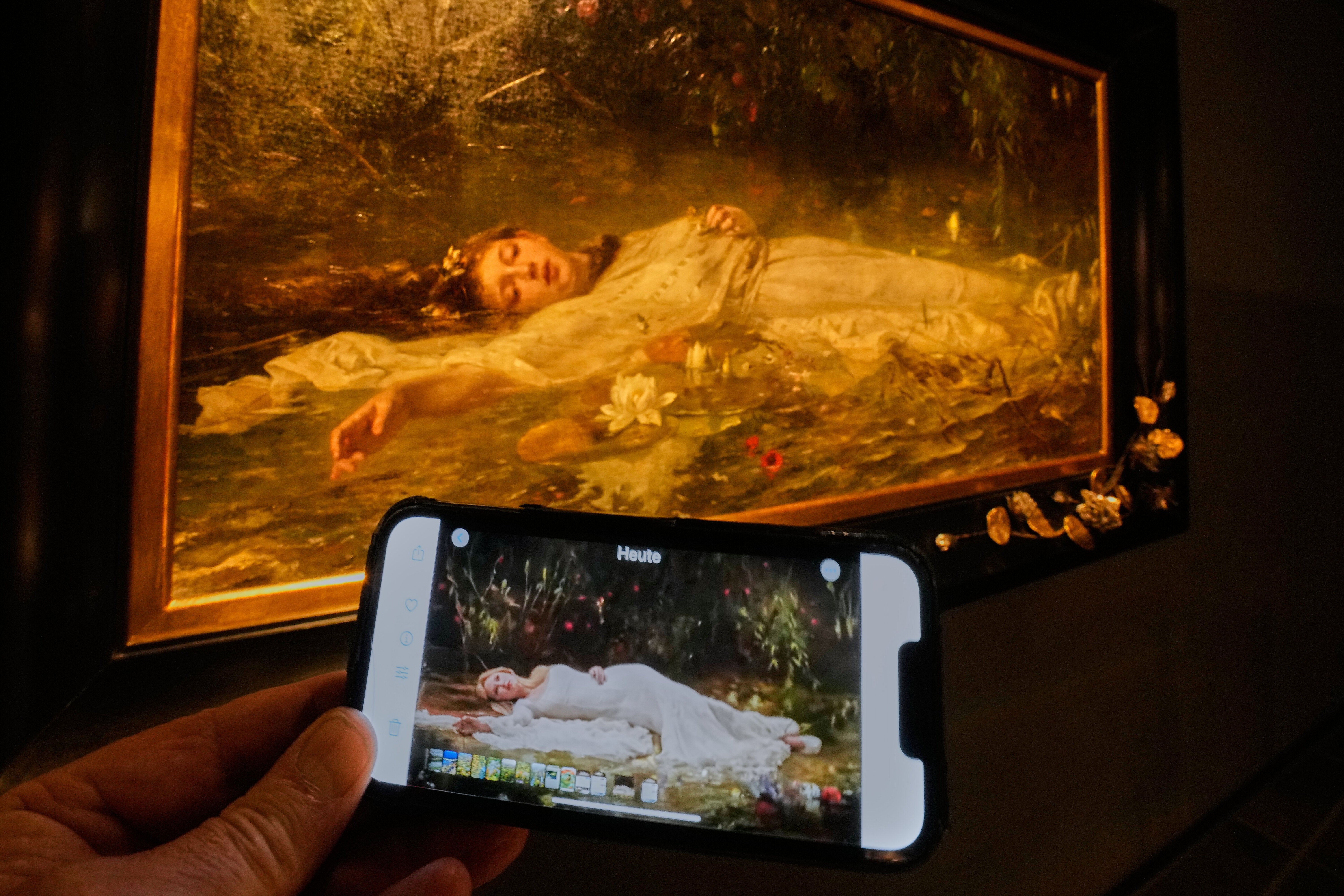
Earlier this month, the Grammy winner released the music video for her latest single The Fate Of Ophelia, the opening shot of which seems to have been inspired by artist Friedrich Heyser’s painting depicting the iconic Shakespearean character.

<div class="js-react-hydrator" data-component-name="YouTube" data-component-id="7109" data-component-props="{"itemType":"video","index":4,"contentIndexByType":1,"contentListType":"embed","code":"

","type":"video","meta":{"author":"Taylor Swift","author_url":"https://www.youtube.com/channel/UCqECaJ8Gagnn7YCbPEzWH6g","cache_age":86400,"description":"The official music video for “The Fate of Ophelia”\n\nStream/download ‘The Life of a Showgirl’: https://taylor.lnk.to/TSTheLifeofaShowgirl\n\n►Subscribe to Taylor Swift on YouTube: https://ts.lnk.to/subscribe\n►Shop Merch: http://taylor.lnk.to/store \n►Follow Taylor Swift Online: \nTikTok: http://tiktok.com/@taylorswift \nInstagram: http://instagram.com/taylorswift \nTwitter: http://twitter.com/taylorswift13 \nSnapchat: http://snapchat.com/add/taylorswift \nFacebook: http://facebook.com/taylorswift \nTumblr: http://taylorswift.tumblr.com \nWebsite: http://www.taylorswift.com \n\n►Follow Taylor Nation Online \nTikTok: http://tiktok.com/@taylornation\n Instagram: http://instagram.com/taylornation \nYouTube: https://youtube.com/taylornation \nTwitter: http://twitter.com/taylornation13\n Tumblr: http://taylornation.tumblr.com\n\n#TaylorSwift #TheLifeofaShowgirl #TheFateofOphelia","options":{"_cc_load_policy":{"label":"Closed captions","value":false},"_end":{"label":"End on","placeholder":"ex.: 11, 1m10s","value":""},"_start":{"label":"Start from","placeholder":"ex.: 11, 1m10s","value":""}},"provider_name":"YouTube","thumbnail_height":720,"thumbnail_url":"https://i.ytimg.com/vi/ko70cExuzZM/maxresdefault.jpg","thumbnail_width":1280,"title":"Taylor Swift – The Fate of Ophelia (Official Music Video)","type":"video","url":"https://www.youtube.com/watch?v=ko70cExuzZM","version":"1.0"},"flags":[],"enhancements":{},"fullBleed":false,"options":{"theme":"news","device":"desktop","editionInfo":{"id":"uk","name":"U.K.","link":"https://www.huffingtonpost.co.uk","locale":"en_GB"},"originalEdition":"uk","isMapi":false,"isAmp":false,"isMobile":false,"isAdsFree":false,"isVideoEntry":false,"isEntry":true,"isMt":false,"entryId":"68f21c50e4b078755767e361","entryPermalink":"https://www.huffingtonpost.co.uk/entry/taylor-swift-fans-flock-museum-germany-ophelia_uk_68f21c50e4b078755767e361","entryTagsList":"uk-celebrity,ukmusic,taylor-swift","sectionSlug":"entertainment","deptSlug":null,"sectionRedirectUrl":null,"subcategories":"","isWide":false,"isShopping":false,"headerOverride":null,"noVideoAds":false,"disableFloat":false,"isNative":false,"commercialVideo":{"provider":"custom","site_and_category":"uk.entertainment","package":null},"isHighline":false,"vidibleConfigValues":{"cid":"60afc140cf94592c45d7390c","disabledWithMapiEntries":false,"overrides":{"all":"60b8e525cdd90620331baaf4"},"whitelisted":["56c5f12ee4b03a39c93c9439","56c6056ee4b01f2b7e1b5f35","59bfee7f9e451049f87f550b","5acccbaac269d609ef44c529","570278d2e4b070ff77b98217","57027b4be4b070ff77b98d5c","56fe95c4e4b0041c4242016b","570279cfe4b06d08e3629954","5ba9e8821c2e65639162ccf1","5bcd9904821576674bc55ced","5d076ca127f25f504327c72e","5b35266b158f855373e28256","5ebac2e8abddfb04f877dff2","60b8e525cdd90620331baaf4","60b64354b171b7444beaff4d","60d0d8e09340d7032ad0fb1a","60d0d90f9340d7032ad0fbeb","60d0d9949340d7032ad0fed3","60d0d9f99340d7032ad10113","60d0daa69340d7032ad104cf","60d0de02b627221e9d819408"],"playlists":{"default":"57bc306888d2ff1a7f6b5579","news":"56c6dbcee4b04edee8beb49c","politics":"56c6dbcee4b04edee8beb49c","entertainment":"56c6e7f2e4b0983aa64c60fc","tech":"56c6f70ae4b043c5bdcaebf9","parents":"56cc65c2e4b0239099455b42","lifestyle":"56cc66a9e4b01f81ef94e98c"},"playerUpdates":{"56c6056ee4b01f2b7e1b5f35":"60b8e525cdd90620331baaf4","56c5f12ee4b03a39c93c9439":"60d0d8e09340d7032ad0fb1a","59bfee7f9e451049f87f550b":"60d0d90f9340d7032ad0fbeb","5acccbaac269d609ef44c529":"60d0d9949340d7032ad0fed3","5bcd9904821576674bc55ced":"60d0d9f99340d7032ad10113","5d076ca127f25f504327c72e":"60d0daa69340d7032ad104cf","5ebac2e8abddfb04f877dff2":"60d0de02b627221e9d819408"}},"connatixConfigValues":{"defaultPlayer":"16b0ecc6-802c-4120-845f-e90629812c4d","clickToPlayPlayer":"823ac03a-0f7e-4bcb-8521-a5b091ae948d","videoPagePlayer":"05041ada-93f7-4e86-9208-e03a5b19311b","defaultPlaylist":"2e062669-71b4-41df-b17a-df6b1616bc8f"},"topConnatixThumnbailSrc":"data:image/png;base64,iVBORw0KGgoAAAANSUhEUgAAAAEAAAABCAQAAAC1HAwCAAAAC0lEQVR42mNkYAAAAAYAAjCB0C8AAAAASUVORK5CYII=","customAmpComponents":[],"ampAssetsUrl":"https://amp.assets.huffpost.com","videoTraits":null,"positionInUnitCounts":{"buzz_head":{"count":0},"buzz_body":{"count":0},"buzz_bottom":{"count":0}},"positionInSubUnitCounts":{"article_body":{"count":8},"blog_summary":{"count":0},"before_you_go_content":{"count":0}},"connatixCountsHelper":{"count":0},"buzzfeedTracking":{"context_page_id":"68f21c50e4b078755767e361","context_page_type":"buzz","destination":"huffpost","mode":"desktop","page_edition":"en-uk"},"tags":[{"name":" uk celebrity","slug":"uk-celebrity","links":{"relativeLink":"news/uk-celebrity","permalink":"https://www.huffingtonpost.co.uk/news/uk-celebrity","mobileWebLink":"https://www.huffingtonpost.co.uk/news/uk-celebrity"},"url":"https://www.huffingtonpost.co.uk/news/uk-celebrity/"},{"name":"ukmusic","slug":"ukmusic","links":{"relativeLink":"news/ukmusic","permalink":"https://www.huffingtonpost.co.uk/news/ukmusic","mobileWebLink":"https://www.huffingtonpost.co.uk/news/ukmusic"},"url":"https://www.huffingtonpost.co.uk/news/ukmusic/"},{"name":"Taylor Swift ","slug":"taylor-swift","links":{"relativeLink":"news/taylor-swift","permalink":"https://www.huffingtonpost.co.uk/news/taylor-swift","mobileWebLink":"https://www.huffingtonpost.co.uk/news/taylor-swift"},"relegenceId":3068557,"url":"https://www.huffingtonpost.co.uk/news/taylor-swift/"}],"isLiveblogLive":null,"isLiveblog":false,"backfillRelatedArticles":[],"cetUnit":"buzz_body","enableIncontentPlayer":false,"bodyAds":["

\r\n\r\n HPGam.cmd.push(function(){\r\n\t\treturn HPGam.render(\"inline-1\", \"entry_paragraph_1\", false, false);\r\n });\r\n\r\n","

\r\n\r\n HPGam.cmd.push(function(){\r\n\t\treturn HPGam.render(\"inline\", \"entry_paragraph_2\", false, false);\r\n });\r\n\r\n","

\r\n\r\n HPGam.cmd.push(function(){\r\n\t\treturn HPGam.render(\"inline-2\", \"entry_paragraph_3\", false, false);\r\n });\r\n\r\n","

\r\n\r\n HPGam.cmd.push(function(){\r\n\t\treturn HPGam.render(\"inline-infinite\", \"repeating_dynamic_display\", false, false);\r\n });\r\n\r\n"],"adCount":0,"midArticleAdPartner":null},"isCollectionEmbed":false}”>

Heyser’s painting now lives in Museum Wiesbaden in Germany, and dedicated Swifties have been paying it a visit in their droves much to the surprise of staff in the last few weeks.

“We are having an absolute Ophelia run at the moment and are quite surprised and happy about it,” a museum spokesperson told the Guardian.

“It’s been a shock, to be honest. We have a colleague who has a friend who is a Swift fan and she noticed the video’s opening scene had a similarity [with the Heyser painting] and we thought, wow, what a coincidence – that’s exciting.”

Fortunately, Taylor’s fans are said to have been “respectful” despite the sudden interest in the painting, and the museum has even organised a reception and guided tour of the artwork to make the most of its newfound popularity.

Taylor Swift's video for The Fate Of Ophelia is displayed on a mobile phone in a museum showing a painting by Art Nouveau painter Friedrich Heyser of the character
Taylor Swift’s video for The Fate Of Ophelia is displayed on a mobile phone in a museum showing a painting by Art Nouveau painter Friedrich Heyser of the character

via Associated Press

The Fate Of Ophelia is the lead single from Taylor’s 12th album The Life Of A Showgirl, which was received with mixed reviews, despite high hopes after the I Knew You Were Trouble singer announced she was reuniting with producers Max Martin and Shellback, who worked on some of her most popular pop albums Red, 1989 and Reputation.

Meanwhile, fans have been busy digging for easter eggs and hidden meanings in Taylor’s new album, with one popular theory suggesting the song Actually Romantic is a diss track directed at fellow popstar Charli XCX.

One thing we do know is that Taylor won’t be following in Beyoncé and Rihanna’s footsteps and headlining the esteemed Super Bowl halftime show any time soon, after she cleared up widespread rumours that she was in consideration for the gig.

Share Button