Exclusive: Labour War Of Words As Phillipson And Powell Clash Over 2-Child Benefit Cap

A fresh war of words has erupted in the Labour deputy leadership race over moves to scrap the two-child benefit cap.

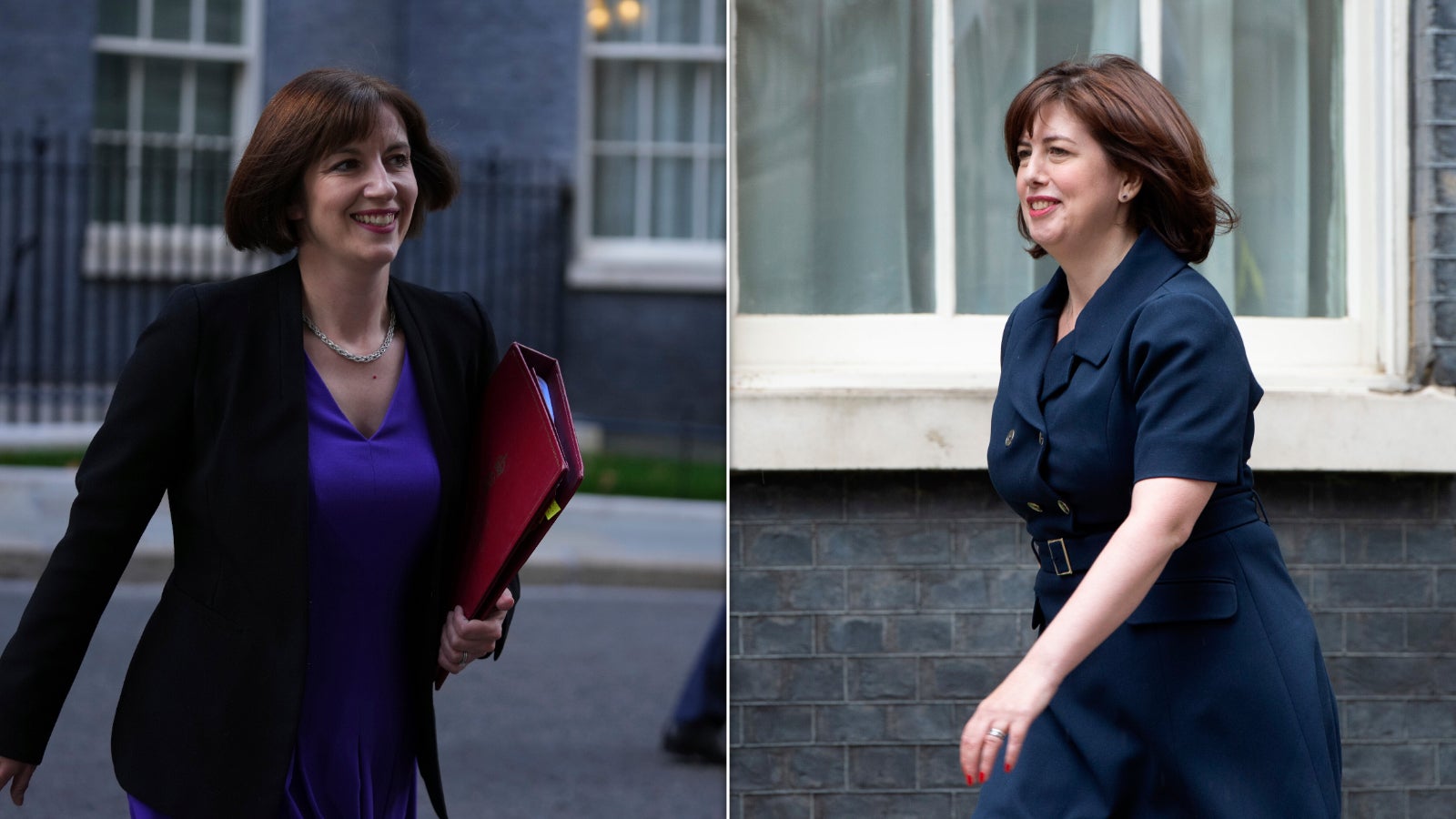
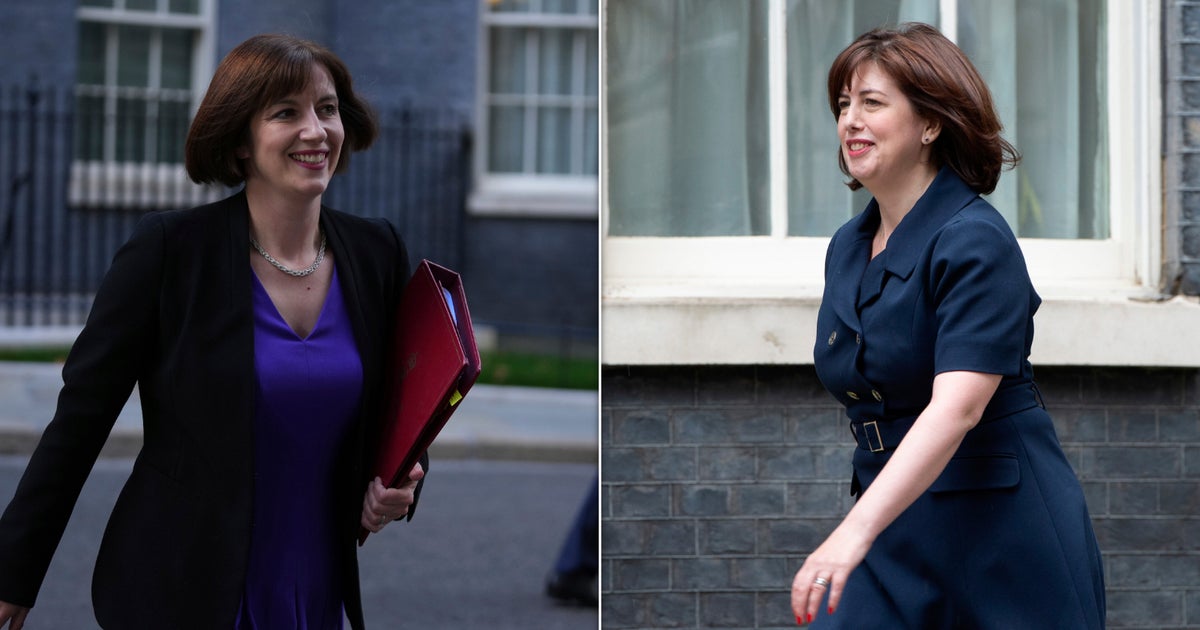
Education secretary Bridget Phillipson took a swipe at her rival Lucy Powell as she urged Rachel Reeves to scrap the hated Tory policy.

HuffPost UK revealed last month that Keir Starmer has already decided to scrap the cap, with the chancellor preparing to announce it when she delivers her Budget on November 26.

Phillipson said that she, rather than Powell, had been leading moves inside government to tackle child poverty.

On Sky News, Phillipson repeatedly stressed that she could put pressure on the chancellor to scrap the benefit cap from inside government – a clear reference to the fact that Powell is no longer in the cabinet after being sacked as Commons leader last month.

She said: “There’s an urgency to this. With every year that passes more children are moving to poverty because of the two-child limit.

“It was a Tory policy. We would not have introduced it. I’m clear what needs to happen. I’ll be in Cabinet arguing for that, and that’s why I’ve made tackling child poverty my number one priority during this campaign.”

Presenter Trevor Phillips asked her: “Do you seriously believe Lucy Powell wouldn’t do all she could to end child poverty?”

Phillipson replied: “I’ve got a track record on actually taking action to lift children out of poverty. It’s been a longstanding cause of mine.”

In another jibe at Powell, Phillipson said: “I want to build on the record of people like Angela Rayner and John Prescott, who were in government, running big government departments, but as the members’ voice at the cabinet table. I think that would give me extra clout.”

But an ally of Powell told HuffPost UK: “Lucy has made the running on this. Scrapping the two child benefit cap wouldn’t have been discussed in the contest if Lucy hadn’t put it squarely at the centre of her campaign.

“It’s well documented that she spoke up about the welfare changes because of the impact on child poverty.”

The clash is further evidence of how the battle to be Labour’s deputy leader has grown increasingly bitter.

In a post on X last week accusing Powell of splitting the party, Phillipson said: “Back me to end child poverty or take us back to our divided past”.

Meanwhile, a Labour source told the New Statesman: “Lucy was sacked from Cabinet because she couldn’t be trusted not to brief or leak. She findamentally lost the trust of colleagues.”

Powell has insisted she will be the Labour members’ voice at the top of the party if she becomes deputy leader.

Ballots close in the contest on October 23, with the winner being announced two days later.

Share Button

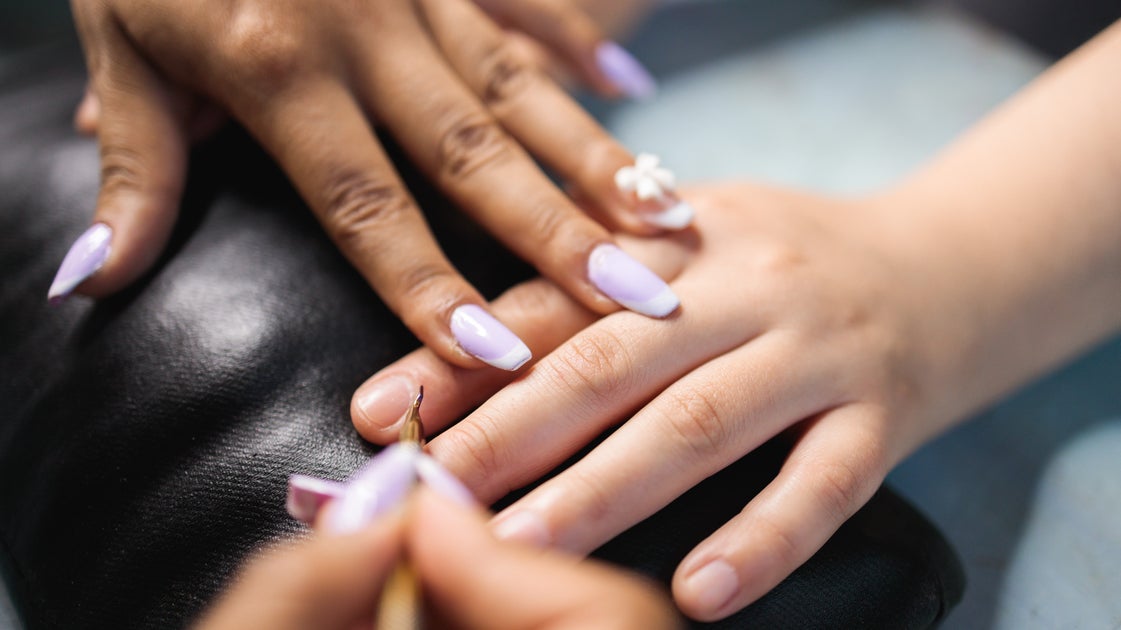
Manicurists Reveal The Worst Things You Can Do When You Leave The Salon

The colour is exquisite. The nail art is sublime. You step out the door of the salon, reach for your keys and – whoops, there goes your perfect manicure.

A good salon manicure (the traditional polish kind, not the gel kind) can last as long as a week, but you can wreck it in just a few seconds if you aren’t careful.

Professional nail artists have seen it all, and they’ve got some smart tips for keeping nails in tip-top shape.

How Long To Sit Tight In The Salon

Once the manicure is done, you’ll be tempted to dash out and get on with your day, but don’t do it. Thea Green, founder of British beauty brand Nails.Inc, said,

“Plan to sit for at least 15 to 20 minutes after your manicure is finished. That’s usually enough for polish to be touch-dry, but not fully set. I always say: ‘Dry to the touch doesn’t mean dent-proof.’”

As Green noted, those minutes of sitting are only the beginning, and it will take some time before you’re completely in the clear. “Even though the polish may look dry on the surface, it actually takes several hours to fully cure,” said nail artist Britney Tokyo.

How To Pregame The Polishing

Before polish is applied, get your game plan for leaving in place. If you wore a coat or jacket into the salon, put it on now.

But wait, there’s more, according to Julie Ventura, Orly Beauty’s global education manager: “Pay for your manicure before polish is applied to avoid rummaging in your purse,” she said. “And if you drove to the salon, get your keys out so you’re ready to go.”

What To Do For The Next Hour (Or So)

This is the time to be super aware of your newly gorgeous hands, and to treat them accordingly. You might not realise how much you use your nails as tools, not jewels, as the pros say, until you’re faced with a fresh manicure and a cold can of soda that you’d like to enjoy.

“The first few hours are when smudges, dents and chips happen most,” Green said.

Here’s how to manoeuvre in the world with a new manicure, Ventura said: “Try to use the pads of your fingers rather than letting anything come into contact with your nails.”

The ‘Hateful 8’ Things That Ruin Your Manicure Investment

Here’s a quick expert list of the most smudge-prone post-manicure behaviours that you should avoid in the few hours after your appointment:

  1. Digging in a purse or bag, which these experts agreed is the most common smudge-causing mistake. “Metal — like keys or handles — is especially harsh and can scratch glossy finishes,” Green said.
  2. Hot water: “I recommend avoiding super hot water for a few hours,” said nail artist Jenny Bui.
  3. Using nails as tools: “Don’t peel labels, pop open cans or scratch surfaces,” Green said.
  4. Going to sleep: Even if that relaxing manicure has worn you out, be vigilant, the experts said. “Sheet marks’ are a real thing,” Green said. “If you have a late-night manicure, be careful, because fabric imprints happen when polish isn’t fully dried.”
  5. “Pushing buttons too hard, like elevators and phones, can smudge fresh nails,” Bui said.
  6. “Don’t put your hands into tight pockets,” Tokyo said.
  7. “Opening boxes messes up my nails the most easily,” said nail artist Bana Jarjour.
  8. “Even changing sheets can cause smudges,” Jarjour added.

Products That Might Help

You may be able to request a product that will help speed up the drying. “Quick-dry drops, sprays and even fast-dry topcoats can make a big difference,” Bui said.

“I personally love using a high-quality quick-dry topcoat, because it provides shine and protection while reducing drying time. For clients who can’t sit long, that’s my go-to.”

“Lately, I’ve been recommending a polish brand called Dazzle Dry,” Tokyo said. “It fully hardens much faster than traditional polish, which is a big advantage. The application method is a little different from regular polish, and because the products are more expensive, only certain salons carry it.”

If The Worst Happens

If you’ve gone ahead and smudged that great look, never fear, because fixes are possible. “A great hack is to get a drop of acetone on the pad of your finger and quickly but gently pat the smudge out before the acetone evaporates,” Ventura said. “Repeat until it’s smooth again.”

“For chips, fill it in like a patch job instead of redoing the whole nail,” Bui said. “But if it’s really bad, sometimes it’s best to start fresh on that one finger.”

Share Button

Closest alien civilization could be 33,000 light years away

According to new research presented at the EPSC-DPS2025 Joint Meeting in Helsinki, the nearest technological civilization in the Milky Way could be roughly 33,000 light years away. For such a civilization to exist at the same time as humanity, it would need to have lasted for at least 280,000 years — and potentially millions of years.

These findings highlight the overwhelming odds against discovering Earth-like planets that possess both plate tectonics and a nitrogen-oxygen atmosphere containing the right balance of oxygen and carbon dioxide.

Taking these planetary requirements into account, the chances of success for SETI (Search for Extraterrestrial Intelligence) appear slim, say Dr. Manuel Scherf and Professor Helmut Lammer of the Space Research Institute at the Austrian Academy of Sciences in Graz.

“Extraterrestrial intelligences, ETIs, in our galaxy are probably pretty rare,” says Scherf.

A planet’s carbon dioxide level plays a key role in sustaining life. Higher levels of CO₂ help maintain photosynthesis and keep the atmosphere from leaking into space, but too much can trigger a runaway greenhouse effect or make the air toxic. Plate tectonics are essential because they regulate carbon dioxide through the carbon-silicate cycle, recycling the gas between the atmosphere and the planet’s crust. Over time, however, carbon dioxide becomes trapped in rocks and is no longer returned to the atmosphere.

“At some point enough carbon dioxide will be drawn from the atmosphere so that photosynthesis will stop working,” says Scherf. “For the Earth, that’s expected to happen in about 200 million to roughly one billion years.”

Today, Earth’s atmosphere consists mostly of nitrogen (78 percent) and oxygen (21 percent), with only a trace of carbon dioxide (0.042 percent). Scherf and Lammer modeled what would happen on other worlds. A planet with ten percent carbon dioxide — if located farther from its sun or orbiting a dimmer, younger star — could support a biosphere for up to 4.2 billion years. By comparison, a planet with one percent carbon dioxide would remain habitable for about 3.1 billion years.

For advanced life to emerge, such planets would also need at least 18 percent oxygen. Complex animals require higher oxygen levels, and earlier studies have shown that if oxygen drops below this threshold, there would not be enough free oxygen for open-air combustion. Without fire, metalworking would be impossible, preventing the rise of any technological civilization.

Scherf and Lammer compared these potential biosphere lifetimes with how long it took life on Earth to evolve technology — about 4.5 billion years — and with the expected longevity of intelligent species. The longer a civilization endures, the higher the likelihood that it overlaps in time with another.

From these calculations, the researchers concluded that a technological species on a planet with ten percent carbon dioxide would need to persist for at least 280,000 years for even one other civilization to exist in the Milky Way at the same time as ours.

“For ten civilizations to exist at the same time as ours, the average lifetime must be above 10 million years,” says Scherf. “The numbers of ETIs are pretty low and depend strongly upon the lifetime of a civilization.”

This means that if we do detect an ETI, it is almost certainly going to be much older than humanity.

It’s these numbers that also lead to the estimate that the next closest technological civilization is about 33,000 light years away. Our Sun is about 27,000 light years from the galactic center, which means that the next closest technological civilization to our own could be on the other side of the Milky Way.

These numbers are not absolutes – Scherf points out that there are other factors that should be included, such as the origin of life, the origin of photosynthesis, the origin of multi-cellular life and the frequency with which intelligent life develops technology, but they cannot be quantified at present. If each of these factors has a high probability, then ETIs might not be as rare. If each of these factors has a low probability, then a more pessimistic outlook is required.

Nevertheless, Scherf strongly believes that SETI should continue the search.

“Although ETIs might be rare there is only one way to really find out and that is by searching for it,” says Scherf. “If these searches find nothing, it makes our theory more likely, and if SETI does find something, then it will be one of the biggest scientific breakthroughs ever achieved as we would know that we are not alone in the Universe.”

Share Button

BBC Expert Says The Israel-Palestine Conflict ‘Will Continue’ Despite Trump’s Peace Plan

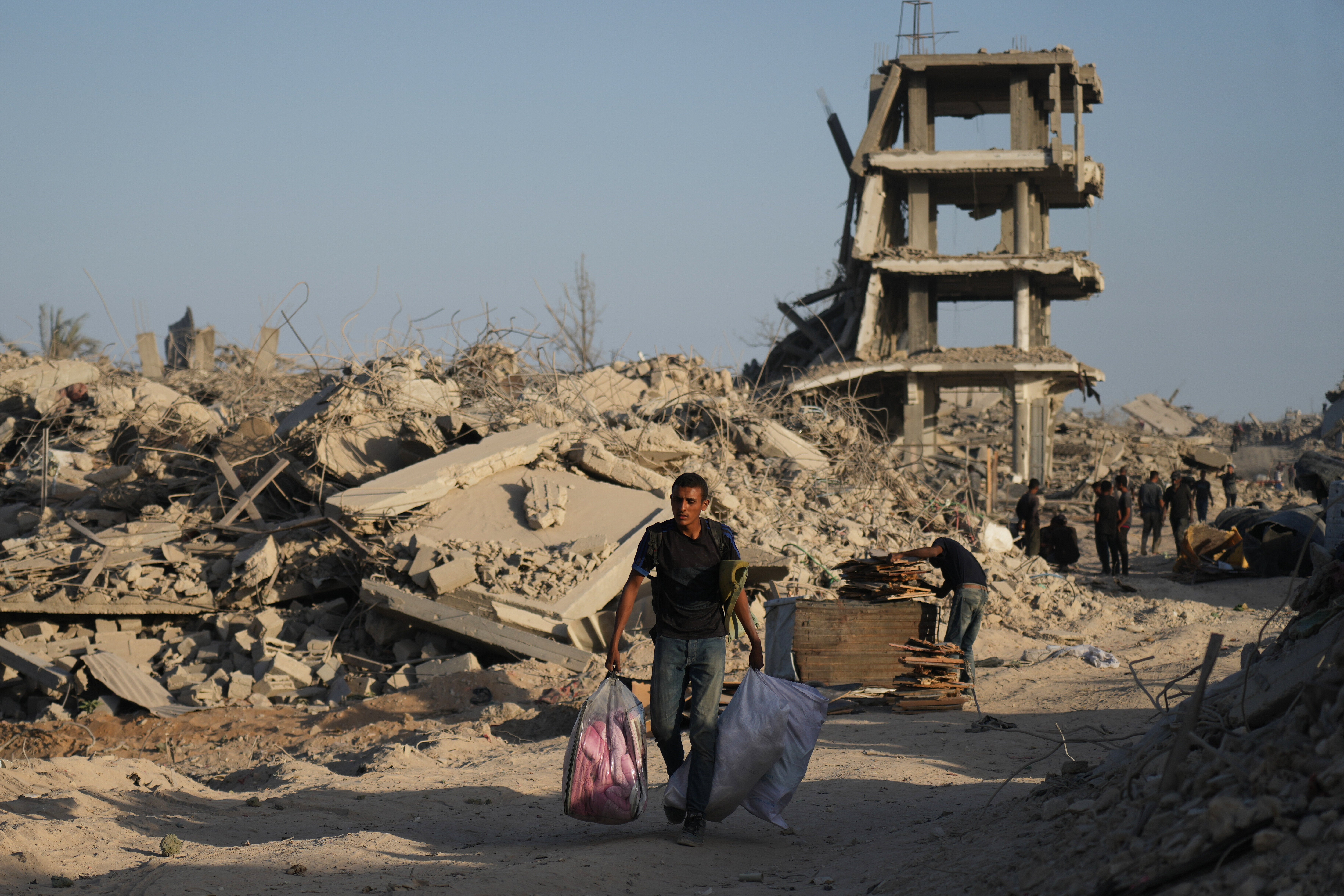
The conflict between Israel and Palestine “will continue” despite Donald Trump’s peace plan, a BBC expert has said.

Jeremy Bowen said the US president had “scored a diplomatic triumph” in securing a ceasefire and the imminent release of the remaining Israeli hostages still held in Gaza.

As part of the deal, Israeli troops have withdrawn from Gaza and around 250 Palestinian prisoners, as well as 1,700 other Gazan detainees, will also be freed.

Keir Starmer will join world leaders, including Donald Trump, at a peace summit in Sharm El Sheikh in Egypt on Monday.

But speaking on BBC1′s Sunday with Laura Kuenssberg programme, Bowen insisted there were numerous hurdles still to be cleared before a long-term peace is in place.

He said: “The ceasefire at the moment seems pretty OK, not least because the Americans are pushing the Israelis very strongly not to break it.

“However, in terms of governance of Gaza, security in Gaza for the Palestinians and for the Israelis over the border, for the future economy of the territory, and also the idea of having a multi-national force in place, none of these things, the really difficult stuff, has been agreed.

“The Trump 20-point plan points to where they want it to go and what the objective is. How you get there hasn’t been worked out and that’s where the real problems, I think, are going to start.

“When there are problems in that process, that will impact on the stability ultimately of the ceasefire.”

He added: “Today and tomorrow are days for everybody to celebrate and it’s absolutely right to say that Donald Trump has scored a diplomatic triumph in making this happen so quickly.

“But underlying everything that’s happening is this conflict between Israelis and Palestinians for control of the land between the River Jordan and the Mediterranean Sea that started more than a century ago.

“It’s complicated, it’s multi-faceted, it’s multi-layered, and it’s generational. And until the fundamentals of that are sorted out and settled in a way that both sides can accept, sadly I’m absolutely certain that the conflict will continue.”

Share Button

My late husband’s organs transformed the lives of four people

Mark Hutchinson was only 52 when he died unexpectedly last year after suffering two strokes “out of the blue”.

Share Button

Dolphins may be getting Alzheimer’s from toxic ocean blooms

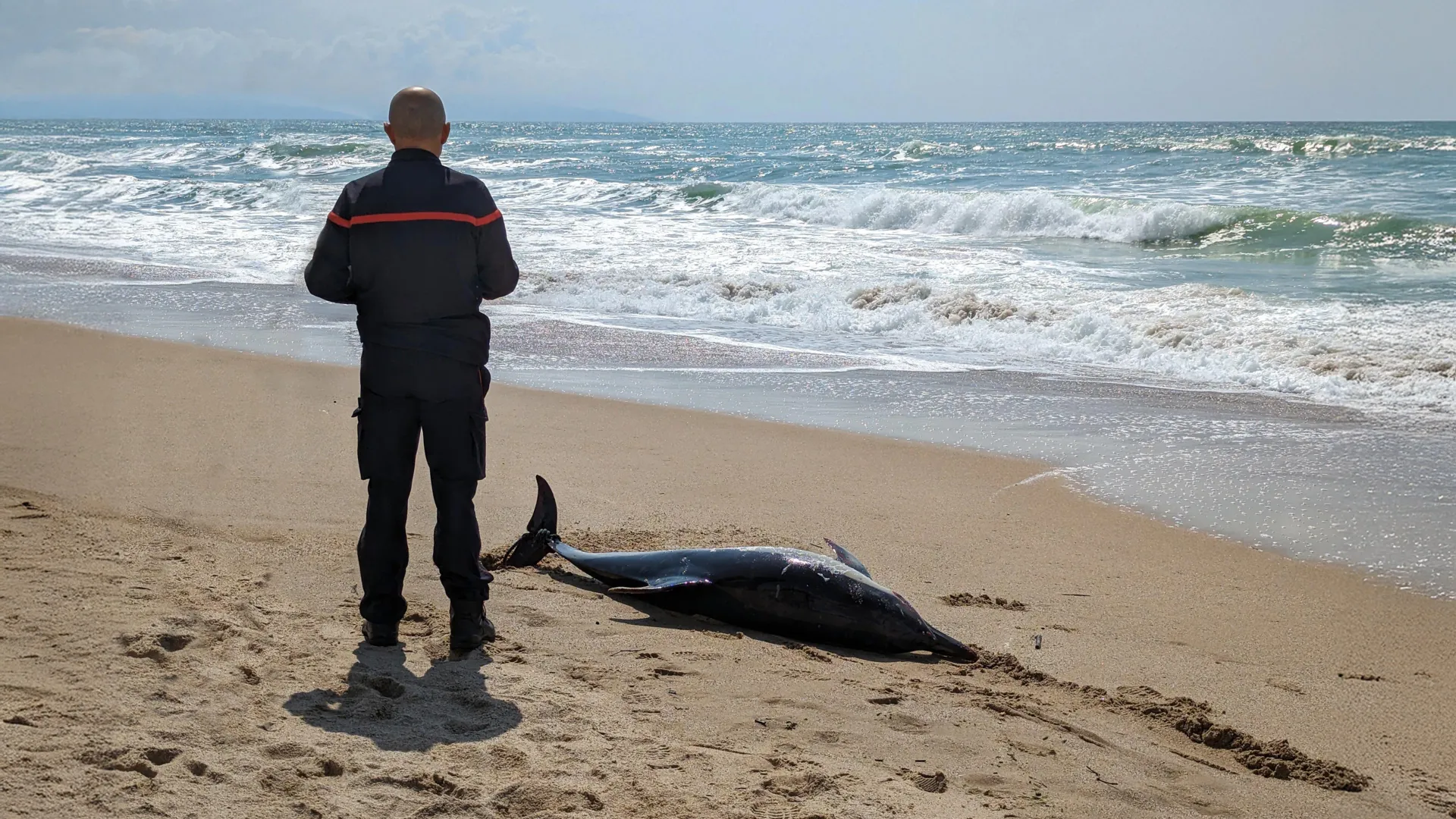
For many nature enthusiasts, few scenes are as distressing as finding a stranded whale or dolphin lying helpless on the beach. When these animals are still alive, marine biologists and volunteers rush to assist, shielding them from the sun and preventing their skin from drying out by pouring seawater over them or draping them with wet towels. Others work tirelessly to guide the animal back to deeper waters once the tide returns.

Tragically, not every rescue attempt comes in time. Some dolphins and whales are discovered already dead, leaving behind a haunting mystery that has puzzled scientists for decades: what drives these intelligent creatures to beach themselves in the first place?

A team of researchers from Florida to Wyoming believes they may have uncovered a surprising explanation. They suggest that, much like humans with dementia who sometimes wander away from familiar places, dolphins might also become disoriented due to a form of Alzheimer’s-like disease. Their findings point to a connection between this disorientation and long-term exposure to harmful compounds produced by cyanobacteria — microscopic organisms that thrive in warm, nutrient-rich waters.

Research involving residents of Guam has shown that people who regularly consume foods containing cyanobacterial toxins are more likely to develop the same brain abnormalities seen in Alzheimer’s disease, including misfolded tau proteins and amyloid plaques. One of the most concerning of these toxins is β-N-methylamino-L-alanine (BMAA), along with its chemical relatives 2,4-Diaminobutyric acid (2,4-DAB) and N-2-aminoethylglycine (AEG). These compounds are known to be highly toxic to nerve cells. Experiments in animals demonstrate that BMAA exposure can lead to Alzheimer’s-like brain damage and cognitive decline. Once released into marine ecosystems, these toxins can build up in the food chain, eventually reaching top predators such as dolphins.

When researchers examined the brains of twenty bottlenose dolphins that had stranded along Florida’s Indian River Lagoon, they found significant levels of BMAA and its related toxins, especially 2,4-DAB. Dolphins that washed ashore during peak cyanobacterial bloom periods contained up to 2,900 times more 2,4-DAB than those stranded at other times of the year. Their brains showed many of the same pathological features seen in humans with Alzheimer’s disease, including β-amyloid plaques and hyperphosphorylated tau proteins. The scientists also identified TDP-43 protein inclusions, a marker associated with more aggressive forms of Alzheimer’s, along with 536 genes expressed in patterns consistent with the disease.

The duration of cyanobacterial blooms is increasing with climate warming and nutrient inputs associated with agricultural runoff and sewage discharges. Cyanobacterial-laden waters have often been released down the St. Lucie River from Lake Okeechobee into the Indian River Lagoon. “Since dolphins are considered environmental sentinels for toxic exposures in marine environments,” Dr. David Davis at the Miller School of Medicine explains, “there are concerns about human health issues associated with cyanobacterial blooms.”

In 2024, Miami Dade County had the highest prevalence of Alzheimer’s disease in the United States. “Although there are likely many paths to Alzheimer’s disease, cyanobacterial exposures increasingly appear to be a risk factor,” adds Dr. Davis.

“Among Guam villagers, exposure to cyanobacterial toxins appeared to trigger neurological disease,” said Dr. Paul Alan Cox of the Brain Chemistry Labs in Jackson Hole.

This research was published in the current Nature journal Communication Biology by researchers at Hubbs-SeaWorld Research Institute in Melbourne Beach, Florida, The Blue World Research Institute in Cocoa, Florida, The University of Miami Miller School of Medicine, Miami, Florida, Brain Chemistry Labs, Jackson Hole, Wyoming, Rosenstiel School of Marine, Atmospheric, and Earth Science, University of Miami, Miami, Florida.

Share Button

‘We are inventing captivity medicine’: Hospital prepares for freed Israeli hostages

Several of the hostages will be brought from Gaza to the Rabin Medical Center in Petah Tikva.

Share Button

Scientists unearth a 112-million-year-old time capsule filled with ancient insects

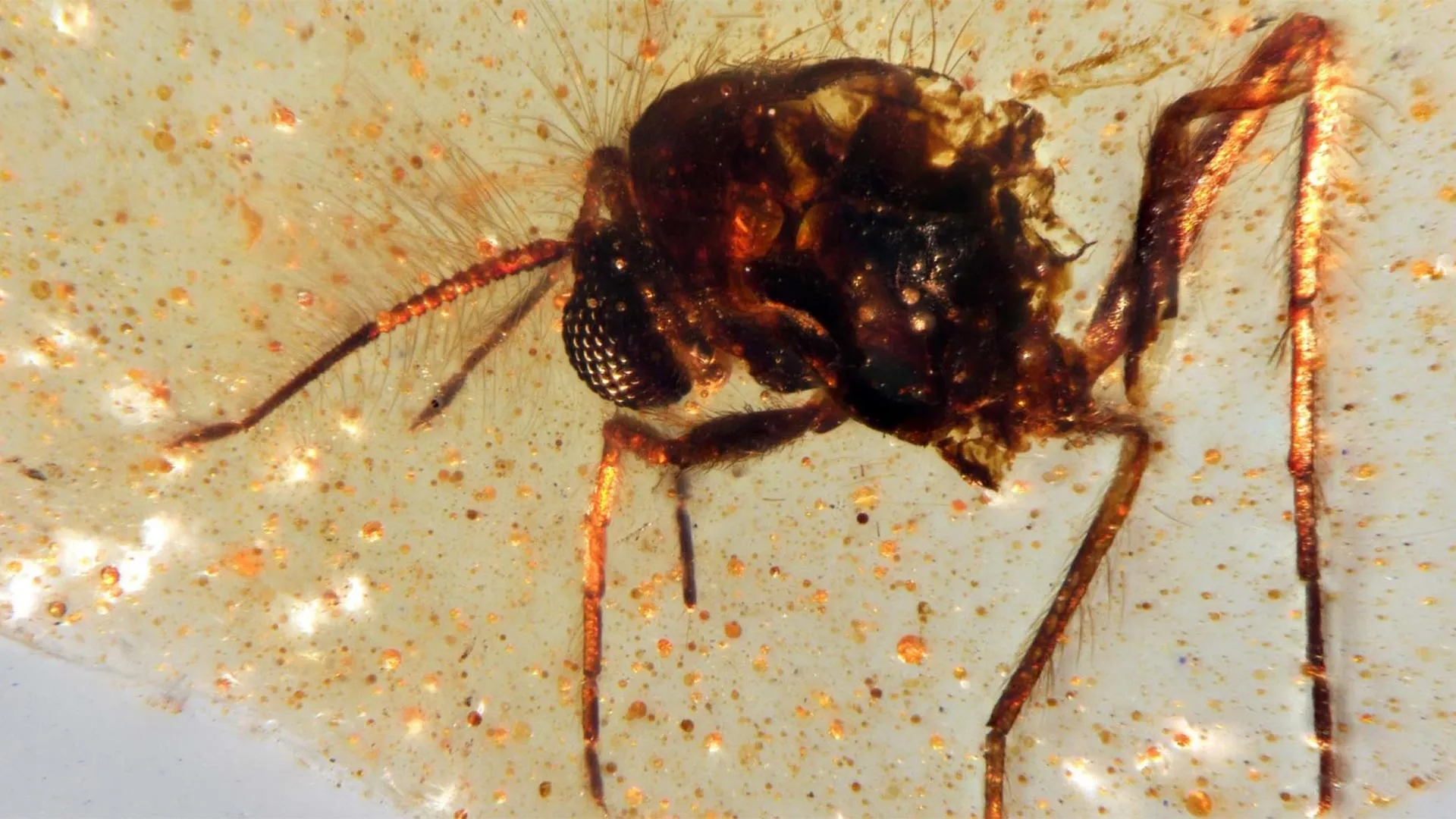
Scientists have uncovered the first South American amber deposits containing preserved insects in a quarry in Ecuador, according to a study published in Communications Earth & Environment. The discovery captures a vivid picture of a 112-million-year-old forest that once thrived on the ancient supercontinent Gondwana and opens new doors for exploring a long-overlooked prehistoric ecosystem.

Amber (fossilized tree resin) has been found in samples dating back as far as 320 million years, but it became far more common between 120 million and 70 million years ago, during the Cretaceous era (143.1 million to 66 million years ago). These ancient resins sometimes contain “bio-inclusions” — trapped remains of plants or animals — that offer rare, detailed glimpses of life forms such as insects and flowers that are not usually preserved as fossils. Until now, nearly all known major amber deposits were located in the Northern Hemisphere, leaving scientists with limited insight into what Southern Hemisphere ecosystems looked like during the time when the continents were beginning to separate from Gondwana.

To investigate, Xavier Delclòs and his research team examined amber and surrounding rock samples collected from the Genoveva quarry in Ecuador. The amber, dated to roughly 112 million years ago, belongs to the Hollín Formation, a sedimentary layer that stretches across Ecuador’s Oriente Basin. The team identified two distinct kinds of amber: one formed underground near the roots of resin-producing plants, and another that developed in the open air. Among 60 samples of the latter, the researchers found 21 bio-inclusions representing five insect orders, including Diptera (flies), Coleoptera (beetles), and Hymenoptera (a group that includes ants and wasps), as well as a fragment of spider web. In addition, the rock surrounding the amber contained numerous plant fossils such as spores, pollen, and other botanical traces.

According to the researchers, the characteristics of the fossils indicate that the amber originated in a warm, humid forest filled with dense vegetation and resin-producing trees in southern Gondwana. They emphasize that this rare find provides a crucial new resource for understanding life and biodiversity during this key period in Earth’s history.

Share Button

Report shows ‘stark’ gender gap in HIV prevention

A meeting will discuss how to tackle what organisers say is a growing inequality in HIV prevention.

Share Button

I Was Terrified Of Public Speaking For Years. Here’s How I Finally Conquered My Fear

When my younger sister called in November 2022 to say she was getting married, I was slow to connect the dots.

“YAAAAY!” I screeched into the phone. Meg had been my maid of honour a couple of years earlier, and now I’d be hers. I turned and roared over my shoulder, “Meg and Ken got engaged!” in the general direction of my husband, Nick.

From 10 feet away, he grinned and winced, possibly reflecting on his own marriage to a human car alarm. However, after a giddy few minutes of chatter, the realisation hit me like a bridal bouquet to the face: “Oh, crap.”

“Yep,” Meg said.

“I have to give a speech at your wedding, don’t I?”

“Yep,” Meg confirmed.

And just like that, my excitement mutated into 270 days of dread.

Some people get butterflies in front of an audience. For me, it’s killer bees. My extreme fear of public speaking, or glossophobia, isn’t mere nervousness – it’s a personal horror show.

My symptoms are intense: chest pain, a churning stomach, and knees so trembly I’d make a newborn giraffe look graceful. As in any good scary movie, the danger feels real.

Whether it’s five people or 50, my nervous system floods with adrenaline like I’m facing Hannibal Lecter instead of some barely interested co-workers.

Why such an extreme reaction? Science has my back. The human brain is wired to perceive public speaking as a genuine threat, a response rooted in our evolutionary history.

When we look at an audience, all those eyes staring back can trigger the same primal fear our ancestors felt on the savannah. As comedian Deborah Frances-White said in her 2015 Ted Talk, “the fear of public speaking is essentially the fear of being eaten because audiences look a lot like lions”.

Logically, I know I’m not in mortal danger, but my lizard brain disagrees. The fear is bad enough, but the social pressure – the dread of being judged and the lack of control – makes it worse.

I panic about losing my train of thought, about saying something stupid that gets immortalised in a group chat, and about mispronouncing words I should know. (A co-worker once called me “brave” for using the word niche in a presentation. Is it nitch or neesh? I learned a dozen synonyms so I never have to say it again.)

My fear is irrational, but I’m not alone.

Comedian Jerry Seinfeld once joked that for many people, their top fear isn’t death – it’s public speaking. “This means, to the average person, if you have to be at a funeral, you would rather be in the casket than doing the eulogy,” he quipped.

Of course, plenty of things are scarier than public speaking. In the 2024 Chapman University Survey of American Fears, nearly 29% of respondents named it as a top phobia. It didn’t even crack the top 10 list.

Still, for people who do have this fear, it can be paralysing – even for those accustomed to the spotlight.

I’ve never gone near a world stage, and I hope to keep it that way. But I find comfort in horror stories like these, as if they’re talismans that might protect me against embarrassment.

I’m unsure when or why my glossophobia started, but by high school, I avoided public speaking at all costs. That choice profoundly shaped my experiences, friendships and mental health. Although I was interested in theatre, for instance, I stuck to stage crew. Auditioning for the fall play was simply out of the question.

Yet as my fear of public speaking swelled, so did my love for writing. English class became a sanctuary. Unlike public speaking, writing offered the glorious freedom to edit what I wanted to say, to tinker until my words felt just right. I could substitute one for another, sculpt them into sentences, and create something resonant and articulate and unmistakably me.

After high school, I attended the University of Iowa, home of the world famous Writers’ Workshop. The sidewalks of downtown Iowa City are studded with bronze plaques honouring writers like Flannery O’Connor and Kurt Vonnegut.

As an English major, I devoured works by George Eliot, David Foster Wallace and Mary Oliver. I found my voice in literary critiques and painstakingly crafted essays. The written word never made my palms sweat, at least not until the due date. And I made sure to avoid any elective that mentioned “oral presentation” in its syllabus.

Core classes were another story. For my social science credit, I took Introduction to American Foreign Policy. That end-of-semester presentation still haunts me. I remember the hot flush of my cheeks, the stuttering of my heartbeat, and the sickening realisation that my audience was too uncomfortable to make eye contact.

But that’s the thing about public speaking: the more you avoid it, the more daunting it becomes.

With each presentation, I unconsciously trained my brain to accept distress as part of the process. I convinced myself there was nothing I could do to overcome my fear. My worsening anxiety shaped my career prospects, too.

As I approached graduation, I ruled out public-facing professions like teaching and law. Instead, I envisioned myself as a book editor, accompanied by a red pen and the relative safety of solitude.

By 2010, when I landed my first publishing job, my public speaking fear was debilitating. As it turned out, making books required constant collaboration. The corporate environment only made things worse. Each workday felt like a high-stakes performance, and my older colleagues were intimidating with their dark suits and Blackberries. And there were So. Many. Meetings. I came home drained every night.

“I had to talk in a meeting today,” I’d groan to my then-boyfriend Nick, collapsing in a heap on the couch.

“And you knew what you were talking about,” he’d respond gently. But logic offered little comfort in the face of my mental and physical anguish.

As time went on, I discovered that promotions and new jobs didn’t alleviate my distress – the stakes only got higher. The irony was hard to swallow. I had an English degree, a discipline rooted in critical thinking and the beauty of language.

Yet there I was, reduced to a Wacky Waving Inflatable Tube Man in front of people who rattled off buzzwords like “synergy” with a straight face.

My panic about public speaking was all-consuming. It kept me up at night, savaged my weekends, and manifested as migraines. It held me back from new opportunities – No way I can do that job, I’d think.

I tried to compensate by overpreparing for presentations, but robotic rehearsals usually backfired. Instead of boosting my confidence, I felt like an actor searching for a cue card. And the typical “overcome your fear” advice never seemed to help.

Think about your audience. Trust me, I am.

Make eye contact. But now I’ve forgotten what I was saying.

Try a power pose. Well, I’m standing on a step stool because I’m too short for the podium, so that ship has sailed.

Five years passed. Finally, I asked for help.

In 2015, during an annual checkup, I blurted out that public speaking anxiety was ruining my life. I had friends who took Xanax for their anxiety disorders, I explained. Was that an option for me? My doctor sat back in her seat and said something that shocked me: “I understand.”

She told me she suffered from the same fear and coped by taking a beta-blocker before speaking at conferences. I perked up.

Beta-blockers are often prescribed for heart conditions. They’re not FDA-approved to treat performance anxiety, but for decades, physicians have prescribed them “off label” as relief from its physical symptoms. These medications block the effects of adrenaline, essentially stopping the “fight-or-flight” feeling in its tracks. No shaking, no racing heart, and, unlike Xanax, no risk of addiction.

My doctor wrote me a prescription for propranolol – a tiny orange tablet to swallow 30 minutes before public speaking. She explained it had minimal adverse effects and that I was a good candidate for it. A little drowsiness instead of blistering panic? I practically skipped to the pharmacy.

That 10-milligram pill changed my life.

Propranolol doesn’t treat anxiety itself, so profound dread remained my constant companion. But during my next presentation, I was startled to discover my legs didn’t wobble when I approached the podium. My hands were steady and dry as I clutched the remote. Most surprising of all, my head stayed clear.

With the humiliating physical symptoms under control, I could focus on what I needed to say. I wasn’t enjoying myself, but the situation was tolerable. After I returned to my seat amid applause, I went limp with relief. And what was that – a tiny twinge of hope? Finally, I had something in my tool kit to help me function like a normal adult.

I had intended for propranolol to be a temporary solution to my public speaking fear, but it soon found a permanent home in my purse. The medication helped with performance evaluations, job interviews, difficult conversations, and – let’s be honest – Election Night 2020.

That year, I moved into a senior leadership position at work and started running meetings instead of attending them. It was a whole new fear unlocked.

“I wouldn’t know you were nervous if you hadn’t told me,” a work friend remarked once. “You seemed so chill today.”

“Excellent. I’ve fooled you all,” I joked.

On the outside, propranolol did help me appear calmer in the spotlight. But the internal doomscrolling remained, and the contrast between my exterior composure and inner chaos made me feel like a fraud.

In 2021, I took a big step and found a therapist. Erica (not her real name) wasn’t seeing patients in person because of the pandemic, but telehealth suited me fine.

Over the next couple years, Erica taught me to trust “Future Jenna.” I discovered I didn’t need the ritual of overpreparing. I could ignore the inner voice that said, You suck at presentations, because years of evidence proved otherwise.

I realised I didn’t need propranolol every time. Instead, Erica taught me grounding techniques like progressive muscle relaxation. She helped me understand that adrenaline before public speaking could be energizing rather than something to suppress with medication. And, ultimately, Erica listened to a lot of yapping about Meg’s wedding, which was planned for August 2023.

Each exciting wedding planning milestone – dress shopping, food tasting – was also a stressful reminder of my impending speech. Meg would’ve let me off the hook if I’d asked, but hot, squirming shame held me back. I was the older sister – the matron of honour. I didn’t want to let her and Ken down.

As mid-August rolled around, I felt ready. I had written a heartfelt, funny toast. And I decided to give it without propranolol. It would be a test of my hard-won coping strategies, in front of the friendliest audience I could hope for.

Meg’s wedding arrived on a scorching hot Chicago day. And it’s true that I overprepared: I printed and stashed not two but three copies of my speech. It’s also true I had no trace of propranolol in my system. I finally learned vulnerability doesn’t make us weak – even if your knees shake during a wedding toast.

At the reception, when the DJ called my name, Nick squeezed my hand hard. As I stood to accept the microphone, my heart started galloping – not entirely without fear, but mostly from sincere joy. I turned to my beautiful sister and my new brother-in-law and beamed.

There’s a video of the speech somewhere. I’m still working up the courage to watch it.

Jenna Jakubisin is an editor and science writer. She has an MA in Science Writing from Johns Hopkins University and a BA in English from the University of Iowa. Her work has appeared in Undark, Science Editor, and others. She lives and works near Chicago, Illinois.

Do you have a compelling personal story you’d like to see published on HuffPost? Find out what we’re looking for here and send us a pitch at pitch@huffpost.com.

Share Button