MIT’s “stealth” immune cells could change cancer treatment forever

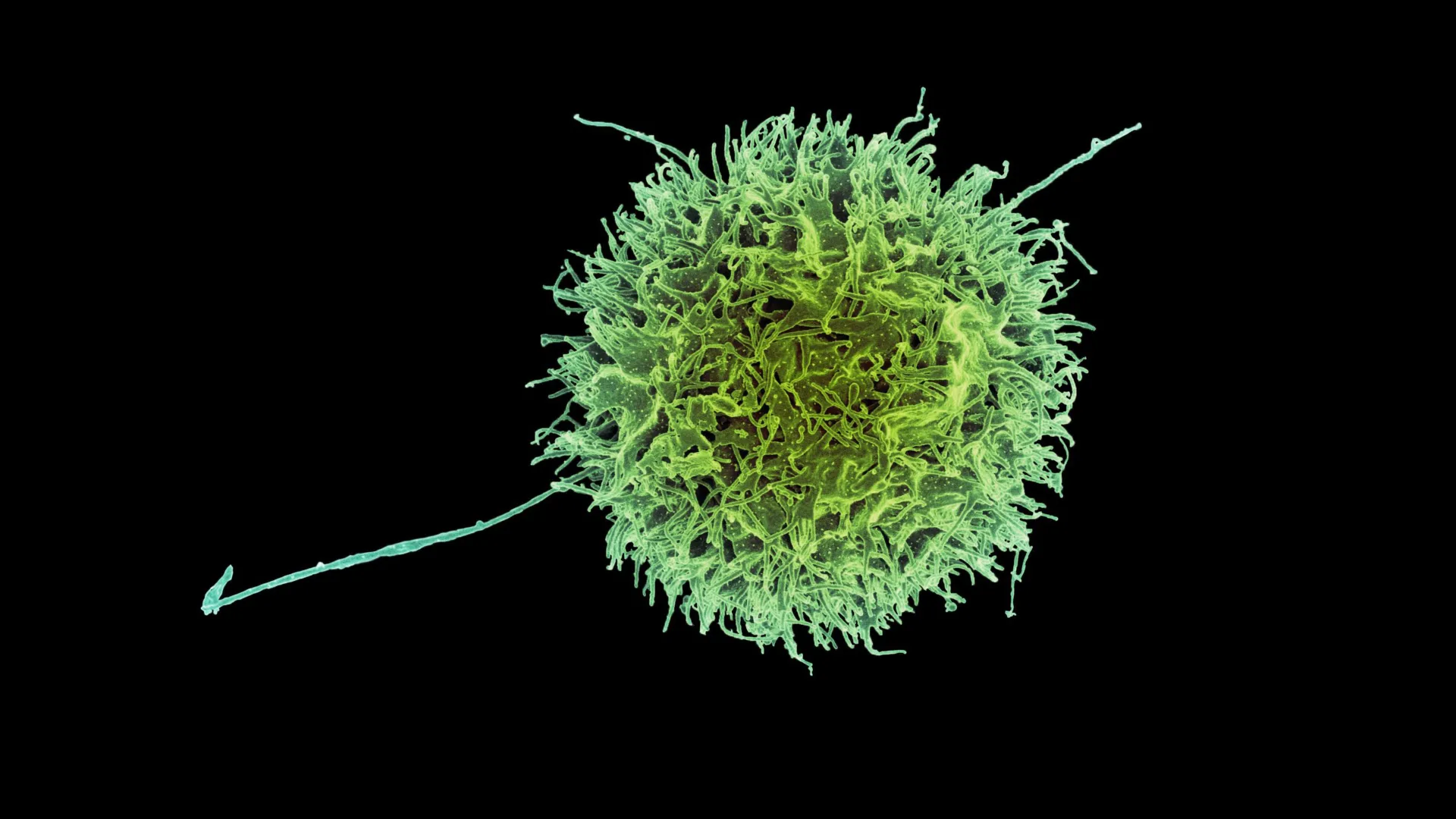
Scientists have created a new and more advanced form of immune-based cancer therapy using engineered cells known as CAR-NK (natural killer) cells. Like CAR-T cells, these modified immune cells can be programmed to recognize and attack cancer, but they rely on a different type of immune cell that naturally targets abnormal or infected cells.

A team from MIT and Harvard Medical School has now developed a more effective way to engineer CAR-NK cells that dramatically reduces the chance of the body’s immune system rejecting them. Immune rejection has been one of the biggest limitations of cell-based therapies, often weakening their effectiveness.

This innovation could also make it possible to produce “off-the-shelf” CAR-NK treatments that are available immediately after diagnosis, rather than waiting weeks for custom-engineered cells. Traditional CAR-NK and CAR-T manufacturing methods typically require several weeks to complete before patients can begin treatment.

“This enables us to do one-step engineering of CAR-NK cells that can avoid rejection by host T cells and other immune cells. And, they kill cancer cells better and they’re safer,” says Jianzhu Chen, an MIT professor of biology, a member of the Koch Institute for Integrative Cancer Research, and one of the senior authors of the study. 

In tests using mice with humanized immune systems, the newly engineered cells successfully destroyed most cancer cells while avoiding attack from the host’s own immune defenses.

Rizwan Romee, an associate professor of medicine at Harvard Medical School and Dana-Farber Cancer Institute, is also a senior author of the paper, which was published in Nature Communications. The study’s lead author is Fuguo Liu, a postdoctoral researcher at the Koch Institute and a research fellow at Dana-Farber.

Evading the immune system

Natural killer (NK) cells are a vital part of the body’s built-in immune defense, responsible for identifying and destroying cancerous and virus-infected cells. They eliminate these threats through a process called degranulation, which releases a protein known as perforin. This protein punctures the membrane of target cells, leading to their death.

To produce CAR-NK cells for treatment, doctors typically collect a blood sample from the patient. NK cells are then extracted and engineered to express a specialized protein called a chimeric antigen receptor (CAR), which is designed to target specific markers found on cancer cells.

Once modified, the cells must multiply in the lab for several weeks before there are enough to be infused back into the patient. The same general process is used for CAR-T cell therapies, some of which have already been approved to treat blood cancers like lymphoma and leukemia. CAR-NK therapies, however, are still being tested in clinical trials.

Because growing enough personalized CAR-NK cells takes time and the patient’s cells may not always be healthy enough for reliable use, scientists have been exploring an alternative: creating NK cells from healthy donors. These donor-derived cells could be mass-produced and stored for rapid use. The challenge, however, is that the recipient’s immune system often identifies donor cells as foreign and destroys them before they can attack the cancer.

In their latest research, the MIT team aimed to solve this problem by helping NK cells “hide” from immune detection. Their experiments showed that removing surface proteins known as HLA class 1 molecules allowed NK cells to avoid attack from T cells in the host’s immune system. These proteins normally act as identity markers that tell the immune system whether a cell belongs to the body.

To make use of this insight, the researchers added a sequence of siRNA (short interfering RNA) that silences the genes responsible for producing HLA class 1 proteins. Along with this genetic tweak, they introduced the CAR gene itself and another gene that encodes either PD-L1 or single-chain HLA-E (SCE), both of which help strengthen the NK cells’ cancer-fighting abilities.

All of these genetic components were combined into a single DNA construct, which allowed the team to efficiently convert donor NK cells into immune-evasive CAR-NK cells. Using this method, they engineered cells that target CD-19, a protein commonly found on malignant B cells in lymphoma patients.

NK cells unleashed

The researchers tested these CAR-NK cells in mice with a human-like immune system. These mice were also injected with lymphoma cells.

Mice that received CAR-NK cells with the new construct maintained the NK cell population for at least three weeks, and the NK cells were able to nearly eliminate cancer in those mice. In mice that received either NK cells with no genetic modifications or NK cells with only the CAR gene, the host immune cells attacked the donor NK cells. In these mice, the NK cells died out within two weeks, and the cancer spread unchecked.

The researchers also found that these engineered CAR-NK cells were much less likely to induce cytokine release syndrome — a common side effect of immunotherapy treatments, which can cause life-threatening complications.

Because of CAR-NK cells’ potentially better safety profile, Chen anticipates that they could eventually be used in place of CAR-T cells. For any CAR-NK cells that are now in development to target lymphoma or other types of cancer, it should be possible to adapt them by adding the construct developed in this study, he says.

The researchers now hope to run a clinical trial of this approach, working with colleagues at Dana-Farber. They are also working with a local biotech company to test CAR-NK cells to treat lupus, an autoimmune disorder that causes the immune system to attack healthy tissues and organs.

The research was funded, in part, by Skyline Therapeutics, the Koch Institute Frontier Research Program through the Kathy and Curt Marble Cancer Research Fund and the Elisa Rah Memorial Fund, the Claudia Adams Barr Foundation, and the Koch Institute Support (core) Grant from the National Cancer Institute.

Share Button

I Asked 2 Doctors How To ‘Boost’ Your Immune System, And They Both Said The Same Thing

Though the NHS recommends most adults consider taking vitamin D until around March as daylight hours shrink, the service also noted: “There’s little evidence that supplements such as vitamin C, echinacea or garlic prevent colds or help you get better more quickly.”

That’s not to say that eating a balanced diet, including getting enough vitamin C, isn’t key to supporting your immune system: it is.

It’s just unlikely to provide the short-term “boost” many people who begin taking the supplement in autumn hope it will.

So what does help to build a strong immune system? I asked two doctors whose answers had a surprising amount in common.

Ditch the idea of short-term immune “boosts”

Speaking to HuffPost UK, Dr Crystal Wyllie at Asda Online Doctor said there’s no one-stop, quick-fix way to “supercharge” your immune system.

And Dr Hussain Ahmad, a hospital doctor, said: “I don’t really like the word boost when we talk about the immune system. It gives the idea that you can switch it on or make it stronger with tablets or drinks, but that’s not how it works… taking lots of vitamin C or other supplements doesn’t make it work any better for most people.”

Instead, Dr Wyllie said: “The easiest way to help boost your immune system is to choose a healthy lifestyle. Maintaining a healthy weight, eating a balanced diet high in fruit and vegetables, and exercising regularly are all natural steps you can take to help your immune system function normally.”

However, though all doctors recommended doing what Dr Ahmad called “simple stuff” over a long period of time, Dr Wyllie said that some changes really can make a significant change.

“Quitting smoking is hugely beneficial for your overall health, but also helps the health of your immune system,” she revealed.

That’s partly because “your adaptive immune system, the part responsible for remembering and responding to threats, can be negatively impacted by smoking,” she said.

“It can take years for your immune system to recover after quitting smoking, so the sooner you decide to stop, the better.”

Additionally, you might be surprised by how much changing your pace of life helps. “Stress and tiredness can make you more likely to catch things, so slowing down when you can really helps,” Dr Ahmad advised.

Are there any genuine “immune boosts”?

Yes(ish). There is one exception to the “slow-burn, lifestyle change” rule: vaccines.

These “are the only proven ways to prepare your immune system for specific infections,” Dr Ahmad advised.

And Dr Wyllie shared “It is much safer and easier for your immune system to build its defences through vaccinations than by catching the disease”.

This is not to say that nobody should take supplements or that they’re useless – this is not the case, especially if you have nutrient deficiencies.

But, as Dr Ahmad put it, the best place for most of us to start is by trying our best to “eat proper meals with some fruit and veg in there, move your body every day, and make sure you’re getting enough rest”.

That, along with keeping up with any vaccines we’re eligible for, is as close to an “immune system boost” as we’re likely to get.

Share Button

Revealed: This Age Group Of Boys Is Most Vulnerable To Online Abuse

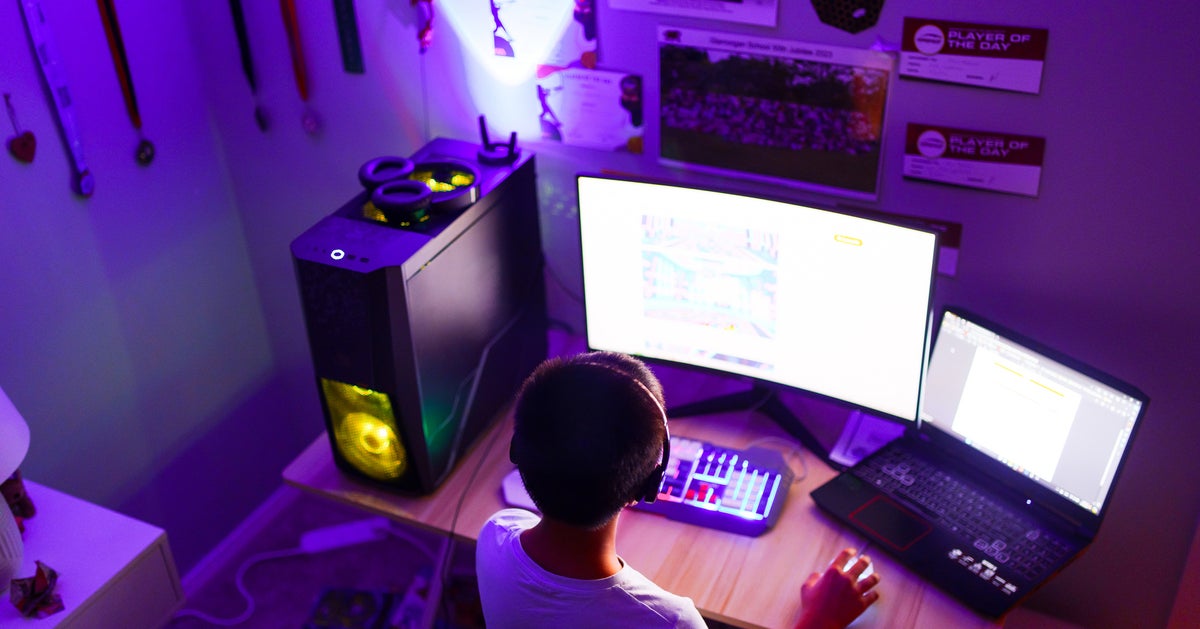
The online world is vast – and while it can both educate and entertain kids for hours on end, there are murkier areas where they need to tread much more carefully.

New research from safety experts at McAfee has uncovered the most common online threats facing British children, including: cyberbullying, inappropriate contact and scams.

The study of over 4,300 parents found one in six say their child has been targeted by an online threat in the UK.

The highest risk group is 12-year-old boys, with almost a third (32%) being targeted.

For girls, online dangers tend to emerge later, with reports steadily climbing through the teens and peaking at age 16, where more than one in five parents (22%) say their daughter has been targeted.

What are the most common online threats facing children?

According to the research, cyberbullying or harassment from peers (48%) is the number one threat. Nearly half of UK parents say their child has experienced cyberbullying, while one in three (35%) ranking it in their top three worries.

Cyberbullying can include mean comments, exclusion from online groups or spreading harmful rumours, often through social media platforms.

Scams are also a huge problem – particularly fake social media giveaways or contests (33%), which purport to be giving away gaming consoles, smartphones or designer products.

Children are lured into clicking fraudulent links or providing personal information, with boys aged 13-15 particularly vulnerable.

Similarly, online gaming can be a hotbed for scams. Over a quarter (27%) of parents report their child has been affected by gaming-related fraud, such as fake offers for in-game currency, exclusive items or upgrades.

Scammers often pose as fellow players, using familiarity and trust to get children to share passwords or personal info.

There are also concerns about unsafe or inappropriate contact. One in four UK parents say their child has received inappropriate contact online, with girls being more frequently targeted (29% versus 21% for boys). Unknowns might try to initiate conversations with children via direct messages, chat rooms or even multiplayer gaming platforms.

And lastly, scam messages or phishing texts (21%) – designed to trick recipients into divulging sensitive information, such as passwords, bank details or personal data – are a problem.

Girls are significantly more likely to experience this (29%) than boys (14%), the study found, with those aged 16-18 most at risk.

The rise of AI-generated scams

Worryingly, parents are also noticing a rise in the use of AI-generated deepfakes and nudify technology. Nearly one in six UK parents say their child has experienced deepfake image or nudify app misuse.

Girls are facing this threat the most – 21% of parents say their daughter has been impacted, compared to just 11% for sons.

Boys are more likely to be targeted by AI-generated voice cloning scams, instead – where fraudsters use AI to mimic the voice of loved ones through phone calls, voicemails or voice notes.

Recently, experts advised families to come up with a “safe phrase” so they can tell if a phone call or message is an AI-generated scam or not.

Understandably, when children are impacted by these online threats, the emotional and psychological effects are significant and can include anxiety, academic struggles and social withdrawal.

How to keep kids safe

It’s clear parents need to be having ongoing conversations with their kids about online safety. (Check out these helpful guides from Internet Matters and the NSPCC if you need somewhere to start.)

But what else can we be doing to keep kids safe? Here are McAfee’s top tips:

  1. Pair tools with talks: Combine parental controls with regular, judgement-free conversations about harmful content, coercion or bullying so your children know they can come to you. Explain what cyberbullying and scams might look like, and that it’s okay to block or report people.
  2. Teach “trust but verify”: Show balanced digital habits yourself as children copy what they see. Show them how to pause, check sources and ask for help when something feels off – especially with AI-altered media.
  3. Talk about the risks of oversharing: Remind children never to share personal information such as their name, school, address or phone number. Encourage strong passwords and explain two-factor authentication.
  4. Set and revisit a family tech contract: Create clear boundaries with kids about screen time, online behaviour, and device use – and update them as your child grows.
  5. Keep devices secure: Ensure all devices are updated with the latest security settings and include AI-powered scam protection to help spot and flag suspicious links or manipulated content before it can do harm.
Share Button

12,000-year-old rock art found in Arabia reveals a lost civilization

Recent research has revealed the crucial role of early human groups who settled in northern Arabia soon after the intensely dry period known as the Last Glacial Maximum (LGM). These communities followed the return of seasonal water sources and left behind an extraordinary record of their presence through monumental rock art.

An international team of archaeologists, coordinated by the Heritage Commission of the Saudi Ministry of Culture, uncovered the findings through the Green Arabia Project. The team included experts from the Max Planck Institute of Geoanthropology, KAUST (King Abdullah University of Science and Technology), University College London, Griffith University, and several other institutions.

Researchers documented over 60 rock art panels featuring 176 individual engravings across three previously unexplored locations: Jebel Arnaan, Jebel Mleiha, and Jebel Misma, situated along the southern edge of the Nefud Desert in northern Saudi Arabia.

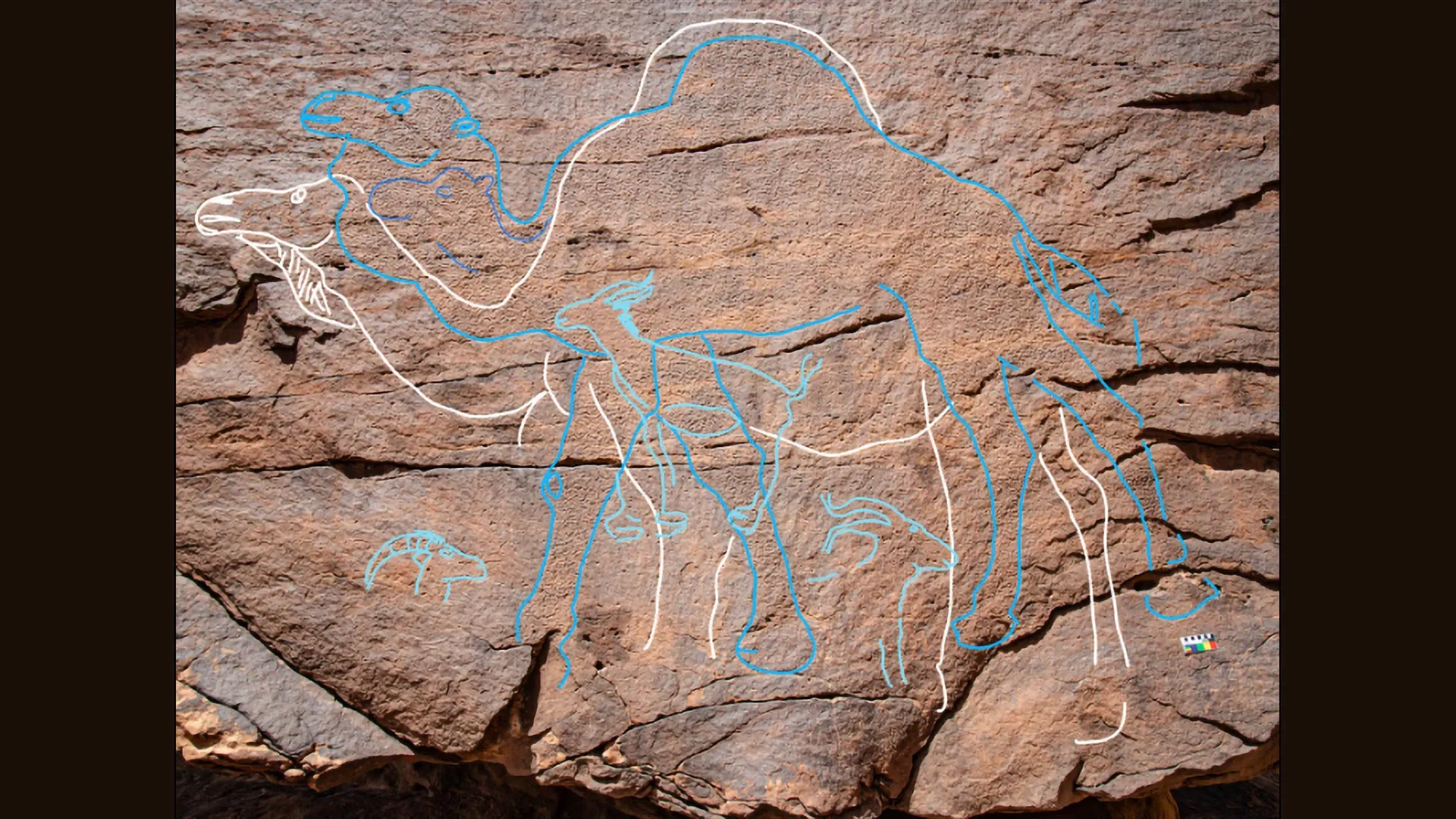
The engravings, which depict animals such as camels, ibex, equids, gazelles, and aurochs, include 130 highly detailed and life-sized figures, some reaching up to 3 meters long and more than 2 meters tall.

Dating to between 12,800 and 11,400 years ago, the engravings correspond to a time when temporary lakes and rivers reappeared after centuries of extreme aridity.

Sediment analysis confirmed the existence of these ancient water sources, which would have provided essential support for human groups venturing into the desert interior and allowed them to survive in this challenging environment.

“These large engravings are not just rock art – they were probably statements of presence, access, and cultural identity,” said lead author, Dr. Maria Guagnin from Max Planck Institute of Geoanthropology.

Dr. Ceri Shipton, co-lead author from the Institute of Archaeology, University College London, said: “The rock art marks water sources and movement routes, possibly signifying territorial rights and intergenerational memory.”

Unlike previously known sites where engravings were hidden in crevices, the Jebel Mleiha and the Jebel Arnaan panels were etched onto towering cliff faces, some up to 39 meters high, in visually commanding locations.

One panel would have required ancient artists to climb and work precariously on narrow ledges, underscoring the sheer effort and significance of the imagery.

Artefacts including Levantine-style El Khiam and Helwan stone points, green pigment, and dentalium beads suggest long-distance connections to Pre-Pottery Neolithic (PPN) populations in the Levant region.

However, the scale, content, and placement of the Arabian engravings set them apart.

“This unique form of symbolic expression belongs to a distinct cultural identity adapted to life in a challenging, arid environment,” said Dr. Faisal Al-Jibreen, from the Heritage Commmission, Saudi Ministry of Culture.

“The project’s interdisciplinary approach has begun to fill a critical gap in the archaeological record of northern Arabia between the LGM and the Holocene, shedding light on the resilience and innovation of early desert communities,” said Michael Petraglia, lead of the Green Arabia project.

The study ‘Monumental rock art illustrates that humans thrived in the Arabian Desert during the Pleistocene-Holocene transition’ has been published in Nature Communications.

Share Button

For the first time, scientists pinpoint brain cells linked to depression

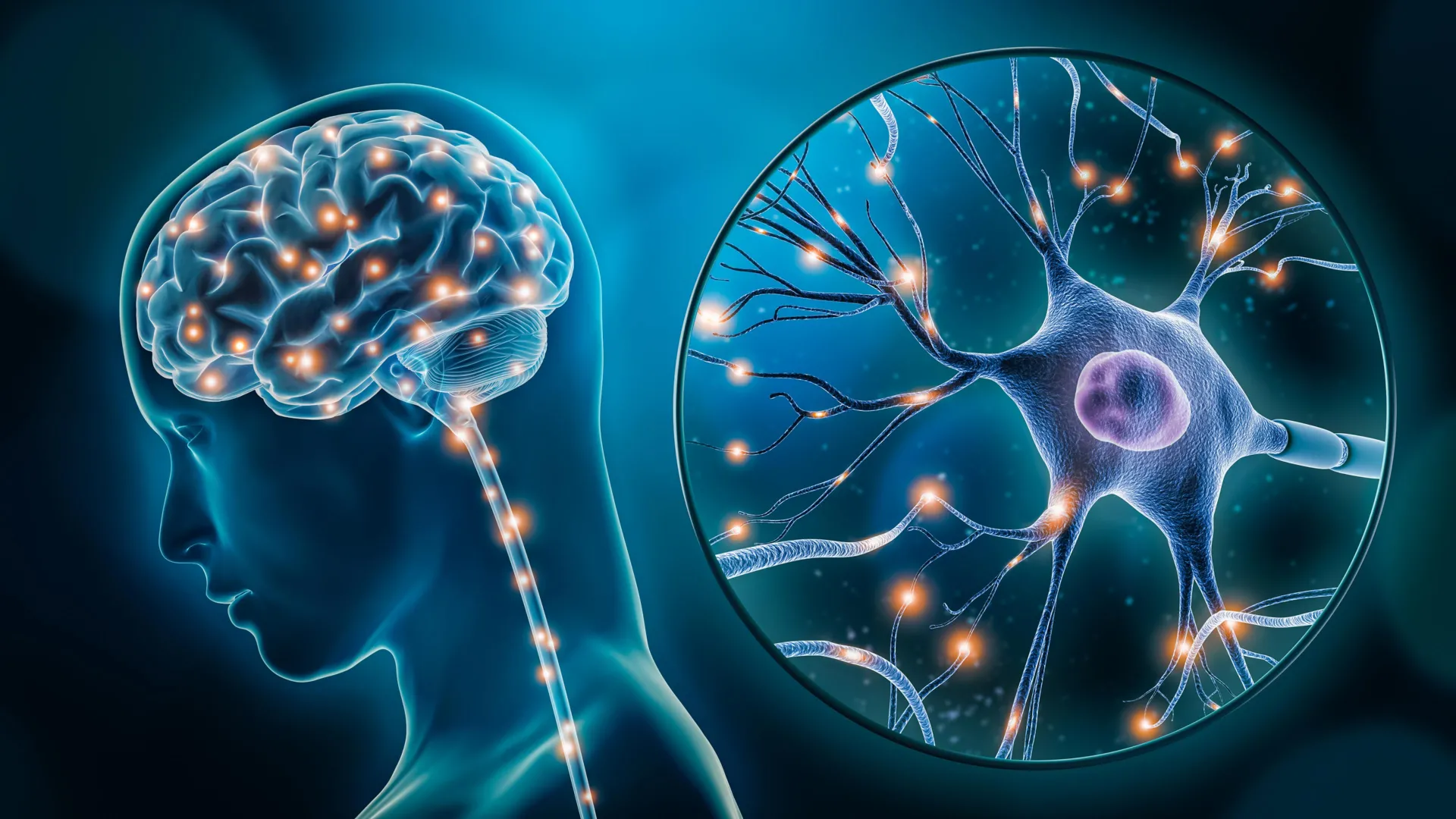
Scientists at McGill University and the Douglas Institute have discovered that two distinct types of brain cells show changes in people experiencing depression.

Published in Nature Genetics, the research provides new clues that could guide the creation of treatments focused on these specific cells. It also enhances scientific understanding of depression, a condition that affects more than 264 million people globally and is one of the leading causes of disability.

“This is the first time we’ve been able to identify what specific brain cell types are affected in depression by mapping gene activity together with mechanisms that regulate the DNA code,” said senior author Dr. Gustavo Turecki, a professor at McGill, clinician-scientist at the Douglas Institute and Canada Research Chair in Major Depressive Disorder and Suicide. “It gives us a much clearer picture of where disruptions are happening, and which cells are involved.”

Rare brain bank enables breakthrough

The team conducted their work using post-mortem brain tissue from the Douglas-Bell Canada Brain Bank, one of the few collections worldwide that includes donations from people with psychiatric conditions.

Through advanced single-cell genomic analysis, the researchers examined RNA and DNA from thousands of individual brain cells to determine which ones behaved differently in people with depression and which DNA sequences might explain these variations. The study analyzed tissue from 59 individuals who had depression and 41 who did not.

They discovered that gene activity was altered in two types of brain cells: a class of excitatory neurons responsible for mood and stress regulation, and a subtype of microglia, the immune cells that manage inflammation in the brain. In both cell types, many genes were expressed differently in people with depression, pointing to possible disruptions in vital neural systems.

By identifying the specific cells affected, the research deepens understanding of the biological foundation of depression and helps dispel outdated views of the condition.

“This research reinforces what neuroscience has been telling us for years,” Turecki said. “Depression isn’t just emotional, it reflects real, measurable changes in the brain.”

Looking ahead, the scientists intend to explore how these cellular changes influence brain function and whether targeting them could lead to more effective treatments.

About the study

“Single-nucleus chromatin accessibility profiling identifies cell types and functional variants contributing to major depression” by Anjali Chawla and Gustavo Turecki et al., was published in Nature Genetics.

The study was funded by Canadian Institutes of Health Research, Brain Canada Foundation, Fonds de recherche du Québec – Santé and Healthy Brains, Healthy Lives initiative at McGill University.

Share Button

A facelift at 28? Why young people are turning to plastic surgery

Gone are the days when facelifts were for the ageing wealthy. Now younger people are going under the knife.

Share Button

The Fridge Setting An Expert Says Could Be Ruining Your Wine

If (like me) you feel pretty intimidated by the world of wine, Lauren Denyer, a WSET School London wine educator, has some words of reassurance.

“There is a certain amount of pretension that can come with wine, which can be very off-putting and often incorrect,” the expert, who regularly breaks “the rules,” previously told HuffPost UK.

She’s not above popping ice in white wine, drinking red as a mixer, putting good wine in your spag bol, and using the same glass for Christmas champagne as you do for your midweek supermarket Chablis.

But if you want to keep your wine tasting its best for as long as you can, wine expert Colin Simpson of Into the Vineyard said you keeping an eye on your fridge setting actually is a rule worth sticking to.

What’s the best fridge setting for wine?

It depends on the type of wine and how long you’re keeping it refrigerated. But in all cases, Simpson advised, we should avoid “Keeping wine at temperatures well below ~7°C for long periods.”

This, he says, is because “Fridges can store wine temporarily, but prolonged cold may dry out the cork, allowing air in and risking spoilage”.

When corks dry out, they shrink. This allows oxygen to enter the bottle, “accelerating chemical reactions that can spoil flavour and aroma,” he stated.

By the way, if you have a bottle of wine standing up in your fridge door shelf, you might be placing it in double jeopardy.

That’s not just because this part of your cooler sees the most temperature fluctuations, Simpson said.

Lying your wine on the side also, “Keep[s] the cork in contact with the wine. This prevents drying and unwanted oxygen exposure”.

How should I store wine, then?

Again, it really does change per bottle. But Simpson says that in general, “Chemical reactions in wine happen faster at higher temperatures, which is why cool, consistent storage is ideal.

“It slows reactions to a steady, desirable pace. The pH of wine shifts slightly with temperature, but its actual acidity remains stable unless extreme conditions trigger chemical changes.”

Store your wine on its side, away from direct sunlight, in a cool, still area. A wine fridge is ideal for really special bottles, but whether you have one or not, try not to go below ~7°C.

Share Button

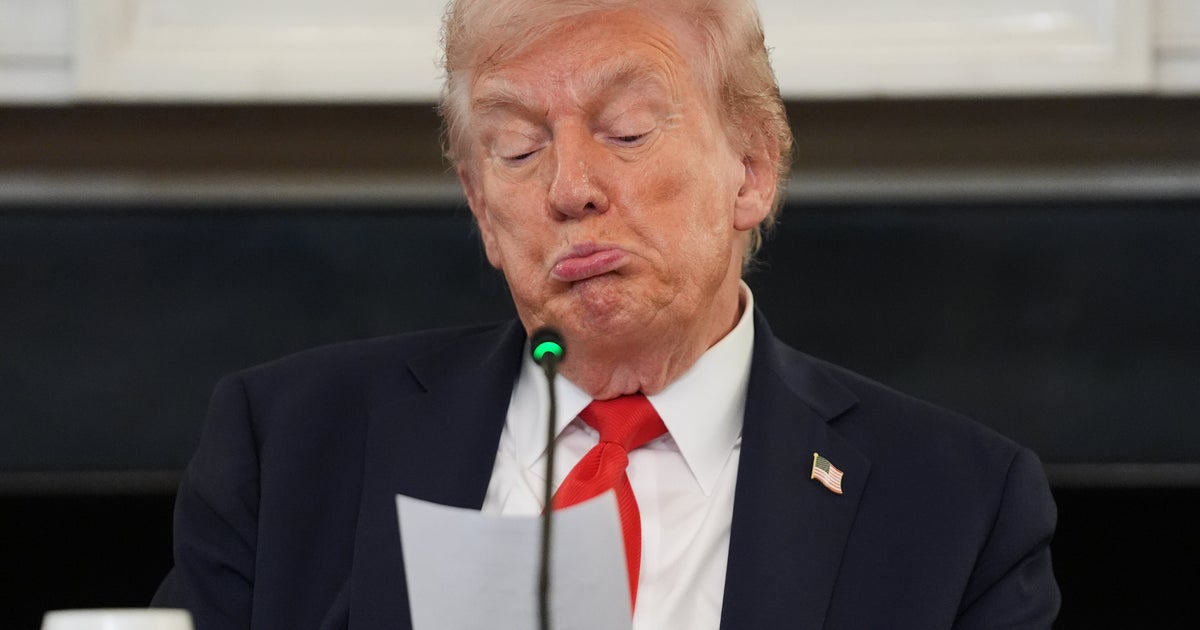
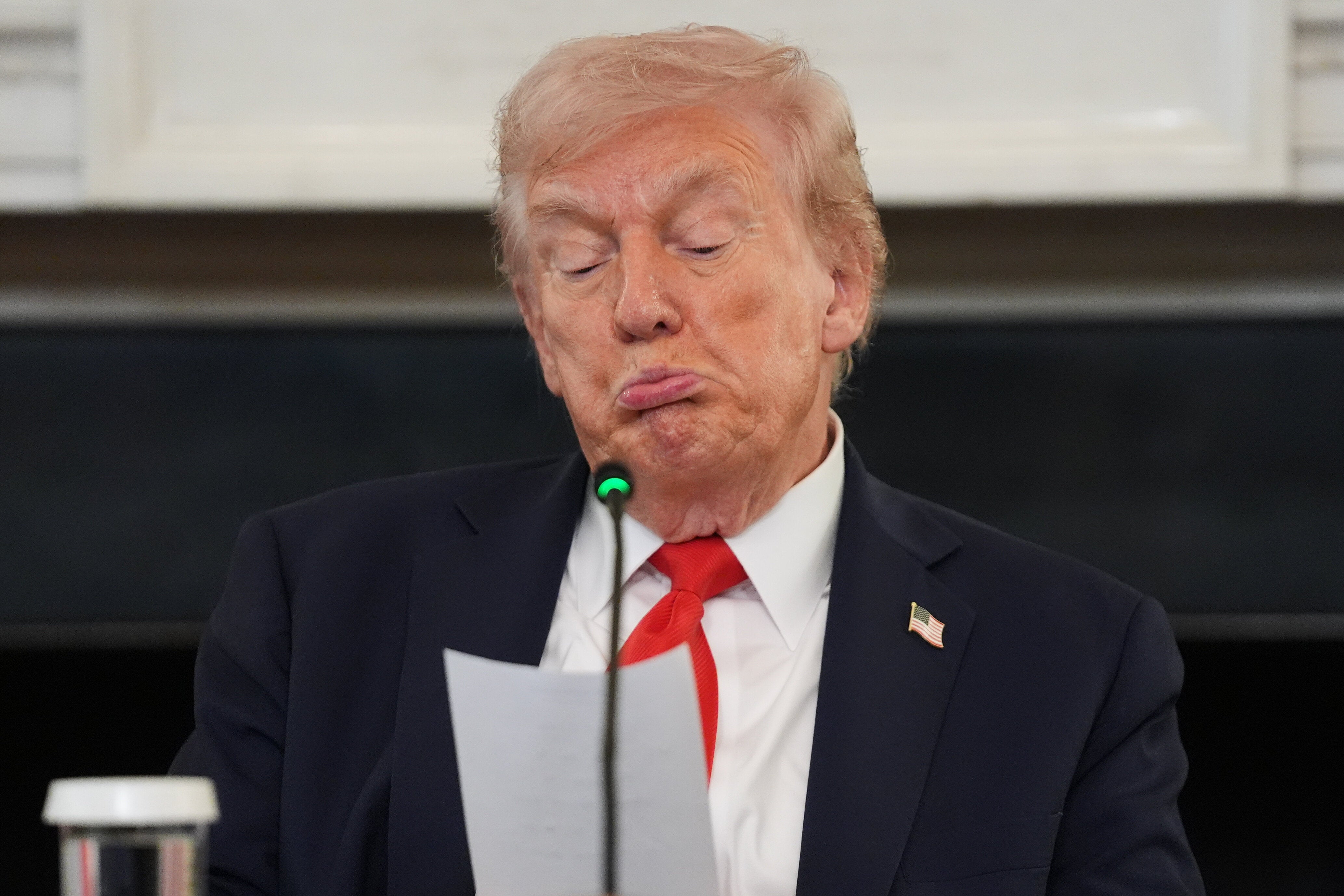
‘He’s Gonna Have A Meltdown’: Internet Reacts After Donald Trump Fails To Win Nobel Peace Prize

Donald Trump has been passed over for this year’s Nobel Peace Prize, despite mounting a not-so-subtle campaign to receive it.

Venezuelan opposition leader María Corina Machado was given the award by the Nobel committee on Friday.

In a post on X, the Nobel organisers said: “Democracy is a precondition for lasting peace. However, we live in a world where democracy is in retreat, where more and more authoritarian regimes are challenging norms and resorting to violence.

“Maria Corina Machado has spent years working for the freedom of the Venezuelan people. The Venezuelan regime’s rigid hold on power and its repression of the population are not unique in the world. We see the same trends globally: rule of law abused by those in control, free media silenced, critics imprisoned, and societies pushed towards authoritarian rule and militarisation.

“In 2024, more elections were held than ever before, but fewer and fewer are free and fair.”

Their remarks have been interpreted by some as an indirect criticism of Trump, who has been accused of authoritarianism over his legal pursuit of his political enemies.

While the world waits for Trump’s own reaction to being snubbed, the internet reacted as you’d expect.

The announcement came a day after Israel and Hamas agreed to Trump’s peace plan for Gaza, which led to increased speculation that the US president could scoop the prize.

However, that was never a real possibility as nominations to the Nobel committee closed on January 31, just days after Trump returned to the White House.

Nevertheless, it is understood he was among the nominees for his work on the Abraham Accords, which normalised relations between Israel and Arab states, during his first term in office.

Trump also thought he was in with a chance, saying on Thursday: “I don’t know what they’re going to do, really. But I know this, that nobody in history has solved eight wars in a period of nine months.”

Asked about Trump’s campaigning following the announcement, Juergen Warne Frydnes of the Nobel Committee said: “In the long history of the Nobel Peace Prize I think this committee has seen any type of campaign, media attention and we receive thousands of letters every year, from people wanting to say what to them means peace.

“This committee sits in a room filled with the portraits of all laureates and that room is filled with courage and integrity. We base our decision only on the work and the will of Alfred Nobel.”

<div class="js-react-hydrator" data-component-name="Twitter" data-component-id="1523" data-component-props="{"itemType":"rich","index":18,"contentIndexByType":1,"contentListType":"embed","code":"

Democracy is a precondition for lasting peace. However, we live in a world where democracy is in retreat, where more and more authoritarian regimes are challenging norms and resorting to violence.

Maria Corina Machado – awarded the 2025 #NobelPeacePrize – has spent years working… pic.twitter.com/URtYv9uBfV

— The Nobel Prize (@NobelPrize) October 10, 2025

","type":"rich","meta":{"author":"The Nobel Prize","author_url":"https://twitter.com/NobelPrize","cache_age":86400,"description":"Democracy is a precondition for lasting peace. However, we live in a world where democracy is in retreat, where more and more authoritarian regimes are challenging norms and resorting to violence.Maria Corina Machado – awarded the 2025 #NobelPeacePrize – has spent years working… pic.twitter.com/URtYv9uBfV— The Nobel Prize (@NobelPrize) October 10, 2025\n\n\n","options":{"_hide_media":{"label":"Hide photos, videos, and cards","value":false},"_maxwidth":{"label":"Adjust width","placeholder":"220-550, in px","value":""},"_theme":{"value":"","values":{"dark":"Use dark theme"}}},"provider_name":"Twitter","thumbnail_height":720,"thumbnail_url":"https://pbs.twimg.com/media/G24zvWJXMAAqx0x.jpg:large","thumbnail_width":1080,"title":"The Nobel Prize on Twitter / X","type":"rich","url":"https://twitter.com/NobelPrize/status/1976574190049247348","version":"1.0"},"flags":[],"enhancements":{},"fullBleed":false,"options":{"theme":"news","device":"desktop","editionInfo":{"id":"uk","name":"U.K.","link":"https://www.huffingtonpost.co.uk","locale":"en_GB"},"originalEdition":"uk","isMapi":false,"isAmp":false,"isMobile":false,"isAdsFree":false,"isVideoEntry":false,"isEntry":true,"isMt":false,"entryId":"68e8d1b0e4b0e374c3a77442","entryPermalink":"https://www.huffingtonpost.co.uk/entry/hes-gonna-have-a-meltdown-internet-reacts-after-donald-trump-snubbed-for-nobel-peace-prize_uk_68e8d1b0e4b0e374c3a77442","entryTagsList":"donald-trump,nobel-peace-prize,@ai_seo_headline","sectionSlug":"politics","deptSlug":null,"sectionRedirectUrl":null,"subcategories":"","isWide":false,"isShopping":false,"headerOverride":null,"noVideoAds":false,"disableFloat":false,"isNative":false,"commercialVideo":{"provider":"custom","site_and_category":"uk.politics","package":null},"isHighline":false,"vidibleConfigValues":{"cid":"60afc140cf94592c45d7390c","disabledWithMapiEntries":false,"overrides":{"all":"60b8e525cdd90620331baaf4"},"whitelisted":["56c5f12ee4b03a39c93c9439","56c6056ee4b01f2b7e1b5f35","59bfee7f9e451049f87f550b","5acccbaac269d609ef44c529","570278d2e4b070ff77b98217","57027b4be4b070ff77b98d5c","56fe95c4e4b0041c4242016b","570279cfe4b06d08e3629954","5ba9e8821c2e65639162ccf1","5bcd9904821576674bc55ced","5d076ca127f25f504327c72e","5b35266b158f855373e28256","5ebac2e8abddfb04f877dff2","60b8e525cdd90620331baaf4","60b64354b171b7444beaff4d","60d0d8e09340d7032ad0fb1a","60d0d90f9340d7032ad0fbeb","60d0d9949340d7032ad0fed3","60d0d9f99340d7032ad10113","60d0daa69340d7032ad104cf","60d0de02b627221e9d819408"],"playlists":{"default":"57bc306888d2ff1a7f6b5579","news":"56c6dbcee4b04edee8beb49c","politics":"56c6dbcee4b04edee8beb49c","entertainment":"56c6e7f2e4b0983aa64c60fc","tech":"56c6f70ae4b043c5bdcaebf9","parents":"56cc65c2e4b0239099455b42","lifestyle":"56cc66a9e4b01f81ef94e98c"},"playerUpdates":{"56c6056ee4b01f2b7e1b5f35":"60b8e525cdd90620331baaf4","56c5f12ee4b03a39c93c9439":"60d0d8e09340d7032ad0fb1a","59bfee7f9e451049f87f550b":"60d0d90f9340d7032ad0fbeb","5acccbaac269d609ef44c529":"60d0d9949340d7032ad0fed3","5bcd9904821576674bc55ced":"60d0d9f99340d7032ad10113","5d076ca127f25f504327c72e":"60d0daa69340d7032ad104cf","5ebac2e8abddfb04f877dff2":"60d0de02b627221e9d819408"}},"connatixConfigValues":{"defaultPlayer":"16b0ecc6-802c-4120-845f-e90629812c4d","clickToPlayPlayer":"823ac03a-0f7e-4bcb-8521-a5b091ae948d","videoPagePlayer":"05041ada-93f7-4e86-9208-e03a5b19311b","defaultPlaylist":"2e062669-71b4-41df-b17a-df6b1616bc8f"},"topConnatixThumnbailSrc":"data:image/png;base64,iVBORw0KGgoAAAANSUhEUgAAAAEAAAABCAQAAAC1HAwCAAAAC0lEQVR42mNkYAAAAAYAAjCB0C8AAAAASUVORK5CYII=","customAmpComponents":[],"ampAssetsUrl":"https://amp.assets.huffpost.com","videoTraits":null,"positionInUnitCounts":{"buzz_head":{"count":0},"buzz_body":{"count":0},"buzz_bottom":{"count":0}},"positionInSubUnitCounts":{"article_body":{"count":2},"blog_summary":{"count":0},"before_you_go_content":{"count":0}},"connatixCountsHelper":{"count":0},"buzzfeedTracking":{"context_page_id":"68e8d1b0e4b0e374c3a77442","context_page_type":"buzz","destination":"huffpost","mode":"desktop","page_edition":"en-uk"},"tags":[{"name":"Donald Trump","slug":"donald-trump","links":{"relativeLink":"news/donald-trump","permalink":"https://www.huffingtonpost.co.uk/news/donald-trump","mobileWebLink":"https://www.huffingtonpost.co.uk/news/donald-trump"},"url":"https://www.huffingtonpost.co.uk/news/donald-trump/"},{"name":"Nobel Peace Prize","slug":"nobel-peace-prize","links":{"relativeLink":"news/nobel-peace-prize","permalink":"https://www.huffingtonpost.co.uk/news/nobel-peace-prize","mobileWebLink":"https://www.huffingtonpost.co.uk/news/nobel-peace-prize"},"url":"https://www.huffingtonpost.co.uk/news/nobel-peace-prize/"}],"isLiveblogLive":null,"isLiveblog":false,"backfillRelatedArticles":[],"cetUnit":"buzz_body","enableIncontentPlayer":false,"bodyAds":["

\r\n\r\n HPGam.cmd.push(function(){\r\n\t\treturn HPGam.render(\"inline-1\", \"entry_paragraph_1\", false, false);\r\n });\r\n\r\n","

\r\n\r\n HPGam.cmd.push(function(){\r\n\t\treturn HPGam.render(\"inline\", \"entry_paragraph_2\", false, false);\r\n });\r\n\r\n","

\r\n\r\n HPGam.cmd.push(function(){\r\n\t\treturn HPGam.render(\"inline-2\", \"entry_paragraph_3\", false, false);\r\n });\r\n\r\n","

\r\n\r\n HPGam.cmd.push(function(){\r\n\t\treturn HPGam.render(\"inline-infinite\", \"repeating_dynamic_display\", false, false);\r\n });\r\n\r\n"],"adCount":0,"midArticleAdPartner":null},"isCollectionEmbed":false}”>

Democracy is a precondition for lasting peace. However, we live in a world where democracy is in retreat, where more and more authoritarian regimes are challenging norms and resorting to violence.

Maria Corina Machado – awarded the 2025 #NobelPeacePrize – has spent years working… pic.twitter.com/URtYv9uBfV

— The Nobel Prize (@NobelPrize) October 10, 2025

<div class="js-react-hydrator" data-component-name="Twitter" data-component-id="8558" data-component-props="{"itemType":"rich","index":21,"contentIndexByType":3,"contentListType":"embed","code":"

There is KARMA

The orange buffoon will lose what’s left of his diseased, corrupt, fascist mind!

Venezuela’s Maria Corina Machado wins Nobel Peace Prize despite intense Donald Trump campaign pic.twitter.com/tDMWIGAawJ

— Rick (@colonelhogans) October 10, 2025

","type":"rich","meta":{"author":"Rick","author_url":"https://twitter.com/colonelhogans","cache_age":86400,"description":"There is KARMA The orange buffoon will lose what’s left of his diseased, corrupt, fascist mind! Venezuela’s Maria Corina Machado wins Nobel Peace Prize despite intense Donald Trump campaign pic.twitter.com/tDMWIGAawJ— Rick (@colonelhogans) October 10, 2025\n\n\n","options":{"_hide_media":{"label":"Hide photos, videos, and cards","value":false},"_maxwidth":{"label":"Adjust width","placeholder":"220-550, in px","value":""},"_theme":{"value":"","values":{"dark":"Use dark theme"}}},"provider_name":"Twitter","thumbnail_height":1350,"thumbnail_url":"https://pbs.twimg.com/media/G244b3raUAEvlqf.jpg:large","thumbnail_width":1080,"title":"Rick on Twitter / X","type":"rich","url":"https://twitter.com/colonelhogans/status/1976579343746060552","version":"1.0"},"flags":[],"enhancements":{},"fullBleed":false,"options":{"theme":"news","device":"desktop","editionInfo":{"id":"uk","name":"U.K.","link":"https://www.huffingtonpost.co.uk","locale":"en_GB"},"originalEdition":"uk","isMapi":false,"isAmp":false,"isMobile":false,"isAdsFree":false,"isVideoEntry":false,"isEntry":true,"isMt":false,"entryId":"68e8d1b0e4b0e374c3a77442","entryPermalink":"https://www.huffingtonpost.co.uk/entry/hes-gonna-have-a-meltdown-internet-reacts-after-donald-trump-snubbed-for-nobel-peace-prize_uk_68e8d1b0e4b0e374c3a77442","entryTagsList":"donald-trump,nobel-peace-prize,@ai_seo_headline","sectionSlug":"politics","deptSlug":null,"sectionRedirectUrl":null,"subcategories":"","isWide":false,"isShopping":false,"headerOverride":null,"noVideoAds":false,"disableFloat":false,"isNative":false,"commercialVideo":{"provider":"custom","site_and_category":"uk.politics","package":null},"isHighline":false,"vidibleConfigValues":{"cid":"60afc140cf94592c45d7390c","disabledWithMapiEntries":false,"overrides":{"all":"60b8e525cdd90620331baaf4"},"whitelisted":["56c5f12ee4b03a39c93c9439","56c6056ee4b01f2b7e1b5f35","59bfee7f9e451049f87f550b","5acccbaac269d609ef44c529","570278d2e4b070ff77b98217","57027b4be4b070ff77b98d5c","56fe95c4e4b0041c4242016b","570279cfe4b06d08e3629954","5ba9e8821c2e65639162ccf1","5bcd9904821576674bc55ced","5d076ca127f25f504327c72e","5b35266b158f855373e28256","5ebac2e8abddfb04f877dff2","60b8e525cdd90620331baaf4","60b64354b171b7444beaff4d","60d0d8e09340d7032ad0fb1a","60d0d90f9340d7032ad0fbeb","60d0d9949340d7032ad0fed3","60d0d9f99340d7032ad10113","60d0daa69340d7032ad104cf","60d0de02b627221e9d819408"],"playlists":{"default":"57bc306888d2ff1a7f6b5579","news":"56c6dbcee4b04edee8beb49c","politics":"56c6dbcee4b04edee8beb49c","entertainment":"56c6e7f2e4b0983aa64c60fc","tech":"56c6f70ae4b043c5bdcaebf9","parents":"56cc65c2e4b0239099455b42","lifestyle":"56cc66a9e4b01f81ef94e98c"},"playerUpdates":{"56c6056ee4b01f2b7e1b5f35":"60b8e525cdd90620331baaf4","56c5f12ee4b03a39c93c9439":"60d0d8e09340d7032ad0fb1a","59bfee7f9e451049f87f550b":"60d0d90f9340d7032ad0fbeb","5acccbaac269d609ef44c529":"60d0d9949340d7032ad0fed3","5bcd9904821576674bc55ced":"60d0d9f99340d7032ad10113","5d076ca127f25f504327c72e":"60d0daa69340d7032ad104cf","5ebac2e8abddfb04f877dff2":"60d0de02b627221e9d819408"}},"connatixConfigValues":{"defaultPlayer":"16b0ecc6-802c-4120-845f-e90629812c4d","clickToPlayPlayer":"823ac03a-0f7e-4bcb-8521-a5b091ae948d","videoPagePlayer":"05041ada-93f7-4e86-9208-e03a5b19311b","defaultPlaylist":"2e062669-71b4-41df-b17a-df6b1616bc8f"},"topConnatixThumnbailSrc":"data:image/png;base64,iVBORw0KGgoAAAANSUhEUgAAAAEAAAABCAQAAAC1HAwCAAAAC0lEQVR42mNkYAAAAAYAAjCB0C8AAAAASUVORK5CYII=","customAmpComponents":[],"ampAssetsUrl":"https://amp.assets.huffpost.com","videoTraits":null,"positionInUnitCounts":{"buzz_head":{"count":0},"buzz_body":{"count":0},"buzz_bottom":{"count":0}},"positionInSubUnitCounts":{"article_body":{"count":2},"blog_summary":{"count":0},"before_you_go_content":{"count":0}},"connatixCountsHelper":{"count":0},"buzzfeedTracking":{"context_page_id":"68e8d1b0e4b0e374c3a77442","context_page_type":"buzz","destination":"huffpost","mode":"desktop","page_edition":"en-uk"},"tags":[{"name":"Donald Trump","slug":"donald-trump","links":{"relativeLink":"news/donald-trump","permalink":"https://www.huffingtonpost.co.uk/news/donald-trump","mobileWebLink":"https://www.huffingtonpost.co.uk/news/donald-trump"},"url":"https://www.huffingtonpost.co.uk/news/donald-trump/"},{"name":"Nobel Peace Prize","slug":"nobel-peace-prize","links":{"relativeLink":"news/nobel-peace-prize","permalink":"https://www.huffingtonpost.co.uk/news/nobel-peace-prize","mobileWebLink":"https://www.huffingtonpost.co.uk/news/nobel-peace-prize"},"url":"https://www.huffingtonpost.co.uk/news/nobel-peace-prize/"}],"isLiveblogLive":null,"isLiveblog":false,"backfillRelatedArticles":[],"cetUnit":"buzz_body","enableIncontentPlayer":false,"bodyAds":["

\r\n\r\n HPGam.cmd.push(function(){\r\n\t\treturn HPGam.render(\"inline-1\", \"entry_paragraph_1\", false, false);\r\n });\r\n\r\n","

\r\n\r\n HPGam.cmd.push(function(){\r\n\t\treturn HPGam.render(\"inline\", \"entry_paragraph_2\", false, false);\r\n });\r\n\r\n","

\r\n\r\n HPGam.cmd.push(function(){\r\n\t\treturn HPGam.render(\"inline-2\", \"entry_paragraph_3\", false, false);\r\n });\r\n\r\n","

\r\n\r\n HPGam.cmd.push(function(){\r\n\t\treturn HPGam.render(\"inline-infinite\", \"repeating_dynamic_display\", false, false);\r\n });\r\n\r\n"],"adCount":0,"midArticleAdPartner":null},"isCollectionEmbed":false}”>

There is KARMA

The orange buffoon will lose what’s left of his diseased, corrupt, fascist mind!

Venezuela’s Maria Corina Machado wins Nobel Peace Prize despite intense Donald Trump campaign pic.twitter.com/tDMWIGAawJ

— Rick (@colonelhogans) October 10, 2025