Autism may be the price of human intelligence

A new paper in Molecular Biology and Evolution, published by Oxford University Press, finds that the relatively high rate of Autism-spectrum disorders in humans is likely due to how humans evolved in the past.

About one in 31 (3.2%) children in the United States has been identified with Autism Spectrum Disorder. Globally, the World Health Organization estimates that around one in 100 children have autism. From an evolutionary perspective, many scientist believe that autism and schizophrenia may be unique to humans. It is very rare to find behaviors associated with the disorders in non-human primates. In addition, behaviors associated with those disorders generally involve cognitive traits like speech production and comprehension that are either unique to or much more sophisticated in humans.

With the development of single cell RNA-sequencing, it became possible to define specific cell types across the brain. As investigators published more large-scale datasets, it became clear that the mammalian brain contains a staggering array of neuronal cell types. In addition, large-scale sequencing studies have identified extensive genetic changes in the brain unique to Homo sapiens — genomic elements that did not change much in mammalian evolution in general but evolved rapidly in humans.

While previous investigations found that some cell types have remained more consistent throughout evolution than others, the factors driving these differences in evolutionary rate remain unknown. Researchers here investigated recently published cross-species single-nucleus RNA sequencing datasets from three distinct regions of the mammalian brain. They found that the most abundant type of outer-layer brain neurons, L2/3 IT neurons, evolved exceptionally quickly in the human lineage compared to other apes. Surprisingly, this accelerated evolution was accompanied by dramatic changes in autism-associated genes, which was likely driven by natural selection specific to the human lineage. The researchers here explain that although the results strongly suggest natural selection for Autism Spectrum Disorder-associated genes, the reason why this conferred fitness benefits to human ancestors is unclear.

Answering this is difficult because we do not know what human-specific features of cognition, brain anatomy, and neuronal wiring gave human ancestors a fitness advantage, but the investigators here speculate that many of these genes are associated with developmental delay, so their evolution could have contributed to the slower postnatal brain development in humans compared to chimpanzees. Furthermore, the capacity for speech production and comprehension unique to humans is often affected by autism and schizophrenia.

It’s possible that the rapid evolution of autism-linked genes conferred a fitness advantage by slowing postnatal brain development or increasing the capacity for language; the lengthier brain development time in early childhood was beneficial to human evolution because it led to more complex thinking.

“Our results suggest that some of the same genetic changes that make the human brain unique also made humans more neurodiverse,” said the paper’s lead author, Alexander L. Starr.

Share Button

Collagen: Do you drink it? Inject it? Rub it on your skin? And does it work?

Pills, powders and creams promise to top up natural supplies which decrease as we get older.

Share Button

Cocoa supplements show surprising anti-aging potential

Could cocoa extract supplements rich in cocoa flavanols reduce inflammation and, in turn, prevent age-related chronic diseases? In a new study from the COcoa Supplement and Multivitamin Outcomes Study (COSMOS), investigators from Mass General Brigham and their colleagues looked at changes in five age-related markers of inflammation among participants who received daily cocoa supplements over several years. They found that hsCRP — an inflammatory marker that can signal increased risk of cardiovascular disease — decreased in participants taking the cocoa extract supplement, suggesting its anti-inflammatory potential may help explain its heart-protective effects. Their results are published in Age and Ageing.

Nutritional interventions have become an increasingly attractive solution for slowing inflammatory aging, so called “inflammaging.” Cocoa extract has been shown in previous, smaller studies to reduce inflammatory biomarkers, thanks to flavanols — small, bioactive compounds found not only in the cocoa bean but also berries, grapes, tea, and other plant-based foods. To bridge the gap between these studies and humans, researchers launched the large-scale COSMOS trial, which examines the effects of cocoa extract on cardiovascular disease, and whether inflammaging may explain those effects.

“Our interest in cocoa extract and inflammaging started on the basis of cocoa-related reductions in cardiovascular disease,” said corresponding author Howard Sesso, ScD, MPH, associate director of the Division of Preventive Medicine and associate epidemiologist at Brigham and Women’s Hospital, a founding member of the Mass General Brigham healthcare system. “We also appreciate the important overlap between healthy aging and cardiovascular health, where aging-related inflammation can harden arteries and lead to cardiovascular disease. Because of that, we wanted to see whether multi-year cocoa extract supplementation versus a placebo could modulate inflammaging — and the data suggests it does.”

Between 2014 and 2020, Brigham and Women’s Hospital led the COSMOS trial, a large-scale, randomized, double-blind, placebo-controlled clinical trial with 21,442 participants over 60 years old, finding that cocoa extract supplementation decreased cardiovascular disease mortality by 27%.

In this new study, researchers collected and analyzed blood samples of 598 COSMOS participants to measure several inflammaging biomarkers: three pro-inflammatory proteins (hsCRP, IL-6, and TNF-α), one anti-inflammatory protein (IL-10), and one immune-mediating protein (IFN-γ). Comparing changes in these biomarkers measured at baseline, 1, and 2 years follow-up, hsCRP levels decreased by 8.4% each year compared with placebo, while the other biomarkers remained relatively consistent or increased modestly.

“Interestingly, we also observed an increase in interferon-γ, an immune-related cytokine, which opens new questions for future research,” said senior author Yanbin Dong, MD/PhD, Director of the Georgia Prevention Institute (GPI) and cardiologist/population geneticist at the Medical College of Georgia/Augusta University. “While cocoa extract is not a replacement for a healthy lifestyle, these results are encouraging and highlight its potential role in modulatingi nflammation as we age.

The decrease in hsCRP may help explain the cardio-protective effects seen with cocoa extract supplement in the larger COSMOS trial, where participants experienced a reduction in cardiovascular disease death. Researchers said that changes in the other inflammaging markers, including a small reduction in IL-6 observed in female but not male participants, warrant additional study. The team will continue to evaluate the COSMOS trial to determine whether the cocoa — and multivitamin — regimens can curb more severe inflammaging, as well as other important aging-related health outcomes.

“This study calls for more attention to the advantage of plant-based foods for cardiovascular health, including cocoa products rich in flavanols,” added Sesso. “It reinforces the importance of a diverse, colorful, plant-based diet — especially in the context of inflammation.”

Authorship: In addition to Sesso, Mass General Brigham authors include Sidong Li, Rikuta Hamaya, Allison Clar, Pamela M. Rist, and JoAnn E. Manson. In addition to Dong, Augusta University authors include Haidong Zhu and Ying Huang.

Disclosures: Manson and Sesso received investigator-initiated grants from Mars Edge, a segment of Mars Incorporated dedicated to nutrition research and products, for infrastructure support and donation of COSMOS study pills and packaging, and Pfizer Consumer Healthcare (now Haleon) for donation of COSMOS study pills and packaging during the conduct of the study. Sesso additionally reported receiving investigator-initiated grants from Pure Encapsulations, American Pistachio Growers, and Haleon, and honoraria and/or travel for lectures from the Council for Responsible Nutrition, BASF, Haleon, and NIH during the conduct of the study. No other authors reported any conflicts of interests for this study

Funding: This work is supported by the National Institutes of Health (HL157665). The COcoa Supplement and Multivitamin Outcomes Study (COSMOS) is supported by an investigator-initiated grant from Mars Edge, a segment of Mars dedicated to nutrition research and products, which included infrastructure support and the donation of study pills and packaging. Pfizer Consumer Healthcare (now Haleon) provided support through the partial provision of study pills and packaging. COSMOS is also supported in part by the National Institutes of Health (AG050657, AG071611, and EY025623). Neither company had a role in the trial design or conduct, data collection, data analysis, or manuscript preparation or review.

Share Button

When My Daughter Received A Life-Altering Diagnosis, I Heard The Same Phrase Over And Over. I’ll Never Repeat It To Anyone Else.

I had just stepped out of the shower when my husband, Scott, called from the hospital, where our 9-year-old daughter had been a patient in the paediatric ICU for four weeks. He had relieved me that morning so I could go home, shower and return for a meeting with the doctors about our daughter’s condition.

When he told me our daughter’s diagnosis was “neuromyelitis optica,” a rare autoimmune disease that attacks the central nervous system, my heart didn’t just sink. It stopped. A silent, internal arrest. In a single moment, my physician’s mind ran through the prognosis. Rare, incurable, potentially fatal. My heart broke under the weight of my devastation.

Steam still hung in the air, my wet hair dripped as I clutched the towel around me, my skin still damp. When the words came through the phone, my legs gave way. I slid down the wall until I was sitting on the cold bathroom tile, the phone pressed to my ear, my breath caught in my chest.

Scott asked if I was still on the phone. “It’s good we finally have a diagnosis,” he said, searching for a foothold of hope.

After a long silence, I whispered: “That’s not a good diagnosis.”

As a physician, I knew exactly what this diagnosis meant: Not only was it incurable; it often led to blindness, paralysis and ongoing hospitalisations.

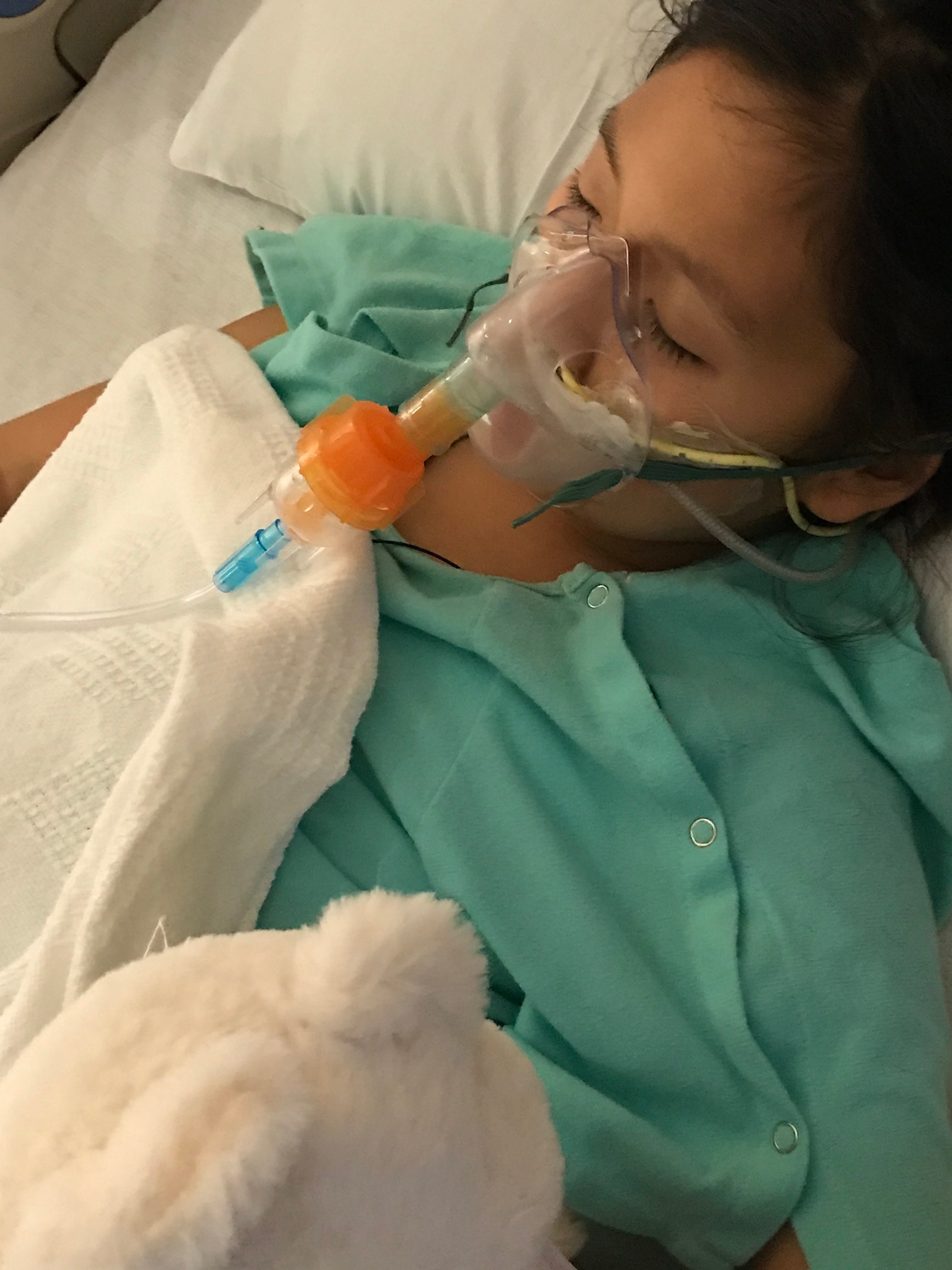
About a month ago, our daughter Nell had woken up one morning with nausea, dizziness and overwhelming fatigue. When I took her to the emergency room, her symptoms escalated rapidly. She became unresponsive, and a brain MRI revealed multiple large areas of inflammation.

As her neurological status declined, her tongue and the other muscles involved in swallowing became paralysed. Because she couldn’t clear her oral secretions, she developed aspiration pneumonia and was admitted to the ICU, where she developed right upper extremity paralysis and lower extremity weakness.

She remained in the ICU for five weeks, hooked up to beeping monitors and struggling to recover from what appeared to be a paediatric stroke. The diagnosis was made a few weeks later.

The contrast between the recent memories of my daughter powering down the lacrosse field, her face lit up with joy after scoring a goal, and now seeing her lying in the ICU was stark. She was unresponsive, her face pale, her little body wired with tubes and monitors. The sound of machines beeping echoed where there once had been giggles.

The author's daughter in the hospital.

Photo Courtesy Of Maggie Kang

The author’s daughter in the hospital.

I had clung to the hope that we would find a cause, treat it and somehow reclaim the life we once had. I am a fixer. It’s in my DNA, both as a doctor and a mom. But this? This wasn’t a problem to solve. It was a reality to endure. In an instant, the future I had imagined for her vanished.

I was left without a script, utterly lost.

And what made it harder were the unspoken and sometimes spoken expectation that we would “bounce back,” pick up the pieces and return to life as it was before.

Friends meant well when they told me, “You’re strong, you’ll bounce back,” or “She’s young, she’ll bounce back.” They thought they were encouraging me. But to me, it was a dismissal. This wasn’t a sprained ankle. This wasn’t a rough semester. This wasn’t a setback. It was annihilation.

The question wasn’t “How do we bounce back?” and return to some previous version of our lives. That was impossible. The real question was: How do we grow through devastation?

I had to learn to sit in the terrifying, liminal space between “what was” and “what is,” without knowing “what will be.” I had to let go of the fixer and become the witness.

It was agonising. The grief, the pain, the fear. I wanted to escape all of it. But once I stopped pressuring myself to bounce back and allowed myself to sit in the rubble of my old life, something shifted. I stopped denying the destruction. I started to feel loss, anger, vulnerability. And in that heaviness, I discovered the first step toward healing.

Only then could the real work begin. Not rebuilding the same house, but examining the pieces that remained. I asked myself: What is worth keeping? What needs to be left behind?

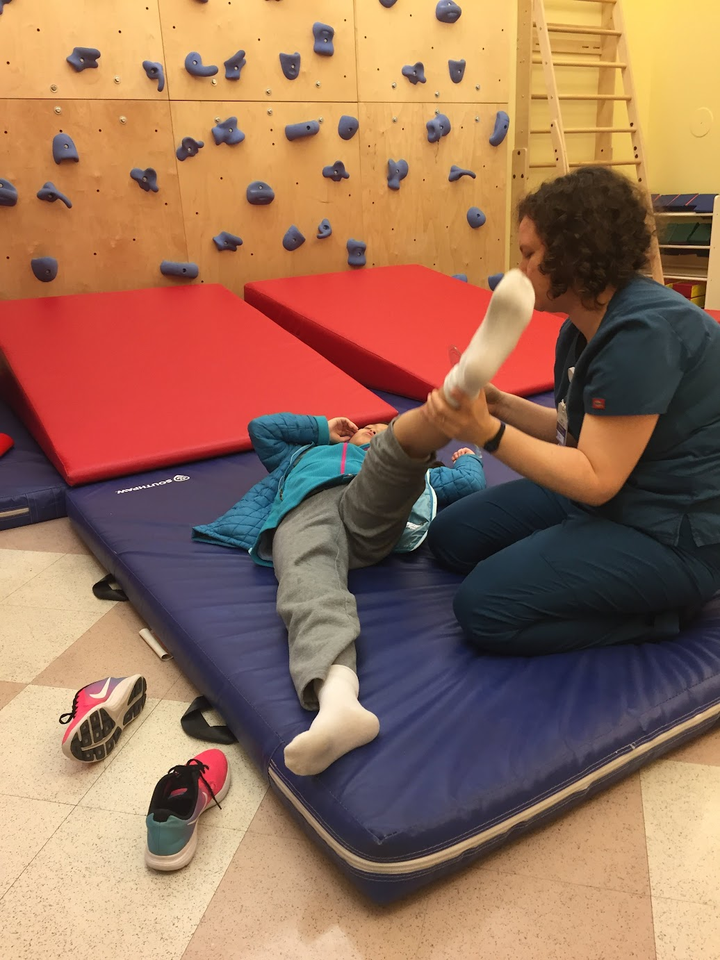
My daughter’s rehab journey was gruelling. I watched her take her first wobbly steps with a physical therapist by her side, her legs shaking but her face set with determination. I watched her clutch a pencil with weak fingers, her letters uneven and jagged like a toddler’s. I sat in waiting rooms as she cried in frustration, knowing her friends were back at school, sprinting down fields and hallways while she struggled just to walk across a room.

The ache of what was lost was overwhelming.

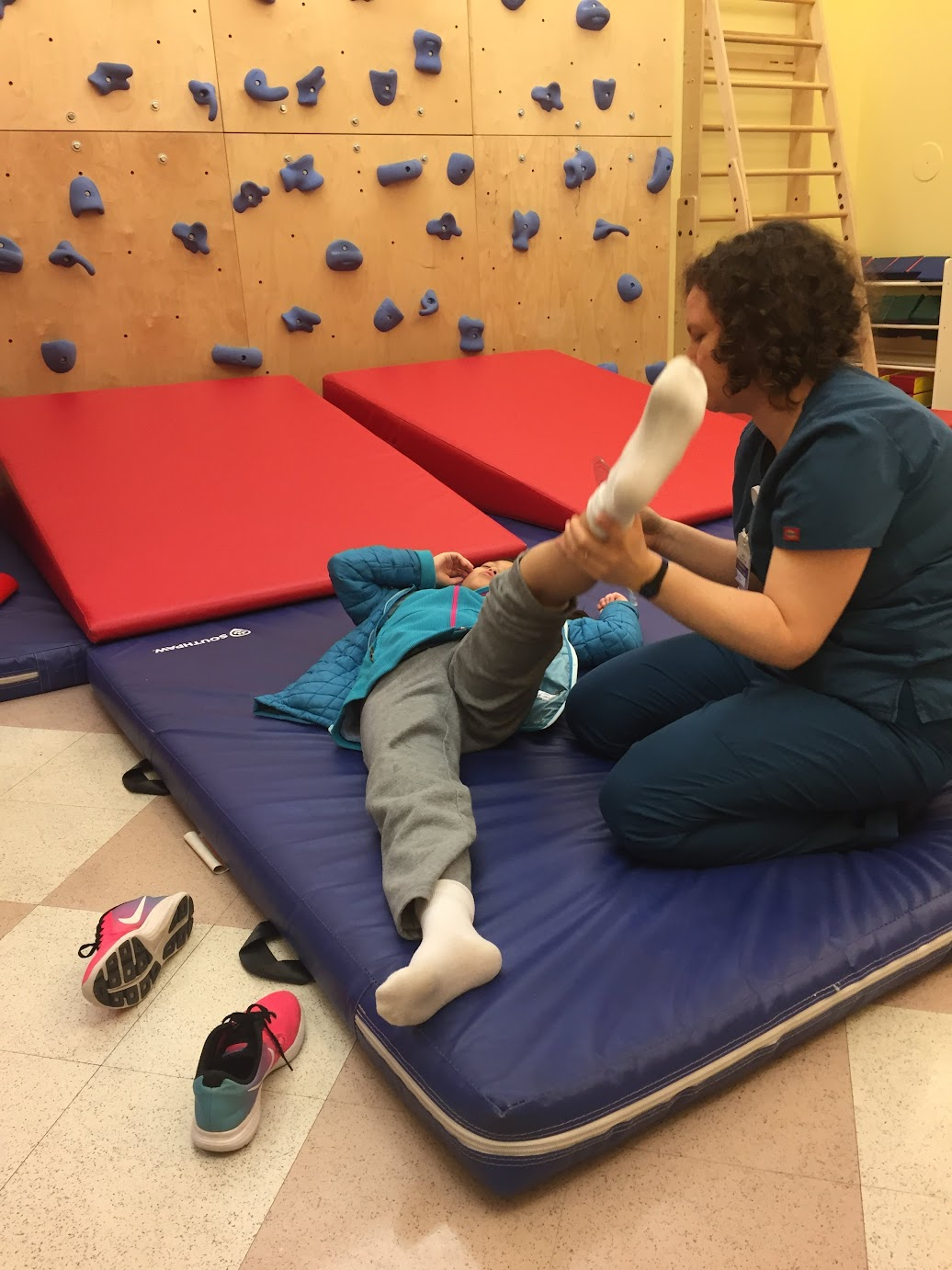
The author's daughter in rehab working with her PT on strengthening and stretching her lower extremities.

Photo Courtesy Of Maggie Kang

The author’s daughter in rehab working with her PT on strengthening and stretching her lower extremities.

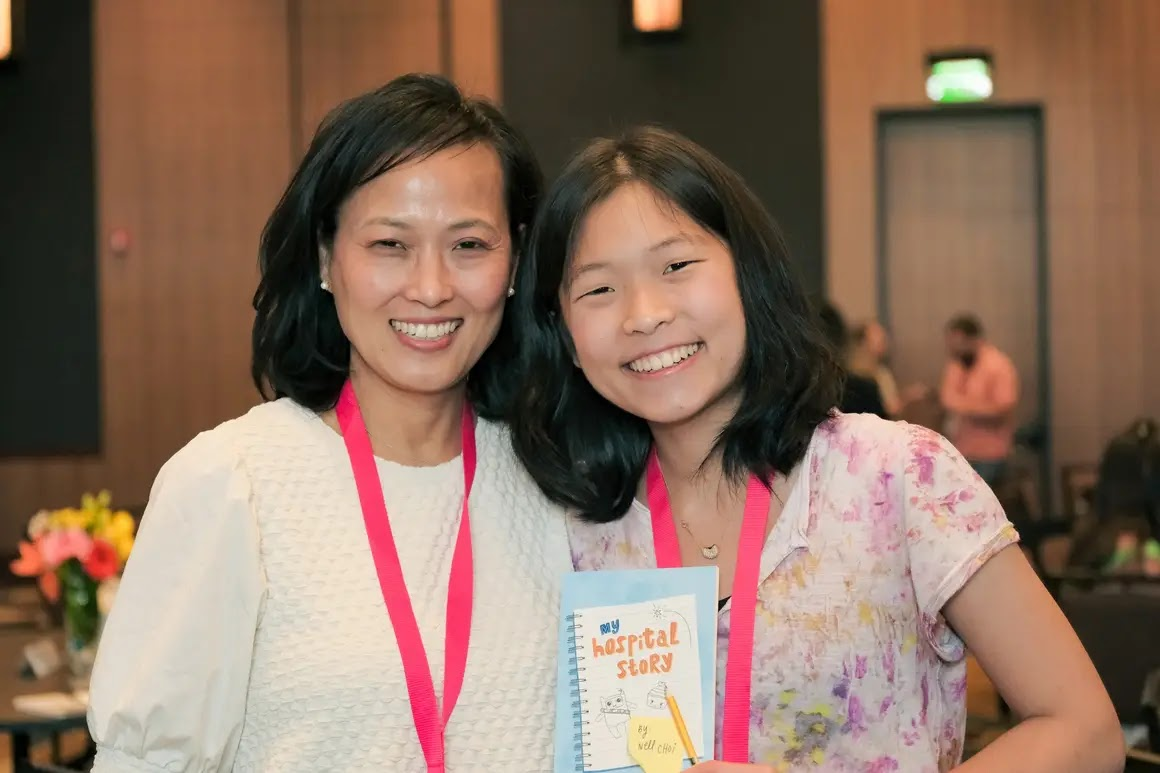
But slowly, something new began to take shape. My daughter didn’t return to lacrosse. Instead, she discovered art and writing. She found a way to transform her pain into creativity and purpose, eventually writing a book to help other kids and teens navigate hospitalisation and chronic illness.

We didn’t return to our old normal. We built a new one, grounded in acceptance, resilience and hope. We set aside dreams of athletic glory and the illusion of control, but we kept our core: love of family, strength and the belief that even pain can forge meaning.

That terrible experience, the one I desperately wanted to forget, has become part of who we are, woven into the fabric of our lives. It fuels our rare disease advocacy, shapes our shared mission and deepens our gratitude for each new day.

Now, when I face challenges, big or small, I don’t tell myself to bounce back. I sit in the rubble and really feel what has been lost. Because it’s only from that stillness that true growth begins. Not by rushing to return to what was, but by moving forward into who we are meant to become.

If you’re in your own rubble, whether it’s a diagnosis, a broken relationship, a lost job, or a quiet despair you can’t name, I want to offer you a different approach. Replace “When will I get over this?” with: “How is this experience changing me?” or “What is this pain teaching me?” This shift invites curiosity rather than judgment and opens the door to possibility and transformation.

Today, Nell is walking on her own and back in school full-time, although competitive sports are no longer part of her life.

Though Nell’s disease is incurable, and we live with the ongoing possibility of relapse, we are grateful for the few FDA-approved drugs that help keep the inflammation at bay. That reality, knowing the ground could shift at any moment, makes us cherish each day she can attend school, pursue her passions, cook meals with us and create new memories.

Having lived through this trauma has also connected us to the rare disease community, where we witness the extraordinary love parents pour into children who are dying or living with profound disabilities. This experience serves as a portal into a world that stands in stark contrast to the mainstream, where humanity can sometimes seem absent. But here, in the community of parents of children living with the uncertainty of rare, chronic conditions, humanity feels alive and fierce. Witnessing and being part of this has filled me with a humility and gratitude deeper than I could have imagined before.

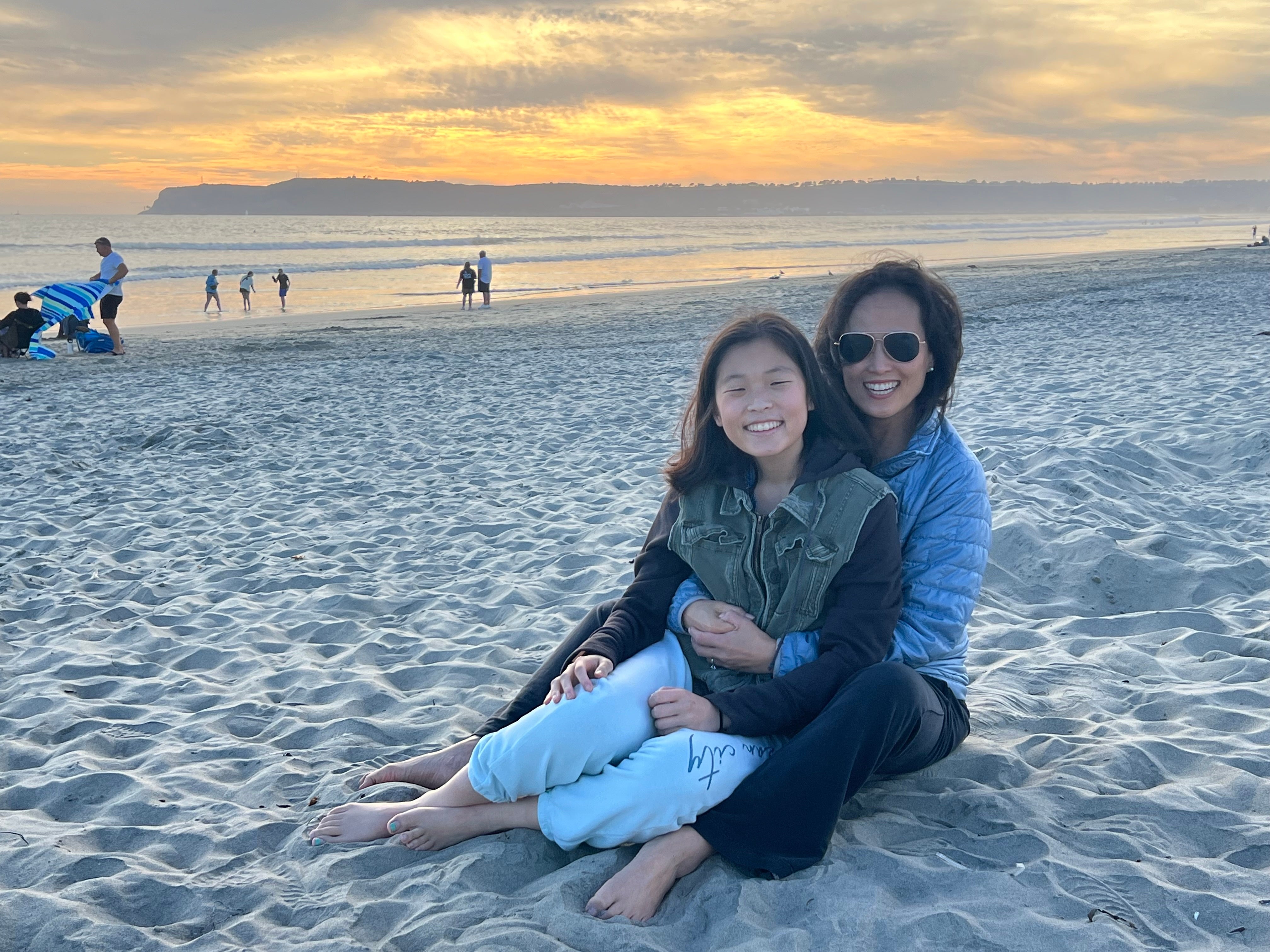
The author with her daughter Nell on the beach 2.5 years after her diagnosis.

Photo Courtesy Of Maggie Kang

The author with her daughter Nell on the beach 2.5 years after her diagnosis.

I’m still a fixer at heart, but I’ve learned not to lament the things beyond my control. I’ve come to trust that my envisioned life may not, in fact, be the best way. And I’ve realised that trying to “bounce back” to my old life would negate the growth, the perspective, the resilience and the connections I’ve gained.

By sitting in this space and allowing it to reshape me, I have discovered more hope and connectedness than I ever thought possible.

Maggie Kang, M.D., is a physician, TEDx speaker, resilience and healthcare coach, and rare disease advocate. After her daughter’s rare disease diagnosis, she writes and speaks about grief, growth and finding meaning in the face of life’s disruptions. Learn more at maggiekangmd.com.

Do you have a compelling personal story you’d like to see published on HuffPost? Find out what we’re looking for here and send us a pitch at pitch@huffpost.com.

Share Button

Experts Say This Common Behaviour Is The Chicken Way Out Of A Friendship

Friendship breakups are the worst. They hurt just as much as a romantic breakup, and sometimes, even more.

As someone who’s been through a ton of friend breakups, I can tell you that the pain never really goes away. Certain platonic relationships have a special level of intimacy that usually can’t be matched by a romantic partner. I mean, I still mourn ex-friendships from 15 years ago. Ex-boyfriends? Hardly.

That’s weird, right? Not at all, according to relationship experts.

A friend breakup can hurt just as much, if not more, than a romantic one.

freemixer via Getty Images

A friend breakup can hurt just as much, if not more, than a romantic one.

“Some friendships can feel even deeper than your blood family — especially when you’re not close to blood family,” explained Angelika Koch, relationships and breakup expert at Taimi, an LGBTQ+ dating app. “This can add a layer of complexity when it comes to walking away from a friendship that no longer serves you.”

“Breaking up with a friend can feel more complicated than ending a romantic relationship because we don’t have the same cultural scripts or language for it,” said licensed marriage and family therapist Saba Harouni Lurie, the owner and founder of Take Root Therapy. “With romantic relationships, we understand that sometimes people aren’t compatible or that feelings change, but with friendships, there’s often an expectation that they should last forever or only end due to major betrayals.”

Why More Of Us Are Ghosting

One similarity between friendship breakups and romantic breakups is the upward trend of ghosting, that is, the practice of abruptly ending communication without explanation.

“‘Ghosting’ — as we understand it in 2025 — has increased in frequency over the past decades, likely due to the integration of social apps into everyday life and shifts in communication norms,” said Morgan Cope, assistant professor of psychology at Centre College and an expert on interpersonal relationships. “Around 13% of people report having ghosted someone in the past, and 23% report having been ghosted in the context of romantic relationships.”

“We started to see a shift [in ghosting] after the pandemic in friendships as well as relationships, where people have become more protective of their peace,” Koch said. “The pandemic caused everyone to face their mortality, which caused many people to become protective of their own energy.”

But it’s what Harouni Lurie told HuffPost that I believe encapsulates the root problem behind ghosting: “Unfortunately, most people are not well-versed in having difficult and honest conversations, and may elect to ghost a friend instead of trying to understand if the relationship can grow and change.”

I can relate to what these experts are saying, because even though I’ve been on the receiving end of a ghosted friendship multiple times, I found myself ghosting several friends over the past five years for exactly the reasons Koch highlighted.

I know the sorrow of being discarded by someone I thought was my ride-or-die, so why would I ever engage in the same insensitive behaviour I’ve rebuked for years? Wild as it sounds, I genuinely believed both parties would avoid further heartache if I just cut and ran (or rather, hit that block button). After all, isn’t it easier to hide behind a block button? Or to just leave those texts on read indefinitely?

Turns out I was wrong: While ghosting a friend may feel like a more “gentle” way to break up in the heat of the moment — you avoid a messy argument and potentially hurtful words — it’s not the healthiest approach in the long run.

Ghosting Isn’t A Gentle Way Out Of A Friendship

“Ghosting is cruel when the other person is still reaching out and uncertain about what’s happening,” Rose from New Orleans, who asked to use just her first name to protect her privacy, told HuffPost. “I don’t think it’s gentle — I think it’s callous and cowardly.”

Rose knows the agony of being ghosted all too well. She endured a devastating breakup where she was ghosted by not one but two friends. “I was absolutely gutted by the situation,” she said. “Not just the rejection and abandonment, but the way they closed ranks to keep me out. It was probably the most painful friend breakup I ever experienced.”

If you’re contemplating ghosting a friend you no longer vibe with, you may want to take Rose’s story into consideration first. “Many people have a deep fear of hurting others and move through life trying to cause as little harm as possible,” acknowledged Koch.

But abruptly tossing someone aside comes with significant consequences. “To many people, ghosting — which is a passive way to leave a relationship — feels like a gentle breakup,” Koch continued. “Unfortunately, this can cause confusion and a lack of closure on the end of the friend who is being ghosted.”

“We mustn’t confuse niceness (not having to tell someone you don’t want to see them anymore) for kindness (providing a clear rationale and explaining your feelings) when it comes to ending a relationship,” added Cope.

We Can Blame The Tech (At Least A Little Bit)

I’ll be the first to admit that social media has made me far more comfortable ghosting friends than it should. To be clear — and this is in no way an excuse — the people I’ve ghosted were mainly social media and/or online friends. Since we never saw each other in real life and were interacting primarily through Instagram DMs and texts, it was all too simple to hit that block button.

“I do think social media block buttons have made it easier for some people to cut ties on their end and move on,” agreed Rose, though that doesn’t mean she supports the practice. “With friends from offline, or online friends you’ve got a real built-up history with, I don’t think ‘block and move on’ is the best way to deal with conflict.”

“While we probably have a lot of work to do around learning to communicate,” Harouni Lurie said, “technology has likely exacerbated our problems.”

“With texting, it can be really easy to misunderstand someone and to lose nuance in a conversation,” she continued.

Guilty as charged: Even though I was raised on the art of chatting on the phone for hours on end, I’ve spent the past decade-plus ditching direct conversation with friends and relying almost entirely on texts.

Perhaps, given the potential for misunderstanding, we should reconsider the lost art of phone calls (scheduled only, please!).

Ending A Friendship Respectfully

Although ghosting isn’t a kind way to end a friendship, it’s OK to walk away from certain friends if you feel the relationship isn’t working anymore.

Honesty is the best policy, if that’s the case.

“If you’re the one ending the relationship, having a difficult conversation about the friendship and why it’s not working can afford you the opportunity to practice being honest and authentic, to advocate for yourself, and to have compassion for yourself and for your friend,” Harouni Lurie said.

She also reiterated that while it’s “challenging,” it’s “not impossible to end a friendship amicably.” Harouni Lurie advised approaching the discussion “with compassion, and respect for both your needs and theirs.” Start by acknowledging the good parts of your friendship and what you’ve appreciated about this person. Then, you can share your feelings about why you don’t think you’re compatible anymore.

“Being specific about what isn’t working can be helpful,” continued Harouni Lurie, but it’s important to “focus on your own experience rather than making it about their flaws.” Even though you may be frustrated with your estranged friend’s inability to understand anything about your life (it’s me, hi!), this is not the time to air those grievances.

Some examples Harouni Lurie offered are less critical of your friend and more of an emphasis on what you need:

  • “I’ve realised I need more space right now.”
  • “I think we’ve grown in different directions.”

After you’ve explained your reasons, Cope recommended giving your friend the courtesy to respond to your breakup decision.

“These conversations will not be easy,” she warned. “Our brains are motivated to establish and maintain social relationships to help us stay alive and thriving. But when we need to, we can end relationships and friendships in a way that prioritises everyone’s dignity and well-being.”

Share Button

‘Not Doing So Well’: Trump Makes A Big Bogey With Ryder Cup Hopes

President Donald Trump suggested that his very appearance at the Ryder Cup golf competition on Friday could aid American golfers as they faced Team Europe at New York’s Bethpage Black Course.

But his hopes of being a good luck charm seemingly got stuck in a bunker by the end of the first day of play.

Trump — in remarks to reporters after landing at nearby Republic Airport on Long Island — noted that the U.S. team was “not doing so well” as they lost the first three matches and were tied in a fourth match upon his arrival.

“We’ll get it done, one way or the other, we’ll get it done,” said Trump, who added that he looked to give a Knute Rockne-like pep talk to the golfers.

Trump — who attended the Ryder Cup with his granddaughter, Kai — was largely greeted by cheers from the crowd, chants of “USA” and a military flyover.

The Americans would win the fourth match of the day — a foursome where two golfers from each squad alternate between shots on one team ball until each hole is complete.

By the end of the day’s action, Team Europe led the U.S. squad by a score of 5.5 to 2.5 points. The Europeans need 8.5 more points to retain the Ryder Cup while the Americans need 12 points to win.

The rough start for the Americans saw Scottie Scheffler with the worst Ryder Cup opening day for a world No. 1 golfer since Tiger Woods in 2002, NBC Sports noted.

Trump’s Ryder Cup appearance adds to a growing list of sporting events he’s attended in his second term, most recently a visit to Yankee Stadium to watch the New York baseball team face the Detroit Tigers on the 24th anniversary of the Sept. 11, 2001, attacks.

Trump — who has inaccurately claimed that the Yankees win every time he goes to a game — declared that the team was on the verge of missing the playoffs before they went on a hot streak and tied for first in their division since his visit.

“We have to do the same thing over here but I think we’ll be OK,” he said of the U.S. team on Friday.

Share Button

A pink bumpy snailfish was just discovered miles beneath the ocean

The bumpy snailfish is one of three new species of deep-sea snailfish described by MBARI collaborators at SUNY Geneseo.

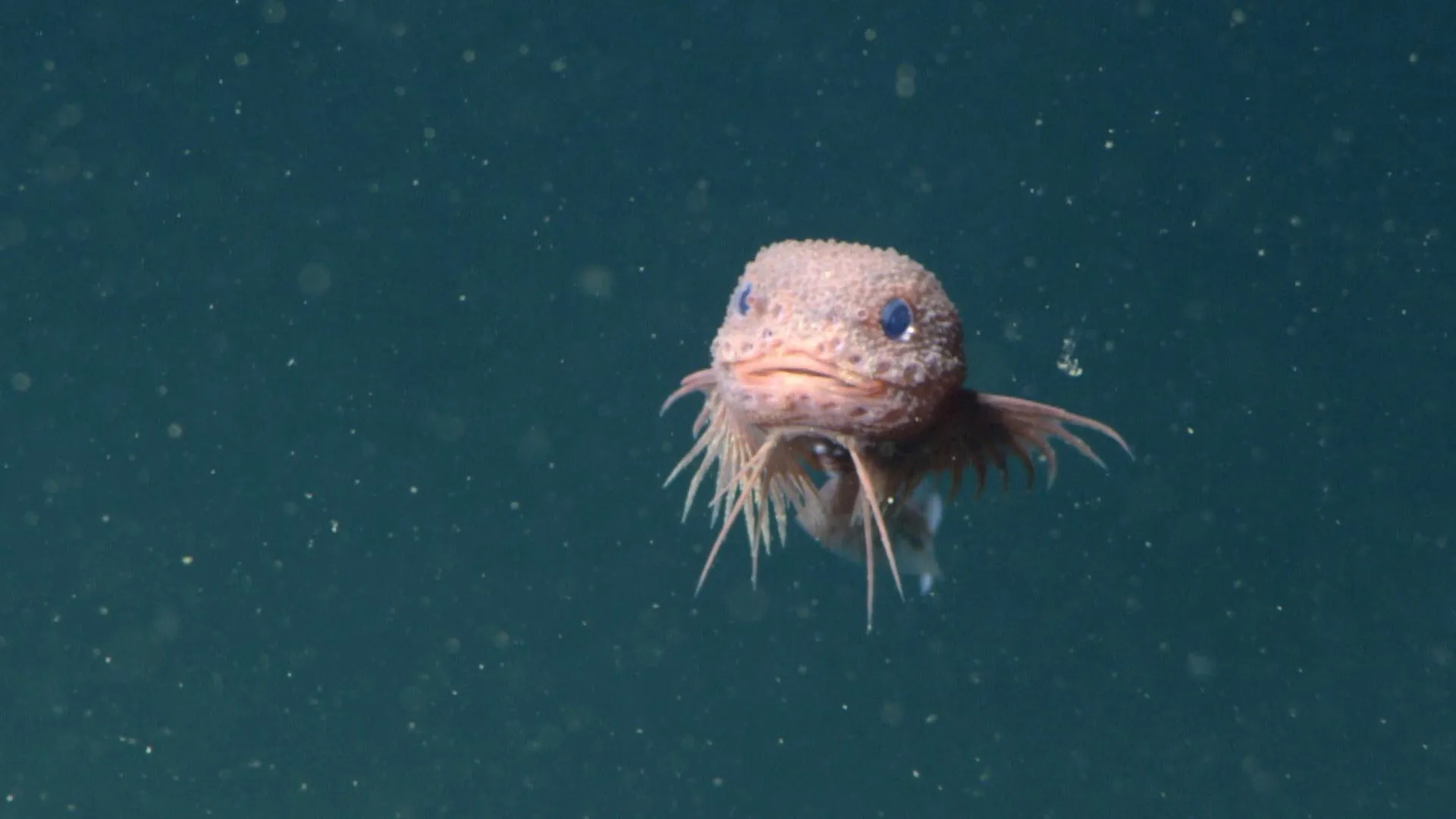
MBARI’s advanced underwater technology is revealing the remarkable species that thrive in the deep sea. In 2019, MBARI researchers encountered an unfamiliar pink snailfish swimming just above the seafloor. New research from MBARI collaborators has confirmed this individual represents a species previously unknown to science: the bumpy snailfish (Careproctus colliculi).

A team of researchers from the State University of New York at Geneseo (SUNY Geneseo), with scientists from the University of Montana and the University of Hawaiʻi at Mānoa, published their findings in the scientific journal Ichthyology and Herpetology, describing the bumpy snailfish observed by MBARI researchers alongside two other snailfishes from the abyssal seafloor offshore of California.

“MBARI seeks to make ocean exploration more accessible by sharing our data and technology with our peers in the science community. We welcomed the opportunity to collaborate with researchers from SUNY Geneseo to expand our understanding of life in the deep ocean, especially since documenting deep-sea biodiversity is critical to detecting any changes that may be occurring in this environment,” said MBARI Senior Scientist Steven Haddock, who led the research expedition that encountered the bumpy snailfish.

Uncovering secrets to survival in extreme environments

Snailfishes belong to the family Liparidae. They typically have a large head, jelly-like body covered in loose skin, and narrow tail. Many snailfish species have a disk on their belly that allows them to grip the seafloor or hitchhike on larger animals, such as deep-sea crabs. Shallow-water snailfishes often cling to rocks and seaweed, curling up like a snail.

Scientists have described more than 400 different species of snailfish worldwide. These fishes make their homes in a variety of ocean habitats, from shallow tide pools to deep-sea trenches. In fact, a snailfish holds the record for the deepest-dwelling fish.

SUNY Geneseo Associate Professor Mackenzie Gerringer studies deep-sea physiology and ecology and has conducted extensive research on deep-sea snailfishes. Her research uses comparative techniques in taxonomy, functional morphology, and physiology to understand how fishes are adapted to life under crushing pressure, frigid cold, and perpetual darkness in the ocean’s depths.

“The deep sea is home to an incredible diversity of organisms and a truly beautiful array of adaptations. Our discovery of not one, but three, new species of snailfishes is a reminder of how much we have yet to learn about life on Earth and of the power of curiosity and exploration,” said Gerringer.

Chance encounters spark new discoveries

MBARI’s Biodiversity and Biooptics Team observed the newly described bumpy snailfish during an expedition aboard the institute’s retired flagship research vessel Western Flyer. Haddock and his team were exploring the outer reaches of Monterey Canyon, approximately 100 kilometers (62 miles) offshore of Central California, with MBARI’s remotely operated vehicle Doc Ricketts at a depth of 3,268 meters (10,722 feet) when they observed this small snailfish swimming above the abyssal seafloor.

MBARI researchers collected this individual — an adult female 9.2 centimeters (3.6 inches) long — for further study in the laboratory. With features unlike other deep-sea snailfishes that MBARI had encountered offshore of California, Haddock reached out to Gerringer for more detailed analysis. MBARI frequently collaborates with expert taxonomists to review footage and specimens. These partnerships offer fresh perspectives that often spark new discoveries.

New additions to the family

Gerringer and researchers from the University of Montana and the University of Hawaiʻi at Mānoa, including former MBARI postdoctoral fellow Jeff Drazen, examined the bumpy snailfish as part of a comprehensive analysis of three unusual snailfish specimens collected offshore of California. The team combined imaging, morphological, and genetic approaches to compare these snailfishes to other known fishes.

Using microscopy, micro-computed tomography (micro-CT) scanning, and careful measurements, the team collected detailed information about the size, shape, and physical characteristics of the three fishes, distinguishing them from all known species. They also sequenced the DNA of the specimens to compare these animals to other snailfishes and determine their evolutionary position in the family Liparidae. Their examination confirmed that all three snailfishes were new to science. The team has made their CT scan data publicly available via MorphoSource and genetic sequence data via GenBank (PV300955-PV300957 and PV298545-PV298546).

In addition to the bumpy snailfish, the SUNY Geneseo team described the dark snailfish (Careproctus yanceyi) and the sleek snailfish (Paraliparis em).

The bumpy snailfish has a distinctive pink color, a round head with large eyes, wide pectoral fins with long uppermost rays, and a bumpy texture. The dark snailfish has a fully black body with a rounded head and horizontal mouth. The sleek snailfish is distinguished from other snailfishes by a long, black, laterally compressed body, absence of a suction disk, and prominently angled jaw.

Both the dark and sleek snailfishes were collected in 2019 by Drazen and colleagues during an expedition with the submersible Alvin at Station M, a research site operated by MBARI offshore of Central California at a depth of approximately 4,000 meters (13,100 feet). MBARI scientists and researchers worldwide have leveraged a unique 30-year dataset collected by a suite of advanced instruments at Station M to make several important discoveries about abyssal ecosystems and the ocean-climate connection. The species name of the sleek snailfish, Paraliparis em, recognizes this unique research site and the people and programs that have supported the Station M time series.

Haddock’s encounter is the only confirmed observation of the bumpy snailfish, so the full geographic distribution and depth range of this species remain unknown. However, a closer look at MBARI’s extensive archive of underwater video suggests this species may have been previously encountered offshore of Oregon in 2009 and mistaken for a similar species, the bigtail snailfish (Osteodiscus cascadiae).

Cataloging life in the depths

The deep sea is the largest living space on Earth. The inky waters beneath the ocean’s surface teem with life, including many species unknown to science. With threats like climate change and mining putting deep-sea communities at risk, documenting the residents of this environment is more urgent than ever.

Over the past 38 years, MBARI researchers and our collaborators have discovered more than 300 new species. We share video footage and specimens with taxonomy experts around the world, giving other researchers access to the deep sea. MBARI science and technology are helping establish a baseline understanding of ocean health and deep-sea biodiversity so we can better assess how climate change, pollution, mining, and other human activities will affect the marine ecosystems. From the mesmerizing “mystery mollusc” to the carnivorous harp sponge, each discovery is a new piece of the puzzle.

Funding for this work was provided by the U.S. National Science Foundation Division of Ocean Sciences (OCE-1829612), the David and Lucile Packard Foundation, and the SUNY Geneseo Research Foundation.


Share Button

This new camera sees the invisible in 3D without lenses

Researchers have used the centuries-old idea of pinhole imaging to create a high-performance mid-infrared imaging system without lenses. The new camera can capture extremely clear pictures over a large range of distances and in low light, making it useful for situations that are challenging for traditional cameras.

“Many useful signals are in the mid-infrared, such as heat and molecular fingerprints, but cameras working at these wavelengths are often noisy, expensive or require cooling,” said research team leader Heping Zeng from East China Normal University. “Moreover, traditional lens-based setups have a limited depth of field and need careful design to minimize optical distortions. We developed a high-sensitivity, lens-free approach that delivers a much larger depth of field and field of view than other systems.”

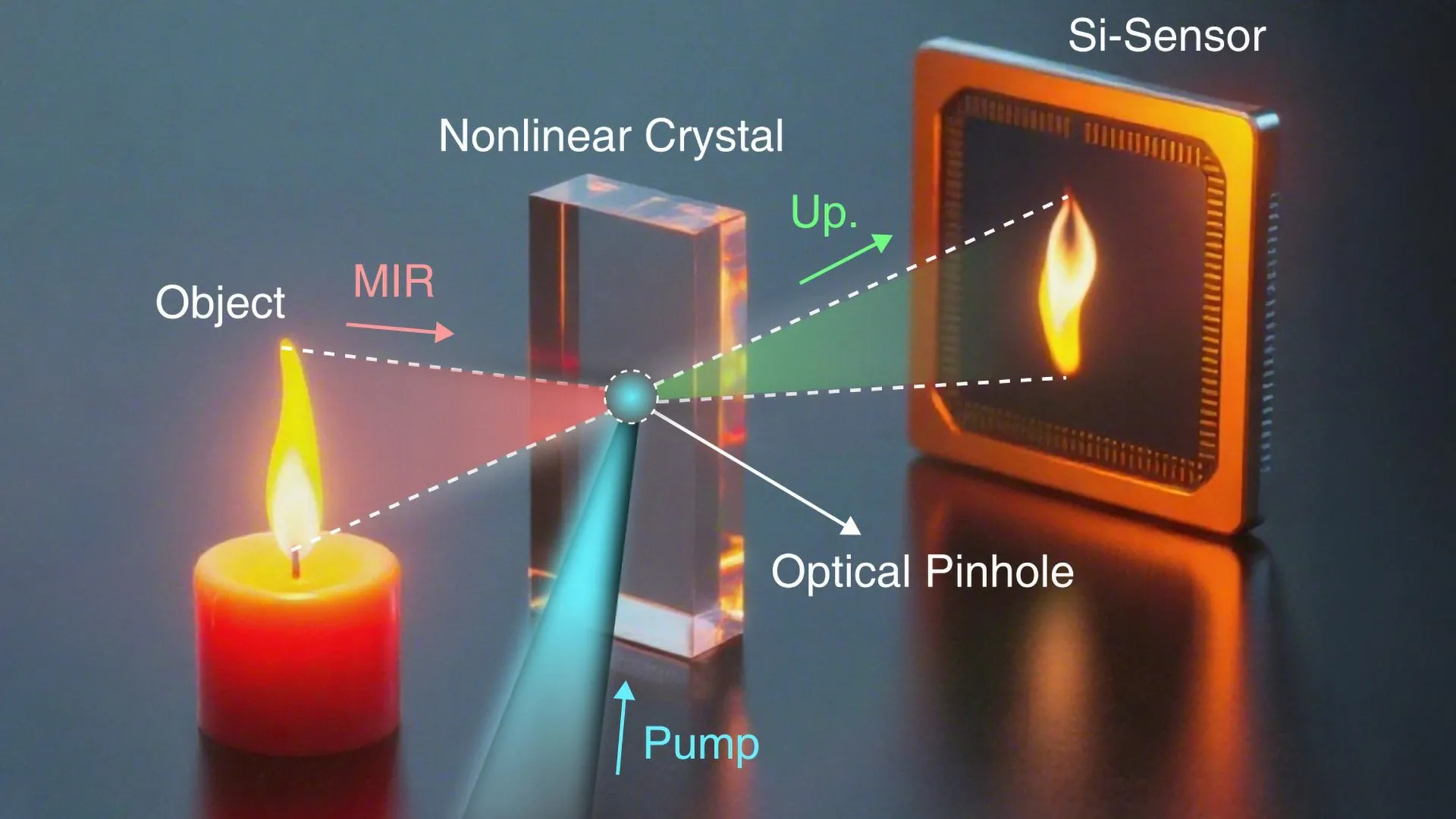
In Optica, Optica Publishing Group’s journal for high-impact research, the researchers describe how they use light to form a tiny “optical pinhole” inside a nonlinear crystal, which also turns the infrared image into a visible one. Using this setup, they acquired clear mid-infrared images with a depth of field of over 35 cm and a field of view of more than 6 cm. They were also able to use the system to acquire 3D images.

“This approach can enhance night-time safety, industrial quality control and environmental monitoring,” said research team member Kun Huang from East China Normal University. “And because it uses simpler optics and standard silicon sensors, it could eventually make infrared imaging systems more affordable, portable and energy efficient. It can even be applied with other spectral bands such as the far-infrared or terahertz wavelengths, where lenses are hard to make or perform poorly.”

Pinhole imaging reimagined

Pinhole imaging is one of the oldest image-making methods, first described by the Chinese philosopher Mozi in the 4th century BC. A traditional pinhole camera works by letting light pass through a tiny hole in a lightproof box, projecting an inverted image of the outside scene onto the opposite surface inside. Unlike lens-based imaging, pinhole imaging avoids distortion, has an infinite depth of field and works across a wide range of wavelengths.

To bring these advantages to a modern infrared imaging system, the researchers used an intense laser to form an optical hole, or artificial aperture, inside a nonlinear crystal. Because of its special optical properties, the crystal converts the infrared image into visible light, so that a standard silicon camera can record it.

The researchers say that the use of a specially designed crystal with a chirped-period structure, which can accept light rays from a broad range of directions, was key to achieving a large field of view. Also, the upconversion detection method naturally suppresses noise, which allows it to work even in very low light conditions.

“Lensless nonlinear pinhole imaging is a practical way to achieve distortion-free, large-depth, wide-field-of-view mid-infrared imaging with high sensitivity,” said Huang. “The ultrashort synchronized laser pulses also provide a built-in ultrafast optical time gate that can be used for sensitive, time-of-flight depth imaging, even with very few photons.”

After figuring out that an optical pinhole radius of about 0.20 mm produced sharp, well-defined details, the researchers used this aperture size to image targets that were 11 cm, 15 cm and 19 cm away. They achieved sharp imaging at the mid-infrared wavelength of 3.07 μm, across all the distances, confirming a large depth range. They were also able to keep images sharp for objects placed up to 35 cm away, demonstrating a large depth of field.

3D imaging without lenses

The investigators then used their setup for two types of 3D imaging. For 3D time-of-flight imaging, they imaged a matte ceramic rabbit by using synchronized ultrafast pulses as an optical gate and were able to reconstruct the 3D shape with micron-level axial precision. Even when the input was reduced to about 1.5 photons per pulse — simulating very low-light conditions — the method still produced 3D images after correlation-based denoising.

They also performed two-snapshot depth imaging by taking two pictures of a stacked “ECNU” target at slightly different object distances and using those to calculate the true sizes and depths. With this method, they were able to measure the depth of the objects over a range of about 6 centimeters, without using complex pulsed timing techniques.

The researchers note that the mid-infrared nonlinear pinhole imaging system is still a proof-of-concept that requires a relatively complex and bulky laser setup. However, as new nonlinear materials and integrated light sources are developed, the technology should become far more compact and easier to deploy.

They are now working to make the system faster, more sensitive and adaptable to different imaging scenarios. Their plans include boosting conversion efficiency, adding dynamic control to reshape the optical pinhole for different scenes, and extending the camera’s operation across a wider mid-infrared range.

Share Button

Biochar’s secret power could change clean water forever

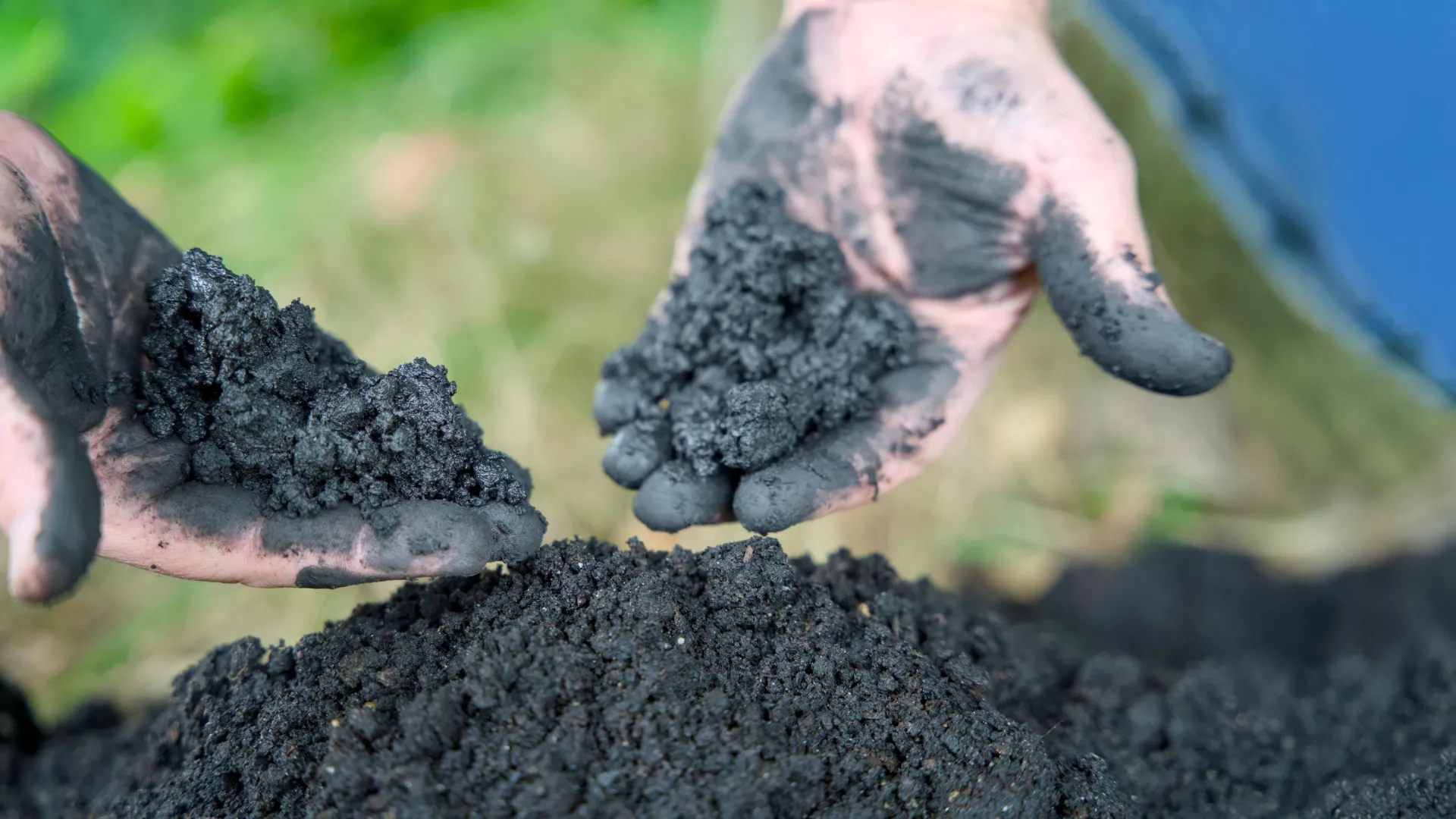
We’ve all heard the story: biochar cleans water by adsorbing pollutants — trapping them like a sponge. Or, in fancier setups, it acts as a catalyst to help oxidants like hydrogen peroxide break down toxins. But Dr. Gao’s team asked a bold question: What if biochar can degrade pollutants all by itself? Turns out — it can. And it’s been doing it quietly all along.

The Electron Ninja: Biochar’s Secret Power

The secret lies in electron transfer — a natural ability of biochar that’s been overlooked for years. Think of it like this: instead of just catching a bad guy (adsorption), biochar can now take them down on its own (direct degradation). Using advanced electrochemical tests, quantification methods, and correlation analysis, the team proved that biochar actively breaks down organic pollutants through direct electron transfer — without needing extra chemicals. In their experiments, direct degradation accounted for up to 40% ± 10% of the total pollutant removal. That’s almost half the cleaning power coming straight from the biochar itself!

What Makes Biochar So Electric?

Not all biochar is created equal. The team discovered that three key features supercharge its electron power:

  • C-O and O-H functional groups – the “handholds” for electron transfer
  • Graphitic carbon structure – the “highway” for electrons to travel fast The better the structure, the more electrons flow, and the faster pollutants vanish.

Even after five reuse cycles, the biochar kept its direct degradation power — nearly 100% stable. That’s sustainability with stamina.

Why This Changes Everything

This study flips the script on how we use biochar in wastewater treatment. It’s not just a passive filter or a sidekick catalyst — it’s an active pollutant destroyer.

This means:

  • Fewer chemicals needed in water treatment plants
  • Lower costs and less sludge
  • Greener, smarter purification for industries and communities

“Biochar has been underestimated,” says Dr. Gao. “It’s not just a sponge — it’s a battery, a conductor, and a degrader all in one. We’re just beginning to tap into its true potential.”

A New Era for Environmental Engineering

With industrial pollution still a global challenge, discoveries like this are more than just lab wins — they’re blueprints for a cleaner future. By clarifying the difference between adsorption, direct degradation, and indirect (catalytic) degradation, this research paves the way for smarter, more efficient biochar design — custom-built for real-world water crises. And at the heart of it all is Dalian University of Technology, shining as a hub of innovation in environmental science and industrial ecology.

Ready to Rethink “Clean”?

Next time you hear “biochar,” don’t just think “carbon-rich charcoal.” Think electron-powered eco-warrior — silently zapping pollutants, one electron at a time. Kudos to Dr. Yuan Gao and the DUT team for pushing the boundaries of green tech. Stay tuned, stay curious, and let’s keep turning science into solutions — for cleaner water, healthier ecosystems, and a more sustainable world.

Share Button

Attention All Cat And Dog Owners – New Customers Get 20% Off This Vet-Approved Pet Food

We hope you love the products we recommend! All of them were independently selected by our editors. Just so you know, HuffPost UK may collect a share of sales or other compensation from the links on this page if you decide to shop from them. Oh, and FYI – prices are accurate and items in stock as of time of publication.

When it comes to the happiness of our pets, there’s not much we won’t do for them.

From rainy walks to (speaking from personal experience) letting them stomp their heavy paws all over you on the sofa in a bid to find the most perfectly comfortable cuddle spot, we do it all in a bid to give them the very best lives possible.

Their food is a big, if sometimes overlooked, part of making sure they stay happy and healthy. We are what we eat, after all, and cats and dogs are no different.

While you can’t really put a price on the value of their health, if you were to try, you’d probably want that price to fit within a certain budget while not compromising your beloved pet’s well-being.

It’s a delicate tightrope to walk (we’re not exactly made of money), but a Lily’s Kitchen promo code (FIRSTLILY20, which gets you 20% off) might make it a little bit easier.

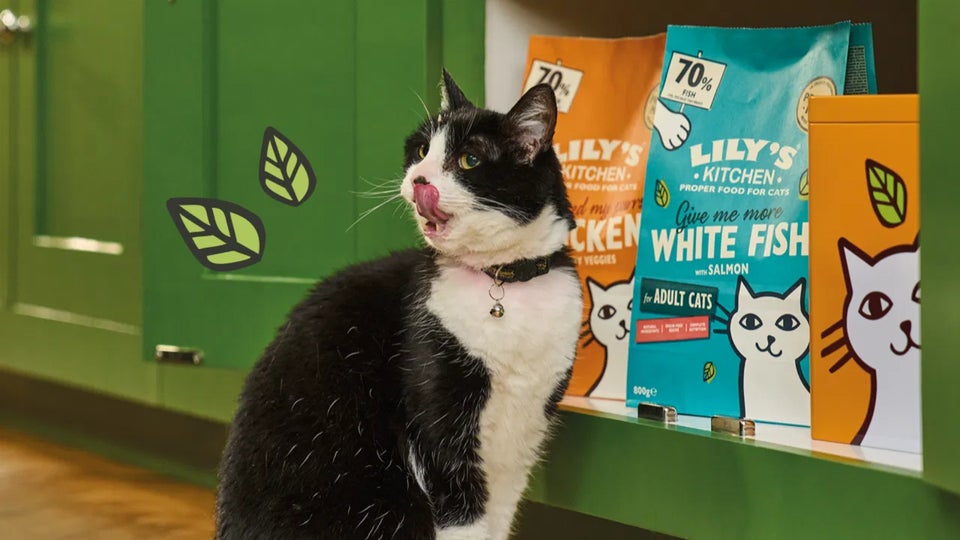
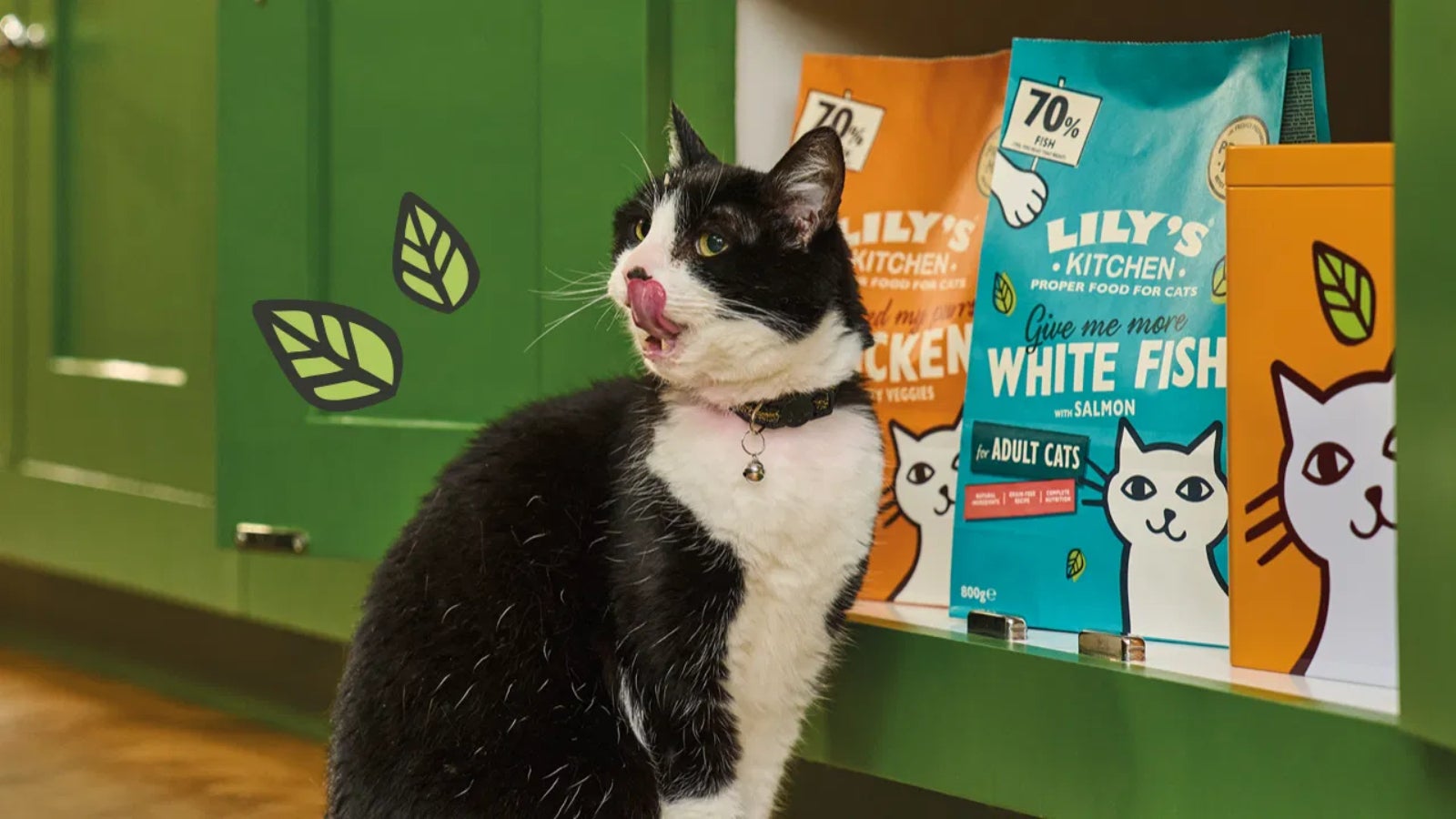
Lily’s Kitchen is a dog and cat food brand that’s made with natural ingredients like meat, fish, and offal, and formulated with vet-approved recipes.

Lily’s Kitchen has also just dropped a new-and-improved wet cat food range, which includes a new texture and different pack sizes.

The whole idea for the brand began more than 10 years ago when a border terrier called – wait for it – Lily started to suffer from sore skin.

Her owner, Henrietta, tried a host of different treatments, but nothing worked until she started cooking the pooch her own food from scratch.

Just two weeks later, little Lily was back to normal, and Henrietta was left wondering why it was so difficult to find pet food made with quality natural ingredients.

So she enlisted the help of vets and pet nutritionists to help give more dogs and cats food that isn’t just tasty, but healthy too. Why shouldn’t our pets be able to eat as well as us, after all?

If you’d like your pet to get in on this goodness, just use the code FIRSTLILY20 at checkout, and you’ll get 20% off.

Share Button