How a common antibiotic fuels bacterial resistance

Antibiotics are supposed to wipe out bacteria, yet the drugs can sometimes hand microbes an unexpected advantage.

A new study from Rutgers Health shows that ciprofloxacin, a staple treatment for urinary tract infections, throws Escherichia coli (E. coli) into an energy crisis that saves many cells from death and speeds the evolution of full-blown resistance.

“Antibiotics can actually change bacterial metabolism,” said Barry Li, a student at Rutgers New Jersey Medical School pursuing a dual doctoral degree for physician-scientists and the first author of the paper published in Nature Communications. “We wanted to see what those changes do to the bugs’ chances of survival.”

Li and senior author Jason Yang focused on adenosine triphosphate (ATP), the molecular fuel that powers cells. When ATP levels crash, cells experience “bioenergetic stress.” To mimic that stress, the team engineered E. coli with genetic drains that constantly burned ATP or its cousin nicotinamide adenine dinucleotide (NADH). Then, they pitted both the engineered strains and normal bacteria against ciprofloxacin.

The results surprised the researchers. The drug and the genetic drains each slashed ATP, but rather than slowing down, the bacteria revved up. Respiration soared, and the cells spewed extra reactive-oxygen molecules that can damage DNA. That frenzy produced two troubling outcomes.

First, more of the bacteria cells survived.

In time-kill tests, ten times as many stressed cells weathered a lethal ciprofloxacin dose compared with unstressed controls. These hardy stragglers, called persister cells, lie low until the drug is gone and then rebound to launch a new infection.

People have long blamed sluggish metabolism for persister cell formation.

“People expected a slower metabolism to cause less killing,” Li said. “We saw the opposite. The cells ramp up metabolism to refill their energy tanks and that turns on stress responses that slow the killing.”

Follow-up experiments traced the protection to the stringent response, a bacterial alarm system that reprograms the cell under stress.

Second, stressed cells mutated faster to evolve antibiotic resistance.

While persisters keep infections smoldering, genetic resistance can render a drug useless outright. The Rutgers group cycled E. coli through escalating ciprofloxacin doses and found that stressed cells reached the resistance threshold four rounds sooner than normal cells. DNA sequencing and classic mutation tests pointed to oxidative damage and error-prone repair as the culprits.

“The changes in metabolism are making antibiotics work less well and helping bacteria evolve resistance,” said Yang, an assistant professor at the medical school and Chancellor Scholar of microbiology, biochemistry & molecular genetics.

Preliminary measurements show that gentamicin and ampicillin also drain ATP in addition to ciprofloxacin. The stress effect may span very different pathogens, including the pathogen Mycobacterium tuberculosis, which is highly sensitive to ATP shocks.

If so, the discovery casts new light on a global threat. Antibiotic resistance already contributes to 1.27 million deaths a year. Strategies that ignore the metabolic fallout of treatment may be missing a key lever.

The findings suggest several changes for antibiotic development and use.

First, screen candidate antibiotics for unintended energy-drain side effects. Second, pair existing drugs with anti-evolution boosters that block the stress pathways or mop up the extra oxygen radicals. Third, reconsider the instinct to blast infections with the highest possible dose. Earlier studies and the new data both hint that extreme concentrations can trigger the very stress that protects bacteria.

“Bacteria turn our attack into a training camp,” Yang said. “If we can cut the power to that camp, we can keep our antibiotics working longer.”

Li and Yang are planning on testing compounds that soothe bioenergetic stress in the hope of turning the microbial energy crisis back into an Achilles’ heel rather than a shield.

Share Button

Shocking brain cancer breakthrough: Electric fields supercharge immune assault

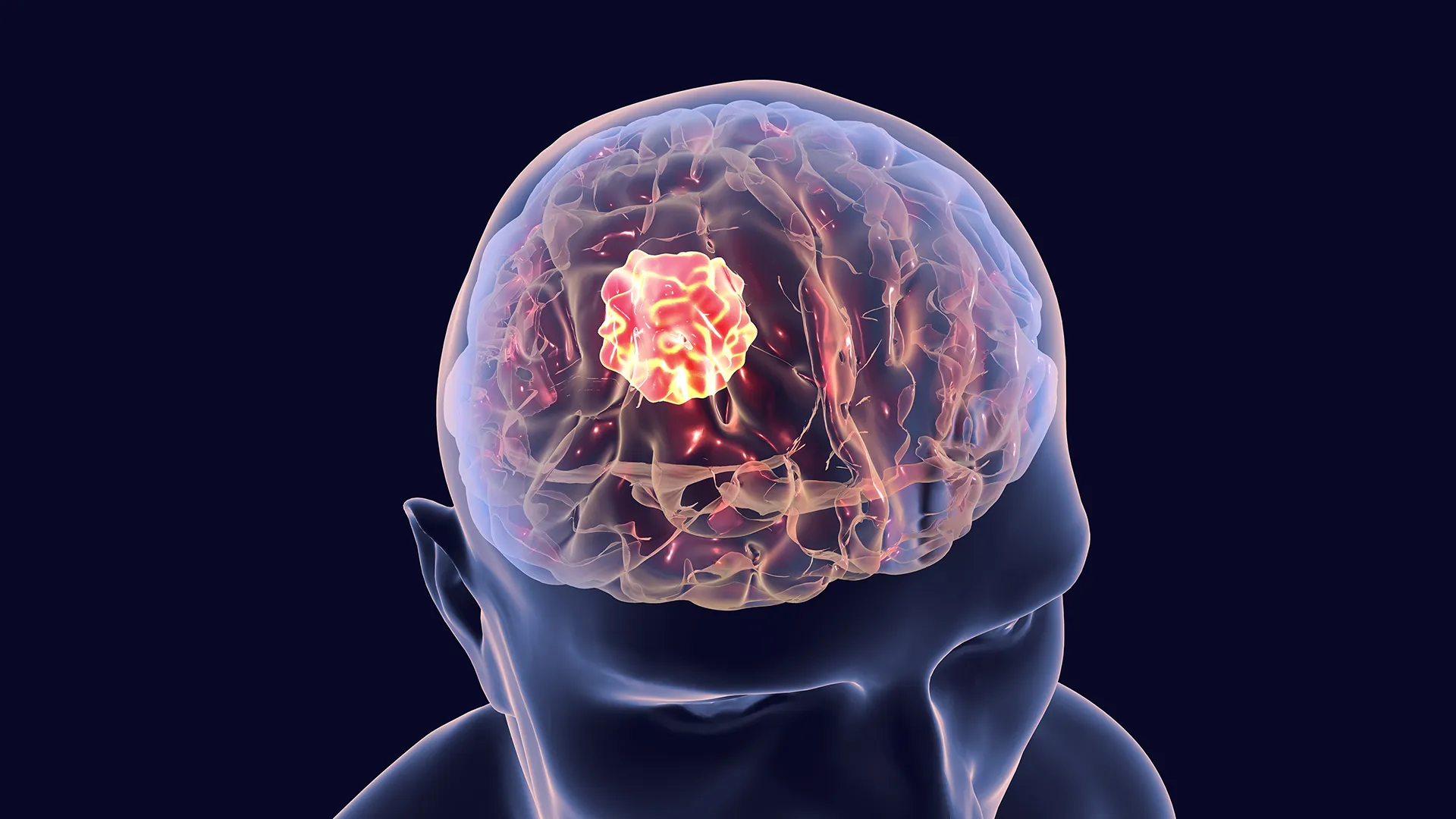
A new study led by Keck Medicine of USC researchers may have uncovered an effective combination therapy for glioblastoma, a brain tumor diagnosis with few available effective treatments. According to the National Brain Tumor Society, the average survival for patients diagnosed with glioblastoma is eight months.

The study finds that using Tumor Treating Fields therapy (TTFields), which delivers targeted waves of electric fields directly into tumors to stop their growth and signal the body’s immune system to attack cancerous tumor cells, may extend survival among patients with glioblastoma, when combined with immunotherapy (pembrolizumab) and chemotherapy (temozolomide).

TTFields disrupt tumor growth using low-intensity, alternating electric fields that push and pull key structures inside tumor cells in continually shifting directions, making it difficult for the cells to multiply. Preventing tumor growth gives patients a better chance of successfully fighting the cancer. When used to treat glioblastoma, TTFields are delivered through a set of mesh electrodes that are strategically positioned on the scalp, generating fields at a precise frequency and intensity focused on the tumor. Patients wear the electrodes for approximately 18 hours a day.

Researchers observed that TTFields attract more tumor-fighting T cells, which are white blood cells that identify and attack cancer cells, into and around the glioblastoma. When followed by immunotherapy, these T cells stay active longer and are replaced by even stronger, more effective tumor-fighting T cells.

“By using TTFields with immunotherapy, we prime the body to mount an attack on the cancer, which enables the immunotherapy to have a meaningful effect in ways that it could not before,” said David Tran, MD, PhD, chief of neuro-oncology with Keck Medicine, co-director of the USC Brain Tumor Center and corresponding author of the study. “Our findings suggest that TTFields may be the key to unlocking the value of immunotherapy in treating glioblastoma.”

TTFields are often combined with chemotherapy in cancer treatment. However, even with aggressive treatment, the prognosis for glioblastoma remains poor. Immunotherapy, while successful in many other cancer types, has also not proved effective for glioblastoma when used on its own.

However, in this study, adding immunotherapy to TTFields and chemotherapy was associated with a 70% increase in overall survival. Notably, patients with larger, unresected (not surgically removed) tumors showed an even stronger immune response to TTFields and lived even longer. This suggests that, when it comes to kick-starting the body’s immune response against the cancer, having a larger tumor may provide more targets for the therapy to work against.

Using alternating electric fields to unlock immunotherapy

Pembrolizumab, the immunotherapy used in this study, is an immune checkpoint inhibitor (ICI), which enhances the body’s natural ability to fight cancers by improving T cells’ ability to identify and attack cancer cells.

However, there are typically few T cells in and around glioblastomas because these tumors originate in the brain and are shielded from the body’s natural immune response by the blood-brain barrier. This barrier safeguards the brain by tightly regulating which cells and substances enter from the bloodstream. Sometimes, this barrier even blocks T cells and other therapies that could help kill brain tumors.

This immunosuppressive environment inside and around the glioblastoma is what makes common cancer therapies like pembrolizumab and chemotherapy significantly less effective in treating it. Tran theorized the best way to get around this issue was to start an immune reaction directly inside the tumor itself, an approach known as in situ immunization, using TTFields.

This study demonstrates that combining TTFields with immunotherapy triggers a potent immune response within the tumor — one that ICIs can then amplify to bolster the body’s own defense against cancer.

“Think of it like a team sport — immunotherapy sends players in to attack the tumor (the offense), while TTFields weaken the tumor’s ability to fight back (the defense). And just like in team sports, the best defense is a good offense,” said Tran, who is also a member of the USC Norris Comprehensive Cancer Center.

Study methodology and results

The study analyzed data from 2-THE-TOP, a Phase 2 clinical trial, which enrolled 31 newly diagnosed glioblastoma patients who had completed chemoradiation therapy. Of those, 26 received TTFields combined with both chemotherapy and immunotherapy. Seven of these 26 patients had inoperable tumors due to their locations — an especially high-risk subgroup with the worst prognosis and few treatment options.

Patients in the trial were given six to 12 monthly treatments of chemotherapy alongside TTFields for up to 24 months. The number and duration of treatments were determined by patients’ response to treatment. The immunotherapy was given every three weeks, starting with the second dose of chemotherapy, for up to 24 months.

Patients who used the device alongside chemotherapy and immunotherapy lived approximately 10 months longer than patients who had used the device with chemotherapy alone in the past. Moreover, those with large, inoperable tumors lived approximately 13 months longer and showed much stronger immune activation compared to patients who underwent surgical removal of their tumors.

“Further studies are needed to determine the optimal role of surgery in this setting, but these findings may offer hope, particularly for glioblastoma patients who do not have surgery as an option,” said Tran.

Moving the research forward

Keck Medicine is participating in the multicenter Phase 3 clinical trial to validate the efficacy of TTFields with immunotherapy and chemotherapy. Tran, who has been researching TTFields for more than a decade, serves as the chair of the steering committee for this trial. Frances Chow, MD, neuro-oncologist with USC Norris, is the principal investigator of the Keck Medicine study site.

This Phase 3 trial, currently open at 28 sites across the United States, Europe and Israel, aims to enroll over 740 patients through April 2029, including those with gross total resection, partial resection or biopsy-only tumors to assess the extent of how surgically removing tumors influences immune response.

Keck School of Medicine of USC authors of this study include Dongjiang Chen, PhD, assistant professor of research neurological surgery; Son Le, PhD, assistant professor of research neurological surgery; Harshit Manektalia, research programmer; Ming Li, PhD, professor of research population and public health sciences; and Adam O’Dell, research lab specialist. Ashley Ghiaseddin, MD, and Maryam Rahman, MD, MS, colleagues from the University of Florida, also contributed to this work.

This study was funded by a grant from Novocure, which manufactures Optune, the TTFields device used in this study. Tran has received honoraria from Novocure for consultant work. Chen and Tran are inventors of two patent applications related to work reported in this study

Share Button

The dopamine clock: How your brain predicts when you’ll feel good

A small region of the brain, known as the ventral tegmental area (VTA), plays a key role in how we process rewards. It produces dopamine, a neuromodulator that helps predict future rewards based on contextual cues. A team from the universities of Geneva (UNIGE), Harvard, and McGill has shown that the VTA goes even further: it encodes not only the anticipated reward but also the precise moment it is expected. This discovery, made possible by a machine learning algorithm, highlights the value of combining artificial intelligence with neuroscience. The study is published in the journal Nature.

The ventral tegmental area (VTA) plays a key role in motivation and the brain’s reward circuit. The main source of dopamine, this small cluster of neurons sends this neuromodulator to other brain regions to trigger an action in response to a positive stimulus.

“Initially, the VTA was thought to be merely the brain’s reward centre. But in the 1990s, scientists discovered that it doesn’t encode reward itself, but rather the prediction of reward,” explains Alexandre Pouget, full professor in the Department of Basic Neurosciences in the UNIGE Faculty of Medicine.

Experiments on animals have shown that when a reward consistently follows a light signal, for example, the VTA eventually releases dopamine not at the moment of the reward, but as soon as the signal appears. This response therefore encodes the prediction of the reward — linked to the signal — rather than the reward itself.

A much more sophisticated function

This “reinforcement learning,” which requires minimal supervision, is central to human learning. It’s also the principle behind many artificial intelligence algorithms that improve performance through training — such as AlphaGo, the first algorithm to defeat a world champion in the game of Go.

In a recent study, Alexandre Pouget’s team, in collaboration with Naoshige Uchida of Harvard University and Paul Masset of McGill University, shows that the VTA’s coding is even more sophisticated than previously thought. “Rather than predicting a weighted sum of future rewards, the VTA predicts their temporal evolution. In other words, each gain is represented separately, with the precise moment at which it is expected,” explains the UNIGE researcher, who led this work.

“While we knew that VTA neurons prioritised rewards close in time over the ones further in the future- on the principle of a bird in the hand is worth two in the bush -we discovered that different neurons do so on different time scales, with some focus on the reward possible in a few seconds’ time, others on the reward expected in a minute’s time, and others on more distant horizons. This diversity is what allows the encoding of reward timing. This much finer representation gives the learning system great flexibility, allowing it to adapt to maximise immediate or delayed rewards, depending on the individual’s goals and priorities.”

AI and neuroscience: a two-way street

These findings stem from a fruitful dialogue between neuroscience and artificial intelligence. Alexandre Pouget developed a purely mathematical algorithm that incorporates the timing of reward processing. Meanwhile, the Harvard researchers gathered extensive neurophysiological data on VTA activity in animals experiencing rewards.

“They then applied our algorithm to their data and found that the results matched perfectly with their empirical findings.” While the brain inspires AI and machine learning techniques, these results demonstrate that algorithms can also serve as powerful tools to reveal our neurophysiological mechanisms.

Share Button

Nurses to vote on pay deal as potential strike looms

The ballot is being billed by representatives as the biggest single vote by the profession in the UK.

Share Button

This £15 Sunscreen-Primer Is The 1 Beauty Product I Can’t Live Without

We hope you love the products we recommend! All of them were independently selected by our editors. Just so you know, HuffPost UK may collect a share of sales or other compensation from the links on this page if you decide to shop from them. Oh, and FYI – prices are accurate and items in stock as of time of publication.

In my twenties, I applied SPF on holidays and if it was a particularly hot day back home. But when my partner, then in his early 30s, was diagnosed with basal cell carcinoma and needed surgery to remove it, I knew I needed to wake up and wear the damn sun cream every single day.

After trying many different products – lots of which triggered breakouts, some of which dried my skin – I finally took a punt on Beauty Pie’s Featherlight SPF 50/Primer hybrid (£25, or £15 for members). And I haven’t looked back since.

The product, made in Switzerland, contains ingredients to “help fight inflammation and sun damage”. It’s known as a non-comedogenic SPF, meaning the lightweight formula shouldn’t clog pores. I can confirm it doesn’t.

I’ve also never had sunburn on my face while wearing it, so I’m guessing (/hoping) it’s doing the trick in the sun damage department.

I tend to apply the SPF after Beauty Pie’s triple hyaluronic acid deep moisture miracle cream (£45, or £22 for members) and the result is lusciously luminous skin that feels silky smooth.

The primer adds a bit of a glow that no other skincare product seems to offer me and my typically dull skin. It’s not greasy, or streaky. Makeup goes on a treat, too.

There is not a day that goes by when I don’t use it – even those days when I’m sat at home, makeup free, I make sure that I slather this on my face after showering.

It’s pretty watery – so be careful when you squeeze the bottle – but it glides onto the skin wonderfully, leaving your face feeling hydrated and glowy.

There are 3,102 reviews (and counting) on Beauty Pie’s site. Here’s a snippet of what people are saying about the Featherlight SPF:

“Lovely product, non greasy and perfect under make up. Thoroughly recommend this product.”

“This was first given to me as a gift a few years ago and I have used it ever since. I golf and have had no sun damage since using this lovely, light cream.”

“This is my second purchase of this item. I love that it properly hydrates my skin and most importantly, it doesn’t leave white streaky marks!”

“Spent ages looking for a SPF that I’m not allergic to and isn’t greasy, this one is perfect.”

If there was only one product I was allowed to take on a desert island, this would be it – not even the Collection eyeliner I’ve been buying and wearing on repeat since the early 2000s could rival it.

And at £15 for a bottle that lasts roughly six months (maybe longer, depending on how liberally you apply it), I’m wondering why you’re still reading this article and not buying a basket full for yourself…

Share Button

‘Pink Noise’ May Hold The Secret To Deeper Sleep

Though I’ve had insomnia for years, I’ve managed to find some tools to help me stay asleep at night.

“Clock-blocking”, getting out of bed when I can’t get back to sleep, and even enjoying a morning stroll have all helped me recover from my 3am wake-ups.

So, too, does my Bluetooth eye mask, which allows me to play “white noise” as I slumber.

But speaking to HuffPost UK, sleep expert Dr Deborah Lee from Doctor Fox (who’s paired with Bed Factory Direct) said it shouldn’t be the only sound in my arsenal.

“Certain types of background noise, also known as coloured noise, can actually improve sleep quality, reduce overnight disturbances and also help you fall asleep quicker,” she told us.

One of those is “pink noise”, which the doctor revealed is best for deep sleep and even memories.

What is pink noise?

I’ll admit I’d never heard of the noise until Dr Lee told me about it.

But it turns out it’s a pretty technical term: pink noise, also known as 1/f noise, fractional noise, or fractal noise, contains all audible frequencies.

Though white noise offers the same range, pink noise decreases the intensity of sound at a rate of three decibels per octave.

Basically, that means “pink noise is a slightly deeper version of white noise,” Dr Lee said.

“An example of pink noise would be rustling leaves or ocean waves – some sounds that people find extremely relaxing.”

The doctor added: “Pink noise has been shown to enhance deep sleep, but also improve memory.”

A 2020 paper found that participants who listened to an increasingly quiet pink noise machine while falling asleep not only nodded off faster, but slept deeper.

Research from 2022 also suggested that older adults who fell asleep saw an increase in slow wave sleep, linked to memory consolidation.

What are some types of pink noise I can listen to at night?

You can find pink noise playlists or even buy a pink noise machine (though they’re harder to find than white noise options).

“Everyone’s brain responds differently to sounds,” Dr Lee said. “However, what is clear is that the right kind of noise, when used consistently, can make a huge difference in not just getting to sleep, but staying asleep too.

“It’s worth playing around with different sounds to find the right sound for you, as not everyone will have the same response.”

Share Button

Photons Collide in the Void: Quantum Simulation Creates Light Out of Nothing

Using advanced computational modelling, a research team led by the University of Oxford, working in partnership with the Instituto Superior Técnico in the University of Lisbon, has achieved the first-ever real-time, three-dimensional simulations of how intense laser beams alter the ‘quantum vacuum’ — a state once assumed to be empty, but which quantum physics predicts is full of virtual electron-positron pairs.

m bizarre quantum phenomena.

  • The results have been published in Communications Physics.
  • Using advanced computational modelling, a research team led by the University of Oxford, working in partnership with the Instituto Superior Técnico in the University of Lisbon, has achieved the first-ever real-time, three-dimensional simulations of how intense laser beams alter the ‘quantum vacuum’ — a state once assumed to be empty, but which quantum physics predicts is full of virtual electron-positron pairs.

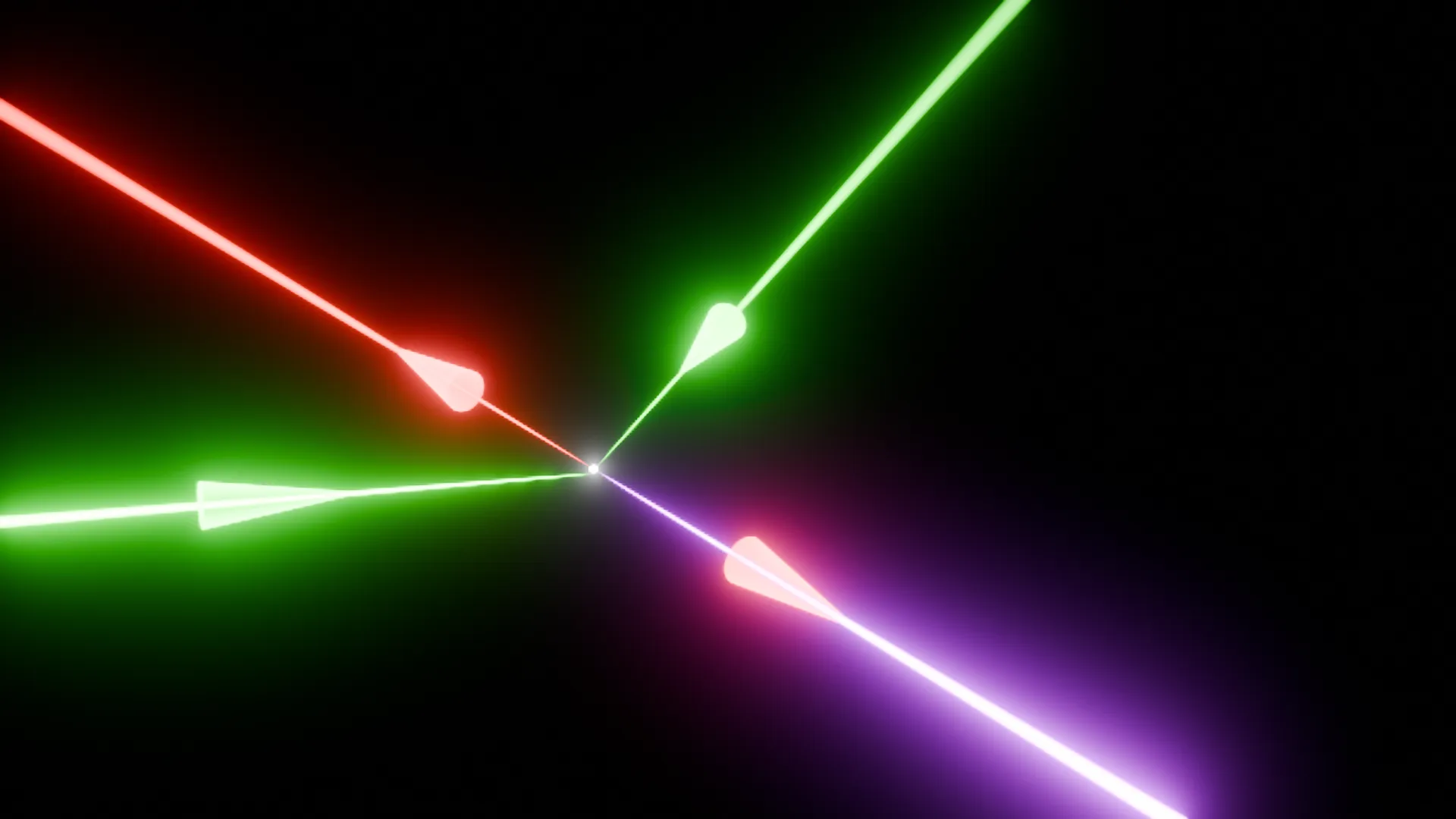
    Excitingly, these simulations recreate a bizarre phenomenon predicted by quantum physics, known as vacuum four-wave mixing. This states that the combined electromagnetic field of three focused laser pulses can polarise the virtual electron-positron pairs of a vacuum, causing photons to bounce off each other like billiard balls – generating a fourth laser beam in a ‘light from darkness’ process. These events could act as a probe of new physics at extremely high intensities.

    “This is not just an academic curiosity — it is a major step toward experimental confirmation of quantum effects that until now have been mostly theoretical,” said study co-author Professor Peter Norreys, Department of Physics, University of Oxford.

    The work arrives just in time as a new generation of ultra-powerful lasers starts to come online. Facilities such as the UK’s Vulcan 20-20, the European ‘Extreme Light Infrastructure (ELI)’ project, and China’s Station for Extreme Light (SEL) and SHINE facilities are set to deliver power levels high enough to potentially confirm photon-photon scattering in the lab for the first time. Photon-photon scattering has already been selected as one of three flag-ship experiments at the University of Rochester’s OPAL dual-beam 25 PW laser facility in the United States.

    The simulations were carried out using an advanced version of OSIRIS, a simulation software package which models interactions between laser beams and matter or plasma.

    Lead author Zixin (Lily) Zhang, a doctoral student at Oxford’s Department of Physics, said: “Our computer program gives us a time-resolved, 3D window into quantum vacuum interactions that were previously out of reach. By applying our model to a three-beam scattering experiment, we were able to capture the full range of quantum signatures, along with detailed insights into the interaction region and key time scales. Having thoroughly benchmarked the simulation, we can now turn our attention to more complex and exploratory scenarios — including exotic laser beam structures and flying-focus pulses.”

    Crucially, these models provide details that experimentalists depend on to design precise, real-world tests including realistic laser shapes and pulse timings. The simulations also reveal new insights, including how these interactions evolve in real time and how subtle asymmetries in beam geometry can shift the outcome.

    According to the team, the tool will not only assist in planning future high-energy laser experiments but could also help search for signs of hypothetical particles such as axions and millicharged particles — potential candidates for dark matter.

    Study co-author Professor Luis Silva (at the Instituto Superior Tecnico, University of Lisbon and Visiting Professor in Physics at the University of Oxford) added: “A wide range of planned experiments at the most advanced laser facilities will be greatly assisted by our new computational method implemented in OSIRIS. The combination of ultra-intense lasers, state-of-the-art detection, cutting-edge analytical and numerical modelling are the foundations for a new era in laser-matter interactions, which will open new horizons for fundamental physics.”

    Share Button

    How outdated phones can power smart cities and save the seas

    Each year, more than 1.2 billion smartphones are produced globally. The production of electronic devices is not only energy-intensive but also consumes valuable natural resources. Additionally, the manufacturing and delivery processes release a significant amount of CO2 into the atmosphere. Meanwhile, devices are aging faster than ever — users replace their still-functional phones on average every 2 to 3 years. At best, old devices are recycled; at worst, they end up in landfills.

    Although the most sustainable solution would be to change consumer behavior and consider more carefully whether every new model truly requires replacing the old one, this is easier said than done. Rapid technological development quickly renders older devices obsolete. Therefore, alternative solutions are needed — such as extending the lifespan of devices by giving them an entirely new purpose.

    This is precisely the approach tested by researchers Huber Flores, Ulrich Norbisrath, and Zhigang Yin from the University of Tartu’s Institute of Computer Science, along with Perseverance Ngoy from the Institute of Technology and their international colleagues. “Innovation often begins not with something new, but with a new way of thinking about the old, re-imagining its role in shaping the future,” explained Huber Flores, Associate Professor of Pervasive Computing. They demonstrated that old smartphones can be successfully repurposed into tiny data centers capable of efficiently processing and storing data. They also found that building such a data center is remarkably inexpensive — around 8 euros per device.

    These tiny data centers have a wide range of applications. For example, they could be used in urban environments like bus stops to collect real-time data on the number of passengers, which could then be used to optimize public transportation networks.

    In the project’s first stage, the researchers removed the phones’ batteries and replaced them with external power sources to reduce the risk of chemical leakage into the environment. Then, four phones were connected together, fitted with 3D-printed casings and holders, and turned into a working prototype ready to be re-used, fostering sustainable practices for old electronics.

    The prototype was then successfully tested underwater, where it participated in marine life monitoring by helping to count different sea species. Normally, these kinds of tasks require a scuba diver to record video and bring it to the surface for analysis. But with the prototype, the whole process was done automatically underwater.

    The team’s results show that outdated technology doesn’t have to end up as waste. With minimal resources, these devices can be given a new purpose, contributing to the development of more environmentally friendly and sustainable digital solutions.

    “Sustainability is not just about preserving the future — it’s about reimagining the present, where yesterday’s devices become tomorrow’s opportunities,” commented Ulrich Norbisrath, Associate Professor of Software Engineering.

    Share Button

    Hidden in your dna: The mutation combo that raises clot risk by 180%

    Blood clots can form in both arteries and veins. However, the reasons behind them differ, as do the consequences and the chances of preventing blood clots. In Sweden, almost half of all cases of venous thrombosis have a genetic explanation. A team of researchers from Lund University in Sweden has now discovered three gene variants that increase the risk of blood clots in the leg by up to 180 percent.

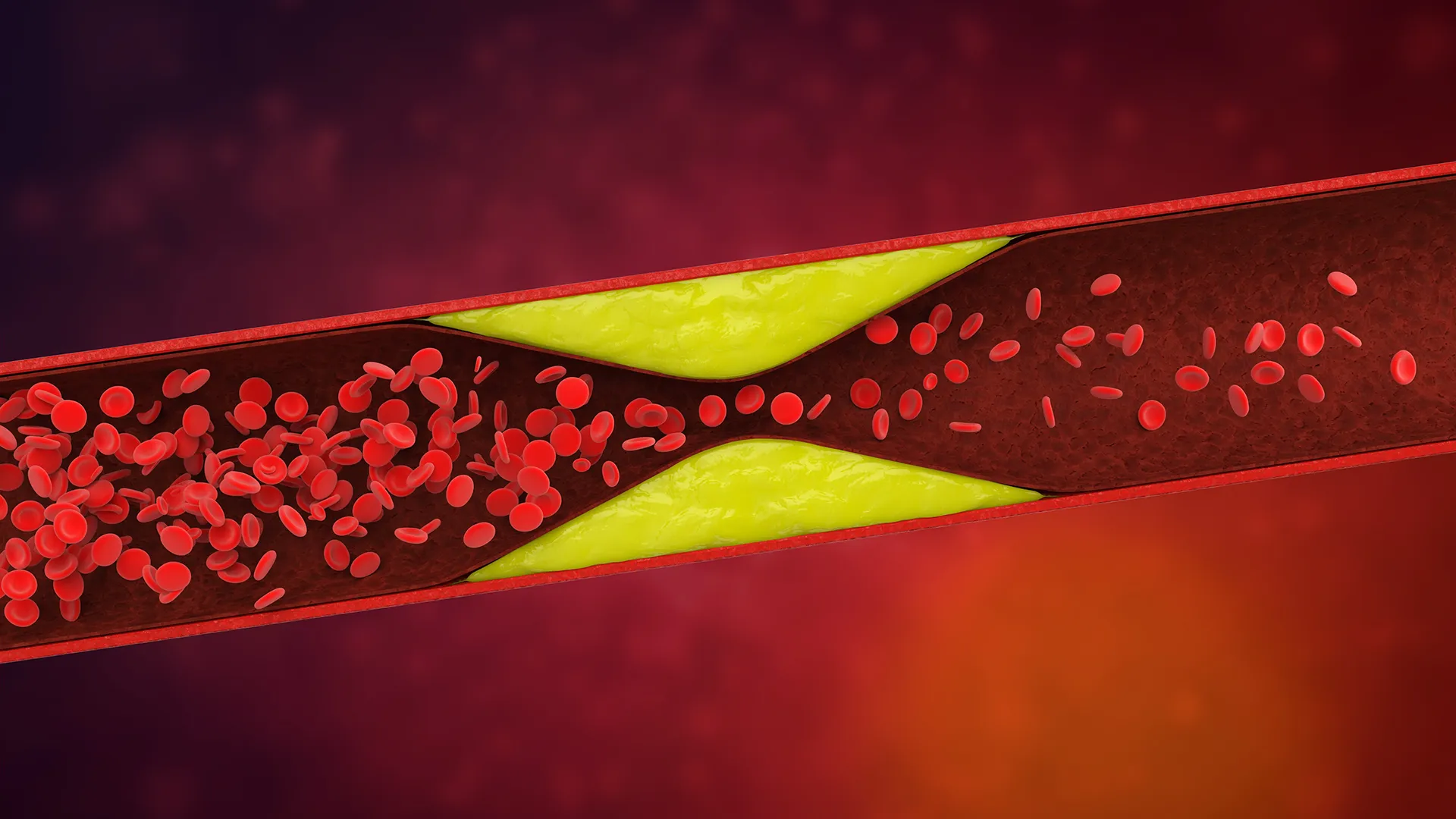
    There is a difference between arterial and venous blood clots. Blood clots in the arteries form when plaque in calcified vessels bursts and the body perceives it as an injury. This activates the platelets, which clump together and form a clot. In the worst case, it can lead to a stroke or heart attack. A venous thrombus, on the other hand, usually forms in the leg when the blood stagnates for too long. This can activate the body’s coagulation system, allowing the clotting system to be activated and the blood to clot, blocking blood flow. If the clot breaks loose and travels with the blood to the lungs, it can lead to pulmonary embolism, a life-threatening condition.

    “Venous thrombosis is in fact one of the most common causes of death in the world. It is a common disease that has always been somewhat overshadowed by arterial blood clots,” says Bengt Zöller, a specialist in general medicine at Skåne University Hospital and professor of general medicine at Lund University.

    In Sweden, more than 10,000 people suffer from venous thromboembolism each year and that number appears to be increasing. Several factors are contributing to this increase. One of the strongest risk factors is age, and as the number of older people in Sweden grows, the number of clots is also increasing. Ten per cent of 80-year-olds experience a blood clot at some point. The risk also increases if you are overweight or tall.

    “The muscles control the blood flow in the veins and the legs become like columns of fluid where the force of gravity is strong. Too much sedentary and inactive behaviour, then, is harmful. Only the valves of the veins prevent backflow and if these are damaged, the risk of blood clots can increase. Therefore, tall people are more prone to blood clots, as their larger veins provide less blood flow, combined with the fact that blood must travel a greater distance back to the heart.”

    Because the heart pumps blood out into the arteries, there is much higher blood pressure in the arteries than in the veins, which can contribute to atherosclerosis. High blood pressure, high levels of blood lipids and smoking are all risk factors for atherosclerosis of the arteries. But because the veins are a low-pressure system, the vessels do not become atherosclerotic. Therefore, neither high blood pressure nor blood lipids are associated with venous clots and smoking is considered only a weak to moderate risk factor. Being overweight, on the other hand, is a very significant culprit. Obesity has a negative impact on venous circulation, especially when combined with the fact that overweight people are often less active. Some clotting factors are also affected by obesity.

    “In terms of diet, there are fewer studies, but ultra-processed foods have been associated with a slightly increased risk of blood clots, and plant-based, healthy foods with a reduced risk. In our studies, we have also seen that commercial fishermen have a lower risk, which may be due to a higher omega-3 content in their diet.”

    There are also specific situations in which the risk of venous blood clots is particularly high. The risk of blood clots increases when blood flow is reduced, such as when travelling by air for long periods of time or when lying in bed for several days. Surgery or inflammation that damages the vessel wall can also lead to an increased tendency to clot. Particularly during pregnancy, blood clotting factors increase and levels of some protective proteins may decrease.

    “In these risk situations, prophylaxis in the form of blood thinners may be particularly important if other risk factors are also present.”

    Other risk factors are the genetic variants that affect different parts of the blood’s clotting ability. In Sweden, we have a high prevalence of APC (activated protein C) resistance due to an inherited mutation in the gene for coagulation factor V, called Factor V Leiden. About 10 per cent of Swedes have this mutation, which is considered the most common coagulation mutation among Indo-Europeans.

    “Evolutionarily, bleeding less has been an advantage, but in our modern, sedentary society, APC resistance is becoming a risk factor.”

    Bengt Zöller and his fellow researchers have now identified the strongest genetic risk factor since Factor V Leiden was discovered. They used data from the population-based Malmö Kost Cancer study, involving 30,000 Malmö residents. By selecting 27 genes previously associated with clotting disorders, they found three variants that, when taken together, were as significant a risk factor for venous blood clots as Factor V Leiden: ABO, F8, and VWF each increased the risk of venous blood clots by 10 to 30 percent.

    “And the more of these variants a person has – the higher the risk. An individual with five of these gene variants has a 180 per cent higher risk of venous thrombosis. Unlike Factor V Leiden, which is only found in Indo-Europeans, these three different mutations are found in between five and fifty per cent of various populations around the globe.”

    As these genetic variants are present in all populations, the next step is to investigate how the number of risk genes affects the duration of treatment with anticoagulants after a blood clot.

    “I think tailoring treatment based on risk assessment will become increasingly important,” concludes Bengt Zöller.

    What you can do to prevent blood clots:

    • Movement: Avoid sitting still for long periods. Stand up and move around on long flights.
    • Support stockings: Can help blood flow when you must stand or sit for long periods.
    • Blood-thinning medicines: Can be given prophylactically in high-risk situations such as surgery, cancer and others.
    • Contraceptive pills containing oestrogen: avoid contraceptive pills containing oestrogen or hormone replacement therapy if there is strong heredity for venous thromboembolism or if you have a history of blood clots.
    • Lifestyle changes: Stop smoking, eat healthier, lose weight and exercise.
    • Get vaccinated: Infections can activate the coagulation system.

    Blood clot

    A blood clot consists of coagulated blood that has become lodged in a blood vessel. Clots can form either in the oxygen-rich blood in the body’s arteries as it is pumped out of the heart, or in the low-oxygen blood in the veins (usually in the legs) as it is returned to the lungs and heart.

    Share Button

    ‘I’m Glad My Parents Aren’t Invited To My Sister’s Wedding. Was I Wrong To Tell Them That?’

    Wedding planning is incredibly stressful. There’s the expense, the (surprisingly political) guest list, the weather – to name just three stressors.

    And that’s without the added complication of a difficult family dynamic.

    Sometimes, as Redditor u/ThrowRAsisterswed shows, the tensions can build so high that the couple don’t even want to invite their own parents to the big day.

    Writing to r/AITAH (Am I The Asshole Here), the site user asked: “AITAH for telling my parents they were deserve to be kicked out of my sisters wedding?”

    So, we asked relationship therapist and author at Passionerad, Sofie Roos, about how to decide whether you should cut your relatives out of the celebration.

    The bride-to-be’s brother is the “golden child”

    The original poster (OP), who is the bride’s sister, says their parents have always given their son more leeway than the rest of their children.

    “He has been babied to the point of uselessness by our mum and dad, and that’s made him an entitled slob,” she wrote, adding: “he could do wrong in my parents’ eyes.”

    The brother has always performed “pranks” on his sister, “Kelly,” who is soon to be married. These included pulling her dress up at a family wedding.

    As an adult, Kelly has distanced herself from her family. But at her recent engagement party, her sister said she brought the family back together again.

    At this event, the brother tried to “prank” Kelly again by pouring water all over her. He was stopped by Kelly’s fiancé, who was so annoyed by the brother’s behaviour that he banned him from their wedding.

    When their parents tried to justify their adult son’s actions, Kelly and her fiancé decided to ban them from the wedding, too.

    Her sister told their parents she was right to do so, asking: “AITAH for telling my parents that they sucked a parents and deserved to be kicked out of my sisters wedding?”

    Ask yourself 3 questions to see where your boundaries should lie

    Roos tells us that though you might feel guilty about enforcing them, boundaries are “not a punishment towards others, but a protection for your own well-being.”

    Those can sometimes include cutting your parents out of your wedding.

    Still, she admits it’s a “loaded” topic, and has suggested some questions to ask yourself when considering which course of action to take.

    Have your parents consistently ignored or diminished your boundaries, for instance?

    If so, Roos says, “that’s a sign that setting a big boundary such as not inviting them to your wedding might be necessary to fully relax, be yourself and have a great time at your own wedding.”

    Secondly, how do you feel when you spend time with your parents? Feeling tense or stressed about their presence is a red flag, she warns.

    Lastly, “ask yourself what your wedding day would feel like without them – would it be easier to have a great day due to not needing to worry about criticism, drama, sneaky comments, or guilt?

    If you are feeling relieved of the thought of them not coming… then that’s a strong indicator” you shouldn’t invite them, the therapist ends.

    Sounds like in this case, the Redditor is in the right.

    Share Button