6 Seemingly Harmless Habits That May Increase Your Risk Of Dementia

Dementia is the loss of memory, language, problem-solving and other abilities that require thinking. It is often caused by Alzheimer’s disease, and mainly affects those 65 and older. Unfortunately, dementia can be severe enough that it interferes with daily life, and those who have dementia often require additional care.

“Dementia is a group of conditions characterised by impairment of at least two brain functions, such as judgment and memory loss,” explained Blair Steel, a psychologist at Carrara Treatment, Wellness & Spa. “Symptoms of dementia include forgetfulness, limited social skills and impairment in thinking that interferes with daily functioning.”

So what causes dementia? Your age, family history, race and ethnicity, heart health and history of a traumatic brain injury are all factors that increase your risk of developing the condition. But another big category is lifestyle habits. So while you can’t control your genetics, there are a few seemingly harmless behaviours you may be doing that can increase your risk. Read on to learn more about them below:

Not moving your body enough or sitting for too long

Exercising ― aerobic exercise, especially ― can help reduce cognitive impairment and dementia risk. Long-term, regular exercise can affect your brain and your overall health in a positive way, especially if you’re nearing 60. Getting your body moving daily is something you can do to decrease your risk of dementia.

Steel said “being inactive does a number on the brain.” Just like other muscles, a good thing to remember is, “If you don’t use it, you lose it.”

Not socialising enough

Social health plays a role in the development of dementia; an active and socially integrated lifestyle can protect against the disease. Stimulating the brain with social interaction is important for everyone, especially as they age. Though, in the age of social media, socialising has become a broader term.

“We spend a lot of hours on social media, however this likely does not stimulate the brain’s experience of connection as much as socialising in person,” Steel explained.

Poor social health can overstimulate the body’s stress response through increased levels of the stress hormone cortisol, raise blood pressure and decrease blood flow to vital organs amongst other health issues.

Getting inadequate sleep

Sleep disturbances and dementia are two common and significant health problems in older adults. (Let’s face it, sleep tends to be put on the back burner.) Whether due to family obligations, work or staying up late on your phone or watching TV, there’s always something in the way of adequate sleep.

Unfortunately, sleep patterns in earlier life may contribute to later problems. If you’re having trouble sleeping, or not sleeping at all, sleep deprivation could increase your dementia risk.

“Avoid screens and light after a certain hour and try to not reach for your phone if your sleep is interrupted,” Steel suggested. Try unplugging at least 30 minutes before bed.

Not getting enough sleep can have a huge impact on your brain health.

jeffbergen via Getty Images

Not getting enough sleep can have a huge impact on your brain health.

Being chronically stressed

According to the Alzheimer’s Society, stress is linked to dementia because when you’re stressed and cortisol is released, it can create problems with your memory. The negative effects of stress, particularly chronic stress, on the brain can lead to cognitive decline due to prolonged elevations of cortisol — which plays an important role in how your body responds to stress.

Working to reduce your stress through healthy habits can be key to mitigating this risk. Exercise, creative activities or hobbies, spending time with loved ones, meditation, watching a good show or reading a good book can all help you relax.

Additionally, “try to be flexible with your reactions and avoid the ‘my way or the highway’ mentality, which can be common in older adults,” Steel said.

Consuming excessive amounts of alcohol

The Alzheimer’s Society also says there’s a specific type of alcohol-related dementia that is considered alcohol-related brain damage (ARBD). This is due to the damage of the brain caused by drinking too much alcohol on a regular basis, usually over many years.

Those with this type of dementia may have issues like cooking a meal, remembering things, thinking things through, and even struggle with more complex tasks like managing finances.

Eating an unbalanced diet

Research shows a diet high in ultra-processed foods can increase dementia risk in adults. While no one’s diet is perfect, ensuring that the majority of the time you are sticking with well-balanced, healthy meals can be extremely beneficial.

Try eating leafy greens, berries, whole grains, beans, nuts, fish, and healthy fats like olive oil while limiting red meat, sweets, cheese, butter, and fast and fried food. These are healthy options that optimise your brain health.

You can lower your risk of dementia by altering the habits mentioned above, but you should also speak to a doctor if you’re struggling with your cognition.

“If you or a loved one is experiencing signs of dementia, it is important to speak to a doctor and get an assessment,” Steel said. Your primary care physician will be able to assess you, and if needed, refer you to a specialist.


Share Button

‘Fatal Mistake’: Democrats Blame Justice Department As Trump Escapes Accountability For Jan. 6

After a mob of his supporters attacked the US Capitol on January 6, 2021, it looked like Donald Trump’s political career was over.

Democrats and Republicans alike blamed Trump for inciting the attack, and he only escaped conviction at his Senate impeachment trial — which would have barred him from the presidency forever — because Republican senators insisted it was too late to convict a president who had already left office.

Besides, then-Senate Majority Leader Mitch McConnell argued at the time, Trump would face another kind of reckoning.

“We have a criminal justice system in this country. We have civil litigation. And former presidents are not immune from being held accountable by either one,” McConnell said.

That never happened, and many Democrats are ready to place the blame on one man: Attorney General Merrick Garland. They argue he waited too long to appoint a special prosecutor, which allowed Trump and his legal team to stall the case long enough for Trump to win the presidency a second time. Garland made the appointment in November 2022, saying he’d done so partly because Trump had just formalised his bid for the presidency.

The announcement also followed a series of high-profile public hearings by a bipartisan House committee airing the evidence against the former president.

“Garland only started the prosecution after he was in effect forced to by the report of the January 6 committee and the criminal referral,” former House Judiciary Committee chair Jerrold Nadler told HuffPost. “The evidence the January 6 committee used was available from the beginning.”

“Had they proceeded with those prosecutions, I think he would have been convicted and we’d have a different president now,” Nadler said. “Merrick Garland wasted a year.”

Nadler is not alone in thinking so. The Washington Post reported last month that President Joe Biden has expressed regret about picking Garland, believing the nation’s top law enforcement officer took too long to pursue Trump after January 6.

Representatives Bennie Thompson and Zoe Lofgren, members of the January 6 committee, also told HuffPost they thought Garland waited too long.

“I didn’t realise that they were not looking at the whole picture,” Lofgren said. “I think they were taking a look at the foot soldiers.”

While the Justice Department indicted Trump for the mob attack on the Capitol and other crimes related to his attempt to overturn the 2020 election, it did not do so until August 2023, long after the Republican Party had purged most members who spoke out against Trump.

A Supreme Court decision relating to presidential immunity created further delays, and ultimately, Trump won the 2024 election before the case could finish up and he could stand trial. Since longstanding Justice Department policy bars prosecuting a sitting president, the Department of Justice dropped the case after Trump’s November victory, allowing him to escape responsibility and walk back into the White House.

Garland reportedly told prosecutors early on in 2021 that they could pursue cases against people involved in the January 6 riot wherever the evidence led, even if it implicated the former president. But it turned out investigators couldn’t pinpoint financial ties between Trump and key players on the ground.

Prosecutors apparently did not initially consider building a case out of Trump’s public election-fraud lies, or his well-publicised efforts to coerce various officials into undoing the 2020 election, including his demand during a phone call that Georgia’s secretary of state fraudulently “find” him 11,000 votes. Details of the call became public within a day. That material became a key component of special counsel Jack Smith’s eventual case.

Still, it was likely inevitable that if the Justice Department prosecuted a former president, the Supreme Court could get involved to settle questions of presidential immunity that Trump would raise in court. It’s possible that even if the Justice Department had acted swiftly, appeals to the Supreme Court could have bogged the case for years.

The Justice Department declined to comment for this story.

Trump is now expected to continue his efforts to rewrite history by following through on pardons for those who participated in the attack ― whom he has hailed as “heroes” and “patriots” ― after his swearing-in on Jan. 20 at the East Front of the Capitol, the very scene of the crime.

Democrat Senator Adam Schiff, who served on the House select committee that investigated the attack, said the Justice Department “moved with expedition when it came to the people who broke into the building, but were those at a higher level, they waited almost a year on.”

“That was a fatal mistake,” he added.

Federal prosecutors have secured more than 1,000 convictions so far relating to the Jan. 6 attack, and more than 600 rioters have been sentenced to prison, with terms ranging from a few days behind bars to 22 years in federal prison for the head of the Proud Boys.

Still, when it comes to the person who spread dangerous lies about the 2020 presidential election, and who urged hundreds of his supporters to march on the Capitol in protest of Biden’s electoral certification, the same cannot be said.

“I think the department was so focused on being kind of by the book, and being so clear that there wasn’t any political interference,” said Democrat Senator Tina Smith. “I really worry that, you know, he’ll become president, and he’s going to pardon a bunch of people and [a] great sort of whitewashing of what happened will continue.”

Other Democrats were more charitable toward the Justice Department, noting that ― unfairly or not ― Trump was reelected with a popular-vote win over Vice President Kamala Harris even in spite of his role in the Jan. 6 attack and his efforts to fraudulently overturn an election.

“This isn’t about the DOJ. This is about Trump being successful in rewriting history,” Senator Peter Welch said. “He’s validated the folks who attacked the Capitol, and I don’t think a month earlier, a month later, six months earlier, that would have made a difference.”

“The reality is the American people reelected him after that. Who would have thought that?” Welch added. “Trump insisted that this was a peaceful demonstration, continued to insist that the election was stolen, he hasn’t backed down from that at all ― and he got reelected.”

Trump’s reelection, however, largely happened despite the American public’s disapproval of his behavior on January 6. Roughly two-thirds of the people who voted in the 2024 election believed Trump had “a lot” or “some” responsibility for violence on January 6, according to exit polls. The problem for Trump’s opponent is that 70% of those who believed he had some responsibility for the violence voted for him anyway.

Similarly, two-thirds of American adults oppose Trump’s plans to pardon people convicted of crimes related to the insurrection, according to a Washington Post-University of Maryland survey last month.

Though the criminal cases against Trump are all but dead, he could be on the hook for damages as a result of a handful of civil lawsuits brought against him relating to the Jan. 6 insurrection, including by law enforcement officers, congressional Democrats and the estate of a police officer who died. Unlike federal suits, civil litigation can proceed against a sitting president.

Moreover, outgoing Republican Senator Mitt Romney, who voted to convict Trump over the January 6 attack, said he believes history will judge Trump’s wrongdoing harshly.

“I think the people who write history are serious people, and they will recognize, as the world does, that it was a terrible assault on the world’s model democracy,” Romney said. “It will be seen as such, and the effort to try and pretend it was something else will fly in the face of reality.”

Share Button

75 Hard: Is the TikTok fitness challenge really worth it?

The challenge involves forgoing alcohol and unhealthy food for 75 days and doing multiple daily workouts.

Share Button

Keep Butter Out Of The Fridge? We’ve Got Grim News For You

Despite what I’ll tactfully call conflicting opinions in my household, it turns out that yes, butter is almost always safe to eat after being left out on the counter.

Not only is room-temperature butter better for spreading and creaming sugar while baking, it turns out that you can leave properly stored butter out for a surprisingly long time.

“Butter is safe to eat after being out at room temperature,” Bri Bell, a registered dietitian, and food safety expert, told Allrecipes.

“One reason it doesn’t go bad as quickly as other dairy products at room temperature is because it’s low in carbohydrates and proteins, which are mould and bacteria’s preferred food sources.“

But does safe mean tasty? Is there an upper limit to how long you can leave butter out on the side? And if so, what is it?

It’ll be safe for ages ― but delicious for as little as a couple of hours

Part of it has to do with storage. On one, more extreme end, bog butter ― butter buried under a bog to preserve it for longer ― has been found to last for literally hundreds of years without posing a health threat to anyone who eats it.

But unless you’ve got an airtight, subterranean cubby-hole of your own, your best bet is probably a butter dish or something similarly airtight that won’t absorb smells from your cooking. This should keep it safe to eat for ages, provided your kitchen isn’t too hot.

However, the question of safety is different to the question of flavour. While butter might be safe to eat after a couple of days on your countertops, its taste might be impacted by leaving the fridge.

Tonja Engen, Culinary Content Specialist for butter experts Land O’Lakes, told Allrecipes “Do not leave butter at room temperature for more than 4 hours. Always return any unused butter to the refrigerator and be aware that butter left outside refrigeration may become darker in colour and have the flavour affected.”

If you need to soften butter for baking or spreading, she says that “you can cut the butter into small chunks and let stand at room temperature for about 15 minutes.”

Or grate frozen butter for a quick-fix for baking, she adds.

The United States Department of Agriculture’s recommendations say that “Butter and margarine are safe at room temperature. However, if butter is left out at room temperature for several days, the flavour can turn rancid so it’s best to leave out whatever you can use within a day or two.”

In other words, while your butter is safe out on the counters for a remarkably long time, its creamy flavour might degrade in a matter of hours.

Honestly, this is the most clear-cut case of “ignorance is bliss” I’ve ever seen…

Share Button

Noticing This While Brushing Your Teeth Could Be A Sign Of Dementia

In his new book How To Prevent Dementia, Dr. Richard Restak (neurologist, neuropsychiatrist, author, and professor) shared that some signs of dementia can show up first in everyday tasks ― including brushing your teeth.

“Four impairments underlie the outer expressions and inner experiences of the Alzheimer patient,” the doctor shared in his book. He called these the “four As.”

One sign is amnesia, he says ― simply forgetting things. Then, there’s aphasia, which involves not being able to understand, find, or use the right words.

“Neither amnesia nor aphasia in their milder forms is always abnormal,” Restak says. But “the third and fourth of the four A’s are always a sign something is amiss,” he adds.

One of these is agnosia, or “an impairment of correctly understanding information provided by the senses of seeing, hearing, touching, smelling, and tasting.” For instance, someone might not be able to recognise a beloved family member by sight.

The final one, apraxia, refers to an inability to perform “purposeful and highly practiced actions despite normal muscle strength and tone.”

Brushing your teeth is a good example of where apraxia may show up

It’s not necessarily about forgetting how to do the task, nor is it about not being strong enough to follow the steps, Restak says. Instead, the issue lies in tying all the actions and thoughts together correctly and in the right order.

“A person with apraxia may be able to recognise and even name a toothbrush and toothpaste but may be unable to carry out the act (praxis) of squeezing the toothpaste onto the toothbrush.”

Or they could struggle to put the brush in their mouth and scrub their teeth. “All the muscle components are present but can’t be coordinated,” Restak shared.

Tooth decay has been linked to increased dementia risk, though Dr. Restak doesn’t suggest apraxia is the cause of this in his book.

Other forms of apraxia can cause people to fall, speak, and, for those in the later stages of Alzheimer’s, dress and bathe themselves, the neurologist says.

“Many, if not all, expressions of Alzheimer’s can be explained by reference to the four A’s,” Restak stated in How To Prevent Dementia.

What if I suspect dementia?

If you think you or someone you love could have the condition, the NHS advises you to see a GP as soon as possible.

If you’re supporting a loved one, “You may like to suggest you go with your friend or relative to see a GP so you can support them. You’ll also be able to help them recall what has been discussed,” they say.

“A diagnosis of dementia can also help people with these symptoms, and their families and friends, make plans so they’re prepared for the future,” they add.

How To Prevent Dementia is available from Penguin

Share Button

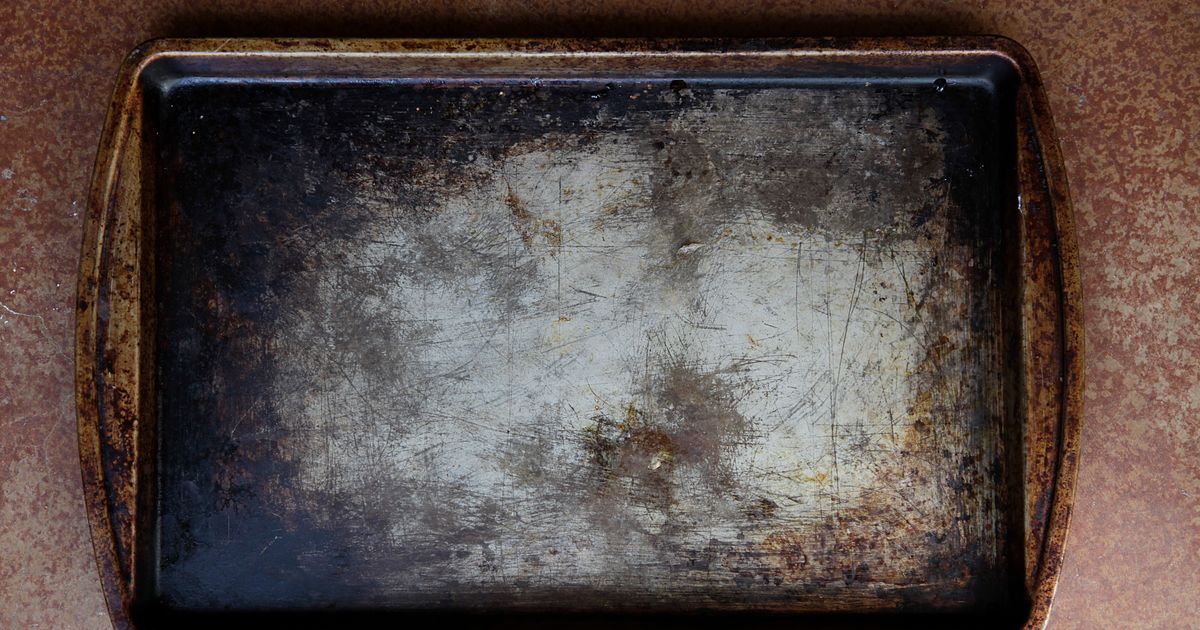
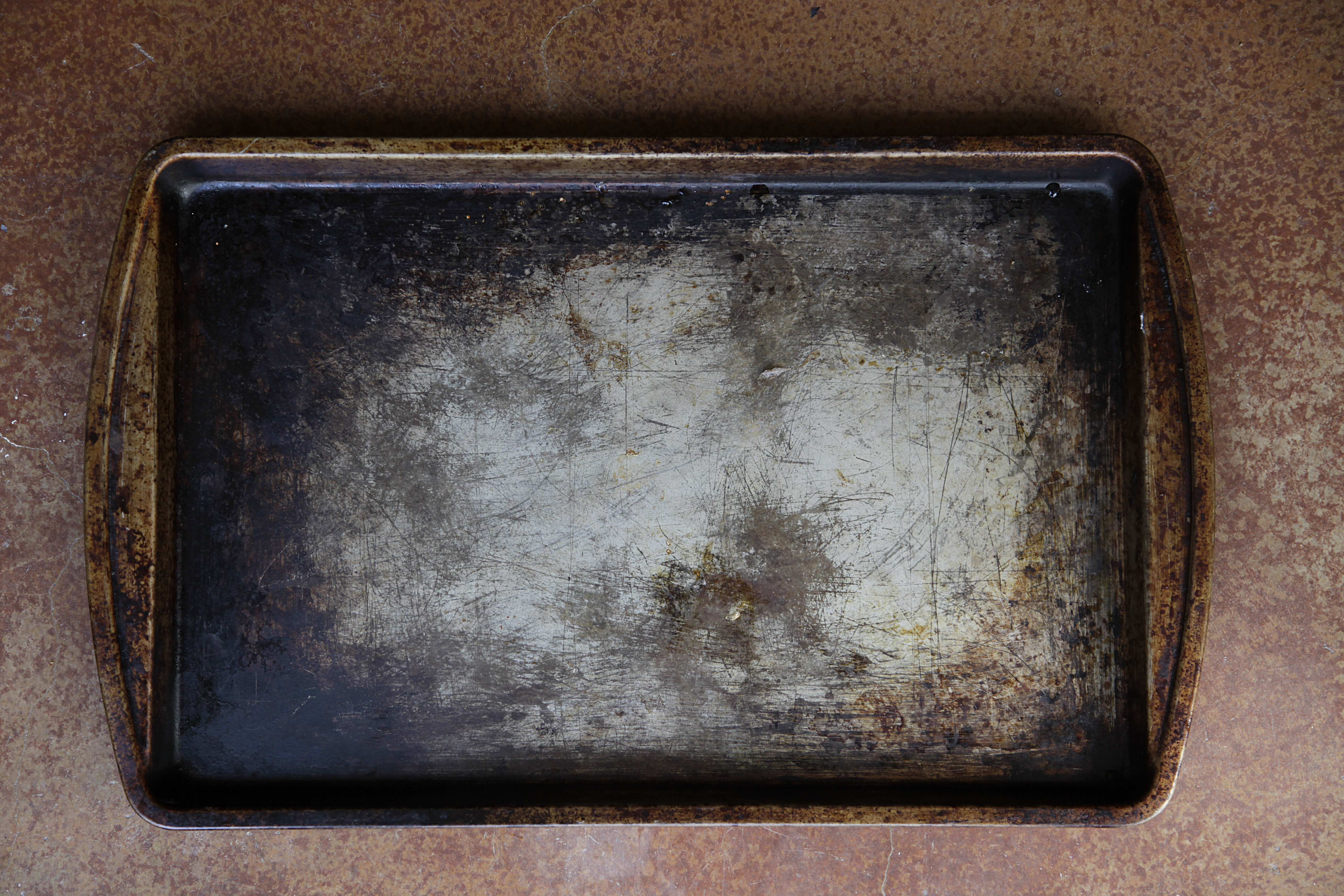
The Secret To Sparkling Baking Trays Is Hiding In Your Food Cupboard

I don’t know what it is about baking trays. Maybe it’s the fact that we’ve designed them for a lifetime of inferno-like suffering in our ovens – but no matter how carefully I clean mine, they seem to get incredibly filthy in a matter of months ― almost as if they’re doing it on purpose.

Forget sponges. Forget dish brushes. Once my baking trays have achieved the crusted-on hue of shame, it feels like nothing will help to clean them.

So you can imagine how intrigued I was to hear from Tasting Table that the humble spud could help to remove the rust from my trays.

All I have to do, they advise, is halve a raw spud, dip the potato in washing-up liquid and salt or baking soda, and get to scrubbing. I was sceptical too ― but having tried it, I’ll never go back.

I know! It works because potatoes are high in something called oxalic acid, which is sometimes sold in its pure form as a rust remover.

When this comes into contact with rust, it creates a substance called iron oxalate, which can easily be washed away with water and soap.

The addition of washing-up liquid will help to cut through grease, while salt and baking powder will exfoliate the surface of your trays.

Sweet potatoes are higher in rust-reducing oxalic acid than other kinds, Tasting Table points out.

Yep! I’ve tried wrapping my entire oven (baking trays included) in clingfilm overnight after applying a baking soda paste before ― this worked brilliantly.

You can also try submerging your baking trays in hot, soapy water for a minimum of half an hour before scrubbing away the grime. This works, but requires a lot of sink space.

Baking soda and boiling water can also do the trick, Oven Pride suggests (though keep your hands safe during this method).

And of course, you can’t go too far wrong with a wire scourer and good ol’ elbow grease…

Share Button

The carbon in our bodies probably left the galaxy and came back on cosmic ‘conveyer belt’

Life on Earth could not exist without carbon. But carbon itself could not exist without stars. Nearly all elements except hydrogen and helium — including carbon, oxygen and iron — only exist because they were forged in stellar furnaces and later flung into the cosmos when their stars died. In an ultimate act of galactic recycling, planets like ours are formed by incorporating these star-built atoms into their makeup, be it the iron in Earth’s core, the oxygen in its atmosphere or the carbon in the bodies of Earthlings.

A team of scientists based in the U.S. and Canada recently confirmed that carbon and other star-formed atoms don’t just drift idly through space until they are dragooned for new uses. For galaxies like ours, which are still actively forming new stars, these atoms take a circuitous journey. They circle their galaxy of origin on giant currents that extend into intergalactic space. These currents — known as the circumgalactic medium — resemble giant conveyer belts that push material out and draw it back into the galactic interior, where gravity and other forces can assemble these raw materials into planets, moons, asteroids, comets and even new stars.

“Think of the circumgalactic medium as a giant train station: It is constantly pushing material out and pulling it back in,” said team member Samantha Garza, a University of Washington doctoral candidate. “The heavy elements that stars make get pushed out of their host galaxy and into the circumgalactic medium through their explosive supernovae deaths, where they can eventually get pulled back in and continue the cycle of star and planet formation.”

Garza is lead author on a paper describing these findings that was published Dec. 27 in the Astrophysical Journal Letters.

“The implications for galaxy evolution, and for the nature of the reservoir of carbon available to galaxies for forming new stars, are exciting,” said co-author Jessica Werk, UW professor and chair of the Department of Astronomy. “The same carbon in our bodies most likely spent a significant amount of time outside of the galaxy!”

In 2011, a team of scientists for the first time confirmed the long-held theory that star-forming galaxies like ours are surrounded by a circumgalactic medium — and that this large, circulating cloud of material includes hot gases enriched in oxygen. Garza, Werk and their colleagues have discovered that the circumgalactic medium of star-forming galaxies also circulates lower-temperature material like carbon.

“We can now confirm that the circumgalactic medium acts like a giant reservoir for both carbon and oxygen,” said Garza. “And, at least in star-forming galaxies, we suggest that this material then falls back onto the galaxy to continue the recycling process.”

Studying the circumgalactic medium could help scientists understand how this recycling process subsides, which will happen eventually for all galaxies — even ours. One theory is that a slowing or breakdown of the circumgalactic medium’s contribution to the recycling process may explain why a galaxy’s stellar populations decline over long periods of time.

“If you can keep the cycle going — pushing material out and pulling it back in — then theoretically you have enough fuel to keep star formation going,” said Garza.

For this study, the researchers used the Cosmic Origins Spectrograph on the Hubble Space Telescope. The spectrograph measured how light from nine distant quasars — ultra-bright sources of light in the cosmos — is affected by the circumgalactic medium of 11 star-forming galaxies. The Hubble readings indicated that some of the light from the quasars was being absorbed by a specific component in the circumgalactic medium: carbon, and lots of it. In some cases, they detected carbon extending out almost 400,000 light years — or four times the diameter of our own galaxy — into intergalactic space.

Future research is needed to quantify the full extent of the other elements that make up the circumgalactic medium and to further compare how their compositions differ between galaxies that are still making large amounts of stars and galaxies that have largely ceased star formation. Those answers could illuminate not just when galaxies like ours transition into stellar deserts, but why.

Co-authors on the paper are Trystyn Berg, research fellow at the Herzberg Astronomy and Astrophysics Research Centre in British Columbia; Yakov Faerman, a UW postdoctoral researcher in astronomy; Benjamin Oppenheimer, a research fellow at the University of Colorado Boulder; Rongmon Bordoloi, assistant professor of physics at North Carolina State University; and Sara Ellison, professor of physics and astronomy at the University of Victoria. The research was funded by NASA and the National Science Foundation.

Share Button

Scientists unveil surprising human vs mouse differences in a major cancer immunotherapy target

Since its discovery in the 1990s, “programmed cell death protein 1,” or PD-1, has been regarded as a leading target in cancer treatments. A “checkpoint” receptor that often resides on the surface of immune system cells, the PD-1 molecule works as a type of off switch that keeps immune cells from attacking other cells.

After its discovery, which revolutionized oncology and earned a 2018 Nobel Prize, researchers developed new drugs to block PD-1 and unleash the body’s immune system to fight cancer. Yet treatments leveraging PD-1 are only effective in a small fraction of cancer patients, highlighting the need for a deeper understanding of how PD-1 works. Much of our current knowledge of PD-1’s functions comes from studies in mice, grounded on the assumption that rodent and human biology operate similarly.

Researchers in UC San Diego’s School of Biological Sciences and School of Medicine have now discovered that this assumption may be flawed. In a comprehensive assessment of PD-1 that featured novel biochemical analyses, animal modeling and a new evolutionary roadmap tracing PD-1 back millions of years, the UC San Diego scientists and their colleagues at the Chinese Academy of Sciences found that PD-1 in mice is significantly weaker than the human version.

The study, led by assistant project scientist Takeya Masubuchi, revealed several previously unknown PD-1 characteristics, including a “motif” — a specific sequence of amino acids — that is vastly different in rodents and humans.

“Our work uncovers unexpected species-specific features of PD-1 with implications for developing better pre-clinical models for PD-1,” said Associate Professor Enfu Hui of the School of Biological Sciences, Department of Cell and Developmental Biology, and a senior author of the paper. “We found a motif in PD-1 that’s present in most mammals, including humans, but is surprisingly missing in rodents, making rodent PD-1 uniquely weaker.”

The results of the study are published January 3, 2025, in the journal Science Immunology.

“Although many proteins in mice and humans have similar sequences, receptors in the immune system often show greater differences,” said Masubuchi. “Our study shows that these sequence differences can lead to functional variations of immune checkpoint receptors across species.”

Furthering their analysis, the researchers tested the impact of PD-1 humanization in mice — replacing mouse PD-1 with the human version — through co-senior author Professor Jack Bui’s laboratory in the Department of Pathology. They found that PD-1 humanization disrupted the ability of immune cells (T cells) to combat tumors.

“This study shows that as science progresses we need to have a rigorous understanding of the model systems that we use to develop medicines and drugs,” said Bui. “Finding that rodents might be outliers in terms of PD-1 activity forces us to rethink how to deploy medicines to people. If we’ve been testing medicines in rodents and they’re really outliers, we might need better model systems.”

To trace the PD-1 human-rodent differences over time, the researchers collaborated with co-senior author Professor Zhengting Zou and his Chinese Academy of Sciences colleagues. They discovered evidence of a major dip in ancestral rodent PD-1 activity around 66 million years ago after the Cretaceous-Paleogene (K-Pg) mass extinction event, which wiped out the (non-avian) dinosaurs. The analysis showed that the rodent PD-1 is uniquely weak among all vertebrates. The weakening may be attributed to special ecological adaptations to escape the effects of rodent-specific pathogens.

“The rodent ancestors survived the extinction event but their immune receptor activities or landscape might have been altered as a consequence of adaptation to new environmental challenges,” said Hui.

Future studies will assess the impact of PD-1 on the anti-tumor activity of T cells in a humanized context across various tumor types.

Share Button

New nanocrystal material a key step toward faster, more energy-efficient computing

Scientists including an Oregon State University chemistry researcher have taken a key step toward next-generation optical computing and memory with the discovery of luminescent nanocrystals that can be quickly toggled from light to dark and back again.

“The extraordinary switching and memory capabilities of these nanocrystals may one day become integral to optical computing — a way to rapidly process and store information using light particles, which travel faster than anything in the universe,” said Artiom Skripka, assistant professor in the OSU College of Science. “Our findings have the potential to advance artificial intelligence and information technologies generally.”

Published in Nature Photonics, the study by Skripka and collaborators at Lawrence Berkeley National Laboratory, Columbia University and the Autonomous University of Madrid involves a type of material known as avalanching nanoparticles.

Nanomaterials are tiny bits of matter measuring between one-billionth and one-hundred-billionths of a meter, and avalanching nanoparticles feature extreme non-linearity in their light-emission properties — they emit light whose intensity can increase massively with a small increase in the intensity of the laser that’s exciting them.

The researchers studied nanocrystals composed of potassium, chlorine and lead and doped with neodymium. By themselves, the potassium lead chloride nanocrystals do not interact with light; however, as hosts, they enable their neodymium guest ions to handle light signals more efficiently, making them useful for optoelectronics, laser technology and other optical applications.

“Normally, luminescent materials give off light when they are excited by a laser and remain dark when they are not,” Skripka said. “In contrast, we were surprised to find that our nanocrystals live parallel lives. Under certain conditions, they show a peculiar behavior: They can be either bright or dark under exactly the same laser excitation wavelength and power.”

That behavior is referred to as intrinsic optical bistability.

“If the crystals are dark to start with, we need a higher laser power to switch them on and observe emission, but once they emit, they remain emitting and we can observe their emission at lower laser powers than we needed to switch them on initially,” Skripka said. “It’s like riding a bike — to get it going, you have to push the pedals hard, but once it is in motion, you need less effort to keep it going. And their luminescence can be turned on and off really abruptly, as if by pushing a button.”

The low-power switching capabilities of the nanocrystals align with the global effort to reduce the amount of energy consumed by the growing presence of artificial intelligence, data centers and electronic devices. And not only do AI applications require substantial computational power, they are often constrained by limitations associated with existing hardware, a situation this new research could also address.

“Integrating photonic materials with intrinsic optical bistability could mean faster and more efficient data processors, enhancing machine learning algorithms and data analysis,” Skripka said. “It could also mean more-efficient light-based devices of the type used in fields like telecommunications, medical imaging, environmental sensing, and interconnects for optical and quantum computers.”

Additionally, he said, the study complements existing efforts to develop powerful, general-purpose optical computers, which are based on the behavior of light and matter at the nanoscale, and underscores the importance of fundamental research in driving innovation and economic growth.

“Our findings are an exciting development, but more research is necessary to address challenges such as scalability and integration with existing technologies before our discovery finds a home in practical applications,” Skripka said.

The U.S. Department of Energy, the National Science Foundation and the Defense Advanced Research Projects Agency supported the research, which was led by Bruce Cohen and Emory Chan of Lawrence Berkeley, P. James Schuck of Columbia University and Daniel Jaque of the Autonomous University of Madrid.

Share Button

One of the world’s largest social programs greatly reduced tuberculosis among the most vulnerable

Brazil’s Bolsa Família Program (BFP) is one of the largest conditional cash transfer programmes implemented worldwide. Since 2004, the BFP has provided financial support to the poorest families in Brazil, on the condition that they fulfil certain conditions such as taking their children to the doctor and ensuring school attendance. While these programmes are well-known for reducing economic and social inequalities, they have also been shown to improve health outcomes such as child mortality, maternal deaths, and HIV cases and deaths.

Tuberculosis (TB), one of the leading infectious killers in Brazil and other low- and middle-income countries, is closely linked to poverty. “We know that TB is driven by poverty, but until now, the effects of cash transfers on disease outcomes among the most vulnerable populations had not been fully analysed,” says the coordinator of the study, Davide Rasella, head of the Health Impact Assessment and Evaluation group at ISGlobal and collaborating professor of the Institute of Collective Health.

Rasella and his colleagues in Brazil analysed data, including ethnic and socioeconomic conditions, from 54.5 million low-income Brazilians between 2004 and 2015. They compared TB incidence (number of new cases), mortality (number of deaths in the population) and case fatality rate (how many people who have the disease die) among people who received BFP support (23.9 million) or not (30.6 million). In total, there were 159,777 new TB diagnoses and 7,993 TB deaths in the cohort under study.

Stronger effects among indigenous and extremely poor people

The results show a large decrease in TB cases and deaths among those benefiting from cash transfers. The decrease was of over 50% in extremely poor people and more than 60% among the indigenous populations. Although the program reduced TB cases across all groups, its effect was smaller in those who were less poor, and there was no significant reduction in TB deaths in that group. The TB case fatality rate (i.e. how deadly the disease is in those affected) was also lower among Bolsa Família beneficiaries compared to non-beneficiaries, although the difference between the two groups was not statistically significant.

The reason behind the BFP’s effect on TB outcomes is not a mystery. “We know that the program improves access to food, both in quantity and quality, which reduces food insecurity and malnutrition- a major risk factor for TB- and strengthens people’s immune defences as a result. It also reduces barriers to accessing healthcare,” says Gabriela Jesus, co-first author of the study along with Priscila Pinto, both from FIOCRUZ.

Global implications

Expanding the BFP can help Brazil address the worrying increase in TB cases among vulnerable populations following the COVID-19 pandemic. But the implications of these findings extend beyond Brazil.

“Our study has far-reaching implications for policy-making in all countries with a high burden of TB,” says Rasella. The message is clear: social protection programmes not only help reduce poverty and malnutrition, but can also play a crucial role in achieving the targets of the END-TB strategy and those of the Sustainable Development Goals.

Share Button