Even in midlife, disrupted sleep tied to memory, thinking problems later on

People who have more disrupted sleep in their 30s and 40s may be more likely to have memory and thinking problems a decade later, according to new research published in the January 3, 2024, online issue of Neurology®, the medical journal of the American Academy of Neurology. The study does not prove that sleep quality causes cognitive decline. It only shows an association.

“Given that signs of Alzheimer’s disease start to accumulate in the brain several decades before symptoms begin, understanding the connection between sleep and cognition earlier in life is critical for understanding the role of sleep problems as a risk factor for the disease,” said study author Yue Leng, PhD, of the University of California, San Francisco. “Our findings indicate that the quality rather than the quantity of sleep matters most for cognitive health in middle age.”

The study involved 526 people with an average age of 40. They were followed for 11 years.

Researchers looked at participants’ sleep duration and quality. Participants wore a wrist activity monitor for three consecutive days on two occasions approximately one year apart to calculate their averages. Participants slept for an average of six hours.

Participants also reported bedtimes and wake times in a sleep diary and completed a sleep quality survey with scores ranging from zero to 21, with higher scores indicating poorer sleep quality. A total of 239 people, or 46%, reported poor sleep with a score greater than five.

Participants also completed a series of memory and thinking tests.

Researchers also looked at sleep fragmentation, which measures repetitive short interruptions of sleep. They looked at both the percentage of time spent moving and the percentage of time spent not moving for one minute or less during sleep. After adding these two percentages together, researchers found that participants had an average sleep fragmentation of 19%.

Researchers then divided participants into three groups based on their sleep fragmentation score.

Of the 175 people with the most disrupted sleep, 44 had poor cognitive performance 10 years later, compared to 10 of the 176 people with the least disrupted sleep.

After adjusting for age, gender, race, and education, people who had the most disrupted sleep had more than twice the odds of having poor cognitive performance when compared to those with the least disrupted sleep. There was no difference in cognitive performance at midlife for those in the middle group compared to the group with the least disrupted sleep.

“More research is needed to assess the link between sleep disturbances and cognition at different stages of life and to identify if critical life periods exist when sleep is more strongly associated with cognition,” Leng said. “Future studies could open up new opportunities for the prevention of Alzheimer’s disease later in life.”

The amount of time people slept and their own reports of the quality of their sleep were not associated with cognition in middle age.

A limitation of the study was that due to the small sample size, researchers were unable to fully investigate potential race or gender differences.

The study was funded by the National Institute on Aging and the National Heart, Lung, and Blood Institute.

Share Button

What are junior doctors paid – and how much to settle?

The longest strike in the history of the NHS is in its second day. Is there hope of a resolution?

Share Button

Junior doctors’ strike: Some hospitals request staff return to work

NHS bosses say the service is under huge pressure – but junior doctors say they are misusing the system.

Share Button

Israel-Hamas War: How The Violent Conflict Is Already Reaching Across The Middle East

The Israel-Hamas war has spilled out into the wider Middle Eastern region recently, with at least three areas now where violent skirmishes could escalate.

While the focal point of the crisis is still the Palestinian territory of Gaza, friction between Israel and its neighbouring nations have sparked fears that the whole region could be embroiled in war.

The EU’s foreign policy chief Josep Borrell has even warned that unless this war ends soon, “the entire Middle East might end up in flames”.

As the complex crisis is about to head into its third month, here’s a look at where hostilities have risen – and why.

Lebanon

According to Beirut, an Israeli drone strike targeted a Hamas office in the Lebanese capital on Tuesday, killing seven people.

The deputy leader of Hamas’ political bureau who was also involved Hamas’ military, Saleh al-Arouri, was killed.

However, Israel has not taken direct responsibility for the attack. Senior advisor to Netanyahu Mark Regev just referred to “whoever did this” and said it was “not an attack on the Lebanese state”.

Back in November, the Israeli PM Benjamin Netanyahu warned in November that Israel would “operate against Hamas leaders wherever they are”.

But, after Tuesday’s attack, he only described the move as a “surgical strike” against Hamas – and stopped short of actually taking responsibility for it.

It comes as tensions between Israel and the Lebanese militant group Hezbollah have been increasing for months.

Hezbollah, known to be sympathetic to Hamas, has been designated a terrorist organisation by Western countries, Israel, the Gulf Arab countries and the Arab League.

Hezbollah said that it was a “serious assault on Lebanon” and a “dangerous development in course of the war between the enemy and the axis of the resistance” which will “not go without a response or punishment”.

Lebanon’s PM, Najib Mikati, said the explosion was a “crime” which “aims to drag Lebanon into a new phase of confrontation with Israel” – but discouraged Hezbollah from responding themselves.

Former UK ambassador to Lebanon Tom Fletcher told the BBC this was a “moment of real jeopardy” as al-Arouri was a “big fish” and “taking him out in the heart of Hezbollah territory is a big deal”.

Some reports have suggested that Egypt, a key mediator in the Israel-Hamas negotiations along with Qatar, has suspended mediations due to the attack but there’s been no official confirmation.

Red Sea

The Red Sea shipping route is still too dangerous for many companies to use after a spate of attacks by Houthi rebels in Yemen who support Hamas – and have Iran’s backing.

The rebels claim to only aim to disrupt ships going to and from Israel, but some civilian vessels have been under threat.

The US also says Houthi rebels have fired two missiles at commercial vessels recently.

There is also a chance there global prices could rise in a few weeks because of the cost of re-routing vessels around the southern-most tip of Africa if the Red Sea becomes completely inaccessible.

Iran

Today’s unexplained explosions in the Middle Eastern country, which supports militant groups Hamas and Hezbollah, have raised further concerns that the crisis is going to escalate.

Explosions killed more than 100 people during a ceremony to mark the four year anniversary of the killing of an Islamic Revolutionary Corps general, Qassem Soleimani. He was assassinated by a US drone strike in Iraq in 2020.

There is no evidence yet to suggest Israel was behind these attacks, but as the BBC’s security correspondent Frank Gardner suggested, it will “inevitably raise tensions in the region”.

Iranian officials have also weighed in on the killing of the top Hamas official, blaming Israel for its “cowardly terrorist operations”.

Gaza

This is still the main focal point for the war and the death toll continues to rise.

According to the Hamas-run health ministry in Gaza, more than 22,000 people have been killed since October 7, when the war began.

Although some Israeli troops have been withdrawn from Gaza, the adviser to Israeli PM Benjamin Netanyahu, Mark Regev, suggested this did not mean the violence was winding down. He told Sky News on Tuesday that the war is “a marathon not a sprint”.

Comments from the Israeli finance minister Bezalel Smotrich, that emigration from Gaza needs to be encouraged so that Israeli settlers can return to the area and “make the desert bloom” have added to fears that the government wants all Palestinians to leave Gaza.

According to UN estimates, 85% of the Gaza population – 1.9 million people – have been internally displaced since the war broke out.

Meanwhile, Hamas is still holding more than 100 hostages in Gaza.

Hamas’ leader Ismail Haniyeh has said that the remaining captives taken in October will only be released under conditions set by the militants.

They have previously said no hostages will be released until the war ends, while Israel do not want a permanent ceasefire.

What else is happening?

Israel is contesting South Africa’s genocide accusation at the International Court of Justice.

Tensions remain high in the West Bank too, with the Palestinian president Mahmoud Abbas recently warning that the territory could “implode”.

EU foreign policy chief Josep Borrell called for other countries to step in to resolve the ongoing crisis.

Speaking at an event in Lisbon on Wednesday, he said: ”If this tragedy doesn’t end soon, the entire Middle East might end up in flames.”

Meanwhile, Turkey has arrested 33 people for suspected spying for Israel.

Share Button

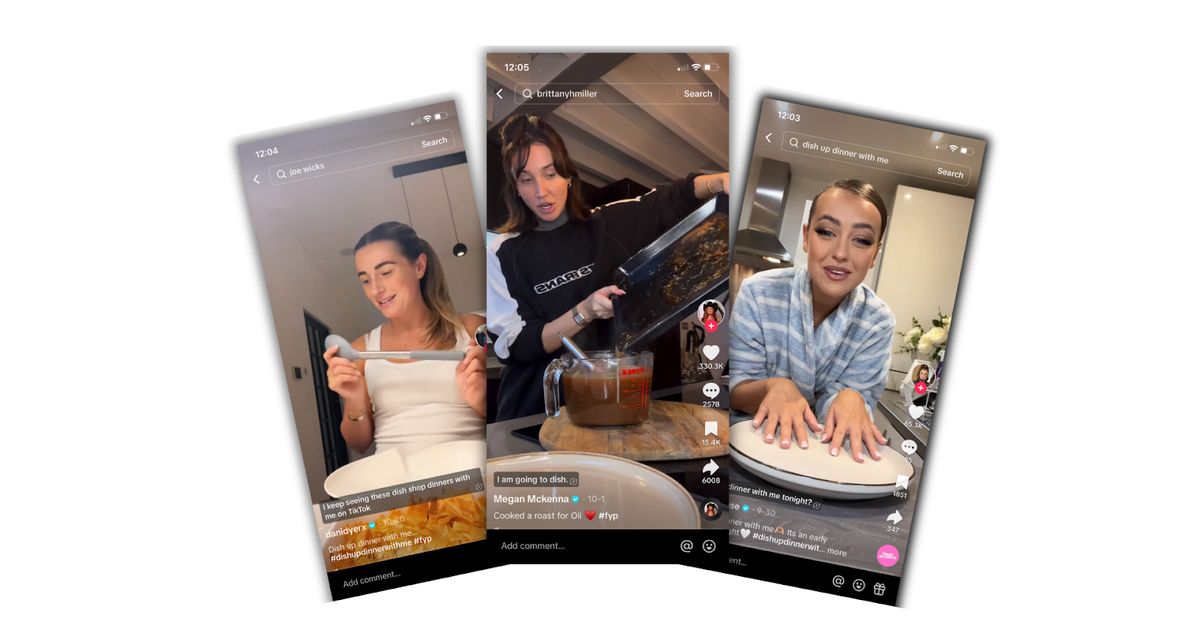
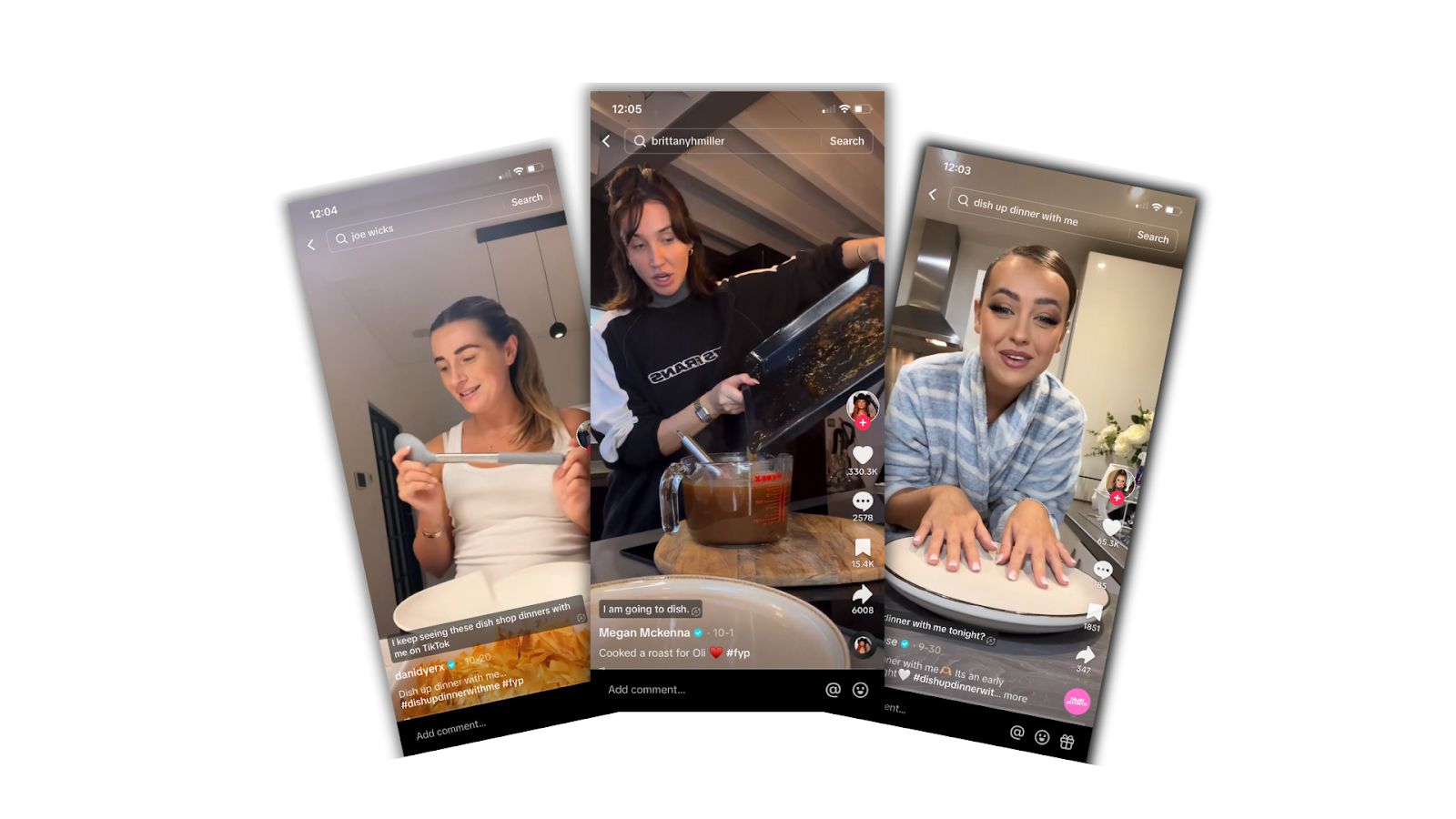
So THIS Is Why We’re All Obsessed With ‘Plate Up’ Videos On TikTok

Right, I’m going to share a secret with you and I would prefer it if you didn’t judge me. If I can’t get going with cleaning or cooking at home, I watch other people doing it on TikTok and it gives me the motivation to get moving with my own duties.

Take for example, last Sunday. I really wanted to make a roast dinner. Of course, this takes a long time, a lot of different dishes, and is a whole effort. So, to get myself in the mood, I watched some of my favourite “plate up” creators on TikTok put their meals together on the plate and somehow, between the steam of the hot food, the delicate placement on the plate and the gravy being poured over all of it just put me right in the mood.

It turns out, I’m really not alone. Lots of us can’t get enough of these videos and according to HelloFresh, 270 million of us find ourselves enchanted by these cosy videos.

Why are plate up videos on TikTok so popular?

To truly get to the bottom of the psychology behind “plate up” videos, HelloFresh asked Consultant Counselling Psychologist Dr Ritz for her thoughts on the phenomena.

“There is a huge fascination of watching people cook on social media. It could be from gaining inspiration, building confidence or relaxing through the value of cooking and food. We can understand these trends from various psychological perspectives such as social cognitive theory, belonging and coping,” she explains.

And these are the main theories she outlined behind the trend:

Social Cognitive Theory:

“Social Cognitive Theory suggests that individuals learn by observing others. Viewers may be learning new cooking techniques, recipes, or gaining confidence in cooking by watching others. The social aspect of the trend aligns with theory’s emphasis on social learning through modelling.”

Mirror Neuron System:

“The Mirror Neuron System suggests that individuals have neurons that fire both when performing an action and when observing someone else perform that same action. In the context of cooking videos, viewers might experience a form of neural resonance, feeling a connection to the actions they observe and potentially triggering positive emotions.”

Belonging to a Community:

“Participating in or observing trends can create a sense of community among individuals who share similar interests. It contributes to the development of virtual communities centred around cooking and food, where people can exchange ideas and tips.”

Coping Mechanism:

“Watching cooking or meal preparation videos can serve as a form of relaxation and distraction. The repetitive and methodical nature of the process can be soothing, providing some respite from stress or daily challenges.”

Who knew it was more than just mindless viewing?

Share Button

Carol Vorderman Brands Shaun Bailey A ‘Misogynist’ After His Comments About Her On GB News

Carol Vorderman has called out Conservative peer Shaun Bailey after comments he made about her during an appearance on GB News last month.

Bailey – a former London mayoral candidate, who was appointed to the House Of Lords last year – recently took part in a debate on the divisive news channel, during which he criticised the former Countdown presenter’s credibility as a political commentator.

“Look, on one hand she’s got all that stuff on [X, formerly known as Twitter], you know, she’s a serious political commentator, and then if you look at her Instagram it’s all pictures of her bums and her boobs,” he claimed.

“So what is it, here? She can’t be both.”

Carol then hit back on her X page on Wednesday, accusing Bailey of being “sexist” and referring to him as the “jingle and mingle partygate apologist”, referring to a picture of him that surfaced at a gathering at Conservative Party headquarters that was taken while lockdown measures were in place.

“So, Shaun thinks that women who wear lycra in the gym shouldn’t be allowed a political opinion… or I assume a vote!” she continued.

“Failed Mayoral candidate #SexistShaun was made a Lord last year. Yet another Tory honour for dishonour.”

In a statement issued to HuffPost UK, Bailey said: “In a recent panel discussion, I used a clumsy form of words to describe Carol Vorderman’s Instagram posts.

“The point I was trying to make is Carol lives in a world of glitz and celebrity, as her Instagram portrays, but simultaneously demonises and bullies those who hold different political views to her own. I strongly support free speech. I don’t support bullying.”

HuffPost UK has also contacted GB News for comment.

Since uploading her post, Carol has been backed by the journalist Ava Evans, who herself was the subject of derogatory remarks by the actor Laurence Fox during Dan Wootton’s GB News show last year.

“Really exhausting to see this said about @CarolVorders,” Evans wrote. “It’s so easy to use your interview time to go for someone’s arguments, yet he can’t help himself but go for her body.”

While best known for her work as a TV personality on the likes of Countdown, Loose Women and This Morning, Carol has more recently made headlines for her numerous political takedowns on social media.

Back in November, Carol told her followers that she was stepping down from her show on BBC Wales as she was “not prepared to stop” criticising the UK government “for what it has done to the country I love”, after new social media guidelines were brought in for BBC employees.

“I was brought up to fight for what I believe in, and I will carry on,” she said.

The Maths expert also recently revealed that she was teaming up with the non-profit the Good Law Project, in a bid to expose a “trove” of previously-unseen material relating to the government’s handling of the Covid crisis.

Share Button

So THAT’S Why You Have To Pee More Frequently As You Get Older

Do you find yourself constantly running to the bathroom? It may seem like you have to pee every hour (or maybe every other hour). Depending on who you ask, this might not be viewed as a problem but merely a symptom of aging.

And it’s true: A host of changes happen to your body as you get older, including bladder issues. While urinary incontinence affects people differently ― especially with age ― there are a few explanations for why you may experience this.

We asked gynecologists, urologists and pelvic floor therapists to delve into the common reasons you have to pee more frequently as you get older. Here’s what to know:

You’re experiencing a decline in estrogen.

According to the North American Menopause Society, estrogen levels tend to decrease when people enter the early stages of menopause, also known as perimenopause.

“Estrogen is an integral hormone for maintaining bladder wall strength,” said Dr. Monica Grover, an OB-GYN and chief medical officer at VSPOT. “As it declines, the tissues supporting the bladder wall start to become weak and stiff, thus increasing the frequency to urinate.”

You may want to talk with your doctor about getting your estrogen levels checked if you think this could be part of the problem. Signs of decreased estrogen, particularly as a result of menopause, may include breast tenderness, frequent urinary tract infections and bone loss.

You may have pelvic organ prolapse.

Pelvic organ prolapse occurs when one or more of the pelvic organs (bladder, bowels, uterus) are not optimally supported by the pelvic floor muscles and ligaments.

“If your bladder prolapses, it can sag into your front vaginal wall where residual urine can hang out after your pee,” said Sara Reardon, board-certified pelvic physical therapist and founder of The Vagina Whisperer. “Therefore you feel like you don’t empty completely and shortly after peeing, you may feel like you have to go again.”

While you’ll want to talk with your doctor about ways to strengthen your pelvic floor, kegel exercises can be helpful.

You have a urinary tract infection.

According to the Urology Care Foundation, about 10 in 25 women and 3 in 25 men will have symptoms of a urinary tract infection during their lifetime.

“As women age and progress through menopause, the diminished estrogen reserves change vaginal tissue to become more dry as well as the vaginal pH,” Grover said. “As a result, women do not experience the typical telltale signs of a UTI ― such as pain ― but will most likely experience frequent urination.”

Your bladder is smaller.

Have you ever thought to yourself, “I feel like my bladder has gotten smaller”? That actually does happen as you age.

“The amount of urine it takes for someone to get the urge to go is less with aging and the amount of urine the bladder can hold is less,” Reardon said. “Often this is why aging women get diagnosed with Overactive Bladder because the bladder becomes more sensitive and shrinks.”

In particular, the elastic tissue becomes stiffer and the bladder becomes less stretchy, which tends to cause more frequent urination.

You’re more constipated.

Constipation is more common with aging and it actually can lead to more urinary urgency.

“If the colon and rectum are full of poop, this actually can put pressure on your bladder, causing it to feel like you have more urgency to pee,” Reardon said.

Addressing constipation with exercise, dietary fiber, hydration and proper pooping mechanics can actually help your bladder urgency.

You’re on certain medications.

As you age, the likelihood of having chronic illnesses and taking multiple medications increases.

“Certain medical conditions like diabetes or heart disease can lead to increased urine production,” said Dr. Anat Sapan, board certified OB-GYN and menopause expert. “Similarly, many medications, such as diuretics commonly used for high blood pressure, can increase urinary frequency.”

You’re consuming too much caffeine.

If you’re the type of person who drinks a cup of coffee (or two) and likes to drink, whether that’s a glass of wine or beer, then that might be the reason you have to pee so much.

“Caffeine and alcohol are both bladder irritants and diuretics, which increase your body’s tendency to excrete water through urine,” said Dr. Andrew Y. Sun, board-certified urologist and chief medical adviser for Marius Pharmaceuticals. “Limiting the consumption of coffee, soda, wine, cocktails — even chocolate — can help reduce the need to pee frequently.”

Your prostate is getting larger.

As men age, the prostate naturally increases in size, squeezing the urethra so that instead of peeing through a fire hose, you’re peeing through a cocktail straw instead.

“If the prostate gets tight, then the bladder has to work extra hard to pump the urine out through this tighter opening,” Sun said. “Over time, because the bladder is ‘working out’ so much, it becomes thicker and more spastic, which can cause overactive bladder and frequency of urination.”

Treatments for this problem include medication to relax and shrink the prostate or surgical procedures to open it up.

You might have Type 2 diabetes.

According to the Center for Disease Control and Prevention, Type 2 diabetes most often develops in people over age 45. A common symptom of Type 2 diabetes is frequent urination, which might explain the need to pee more as you get older.

“Generally there’s a build up of glucose in the blood which forces the kidneys to work harder to filter and absorb the extra sugar,” said Dr. Erica Montes, a physician and an adviser for pH-D Feminine Health. “However, when the kidneys can’t keep up, the extra sugar goes into the urine which could lead to more frequent urination.”

If you suspect you’re dealing with any of these issues ― or you’re just generally peeing more than you feel is normal ― chat with your doctor. They can run tests to figure out the culprit and find you some relief.

Share Button

Makeup Artists Reveal The Tricks To Wearing Lipstick After 50

Remember when you used to slap on a coat of lipstick as you dashed out the door — and still managed to look great? If you’re anywhere north of 50, it’s likely those days are over.

You may have already noticed how lipstick tends to run into even the finest lines around your mouth, leaving you with a smeary mess that can’t be blotted away with tissues.

Fortunately, there are smart, savvy makeup artists who have shared their expertise with us. They offered some insight on why our lipstick seems to suddenly turn on us.

Michelle Wong, the cosmetic chemist behind the popular site Lab Muffin, said: “As you get older, your skin tends to thin and develop more lines and furrows, which act as ‘channels’ for lipstick, which has pigments that are slightly soluble in the product’s oils.”’

Is there an official name for this new indignity? “It’s called lipstick ‘feathering,’ because instead of a sharp, crisp line around the lips, it can look like a feather around the edges — a bit soft and never defined,” explained makeup artist Mila Thomas.

What to avoid: formulas that are wet, thick and glossy.

After all those years of aiming for moist, glossy lips, you’re going to need to transition away from those types of products. “Oily, liquid lip products are more prone to feathering,” Wong said. “Lip glosses applied on top of lipsticks are common culprits.”

Makeup artist Jamie Greenberg said that matte products might be a better fit for an older cosmetics user. “Anything too wet, glossy or thick will make the problem worse,” she said.

Thomas explained the reason why: “If the formula is too wet, it will more easily bleed into the skin beyond the lip line.”

Yes, you need to ‘prep’ your lips now.

There are techniques to avoid out-of-control pigment from spreading all over your face. But you’ll need to do a little pre-work before applying your favorite lippy.

It’s going to take some trial and error as you experiment with products and application methods. “I know it’s super-annoying, but there’s a technique out there for everyone,” said Jeanine Lobell, makeup artist and founder of the Neen cosmetics brand.

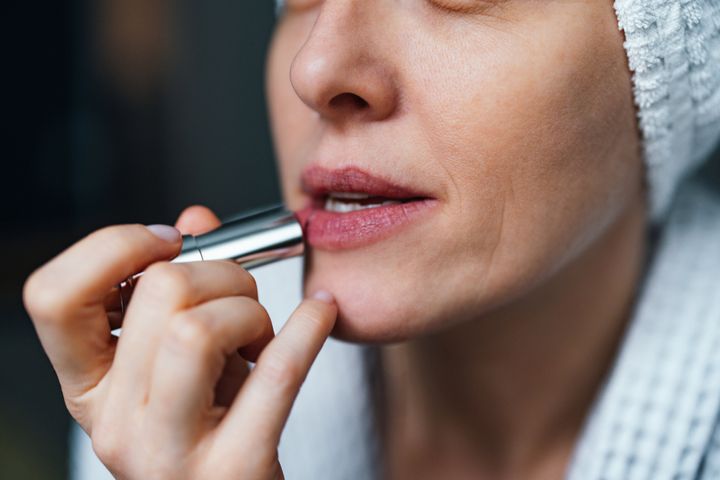
There are techniques to avoid out-of-control pigment from spreading all over your face.

miniseries via Getty Images

There are techniques to avoid out-of-control pigment from spreading all over your face.

“It can help to exfoliate the lips daily, and to use lip balm each day to keep lips smooth,” Thomas said. Greenberg suggested using a lip scrub on and above the lips, too. If you want to do even more to set your lips up for success, she suggested using a nighttime lip mask.

How to apply smudge-free lipstick:

Now that you’re exfoliated, balmed and masked, here’s how to apply lipstick so it stays where you put it.

  1. Start with a mattifier/filler. “Put it on the lip line, going on the skin and in the outer corners,” Lobell said.

  2. Apply lip-filling primer to smooth skin and create a barrier between your lipstick and any natural oils.

  3. Brush on lip stain for a long-lasting color base.

  4. Outline: Greenberg recommended lining lips with a flesh-toned concealer or lip pencil to create a barrier between the lipstick and the fine lines around your lips.

    Lobell outlined the process she uses: “Fill in the lip line, overdrawing very slightly. It’s very important not to draw all the way to the outer corner, because stopping a little short of the lip line is more flattering. Once you’ve applied liner, even if your lip color migrates, it will be held in place by the liner.”

  5. Brush on lipstick: Greenburg uses a lip brush instead of applying the lipstick directly. “Brush out from the pout of your lips outwards,” she advised.

  6. Blot: Thomas said, “Take a tissue and split it apart so it’s only one-ply. After you apply one coat of lipstick, lightly blot lips with the tissue.”

  7. Add another coat: “The two-coat layering technique, with blotting in between, will make the color more long-lasting and help it stay in place,” Greenberg explained,

  8. Finally, a bit of powder: “Dab the entire lip area with a bit of translucent powder and you should be ready to go,” Greenberg said.

What are the best lip products to buy?

“Use a more matte long-wear color for better control,” Lobell said. “A matte lipstick that’s full-coverage with a smudge-resistant finish is going to ‘travel’ less than other formulas.”

Still craving a bit of shine? “Keep gloss away from the edges of your lips, and apply it sparingly,” Wong said.

“If you need your gloss, keep it more centered on the lips when you apply it, tap lips together, and allow the extra to make it evenly shiny,” Lobell said. “If you love a creamy formula, tap the lips with blotting paper after you apply it.”

Check out the makeup artists’ top picks below.

HuffPost and its publishing partners may receive a commission from some purchases made via links on this page. Every item is independently curated by the HuffPost Shopping team. Prices and availability are subject to change.

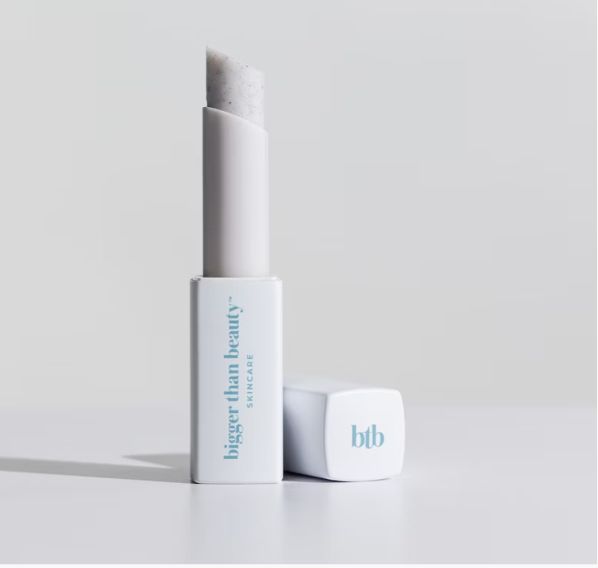
Pout Hero Exfoliating Lip Scrub

Greenberg suggested this scrub from Bigger Than Beauty. “Be sure to apply it daily to keep your lips and the skin around them exfoliated,” she said.

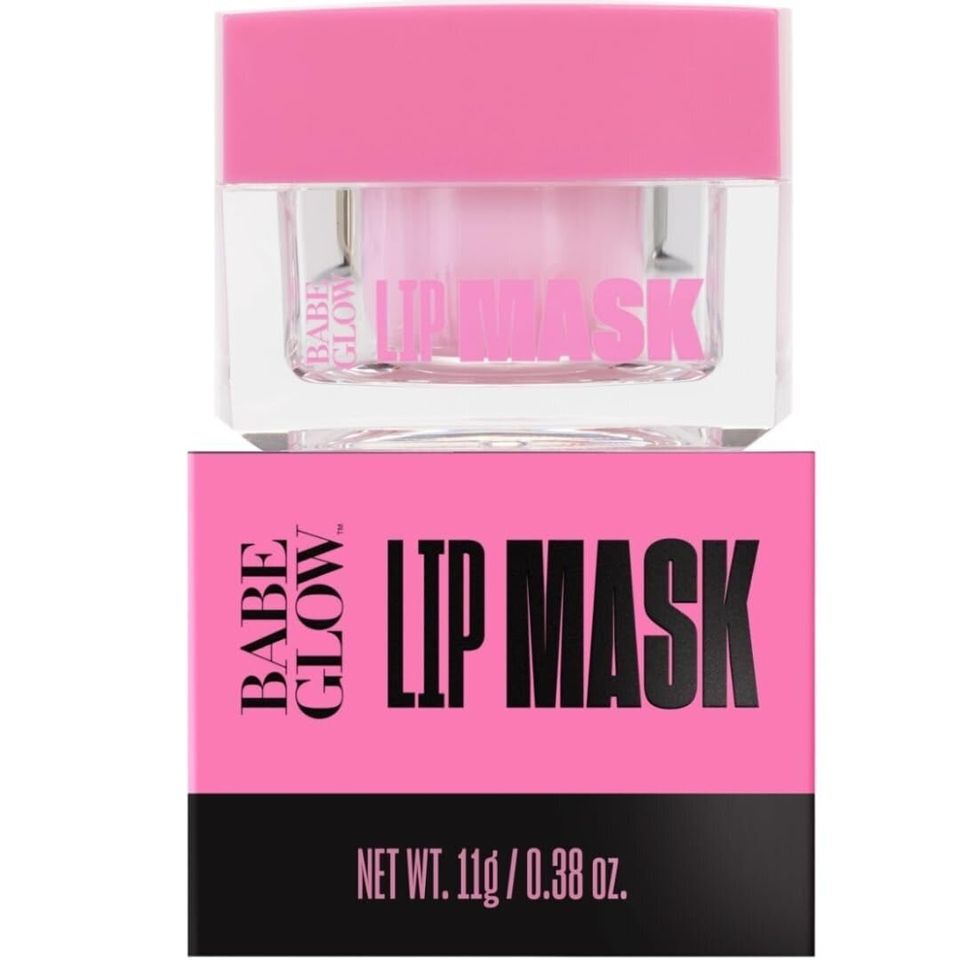
Babe Glow Lip Mask

“I personally am loving this mask,” Greenberg said. “Be sure to put on a generous layer before sleep.”

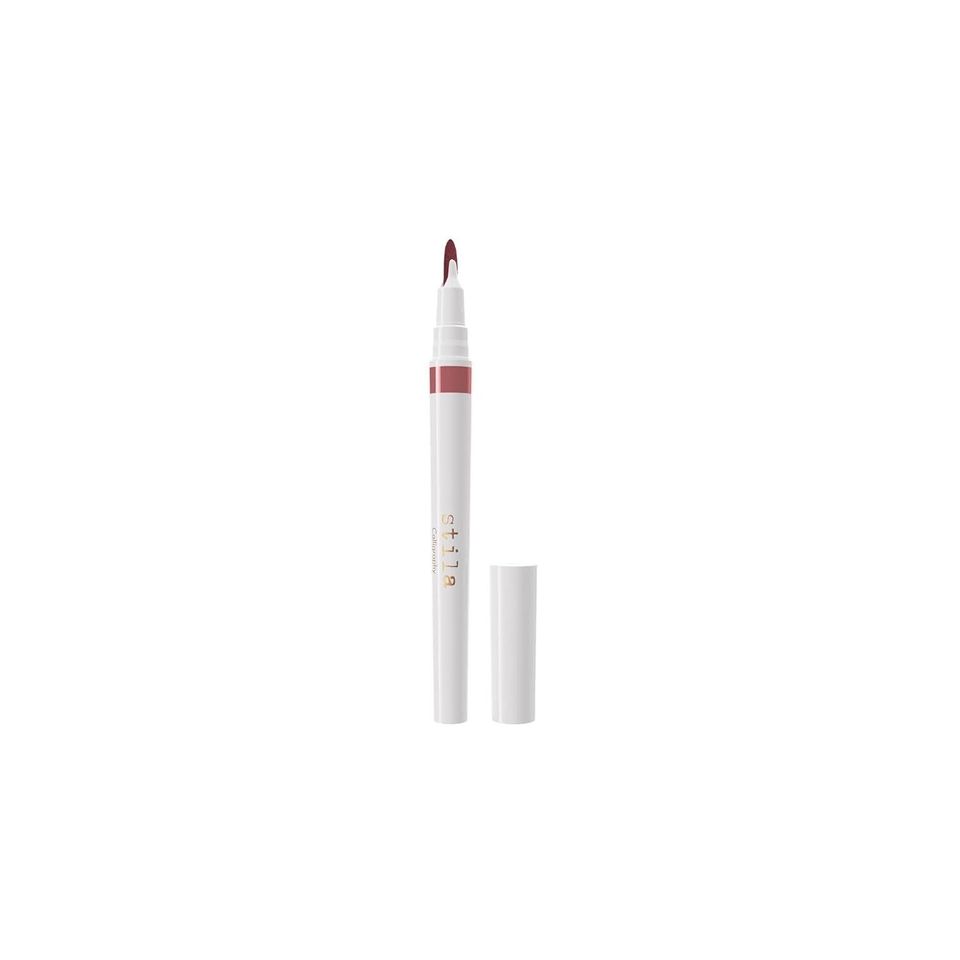
Stila Calligraphy Lip Stain

Greenberg recommends this product, which has a calligraphy-style tip to precisely line the lips while providing even color distribution.

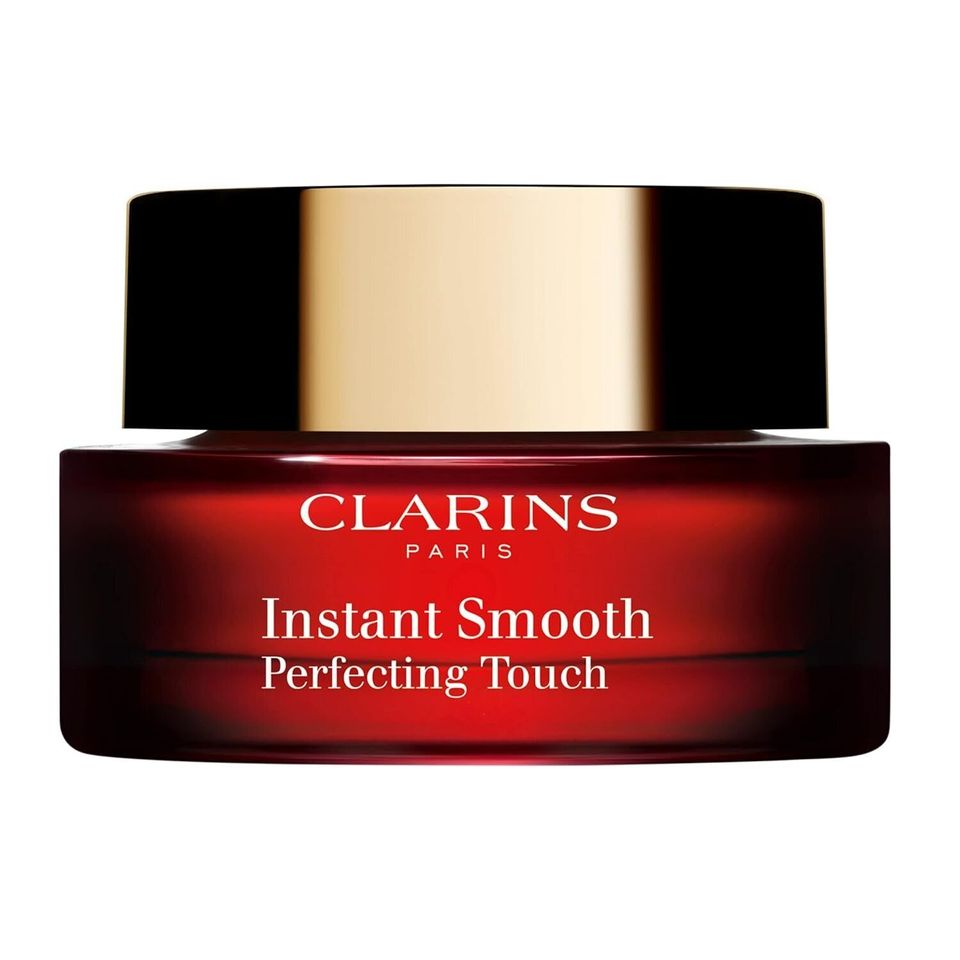
Clarins Instant Smooth Perfecting Touch Makeup Primer

Lobell suggested smoothing this on the lip line, going over to the skin and in the outer corners. Greenberg added, “This product works wonders, and a tiny bit goes a long way. It’s important not to put on too much.”

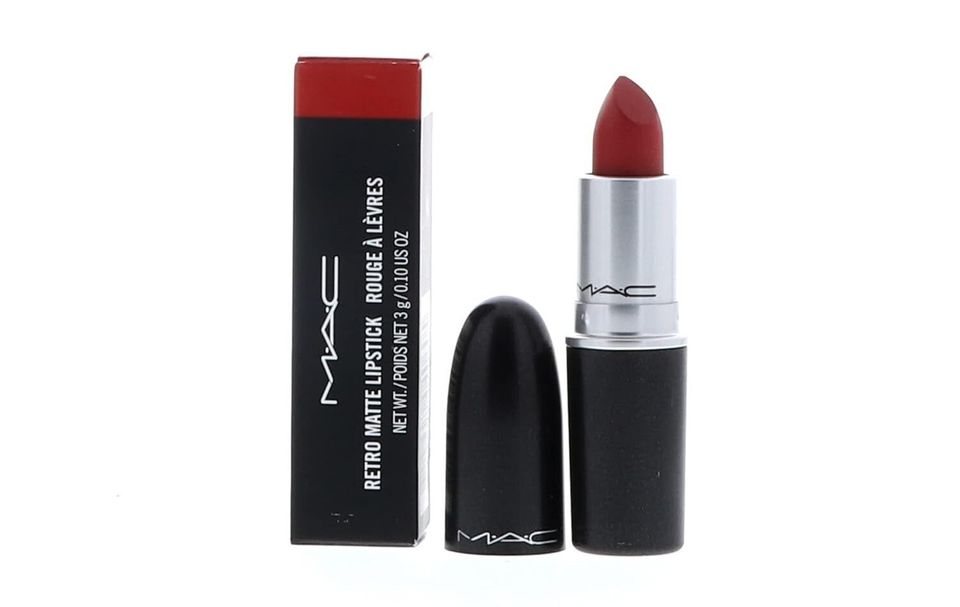
MAC Retro Matte Lipstick

“MAC is a classic for gorgeous lip colors,” Greenberg said. “I highly recommend the Ruby Woo shade.”

Younique Moodstruck Opulence Lipstick

“I recommend this to clients to avoid feathering,” Thomas said. “It’s a matte formula with finely milled pigments, castor seed oil and vitamin E, and it delivers full coverage with a smudge-resistant finish.”

Share Button

So THAT’S Why Drinking Alcohol Makes You Feel Worse As You Get Older

“Drink in moderation” is advice we hear often, but as most people can attest to after a booze-filled holiday season, it isn’t easy to stick to.

When we can stick to moderate drinking, however, we usually feel pretty good about ourselves.

According to the 2020-2025 Dietary Guidelines for Americans, moderate drinking is defined as no more than two drinks per day for men, and no more than one drink per day for women. That means if we have a glass of wine after work every day, we’re not doing much harm to our bodies and brains, right? That depends.

Dr. Elizabeth Landsverk, a geriatrician and dementia expert, tells HuffPost that the way alcohol impacts the body will vary based on your age. If your 2024 goals include plans to drink in moderation, here’s what she wants you to know.

How 1-2 Alcoholic Drinks Per Day Impact The Body In Your 20s, 30s And 40s

Your 20s, Landsverk says, are a resilient time for the body — which is probably why hangovers aren’t nearly as bad during that decade. “The liver and brain have the most resilience during that time,” she said. “The frontal lobes (reasoning, and judgment) are not quite developed. One is more likely to be open to drinking more or taking more risks, and this can set habits that will cause problems down the line.”

You probably won’t notice a huge difference as you head into your 30s as long as you’re drinking moderately, but it’s important to keep your overall health in mind. “Ask yourself: How is your health otherwise? Obesity, which is epidemic in America, increases the risk of non-alcoholic fatty liver,” Landsverk said. “Alcohol increases the risk of liver disease and scarring (cirrhosis). As a geriatrician, I would say a glass or two a week is fine. Some doctors say one drink a day is fine, but it is also neurotoxic and that can catch up with you.”

In your 40s, more health risks begin to pop up, Landsverk explains. “Obesity, diabetes, hypertension and high cholesterol all increase the risk for heart attacks, strokes and small stroke dementia,” she said. If you’re living with any of these conditions, even a small amount of alcohol can further increase your risk of events like heart attacks or strokes, so keep that in mind.

How 1-2 Alcoholic Drinks Impact The Body In Your 50s And 60s

Once you hit your 50s, Landsverk says, even moderate drinking can wreak havoc on the body. “Alcohol, besides the vascular damage and dementia risks, increases the risk of breast cancer, esophageal cancer and liver cancer (after disease),” she said. Because cancer risk drastically increases as we age, adding any amount of alcohol into the mix will only further increase that risk. “Plus, as we age, good sleep is more elusive,” Landsverk added. “Substances like caffeine, cigarettes and alcohol all hinder sleep”

In your 60s, you’ll likely begin to feel the effects of moderate drinking on your body. “I can speak from experience: This is the age when tolerance may decrease dramatically,” Landsverk said. “I am healthy. I can ski or swim a mile, but a glass of wine makes me feel ill and slow the next day.”

This, she says, is because older people are more likely to lose the enzyme to metabolize alcohol (alcohol dehydrogenase). “At this point, I can tolerate about one glass a week,” Landsverk noted. “If I had it daily, I would feel sick with just one glass a day. Older people have less reserve in the brain, liver and kidneys. The damage to the brain from even one glass a day is worse [when you’re over 60].”

Landsverk suggests that you think of alcoholic beverages like candy bars. “They’re nice with some meals, but they can increase your weight and blood sugar, and over decades adds to cancer risk and chronic illnesses that can lead to poor health.”

If you want to stay as healthy as possible and feel your best as you age, do you have to give up alcohol completely? No, Landsverk emphasizes, and it’s important to remember to remember that other factors influence the impact alcohol has on your health and well-being, such as if you’re living with a disease like obesity or hypertension.

If you’re older and in generally good health, you shouldn’t worry too much about the occasional alcoholic beverage. That’s certainly the case for Landsverk. “I have decided that a glass of wine with a nice meal is worth it,” she said. “But not every night.”

Share Button

Re-calibrating the sail plan for Native Hawaiians, Pacific Islanders in ocean sciences

n Hawaiʻi and across much of Oceania, Pacific Islanders celebrate the connections between their islands and the ocean that surrounds them. “As descendants of the ocean, the dearth of Native Hawaiians and Pacific Islanders (NHPI) in ocean science seems inconsonant,” writes a team of authors that includes University of Hawai’i (UH) at Mānoa faculty, students, and alumni in an article in a special issue of the journal Oceanography, “Building Diversity, Equity, and Inclusion in the Ocean Sciences. The authors ask, “Where are all our island people in the ocean sciences?”

“To understand the root causes of this disparity and potential solutions, UH faculty, staff and students approached this problem through the lens of voyagers, examining the past course of history of the peoples of the Pacific and attempts to make headwinds in programs focused on increasing participation in ocean sciences,” said co-author Rosie Alegado, associate professor in the UH Mānoa School of Ocean and Earth Science and Technology (SOEST).

The article highlights programs in SOEST that are aimed at reducing barriers for Native Hawaiians in the geosciences — including summer bridge programs, internships, and other professional development programs. And, in better defining the persistent, systemic, and collective barriers that NHPI face within the western society and the academy, the authors identify gaps that conventional professional development programs aimed at minoritized groups in the geosciences have been unsuccessful in filling.

“One of the biggest gaps that we found related to Native Hawaiian-serving programs within the ocean sciences is that while many may be culturally based, few are Native Hawaiian led,” said lead author Haunani Kane, SOEST assistant professor. “Native Hawaiians are often overlooked in the development and leadership of Native Hawaiian and Pacific Islander-serving programs. Programs led by Native Hawaiian scientists and community members ensure that they are culturally centered safe spaces for students to collectively grow their identities as both Native Hawaiians and scientists.”

Importantly, the authors shared lessons learned from building two waʻa (canoes)-programs specifically designed to carry students forward toward futures that center oceanic ways of knowing.

SOEST Maile Mentoring Bridge

The SOEST Maile Mentoring Bridge program (Maile) was founded in 2013 with the goal of attracting and retaining more NHPIs into geoscience degree programs and careers. The foundation of Maile was to build and foster robust partnerships with neighboring community colleges within the UH system. Maile mentees are carefully paired with experienced mentors — SOEST graduate students, postdocs, or recent graduates.

“Looking back on the last 10 years of my life, the Maile Mentoring program has made such a huge impact,” said Diamond Tachera, study co-author and alumni and co-director of Maile. “As an undergraduate student, it was so important for me to see people, especially wāhine (women), who looked like me working and thriving in their scientific fields. Being part of the Maile ʻohana as a graduate student mentor also helped me to build confidence in myself as I continued to struggle to find my place and identity in academia. I will be forever grateful for the support and aloha that comes with being part of the Maile ʻohana.”

“I believe the Maile Mentoring program has been successful because it places an emphasis on meeting the needs of the whole student, not just their research endeavors,” said Alegado. “In focusing on creating a nurturing environment in SOEST, we place a stronger emphasis on retention of students, not just recruitment, which increases completion and graduation rates for NHPI.”

The MEGA Lab

To overcome traditional barriers related to retention of NHPIs in the ocean sciences, the multiscale environmental graphical analysis (MEGA) Lab, a predominantly Native Hawaiian-led lab and nonprofit physically located in Hilo, Hawai’i, developed a research program that prioritizes inclusive research experiences. Foundational to their success has been incorporating community members and cultural values into research projects, and creating global partnerships that value Native Hawaiian research.

As a way to creatively explore what Native science and kuleana (responsibility) could look like if research and cultural priorities were equally weighted in all aspects of the research design, the MEGA Lab assembled a Native Hawaiian research team to embark on a 15-day voyage to Papahānaumokuākea Marine National Monument.

“That trip inspired me to re-imagine what research looks like when it’s grounded in our ʻōiwi perspectives and how I can contribute to create more room for that to happen,” said Kainalu Steward, graduate student in the SOEST Department of Earth Sciences. “That experience helped me find kuleana in this collective work at the monument and reinforced my interest in pursuing higher education.”

Looking to the horizon

“Moving forward, we believe that in order to make progress in the representation, retainment, and success of Native Hawaiians and Pacific islanders in STEM, we must first address the historical and ongoing traumas of Native Hawaiians and Pacific Islanders through active engagement in reclamation of cultural identities and knowledge,” said Kane. “We also believe student success requires building community support systems both within and beyond UH where students can safely explore their whole identity as Indigenous scientists.”

The MEGA Lab founders are also calling for a culture change in academia and their “experiment to disrupt the hierarchical and stereotypical structures that exist in science and act as barriers to inclusion,” as they write in a second article in the special issue of Oceanography, provides a template. “Our goal was to create an interdisciplinary and inter-institutional lab that promotes an inclusive, equitable, and uplifting team environment where everyone can thrive in a fun and productive workspace.”

“All of the work we do to support Native Hawaiians, women, and other underrepresented groups (the fish) can only have limited success given our current toxic workplace culture (the fishbowl),” said Barbara Bruno, faculty specialist at SOEST and co-author of the first article. “The fishbowl — ​not the fish — ​ needs to change.”

“Academia can often be reluctant to change, which is unfortunate as much of the workplace culture can serve as barriers to inclusion in STEM,” said John Burns, lead author of the second article and associate professor at UH Hilo. “We must embrace open-mindedness and be ready to transform the very culture of science in order to enhance diversity. Diverse perspectives and ideas not only foster a healthy work environment but can also serve as our most powerful asset, fueling the drive for new discoveries.”


Share Button