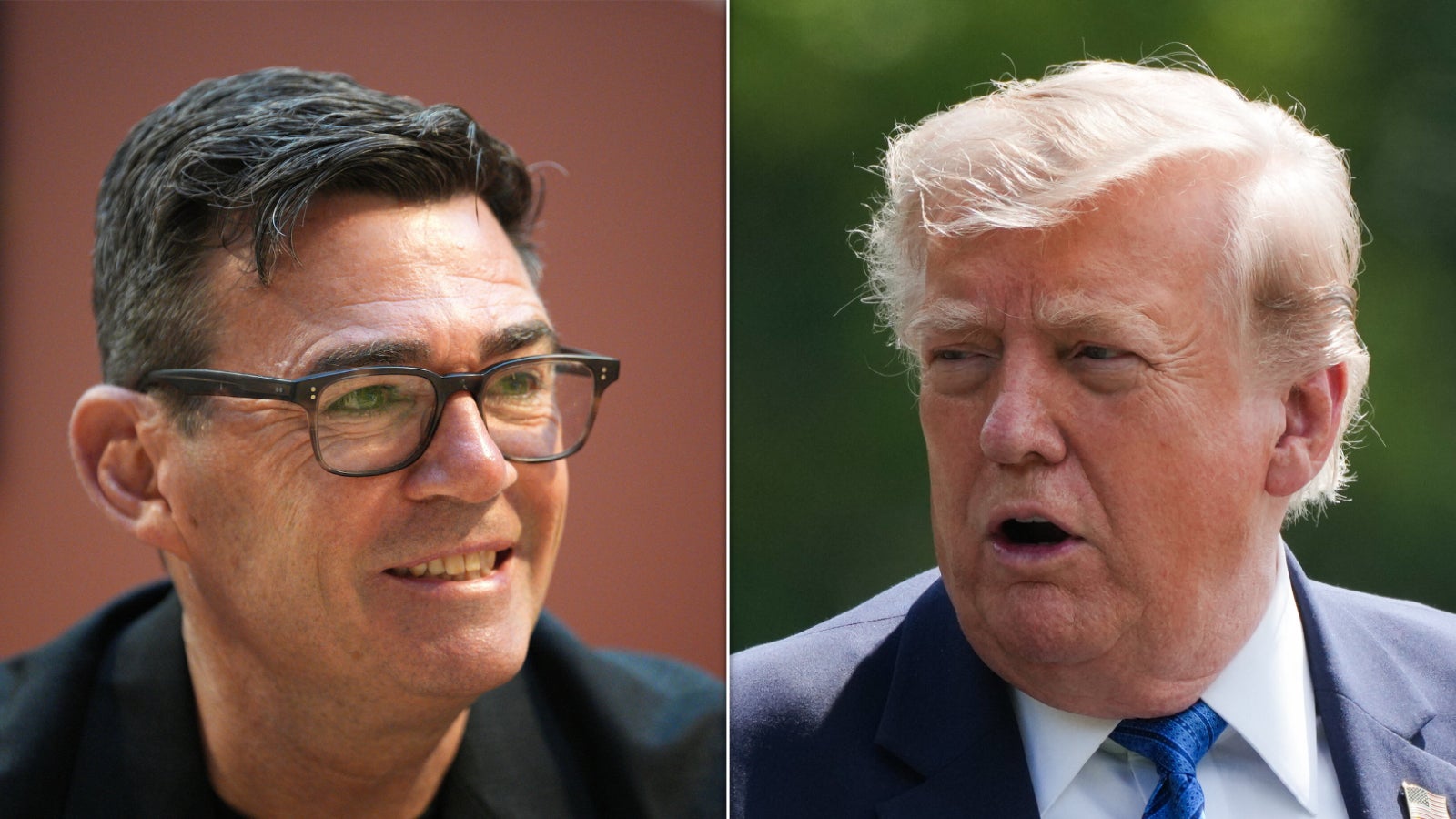
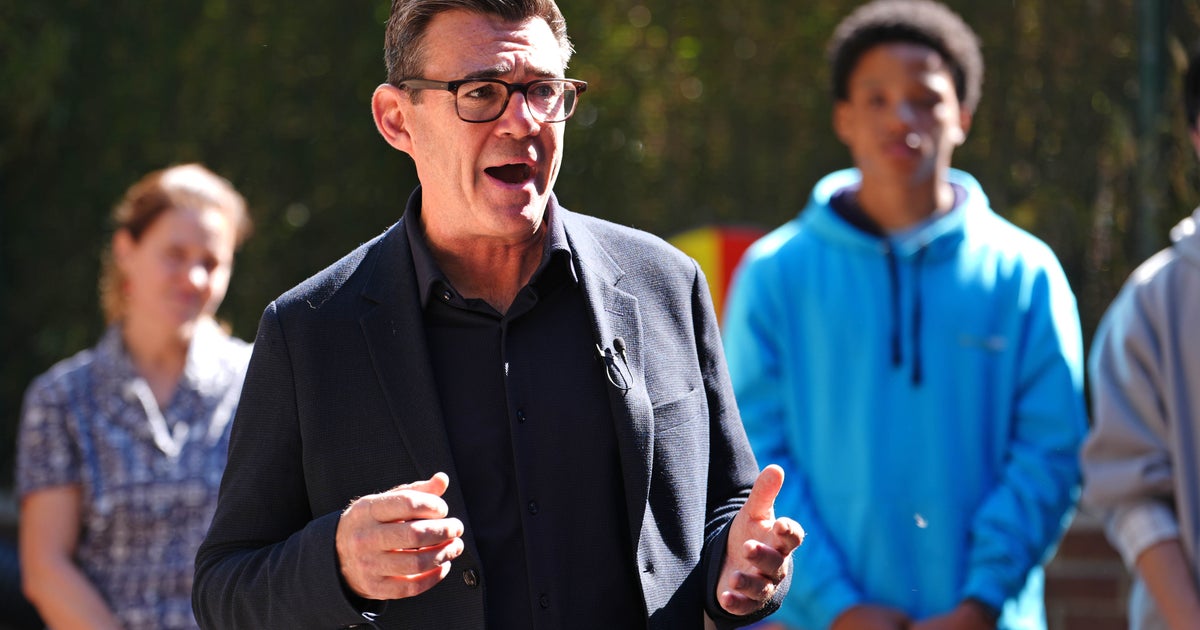
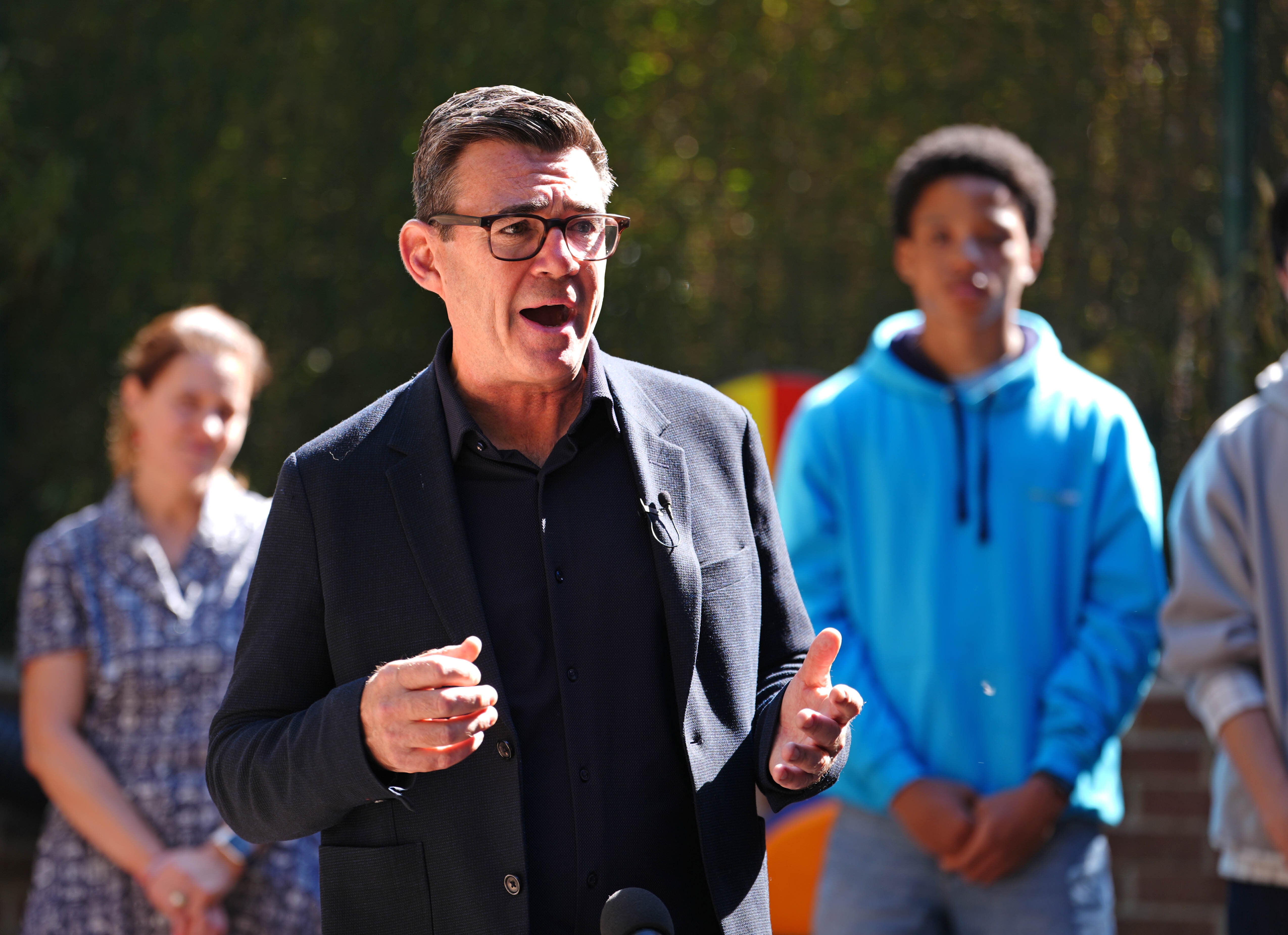
The president also loves a winner, and Burnham is still popular within Labour and the wider country right now – while Starmer became the most unpopular PM on record.
Advertisement
However, like Starmer, Burnham is bound by Labour’s 2024 manifesto not to issue any more oil and gas exploration licences.
That means any expansion of the North Sea will likely fall short of Trump’s hopes of “opening up” the whole area.
The PM has avoided talking about the president at length so far, but claimed he won’t be afraid to call him out when he feels it is necessary.
Advertisement
He also refused to say he trusts the president during a BBC interview, though he did invite him to Manchester.
Burnham is perhaps wise to be cautious.
He would not be the first UK prime minister to eventually incur Trump’s wrath over domestic policies – even if they started out on the right foot.
Trump fell out with Theresa May over her “foolish” approach to Brexit, calling her EU deal a “disaster” – despite initial warmth between them.
Advertisement
Boris Johnson was described as “Britain Trump” by the president himself, but they faced some frictions over Chinese company Huawei’s involvement in Britain’s 5G network.
Starmer, initially described as the “Trump whisperer”, bent over backwards to appeal to the president, even inviting him for a historic second state visit to the UK.
But they came to blows over the former PM’s refusal to get involved in the Iran war.
They also clashed over immigration, Nato, Greenland, tariffs, wind turbines and North Sea drilling, meaning they were barely on speaking terms when he left office.
Advertisement
And Burnham – at least, for now – is further to the left than any of those three predecessors, meaning the Republican president is even more likely to disagree with him.
The prime minister’s decision to appoint Ed Miliband as foreign secretary might also be a major obstacle in their relationship.
The Trump administration has reportedly nicknamed him “Miliwatt” already in an apparent dig to his enthusiasm for net zero.
The UK-US relationship may also be put to the test when, as is expected, Trump’s domestic power diminishes when his American supporters turn on him during the US midterms.
That could mean Burnham – if he is still propped up in the UK polls – might be more outspoken if he believes the president looks weaker.
Advertisement
Alternatively, Trump could turn on the prime minister as soon as his honeymoon period is over.
In this week’s Commons People, we look at whether this really could be a strong alliance – and unpick all the potential pitfalls which could undo their relationship altogether.
Listen to Commons People, the podcast that makes politics easy. Every week, Kevin Schofield and Kate Nicholson unpack the week’s biggest stories to keep you informed. Join us for straightforward analysis of what’s going on at Westminster.
But he announced he was standing down following a backlash from Jewish groups.
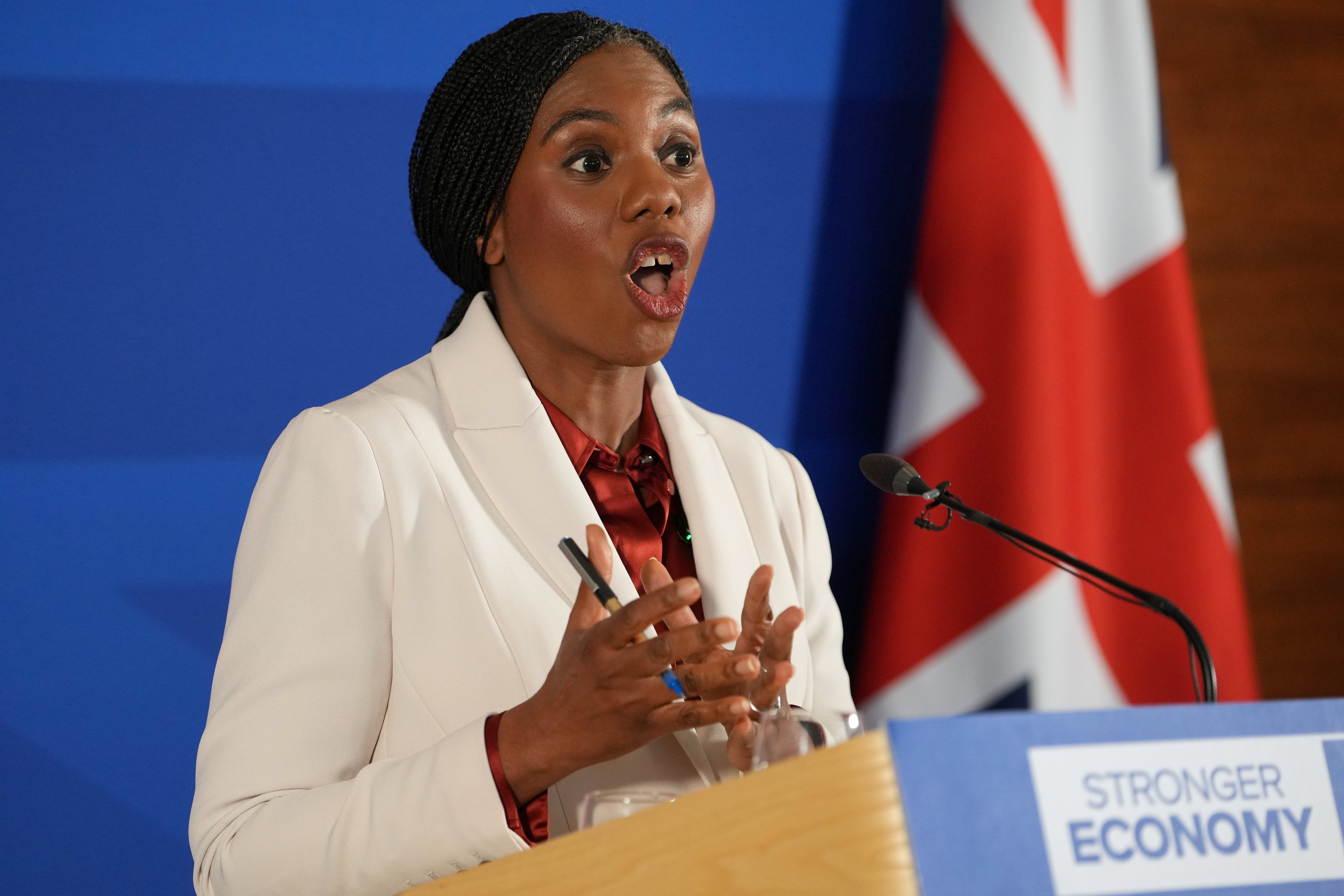
Tory leader Kemi Badenoch, who had defended Bonehill-Paine, has made him an adviser on radicalisation to the party’s Culture and Integration Commission.
Bonehill-Paine was jailed for more than three years in 2015 after posting anti-semitic material online ahead of a planned neo-Nazi rally.
Advertisement
The following year, he was found guilty of racially-aggravated harassment of the Jewish Labour MP Luciana Berger.
He has since recanted his previous anti-semitic views and now works with the Home Office on anti-radicalisation programmes.
In a post on X, Bonehill-Paine, creator of the satirical Crewkerne Gazette, said: “The last 24 hours have shown that a lot of people do not understand how terrible I feel about the things I did when I was much younger.
Advertisement
“I know that my previous actions continue to cause pain in the Jewish community. I had thought that getting involved in my local council and working hard for my community was a good way to show how much I have changed and that I want to give something back.
“I realise now that the fight against anti-semitism is something that I actually need to do more of, I need to show the Jewish community how much I regret my previous actions and how hard I will work to fight to help destroy anti-semitism and rebuild trust.”
He added: “While I cannot change my past, I can warn others away from the same destructive path. I know how this ideology works because I lived inside it.
Advertisement
“I also know that if I stand as a council candidate, other political parties will spend all their time focusing on my past rather than the work I’m doing today, or even fighting anti-semitism in their own midst.
“Rather than standing as a local council candidate, I believe that my experience is better used supporting Kemi Badenoch in her ongoing mission to combat the anti-semitism and extremism that is dividing our nation.
“I have therefore informed the party of my decision to withdraw from next year’s council election.”
Badenoch said: “While I am sad that Joshua feels he won’t be given the space to explain his position and represent his community, I am glad he is going to work with me and the party on tackling radicalisation as part of our Culture and Integration Commission.
Advertisement
“If we are going to stop extremism and anti-semitism we are going to need help from those people who were part of the problem, but have now changed and are being part of the solution.
“Piling on them and trying to get them cancelled may be sport for other parties, but this is a different Conservative Party.
“Sometimes there will be difficult judgement calls, but right now I know that we are the only party actively working to unite the country rather than one particular faction or other.”
Advertisement
A Reform UK spokesman said: “It beggars belief that Kemi Badenoch has hired a former neo-Nazi.
“Joshua Bonehill-Paine, a self-professed fascist who has been jailed for publishing antisemitic material, will now have a say over national Conservative Party policy. This is alarming news for the Jewish community in Britain.”
Listen to Commons People, the podcast that makes politics easy. Every week, Kevin Schofield and Kate Nicholson unpack the week’s biggest stories to keep you informed. Join us for straightforward analysis of what’s going on at Westminster.
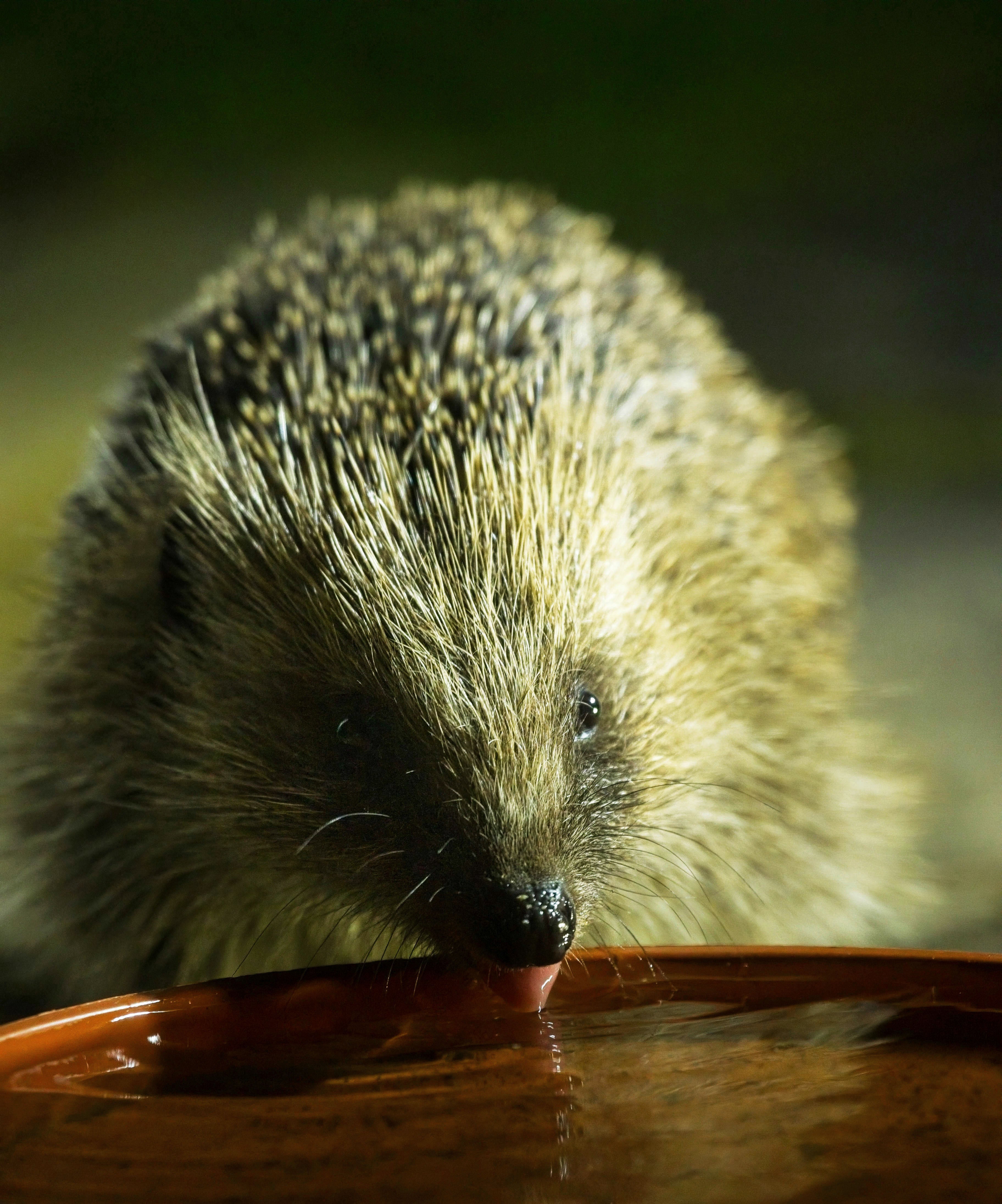
During one of this year’s earlier heatwaves (and there have been many), the British Hedgehog Preservation Society (BHPS) issued an “urgent plea” for us to provide water for thirsty wildlife.
They noted that this is especially key given a 2022 report that found rural hedgehog populations have shrunk by somewhere between 30% and 75% since 2000.
Advertisement
Recently, a hedgehog rescue centre told the BBC they’d been “inundated” with baby hedgehogs following very dry and hot conditions in the south-east of the UK.
Speaking to HuffPost UK, Fay Vass, chief executive for BHPS, noted: “As our climate continues to change and become more extreme, it poses new dangers and challenges to our native wildlife.
“Scarcity of water sources is a common problem for wildlife and long spells of drought only serve to make this worse. Small mammals can easily become dehydrated and having access to fresh, clean water can mean the difference between life and death for hedgehogs.”
Advertisement
So what should we actually do to make their summers more bearable?
1) Place shallow dishes of water where hedgehogs can reach them
During very hot weather, hydration is key for hedgehogs and other wildlife.
“Placing shallow dishes of clean, fresh water around the garden is a simple, easy step we can all take that will provide a lifeline for hedgehogs and other wildlife during hot, dry spells,” Vass said.
This has been linked to greater biodiversity. And according to the Vass, the practice can help animals long past May too.
“Allowing sections of the garden to be wild and overgrown is important… as this can offer much-needed shade, shelter and a natural food source,” she said.
Advertisement
Additionally, “leaving log piles and leaf piles in quieter corners also offers valuable shelter and places to forage for grubs, worms and other natural food” year-round.
3) Put out some cat or high-meat dog food in a clean dish
It’s not just about water. “Hedgehogs can struggle to find enough food when the ground is hot and dry,” said the expert.
“Putting out some high-quality meaty hedgehog food, meaty cat or dog food or dry cat biscuits to supplement their natural diet can provide a vital lifeline for hungry hedgehogs during the hot summer months,” she added, stressing it’s important to make sure their feeding dishes and areas are kept clean.
Advertisement
4) Create a wildlife pond
Though its benefits might be felt especially keenly in summer, Vass said this is one of the best ways to support animals no matter the weather.
“Creating a wildlife-friendly garden with features such as a gently sloping pond provides a reliable year-round water source and encourages insect prey,” she advised.
5) Make sure hedgehogs have a way into your garden
Again, this is just as important in summer as it is in winter. “It’s vital to make sure hedgehogs can access your garden” said the expert.
Check with your neighbours if you share a fence, and if it’s OK with everyone concerned, consider creating “13x13cm gaps in fences or walls to allow them to move freely between gardens and green spaces”.
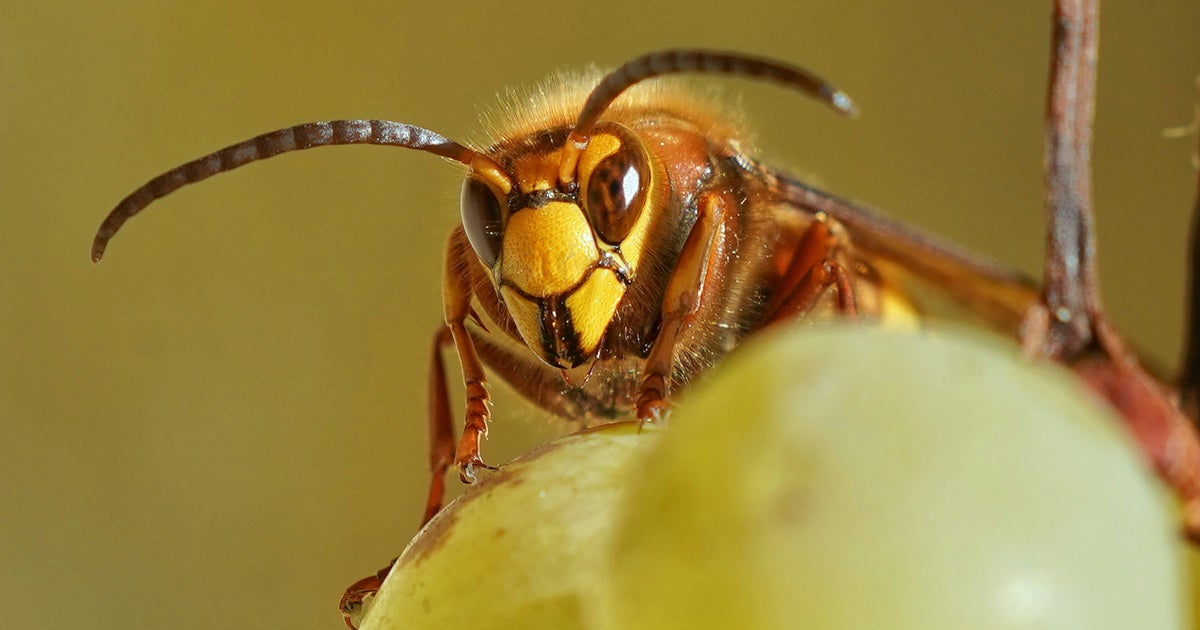
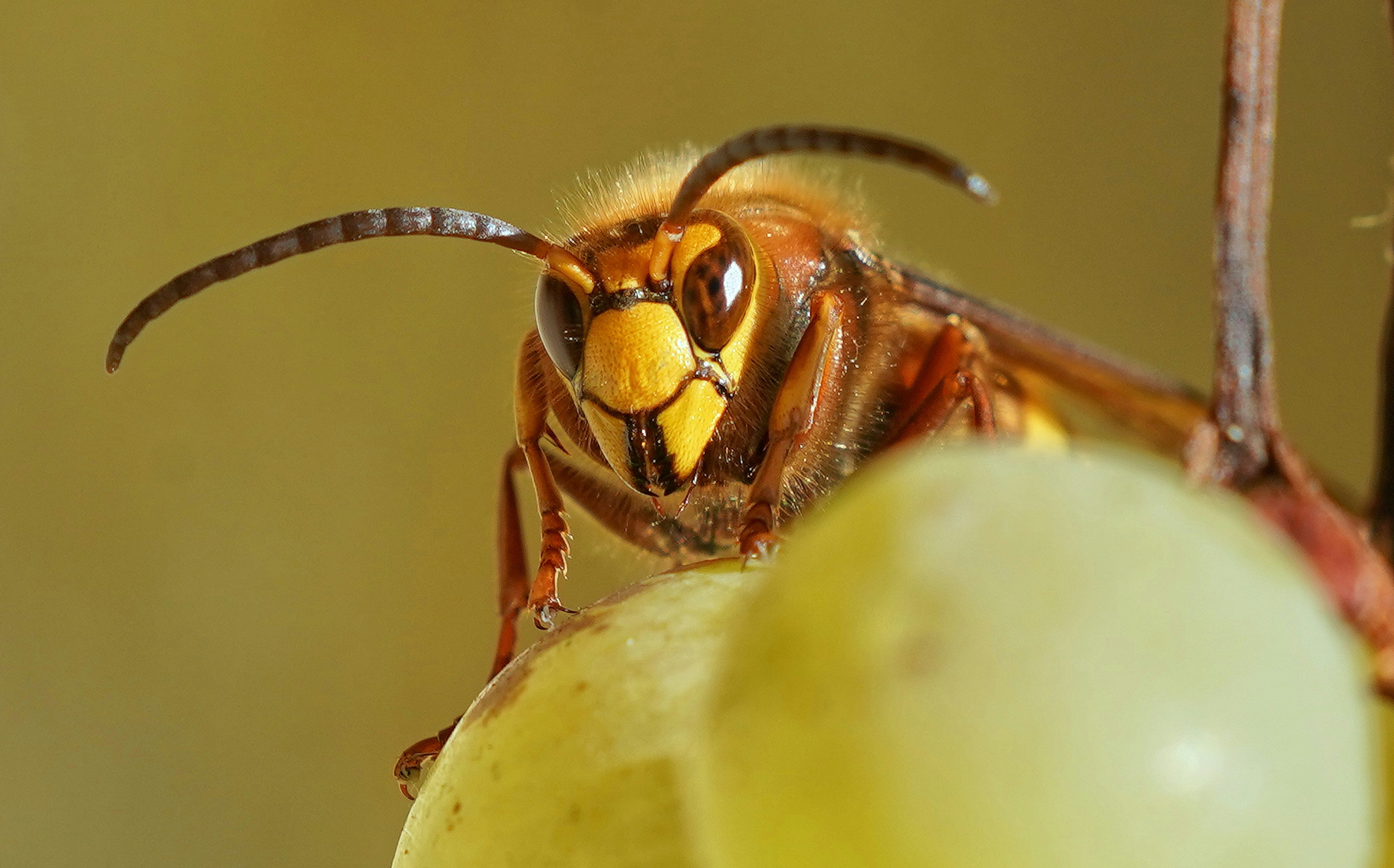
We don’t want to give you more to worry about as we are being smacked in the face with the impacts of climate change this summer but, uh, have you noticed that there are far fewer wasps this year?
Come to think of it, I have seen one. In a train station. Once. I have a busy garden full of flowers and flourishing grass but I’ve not seen a single one of these little guys buzzing around out there this summer.
Advertisement
I’m not imagining it, either. Seirian Sumner, a Professor of Behavioural Ecology at University College London wrote for The Conversation and said: “As a wasp biologist, I’ve noticed it acutely, because my students need wasps for their experiments, and we simply can’t find them.”
Can’t find wasps? In summer? In England?!
The weather seems to have played a part in wasp population decline
Sumner explains that while Spring started well for wasp populations, providing ideal conditions for building nests, laying eggs and foraging, things soon took a turn for the worse, leading to conditions that could have been harmful.
She says: “Spring 2026 was strange: the warm, dry start should have been good. Warm, dry spring weather improves a nest’s chance of survival as it ensures a good nectar supply for the queen to develop her ovaries and good prey populations for her to feed the brood. But we experienced unprecedented heat for the time of year, punctuated by cold, damp days and followed by unexpectedly chilly nights.
Advertisement
“Such weather extremes may have caused queens to abandon their nests or die, reducing the initial spring queen bounty to a more modest population.”
Very grim.
She added that one heatwave after another won’t have helped matters, either.
We really do need wasps
I’m not the biggest fan of wasps and will admittedly completely freeze if one is near me but there is no doubting how important they are to our environment.
According to the National History Museum: “Without wasps, the world could be overrun with spiders and insects. Each summer, social wasps in the UK capture an estimated 14 million kilograms of insect prey, such as caterpillars and greenfly. Rather than being a pest, these important insects are a gardener’s friend.”
Advertisement
Additionally, scientists at Oregon State University say: “Even though [wasps] don’t collect pollen, they do visit flowers constantly to seek nectar for their own energy.
“As wasps visit these flowers, they inadvertently transfer pollen from plant to plant. Although this is a less efficient form of pollination, it is still quite impactful to our ecosystem.”
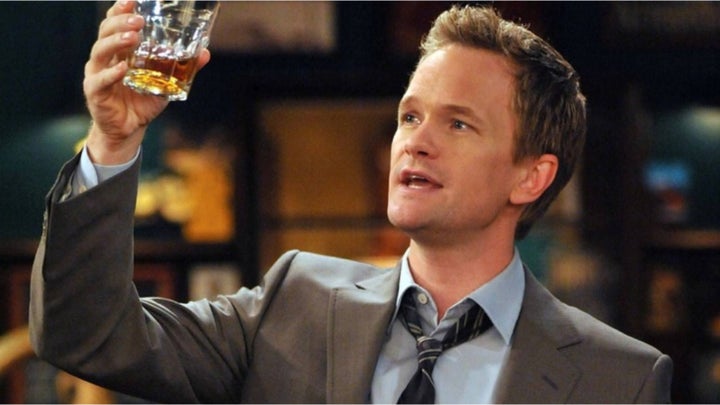
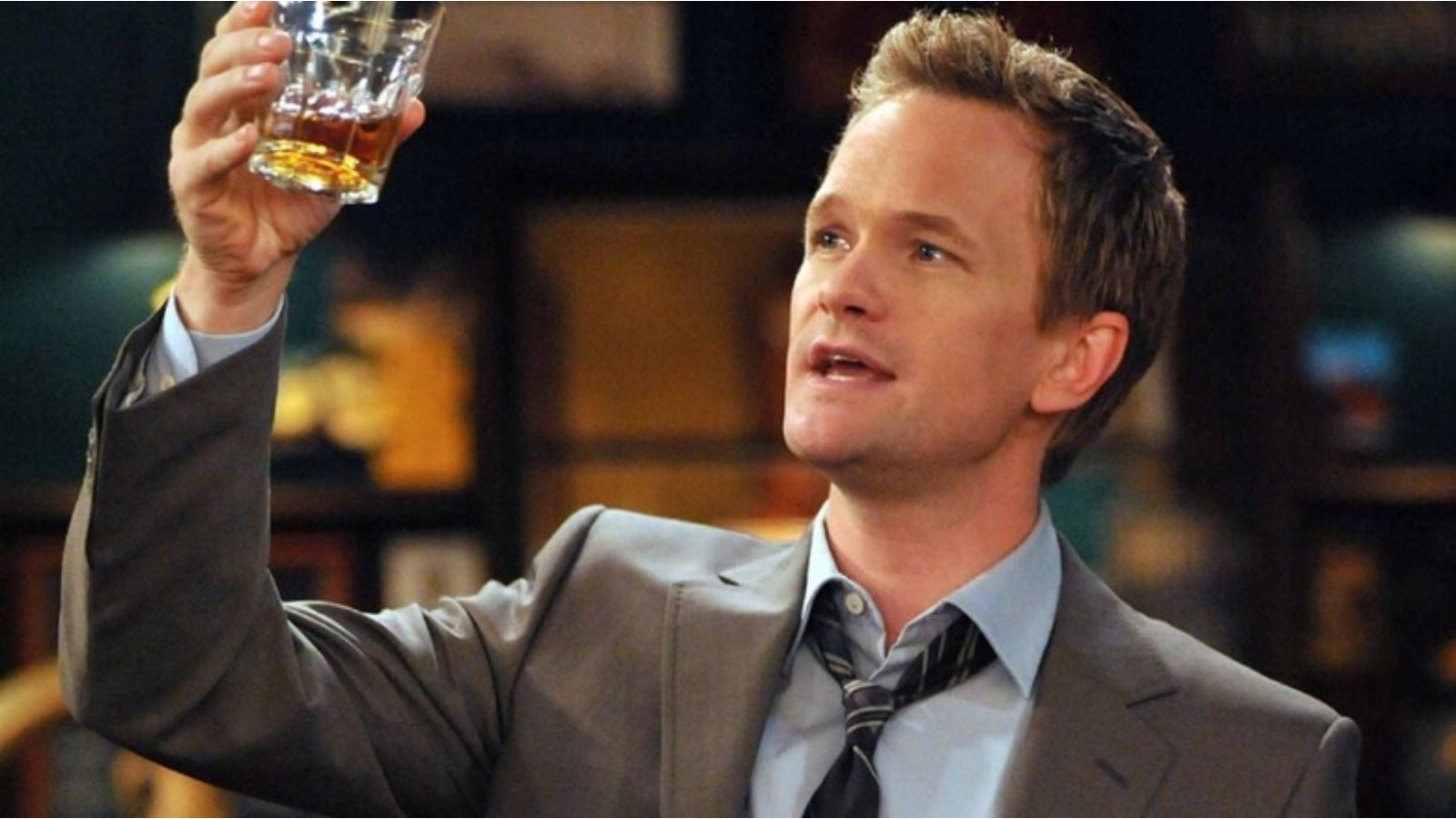
The 53-year-old became a household name after playing a rich womaniser in the CBS show, which was nominated for 28 Emmy Awards during its 2005-2014 run.
Advertisement
Fans have gone so far as to call his on-screen persona “an extreme womaniser, chronic liar and toxic manipulator”.
Speaking to The Times, Harris was asked about the “toxic” traits of his character.
Pointing out that the show’s entire story is narrated by the show’s protagonist Ted Mosby (played by Josh Radnor and Bob Saget), the sometime magician said: “None of the behaviours [in the show] are, you know, certified, or even true.
Advertisement
“So I had the freedom to be much more lascivious, much more ridiculous and overt than I imagine Barney probably actually was.”
He added that Barney “was always the devil on Ted’s shoulder”.
Barney in How I Met Your Mother
Earlier this year, Harris said in an episode of the behind-the-scenes podcast How We Made Your Mother that he’d often felt “insecure” playing the swaggering part and was worried he didn’t “nail” his scenes.
Advertisement
But, he added, “that insecurity absolutely played into the bravado” required.
“I’ve always felt Barney was kind of broken,” he explained.
“He wore armour. The suit was armour. He hid sincerity and vulnerability behind bravado because that’s how he survived.”
Neil also previously discussed reprising his role with Hilary Duff, who starred in spinoff How I Met Your Father, suggesting he wouldn’t play Barney again unless he seriously changed his ways.
“Barney’s antics, his overt delusions of grandeur, would likely get everyone in trouble. So, unless he’s changed his ways or joined a nunnery (insert an insert joke here), not sure if it’s in anyone’s best interest,” he said in his Wondercade newsletter, to which Hilary replied: “I’m pretty sure Barney would… be in jail in 2022.”
The charity ADHD UK has penned an open letter to Channel 4 after it shared a new documentary will be aired dubbed ‘The Great ADHD Myth?’, HuffPost UK can exclusively reveal.
The TV channel said the show “seeks to determine whether ADHD [attention deficit hyperactivity disorder] is a genuine neurodevelopmental disorder, or a social construct”.
Advertisement
The show will follow NHS psychiatrist Dr Max Pemberton as he speaks to “a growing number of medical experts who are questioning the conventional narrative around ADHD”.
According to Channel 4’s release, these experts “discuss whether the real problem is the environments in which young people are growing up, as well as the current health and schooling systems not being flexible enough to cater for a wide enough range of personalities and behaviours among children”.
It will also follow a family who “want to see whether holistic lifestyle changes can eliminate one boy’s use of ADHD medication”, a press release seen by HuffPost UK reads.
Advertisement
Dr Max Pemberton, who features in the documentary, said: “As a psychiatrist, I’ve watched ADHD go from a diagnosis that was only occasionally made and after careful assessment, to one that is increasingly demanded and dispensed, and I wanted to understand why.
“There’s no doubt that the people seeking these diagnoses are genuinely struggling; that isn’t in question. What the film asks is whether ADHD is really the best explanation for that struggle and my hope is that we come away with permission to ask better questions about what modern life is doing to all of us.”
Courtesy of Channel 4
Dr Max Pemberton features in ‘The Great ADHD Myth?’ – a new documentary announced by Channel 4.
Advertisement
Backlash against framing of show
Since information about the documentary was publicly shared, some people with ADHD as well as mental health experts have revealed their disappointment over the framing of the show – especially the title.
An open letter to the channel from the CEO and co-founder of ADHD UK, Henry Shelford, seen by HuffPost UK, points out that “the damage of a title like this is done in the listings, in the commentary, before a single frame is broadcast”.
After the documentary details were shared on 29 July, Dr Chris Abbott, chief medical officer at Care ADHD, shared in an email: “Presenting ADHD as potentially no more than a ‘social construct’ is scientifically misleading and risks causing real harm to children, adults and families.”
Advertisement
While Dr Claudia Aymerich, consultant psychiatrist at Berkeley Psychiatrists, is also concerned by the framing, which she said “oversimplifies a far more complex issue and doesn’t reflect where the scientific evidence sits”.
In response to these concerns, a Channel 4 spokesperson told HuffPost UK: “This documentary does not deny the lived experience of those diagnosed with ADHD, but does present the view of an extensive range of senior medical experts – many of whom work or have worked with the NHS or have held presidential roles at professional membership bodies – who seek to question the conventional understanding of ADHD and if it is a neurodevelopmental condition.
“They also ask whether modern living has contributed to a rise in diagnoses, and whether there may be better alternatives for some children than medication.”
Advertisement
ADHD is a real and recognised condition
ADHD is recognised by the World Health Organization, the NHS and the National Institute for Health and Care Excellence.
Dr Aymerich said: “Studies consistently demonstrate differences in brain development and function, particularly in areas relating to attention, executive functioning and impulse control, alongside a strong genetic component.”
And “while modern environments, education systems, increased screen use and lifestyle factors can all influence how symptoms present or how significantly they affect someone’s daily life, they do not negate the existence of ADHD itself”, she added.
Advertisement
In its open letter, ADHD UK highlighted that “this is not a parlour debate. People die” and pointed to UCL-led research using UK health records which showed that adults with diagnosed ADHD have a shorter life expectancy. There was a reduction in life expectancy for men with diagnosed ADHD of between 4.5 and 9 years, and between 6.5 and 11 years for women.
“Having ADHD is tough. Undermining the condition just makes it tougher. When a national broadcaster invites millions to file all of this under ‘myth’, people cancel assessments, parents doubt their children, employers doubt their staff, and lives are put at risk,” said Henry Shelford, who has ADHD.
After a BBC Panorama programme investigating Private ADHD Clinics aired in 2023, ADHD UK surveyed more than 2,200 people with ADHD – 90% suggested stigma had increased because of the programme, and 84% believed it would stop people with symptoms from seeking an assessment.
Advertisement
Dr Aymerich is concerned about how the framing may impact those living with ADHD or currently seeking a diagnosis. “Many patients spend years being told they are lazy, disruptive, disorganised or simply not trying hard enough before finally understanding that there is a recognised medical explanation for the challenges they have experienced throughout their lives,” she said.
“Receiving a diagnosis can be genuinely life-changing because it allows people to access appropriate support and better understand themselves.”
She continued: “When public debate shifts toward questioning whether ADHD is ‘real’, it risks reigniting shame, self-doubt and stigma for those individuals.
Advertisement
“It may also discourage parents from seeking assessments for children who are struggling or make adults question whether they deserve support at all.”
Untreated ADHD is associated with consequences such as poorer educational outcomes, relationship difficulties, anxiety, depression, substance misuse and increased risk of accidental injury.
ADHD UK’s letter has called for a review of the title of the show and for the broadcaster to “make clear on screen where contributors’ views sit relative to mainstream clinical consensus”.
Advertisement
It also takes issue with a child being at the centre of an experiment involving replacing medication with lifestyle changes.
In response to this, Channel 4 said “the wellbeing of our contributors was of paramount importance throughout, and the observational study of one child’s medication break was undertaken in consultation with multiple psychiatrists, an independent doctor and the family’s GP”.
The open letter continues: “We are not asking Channel 4 to duck hard questions about ADHD. Waiting lists, service failure and the gulf between need and provision deserve every camera you can point at them. We are asking you to aim at the right target.”
Advertisement
ADHD needs to be further explored, say experts
All of the experts HuffPost UK spoke to stress that ADHD should be discussed in the media. Dr Abbott said: “There’s legitimate discussion to be had about the quality of assessments, inequalities in access, the careful use of medication and the need for holistic support.
“Diagnosis should always follow a comprehensive specialist assessment, and treatment should be individualised rather than reduced to medication alone. But questioning whether ADHD itself is ‘real’ is not a balanced contribution to that debate.”
Dr Aymerich added “there is an important distinction between asking whether we are diagnosing and treating ADHD as effectively as possible and questioning whether the condition itself exists”.
Advertisement
“The first is an essential scientific discussion,” she said. “The second risks undermining decades of clinical evidence and doing unnecessary harm to a patient group that already faces considerable misunderstanding and barriers to accessing care.”
But that doesn’t mean every author is a fan of their works’ film or telly counterparts.
Here, we rounded up eight authors who criticised adaptations of their books:
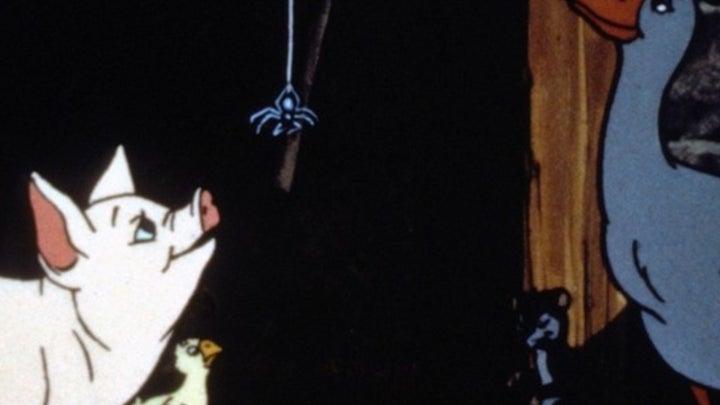
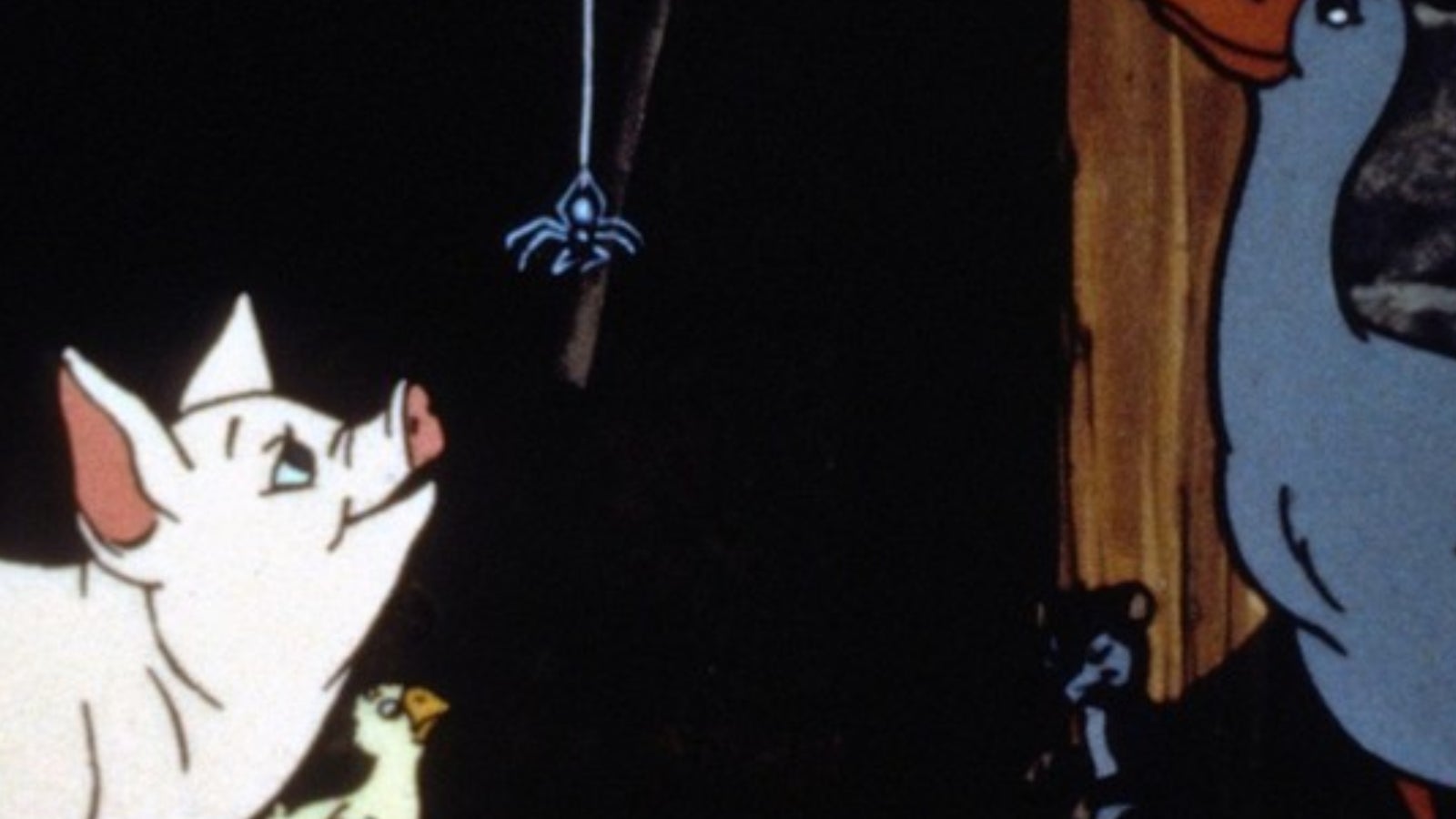
1) E.B. White wasn’t delighted with 1973’s Charlotte’s Web
Charlotte’s Web
Paramount Pictures
E.B. White, who wrote the 1952 children’s book, had been in negotiations with the production team John and Faith Hubley.
Eventually, Hanna-Barbera got the rights instead. After their animated 1973 movie came out, White wrote: “The movie of Charlotte’s Web is about what I expected it to be. The story is interrupted every few minutes so that somebody can sing a jolly song. I don’t care much for jolly songs. The Blue Hill Fair, which I tried to report faithfully in the book, has become a Disney World, with 76 trombones.”
Advertisement
His wife, meanwhile, told would-be director of the abandoned original adaptation, Gene Dietch, “We have never ceased to regret that your version of Charlotte’s Web never got made. The Hanna-Barbera version has never pleased either of us.”
2) Truman Capote didn’t love 1961’s Breakfast at Tiffany’s
Author Truman Capote spent many years disparaging the movie based on his 1958 novel, calling it the “most miscast” movie (he’d wanted Marilyn Monroe for the part Audrey Hepburn got).
When asked what he didn’t like about the adaptation, he replied, “Oh god, just everything” – the book’s narrator role changes, as does the book’s ending.
Advertisement
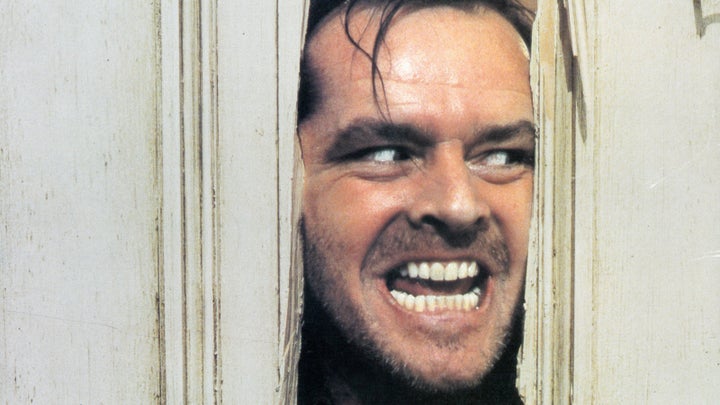
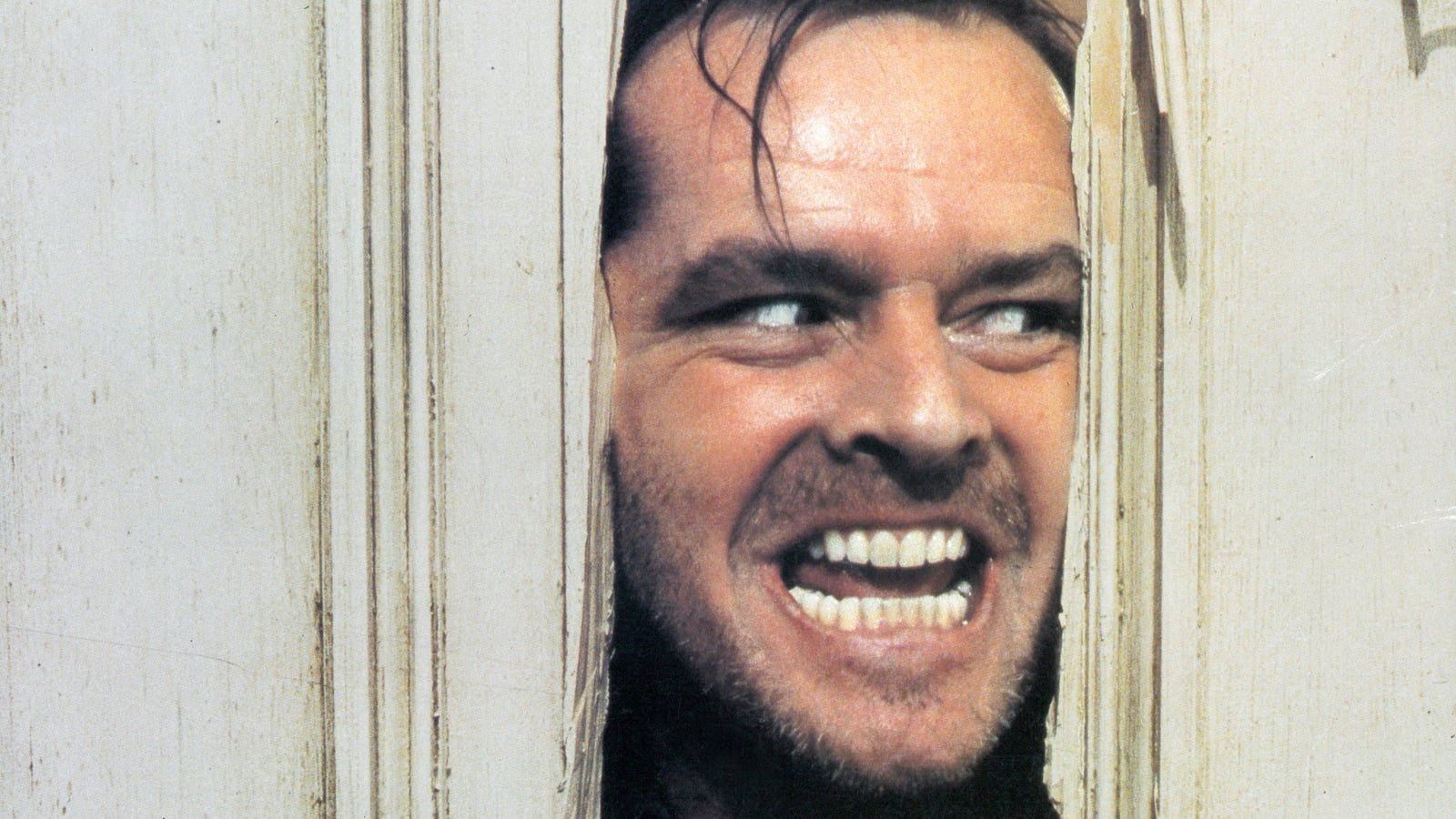
3) Stephen King had issues with 1980’s The Shining
The Shining
Warner Bros Pictures
Speaking to The Paris Review about Kubrick’s version of his story, King said he thought the movie was “Too cold. No sense of emotional investment in the family whatsoever on his part”.
He added that Shelley Duvall as Wendy was “insulting to women. She’s basically a scream machine…
“And Kubrick didn’t seem to have any idea that Jack Nicholson was playing the same motorcycle psycho that he played in all those biker films he did… The guy is crazy. So where is the tragedy if the guy shows up for his job interview and he’s already bonkers? No, I hated what Kubrick did with that.”
Advertisement
The writer had penned his own version of the script, which Kubrick didn’t use.
4) Rick Riordan disavowed the 2010 Percy Jackson and The Lightning Thief flick
Author Rick Riordan let his feelings about the adaptation be known on X, where he likened the movie to “my life’s work going through a meat grinder when I pleaded with [the studio] not to do it.”
He also posted, “I still have not seen the movies, and don’t plan on ever doing so… I judge them from having read the scripts because I care most about the story. I certainly have nothing against the very talented actors. Not their fault. I’m just sorry they got dragged into that mess.”
Advertisement
Still, the writer hinted he was “gonna fix” this with Disney+’s 2023 series, Percy Jackson and the Olympians, for which he had more oversight.
5) Michael Ende called 1984’s The Neverending Story “revolting”
Going so far as to remove his name from the movie’s credits, Ende publicly described the movie as “revolting” and claimed, “the makers of the film simply did not understand the book at all”.
The author even reportedly tried (and failed) to sue in order to stop the movie from going out, saying his “moral and artistic existence is at stake in this film”.
Advertisement
6) PL Travers had such a contentious relationship with Disney due to Mary Poppins, there’s a whole film about it
The film, which won a remarkable five Oscars, had a very different nanny to the one in PL Travers’ books (she “never wastes time being nice”) – Travers also disliked the fact that Disney made Mrs Banks a Suffragette.
So contentious was her relationship with Walt Disney that the movie Saving Mr Banks was made to chronicle the making of the film.
Advertisement
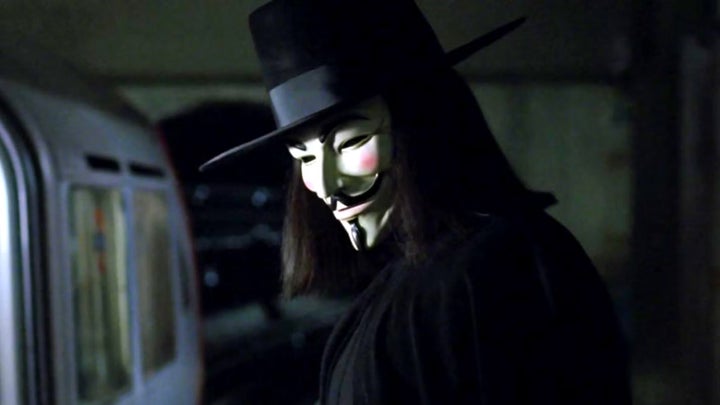
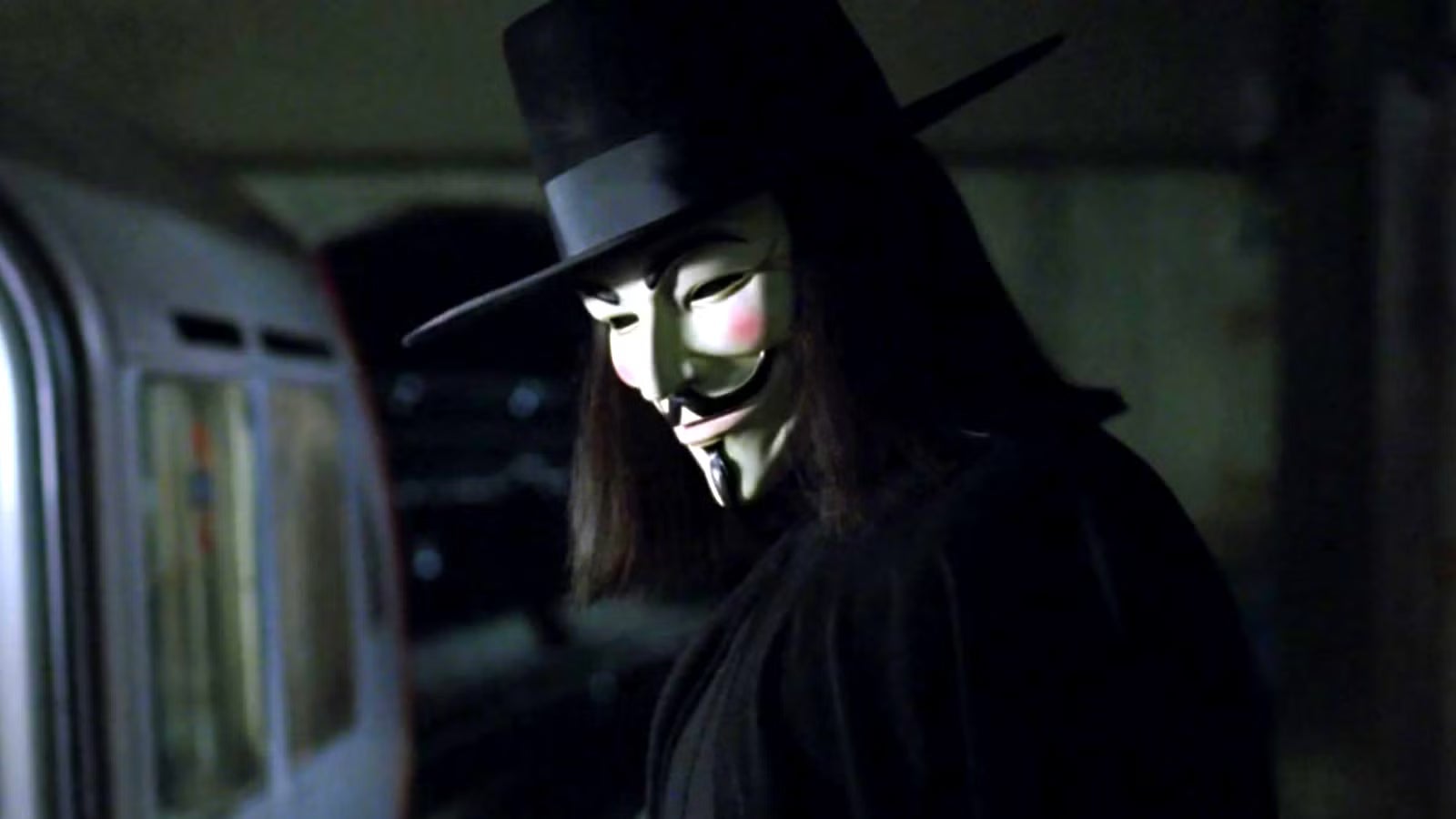
7) Alan Moore, the mind behind V for Vendetta’s comics, called the 2005 movie’s writing “rubbish”
V For Vendetta
Warner Bros Pictures
When asked to weigh in on the adaptation, Moore said: “I’ve read the screenplay. It’s rubbish”.
He also told the New York Times that for a lot of the DC projects that had become movies, “I don’t want anything more to do with these works because they were stolen from me – knowingly stolen from me.”
8) Moore also slammed the Watchmen film
The writer, who claimed the studio was using his brother’s serious illness to pressure him, said of the movie: “curse this wretched film and everything connected with it”.
Advertisement
Speaking to GQ, meanwhile, he said: “I would be the last person to want to sit through any adaptations of my work.
“From what I’ve heard of them, it would be enormously punishing. It would be torturous, and for no very good reason… It seemed to me that what people were taking away from works like Watchmen or V For Vendetta wasn’t the storytelling techniques, which to me seemed to be the most important part of it. It was instead this greater leeway with violence and with sexual references. Tits and innards.”
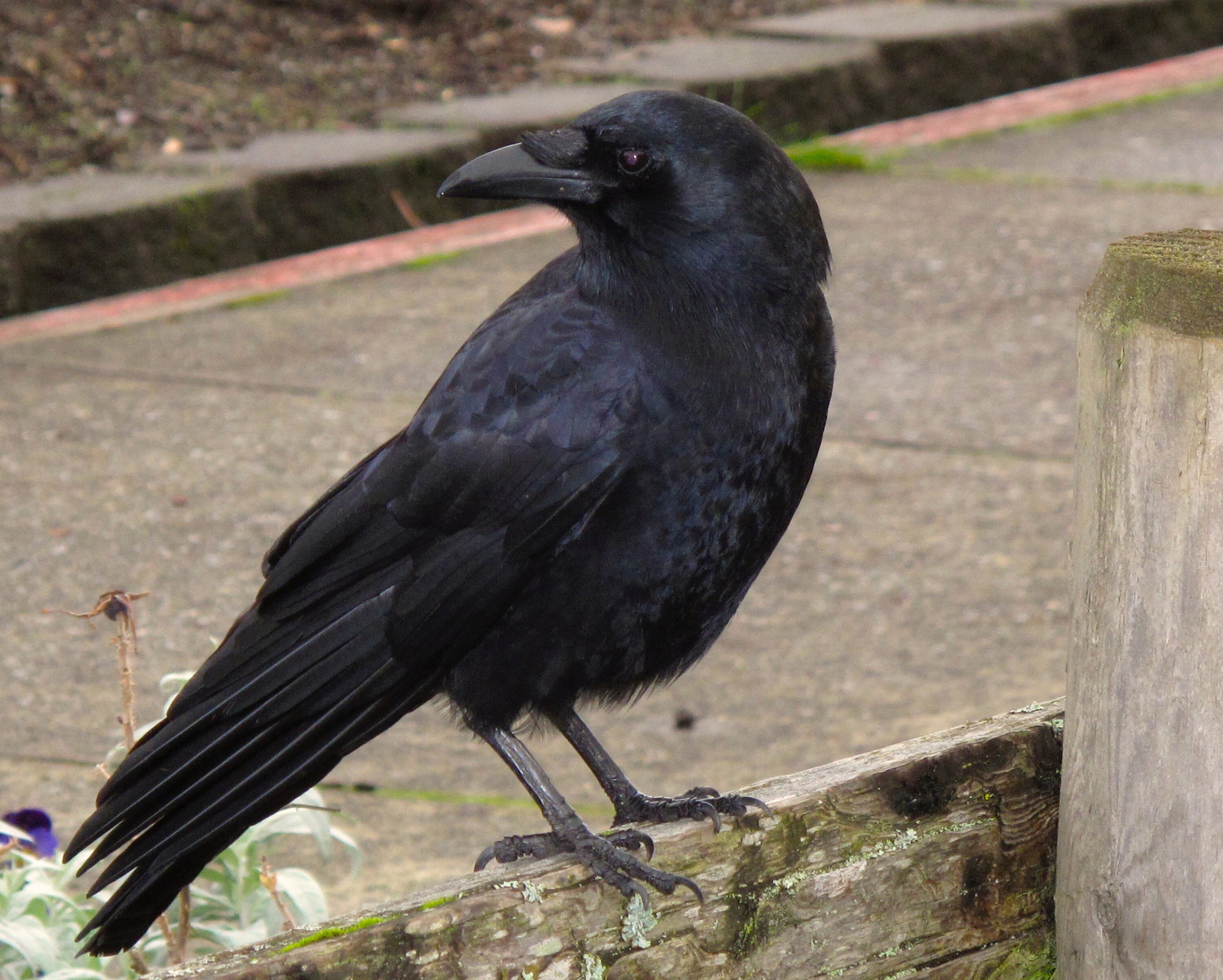
According to National Geographic, crows are some of the most intelligent birds in the world. They have also always been held in incredibly high esteem and are considered to be symbols of prophecy, transformation, change, and freedom.
However, as majestic and revered as these birds are, they are also not to be messed with.
According to Science World: “Crows are incredibly territorial during May and June. They are known to dive and strike humans not just once, but repetitively until the human in question has moved a good distance away from the nest.”
Advertisement
In fact… you may actually want to be a little more friendly with crows and even befriend one. Yes, really.
Why you should befriend a crow
So, maybe you don’t need to specifically befriend a crow but you definitely need to stay on their good side.
This is because a five-year study by scientists at the University of Washington has found they possess an unusually good memory for human faces linked to a stressful event.
Advertisement
Not only do crows remember the faces of humans for five years, but these clever corvids can also warn their friends and family about you, too. I don’t know about you but being the target of a murder of local crows sounds bloody terrifying.
However, if you do choose to buddy up with a crow, they’ll actually bring you gifts. They may be fiercely protective and hold a hell of a grudge but they are generous souls, too!
John Marzluff, conservation ecologist at the University of Washington said that crows take part in “gifting” by leaving behind keys, lost earrings, bones, or rocks, for the people who feed them.
Advertisement
How to befriend a crow
According to Pet Helpful, following these steps can help you to become friends with a crow:
Find food that the crows seem to like and keep it in stock. Crows tend to like nuts and seeds
Establish a regular feeding schedule so they know when to expect you and can create a rhythm with them
Don’t overdo it — you don’t need to feed them meals, just enough for them to know that you care and want to befriend them
Don’t overdo it. Don’t feed them so much or so often that they become dependent—just a handful of something to show you care.
Don’t just throw the food out there and walk away. Stay at a respectful distance to watch them eat. You may see them eat it on the spot, or they might choose carefully and fly off to cache it for later
Don’t get too close to them as they prefer to be standoffish and may feel threatened
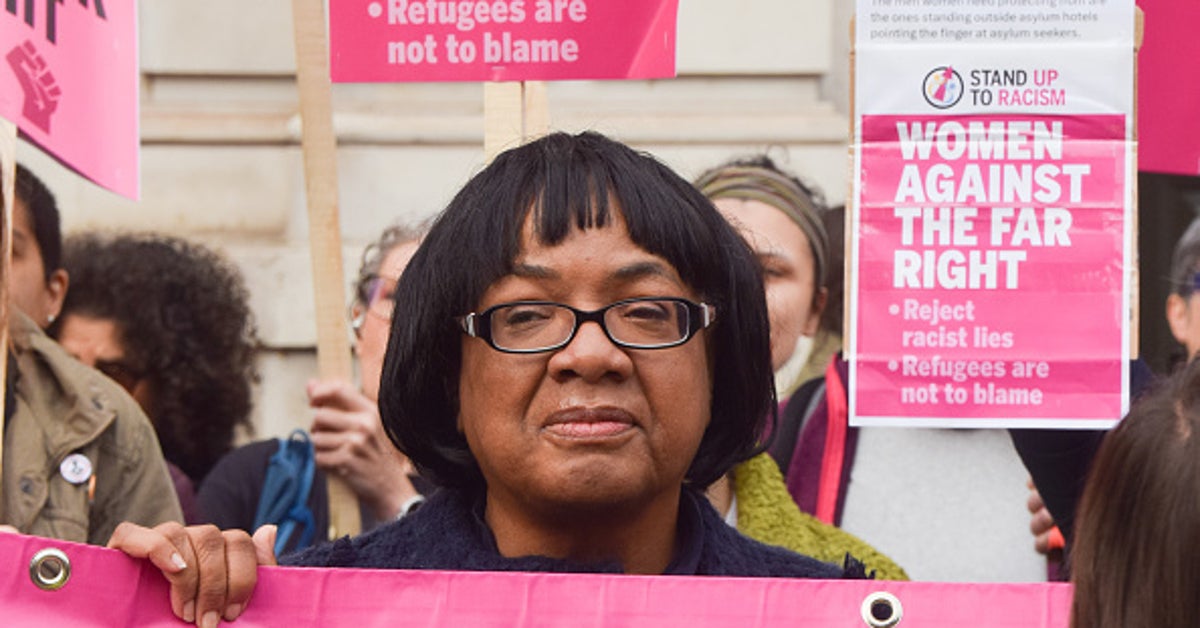
The left-wing MP was readmitted into the Labour Party on Friday following a year-long suspension.
She lost the whip last year after saying she did not regret past remarks about racism – comments which triggered her first suspension from the party back in 2023.
She also made a separate post on social media called the Israel Defence Forces the “Jewish Defence Force”.
In a statement on Friday, Abbott said she had returned to the party after a formal warning over that post, adding: “I am deeply sorry for any hurt caused by that conflation and apologise for any hurt caused by it.”
Advertisement
But her return to Labour sparked backlash on social media after it emerged she described Vladimir Putin’s illegal invasion of Ukraine as a “Nato campaign against Russia” back in June.
Speaking at an anti-war conference, Abbott said: “We meet at a crucial time for all those who are opposed to war and strive for peace.
“Because we are not trying to stop one war, we are having to fight to stop very many wars.”
She continued: “There is a military build-up against China, there is the war and blockade in Iran and, finally, there is one of the biggest wars in Europe since the Second World War – the Nato campaign against Russia.”
Advertisement
We hadn’t seen this. It’s Diane Abbott MP at the “peace conference” in London last month, calling the Russian war on Ukraine “the NATO campaign against Russia”.
She lists a series of acts of imperial aggression and violence and concludes it with that appalling description 🧵 pic.twitter.com/iVnO75SSuY
— Ukraine Solidarity Campaign 🇺🇦✊🏽🚩 (@UkraineSol) July 31, 2026
The revived video sparked backlash on social media from in the Conservative Party and Labour.
Utterly disgraceful comment.
I admire how Diane’s trailblazed politics for black women and many of her contributions over the years including on Assisted Suicide, but her view on Ukraine is wrong and totally unacceptable in Labour.@andyburnham must not give this view the whip https://t.co/MpVDth0MVO
Andy Burnham welcomed Diane Abbott back into the Labour Party with open arms – weeks after she was caught delivering the Kremlin’s talking points live on stage.
How does he explain that to @ZelenskyyUa, and Ukrainian civilians being bombed in their homes?
Abbott also wrote in the Morning Star last weekend: “The reason there is such a hue and cry about military spending now is not because Russian forces are in Ukraine; that happened well over four years ago.
“No, the reason for the outlandish claims about an imminent Russian invasion is simply because Trump demanded more military spending from Nato members…
Advertisement
“None of this is making us any safer. On the contrary. Russia is a major military power, but Nato is engaged in a war which is now striking deep into Russian territory, provoking widespread calls for retaliation against Nato countries.”
Labour declined to comment.
Abbott’s return to the party comes after new prime minister and Labour leader Andy Burnham pledged to end factionalism within the party.
Labour insists her reinstatement was unrelated to the party’s new leadership.
Advertisement
Listen to Commons People, the podcast that makes politics easy. Every week, Kevin Schofield and Kate Nicholson unpack the week’s biggest stories to keep you informed. Join us for straightforward analysis of what’s going on at Westminster.
The prime minister said the UK’s “antiquated” political system needs reform if equal opportunities are to be effectively shared out across the country.
Advertisement
Britain is one of the only major democracies without a codified arrangement which lays out how the country should be governed.
The UK’s constitution is currently established through history by common law, statutes and conventions.
He has also set up No.10 North, an alternative to 10 Downing Street in the north of England, to symbolise his commitment to moving power out of Westminster.
He said his devolution plans “increase the case for a constitution because Britain is changing through this, England is certainly changing through this.”
He claimed the country needs to set up a codified model of devolution which works for Wales, Scotland, Northern Ireland and England.
Advertisement
“In the end, I think it does start to point towards a new constitutional settlement… with that commitment to equivalent living standards,” he said.
He added that his promise to implement “good growth in every postcode” was “more than just a sound bite”.
The prime minister did not outline any time frame for implementing such a historic change.
Countries usually adopt a written constitution following major events like revolution or war, when governments need to signal a departure from previous regimes.
Advertisement
The prime minister first floated the idea in his 2024 book Head North, co-written with Liverpool city region mayor Steve Rotherham.
He said deep inequality had become part of Britain because it had not moved on from the “feudal state” which held power in Westminster.
“Our failure fully to set out the rules for how the country should be run is one of the principal reasons why Britain is one of the most unequal major countries in the world,” he wrote.
Advertisement
“Our unwritten and murky constitutional arrangements have had the effect of hoarding power in a small number of hands – in Whitehall and Westminster and, by extension, in the powerful networks of institutions and vested interests that surround them.”.
Listen to Commons People, the podcast that makes politics easy. Every week, Kevin Schofield and Kate Nicholson unpack the week’s biggest stories to keep you informed. Join us for straightforward analysis of what’s going on at Westminster.