So, This Is How Accurate Crime Shows Really Are

Nothing beats a good, cosy crime drama.

Following a detective as they retrace steps, interview suspects and wander into gruesome crime scenes without even a hint of hand sanitiser. All of that while having a cheeky late night cup of tea? Can’t beat it.

That being said, how accurate are these shows in depicting what actually happens during an investigation? We know that it’s not quite as glossy as it is on screen, but are the important details factual?

Well, not so much.

Digital Spy spoke with Sophie Harris, a forensic assistant apprentice who revealed that not only is most of it not factual, but for shows like Luther, even the premise is off.

Idris Elba as Luther

BBC Studios

In a lot of crime and detective shows, there is one person fronting the investigation who not only does the paperwork, but gets their hands dirty in the nitty gritty of the crime scenes and is responsible for speaking to witnesses and suspects.

Harris explained that this isn’t quite so straightforward in the real world, saying: “On a lot of crime dramas, they show everything being done by one or two people, but that’s not true. You have a first officer attending the scene who alerts other people about what’s going on.

“After that, when forensics get involved, you’ll have a forensics scene investigator come, you’ll have crime scene coordinators, you’ll have all sorts of different people attending the scene.”

Another very satisfying plot point in many crime scenes is somebody being identified from a single fingerprint.

Usually, you’ll see one tech whizz sits in front of a screen, who scans the fingerprint and boom — we have our criminal.

Harris said: “On NCIS, I remember, they found a fingerprint and just popped it onto the system and then they got a suspect straight from that.

“But, you’ve got to be able to find a certain amount of characteristics on a fingerprint to be able to compare it to a mark, so it’s not that straightforward.”

Reality is, as ever, a little more admin-heavy than fiction.

Share Button

My Mum Knew I Was Having Suicidal Thoughts. Here’s How She Gave Me My Life Back.

“Everyone’s depressed,” my mother said when I told her about the sick dread and the lead in my legs that made taking a walk seem unbearable. At 32, I was living in the ice-encrusted city of Buffalo, New York, with its many shades of gray, slogging my way through a gloomy English Ph.D. program. The bed was my world, the only place where I could slip into the fleeting death of sleep.

“No, Mom,” I said. “I don’t think everyone is depressed.”

I’d seen evidence of this at a winter street fair: a man wearing a baby in a front holster close to his heart; the baby in a white snowsuit like a winter starfish; the way the man absentmindedly cradled her and kissed the top of her head; the pure blue water of peace in his eyes.

I knew the man was happy. At that moment, on that day, in that world, it was, for this man, good to be alive.

“They are depressed,” Mom insisted. “They just hide it.”

My mother, a high-strung Irish Bostonian, believed that life troubles should be endured without complaint. She had survived a bitter childhood where her stepfather had visited her room at night, and when she told my grandmother, my grandmother said: “You imagined it.” As an adult, my mother reasoned it was nothing to dwell on.

With me, she was softer. When I was a child and feeling low, she used to pour me some milky tea in a china cup and invite me to tell her my worries. The taste of her love soothed me. But even then, her impulse was to shoo feelings away. Nothing was as bad as it seemed, now was it? When tea time was over, one was meant to get on with one’s life.

“I don’t want to believe that everyone’s depressed,” I said.

“Well, it’s true,” she insisted.

But I shook my head. Hope was an amulet that I gripped to stay alive.

My trouble started in college at the University of Vermont. It came on me like a flu. One minute, I was trudging to classes in the bright snow and conversing easily with friends. The next minute, I was mute in bed in the foetal position. I slept for 20 hours at a time, rising only to ransack my roommate’s store of Cheetos and Ring Dings. My mother was so frightened that she called the dean of my college and demanded that he do something. I was put into counselling.

The sorrow returned as a low-grade haze of numbness in my 20s. My mother and I were sitting in a car watching a sunset over Lake Champlain. I stared at the streaks of pink and gold as if they were trapped behind a pane of glass.

“I think it must be beautiful,” I said. “But I can’t feel it.”

She sipped her tea from a thermos. “You can choose to feel it,” she said.

When I moved to Buffalo, it followed me. During sunless days of trying to write a dissertation in a drafty apartment, a drumbeat of a voice berated me: You are a loser and have always been a loser. You are so fat, you are hideous. You won’t be able to do it. You will be publicly humiliated if you try.

These thoughts were like little scorpions stinging my mind, and I would fantasise about opening up my skull and placing balm on my brain to soothe the pain. With the lows came brittle highs of tight-wire anxiety — an electrical hum — telling me that something catastrophic was on the verge of happening. Thoughts of death were constant. I considered the options carefully, taking bleak comfort in the planning.

But what about my mother?

“You are my life,” she first told me when I was 3 years old, and she repeated it so often that it became knitted into my consciousness. As an only child, I knew it was my duty to stay alive for her. I was to be the emissary of happiness.

“Maybe it’s our family,” I said to my mom at last. “Maybe just everyone in our family is depressed.”

I had thought about this before. Irish melancholy is romanticised, but in my family, it was a banal truth. Drink was the main antidote. Amid hilarious stories, wit and rowdy fun at weddings, there was a thread of sorrow running through us.

Each of us sought a cure: drugs, work, food. But not doctors or prescribed medications. Those were taboo — reserved for those locked up in Mattapan, one of the cruel asylums in Massachusetts that got shut down after an explosive documentary on mental institutions in the 1970s.

“Maybe.” My mother finally conceded the thread of darkness in our family.

Because she knew the roads. She knew the deadened agony of hanging the laundry when the black dog was at the door. In the 1960s, she bought a red Karmann Ghia. She used to drive too fast. What was she leaving behind in the rearview mirror? Was it her stepfather? My parents’ disappointing marriage? Her unrealised dreams of being a writer?

“Your problem is you have no problems,” she said when I was in Buffalo and repelled one of her pep talks. I was in a state of anguish, and I could see that she was afraid.

I stopped going to her for help. I sought out a psychiatrist, medication and meditation in my 40s. I was diagnosed as bipolar. This explained the mysterious bouts of euphoria when I’d buy 14 pairs of shoes online and hide them from my boyfriend in the closet. I suddenly understood sleepless periods when I would write all night and be convinced that I was writing the great American novel, but later found the pages rambling and incoherent.

The medication has helped. I started walking to the Brooklyn Botanical Garden every day in spring to watch the flowers bloom — first purple crocuses, then red and yellow tulips, then pink cherry blossoms, and finally the miracle of lilacs.

I went into recovery for an eating disorder that had plagued me since I was 14. I never spoke of my diagnosis with my mother. I was afraid of her reaction. In the conversation, I imagined, she’d shake her head and say, “Don’t be so dramatic.”

My mental illness is a balancing act that requires constant maintenance. I get good sleep; I walk every day; I reach out to friends; and I’m honest with my doctors. But sometimes I get tired of being vigilant, get out of my routine, and slip back down. It feels so familiar to drape the robes of my depression around me again, and I’ll take to my bed. For years, I kept a store of pills in my drawer — just in case.

One night, over a few glasses of wine, my mother and I relaxed into a state of truth-telling. Once I had stopped treating her as my therapist, our relationship had improved.

“I have one request,” she said slowly.

I had no idea what was coming.

“If you are ever set on doing it — if you have really made your mind up — I’m asking you for one last thing: I want you to call me.”

This was the first time we had spoken of such things in years.

“I know how bad it gets,” she said. “I want you to call me. And if, after we talk, you still want to do it, I won’t try to stop you. It is your life to do with as you choose.”

We sipped our wine.

At that moment, I felt a flood of relief. She was finally acknowledging that what I was going through — what I had always gone through — was real. By making this request, my mother was putting a phone call between me and death.

With those six words — “I want you to call me” — I felt she was giving me my life back. Worrying about what my death would do to her had often stayed my hand, but I had never developed the desire to live for myself.

This conversation changed me, but it could not change the dynamic of my relationship with my mother completely. I was still afraid to tell her about my diagnosis. I mentioned it in passing one day, and it was met with silence.

My mother still believed in the power of will to chase away bad thoughts. She came from a different generation where emotional struggles were to be borne alone. I had watched her bear the abuse of her childhood in silence. I had watched her muscle through her grief when my father left. And when dementia slowly took her mind, I watched her rage, but never cry. Her way was an idea of strength that would never seek help. Her way was not my way. But she broke the silence between us and spoke of the things we must never speak about. And that saved me. As I learned in my recovery, “We are only as sick as our secrets.”

My mother passed away three years ago. I no longer have a promise to keep. But in its place is a new promise to myself. I cling ferociously to life and sound the alarm whenever that resolve weakens. I learned how to sound the alarm on my own. The ability to be ferocious is something I learned from my mother.

Julia Anne Miller is a writer in New York City whose writing has appeared in the New York Times, Salon and Smithsonian. She has performed in such storytelling venues as “Stripped Stories” and “Speak Easy.” Her essay “Sharing a Cab and My Toes” was read by Greta Gerwig for the New York Times Modern Love podcast. She is working on a collection of essays entitled “My Life in Cake.” She can be found at https://julia-anne-miller.com.

Help and support:

  • Mind, open Monday to Friday, 9am-6pm on 0300 123 3393.
  • Samaritans offers a listening service which is open 24 hours a day, on 116 123 (UK and ROI – this number is FREE to call and will not appear on your phone bill).
  • CALM (the Campaign Against Living Miserably) offer a helpline open 5pm-midnight, 365 days a year, on 0800 58 58 58, and a webchat service.
  • The Mix is a free support service for people under 25. Call 0808 808 4994 or email help@themix.org.uk
  • Rethink Mental Illness offers practical help through its advice line which can be reached on 0808 801 0525 (Monday to Friday 10am-4pm). More info can be found on rethink.org.
Share Button

4 Signs You’re Not Compatible With Your Travel Partner

Traveling with another person — be it a friend, relative or romantic partner — has a way of strengthening or straining the relationship. When you have similar travel styles, the trip is generally more likely to go smoothly, bringing you closer together and deepening your bond. When you have differing travel styles, the vacation can become tense and stressful, driving a wedge between you.

So how do you know if your travel styles are aligned or not? We asked travel experts to share some of the telltale signs you might be incompatible in this area and offer advice on what to do about it.

1. One of you is a planner and the other is more spur-of-the-moment.

When one person loves having a well-thought-out plan and the other would prefer to fly by the seat of their pants, you’re bound to hit some turbulence on the trip.

“If you are someone who likes to have a flexible itinerary and be open to spontaneous changes in plans, while your travel companion prefers a more structured and organised approach, it can lead to resentment and conflict,” travel blogger Sean Lau of The Turkey Traveler told HuffPost.

“You may feel restricted and constrained by their need for a rigid schedule, while they may feel stressed and anxious in an environment that lacks clear plans and direction.”

2. One of you is an early riser and the other likes to sleep in.

Having conflicting sleep schedules can create friction when traveling together. The morning person may get up early, eager to get a head start on the day, while the night owl may want to skip morning activities to log some extra sleep.

“For instance, if you want to get up early and walk around the city but your companion is hungover from the night before, that could be a problem and a sign of incompatibility,” travel content creator Jen Ruiz, author of “12 Trips In 12 Months,” told HuffPost.

Similarly, when you and your travel partner have different energy levels, it can make it difficult to find a pace for the trip that suits both people, Lau said.

“If one person may want to do a lot of activities while the other may prefer a more relaxed pace, this can lead to disagreements and arguments,” he added.

“The idea that your romantic partner also needs to be your number one travel buddy is a myth,” says dating coach Damona Hoffman.

Charday Penn via Getty Images

“The idea that your romantic partner also needs to be your number one travel buddy is a myth,” says dating coach Damona Hoffman.

3. One of you is an adventure-seeker and the other prefers a leisurely trip.

Travel content creator Sam Cormier, the woman behind the @samanthas_suitcase Instagram account, said one of the most important factors to consider when choosing a travel companion is what you each enjoy doing on a trip. Some people want to pack their days with lots of action and new experiences, while others may be looking for more leisurely activities, for example.

“Are you an outdoorsy hiker who wants to get out into nature while your travel buddy wants to explore museums? Would you want to shop and sightsee until you drop, while the other person just wants to relax at the spa or by the pool?” she told HuffPost. “This will likely cause tension on what should be a fun vacation because neither of you are doing what you want to do.”

Having different levels of comfort when it comes to physical activity and nature can make it more difficult to find mutually enjoyable activities, Lau said.

4. One of you is a big spender and the other is a saver.

Having different priorities around money can be a major source of conflict when traveling. Issues tend to arise when one person is looking to splurge and have a more luxurious experience and the other person is looking to save a few bucks wherever possible.

“If you want to go to a high-end restaurant and stay in posh hotels while your travel partner wants to microwave something from a local gas station and stay in long-term rentals, one of you is going to be uncomfortable,” Ruiz said.

“Make sure your values around money are similar and that you’re prepared to have a budget and spending range that’s aligned with each other. Otherwise, one person feels stretched and worried about money, and the other can feel restrained in their ability to enjoy the destination how they’d like.”

What To Do When Your Travel Styles Don’t Align

“Planning the trip together so that you both have a say in activities, restaurants and accommodations is key in making sure both sides are heard,” says travel content creator Sam Cormier.

SimonSkafar via Getty Images

“Planning the trip together so that you both have a say in activities, restaurants and accommodations is key in making sure both sides are heard,” says travel content creator Sam Cormier.

Can you still travel together and have a good trip even if your travel styles are less-than-compatible? Cormier says it’s possible with two key ingredients: open communication and a willingness to compromise.

“Planning the trip together so that you both have a say in activities, restaurants and accommodations is key in making sure both sides are heard,” she said. “If you respect the other’s preferences but also set your own boundaries, you should be able to still have a great trip together.”

If you know (or suspect) that you and your travel partner have different vacation styles, Ruiz said her best advice is to book separate accommodations when you can.

“That way, everyone can retreat to their own space at the end of the day to let tensions defuse,” she said. “I have rented an Airbnb where everyone gets a different room, and that works well. Not always feasible for a hotel, but if possible I’d get separate rooms there, too.”

And keep in mind it’s totally OK to travel together but do some stuff on your own, too.

“You can also choose to spend some time apart, each doing separate activities, and come together for a specific meal or activity throughout the day that you both want to do,” Ruiz said.

As Lau said, “A trip together is about enjoying each other’s company and creating everlasting memories, but that doesn’t have to be every single minute of the day.”

“A trip together is about enjoying each other’s company and creating everlasting memories, but that doesn’t have to be every single minute of the day.”

– Sean Lau, blogger at The Turkey Traveler

And, of course, it’s OK to choose to travel with certain people less frequently (and in some circumstances, not at all) based on your differing personalities and preferences.

For example, you might feel pressure to always vacation with your spouse because, well, you’re married. But if your travel styles are incompatible, why not also plan some trips with your sister or your college roommate who may like to do things that are more your speed?

“The idea that your romantic partner also needs to be your number one travel buddy is a myth,” dating coach Damona Hoffman recently told HuffPost. “You probably have other friends with whom you do regular trips or who already like to travel your way. It’s more important to continue to value those friendships and carve out time for those trips than to force your partner to do everything you like to do the way you like to do it.”

No matter who you’re traveling with, clearly voicing your expectations ahead of time “especially around money, time, activities, and accommodations” will “limit surprises on the ground,” said Ruiz. When planning a trip with someone new, it’s a good idea to do a trial day trip with them first before you agree to something longer.

“Can you tolerate three hours in a car with this person before you commit to a cross-country or international flight?” she said. “Is there anything that bothers your partner during travel, like allergies, motion sickness, ear popping issues? This is good information to know because maybe they’ll be irritable or extra sensitive to these things, and that can help explain any shift in mood or behavior.”

Share Button

Liz Truss Writes To Civil Service Again Over ‘Matter Of Deep Concern To British Public’

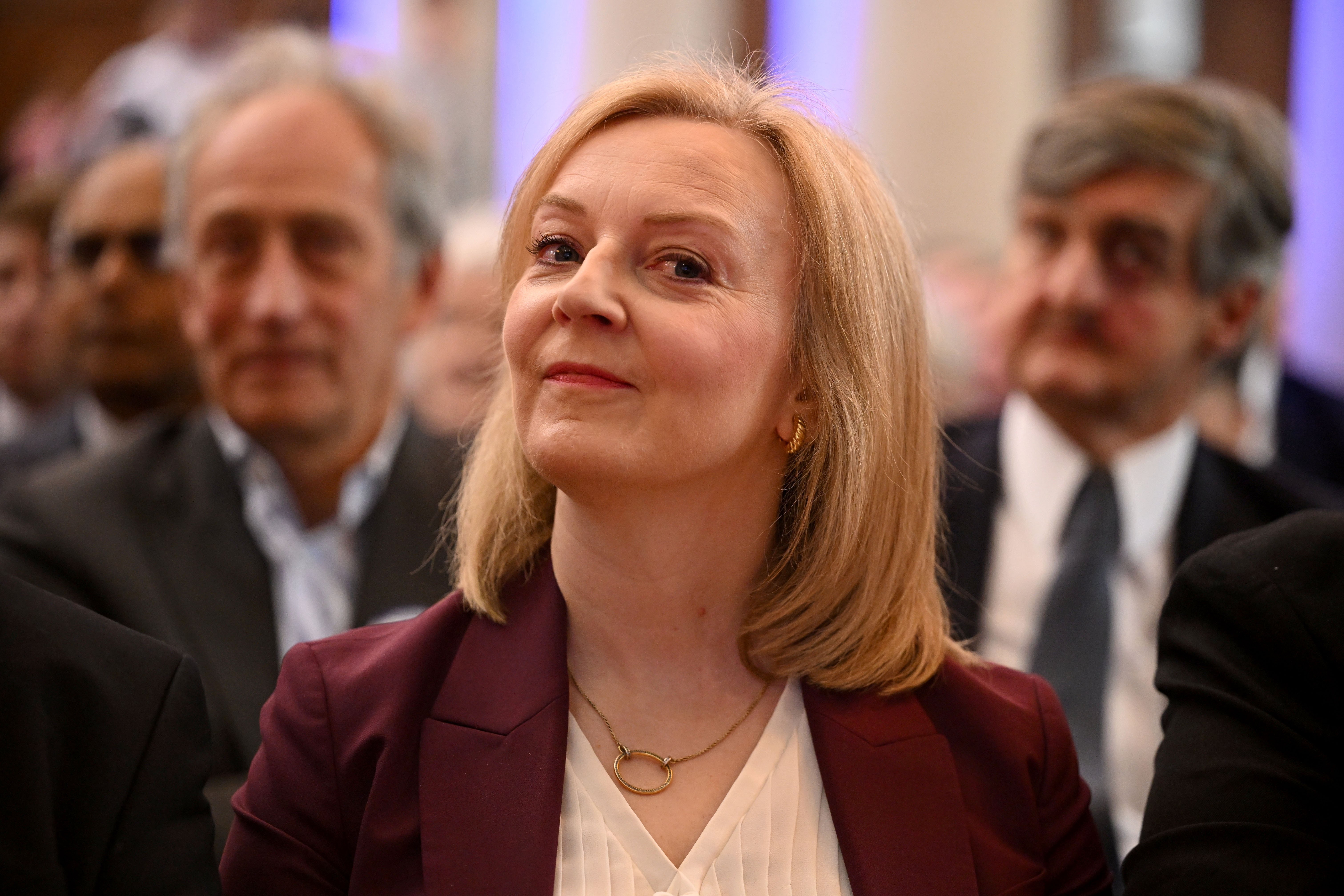
Liz Truss has spoken up once again about her name appearing in an official briefing document this week, claiming this should be a “matter of deep concern to the British public”.

The former PM lodged an official complaint on Wednesday with the country’s most senior civil servant, Simon Case, after she was mentioned three times in briefing documents published for the King’s Speech.

Her “disastrous” mini-Budget was referenced repeatedly in the notes, which still are available on the official government website.

Case has since directed officials to remove the Truss’s name.

But less than 24 hours later, the ex-PM published yet another letter asking him to investigate further about how her name appeared in the official documents, with eight follow-up questions.

She asked: “Have you opened an investigation into how this happened?

“Who was the senior civil servant who gave final sign-off to the document?

“How many other civil servants had sight of the errant pages before they went to press?”

She also asked if there was a “breach of the Civil Service code” by mentioning her name and if any civil servants found to be responsible would be held to account.

“How many physical copies of the errant document were printed and have you made efforts to recover and pulp unissued copies of it?” Truss added.

She also asked if the opinion of a think tank attacking a politician could be regarded as a “key fact” in a document, and added: “Will you share the conclusions of whatever investigation you are undertaking?”

Truss said she is “very disturbing” her name made it into the Civil Service document, and “impugned my name without evidence”.

She continued: “That not a single person who drafted, edited, proofed or signed off so significant a document saw fit to challenge the slurs against me would only go to suggest that there is a settled view in Whitehall which accepts the narrative of my political opponents without challenge.

“This should be a matter of deep concern to the British public.”

All mentions of Truss in the briefing notes appear to have been pulled after she complained yesterday.

The online documents previously said Labour were planning on rolling out a Budget Responsibility Bill which would “ensure that the mistakes of Liz Truss min-Budget cannot repeated” with a “fiscal lock”.

Another reference said: “The fiscal lock is intended to capture and prevent those announcements that could resemble the disastrous mini-Budget.”

The final one said: “The Institute for Government have said that ’Rachel Reeves has made welcome moves to improve fiscal policy making – Liz Truss’s autumn mini-Budget is a lesson in how not to do fiscal policy.”

Truss lost her seat in the general election as part of the humiliating Tory defeat.

She has since flown to the US to endorse Donald Trump, the Republican nominee for the upcoming presidential election.

Share Button

Security Experts Warn That Young People Are At Risk Of Revenge Porn

New research into revenge porn has revealed that young people are at the risk of abuse.

The report, conducted by major cybersecurity firm Kaspersky with support from the Revenge Porn Helpline, a UK charity helping adult victims of intimate image abuse, is the largest ever to understand the extent of the intimate image abuse (or ‘revenge porn’) problem globally.

While younger generations tend to think that they are more tech-savvy than their elders, the study has revealed a fundamental shift in attitudes towards online sharing of intimate images.

Of the poll of over 9 thousand people worldwide, a quarter admitted that they have shared images of themselves with people they are chatting to, with the number increasing to 50% amongst 25–34-year-olds.

Security experts urge people to take caution when sharing intimate images

A third of the UK respondents confirmed that they either know somebody who has survived revenge porn or have actually experienced it themselves. The report also highlighted that this form of abuse is particularly pronounced among younger generations, with 69% of 16-24 year-olds and 63% of 25-34 year-olds reporting such experiences.

David Emm, Principal Security Researcher, Kaspersky, said: “Our research highlights the increasing normalisation of a critical societal issue: the public, especially younger individuals, are sharing intimate images in increasing numbers without considering the consequences.

“Over the past 25 years, technology has made capturing and sharing such images effortless, and there have been significant shifts in behaviour and attitudes towards online dating, accelerating the trend of sharing intimate messages.”

Emm advised that awareness of the risks that are being taken can empower people to make more informed digital choices.

How to protect yourself against revenge porn

The experts urge people to follow this advice to stay safe:

  • Think before you post. Be mindful of who you share your data with and when. Always consider how the content you share online might be interpreted and used by others
  • Understand which messengers are safe and which have end-to-end encryption
  • If you think you are a victim of revenge porn, keep evidence, and report it to the police and platforms where you believe your data is available
  • Always check the permission settings on the apps you use, to minimise the likelihood of your data being shared or stored by third parties – and beyond – without your knowledge
  • Use a reliable security solution like Kaspersky Password Manager to generate and secure unique passwords for every account; resist the temptation to reuse the same one
  • Utilise StopNCII.org, a global online tool to help protect intimate images from being shared online across some of the most widely used platforms across the world

Help and support:

If you, or someone you know, is in immediate danger, call 999 and ask for the police. If you are not in immediate danger, you can contact:

  • The Freephone 24 hour National Domestic Violence Helpline, run by Refuge: 0808 2000 247
  • In Scotland, contact Scotland’s 24 hour Domestic Abuse and Forced Marriage Helpline: 0800 027 1234
  • In Northern Ireland, contact the 24 hour Domestic & Sexual Violence Helpline: 0808 802 1414
  • In Wales, contact the 24 hour Life Fear Free Helpline on 0808 80 10 800.
  • National LGBT+ Domestic Abuse Helpline: 0800 999 5428
  • Men’s Advice Line: 0808 801 0327
  • Respect helpline (for anyone worried about their own behaviour): 0808 802 0321
Share Button

This Photo Of Female Labour MPs Reveals Another Bleak Reality For The Tory Benches

A new photo of the Labour Party has put the Tories’ electoral defeat in another, rather unflattering light.

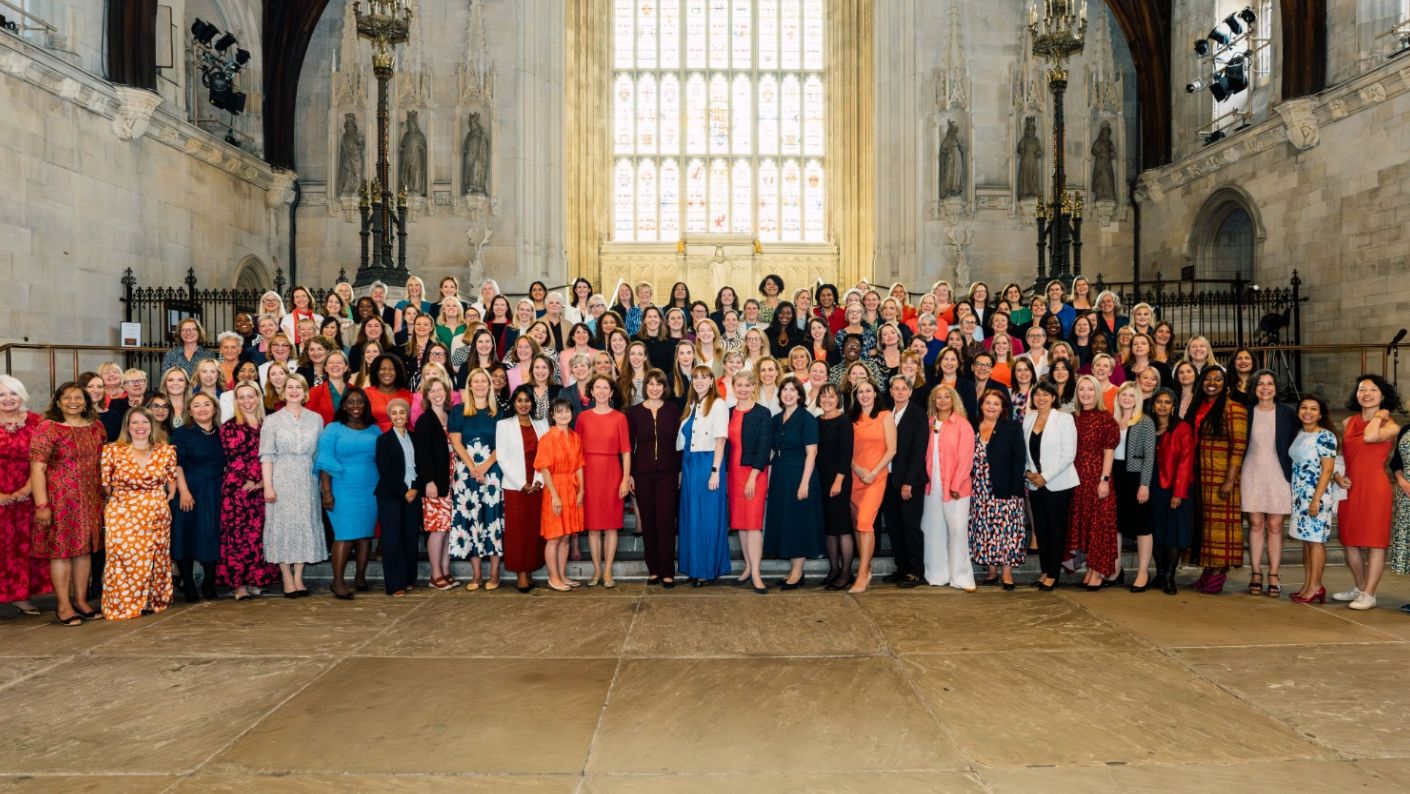
All of the female MPs elected for Labour gathered for a historic image in Westminster Hall this week, making it pretty clear for their political opponents just how many of them there are.

In fact, there are 189 female Labour MPs now – almost half of the total 411 seats it won in the election.

That’s more than there are Tory MPs (of any gender) in this parliament.

It’s yet another blow to the beleaguered Conservatives, who already endured their worst-ever electoral defeat.

Having secured just 121 seats in the election, the Conservatives now have 29 female MPs – that works out to less than a quarter of its total parliamentary party, a detail which did not escape Labour MPs and party supporters online.

<div class="js-react-hydrator" data-component-name="Twitter" data-component-id="6367" data-component-props="{"itemType":"rich","index":10,"contentIndexByType":2,"contentListType":"embed","code":"

In 1924 there was uproar in the press when the newly-elected Ellen Wilkinson appeared in Parliament in a green dress. Goodness knows what they’d have made of Labour’s 190 women MPs a hundred years on! pic.twitter.com/L8x7rdnNIO

— Nan Sloane (@NanSloane) July 18, 2024

","type":"rich","meta":{"author":"Nan Sloane","author_url":"https://twitter.com/NanSloane","cache_age":86400,"description":"In 1924 there was uproar in the press when the newly-elected Ellen Wilkinson appeared in Parliament in a green dress. Goodness knows what they’d have made of Labour’s 190 women MPs a hundred years on! pic.twitter.com/L8x7rdnNIO— Nan Sloane (@NanSloane) July 18, 2024\n\n\n","options":{"_hide_media":{"label":"Hide photos, videos, and cards","value":false},"_maxwidth":{"label":"Adjust width","placeholder":"220-550, in px","value":""},"_theme":{"value":"","values":{"dark":"Use dark theme"}}},"provider_name":"Twitter","title":"Nan Sloane on Twitter / X","type":"rich","url":"https://twitter.com/NanSloane/status/1813879112626508084","version":"1.0"},"flags":[],"enhancements":{},"fullBleed":false,"options":{"theme":"news","device":"desktop","editionInfo":{"id":"uk","name":"U.K.","link":"https://www.huffingtonpost.co.uk","locale":"en_GB"},"originalEdition":"uk","isMapi":false,"isAmp":false,"isVideoEntry":false,"isEntry":true,"isMt":false,"entryId":"6699184be4b0e9707971bdef","entryPermalink":"https://www.huffingtonpost.co.uk/entry/labour-mps-photo-reveals-harsh-truth-about-tory-benches_uk_6699184be4b0e9707971bdef","entryTagsList":"government,labour,conservatives,@ai_seo_headline","sectionSlug":"politics","deptSlug":null,"sectionRedirectUrl":null,"subcategories":"","isWide":false,"headerOverride":null,"noVideoAds":false,"disableFloat":false,"isNative":false,"commercialVideo":{"provider":"custom","site_and_category":"uk.politics","package":null},"isHighline":false,"vidibleConfigValues":{"cid":"60afc140cf94592c45d7390c","disabledWithMapiEntries":false,"overrides":{"all":"60b8e525cdd90620331baaf4"},"whitelisted":["56c5f12ee4b03a39c93c9439","56c6056ee4b01f2b7e1b5f35","59bfee7f9e451049f87f550b","5acccbaac269d609ef44c529","570278d2e4b070ff77b98217","57027b4be4b070ff77b98d5c","56fe95c4e4b0041c4242016b","570279cfe4b06d08e3629954","5ba9e8821c2e65639162ccf1","5bcd9904821576674bc55ced","5d076ca127f25f504327c72e","5b35266b158f855373e28256","5ebac2e8abddfb04f877dff2","60b8e525cdd90620331baaf4","60b64354b171b7444beaff4d","60d0d8e09340d7032ad0fb1a","60d0d90f9340d7032ad0fbeb","60d0d9949340d7032ad0fed3","60d0d9f99340d7032ad10113","60d0daa69340d7032ad104cf","60d0de02b627221e9d819408"],"playlists":{"default":"57bc306888d2ff1a7f6b5579","news":"56c6dbcee4b04edee8beb49c","politics":"56c6dbcee4b04edee8beb49c","entertainment":"56c6e7f2e4b0983aa64c60fc","tech":"56c6f70ae4b043c5bdcaebf9","parents":"56cc65c2e4b0239099455b42","lifestyle":"56cc66a9e4b01f81ef94e98c"},"playerUpdates":{"56c6056ee4b01f2b7e1b5f35":"60b8e525cdd90620331baaf4","56c5f12ee4b03a39c93c9439":"60d0d8e09340d7032ad0fb1a","59bfee7f9e451049f87f550b":"60d0d90f9340d7032ad0fbeb","5acccbaac269d609ef44c529":"60d0d9949340d7032ad0fed3","5bcd9904821576674bc55ced":"60d0d9f99340d7032ad10113","5d076ca127f25f504327c72e":"60d0daa69340d7032ad104cf","5ebac2e8abddfb04f877dff2":"60d0de02b627221e9d819408"}},"connatixConfigValues":{"defaultPlayer":"8b034f64-513c-4987-b16f-42d6008f7feb","clickToPlayPlayer":"5a777b9b-81fe-41a6-8302-59e9953ee8a2","videoPagePlayer":"19654b65-409c-4b38-90db-80cbdea02cf4"},"topConnatixThumnbailSrc":"data:image/png;base64,iVBORw0KGgoAAAANSUhEUgAAAAEAAAABCAQAAAC1HAwCAAAAC0lEQVR42mNkYAAAAAYAAjCB0C8AAAAASUVORK5CYII=","customAmpComponents":[],"ampAssetsUrl":"https://amp.assets.huffpost.com","videoTraits":null,"positionInUnitCounts":{"buzz_head":{"count":0},"buzz_body":{"count":0},"buzz_bottom":{"count":0}},"positionInSubUnitCounts":{"article_body":{"count":7},"blog_summary":{"count":0},"before_you_go_content":{"count":0}},"connatixCountsHelper":{"count":0},"buzzfeedTracking":{"context_page_id":"6699184be4b0e9707971bdef","context_page_type":"buzz","destination":"huffpost","mode":"desktop","page_edition":"en-uk"},"tags":[{"name":"government","slug":"government","links":{"relativeLink":"news/government","permalink":"https://www.huffingtonpost.co.uk/news/government","mobileWebLink":"https://www.huffingtonpost.co.uk/news/government"},"relegenceSubjectId":4941492,"url":"https://www.huffingtonpost.co.uk/news/government/"},{"name":"labour","slug":"labour","links":{"relativeLink":"news/labour","permalink":"https://www.huffingtonpost.co.uk/news/labour","mobileWebLink":"https://www.huffingtonpost.co.uk/news/labour"},"section":{"title":"Politics","slug":"politics"},"topic":{"title":"Labour Party","slug":"labour-party","overridesSectionLabel":false},"url":"https://www.huffingtonpost.co.uk/news/labour-party/"},{"name":"Conservatives","slug":"conservatives","links":{"relativeLink":"news/conservatives","permalink":"https://www.huffingtonpost.co.uk/news/conservatives","mobileWebLink":"https://www.huffingtonpost.co.uk/news/conservatives"},"section":{"title":"Politics","slug":"politics"},"topic":{"title":"Conservative Party","slug":"conservative-party","overridesSectionLabel":false},"url":"https://www.huffingtonpost.co.uk/news/conservative-party/"}],"isLiveblogLive":null,"cetUnit":"buzz_body","bodyAds":["

\r\n\r\n HPGam.cmd.push(function(){\r\n\t\treturn HPGam.render(\"inline-1\", \"entry_paragraph_1\", false, false);\r\n });\r\n\r\n","

\r\n\r\n HPGam.cmd.push(function(){\r\n\t\treturn HPGam.render(\"inline\", \"entry_paragraph_2\", false, false);\r\n });\r\n\r\n","

\r\n\r\n HPGam.cmd.push(function(){\r\n\t\treturn HPGam.render(\"inline-2\", \"entry_paragraph_3\", false, false);\r\n });\r\n\r\n","

\r\n\r\n HPGam.cmd.push(function(){\r\n\t\treturn HPGam.render(\"inline-infinite\", \"repeating_dynamic_display\", false, false);\r\n });\r\n\r\n"],"adCount":0},"isCollectionEmbed":false}”>

In 1924 there was uproar in the press when the newly-elected Ellen Wilkinson appeared in Parliament in a green dress. Goodness knows what they’d have made of Labour’s 190 women MPs a hundred years on! pic.twitter.com/L8x7rdnNIO

— Nan Sloane (@NanSloane) July 18, 2024

<div class="js-react-hydrator" data-component-name="Twitter" data-component-id="4274" data-component-props="{"itemType":"rich","index":11,"contentIndexByType":3,"contentListType":"embed","code":"

What an phenomenal sight to behold!

We now have 190 @UKLabour women MPs. That’s more than all the Tories MPs.

And our diversity is growing and growing!

Excited to see and feel what a difference a Labour Government will make to my constituents in Brent and the country pic.twitter.com/7ZgMrTNQLz

— Dawn Butler ✊🏾💙 (@DawnButlerBrent) July 17, 2024

","type":"rich","meta":{"author":"Dawn Butler ✊🏾💙","author_url":"https://twitter.com/DawnButlerBrent","cache_age":86400,"description":"What an phenomenal sight to behold! We now have 190 @UKLabour women MPs. That’s more than all the Tories MPs.And our diversity is growing and growing!Excited to see and feel what a difference a Labour Government will make to my constituents in Brent and the country pic.twitter.com/7ZgMrTNQLz— Dawn Butler ✊🏾💙 (@DawnButlerBrent) July 17, 2024\n\n\n","options":{"_hide_media":{"label":"Hide photos, videos, and cards","value":false},"_maxwidth":{"label":"Adjust width","placeholder":"220-550, in px","value":""},"_theme":{"value":"","values":{"dark":"Use dark theme"}}},"provider_name":"Twitter","title":"Dawn Butler ✊🏾💙 on Twitter / X","type":"rich","url":"https://twitter.com/DawnButlerBrent/status/1813568883275792638","version":"1.0"},"flags":[],"enhancements":{},"fullBleed":false,"options":{"theme":"news","device":"desktop","editionInfo":{"id":"uk","name":"U.K.","link":"https://www.huffingtonpost.co.uk","locale":"en_GB"},"originalEdition":"uk","isMapi":false,"isAmp":false,"isVideoEntry":false,"isEntry":true,"isMt":false,"entryId":"6699184be4b0e9707971bdef","entryPermalink":"https://www.huffingtonpost.co.uk/entry/labour-mps-photo-reveals-harsh-truth-about-tory-benches_uk_6699184be4b0e9707971bdef","entryTagsList":"government,labour,conservatives,@ai_seo_headline","sectionSlug":"politics","deptSlug":null,"sectionRedirectUrl":null,"subcategories":"","isWide":false,"headerOverride":null,"noVideoAds":false,"disableFloat":false,"isNative":false,"commercialVideo":{"provider":"custom","site_and_category":"uk.politics","package":null},"isHighline":false,"vidibleConfigValues":{"cid":"60afc140cf94592c45d7390c","disabledWithMapiEntries":false,"overrides":{"all":"60b8e525cdd90620331baaf4"},"whitelisted":["56c5f12ee4b03a39c93c9439","56c6056ee4b01f2b7e1b5f35","59bfee7f9e451049f87f550b","5acccbaac269d609ef44c529","570278d2e4b070ff77b98217","57027b4be4b070ff77b98d5c","56fe95c4e4b0041c4242016b","570279cfe4b06d08e3629954","5ba9e8821c2e65639162ccf1","5bcd9904821576674bc55ced","5d076ca127f25f504327c72e","5b35266b158f855373e28256","5ebac2e8abddfb04f877dff2","60b8e525cdd90620331baaf4","60b64354b171b7444beaff4d","60d0d8e09340d7032ad0fb1a","60d0d90f9340d7032ad0fbeb","60d0d9949340d7032ad0fed3","60d0d9f99340d7032ad10113","60d0daa69340d7032ad104cf","60d0de02b627221e9d819408"],"playlists":{"default":"57bc306888d2ff1a7f6b5579","news":"56c6dbcee4b04edee8beb49c","politics":"56c6dbcee4b04edee8beb49c","entertainment":"56c6e7f2e4b0983aa64c60fc","tech":"56c6f70ae4b043c5bdcaebf9","parents":"56cc65c2e4b0239099455b42","lifestyle":"56cc66a9e4b01f81ef94e98c"},"playerUpdates":{"56c6056ee4b01f2b7e1b5f35":"60b8e525cdd90620331baaf4","56c5f12ee4b03a39c93c9439":"60d0d8e09340d7032ad0fb1a","59bfee7f9e451049f87f550b":"60d0d90f9340d7032ad0fbeb","5acccbaac269d609ef44c529":"60d0d9949340d7032ad0fed3","5bcd9904821576674bc55ced":"60d0d9f99340d7032ad10113","5d076ca127f25f504327c72e":"60d0daa69340d7032ad104cf","5ebac2e8abddfb04f877dff2":"60d0de02b627221e9d819408"}},"connatixConfigValues":{"defaultPlayer":"8b034f64-513c-4987-b16f-42d6008f7feb","clickToPlayPlayer":"5a777b9b-81fe-41a6-8302-59e9953ee8a2","videoPagePlayer":"19654b65-409c-4b38-90db-80cbdea02cf4"},"topConnatixThumnbailSrc":"data:image/png;base64,iVBORw0KGgoAAAANSUhEUgAAAAEAAAABCAQAAAC1HAwCAAAAC0lEQVR42mNkYAAAAAYAAjCB0C8AAAAASUVORK5CYII=","customAmpComponents":[],"ampAssetsUrl":"https://amp.assets.huffpost.com","videoTraits":null,"positionInUnitCounts":{"buzz_head":{"count":0},"buzz_body":{"count":0},"buzz_bottom":{"count":0}},"positionInSubUnitCounts":{"article_body":{"count":7},"blog_summary":{"count":0},"before_you_go_content":{"count":0}},"connatixCountsHelper":{"count":0},"buzzfeedTracking":{"context_page_id":"6699184be4b0e9707971bdef","context_page_type":"buzz","destination":"huffpost","mode":"desktop","page_edition":"en-uk"},"tags":[{"name":"government","slug":"government","links":{"relativeLink":"news/government","permalink":"https://www.huffingtonpost.co.uk/news/government","mobileWebLink":"https://www.huffingtonpost.co.uk/news/government"},"relegenceSubjectId":4941492,"url":"https://www.huffingtonpost.co.uk/news/government/"},{"name":"labour","slug":"labour","links":{"relativeLink":"news/labour","permalink":"https://www.huffingtonpost.co.uk/news/labour","mobileWebLink":"https://www.huffingtonpost.co.uk/news/labour"},"section":{"title":"Politics","slug":"politics"},"topic":{"title":"Labour Party","slug":"labour-party","overridesSectionLabel":false},"url":"https://www.huffingtonpost.co.uk/news/labour-party/"},{"name":"Conservatives","slug":"conservatives","links":{"relativeLink":"news/conservatives","permalink":"https://www.huffingtonpost.co.uk/news/conservatives","mobileWebLink":"https://www.huffingtonpost.co.uk/news/conservatives"},"section":{"title":"Politics","slug":"politics"},"topic":{"title":"Conservative Party","slug":"conservative-party","overridesSectionLabel":false},"url":"https://www.huffingtonpost.co.uk/news/conservative-party/"}],"isLiveblogLive":null,"cetUnit":"buzz_body","bodyAds":["

\r\n\r\n HPGam.cmd.push(function(){\r\n\t\treturn HPGam.render(\"inline-1\", \"entry_paragraph_1\", false, false);\r\n });\r\n\r\n","

\r\n\r\n HPGam.cmd.push(function(){\r\n\t\treturn HPGam.render(\"inline\", \"entry_paragraph_2\", false, false);\r\n });\r\n\r\n","

\r\n\r\n HPGam.cmd.push(function(){\r\n\t\treturn HPGam.render(\"inline-2\", \"entry_paragraph_3\", false, false);\r\n });\r\n\r\n","

\r\n\r\n HPGam.cmd.push(function(){\r\n\t\treturn HPGam.render(\"inline-infinite\", \"repeating_dynamic_display\", false, false);\r\n });\r\n\r\n"],"adCount":0},"isCollectionEmbed":false}”>
What an phenomenal sight to behold!

We now have 190 @UKLabour women MPs. That’s more than all the Tories MPs.

And our diversity is growing and growing!

Excited to see and feel what a difference a Labour Government will make to my constituents in Brent and the country pic.twitter.com/7ZgMrTNQLz

— Dawn Butler ✊🏾💙 (@DawnButlerBrent) July 17, 2024