Hugh Grant And Colin Firth Had Company From An Unlikely Star During Bridget Jones Fight Scene

Hugh Grant and Colin Firth had some company from an unlikely star as they filmed their famous fight scene in Bridget Jones’ Diary.

Sally Phillips, who played Shazza opposite Renée Zellweger as Bridget, has revealed that Jim Carrey watched on as the pair fought in character as Mark Darcy and Daniel Cleaver. 

Ahead of the film’s 20th anniversary, Sally appeared on Friday’s edition of Lorraine, where she recounted Hugh and Colin filming the scene. 

Justin Goff via Getty Images

Bridget Jones’ Diary stars Colin Firth, Renée Zellweger and Hugh Grant 

She said: “This is them improvising… slapping each other, trying to kick and missing.

“We filmed this scene for a whole week. As you can see we’re not in it very much so we sat in deck chairs and watched Hugh and Colin slap each other for a week.”

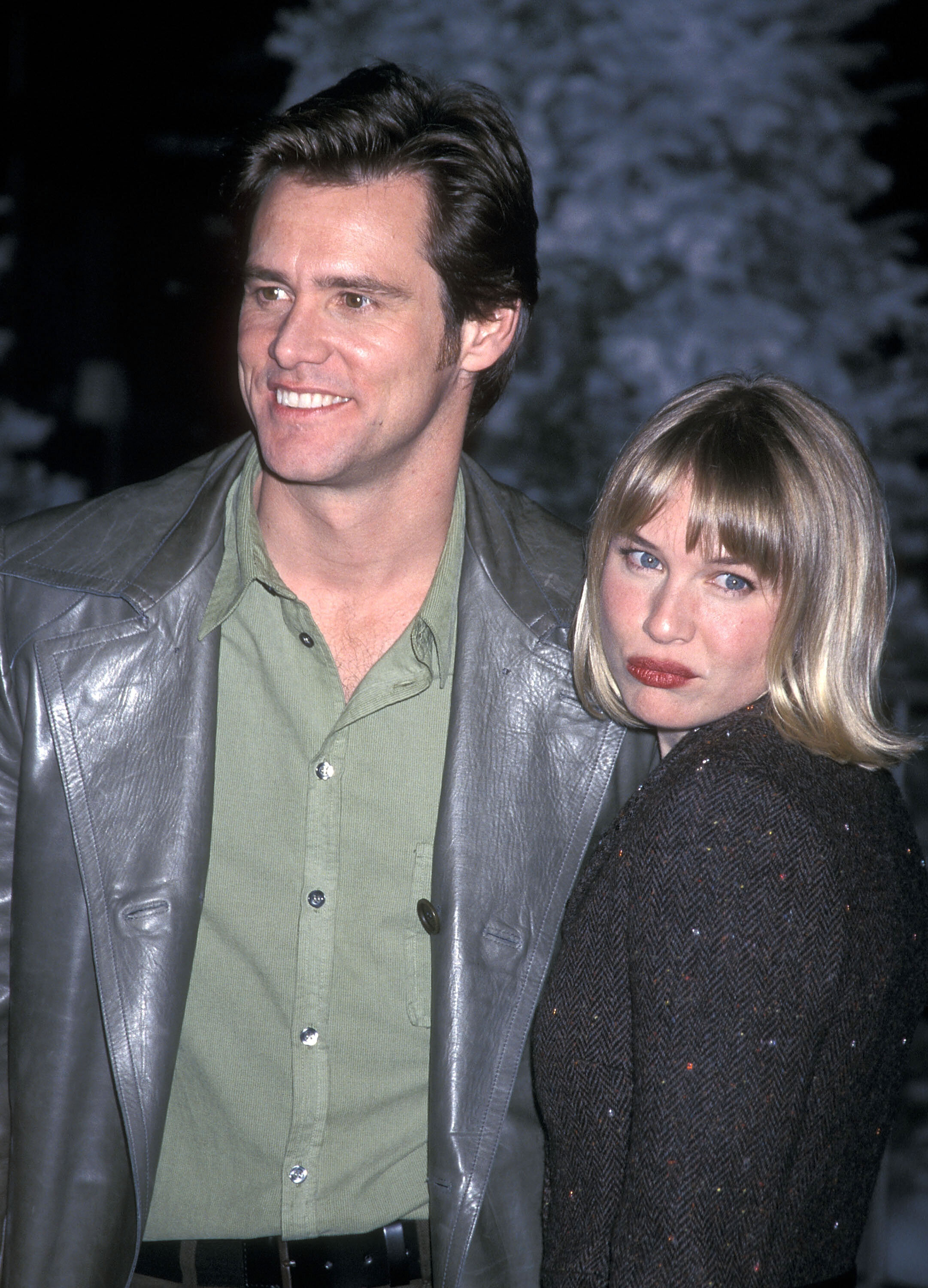
Sally then revealed: “And Jim Carrey was there. Renée was dating Jim at that point.

“So he was bigger and taller and harder and fitter than both of them, so I think they were even more embarrassed.”
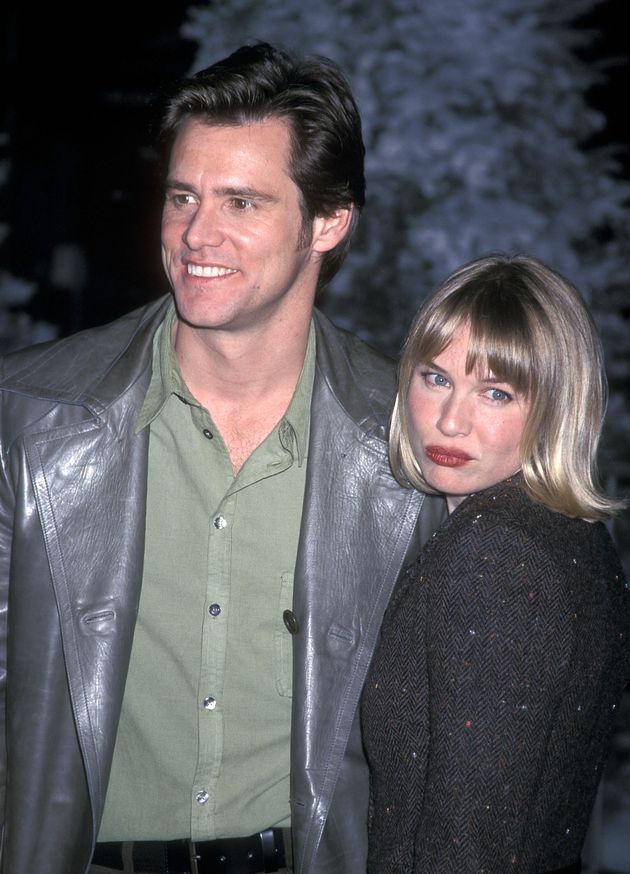
Ron Galella, Ltd. via Getty Images

Jim Carrey and Renée Zellweger dated in the early 2000s

During the interview, Sally also told of how strange it was for her to see Renée, who is from Texas, finally breaking out of her English accent at the end of the shoot, joking she felt “deceived and weirded out”. 

“It was really weird,” she said. “I’ve made quite good friends with her during the filming, I realised towards the end when she suddenly lost a stone in the last week and started talking in a Texan accent at the wrap party, I’d made friends with Bridget, not Renée.

“I felt like those women must feel who’ve had a relationship with an undercover cop, a bit deceived and weirded out. But I think it was genius actually (to cast her).”
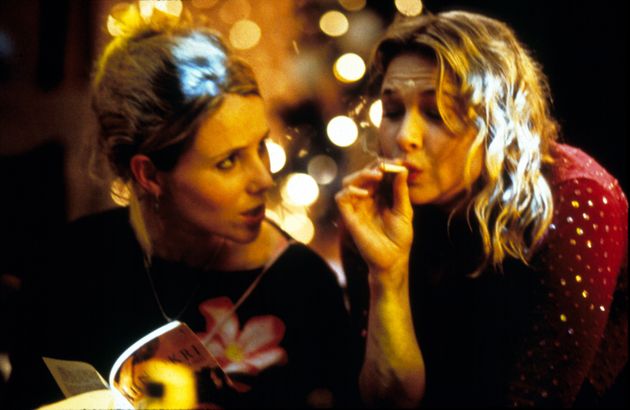
Moviestore/Shutterstock

Sally Phillips played Bridget’s friend Shazza in the film

Sally continued: “There were lots of people up for that part, like Toni Collette I think was offered it.

“Once They got Hugh Grant and Colin Firth on board it went from being a tiny indie movie to a massive production and they started looking for big stars.

“American women do do charm in a way British women don’t, we have a kind of bottom note of battleaxe that we can never quite get rid of and I love that about us.”

Lorraine airs weekdays at 9am on ITV. 

Share Button

When Will I Get The Vaccine? How The Rollout Could Look Between Now And July

The news that under-30s may be offered a different vaccine to the AstraZeneca jab (where possible) will understandably leave some people questioning what effect that will have on the vaccine schedule.

After all, around 8.5 million people will need to be offered either the Pfizer or Moderna vaccine instead – and that’s not a small group. So, does this mean the end of July deadline for all UK adults to be offered the jab will be pushed back?

For now, the answer is no. The government has confirmed to HuffPost UK it stands by its end of July deadline date.

So far, more than 31 million first doses and over five million second doses have been issued in the UK. At the end of March, the government said half of the UK’s adult population had been vaccinated.

There are thought to be more than 66m people living in the UK – this includes about 12m children (aged 16 and under) who are not yet eligible for vaccines. That leaves around 54m adults who need to be vaccinated with two doses. If we’ve already issued 31m first doses, we’re left with 23m people waiting for their first dose in the next few months.

Different countries within the UK are working at different timeframes, which makes things slightly more complicated. For example, the NHS in England and Scotland is still trying to get the over-50s vaccinated, while in Wales, all of this group have been offered their first dose. In Northern Ireland, those aged 40-45 are now eligible for vaccination, according to the BBC.

Here’s a rough timeline of how the Covid vaccine programme could pan out in the coming months.

April

It’s likely many of the doses issued in April will be among those who are expecting a second dose. This is due to a large batch of AstraZeneca vaccines needing to be retested and a delay in a shipment from India.

That said, the Moderna vaccine is being rolled out in Wales, meaning some will be given their first dose of the jab. Initially, it’s likely people from the key priority groups who haven’t yet been given their vaccine will be prioritised, followed by the under-50s.

The UK government has an aim of ensuring everyone aged 50 and over is called up to be vaccinated by April 15. The Joint Committee on Immunisation and Vaccination (JCVI) has said once the over-50s have been given their first dose, those aged 40-49 should be next in line.

May

If you’re 49 and under – without an underlying medical condition – you’re likely to have your first jab near the end of April, or into May.

When the UK government announced the vaccine slowdown, it confirmed people in their 40s are likely to have to wait until May to get their jab.

Based on the rate people have been vaccinated so far, it could be fair to assume the 40-49 cohort might’ve been jabbed by the end of May. However, the Department of Health and Social Care (DHSC) would not provide a rough timeframe when HuffPost UK asked.

It’s hoped supply will be back up and running by May, and in addition to the AstraZeneca and Pfizer jabs, the NHS will also be rolling out the Moderna vaccine more widely.

Two other vaccines are also being assessed by the Medicines and Healthcare products Regulatory Agency (MHRA) that could help speed things up. According to reports, Novavax could be approved for use soon, while the Johnson & Johnson jab (a single dose shot) is also awaiting approval.

June

Based on how quickly the vaccines have been issued so far in 2021 – and the impending deadline of getting everyone invited for vaccination by the end of July – those in the 30-39 bracket could be called up for the jab in June if they don’t have an underlying health condition.

July

All being well, it makes sense that the last group to be vaccinated – the 18-29 year olds – are likely to be waiting until the end of June, and into July, to get the jab – depending on how quickly the vaccines are rolled out in the earlier months.

Health secretary Matt Hancock told Sky News 1.6m of this cohort have already received their first jab (because they have underlying conditions or are unpaid carers). He said the remaining 8.5m would be able to say if they would prefer to have the Pfizer or Moderna vaccine when the time comes – saying there will be enough of each to go around.

The change has been made because the Joint Committee on Vaccination and Immunisation (JCVI) altered its recommendations for the under-30s over a very rare risk of blood clots linked to the AstraZeneca vaccine.

Even with the change in guidance surrounding the under-30s, and the various delays in shipments throughout April, the government says it’s on track to offer jabs to all adults over the age of 18 by the end of July.

“When people are called forward, they should get their jab,” a spokesperson said. “Vaccines are the best way out of this pandemic and provide strong protection against Covid-19.”

Share Button

Tom Hanks’ Character In Big Almost Went To Robert De Niro, Co-Star Elizabeth Perkins Reveals

Oscar-winning actor and international treasure Tom Hanks had a huge breakthrough moment in the 1980s thanks to the success of films like Splash and Big.

However, it turns out that one of his most prolific performances of that era almost went to a completely different actor.

His former co-star Elizabeth Perkins has revealed that not only was Robert De Niro originally cast in the lead role of Big, the whole film completely changed in tone when Tom signed on.

Speaking to Andy Cohen on Watch What Happens Live, Elizabeth explained that while De Niro had to drop out due to a scheduling conflict, she actually auditioned with him when she auditioned for her part.

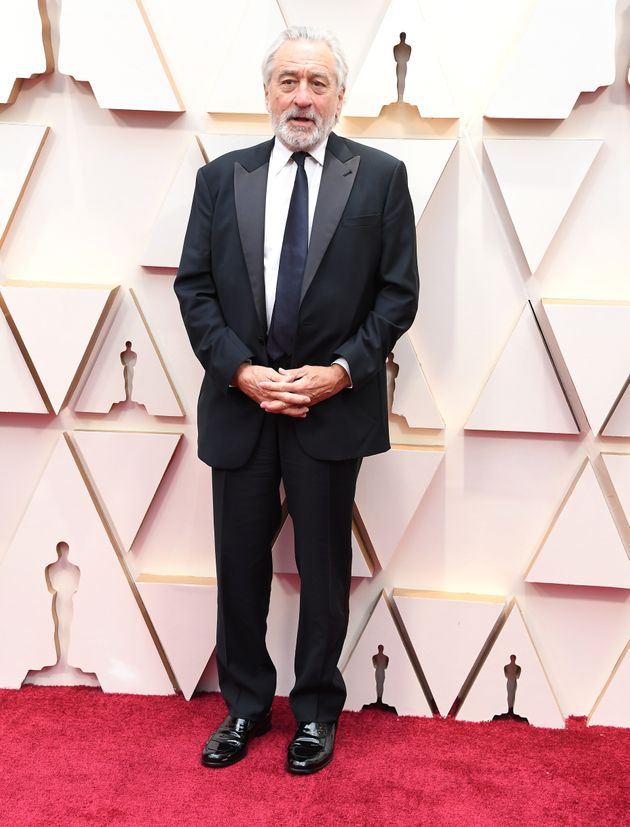
Steve Granitz via Getty Images

Robert De Niro at last year’s Ocsars

“[De Niro’s interpretation of the character] was more moody,” she explained. “It was a little more of a horror movie… Robert De Niro wandering around the streets of New York. 

“What Tom Hanks brought to it was so much lighter.”

Big went on to give Tom Hanks his first Golden Globe win and Oscar nomination in 1989.

While he didn’t win the Oscar that year, he eventually scooped two consecutive Academy Awards in 1994 and 1995, for Philadelphia and Forrest Gump, respectively.

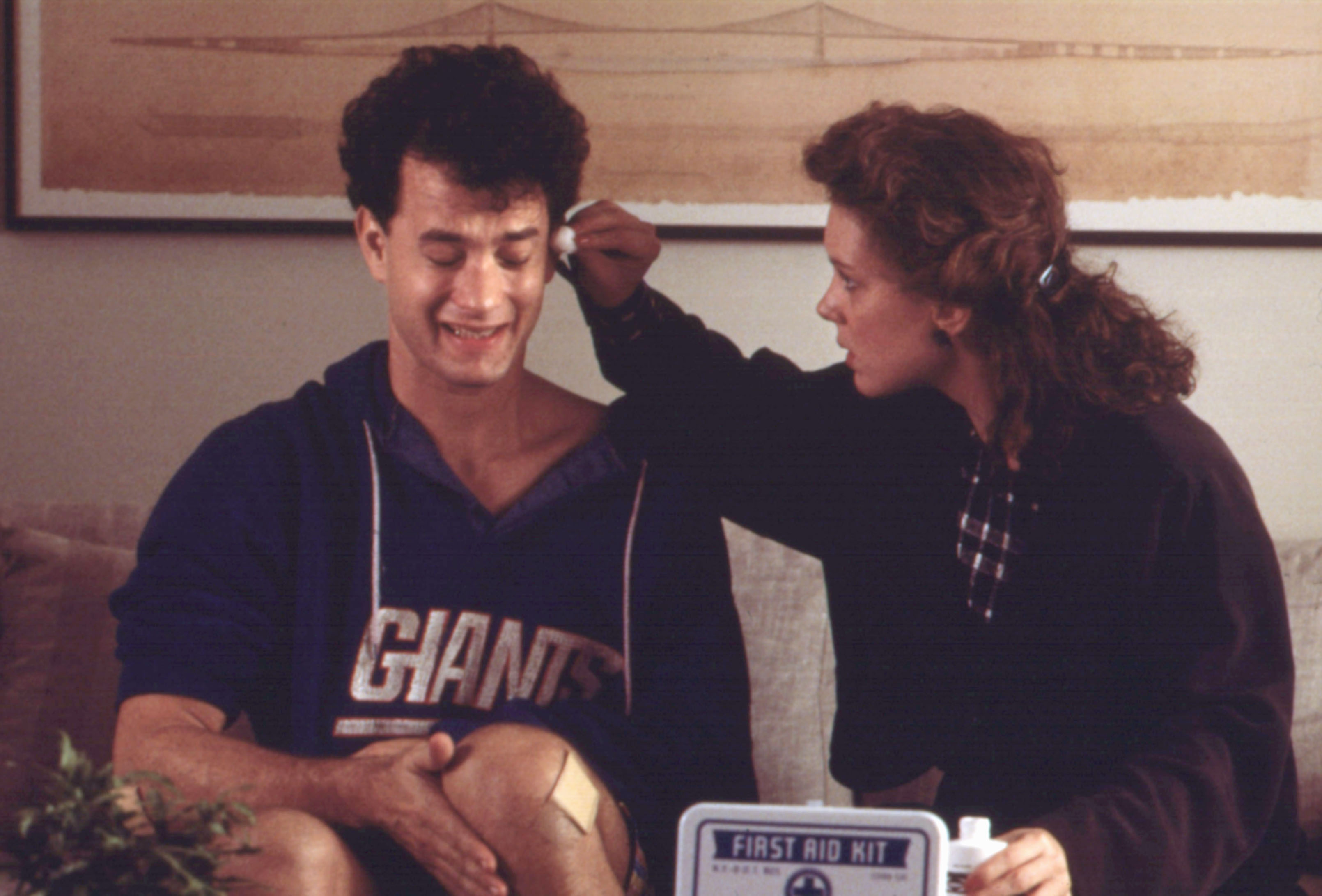
Moviestore/Shutterstock

Tom Hanks and Elizabeth Perkins in Big

Share Button

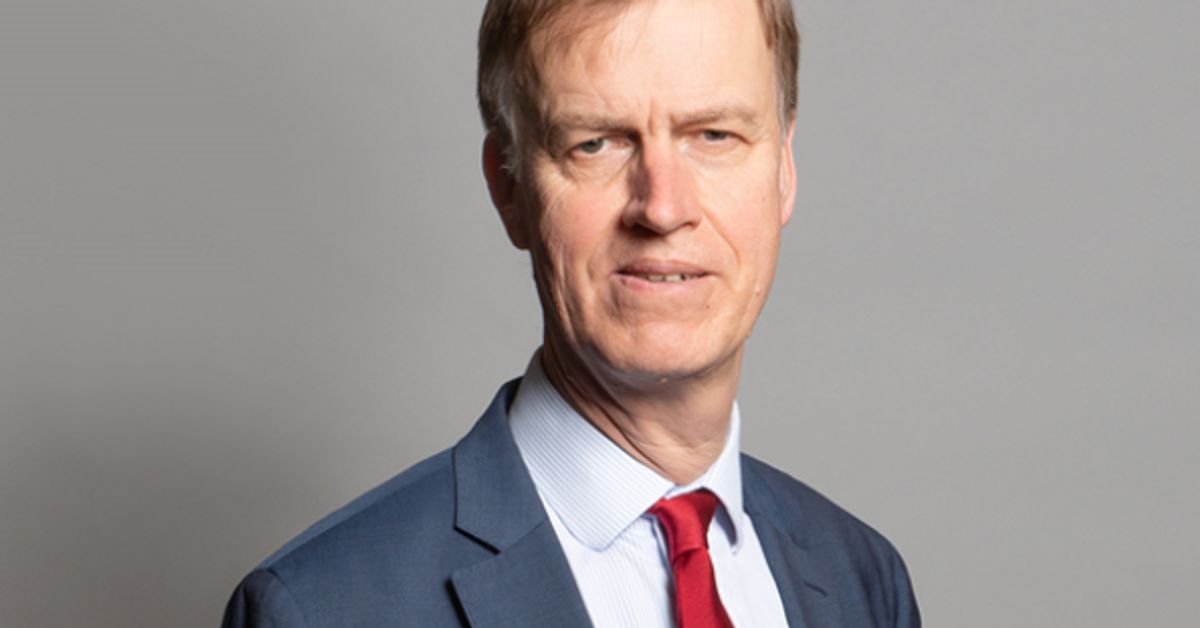
Labour MP Stephen Timms Condemned For Praising ‘Anti-LGBTQ’ Church

A Labour MP has been condemned for his “upsetting” decision to praise a church with a history of anti-LGBTQ campaigning – just hours after Keir Starmer was forced to apologise for visiting it.

Stephen Timms said he applauded the “extraordinary work” of Jesus House For All The Nations church in Brent, north London.

The East Ham MP’s tweet came the same day the Labour leader said he was sorry for visiting the church over Easter and endorsing its work despite well publicised anti-LGBTQ statements made by one of its senior leaders.

The Labour Campaign for LGBT+ Rights had branded Starmer’s visit and subsequent praise for the church’s work in a video as “unacceptable”.

Starmer eventually accepted it had been a “mistake” to visit the church, which is serving as a vaccination centre. He said he was “not aware” of its views on LGBTQ rights – despite Theresa May having been called out for the same reason after she visited it in 2017.

Timms opposed same-sex marriage ahead of its introduction in 2014 because he said marriage was “ordained for the procreation of children”.

He told HuffPost UK on Wednesday he had “checked” with Jesus House, which told him it regarded “homophobia as anti-Christian”.

But the church’s senior pastor, Agu Irukwu, has previously spoken against same-sex marriage and equality legislation.

In 2006 he signed a letter to The Daily Telegraph condemning the then Labour government for its position that “homosexuality is equal to heterosexuality”, something Irukwu said he did not “believe”.

“The latest discrimination against Christians is the new law called the Sexual Orientation Regulations, said to combat the problem of homophobia in Britain,” the letter said.

“It alarms us that the government’s only evidence for a problem actually existing is ‘accounts in national newspapers’.”

A separate letter in The Daily Telegraph, signed by Irukwu in 2013, said “marriage is and always will be distinctively a union between a man and a woman” and argued same-sex marriage would be “devaluing” the institution.

A survey run by the church in 2015, uncovered by Yahoo News, grouped homosexuality, being bisexual or transgender in with beastiality. 

Eloise Stonborough, associate director of policy and research at Stonewall, told HuffPost UK: “It’s disappointing to see politicians praising organisations which speak out against LGBT+ equality.

“This kind of acknowledgement is even more upsetting when so many faith groups welcome and support LGBT+ people of faith, and are doing crucial work to support their communities.

“Last December, over a hundred faith leaders came together from across the major religious traditions specifically to support a ban on conversion therapy.

“At a time when many LGBT+ people face huge challenges, we should all be focused on tackling prejudice and creating a world where everyone can thrive no matter who they are.”

Responding to Timms’ tweet, Labour MP Kate Osborne said: “Another day of disappointment.

“I also applaud the work of churches and faith groups who support their communities but, I do not applaud those who hide their bigotry behind their so-called religious beliefs.”

Timms told HuffPost UK: “Churches and mosques in Newham – including one of the Jesus House affiliates in East Ham – have done a superb job during the pandemic in distributing food to people who would otherwise not have had any. 

“The hardship of the pandemic would have been even worse without their efforts.

“They have been especially important for those with no recourse to public funds. 

“Given concerns expressed yesterday, I checked with Jesus House who told me that they don’t do anything like conversion therapy, and regard homophobia as anti-Christian.”

In an interview on Wednesday with Premier Christian News, Irukwu said the church does “not engage in any form of conversion therapy”.

Downing Street has also defended Boris Johnson’s own recent visit to the church.

The prime minister’s press secretary Allegra Stratton said “one of the main jobs inside government over the last few weeks and months has been driving up vaccine take-up in communities that are hesitant about taking it, most notably the black community”.

“It was an incredibly important visit. Making sure every aspect of the population feels confident in and takes the vaccine is a top priority for this government.”

She added: “This is a government that is fully committed to advancing LGBT rights and championing equality.”

Jesus House and the Labour Party has been approached for comment.

Share Button

Boris Johnson Accused Of Breaking Ministerial Code With ‘Political’ Attack On Sadiq Khan

Stefan RousseauPA

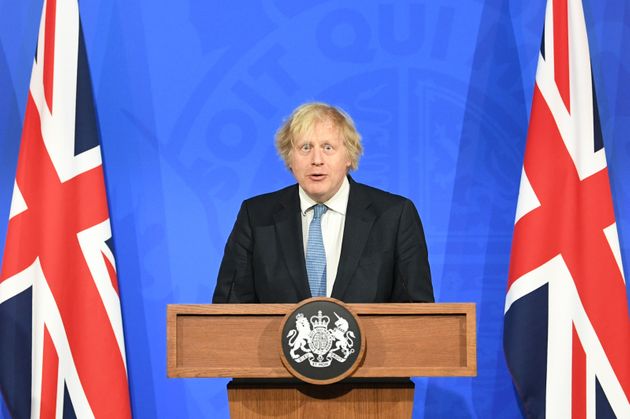
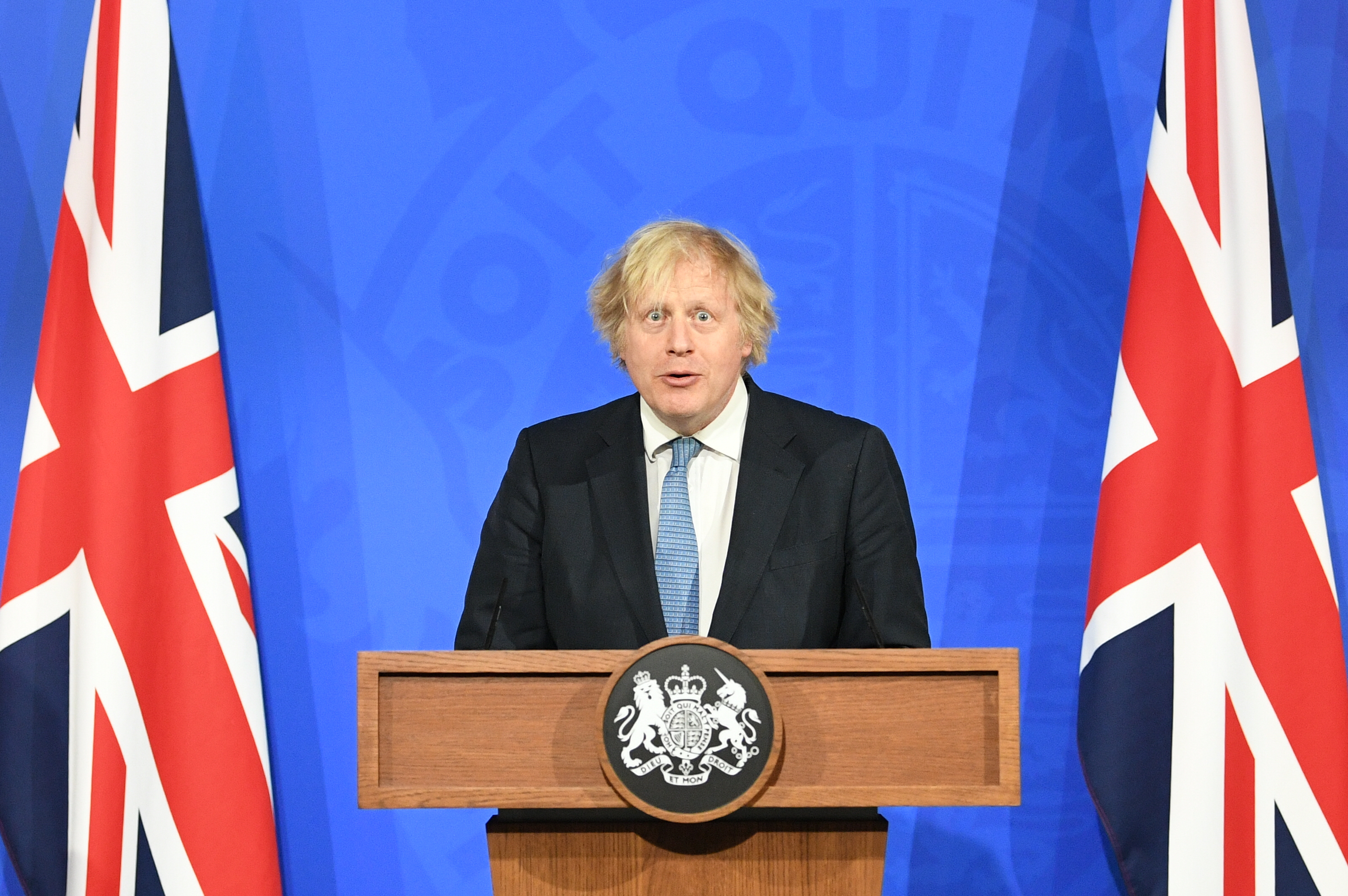
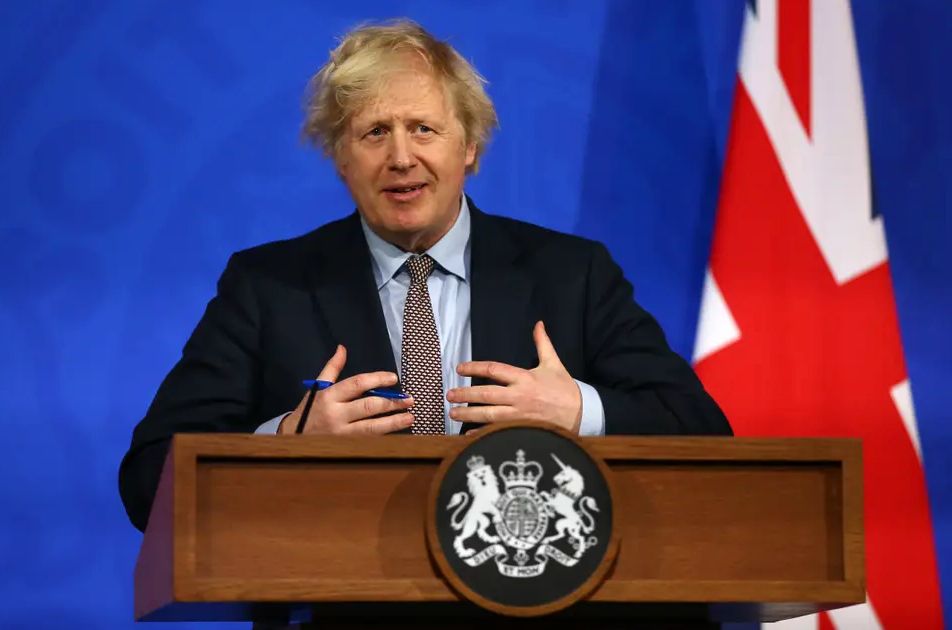
Prime Minister Boris Johnson, during a media briefing in Downing Street, London, on coronavirus (Covid-19). Picture date: Monday April 5, 2021.

Boris Johnson broke ministerial rules and misled the public when he launched on “unprompted political attack” on Sadiq Khan using the government’s new £2.6m Downing Street press room, Labour has said. 

The prime minister was reaching the end of a televised briefing on the Covid pandemic when he made false claims about the London mayor and Transport for London (TfL) budget. 

Johnson, Khan’s predecessor at City Hall, claimed he left TfL’s finances in “robust, good order”, and the current mayor had blown a “black hole” in the budget with a fares freeze. 

The complete collapse in passenger numbers since Covid hit, however, has seen government agree a £1.6bn bailout in May, followed by a £1.8bn deal in November.

A TfL report published a month before Johnson left office in 2016 also showed TfL had a nominal debt of £9.1bn.

Labour deputy leader Angela Rayner has now written to cabinet secretary Simon Case calling for him to investigate and for the PM to apologise. 

She alleges Johnson broke the ministerial code by using government resources – the Downing Street press room – for political campaigning during an election period. 

It comes ahead of local elections in May, including at City Hall. 

The code, which governs ministers’ conduct, states: “Official facilities and resources may not be used for the dissemination of party political material”.

Rayner writes: “The attack was political in nature, unprompted, and entirely unrelated to either the topic of the press conference or the question the prime minister was asked.” 

The deputy leader also hit out at Johnson’s decision not to sack home secretary Priti Patel after a formal investigation found evidence that she bullied civil servants. 

Ethics adviser Alex Allan quit after Johnson ruled Patel should stay in post. 

Rayner said: “The ministerial code, by which government ministers are bound, clearly states that official facilities and resources may not be used for the dissemination of party political material.

“This includes the prime minister’s new media briefing room, which cost the British taxpayer £2.6 million.

“The prime minister has a lot of experience with the ministerial code – his home secretary was found to have breached it after bullying staff, prompting his independent advisor on ethics and ministerial standards to resign.

“The British people would rightly not expect a prime minister who has spent so much first-hand experience of dealing with matters relating to the Code to be so blatant in flouting it during a pre-election period.”  

Rayner states that in the four years Sadiq Khan was mayor before Covid hit, he reduced the operating deficit of TfL, left by the previous mayor, by 71%. 

But Johnson said during the press briefing on Monday: “As for the finances of TfL I must respectfully remind you that I left them in robust, good order. It is not through any fault of my own the current Labour mayor decided to blow them all on an irresponsible fares policy. 

“We are doing our best to help them out and we will continue to do so. But I’m afraid you have to look at some of the decisions that were taken by the current Labour mayor as well.

“I hesitate to make a point like that but since you rightly draw attention to the fact I’m a proud former mayor of London I do think we could look at the way TfL is being run.” 

The Cabinet Office confirmed the letter had been received.

Share Button

Labour MPs Told The Party Will Vote Against Domestic Vaccine Passports

Labour MPs have been told the party will vote against coronavirus vaccine passports as things stand, setting up a high stakes showdown between Boris Johnson and Tory rebels.

A briefing sent to Labour MPs from the parliamentary Labour party (PLP) office said that the current position is to oppose in a Commons vote any measures to require people to show proof of vaccination to access shops or pubs.

The government on Monday said vaccine passports could be used by pubs and restaurants to relax social distancing rules, from May 17 at the earliest.

More than 40 Tory MPs have already signed a cross-party letter opposing the idea.

If that many rebelled in a future vote, it could be enough to join forces with Labour an other opposition parties to defeat the prime minister, if he decides to roll out the measures.

Vaccines minister Nadhim Zahawi told Times Radio that “of course we will go to parliament for a vote” if Johnson decides to proceed with passports.

The briefing confirms Labour will vote against the measures, as things stand, as the party believes they will be discriminatory.

It asks the question “how will Labour vote on vaccine and test certification”, before answering: “On the basis of what we’ve seen we would oppose domestic vaccine passports.

“Labour’s focus would be on getting the vaccine out, fixing self-isolation and contact tracing”.

But the party left the door open to backing testing certification that could, for example, allow people to attend large events after a negative Covid test.

Earlier, shadow health secretary Jon Ashworth told the BBC: “I’m not going to support a policy that, here in my Leicester constituency, if someone wants to go into Next or H&M, they have to produce a vaccination certificate on their phone, on an app.

“I think that’s discriminatory.”

A senior Labour source said: “On the basis of what we’ve seen and discussed with ministers, we oppose the government’s plans for domestic vaccine passports.

“They appear poorly thought-through, will put added burdens on business and run the risk of becoming another expensive Whitehall project that gets outsourced to friends of Tory ministers.”

On Monday, a government review said ministers believe “that there are some settings (such as essential public services, public transport and essential shops) where Covid-status certification should never be required, in order to ensure access for all”.

But it added: “Equally, Covid-status certification could potentially play a role in settings such as theatres, nightclubs, and mass events such as festivals or sports events to help manage risks where large numbers of people are brought together in close proximity.

“It is possible that Covid-status certification could also play a role in reducing social distancing requirements in other settings which people tend to visit more frequently, for example in hospitality settings.”

Share Button

UK’s Vaccine Rollout ‘On Track’ Despite Sharp Slowdown In Jabs

Yui MokPA

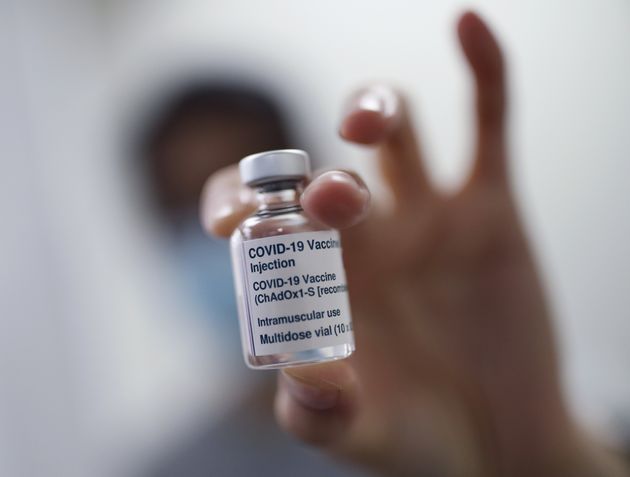
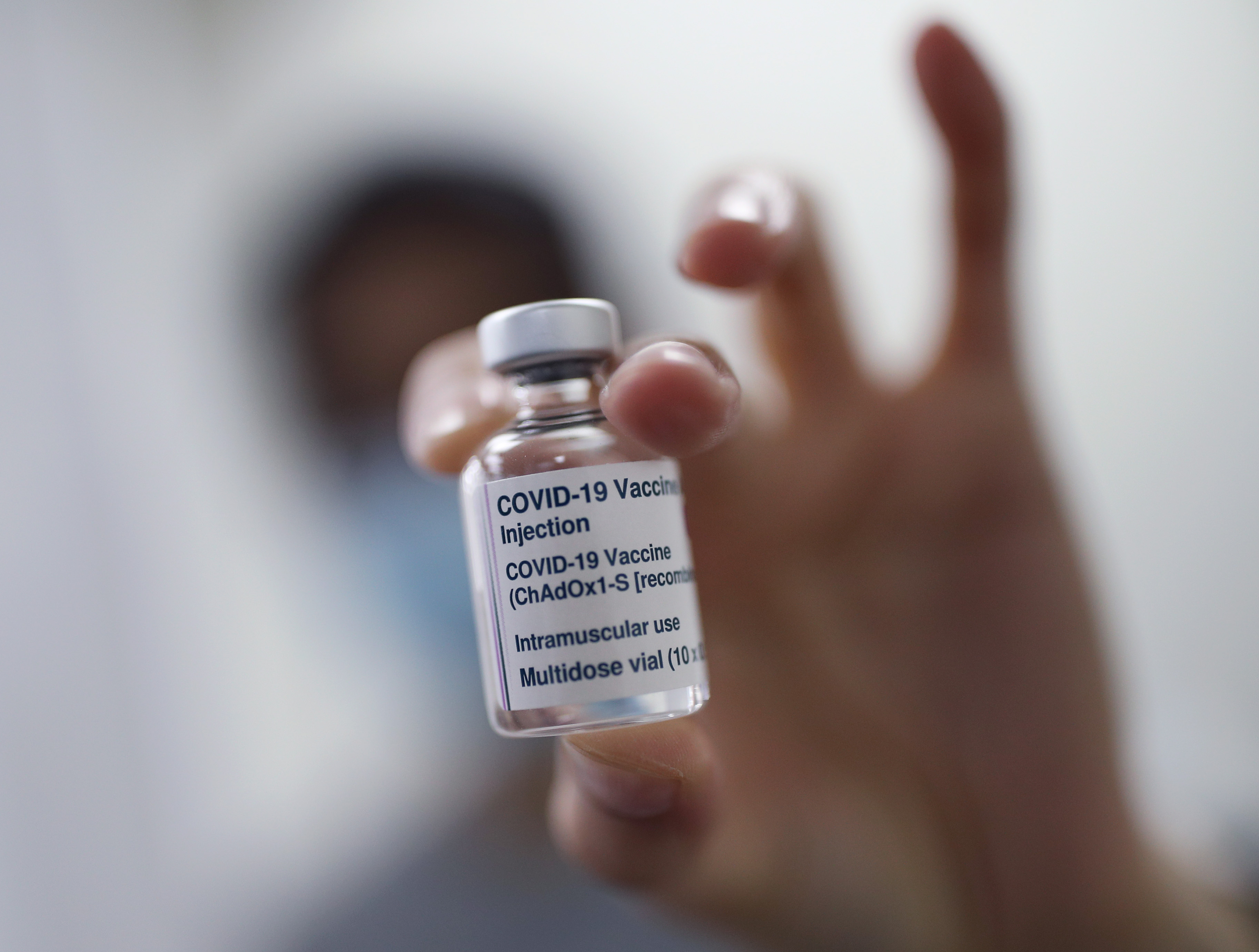
A vial of the Oxford/AstraZeneca coronavirus vaccine.

The number of people receiving a Covid-19 vaccine in the UK daily has fallen by around 75% in the last week as the supply of the jab has been squeezed.

Minsters revealed last month there would be a “significant reduction” in doses from the end of March, raising questions about whether the programme’s target dates will be met and when under-50s would be innoculated.

Supplies of vaccines in April have been constrained by the need to test a batch of 1.7 million doses and delays in a shipment of around five million from India.

Government data up to April 5 shows that first doses were given to 40,744 people on the previous day, and 64,590 got a second dose – or 105,334 in total. The number of people being injected with their first shot was the lowest since records began on January 10. A day earlier, just 95,763 people received one of their two doses. 

By contrast, just a week earlier – March 29 – 405,039 doses were distributed. And on March 5, the figure stood at 494,235. 

While the fall may seem steeper than billed, Downing Street on Tuesday moved to allay fears – insisting all adults will be offered a coronavirus vaccine by the end of July as planned.

Some 25m people have so far had a first dose of either the AstraZeneca or the Pfizer vaccine in the UK, while just under 1.8m have had both shots. The government is aiming to vaccinate all over-50s by mid-April and everyone else by the end of July.

The Cabinet Office has indicated that an average of 2.7 million doses a week will be given in England until the end of July, down from a previous estimate of 3.2 million.

The prime minister’s official spokesperson refused to be drawn on “details around supplies and deliveries” of vaccine doses but said “we remain on track” to meet the targets set for the programme.

But the Cabinet Office scenario, provided to experts on the Scientific Pandemic Influenza Group on Modelling (Spi-M) suggests the squeeze on supplies may continue for months.

Papers produced by Spi-M on February 17 were based on an average of 3.2 million doses a week until the end of July and 3.9 million thereafter.

Spi-M said the central scenario provided by the Cabinet Office for its March 31 paper was “considerably slower”, with 2.7 million weekly doses until the end of July and two million from then on.

A slower scenario suggested that just 2.5 million weekly doses might be available.

The Spi-M summary notes that the two scenarios produced by the Cabinet Office “may not reflect the situation most likely to occur”.

The PM’s spokesperson added: “The health secretary set out a couple of weeks ago now the fact that there will be a slight reduction in April but the key thing to remember is that doesn’t mean that we are not on track to hit our pledges.

“We remain on track to vaccinate all those in phase one by April 15, we remain on track to vaccinate or provide the first dose to all adults by the end of July.”

The rollout will be boosted by the introduction of Moderna jabs later in April alongside the Pfizer and AstraZeneca vaccines already being used.

“I’m not going to get into the specifics of how many we will get this month,” the spokesperson said, but “we will have three vaccines that we are able to distribute and that will ensure that we can continue to make sure we are giving people their first doses as well as giving more and more people their second doses”.

Some 26.7 million people in England have had a first dose, the equivalent of 60% of the adult population, leaving around 17.5 million adults needing their initial jab to meet the end-of-July target.

Share Button

Too Soon To Book Foreign Summer Holidays, Government Says

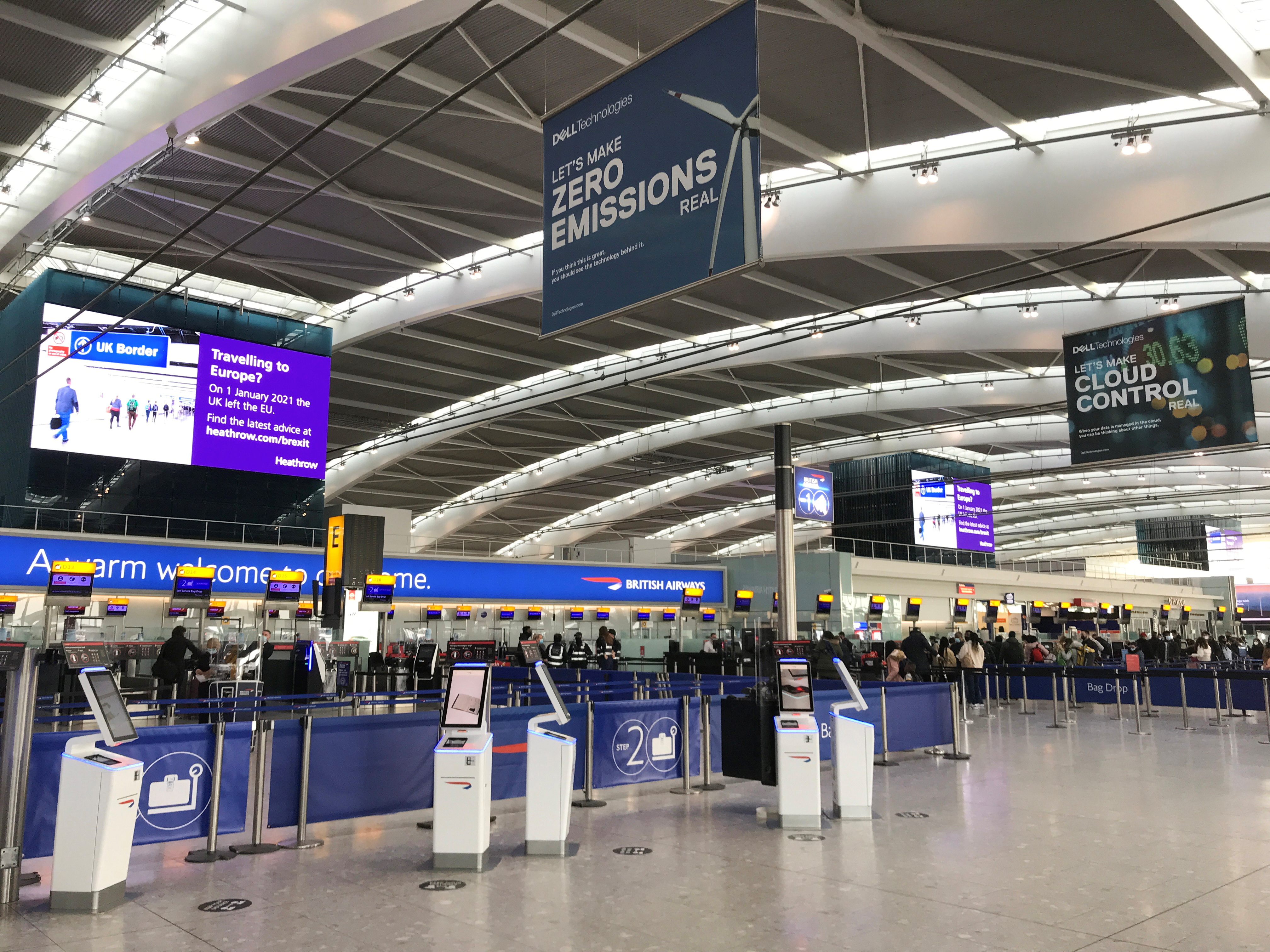
The government has urged Brits not to book foreign summer holidays yet despite lockdown measures easing as Boris Johnson warned of the risk of re-importing Covid-19.

The prime minister told a news conference he was “hopeful” that non-essential international travel would restart from May 17, but that he did not want to underestimate the growing number of Covid-19 cases elsewhere.

Britain plans to use a traffic-light risk system for countries once international travel resumes, but the government said it was too early to say which countries could be given the green light that would only require coronavirus tests before and after travel.

A government review published on Monday said: “Taking into account the latest situation with (coronavirus) variants and the evidence about the efficacy of vaccines against them, we will confirm in advance whether non-essential international travel can resume on 17 May, or whether we will need to wait longer before lifting the outbound travel restriction.”

It added: “The government advises people not to book summer holidays abroad until  the picture is clearer.”

At the Downing Street briefing, Johnson said: “Obviously we are hopeful that we can get going from May 17, but I do not wish to give hostages to fortune or to underestimate the difficulties that we are seeing in some of the destination countries that people might want to go to.

“We don’t want to see the virus re-imported from another country. Plainly there is a surge in other parts of the country, and we have to be mindful of that.”

Reports have suggested countries on the green list, requiring testing before and after travel, could include Portugal, Malta, Israel, the United Arab Emirates and the US.

Under Johnson’s original plan, international travel would not resume until May 17 at the earliest. Countries on the amber list would require self-isolation. Those on the red list would require quarantine.

Airlines such as easyJet, Ryanair and British Airways, plus holiday groups such as TUI, hope to avoid a second lost summer but Covid-19 cases have risen in continental Europe.

Johnson said a planned reopening of the economy could take place next week, with the opening of all shops, gyms, hairdressers and outdoor hospitality areas in England.

With the vaccine programme rolling out rapidly across Britain and infection numbers falling, Johnson said England could proceed to Stage 2 of his roadmap out of lockdown from April 12.

“On Monday the 12th, I will be going to the pub myself – and cautiously but irreversibly raising a pint of beer to my lips,” Johnson said.

Britain said people should continue to work from home where they can and minimise domestic travel.

Johnson also confirmed that the government was looking at a Covid-19 status certification system, or vaccine passport, to help reopen larger events and to travel.

“I want to stress that there are complicated, ethical, and practical issues… raised by the idea of Covid status certification… using vaccination alone,” Johnson said.

“You’ve got to be very careful in how you handle this and … don’t start a system that’s discriminatory.”

People will not need vaccine certification for pubs, hairdressers and shops, Johnson said.

Share Button

Vaccine Passports Could ‘Play A Role’ For Pubs, As Boris Johnson Relaxes Lockdown

Vaccine passports could be used by pubs and restaurants to relax social distancing rules, the government has confirmed, but not before May 17.

Speaking at a No.10 press conference on Monday, Boris Johnson announced the hospitality industry in England will be able to begin serving outdoors from April 12.

Non-essential retail, hairdressers and gyms will also be allowed to reopen as the government’s roadmap for lifting lockdown remains on course. 

Overnight stays away from home in England will also be permitted and self-contained accommodation can also reopen.

The prime minister said the easing of rules was “fully justified by the data”, but warned the public not to be “complacent” about the virus.

It came as the government said a Covid-status “certification system” will be developed over the coming months which could allow “higher-risk settings” to be opened up “more safely and with more participants”.

Johnson said there were “ethical and practical issues” involved in their introduction but some test events will be launched in the next few weeks.

The passports are expected to show whether someone has received the vaccine, has recently tested negative for Covid, or has “natural immunity” having tested positive in the previous six months.

In its review, published as Johnson spoke, the government said it “believes that there are some settings (such as essential public services, public transport and essential shops) where Covid-status certification should never be required, in order to ensure access for all”.

But it added: “Equally, Covid-status certification could potentially play a role in settings such as theatres, nightclubs, and mass events such as festivals or sports events to help manage risks where large numbers of people are brought together in close proximity.

“It is possible that Covid-status certification could also play a role in reducing social distancing requirements in other settings which people tend to visit more frequently, for example in hospitality settings.”

Such a move would be “further considered in consultation with industry”, the review added, amid widespread opposition. 

More than 70 Tory MPs have already signed a cross-party letter opposing the introduction of passports.

Labour leader Keir Starmer has described them as “un-British” but has yet to set out whether he would back the scheme or not.

It raises the prospect of the government being defeated in any Commons vote held to approve the scheme.

Asked if parliament would vote, Johnson said it was “too many fences at once” to know yet.

The PM also did not rule out children being required to have vaccine passports should they be implemented, only saying such a choice was “a way off”.

Holidays abroad will still be illegal from April 12 and the ban will not be lifted until May 17 at the earliest.

But Johnson unveiled a new “traffic light” system for international travel, which will see destinations rated green, amber or red depending on how each country is dealing with its Covid outbreak.

Travellers arriving from countries rated green will not be required to isolate although pre-departure and post-arrival tests will still be needed.

For those classed as amber or red, the restrictions will remain as they are with arrivals required to isolate at home or quarantine in government-approved hotels.

As part of its plan to reopen the domestic economy, the government has also promised to supply everyone in England with two quick-result lateral flow tests each week in a bid to cut the chain of transmission.

The tests, which are being widely used in schools, can provide results in as little as 30 minutes, with the two-tests-per-week available from April 9.

More than 31 million people in the UK have now received at least one dose of a vaccine.

Share Button

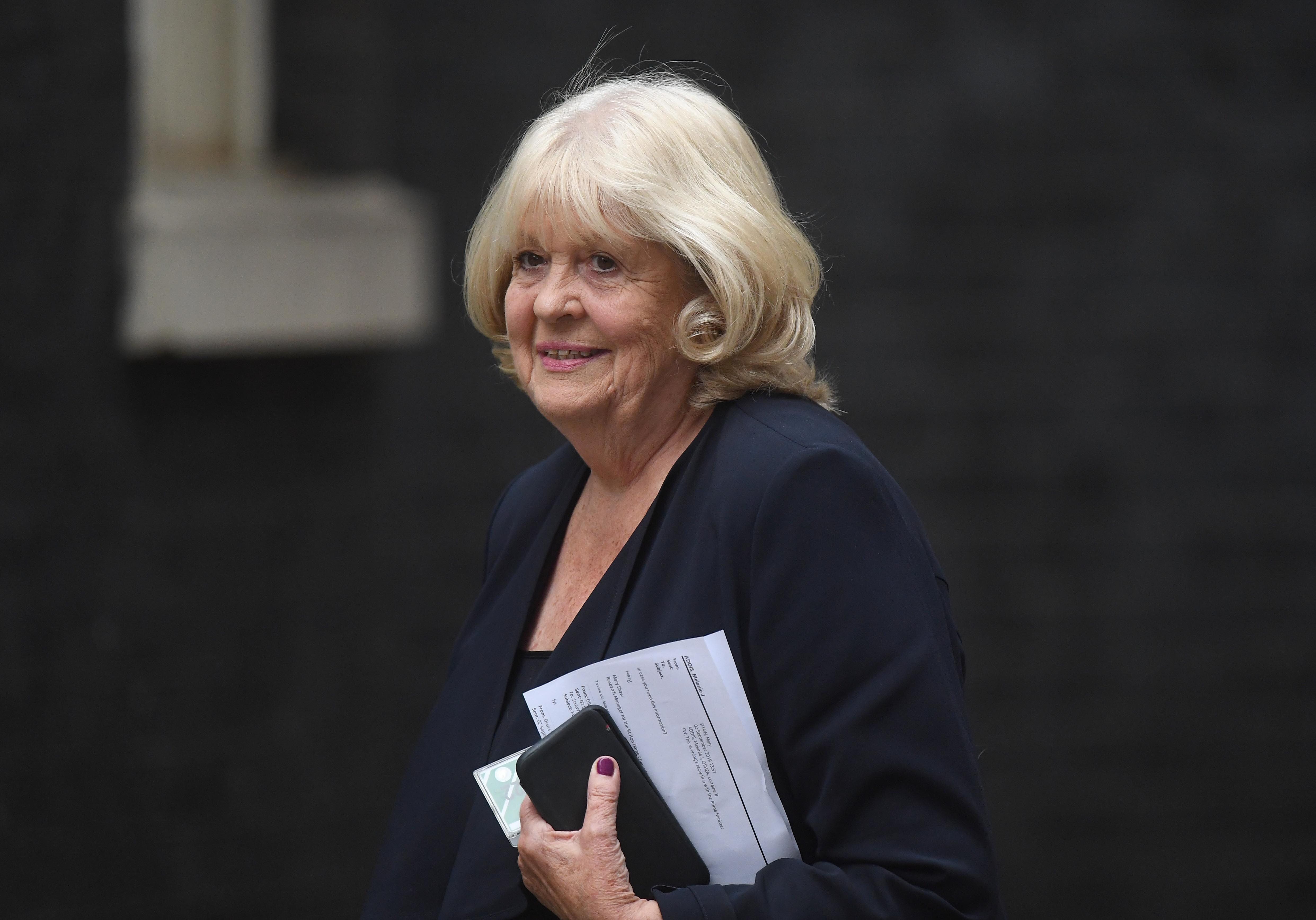
Tory MP Dame Cheryl Gillan Dies After Long Illness

Victoria Jones – PA Images via Getty Images

Dame Cheryl Gillan arriving for meeting being held at 10 Downing Street, central London. (Photo by Victoria Jones/PA Images via Getty Images)

Former Welsh secretary Dame Cheryl Gillan has passed away at the age of 68 after a lengthy illness, the Conservative Party has confirmed.

Boris Johnson said the former cabinet minister would be “sorely missed” and described her as a “great servant”.

“I’m very sad to hear the news of the death of Dame Cheryl Gillan,” he said in a tweet.

“She was a great servant to the people of Chesham and Amersham, to the Conservative Party and to the country as secretary of state for Wales.

“Always full of wise advice and good humour, she was much loved on all sides of the House of Commons and will be sorely missed.

“My sincere condolences to her family and friends.”

An MP since 1992,  the noted anti-HS2 campaigner had made a “huge contribution to public life”, said co-chairman of the Conservative Party Amanda Milling.

“It was incredibly sad to hear that Dame Cheryl Gillan MP passed away at the weekend,” Milling added.

“Cheryl had been ill for some time, but battled her illness with great stoicism and grace.

“Cheryl was a dedicated parliamentarian for many decades, serving in the Cabinet and she made a huge contribution to public life and our Party.

“Our thoughts and prayers are with Cheryl’s family and friends.”

Share Button