Exclusive: Andy Burnham Should Call An Election Before It’s Too Late, Says Former Labour Adviser

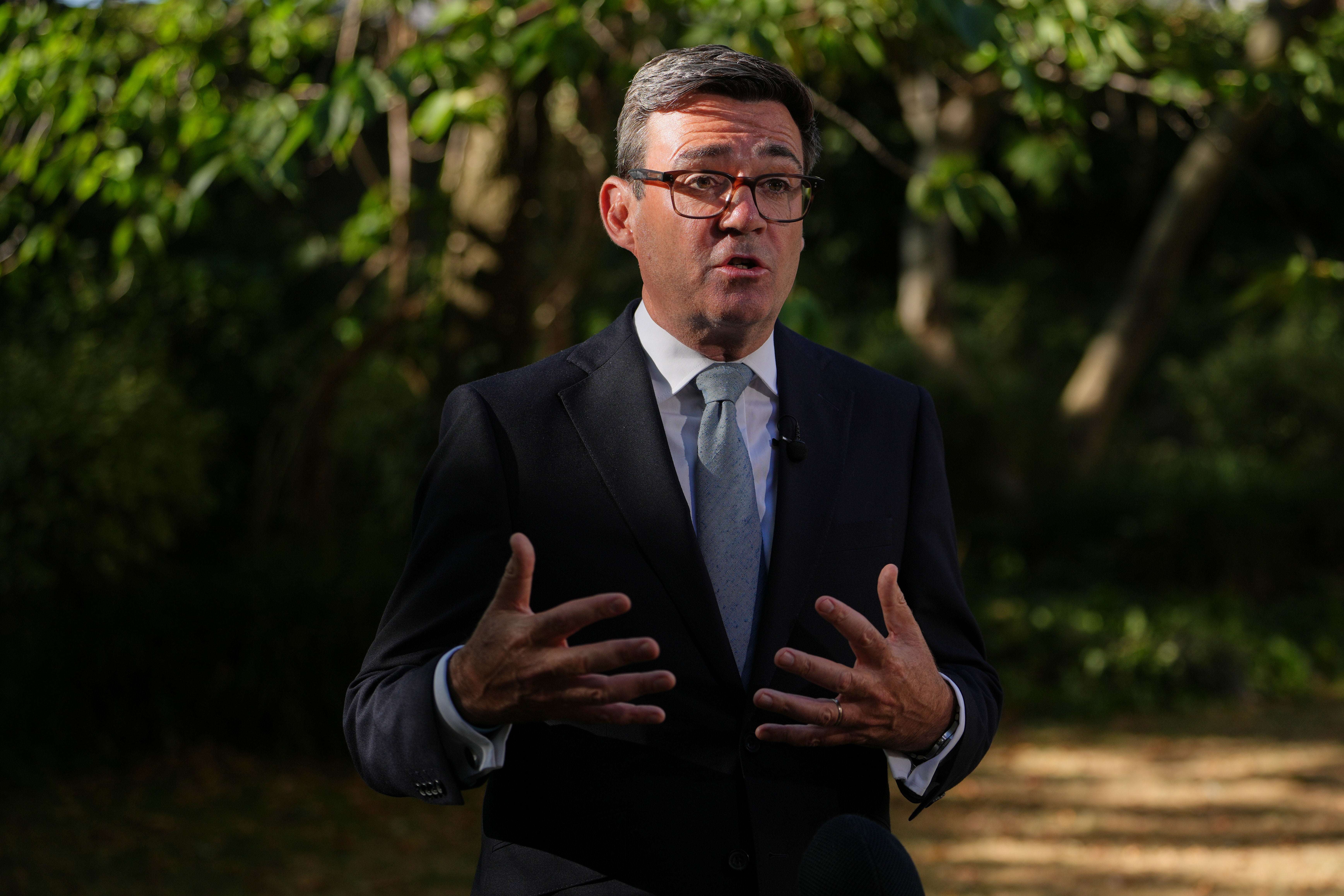
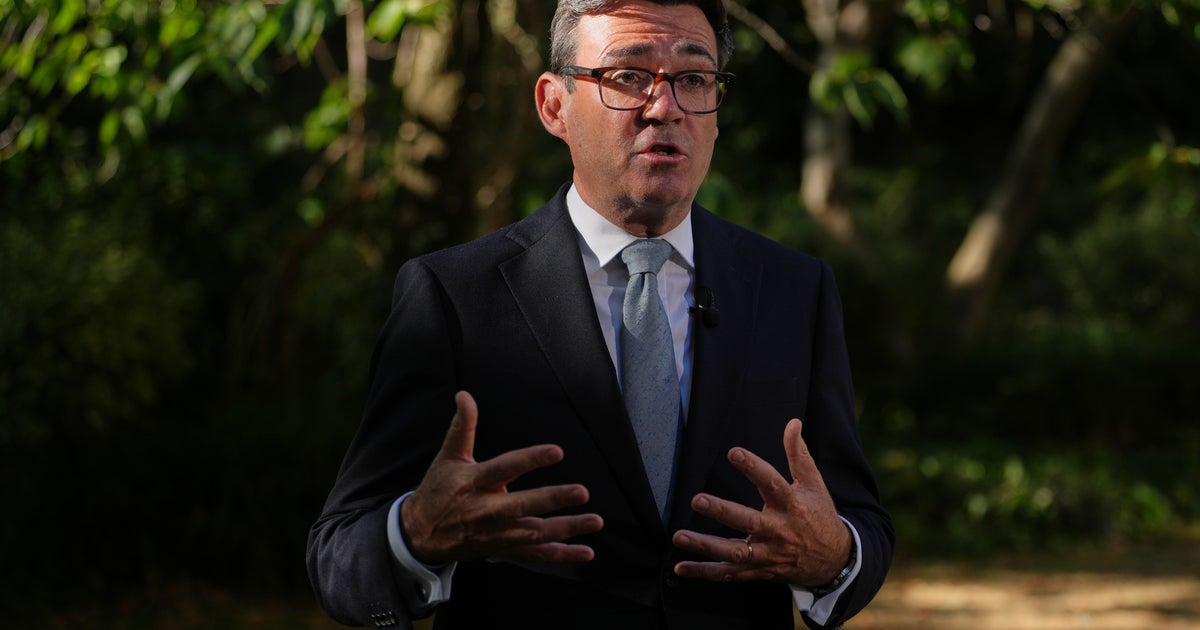
Andy Burnham should call an early general election before his popularity inevitably begins to decline, according to a former Labour adviser.

Liz Bates, who served in Keir Starmer’s government, said the prime minister should go to the polls because “it’s probably not going to get better than this” for him.

Labour has enjoyed a bounce in the polls since Burnham replaced Starmer in No.10 last month, leading to speculation that the new PM may be tempted to call an election to secure his own five-year mandate.

However, he appeared to rule out such a move last month, saying: “I don’t think people want it.”

Nevertheless, Bates – who was a special adviser to former housing secretary Steve Reed before he was sacked by Burnham – insisted he should keep the option on the table.

Speaking to HuffPost UK’s Commons People podcast, she said: “Whilst he is popular, and people like him and he’s brand new, and we have the Burnham bounce and he’s shiny and different, everything seems ok.

“When the pressure starts to come on, and you have to make difficult decisions and you go through tough periods – and there will be tough periods, there always is in British politics – then these questions of mandate really start to fester.

“The pressure to have an election starts to come on and it gets pretty intense.”

Bates added: “I would be tempted, if I was him, to go for it because you get the new manager bounce, Farage is looking bonkers to be honest … the Greens seem to be in a bit of a tricky spot as well.

“It’s probably not going to get better than this [for Burnham]. They will think it’s going to get better than this because it feels like ‘we’re great, we’re better than Keir, look at us’.

“When things get tough and the pressure comes on to have a general election, if you’re down in the polls at that point, all your options narrow. I would do it when things feel sunny and positive.”

Her comments echo those of former Theresa May pollster James Johnson, who this week said an election by next spring is Burnham’s best chance of securing his own Commons majority, defeating Reform and all-but destroying the Tories.

Elsewhere in the podcast, Bates – who is also a former Channel 4 and Sky News journalist – fights back tears as she recalls the day she and other government advisers were told in No.10 that Starmer was resigning.

She also reveals that supporters of the former PM were told to wear sunglasses and stand at the back of the crowd if they thought they would cry when he gave his farewell speech in Downing Street.

You can listen to the full interview below, or just download it from wherever you get your podcasts.

Listen to Commons People, the podcast that makes politics easy. Every week, Kevin Schofield and Kate Nicholson unpack the week’s biggest stories to keep you informed. Join us for straightforward analysis of what’s going on at Westminster.

Share Button

Doja Cat Has Choice Words For Tyga After His ‘AI Album’ Admission: ‘He Is A Penis’

Doja Cat has taken aim at fellow rapper Tyga after he shared that he’d use artificial intelligence (AI) tools to produce his latest musical project.

While taking part in a recent Twitch livestream, the Jealous Type performer told her followers, seemingly completely unprovoked: “Nobody asked me anything about Tyga, but I just felt like saying this. Tyga is a penis for making an AI album.”

The Grammy winner was referring to the latest musical offering from Tyga, which he released at the end of July under the moniker Starface.

Starface marked a musical departure for the Ayo performer, taking inspiration from 80s synth music rather than his usual hip-hop and rap.

He subsequently told Vibe: “We definitely used AI as a [tool on the album]. And I know people are going to be mad about me saying this, but it’s where technology is going.”

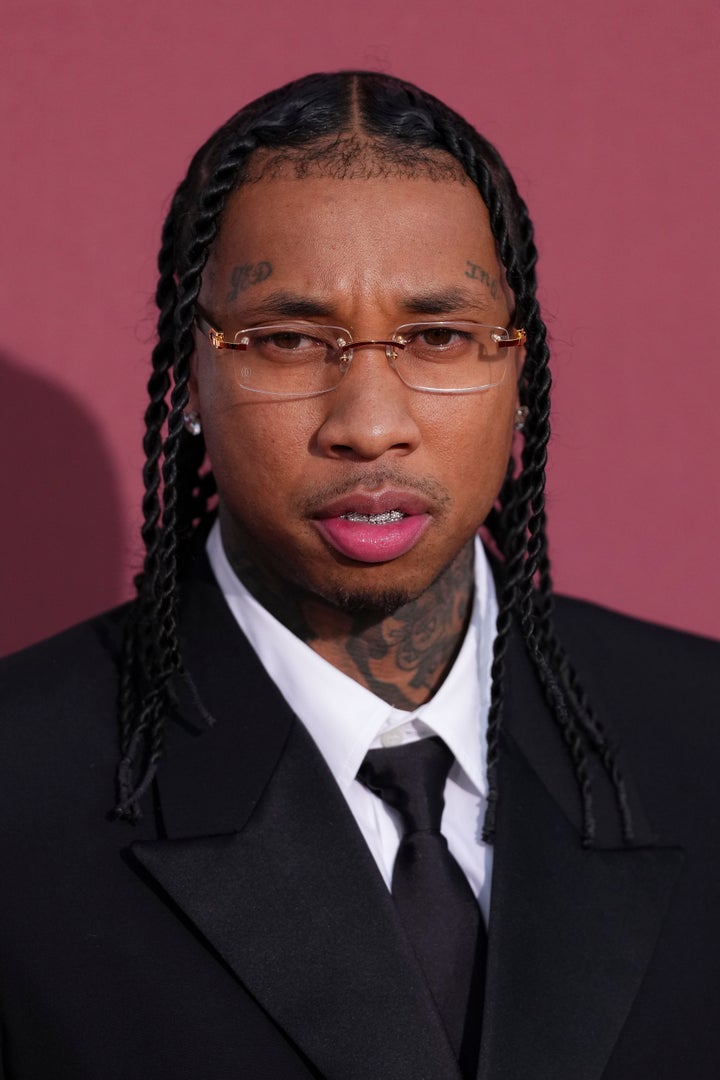
Tyga
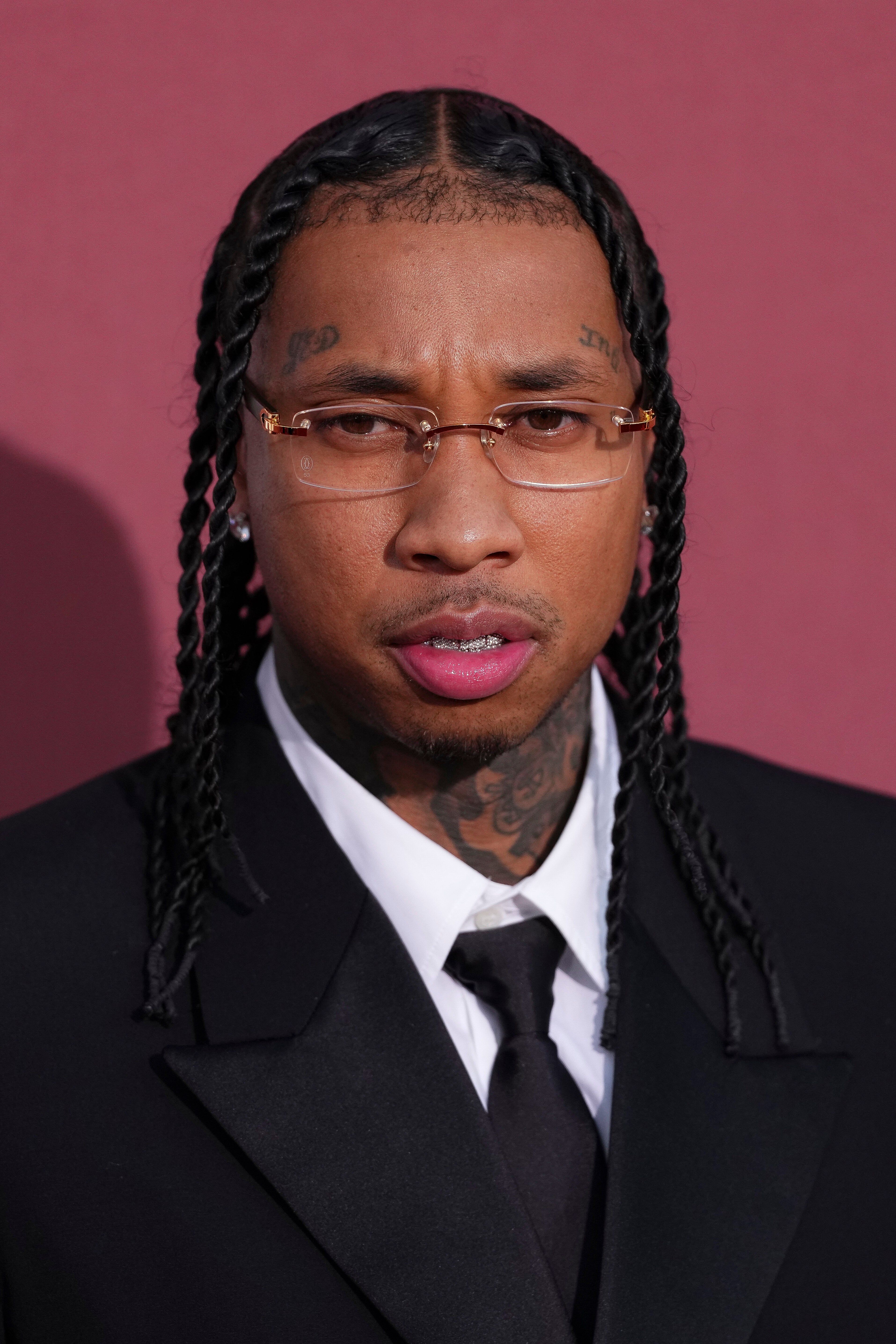
Tyga

via Associated Press

Tyga insisted: “It’s no different than when autotune came out. Some people were opposed to it, but real artists took it and used it.”

“We were like, ‘You know what? I need some ‘80 synths for a certain part of this song. I need a guitar solo done ASAP’. It is what it is,” he added, but insisted that all of the vocals heard on the album are his own.

Starface, and the news that it was created with AI, have been met with a predominantly negative reception – most notably from the music outlet Pitchfork, which gave the album a 0.0 rating for the first time in 20 years.

AI remains a contentious issue across the entertainment industry, with artists like Madonna, Beyoncé and Ariana Grande among those to have spoken out against its increased usage.

The technology has proved to be just as contentious a subject among creatives in television and cinema, and was a major factor in the industry-wide Hollywood strikes of 2023.

Share Button

‘Is Heat Ruining My Cycle?’: Why Your Periods Are All Over The Place This Summer

As someone with endometriosis, fibroids and adenomyosis, I have a LOT of beef with my menstrual cycle. I don’t ever have a calm period and I usually am confined to the sofa until it’s over with. It’s grim.

This summer, however, it has been WILD. The one thing I can always rely on is my period being on around the same day every single month. It’s a small win but a significant one in terms of understanding where I am in my cycle, what to expect and when it’s safe to make plans. Until these past couple of months when that has gone OUT the window.

My periods this summer have been late. My last period was very, very light to the point that I wondered if it was implantation bleeding and I was actually pregnant. This month? It’s diabolical. I am getting through sanitary towels faster than I thought possible and my cramps are unbelievable. Energy levels? Depleted. RIP to feeling awake.

I wondered if this could have anything to do with the heatwaves we’ve been experiencing and while there is limited research on this matter, Dr Suzanne Wylie, GP and medical adviser for IQdoctor did have some insights for me.

How summer can impact menstrual cycles

Dr Wylie says: “When it comes to heatwaves and periods, the research is still relatively limited, but that doesn’t mean women’s experiences should be dismissed. We know that the reproductive hormone system is closely linked to the rest of the body, so anything that places additional stress on it, including prolonged periods of very hot weather, has the potential to influence the timing of ovulation and, in turn, the menstrual cycle.

“During a heatwave, people may become dehydrated, sleep less well, feel physically exhausted or experience higher levels of physiological stress, all of which could contribute to temporary changes in hormone regulation in some individuals. That means some women may notice their period arriving earlier than expected, later than usual, experiencing a lighter or heavier bleed, or even spotting between periods.”

She advised that while we don’t have strong evidence showing that heatwaves directly cause widespread menstrual disruption, “it is certainly plausible that extreme heat may affect some women more than others, particularly when combined with other factors such as stress, travel or illness, and this is an area where more research would undoubtedly be helpful.”

Honestly, this makes a lot of sense. I am definitely struggling with the temperatures this summer and have been well out of my usual routine as I am throwing myself into summer socialising. My body is likely completely out of whack and I’m not surprised on reflection that my periods have been impacted by this.

Dr Wylie urges, though, that if you’re concerned about your periods, you should speak to your GP, saying: “I would also advise seeking medical advice if several periods have been missed without an obvious explanation, if menstrual cycles suddenly become much more irregular than usual, if bleeding is unusually heavy, persistent or occurring between periods, or if there is a positive pregnancy test accompanied by pain or bleeding, as these are situations where we would want to investigate further to rule out any underlying medical concerns.”

Share Button

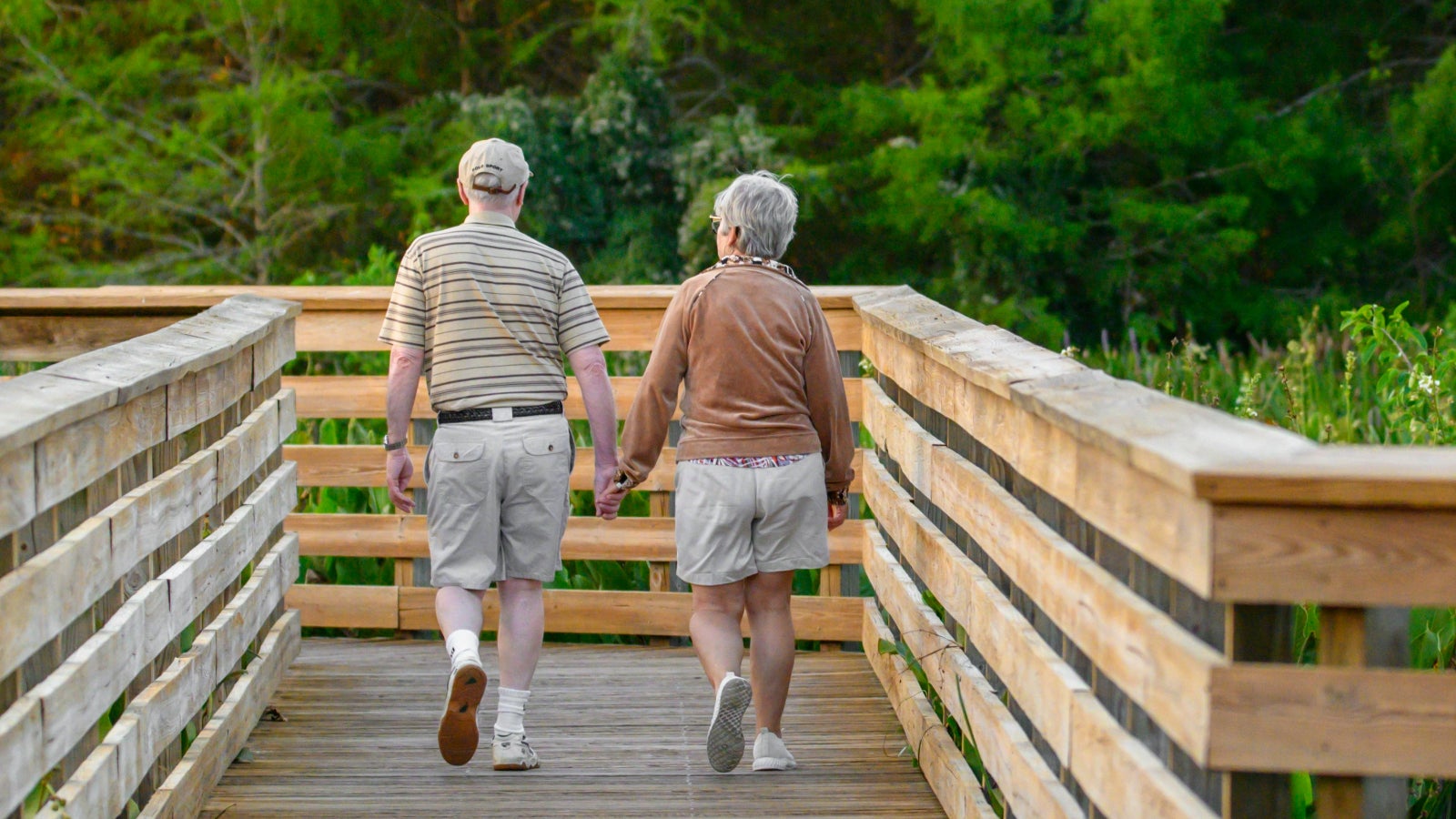
GP Explains The Difference Between Healthy And ‘Pathological’ Ageing

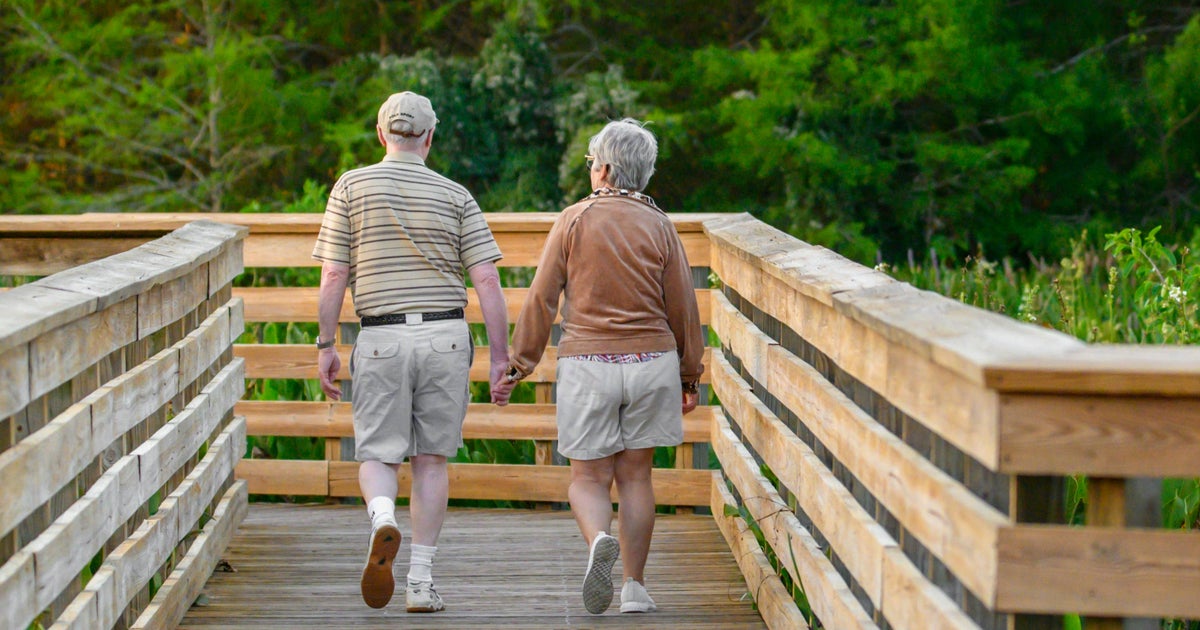
You might think that some changes, like memory loss, are inevitable as the years roll by. And that can be true – but serious conditions like dementia, though more common among older people, are not an ordinary part of healthy ageing.

In general, Dominic Greenyer, a private GP at The Health Suite, told HuffPost UK: “Ageing naturally brings some change. People may notice a modest reduction in muscle mass, bone density, cardiovascular fitness, hearing, vision or the speed at which they process information.

“However, severe or rapidly progressing decline should not automatically be dismissed as an inevitable part of getting older.”

Sometimes, people call non-standard deterioration “pathological ageing”. Here, we asked the GP to explain what the term means, as well as the signs you may be experiencing one or the other.

What is pathological ageing?

It’s not a single formal condition, the doctor said.

Instead, pathological ageing describes “deterioration driven or accelerated by disease, rather than the gradual biological changes we would ordinarily expect as a person grows older… [it may] involve illness or damage that significantly affects a person’s function and independence”.

That might include cardiovascular disease, poorly controlled diabetes, osteoporosis, dementia, chronic lung disease, severe frailty or substantial muscle loss.

“One of the dangers of describing every new symptom as ‘just old age’ is that treatable conditions can be missed,” the GP continued.

“Persistent exhaustion, unexplained weight loss, repeated falls, worsening breathlessness, new confusion, significant memory changes or a sudden loss of strength should be properly assessed.”

Older people may be led to believe that “pain, fatigue or loss of mobility is something they simply have to tolerate”; but that’s not always the case.

“The important questions are how quickly the change has happened, whether it is affecting everyday life, and whether an underlying condition may be contributing to it.”

How can I tell pathological ageing from normal ageing?

Dr Greenyer said that healthy ageing doesn’t mean reaching old age without any disease whatsoever. In fact, he considers healthy vs pathological ageing as more of a “spectrum” than separate poles.

“Many people live well with arthritis, high blood pressure or other long-term conditions when these are recognised, treated and properly controlled,” he said.

But a person’s level of functionality matters here.

“Healthy ageing means preserving as much physical capacity, cognitive ability, independence and social engagement as possible. A person may have a diagnosis but still remain active, make their own decisions, maintain relationships and continue doing the things that matter to them,” the GP explained.

“Pathological ageing is more likely to involve decline that is disproportionate, accelerated or driven by disease. It can begin to restrict mobility, memory, resilience and the ability to manage ordinary tasks.”

People can move between pathological and healthy ageing, he added. “Early diagnosis, rehabilitation, better disease control and changes to daily habits can sometimes slow decline and restore a meaningful amount of function.”

Can I decrease my odds of pathological ageing?

Dr Greenyer stressed that lifestyle changes alone can’t guarantee healthy ageing – genes and other factors outside our control can play a part here.

Therefore, he said, “people should never be blamed for illnesses that are not entirely within their control”.

With that said, some habits can make a “significant difference” to how likely we are to age well.

Not smoking “remains one of the most important steps a person can take,” the GP stated, while controlling and monitoring blood pressure, cholesterol and blood sugar can go a long way too.

“Good-quality sleep, meaningful social contact and continuing to challenge the brain are also important,” he said, while depression and hearing loss are often “overlooked” factors that can make ageing well less likely.

Calling regular physical activity “one of the most powerful things we can do.” Dr Grenyer stated that “Aerobic activity supports the heart, lungs and circulation, while strength training helps preserve muscle, bone density, balance and the ability to perform everyday tasks”.

You don’t need to hit the gym every day, either. Brisk walking, cycling, swimming, gardening, carrying shopping and simple resistance exercises can all help, the expert advised, while balance work is great for better ageing (especially among those prone to falls).

Diet is important, as well – “Older adults need sufficient protein to help preserve muscle, alongside vegetables, fruit, wholegrains and sources of healthy fats. People should also pay attention to hydration, as the sensation of thirst can become less reliable with age”.

Lastly, the GP told us that prevention isn’t just about lifestyle choices. Getting vaccines, attending screenings, and seeing your doctor about new concerns matters, too.

“The goal is not to stop ageing, because that is impossible. It is to protect resilience, function and independence for as long as possible, while recognising that it is never too late to make changes that may improve health and quality of life.”

Share Button

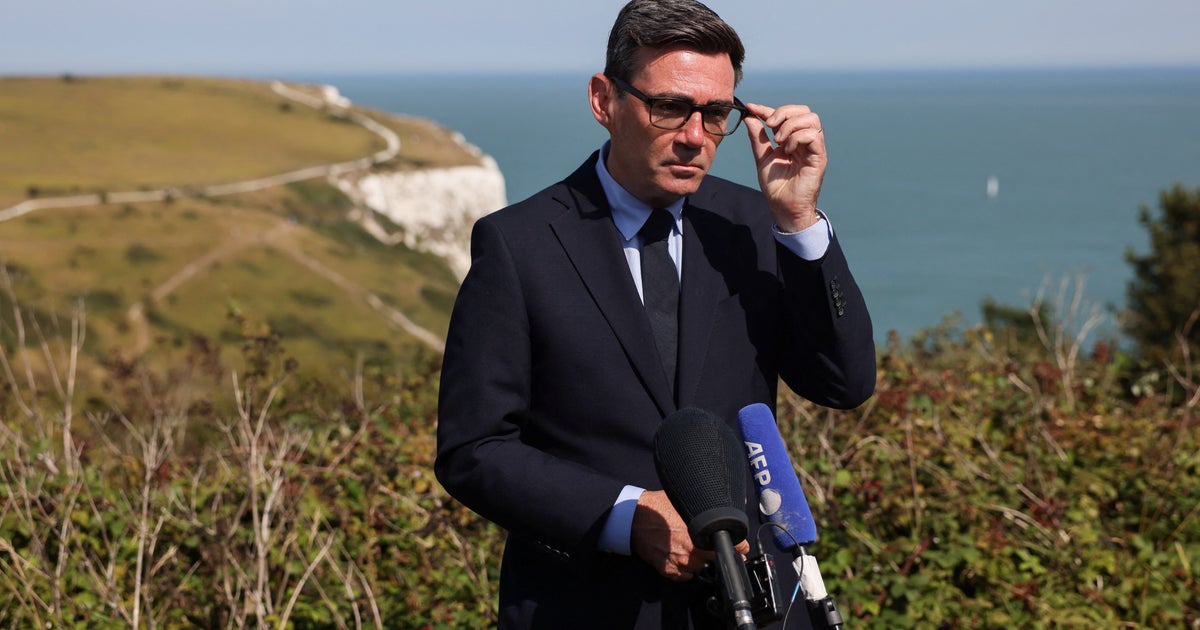
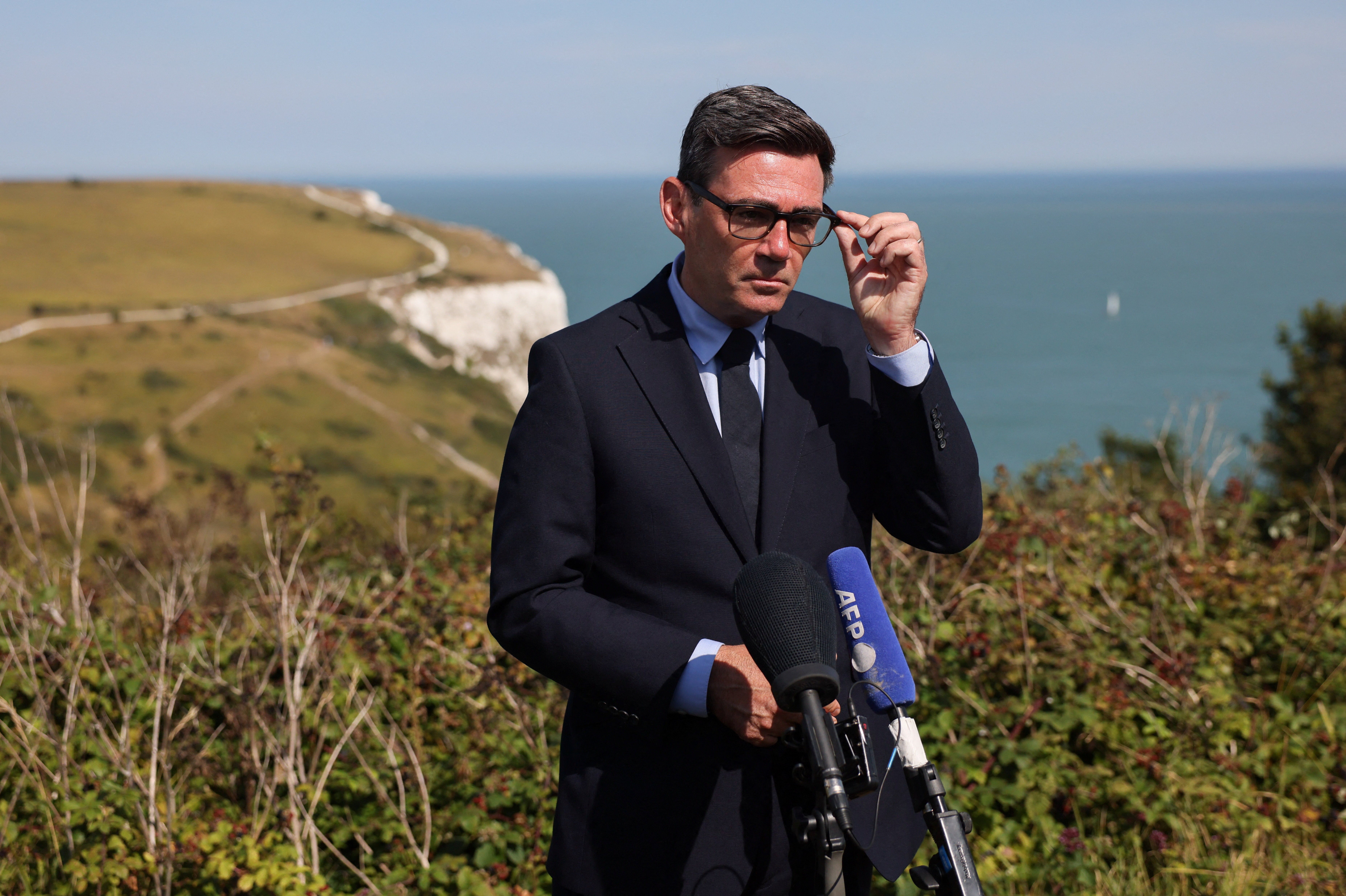
Andy Burnham Has Vowed To ‘Eradicate’ Small Boat Crossings – But Won’t Say When

Andy Burnham has vowed to “eradicate” small boats crossings in the English Channel – but refused to say it when it will be done.

The prime minister said the government “will keep going at this issue” until it is solved.

However, he stopped short of saying it will have stopped by the next election, which may not take place until 2029.

Burnham was speaking the day after a boat carrying 230 asylum seekers – the most ever on a single vessel – crossed the Channel from France.

He said the government would “change our tactics” to deal with the fact that more migrants could start arriving on larger boats.

“I know people will have been worried to see that image yesterday,” the PM told GB News.

“It shows that the gangs are changing their tactics but so will we – we will now change our tactics and we will be relentless in chasing them down.”

Burnham said the deal Keir Starmer struck with France when he was PM meant there was “more law enforcement on the other side of the Channel” this summer, which has led to a reduction in the number of boats making the journey.

“But that’s not good enough,” he said. “People will say to me, ‘we don’t want any crossings’. I understand that concern.

“There are further things that we are doing and we will keep going at this issue until we deliver that eradication that people are looking for.”

Asked whether he could promise “no more small boats crossings by the election”, Burnham replied: “It would be wrong, I think, for me to make a prediction now based on a timeline.”

The PM added: “I’d rather promise to people what I know I can do and what I know I can deliver, and that is a relentless focus on this issue to deal with the public concern.

“I heard it on doorstep, on doorstep after doorstep in Makerfield, and I said to the people there, and I say it to the country, ‘I hear what you say, I will be completely focused on the issue’.

“There are more measures that we’re bringing through but crossings are down, immigration is down – there is real progress to report.”

Listen to Commons People, the podcast that makes politics easy. Every week, Kevin Schofield and Kate Nicholson unpack the week’s biggest stories to keep you informed. Join us for straightforward analysis of what’s going on at Westminster.

Share Button

We’ve Found The Snoop-Free Solution To Keeping Your Kids Safe Online

You can breathe a big sigh of relief: we’re half way through the summer holidays (unless you’re in Scotland, sorry Scotland!).

While you might have set strict no-screen rules at the beginning of the summer holidays, we’re sure you’re getting to the point of easing up.

And no one would blame you – it’s a long time to have the whole family under one roof.

All you have to do is get through the next few weeks – and if that means plonking them down to play games or talk to their friends as a distraction, so be it.

At the same time, though, there is plenty to think about when giving your child access to the internet. I don’t need to recount the potential horrors, because over 90% of parents on Mumsnet say current smartphones aren’t safe enough for children.

Plus, 77% of parents say keeping their child safe online feels like an impossible task, and that only gets harder in summer when they don’t have the school routine to keep them busy.

If you’re just about wondering when someone’s going to do something about this mess, enter: the OtherPhone.

Responding to readers’ concerns, the team at Mumsnet teamed up with two London-based tech companies – Nothing and SafetyMode – to create a phone catered to keeping kids safe online.

It might look like a regular phone, but it’s actually a cool phone – that is, the 3(a) phone from cult brand Nothing – that your kid will love (all you need to know is that Charli XCX is the ambassador).

The phone is super lightweight, coated in tempered glass, and is dust and water-resistant, so it can handle the muck and clutter of being a kid.

Loaded with all the regular functions of a smart phone, this particular phone also comes with SafetyMode, a software that uses AI to monitor, filter and block harmful content (like bullying, nudity, and explicit language) across every app your child uses.

While safety tools track a list of basic keywords, or block specific websites, SafetyMode has been trained to read content, which means it can distinguish between a normal conversation and a concerning one.

It can track their locations, and the filters are fully customisable, so you get to decide what you want your child accessing, based on their changing needs.

When troubling content is detected, SafetyMode will send an alert straight to your phone, so that you can rest assured you’ll know what your child is up to online, even when you’re not in the same room (or home!).

Even better, your child’s data won’t ever leave their phone, as all of the processing happens on the phone itself, for added privacy.

If you don’t want to buy a whole new phone, you don’t have to. SafetyMode is also available via the Google Play store to be compatible with any Android device.

The app itself is free, but if you want to manage permissions and filters without even having to pick up their phone, you can upgrade and pay £5.99 per month for SafetyMode Plus.

That means online safety for the rest of the summer, whether they’re at summer camp, the grandparents’, or simply curled up in their rooms.

Share Button

Gillian Anderson Speaks For The First Time About ‘Unfortunate’ Salt Path Controversy

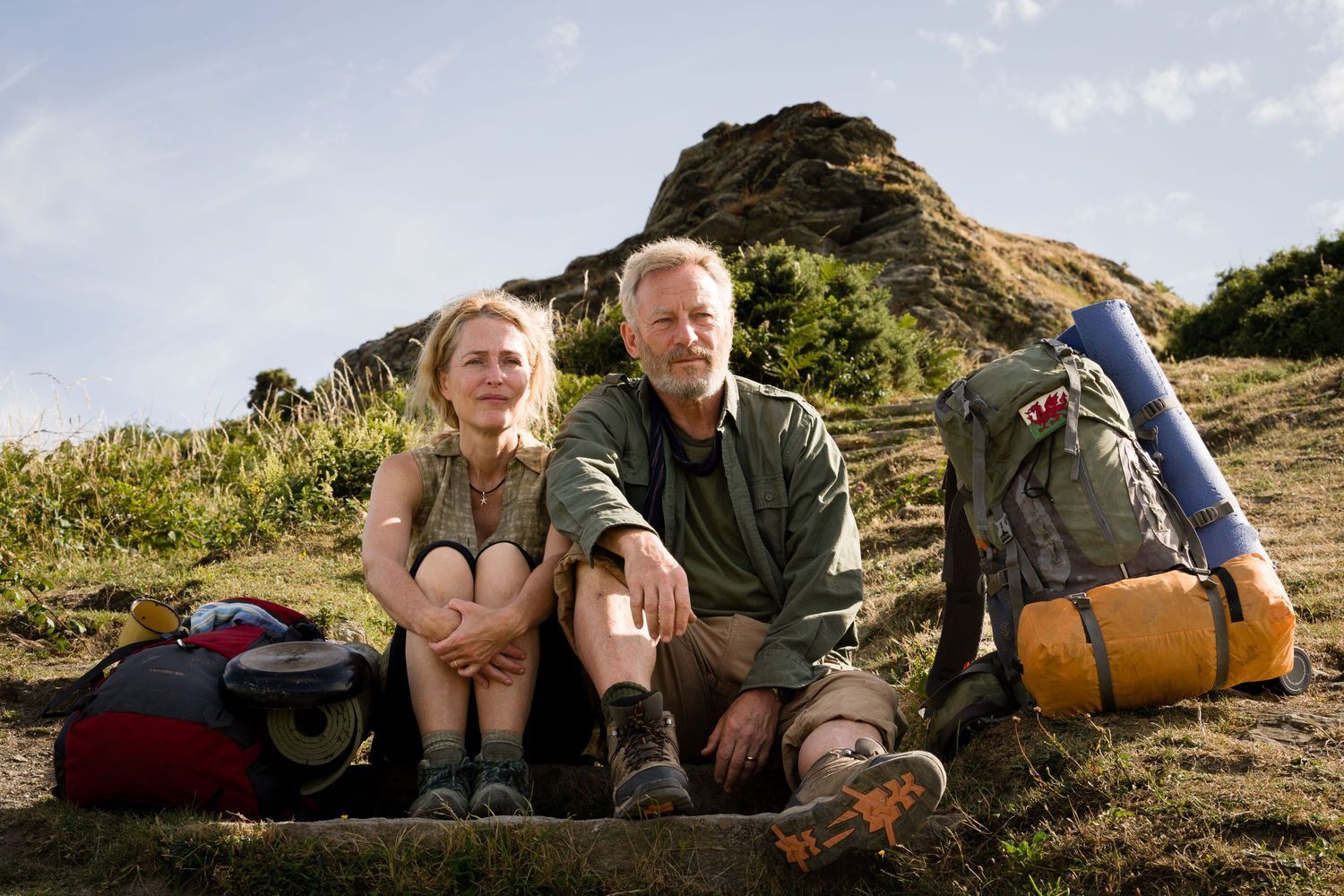
Gillian Anderson has spoken for the first time about the controversy surrounding the source material for her 2024 film The Salt Path.

The Emmy winner starred opposite The White Lotus actor Jason Isaacs in the big-screen adaptation of Raynor Winn’s book of the same name.

However, last year, Winn’s book – which was marketed as a memoir upon its release in 2018 – found itself at the centre of scrutiny when The Observer published a lengthy report which cast doubt on the legitimacy of some of the claims outlined within it.

Reflecting on the situation in a new interview with Radio Times, Gillian branded it “very unfortunate”.

“The film was doing really well in the UK – beyond my expectations,” she recalled. “I think we were about to sign with Sony Classics for the United States the week when the article came out, so it sucked, and continues to suck.”

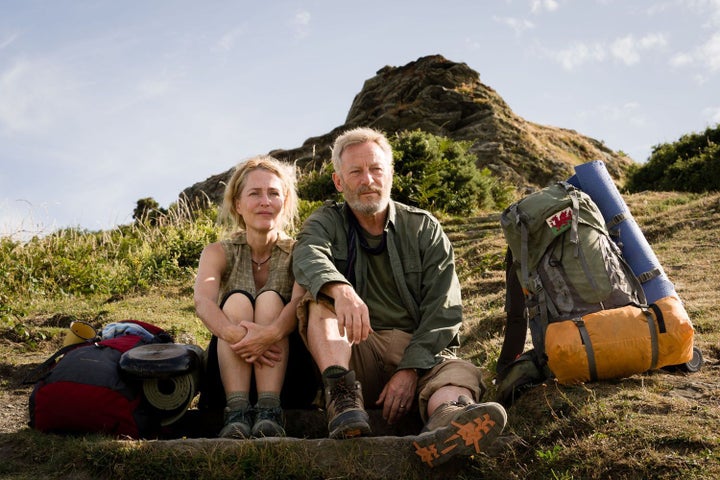
Gillian Anderson and Jason Isaacs in The Salt Path

Black Bear

Gillian continued: “A lot of people were enjoying it, regardless, and it is special in its own right. I hope people are able to experience it as its own entity, separate from what may or may not be true or whatever controversy there is.”

In Winn’s writing, she spoke of how she and her husband Moth walked the 600-mile length of the South West Coast Path after being made homeless.

She also wrote about Moth’s struggles with the neurodegenerative disease corticobasal degeneration (CBD), which he was diagnosed with shortly before the couple lost their home.

However, The Observer’s piece raised questions about a number of parts in the book, including exactly what led to the couple being made homeless, and specific parts of Moth’s illness.

A statement provided by Winn’s legal team to The Observer at the time said: “The Salt Path lays bare the physical and spiritual journey Moth and I shared, an experience that transformed us completely and altered the course of our lives. This is the true story of our journey.”

The Telegraph also published a more detailed version of this statement last year, which said: “[The] Observer article is highly misleading. We are taking legal advice and won’t be making any further comment at this time.”

Share Button

Madonna Has Yet Another Reason To Celebrate After Kylie Minogue Duet Chart Update

Madonna’s Confessions II era is truly the gift that keeps on giving.

Released last week, the duet marks the singer’s first official collaboration after sharing the stage during the Queen of Pop’s Celebration tour back in 2024.

And speaking of celebrations, the Official Charts Company revealed in its “first-look” preview on Sunday evening that the new version of Love Sensation is currently on track to peak at number eight in this week’s chart.

Now, admittedly, we have to assume that this is based on physical pre-sales of the single’s CD format, meaning that unless it can keep up streams in the days ahead, this position is likely to drop before the chart is announced.

Kylie, of course, has been enjoying a chart resurgence of her own in the last few years.

Share Button

Firefighters Warn To Keep ‘Unconsidered’ Items Off Windowsills This Summer

Parts of the UK seem set for their fifth heatwave of the year, with no significant rainfall set to take place in parts of the south this month.

Claire Belcher, an Exeter University professor, told the BBC the risk of wildfires has “never been so high”. And firefighters warn that the risk of house fires rises in drier, sunnier conditions, too.

Speaking to the MK Citizen after a run of “near disasters” in Milton Keynes, a spokesperson for Bucks Fire and Rescue said: “As the bright weather continues, we’d like to remind everyone of an often unconsidered fire risk within homes.”

Watch out for glass items on windowsills

Multiple windowsill fires have broken out over the years due to glass items left in direct sunlight.

They’ve created blazes in places like Essex, Northamptonshire, Dorset and Wiltshire, Norfolk, Merseyside, Milton Keynes, and more.

The Bucks Fire and Rescue spokesperson said: “Recent incidents have highlighted that reflected sunlight can become concentrated enough to generate significant heat, resulting in marks, smouldering materials and, in some cases, fire.”

Which items should I keep out of sunlight?

Northamptonshire Fire and Rescue Service said to keep crystals; mirrors, especially magnifying ones; and glass ornaments off windowsills and out of direct sunlight in the summer.

The firefighters added you shouldn’t keep them near curtains or bedsheets in the heat either.

Other risky items include:

In general, Dorset and Wiltshire Fire and Rescue explained, any glass ornament or object that’s curved can work as a lens, intensifying the sun’s heat.

“The principle is the same as using a magnifying glass to start a fire. It does depend on the angle of the sun, but any mirror or glass ornament with a curve in it should never be left on a windowsill or by a window,” their site reads.

A Bucks Fire and Rescue spokesperson added: “If you notice a bright spot of reflected sunlight inside your home, move the object immediately or close curtains or blinds.

“Check around windows regularly to ensure decorative items are not creating focused beams of light.”

Share Button

Blow For Donald Trump As Benjamin Netanyahu Rejects His 15-Point Gaza Peace Plan

The Israeli prime minister said his country’s troops will not withdraw from the region until Hamas has “genuinely” disarmed.

His comments are a major blow for Trump’s hopes of ending the conflict.

The US president’s Board of Peace announced last month it had reached an agreement for the “complete disarmament” of Hamas and other armed groups in Gaza.

But Hamas said that was contingent on Israel ending “all forms of aggression” and withdrawing its forces from Gaza.

Speaking on Sunday, Netanyahu said: “Israel rejects the 15-point document.”

“The Israel Defense Forces will not carry out any withdrawal until the dismantling of Hamas and its weapons,” he said.

“And when I say dismantling Hamas and its weapons, that means heavy weaponry, less heavy weaponry and smaller arms. All weaponry.

“We’re talking about a true dismantling and not a fictitious dismantling.”

Trump first announced his peace plan for Gaza last September.

Listen to Commons People, the podcast that makes politics easy. Every week, Kevin Schofield and Kate Nicholson unpack the week’s biggest stories to keep you informed. Join us for straightforward analysis of what’s going on at Westminster.

Share Button