Stillbirths Increased Last Year. Why Is Nobody Talking About It?

After years of progress, the number of stillbirths increased across England and Wales in 2021 – but it’s not the story you’ll read about elsewhere.

When the new ONS data was released this week, most newspapers focused on a jolly little fact: last year, more babies were born out of wedlock than among married couples for the first time since records began.

But the figures also show there were 2,597 stillbirths in 2021, an increase of 226 from 2020.

These statistics were barely a footnote in most national newspapers, something the baby loss charity, Tommy’s, was disappointed by.

Kath Abrahams, chief executive at the charity says the latest figures are “unacceptable”. She believes they reflect the “direct and indirect” impact Covid-19 had on pregnant women and people in 2021.

“Indirectly, the pandemic had a significant impact on maternity services, putting them under greater pressure,” she tells HuffPost UK. “There were higher rates of stillbirth in January 2021, which coincided with the peak of the second wave of Covid-19.”

Throughout the pandemic, HuffPost UK reported on the disproportionate impact on maternity services, with pregnant women saying they felt “forgotten” as lockdown restrictions eased. While pubs reopened, mums-to-be reported having routine antenatal appointments cancelled or conducted over the phone.

Though there’s no research to link these practices directly to stillbirth rates, the individual stories paint a picture of incomplete care, at a time of high-anxiety for pregnant women.

Pregnant women also faced misinformation regarding vaccine safety, with some even mistakingly told not to take the jab at vaccine centres. Data from October 2021 found just 15% of pregnant women were fully vaccinated amidst the fear and confusion.

Because of this, Tommy’s says Covid-19 infection is likely to have had a direct impact on the 2021 stillbirth rate.

“Our research has shown that getting Covid-19 during pregnancy could cause problems in the placenta, increasing the risk of pregnancy complications, which is why it’s important pregnant women and people get vaccinated if they can,” Abrahams says.

“Rates of stillbirth had been following a consistent decline over recent years, and we believe 2021’s increase is unacceptable. It highlights exactly why we need to increase efforts to meet NHS England’s aim of reducing stillbirth rates by 50% by 2025.”

The data also uncovered that stillbirth rates differed across the country last year, with more deprived areas, including the North East and Yorkshire, experiencing higher rates than the most affluent regions.

“It is unacceptable that who you are and where you live continues to have an impact on whether your baby is born healthy – and it’s vital that our government and health services continue to focus on tackling these inequalities,” Abrahams adds.

“Action to reduce stillbirth must be a national priority as health services recover following the Covid-19 pandemic, and more work must be done to understand the reasons for the increase in stillbirths and help improve care for pregnant women and people at risk.”

Commenting on the latest figures, Professor Asma Khalil, spokesperson for the Royal College of Obstetricians and Gynaecologists, said every stillbirth “is a tragedy for the families affected as well as the maternity staff involved”.

“Stillbirth rates are still higher in the UK than many other high-income countries and vary widely across the UK,” she said. “We continue to advise women who have concerns or worries about their or their baby’s health – including the baby’s movements – to seek medical advice from their midwife or hospital as soon as possible. We also advise pregnant women to ensure they are fully vaccinated against Covid as this can increase the risk of stillbirth.”

HuffPost UK contacted the Department of Health and Social Care about the increased stillbirth rates, sharing the concerns raised by Tommy’s about stretched maternity services.

In response, a DHSC spokesperson told us: “We are committed to making the NHS the best place in the world to give birth through personalised, high-quality support.

“Since 2010, the rate of stillbirths has reduced by 20.9%, the rate of neonatal mortality for babies born over 24 weeks has reduced by 36% and maternal mortality has reduced by 17%.

“The NHS is investing £127m into the maternity system in the next year to support the workforce and improve neonatal care – which is on top of £95m to recruit 1,200 more midwives and 100 more consultant obstetricians.”

Share Button

This Picture Of A Black Foetus Went Viral. We Spoke To The Illustrator

During medical training, in health textbooks, in posters or at the doctor’s office, we often see health conditions or body parts represented with white figures.

Many of these images seem outdated or inaccessible to large parts of the population. Now, one medical student has taken matters into his own hands.

Chidiebere Sunday Ibe, 25, from Ebonyi State, Nigeria, began illustrating Black patients, children and babies. Recently, his drawing of a Black foetus and mother has gone viral on Twitter and TikTok, amassing hundreds of thousand views and likes.

The image has clearly struct a real chord with people, especially those not accustomed to seeing their skin tones reflected in standard medical imagery.

The aspiring neurosurgeon wanted to show people what certain conditions look like for Black people – and also normalise the diversity of our bodies.

For some people, it was the first time they’d seen a Black foetus and many called for more representation like this.

When we spoke to Ibe about his illustrations, he told HuffPost UK: “This image was created like every other image, I never expected it to be viral. The whole purpose was to keep talking about what I’m passionate about – equity in healthcare – and also to show the beauty of Black people.

“I feel great seeing it going viral, I never expected it and it feels good that the message is out and it will challenge current systems.”

Ibe points out that we need to see more images like this, and more people behind the scenes creating them.

“We don’t only need more representation like this, we need more people willing to create representation like this, this would help make such images more accepted,” he says.

Chidiebere Ibe is an aspiring neurosurgeon.

Chidiebere Ibe

Chidiebere Ibe is an aspiring neurosurgeon.

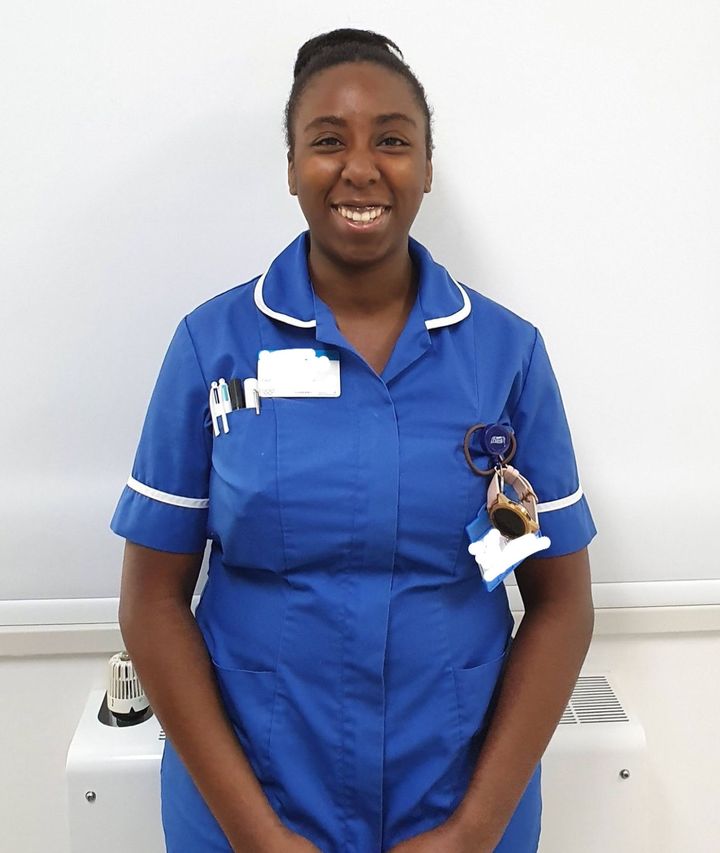
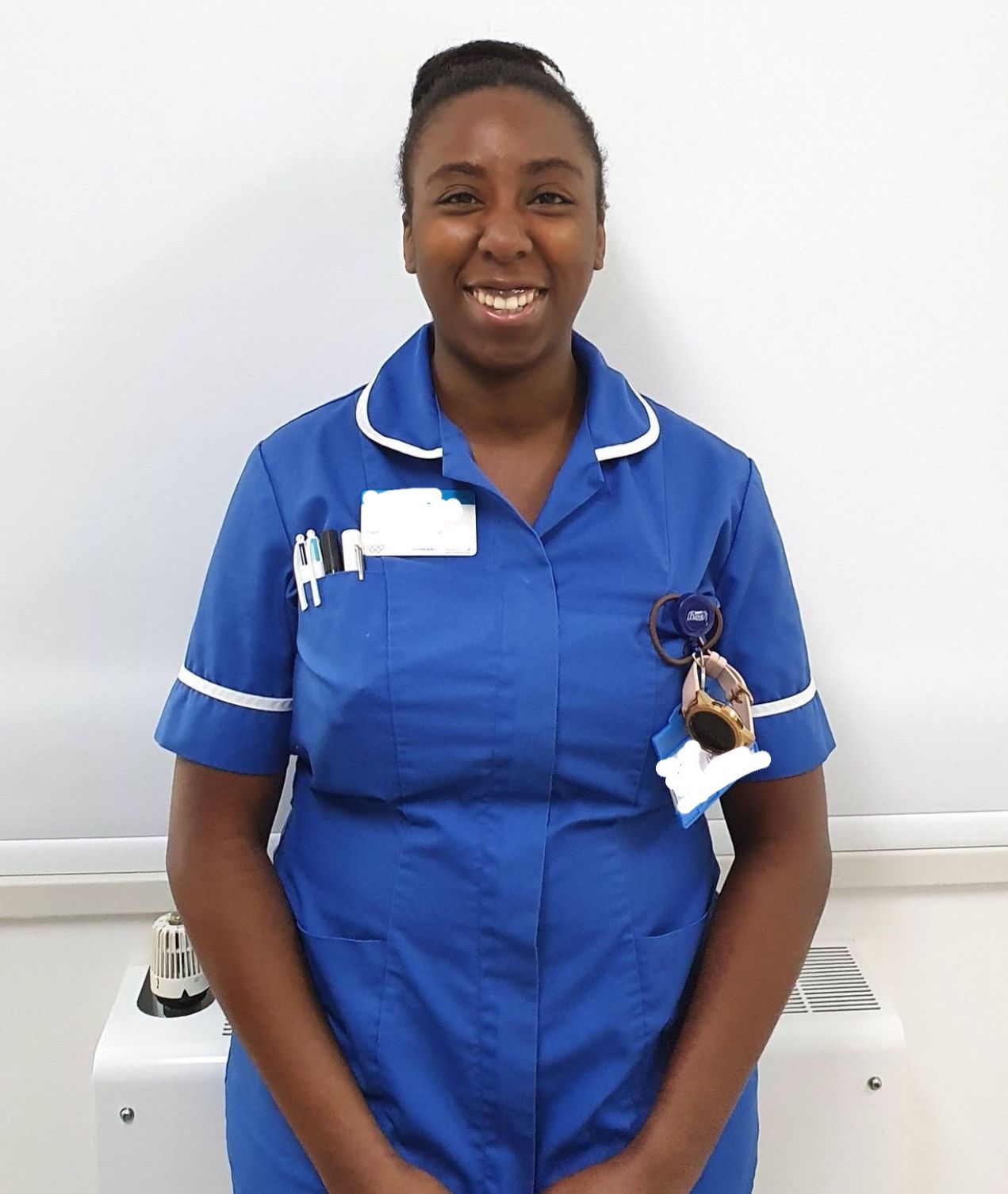
For Black people working in healthcare, seeing Ibe’s images has meant a lot – it’s not often they see their race reflected in the industry. Rebekah Agboola, a 27-year old nurse from London, says the picture made her do a double-take.

“The image was shocking,” she tells HuffPost UK. “I’ve never seen a Black baby in an image like this before – it makes you take a second look. It shouldn’t be shocking as it’s a simple medical illustration. However, having started my journey into this world as a sixth form student looking at medical images, I didn’t commonly see illustrations of Black and brown people unless it was something to do with skin conditions and even then it was rare.”

Agboola says such illustrations go beyond representation to having a positive impact on people’s health and wellbeing.

“I think that it is important to make sure that there is more representation because it will greatly improve the treatment of our patients,” she says.

In August 2020, as part of Black Ballad’s weeklong takeover of HuffPost UK, Black women spoke out about the discrimination, microaggressions and substandard care they received during pregnancy, shining fresh light on the findings of a major motherhood survey, also conducted by Black Ballad.

“Routinely, Black and other minority patients do not receive the same care due to initial symptom presentation and if it is made clearer that our symptoms can sometimes look different and that clinicians need to give their examinations more thought we can help reduce this issue,” Agboola says.

“This picture shocked me but I was so glad to see it and want to see more.”

Rebekah, a nurse, has never seen an image like this before

Rebekah Agboola

Rebekah, a nurse, has never seen an image like this before

Since the release of Ibe’s pics, the Royal College of Midwives (RCM0, has also said it will be amping up efforts to diversify.

Jane Bekoe, the RCM lead on its Race Matters programme, told us: “Positive representation of race is important in all aspects of our lives and society, because the world should reflect accurately all the people living in it. This applies just as much to portrayals of Black and minority ethnic people within healthcare, so illustrations such as this are a positive and necessary step forward towards real equality for us all.”

The RCM is working to ensure changes happens, Bekoe added, following its first celebration of Black History and Culture Month this year. In January 2022, it will hold a webinar on decolonising the midwifery curriculum, which will be led by the RCM’s student midwife forum.

Here’s hoping things do actually change.

Share Button

5 Myths Debunked About How The Covid Vaccine Affects Pregnancy And Fertility

There is no pattern from any reports so far which suggest any of the vaccines used in the UK, or reactions to them, increase the risk of miscarriage or stillbirth, the Medicines and Healthcare products Regulatory Agency (MHRA) said.

It said the numbers of reports of miscarriages and stillbirth are “low in relation to the number of pregnant women who have received Covid-19 vaccines to date and how commonly these events occur in the UK outside of the pandemic”.

Myth 2: The jab will affect your fertility

There is no evidence to indicate the Covid-19 vaccine will affect fertility or the ability to have children, according to the UK’s medical regulator.

The rigorous evaluation completed to date did not show a link between changes to menstrual periods and related symptoms and Covid-19 vaccines.

The number of reports of menstrual disorders and vaginal bleeding is low in relation to both the number of people who have received vaccines to date and how common menstrual disorders are generally.

The menstrual changes reported are mostly transient in nature. There is no evidence to suggest that Covid-19 vaccines will affect fertility and the ability to have children.

Myth 3: The vaccine will affect birth outcomes

There is no evidence that having the coronavirus vaccine when pregnant is altering birth outcomes, a UK study concluded.

The research – which was the first from the UK focusing on safety outcomes for pregnant women – found similar birth outcomes for those who have had a Covid-19 vaccine and those who have not. Similar studies have been conducted abroad.

There were no statistically significant differences in the data, with no increase in stillbirths or premature births, no abnormalities with development and no evidence of babies being smaller or bigger, the research team at St George’s, University of London said.

Thousands of pregnant women in England have been vaccinated against coronavirus, with no safety concerns reported.

Myth 4: The vaccine is riskier than Covid

Some parents-to-be are worried about what the vaccine will mean for their unborn child. However, several studies have shown that the vaccine is safe for pregnant mums and their babies, especially as the vaccine does not include a live strain of the virus.

In fact, if mums choose not to get vaccinated but catch Covid, this is more likely to affect the baby.

Pregnant women who do get symptomatic Covid-19, particularly in the third trimester, are two to three times more likely to give birth to their baby prematurely, according to data from the UK Obstetric Surveillance System. Premature birth remains the leading cause of death, illness and disability in babies.

Myth 5: There are too many ‘mixed messages’ about the vaccine

Over half of pregnant women (58%) have declined the Covid-19 vaccination, according to the Royal College of Obstetricians and Gynaecologists (RCOG) and the Royal College of Midwives (RCM). The groups blame “mixed messages” about the vaccine and pregnancy earlier in the pandemic.

However, both the NHS and CDC (US Centres for Disease Control), plus the UK’s Medicines and Healthcare products Regulatory Agency (MHRA), all recommend vaccinations for pregnant people.

Earlier in the pandemic, when the vaccine was newer and research only emerging, healthcare officials did warn against vaccinations for expectant mums. However, we now know far more about the virus and the vaccines, and earlier on in the year, healthcare officials said it was safe for this cohort to get the jab and actively encouraged them to do so.

So, there are plenty of reasons to go for the jab. If you have any other concerns about the jab while pregnant or trying for a baby, chat to your doctor or midwife.

Share Button

‘Shocking’ Inequality Is Still Behind Many Stillbirths And Premature Births

A quarter of stillbirths and a fifth of premature births across England are due to socio-economic inequalities, research suggests.

A review in the Lancet of more than a million births found that South Asian and Black women living in the most deprived areas experience the largest inequalities when it comes to what happens to their pregnancy.

Experts behind the review suggested that some factors, such as high body mass index (BMI) and whether a mother smokes, could be contributing to the risk, but also pointed to racism and economic issues.

Calculations for the study suggest that half of stillbirths and three quarters of births where the baby is smaller than expected in South Asian women living in the most deprived fifth of neighbourhoods would be potentially avoidable if these women had the same risks as white women living in the most affluent fifth.

Similarly, about two thirds of stillbirths and nearly half of births involving small babies in Black women from the most deprived neighbourhoods were potentially avoidable if they had the same risks as white women in richer areas.

SDI Productions via Getty Images

The NHS has set a target of halving stillbirth and neonatal death rates, and reducing levels of premature birth, by 25% by 2025.

An estimated 60,000 babies are born prematurely in the UK every year (before 37 weeks).

In 2019, around one in 255 births resulted in a stillbirth in England and Wales, alongside around one in 302 in Scotland.

In 2020, there were 2,429 stillbirths (167 fewer than 2019) in England and Wales, according to the Office for National Statistics (ONS).

In the new study, a team from the National Maternity and Perinatal Audit analysed birth records between April 1, 2015 and March 31, 2017, in NHS hospitals in England.

They worked out the impact of socio-economic factors, adjusting for whether women smoked, their BMI and other pregnancy risk factors.

Socio-economic status was measured for each local area and combined information on income, employment, education, housing, crime and the living environment.

In total, almost 1.2 million women with a birth of a single child were included in the study, of whom 77% were white, 12% South Asian, 5% Black, 2% mixed race/ethnicity, and 4% other race/ethnicity.

Overall, 4,505 women experienced a stillbirth (after 24 weeks), the study found, while of 1,151,476 liveborn babies, 69,175 were premature and 22,679 were births involving foetal growth restriction (smaller babies).

Risk of stillbirth was 0.3% in the least socio-economically deprived group and 0.5% in the most deprived group; risk of a premature birth was 4.9% in the least deprived group and 7.2% in the most deprived group; while risk of foetal growth restriction was 1.2% in the least deprived group and 2.2% in the most deprived group.

The experts found that 24% of stillbirths, 19% of live premature births and 31% of live births of smaller babies were attributed to socio-economic inequality and would not have occurred if all women had the same risks as those in the least deprived group.

But when experts adjusted for ethnicity, mothers smoking and BMI, these statistics were cut (to 12%, 12%, and 16%, respectively), which the authors suggested means these factors may explain a considerable part of the socio-economic inequalities in pregnancy outcomes.

Pregnancy complications were found to disproportionately affect Black and minority ethnic women – with 12% of all stillbirths, 1% of premature births and 17% of births with growth restriction attributed to ethnic inequality.

In this group, adjusting for deprivation, smoking, and BMI had little impact on these associations – suggesting factors related to discrimination based on ethnicity and culture may contribute to poor outcomes.

Co-lead author Dr Jennifer Jardine, from the Royal College of Obstetricians and Gynaecologists, said: “The stark reality is that across England, women’s socioeconomic and ethnic background are still strongly related to their likelihood of experiencing serious adverse outcomes for their baby.

“I think that people will be shocked to see that these inequalities are still responsible for a substantial proportion of adverse pregnancy outcomes in England.

“Over the past few decades, efforts to close the gap in birth outcomes focusing primarily on improving maternity care and targeting individual behaviours have not been successful.

“Birth outcomes don’t only represent a woman’s health during pregnancy but also reflect her health and wellbeing across her entire life.

“While we must continue to encourage healthy behaviours during pregnancy, we also need public health professionals and politicians to strengthen efforts to address the lifelong, cumulative impact of racism and social and economic inequalities on the health of women, families, and communities.”

Co-lead author Professor Jan van der Meulen from the London School of Hygiene & Tropical Medicine added: “There are many possible reasons for these disparities.

“Women from deprived neighbourhoods and Black and minority ethnic groups may be at a disadvantage because of their environment, for example, because of pollution, poor housing, social isolation, limited access to maternity and health care, insecure employment, poor working conditions, and stressful life events.

“National targets to make pregnancy safer will only be achieved if there is a concerted effort by midwives, obstetricians, public health professionals and politicians to tackle the broader socioeconomic and ethnic inequalities.”

Share Button

Pregnant Women Are Getting Antibodies From Covid-19 Jabs

The Covid-19 vaccines by Pfizer and Moderna are “highly effective” in producing antibodies against the coronavirus in pregnant and breastfeeding individuals, according to new research.

In the largest study of its kind to date, researchers at Massachusetts General Hospital, Brigham and Women’s Hospital and the Ragon Institute demonstrated the vaccines are not just effective in protecting pregnant women, but they pass on protective immunity to newborn babies through breastmilk and the placenta.

In the UK, pregnant women aren’t able to have the Covid-19 vaccine unless they have an underlying health condition that puts them more at risk from the virus, or they work in a profession that increases their exposure.

This is because there’s a lack of safety data from trials of the jabs. The Joint Committee on Vaccination and Immunisation (JCVI), which is responsible for prioritising who gets the vaccine, says although available data doesn’t indicate safety concerns or harm to pregnancy, there’s insufficient evidence to recommend routine use of Covid-19 vaccines during pregnancy.

Women are, however, able to have the jab if they’re breastfeeding.

In the US, women can choose to have the vaccine. The study, published in the American Journal of Obstetrics and Gynaecology (AJOG), looked at 131 women of reproductive age – 84 were pregnant, 31 were lactating and 16 were not pregnant. All of the women received one of two new mRNA vaccines: Pfizer/BioNTech or Moderna.

Scientists discovered that in all three groups, antibody levels were present and similar – and, reassuringly, side effects after vaccination were rare and comparable across the study participants.

The news of “excellent vaccine efficacy” is “very encouraging” for pregnant and breastfeeding women, who were left out of the initial Covid-19 vaccine trials, said Dr Andrea Edlow, a maternal-foetal medicine specialist at Massachusetts General Hospital and co-senior author of the new study.

“Filling in the information gaps with real data is key,” she said, “especially for our pregnant patients who are at greater risk for complications from Covid-19.”

The study is important because we know individuals who are pregnant are more vulnerable to Covid-19. Research led by the University of Birmingham and the World Health Organisation (WHO) suggests the risk of pregnant women being admitted to intensive care or needing ventilation is higher than non-pregnant reproductive-aged women with the virus.

Pregnant women are also at increased risk of severe Covid-19 if they’re from ethnic minority backgrounds, or if they have pre-existing conditions like obesity, high blood pressure and diabetes.

For the latest study on antibodies in pregnant people, the team also compared vaccination-induced antibody levels to those induced by natural infection with Covid-19 in pregnancy, and found significantly higher levels of antibodies from vaccination.

Vaccine-generated antibodies were also present in all umbilical cord blood and breastmilk samples taken from the study, showing the transfer of antibodies from mothers to newborns.

In Florida recently, a new mother made headlines after her baby girl was born healthy and with Covid-19 antibodies – the frontline health care worker had received the Moderna jab three weeks before giving birth.

“We now have clear evidence the Covid vaccines can induce immunity that will protect infants,” said Galit Alter, of the Ragon Institute and co-senior author of the study.

A new study has found the vaccines are effective at producing antibodies in pregnant women – and these antibodies have been found to pass on to their newborns too.

A new study has found the vaccines are effective at producing antibodies in pregnant women – and these antibodies have been found to pass on to their newborns too.

The research was also able to provide an insight into potential differences between the immune response elicited by the Pfizer vaccine compared to the Moderna vaccine. Levels of mucosal (IgA) antibodies were higher after the second dose of Moderna compared to the second dose of Pfizer.

The finding is important for all individuals, since SARS-CoV-2 is acquired through mucosal surfaces like the nose, mouth and eyes, said Kathryn Gray, an obstetrician at Brigham and Women’s Hospital and another author of the study.

“It also holds special importance for pregnant and lactating women because IgA is a key antibody present in breastmilk,” she added.

Share Button

These Are The Birth Risks For ‘Big Babies’ And Mums-To-Be

HuffPost is part of Verizon Media. We and our partners will store and/or access information on your device through the use of cookies and similar technologies, to display personalised ads and content, for ad and content measurement, audience insights and product development.

Your personal data that may be used

  • Information about your device and internet connection, including your IP address
  • Browsing and search activity while using Verizon Media websites and apps
  • Precise location

Find out more about how we use your information in our Privacy Policy and Cookie Policy.

To enable Verizon Media and our partners to process your personal data select ‘I agree‘, or select ‘Manage settings‘ for more information and to manage your choices. You can change your choices at any time by visiting Your Privacy Controls.

Share Button

‘No Privacy’: Why Blind Women Really Need Accessible Pregnancy Tests

HuffPost is part of Verizon Media. We and our partners will store and/or access information on your device through the use of cookies and similar technologies, to display personalised ads and content, for ad and content measurement, audience insights and product development.

Your personal data that may be used

  • Information about your device and internet connection, including your IP address
  • Browsing and search activity while using Verizon Media websites and apps
  • Precise location

Find out more about how we use your information in our Privacy Policy and Cookie Policy.

To enable Verizon Media and our partners to process your personal data select ‘I agree‘, or select ‘Manage settings‘ for more information and to manage your choices. You can change your choices at any time by visiting Your Privacy Controls.

Share Button

Apparently ‘Corona’ Is Becoming A More Popular Baby Name Because Of Course

HuffPost is part of Verizon Media. Click ‘I agree‘ to allow Verizon Media and our partners to use cookies and similar technologies to access your device and use your data (including location) to understand your interests, and provide and measure personalised ads. We will also provide you with personalised ads on partner products. Learn more about how we use your data in our Privacy Centre. Once you confirm your privacy choices here, you can make changes at any time by visiting your Privacy dashboard.

Click ‘Learn more‘ to learn and customise how Verizon Media and our partners collect and use data.

Share Button

Boris Johnson And Carrie Symonds Announce Birth Of Baby Boy

HuffPost is part of Verizon Media. Click ‘I agree‘ to allow Verizon Media and our partners to use cookies and similar technologies to access your device and use your data (including location) to understand your interests, and provide and measure personalised ads. We will also provide you with personalised ads on partner products. Learn more about how we use your data in our Privacy Centre. Once you confirm your privacy choices here, you can make changes at any time by visiting your Privacy dashboard.

Click ‘Learn more‘ to learn and customise how Verizon Media and our partners collect and use data.

Share Button

‘It’s Robbed Me Of A Wonderful Time’: We’re Heavily Pregnant In The Coronavirus Pandemic

HuffPost is part of Verizon Media. Click ‘I agree‘ to allow Verizon Media and our partners to use cookies and similar technologies to access your device and use your data (including location) to understand your interests, and provide and measure personalised ads. We will also provide you with personalised ads on partner products. Learn more about how we use your data in our Privacy Centre. Once you confirm your privacy choices here, you can make changes at any time by visiting your Privacy dashboard.

Click ‘Learn more‘ to learn and customise how Verizon Media and our partners collect and use data.

Share Button