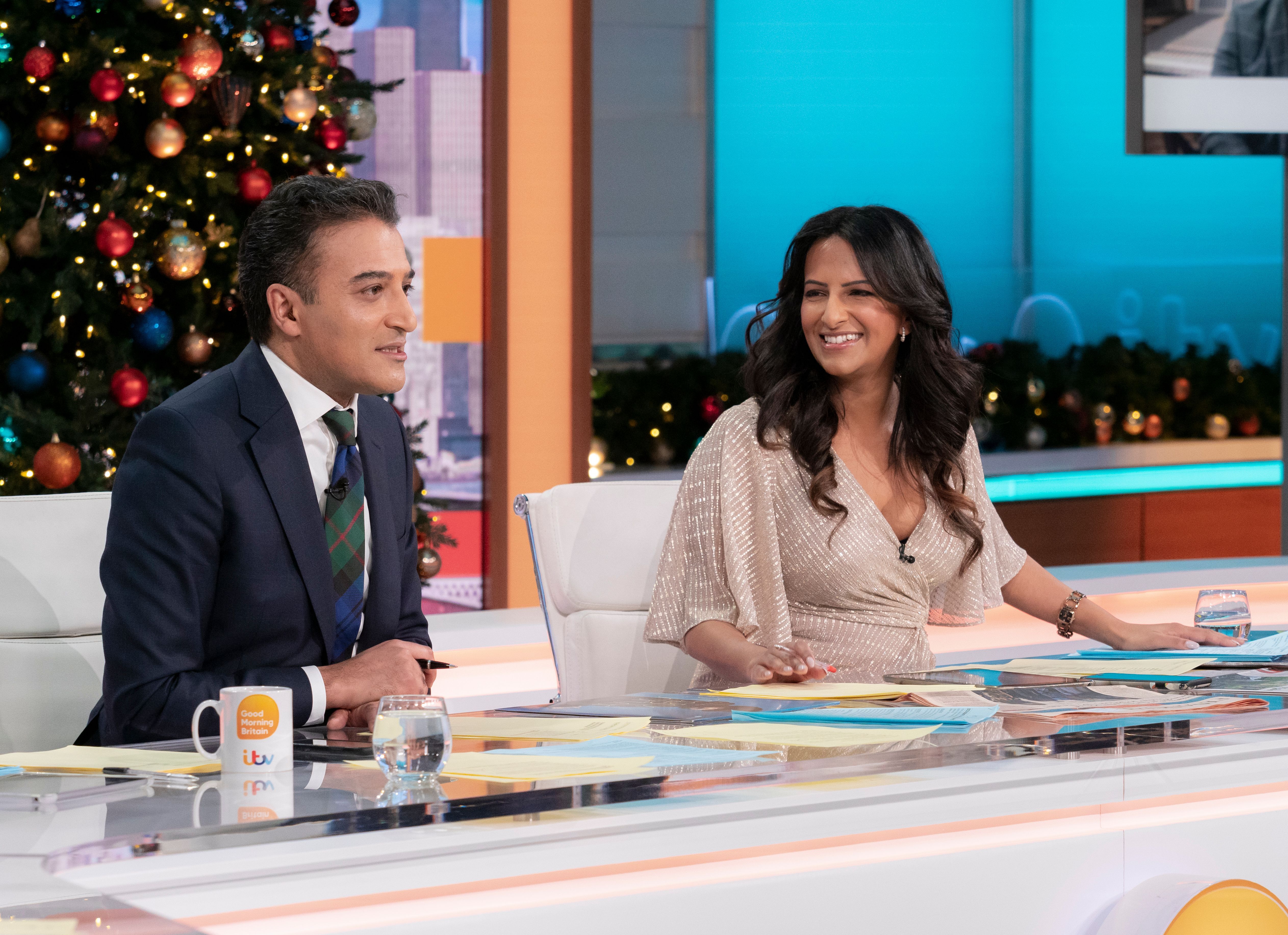
The breakfast show was due to air between 29 and 31 December, but bosses have axed the show “to protect our teams”.
Advertisement
The Sun reports that the show will air from 6am as planned for the rest of this week.
ITV confirmed that a special GMB Christmas Day show will also air from 7 to 9am.
Advertisement
A spokesperson said in a statement: “GMB was due to be on air from Weds 29 – Fri 31 December 2021 but due to the pandemic and to protect our teams, we have decided to give them an extended break.
“GMB will not broadcast next week, but will be back on air on Tues 4 Jan 2022.”
It was forced to merge with GMB and share the same studio, as had been done during the first lockdown due to Covid.
Ranvir Singh, who is one of GMB’s main presenters, was also missing from her guest-hosting role on Lorraine, with Andi Peters drafted in to replace her.
Giovanni has been with Strictly since 2015, and despite making it to the final on multiple occasions – including with Debbie McGee, Faye Tozer and Georgia May Foote (with whom he would later begin a romantic relationship that lasted over a year) – the Glitterball trophy has always eluded him.
Advertisement
That is, until now.
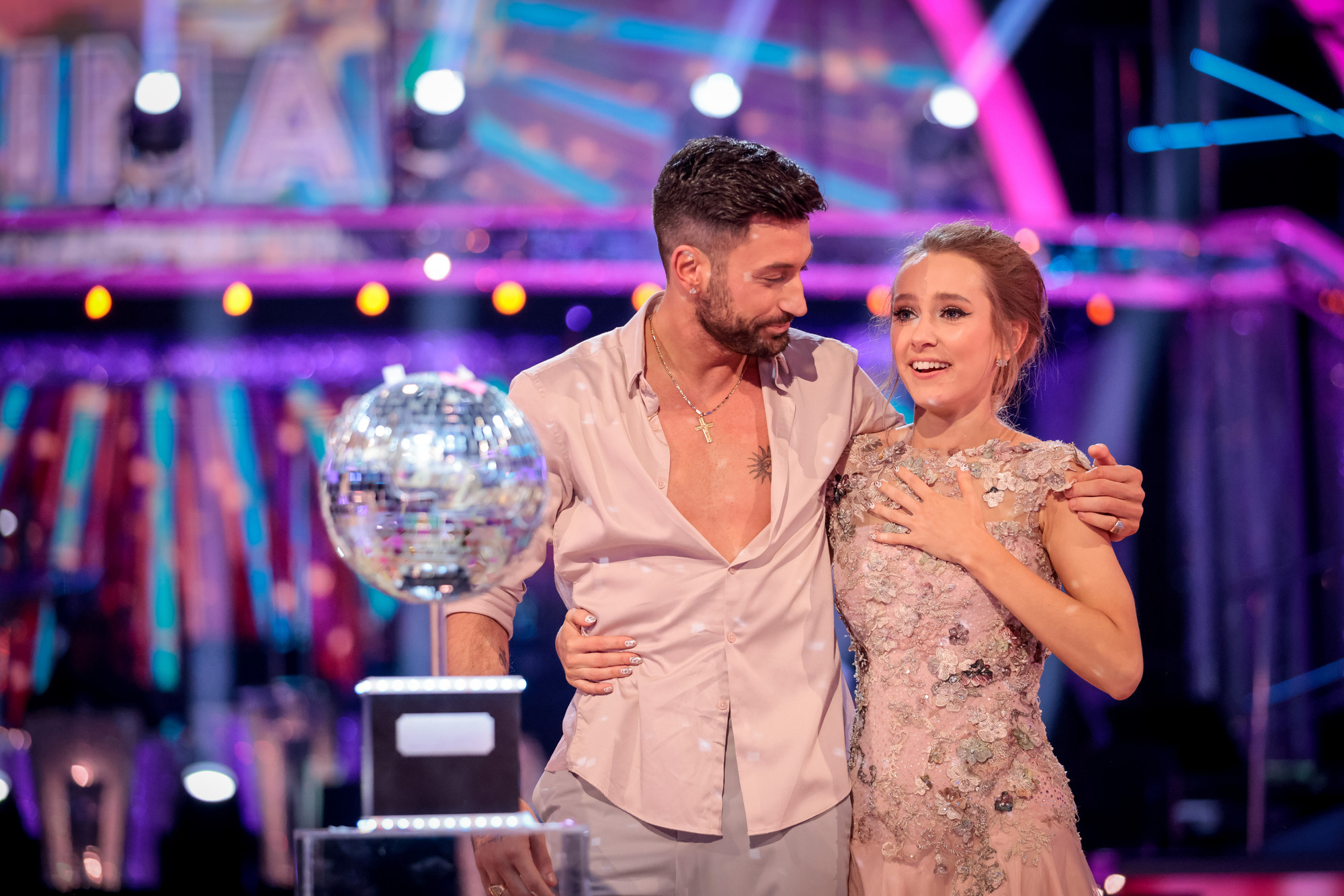
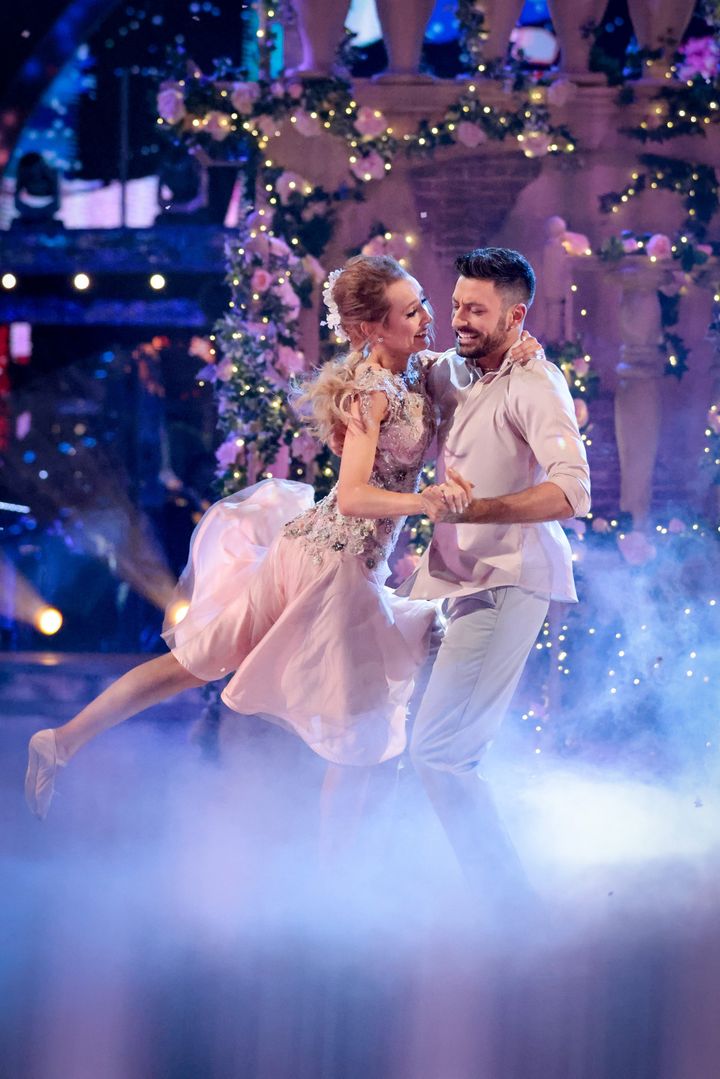
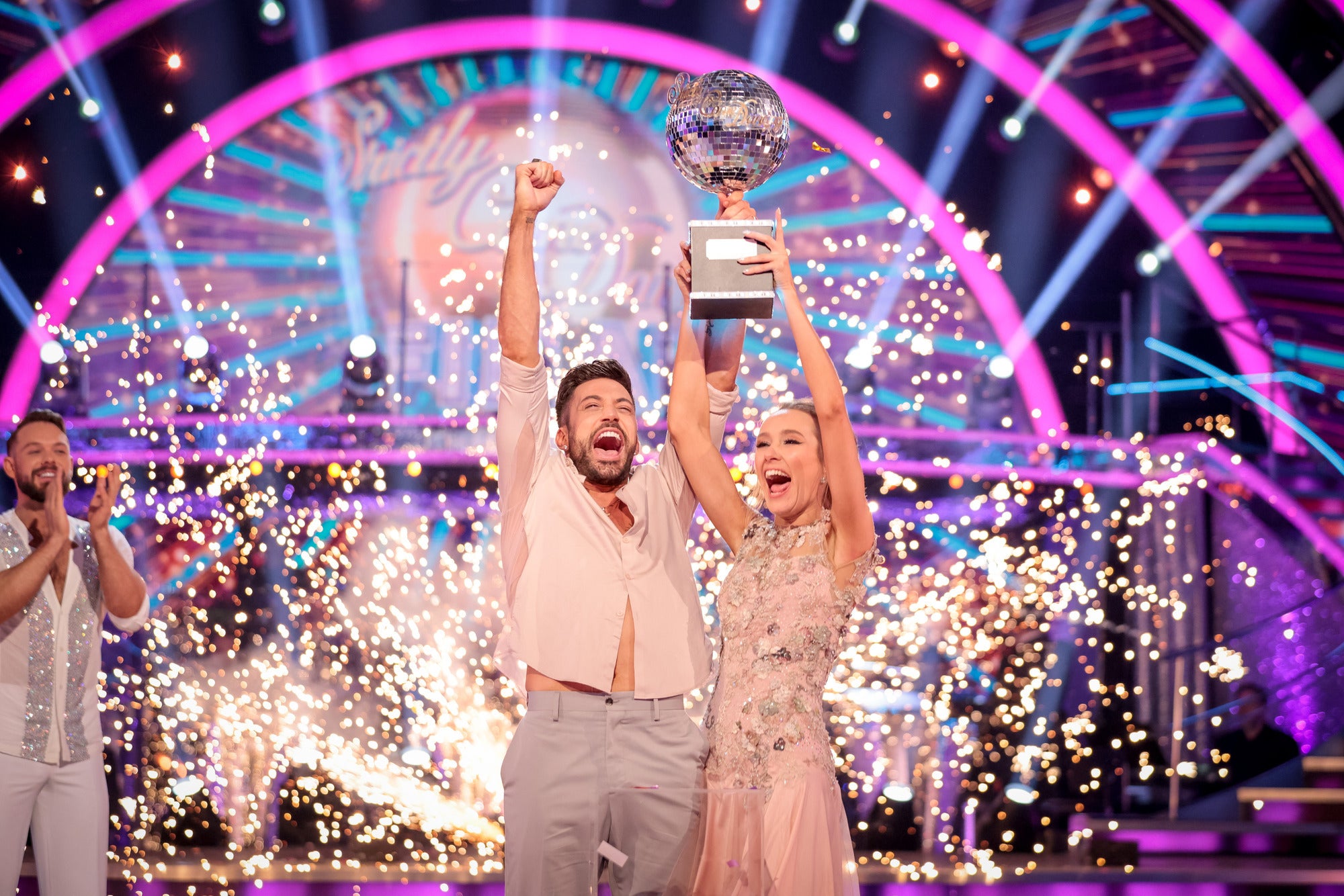
During this year’s final, he and Rose triumphed over John Whaite and Johannes Radebe, with the EastEnders star becoming the first ever Strictly winner with a physical disability.
Advertisement
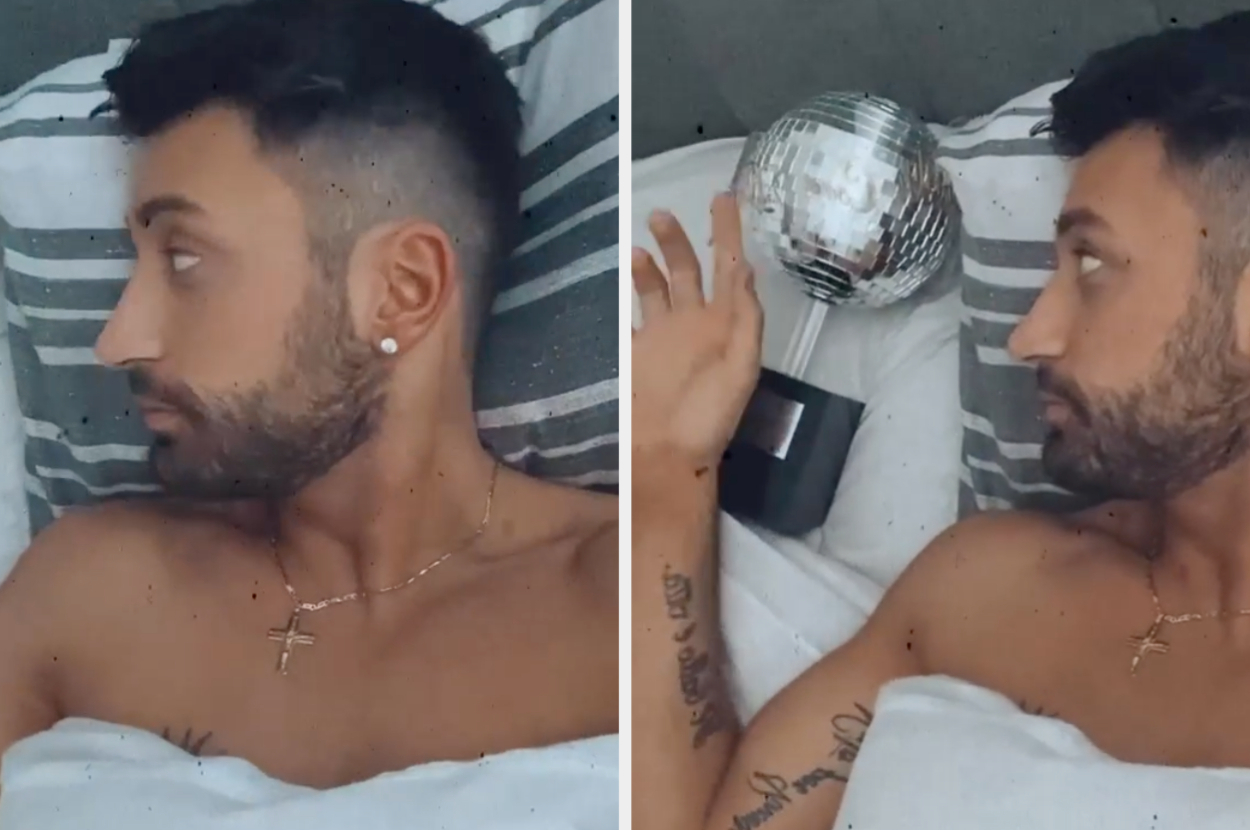
The following morning, the Italian dancer revealed a Strictly victory had been every bit worth the wait, in a cheeky Instagram post.
A short clip on his Instagram story showed him lying in bed looking longingly while Christina Perri’s romantic ballad A Thousand Years plays… only for it to be revealed he has the Glitterball trophy on the pillow next to him.
Advertisement
Giovanni was over the moon to have finally bagged the Glitterball trophy
Instagram/Giovanni Pernice
Meanwhile, Strictly fans on Twitter couldn’t help pointing out Giovanni’s win constitutes another 2021 victory for his home country of Italy, after Eurovision, the Euros and Giuseppe’s triumph in this year’s Great British Bake Off final…
What a fantastic year for Italy 🇮🇹 ! 🏆Strictly Come Dancing 🏆The Great British Bake Off 🏆UEFA European Championship 🏆Eurovision Song Contest ▶️👏A-MA-ZING 🇮🇹 🇬🇧👏◀️ pic.twitter.com/XdCYVbogly
Rose and Giovanni winning #Strictly means that Italy have won this, Bake Off, the 100 metres, Euro 2020, the high jump (with Qatar) and the winner of the Eurovision Song Contest.
After his and Rose’s win, Giovanni said: “I have to say thank you to this beautiful young lady who made all my dreams come true. It took me seven years to get that thing and you became the best dancer, the best teammate I could have asked for, you are a dream so thank you for everything.”
She added: “I just want to say you’re so amazing, you pushed me to believe in myself more than I believed in myself.
“You’re an incredible teacher and a wonderful friend and we have gone through a lot, and I just want you to know you’ve always got a piece of my heart.”
Strictly Come Dancing champion Rose Ayling-Ellis has been hailed as “a shining example to deaf and hearing people alike” by various charities, while her win has been celebrated as “a victory for the deaf community”.
The EastEnders star, who is deaf, has used an interpreter during the series and her Couple’s Choice dance, which she repeated during the final, shared her experiences of deafness and featured a long period of silence.
Advertisement
Disability equality charity Scope has now has called on more broadcasters to feature disabled people’s talents, saying there is still a long way to go to improve representation of disabled people on TV.
Yes, it’s a TV show. But there are deaf and disabled children at home watching @bbcstrictly tonight saying to themselves “I can do it”. And that’s magical.
Congratulations from all of us at Scope, @RoseAylingEllis. You have done yourself proud 💜
James Taylor, executive director of strategy at the charity, said: “For Rose Ayling-Ellis to have starred week after week on Saturday night prime time – and then lift the glitterball trophy – is a massive step forward.
Advertisement
Advertisement
“However, there is still a very long way to go until disabled people are featured fairly on screen. There are 14.1 million disabled people in the UK and their lives and stories are not being told.
“Seeing disabled people on TV will only help improve understanding and break down barriers.
“So, the fact that Rose’s journey has been beamed into living rooms week-in week-out is excellent progress and must be the start of real change.
Advertisement
“We have seen a victory for representation on our screens, challenging the stereotypes of what disabled people can do.
“We want more broadcasters to step up and feature the talents of disabled people.”
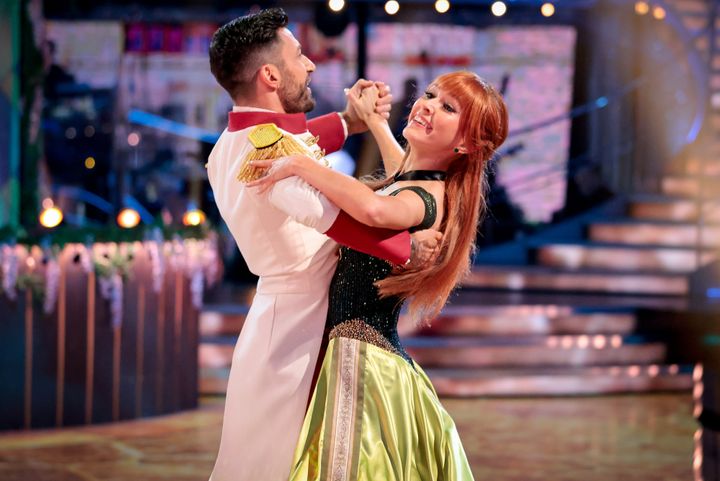
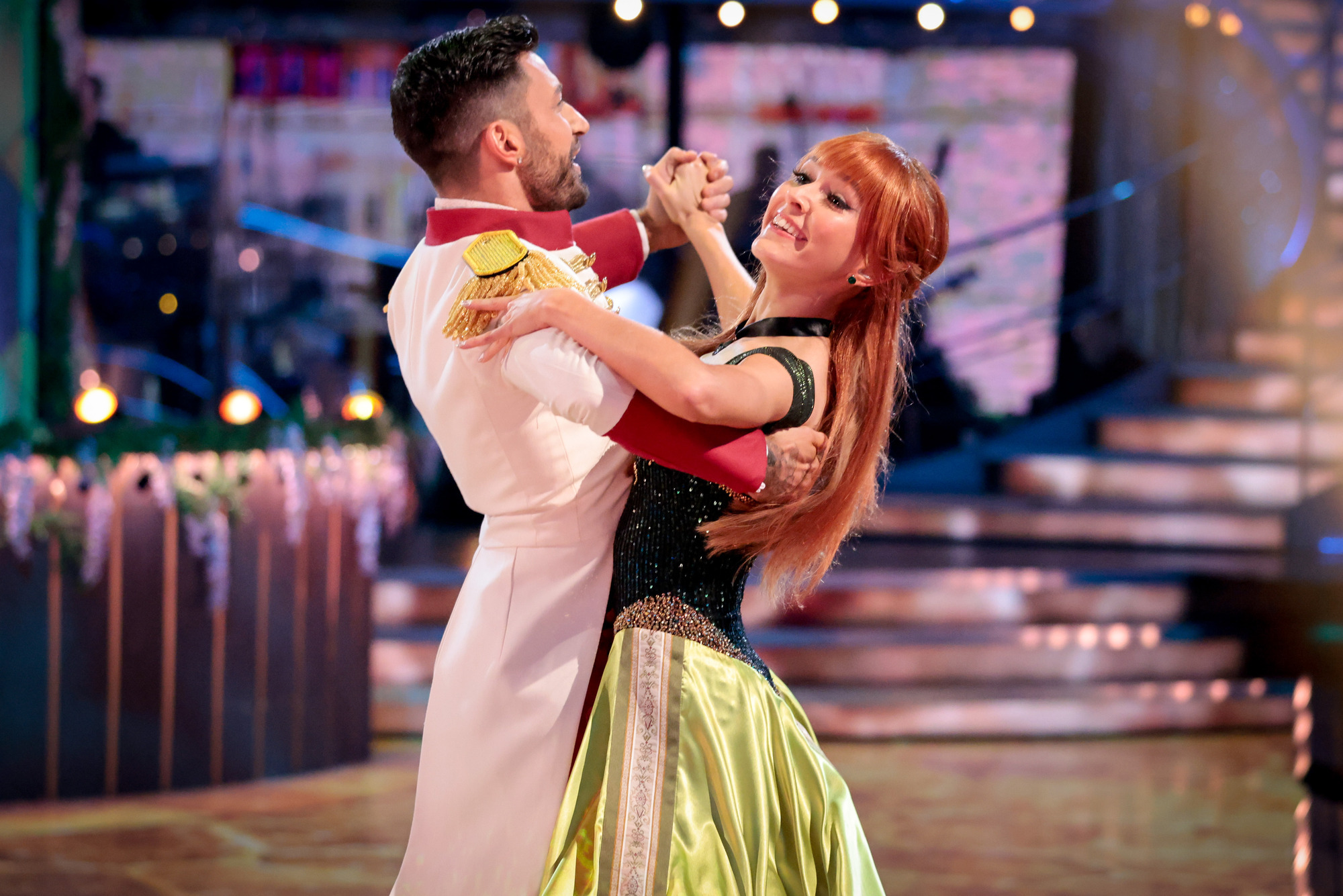
Rose also performed a number inspired by Frozen during the live final
BBC/Guy Levy
Mark Atkinson, chief executive at the Royal National Institute for Deaf People, said Rose’s appearance on the show has given audiences “a beautiful insight into the deaf community and deaf culture”.
He added: “Her victory isn’t just a personal achievement, but also a victory for the deaf community.
“She has shown that deaf people can do anything, if society addresses those barriers and provides the right access and support.
“Giovanni has been a perfect example of this, working with Rose and adapting his teaching style to help her succeed.
“At RNID, we are all thrilled that Rose has won, and we are confident that her legacy will mean lasting change for the one in six people who are deaf or have hearing loss.
Advertisement
“We hope Rose’s success will open up employment opportunities for deaf people and reduce barriers, and we’re excited to see what she will undoubtedly go on to achieve in her future career.”
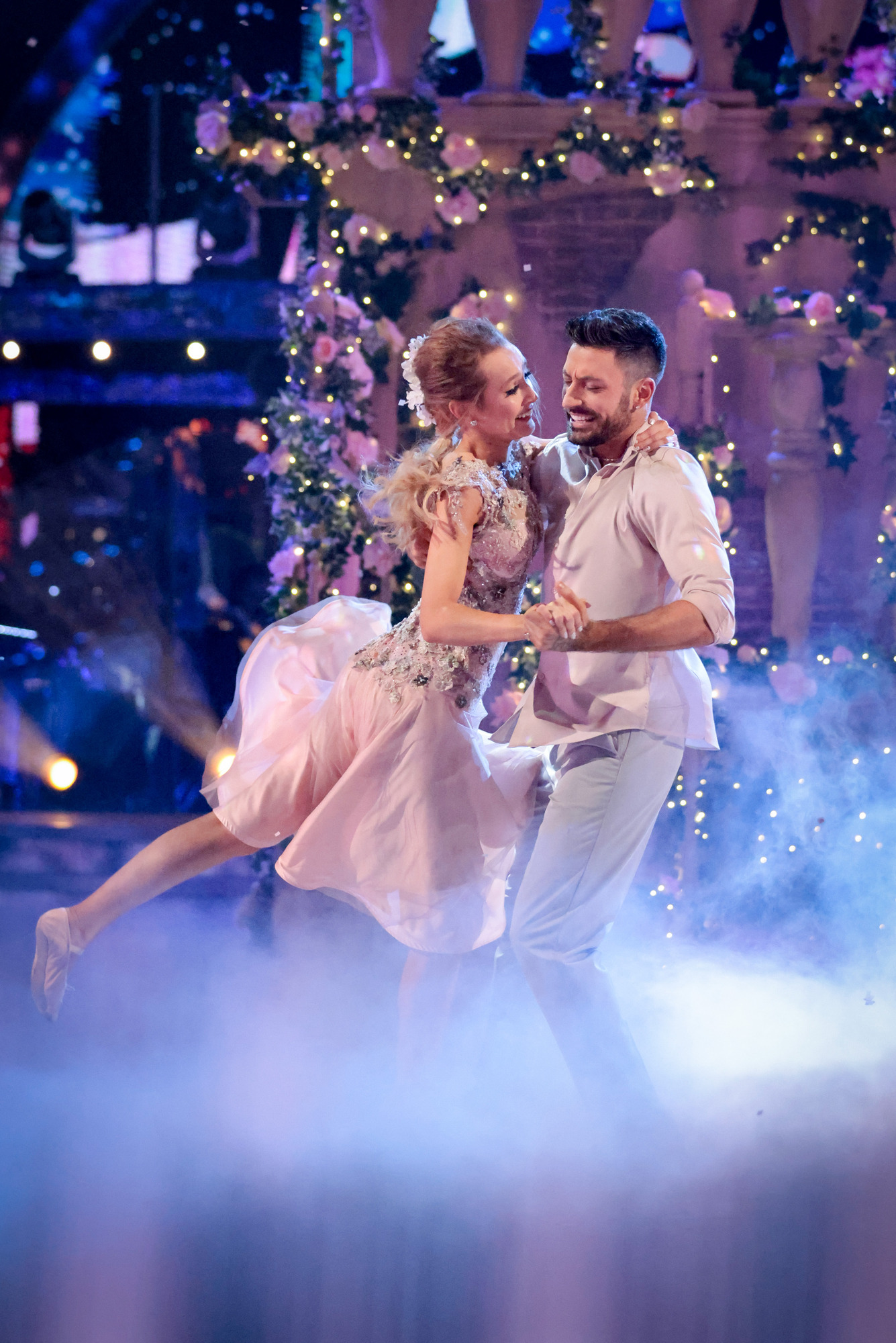
Rose Ayling-Ellis performing her Strictly show dance
She said: “It’s hard to overstate just what an impact Rose has made, not only on deaf children and young people, but also on the public’s understanding of deafness.
“Throughout her Strictly journey, she’s been a shining example to deaf and hearing people alike.
“This could be a new dawn for deaf children and young people everywhere because it’s clear for all to see that with the right support and the will to succeed, they can aim for the stars.
“Strictly may have come to an end, but we sincerely hope that this surge of interest in deafness and the desire to engage with deaf people continues long into the future.”
AJ Odudu and Kai Widdrington had originally been due to compete in the final, but was forced to withdraw due to a serious injury, meaning the show went ahead with just two competitors.
Fancy sneakers, baseball cards, comic books – there are many items people love to collect.
A Morning Consult survey from earlier this year suggested that millennials in particular are fans of collecting physical objects, as well as digital collectibles like NFTs (non-fungible tokens). Gen Xers were the second highest percentage of respondents who collect things. The survey also polled Gen Zers and baby boomers.
Advertisement
Of course, hobbyists have been collecting things like coins, stamps and books for generations. But is there something about collecting that might appeal especially to today’s young adults? HuffPost asked mental health experts to break down some of the potential factors.
There’s a sense of nostalgia and connection to childhood
Advertisement
“One of the reasons people collect is for the sake of nostalgia, or connection with something meaningful to them,” says Rachel Thomasian, a licensed therapist and owner of Playa Vista Counseling in Los Angeles. “Whether it’s art or dolls, there can be a connection to items. Often collecting helps people connect to their childhoods or a special time or person in their lives.”
In the early stages of the Covid-19 pandemic, many of us took a renewed interest in things we did as kids. For millennials, this meant tie-dying, doing puzzles and playing video games, among other things.
Advertisement
“A lot of people turned to ways to reconnect with their childhood,” says Jocelyn McDonnell, a licensed clinical professional counsellor and member of the cognitive behavioural therapy team at the Family Institute at Northwestern University. “Many millennials collected things as a hobby growing up – like Pokémon cards and sports cards. I think some people have re-looked at these hobbies for the first time during the pandemic.”
Collecting fosters feelings of accomplishment and power
“For some, there is a thrill and sense of accomplishment that comes along with acquiring an entire collection,” Thomasian says. “For us millennials, I can’t help but wonder if growing up with the catchphrase ‘collect them all’ and during a time when we sought to complete a collection of McDonald’s toys has something to do with our tendency to collect.”
She also pointed to the financial challenges millennials face with stagnant wages, rising debt and increased housing and healthcare costs that have become their reality.
Advertisement
“I bet there is a sense of accomplishment that comes from being able to buy and collect things that is deprived of most millennials,” Thomasian says. “Previous generations were able to buy homes more easily and feel pride in that, but when that doesn’t feel as much of an option, people can seek that same feeling from other items.”
McDonnell similarly notes that collecting can offer a feeling of power and achievement.
“Ask someone who’s really into collecting what they’re gaining from it – enjoyment, fun and maybe it’s a status symbol in some ways,” she says. “It’s the idea that ‘Maybe I can pay for this rare card now, but I couldn’t when I was 10.’”
There’s a feeling of hope in building a collection
Collecting can help millennials reconnect with the simpler and in some ways happier times of their youth. But it can also offer a sense of hope and promise for the future.
“Many millennials are weathering the effects of the second recession of their short working lives, which has had a very specific impact on their conceptualization of what paths their lives were supposed to take,” said Jenny Maenpaa, a New York-based psychotherapist.
A lot of millennials entered the workforce in a shaky economy that limited their earning potential, and may have found themselves in a similar position during the pandemic – but with more responsibilities like children and ageing parents. As a result, it makes sense they might turn to something from a more hopeful time.
“For many millennials, who grew up collecting POGS and Beanie Babies, the idea of collecting something tangible is comforting and represents a time when they felt more hope for the future and none of the existential dread that grips many today,” Maenpaa says. “Collecting items also implies that you still believe you will have a home to fill someday with things that matter to you, even if you aren’t in that position today and have no idea how you’re going to get there.”
Richard Newstead via Getty Images
There’s a sense of accomplishment in curating a collection of items you love.
A sense of security is something many of us have been craving amid the uncertainty of the pandemic. We need tangible rewards and proof that we have some power and agency in our lives.
“So much is out of our control during Covid that the little dopamine hit of collecting another item is especially rewarding and in our control,” says Rachel Kazez, a Chicago-based therapist and the founder of All Along, a resource to help people find therapy and understand mental health.
Indeed, the act of locating and procuring something for a collection can activate the pleasure centre of the brain, so this hobby can provide a feeling of comfort and stability.
“As a therapist I see more people collecting things as a way to comfort or self-soothe,” says Kati Morton, a licensed marriage and family therapist in Santa Monica, California. “Having things they love around them can help them feel more at home, or remind them of happier times. I have even had a few patients collect things as a way to always have ‘home’ with them because they moved a lot as children.”
Between 9/11, the financial crisis and the pandemic, millennials experienced a lot of stress and uncertainty during particularly formative years.
“The trauma and stress millennials have gone through during key times in their life makes them more likely to collect things as a way to self-soothe or comfort themselves,” Morton says.
Collecting can help people connect with others.
“Collecting objects might be for fun, because it is part of an interest or to fit in and be seen to be part of a ‘tribe,’” says Noel McDermott, a London-based psychotherapist. “Consuming is a core activity in our culture and overproduction of things is a feature of our times. Whereas collecting in the past was the preserve of the wealthy and idle few, it is much more widespread now.”
McDermott pointed to the large social media communities and groups of people who follow influencers who focus on particular collections or items. Being “in the know” and up to date with the latest trends can feel good, especially in the age of FOMO.
“I think millennials collect for both a sense of individuality and community,” says Meg Gitlin, a psychotherapist in New York and the voice behind the therapy insight Instagram City Therapist. “This may seem paradoxical but I think both are true. Many collectors are involved in larger groups with the same interests, but there’s also something ‘special’ about claiming ownership over something that’s hard to find and fully understand.”
Advertisement
She also believes that living through the major shift into the digital world and internet age might have something to do with millennials’ interest in collecting items.
“I would imagine that for people like me, collecting is a way to preserve an attachment to meaning in the physical world,” Gitlin says.
San Francisco Chronicle/Hearst Newspapers via Getty Images via Getty Images
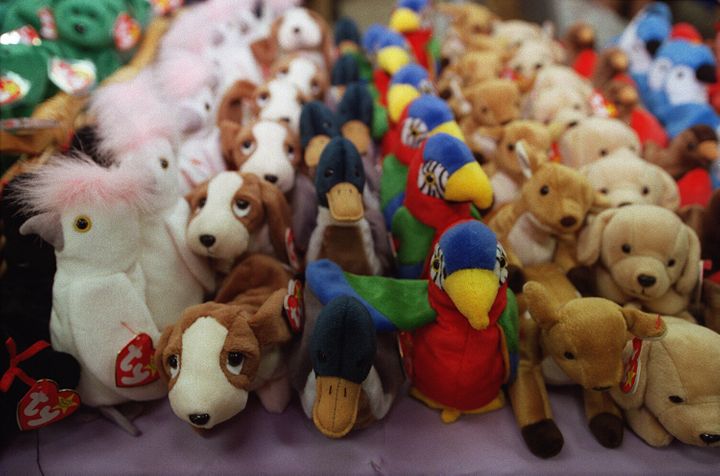
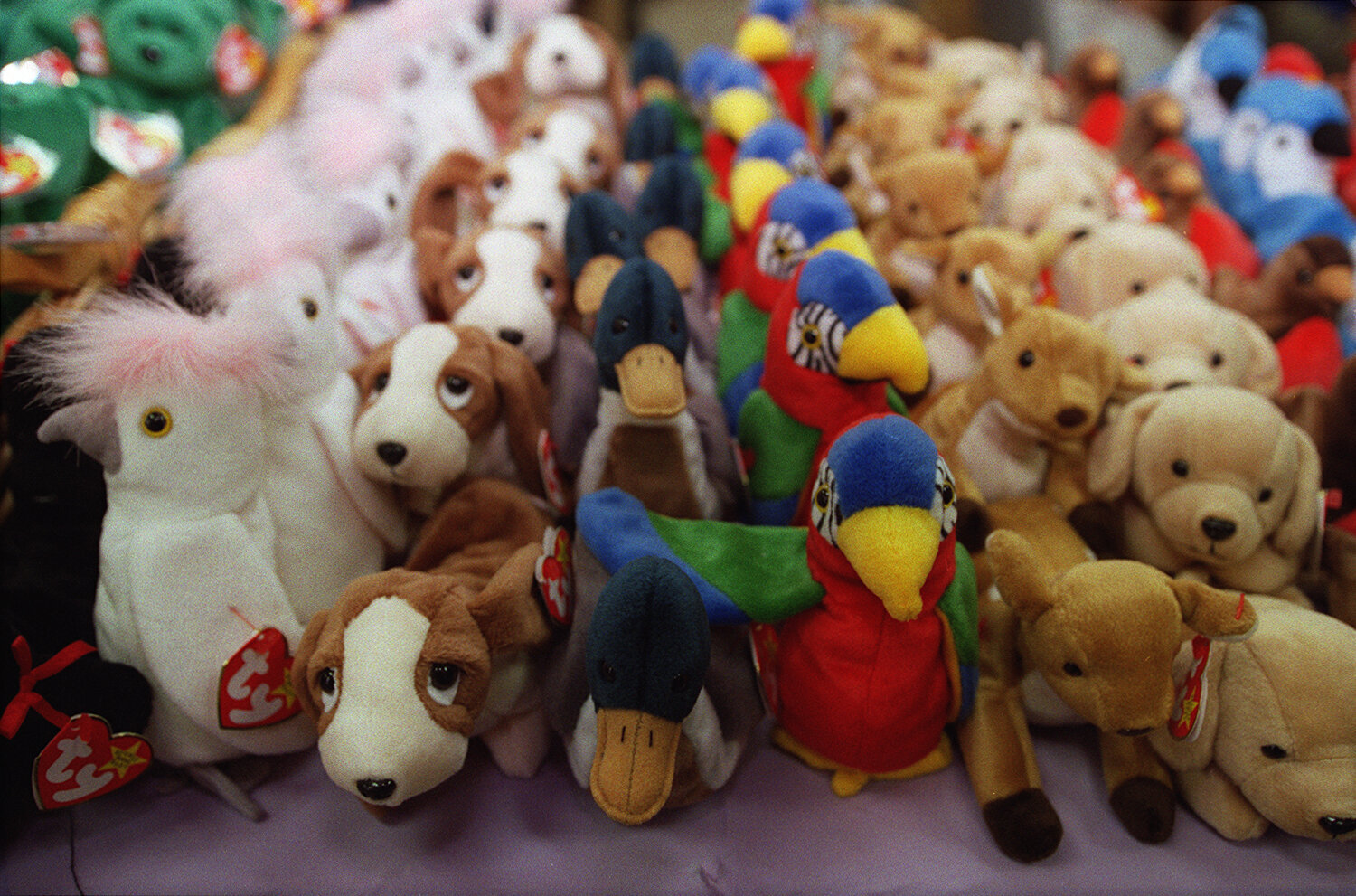
There are still online communities dedicated to selling and collecting Beanie Babies.
It’s a form of self-expression
As Gitlin noted, collecting can be about both communal connection and individual expression.
“Objects are an extension of ourselves,” Mueller says. “What we choose represents us. They define us as people and are a form of self-expression. Collecting in a specific area is the ultimate self-expression.”
Collecting vintage postcards might be a way to show your interest in history, travel and art. What you collect is a reflection of what you prioritise in your discretionary spending. Your interest in collecting could also be about a specific childhood trauma or defining experience.
“For some, it can be filling an emotional void,” says Gina Moffa, a psychotherapist in New York. “For any reason, the key is having an emotional attachment to the items and putting individualised meaning upon them. The key is in knowing and understanding which of these categories one may fall into when looking at the need to collect.”
They might be investing in the future
“Collecting can be a great way to make and keep memories,” said Kathryn Smerling, a New York-based psychotherapist. “However, people are also collecting to resell. It’s also entrepreneurial, not necessarily to hold on to things.”
Indeed, millennials have witnessed the ways collectibles can grow in value over time – including our own childhood toys like American Girl dolls and Beanie Babies. Collecting items can therefore feel like a form of investing.
Advertisement
“Our internet savvy leads us to up the ante on the search and gives us the skills to scour the ins and outs of the internet for the item we are collecting,” Gitlin says. “Additionally, I think our generation has seen how collectors’ items have gone up in value exponentially. We are able to enter the market for ourselves and buy something that could potentially (and likely) triple or quadruple in value.”
And now the investment includes digital collections as well – whether it’s cryptocurrency or NFTs.
“Digitally savvy, millennials as a group are in a unique position right now with collecting,” says Sue Varma, a psychiatrist in New York. “For the most part, millennials are not intimidated by geographic boundaries – in the art world or elsewhere – making their access to collectibles that much larger. In fact, they are leaning more towards the online art viewing and Instagram-only art collections.”
In addition to investing in potential financial growth, she notes that collecting can be a way to invest in yourself and your day-to-day happiness.
“Because of the pandemic, more millennials are spending a lot more time in their homes,” Varma says. “And they are willing to spend on art, sports memorabilia and collectibles to make their homes more welcoming.”
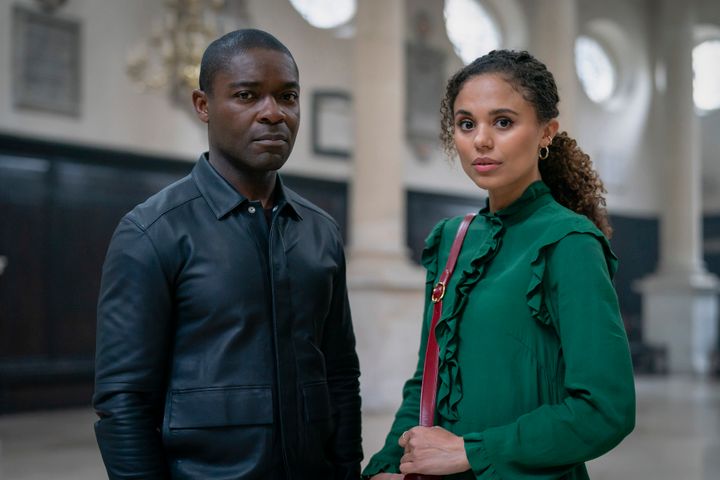
If you’ve already had enough of cheesy Christmas films and festive TV specials then BBC One might have just the thing to keep you entertained this week.
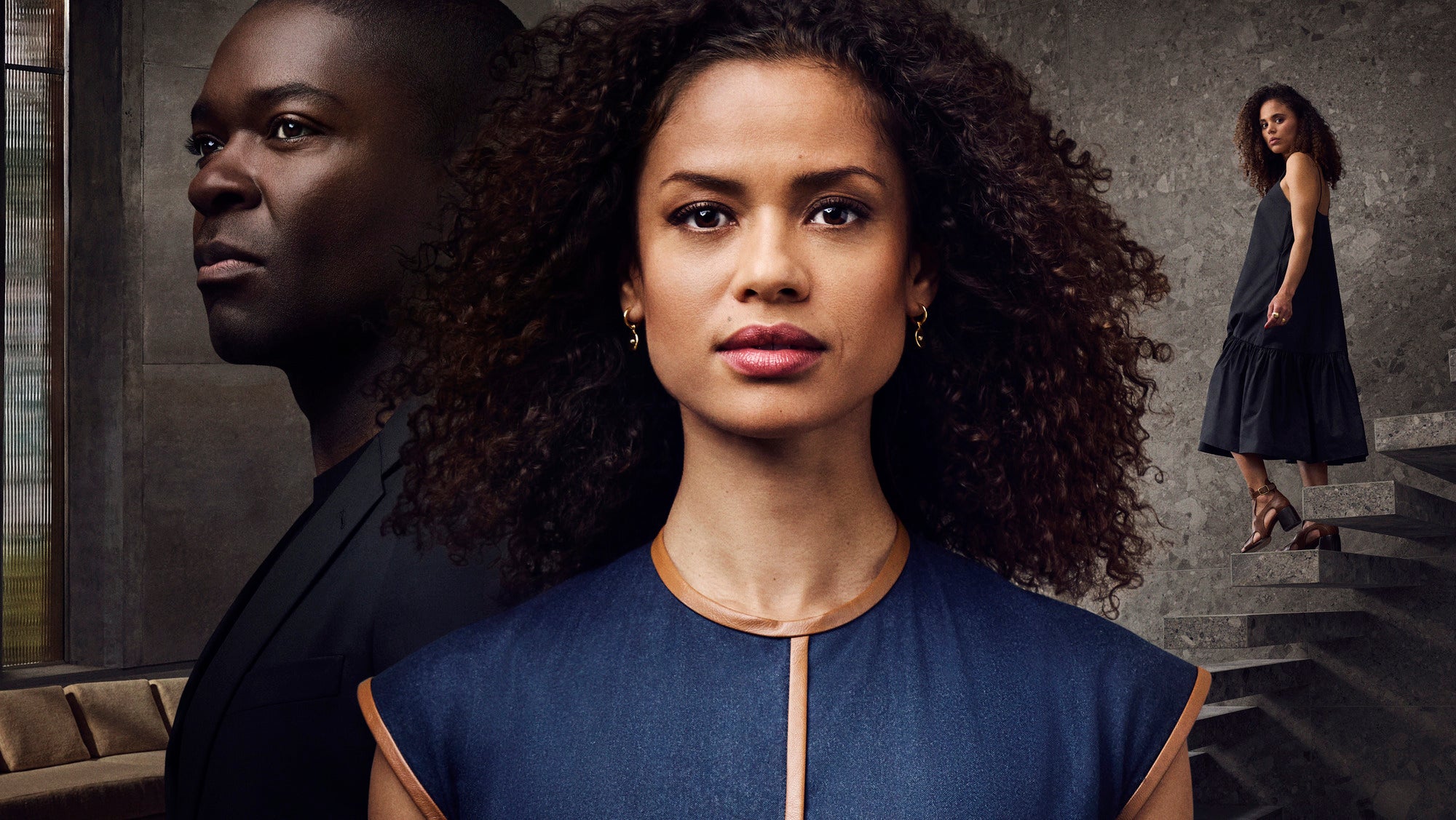
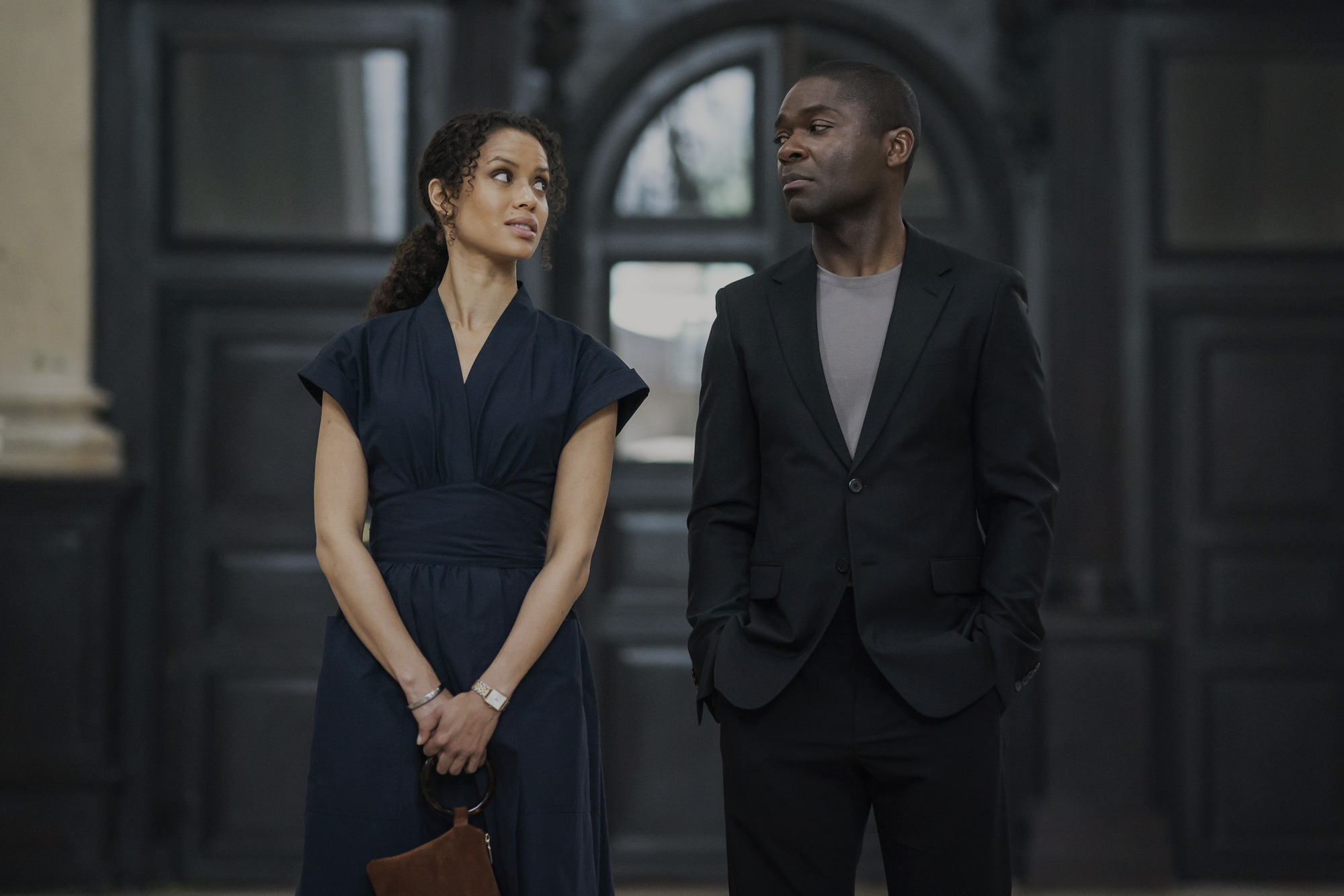
New four-part thriller The Girl Before is set to air across four consecutive nights in the lead-up to the big day, and it is certainly an antidote to the usual Christmas schmaltz.
Advertisement
If that sounds like something up your street and you want to know more, here’s what we can tell you about it…
What is The Girl Before about?
Advertisement
According to the BBC, The Girl Before “tells the story of Jane, who gets the chance to move into a beautiful, ultra-minimalist house designed by an enigmatic architect.
“There’s just one catch: the occupants must abide by his list of exacting rules. Jane starts to feel the house changing her in unexpected ways, but when she makes the shocking discovery about her predecessor Emma (Jessica Plummer), she’s forced to confront unnerving similarities. As the two women’s timelines interweave, Jane begins to question if her fate will be the same as the girl before…”
Advertisement
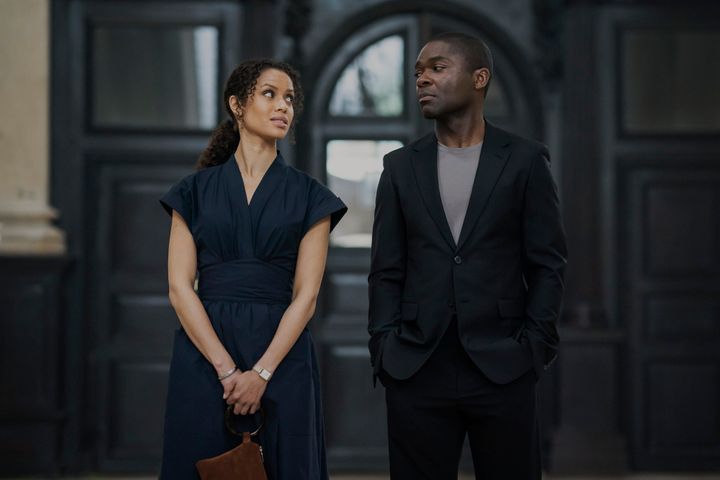
Jane moves into One Folgate Street
BBC/42/Amanda Searle
Who is in The Girl Before cast?
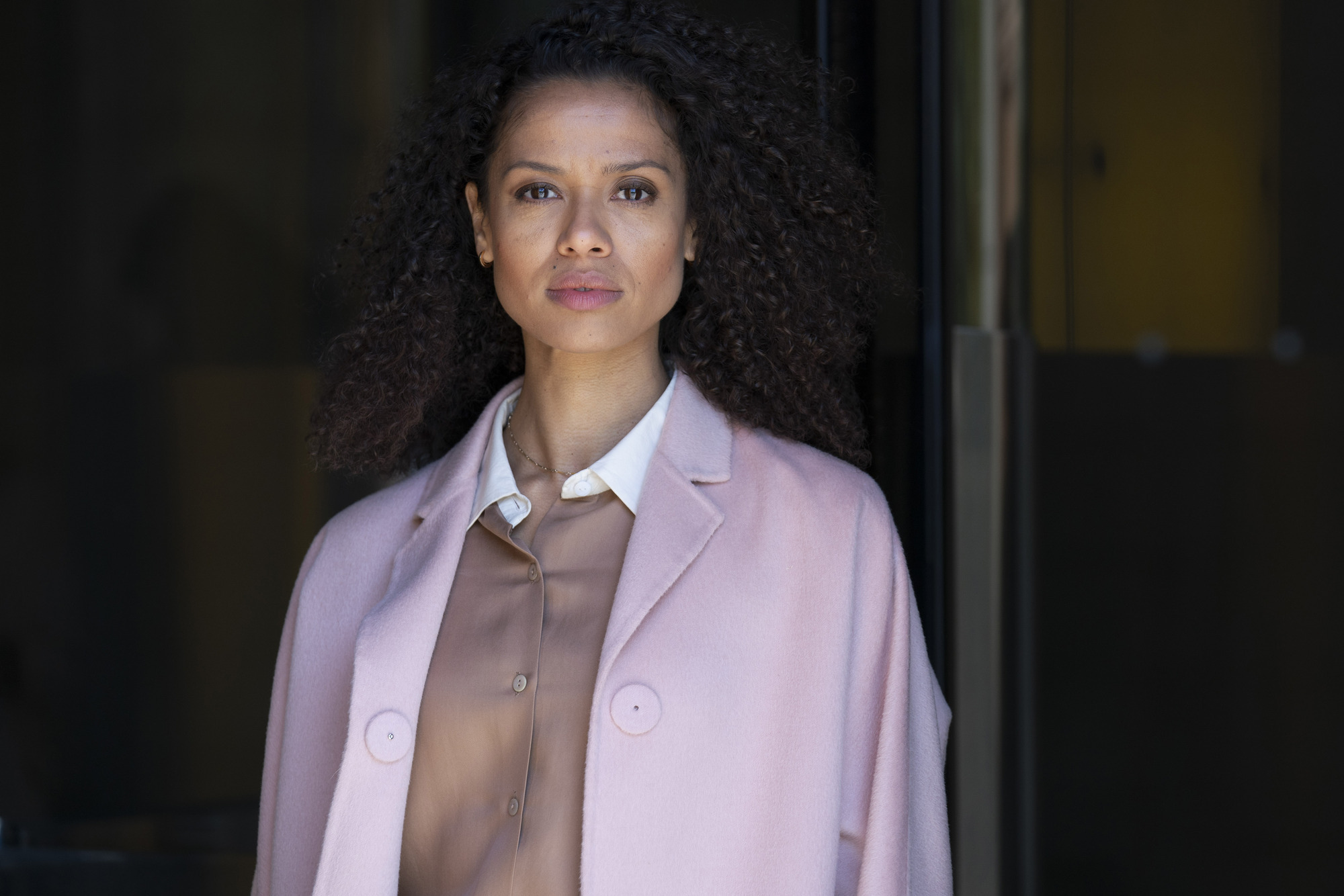
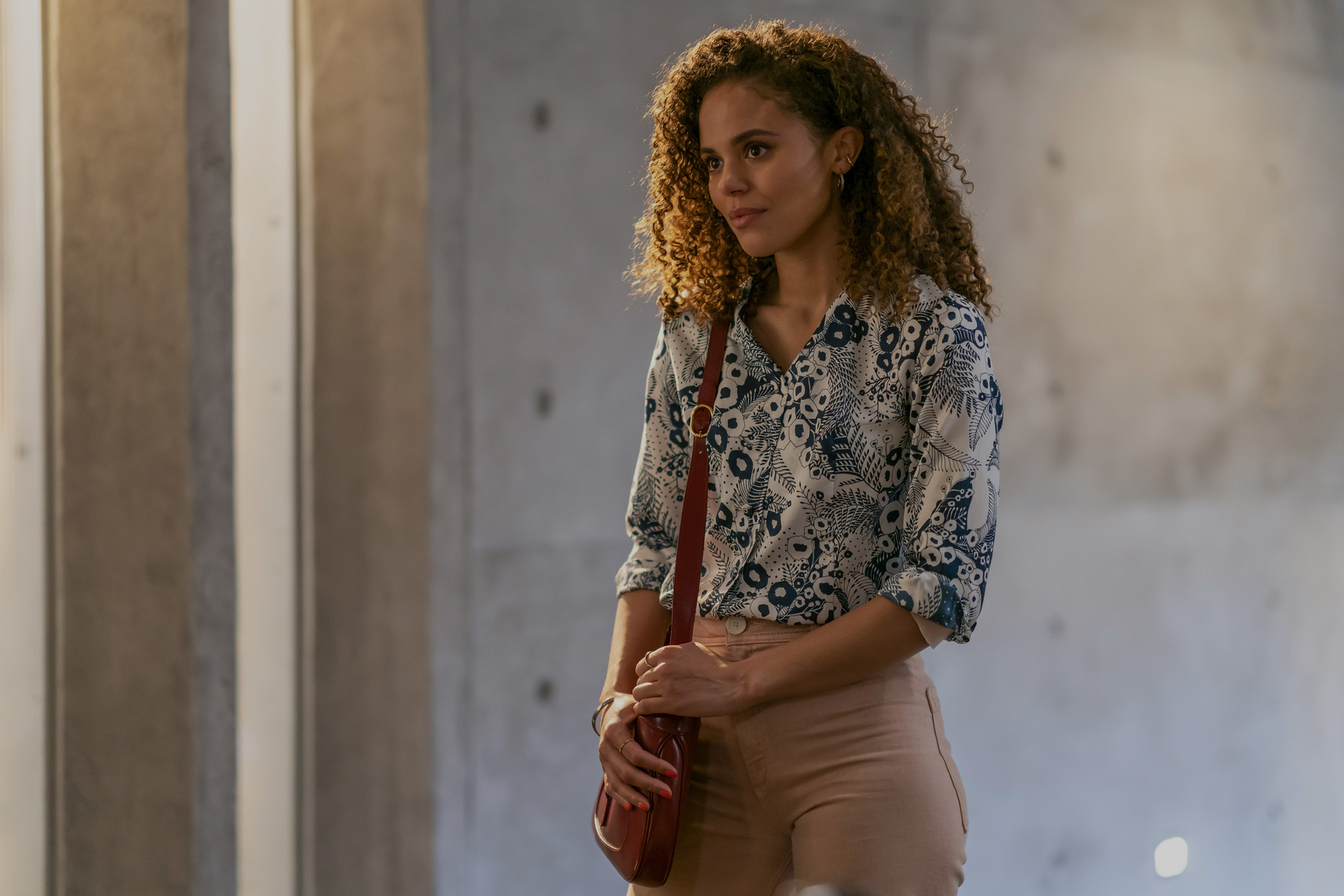
Gugu Mbatha-Raw (The Morning Show, Loki, Black Mirror) plays Jane Cavendish, a financial PR exec who takes solace in One Folgate Street.
Having been shell-shocked by a recent trauma, the minimalist house is a retreat from Jane’s strife, and the discipline required to live there chimes with her own work ethic and high standards. However, the mystery of what happened to the girl who lived there before soon begins to consume her.
“She’s incredibly raw on the inside,” Gugu says. “One Folgate Street really explores the opportunity for Jane to have a fresh start, but how all those things are still tormenting her in the house.”
Advertisement
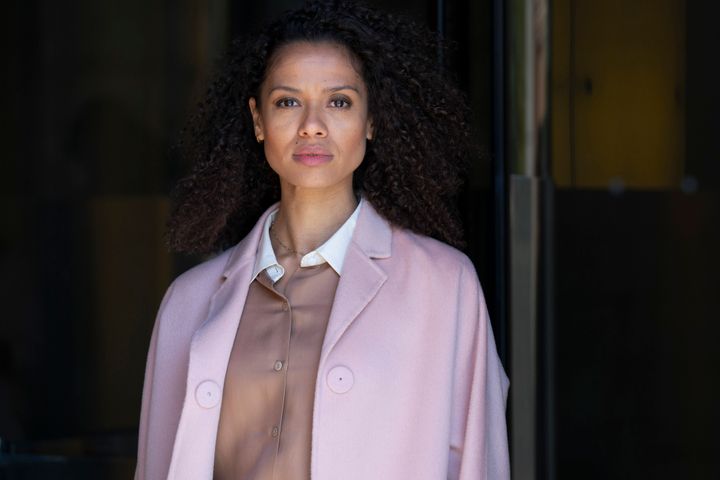
Gugu Mbatha-Raw plays Jane
BBC/42/Amanda Searle
Jessica Plummer (EastEnders, I’m A Celebrity) plays Emma Matthews, the woman who previously lived at One Folgate Street.
Emma moves into the house at a point in her life where she is unsatisfied with her career and partner, and is still traumatised by two separate acts of violence in her past, which she has always felt too ashamed to share.
Jessica says: “Emma uses distractions as a coping mechanism. She wants to put to bed things that aren’t working anymore and reinvent herself all over again.”
However, while she hopes to find security and safety, her life soon spirals out of control.
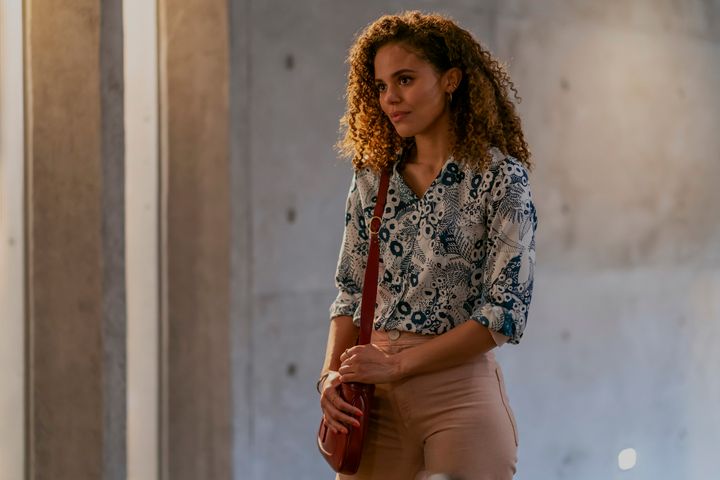
Jessica Plummer as Emma
BBC/42/Amanda Searle
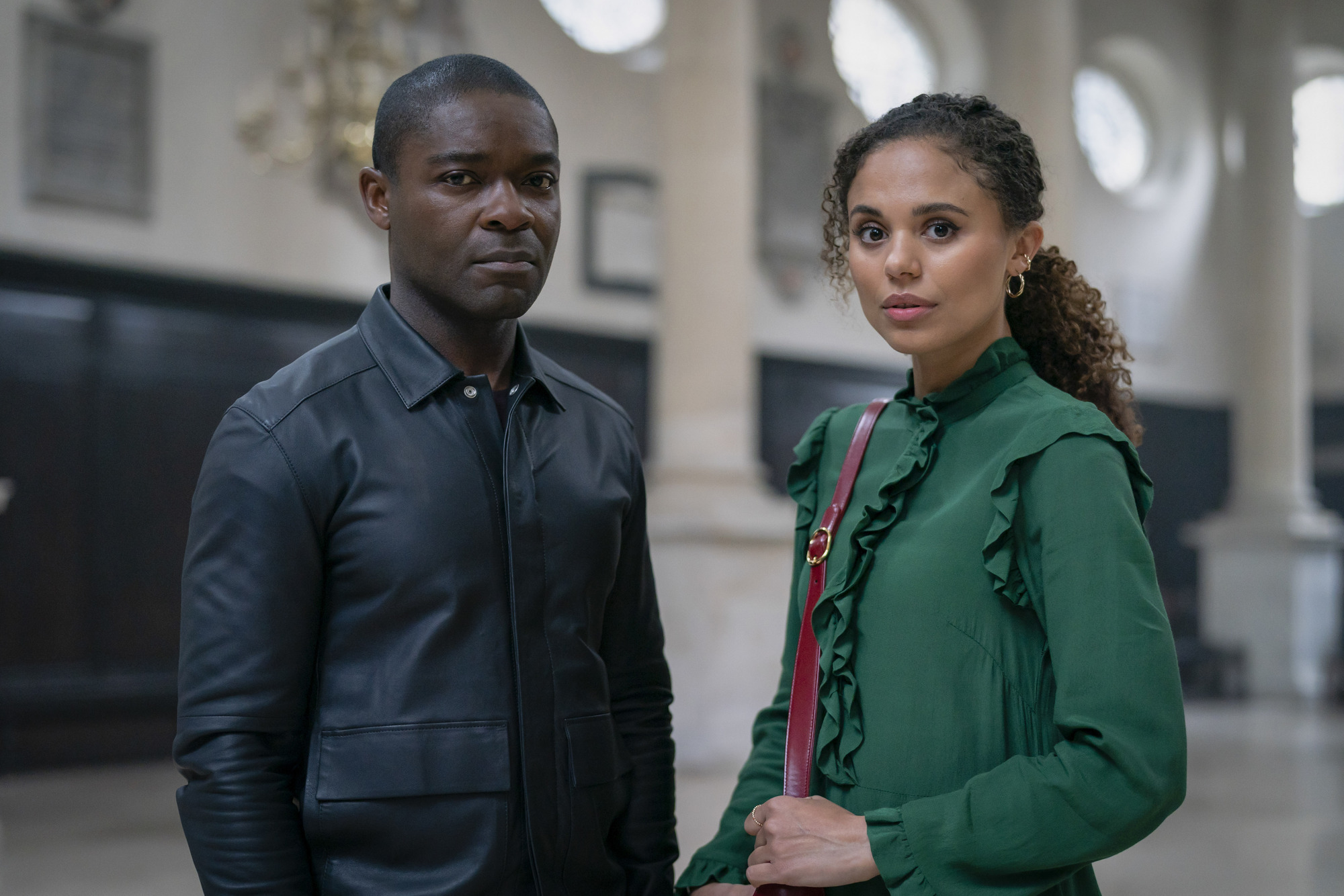
David Oyelowo (Selma, Nightingale, Spooks) plays Edward Monkford, the successful but enigmatic architect of One Folgate Street. Edward is described as being such a perfectionist that the slightest flaw in his surroundings causes him almost physical pain, while his grief has manifested itself into the extreme minimalism present in his architecture.
“He also has this fascinating condition called repetition compulsion,” David explains.
“In speaking to some therapists for research, I found that we all have a certain degree of this going through life and either making the same mistakes or making some of the same choices – basically habitually finding ourselves in situations that may or may not be healthy for us… It was intriguing to explore that, but then also the concept of this guy who is trying to control his life, manipulate his life, be fully in the driving seat of his life to a very unhealthy degree.”
Viewers will be left wondering if Edward is dangerous, or merely damaged, and whether he is a victim, or a killer…
David Oyelowo plays Edward
BBC/42/Amanda Searle
Ben Hardy (Bohemian Rhapsody, X-Men: Apocalypse, EastEnders) plays Simon Wakefield, Emma’s partner. He suspects Emma is out of his league and will do anything to make her feel he’s “the one” for her.
“He’s very much a beta to Edward’s alpha male,” Ben says. “The character is very submissive… he beats himself up for being so submissive because he wants to be the alpha.”
Advertisement
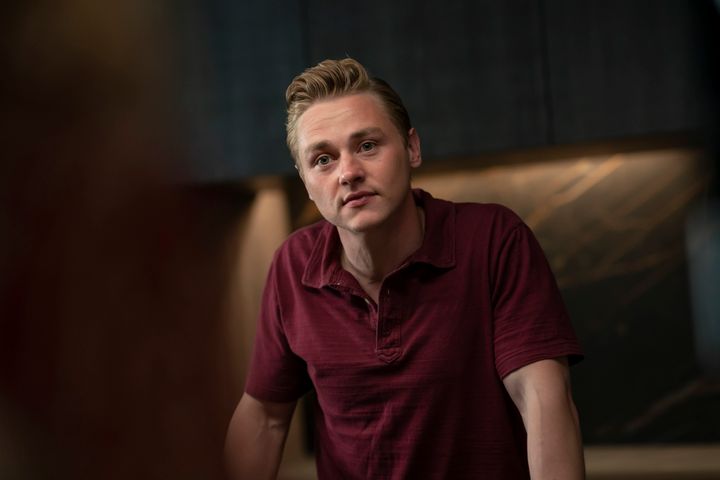
Ben Hardy plays Simon
BBC/42/Amanda Searle
What book is The Girl Before based on?
The Girl Before has been adapted for TV from the the 2016 novel of the same name by author JP Delaney.
After the book’s release, it became an instant New York Times and Sunday Times bestseller and sold over a million copies in 40 countries.
The writer has also published titles including The Perfect Wife, Believe Me and Playing Nice.
JP Delaney is a pseudonym with the same author having also published the Carnivia trilogy under the name Jonathan Holt, and titles including The Food Of Love, The Wedding Officer and Undressing under the name Anthony Capella.
The show airs over four nights from Sunday
BBC/42/Amanda Searle
How does the TV adaptation differ to the book?
According to JP Delaney, who also worked on the script for the TV series, it is “simpler” plot-wise than the book as some of the “twists and turns” had to be cut out. That said, he assures readers that the show has ended up being “very similar as an overall plot”.
However, he notes that the main difference is that the book “is very much within its genre” as a thriller, so is “all about the plot and pace”, whereas the TV series is “more nuanced and character-driven than the book”.
“In TV, you have a chance to unpack people’s characters a bit more… That’s been one of the most fun things about doing it,” he adds.
When is The Girl Before on?
Advertisement
The Girl Before airs from Sunday 19 to Wednesday 22 December at 9pm on BBC One, with episodes available to stream on iPlayer.
After what was undoubtedly one of the most exhausting years in living memory, it will no doubt come as a relief that the way Christmas and Boxing Day have fallen in 2021 means we’re in for a bumper string of Bank Holidays.
More days off means more time to sit at home watching films, and this year there are some real corkers to tune in for.
Advertisement
Here’s our guide to the most unmissable of the lot – plus who they’re such ideal viewing for…
Moana
Advertisement
Shutterstock
When’s it on? 20 December at 3.05pm on BBC One
Perfect for: When you’re sick to death of the British winter weather and are in dire need of some sunny escapism… even if the scenic view in question is completely CGI.
Advertisement
Crazy Rich Asians
Sanja Bucko/Warner Bros/Kobal/Shutterstock
When’s it on? 22 December at 10.35pm on BBC One
Perfect for: If you’re in the mood for a rom-com, but you’re not quite near enough to Christmas to break out The Holiday and Love Actually.
Die Hard
Advertisement
Moviestore/Shutterstock
When’s it on? 22 December on at 10.45pm on BBC One
Perfect for: Those with strong feelings about whether Die Hard qualifies as a Christmas film, who feel like proving a point to anyone in the immediate vicinity.
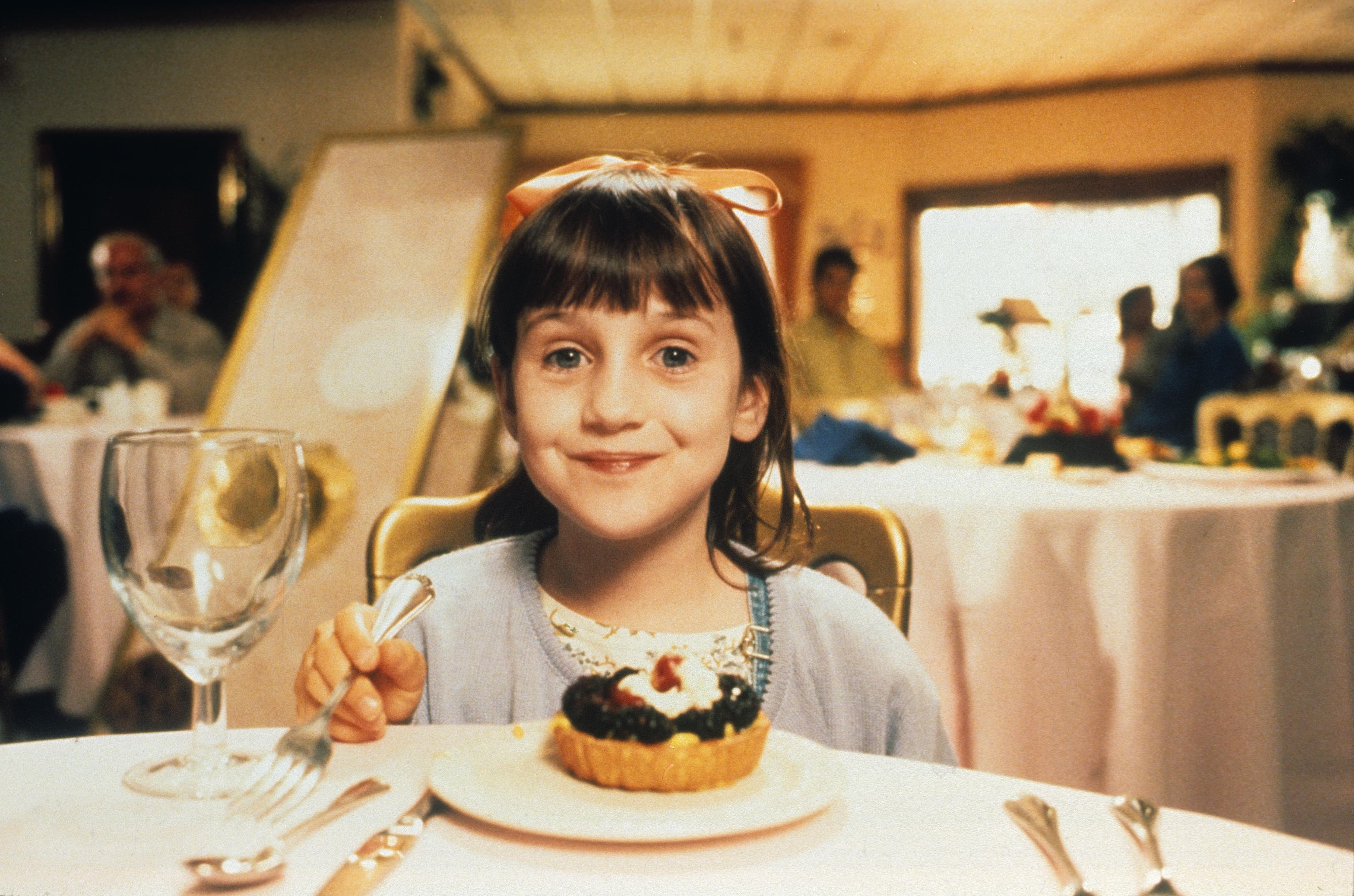
Matilda
Tri Star/Kobal/Shutterstock
When’s it on? 23 December at 5.10pm on Channel 4
Perfect for: Let’s be honest, when’s it not the “perfect” time for the cosiness and magic of Matilda?
The Holiday
Moviestore/Shutterstock
When’s it on? 23 December at 11pm on ITV
Perfect for: Getting the ball rolling on a few days’ worth of non-stop Christmas films and TV specials with a comfort film you’ve seen a million times before.
Frozen
When’s it on? Christmas Eve at 1.30pm on BBC One
Advertisement
Perfect for: Anyone who has some little ones that you might need to distract while you do some last-minute Christmas wrapping.
It’s A Wonderful Life
Moviestore/Shutterstock
When’s it on? Christmas Eve at 2pm on Channel 4
Perfect for: If you’ve got a couple of hours free to have your heart broken and then put back together again.
When’s it on? Christmas Eve at 2.15pm on Channel 5
Perfect for: That moment the dysfunction levels reach new highs, and you need to remind yourself that it could be worse.
Home Alone
Moviestore/Shutterstock
When’s it on? Christmas Eve at 6pm on Channel 4
Perfect for: When nothing says Christmas quite like watching an intruder getting smacked in the face with a paint can.
Advertisement
Don’t Look Up
NIKO TAVERNISENIKO TAVERNISE/NETFLIX
When’s it on? Christmas Eve on Netflix
Perfect for: If you’ve well and truly reached your tolerance for festive cheer, and need a bit of a break from it all.
Meet Me In St Louis
Moviestore/Shutterstock
When’s it on? Christmas Day at 12.50pm on BBC Two
Perfect for: Those who understand that no one is ever going to top Judy’s version of Have Yourself A Merry Little Christmas.
Mary Poppins Returns
Jay Maidment/Walt Disney/Kobal/Shutterstock
When’s it on? Christmas Day at 3.10pm on BBC One
Perfect for: The whole family, which makes it the perfect Christmas Day watch. And trust us, even the most cynical fans of the original 1964 classic will be charmed by this star-studded modern follow-up.
Chitty Chitty Bang Bang
Advertisement
Moviestore/Shutterstock
When’s it on? Christmas Day at 3.15pm on Channel 5
Perfect for: Those who think they’ve overcome their childhood fear of the Child Catcher (spoiler alert, you probs haven’t).
Love Actually
Peter Mountain/Universal/Dna/Working Title/Kobal/Shutterstock
When’s it on? Christmas Day at 10.40pm on ITV
Perfect for: When everyone is starting to wind down and you can finally put your festive fave on without any interruptions.
When’s it on? Christmas Day at 12.20am on Channel 4
Perfect for: When you’re absolutely not ready to call it a night, and a critically-acclaimed Oscar-nominated film is as good a reason to stay up as any.
Paddington
Moviestore/Shutterstock
When’s it on? Boxing Day at 4.20pm on BBC One
Advertisement
Perfect for: Literally everyone, so whoever you happen to be spending Boxing Day with, this is a great one to sit them in front of.
Sister Act
Suzanne Hanover/Touchstone/Kobal/Shutterstock
When’s it on? Boxing Day at 5.10pm on Channel 5
Perfect for: Anyone in need of a really big laugh.
Dirty Dancing
Vestron/Kobal/Shutterstock
When’s it on? Boxing Day at 8pm on Channel 5
Perfect for: One maaaassive nostalgia trip.
A Star Is Born
Warner Bros/Kobal/Shutterstock
When’s it on? 27 December at 10.05am on BBC Two
Perfect for: Anyone who feels like using the Bank Holiday as an excuse to dive into some classic cinema. Trust us, this is a brilliant place to start.
Advertisement
My Fair Lady
Snap/Shutterstock
When’s it on? 27 December at 1.10pm on Channel 5
Perfect for: Anyone who wants to see the above outfit in motion (which, we assume, is everyone).
Misery
Castle Rock/Columbia/Kobal/Shutterstock
When’s it on? 28 December at 11.15pm on Channel 4
Perfect for: If four days’ worth of Christmas cheer has got you in drastic need of the antidote to all things festive.
Inside Out
Inside Out
Moviestore/REX/Shutterstock
When’s it on? 29 December at 1.40pm on BBC One
Perfect for: When you need a bit of Pixar magic in your life.
Absolutely Fabulous: The Movie
Advertisement
Absolutely Fabulous
Moviestore/Shutterstock
When’s it on? 29 December at 12.55am on BBC Two
Perfect for: If you’ve been a bit naughty over Christmas and need to watch people being even naughtier to make you feel better.
Judy
David Hindley/BBC Films/Kobal/Shutterstock
When’s it on? 30 December at 9pm on BBC Two
Perfect for: If you’ve enjoyed Meet Me In St Louis and A Star Is Born and feel like learning a bit more about the woman at the centre of them all.
The countdown to the biggest night in British music is officially on.
On Saturday, the Brit Awards announced the contenders for next year’s awards show, with some of the most popular UK acts in the industry in the running for the top prizes of the night.
Advertisement
It’s probably no surprise that Adele is among the top nominees leading the way this time around, with Ed Sheeran, Dave and Little Simz joining her on four nods each.
All four of these artists are in the running for the coveted Album Of The Year prize, as well as being nominated in the inaugural Best British Artist category, after organisers ditching gendered awards ahead of the 2022 ceremony.
Advertisement
Meanwhile, in what organisers have described as another move towards inclusivity, new genre-specific categories have been introduced for acts representing Pop/R&B, Alternative/Rock, Hip-Hop/Grime/Rap Act and Dance music.
Sam Fender and Little Simz are among the top nominees of the year
Strictly Come Dancing star Anton Du Beke has said he hopes to retain his seat on the panel in the future as his first year as an official judge comes to an end.
Having made no secret of his hopes to become a Strictly judge in the past, the former long-serving professional finally got his wish this year, when he was recruited to fill in for Bruno Tonioli, who couldn’t take part in the show due to travel restrictions.
Advertisement
With the series almost over, viewers are now questioning whether Anton – who has been well-received by most Strictly fans – could be kept on as a full-time judge, which he seems quite in favour of.
Reflecting on how he’s found judging Strictly, he joked to Metro: “I’ve loved coming back every week. I’ll carry on judging, please.”
Advertisement
When asked whether he’d missed dancing, he added: “I have a bit, especially when I see a number that I wish I’d done. When Tom Fletcher danced a foxtrot to Fly Me To The Moon I wanted to nudge him out of the way and have a dance, although I don’t think he’d have appreciated that.
“But then I’m not missing the bit where they go, ‘And not dancing next week is…’.”
Advertisement
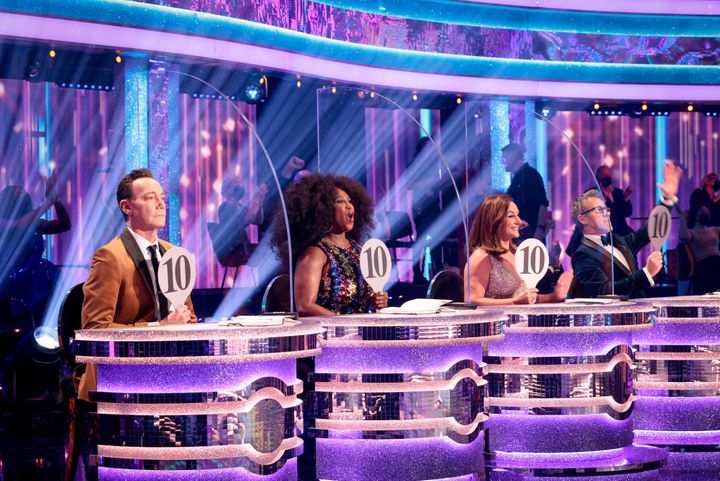
The Strictly Come Dancing judging panel pictured last week
Earlier this week, the sharp-tongued star said Anton had been “a great addition” to the panel, explaining: “He knows the process of working with celebrities inside out, he’s been there.
“Particularly with celebs that haven’t been ‘gifted’, he’s had to manoeuvre them around that dance floor – and he’s been with great dancers, where he could show off his talents.
“Armed with all that information, he’s showing great empathy for the celebs,” Craig added. “He’s more lenient than me. And he’s funny. Long may it continue, he’s a good egg, Anton.”
Advertisement
This year’s Strictly final airs on Saturday night at 7pm on BBC One.
Court records released on Friday show the singer and his 41-year-old son Sean Stewart entered guilty pleas to misdemeanour charges of simple battery.
Advertisement
“No one was injured in the incident and a jury did not find Sir Rod Stewart guilty of the accusation,” his lawyer Guy Fronstin said in a statement.
“Instead, Sir Rod Stewart decided to enter a plea to avoid the inconvenience and unnecessary burden on the court and the public that a high-profile proceeding would cause.”
Advertisement
The 76-year-old musician is a member of the US Rock & Roll Hall of Fame and was knighted by the Queen in 2016.
His hits include Da Ya Think I’m Sexy, You’re In My Heart, Hot Legs and Maggie May.
Advertisement
The plea agreement, dated and signed on Monday, means Rod and his son will not have to appear in court and formal adjudication of the charge was withheld. There will be no trial.
Neither will do any jail time or be required to pay fines and they will not be placed on probation, Mr Fronstin said.
Sean Stewart pictured in 2008
Valerie Macon via Getty Images
The Stewarts were accused of a physical altercation with security guard Jessie Dixon at the Breakers Hotel in Palm Beach on December 31 2019.
The dispute involved Mr Dixon’s refusal to allow them into a private party at the hotel.
Advertisement
He said in court papers that the elder Stewart punched him in the rib cage with a closed fist and Sean shoved him.
A spokesperson for Palm Beach state attorney Dave Aronberg, whose office prosecuted the case, said in an email that Mr Dixon agreed with the outcome of the case.