The ‘Grey Areas’ Of Sexual Violence Aren’t Really Grey At All

For a decade, Rachel Thompson thought she’d had a fairly positive sex life. If someone had asked her if she’d ever experienced rape or sexual assault, she would have answered with a resounding: “No, I’ve been very lucky”. But in 2017, as the #MeToo movement reached its peak, the journalist started to reflect on past encounters.

One incident, when she was 19, continued to play on her mind. A guy she’d been seeing at university suggested they explore the woods together. He told her to lie down on a mound of moss. Before she knew what was happening, he’d straddled her body, sitting on her chest. The weight of him meant she couldn’t breathe. She panicked but told herself: “It’ll be over soon.” He ejaculated on her without saying a word, and they left.

“When I was 19, I didn’t see my experience as anything out of the ordinary,” she says. “No words sprang to mind in the aftermath of the experience – I simply had no vocabulary to express it.”

Reflecting on that night planted the seed for Thompson’s book, Rough, which explores sexual violence in the bedroom and the systems of oppression that enable it. A common theme is the suppression of one’s own trauma. Before writing the book, Thompson referred to her own experience as “bad sex” or “a grey area”, but she no longer uses those terms.

“That grey area did not stay a grey area for me,” she says. “I realised and came to terms earlier this year, right before my book was due, that actually, this was a sexual assault. It was pretty fucked up and it was really scary.”

Thompson has spoken to 50 women and non-binary people for the book, focusing on experiences of sexual violation that we find hard to talk about, because they don’t fit into the traditional boxes of “rape” or “violence”.

There’s issues like stealthing (the non-consensual removal of a condom during sex), cyberflashing (the sending of unsolicited dick pics) and non-consensual strangulation, which is a far cry from the consensual choking practised by some members of the BDSM community, with saftey precautions and safe words in place. There’s also the encounters we don’t have the words for, the moments that make women – and it is overwhelmingly women – feel a bit weird.

Catherine is among those who shared her experience with Thompson. She and a man were about to have sex for the second time. He said he didn’t have another condom, she said she didn’t have one either. He got up and said actually, he had one in the bathroom.

“In hindsight, he clearly picked our used condom out of the bin, rinsed it and reused it,” she says. “I vaguely noticed something was up at the time, but dismissed the suspicion/was too drunk to care, but thinking back that’s obviously what he did. Thinking back on the night it’s also clear that he was sober while I, although consenting, was very drunk.”

Catherine describes this encounter as something that made her “uncomfortable” during sex.

Abigail, another of the book’s interviewees, shares her experience of non-consensual choking. She met a guy on a dating app and everything was going great, until he unexpectedly put his hands on her throat and hit parts of her body. The experience left her confused.

“I’ve been sexually assaulted before and I was once dragged into a dark driveway by a man trying to rape me, in my head I didn’t feel like the two experiences – stranger in an alleyway and an attractive man on Bumble who texted me the next morning telling me how nice a time he had – were the same,” she says.

Abigail went on a second date with the man and asked him not to choke her again. He didn’t, but soon afterwards they lost touch. She says it took her a few months to recognise what had happened to her as sexual assault.
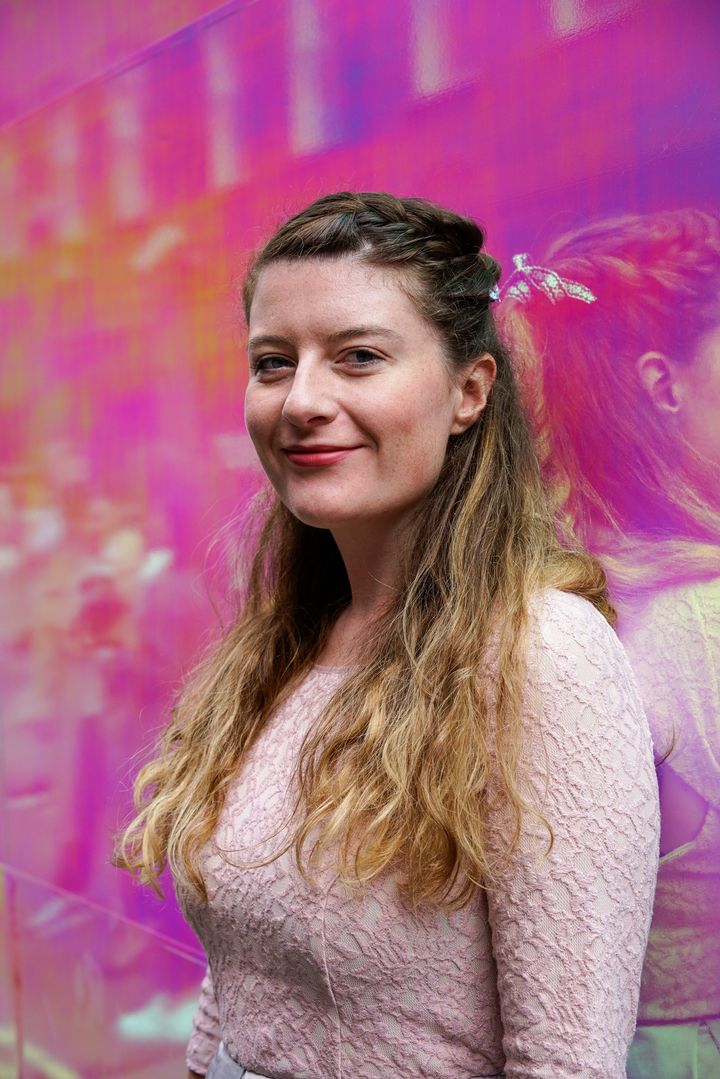
Rachel Thompson, author of Rough.

Rachel Thompson, author of Rough.

Thompson wanted to write the book “primarily for people who have experienced things that they just didn’t quite know how to put into words”. But she is clear that she doesn’t want to police the language women use on this topic either, or ban phrases such as “grey area” or “bad sex”.

“These are really personal experiences and our route to coming to terms with them and finding the words is a really personal journey,” she says. “You’re the person in charge of what you get to call your lived experiences and I don’t think we should allow anybody else to impose words or definitions on those experiences.”

Some campaigners remain concerned we don’t have the language to properly describe such encounters, and that women are being conditioned to dismiss incidences of violence.

“If you’ve learned that your sex life must include violence, it’s incredibly hard to unpick why a violent assault felt so wrong,” Fiona MacKenzie, founder of the campaign group We Can’t Consent to This, tells HuffPost UK.

“It’s so normal to blame yourself for something awful that’s been done to you – and monstrously hard when the culture says you should smile and say you enjoyed it.

“Women also see what happens when others speak out against this – we get called prudes, virgins, vanilla, sex-negative… for campaigning on this. There is no shortage of perpetrators who want women to write off being assaulted as ‘just a crap shag’.”

The campaign group has heard from hundreds of women who’ve been violently assaulted in (until then) consensual sex.

“Most of them have been strangled,” says MacKenzie. “Violence against women is widespread, normalised. Society’s only just begun to push back on that in recent decades,” she adds. “We should be very suspicious of anyone telling us that violence is actually liberating. There don’t need to be grey areas – the default should be that men doing violence to women is unacceptable.”

Where is it coming from?

Porn is often blamed for the increase of violence in the bedroom and it certainly plays a part. Acts like choking, spitting and slapping are frequently shown, without any discussion on safe words and boundaries.

Such practices have been appropriated from the BDSM community, but do not reflect it; once in the mainstream, the key pillars of safety and consent are ignored. Such acts require deep trust, which is certainly difficult to establish on a first date and impossible to establish without an explicit conversation.

But porn is only part of the picture, says Thompson.

“It’s part of a landscape that also has a lack of sex education, and a lack of understanding about how consent functions, and how we should be seeking consent and negotiating consent for every individual sex act that takes place within a sexual interaction,” she says.

Brits in particular are alarmingly prudish about discussing what we do and don’t like in the bedroom, Thompson adds – and this is preventing us from establishing consent.

In the book, she hears from the anonymous sex educator @lalalaletmeexplain, who tells of one couple’s miscommunication around choking. Months into their relationship, the man asked the woman why she enjoys choking so much. She replied: “I don’t, to be honest, I do it because I thought you liked it.”

“People are getting these ideas, maybe from watching porn, and they think: ‘Oh, this is just what everyone’s doing now,’” says Thompson. “By not having the communication in those relationships and those sexual encounters, we’re not talking about what we want and what we don’t want.”

MacKenzie points out that images of sexual violence are not consigned to porn, or niche parts of the internet. She directs us to several Instagram hashtags, where images of young women with a hand around their neck are accessible in a few clicks. “Young women tell us that as tweens they learned that being strangled is an expression of passion,” she says. HuffPost UK approached Instagram for comment on this and will update with any response received.

When asking why this is happening, we also can’t forget that sex does not exist in a vacuum. Thompson’s book explores fatphobia, biphobia, white supremacy and transphobia – and how current systems of oppression impact our sexual experiences. It’s complex and endemic – and far too important to try to summarise in one article. But it’s clear that sex can never be an equaliser when it exists in a world of power imbalance.

What needs to happen?

On a macro level, we need systemic change to bring about sexual equality. There’s no quick-fix, but one thing that might help, is elevating all experiences of sexual violence.

“The #MeToo movement was founded by a black woman called Tarana Burke and I think she’s often erased,” says Thompson. “​​When the#MeToo movement exploded into public consciousness, it focused primarily on privileged white women. And that’s not to say that their stories are not valid or not worth listening to, but I think that we have to be so wary of the stories that we place at the forefront of these movements that we say speak for all survivors, because they don’t necessarily reflect all survivors.”

On a micro level, MacKenzie would like to see greater regulations of sexually violent images on social media. “We’re asking for the Online Safety Bill currently being considered by parliament to ensure that platforms stop normalising the violent assault of women – particularly those that welcome child users,” she says.

We Can’t Consent To This has already campaigned to make the use of non-fatal strangulation punishable by law as part of the 2021 Domestic Abuse Act. MacKenzie wants to see the law working in practice. “Women must be able to report choking and asphyxiation to police, and be taken seriously and not be blamed for these assaults,” she says. “We’d hope to see a significant increase in prosecutions for these assaults.”

Above all, both women want others to recognise the problems with these so-called “grey areas” of sex, and recognise that anything which makes an individual feel uncomfortable or unsafe is not “grey” at all.

The #MeToo movement may have prompted Thompson’s reflection and acknowledgment of assault, but now she thinks action is needed.

“It really raised people’s awareness about the extent of sexual violence and how widespread it is in all levels of society, but I think that we need more than awareness now,” she says, “we need action: tangible, individual change.”

Rough by Rachel Thompson is out now.

Help and support:

Share Button

Trial suggests malaria sickness could be cut by 70%

Seasonal vaccines and drugs could save millions of young lives in Africa, researchers say.

Share Button

New sensor detects valuable rare earth element terbium from non-traditional sources

A new luminescent sensor can detect terbium, a valuable rare earth element, from complex environmental samples like acid mine waste. The sensor, developed by researchers at Penn State, takes advantage of a protein that very specifically binds to rare earth elements and could be harnessed to help develop a domestic supply of these metals, which are used in technologies such as smart phones, electric car batteries, and energy efficient lighting. A paper describing the sensor appears Aug. 25 in the Journal of the American Chemical Society.

Terbium, one of the rarest of the rare earth elements, produces the green color in cell phone displays and is also used in high-efficiency lighting and solid-state devices. However, there are a variety of chemical, environmental, and political challenges to obtaining terbium and other rare earth elements from the environment. Developing new sources of these metals also requires robust detection methods, which poses another challenge. For example, the gold standard method of detecting rare earth elements in a sample — a type of mass spectrometry called ICP-MS — is expensive and not portable. Portable methods, however, are not as sensitive and do not perform well in complex environmental samples, where acidic conditions and other metals can interfere with detection.

“There is not currently a domestic supply chain of rare earth elements like terbium, but they are actually quite abundant in non-traditional sources in the U.S., including coal byproducts, acid mine drainage, and electronic waste,” said Joseph Cotruvo, Jr., assistant professor and Louis Martarano Career Development Professor of Chemistry at Penn State, a member of Penn State’s Center for Critical Minerals, and senior author of the study. “In this study, we developed a luminescence-based sensor that can be used to detect and even quantify low concentrations of terbium in complex acidic samples.”

The new sensor relies on lanmodulin, a protein that the researchers previously discovered that is almost a billion times better at binding to rare earth elements than to other metals. The protein’s selectivity to bind rare earth elements is ideal for a sensor, as it is most likely to bind to rare earths instead of other metals that are common in environmental samples.

To optimize lanmodulin as a sensor for terbium specifically, the researchers altered the protein by adding the amino acid tryptophan to the protein.

“Tryptophan is what is called a ‘sensitizer’ for terbium, which means that light absorbed by tryptophan can be passed to the terbium, which the terbium then emits at a different wavelength,” said Cotruvo. “The green color of this emission is actually one of the main reasons terbium is used in technologies like smart phone displays. For our purposes, when the tryptophan-lanmodulin compound binds to terbium, we can observe the emitted light, or luminescence, to measure the concentration of terbium in the sample.”

The researchers developed many variants of the tryptophan-lanmodulin sensor, optimizing the location of the tryptophan so that it does not interfere with lanmodulin’s ability to bind to rare earth elements. These variants provided important insights into the key features of the protein that enable it to bind rare earths with such high selectivity. Then, they tested the most promising variant to determine the lowest concentration of terbium the sensor could detect in idealized conditions — with no other metals to interfere. Even under highly acidic conditions, like that found in acid mine drainage, the sensor could detect environmentally relevant levels of terbium.

“One challenge with extracting rare earth elements is that you have to get them out of the rock,” said Cotruvo. “With acid mine drainage, nature has already done that for us, but looking for the rare earths is like finding a needle in a haystack. We have existing infrastructure to treat acid mine drainage sites at both active and inactive mines to mitigate their environmental impact. If we can identify the sites with the most valuable rare earth elements using sensors, we can better focus extraction efforts to turn waste streams into revenue sources.”

Next, the researchers tested the sensor in actual samples from an acid mine drainage treatment facility in Pennsylvania, an acidic sample with many other metals present and very low levels of terbium — 3 parts per billion. The sensor determined a concentration of terbium in the sample that was comparable what they detected with the “gold standard” method, suggesting that the new sensor is a viable way to detect low concentrations of terbium in complex environmental samples.

“We plan to further optimize the sensor so that it is even more sensitive and can be used more easily,” said Cotruvo. “We also hope to target other specific rare earth elements with this approach.”

Story Source:

Materials provided by Penn State. Original written by Gail McCormick. Note: Content may be edited for style and length.

Share Button

Young athletes with history of concussions may have more changes to their brains

A new study suggests athletes with a history of concussion may show more brain injury from a later concussion, particularly in middle regions of the brain that are more susceptible to damage, when compared to athletes with no history of concussion. The research is published in the August 25, 2021, online issue of Neurology®, the medical journal of the American Academy of Neurology. The athletes participated in sports like football, volleyball and soccer.

“We know concussions may have long-term effects on the brain that last beyond getting a doctor’s clearance to return to play,” said study author Tom A. Schweizer, PhD, of St. Michael’s Hospital in Toronto, Canada. “It is unclear, however, to what extent the effects of repeated concussion can be detected among young, otherwise healthy adults. We found even though there was no difference in symptoms or the amount of recovery time, athletes with a history of concussion showed subtle and chronic changes in their brains.”

This study focused on changes within two areas in the middle of the brain that are especially vulnerable to concussion. Researchers focused on blood flow in the cingulate cortex and white matter microstructure in the corpus callosum. Changes in blood flow and microstructure that show up on brain scans can indicate underlying brain injury. The cingulate cortex is a layer of gray matter that coordinates sensory and motor skills. Below it is the corpus callosum, a broad band of nerve fibers linking the two hemispheres of the brain.

The study looked at 228 athletes with an average age of 20. This included 61 with a recent concussion and 167 without. Within the first group, 36 had a history of concussion. Within the second group, 73 had a history of concussion.

Researchers took up to five brain scans of each recently concussed athlete, from time of injury to one year after returning to play.

Researchers found that one year after a recent concussion, athletes with a history of concussion had sharper declines in blood flow within one area of the cingulate compared to those without a history of concussions. Those with a history of concussion had an average cerebral blood flow of 40 milliliters (mL) per minute, per 100 grams (g) of brain tissue. Those without a history of concussion had an average cerebral blood flow of 53 mL per minute, per 100g of brain tissue.

In athletes with a history of concussion, in the weeks after a new concussion, researchers also found microstructural changes in a region of the brain called the splenium, which is part of the corpus callosum.

“Our findings suggest that an athlete with a history of concussion should be watched closely, as these subtle brain changes may be worsened by repeated injury,” said Schweizer. “Additionally, our results should raise concern about the cumulative effects of repeated head injuries later in life.”

A limitation of the study is that athletes reported their own histories of concussion and could be inaccurate. Further research is needed that would follow athletes over time.

The study was supported by Canadian Institutes of Health Research, the Canadian Institute for Military and Veterans Health Research and Siemens Healthineers Canada.

Story Source:

Materials provided by American Academy of Neurology. Note: Content may be edited for style and length.

Share Button

Add it up: Could this test equal a way to determine dementia risk?

People whose scores on a dementia risk test indicated a less brain-healthy lifestyle, including smoking, high blood pressure and a poor diet, may also have the following: lower scores on thinking skills tests, more changes on brain scans and a higher risk of cognitive impairment. That’s according to a new study published in the August 25, 2021, online issue of Neurology®, the medical journal of the American Academy of Neurology. The study also found that in men, the test scores were associated with poor memory function and markers of brain shrinkage.

“Dementia risk scores might be useful to help identify people at higher risk of dementia earlier, so that potential lifestyle factors can be addressed earlier and monitored more closely,” said study author Sebastian Köhler PhD, of Maastricht University, the Netherlands. “Our study found that a substantial proportion of brain changes might be attributable to risk factors that can be modified.”

The study involved 4,164 people with an average age of 59. All participants took a test called the “Lifestyle for Brain Health” (LIBRA). The total score reflects a person’s potential for developing dementia. This study took into account 11 out of 12 lifestyle factors on the test, including high blood pressure, heart disease, smoking, diet and physical activity. Higher scores reflect higher dementia risk, with scores ranging from -2.7 to +12.7. Overall, the study group had an average score of 1.19. Researchers divided the participants into three groups: those with low risk of dementia, with an average score of -1.47, those with medium risk, with an average score of 1.20, and those with high risk, with an average score of 4.6.

Participants in the study took tests of memory and other thinking skills, such as information processing speed, executive function and attention. Researchers also looked at brain scans for signs of cerebral small vessel disease, which are signs of vascular brain damage often seen in patients who have dementia. They also looked for changes in volumes of white matter and gray matter.

Researchers found that people who were in the high-risk group on the LIBRA test, indicating a less brain-healthy lifestyle, had higher volumes of brain lesions, 1.27 ml compared to 0.48 ml for those in the lowest risk group. The high-risk group also had lower scores on two tests of thinking: information processing speed and executive function and attention.

Only in men, however, did researchers find associations between higher scores on the LIBRA test and lower volumes of grey matter, as well as lower scores on tests of memory.

“More research is needed to confirm these findings and determine why there were differences between men and women,” Köhler said. “It’s exciting that a simple test score may indeed be an index of brain health. We need to learn whether people can improve their scores by making changes in their diet, increasing physical activity or limiting alcohol to low-to-moderate use.”

The study does not prove that lifestyle test scores predict dementia, it only shows an association.

The study was supported by the European Regional Development Fund, the Province of Limburg, the Dutch Ministry of Economic Affairs and Climate Policy, the Weijerhorst Foundation, the Pearl String Diabetes Initiative, Maastricht University, the Annadal Foundation and Health Foundation Limburg, all in the Netherlands.

Story Source:

Materials provided by American Academy of Neurology. Note: Content may be edited for style and length.

Share Button

Search for Covid’s origins stalled, scientists say

“The window of opportunity” for crucial studies into how the Covid-19 pandemic started is closing, scientists say.

Share Button

Covid infection protection waning in double jabbed

Experts say it is to be expected and boosters may be needed, at least for some people, ahead of winter.

Share Button

Here’s How Your Diet Can Help You Have An Easier Period

Our menstrual cycle affects so much of our life. From hormonal acne and serious mood swings to generally feeling quite crappy, I’m sure if some of us had the option to skip our periods we would. And f, like me, you’re someone who has always had bad period pain, it can leave you feel a bit helpless.

There are lifestyle adjustments we can adopt that can help towards making our periods easier to deal with, though – and one of them is the food we eat at different stages of our cycle.

Lifesum, a nutrition app that aims to help users improve their baseline health through what they’re eating, has found that small changes to your diet can improve your symptoms during each phase of your menstrual cycle.

“What you eat plays a huge role in overall health creation, including how you feel throughout your cycle,” says Dr Alona Pulde, star of the Forks Over Knives documentary and member of the Lifesum health advisory board.

“Most people think of periods as just a week-long occurrence, but in reality, it’s a month-long cycle and nutrient-dense foods can help replenish your body and balance your hormones throughout.”

Roxane Bakker who is a registered dietician and head of nutrition at Vitl agrees that it’s important to look after yourself when you’re menstruating, particularly when it comes to your diet. “Choosing foods that can help restore balance to your hormones are always a good option,” she says. “Vitamin B6 specifically is a key player in balancing your hormones. What you eat can sometimes help to relieve some of the uncomfortable symptoms you experience on your period”

There are four different stages to the menstrual cycle: the menstrual phase, the follicular phase, the ovulation phase, and the luteal phase. Each phase of our cycle requires different care and dietary needs, Dr Pulde suggests.

While dietary tweaks can help you ease your period pains, they aren’t solutions to medical conditions such as endometriosis, PCOS, or dysmenorrhoea. If your periods are so painful they’re affecting day-to-day life, speak to your doctor.

“Remember, everyone’s body works differently, and our needs vary,” adds Dr Pulde. “Focusing on a balanced, varied nutrient-dense diet that provides enough energy is key – not only for performance, but for our overall wellbeing.”

The Menstrual Phase

This first phase of the menstrual cycle is the time where our oestrogen and progesterone levels are lowest; you shed your uterine lining, and bleeding occurs. This usually lasts between three and seven days. During this time you can experience cramping, fatigue, low back pain, and mood swings.

This is a time when you’re losing a lot of blood so it’s important to stock up on iron-rich foods. Animal products such as red meat, poultry, and fish (heme iron) or plant-based products, including leafy greens, beetroot, and legumes (non-heme iron) are essential during this time.

“As you can imagine, fruit and vegetables are a staple when it comes to any healthy diet,” Bakker adds, “but they’re essential when it comes to managing period cramps. They’re a vital source of fibre which in some cases can help to relieve the stomach pains associated with menstruating.”

Be sure to avoid foods that are highly processed during this time, such as sweetened breakfast cereals. “They can make period symptoms worse, causing inflammation and bloating,” says Bakker. “Caffeine and alcohol also impact inflammation. And studies show that they can worsen PMS symptoms.”

The Follicular Phase

During this phase, which can last anything from 11 to over 20 days, depending on the length of your cycle, oestrogen levels start to rise again. Your energy should increase and you may notice you have greater motivation.

Eating fibre-rich foods (fruits, vegetables, whole grains, and legumes) and fermented foods (kombucha, kimchi, sauerkraut) will help to metabolise and clear excess oestrogen.

The Ovulation Phase

You may experience some cravings at the time of ovulation, around day 12 to 14 of your cycle, so you should be eating foods that are rich in fibre and high in nutrients and consuming enough of these food types to fill you up.

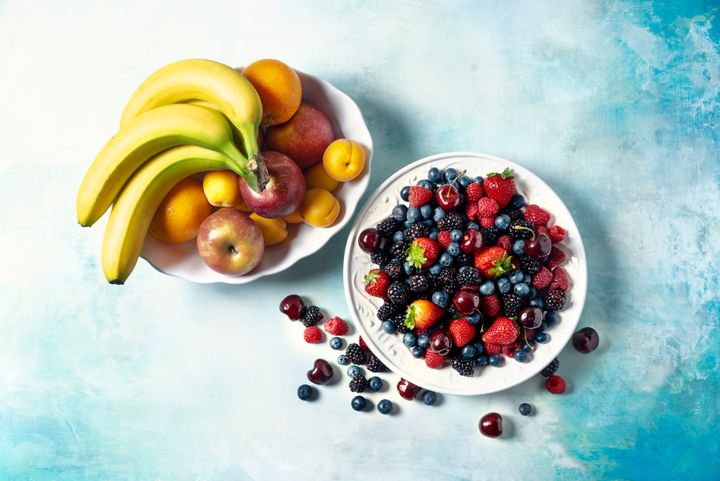
These include fruits (berries, apples, pears, bananas); vegetables (broccoli, Brussels Sprouts, artichoke, kale, sweet potatoes); legumes (beans, lentils, peas); whole grains (quinoa, oats, whole wheat pasta, barley); and nuts and seeds (almonds, pistachios, and sesame/pumpkin/sunflower seeds).

The Luteal Phase

The luteal stage of our cycle begins after ovulation, when both oestrogen and progesterone levels rise. During this time, pain can feel a bit more intense as large amounts of prostaglandins, a chemical that stimulates contractions, is released.

To help experience less cramping and lesson the physical symptoms of PMS, tuck into anti-inflammatory nutrients such as omega 3 (walnuts, flaxseed, chia seeds), antioxidants like vitamin C (found in fruit – particularly berries – and vegetables) and vitamin E (found in leafy greens, avocado, and whole grains).

“In this phase, it’s common to feel tired,” says Dr Pulde. “Eat complex carbs that provide fibre and vitamins to balance moods and curb cravings.”

Avoid or cut back on caffeine and alcohol if you can, she adds, and if you find your energy levels dropping, reach for the healthy snacks, such as hummus and veg sticks or homemade fruit and nut bars.

Share Button

Smoking surge in young during Covid lockdown

The number of 18 to 34-year-olds smoking increased by a quarter in England during the first lockdown.

Share Button

Bird communities threatened by urbanization

Urbanization is one of the most drastic forms of land-use change, and its negative consequences on biodiversity have been studied extensively in temperate countries such as Germany. However, less research has been conducted in tropical regions from the Global South, where most of the ongoing and future urbanization hotspots are located, and little is known about its effects on agricultural biodiversity and associated ecosystems. A research team from the University of Göttingen and the University of Hohenheim, in collaboration with the University of Agricultural Sciences of Bangalore in India, investigated the effects of urbanization on farmland bird communities in and around Bangalore, a city of over 10 million inhabitants in South India. They found that urbanization homogenizes farmland bird communities, filtering out species with certain functional traits, such as insect-eating birds, which are important for pest control. The results were published in Global Change Biology.

A local ornithological expert conducted regular bird surveys over one year and recorded 126 bird species. Using remote sensing techniques, satellite pictures were processed to produce a map of different land-uses, from which urbanization intensity was measured based on the proportion of sealed surfaces and buildings in the landscape. The researchers analyzed how farmland bird communities changed along a gradient of urbanization using newly developed statistical analyses.

“We found that urban bird communities were impoverished subsets of rural communities, both in terms of species composition and the ecological functions they provide,” says first author Gabriel Marcacci, PhD student in the Functional Agrobiodiversity group at the University of Göttingen. “Birds perform important roles in the environment, for instance controlling pests by eating insects, scavenging and removing carrion, or eating fruits and dispersing the seeds. But only bird species that are well adapted to urban environments such as pigeons or crows can thrive.”

“The homogenization — resulting from losing diversity through the exclusion of certain groups — of farmland bird communities may disrupt important ecosystem functions and services in urban agroecosystems such as pest removal by insect-eating birds,” explains Professor Catrin Westphal, head of the Functional Agrobiodiversity group. Urban communities were found to be more sensitive to species loss, endangering ecosystem resilience.

“Our study underscores urbanization as a serious threat to biological communities and ecosystem functioning that may affect food production systems,” adds Professor Ingo Graß, head of the Department of Ecology of Tropical Agricultural Systems at the University of Hohenheim. Professor Teja Tscharntke concludes, “This concern is especially relevant for countries from the Global South where urban agriculture and ecosystem services play an increasingly important role for food security.”

Story Source:

Materials provided by University of Göttingen. Note: Content may be edited for style and length.

Share Button