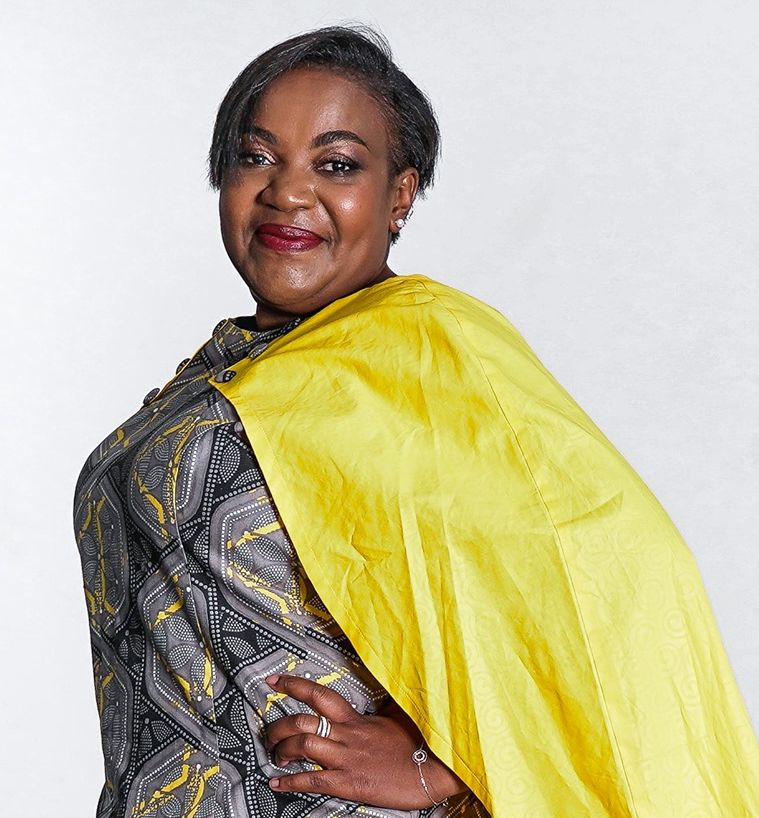
How Do You Talk To Kids About Trauma? This Mum Needed To Know

In 1994, one of Rwanda’s darkest moments in history took place – a genocide that saw the death of 1,100,000 people – of which 800,000 people were Tutsi, an ethnic group that were minorities in comparison to the majority Hutus.

At the time, Alice Musabende was 13-years-old. Her parent, grandparents, and siblings all died during the war. The now mum-of-two had only a few surviving members of her family; her aunt, uncle, and their kids. In 2005, as part of her studies, Musabende left Rwanda for Canada, building a life for herself; she married (but has since separated), and had two precious boys.

She began working as a journalist and academic, later moving to the UK to work at the University of Cambridge. But despite her writing and hours of research into what happened, Musabende found it almost impossible to articulate the reality of the violence which was unleashed on her people.

“I have spent so many hours, countless of times, writing and reading and trying really to capture the magnitude of the horror. And I still haven’t,” she tells HuffPost UK.

Now, her two children, aged five and eight, have questions about their grandparents, their home in Rwanda, and how their mother feels about it all.

So, in an attempt not to “run away from her demons”, Musabende had to find a way to voice the unspeakable horror she endured at such a young age. Which is how she began making a radio show with the BBC to start the story.

In Unspeakable, Musabende asks for help and guidance from other genocide survivors, second-generation holocaust survivors, a therapist who works with AIDS orphans in South Africa, and a publisher of stories in Rwanda.

She explores identity, generational trauma, and the place of storytelling and with the help of these other voices, she tries to piece together the answer to one fundamental question: how do I tell my kids about my trauma?
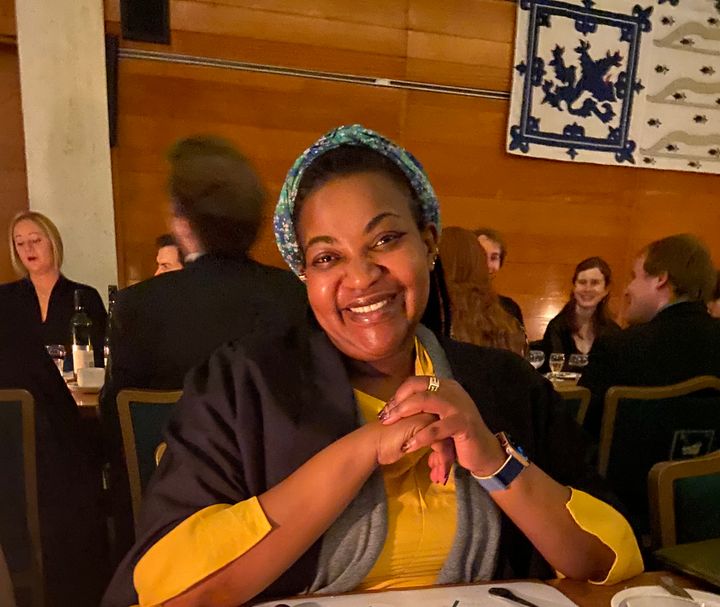
Mum-of-two Alice Musabende is figuring out the words to explain what happened in Rwanda 27 years ago

Mum-of-two Alice Musabende is figuring out the words to explain what happened in Rwanda 27 years ago

Firstly, says Musabende, she has had to come to terms with her own past.

“For the last 20 years, I’ve focused so much on me,” she explains. “I’ve done therapy, I tried to figure out how to live with PTSD, to understand how I will actually live a life without family, without anyone. I thought I was really getting a good handle on it. Then I moved here and in the middle of trying to reconfigure being a single parent and my work, I remember just one day thinking, ‘Oh no, I’m going to have to tell the boys about the genocide.’

“That bit was way more complicated than anything else I have done, mainly because the story of the genocide, for me, is extremely painful, but I think it’s painful for all the other survivors as well. Because I’ve spent so many years trying to run away from it, it was so hard.”

Growing up, Musabende was aware of the ethnic persecution of her Tutsi people – her family members had been arrested on suspicion of being part of rebel forces, and her granddad’s land had been seized.

After travelling to Ottawa for her graduate studies, Musabende recognised signs of PTSD in herself. She explains: “In school I couldn’t really function. I had a really difficult transition, I did so many things that we now associate with post traumatic stress disorder but at the time no one told me what it was.

“It wasn’t until I started different forms of therapy to make sense of what I was going through. Through those sessions, I wanted to find the essence of who I was, I wanted to be okay. I wanted to have joy, and I wanted to be able to use my brain to serve, to study and perhaps maybe even teach.”

In 2017, Musabende went back to Rwanda for the first time. Two years later, she took her two sons to show them where their family came from – so they could understand the great beauty, as much as the trauma, of her birthplace.

“I remember arriving in Rwanda and looking at these tiny humans and thinking, ‘This is their home, but I don’t know if they know that this is their home as well.’ That’s when things just started percolating in my head, I was like: ‘How do I do this, what do I say?’ She took her eldest boy, six at the time, to where her house used to be – now just a plot of land since it was destroyed in the genocide.

“I told him that’s where my home used to be and that’s where my brother and sister used to live. We were walking on this plot, he looked down, saw a piece of cloth, picked it up and said, ‘Do you think this was your sister’s dress?’ And I hadn’t seen that one coming. It was a bit of a struggle but I couldn’t cry.

“My words just left me. That’s when I realised he has questions. He has real questions where he’s trying to figure out where he fits into a story that’s so obscure and mysterious to him.”

Alice has since taken her children to Rwanda to show them the country

Alice has since taken her children to Rwanda to show them the country

And Musabende had questions of her own, which is how the documentary came about. “I couldn’t write about it,” she says. “I don’t know how to write about it, so I thought to just ask people what they think.”

She was terrified. “I thought, ‘Oh, am I traumatising my children by telling them these horrible things?’ Previously I’d thought it’s best not to say anything as you don’t upset them. But I know that they want to know. They’re not asking tough questions. Their questions are like ‘Do you miss your mum?’ or ’Do you think your mum would have loved me?’Those things are so difficult because they send you right back to that place where you wish you didn’t have to go.

Unspeakable is Musabende’s attempt to bridge the gap between that place she has avoided for the past 27 years “and the place I am in now, as a parent hoping to raise healthy, well-grounded, empathetic children.”
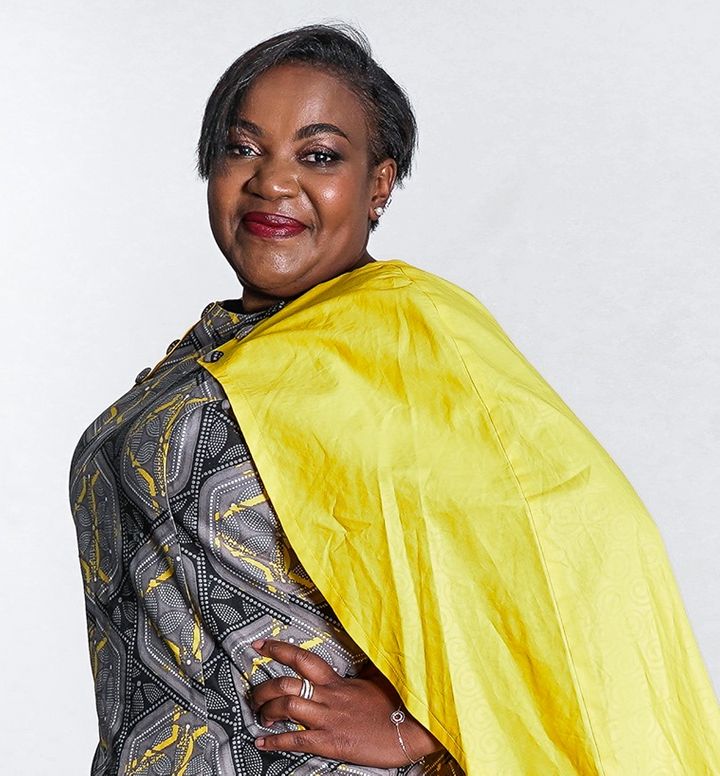
Alice's radio show Unspeakable comes out today

Alice’s radio show Unspeakable comes out today

It’s not just genocide she has to talk to her children about. By virtue of being a mother to two young Black boys, Musabende knows that she will become accustomed to difficult conversations.

“Raising Black boys in a western culture that’s always telling them so many things about them that are false, it’s an even bigger responsibility to tell them about where they come from, what happened to them and tell them exactly who they are, so that when they get out there, they know in their hearts that they’re valued, that they are loved, that they are cared for.

“It is my job to tell my kids who they are. I haven’t quite figured out how to tell them the full story of my history so you’ll see in the documentary, I’m still learning, it’s a long journey.”

Unspeakable airs on BBC Radio 4 on Fridays and is available on BBC Sounds.

Approaching conversations about trauma

Alice Musabende wants to share the following advice for fellow parents.

First of all, accept you don’t know how to say it all

“That realisation that I don’t know how to talk to my children was the beginning of my quest because for a very long time, I just pretended that it wasn’t there. Once I sat down and I thought, ‘I know I have to, and I don’t know how,’ that was the beginning.”

Find a safe space to make sense of the trauma yourself

“I wouldn’t have been able to have this conversation five years ago. I had to do so much of my own work in self-healing, therapy, in figuring out how to listen. It took me so much time to get here.”

Seek guidance, talk to others who might understand

“You’ll be surprised about how many people are struggling to address these serious issues with their children. There are parents everywhere trying to figure out how to say things.”

Know that the conversation is hard but important

“You can’t just focus on the fact that you are transmitting trauma. You also have to know that by processing things, by seeking to figure out what the appropriate language is, you’re also ensuring that your kids will be more resilient, because you are being more resilient.”

Celebrate yourself for all that you’ve overcome

“We often forget to celebrate our resilience but ultimately, we should really look at ourselves and think, ‘We are here. We made it. We have children and they seem somewhat okay.’ That’s a win for me.”

Useful websites and helplines

Mind, open Monday to Friday, 9am-6pm on 0300 123 3393.

Samaritans offers a listening service which is open 24 hours a day, on 116 123 (UK and ROI – this number is FREE to call and will not appear on your phone bill).

CALM (the Campaign Against Living Miserably) offer a helpline open 5pm-midnight, 365 days a year, on 0800 58 58 58, and a webchat service.

The Mix is a free support service for people under 25. Call 0808 808 4994 or email help@themix.org.uk

Rethink Mental Illness offers practical help through its advice line which can be reached on 0808 801 0525 (Monday to Friday 10am-4pm). More info can be found on rethink.org.


Share Button

Boris And Carrie Johnson Expecting Second Child Together

The prime minister and his wife are expecting a second child after Carrie Johnson revealed the heartbreak of a miscarriage at the start of the year.

In a statement on social media, Ms Johnson said the brother or sister to their first child Wilfred was due to arrive “this Christmas”.

The 33-year-old environmental campaigner added: “At the beginning of the year, I had a miscarriage which left me heartbroken.

“I feel incredibly blessed to be pregnant again but I’ve also felt like a bag of nerves.”

JACK HILL via Getty Images

Prime Minister Boris Johnson and Carrie Johnson 

The couple made the announcement only two months after they tied the knot during a low-key wedding at Westminster Cathedral.

Ms Johnson, a former Conservative Party communications director, said she wanted to share the personal news about her miscarriage to “help others”.

She added: “Fertility issues can be really hard for many people, particularly when on platforms like Instagram it can look like everything is only ever going well.

“I found it a real comfort to hear from people who had also experienced loss so I hope that in some very small way sharing this might help others too.”

Labour leader Sir Keir Starmer put politics aside to send congratulations to the couple and said he was “very sorry” to hear about the earlier miscarriage.

“I’m sure that Carrie speaking out will be of comfort to others and make them feel less alone,” the Opposition leader added.

Downing Street said the Prime Minister had been due to work this weekend from his official country residence Chequers in Buckinghamshire, although it is not known if the couple are there together.

Handout via Getty Images

The pair married earlier this year

The new arrival is set to be Mr Johnson’s seventh child at least, having had four children with second wife Marina Wheeler, who he divorced last year following their separation in September 2018.

In 2013 it emerged during another court hearing that Mr Johnson fathered a daughter during an adulterous liaison while Mayor of London in 2009.

The 57-year-old’s son Wilfred Lawrie Nicholas Johnson – named partly after a doctor who helped save the Tory leader’s life when he contracted coronavirus in spring 2020 – was born in April of the same year.

Mr Johnson has looked to brush off questions about whether he has any more children.

The former journalist met his first wife, Allegra Mostyn-Owen, while they were students at Oxford. They married in 1987 but the marriage was annulled in 1993.

In 2004, he was sacked from the Tory frontbench over a reported affair with journalist Petronella Wyatt.

The divorce from lawyer Ms Wheeler, who he married in 1993, and subsequent marriage to his now third wife is understood to make Mr Johnson the first prime minister to get divorced and marry in office in modern times.

Mr Johnson and his then girlfriend also made history as the first unmarried couple to officially live together in Downing Street when they moved into the flat in Number 11 in 2019.

Formerly known by her maiden name of Symonds, the PR expert first found herself making headlines when she was romantically linked to Mr Johnson in early 2019.

But her association with Mr Johnson dates back to when she worked on his successful re-election bid at City Hall in 2012.

After her husband’s arrival in Downing Street, she was involved in a power struggle with the former de facto chief of staff in No 10, Dominic Cummings, which led to his ousting in the autumn.

Mr Cummings has accused Ms Symonds of looking to interfere in the running of the Government and recommending to her husband who to hire and fire, allegations that Downing Street deny.

Share Button

Covid: Pulse oxygen monitors work less well on darker skin, experts say

Pulse oximeters, which spot falling oxygen levels, may work less well on darker skin, experts warn.

Share Button

Adapt to put stress in its place

Mayo Clinic does not endorse companies or products. Advertising revenue supports our not-for-profit mission.

Advertising & Sponsorship

Mayo Clinic Marketplace

Check out these best-sellers and special offers on books and newsletters from Mayo Clinic.

Share Button

In the absence of genetic variation, asexual invasive species find new methods of adapting to their environment

Without the benefits of evolutionary genetic variation that accompany meiotic reproduction, how does an asexual invasive species adapt over time to a new environment to survive? In all-female weevil species that produce only female offspring from unfertilized eggs, the insects’ survival techniques have led to the surprising discovery that these creatures can pass down gene regulation changes to future generations.

New research from Wellesley College has found that two types of weevils, common yet invasive beetles in many parts of the world, have been using epigenetic changes to adapt and respond to different toxins in the plants they eat. The findings, published in PLOS ONE under the title “Host-Specific Gene Expression as a Tool for Introduction Success in Naupactus Parthenogenetic Weevils,” have implications for how we consider asexual invaders and how successful they can be because of gene regulation.

The researchers, led by Andrea Sequeira, Wellesley College Gordon and Althea Lang ’26 Professor of Biological Sciences, collected samples of parthenogenetic, invasive, and polyphagous weevils, Naupactus cervinus and N. leucoloma, from Florida, California, and Argentina over the course of five years, starting in 2015. Despite being from different locations within the United States where they have been introduced, often through commerce, the weevils are asexual and genetically identical. Yet the team found that they have uniquely adapted to produce different proteins that allow them to eat and digest a variety of plants, even those that produce toxins.

Sequeira worked with a talented team: Ava Mackay-Smith, Mary Kate Dornon, Rosalind Lucier, Anna Okimoto, and Flavia Mendonca de Sousa from Wellesley College, and Marcela Rodriguero, Viviana Confalonieri, Analia Lanteri from the University of Buenos Aires and the Museo de Ciencias Naturales in La Plata, Argentina. Together, they analyzed patterns of gene expression in three gene categories that can mediate weevil-host plant interactions through identification of suitable host plants, short-term acclimation to host plant defenses, and long-term adaptation to host plant defenses and their pathogens.

“We found that some host plant groups, such as legumes, appear to be more taxing for weevils and elicit a complex gene expression response,” Sequeira said. “However, the weevil response to taxing host plants shares many differentially expressed genes with other stressful situations, such as organic cultivation conditions and transition to novel hosts, suggesting that there is an evolutionarily favorable shared gene expression regime for responding to different types of stressful situations.”

“We also found that mothers are able to ‘prime’ their young with these epigenetic changes,” lead author and 2020 Wellesley College alumna Ava Mackay-Smith said. “Originally, we thought that these changes would only be seen in a single generation. When we studied larvae, who do not yet have mouths or eat plants, we found evidence of the same proteins and adaptations from their mothers.”

Sequeira noted this finding is especially important because classic understanding has been that in both sexual and asexual reproduction, all epigenetic marks are erased between generations and each generation starts over.

Mackay-Smith believes that having a better understanding of epigenetic changes in invasive, asexual species may eventually help regulate or mitigate their potential negative impact on an environment, native plants, or crops, for example. “Knowing what is in this insect’s repertoire, you could imagine that since we’ve now identified the proteins that are regulated differently, you could target a specific protein and design a targeted pesticide that removes only that species of weevil, without harming other native insects or fauna.”

Both Mackay-Smith and Sequeira are excited to see that perhaps genetic variation is not the only form of heritable variation for natural selection to act upon and that epigenetic processes may increase the evolutionary potential of organisms in response to stress and other environmental challenges — adaptations that could be relevant in the context of climate change.

Story Source:

Materials provided by Wellesley College. Note: Content may be edited for style and length.

Share Button

Astronomers probe layer-cake structure of brown dwarf’s atmosphere

Maunakea, Hawaii — Jupiter may be the bully planet of our solar system because it’s the most massive planet, but it’s actually a runt compared to many of the giant planets found around other stars.

These alien worlds, called super-Jupiters, weigh up to 13 times Jupiter’s mass. Astronomers have analyzed the composition of some of these monsters, but it has been difficult to study their atmospheres in detail because these gas giants get lost in the glare of their parent stars.

Researchers, however, have a substitute: the atmospheres of brown dwarfs, so-called failed stars that are up to 80 times Jupiter’s mass. These hefty objects form out of a collapsing cloud of gas, as stars do, but lack the mass to become hot enough to sustain nuclear fusion in their cores, which powers stars.

Instead, brown dwarfs share a kinship with super-Jupiters. Both types of objects have similar temperatures and are extremely massive. They also have complex, varied atmospheres. The only difference, astronomers think, is their pedigree. Super-Jupiters form around stars; brown dwarfs often form in isolation.

A team of astronomers, led by Elena Manjavacas of the Space Telescope Science Institute in Baltimore, Maryland, has tested a new way to peer through the cloud layers of these nomadic objects. The researchers used an instrument at W. M. Keck Observatory on Maunakea in Hawaii to study in near-infrared light the colors and brightness variations of the layer-cake cloud structure in the nearby, free-floating brown dwarf known as 2MASS J22081363+2921215.

The Keck Observatory instrument, called the Multi-Object Spectrograph for Infrared Exploration (MOSFIRE), also analyzed the spectral fingerprints of various chemical elements contained in the clouds and how they change with time. This is the first time astronomers have used MOSFIRE in this type of study.

These measurements offered Manjavacas a holistic view of the brown dwarf’s atmospheric clouds, providing more detail than previous observations of this object. Pioneered by Hubble observations, this technique is difficult for ground-based telescopes to do because of contamination from Earth’s atmosphere, which absorbs certain infrared wavelengths. This absorption rate changes due to the weather.

“The only way to do this from the ground is by using Keck’s high-resolution MOSFIRE instrument because it allows us to observe multiple stars simultaneously with our brown dwarf,” said Manjavacas, a former staff astronomer at Keck Observatory and the lead author of the study. “This allows us to correct for the contamination introduced by the Earth’s atmosphere and measure the true signal from the brown dwarf with good precision. So, these observations are a proof-of-concept that MOSFIRE can do these types of studies of brown dwarf atmospheres.”

She decided to study this particular brown dwarf because it is very young and therefore extremely bright. It has not cooled off yet. Its mass and temperature are similar to those of the nearby giant exoplanet Beta Pictoris b, discovered in 2008 near-infrared images taken by the European Southern Observatory’s Very Large Telescope in northern Chile.

“We don’t have the ability yet with current technology to analyze in detail the atmosphere of Beta Pictoris b,” Manjavacas said. “So, we’re using our study of this brown dwarf’s atmosphere as a proxy to get an idea of what the exoplanet’s clouds might look like at different heights of its atmosphere.”

Both the brown dwarf and Beta Pictoris b are young, so they radiate heat strongly in the near-infrared. They are both members of a flock of stars and sub-stellar objects called the Beta Pictoris moving group, which shares the same origin and a common motion through space. The group, which is about 33 million years old, is the closest grouping of young stars to Earth. It is located roughly 115 light-years away.

While they’re cooler than bona fide stars, brown dwarfs are still extremely hot. The brown dwarf in Manjavacas’ study is a sizzling 2,780 degrees Fahrenheit (1,527 degrees Celsius).

The giant object is about 12 times heavier than Jupiter. As a young body, it is spinning incredibly fast, completing a rotation every 3.5 hours, compared to Jupiter’s 10-hour rotation period. So, clouds are whipping around the planet, creating a dynamic, turbulent atmosphere.

Keck Observatory’s MOSFIRE instrument stared at the brown dwarf for 2.5 hours, watching how the light filtering up through the atmosphere from the dwarf’s hot interior brightens and dims over time. Bright spots that appeared on the rotating object indicate regions where researchers can see deeper into the atmosphere, where it is hotter. Infrared wavelengths allow astronomers to peer deeper into the atmosphere. The observations suggest the brown dwarf has a mottled atmosphere with scattered clouds. If viewed close-up, the planet might resemble a carved Halloween pumpkin, with light escaping from the hot interior.

Its spectrum reveals clouds of hot sand grains and other exotic elements. Potassium iodide traces the object’s upper atmosphere, which also includes magnesium silicate clouds. Moving down in the atmosphere is a layer of sodium iodide and magnesium silicate clouds. The final layer consists of aluminum oxide clouds. The atmosphere’s total depth is 446 miles (718 kilometers). The elements detected represent a typical part of the composition of brown dwarf atmospheres, Manjavacas said.

She and her team used computer models of brown dwarf atmospheres to determine the location of the chemical compounds in each cloud layer.

The study will be published in The Astronomical Journal.

Manjavacas’ plan is to use Keck Observatory’s MOSFIRE to study other atmospheres of brown dwarfs and compare them to those of gas giants. Future telescopes such as NASA’s James Webb Space Telescope, an infrared observatory scheduled to launch later this year, will provide even more information about a brown dwarf’s atmosphere.

“JWST will give us the structure of the entire atmosphere, providing more coverage than any other telescope,” Manjavacas said.

She hopes that MOSFIRE can be used in tandem with JWST to sample a wide range of brown dwarfs and gain a better understanding of brown dwarfs and giant planets.

“Exoplanets are so much more diverse than what we see locally in the solar system,” said Keck Observatory Chief Scientist John O’Meara. “It’s work like this, and future work with Keck and JWST, that will give us a fuller picture of the diversity of planets orbiting other stars.”

Share Button

The environment for permafrost in Daisetsu Mountains in Japan is projected to decrease significantly

Areas with ground temperatures that remain below 0°C for more than two years are referred to as permafrost, and approximately one quarter of the Northern Hemisphere and 17% of the Earth’s exposed land surface is permafrost. Permafrost is found in mountainous areas as well as in high-latitude tundra and taiga regions. Recent observations have shown that the permafrost in mountainous areas is thawing in the European Alps, Scandinavia and on the Tibetan Plateau.

The islands that make up Japan form a long arc that extends from tropical regions in the south to Palearctic regions in the north. Permafrost has been reported to exist in the Daisetsu Mountains, Mt. Fuji and Mt. Tateyama. The Daisetsu Mountains on the northern island of Hokkaido, which are known to support a variety of alpine plants and animals, are also a valuable natural resource that is visited by numerous climbers every year. However, there is some concern that the thawing of permafrost will have a major impact on this mountain ecosystem. No projections of future permafrost distribution have been undertaken in East Asia, including in Japan, to date.

In this study, by applying the statistical method developed in a previous study for estimating the permafrost distribution to outputs from bias-corrected and downscaled climate model with a 1 km resolution for the area of interest, we investigated the climatic conditions required to sustain permafrost in the Daisetsu Mountains.

Researchers have studied the climate conditions suitable to maintain permafrost in the Daisetsu Mountains. The region of the climate conditions suitable to maintain permafrost starts to decrease significantly in size from around 2000, and under both the low-carbon scenario consistent with Paris target (RCP2.6) and busines-as-usual scenario (RCP8.5). The steep decline in the region at the end of the 20th century occurs because the surface air temperature increases significantly from around the year 2000 onward. The size of the area in the Daisetsu Mountains where climatic conditions were suitable for permafrost were estimated to be approximately 150 km2 in 2010. Under the RCP8.5 scenario, this area is projected to disappear by around 2070. Under the RCP2.6 scenario, the area is projected to decrease to approximately 20 km2 by 2100.

The finding that the climatic conditions of the Daisetsu Mountains are projected to shift towards conditions where permafrost will disappear regardless of the climate scenario used, indicates the importance of impact assessments and developing adaptation measures to climate change. Thawing of permafrost can have a significant impact on the surface vegetation and alpine ecosystems. Previous studies have shown that the thawing of permafrost can have a variety of adverse effects, including lowering groundwater levels and replacement of alpine meadows by steppes, extensive desertification such as that in the eastern and western parts of the Tibetan Plateau, and a decrease in species diversity due to warming. Moreover, thawing of the frozen ground reduces the stability of the ground in mountain regions, potentially increasing the frequency and magnitude of rock falls and landslides, which may affect the safety of trekkers that visit the Daisetsu Mountains annually. In order to deal with these problems, it is very important to monitor the environmental changes in mountainous areas. In addition to accurately monitoring changes in mountain environments, providing local governments with appropriate measures to prepare for major future environmental changes, as shown in this study, is an important issue for the future.

Story Source:

Materials provided by National Institute for Environmental Studies. Note: Content may be edited for style and length.

Share Button

Radio-wave therapy is safe for liver cancer patients and shows improvement in overall survival, study suggests

Researchers at Wake Forest School of Medicine have shown that a targeted therapy using non-thermal radio waves is safe to use in the treatment of hepatocellular carcinoma (HCC), the most common type of liver cancer. The therapy also showed a benefit in overall survival.

The study findings appear online in 4Open, a journal published by EDP Sciences.

“HCC accounts for nearly 90% of all liver cancers, and current survival rates are between six and 20 months,” said Boris Pasche, M.D., Ph.D., chair of cancer biology and director of Wake Forest Baptist’s Comprehensive Cancer Center. “Currently, there are limited treatment options for patients with this advanced liver cancer.”

For the study researchers used a device called TheraBionic P1, invented by Pasche and Alexandre Barbault of TheraBionic GmbH in Ettlingen, Germany, that works by delivering cancer-specific, amplitude-modulated radiofrequency electromagnetic fields (AM RF EMF) programmed specifically for HCC.

The frequencies used are specific to the patient’s type of cancer as identified through tumor biopsies or blood work, Pasche said.

Pasche and Barbault discovered radio frequencies for 15 different types of cancer, as previously reported in a study published in 2009 in the Journal of Experimental & Clinical Cancer Research.

TheraBionic P1 is a hand-held device that emits radio frequencies via a spoon-shaped antenna, which is placed on the patient’s tongue during treatment and is administered three times a day for one hour to deliver low levels of radiofrequency electromagnetic fields throughout the patient’s body.

In previous studies, the device, which received breakthrough designation from the FDA in 2019, was shown to block the growth of liver cancer cells in the body without damaging healthy cells.

For the current study, 18 patients with advanced HCC participated and received treatment with the device. Researchers also analyzed previously published data on 41 patients from a phase II study and historical controls from earlier clinical trials.

“Our findings show an improvement in overall survival of more than 30% in patients with well-preserved liver function and also in those with more severe disease,” Pasche said.

Researchers also tracked side effects, and no patients stopped TheraBionic P1 treatment because of adverse reactions.

“We’re encouraged by these initial findings,” Pasche said. “Our study shows a benefit in overall survival, and the treatment isn’t associated with any significant side effects.”

Support for this study was provided by TheraBionic Inc. and funds from Wake Forest Baptist’s Comprehensive Cancer Center.

Pasche noted that the study does have several limitations because of the small sample size and “selection bias inherent in the use of historical control data.”

However, two additional clinical trials are underway and are being led by William Blackstock, M.D., chair of radiation oncology at Wake Forest Baptist’s Comprehensive Cancer Center. One is a single-center study to assess the safety and effectiveness of the TheraBionic device in combination with Regorafenib, a chemotherapy drug, as a second-line treatment. Another multicenter, double-blind, randomized study comparing TheraBionic with placebo will assess the safety and effectiveness of the device as a third-line therapy in the treatment of advanced HCC.

Pasche holds stock in TheraBionic Inc. and TheraBionic GmbH. He is chairman of the board and CEO of TheraBionic Inc. and co-CEO of TheraBionic GmbH. He is also a senior editorial board member of Life Sciences-Medicine of 4Open by EDP Sciences. These relationships are being managed per institutional policy by Wake Forest School of Medicine’s Conflict of Interest Review Committee.

Share Button

‘Greening’ biomaterials and scaffolds used in regenerative medicine

Green manufacturing is becoming an increasingly critical process across industries, propelled by a growing awareness of the negative environmental and health impacts associated with traditional practices. In the biomaterials industry, electrospinning is a universal fabrication method used around the world to produce nano- to microscale fibrous meshes that closely resemble native tissue architecture. The process, however, has traditionally used solvents that not only are environmentally hazardous but also pose a significant barrier to industrial scale-up, clinical translation, and, ultimately, widespread use.

Researchers at Columbia Engineering report that they have developed a “green electrospinning” process that addresses many of the challenges to scaling up this fabrication method, from managing the environmental risks of volatile solvent storage and disposal at large volumes to meeting health and safety standards during both fabrication and implementation. The team’s new study, published June 28, 2021, by Biofabrication, details how they have modernized the nanofiber fabrication of widely utilized biological and synthetic polymers (e.g. poly-α-hydroxyesters, collagen), polymer blends, and polymer-ceramic composites.

The study also underscores the superiority of green manufacturing. The group’s “green” fibers exhibited exceptional mechanical properties and preserved growth factor bioactivity relative to traditional fiber counterparts, which is essential for drug delivery and tissue engineering applications.

Regenerative medicine is a $156 billion global industry, one that is growing exponentially. The team of researchers, led by Helen H. Lu, Percy K. and Vida L.W. Hudson Professor of Biomedical Engineering, wanted to address the challenge of establishing scalable green manufacturing practices for biomimetic biomaterials and scaffolds used in regenerative medicine.

“We think this is a paradigm shift in biofabrication, and will accelerate the translation of scalable biomaterials and biomimetic scaffolds for tissue engineering and regenerative medicine,” said Lu, a leader in research on tissue interfaces, particularly the design of biomaterials and therapeutic strategies for recreating the body’s natural synchrony between tissues. “Green electrospinning not only preserves the composition, chemistry, architecture, and biocompatibility of traditionally electrospun fibers, but it also improves their mechanical properties by doubling the ductility of traditional fibers without compromising yield or ultimate tensile strength. Our work provides both a more biocompatible and sustainable solution for scalable nanomaterial fabrication.”

The team, which included several BME doctoral students from Lu’s group, Christopher Mosher PhD’20 and Philip Brudnicki, as well as Theanne Schiros, an expert in eco-conscious textile synthesis who is also a research scientist at Columbia MRSEC and assistant professor at FIT, applied sustainability principles to biomaterial production, and developed a green electrospinning process by systematically testing what the FDA considers as biologically benign solvents (Q3C Class 3).

They identified acetic acid as a green solvent that exhibits low ecological impact (Sustainable Minds® Life Cycle Assessment) and supports a stable electrospinning jet under routine fabrication conditions. By tuning electrospinning parameters, such as needle-plate distance and flow rate, the researchers were able to ameliorate the fabrication of research and industry-standard biomedical polymers, cutting the detrimental manufacturing impacts of the electrospinning process by three to six times.

Green electrospun materials can be used in a broad range of applications. Lu’s team is currently working on further innovating these materials for orthopaedic and dental applications, and expanding this eco-conscious fabrication process for scalable production of regenerative materials.

“Biofabrication has been referred to as the ‘fourth industrial revolution’ following steam engines, electrical power, and the digital age for automating mass production,” noted Mosher, the study’s first author. “This work is an important step towards developing sustainable practices in the next generation of biomaterials manufacturing, which has become paramount amidst the global climate crisis.”

Share Button

Early COVID-19 symptoms differ among age groups, research finds

Symptoms for early COVID-19 infection differ among age groups and between men and women, new research has found. These differences are most notable between younger age groups (16 to 59 years) compared to older age groups (60 to 80 years and over), and men have different symptoms compared to women in the early stages of COVID-19 infection.

The paper, published today in The Lancet Digital Health, and led by researchers from King’s College London analyses data from the ZOE COVID Symptom Study app between April 20th to 15th October 2020. App contributors are invited to get tested as soon as they report any new symptoms, thanks to a joint initiative with the Department of Health and Social Care. The researchers modelled the early signs of COVID-19 infection and successfully detected 80% of cases when using three days of self-reported symptoms.

Researchers compared the ability to predict early signs of COVID-19 infection using current National Health Service UK diagnostic criteria and a Hierarchical Gaussian Process model, a type of machine learning.

This machine learning model was able to incorporate some characteristics about the person affected, such as age, sex, and health conditions, and showed that symptoms of early COVID-19 infection are different among various groups.

18 symptoms were examined, which had different relevance for early detection in different groups. The most important symptoms for earliest detection of COVID-19 overall included loss of smell, chest pain, persistent cough, abdominal pain, blisters on the feet, eye soreness and unusual muscle pain. However, loss of smell lost significance in people over 60 years of age and was not relevant for subjects over 80. Other early symptoms such as diarrhoea were key in older age groups (60-79 and >80). Fever, while a known symptom of disease, was not an early feature of the disease in any age group.

Men were more likely to report shortness of breath, fatigue, chills and shivers, whereas women were more likely to report loss of smell, chest pain and a persistent cough.

While these models were generated in the COVID Symptom study app, models were replicated across time suggesting they would also apply to non-app contributors. Although the models were used on the first strain of the virus and Alpha variants, the key findings suggest the symptoms of the Delta variant and subsequent variants will also differ across population groups.

Lead author, Claire Steves, Reader at King’s College London said: “Its important people know the earliest symptoms are wide-ranging and may look different for each member of a family or household. Testing guidance could be updated to enable cases to be picked up earlier, especially in the face of new variants which are highly transmissible. This could include using widely available lateral flow tests for people with any of these non-core symptoms.”

Dr Liane dos Santos Canas, first author from King’s College London, said: “Currently, in the UK, only a few symptoms are used to recommend self-isolation and further testing. Using a larger number of symptoms and only after a few days of being unwell, using AI, we can better detect COVID-19 positive cases. We hope such a method is used to encourage more people to get tested as early as possible to minimise the risk of spread.”

Dr Marc Modat, Senior Lecturer at King’s College London, said: “As part of our study, we have been able to identify that the profile of symptoms due to COVID-19 differs from one group to another. This suggests that the criteria to encourage people to get tested should be personalised using individuals’ information such as age. Alternatively, a larger set of symptoms could be considered, so the different manifestations of the disease across different groups are taken into account.”

Story Source:

Materials provided by King’s College London. Note: Content may be edited for style and length.

Share Button