A study confirms the vaccine gives excellent protection for babies against life-threatening chest infections.


A study confirms the vaccine gives excellent protection for babies against life-threatening chest infections.
Last year, the highest proportion of men aged 20-34 were still living at home since at least 2007 as the rising cost of living takes hold.
Young people are to be offered the MenB vaccine after three cases of meningitis were confirmed.
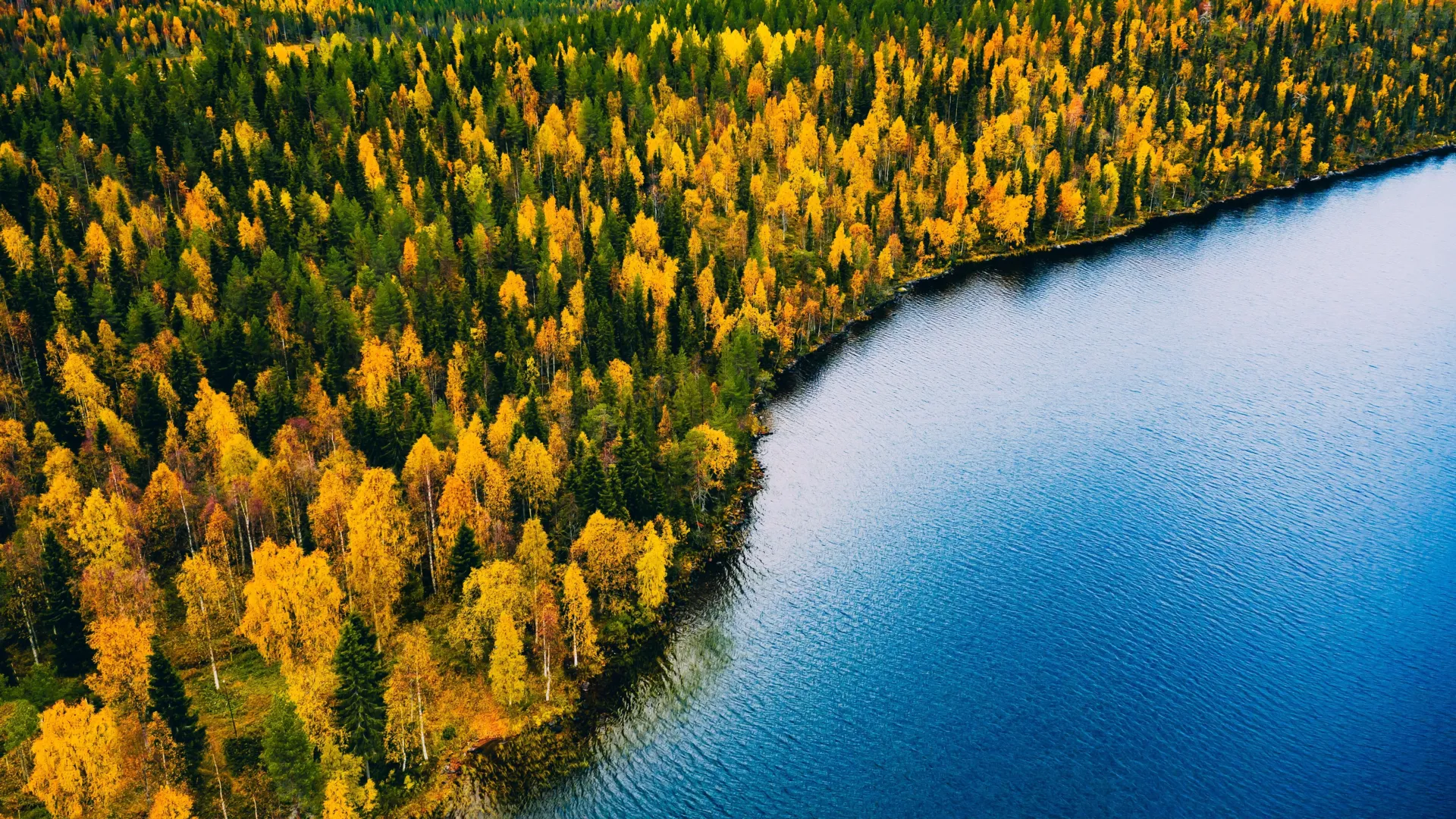
New research led by the University of Warwick shows that forests were already growing across Doggerland, a now-submerged landmass beneath the North Sea, far earlier than scientists once believed. The findings indicate this lost landscape may have served as a welcoming refuge for plants, animals, and possibly humans long before forests became common across Britain and northern Europe.
The study, published in Proceedings of the National Academy of Sciences (PNAS), used sedimentary ancient DNA to uncover evidence of temperate trees such as oak, elm, and hazel more than 16,000 years ago. Researchers also detected DNA from a tree genus thought to have disappeared from the region around 400,000 years ago. In addition, the results suggest that parts of Doggerland persisted through major flooding events, including the Storegga tsunami about 8,150 years ago, with some areas remaining above water until roughly 7,000 years ago.
Professor Robin Allaby at University of Warwick and lead author of this study says: “By analyzing sedaDNA from Southern Doggerland at a scale not seen before, we have reconstructed the environment of this lost land from the end of the last Ice Age until the North Sea arrived. We unexpectedly found trees thousands of years earlier than anyone expected — and evidence that the North Sea fully formed later than previously thought.
“From a human perspective, this is the best evidence that Doggerland’s wooded environment could have supported early Mesolithic communities prior to flooding and may help explain why relatively little early Mesolithic evidence survives on mainland Britain today.”
Reconstructing the Lost Landscape of Doggerland
Doggerland once formed a land bridge connecting Britain to mainland Europe before rising sea levels submerged it, creating the modern North Sea. While scientists have long known the region was eventually forested, the timing of when trees first took hold and how suitable the environment was for early humans has remained uncertain.
To investigate, researchers analyzed sedimentary ancient DNA from 252 samples taken from 41 marine cores along the prehistoric Southern River (chosen for its well-preserved sediments and potential to reveal past habitats). This approach allowed them to trace the ecological history of Doggerland from about 16,000 years ago until it disappeared beneath the sea.
Their findings show that temperate woodland species, including oak, elm, and hazel, were present much earlier than suggested by pollen records from Britain. Lime (Tilia), a tree that prefers warmer conditions, also appeared around 2,000 years earlier than previously recorded in mainland Britain, indicating that parts of Doggerland may have acted as a northern refuge during the last Ice Age.
In another unexpected result, the team identified DNA from Pterocarya, a relative of walnut believed to have vanished from north-western Europe about 400,000 years ago. This suggests the species survived in the region far longer than previously thought.
New Insights Into Ice Age Europe and Early Humans
The findings add to growing evidence that small, protected areas known as “microrefugia” allowed temperate plant species to survive harsh Ice Age conditions in northern Europe. These refuges may help explain Reid’s Paradox — how forests were able to spread so quickly across the region after the last Ice Age ended.
The presence of woodland ecosystems in southern Doggerland 16,000 years ago also suggests the area could have supported abundant wildlife and provided valuable resources for humans, including animals such as boars. This would place a rich environment in the region thousands of years before the appearance of early groups like the Maglemosian culture around 10,300 years ago.
Co-author, Professor Vincent Gaffney at University of Bradford says, “For many years, Doggerland was often described as a land bridge – only significant as a route for prehistoric settlement of the British Isles. Today, we understand that Doggerland was not only a heartland of early human settlement, but also that the presence of the land mass may have provided a refuge for plants and animals and acted as a fulcrum for how prehistoric communities settled and resettled northern Europe over millennia.”
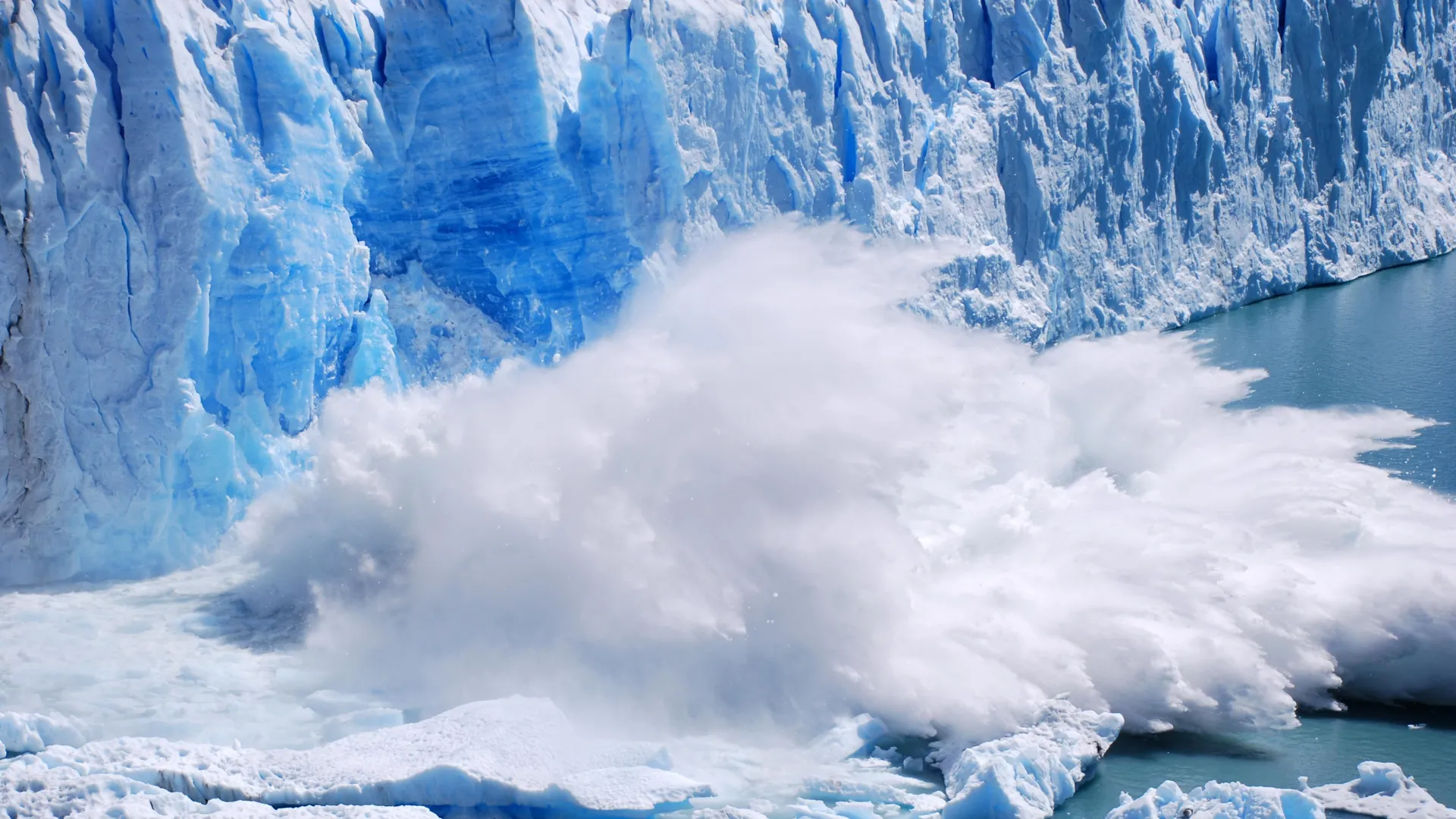
Most glaciers around the world are shrinking as temperatures rise. But a smaller group behaves in a very different way, and their actions can be far more dangerous.
An international team of scientists led by the University of Portsmouth has completed a large global study of these so-called surging glaciers. The research looks at the risks they pose and how climate change is reshaping when and where these sudden events occur.
What Causes Glacier Surges
A glacier surge happens when ice that normally moves slowly suddenly speeds up. During these periods, large amounts of ice are pushed quickly toward the glacier’s front, often causing it to advance. These surges can last for several years, and many glaciers go through repeated cycles, with long quiet periods in between.
The study, published in Nature Reviews Earth and Environment, brought together data on more than 3,100 glaciers that have experienced surges. Instead of being evenly spread around the globe, they are concentrated in specific regions, including the Arctic, High Mountain Asia, and the Andes.
Researchers analyzed how these glaciers work, what conditions lead to surges, and where they are most likely to occur. The study also maps their global distribution and explains why they cluster in certain climates.
“Surge-type glaciers are very unusual and can be troublesome,” said lead author Dr. Harold Lovell, Senior Lecturer and glaciologist from the University of Portsmouth’s School of the Environment and Life Sciences. “As a friend and fellow glaciologist once put it, they save up ice like a savings account and then spend it all very quickly like a Black Friday event. But while they only represent 1 per cent of all glaciers worldwide, they affect just under one-fifth of global glacier area, and their behavior can result in serious and sometimes catastrophic natural disasters that affect thousands of people.”
Why Surging Glaciers Are Vulnerable
The findings show that these glaciers are not protected from climate change. In fact, surging activity can make them more sensitive. During surges, they can lose large amounts of ice, contributing significantly to ice loss in some regions.
Six Major Hazards Linked to Glacier Surges
The study highlights six main dangers that surging glaciers can create for nearby communities, especially in mountainous areas:
Using this information, scientists identified 81 glaciers that present the greatest threat when they surge. Many of these are located in the Karakoram Mountains in High Mountain Asia, where populated valleys and key infrastructure sit directly below them. These glaciers tend to be large, close to people, and prone to repeated surging.
Climate Change Is Increasing Uncertainty
One of the most concerning conclusions is that warming temperatures are changing how glacier surges behave, making them harder to predict at a time when accurate forecasts are critical.
“By drawing on previous studies, we have been able to piece together the growing body of evidence that shows how climate change is affecting glacier surges, including where and how often they happen,” Dr. Lovell said. “This includes instances of extreme weather such as heavy rainfall events or very warm summers triggering earlier than expected surges, suggesting an increasing unpredictability in their behavior.”
The overall picture is complex and varies by region. In some places, surges are happening more often than in the past. In others, they are becoming less frequent. Some glaciers have thinned so much that they may no longer be able to build up enough ice to surge again.
Shifting Patterns Around the World
Surging glaciers are currently concentrated in the Arctic and sub-Arctic (48 percent) and High Mountain Asia (50 percent), where climate conditions support this behavior. However, continued warming could change where surges occur.
In regions like Iceland, where glaciers are shrinking quickly, surges may largely disappear. In contrast, parts of High Mountain Asia and the Canadian and Russian Arctic could see more frequent surges due to warmer conditions and increased meltwater. There is even the possibility that surging glaciers could emerge in new areas, such as the Antarctic Peninsula.
Co-author Professor Gwenn Flowers, from Simon Fraser University in Canada, said: “The challenge we face is that just as we’re starting to develop a more comprehensive understanding of the mechanisms behind glacier surges, climate change is rewriting the rules. Extreme weather events that might have been rare even 50 years ago could become triggers for unexpected surges. Given that surges cause hazards in some settings, this makes protecting vulnerable communities much more difficult.”
The Need for Better Monitoring and Forecasting
Dr. Lovell added: “This research is extremely important because understanding which regions have concentrations of surging glaciers helps us plan monitoring efforts and understand future behavior. Knowing which specific glaciers pose the greatest risks can help protect communities, especially those most at risk. But the increasing unpredictability means we need much better surveillance and forecasting capabilities.”
The researchers stress that ongoing satellite monitoring, more field observations during surges, improved modeling, and better projections are essential. These efforts will help scientists understand how surging glaciers will respond to continued climate warming and how to reduce the risks they pose to communities around the world.
Key Points
People with diabetes are twice as likely to have depression, a charity backing tailored support says.

Sparkling water may play a small role in weight management by slightly increasing blood glucose uptake and metabolism, which is the process the body uses to convert energy. However, the effect appears to be minimal. A brief analysis published in BMJ Nutrition Prevention & Health concludes that carbonated water alone is not enough to drive meaningful weight loss.
The author stresses that there is no simple solution for losing weight and keeping it off. Regular exercise and a balanced, healthy diet remain essential. In addition, the long term effects of consuming large amounts of carbonated water are still unclear.
Sparkling water is often seen as a helpful tool because it can create a feeling of fullness, which may reduce hunger. It has also been suggested that it could speed up digestion and help lower blood glucose levels, leading some to view it as a potential aid for weight loss.
Unclear Mechanisms Behind Blood Sugar Effects
Despite these claims, the exact way carbonated water might lower blood glucose is not well understood. It is also unclear how any such effect would translate into meaningful weight management benefits.
To explore this further, the author compared drinking fizzy water to hemodialysis, a medical process in which blood is filtered (dialyzed) to remove waste and excess fluid when the kidneys can no longer perform this function. This comparison draws on findings from earlier research.
What Hemodialysis Reveals About Glucose Use
During hemodialysis, the blood becomes more alkaline, mainly due to the production of carbon dioxide (CO2). In a similar way, the CO2 in carbonated water is absorbed through the stomach lining and quickly converted into bicarbonate (HCO3) within red blood cells. This shift toward alkalinity may activate certain enzymes that increase how quickly glucose is absorbed and used by the body.
Observations from clinical settings show that blood glucose levels drop as blood moves through the dialyzer, even when the starting glucose level in the dialysate solution is higher.
Why the Real World Impact Is Small
Although these findings suggest that fizzy water could slightly improve how the body uses glucose, the overall impact is very limited. Context is important, the author notes.
In a standard 4 hour hemodialysis session, about 48000 ml of blood passes through the dialyzer. This process results in roughly 9.5 g of glucose being used.
“Given this minimal glucose reduction, the impact of CO2 in carbonated water is not a standalone solution for weight loss. A balanced diet and regular physical activity remain crucial components of sustainable weight management,” he insists.
Possible Digestive Side Effects
The author also points out that carbonated water can affect the digestive system, especially in people with sensitive stomachs or existing gastrointestinal issues.
“Also, drinking carbonated water can have some effects on the digestive system, particularly for individuals with sensitive stomachs or pre-existing gastrointestinal conditions. The primary concerns include bloating, gas and, in some cases, exacerbation of certain symptoms associated with digestive disorders, such as irritable bowel syndrome or gastro-oesophageal reflux disease,” he explains.
“Moderation is key to avoiding discomfort while still enjoying the possible metabolic benefits of carbonated water,” he says.
Experts Urge Caution
Professor Sumantra Ray, Executive Director of the NNEdPro Global Institute for Food, Nutrition and Health, which co-owns the journal, emphasized that the findings are still preliminary.
“While there is a hypothetical link between carbonated water and glucose metabolism this has yet to be tested in well designed human intervention studies.
“And although this study adds to the evidence base, it doesn’t provide sufficient evidence on which to make recommendations for the preventive or therapeutic use of carbonated water. Additionally, any potential benefits must be weighed up against the potential harms of carbonated drinks which may contain sodium, glucose, or other additives.”

In a move that seems indicative of the Trump administration’s increasingly fractured relationship with the Vatican, Pete Hegseth appeared to mistake lines from a classic crime film for Scripture during a public appearance this week.
The defense secretary delivered a prayer during a livestreamed worship service at the Pentagon on Wednesday. “They call it CSAR 25:17, which I think is meant to reflect Ezekiel 25:17,” he said in his introduction of the prayer he’d been given.
Advertisement
However, viewers quickly noticed his words more closely echoed one of Samuel L. Jackson’s monologues from 1994’s “Pulp Fiction” than the biblical verse he’d referenced.
“The path of the downed aviator is beset on all sides by the inequities of the selfish and the tyranny of evil men,” Hegseth said in part. “Blessed is he who, in the name of camaraderie and duty, shepherds the lost through the valley of darkness, for he is truly his brother’s keeper and the finder of lost children. And I will strike down upon thee with great vengeance and furious anger those who attempt to capture and destroy my brother, and you will know my call sign is Sandy 1 when I lay my vengeance upon thee.”
Watch Pete Hegseth’s prayer service below. His reference to Ezekiel 25:17 begins around the 6:56 mark.
Advertisement
In “Pulp Fiction,” Jackson portrays hit man Jules Winnfield, who offers a similar declaration before shooting a man to death.
“The path of the righteous man is beset on all sides by the inequities of the selfish and the tyranny of evil men,” he says. “Blessed is he who, in the name of charity and goodwill, shepherds the weak through the valley of darkness, for he is truly his brother’s keeper and the finder of lost children. And I will strike down upon thee with great vengeance and furious anger those who attempt to poison and destroy my brothers. And you will know my name is the Lord, when I lay my vengeance upon thee. And I will execute great vengeance upon them with furious rebukes; and they shall know that I am the Lord, when I shall lay my vengeance upon them.”
Advertisement
Hegseth said the prayer was recited by the “Sandy 1” combat search and rescue (CSAR) mission in Iran, and to be fair, Pulp Fiction writer-director Quentin Tarantino reportedly drew from a scene in the 1973 Japanese film Bodyguard Kiba as the basis for Jackson’s monologue.
The actual Ezekiel 25:17 passage as it appears in the King James Bible is significantly shorter than both Hegseth’s and Jackson’s, reading simply: “And I will execute great vengeance upon them with furious rebukes; and they shall know that I am the Lord, when I shall lay my vengeance upon them.”
Advertisement
Hegseth has yet to address the discourse publicly. The Pentagon’s chief spokesman, Sean Parnell, issued a statement on X Thursday acknowledging the CSAR prayer and Hegseth’s words were “obviously inspired by dialogue” in Pulp Fiction, but that both the prayer and the film scene were “reflections of the verse Ezekiel 25:17, as Secretary Hegseth clearly said in his remarks at the prayer service.”
“Anyone saying the Secretary misquoted Ezekiel 25:17 is peddling fake news and ignorant of reality,” he added.
Still, videos comparing Hegseth’s prayer to Jackson’s monologue went viral online and, as of Thursday, had drawn a fair number of snarky responses.
Advertisement
“When our leaders mix up God and a movie, in trying to suggest that God is behind them, that suggests the muddle we’re all in,” New York Times journalist Nicholas Kristof wrote on X.
Journalist and author James North quipped: “The Old Testament’s ‘Book of Tarantino.’”
Hegseth’s prayer gaffe comes amid rising tensions between the Trump administration, including President Donald Trump himself, and high-ranking Catholic leaders.
On Sunday, the president deemed Pope Leo XIV “WEAK on Crime, and terrible for Foreign Policy” in a post on his Truth Social platform after the pontiff criticized both the Iran war and the Trump administration’s crackdown on immigration.
Advertisement
That same day, Trump drew further outrage when he shared what appeared to be an AI-generated image of himself as Jesus Christ ― or, at the very least, a Christ-like figure ― on Truth Social.
Though the president argued the image was intended to depict him as a doctor, he or his team quietly deleted it after public figures on both sides of the political aisle condemned it as “blasphemous.”
Advertisement
Subscribe to Commons People, the podcast that makes politics easy. Every week, Kevin Schofield and Kate Nicholson unpack the week’s biggest stories to keep you informed. Join us for straightforward analysis of what’s going on at Westminster.


Victoria Beckham has spoken out for the first time about her family’s estrangement from her eldest son Brooklyn Peltz Beckham.
Speaking to The Wall Street Journal in an interview published on Thursday, the former Spice Girls performer was asked about her family’s ongoing public rift with her eldest child.
Advertisement
Without saying Brooklyn’s name, the fashion designer replied: “We love our children so much.”
She continued: “We’ve always tried to be the best parents that we can be. And you know, we’ve been in the public eye for more than 30 years right now, and all we’ve ever tried to do is protect our children and love our children.
“And, you know, that’s all I really want to say about it.”
Victoria and her husband Sir David Beckham share four children – 27-year-old Brooklyn, 23-year-old Romeo, 21-year-old Cruz and 14-year-old Harper.
Advertisement
Back in January, Brooklyn made headlines the world over with a series of candid Instagram stories, in which he accused his parents of “trying to endlessly ruin” his relationship with his wife, Nicola Peltz Beckham.
Brooklyn took aim at his parents for what he called their ongoing attempts to forcefully try to control “narratives in the press about our family”.
He also alleged that his mum “hijacked” his first dance with Nicola during their 2022 wedding ceremony.
Advertisement
“I have been silent for years and have made every attempt to keep these matters private,” Brooklyn wrote at the time.
“Unfortunately, my parents and their team have continued to go to the press, leaving me with no choice but to speak for myself and tell the truth about only some of the lies that have been printed.”
He added: “I do not want to reconcile with my family. I’m not being controlled, I’m standing up for myself for the first time in my life.”
Advertisement
While Sir David has not addressed his son’s comments directly, he did make some well-timed comments during an appearance on Squawk Box in January, the day after Brooklyn’s posts, telling the show’s hosts that “children are allowed to make mistakes”.

Jeff Spicer/BFC via Getty Images
“They make mistakes. Children are allowed to make mistakes. That’s how they learn. So, that’s what I try to teach my kids,” he said. “You have to sometimes let them make those mistakes.”
Advertisement
During the interview, the football icon also spoke about how “dangerous” social media can be.
“I’ve always spoke about social media and the power of social media, for the good and for the bad,” he said.
“The bad, we’ve talked about, what kids can access these days and it can be dangerous. But what I’ve found personally, especially with my kids as well, use it for the right reasons.”



About 20% of Brits say they feel somewhat sexually incompatible with their partners; a factor you might think determines their levels of happiness.
But speaking to HuffPost UK, sex therapist and intimacy coach Leigh Norén said that “oftentimes unhappily married couples and happily married couples bring up the same sorts of issues in sex therapy”.
Advertisement
What tends to be different, though, is how they present and the causes behind their concerns.
Both groups often come in to discuss “mismatched libidos, erectile unpredictability and orgasm issues,” the sex therapist said, “but the sexual problems affect the couples in different ways”.
Among happy couples, there might still be a lot of physical, but non-sexual, affection, she added.
They’ll also have, “A lot of emotional connection. But it’s no longer translating into sex for various reasons.
“For instance, they might feel more like roommates than lovers because their identities have become enmeshed. They act like a collective and do everything with one another, as opposed to being two individuals who have chosen to live together and have both separate and joint lives.”
Advertisement
Meanwhile, for unhappy married couples, “mismatched libidos or a sexless marriage might have come about because of different views of sex, or because one partner is responsible for the mental load and has started to feel resentful. When sex has become a chore for one of the partners, it can quickly escalate into high conflict or avoidance.
“When that avoidance becomes the norm, it moves from avoiding sex to avoiding anything that could ‘send the wrong signal’, so physical intimacy lessens over time, leading eventually to the erosion of emotional intimacy, too”.
Advertisement
It’s not just the topics themselves that matter, Norén told us. How you talk about sex can reveal a lot, too.
“Oftentimes, unhappily married couples struggle communicating at all about sex, just as they might do about other things in their relationship. There’s often a sense of one of the partners being ‘in the right’, and the other being ‘in the wrong’ about how they function sexually,” she said.
“Perhaps the high desire partner says stuff like ‘it’s not normal to never want sex’, and the partner with low desire says ‘all you care about is sex’… Fundamentally, the unhappy couples aren’t on the same team, whereas the happily married ones tend to be more on the same team.”
Advertisement
Happily married couples tend to find communication a lot easier and less likely to follow rigid scripts about what a “good” sex life should look like, she continued.
Though it’s not always that black and white, she added: “whenever any couple comes to sex therapy, there is usually a part of the sexual problem that is negatively affecting the relationship”.
It sounds a little obvious, Norén said, but talking openly about sex with your partner is “usually one of the first and best steps to take if you want a happier marriage and sex life.
Advertisement
“Just like the rest of us, our sexuality evolves over time, meaning what once turned your partner on might not anymore, and as we age, our genitals tend to get less sensitive.”
Letting things fester can cause resentment and blame.
Educating yourself about sex can help, too. “We know surprisingly less than we think we do about things like how libido really works, and common sexual difficulties in relationships and why they come about. The more we know, the less likely we are to spin into anxiety over it, and the more likely we are to solve it quicker.”
And lastly, the sex therapist said, don’t be afraid to try something new.
″Step out of your comfort zone from time to time. For instance, yes, you may love oral sex, but what happens if you try something else that feels slightly intimidating but also exciting?
“You’ll likely find it infuses a bit of humour into your sex life, a bit of vulnerability that can be really gratifying, and a bit of spice that can make you more aroused,” the expert advised.